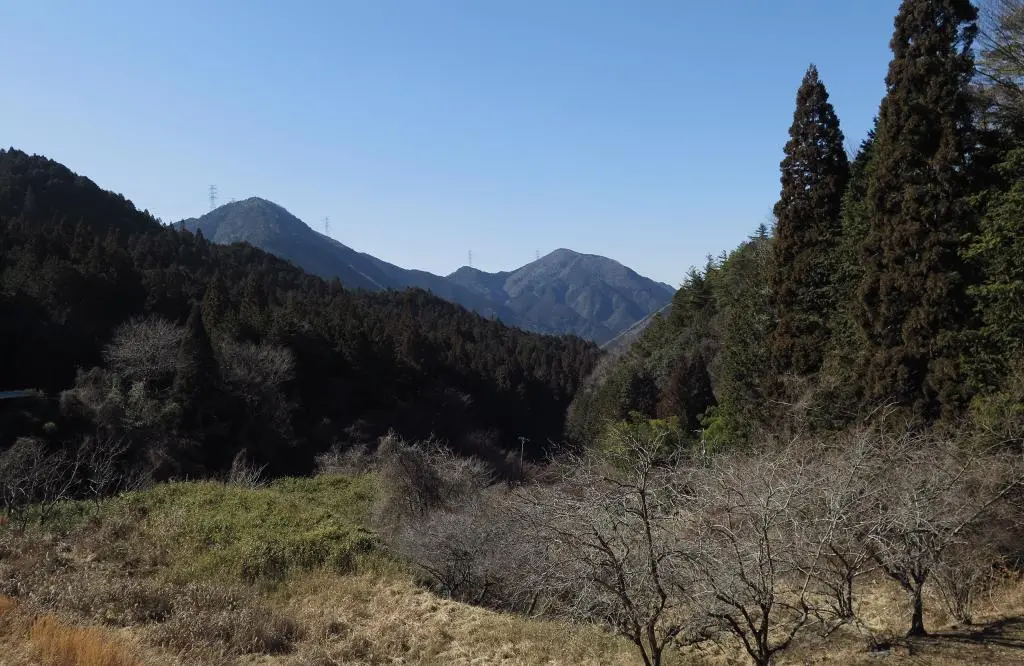
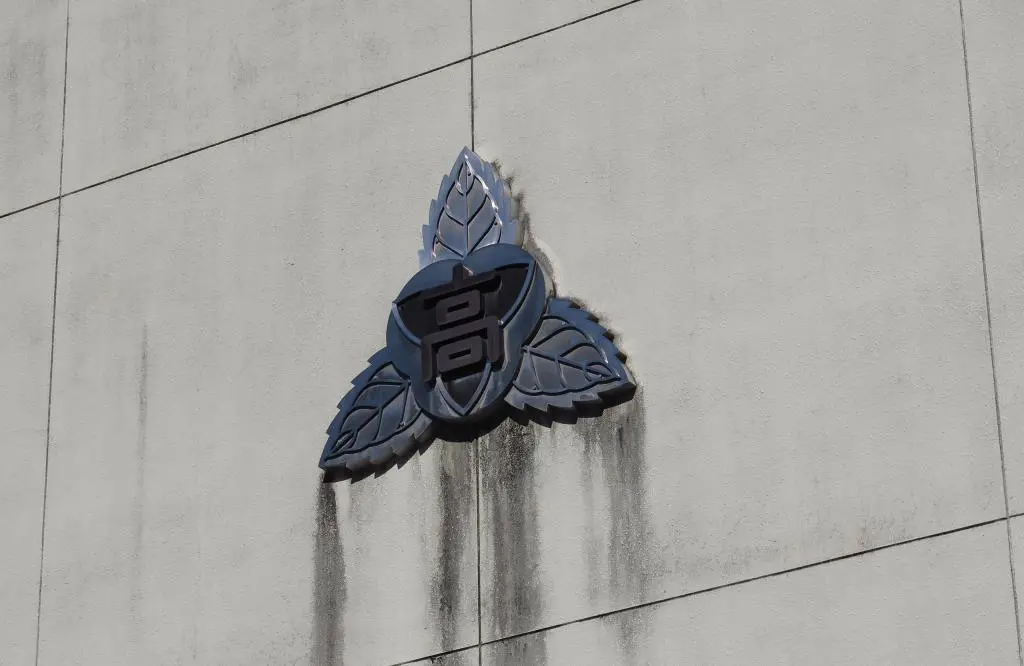
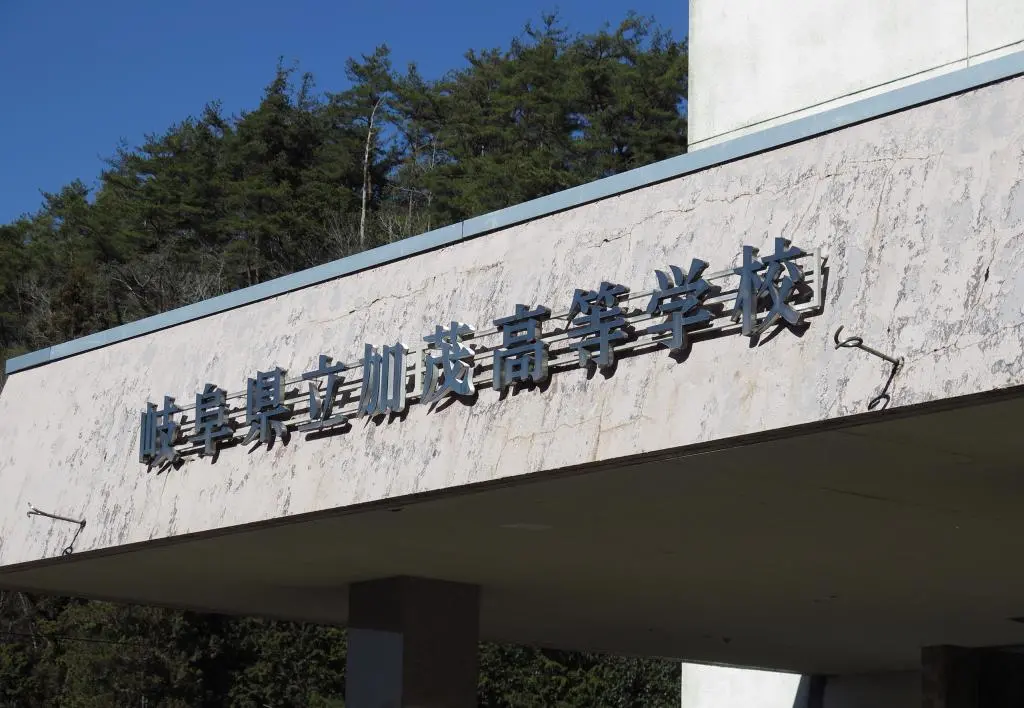
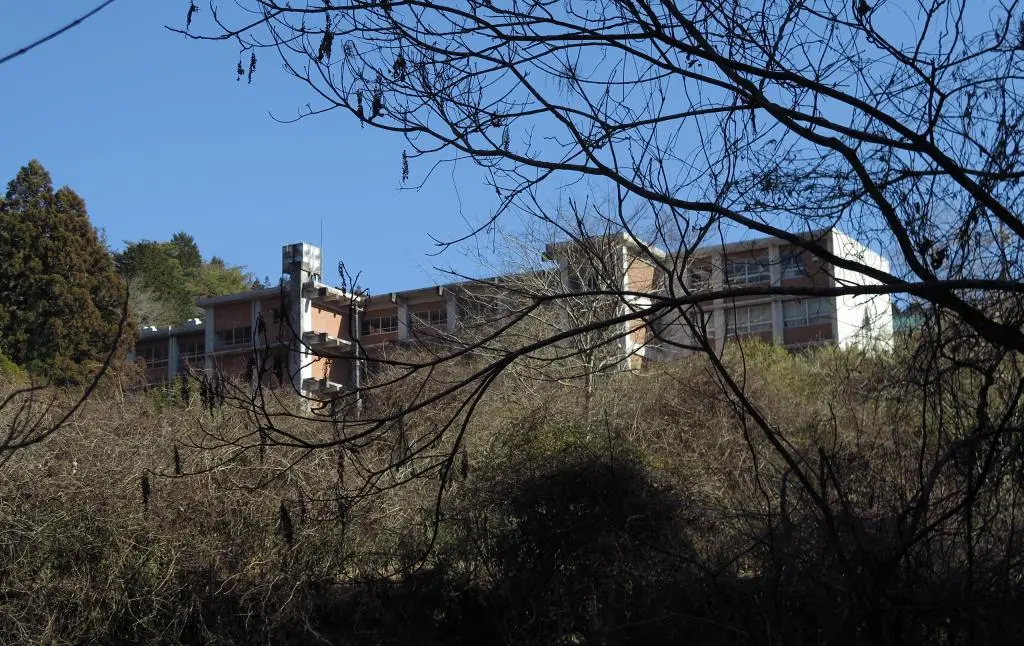
When you take the train from Gifu to Takayama, the urban areas of the south start to give way to more farmlands. Then the farmlands become replaced with closer and closer mountains until the train meets and travels alongside the Hida River. The mountains close in and choke out the farmlands as you enter the valleys of the central Japanese mountain range. Shirakawa Town (in Kamo District, Gifu) is the first significant town after entering the valley.
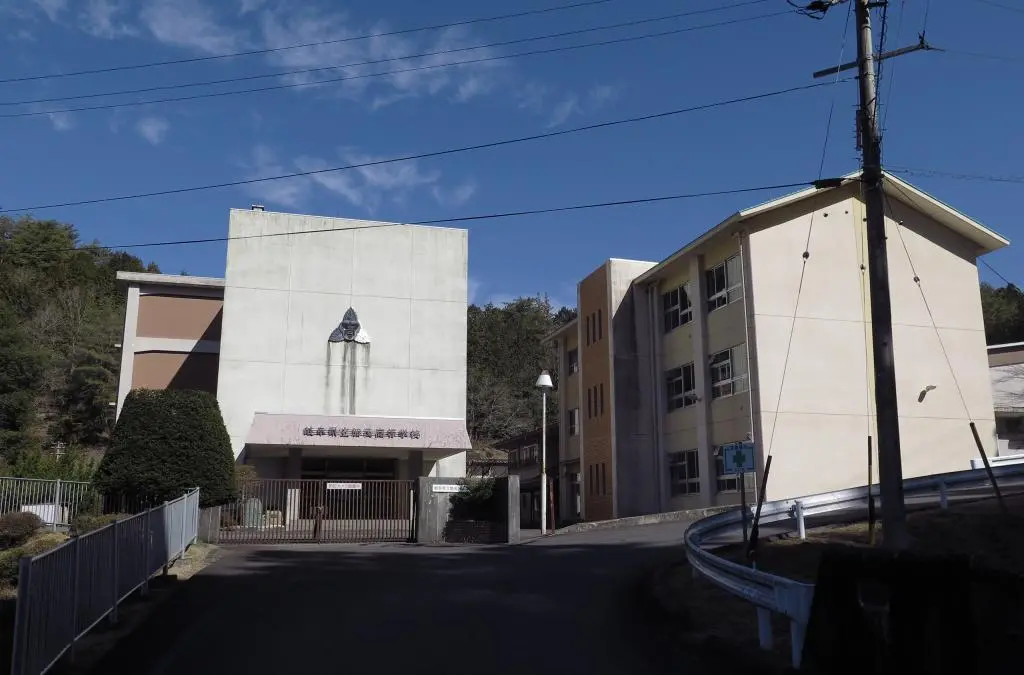
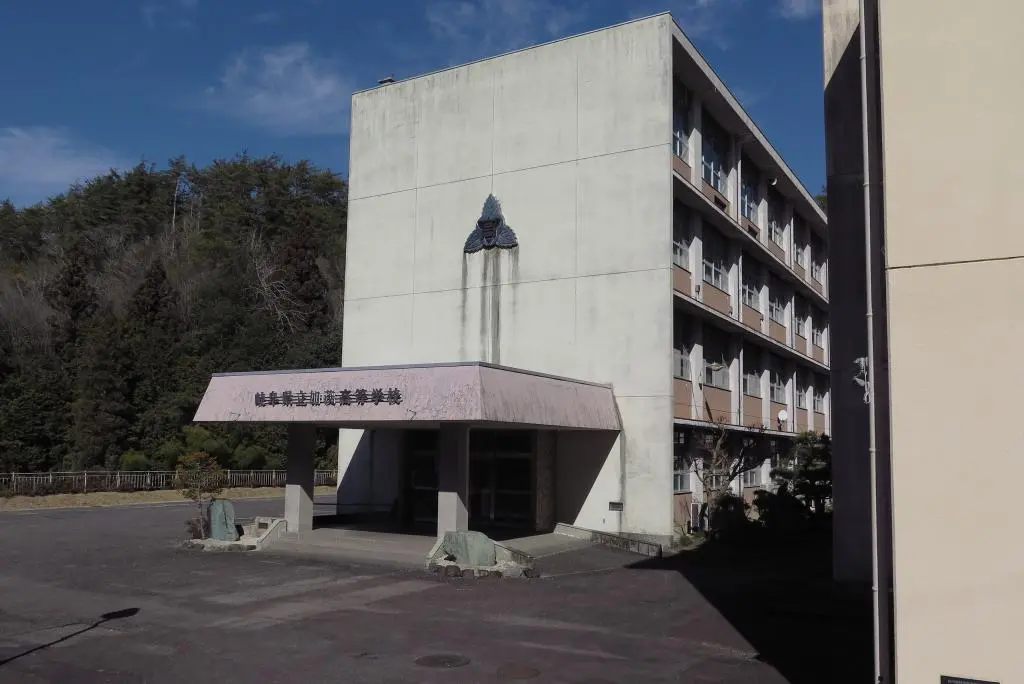
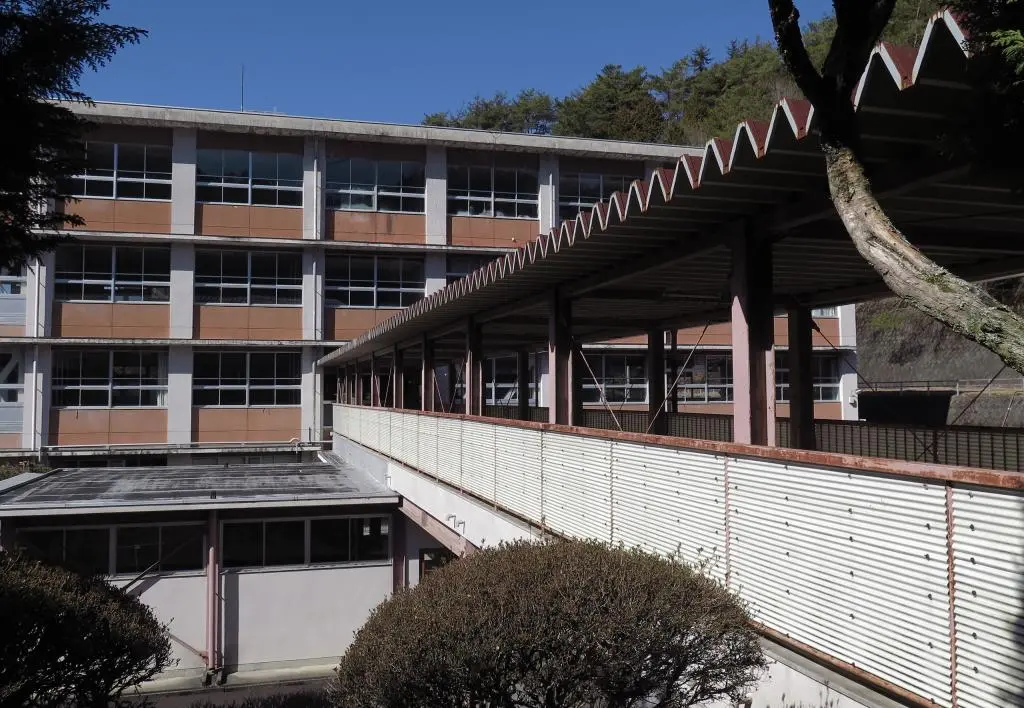
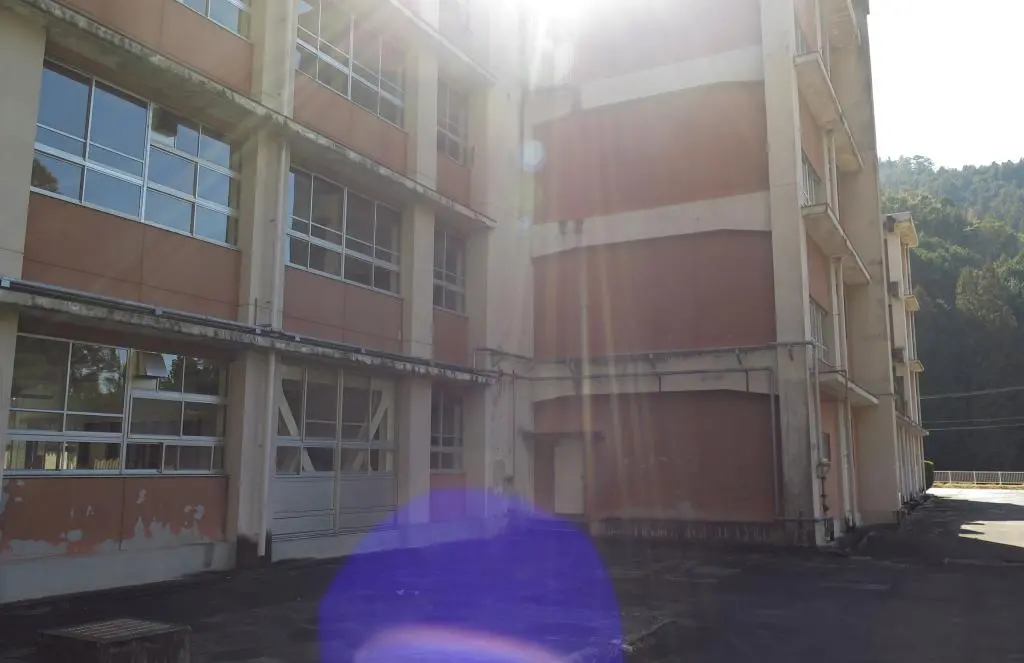
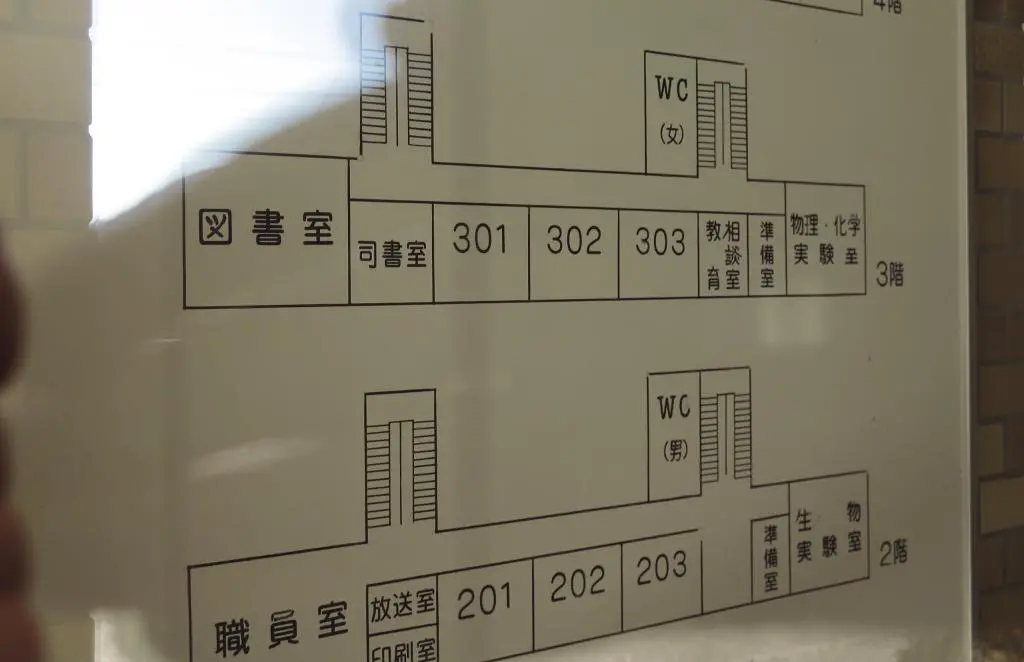
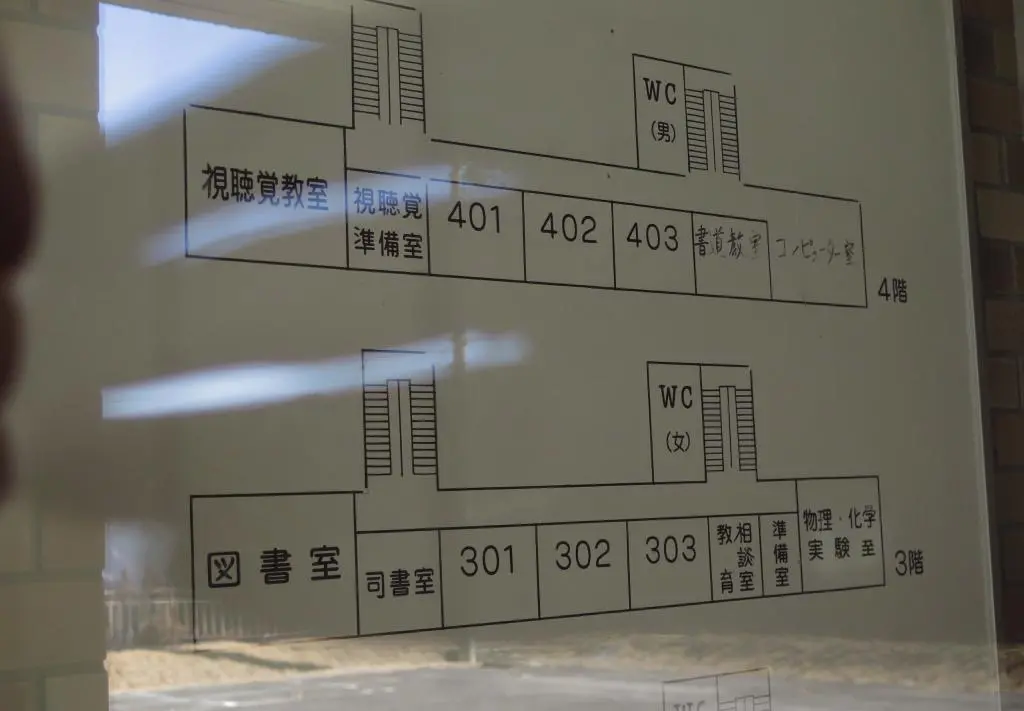
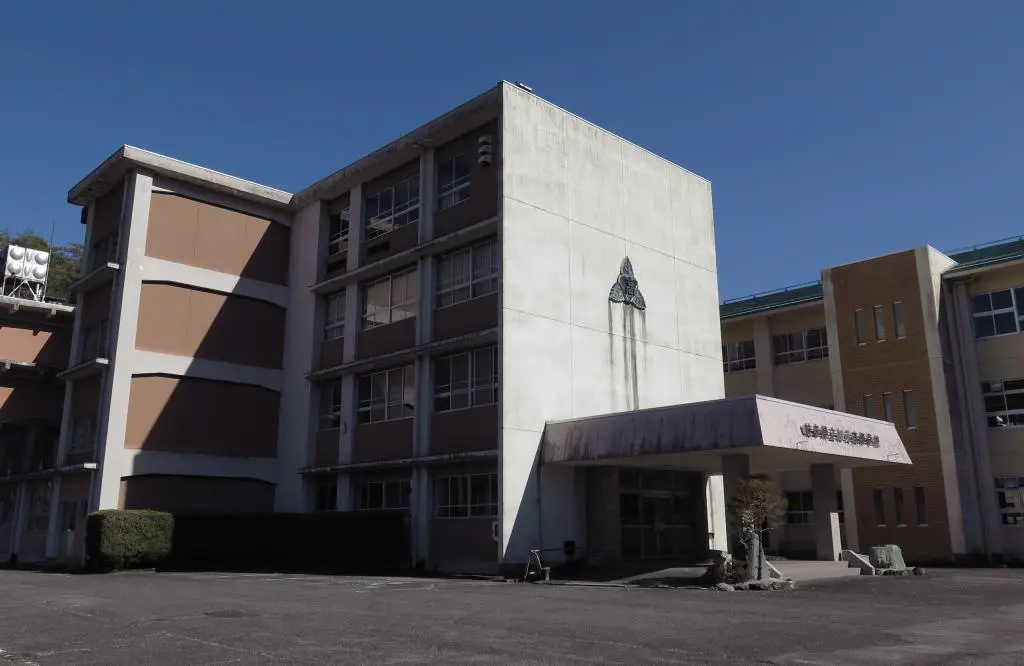
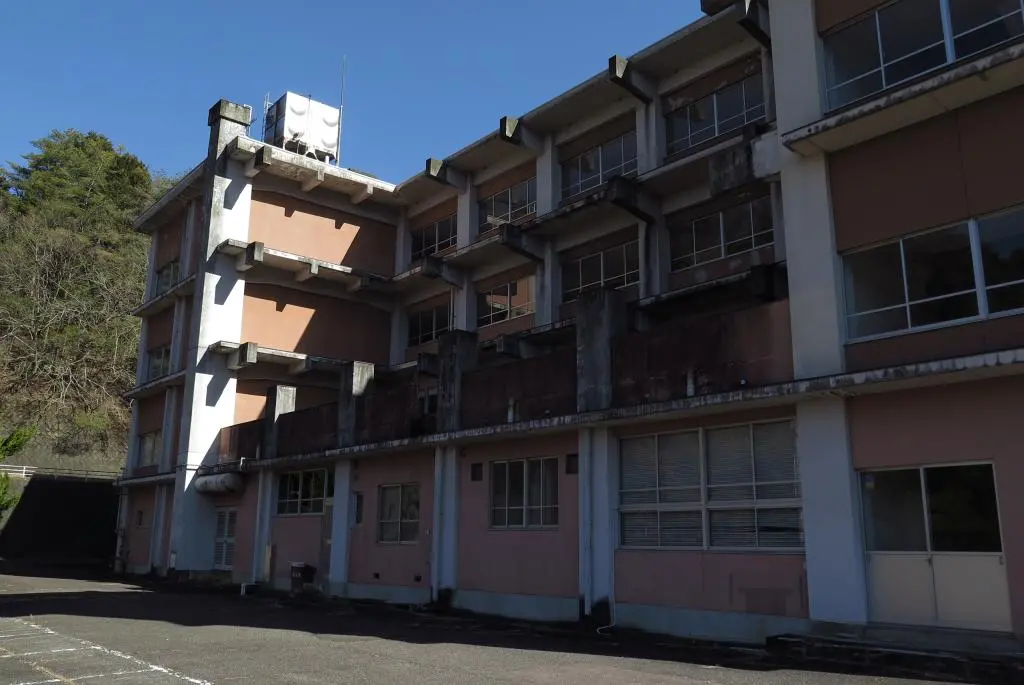
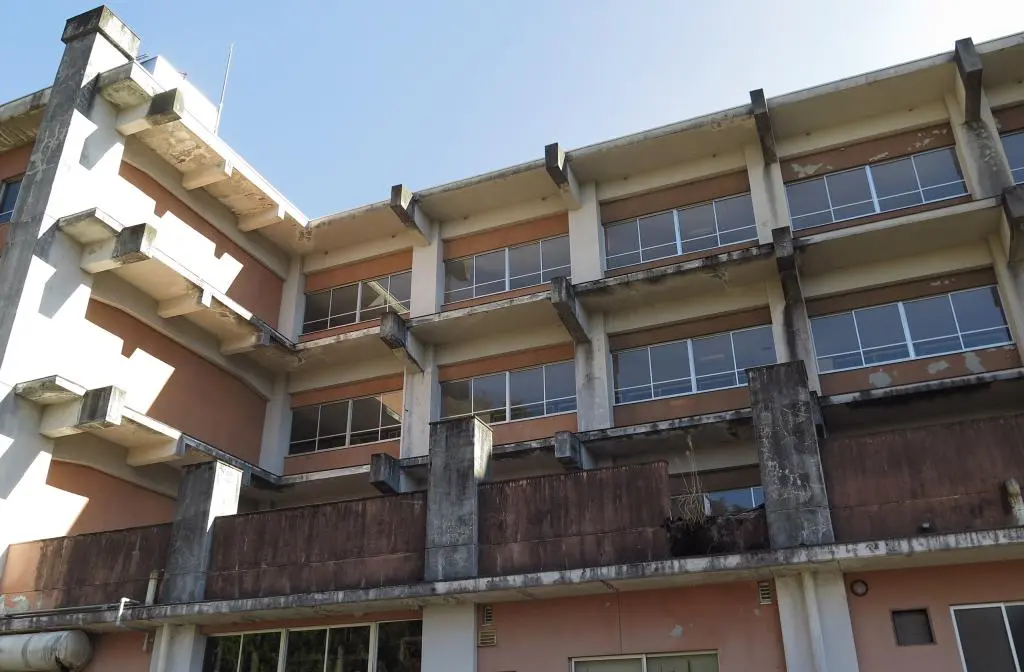
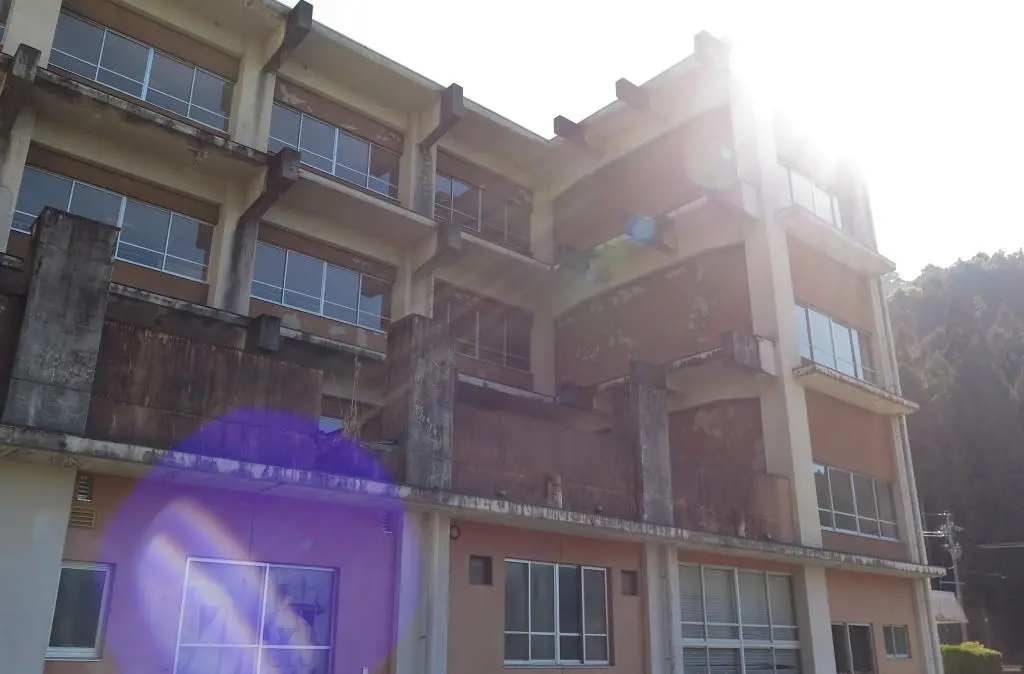
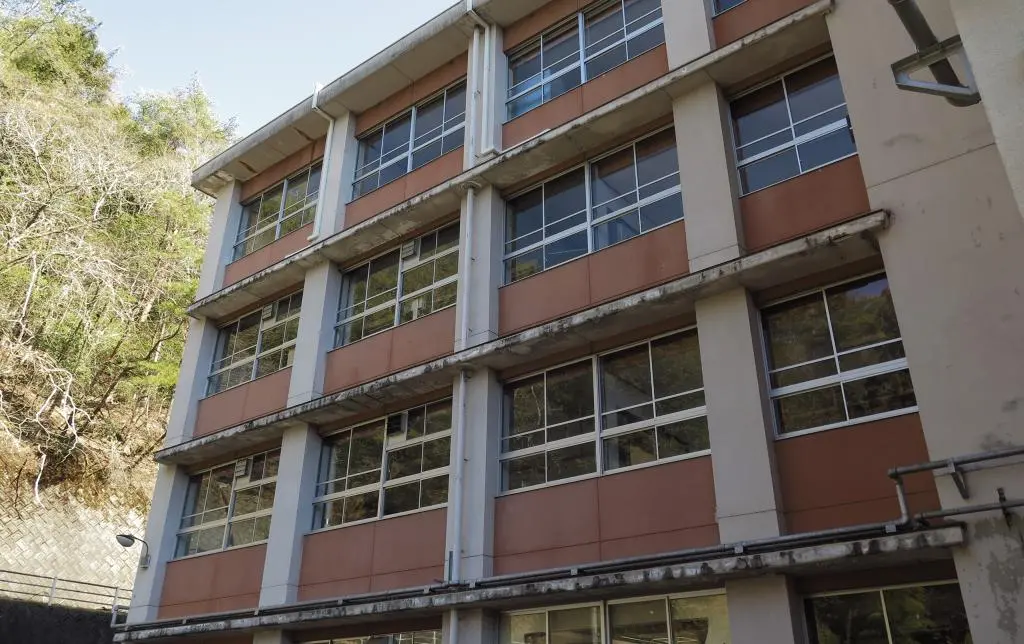
The main area of Shirakawa Town is a small congested area with stores, homes, and hotels built on the edges of cliffs trying to use all the available space. Hidden away from the rest of the village is the site of the old Shirakawa High School.
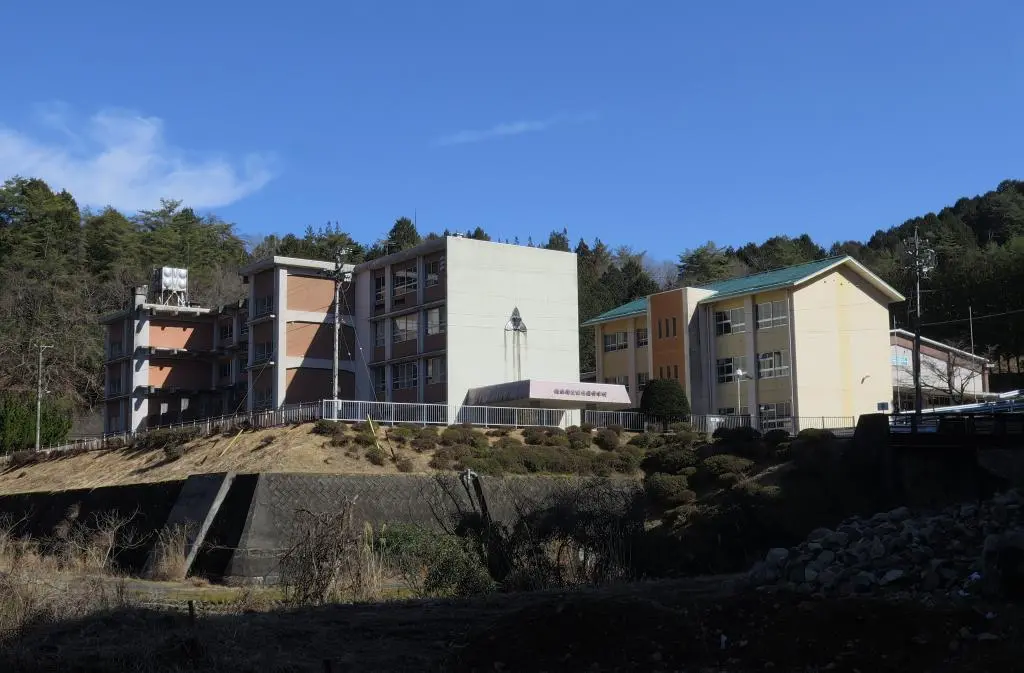
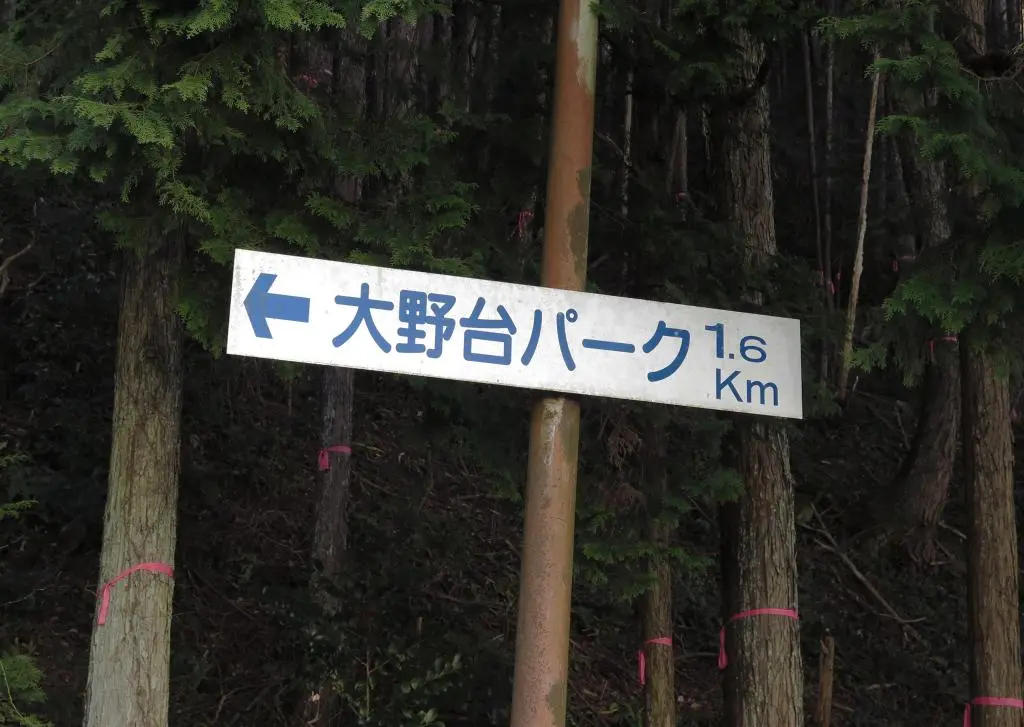
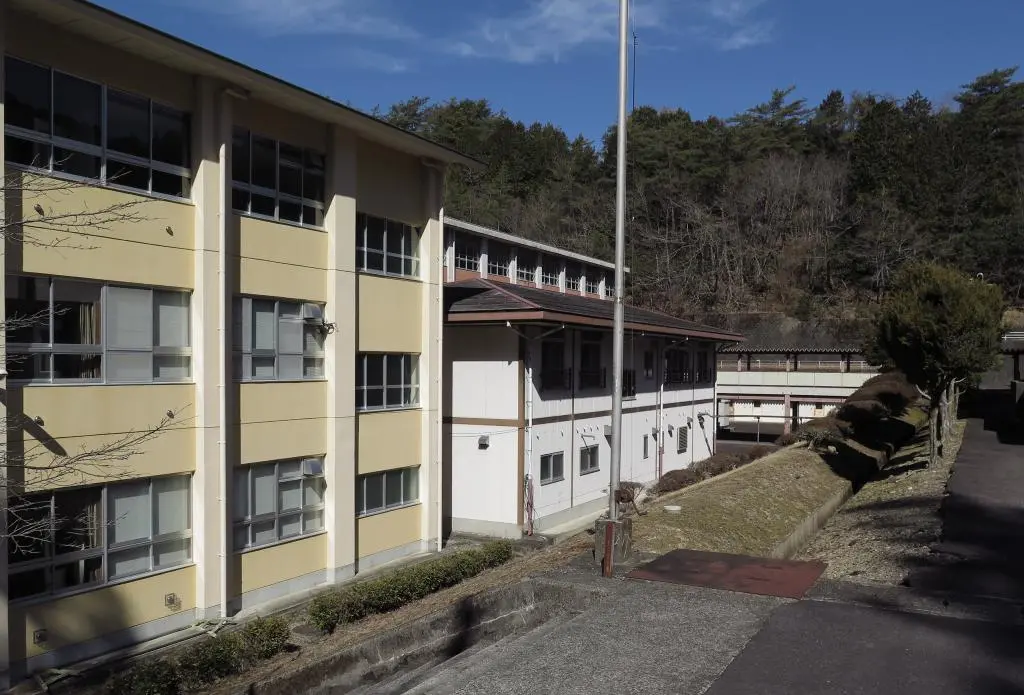
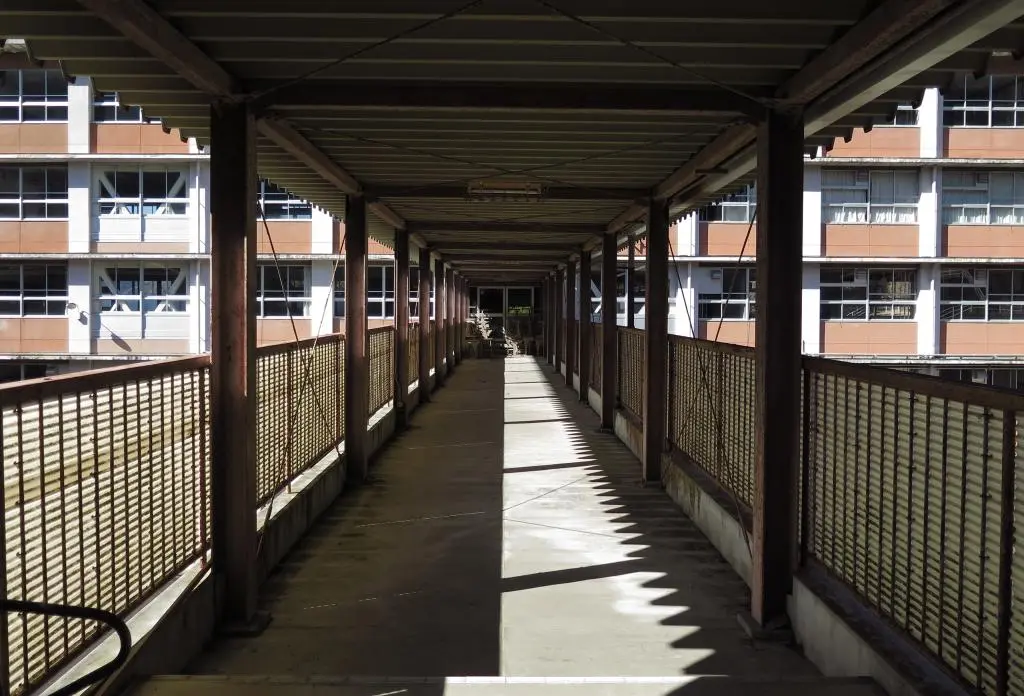
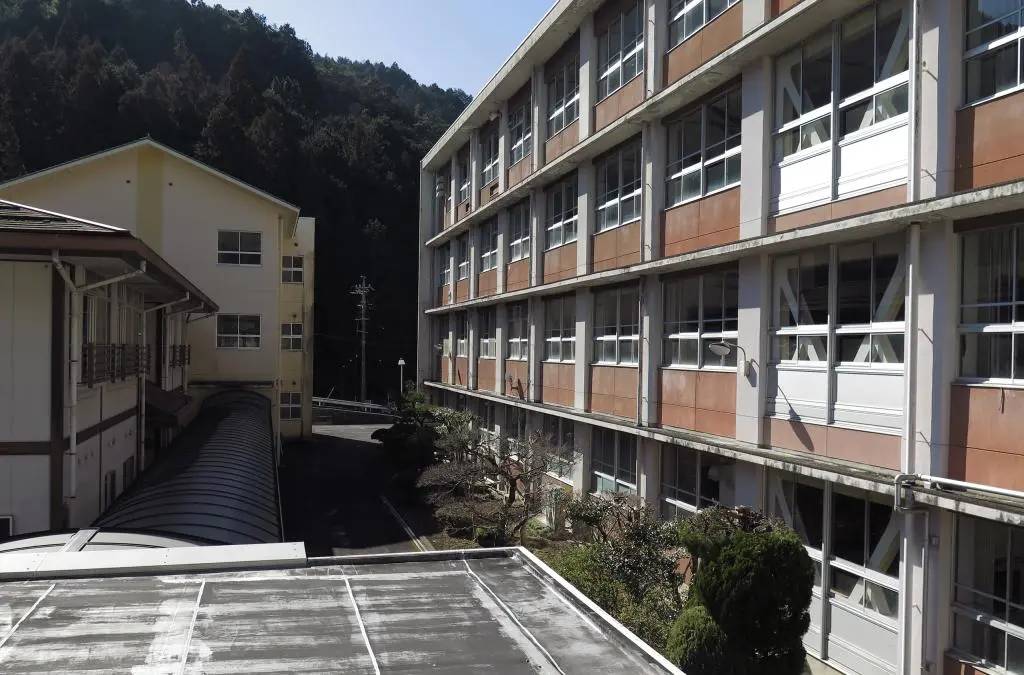
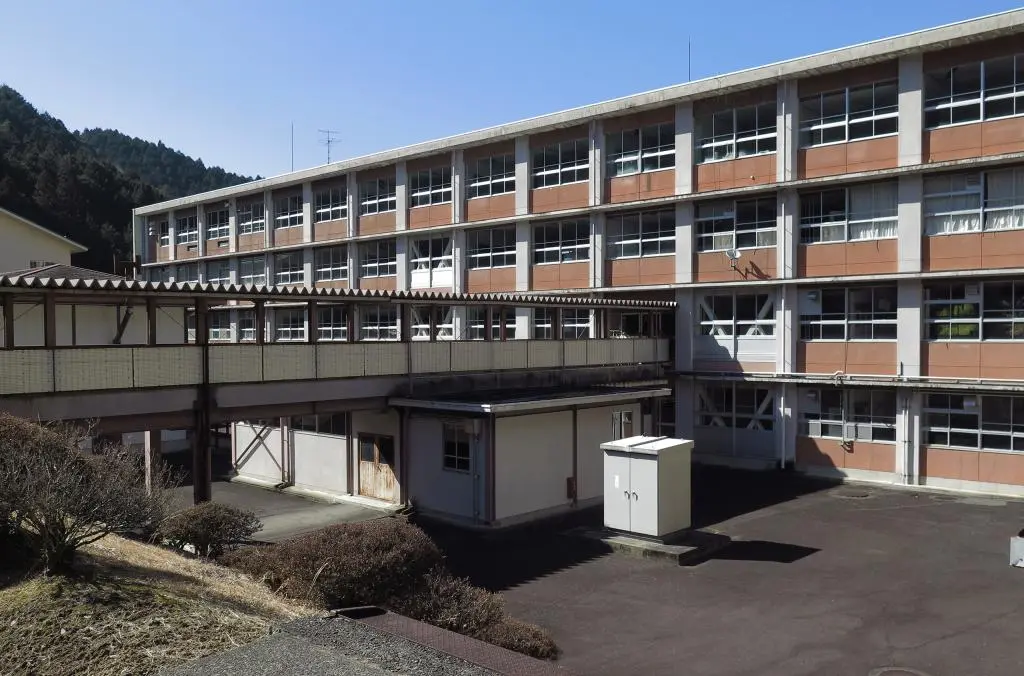
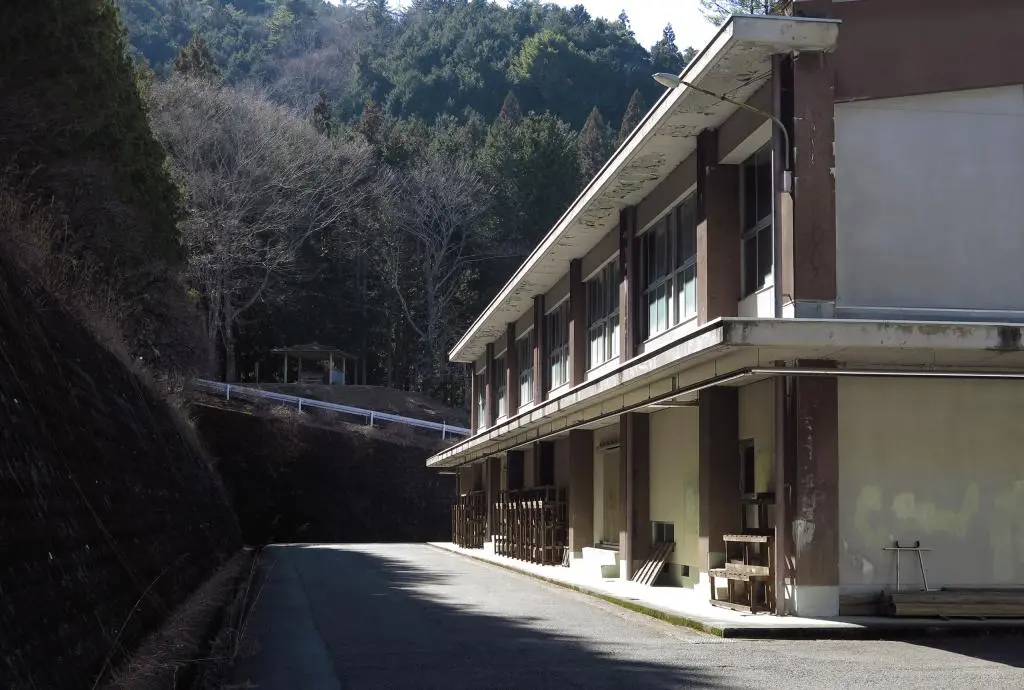
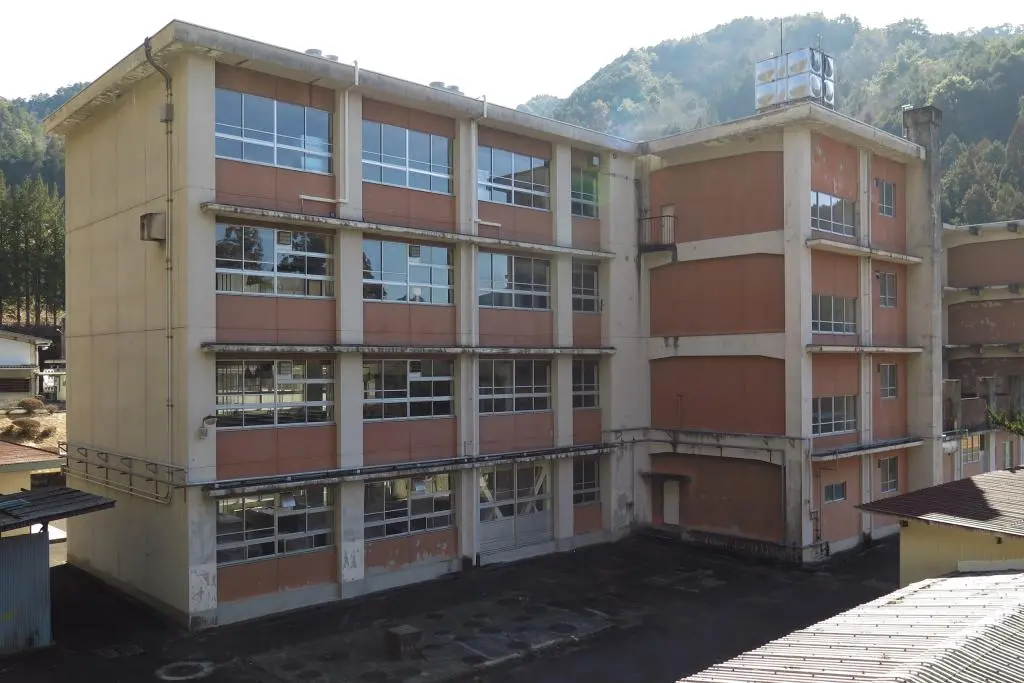
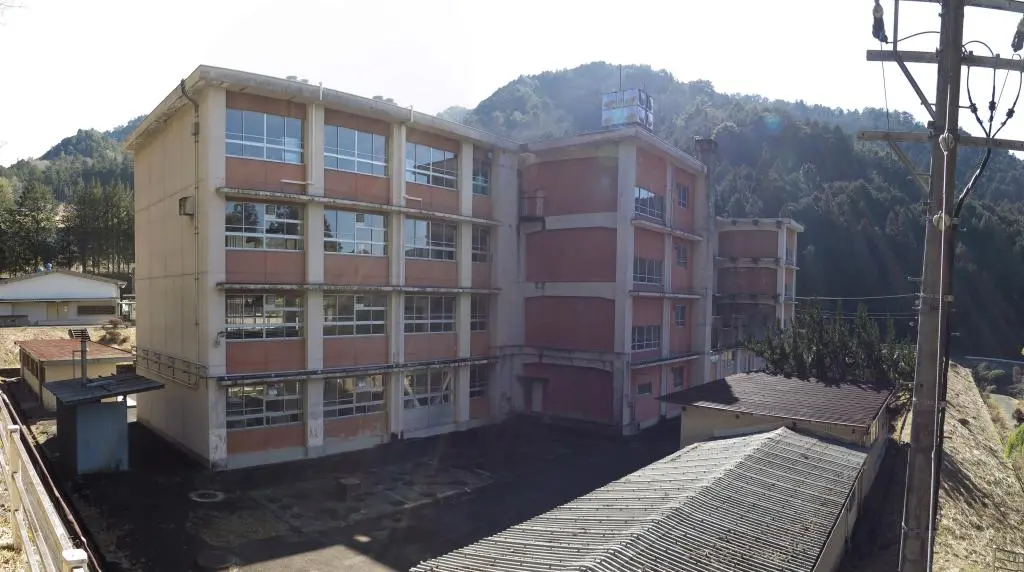
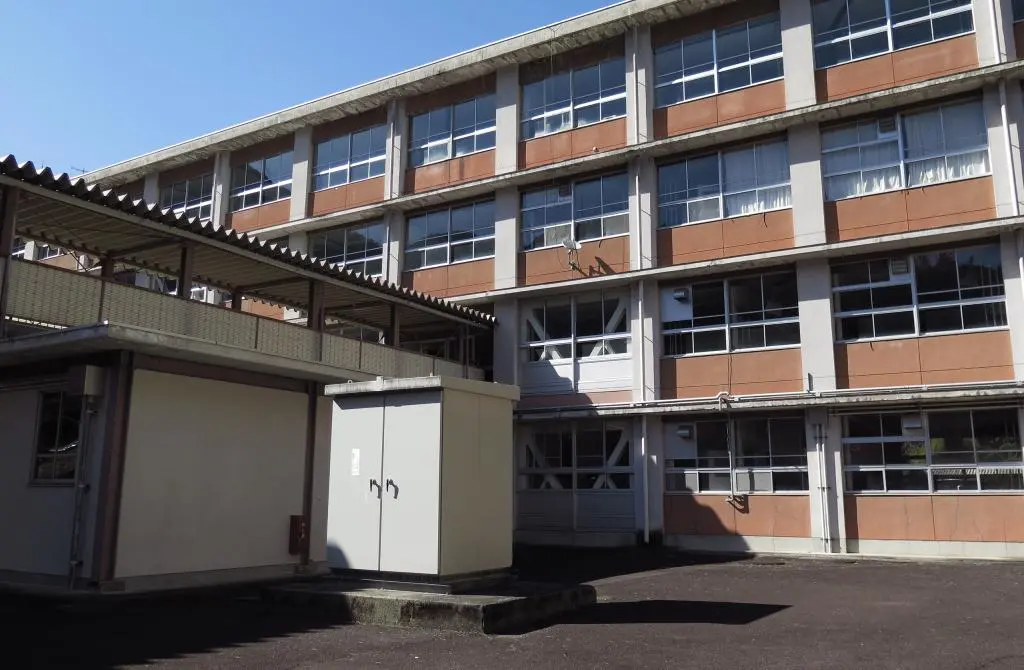
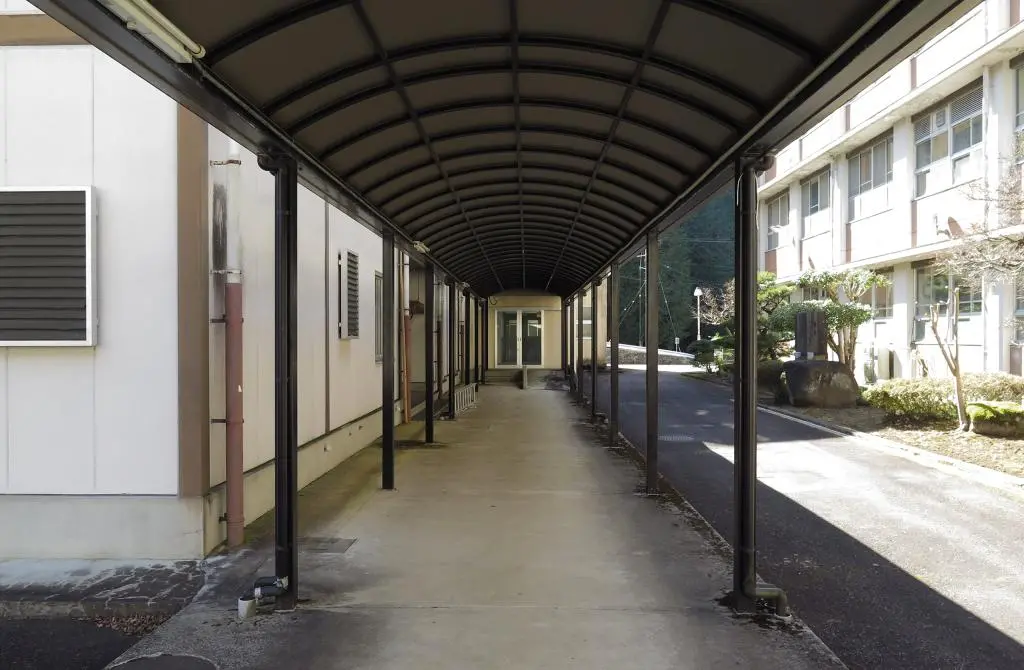
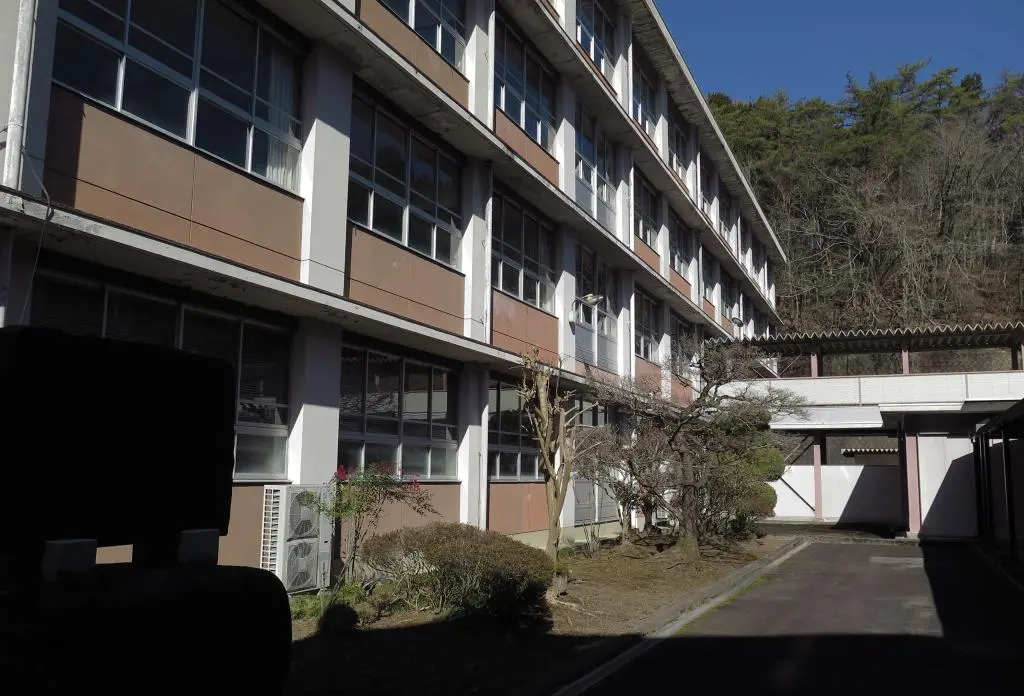
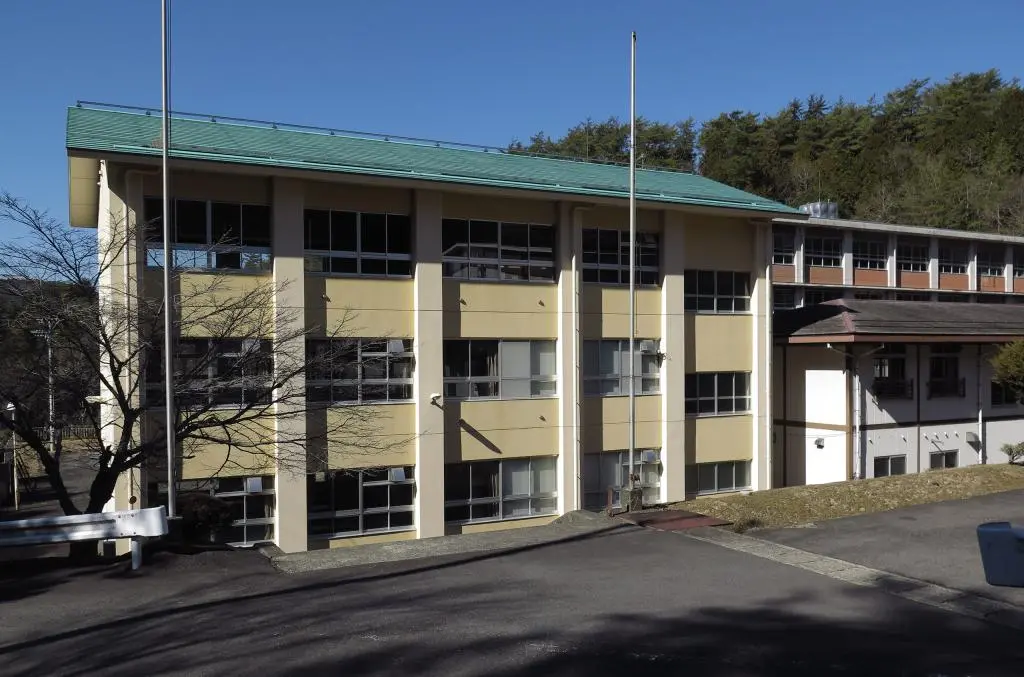
Because Shirakawa choked out all the space in its town, an area was cleared up in a mountain towering over the town to build the high school in the mid 1970s. It was 1.6km away from the center of town. I don't think there were any dormatories up there, so students had to make the mile trek up the mountain each day. When you travel along the road to the school, you can see the old sidewalk that students must've used.
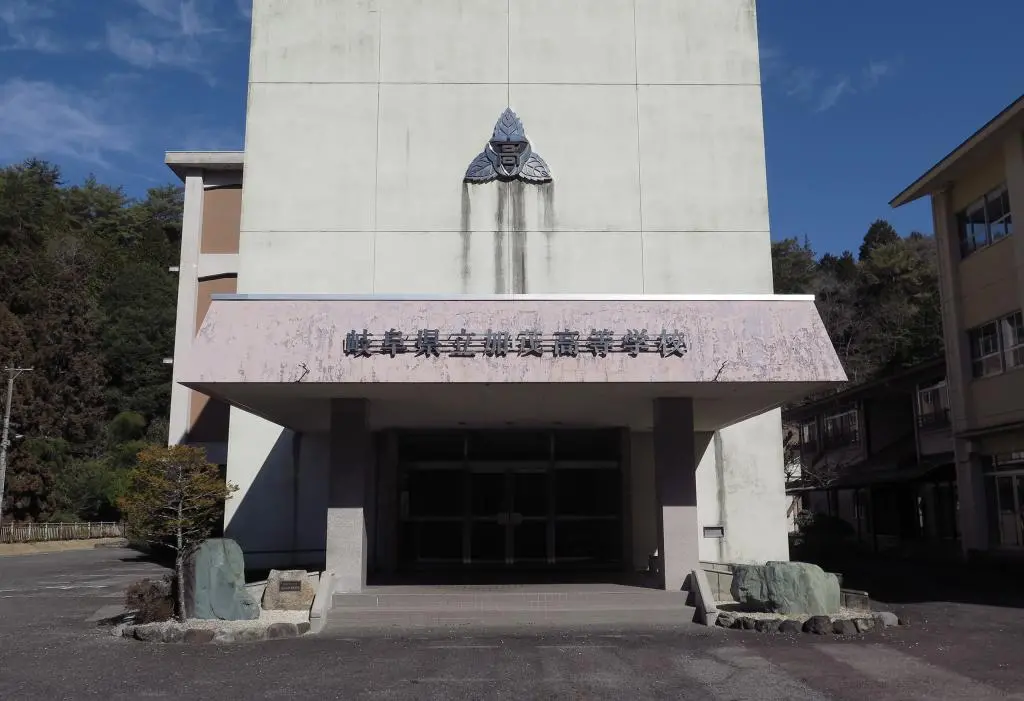
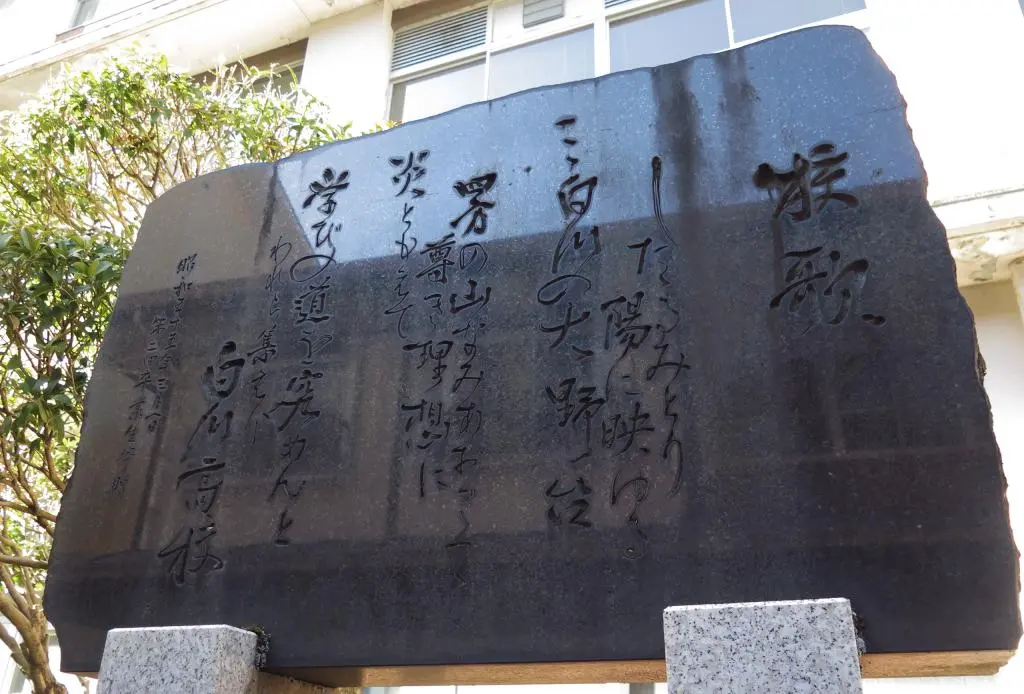
The school began accepting its first students and had its grand opening in 1976 to the delight of the town. It's main purpose was the give a general education to the high school students in Shirakawa without the need of them having to move away to another school. Students could easily live at home, go to school, and continue to be active in the community.
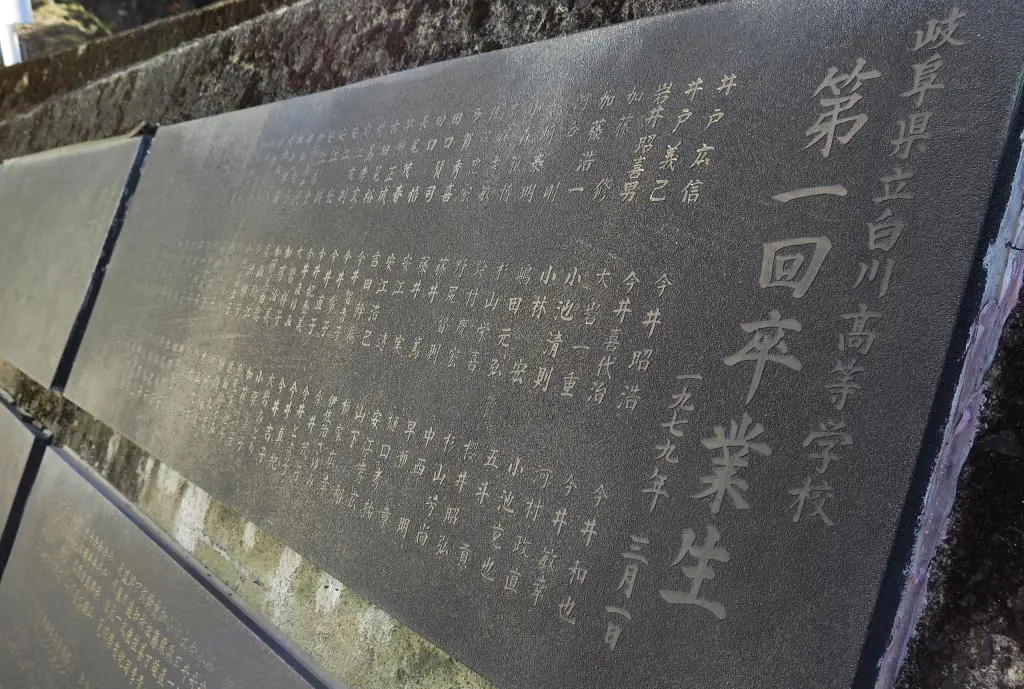
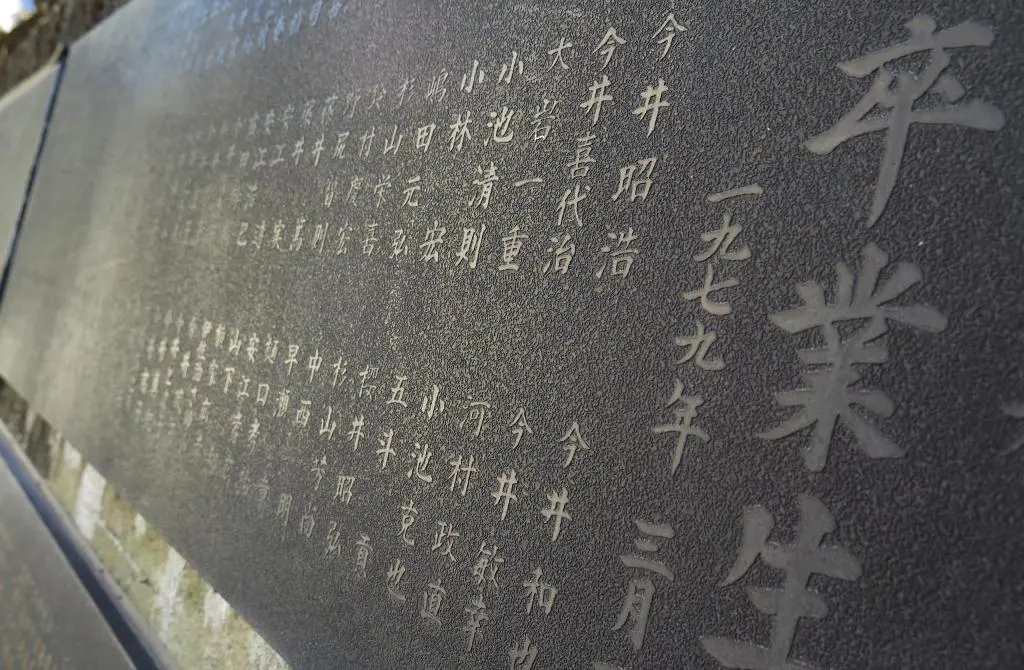
3 years later, the first class of 117 students (I think?) graduated from Shirakawa High School. Maybe that was split into 3 separate classes?
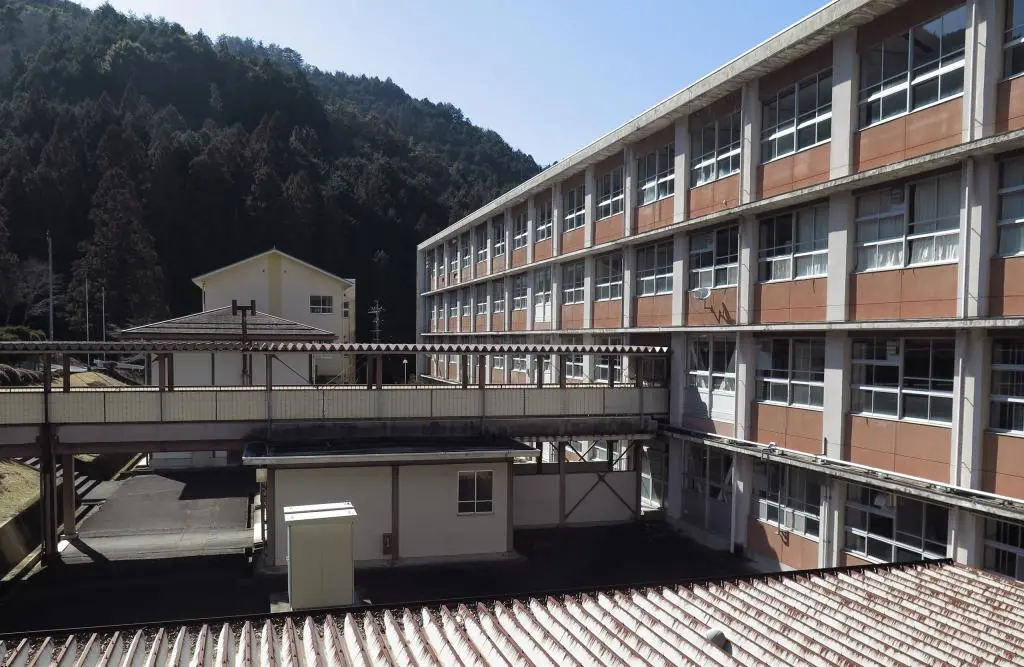
Finding old schools while traveling around rural areas of Japan isn't too difficult, but finding a closed high school is rare. Education from elementary through junior high school was mandatory for Japanese children, so the government had an obligation to build plenty of elementary and junior high schools to reach all of the students. Over time as villages merged and transportation improved, many of those schools were consolidated and closed.
High School level education was not mandatory back then, and it's still not required today. Although these days, over 98% of all junior high school graduates go to high school, anyway. Traditionally, high school was only seen as a stepping stone to entering a university. If you didn't plan on becoming a doctor or work in some other highly educated and specifc profession, after graduating junior high school, you immediately got some local job and trained as an apprentice. Nearly all students in rural areas just went to work with their family after junior high. It wasn't until after the war that high school became a more regular part of a child's education.
Throughout the 50s and 60s, more high schools were built across Japan, but there were still a separation. All high schools are managed on the prefectural level, not the municipal level like elementary and junior high schools. So, they tend to be separate from local communities and governments. Also, students must apply to specific high schools and pass exams to be admitted to the school. This creates a separation between students who were able to attend competitive schools compared with more general ones. Often, a village's brightest pupils would move away to attend the best schools.
Most high schools instruct a general education program based on the standards set by the prefecture, but there are other speciality high schools that have alternative programs. Technical high schools focus on office skills, construction, or mechanics. Engineering high schools focus on technology and development. There are also medical high schools, and there's even an aviation high school in Ishikawa. These schools still focus on general requirements, but have additional classes geared towards a student's future career, and make them perfect candidates for competitive universities in their fields.
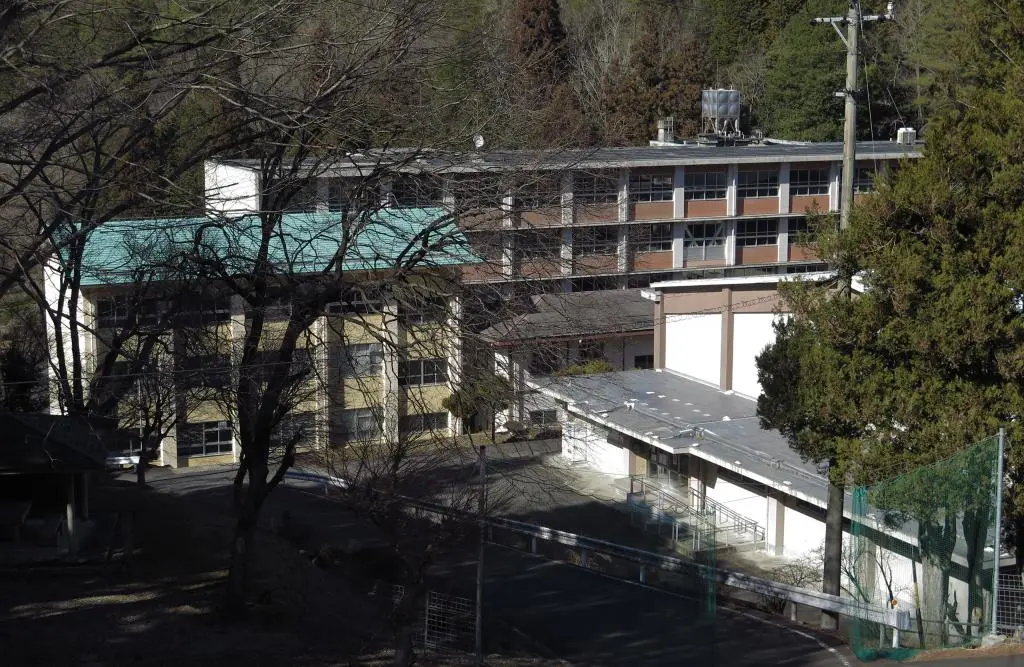
Looking around on the Internet, Shirakawa HS only focused on general education, and I'm guessing that it didn't have strict requirements for admissions. I think it was built specifically to give students of Shirakawa and the neighboring areas ease of access to high school education that had now become more and more of a necessity in Japanese society. The school was only 2km from Shirakawa Train Station, so even if students didn't live in Shirakawa, they could attend.
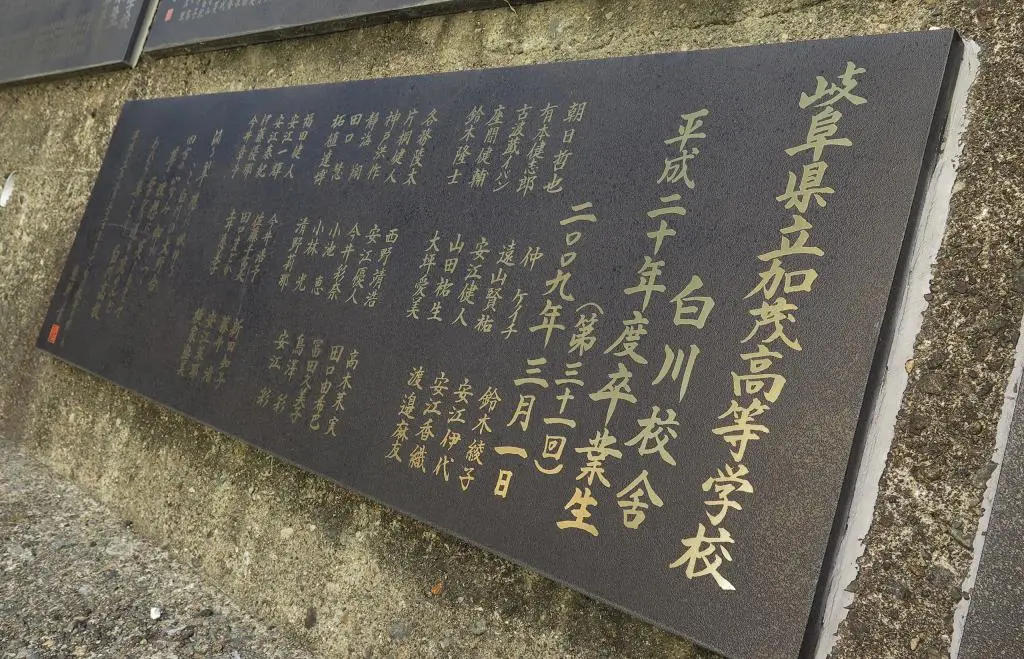
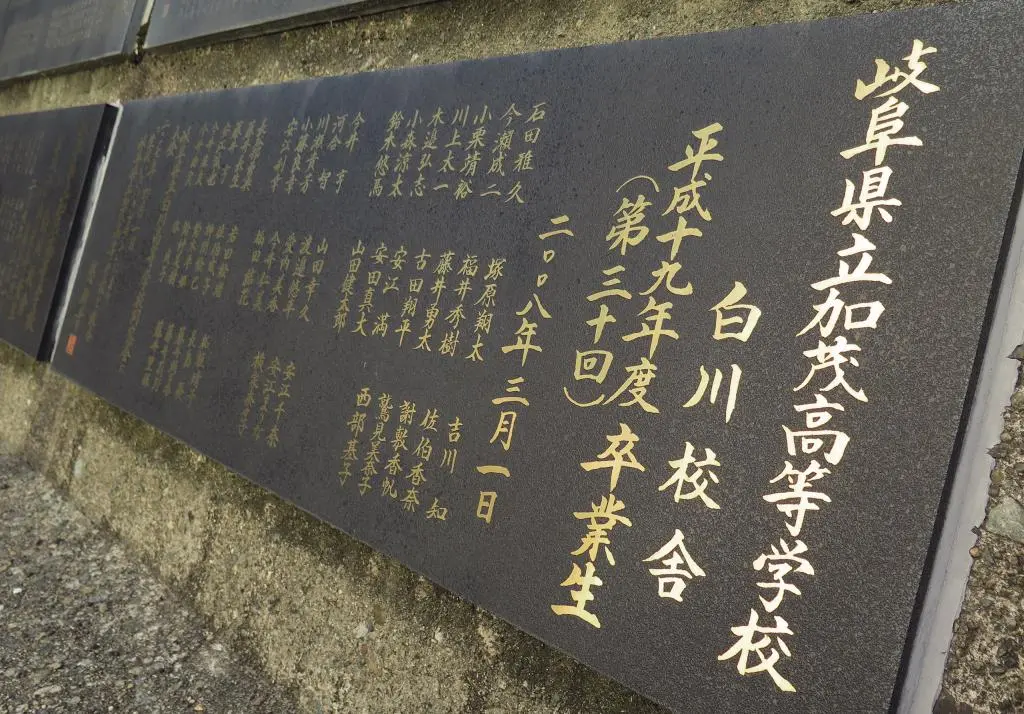
In the 1970s, the population of Shirakawa was around 14,000 people. Today, it's around 7,000. Much like all rural areas of Japan, Shirakawa also faced depopulation. It wasn't as extreme as other areas, but they still lost half their population in 50 years. In 2007, it was announced that Shirakawa HS would become a branch of Kamo HS and it would admit no new students. The last official graduating class of Shirakawa HS was 77 students. 2 years later in 2009, the school graduated its final class of 44 students as part of Kamo HS.
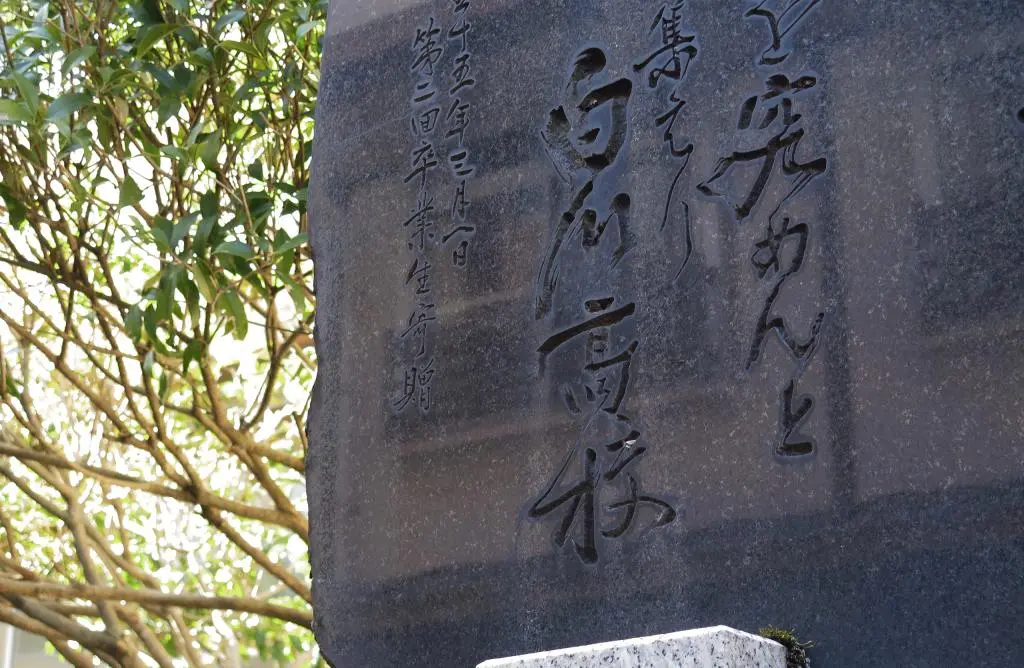
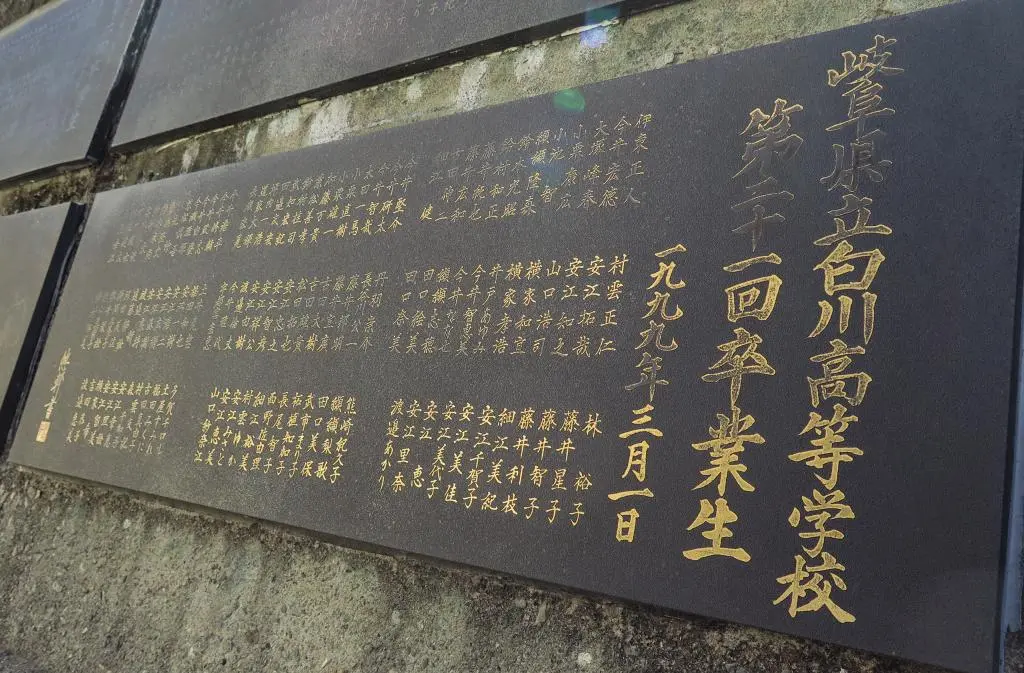
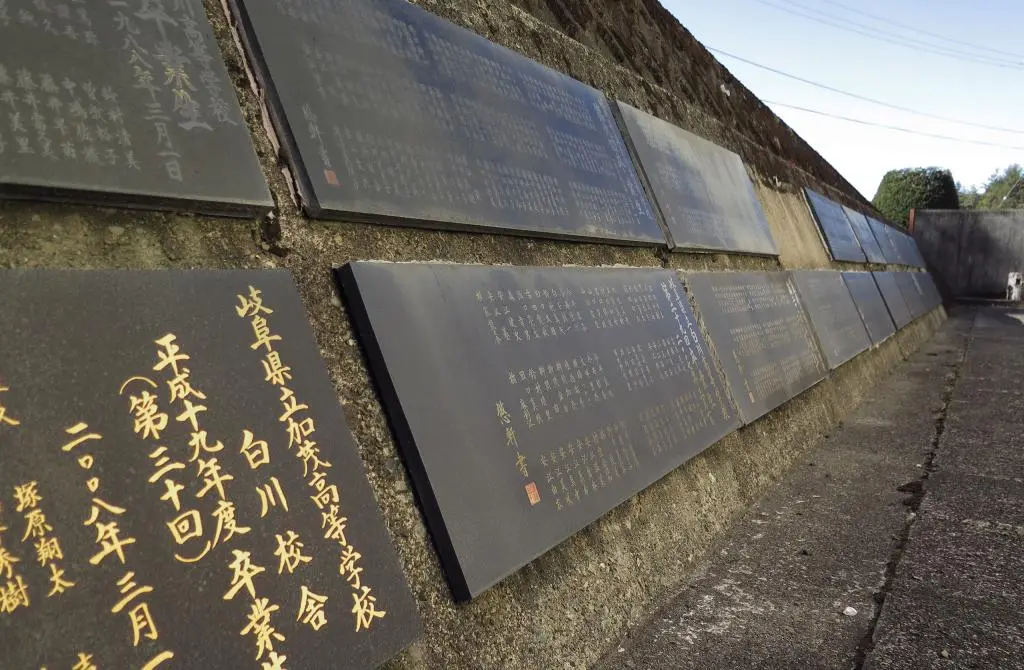
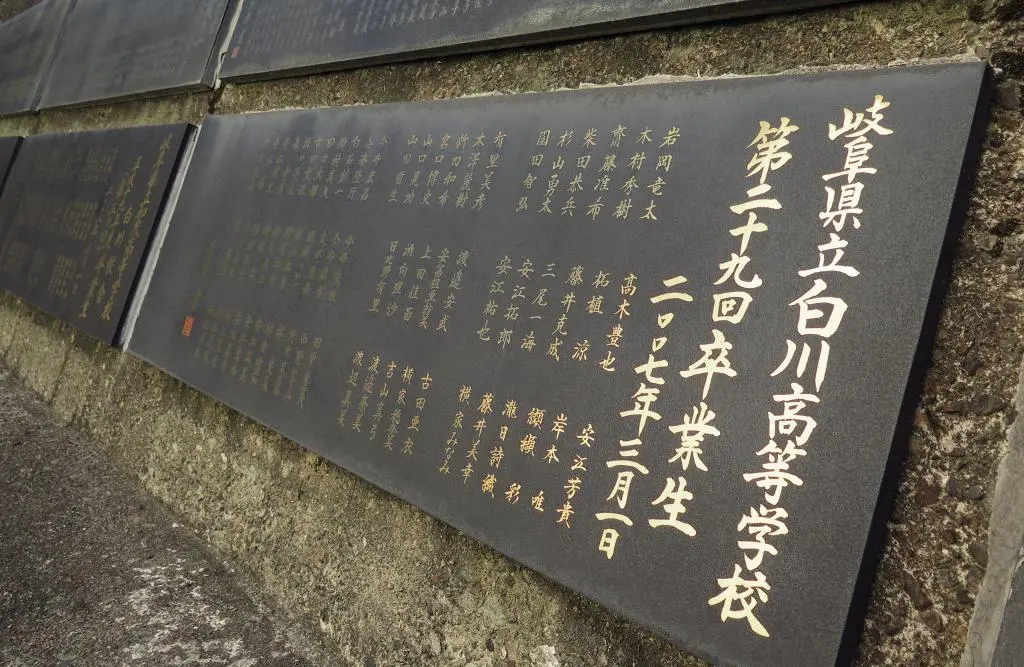
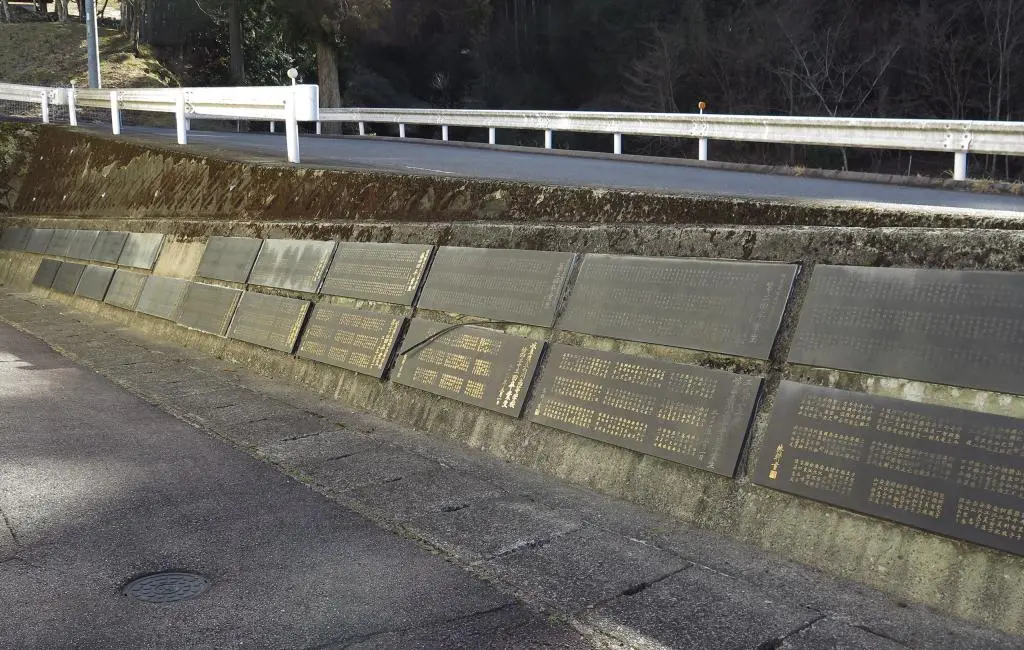
On the outer walls of the school grounds, there are plaques that list every student who graduated from the school. (some are mising)
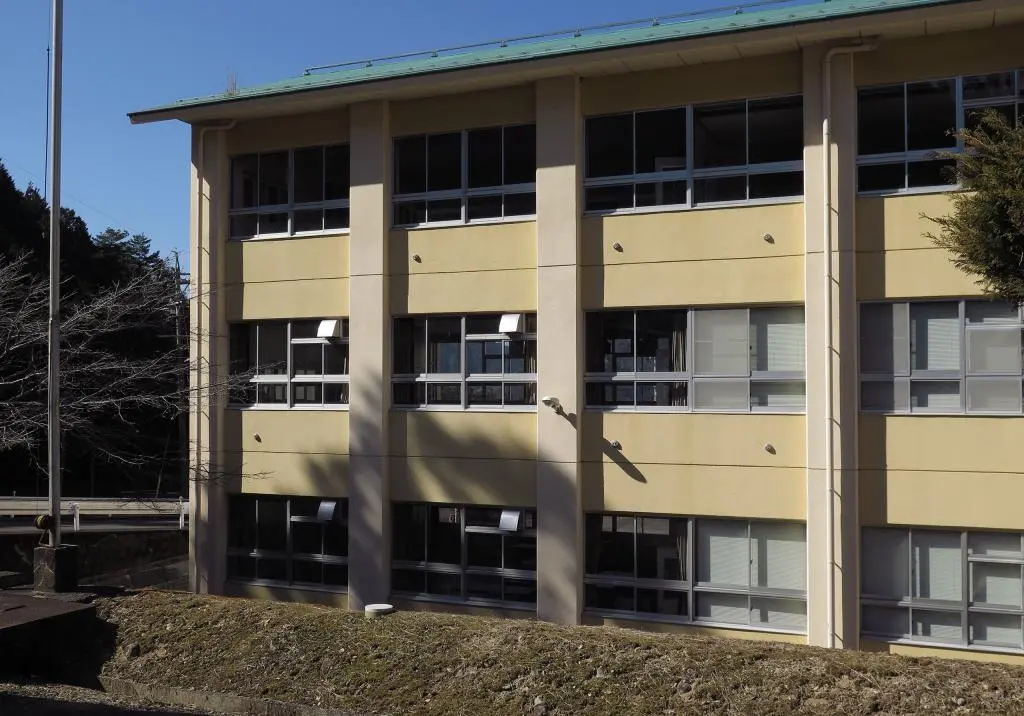
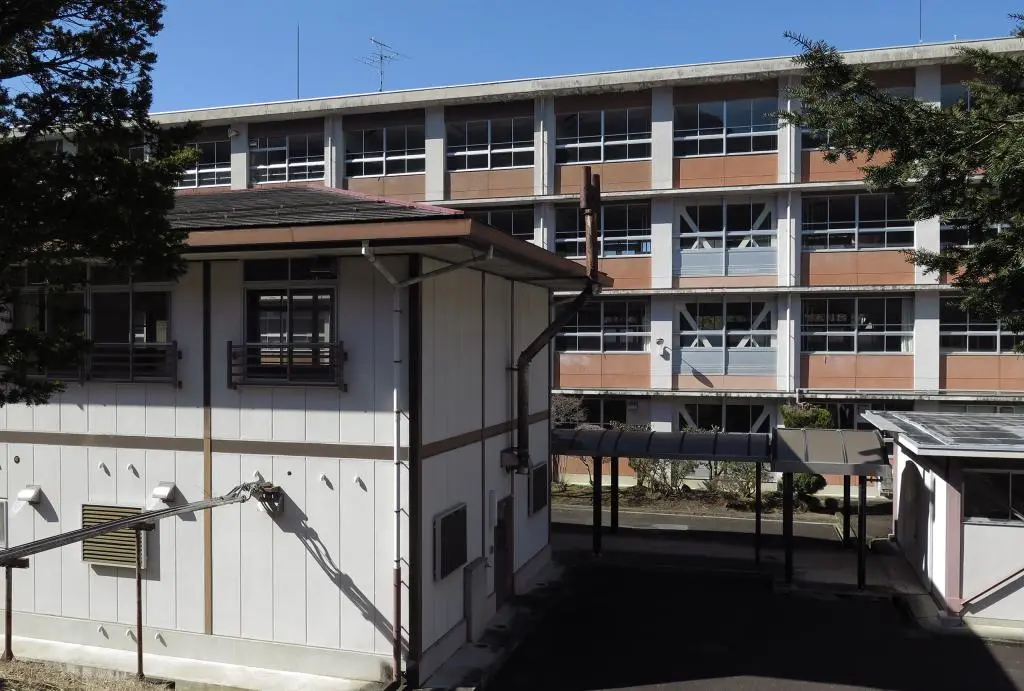
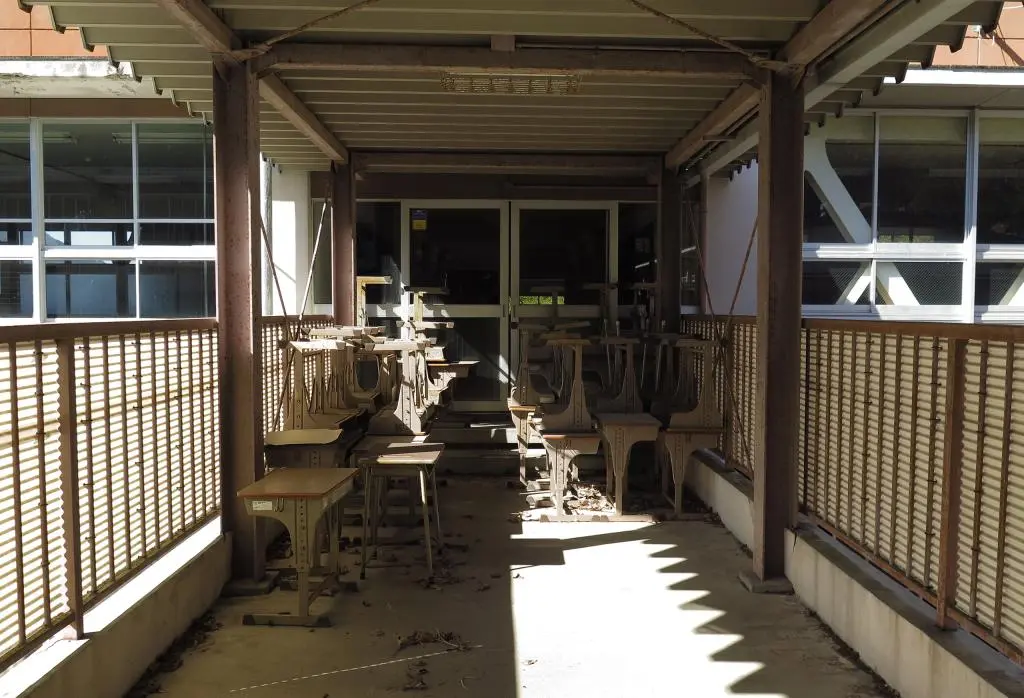
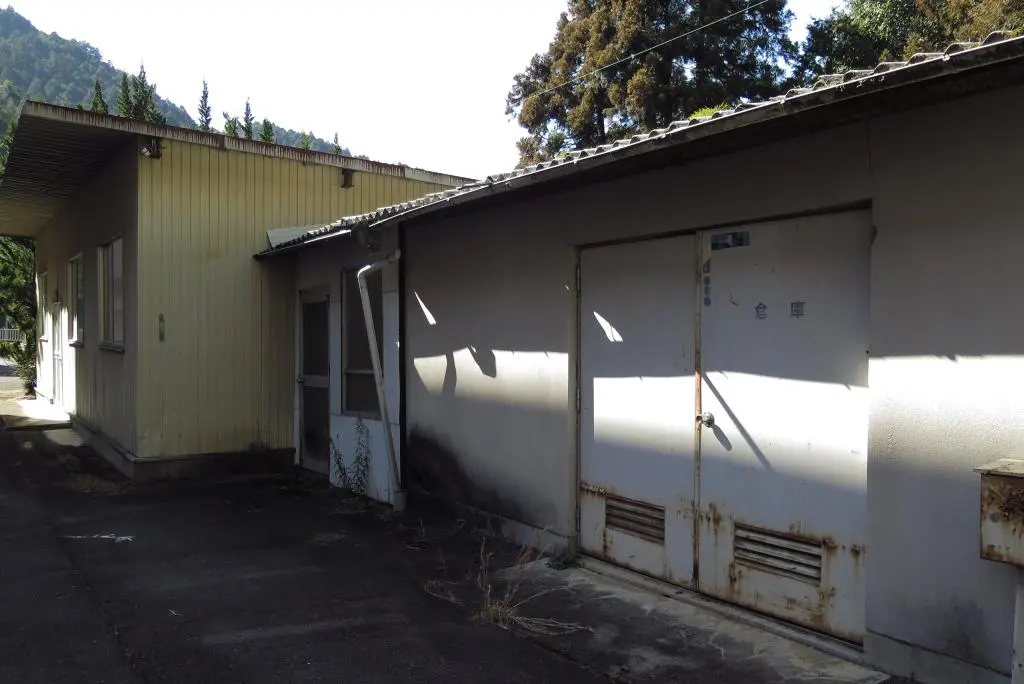
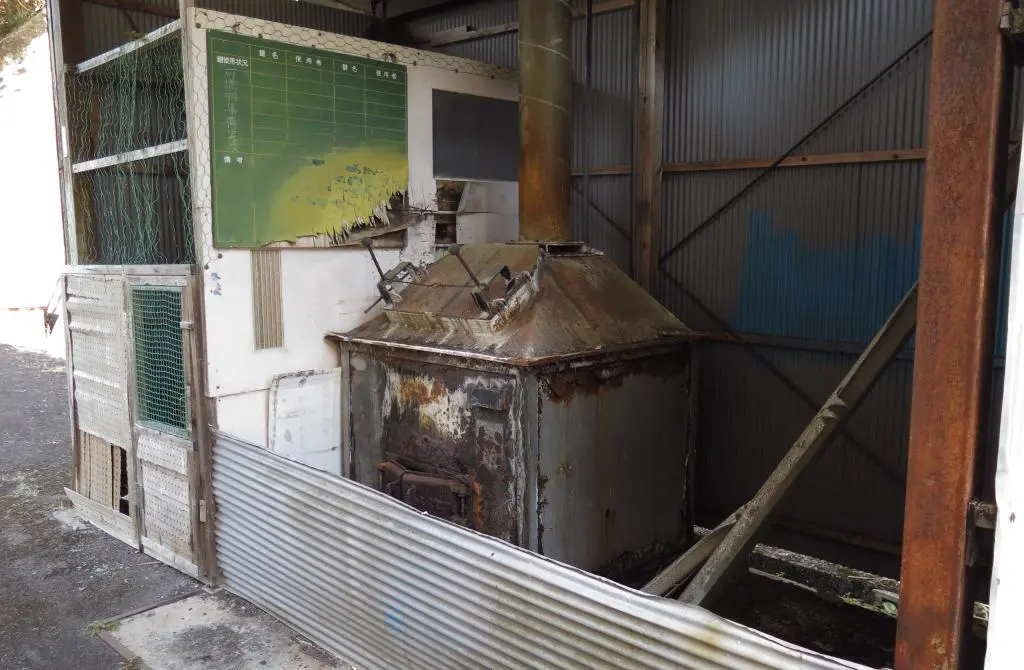
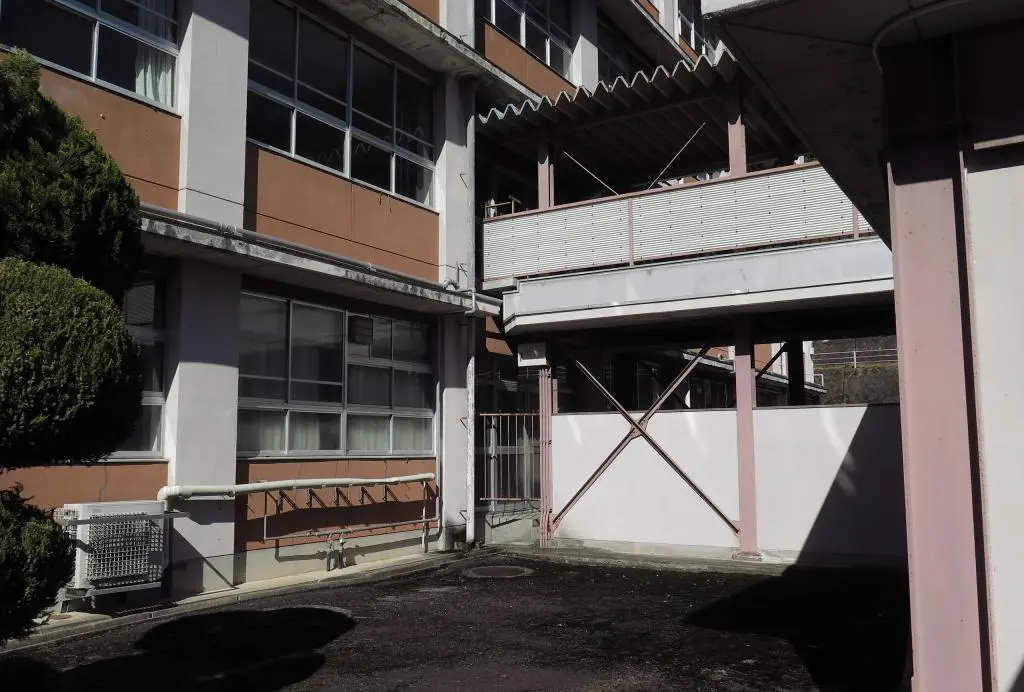
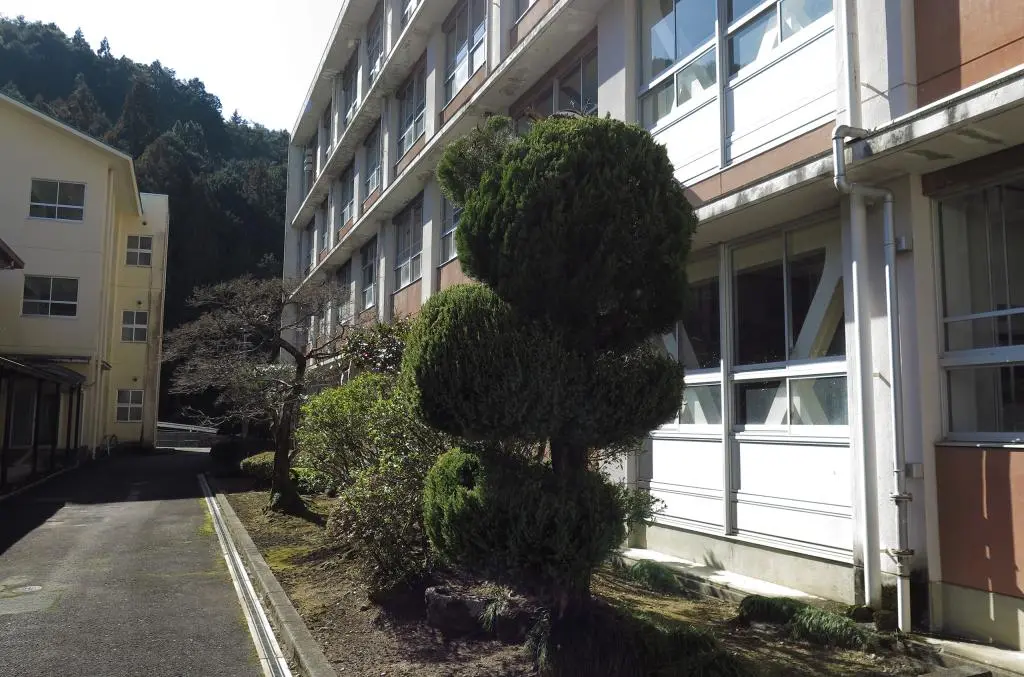
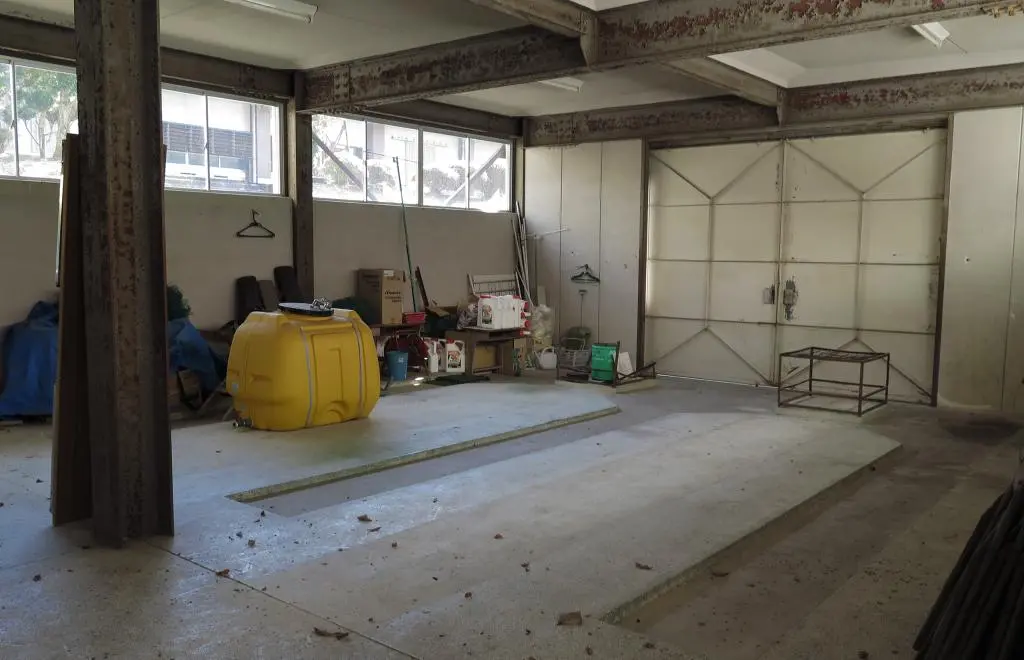
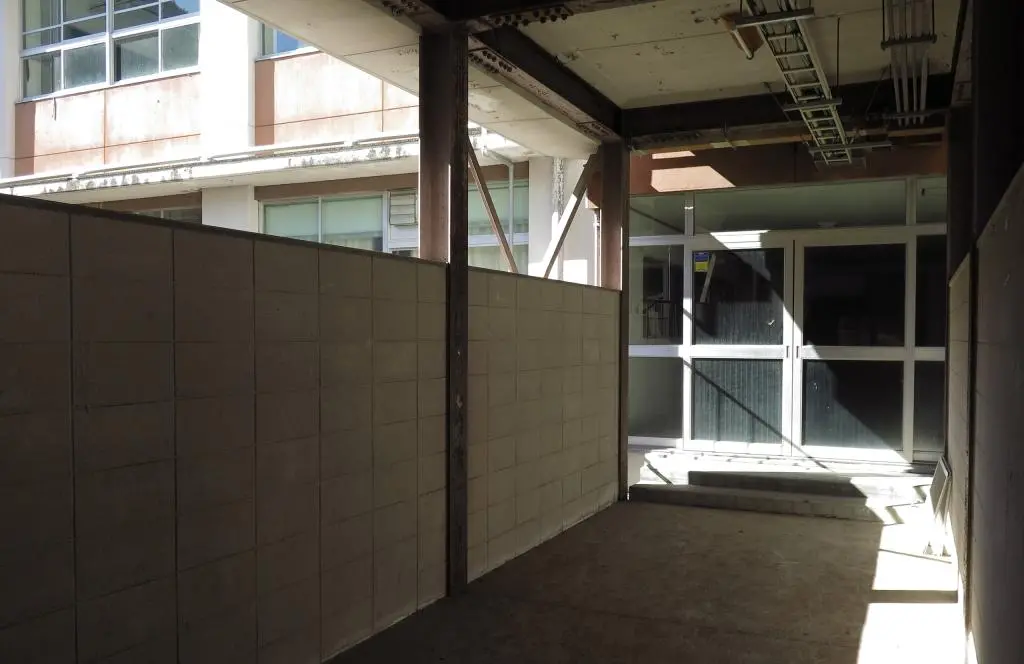
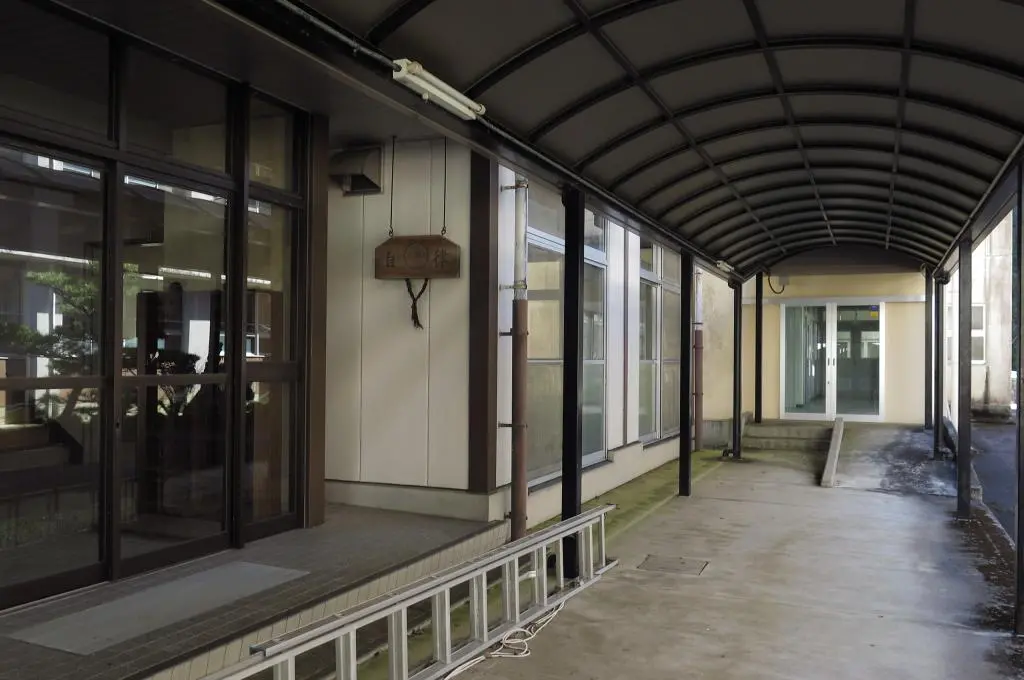
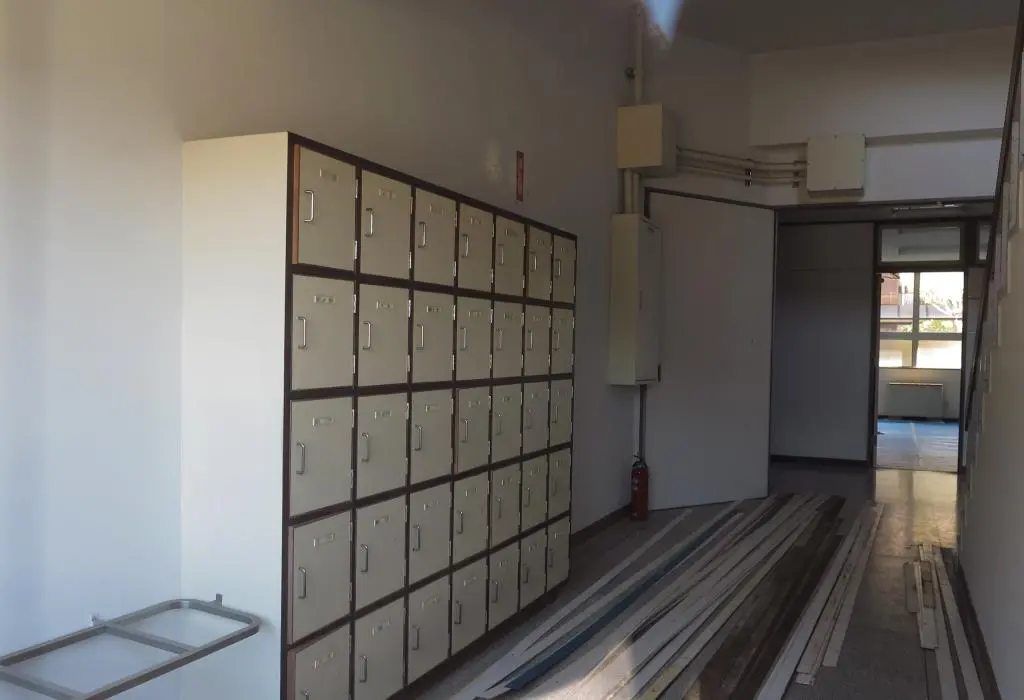
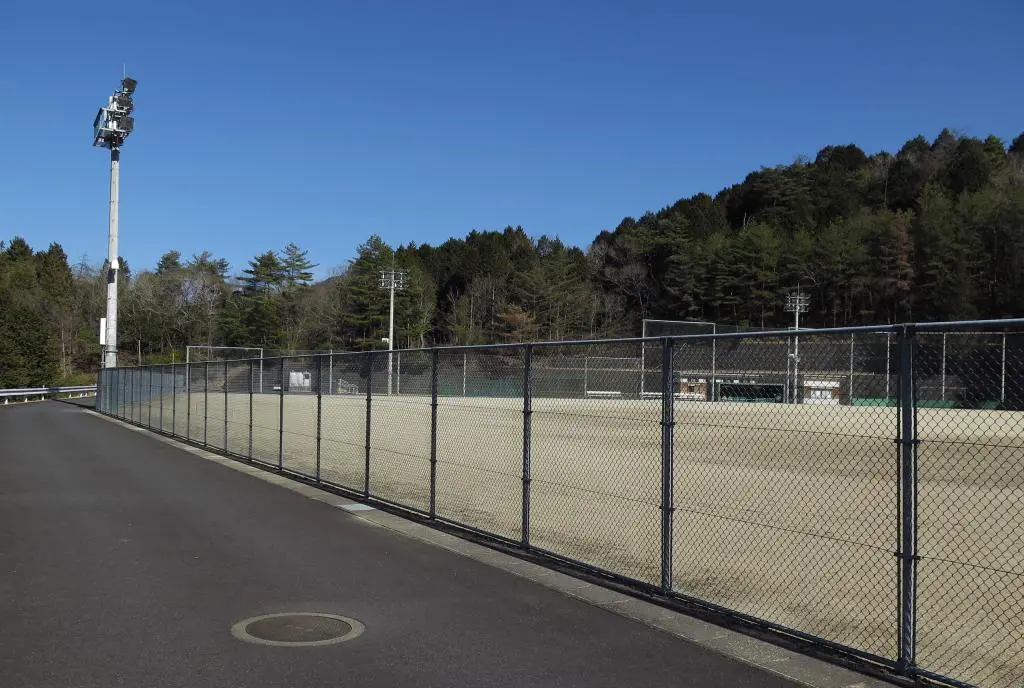
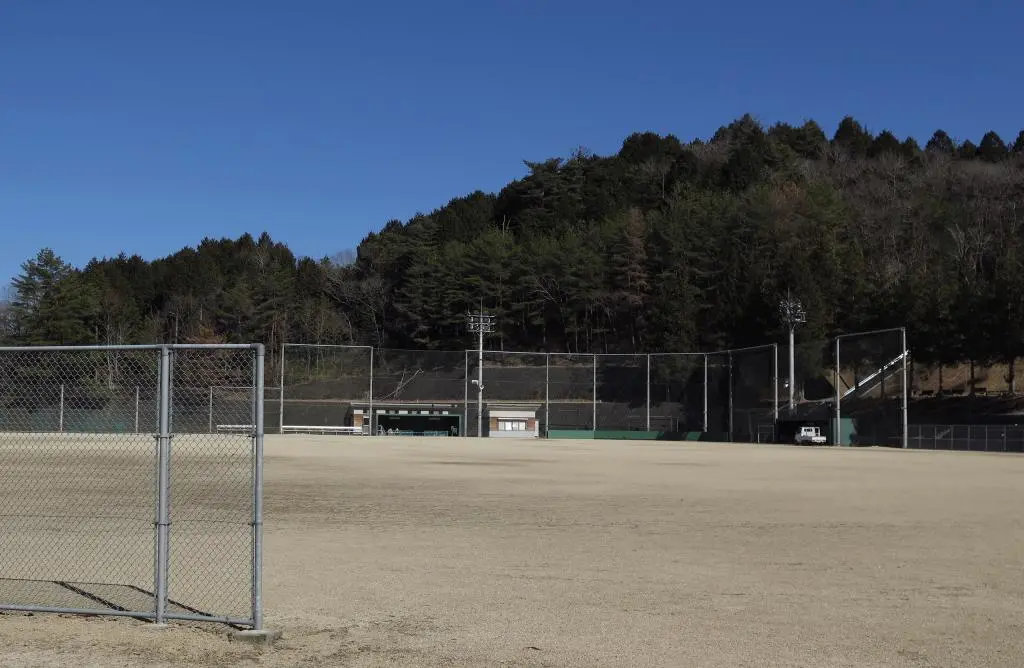
The school building remains closed, but the gymnasium, additional sports building, and massive baseball grounds are still used today for extracurricular sports clubs in Shirakawa.
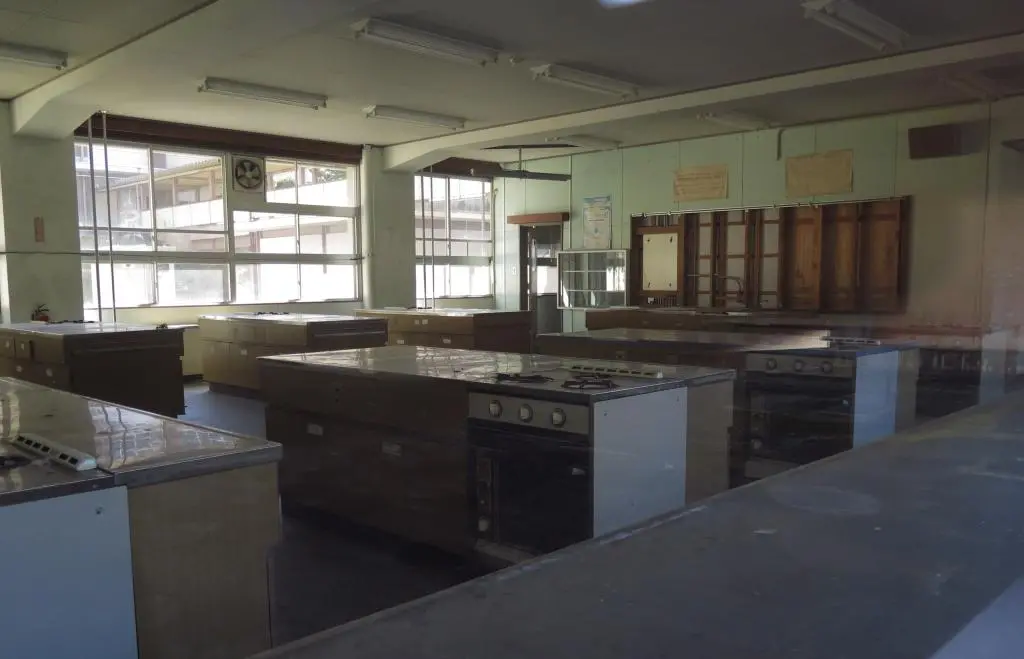
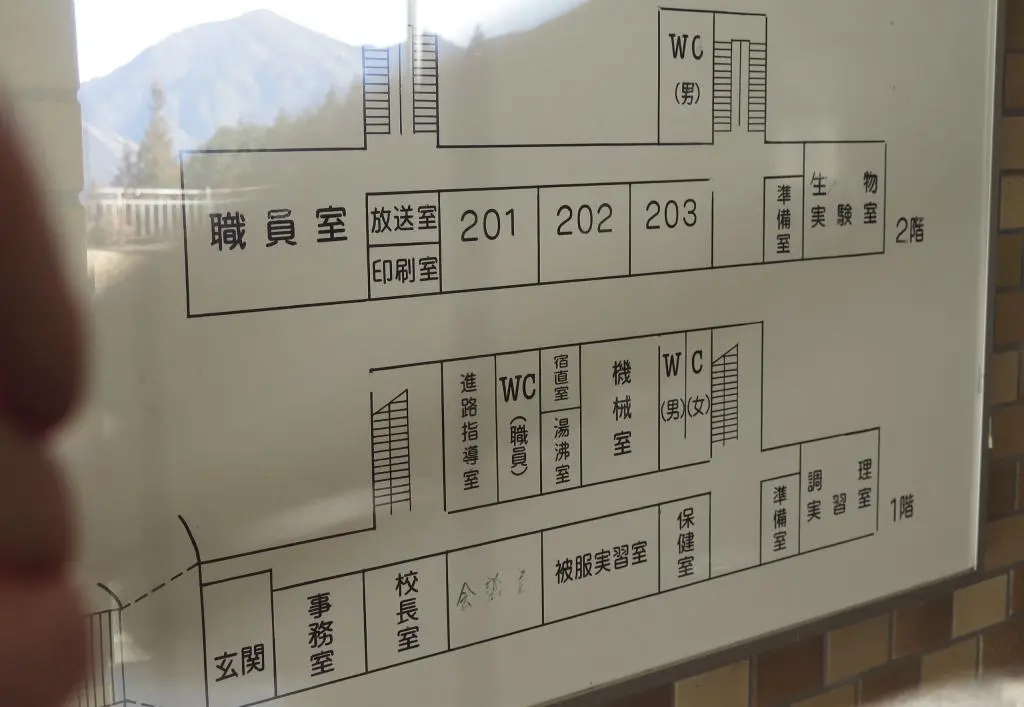
Much like all the other closed schools in the area, it seems like a shame to have such a large building go to waste. However, Shirakawa has recently done some work to revitalize their downtown area. It would be more of a nuisance to make people travel 1.6km up the hill to some isolated building.
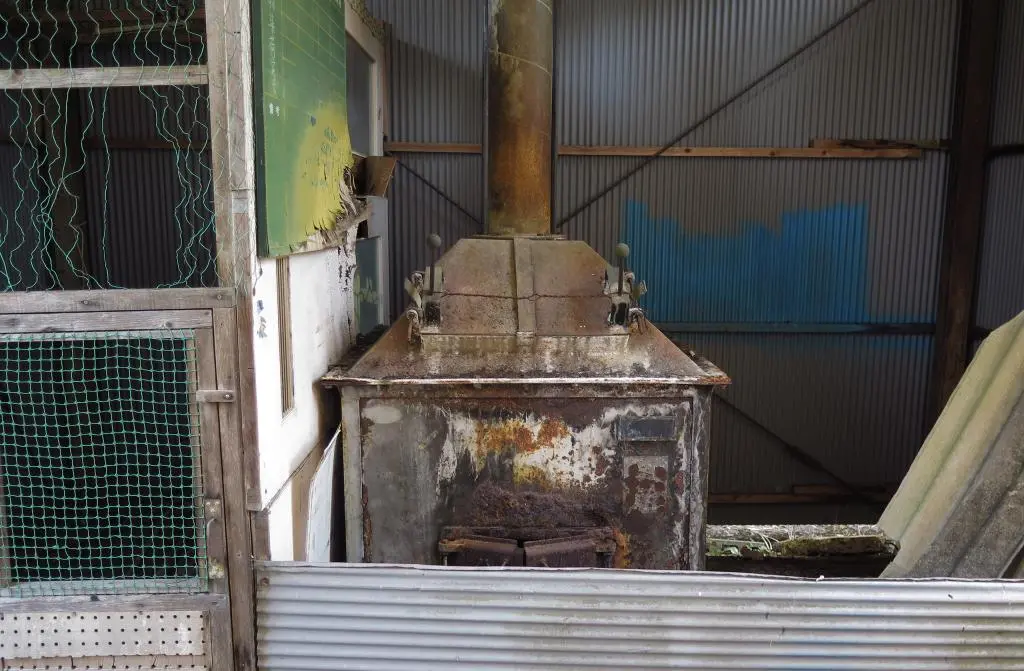
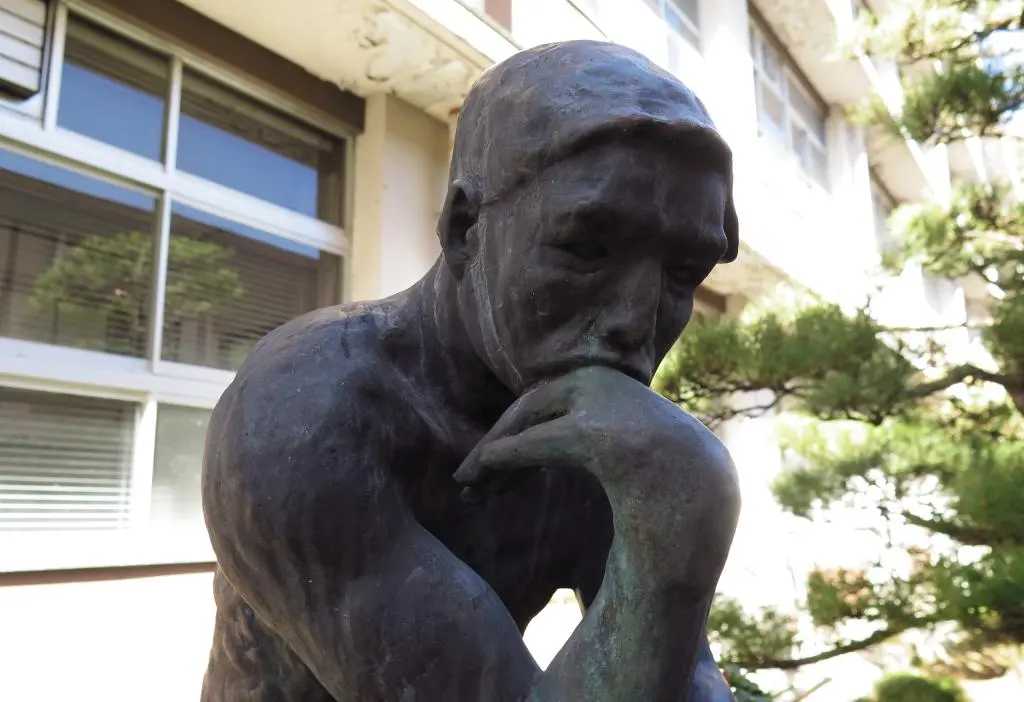
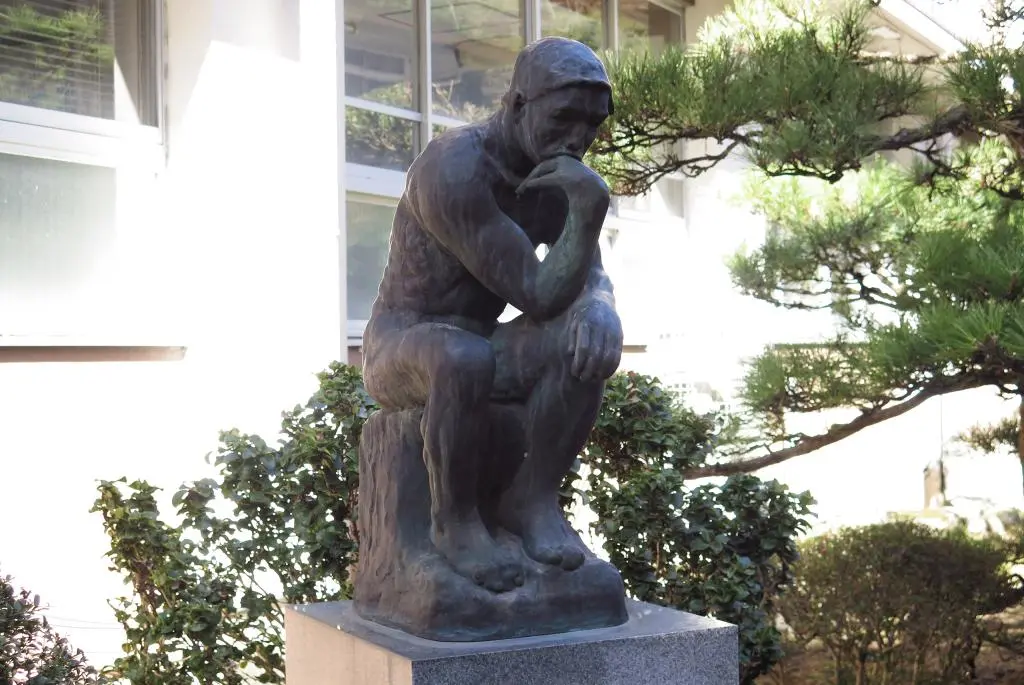
Shirakawa HS will most likely remain empty and eventually be demolished, but it's a good reminder for the community of the town's devotion to education in the past.