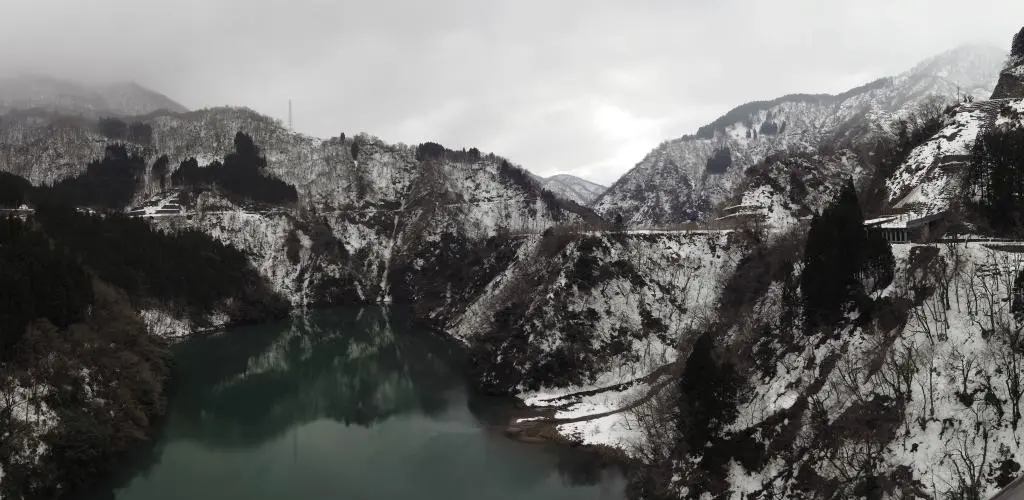
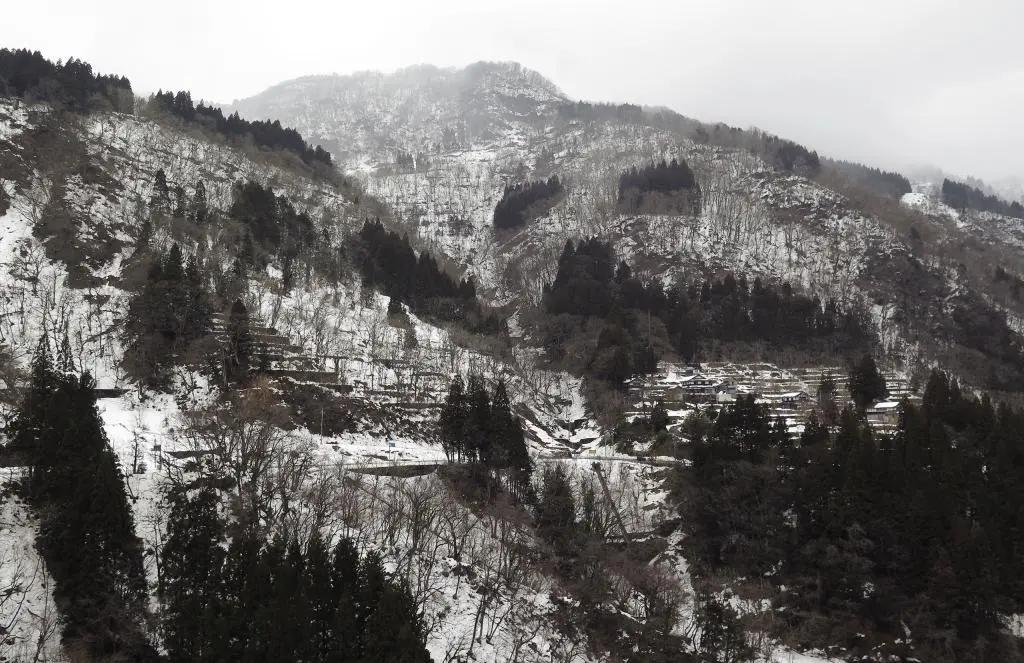
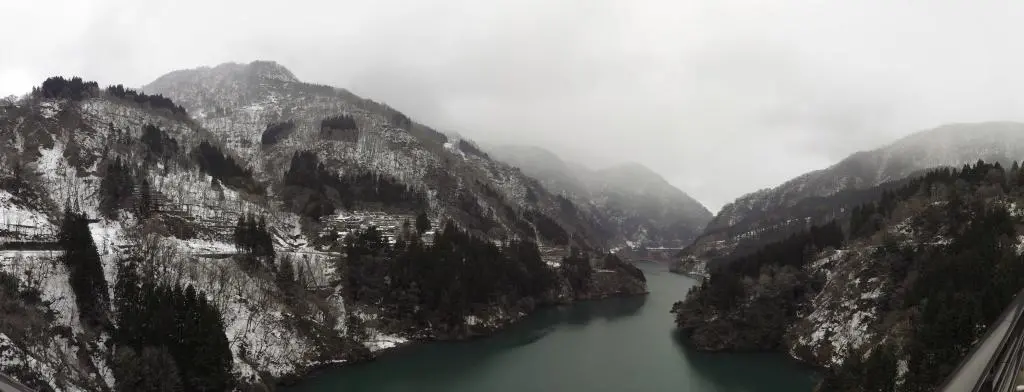
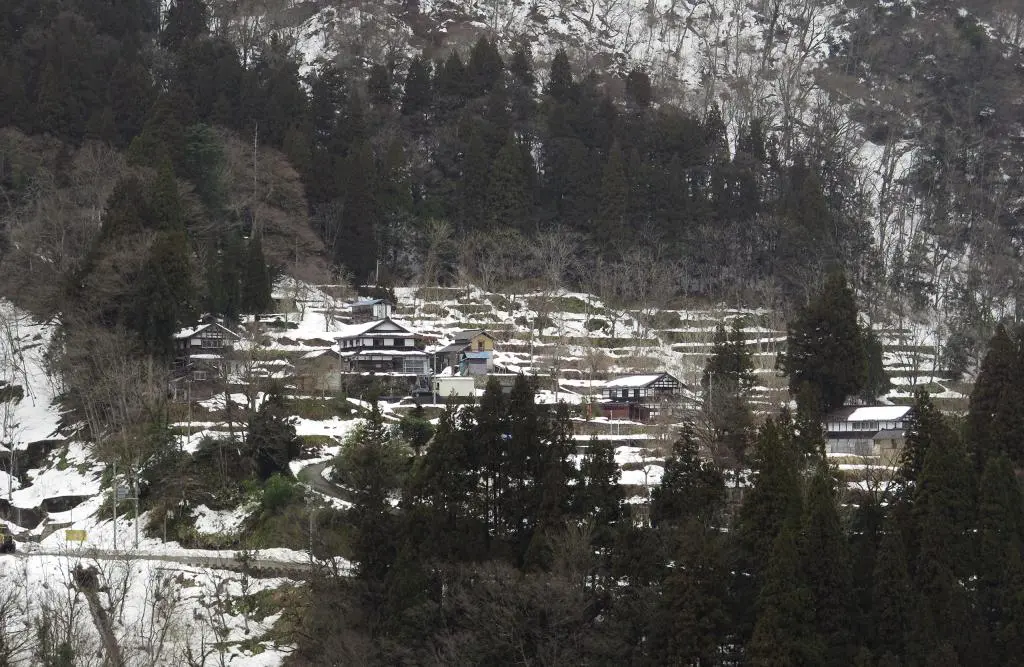
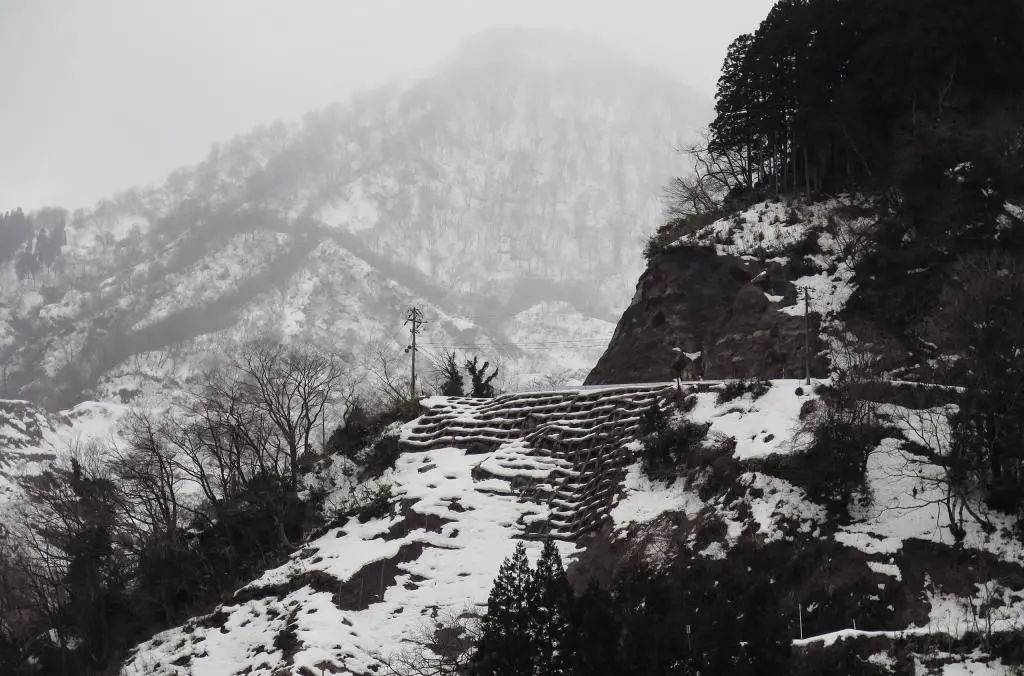
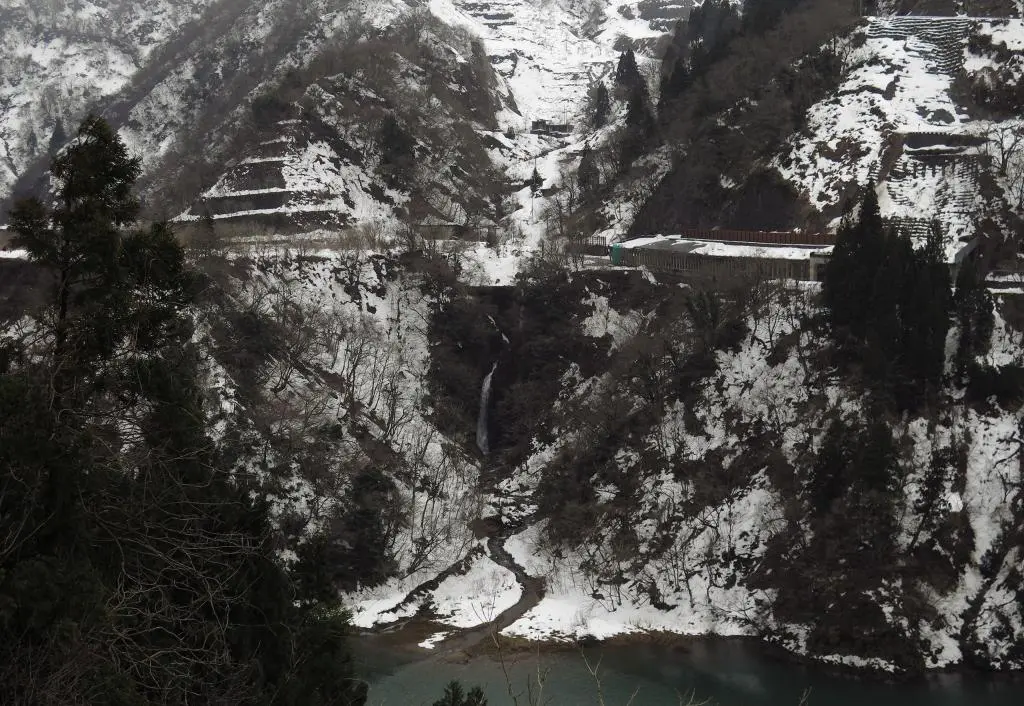
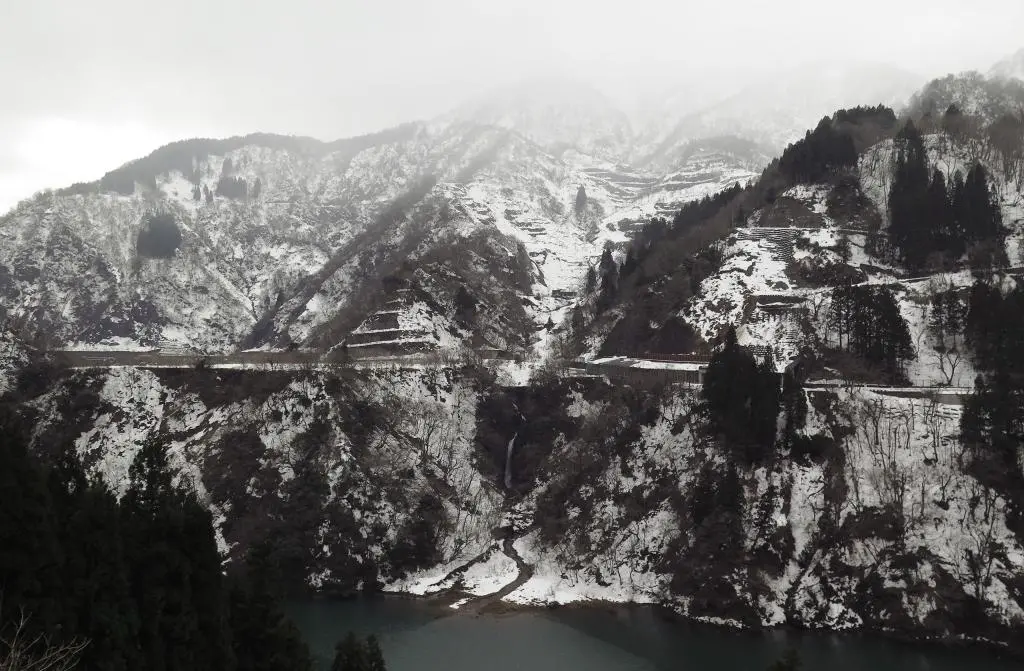
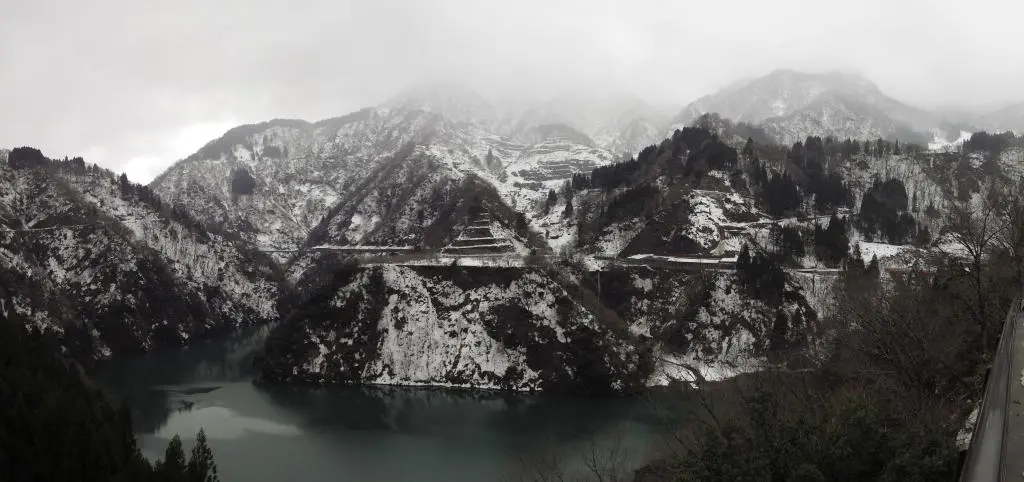
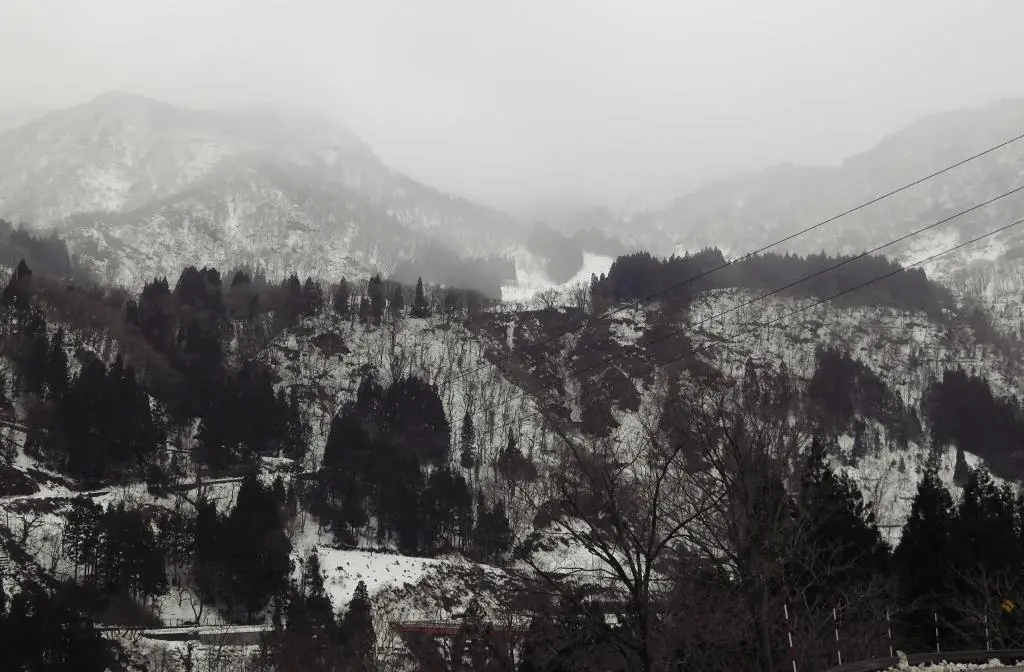
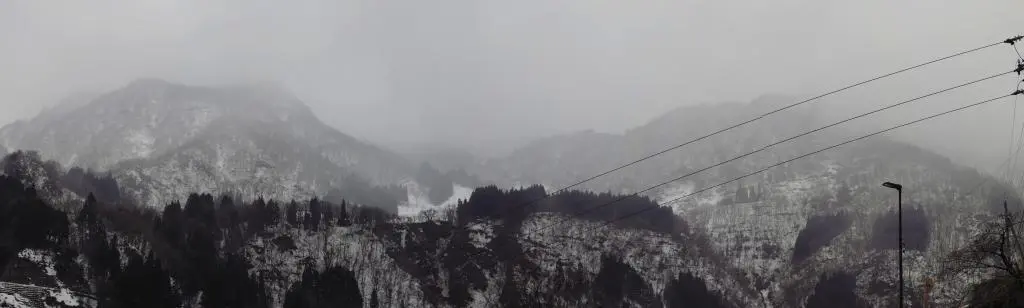
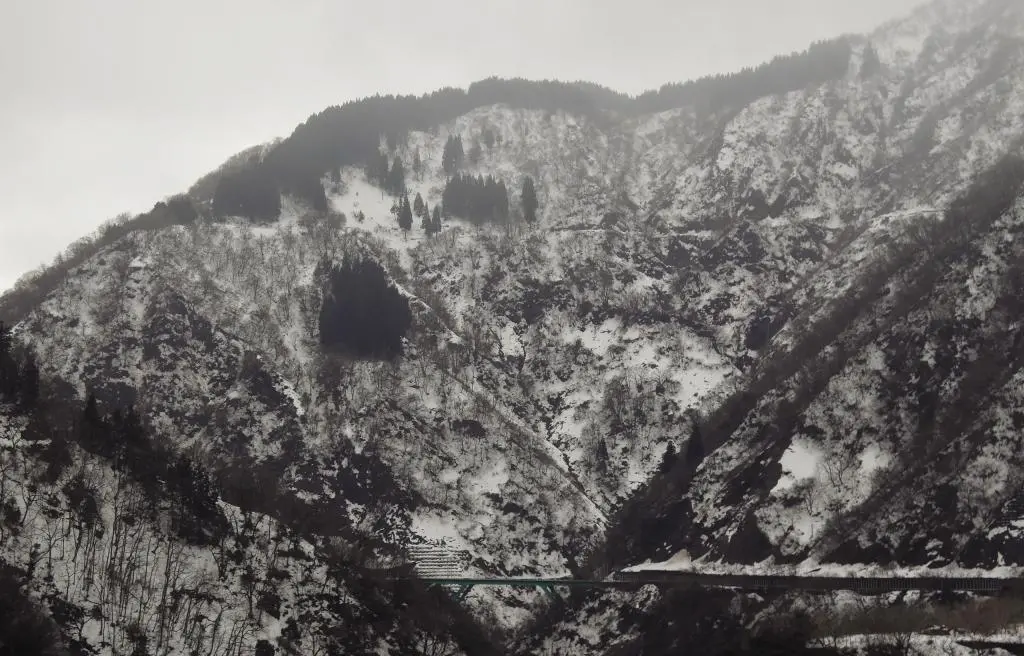
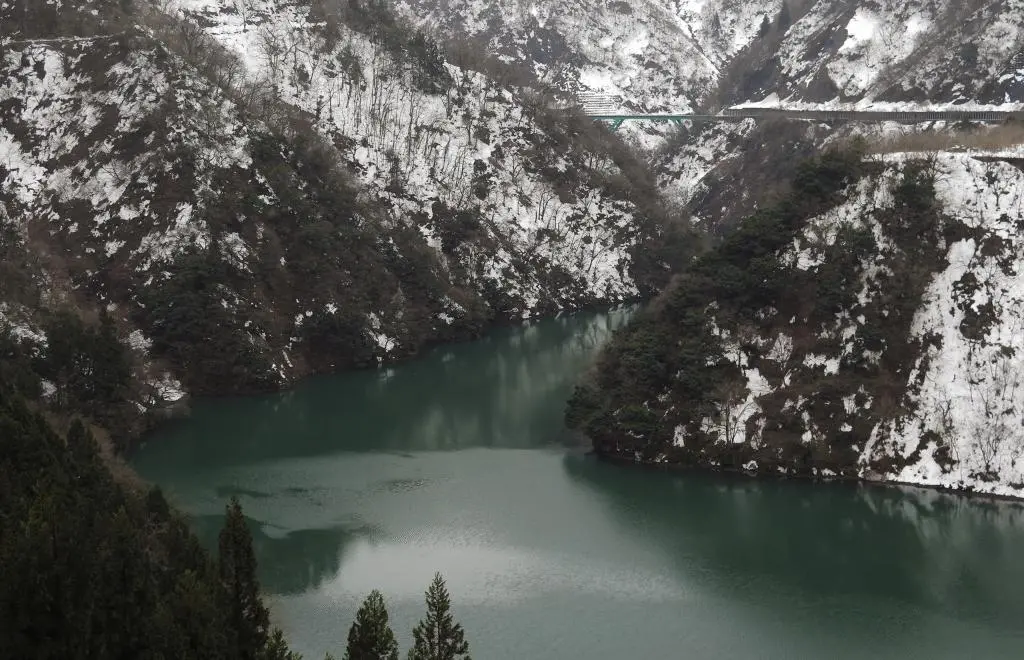
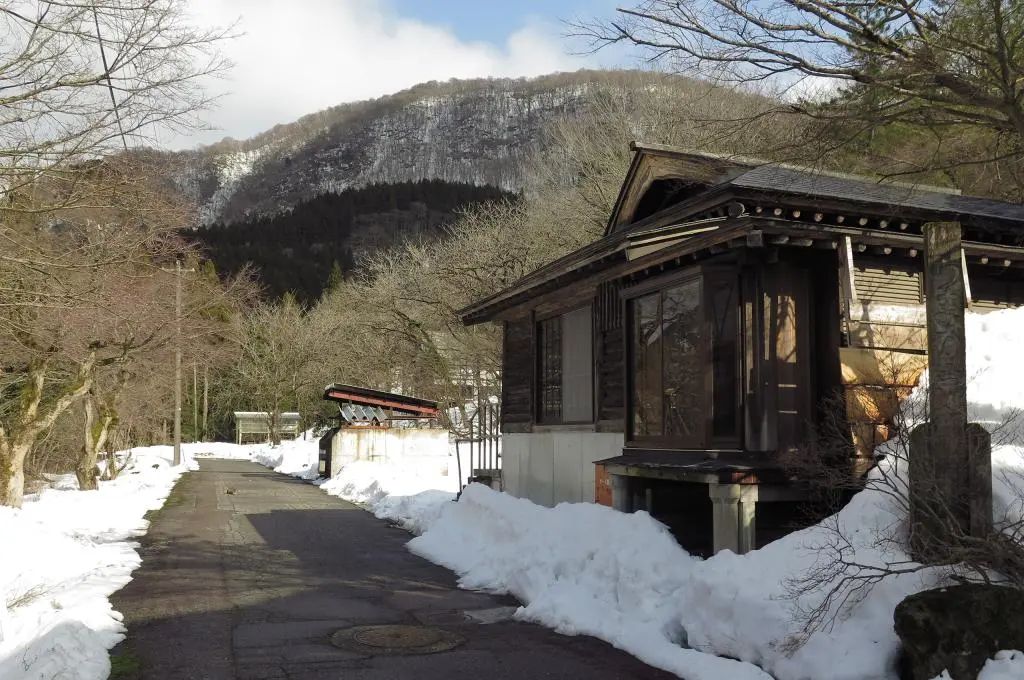
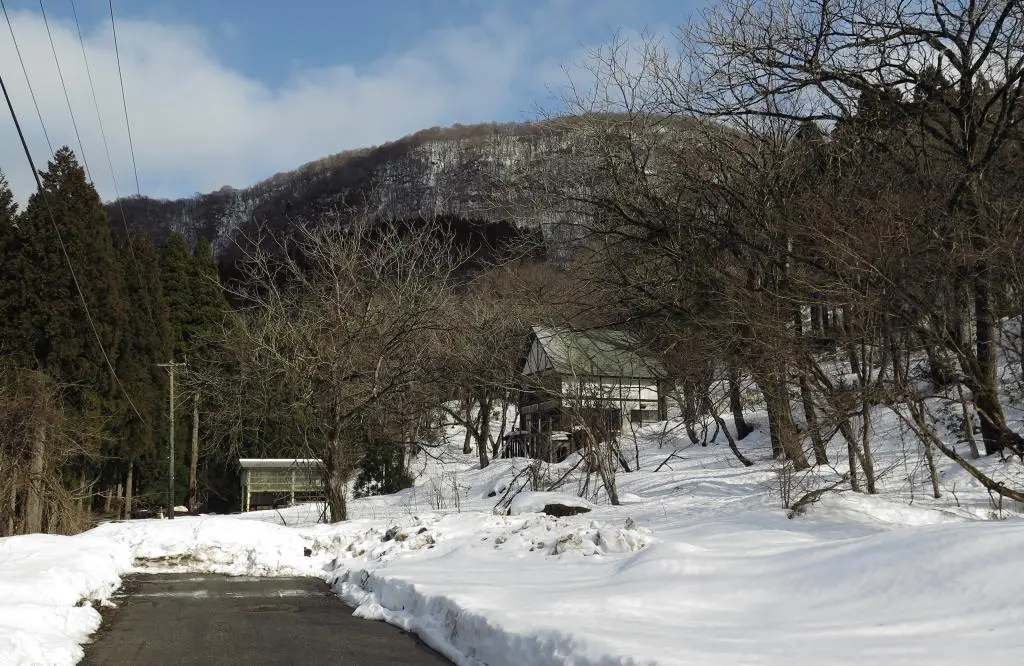
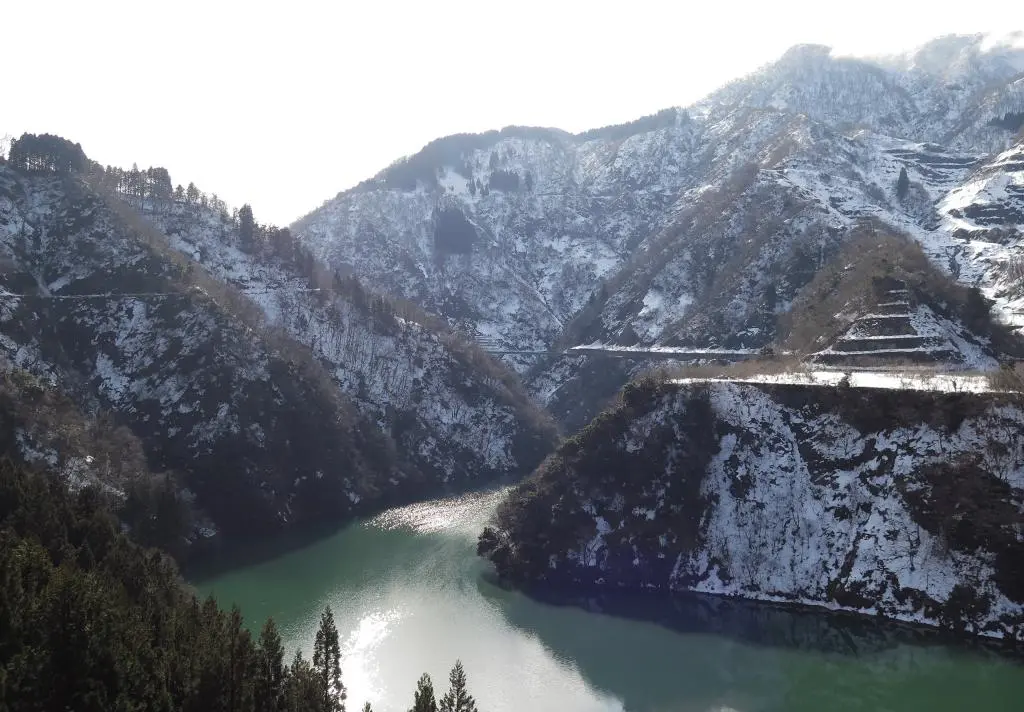
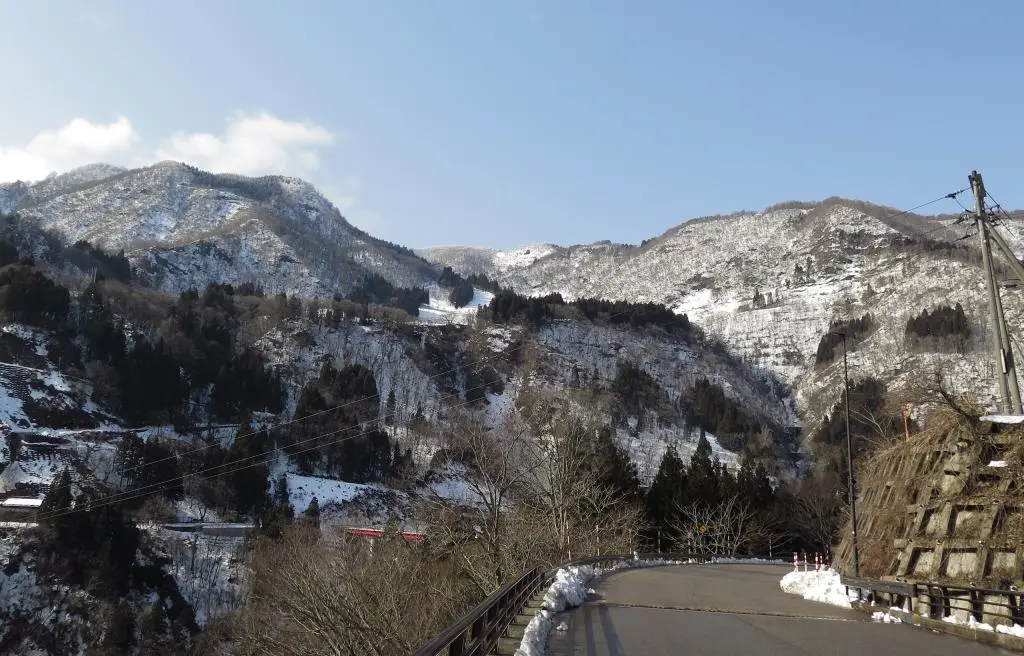
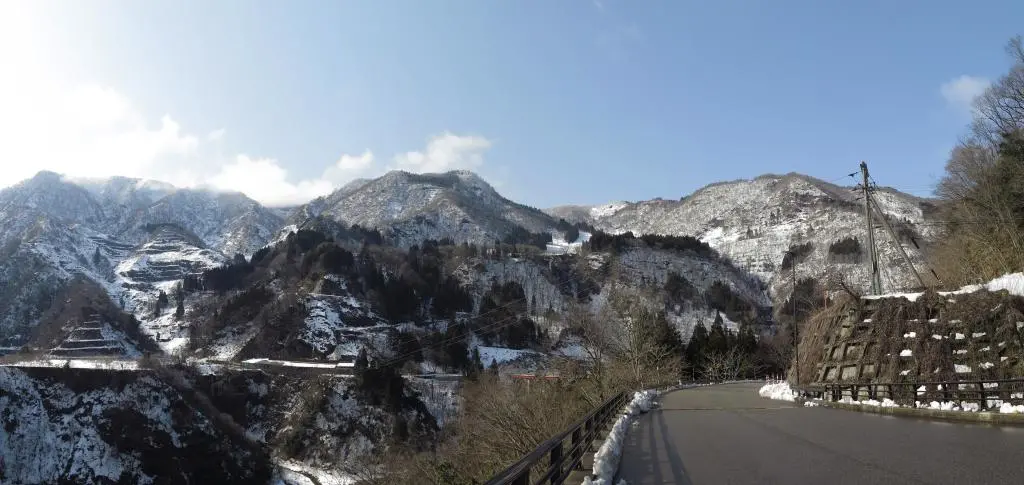
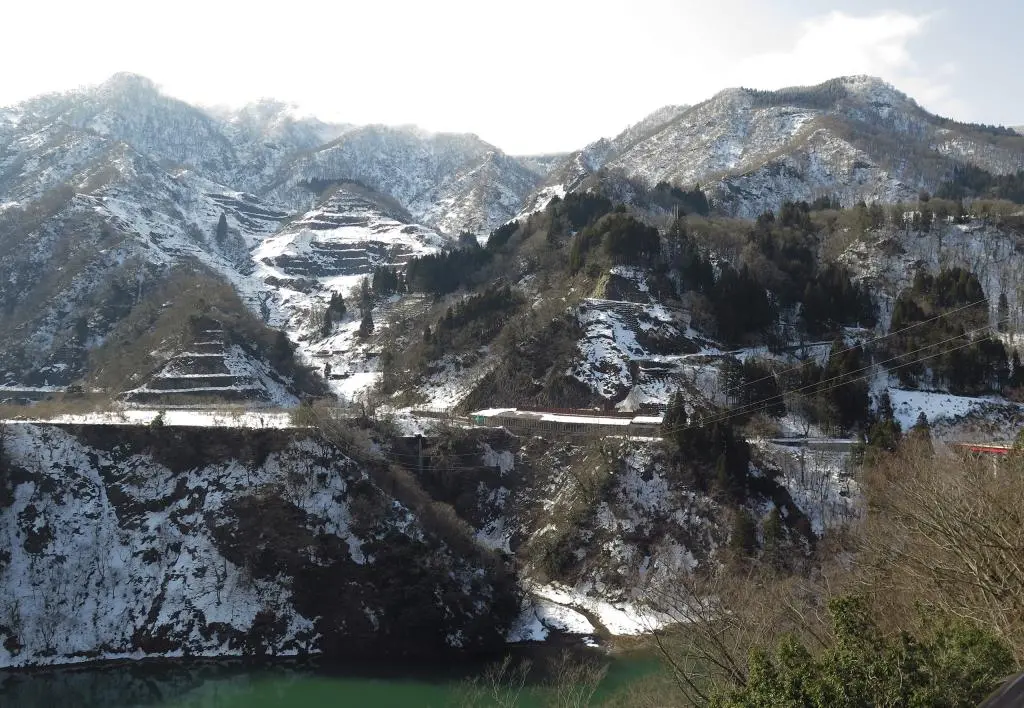
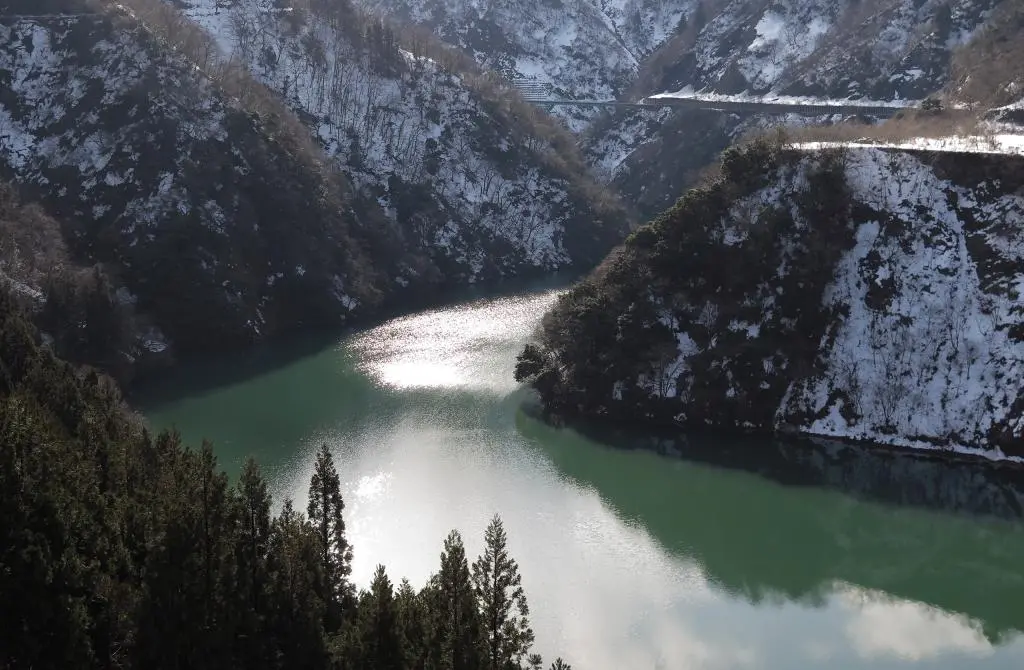
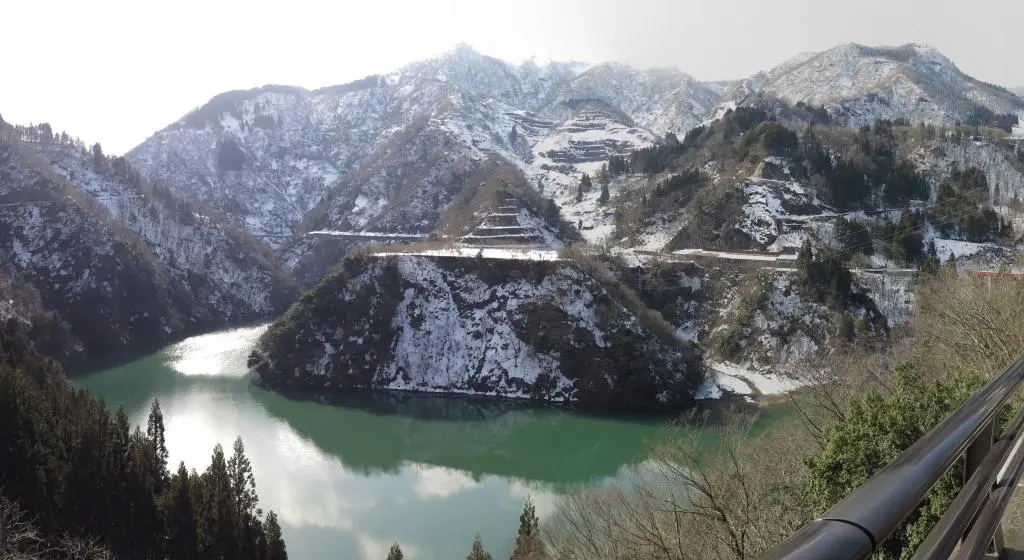
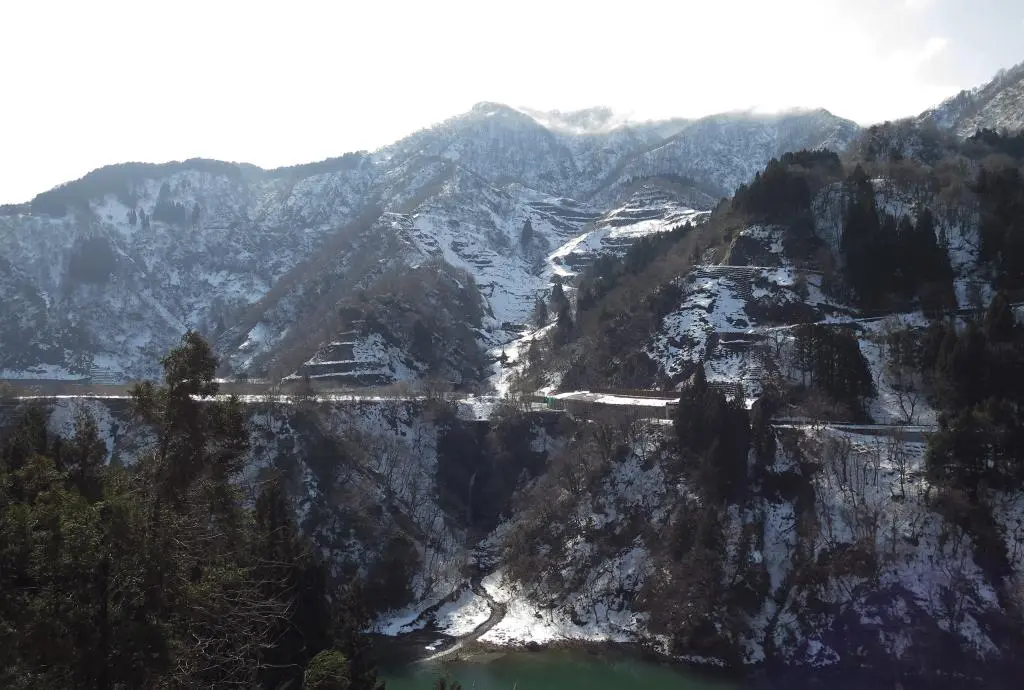
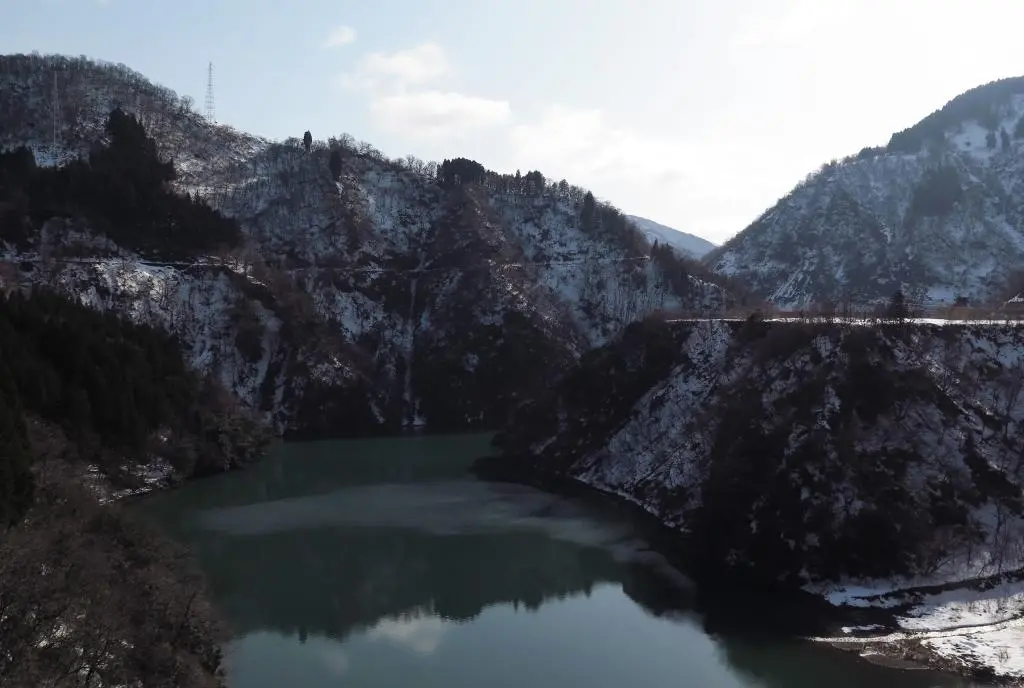
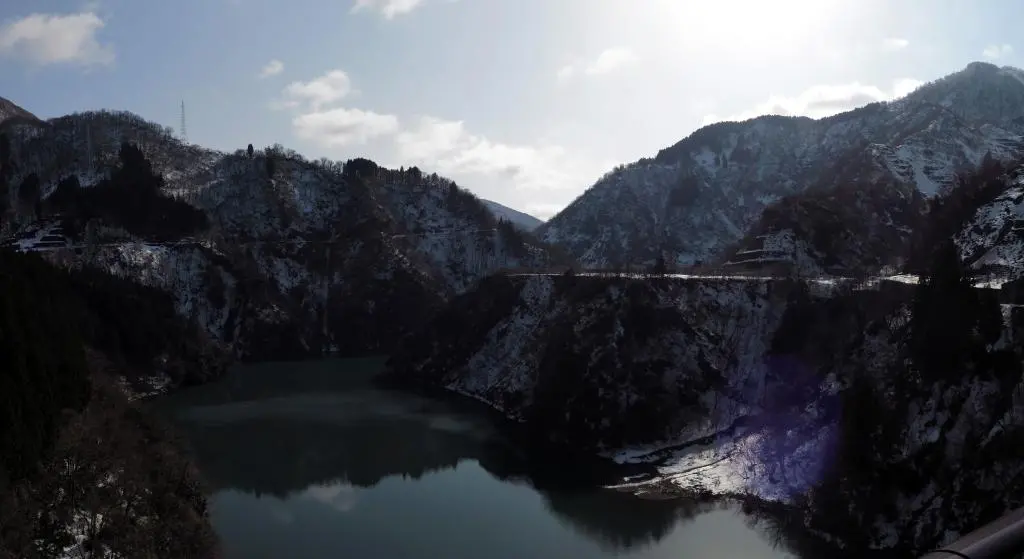
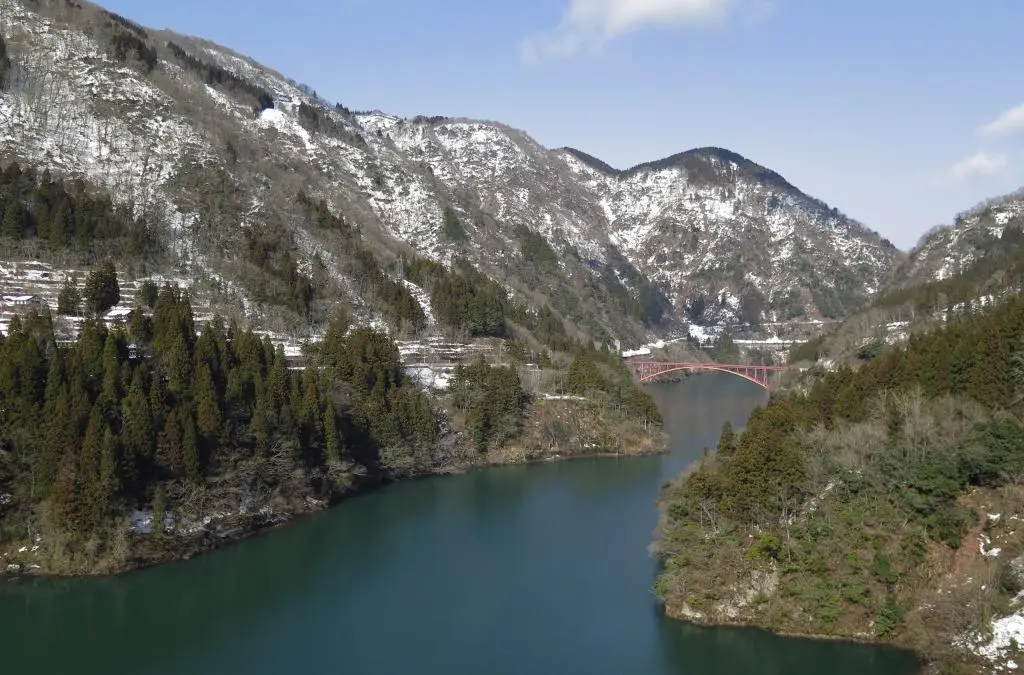
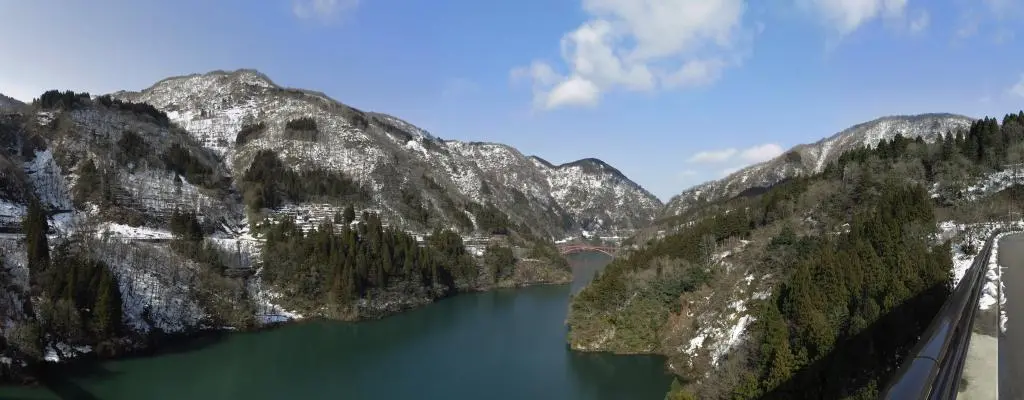
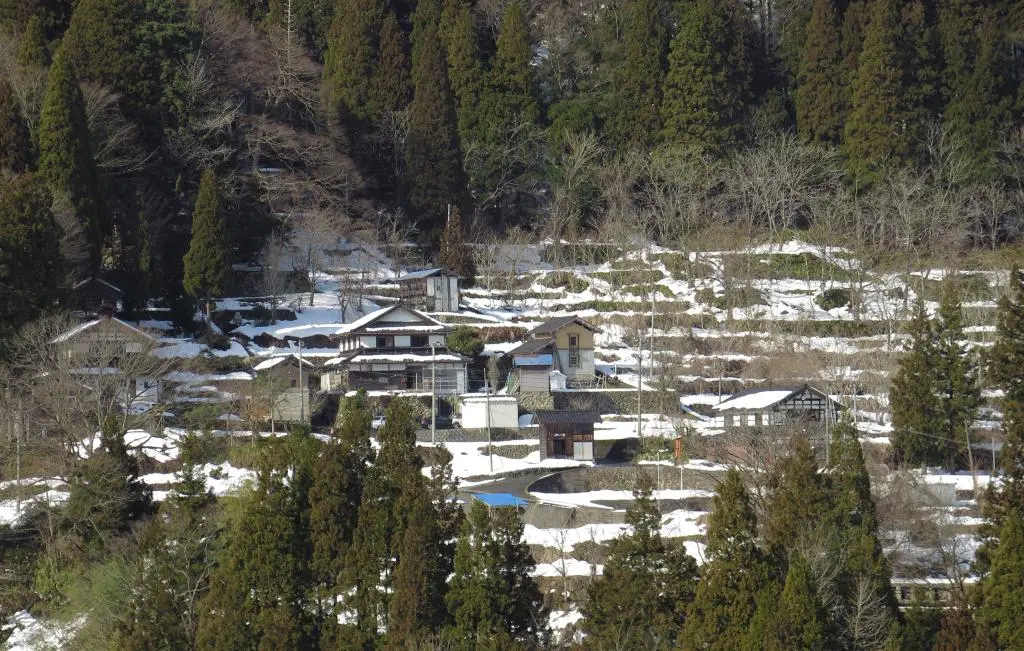
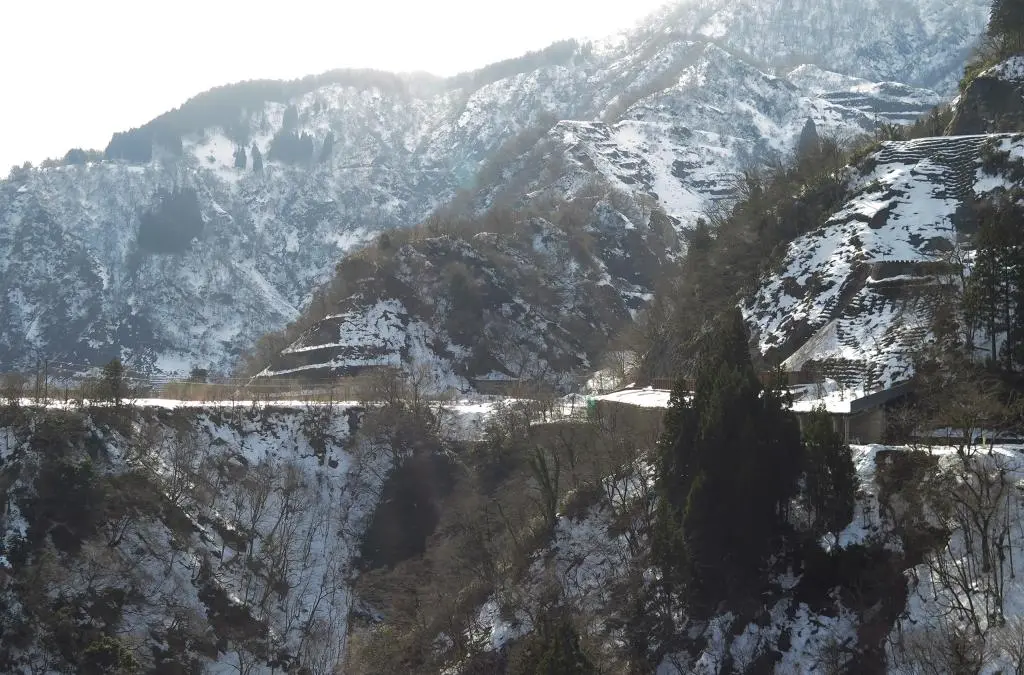
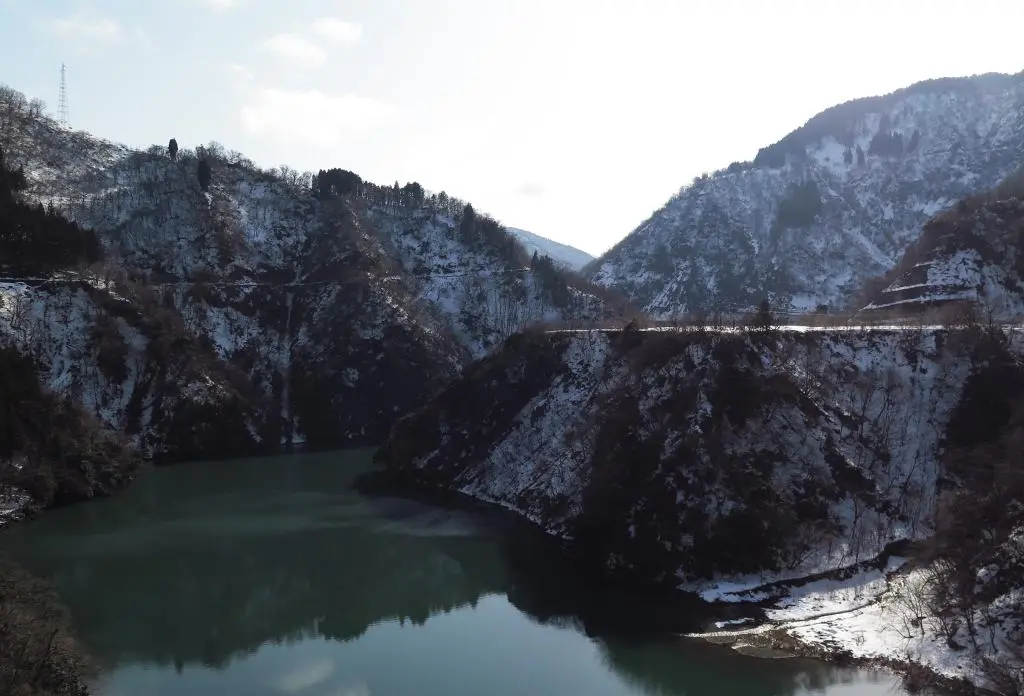
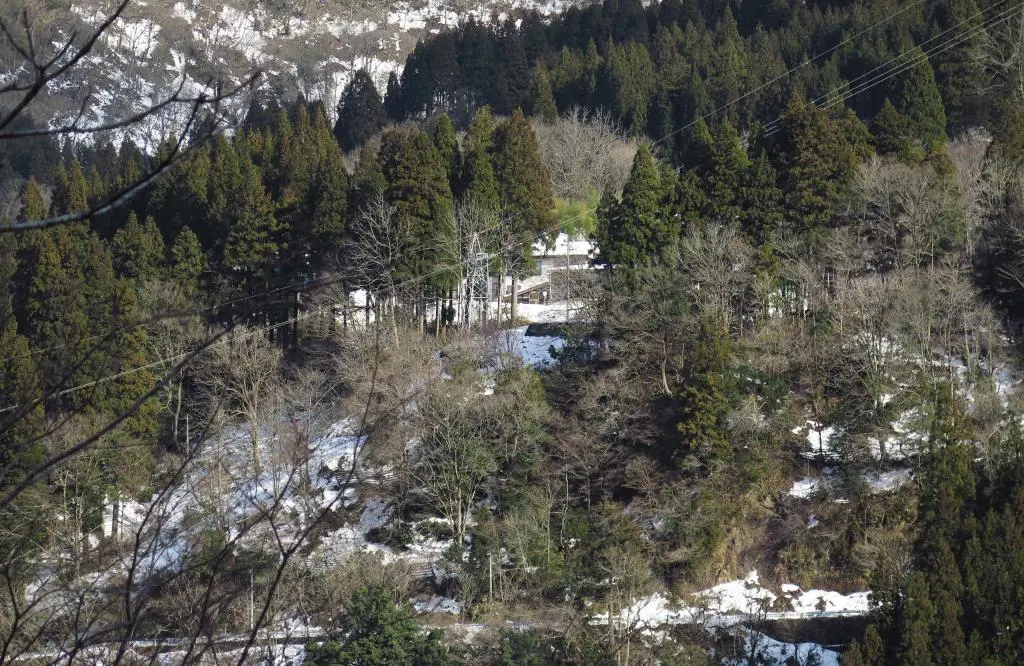
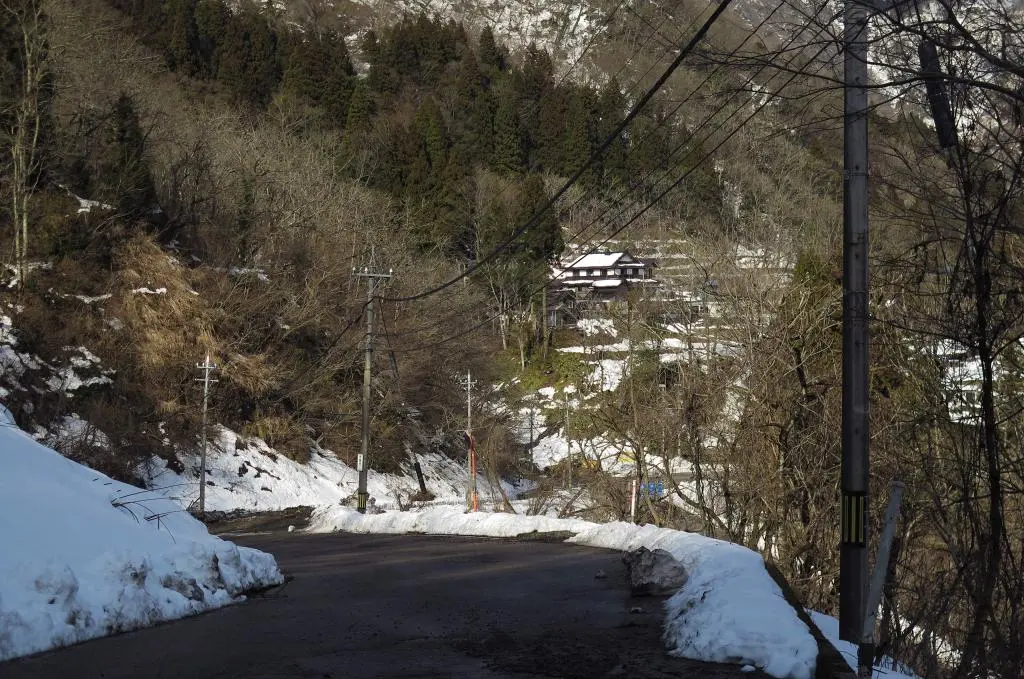
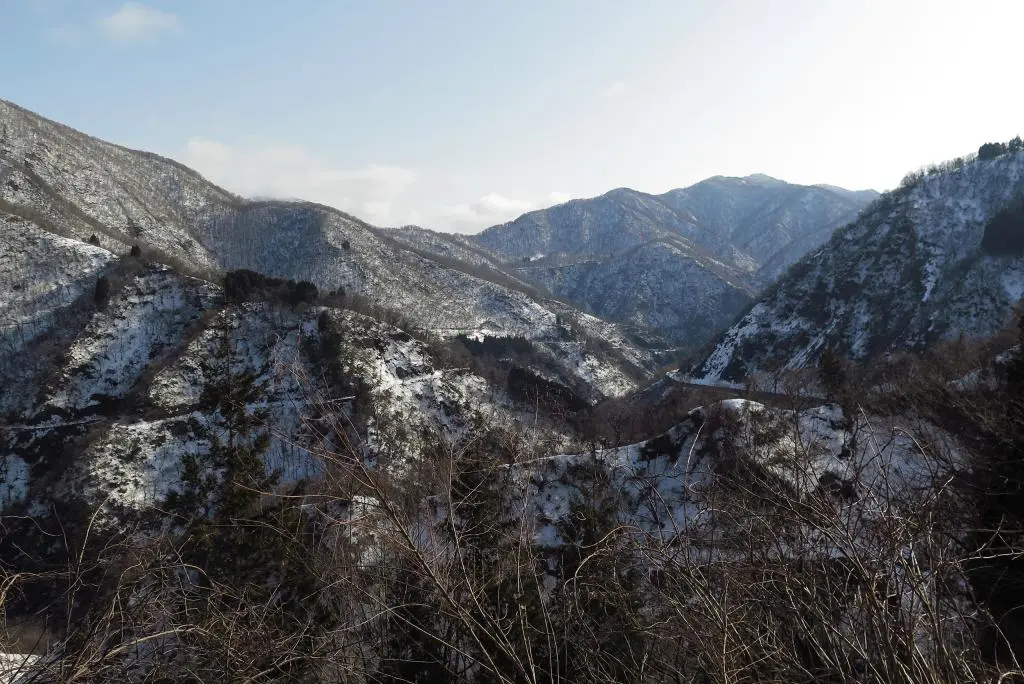
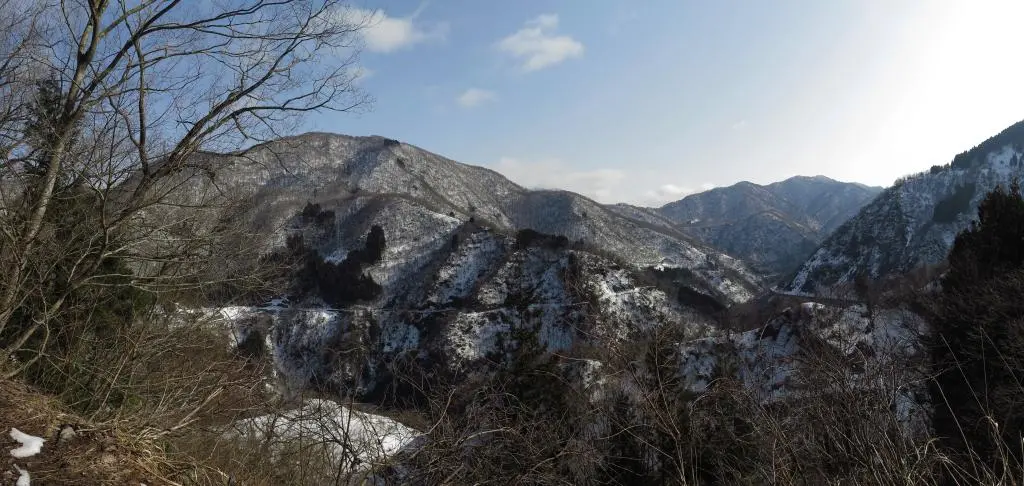
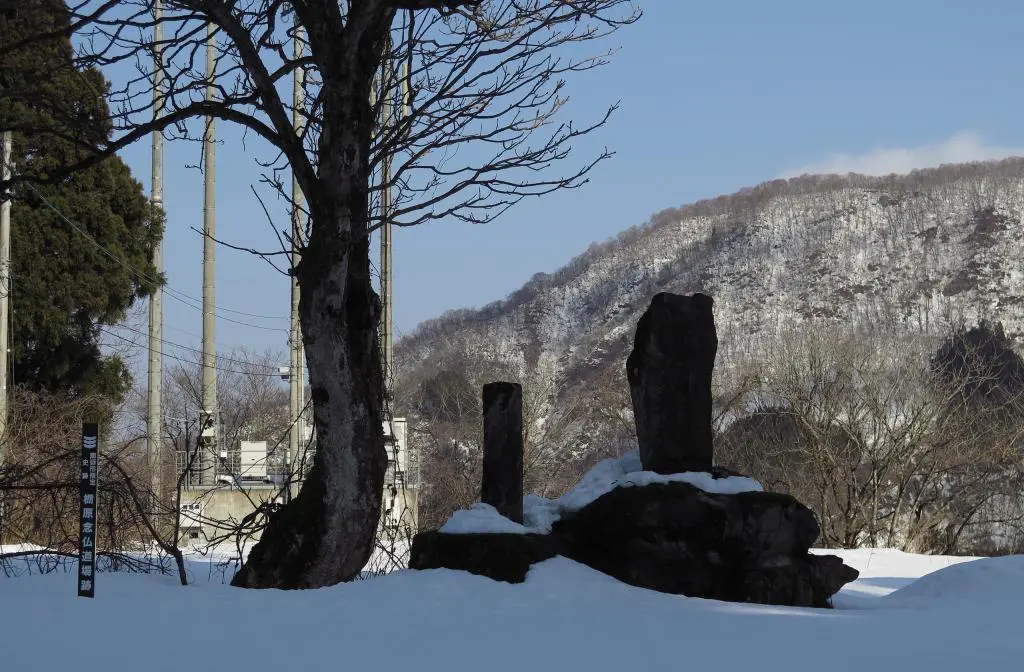
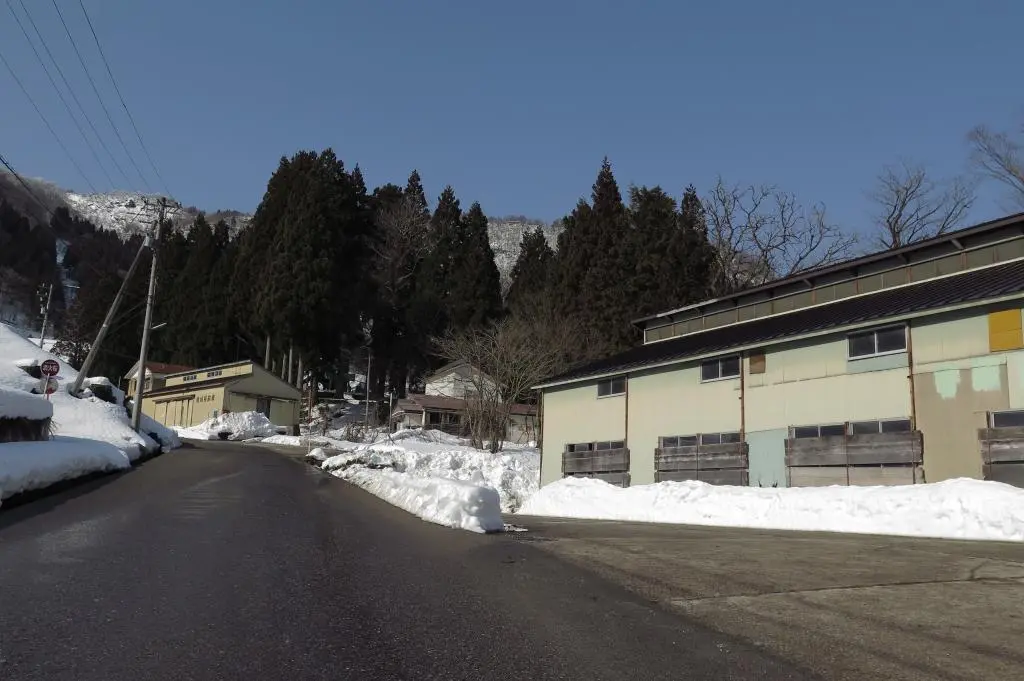
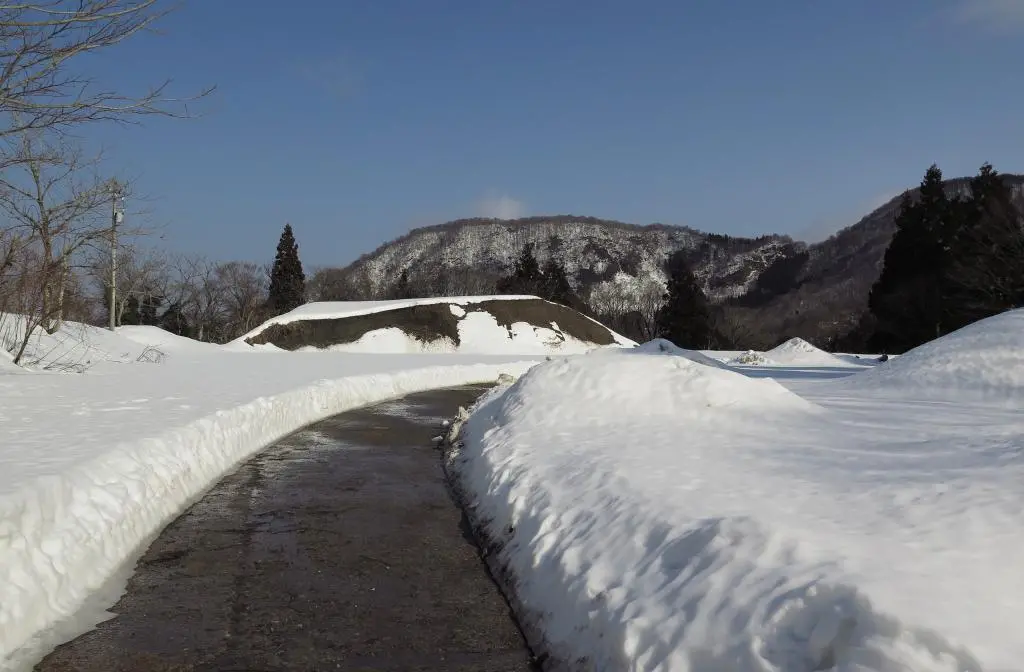
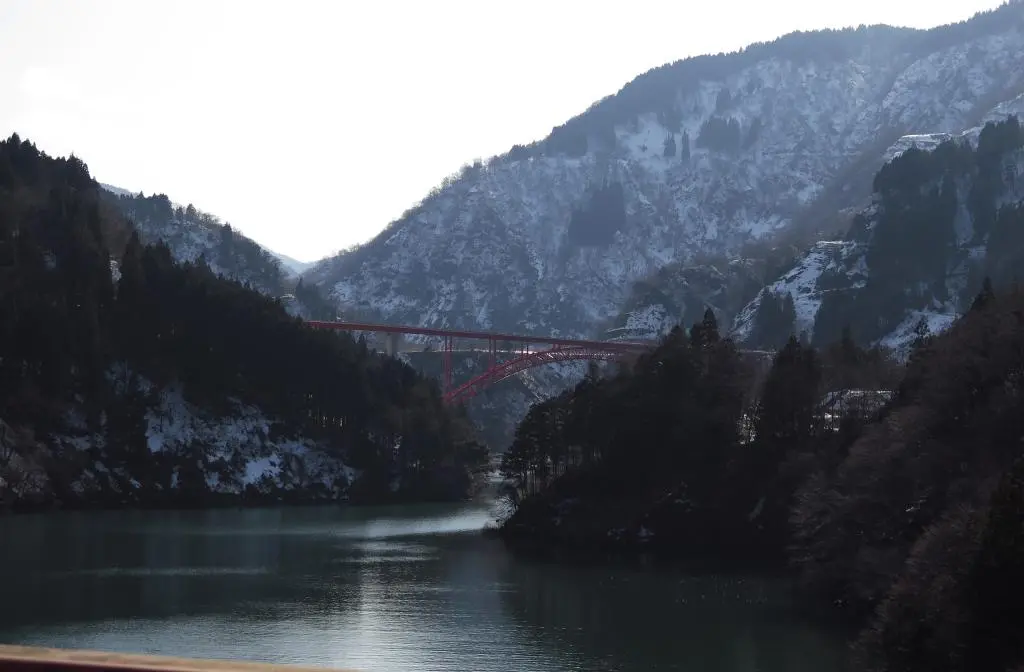
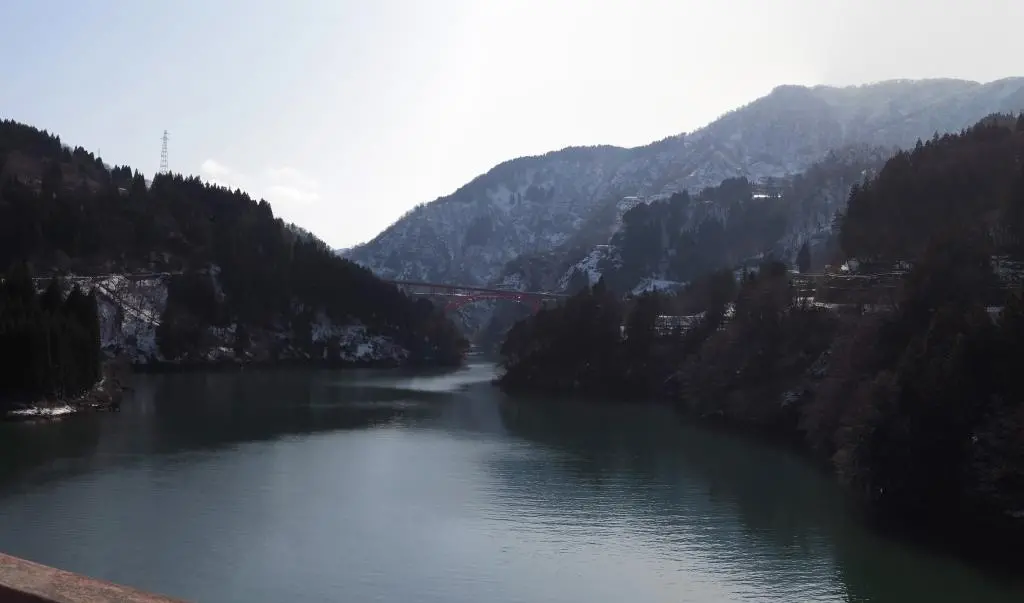
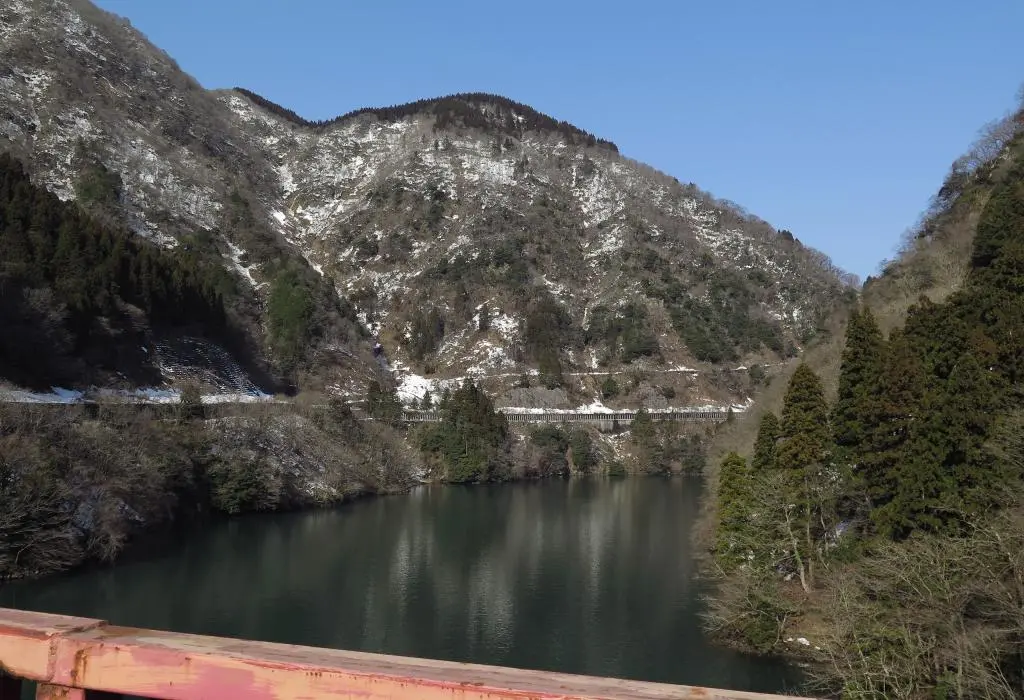
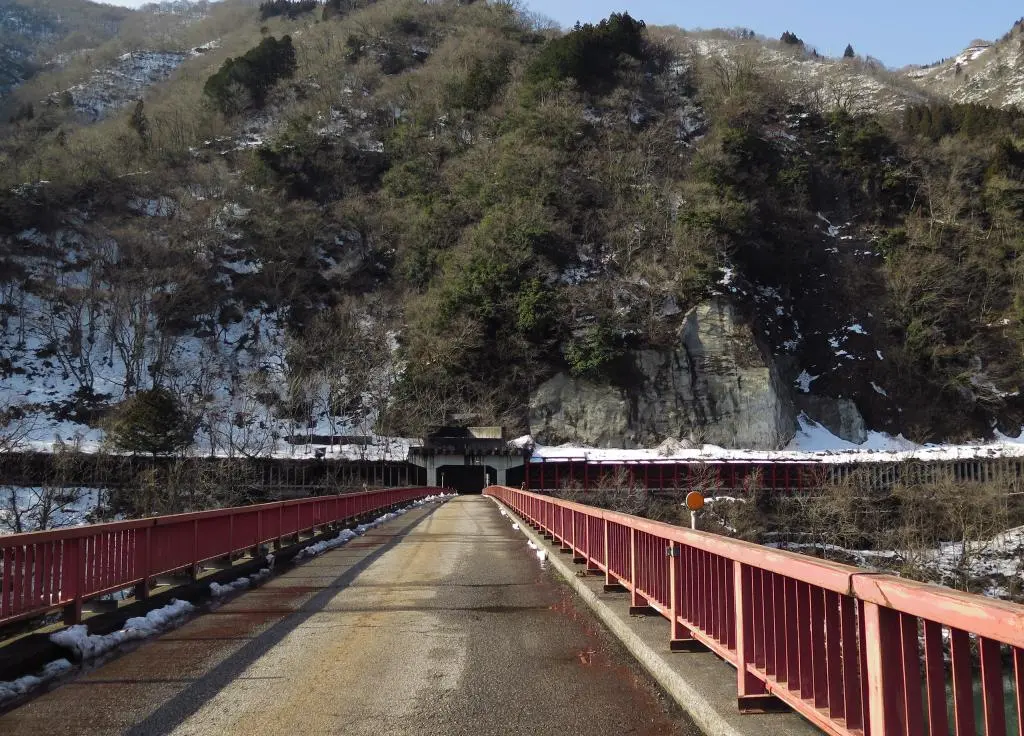
The Kitahara and Tochihara areas of Toga valley and Otani valley are some of the first pockets of neighborhoods you encounter when traveling south and upstream along the Sho River 庄川 in southwestern Toyama. Kitahara is on the east bank of the river, while Tochihara is on the west bank and far higher up from the river side. Both areas had flat plateaus among the sharp cliffs, forests, and tough ground, which made them sustainable enough for people to live.
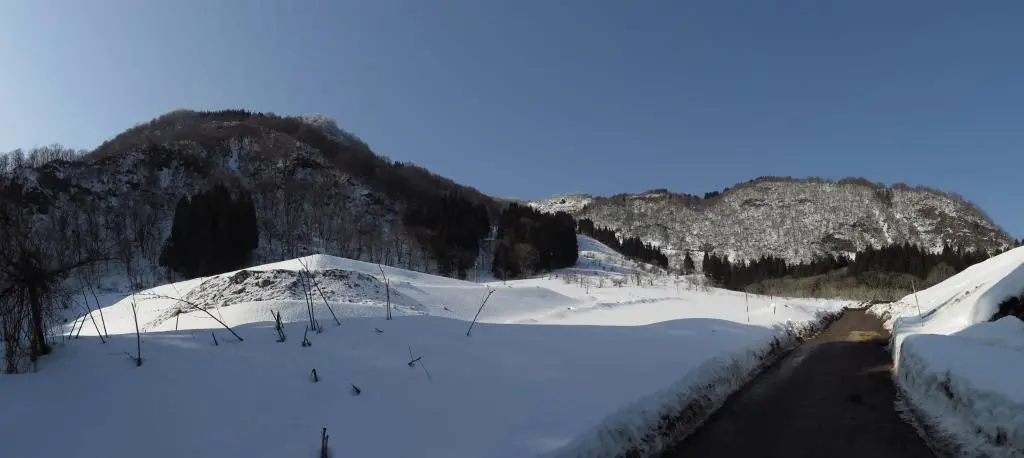
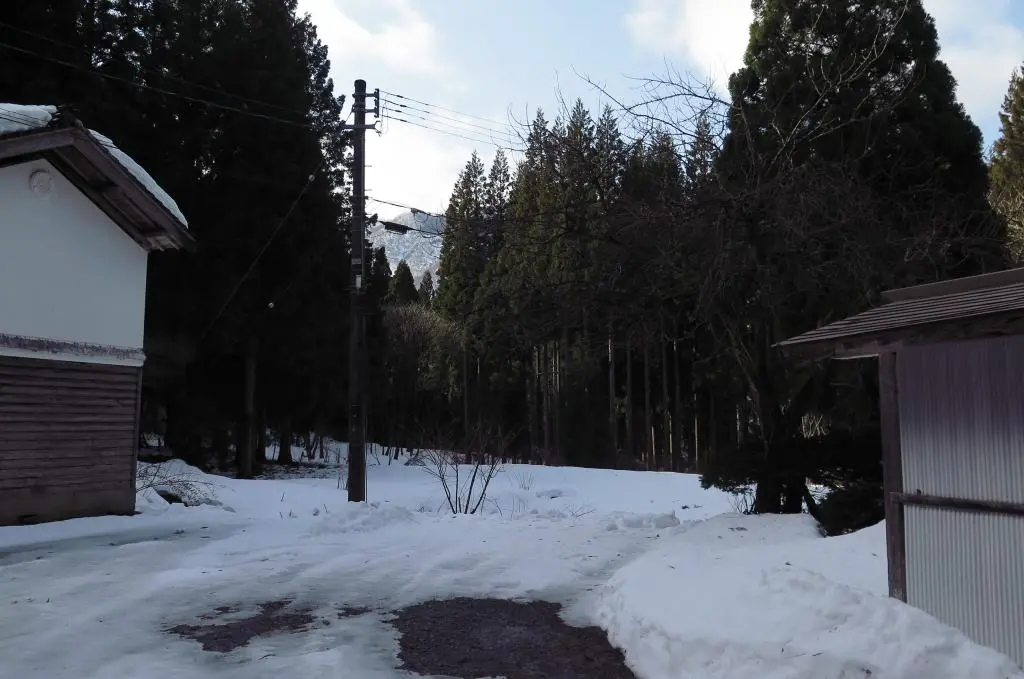
After climbing up the cliff from the river on the west side, the area of Tochihara was quite wide. Among all the pocket neighborhoods and settlements of Toga Valley, it was quite populous with 217 residents in 32 households nearing the 1900s. As such, it was one of the first areas in Toga to get a branch school. Tochihara Branch School 栃原分校 was established in 1902 and stayed in use through 1973.
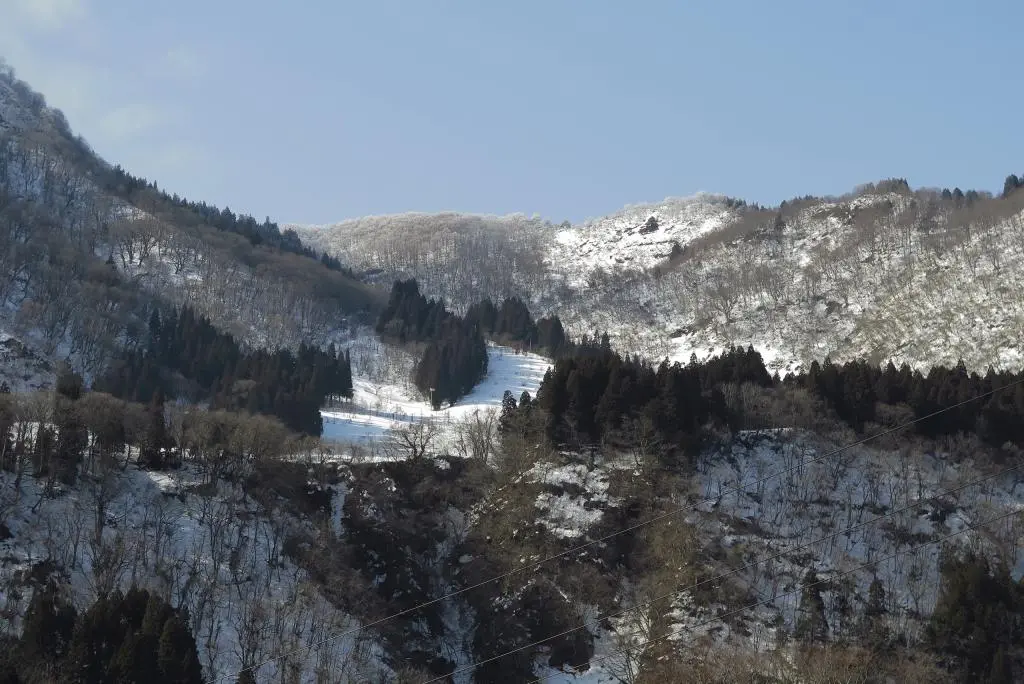
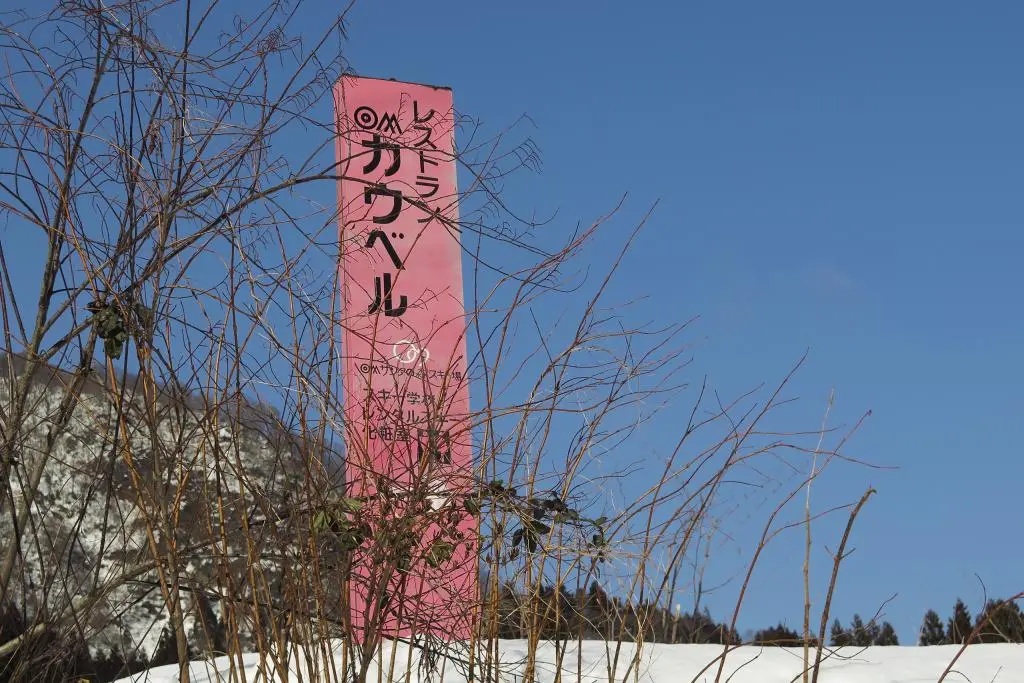
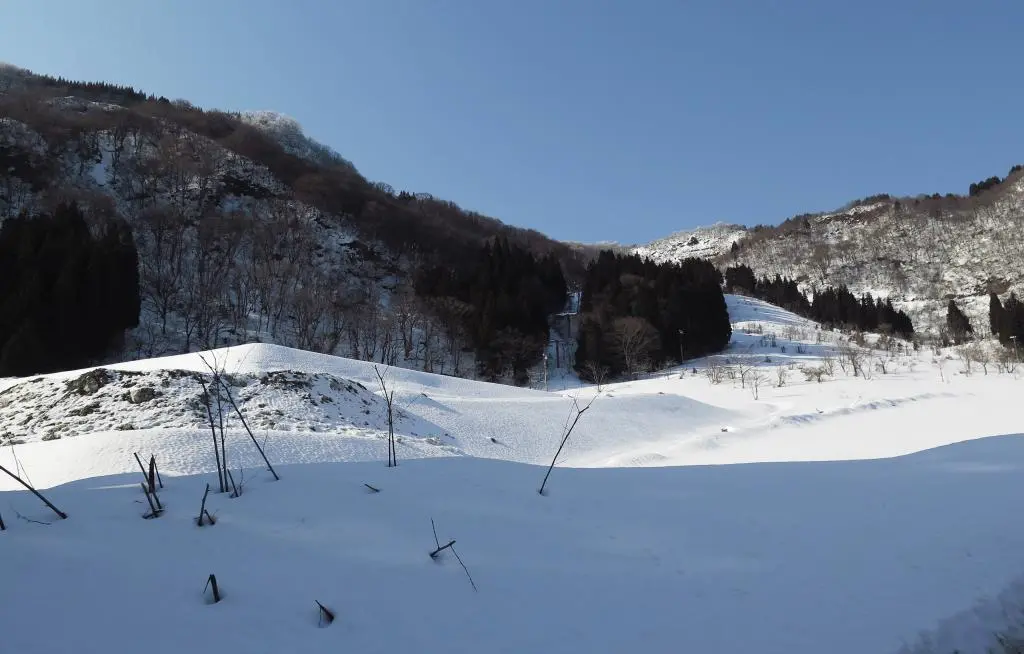
Tochihara became abandoned in 1976, but the area came to life again as a ski resort and farms. In the 1970s, Japan looked for open land to convert into rice farms to increase production to match their population increase. All the original homes were removed.
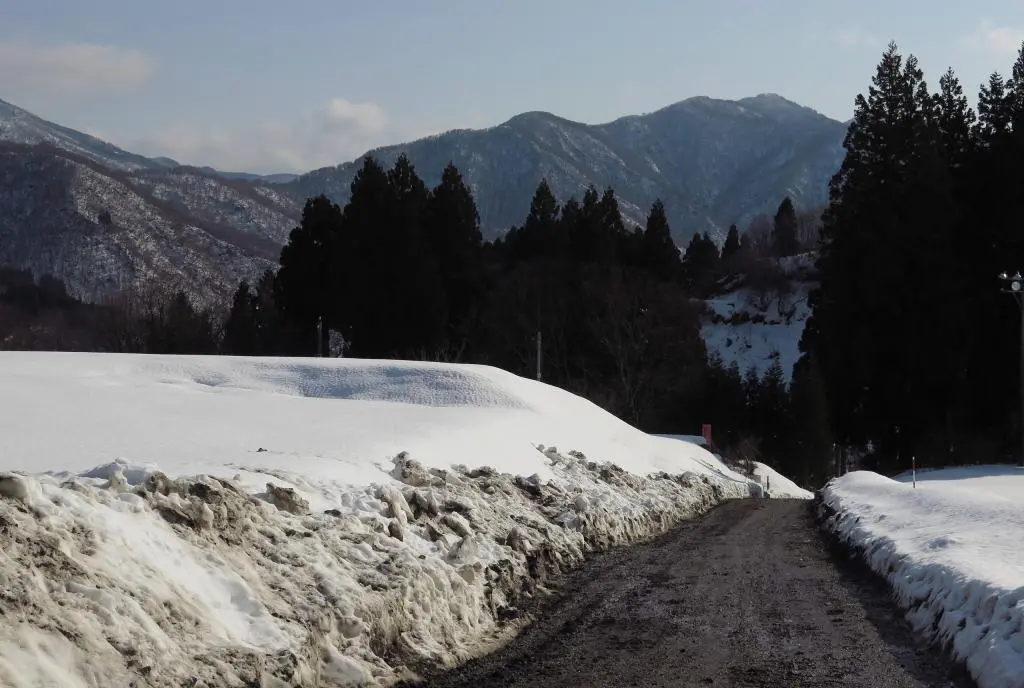
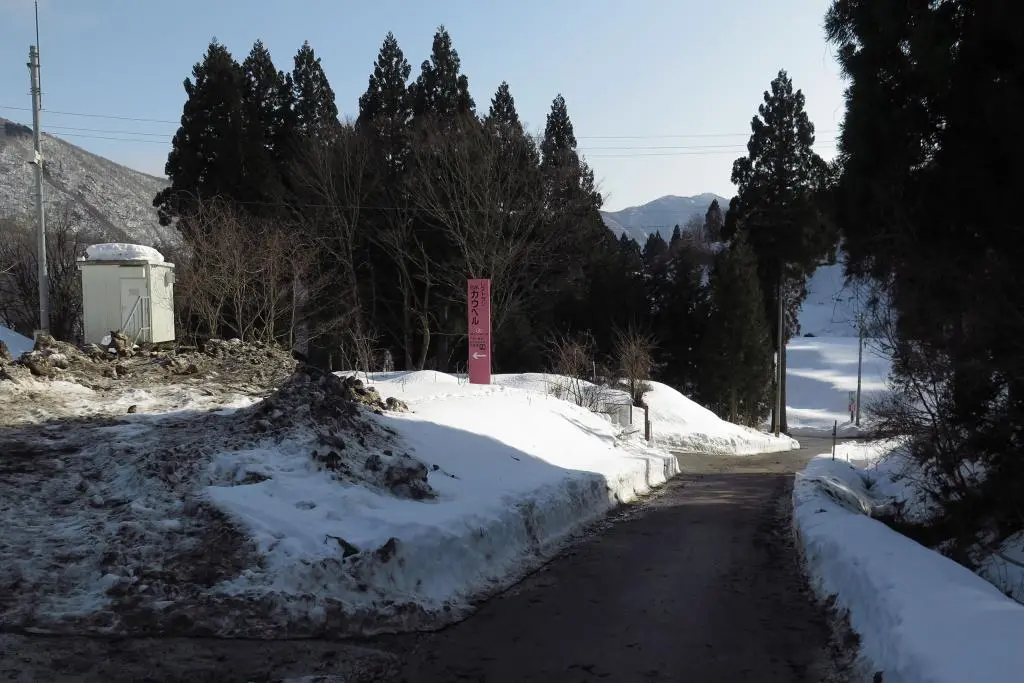
Today, not much remains. The ski resort closed decades ago, and its final building was bulldozed last year. Digging and land moving equipment line the areas to quarry rock for construction projects.
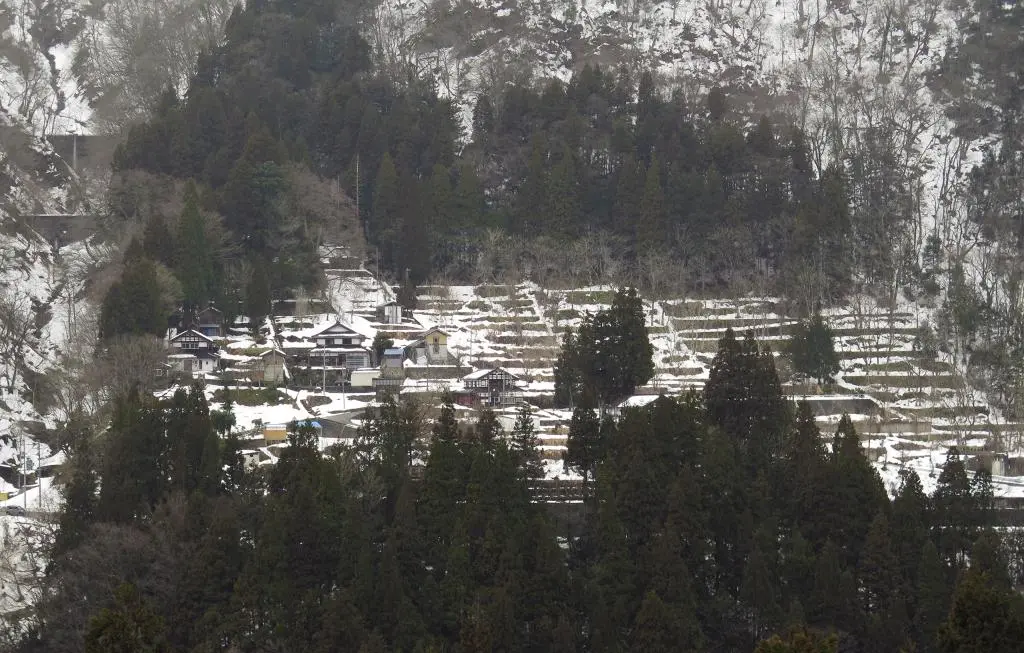
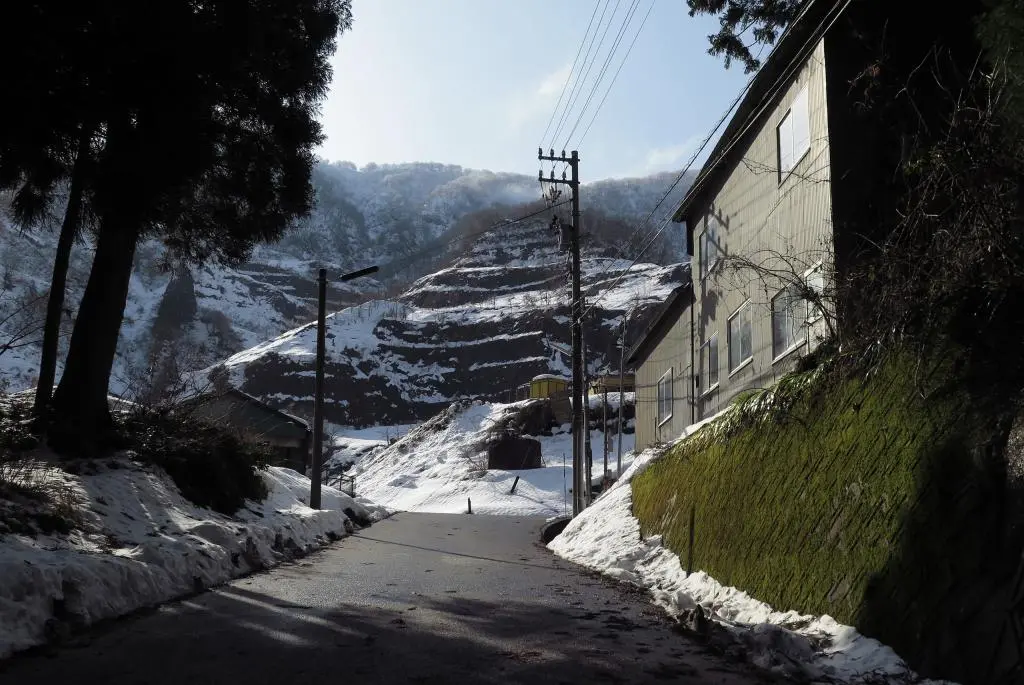
It should also be noted that a small settlement known as Shimobara sits at the foot of Tochihara's cliffs, and is directly opposite from the river of Kitahara. Perhaps ironically, it seemed an annex of Tochihara in the beginning, but these days its the only place where people still live.
Compared with the west bank, Kitahara on the east side has gotten more activity in recent years.
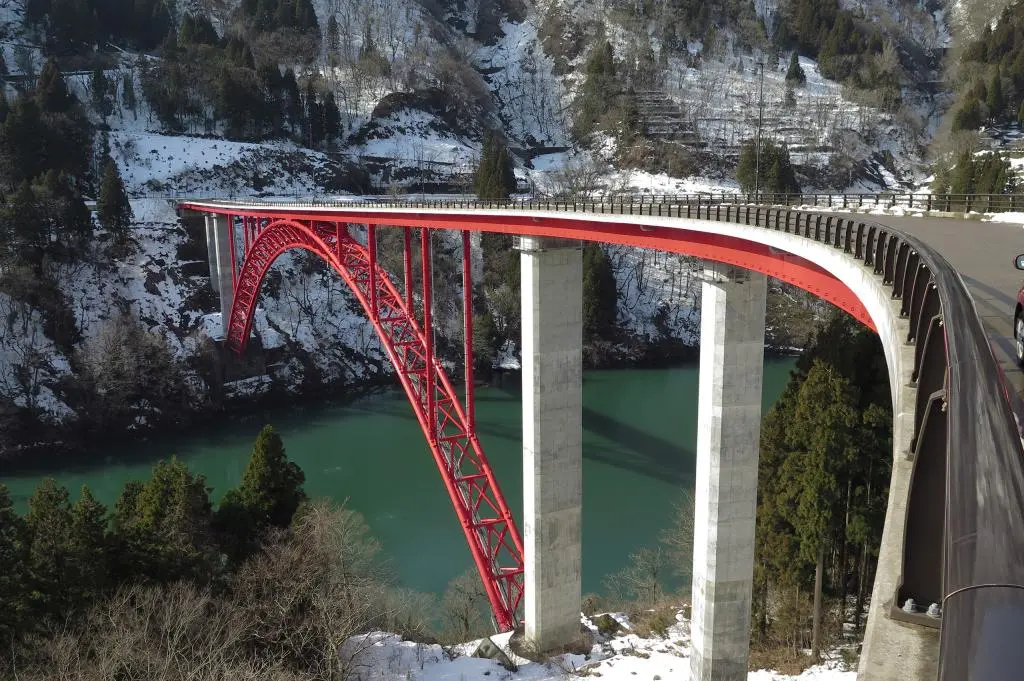
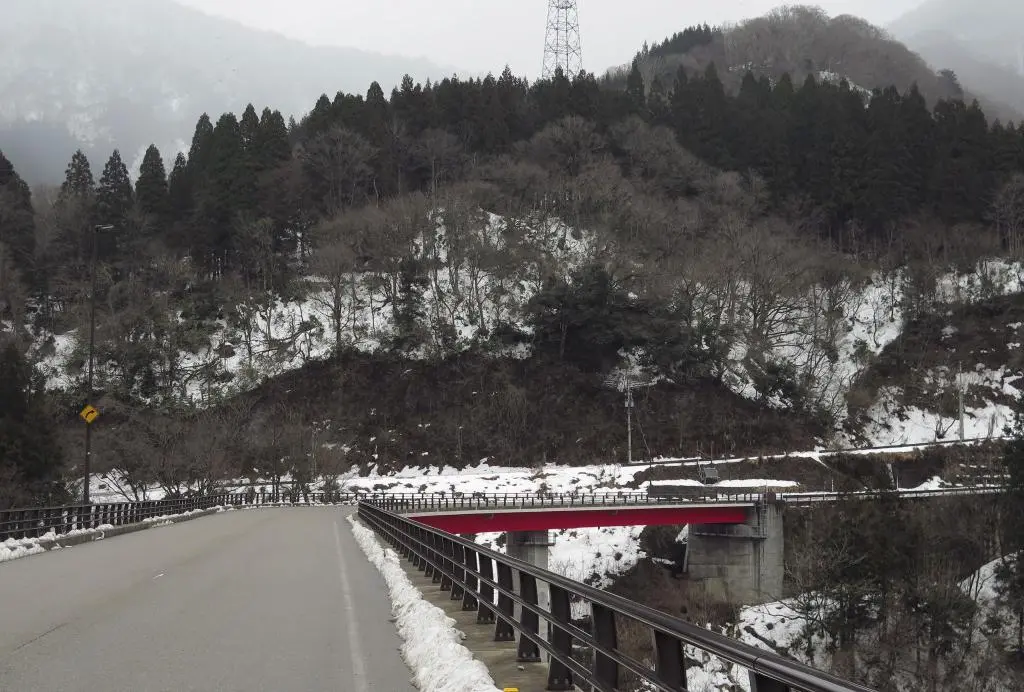
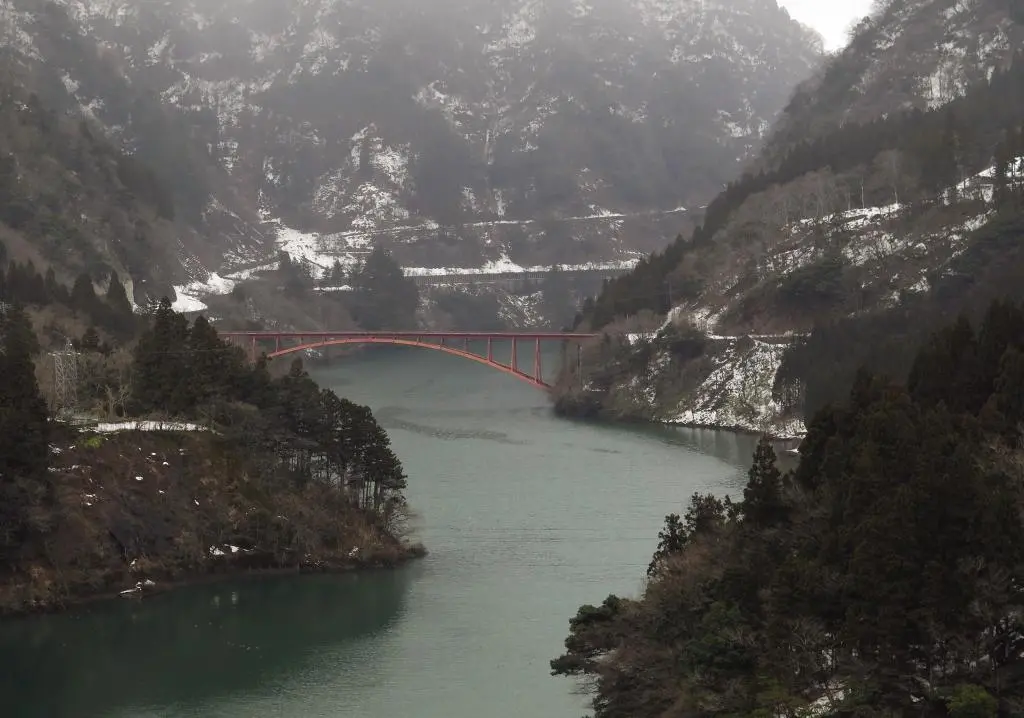
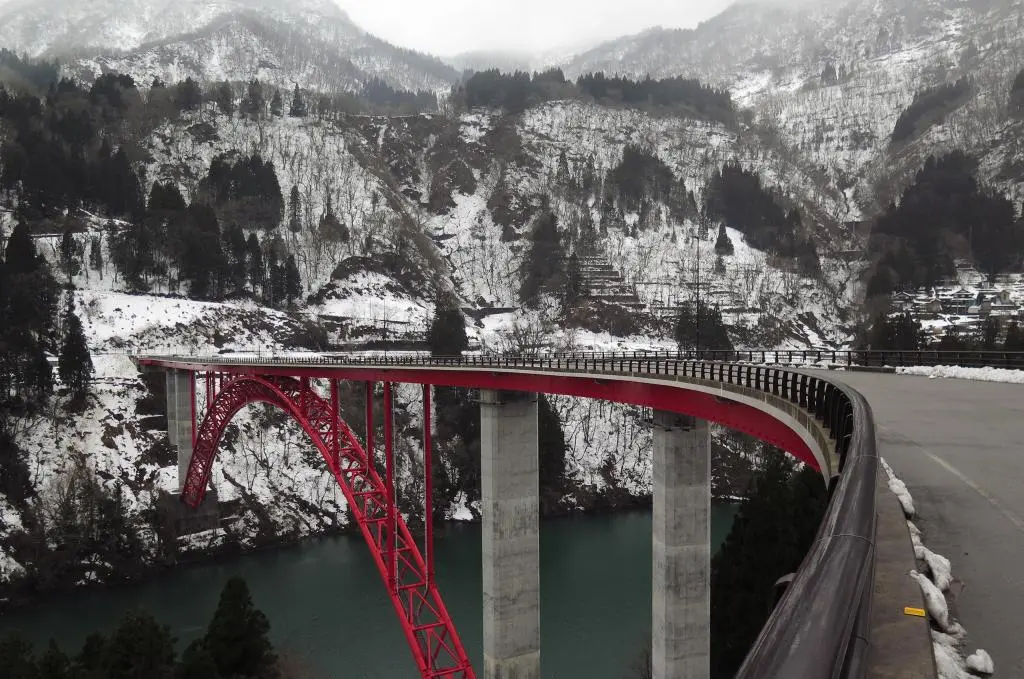
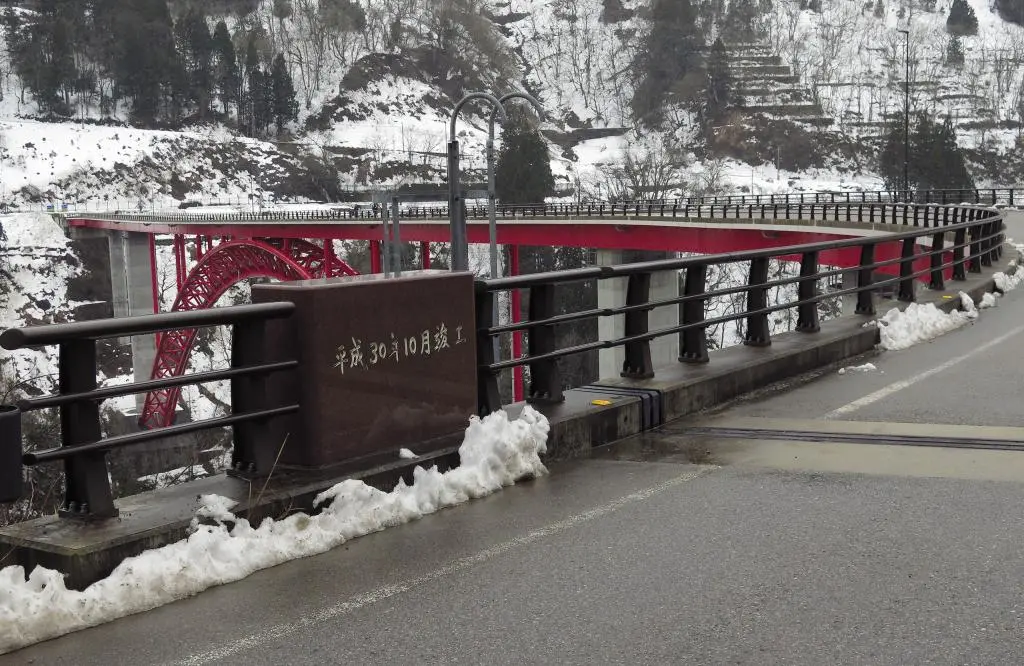
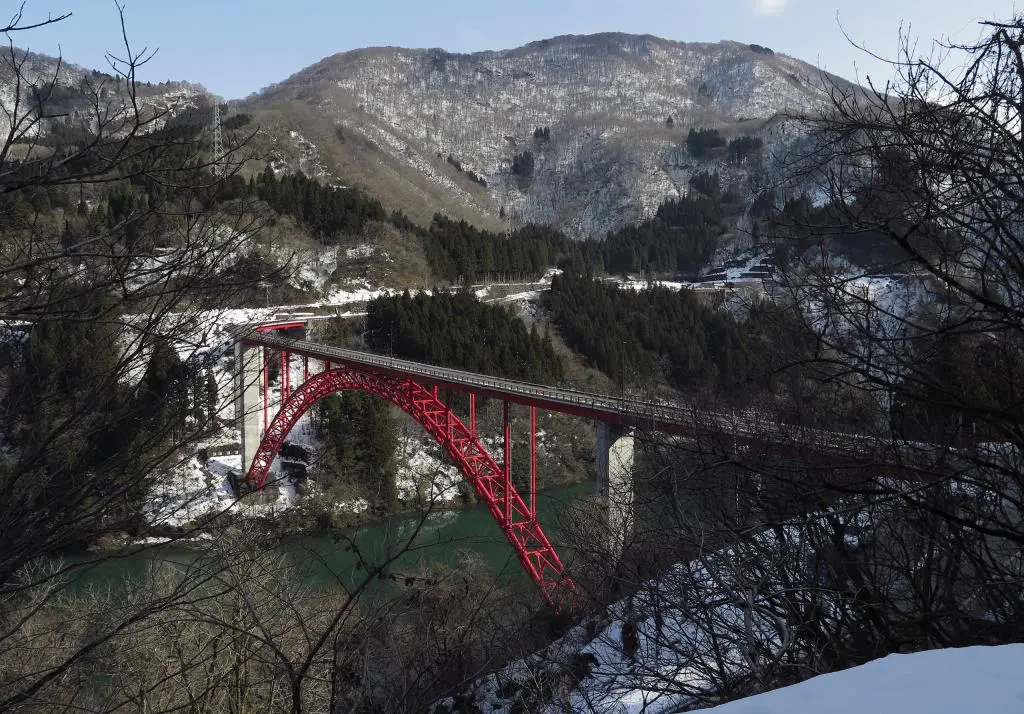
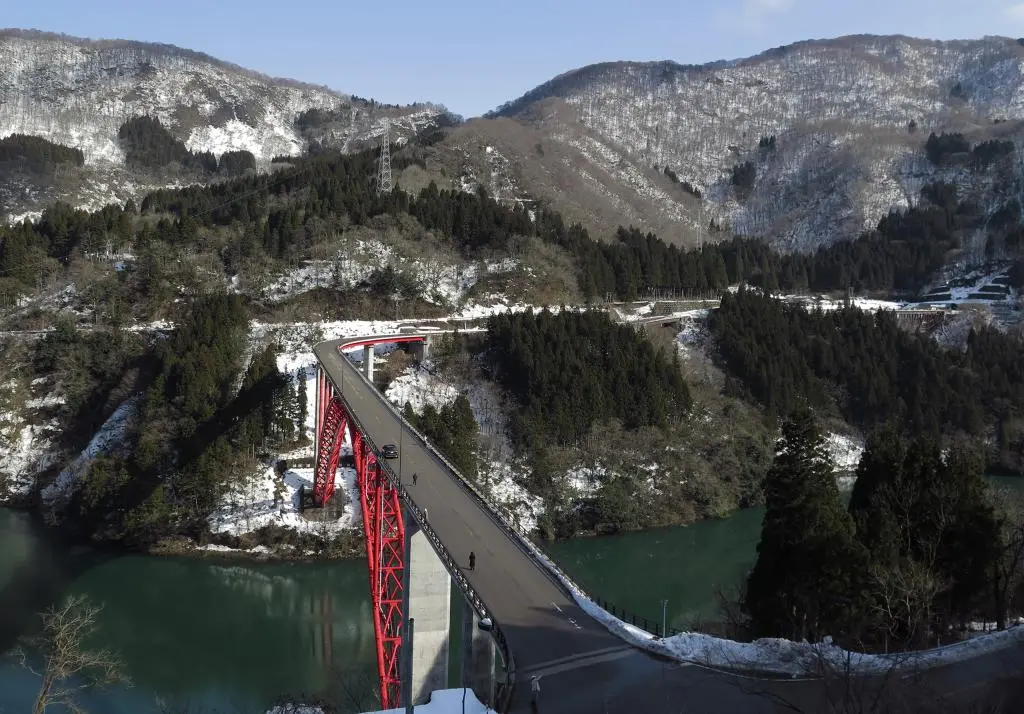
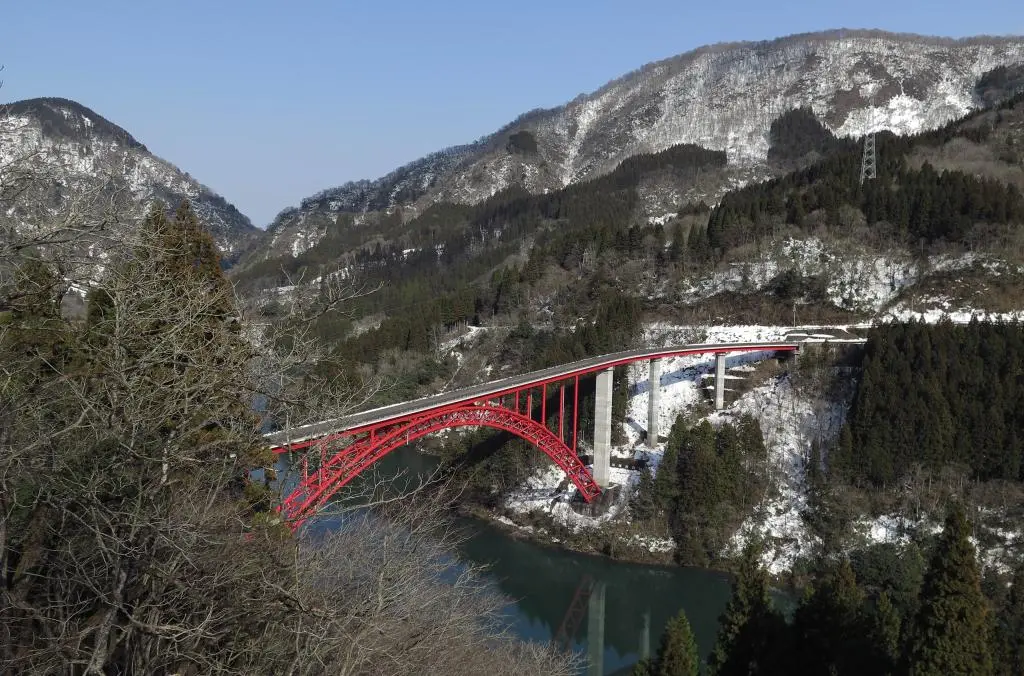
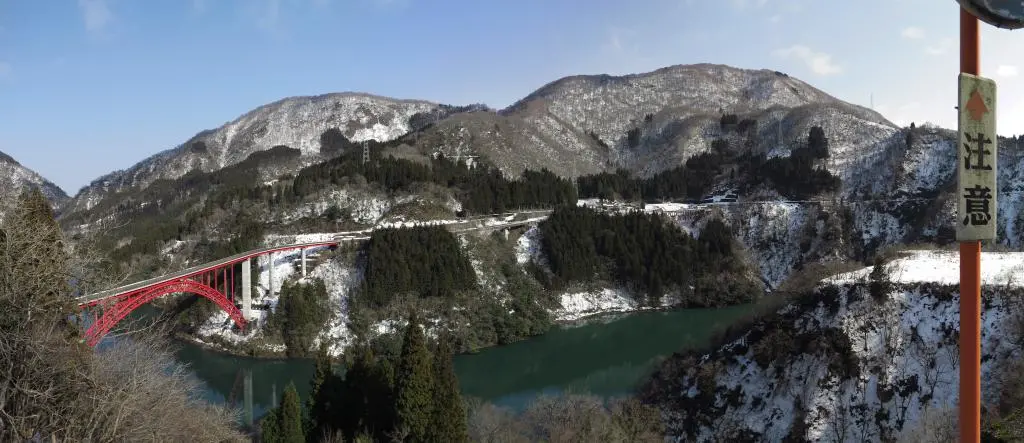
The Toga bridge was completed 8 years ago, and it literally bridges the Kitahara neighborhood on the east bank to the west bank. It's a huge towering structure in the middle of seeming isolation, which seems weird considering hardly anyone lives in Kitahara.
It's ultimate purpose is to lead traffic to a tunnel. The tunnel is currently under construction but when it's complete, it will bring people directly to the heart of Toga Village. Travel will be far more direct and safer in winter because of it. No idea when the tunnel will open but looking through Google Maps, construction on the bridge began nearly 13 years ago. Sometimes Japanese rural development is measured in decades.
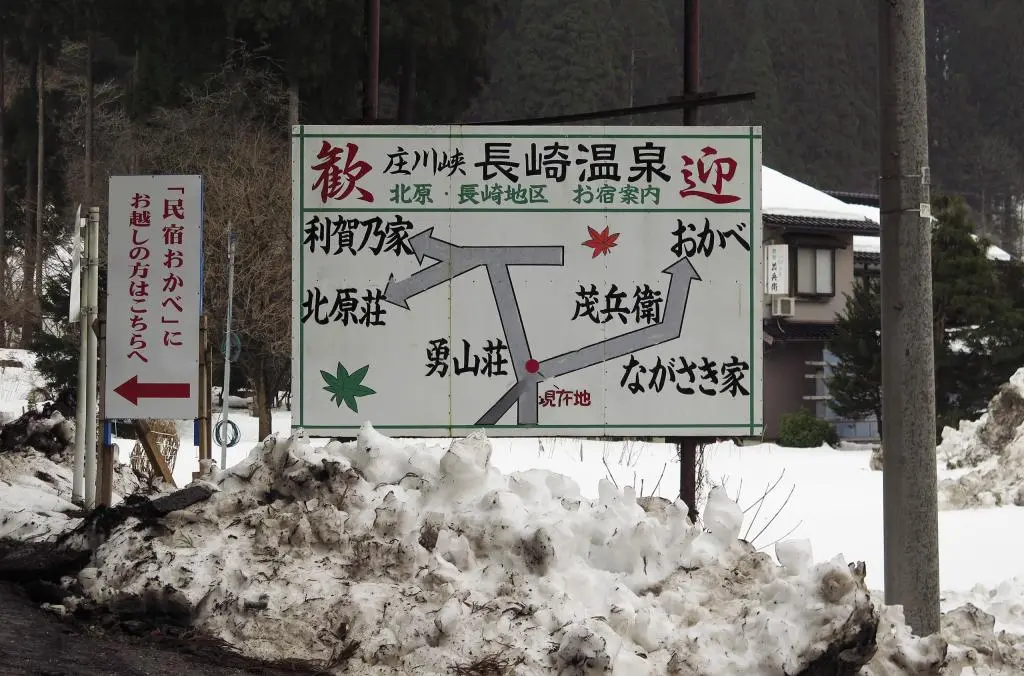
For now, the bridge allows quick access to several hot spring hotels and guest houses.
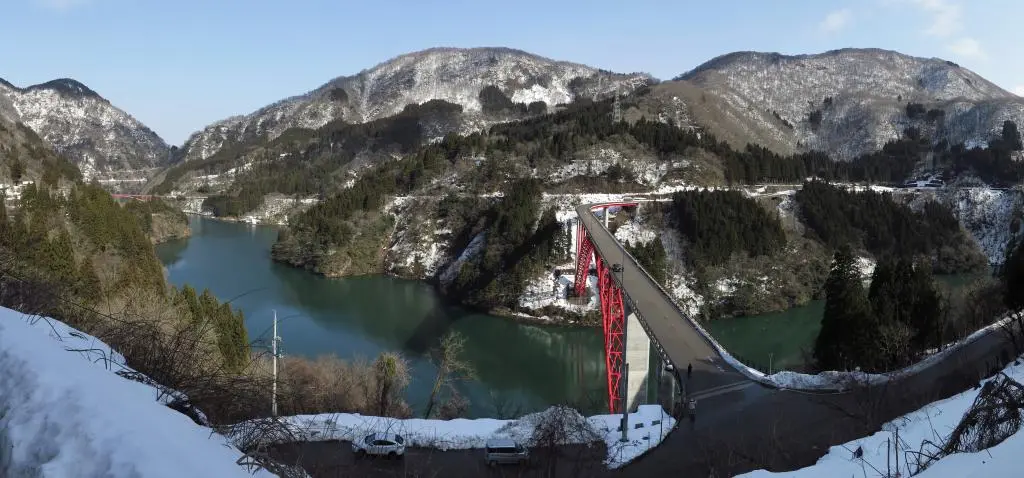
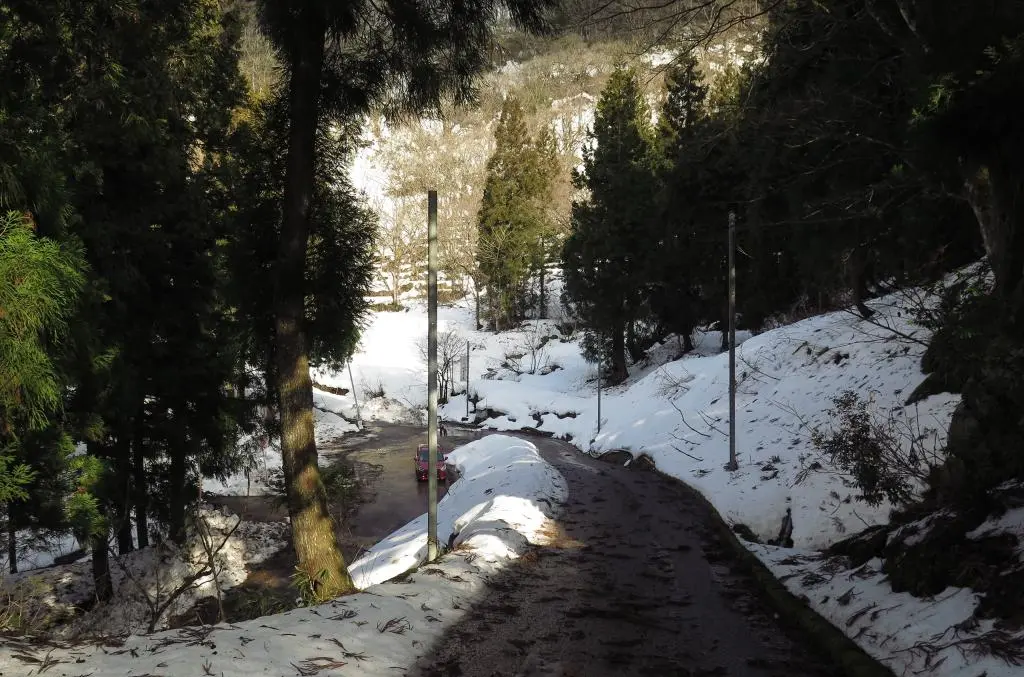
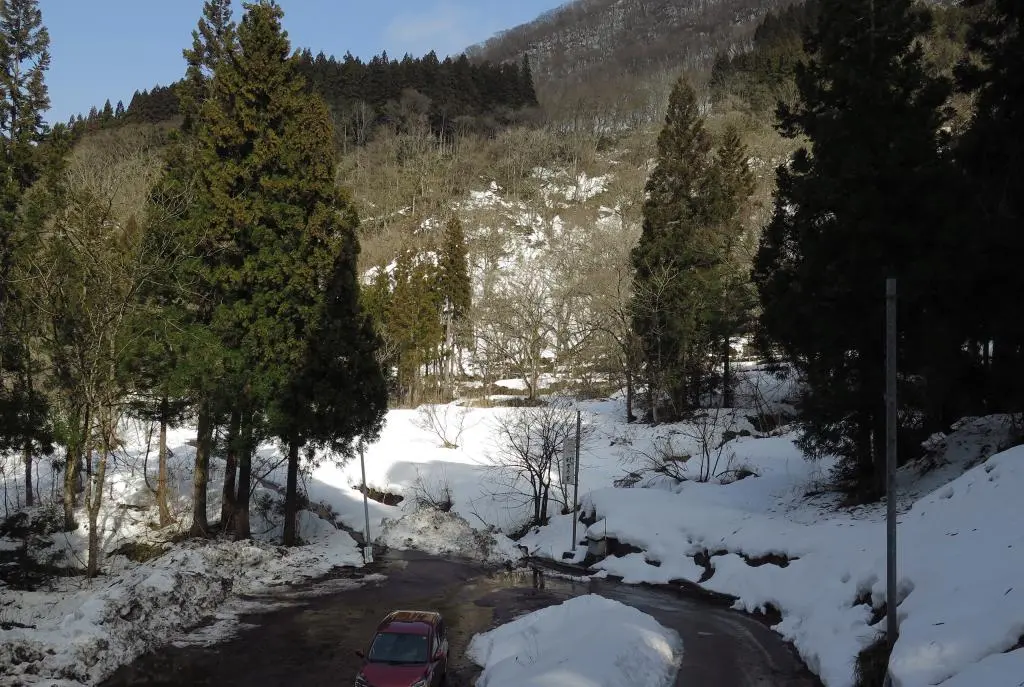
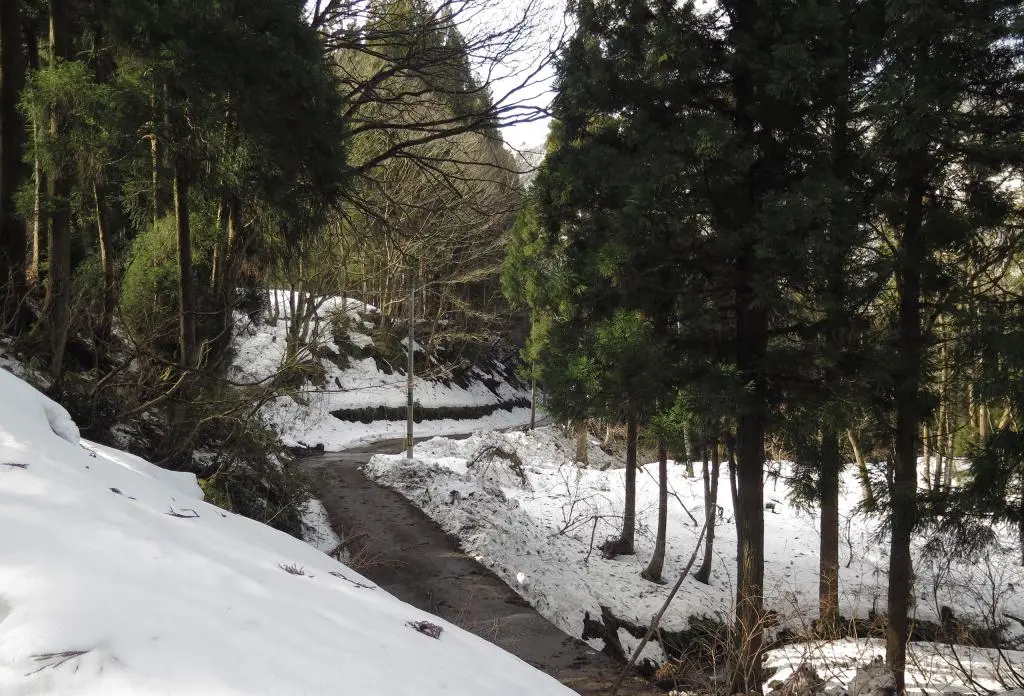
Originally, getting to Kitahara was not easy. The main route along the Sho River is on the west bank and Kitahara was on the east. The Sho River is very wide and deep, and the river banks have never high cliffs, so people could not easily go across. To the north, the Toga River splits from the Sho River, but the cliffs were still pretty steep. The original route to Kitahara had people cross the Toga River further south, and then climb over to the mountain to reach the area.
Despite the difficulty in getting to Kitabara in olden times, many of the residents found the natural hot springs of the area incredibly soothing and relaxing. In winter especially, the hot waters helped keep everyone warm inside.
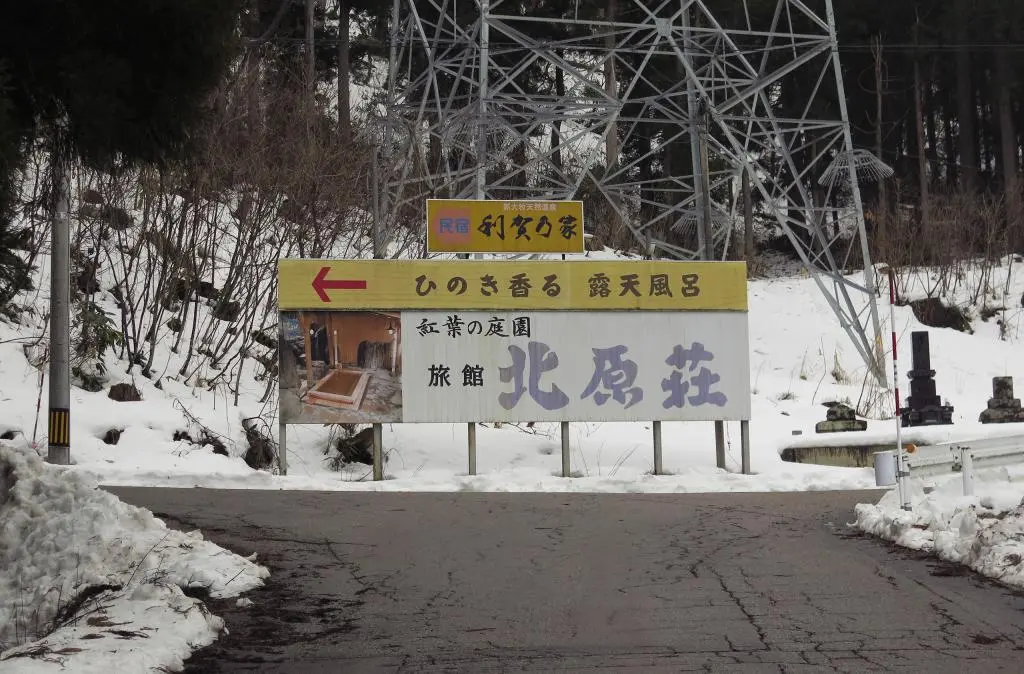
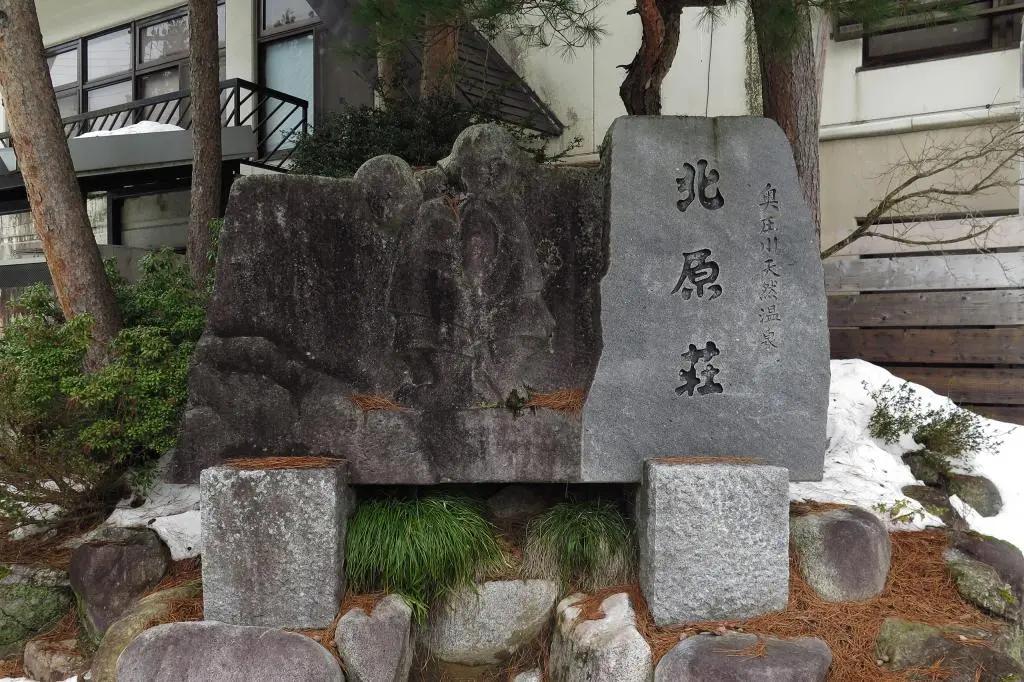
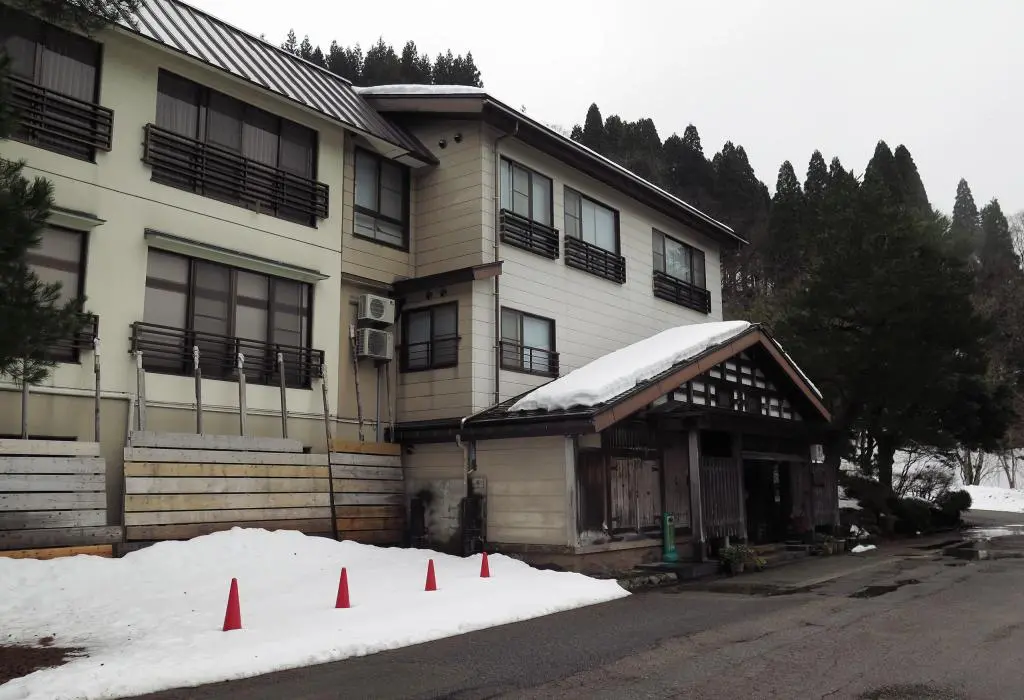
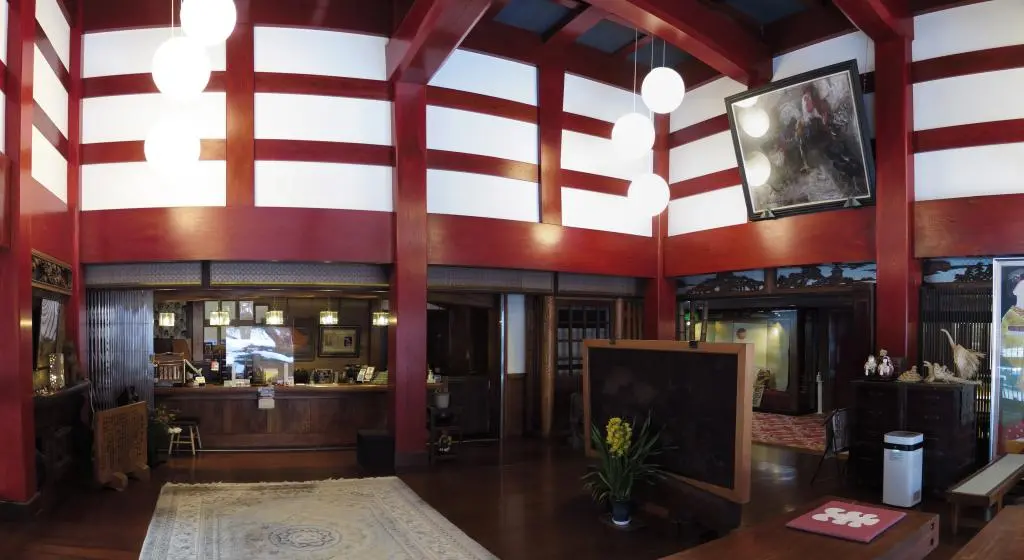
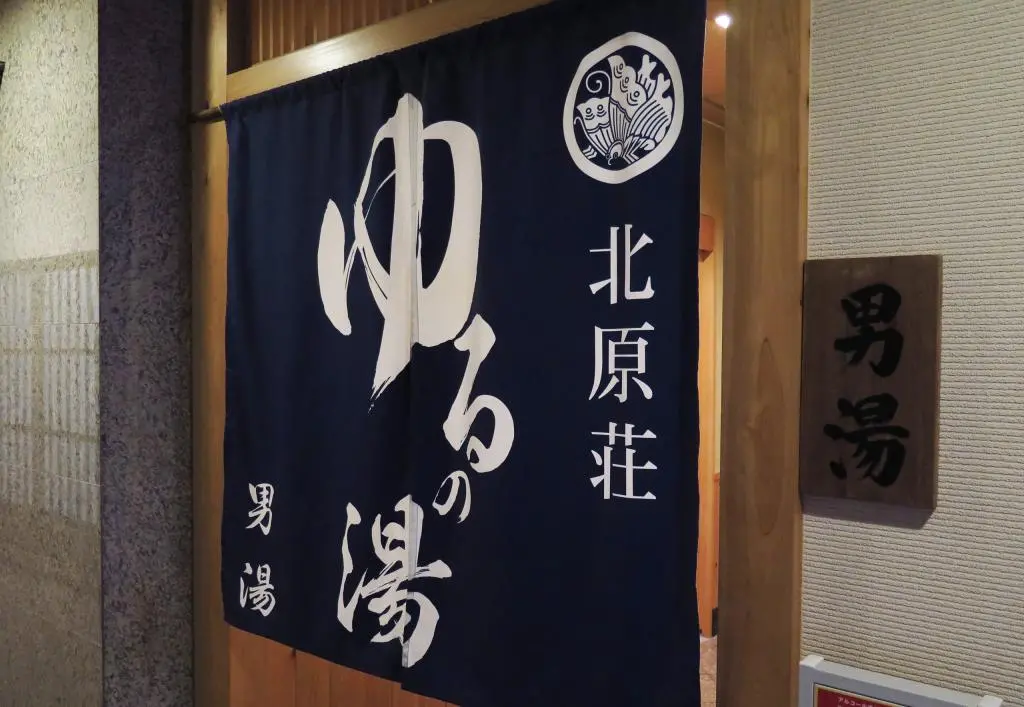
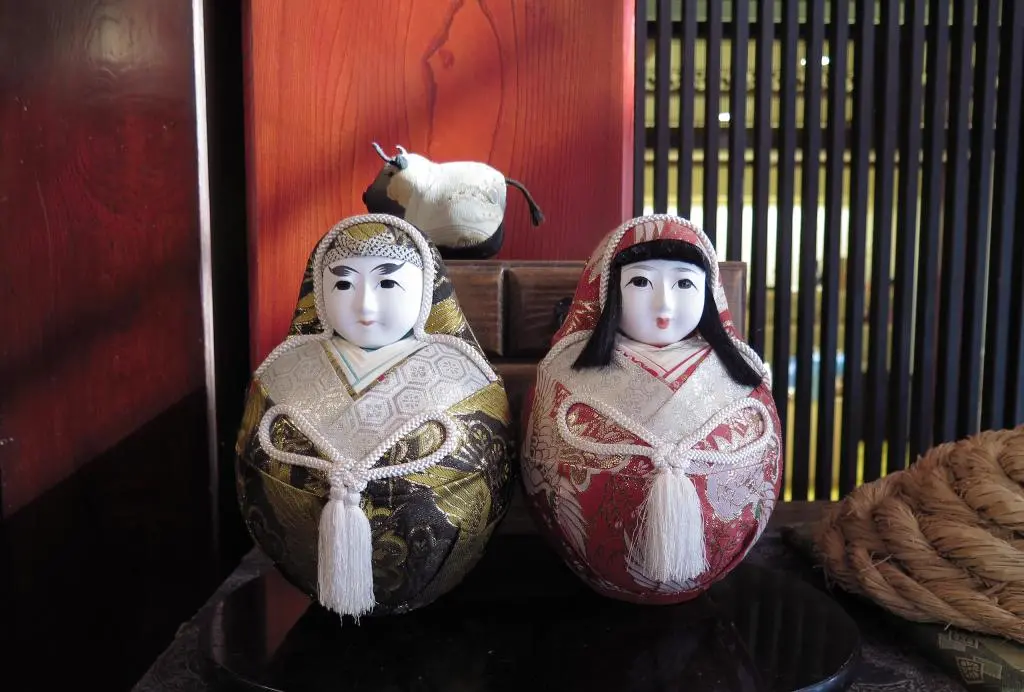
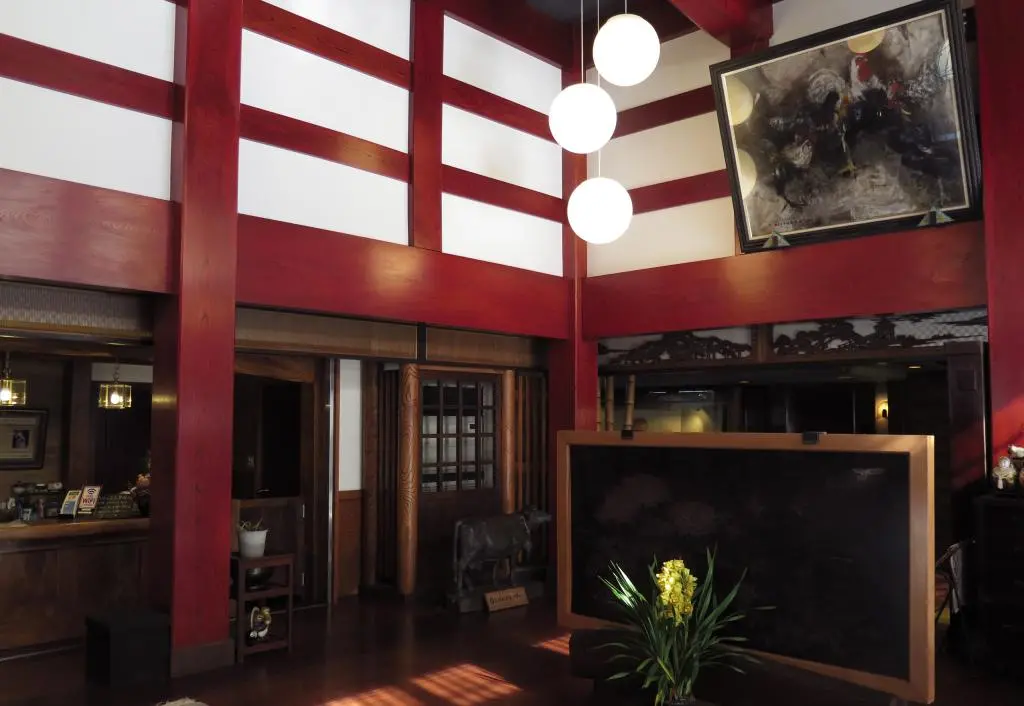
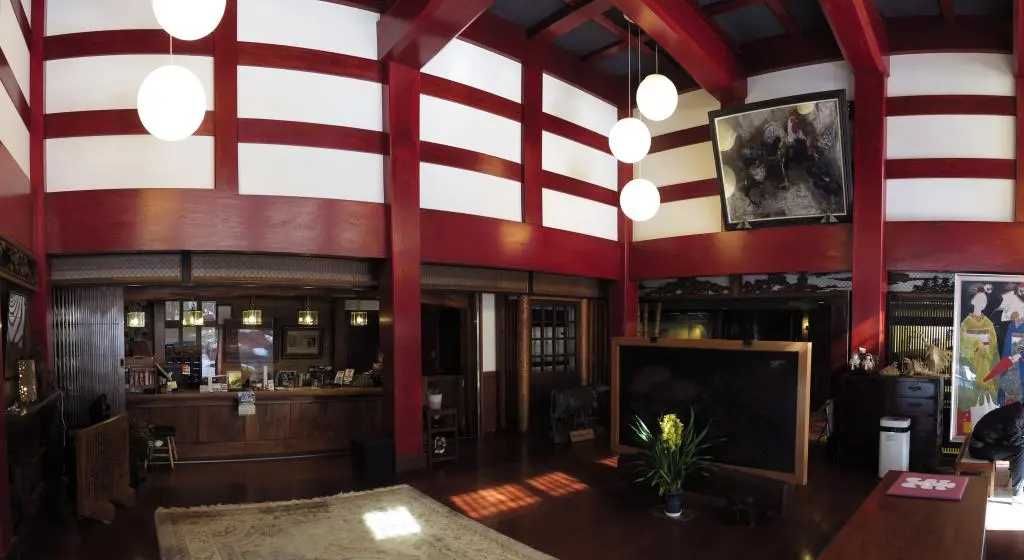
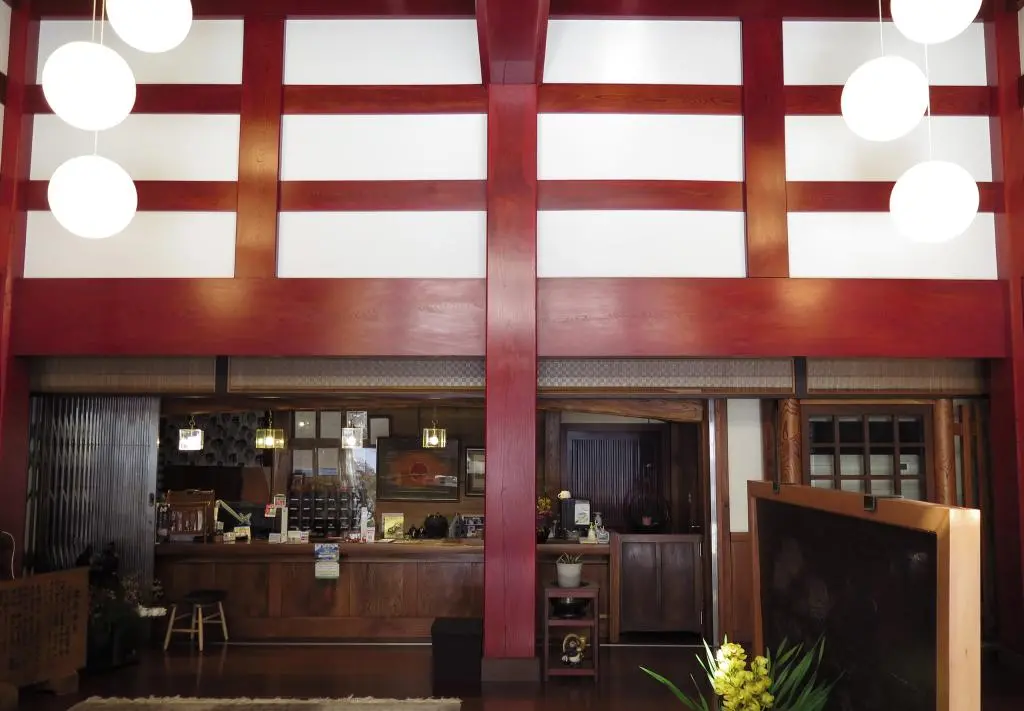
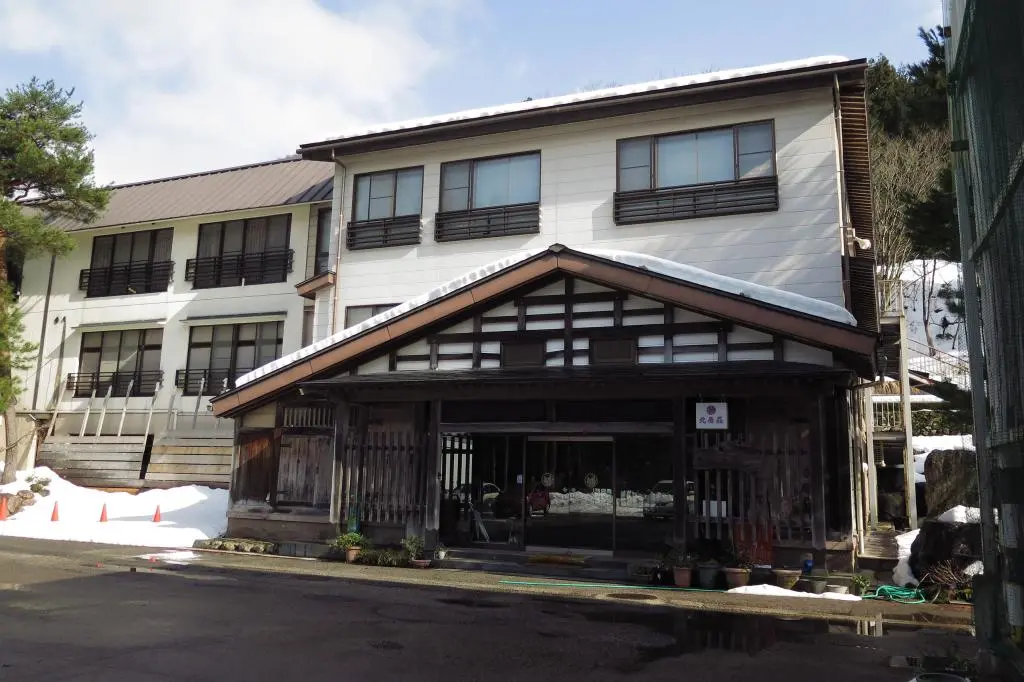
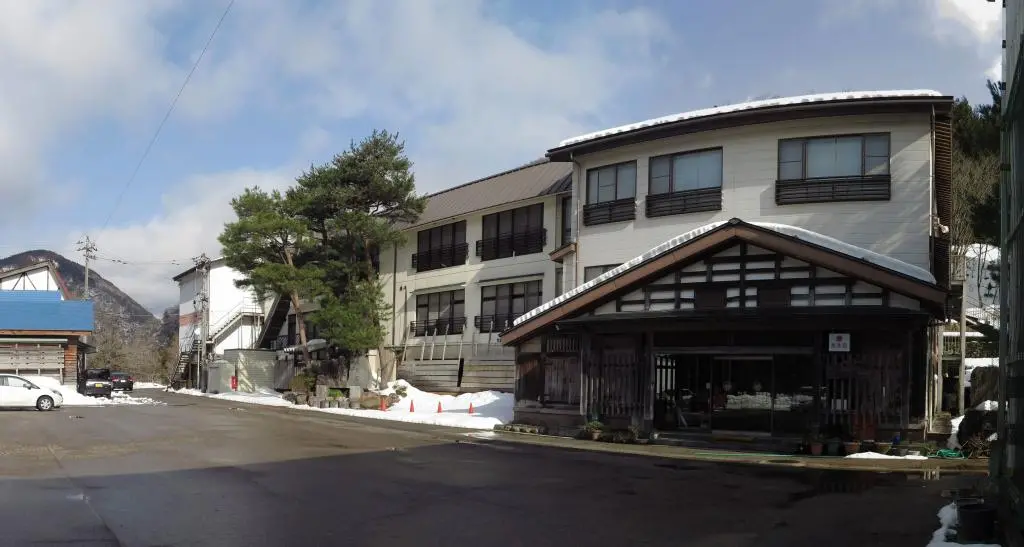
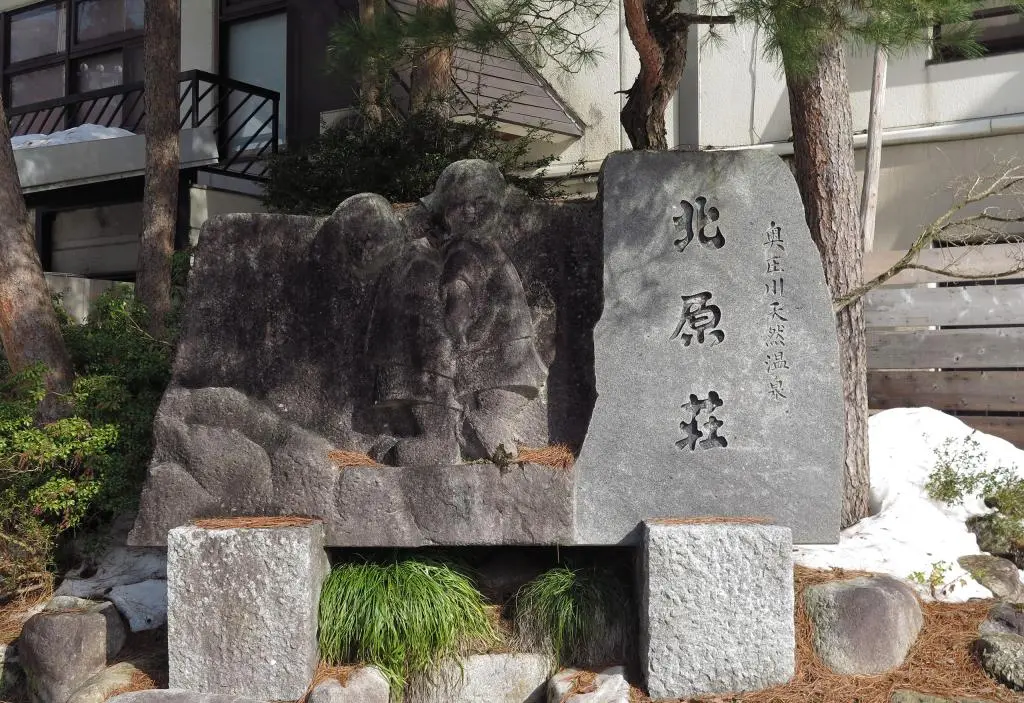
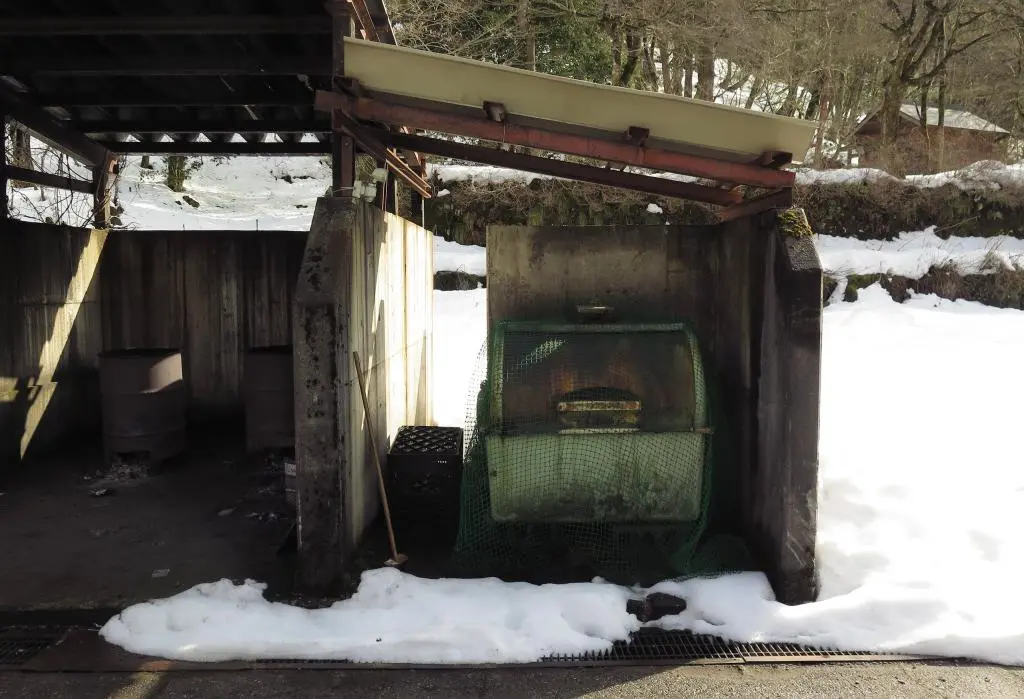
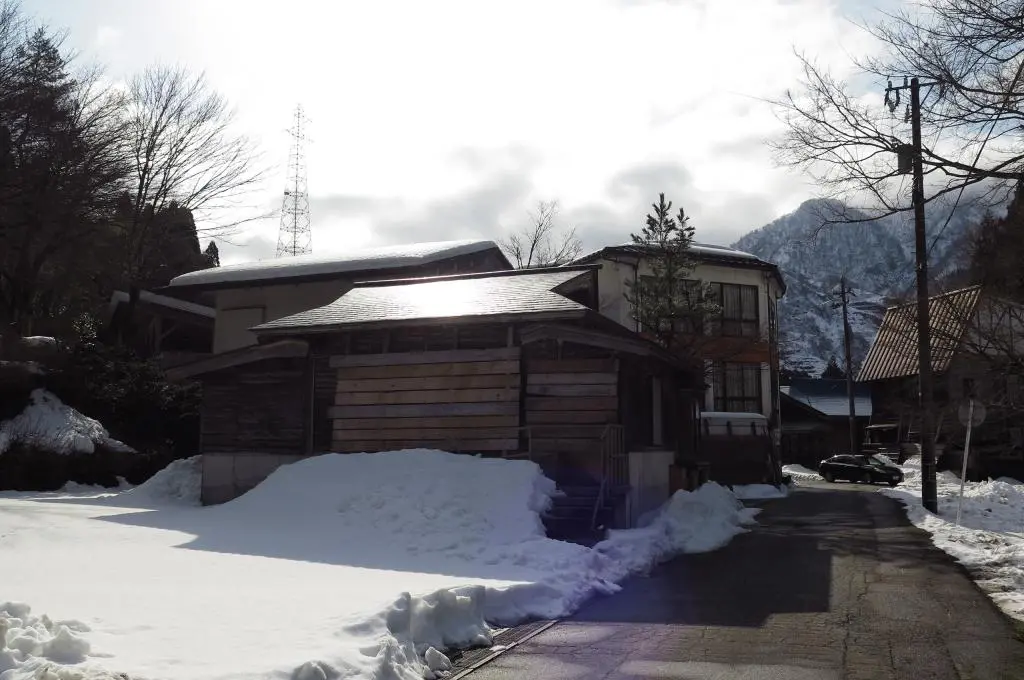
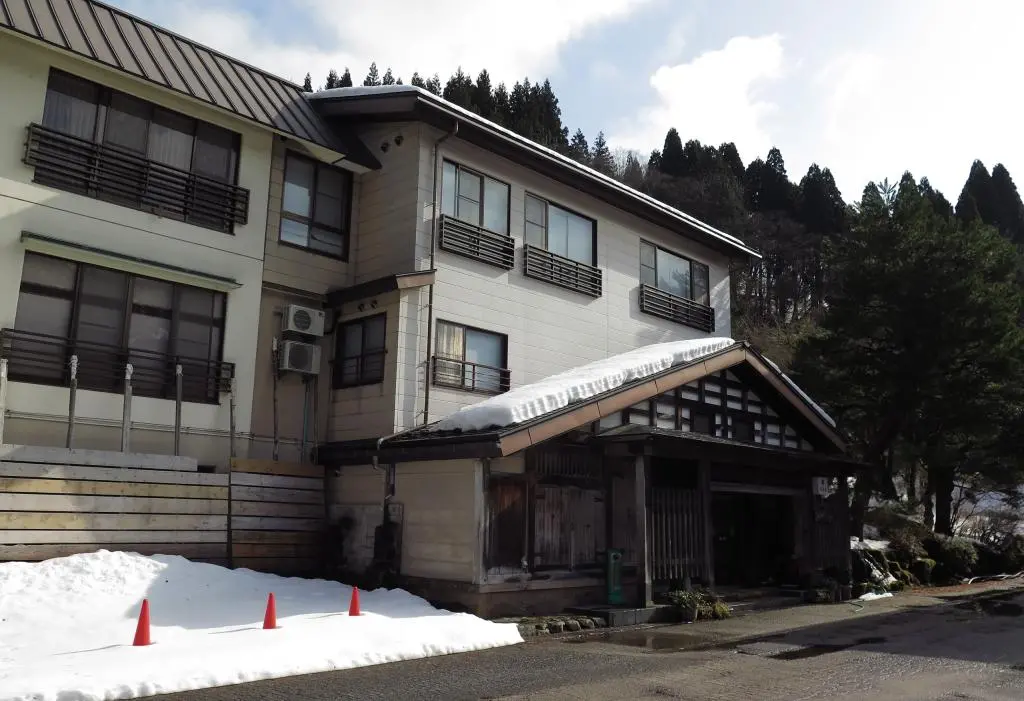
Today, there are still a few guest houses with onsens. The most impressive of these is an onsen hotel named Kitahara Sou 北原荘.
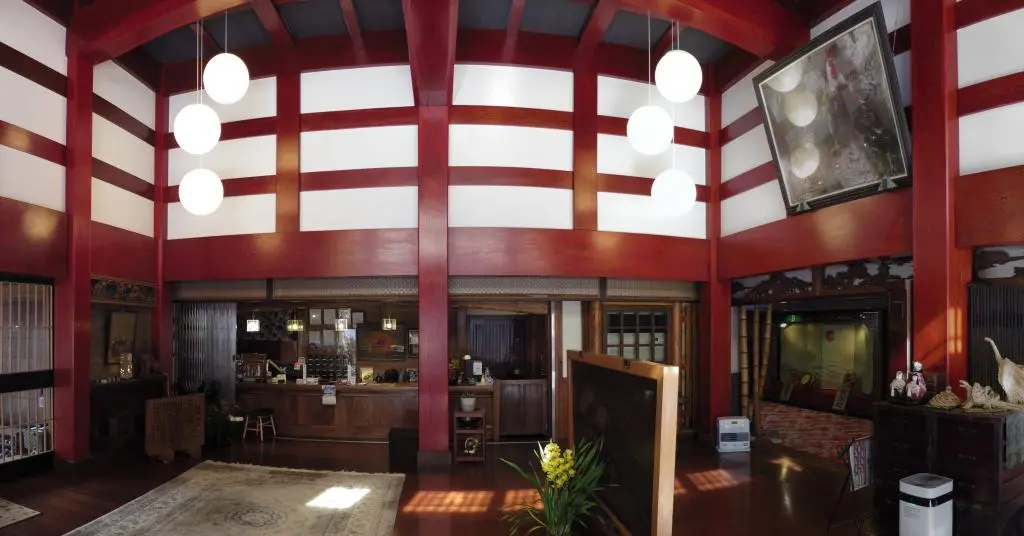
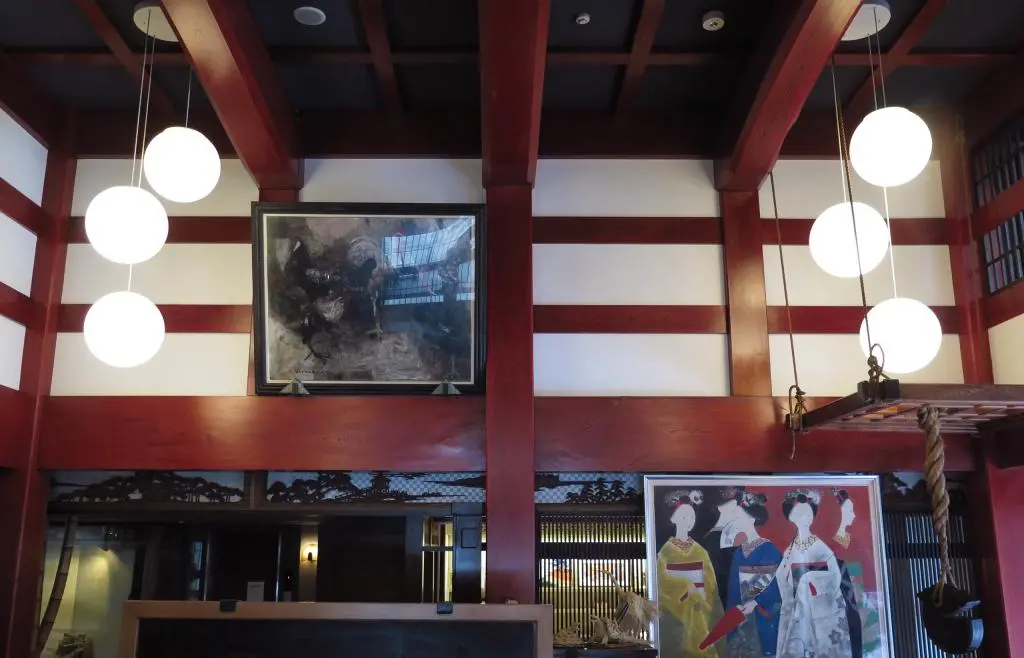
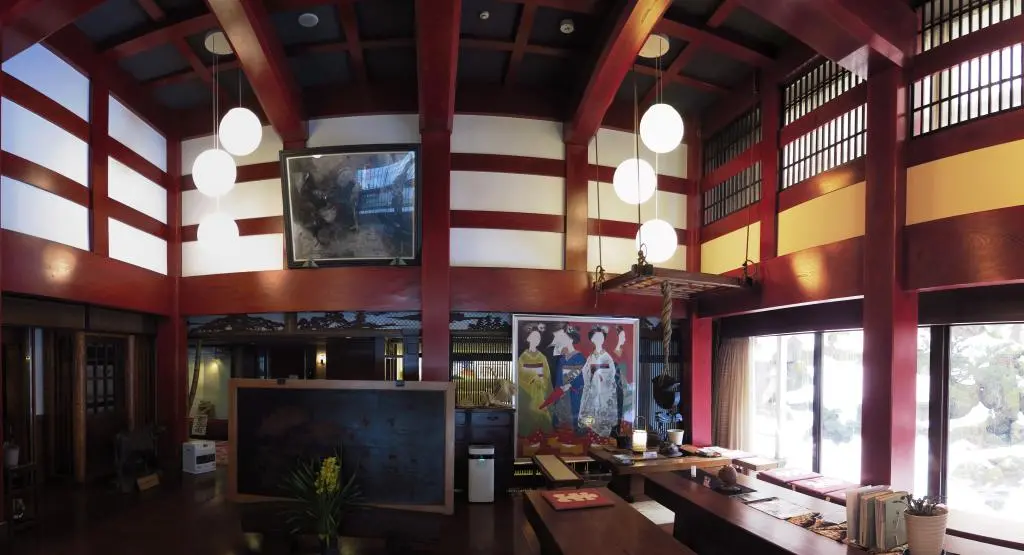
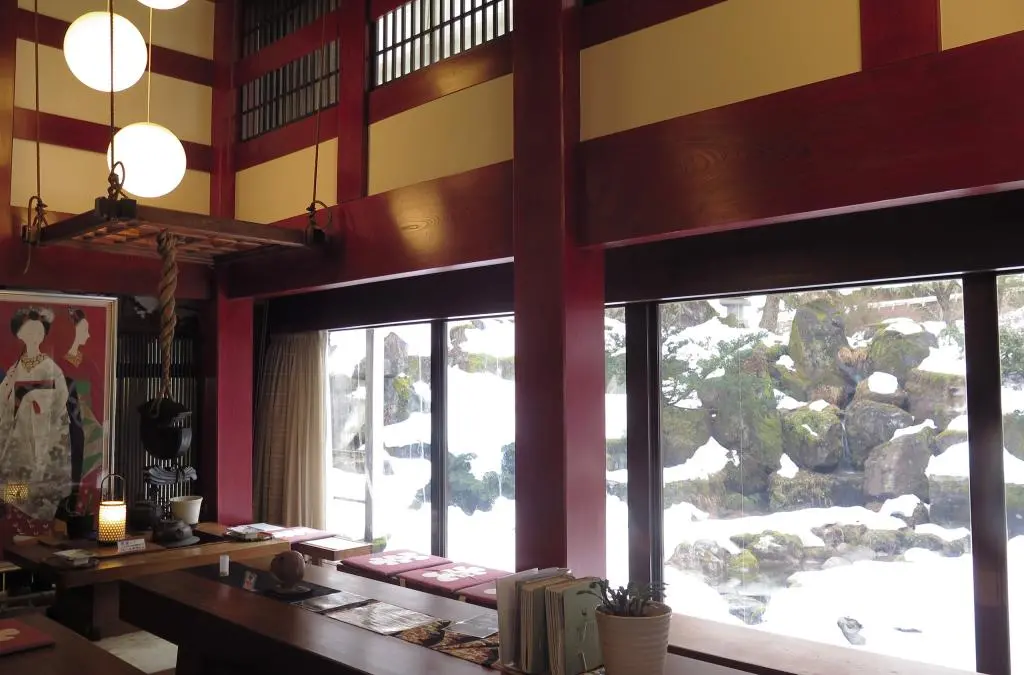
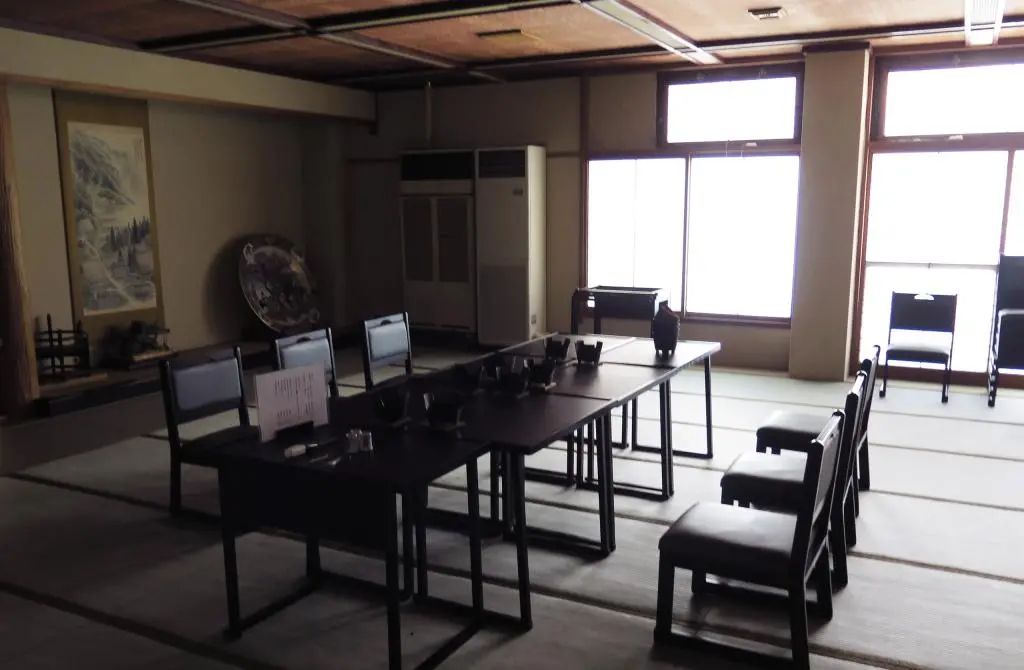
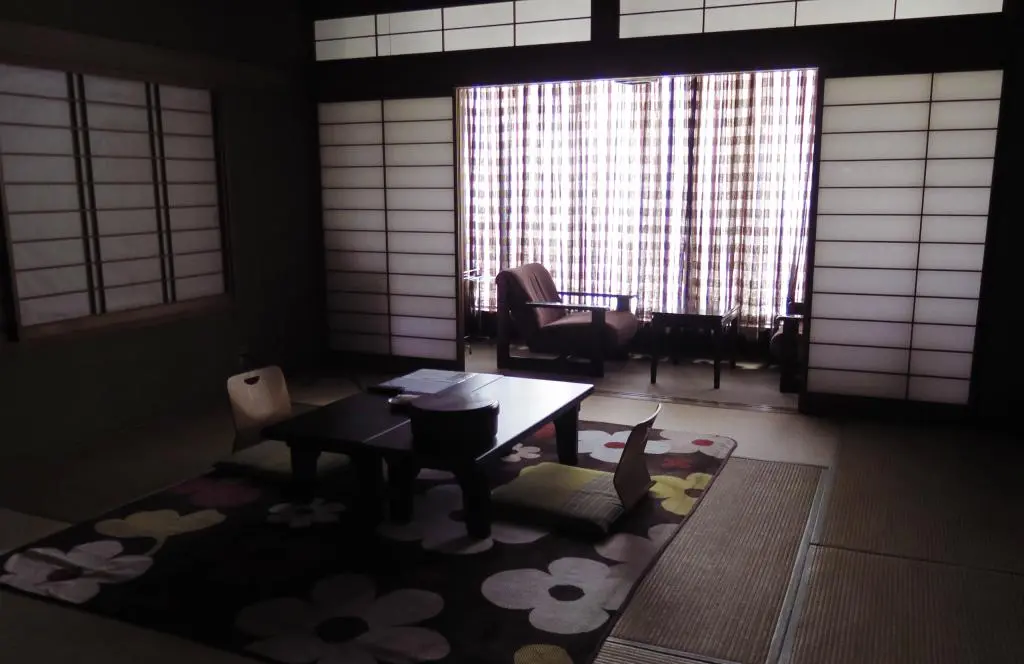
The hotel was established in 1985 in an effort to revitalize the area. This was a decade after most of the residents had moved away. It has over a dozen full guest rooms and some banquet halls. Seems perfect for an office weekend retreat. The hot springs are separated for men and women, and both have an indoor bath and outdoor bath. I went here on a Sunday, and the baths had several patrons, so I couldn't sneak any photos inside.
The baths were really nice, though. I sat outside in the heated bath, and could contrast between the 40 degrees of the pool and the 2 degress of the air. Unfortunately, I stayed in the pool a bit too long and started feeling dehydrated. I should've snuck in a large bottle of water.
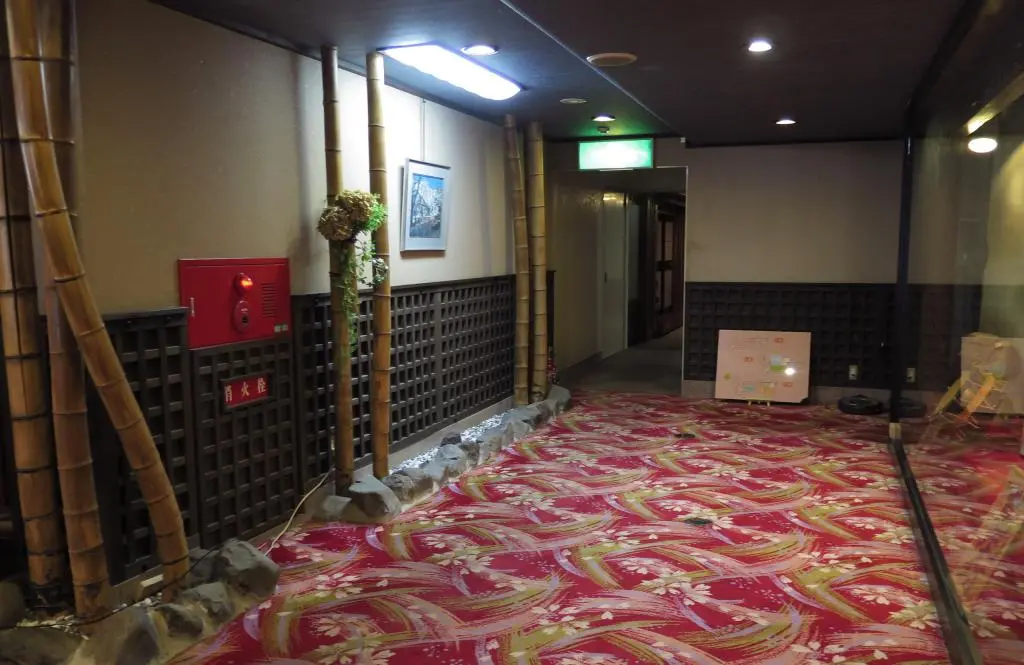
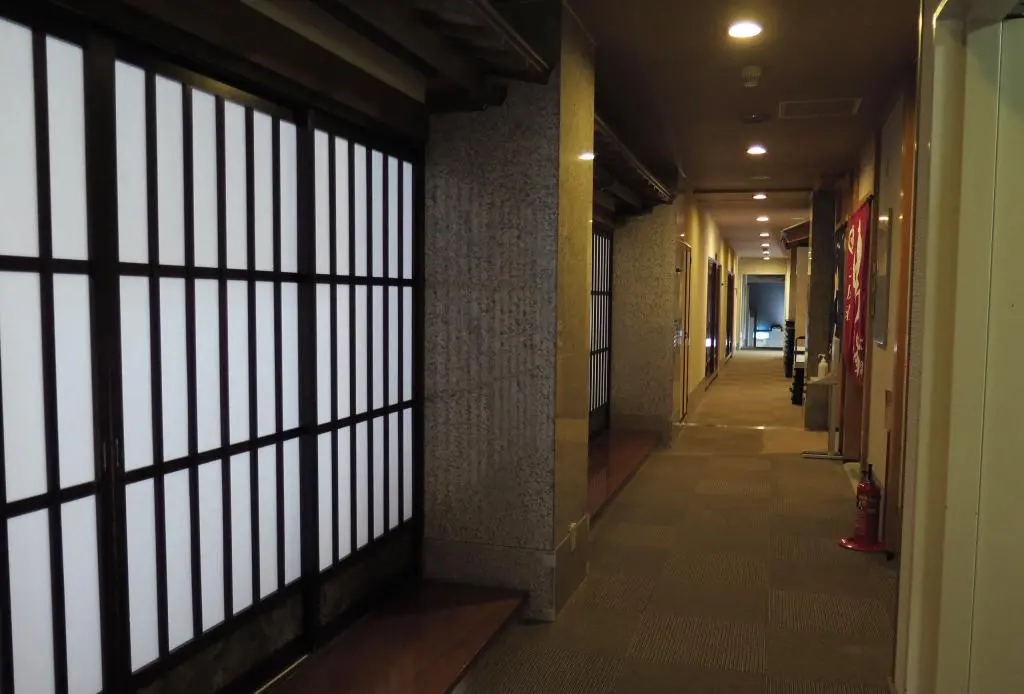
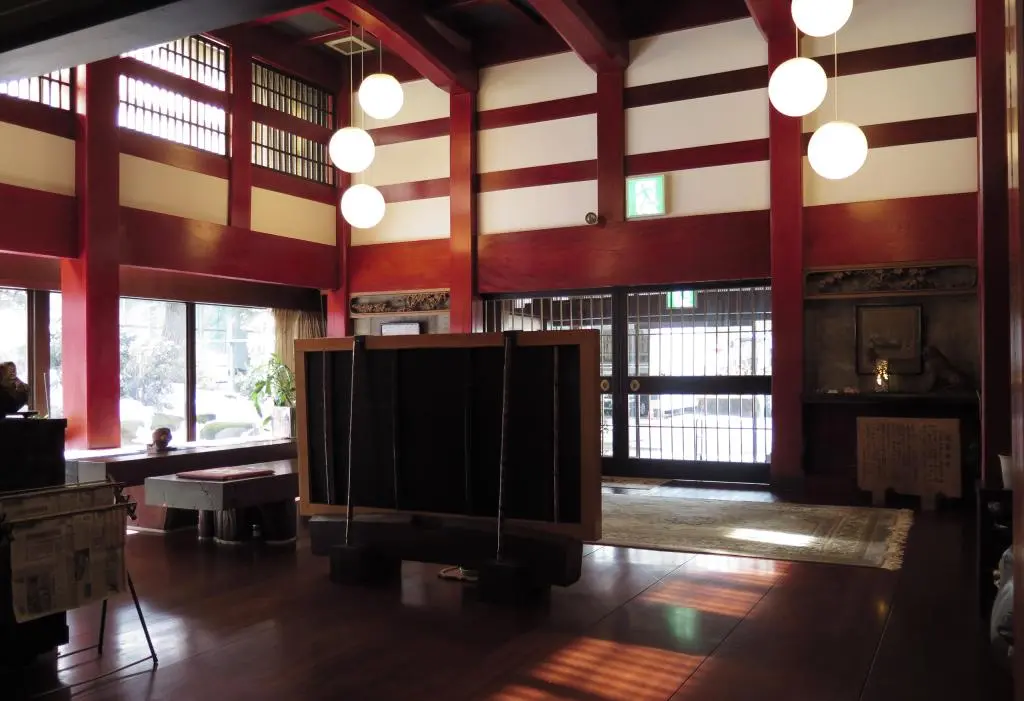
The water felt nice, and much of the hotel felt cozy. But peeking down the halls and looking into a few rooms felt very narrow and confined. In some ways, I felt trapped. It was a weird feeling that I hadn't really felt from any of the other remote places I've visited. Are there any Yokai that make you feel this way?
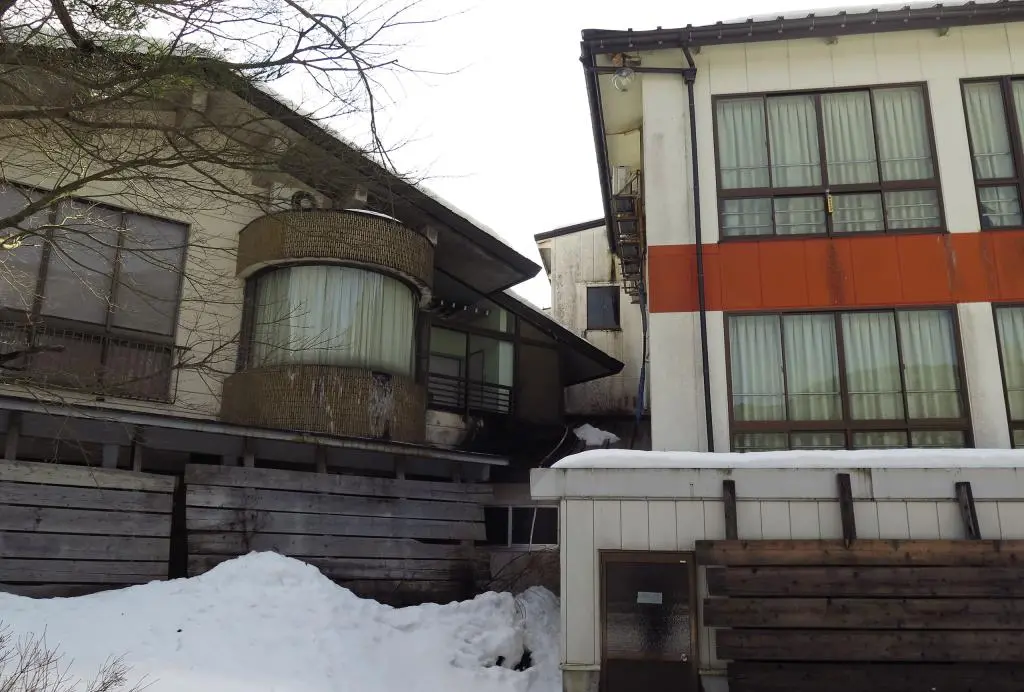
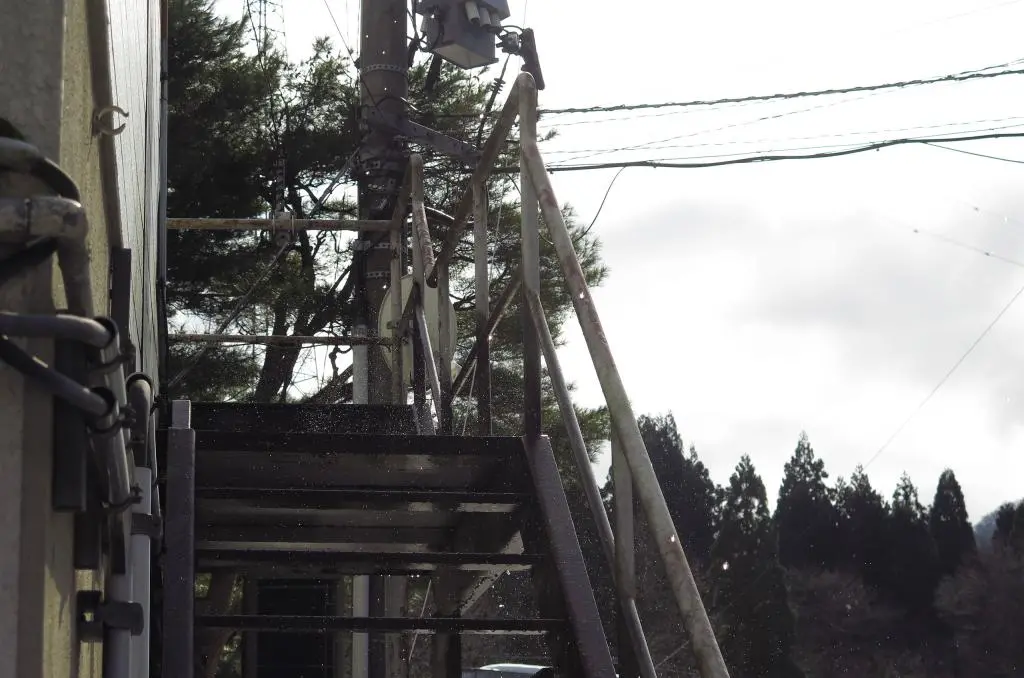
I didn't explore too much on the inside (I didn't want to burst into someone's occuppied room), but I looked around the outside. Japanese architecture in the 1980s was so fun and dynamic compared to the straight lines we have in buildings today.
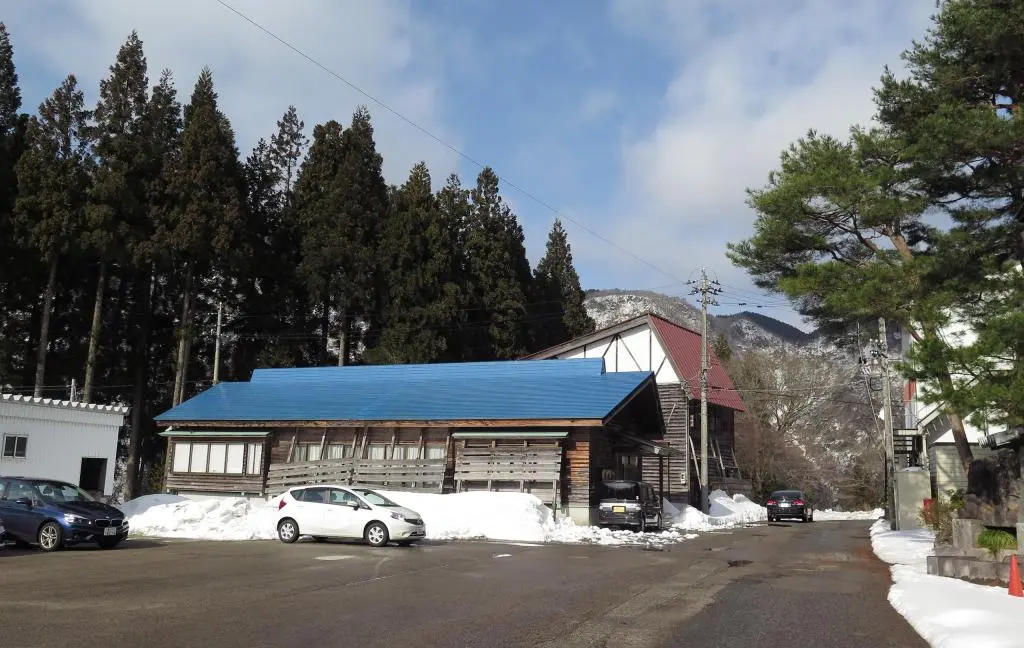
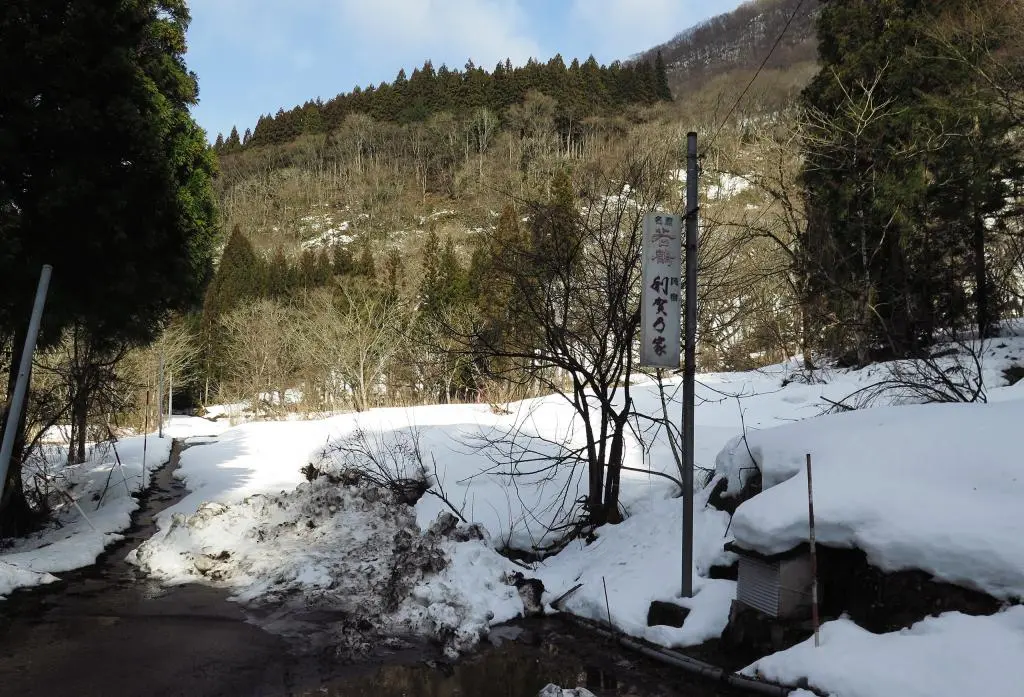
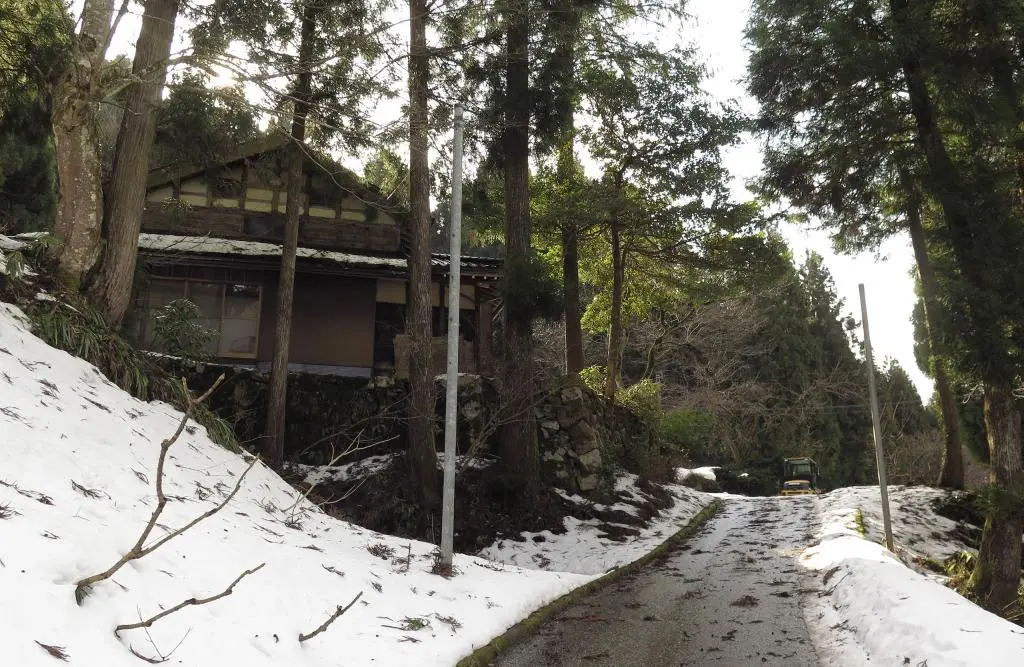
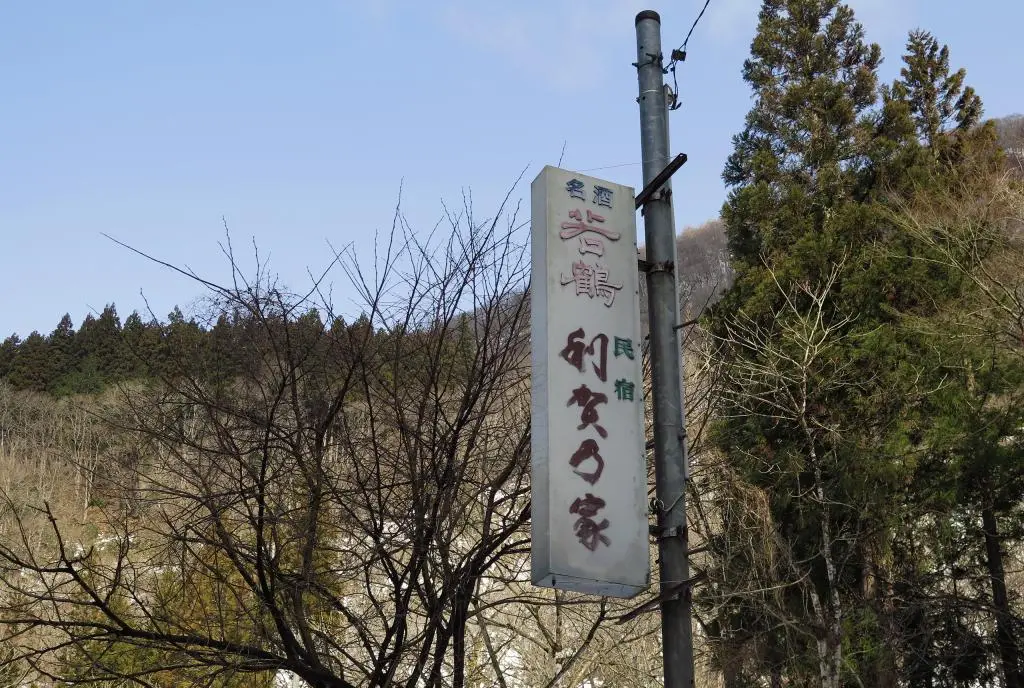
Further up the road, past Kitahara-so is a guest house named the Toga House 利賀之家.
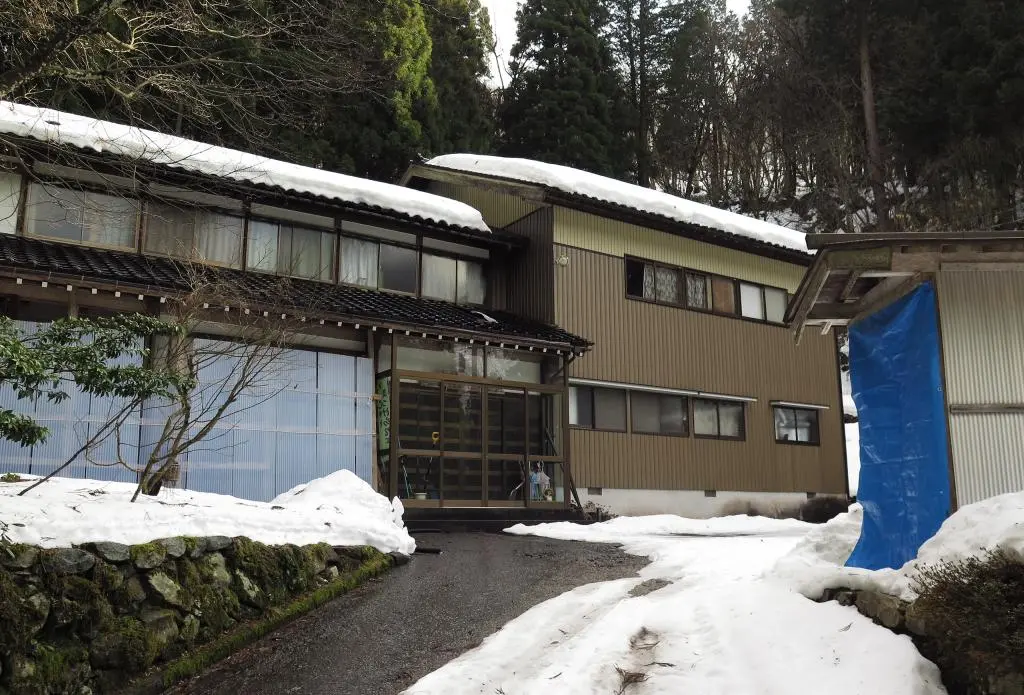
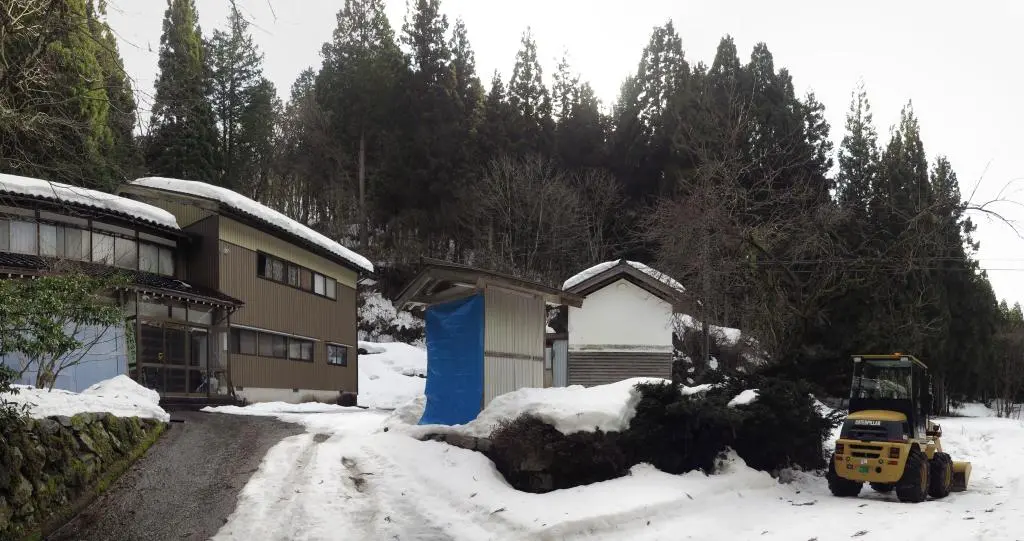
It was currently closed, or maybe only open through reservations. Next to the Toga House was the original site of Kitahara's branch school. The Kitabara Branch School 北原分校 was opened in 1902 with Tochihara's school, and was used through 1971. By then, there was an automobile bridge crossing Sho River, connecting the two sides, so any students living in the area could take a bus to school.
Stays in the guest house are 7500円, but that includes dinner and breakfast, plus use of their onsen. Some day, I would like stay there. Although, Toga valley is full of interesting guest houses with unique histories. There's another place I would be more interested in staying.
Kitahara is a pretty remote place, but on this Sunday, there were more tourists around than I was expecting. Young folks and families stopped at the bridge to take photos. A few families stayed at Kitahara-so. And the river cruise on the Sho River was packed all day.
Even though Toga Valley and Village has been bleeding a slow death over decades, there is still a market for tourism in its beautiful nature. Maybe that Toga tunnel will bring more folks into the village center, and bring money and tourism to town.