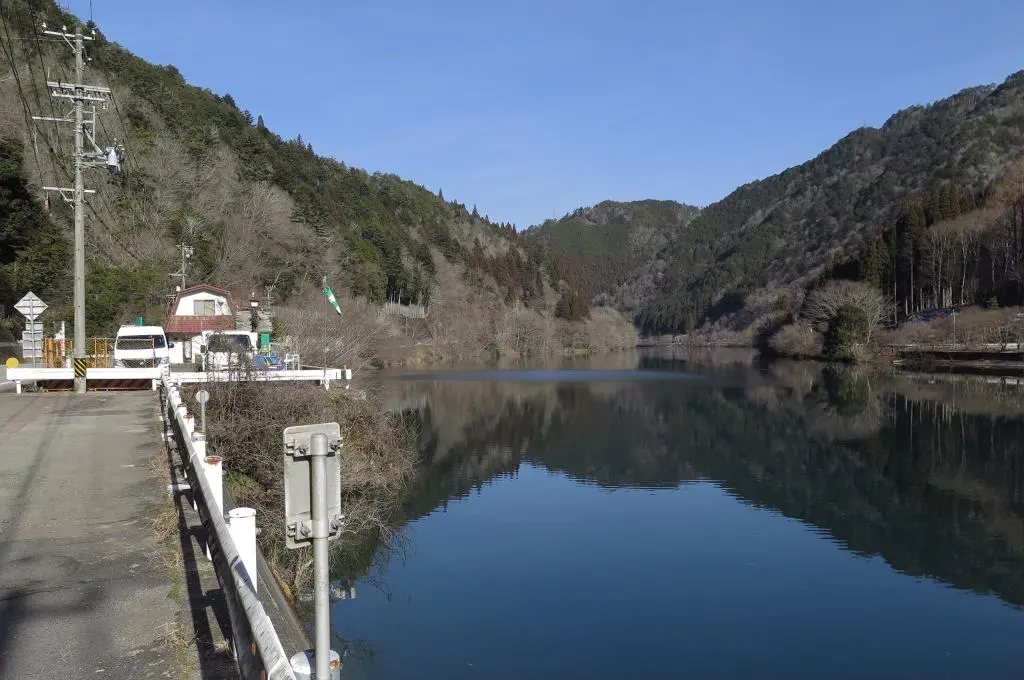
In 2021, there was a string of elementary school closures in Gero City. Three schools were closed and merged into another. And more recently in 2023, another school was closed, too.
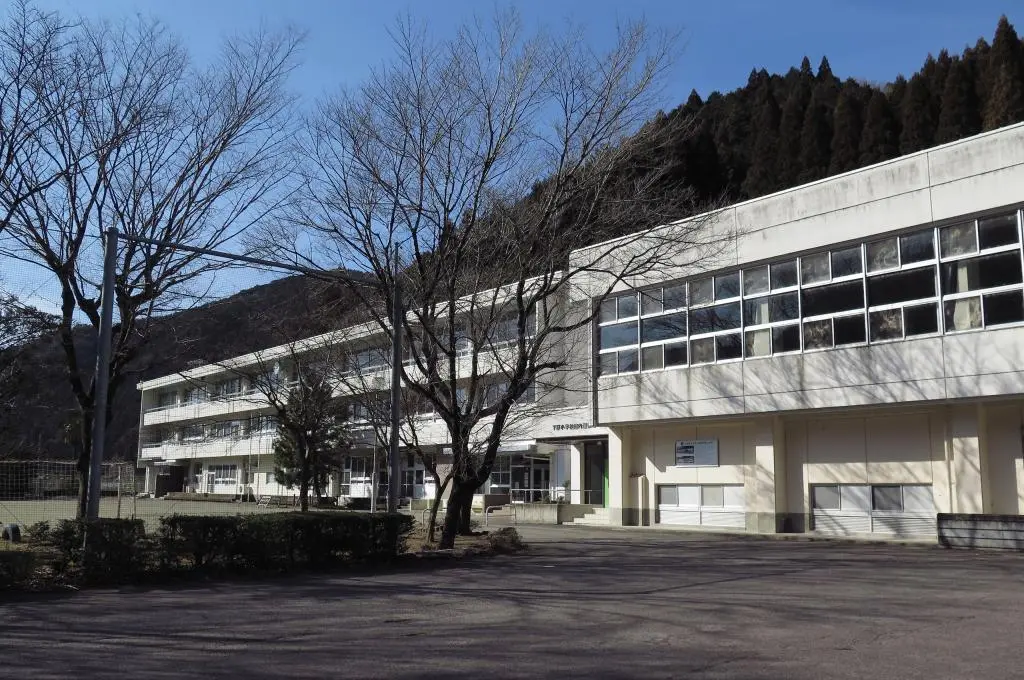
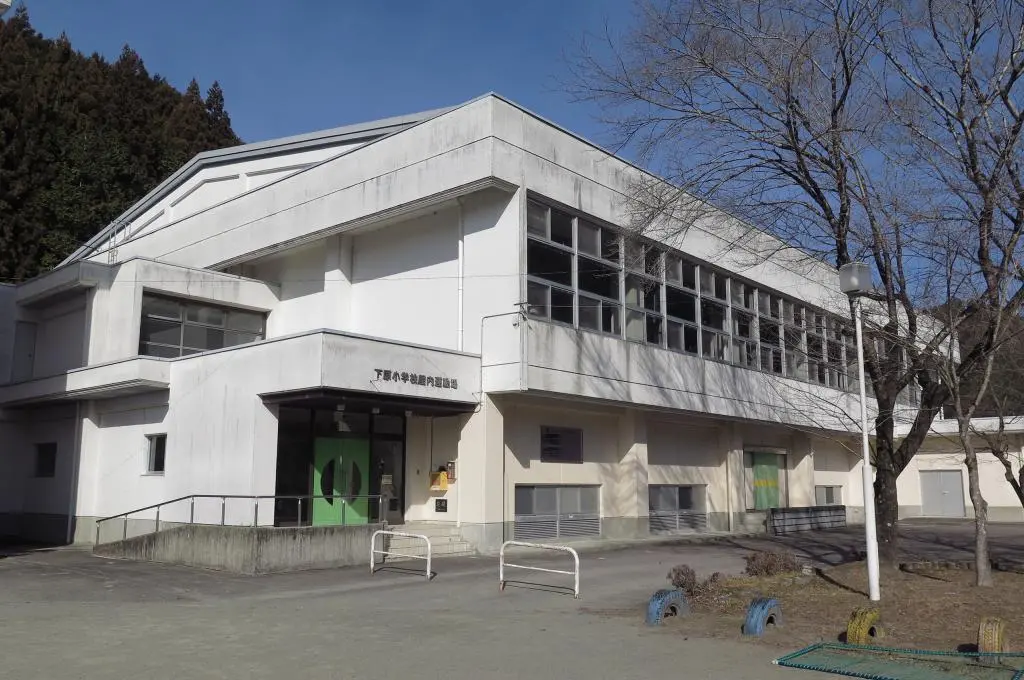
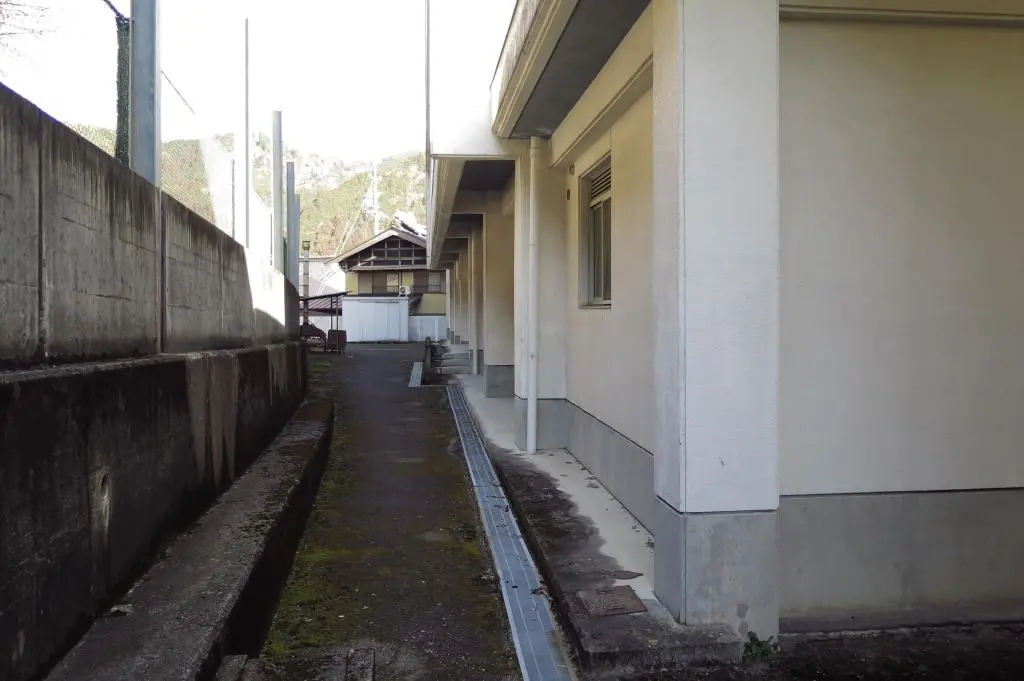
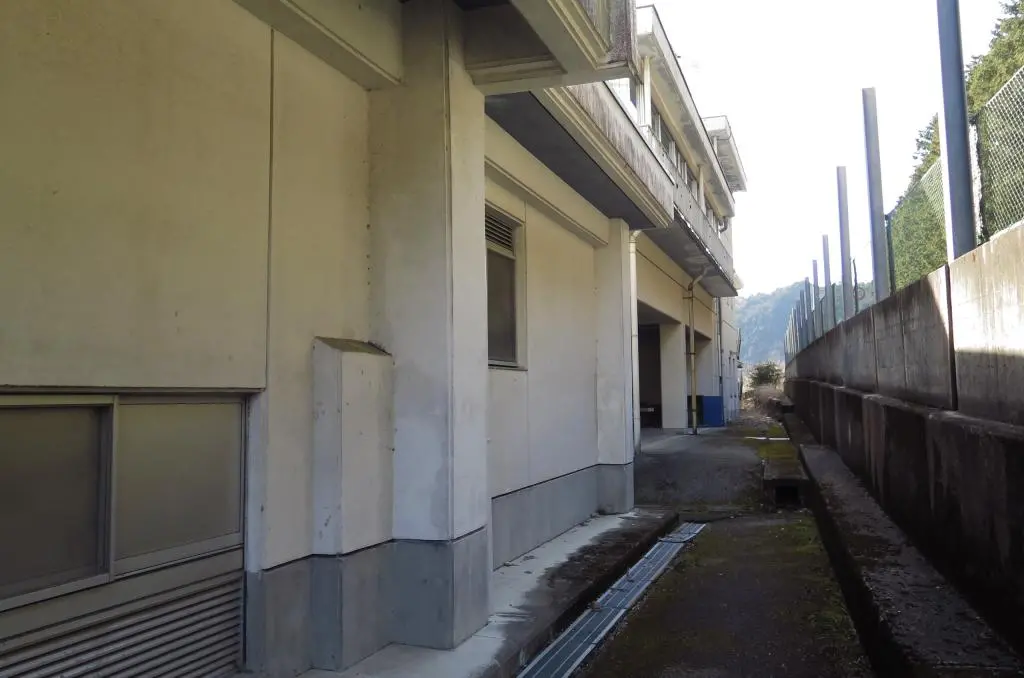
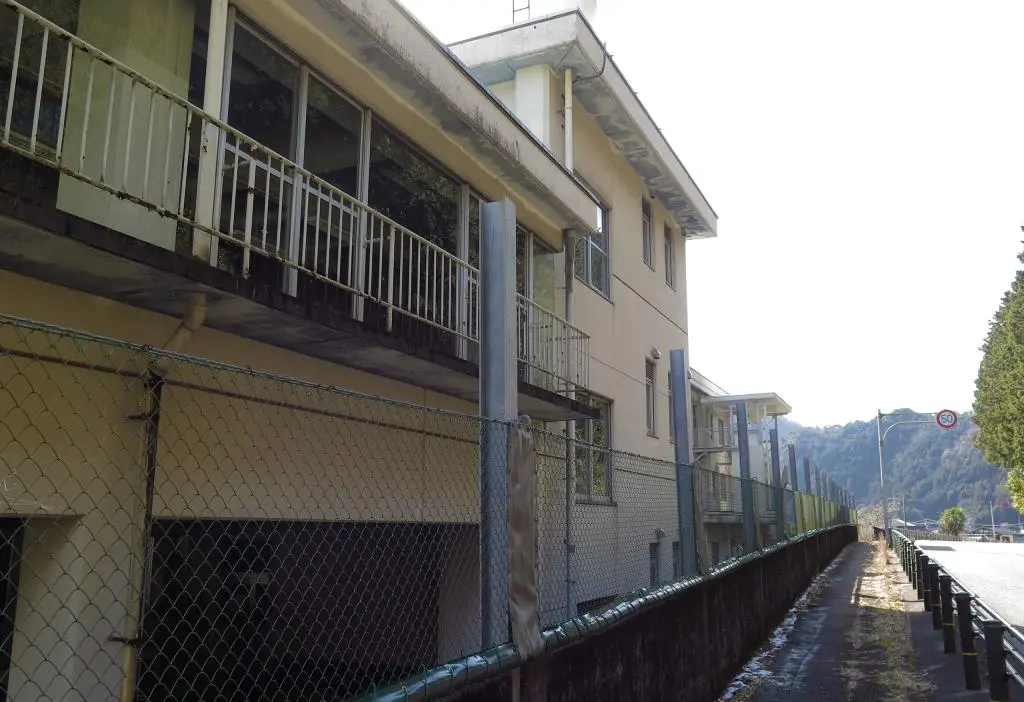
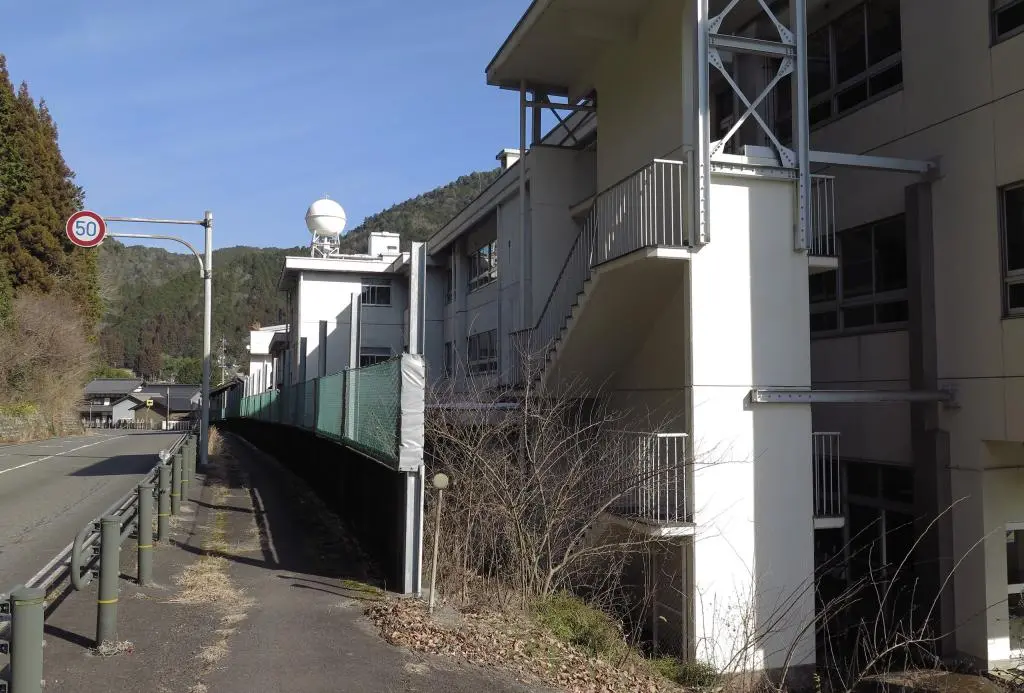
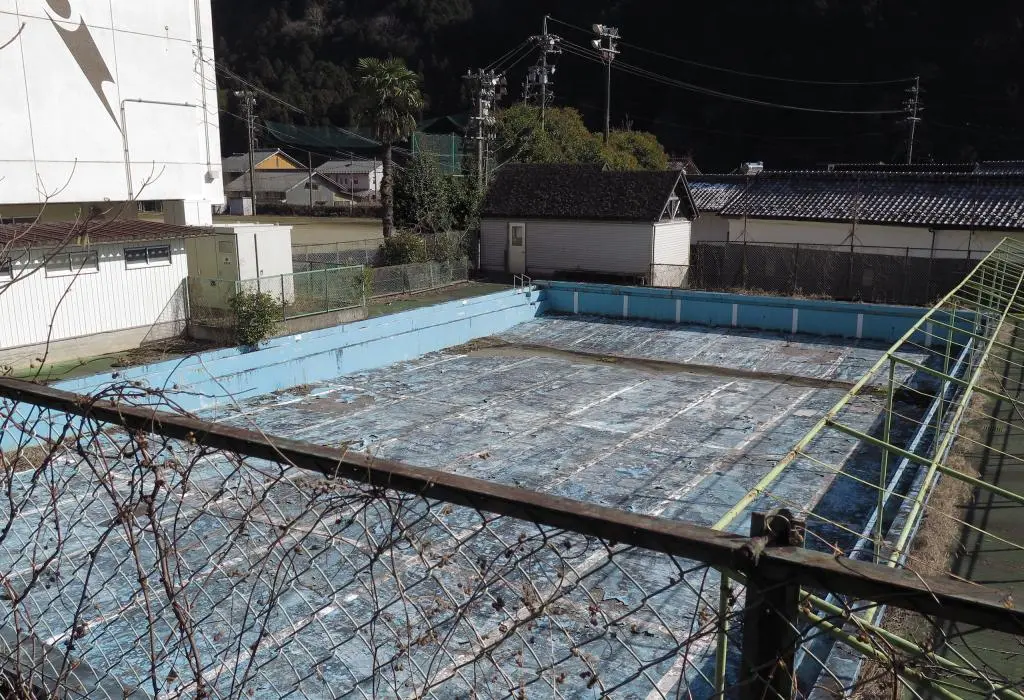
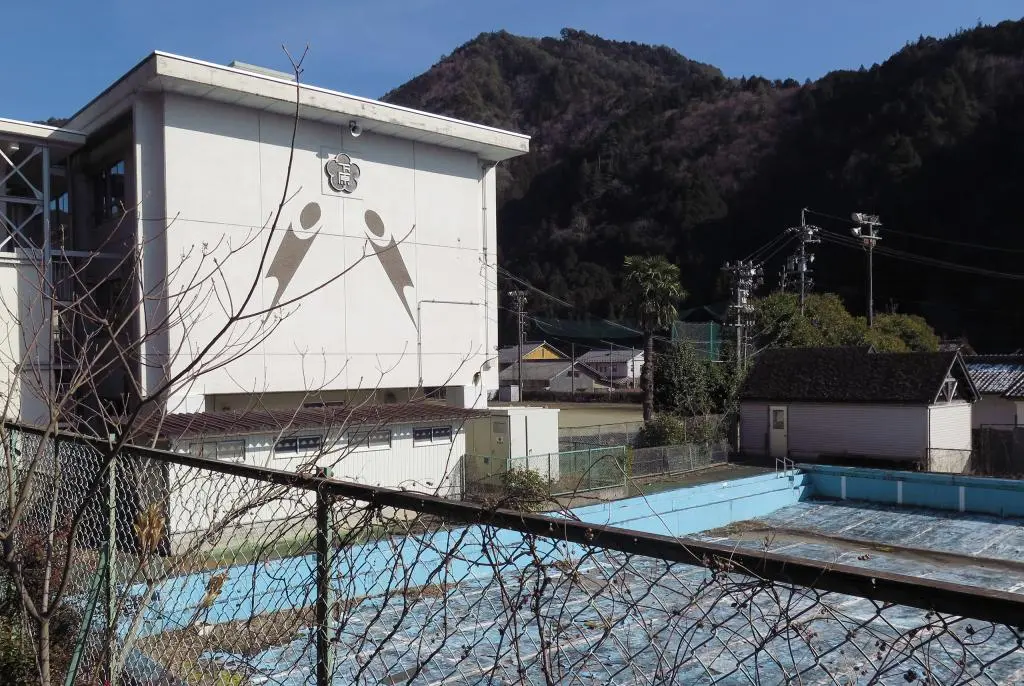
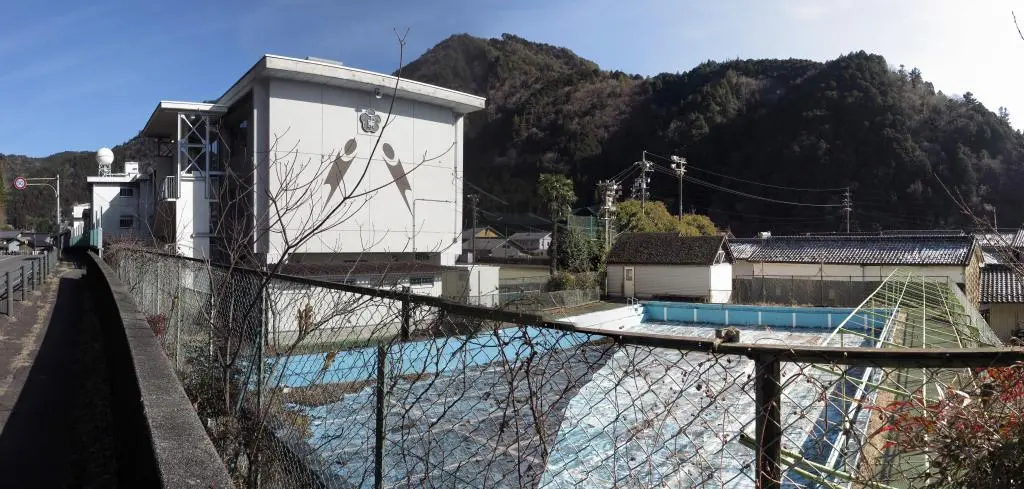
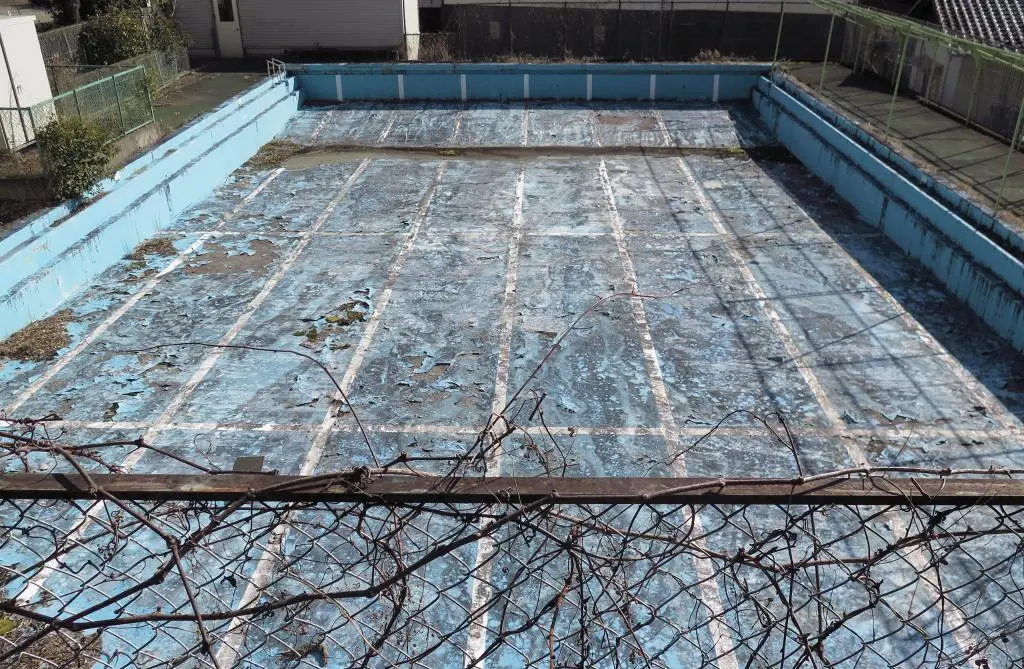
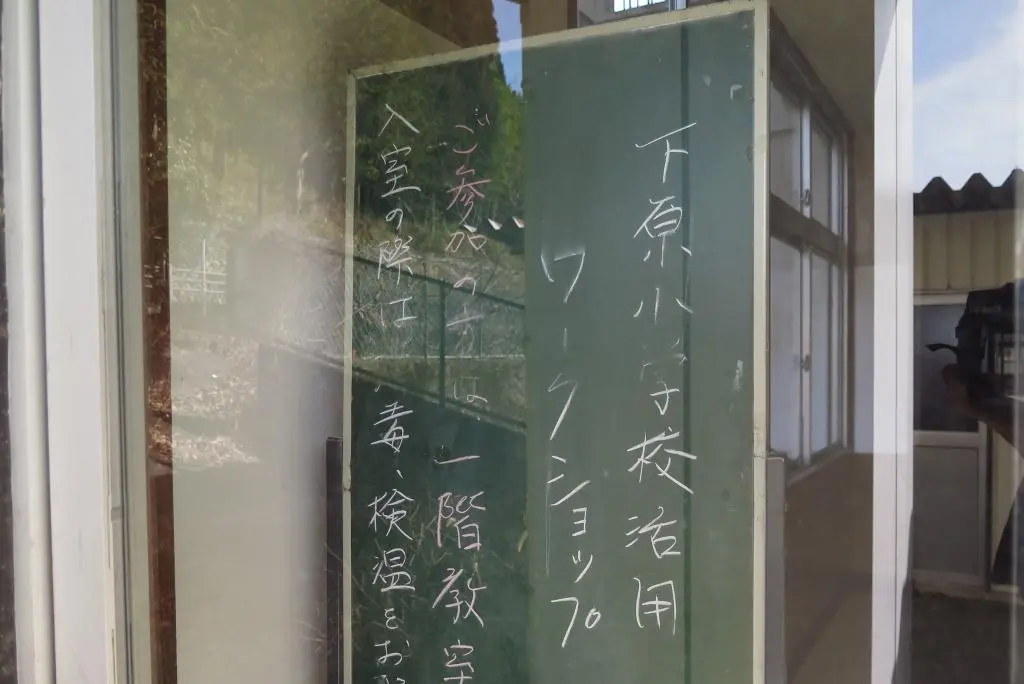
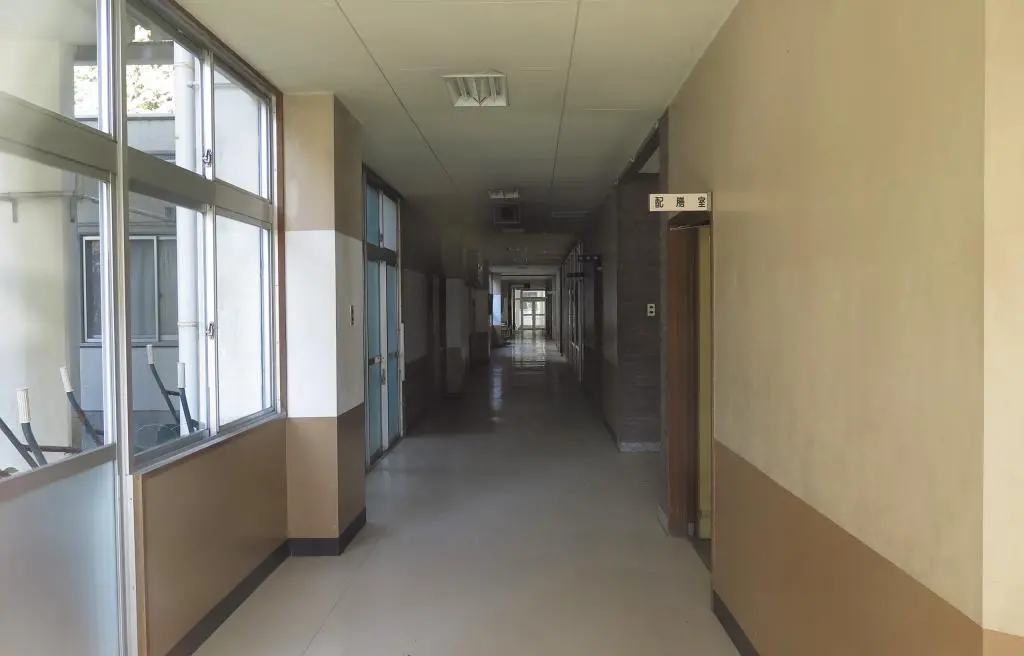
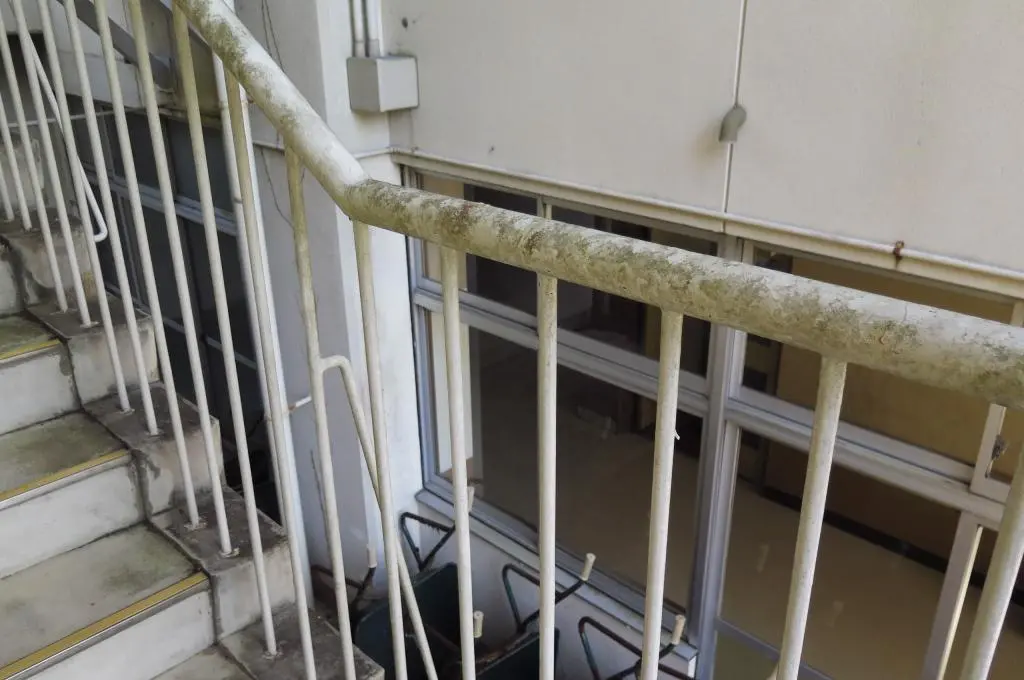
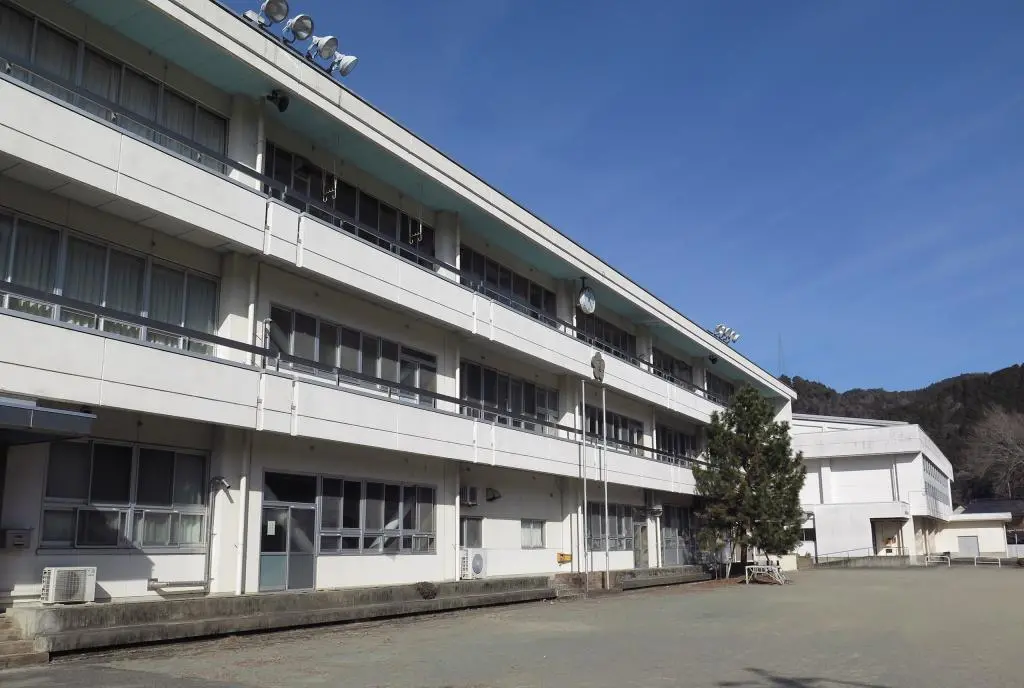
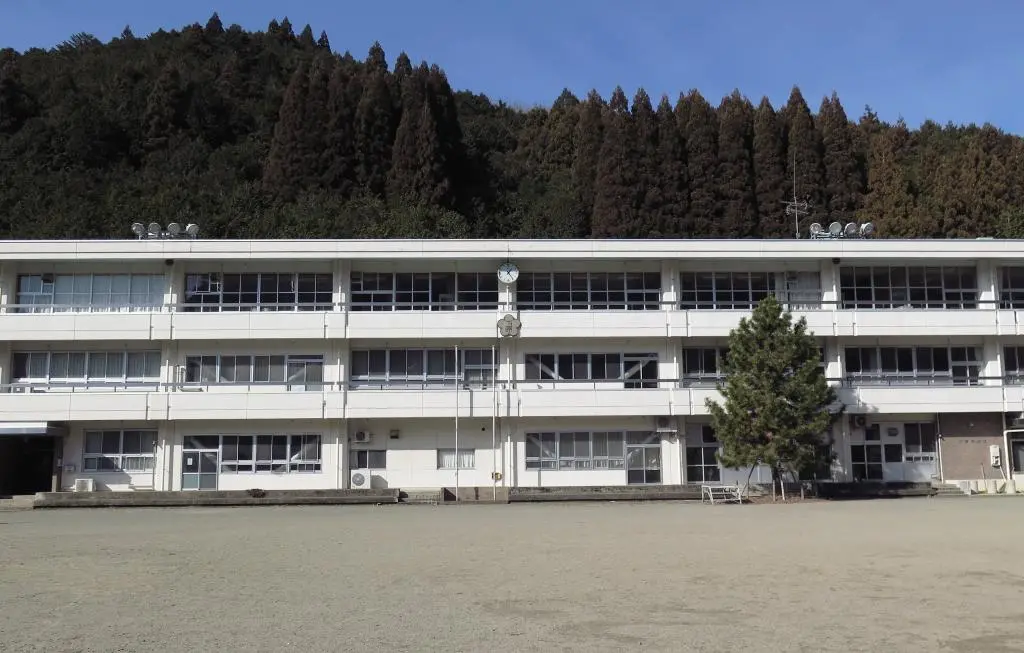
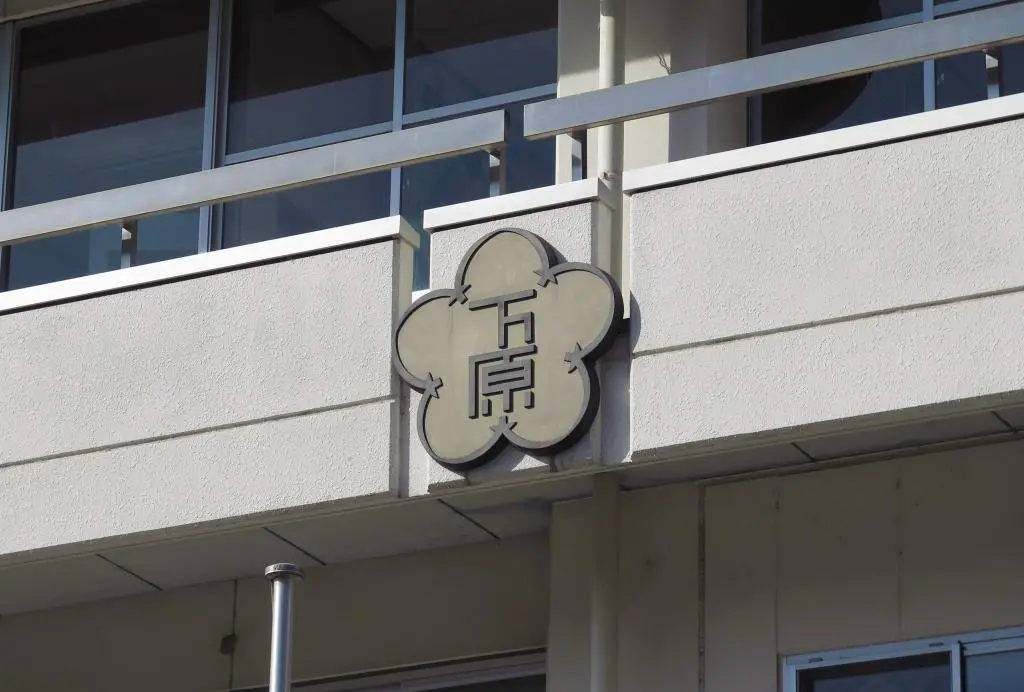
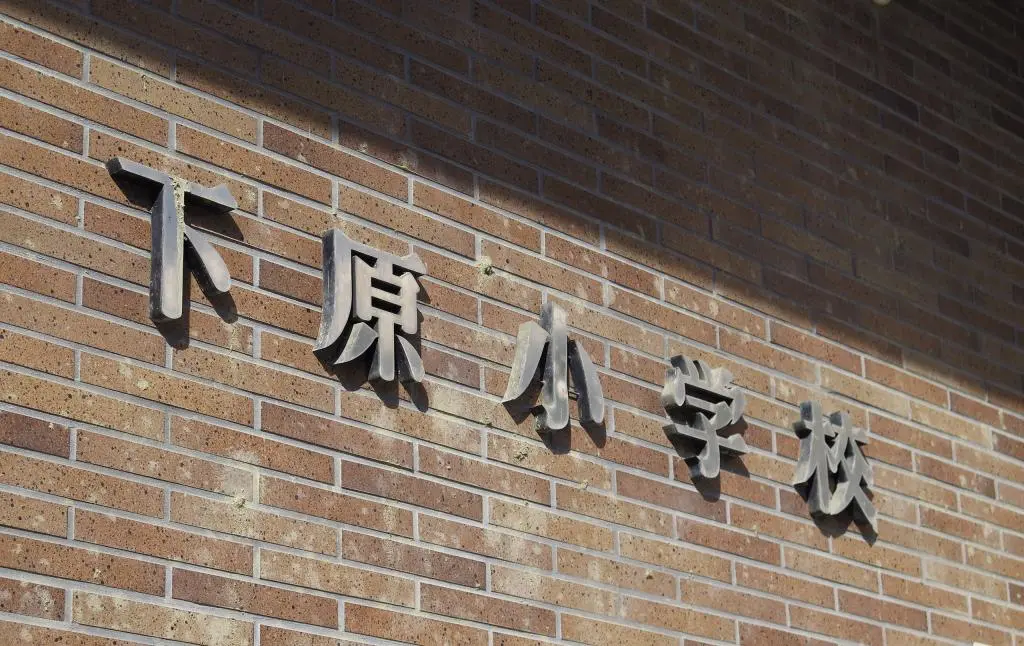
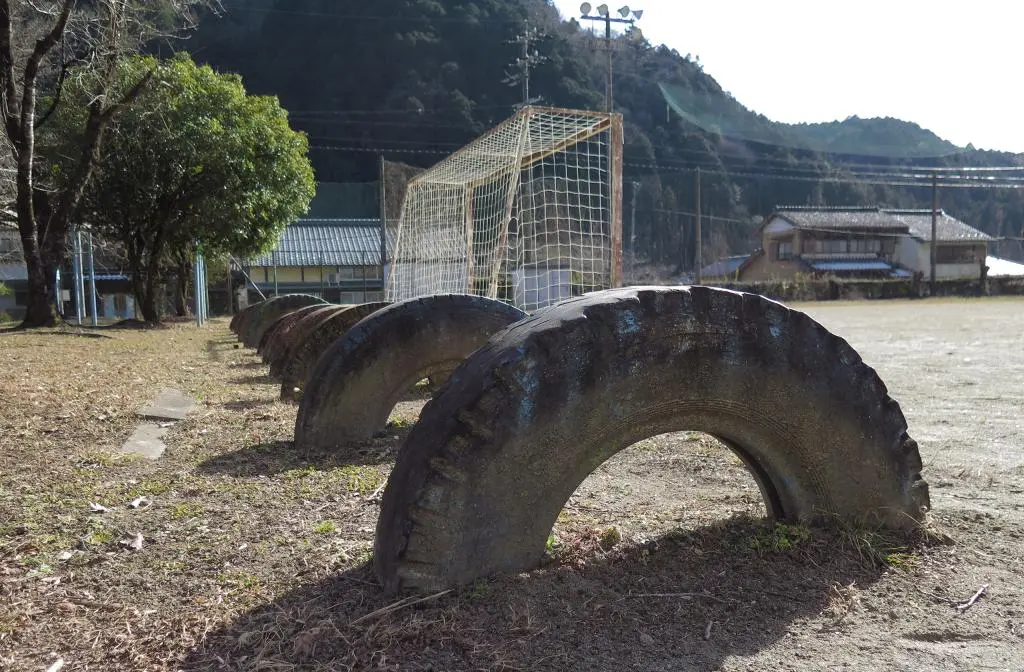
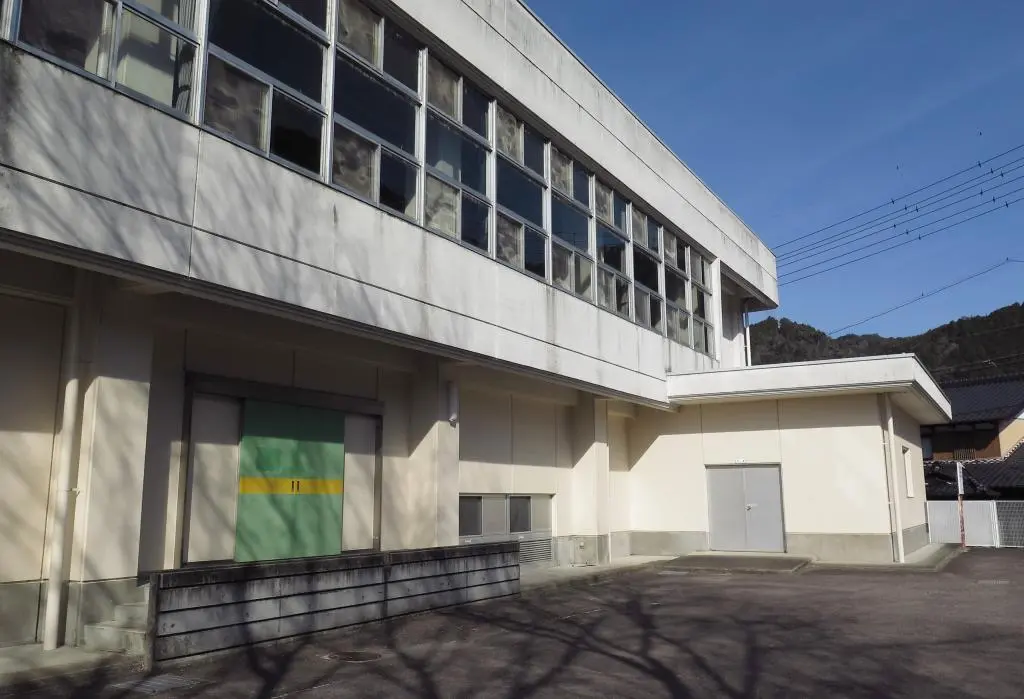
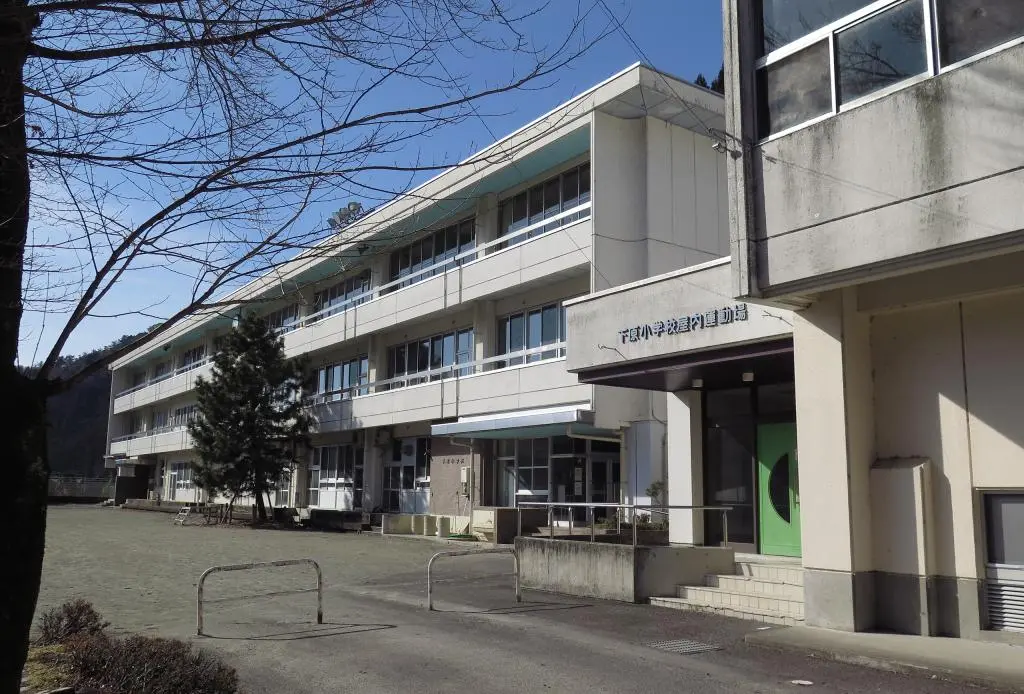
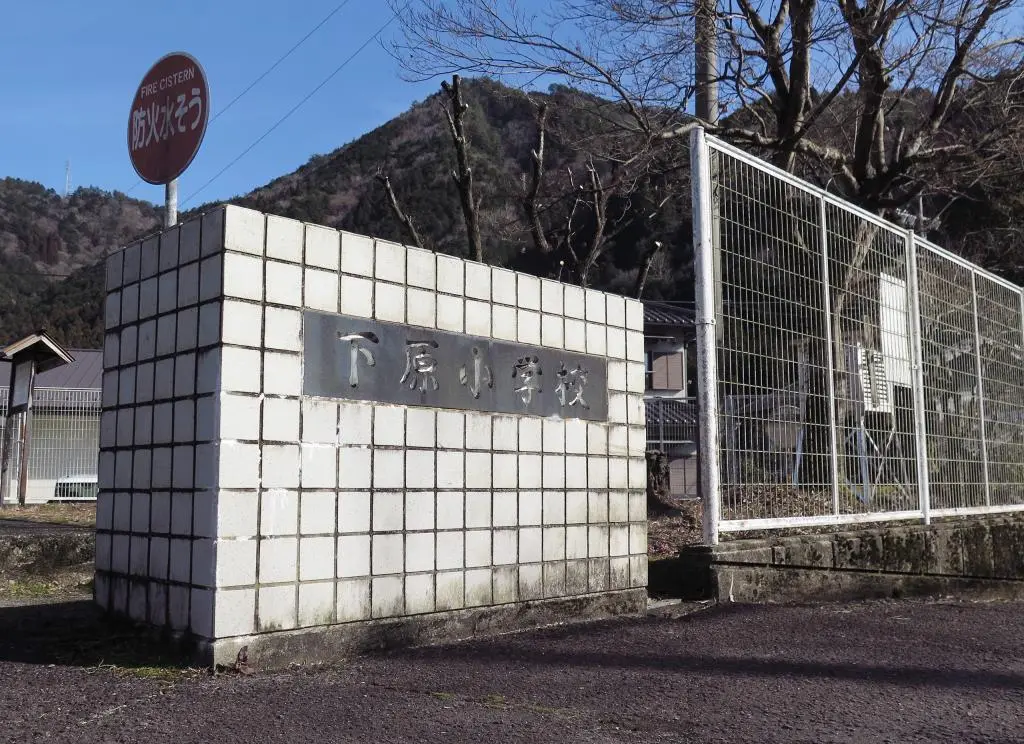
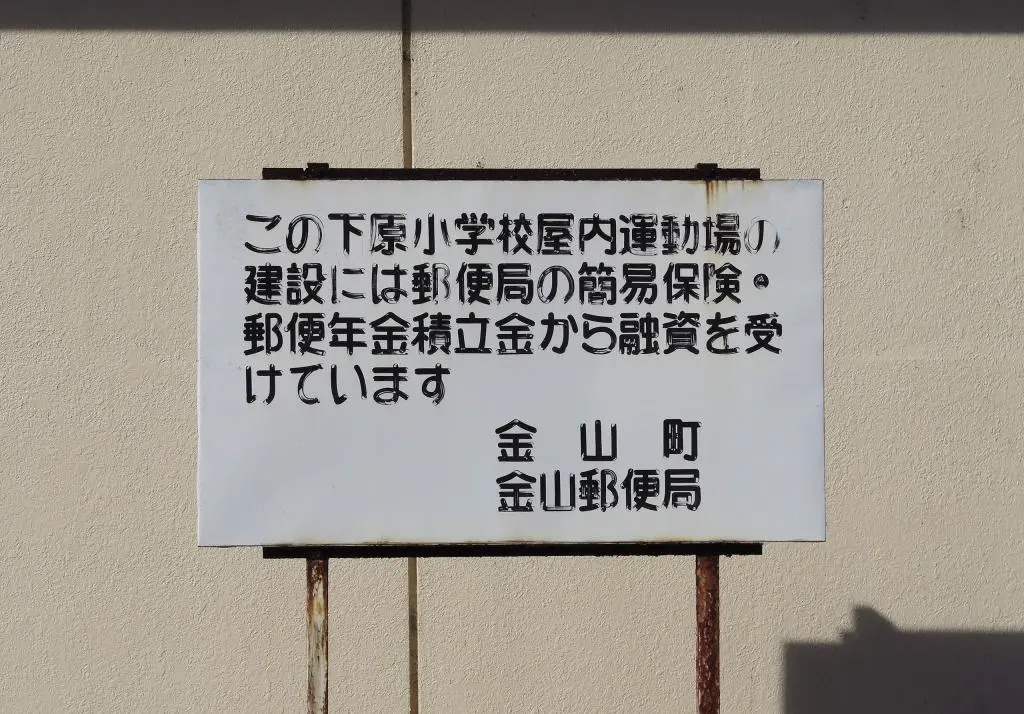
As I was driving home from Kanayama, I drove past one of these schools and it really caught my eye. It was a massive building that sandwiched the road to the hill on the other side. This was the former Shimohara Elementary School 下原小学校.
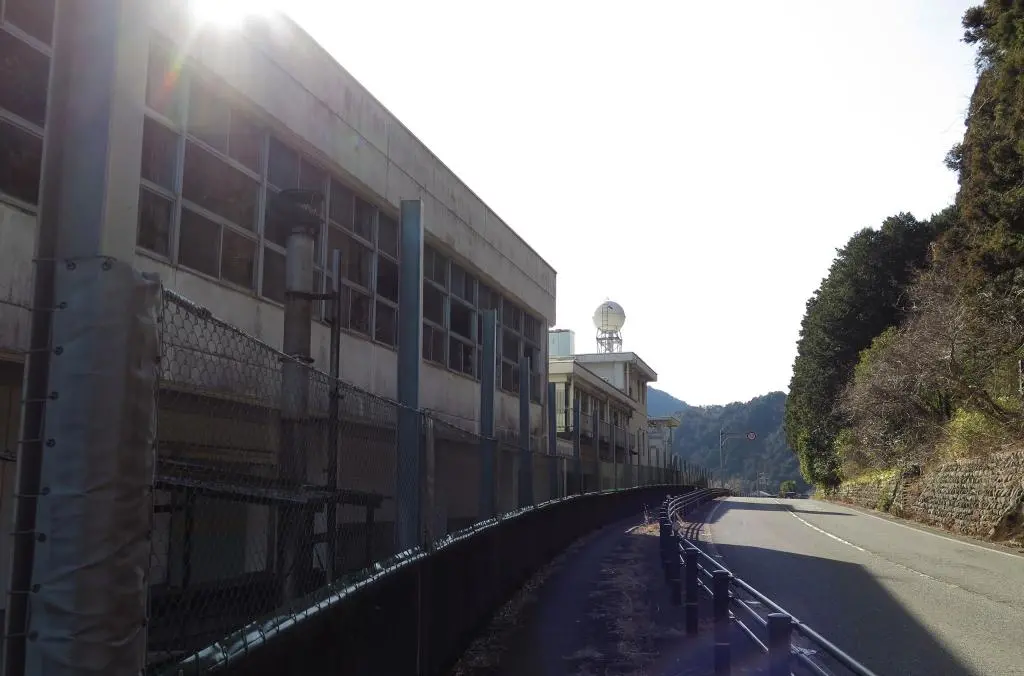
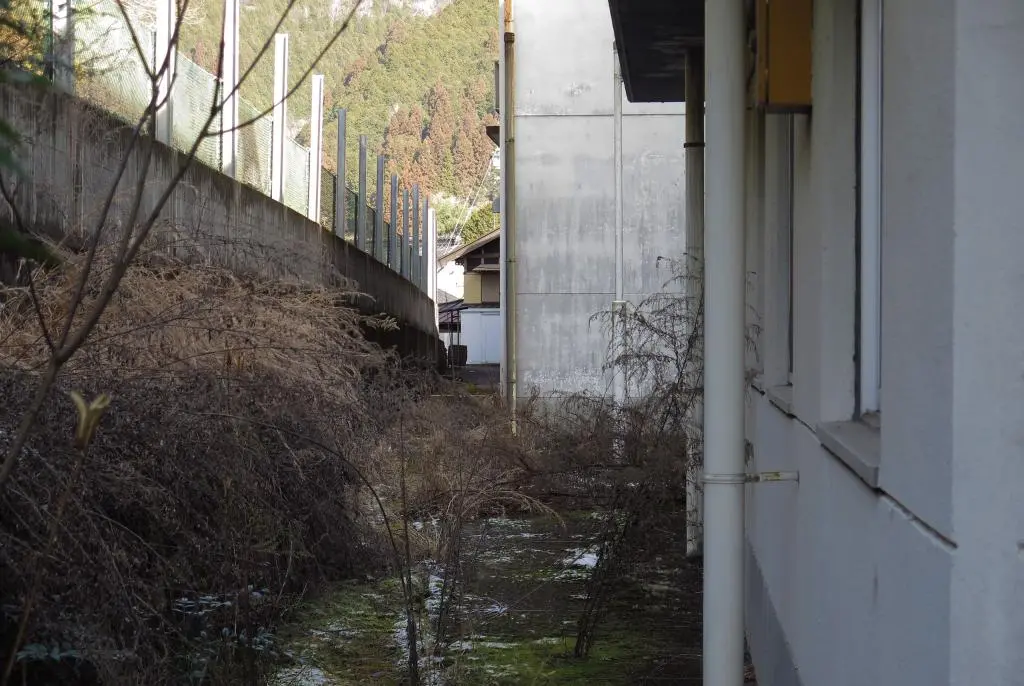
It felt incredibly out of place overtaking the entire neighbor of tiny homes on this sliver of land on the west bank of the Hida River. The school grounds made up nearly 30% of the area. The neighborhood roads are so narrow, too. You couldn't even turn around if you wanted to.
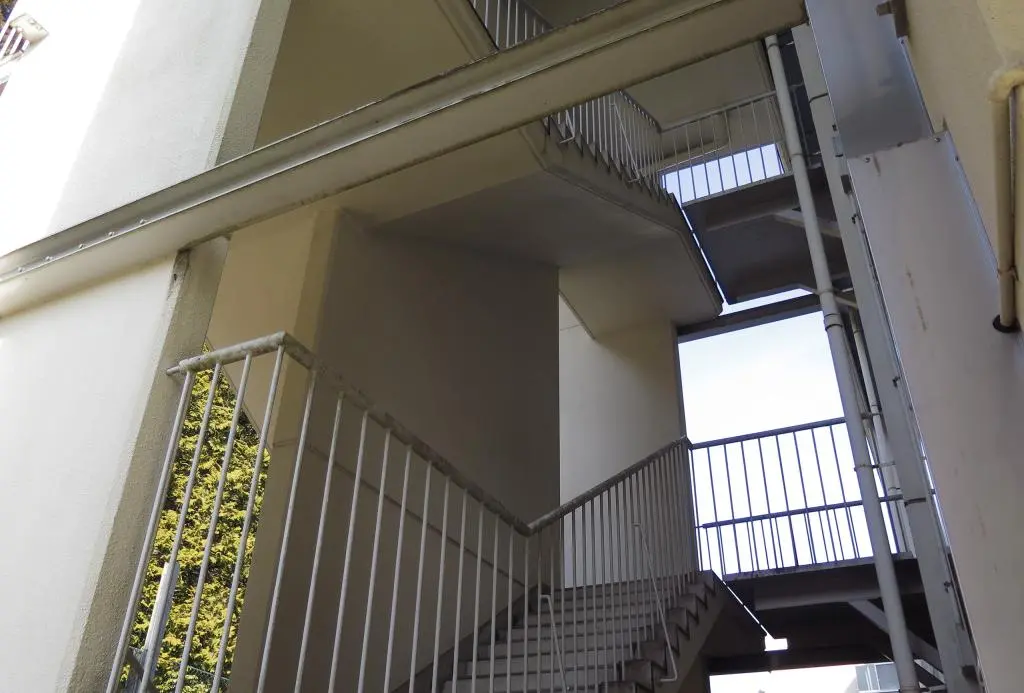
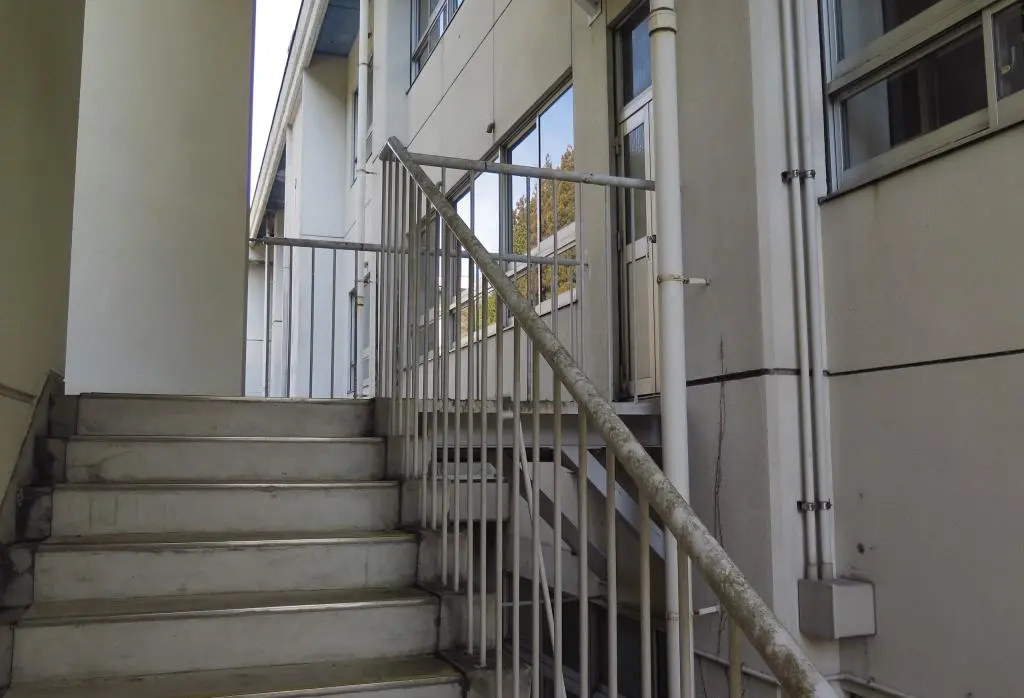
Shimohara Elementary is located on the north end of downtown Kanayama and it looks like it used to split the number of students in town. By 1961, Shimohara and Kanayama elementaries had 79 and 72 students in their graduating classes. By 1978, those numbers shrank to 48 and 42 students and this was the same year construction on their concrete building was complete. Looking from the oustide of the building, it could easily hold two or three classrooms for each grade.
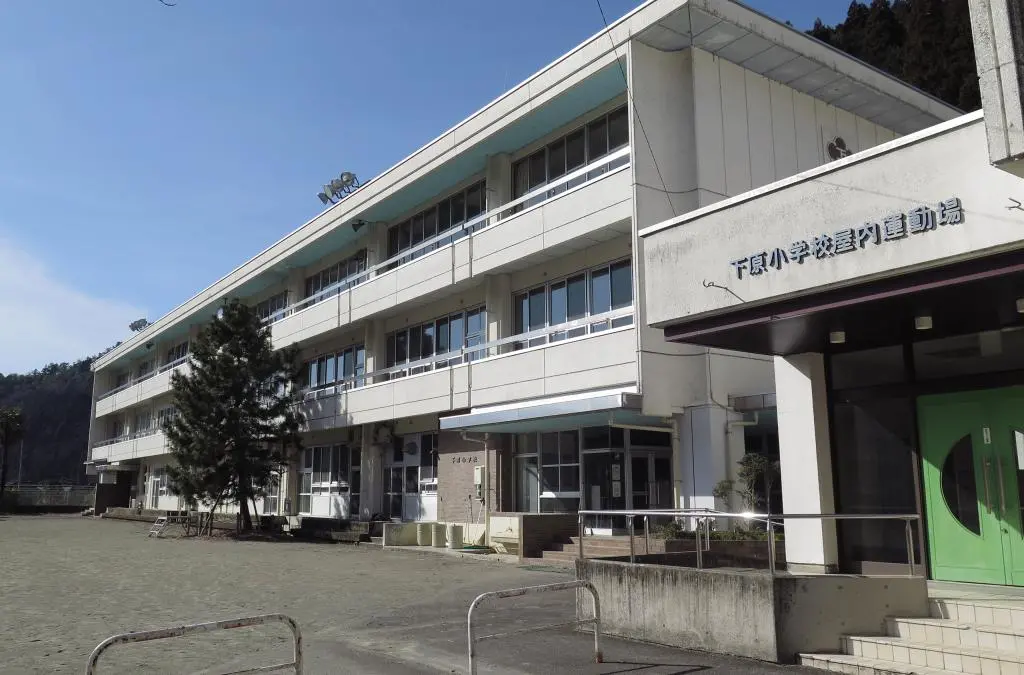
By 2013 when I began working in elementary schools in Takayama in the north, the schools only had 14 and 10 students in their graduating classes. Although, that was the lowest point ever for Kanayama ES. From that point, their numbers increased to a steady 20ish students for each year. Numbers for Shimohara stayed around the 10s.
Two other elementary schools in Kanayama were also bleeding students. Sugata Elementary 菅田小学校 and Higashi Dai-Ichi 東第一小学校 were also part of the city in the northwest and southwest away from the main road. By 2019, they were down to 8 and 4 students in their graduating classes. Thus, Gero City made the decision to combine all four schools together into Kanayama Elementary School 金山小学校. Nowadays, each class in Kanayama ES is around 30-40 students.
Here's a page of all the recently closed schools in Gero City. It's weird that they consider Kanayama ES closed as part of this merger, when the other schools merged into it. I think Kanayama City considered this more of a unification rather than a merger, so they think of modern Kanayama Elementary as a new school, complete with a new school song to reflect that.
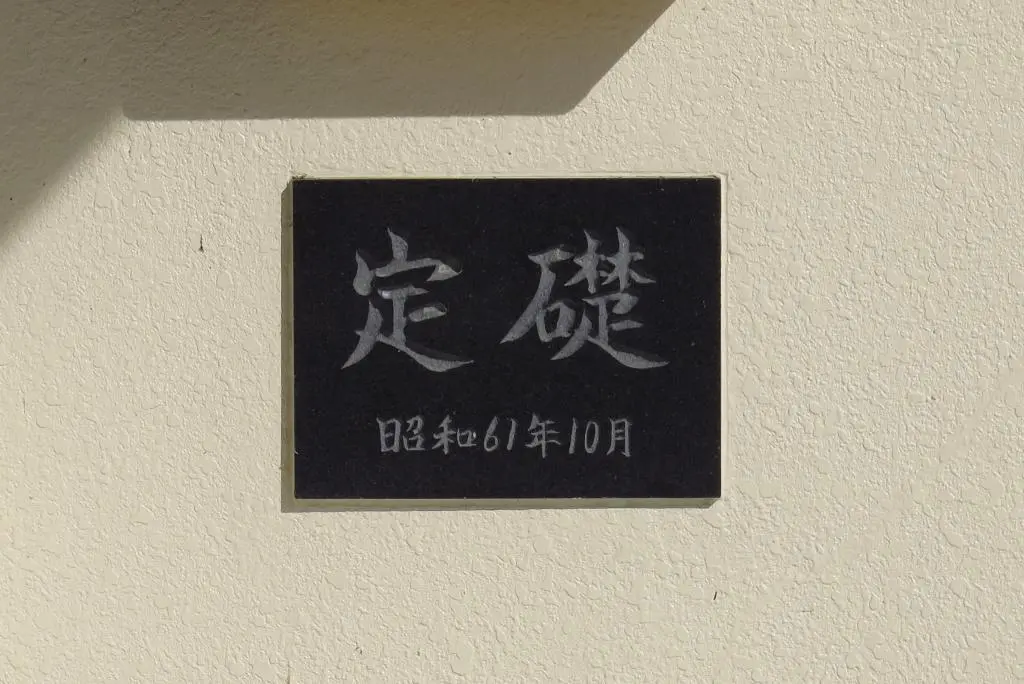
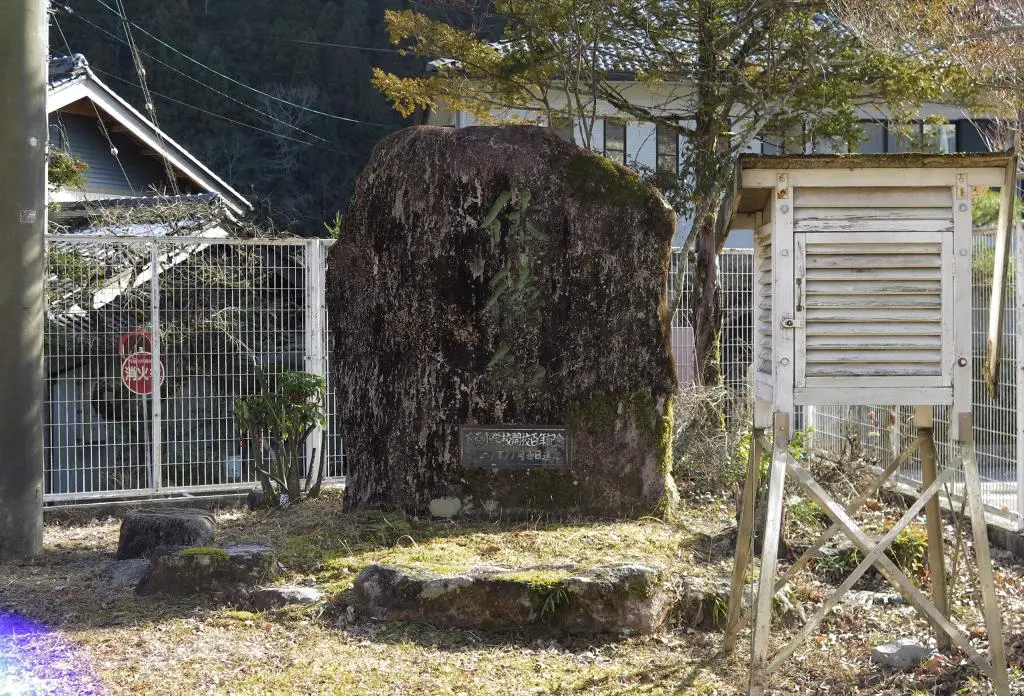
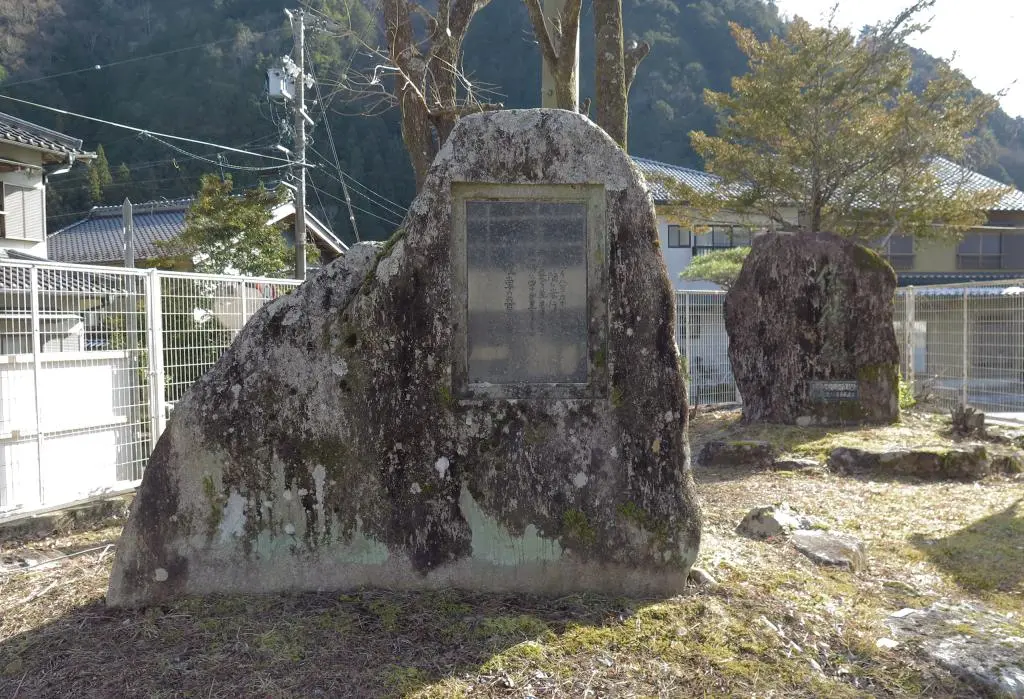
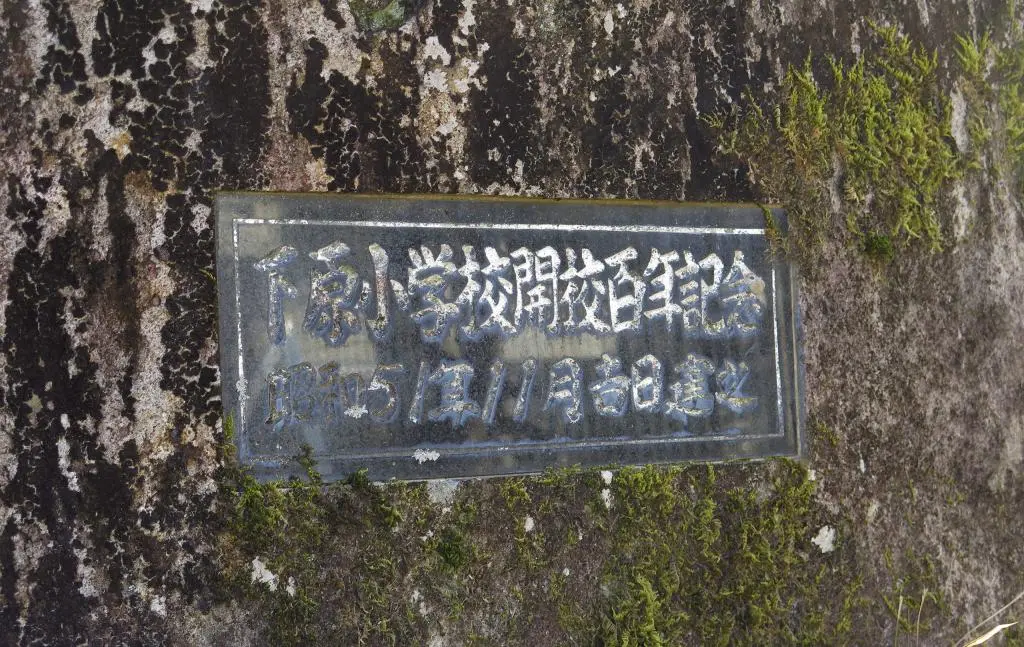
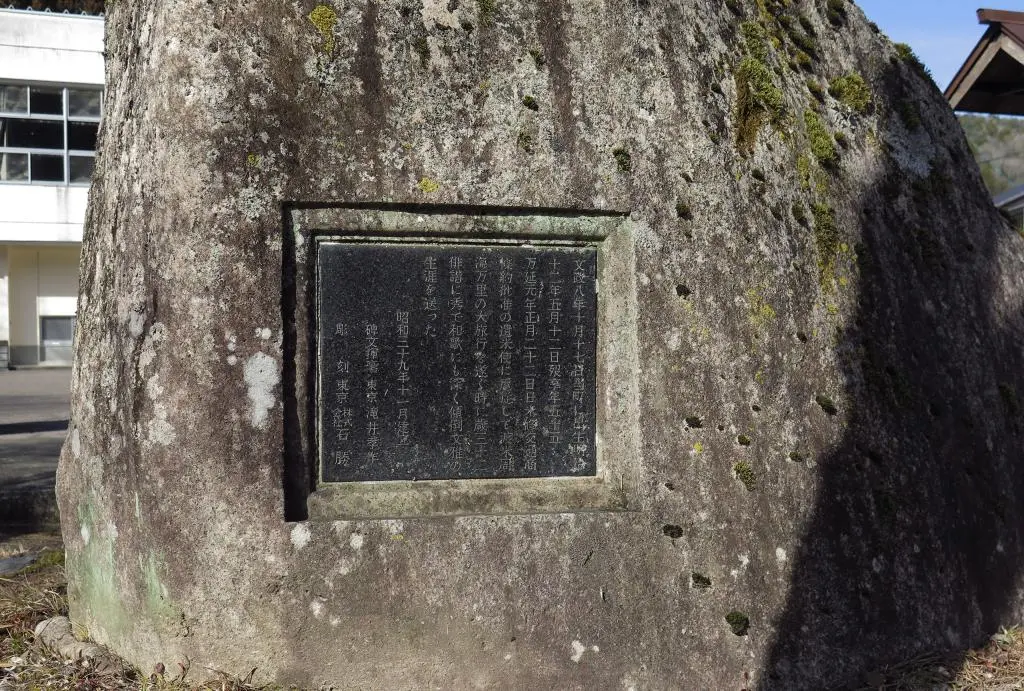
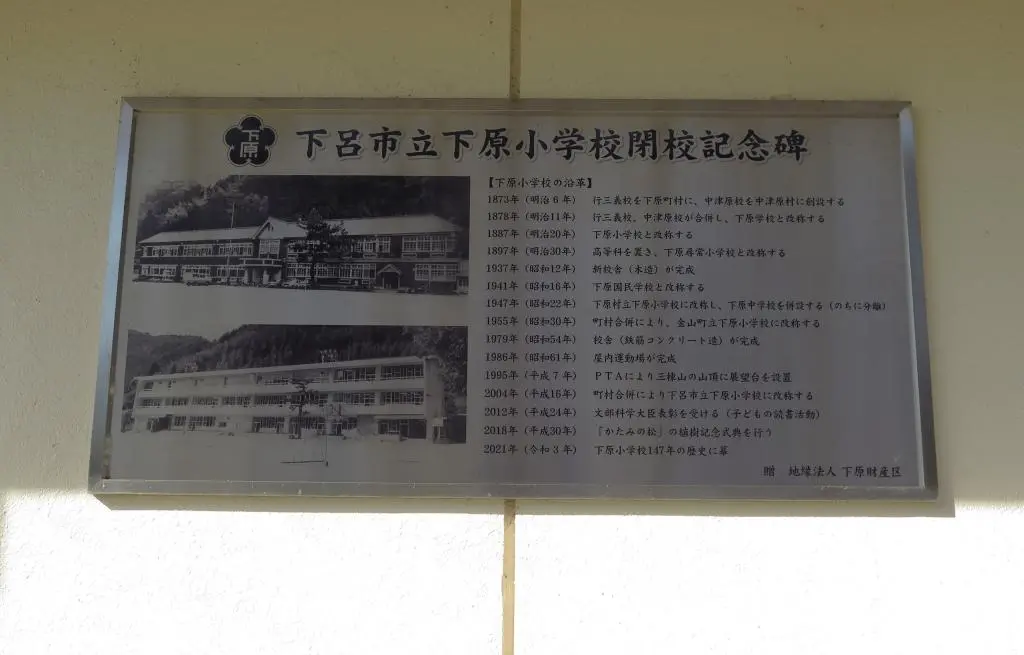
There's a nice plaque on the front of Shimohara Elementary that shows the history of the school.
In the 70s and 80s, it must've felt like Japan was skyrocketing and they needed to build these huge schools to prepare for the future. They also had a ton of money thanks to the world buying into Japanese industry. Although, while the population of Japan continue to grow and grow until the 2000s, the population of all the rural towns continued to decrease.
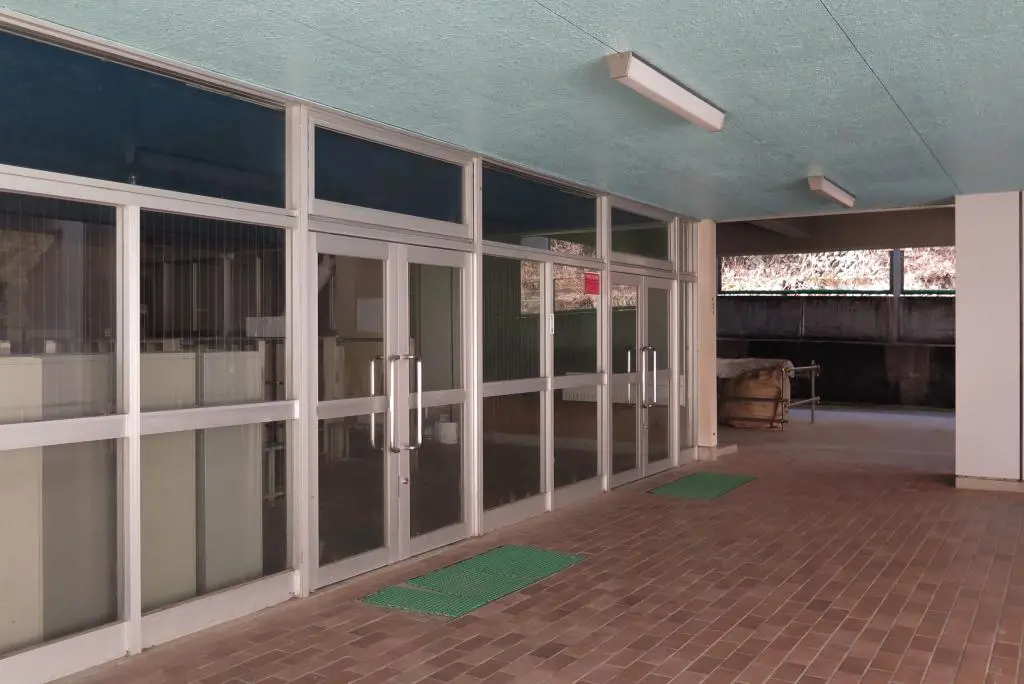
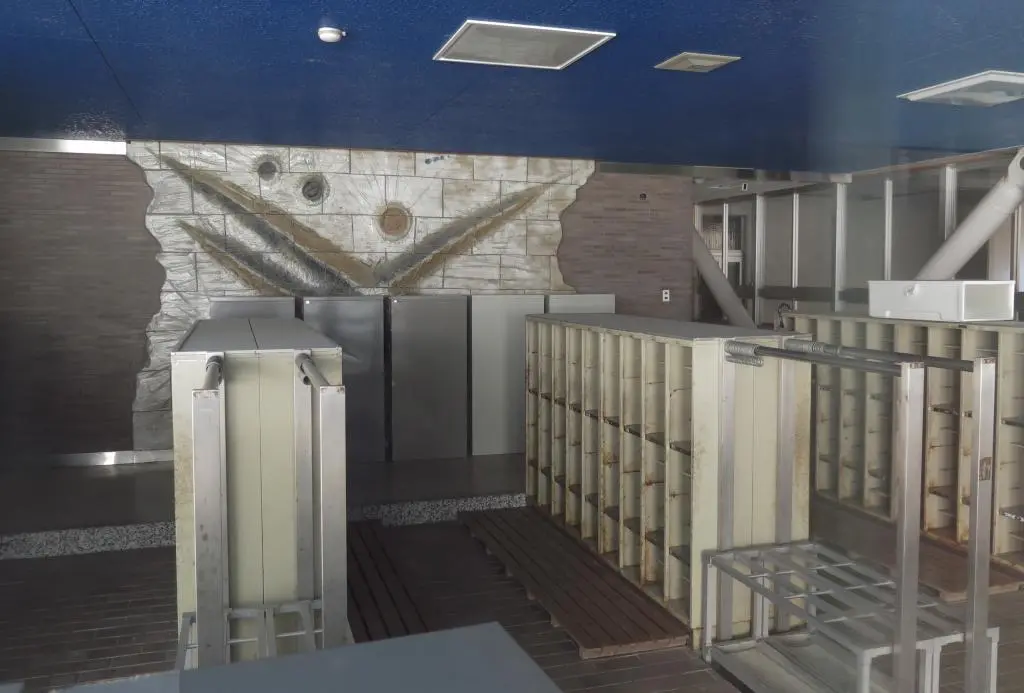
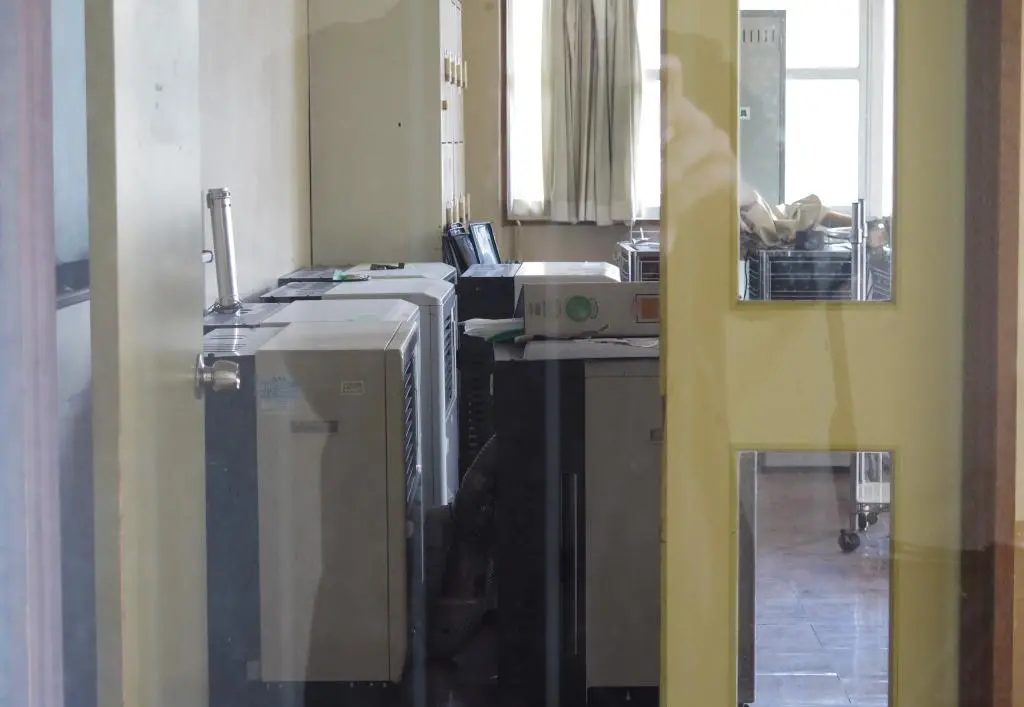
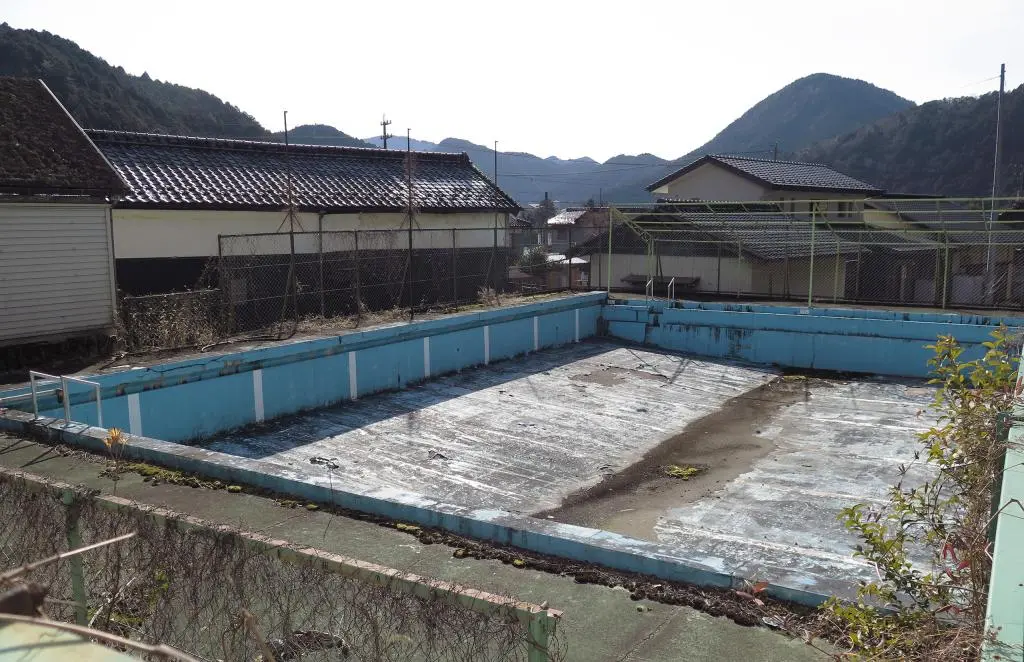
It seems like they overextended themselves, and now these small villages are left with all these empty school buildings. Although, I'm not really sure if anyone predicted how much the Japanese economy would crash in the late 90s. Maybe they weren't really thinking of the future? Or maybe they didn't care because they had a lot of money to spend, and building schools created plenty of jobs?
Sumata elementary reopened as a computer school, so I wonder if they'll repurpose Shimohara Elementary School into something else. Or maybe it'll be another bulldozed lot in a decade.