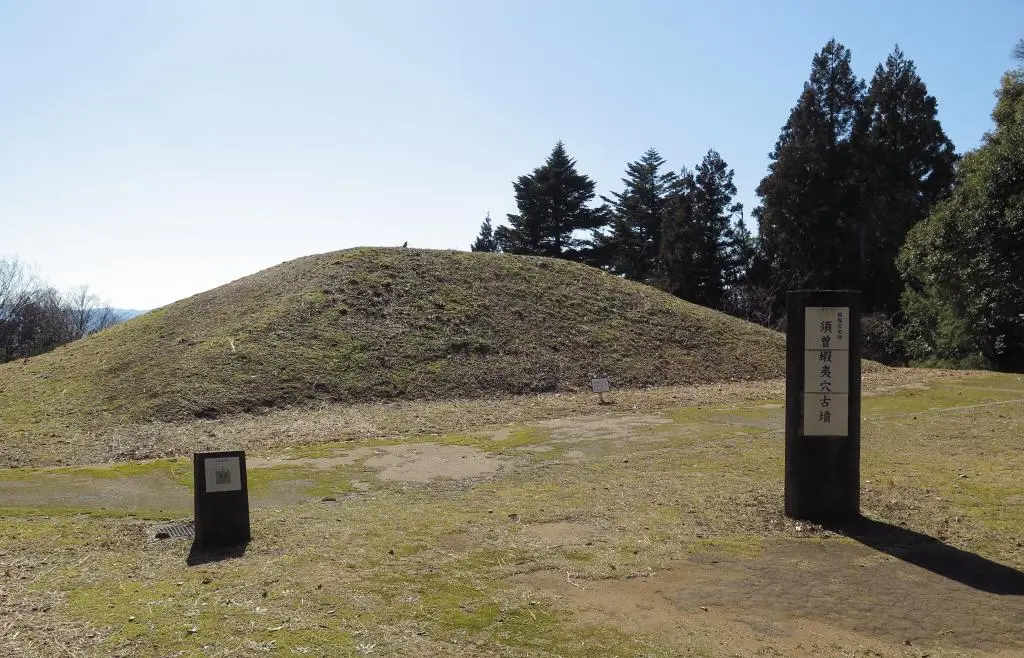
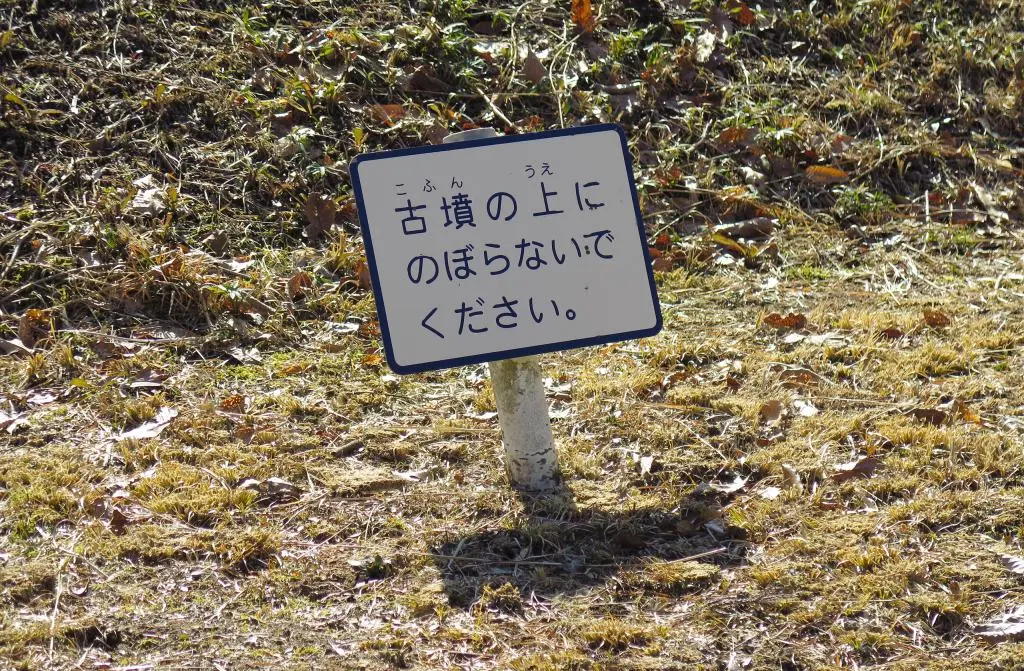
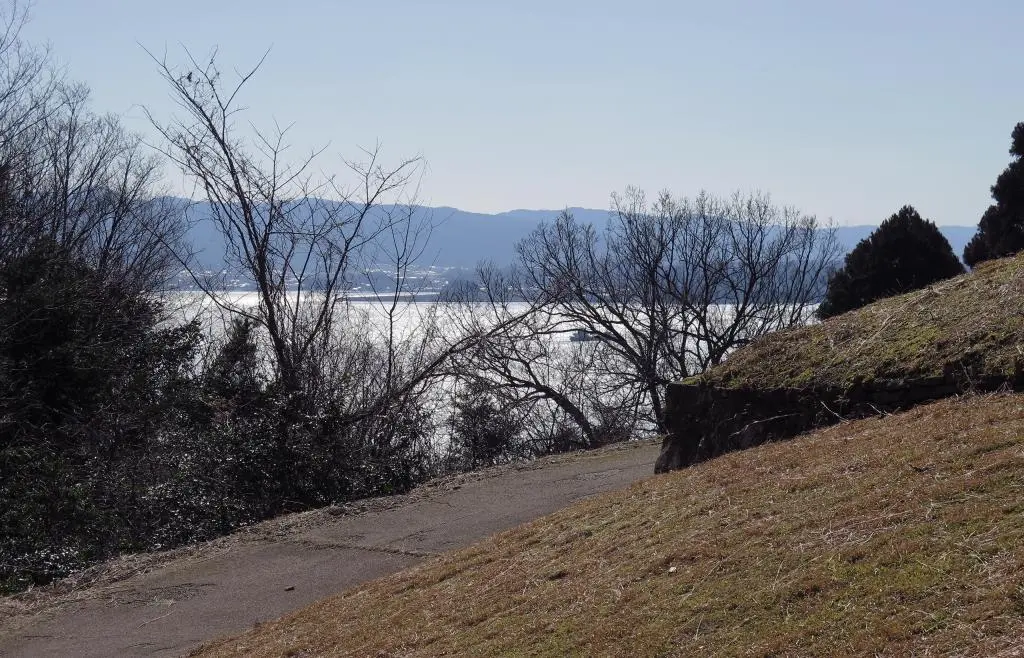
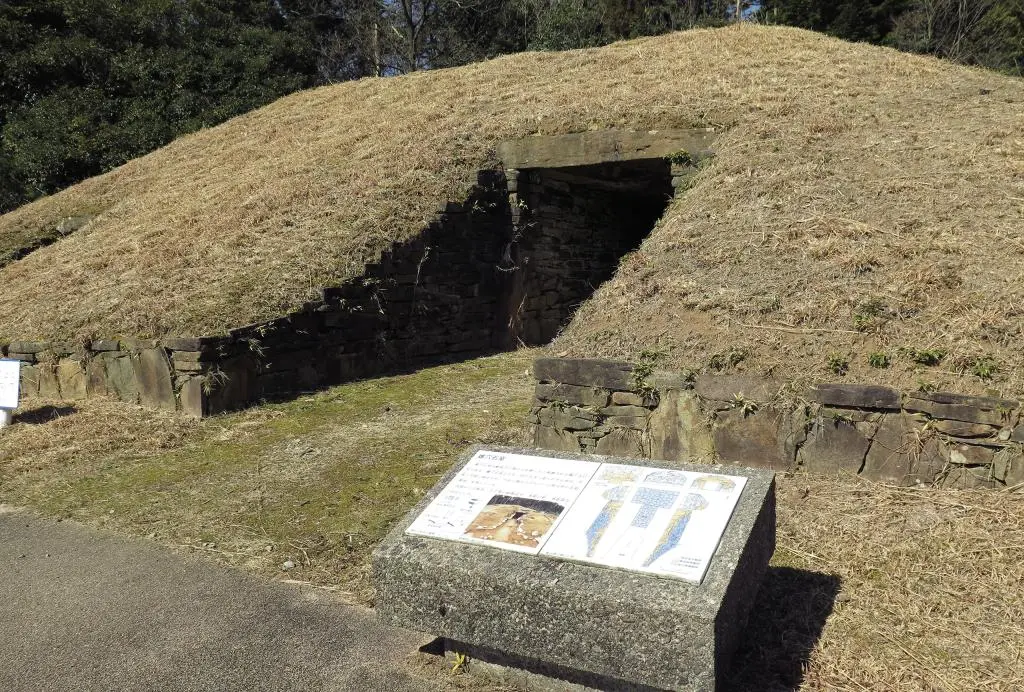
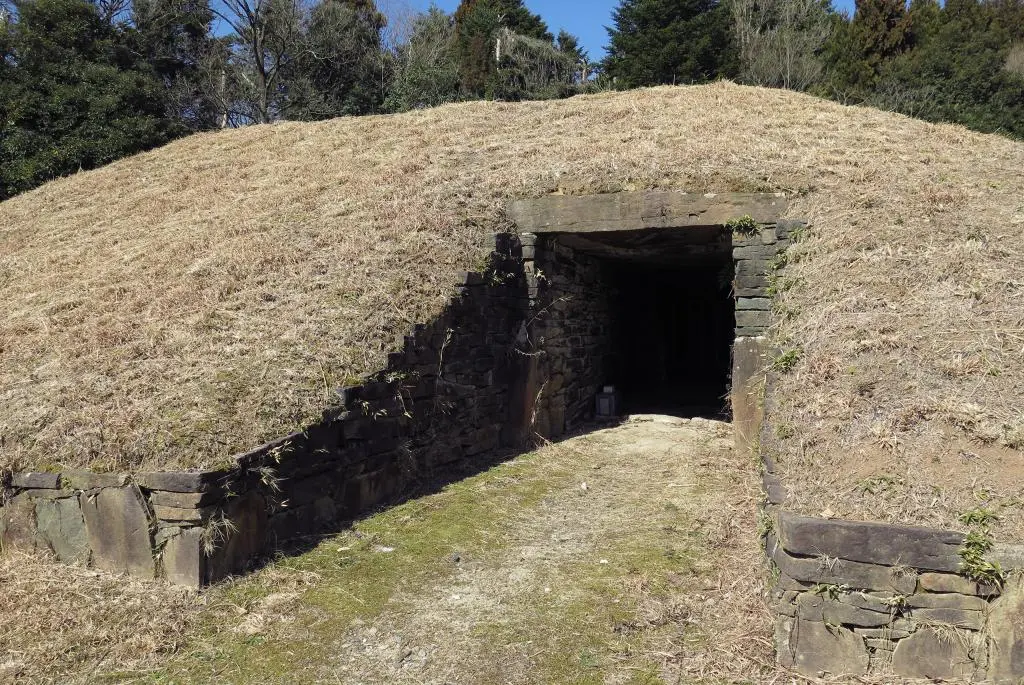
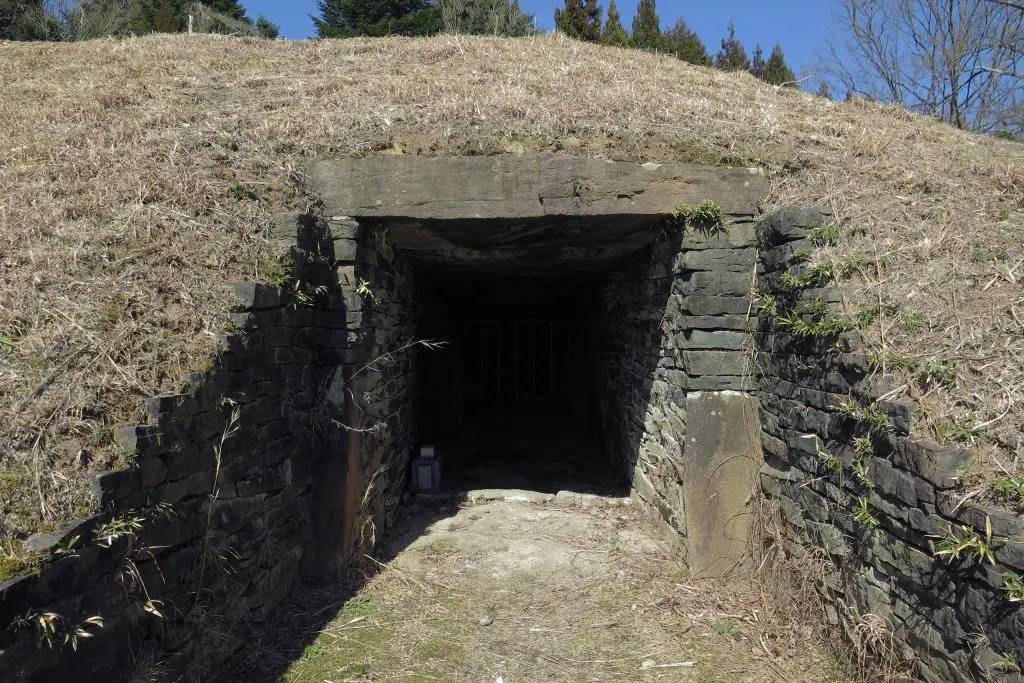
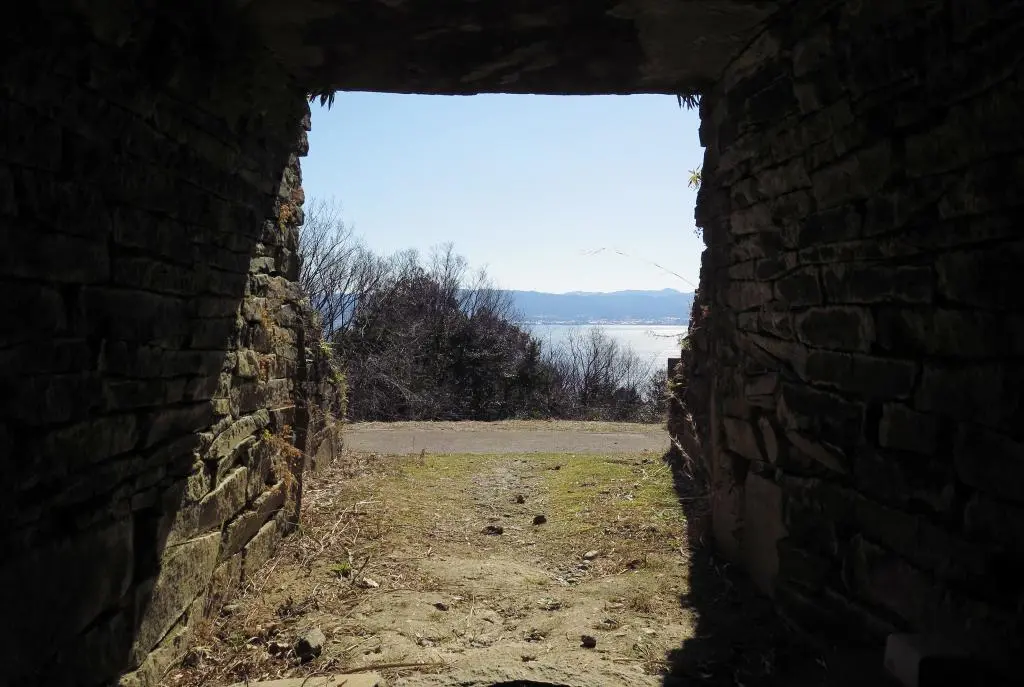
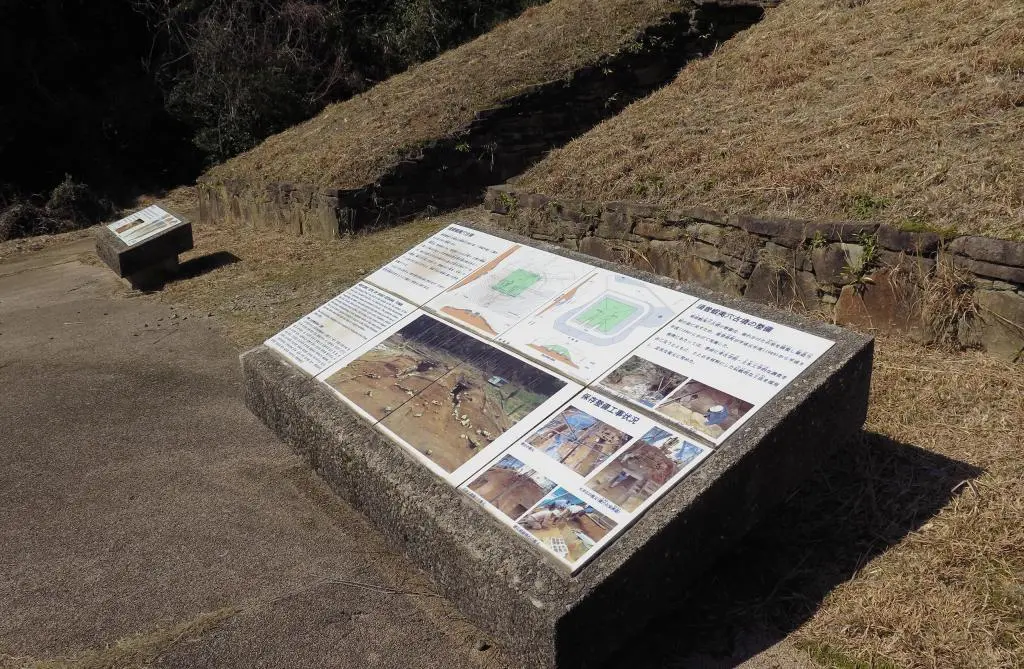
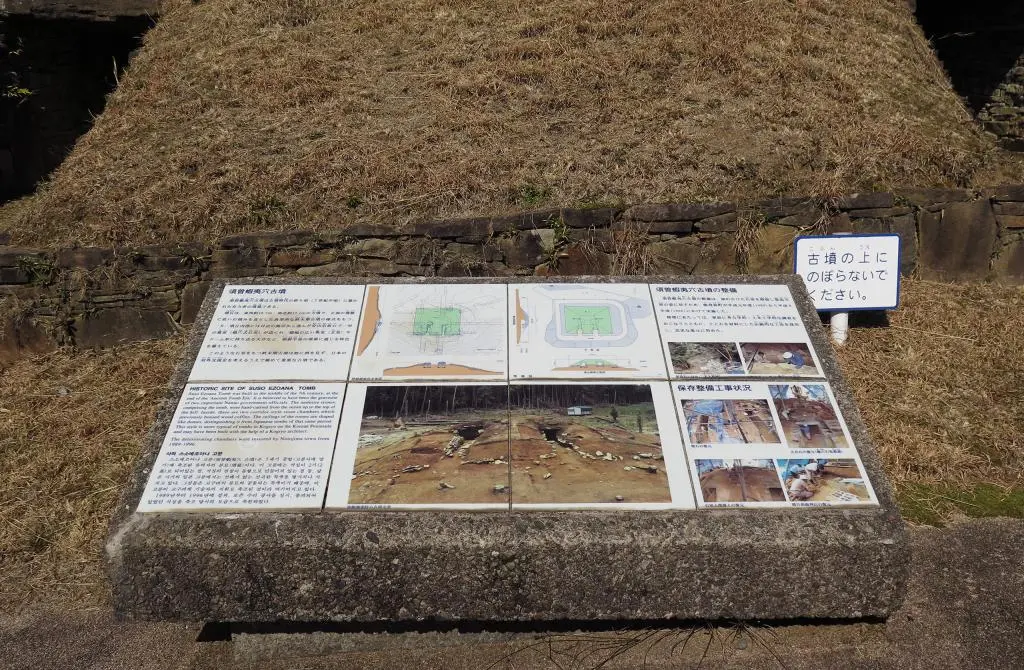
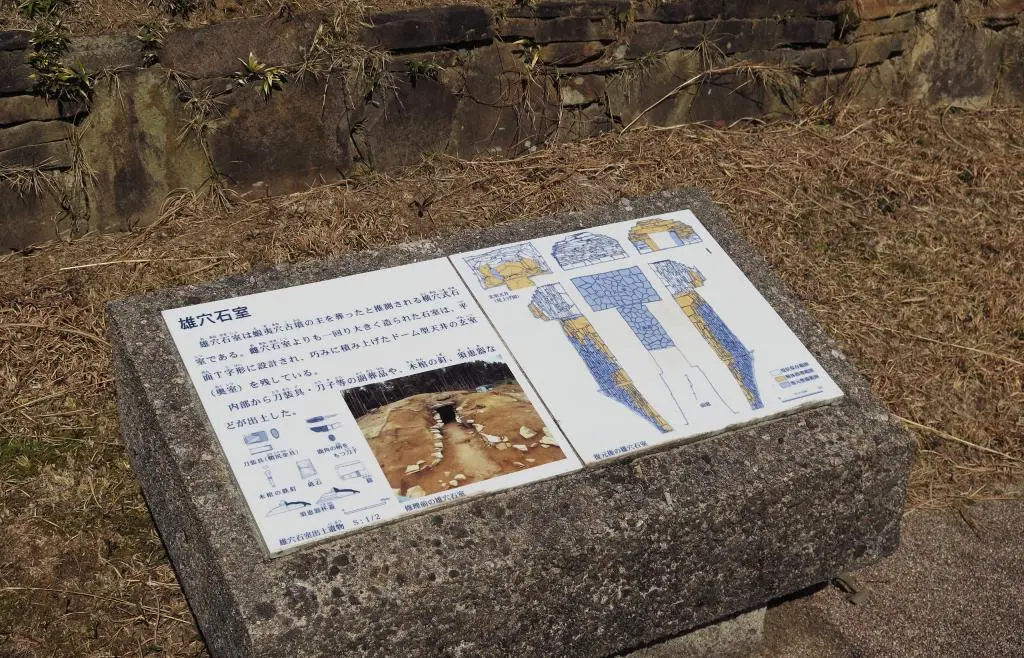
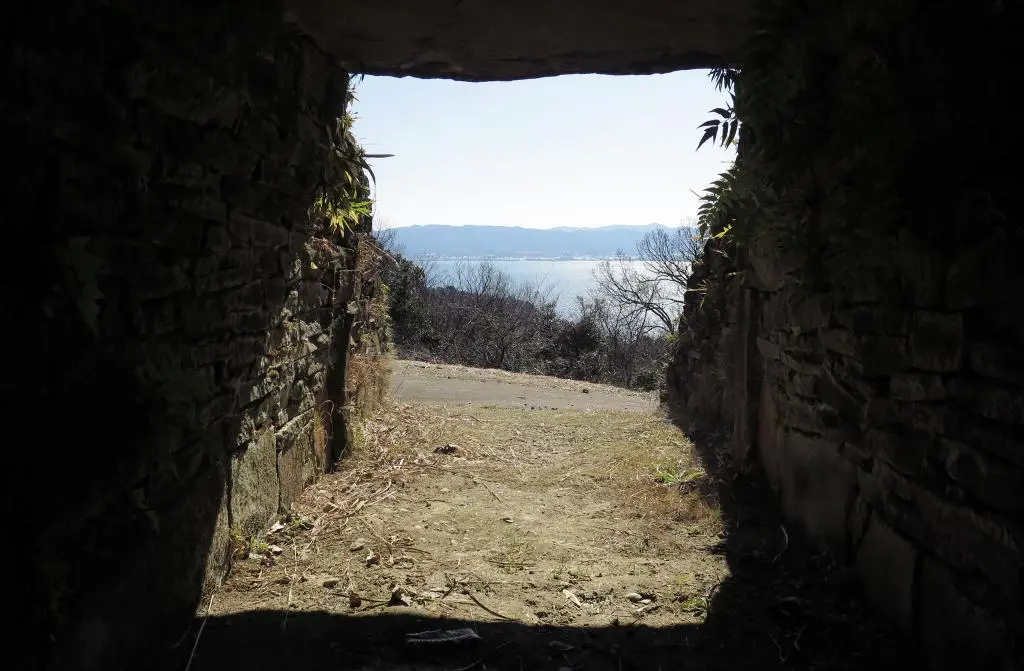
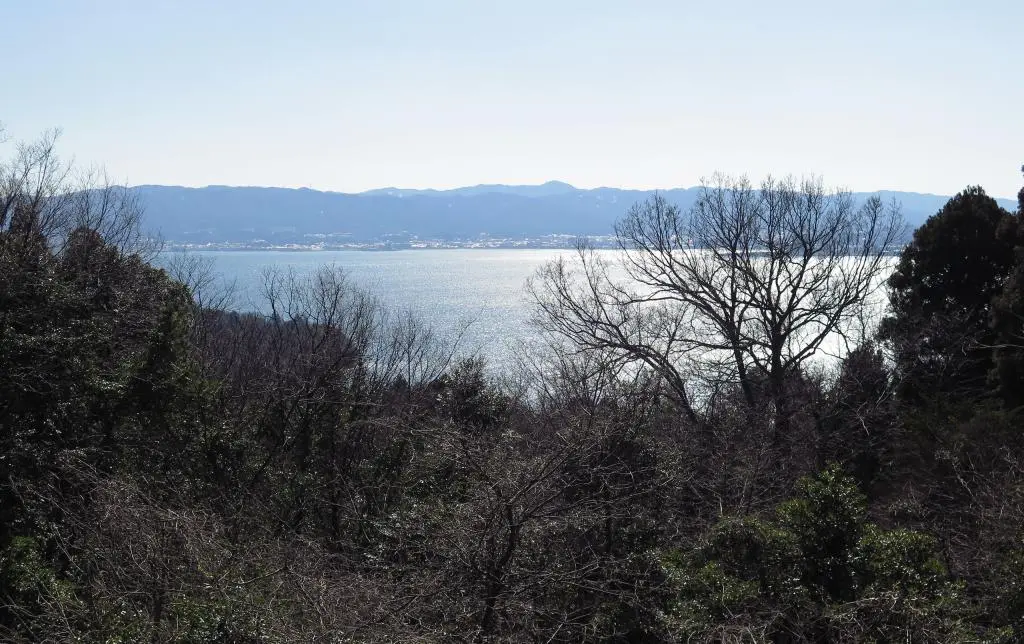
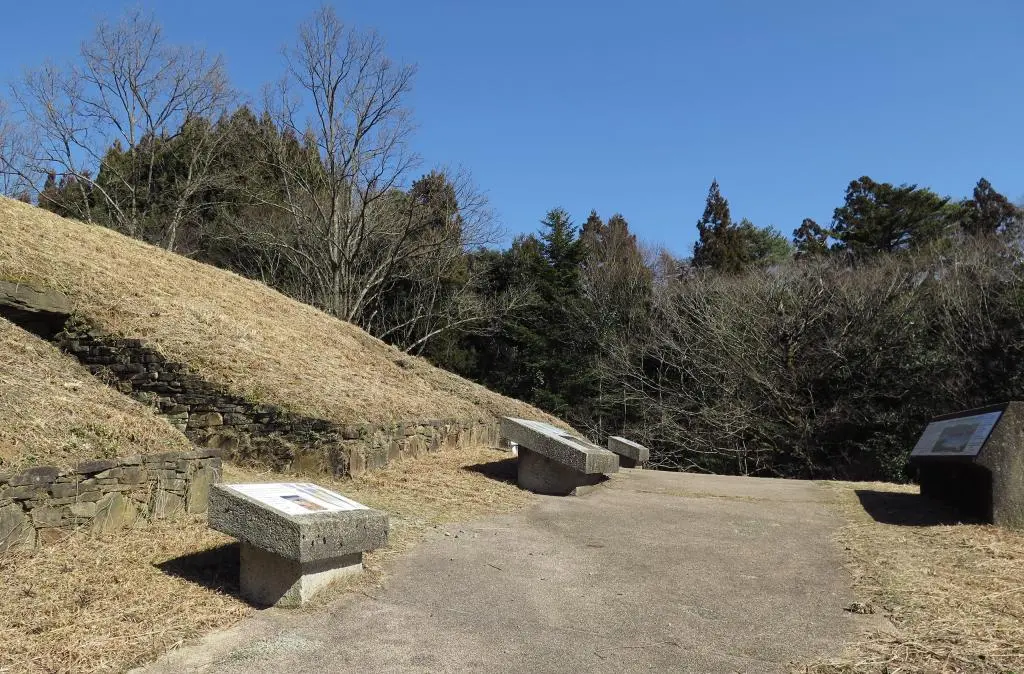
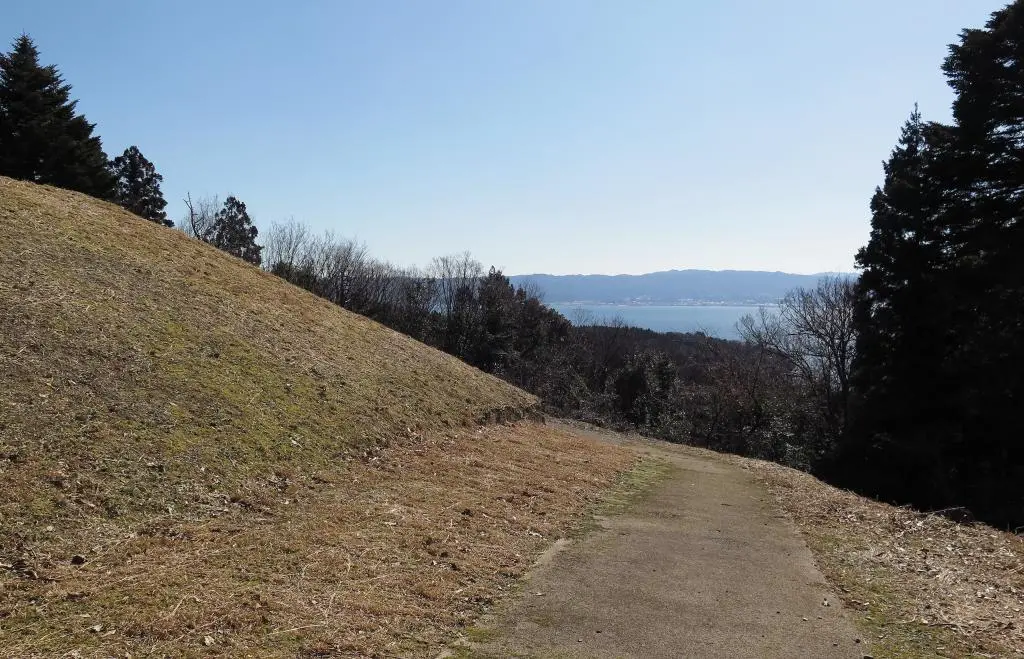
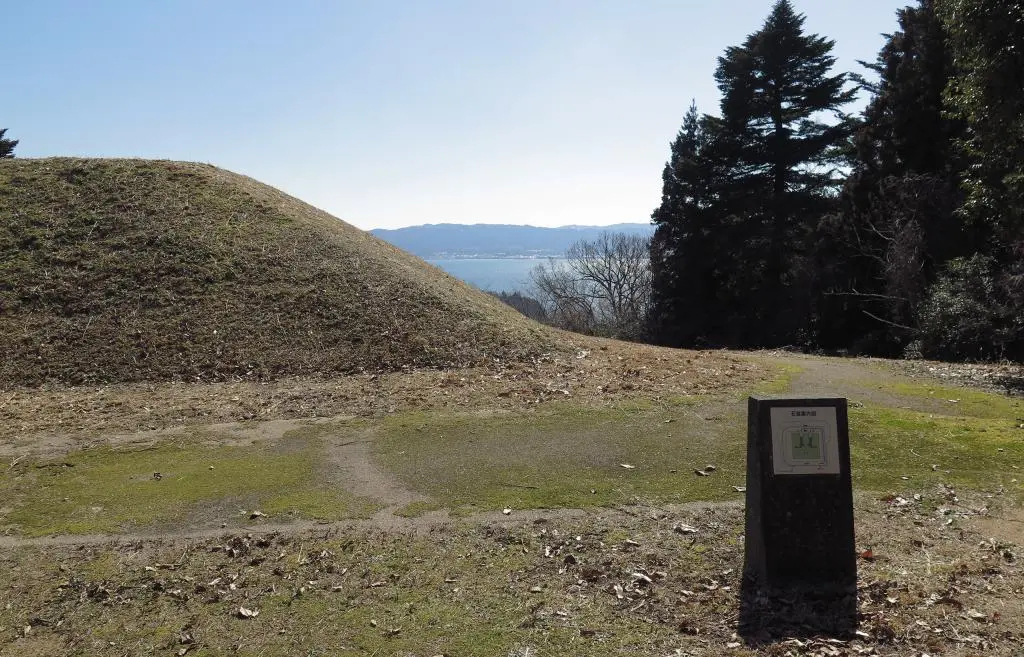
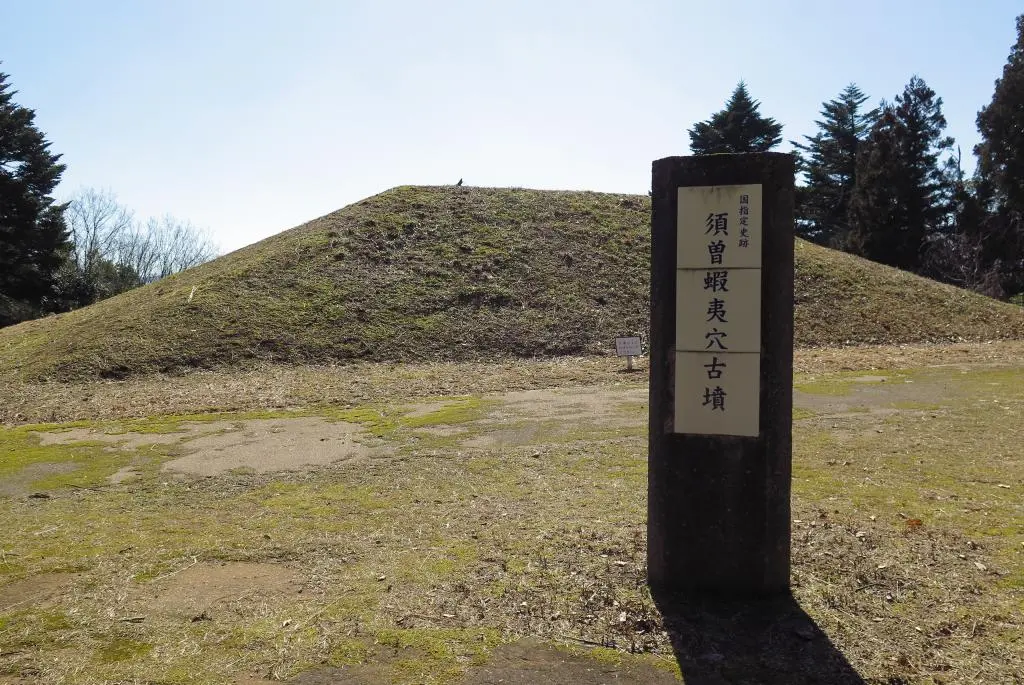
On the side of a hill on Noto Island, facing the Noto Bay, is the Suso Ezoana Kofun. Kofun are ancient burial mounds somwhat similar to a pyramid, but they greatly range in size from the largest being 400 meters across to the smallest being not that much larger than a home.
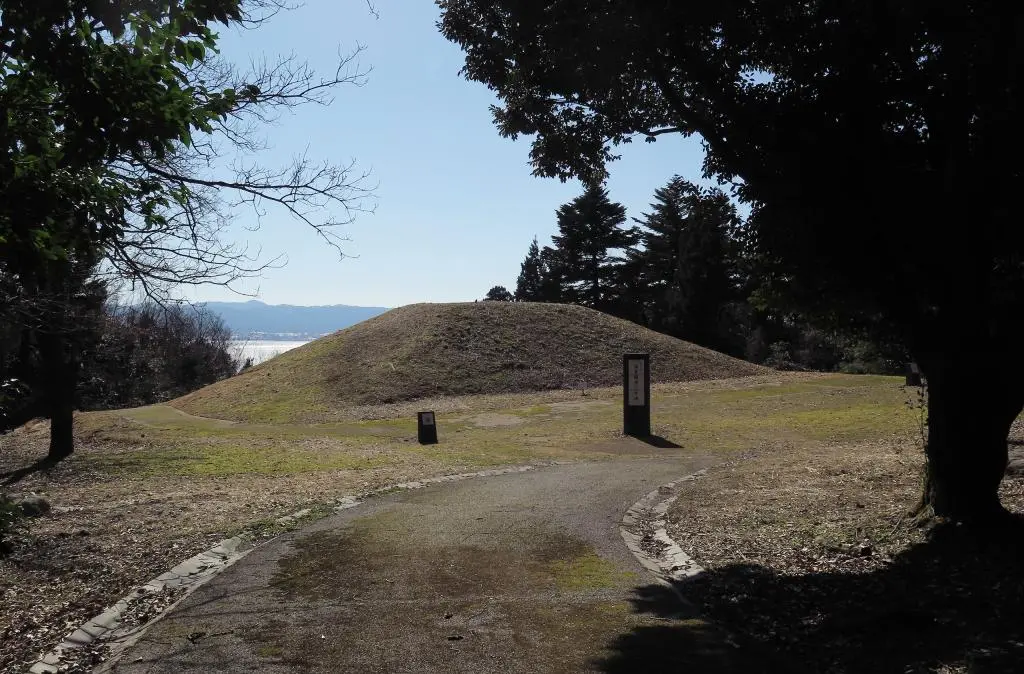
The Suso Ezoana Kofun is about the size of a home, but it is incredibly rare among other kofun.
Kofun are named after the Kofun period of Japanese history where they originated in Japan. The Kofun period started around 300 AD to 538 AD, which is when Buddhism was introduced to Japan. Kofun mounds were mainly constructed from mid-3rd century up through early 7th century, after the Kofun period had ended. The Suso Ezoana Kofun is unique because it was built in the mid-7th century well after the custom had ended.
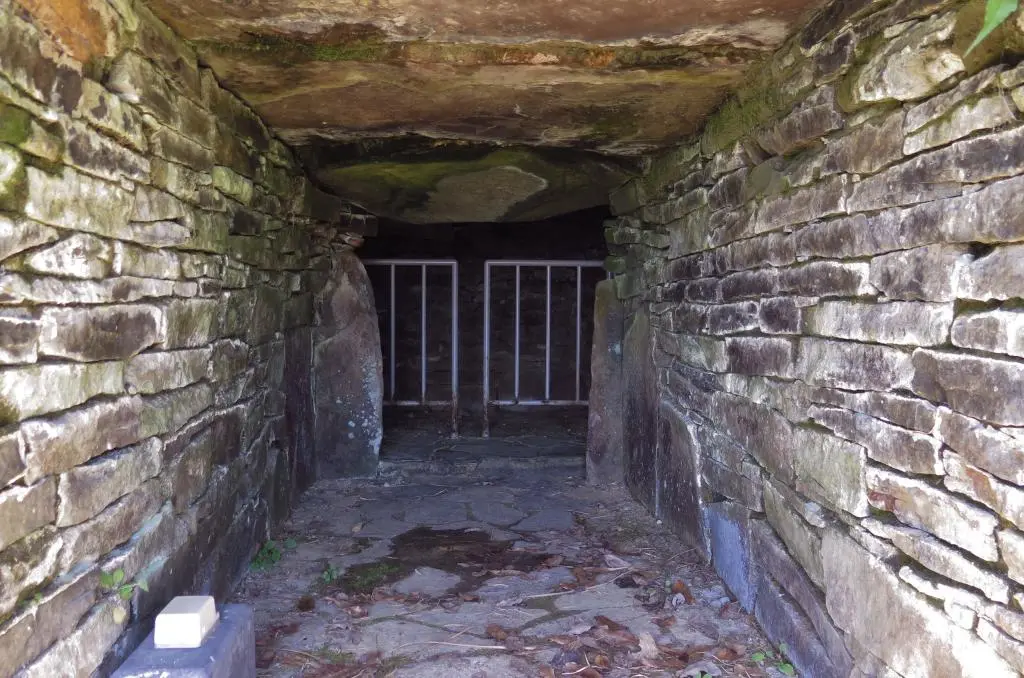
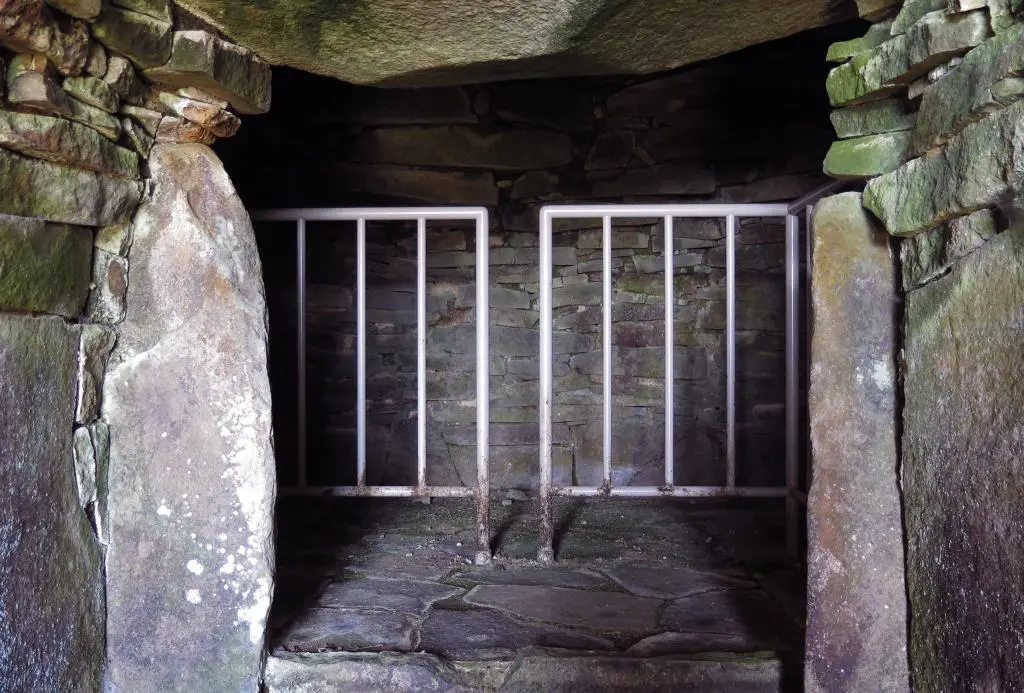
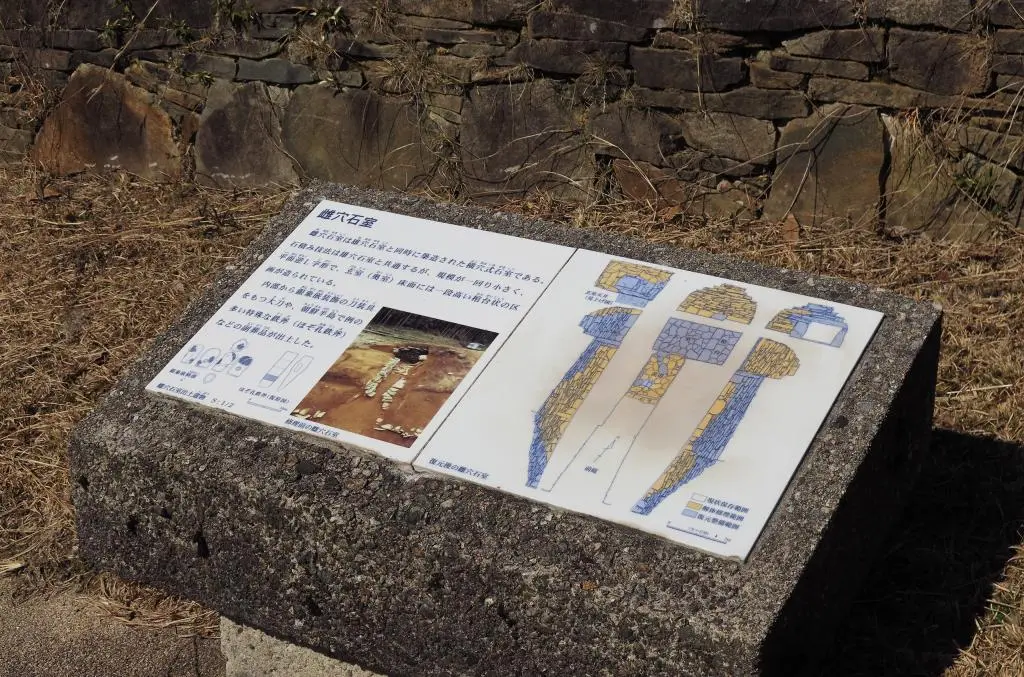
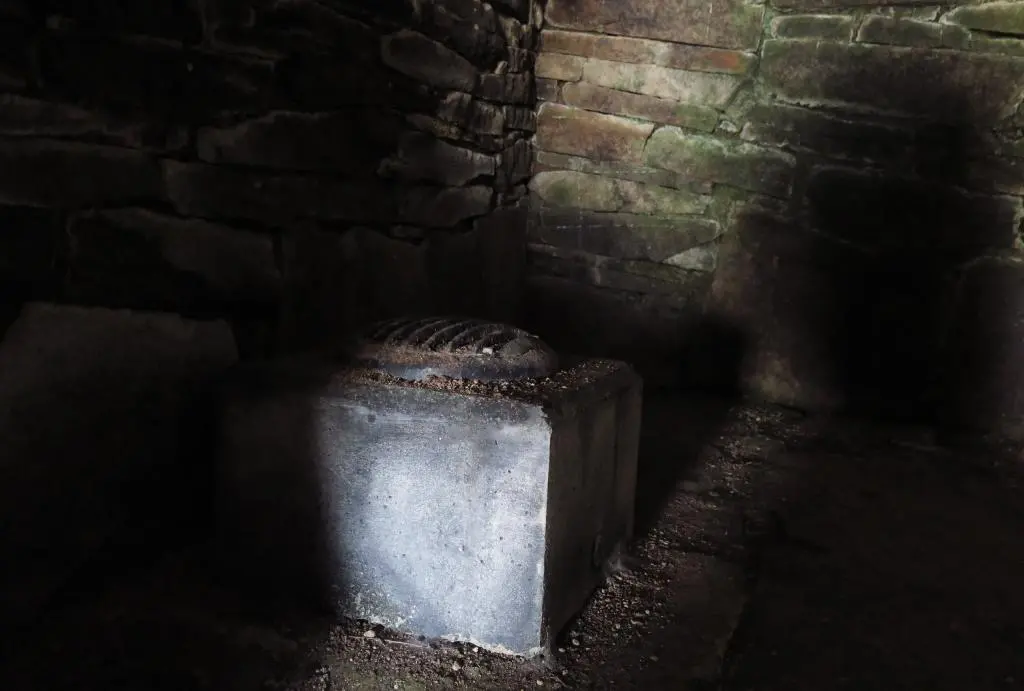
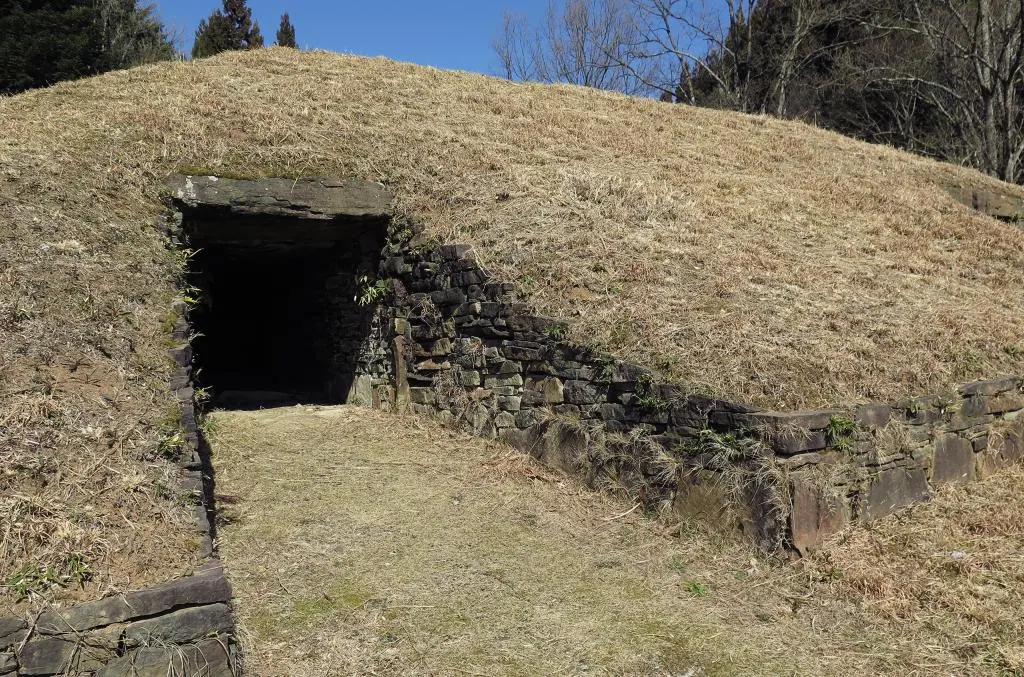
It's also rare because it contains two burial chambers. Kofun only have a single burial chamber used for poweful rich rulers and emperors of the past, along with their families. The dead would be placed beside each other in a single chamber. Having two chambers is not just rare, but unusal.
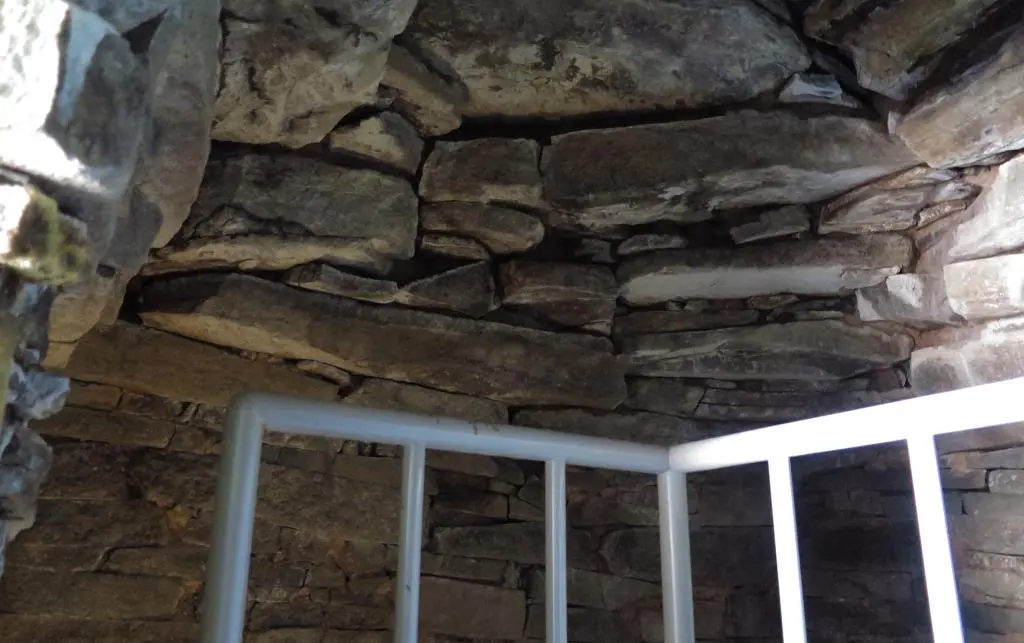
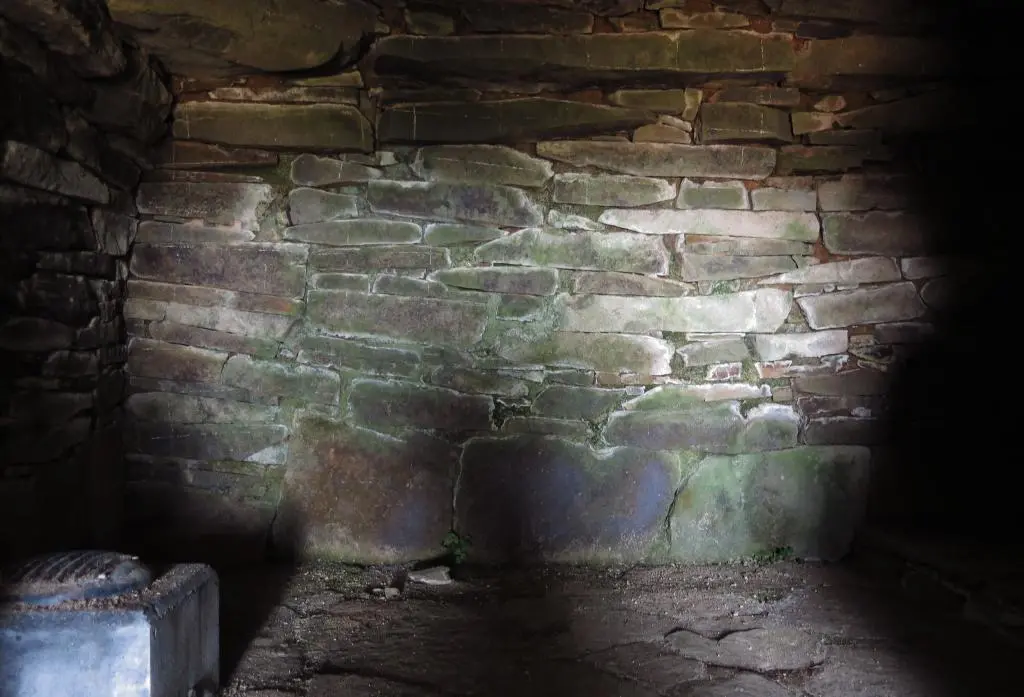
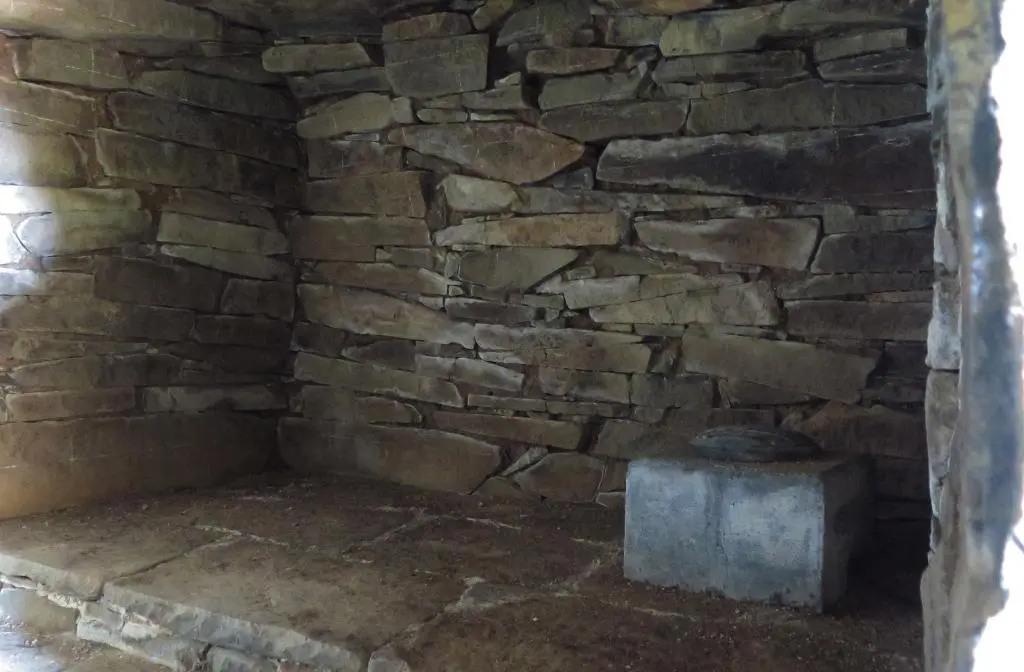
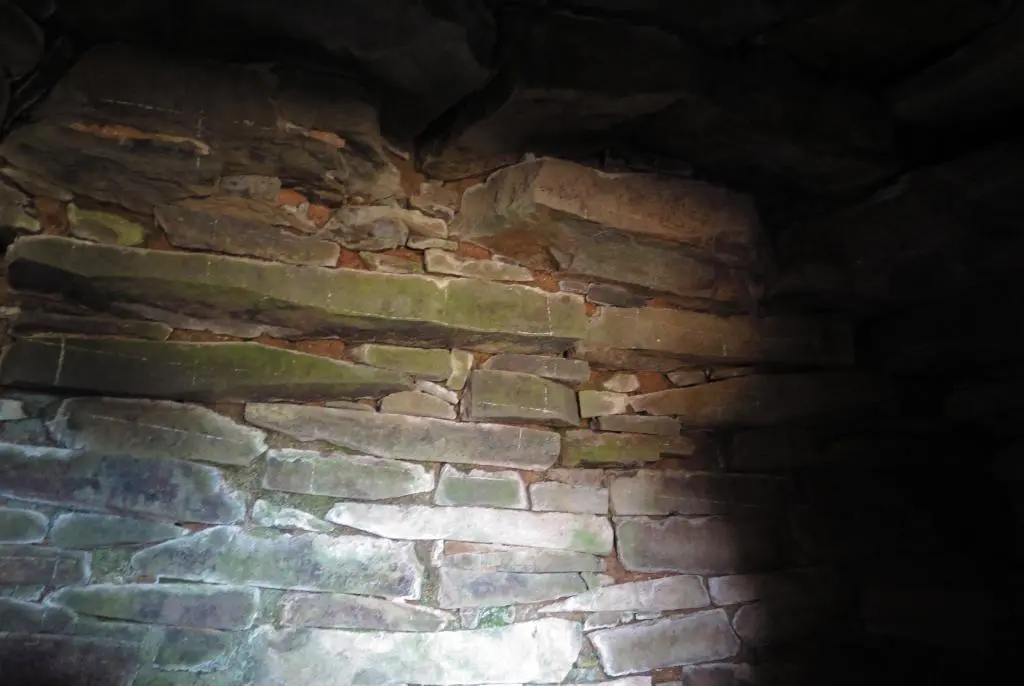
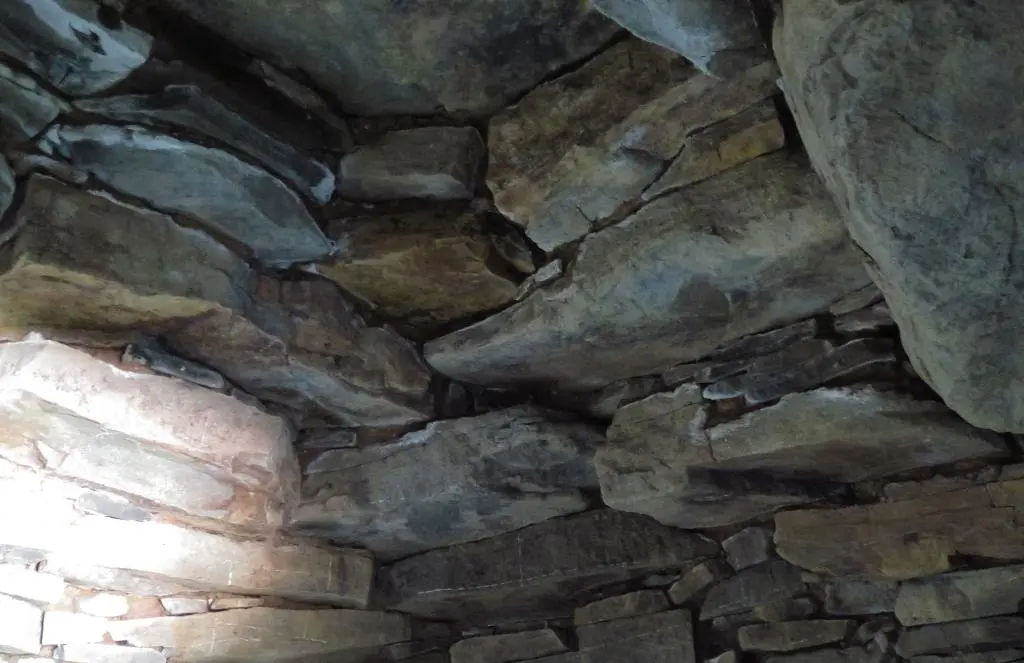
And its construction is also a strange and rare point. According to Wikipedia, the construction of the burial chambers and the mound uses an arch-like construction method where the weight of the rock slabs push on each other to create stabilitiy. This method of construction was common in the Goguryeo kingdom in Korea, which lasted through 668 AD, around the time this kofun could've been built.
The Suso Ezoana Kofun is the only kofun found on Noto Island. There are a few more kofun on the mainland of Noto pennisula, but there are all of a completely different configuration.
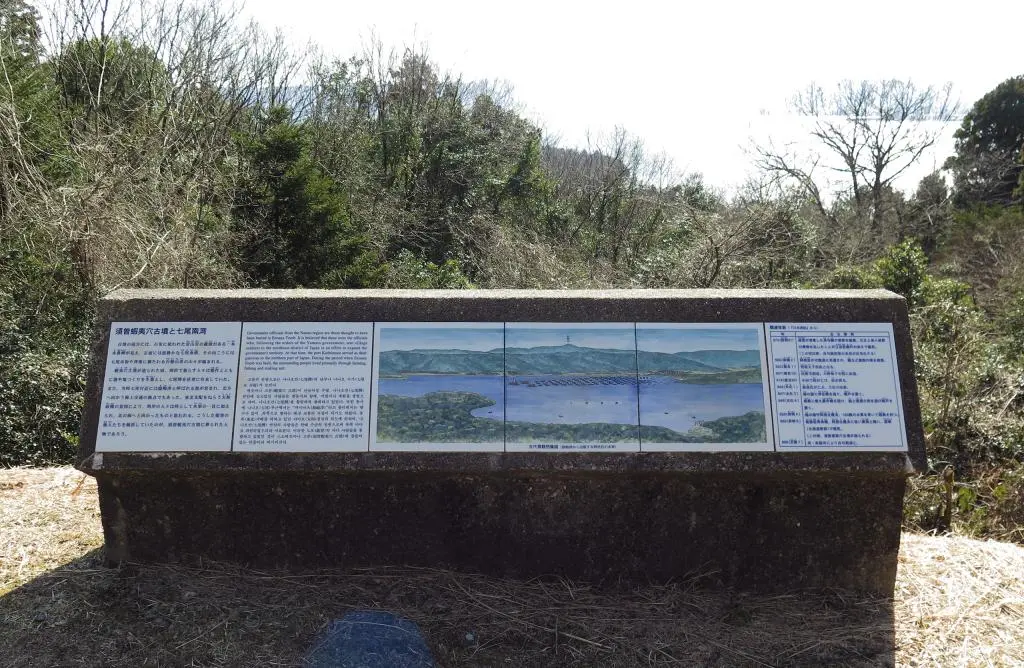
Nobody knows who was buried in these tombs, but the plaques make a guess saying that two important government officials of the Nanao government were buried here. Maybe they were huge fans of Korea and history, and contracted a Goguryeo architect to make the tombs for them.
Another plaque nearby states that it is believed that these government officials were helpful to the Yamato government for sending soldiers to the northeast to expand their domain. At the time, the Noto Bay served as Kashimazu port, and acted as a gateway to the north. So, it's fitting that these two were buried overlooking the waters that gained them notoriety.
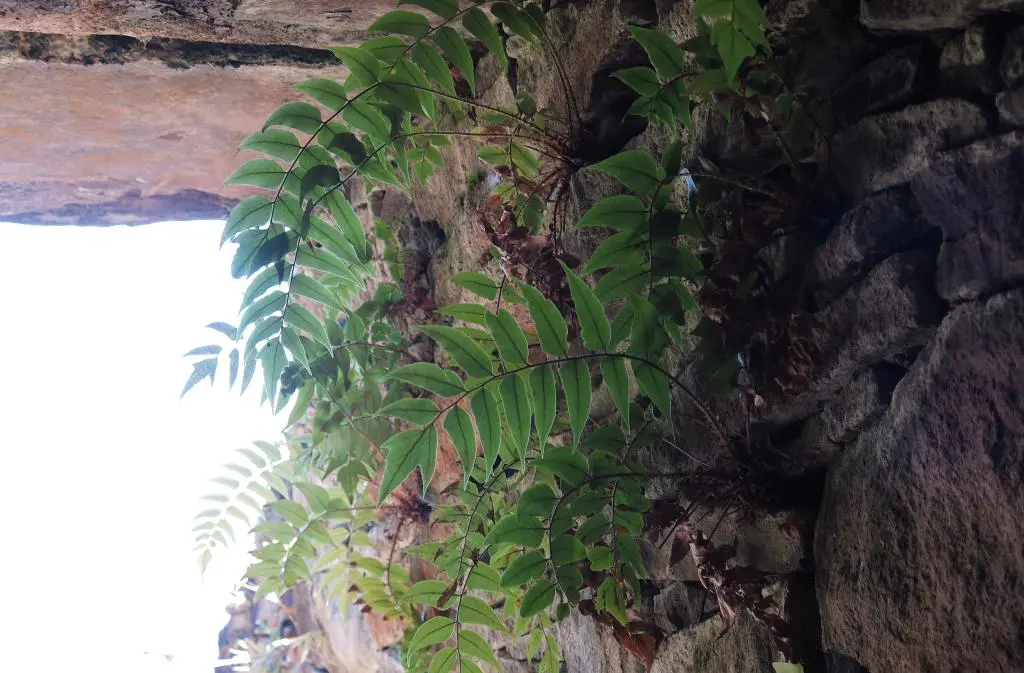
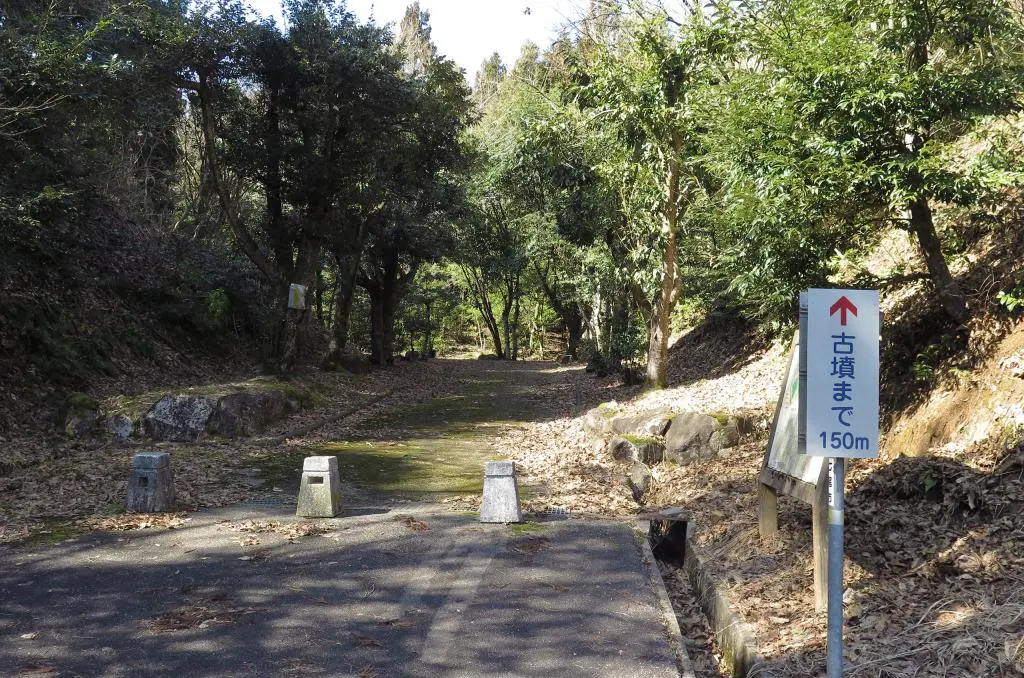
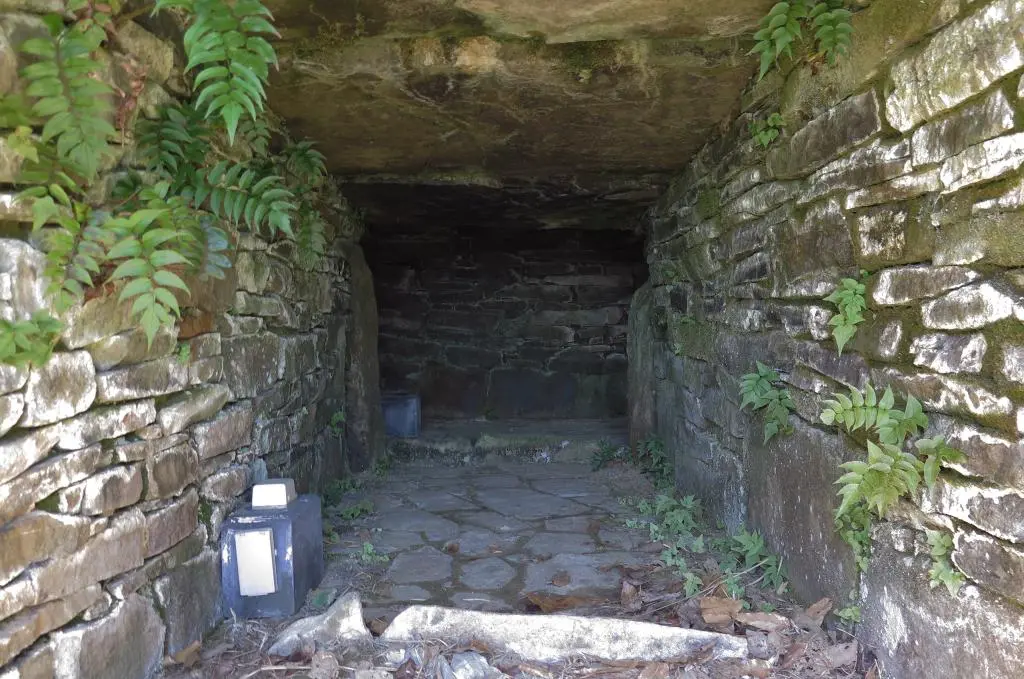
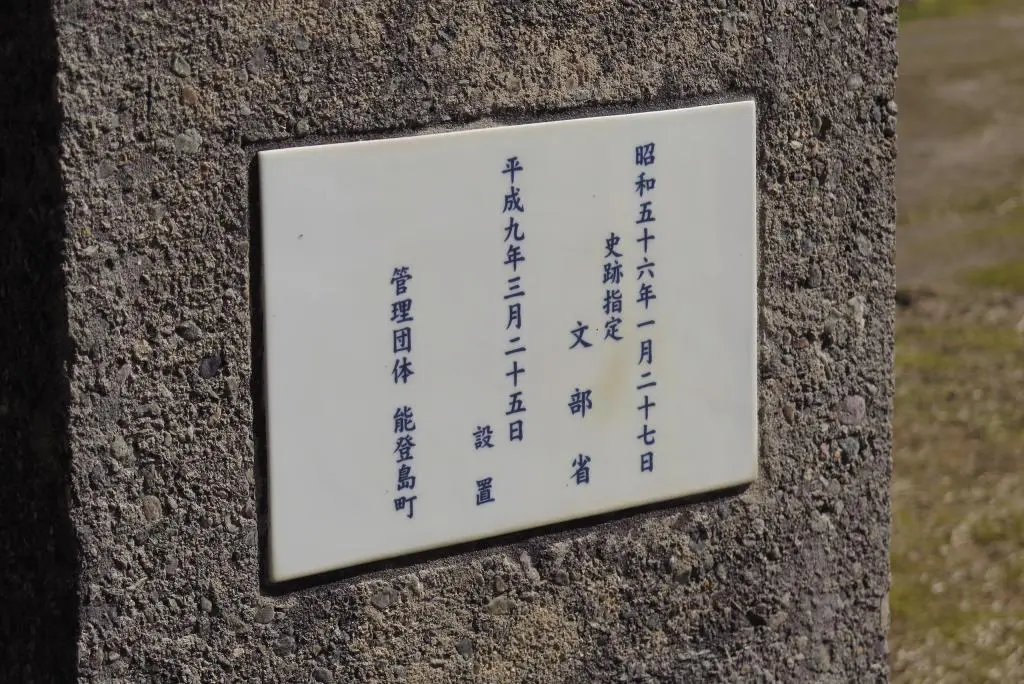
The tombs were discovered around 1953, and were fully restored in the 80s after it was designated as National Historic Site in 1981. Now, you can freely drive there, walk around the tomb, and even enter it if you're able to bend down low enough.
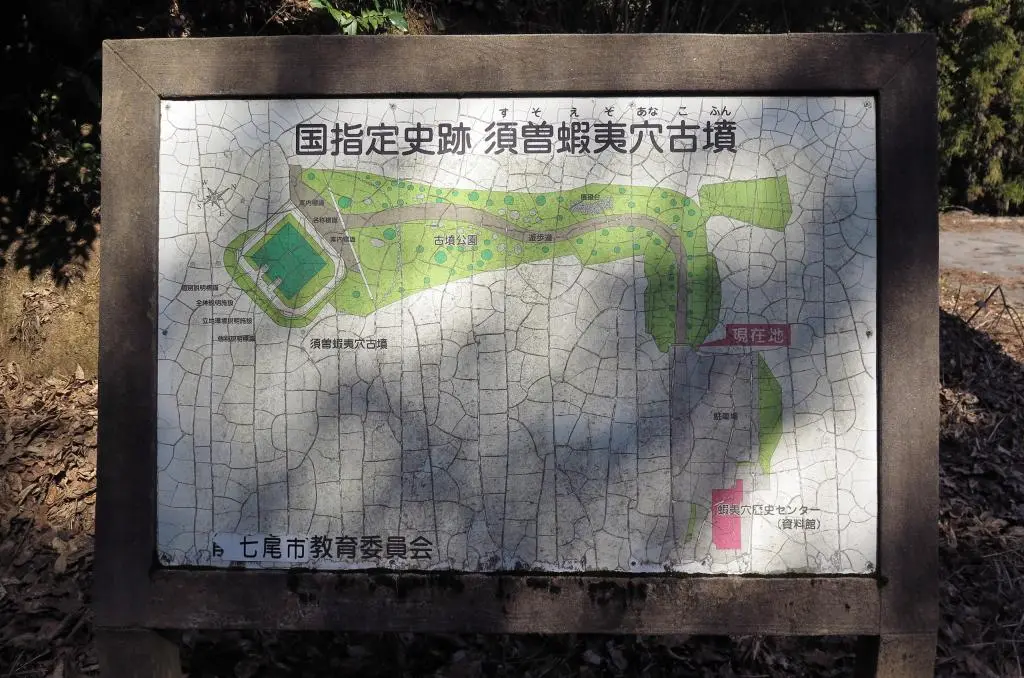
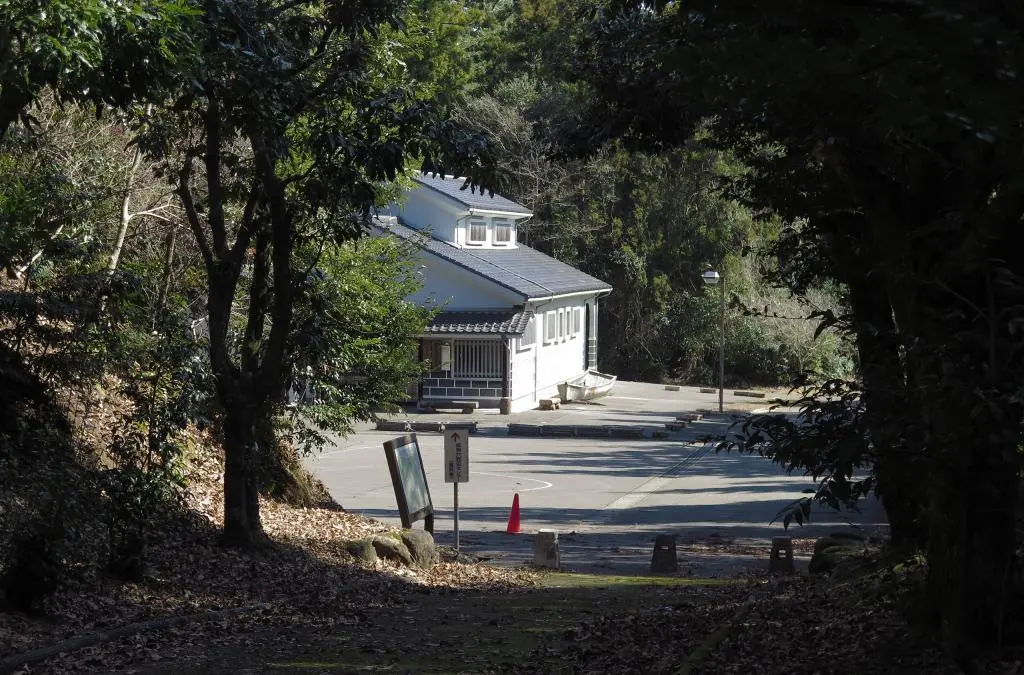
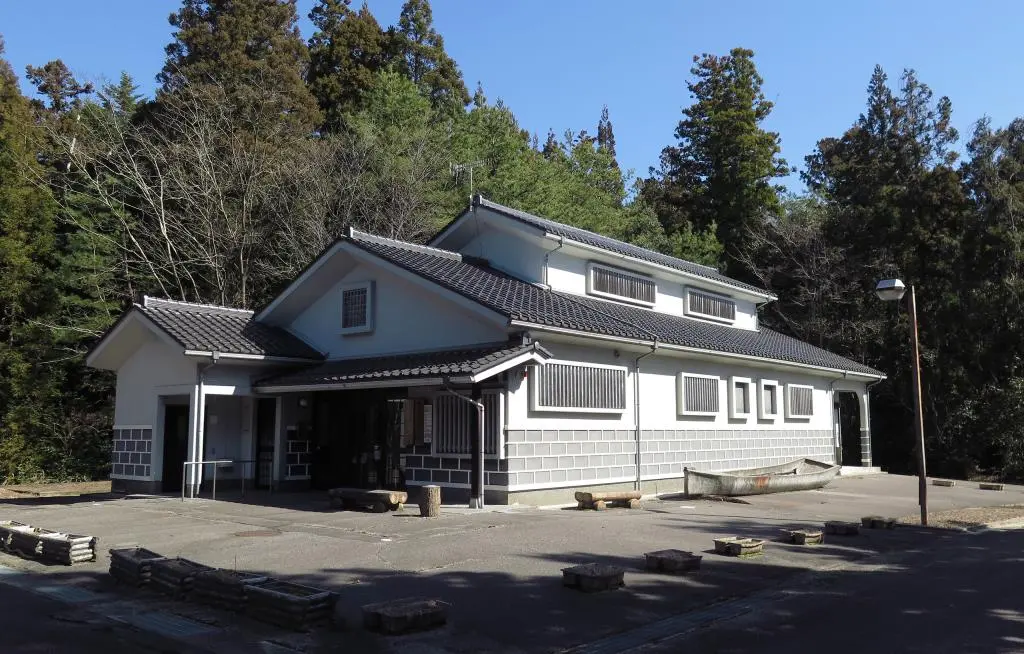
There's also a museum dedicated to the kofun at the parking lot, but its no longer open on a regular basis. According to the website, the museum will only open for group visits (of 20 or more people) and academic research. Reservations must be made 2 weeks in advance.
Apparently the museum displays many of the artifacts excavated from the tomb, and other items found on Noto Island from the same time period. While I didn't have access to the museum, the mail box out front had a flyer.
Here's a scan of it: gdocs/Ezoana Historical Center Flyer.pdf
I wouldn't recommend anyone go out of their way to visit this place, but its another example of the vast history around every corner in Japan.