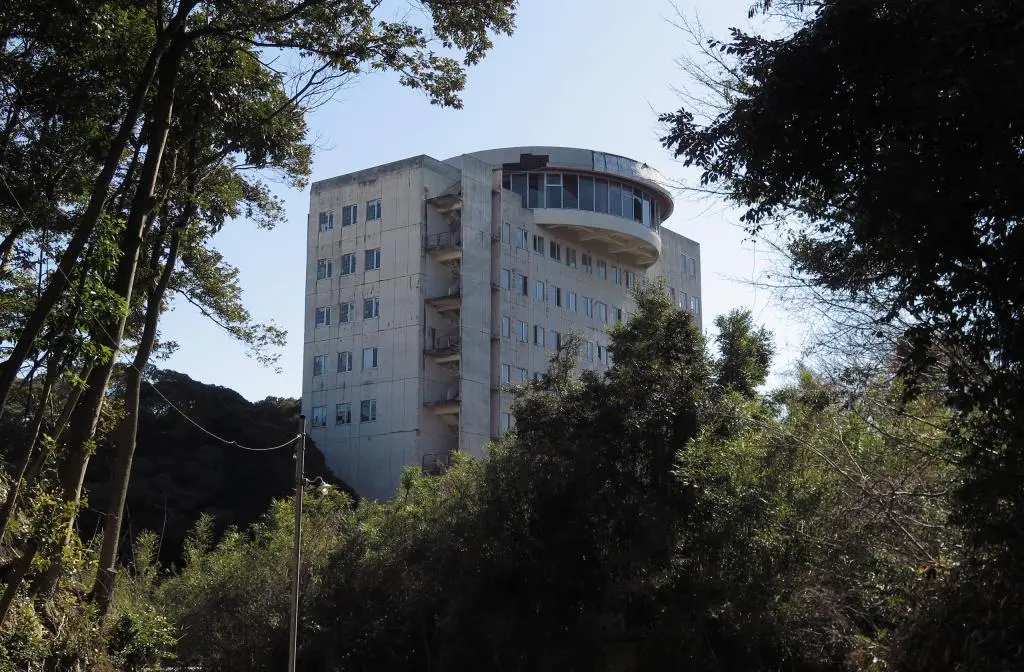
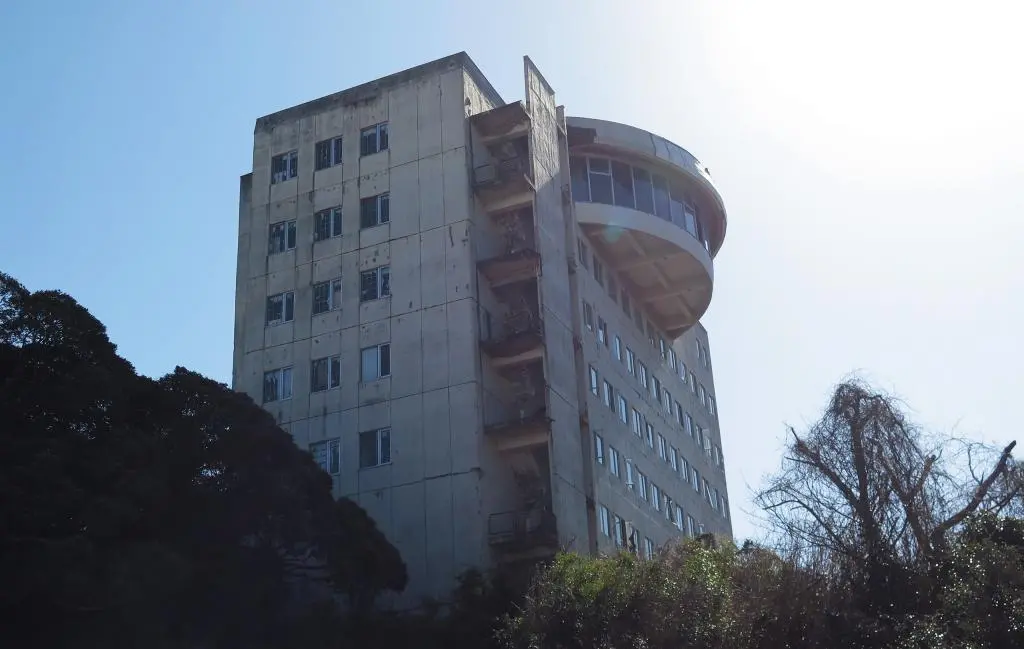
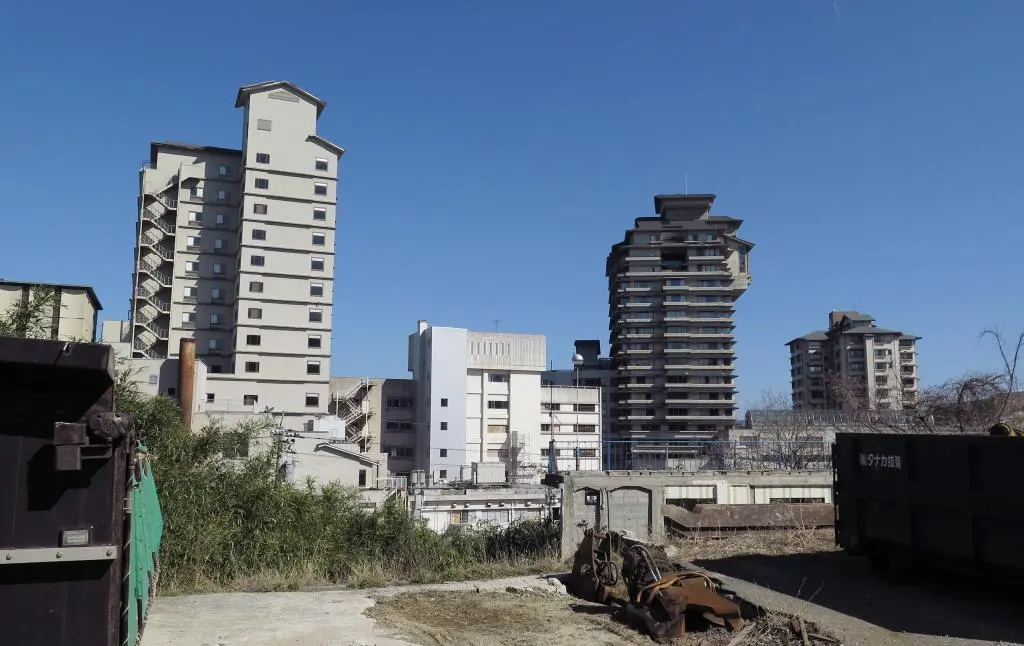
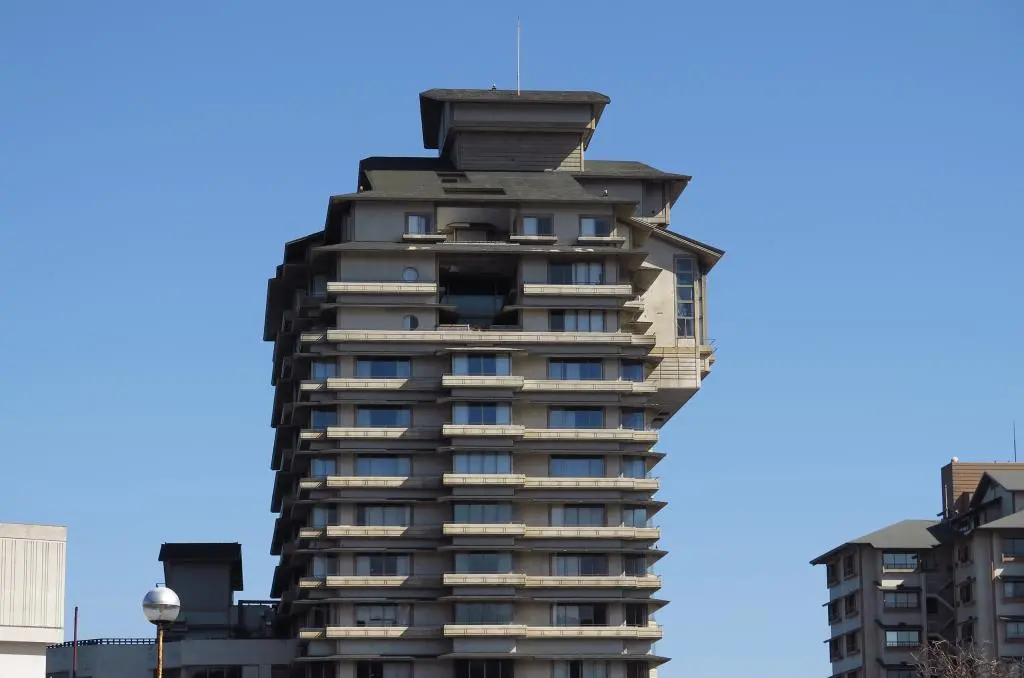
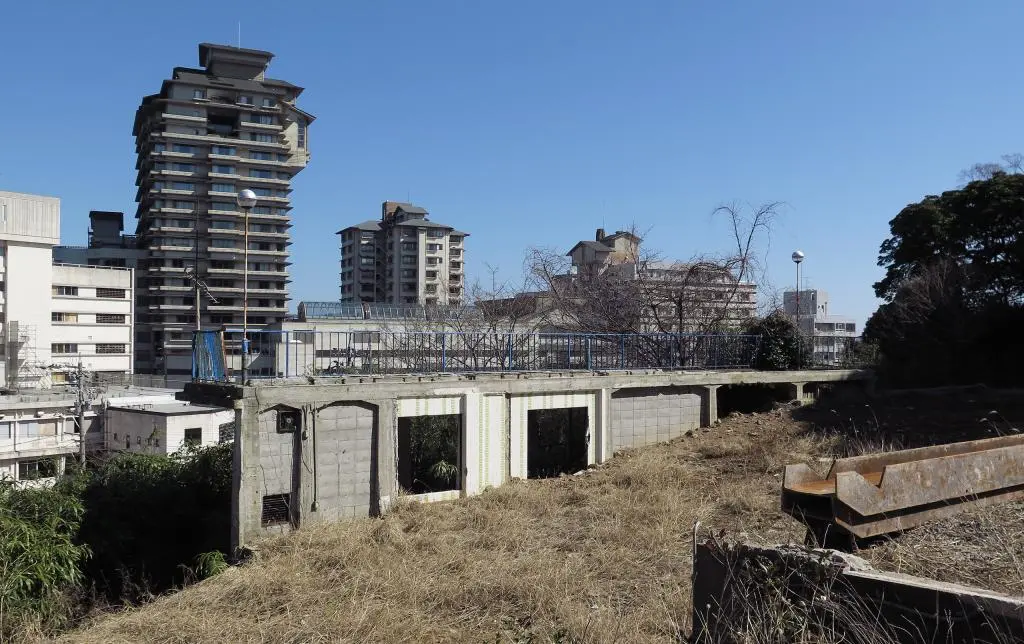
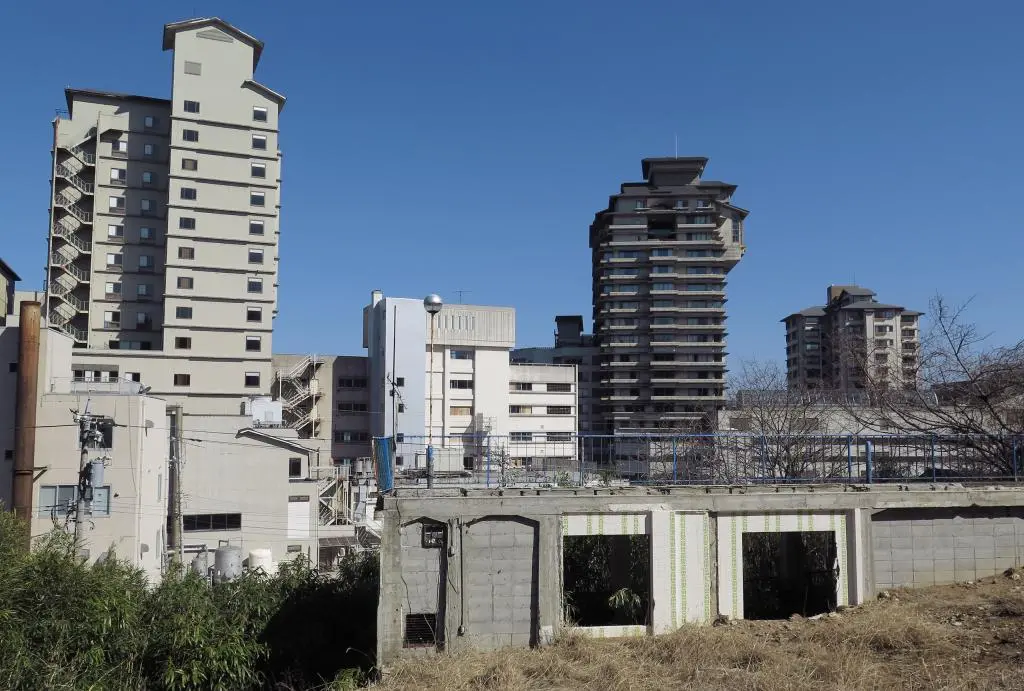
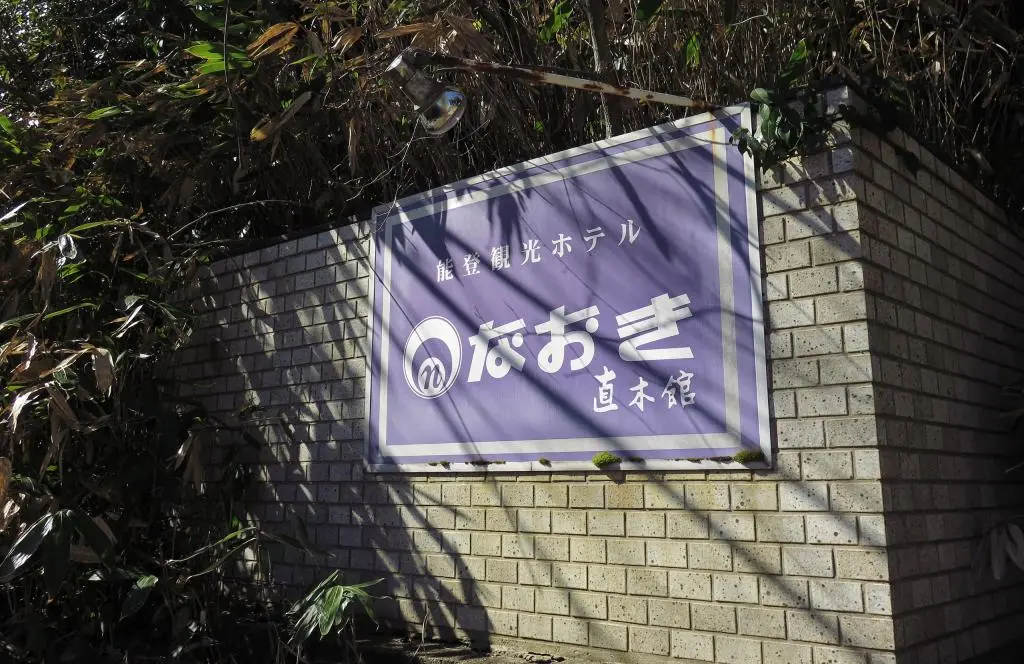
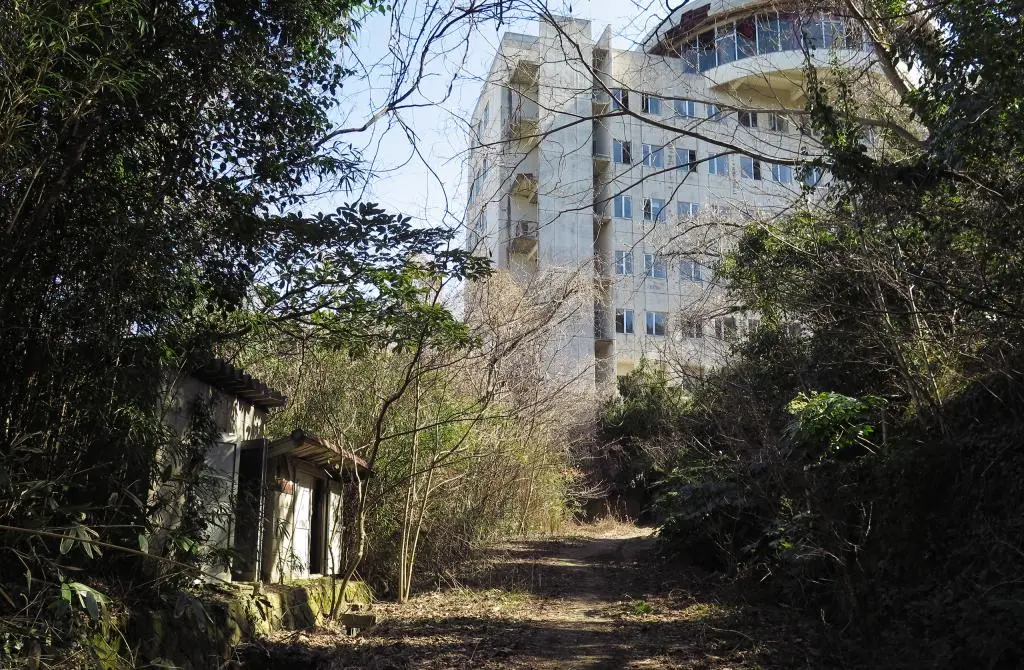
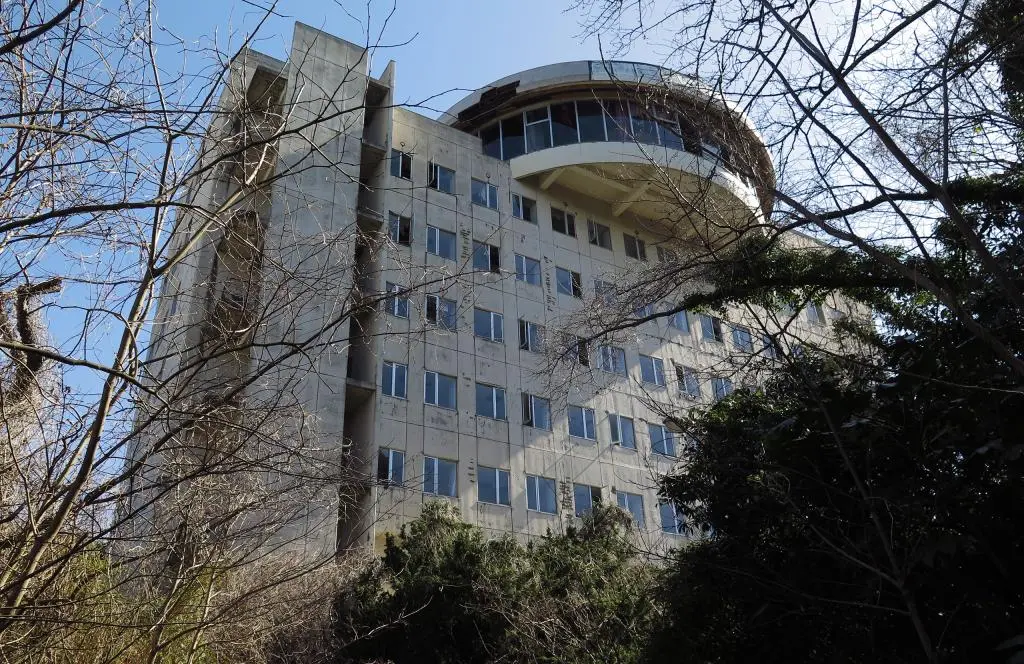
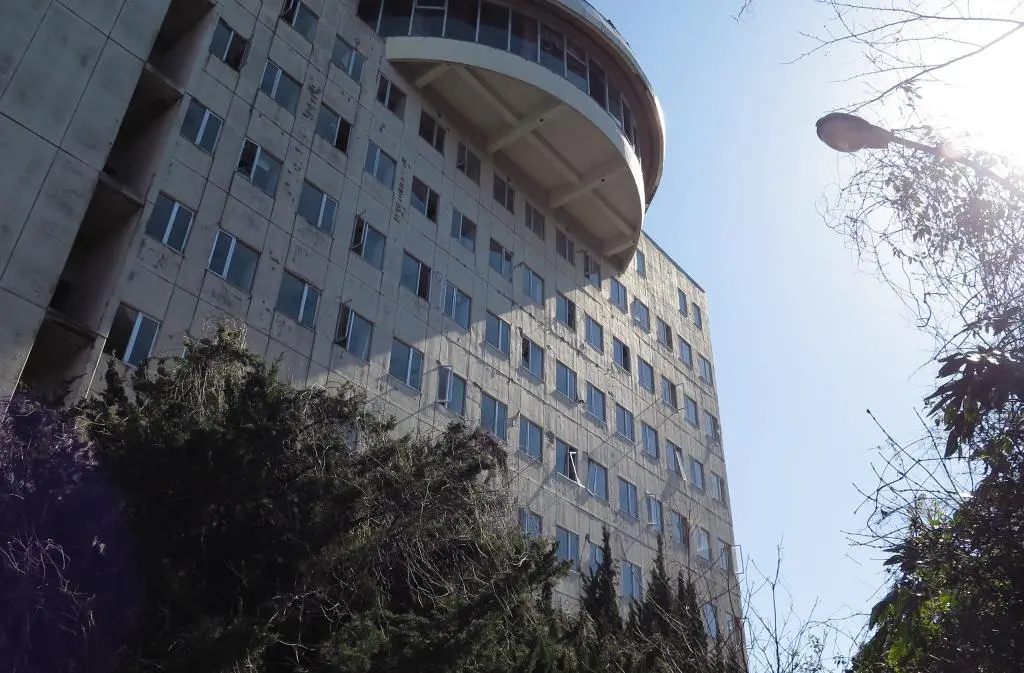
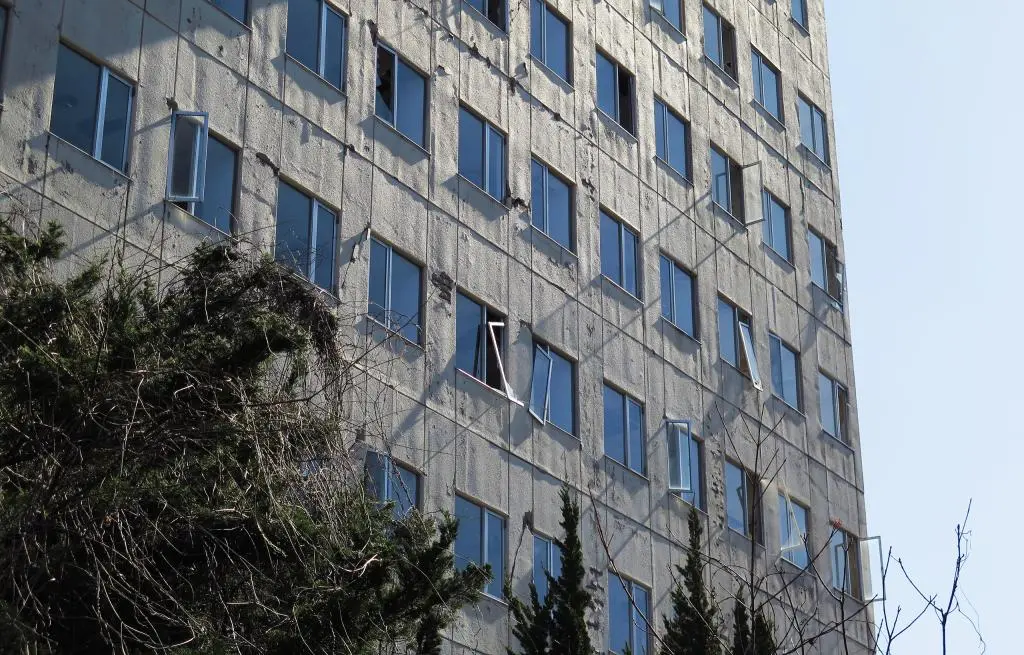
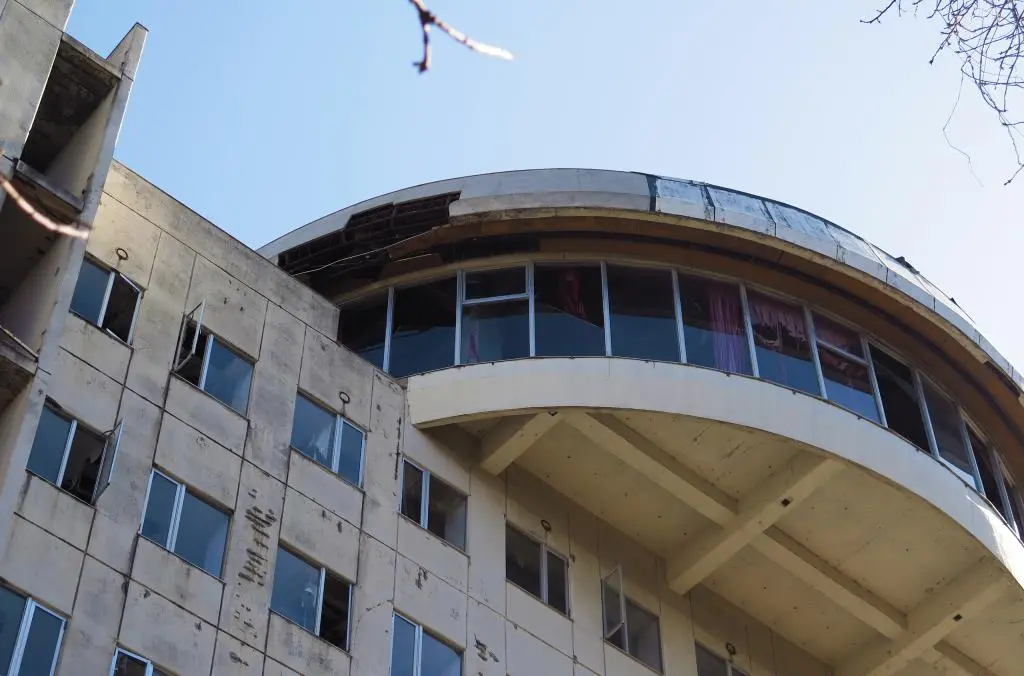
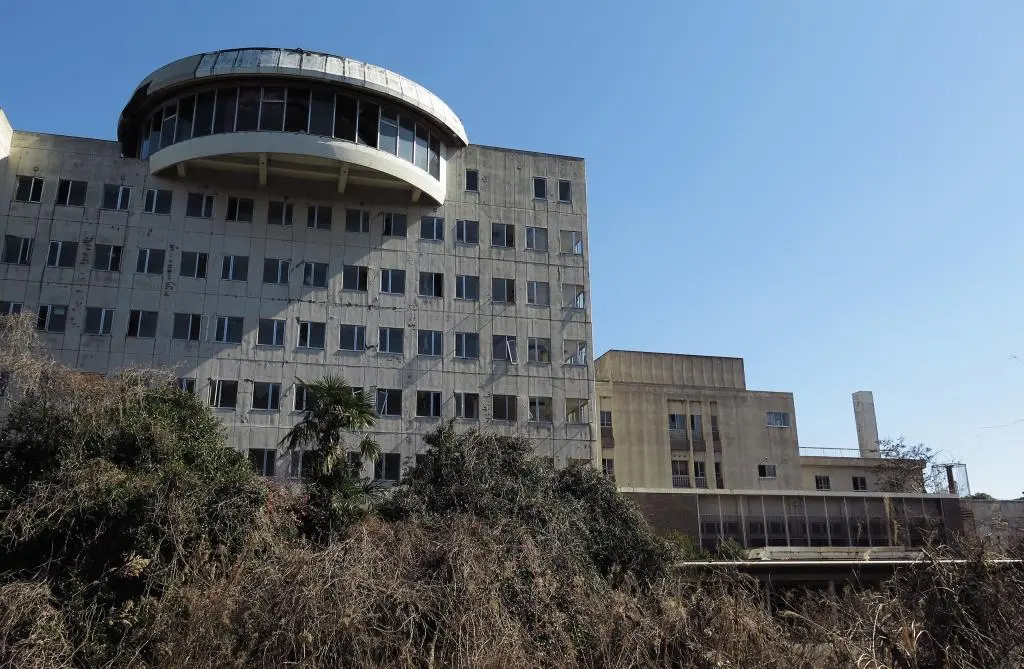
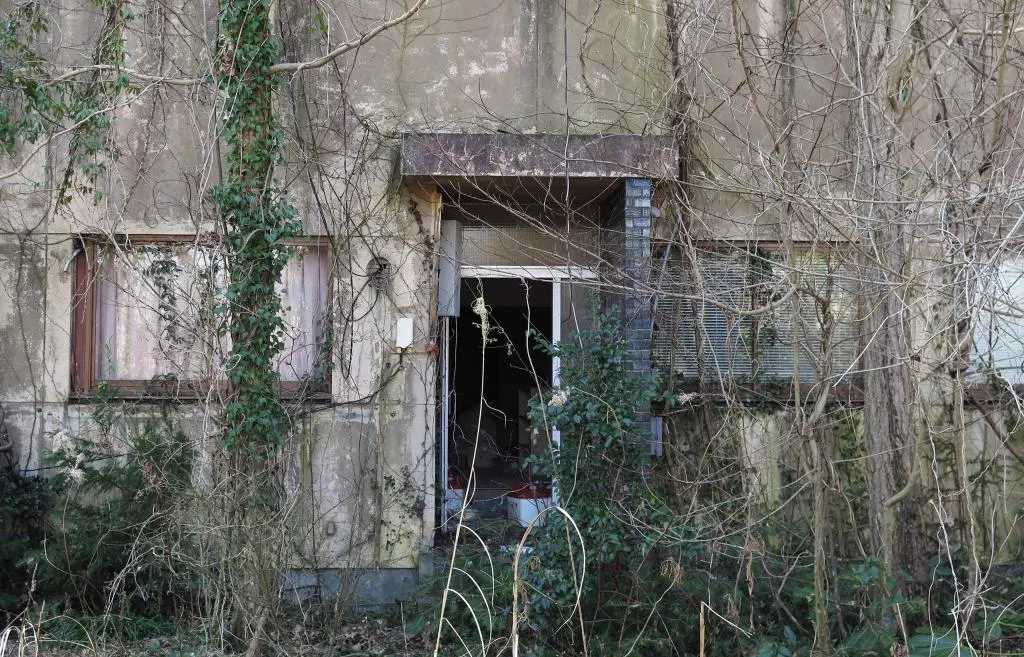
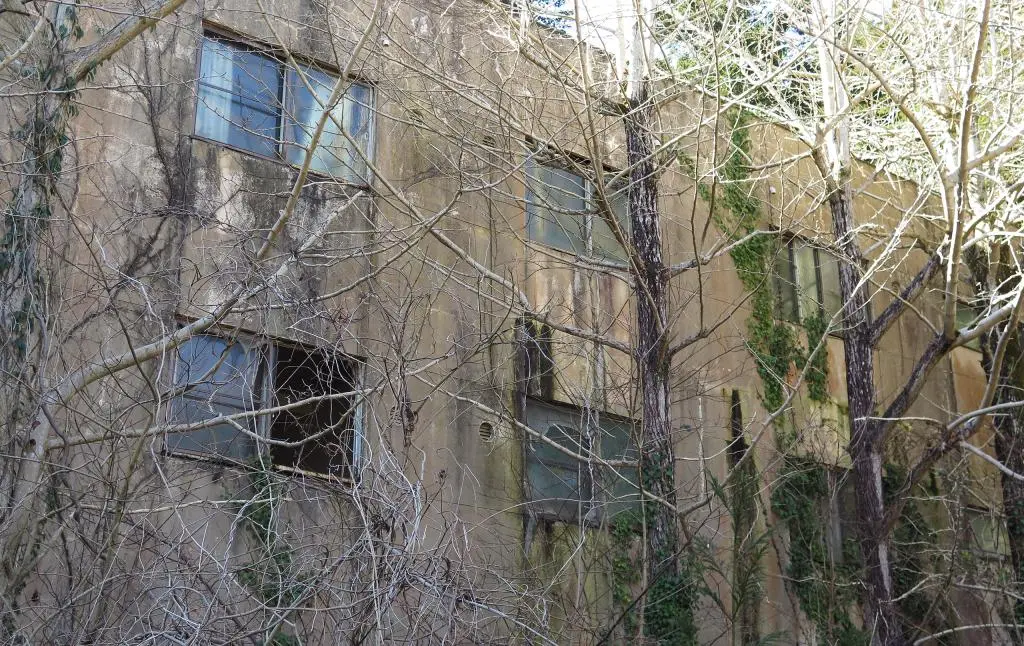
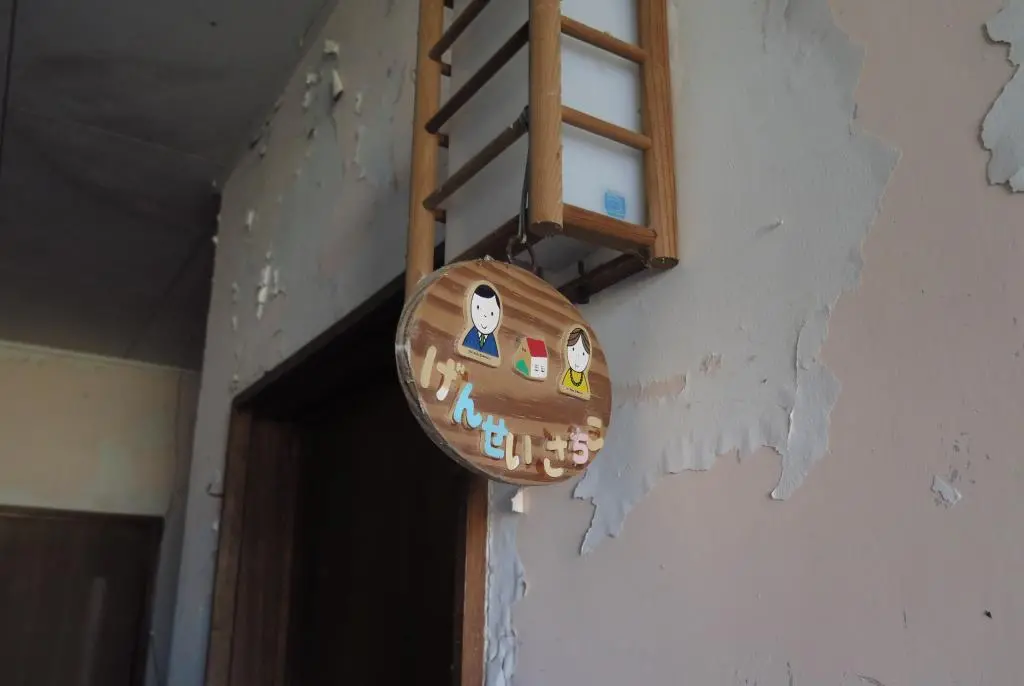
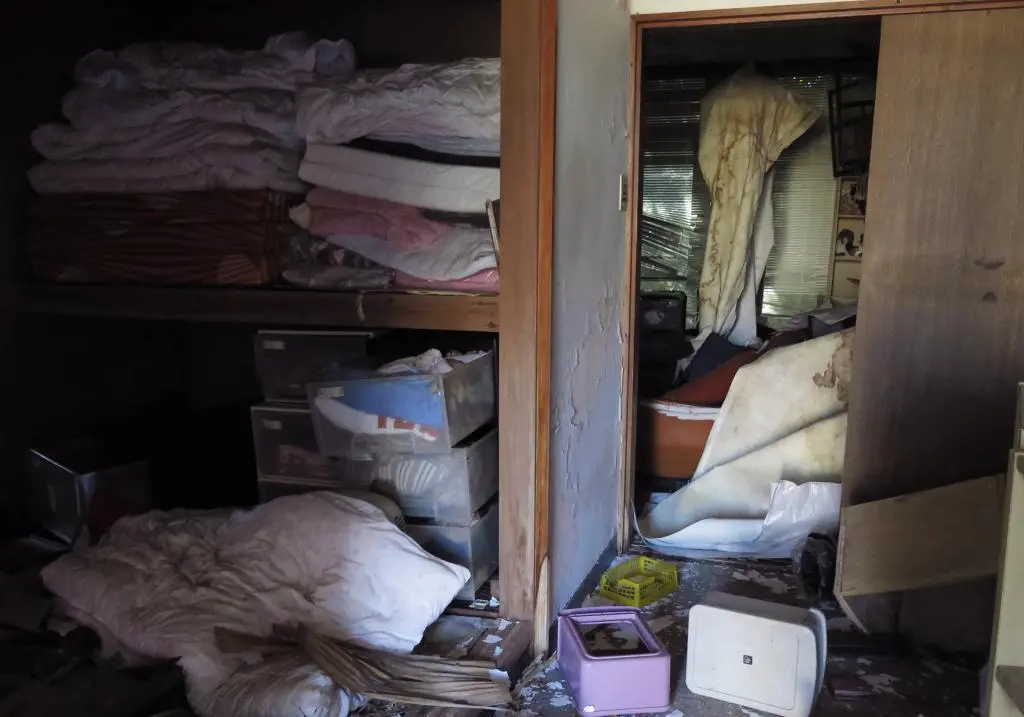
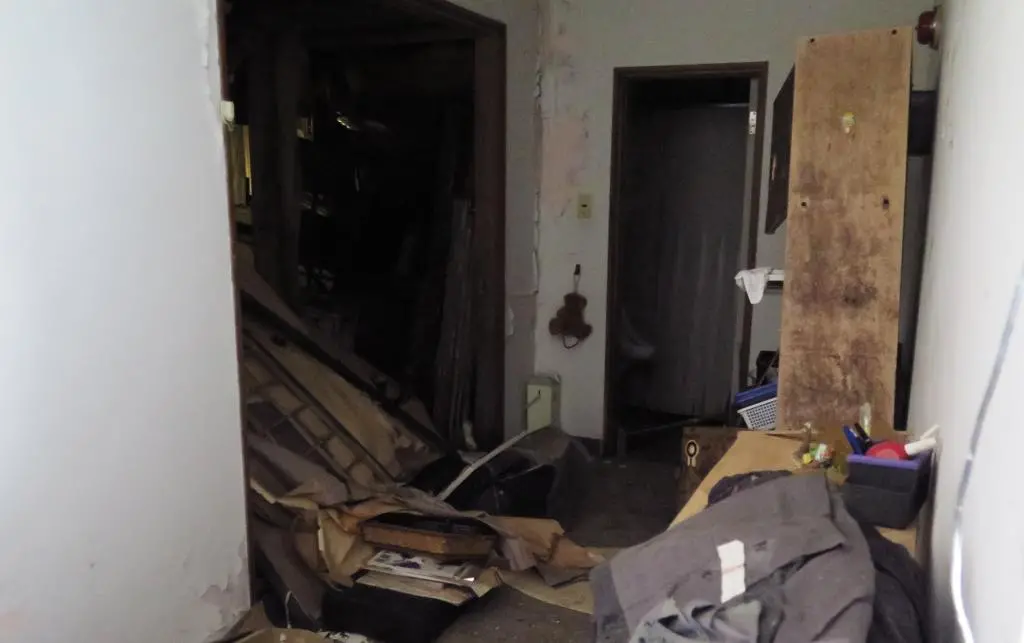
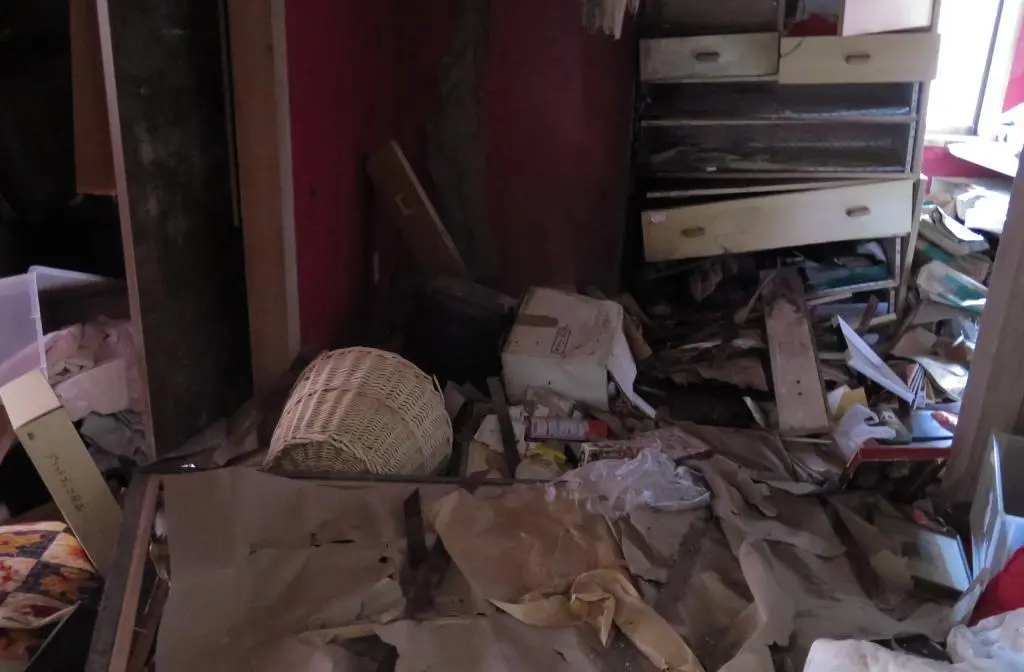
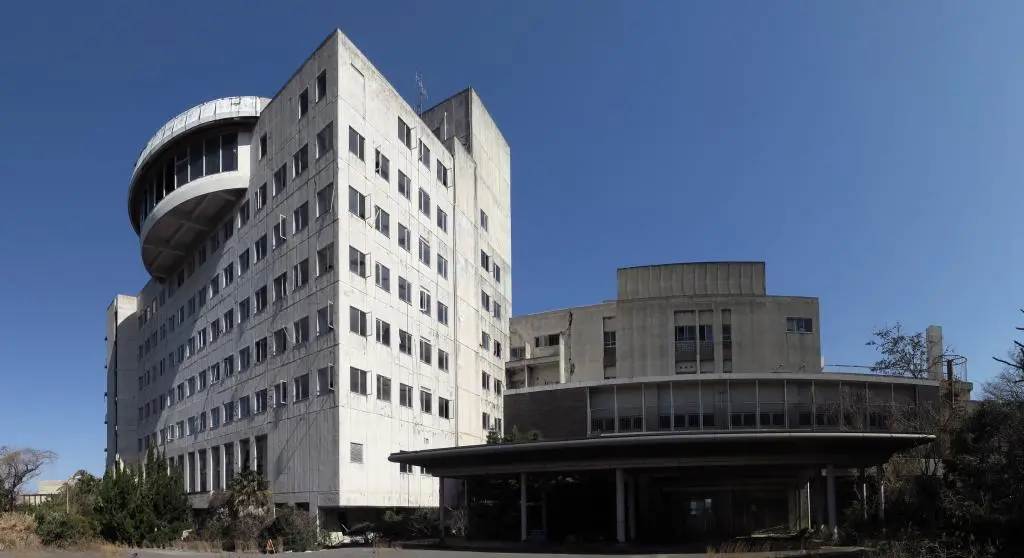
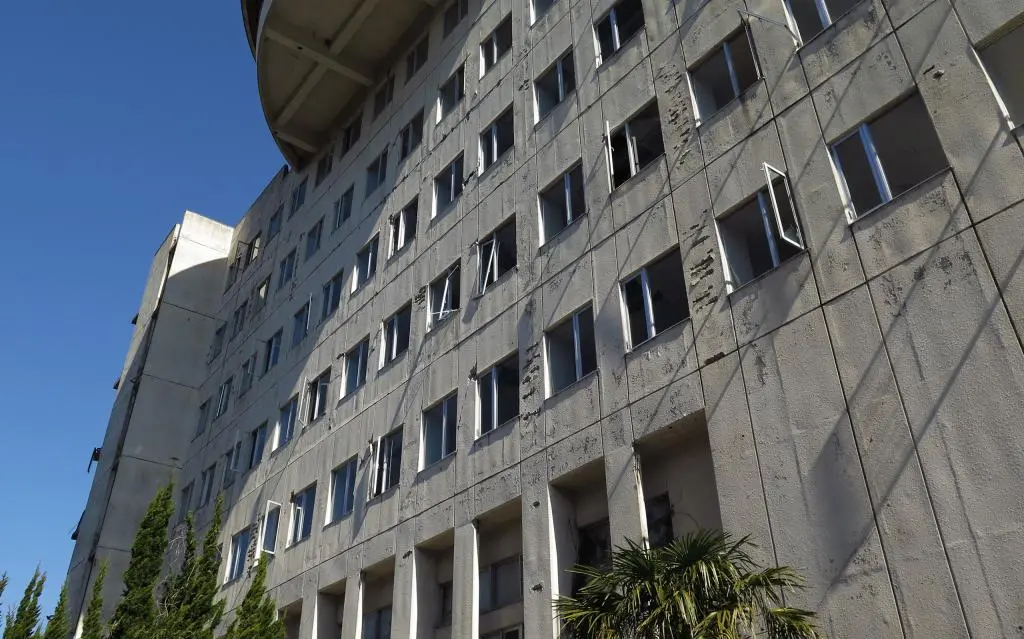
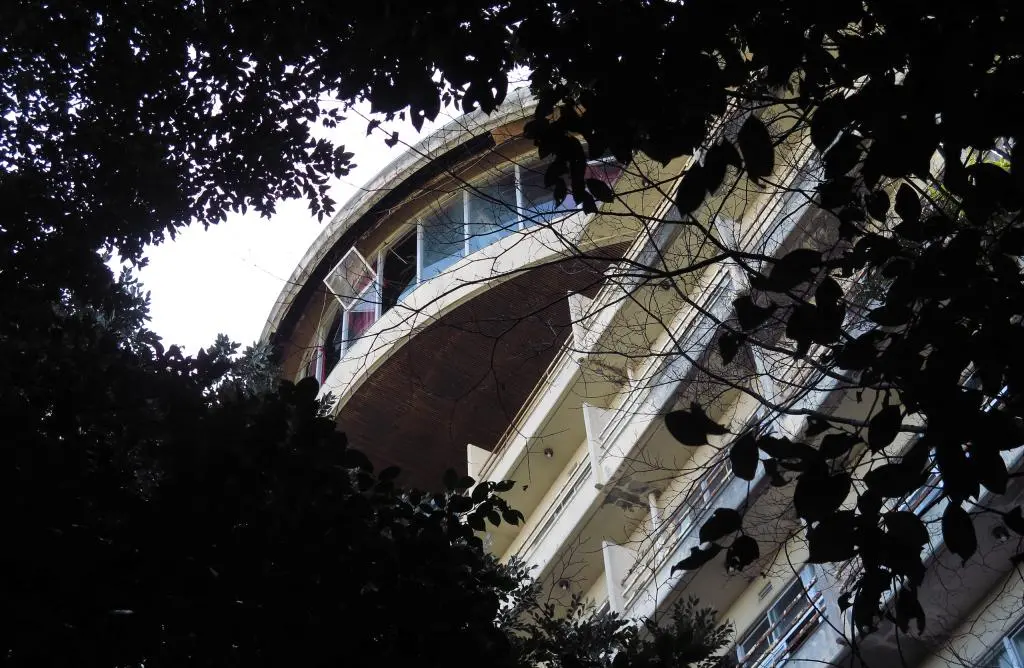
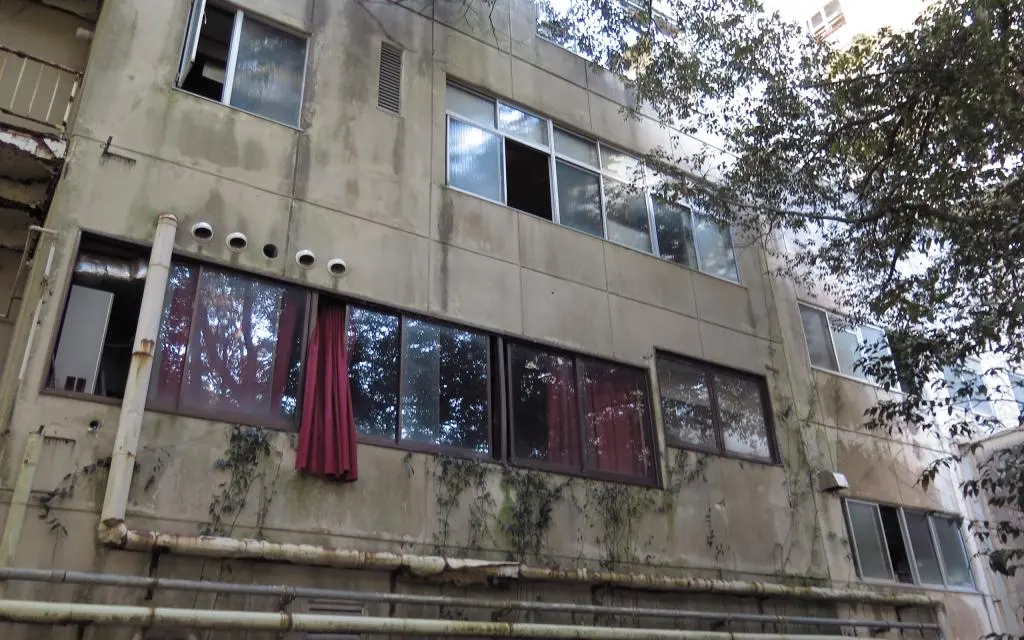
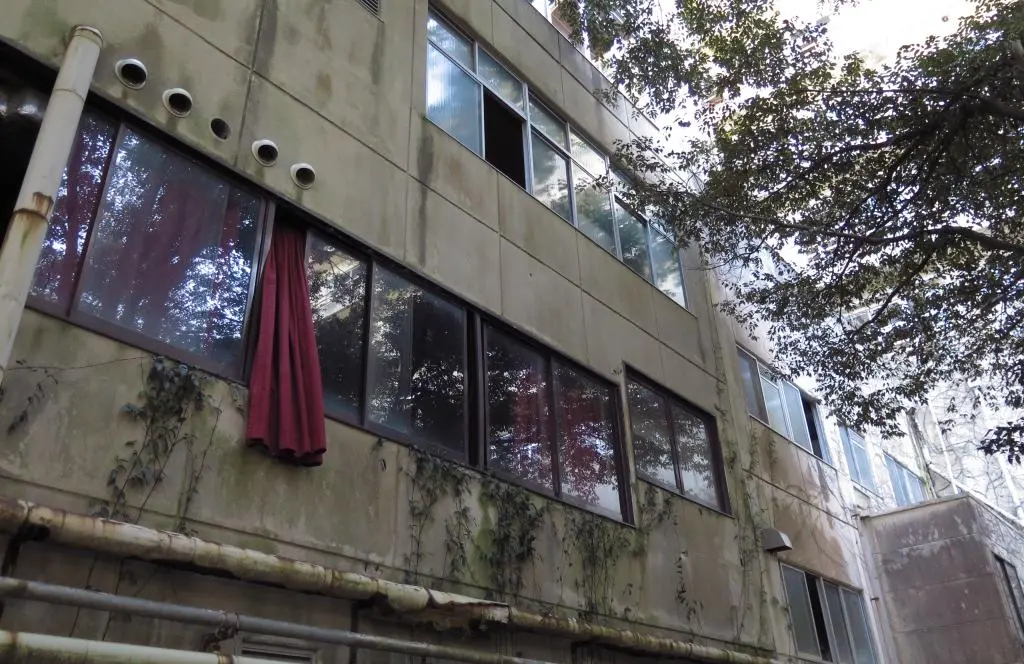
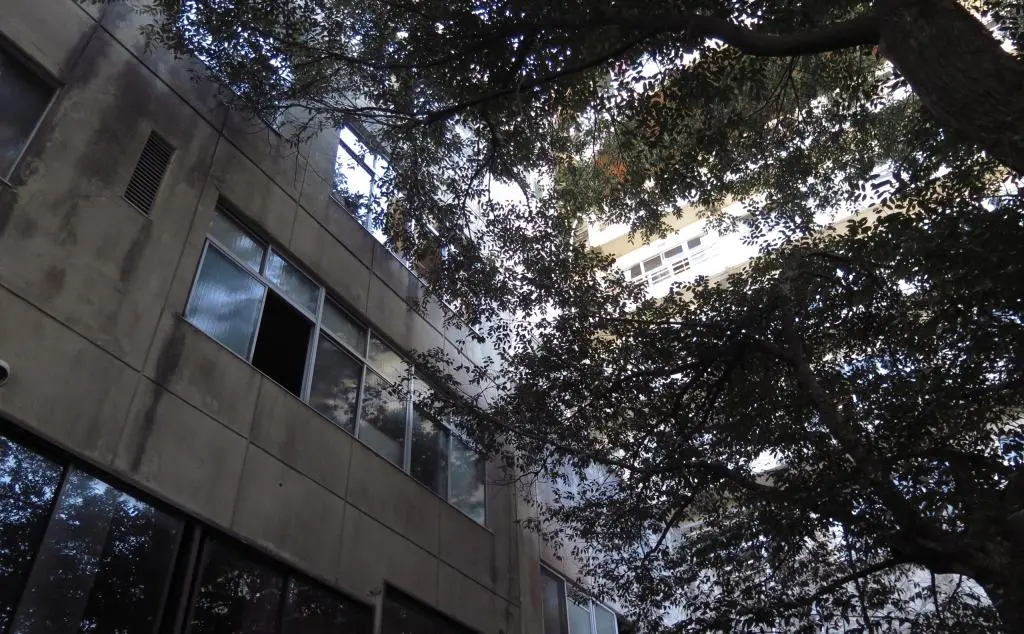
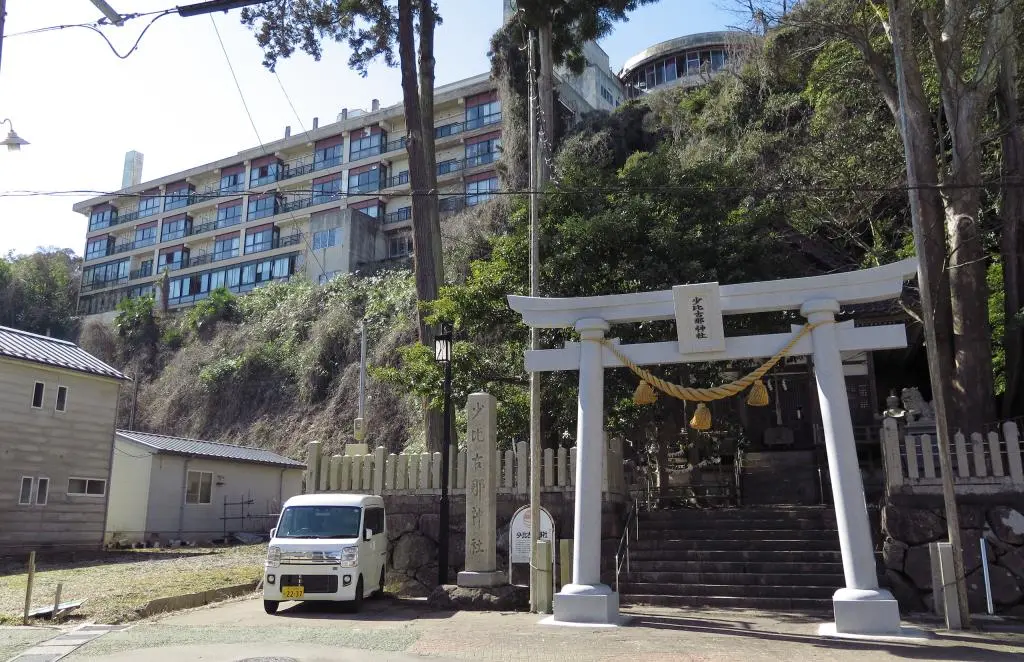
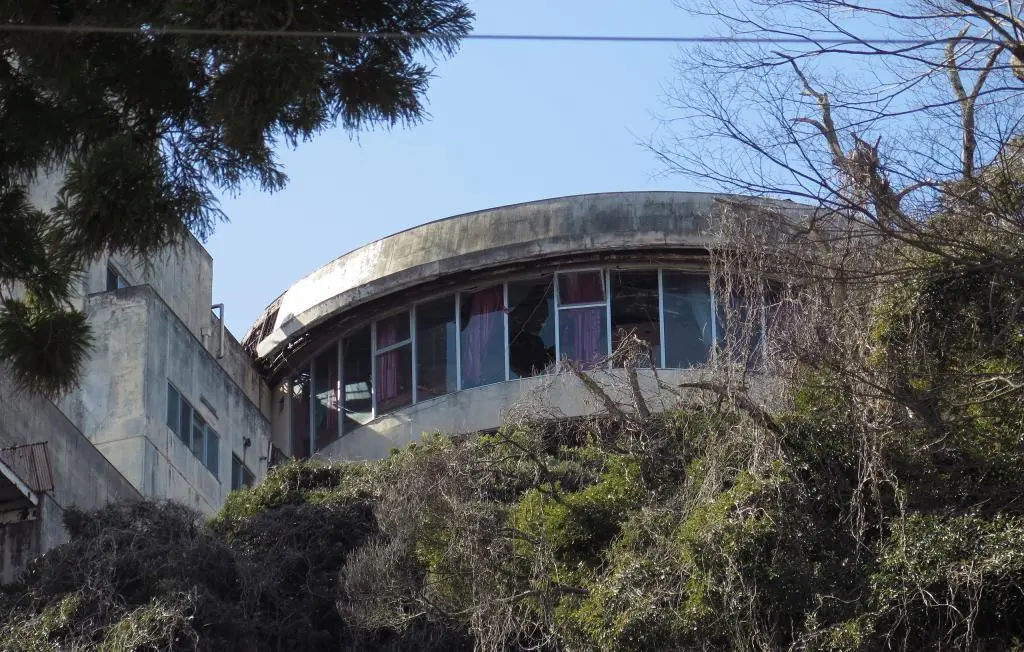
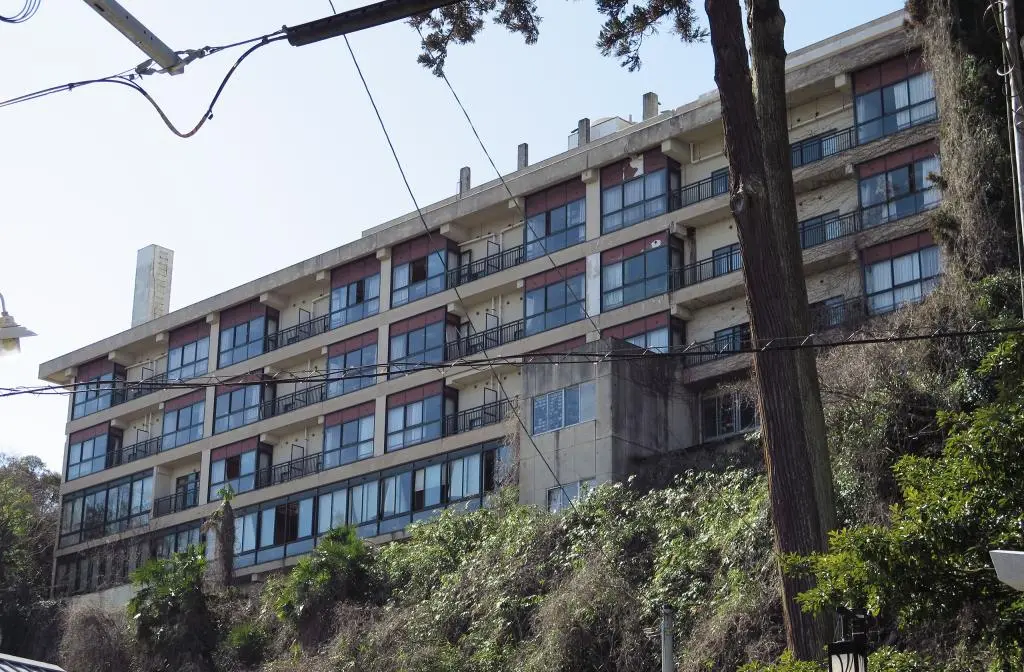
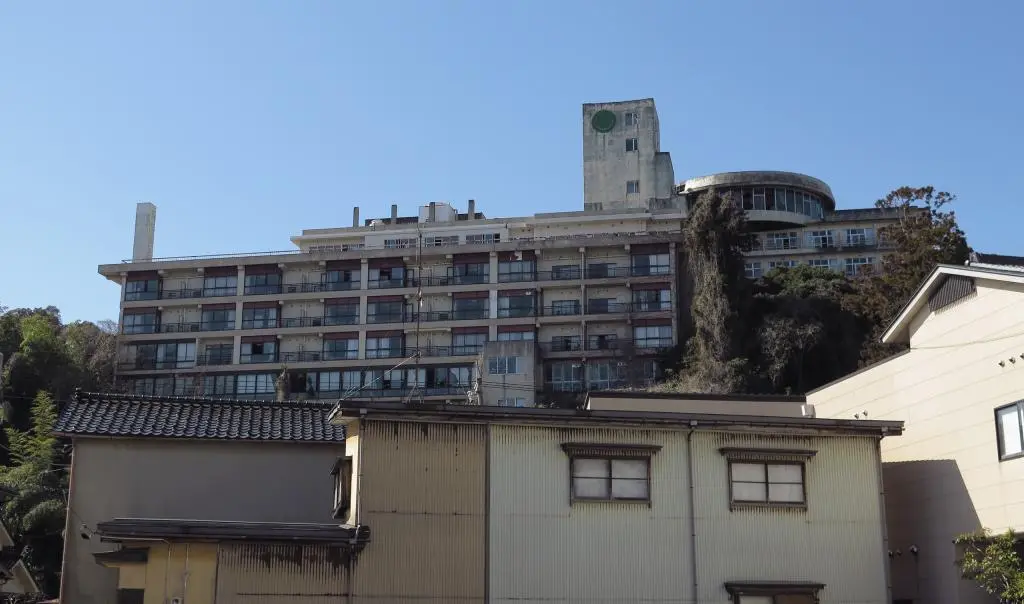
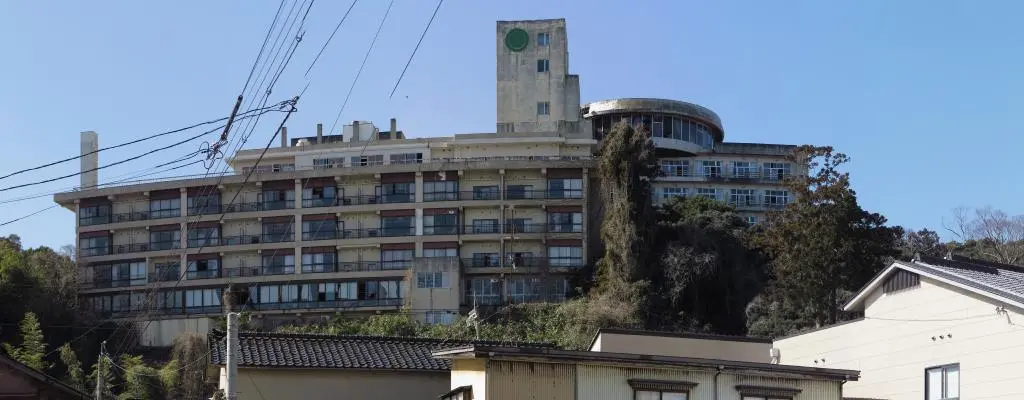
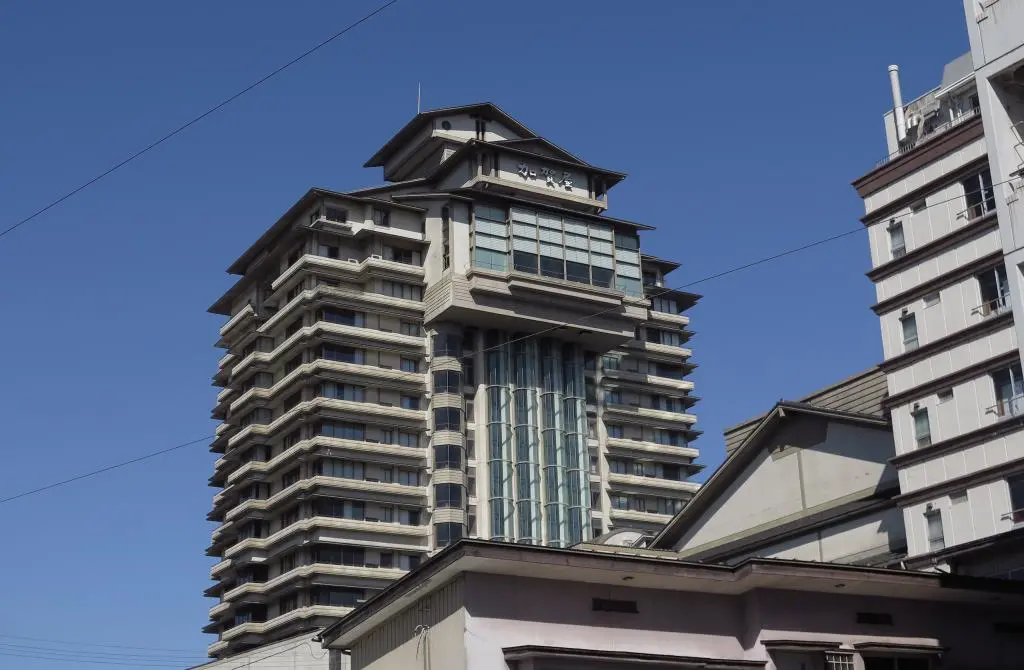
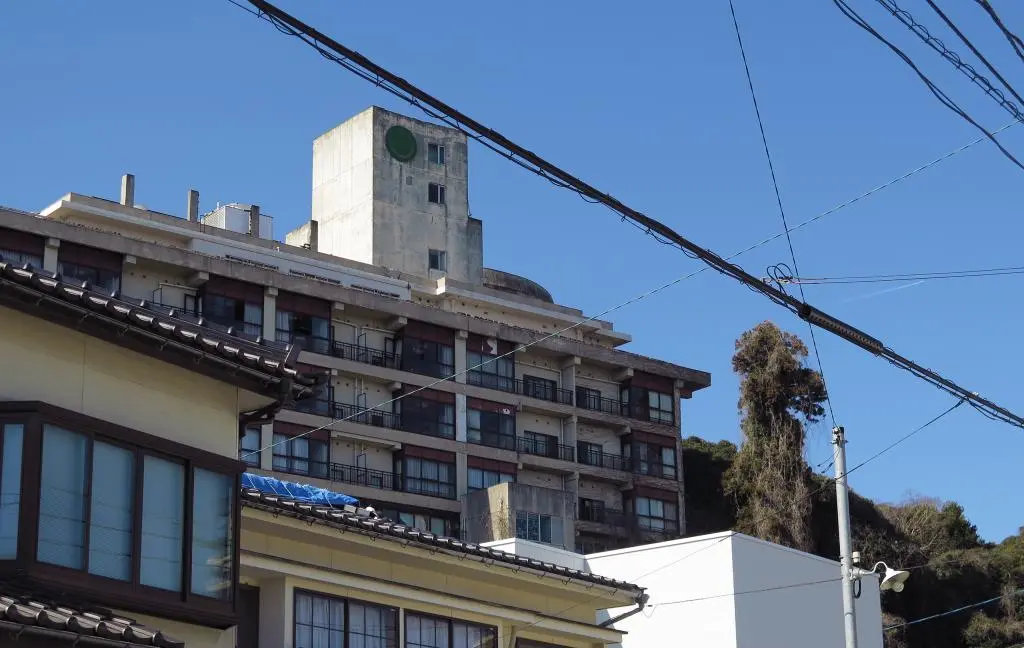
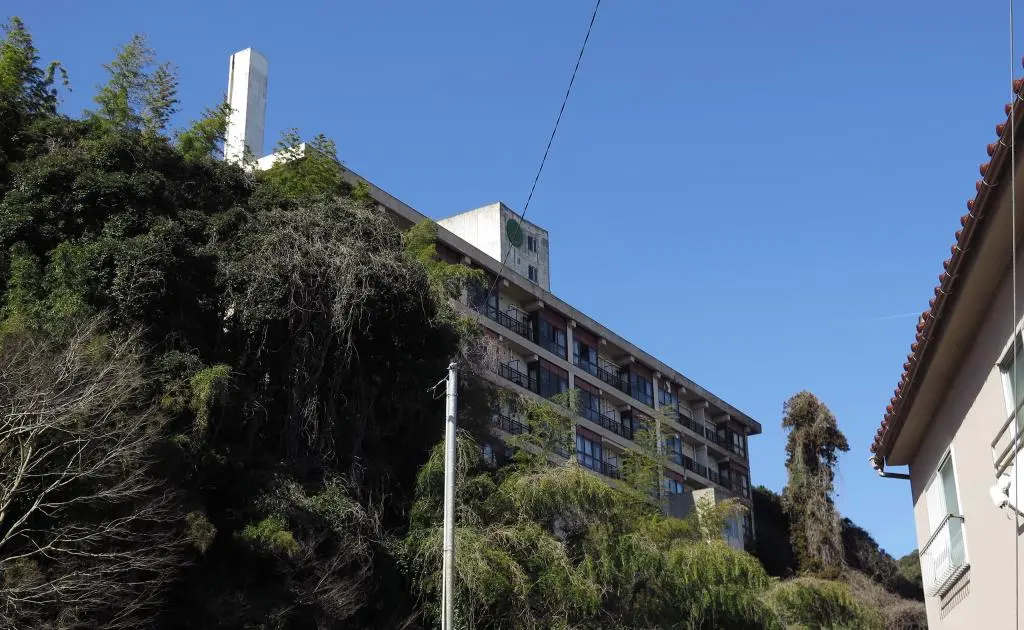
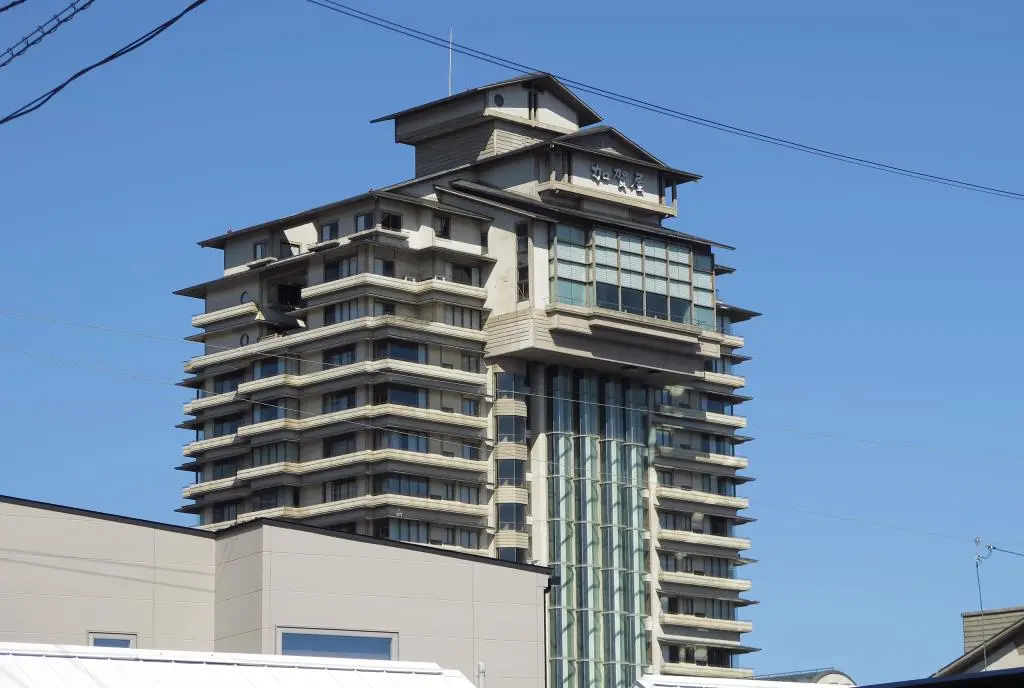
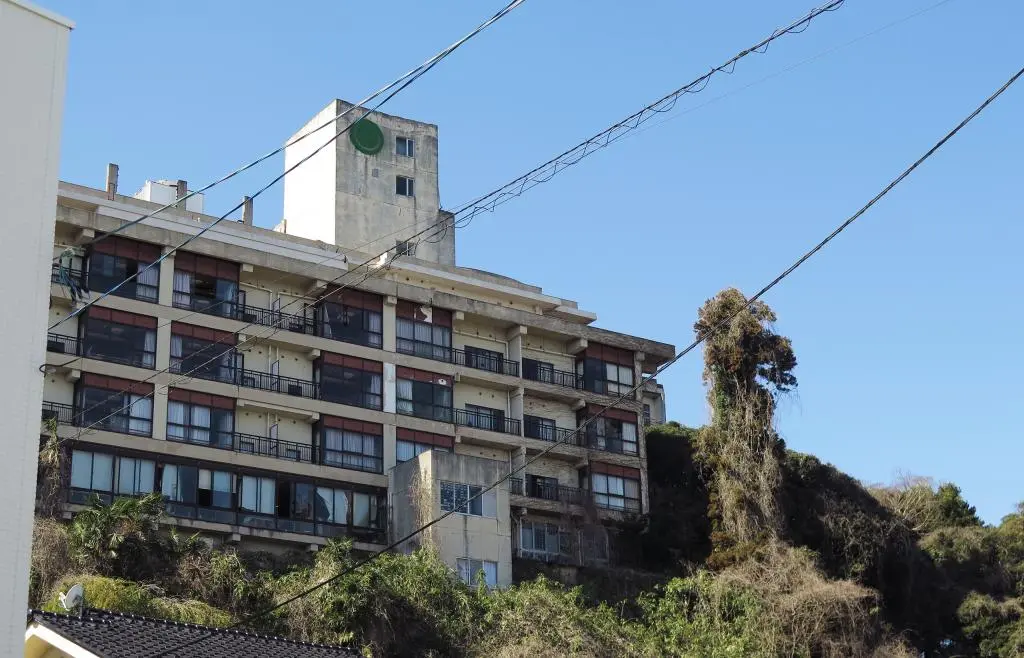
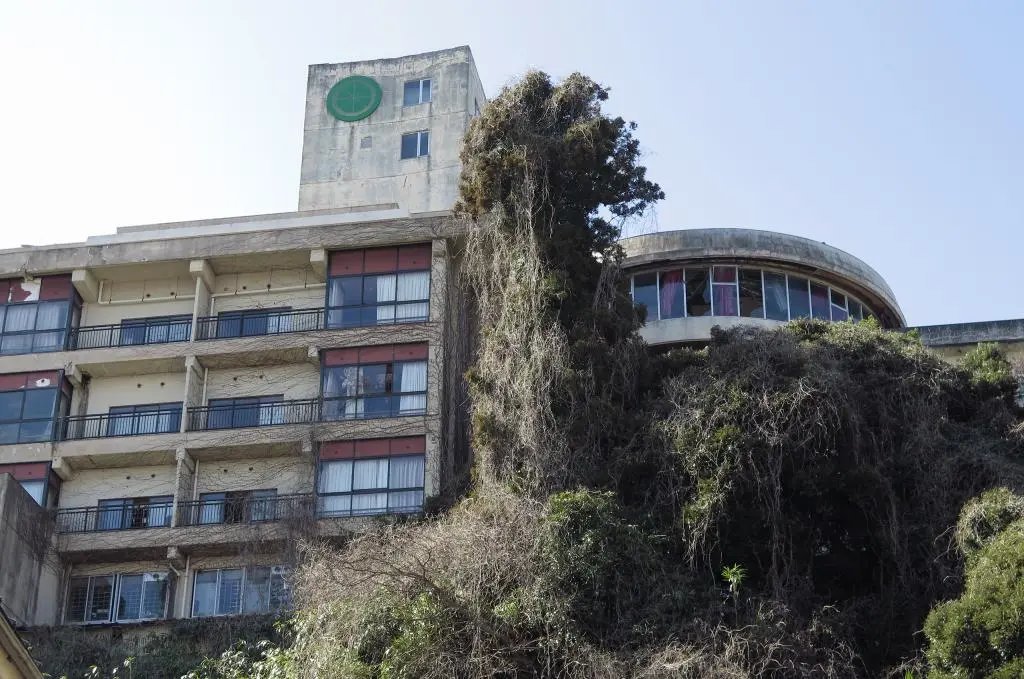
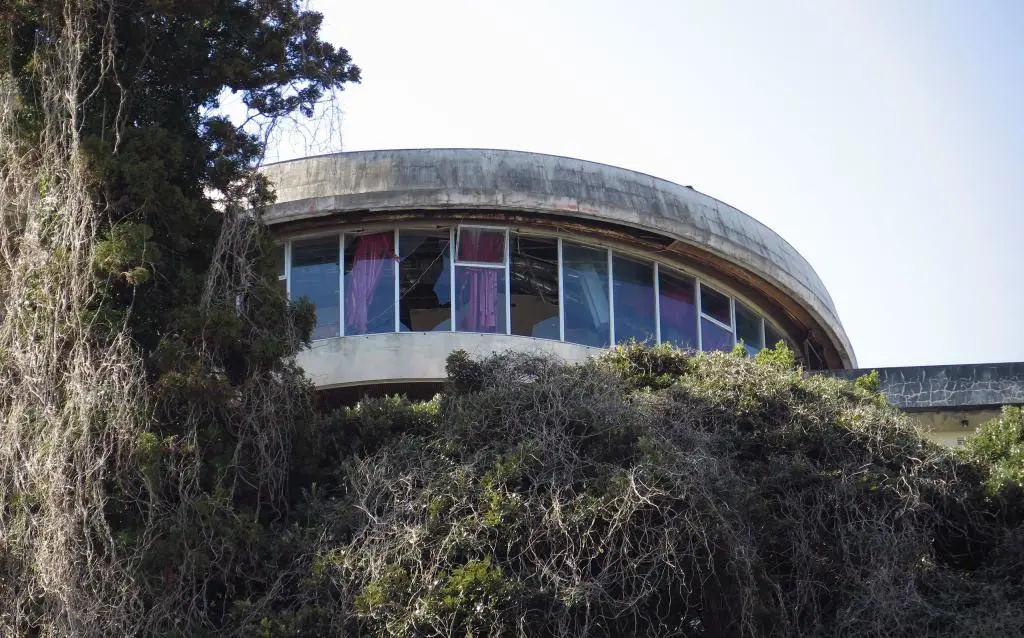
Hotel Naoki is an infamously abandoned hotel in the resort town of Wakura in Noto Pennisula. It is infamous because it is one of the key resort hotels that create the town's skyline, yet it had been closed and abandoned since May 2014.
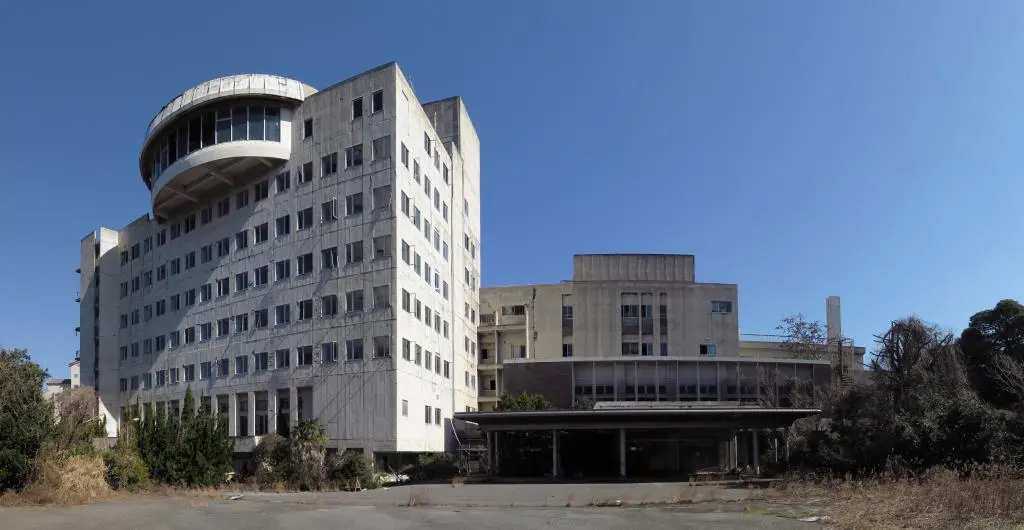
The haikyo website says that during the 80s and 90s, the hotel generated around 1 billion yet of annual sales from vacationers, but never recovered after the bubble economy burst. As such, when things broke, they weren't fixed. Towards the end, people complained that all the vending machines were broken, and there were weird smells in parts of the building. When they closed, they apparently hadn't paid their water bill in over four years.
Such sites aren't particularly rare in some rural areas of Japan. The 70s and 80s saw huge expendatures in luxuries like resort hotels that have nearly all been closed over time. And it is not unheard of for all these rich folks to be corrupt and have their businesses fold after their crimes becomes public.
Recently the Japanese tourism industry took another huge blow from the coronavirus pandemic. And the Noto Pennisula suffered a catastrophic second blow from the earthquake on January 1st, 2024. The earthquake was measured as a 7.5 and there were a series of aftershocks that continued for days, weeks, and months. Damage was and still is widespread throughout the pennsiula. Wakura is about 70km from the center of the earthquakes, but it still received heavy to moderate damage from severe shaking.
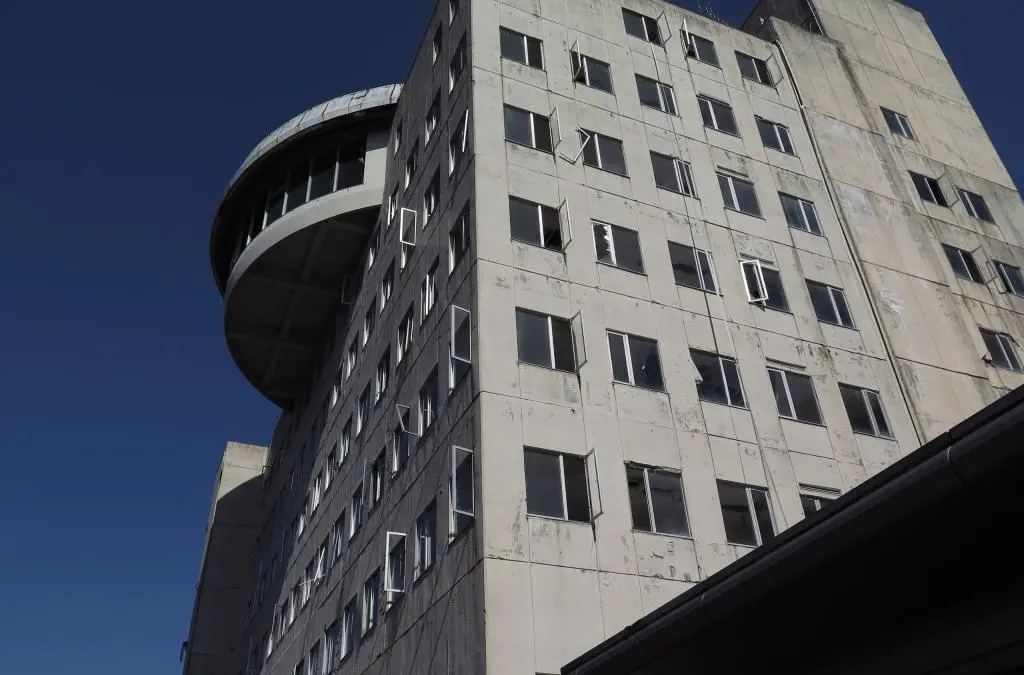
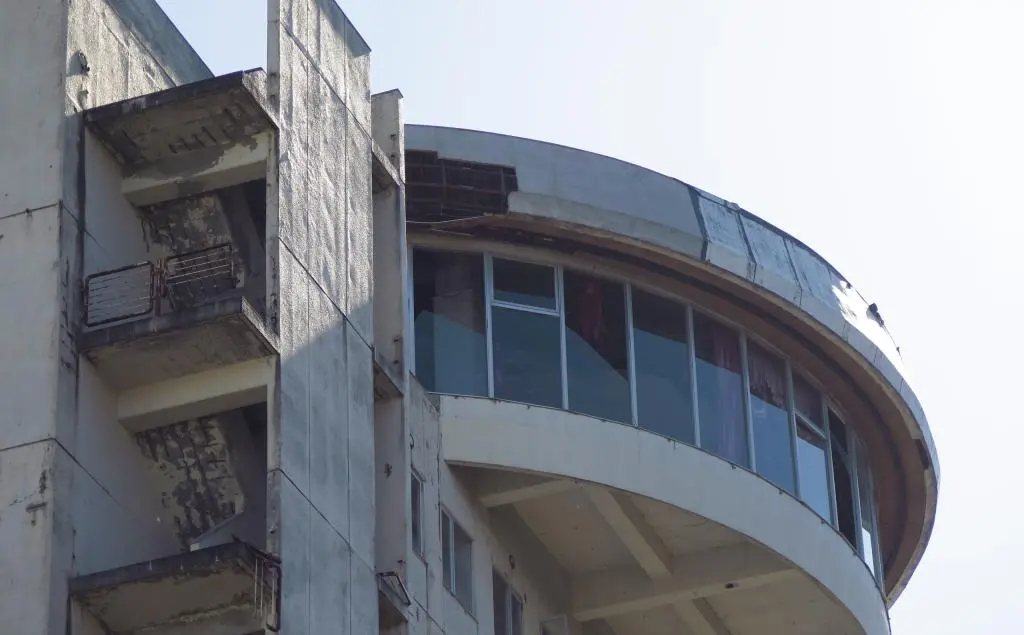
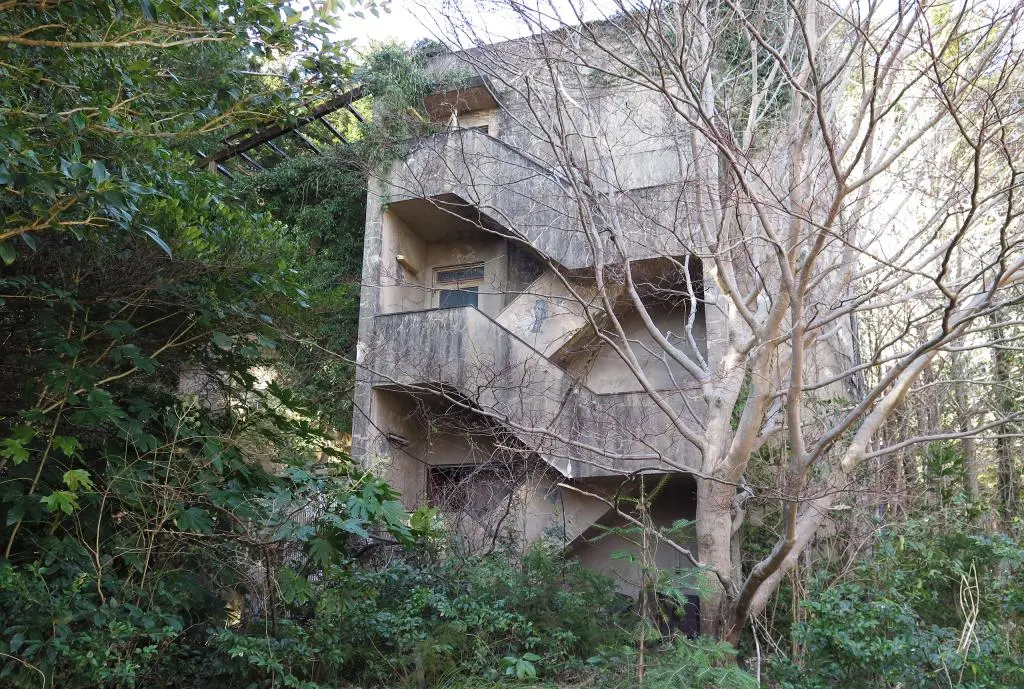
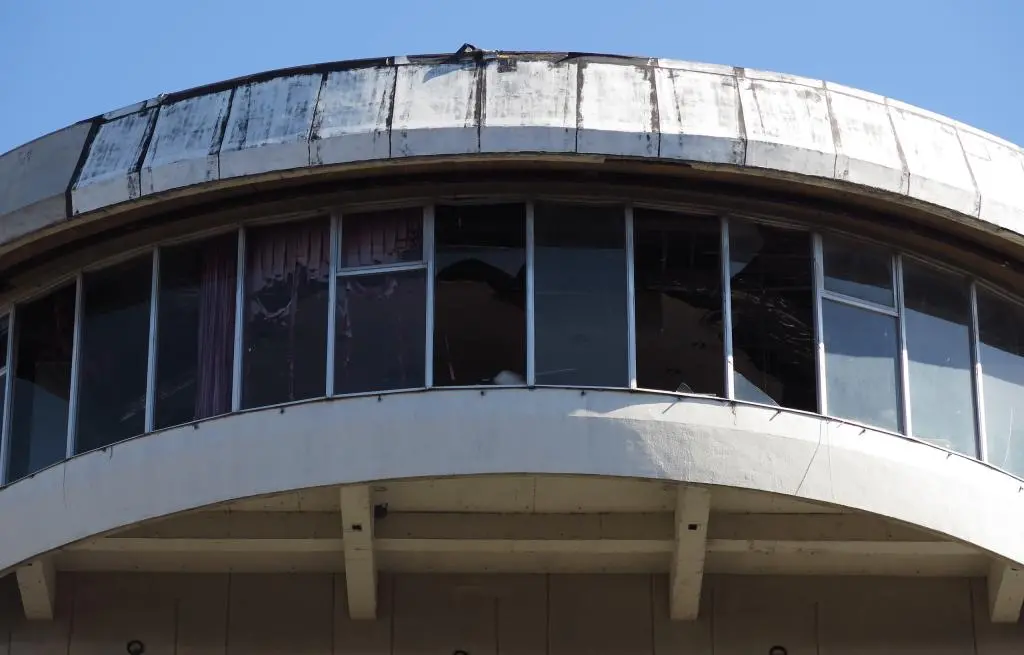
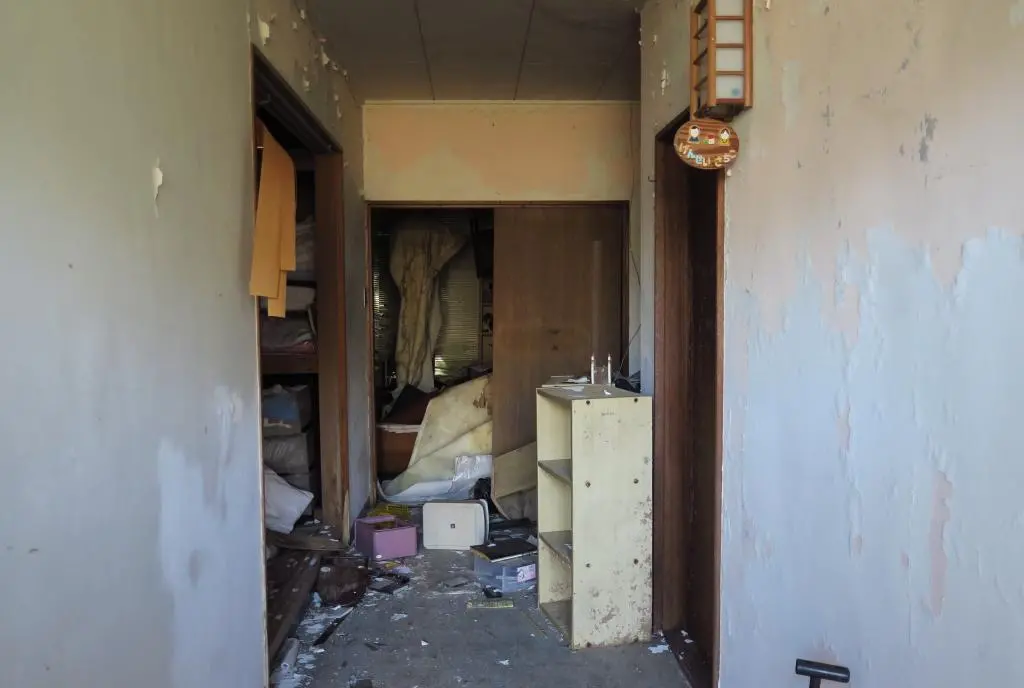
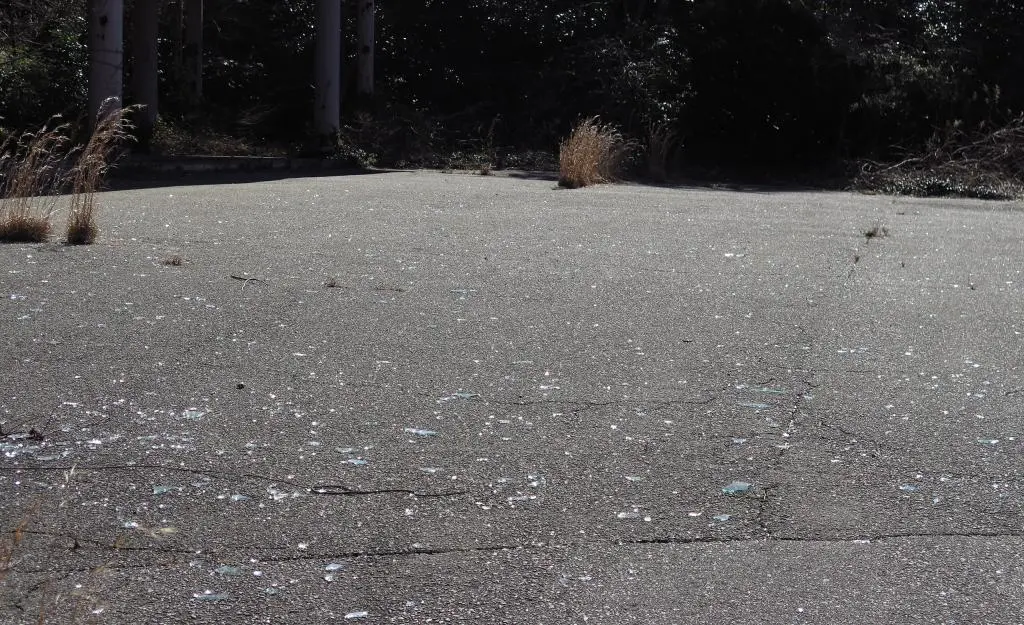
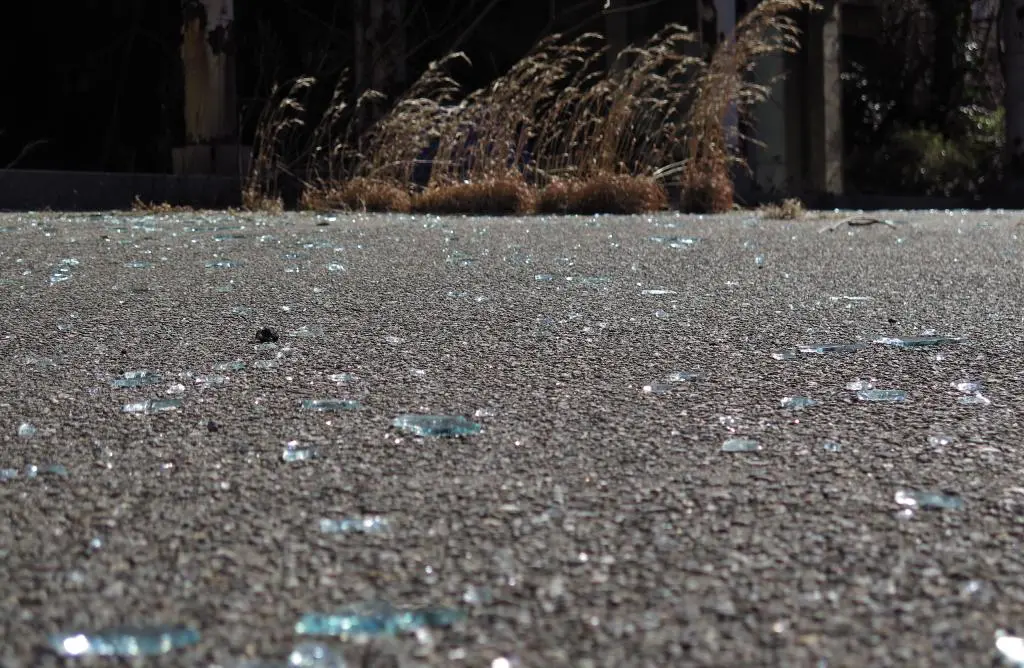
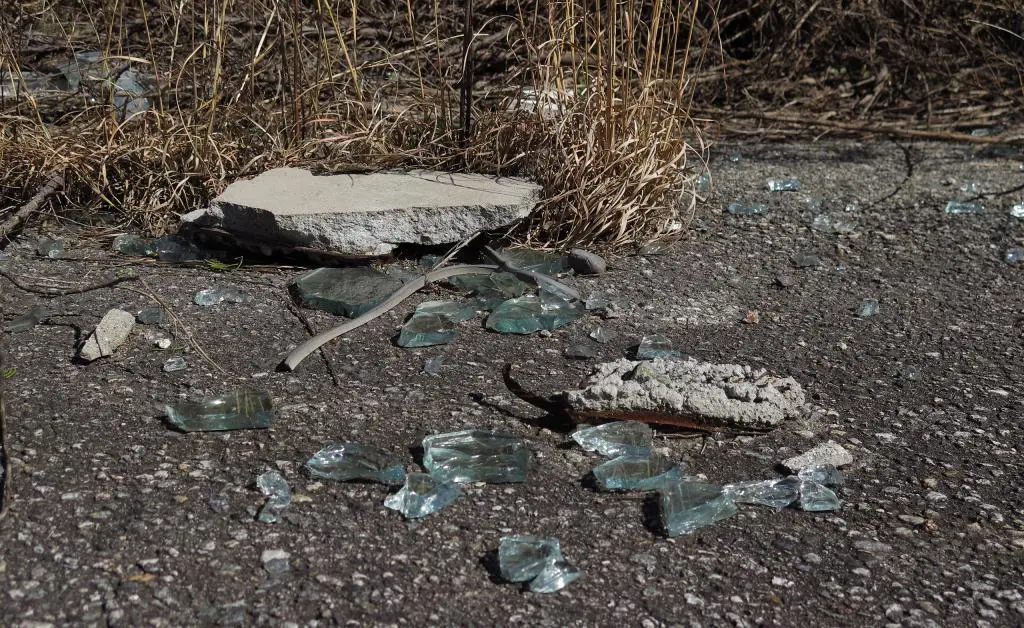
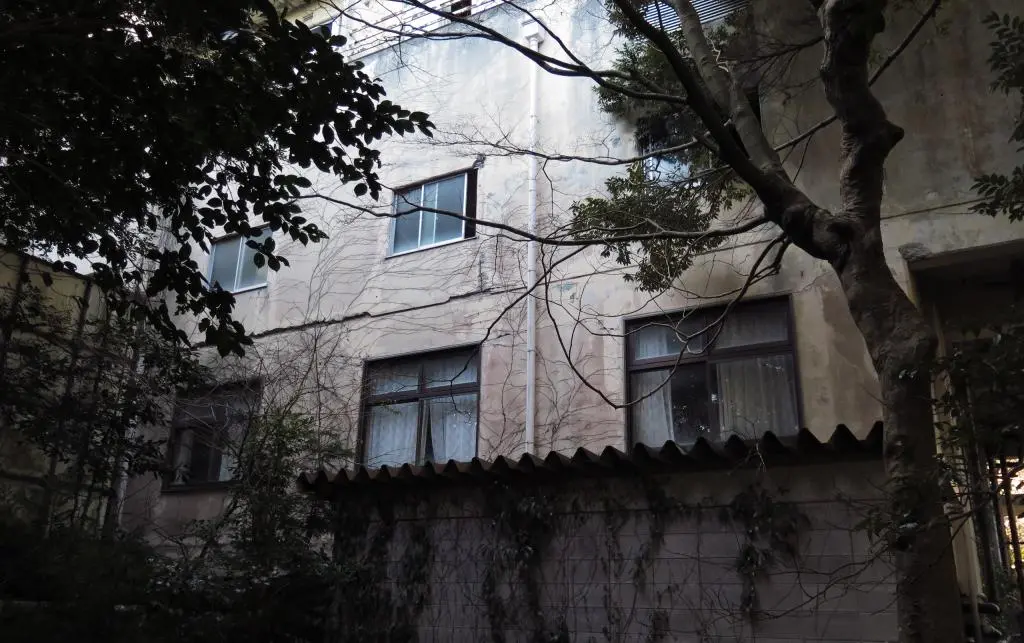
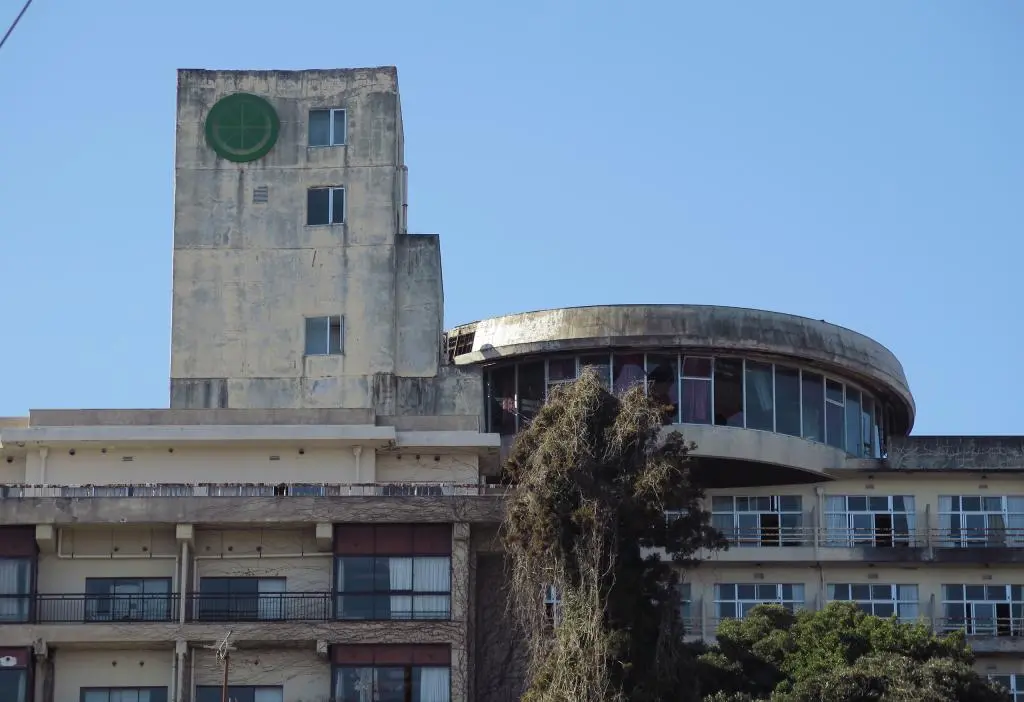
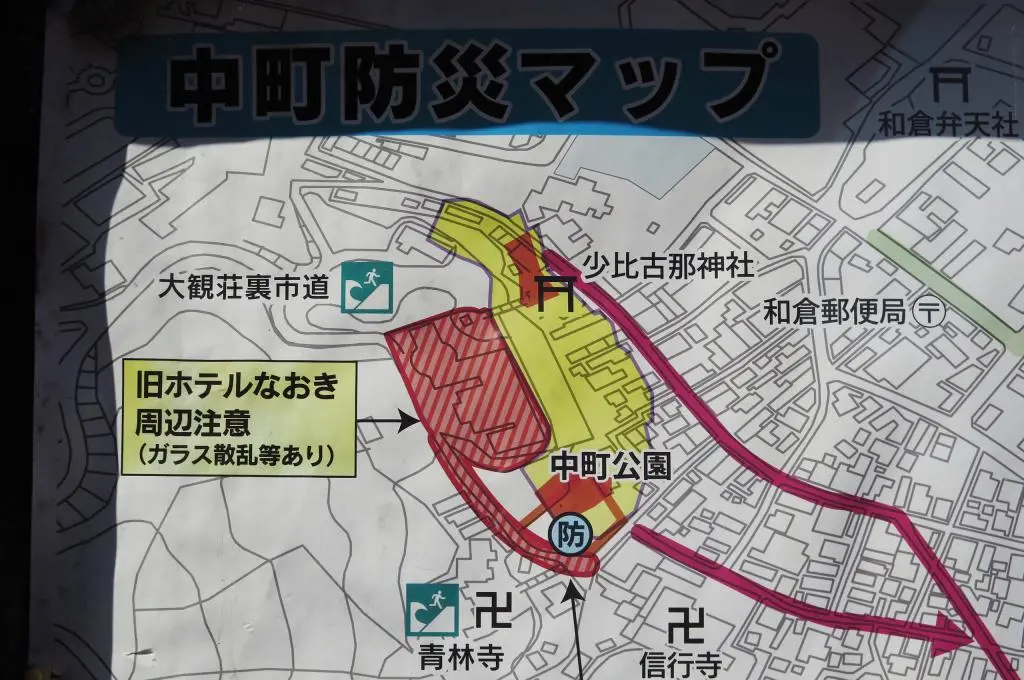
Places like Hotel Naoki are a particular problem because no one has any responsibility to ensure the safety of the building. So many of the windows were shattered from the earthquake raining glass on the parking lot on the south side, and on homes on the north side. The building already seemed like it was molding on the inside 10 years ago. If this thing cracks and collapses without a supervised demolition team, it would cause huge environmental problems.
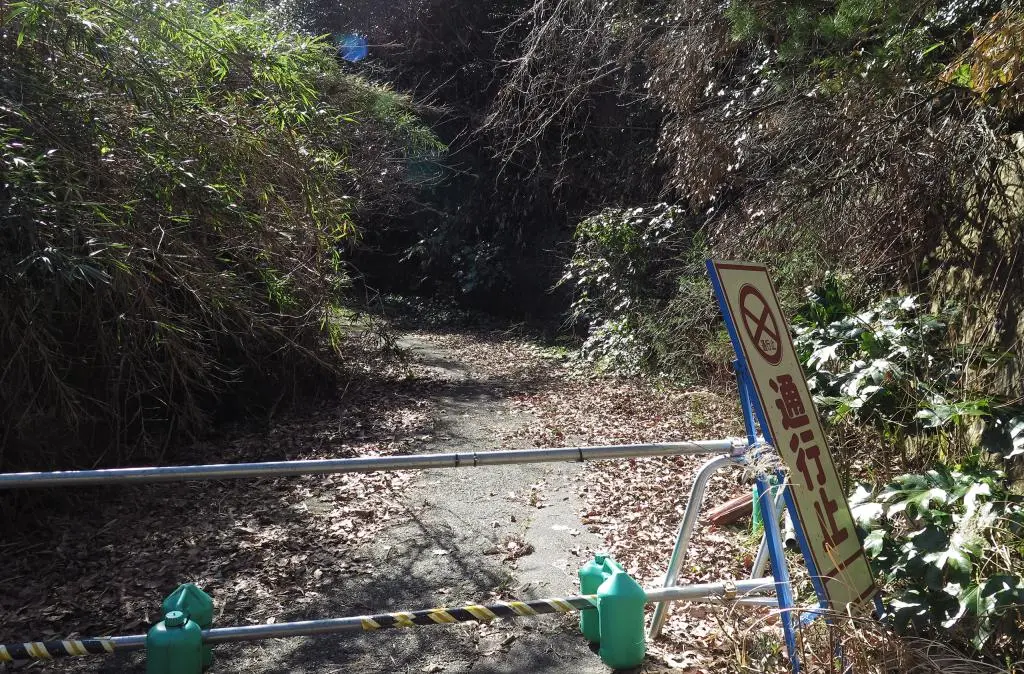
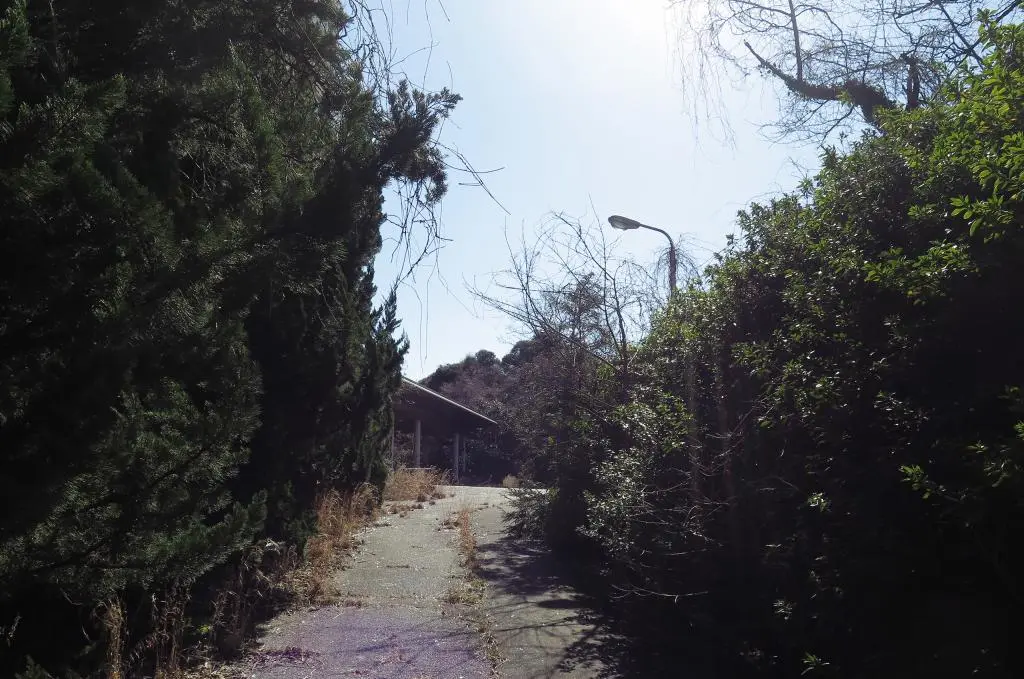
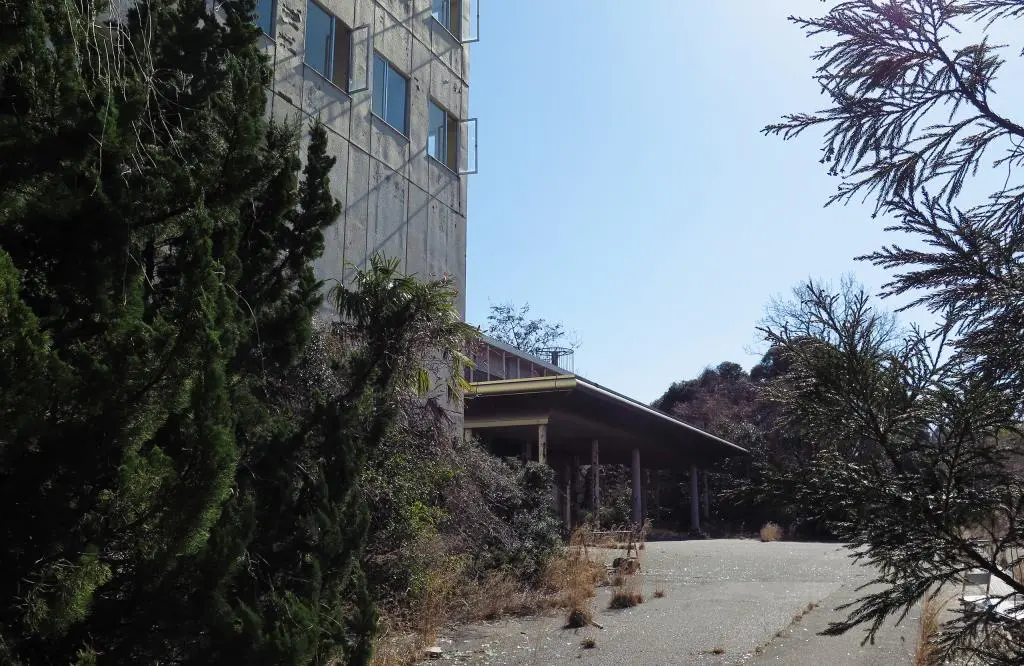
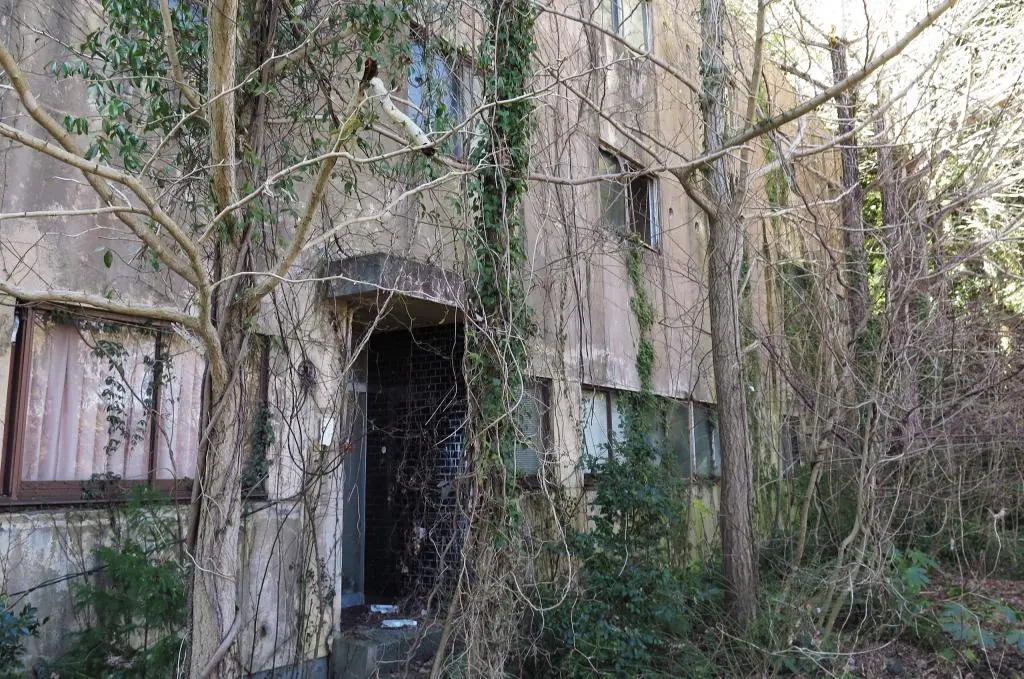
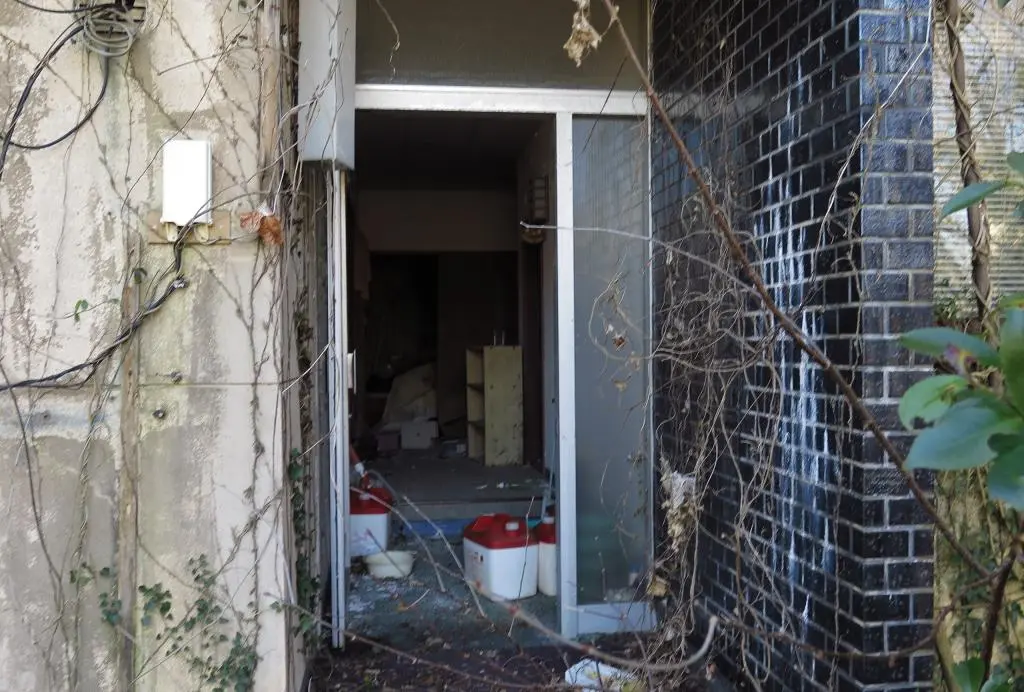
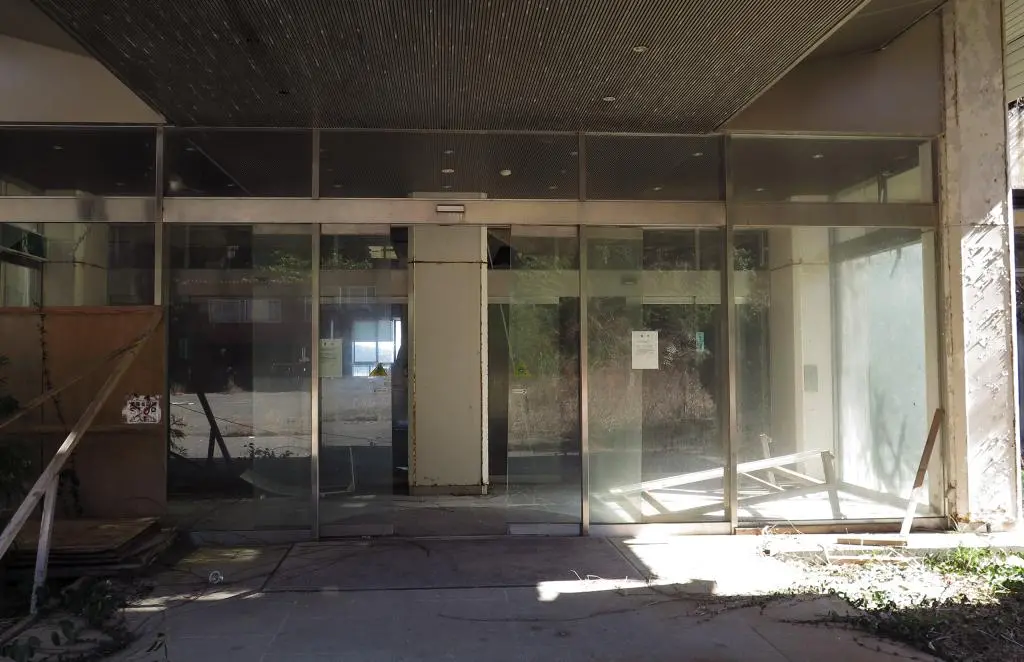
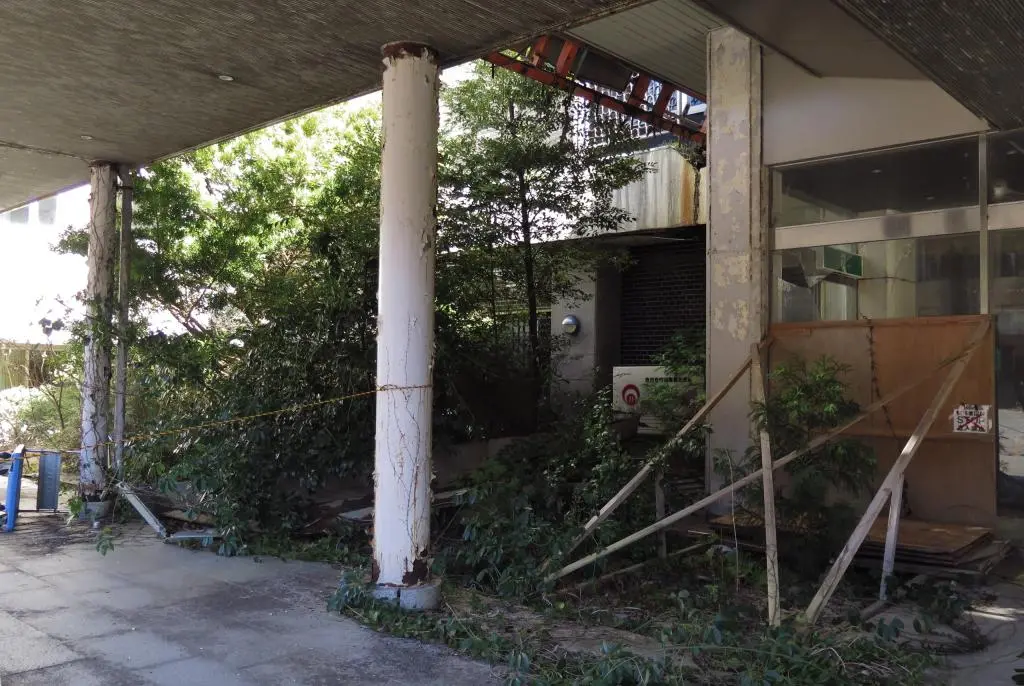
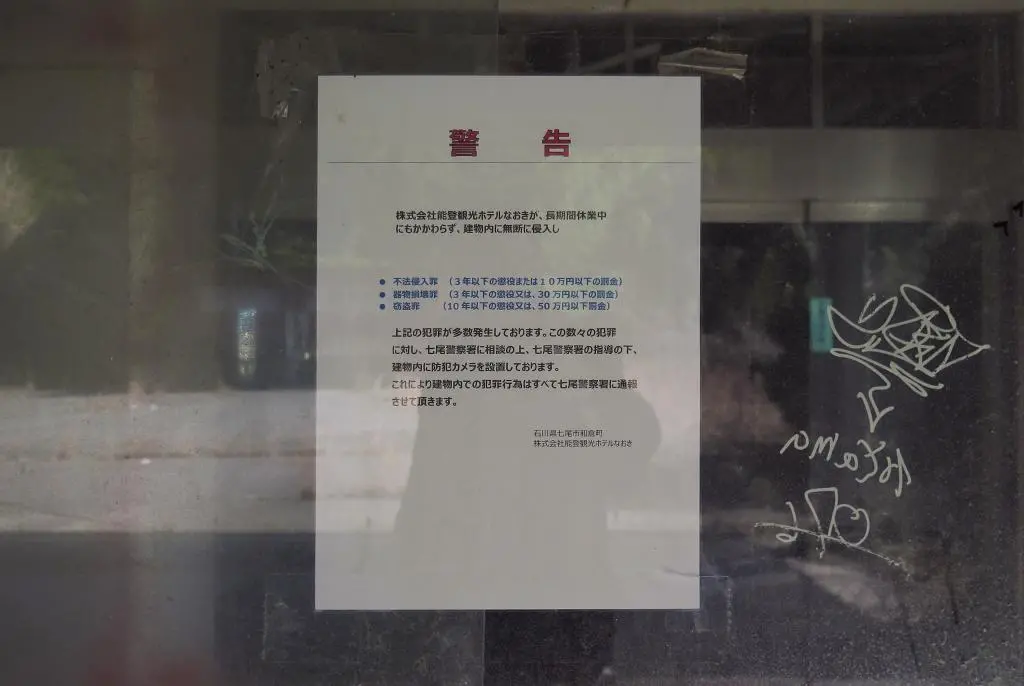
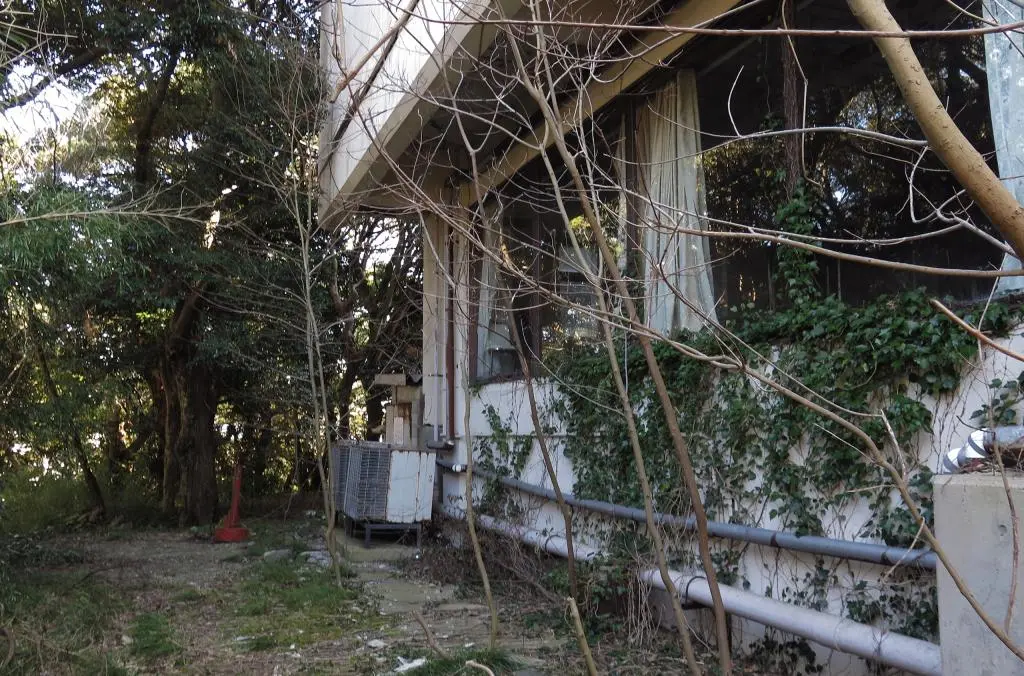
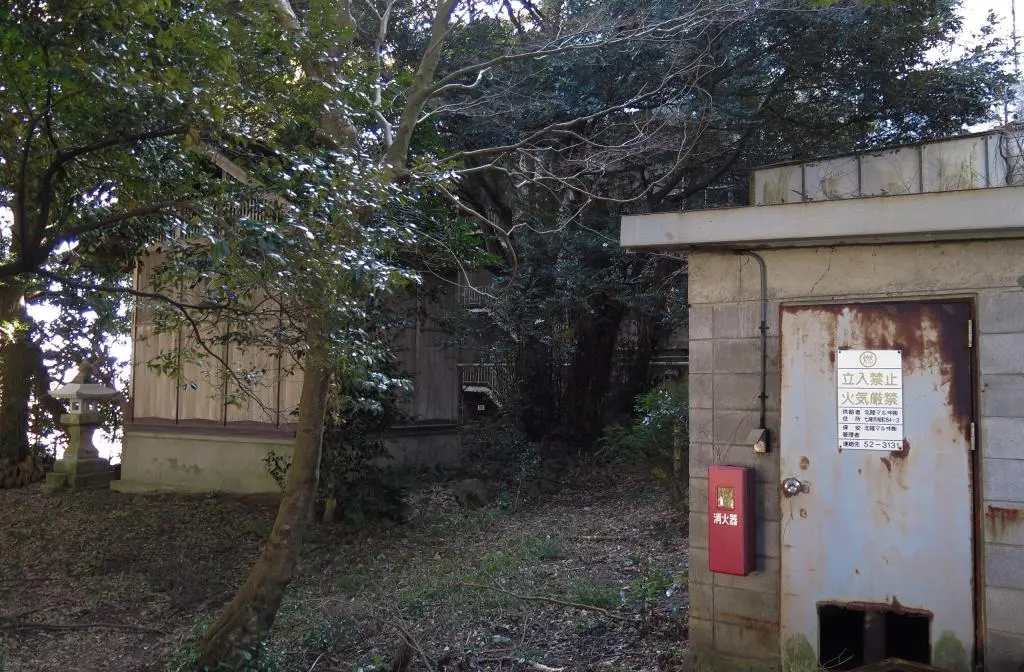
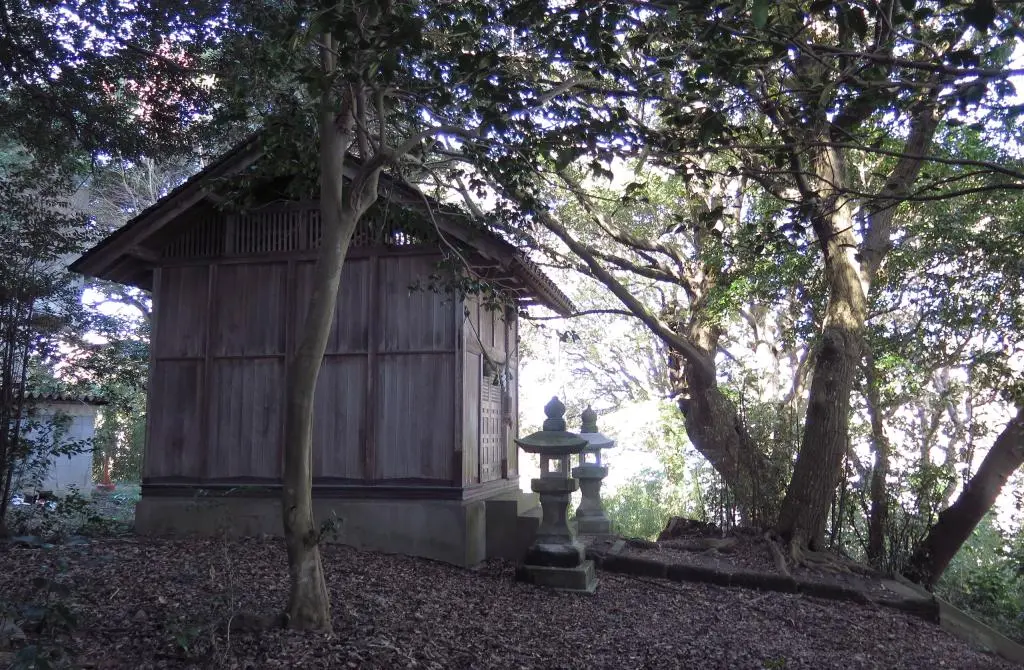
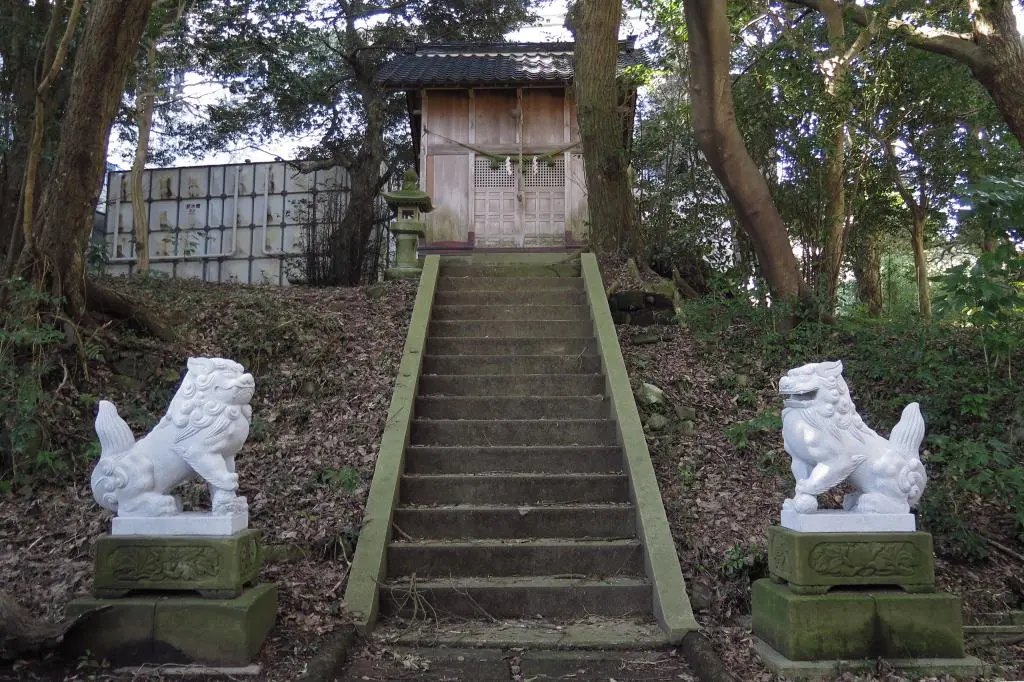
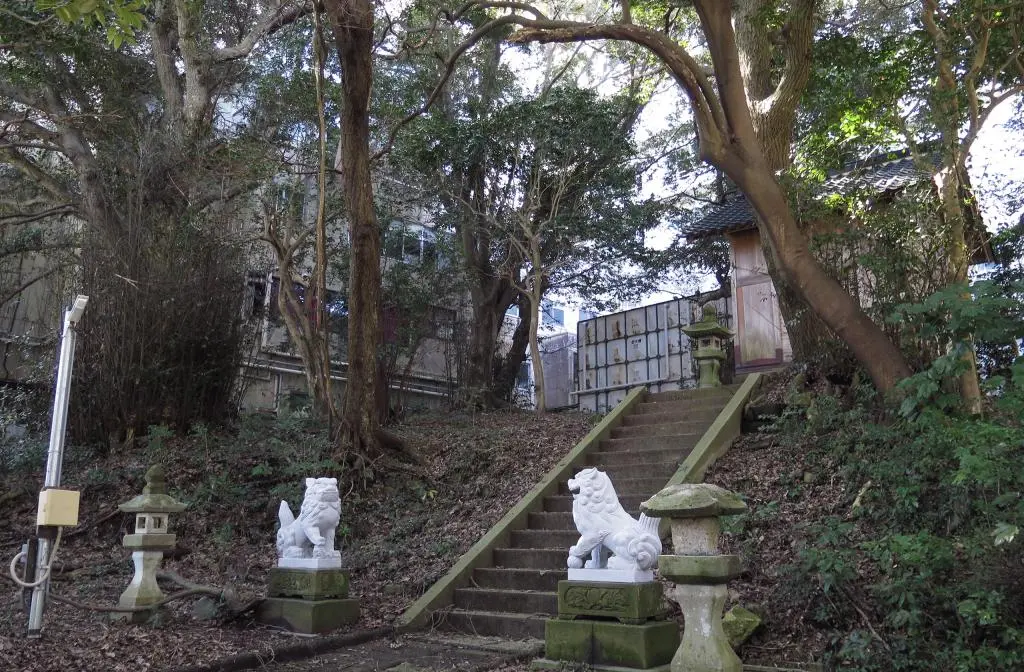
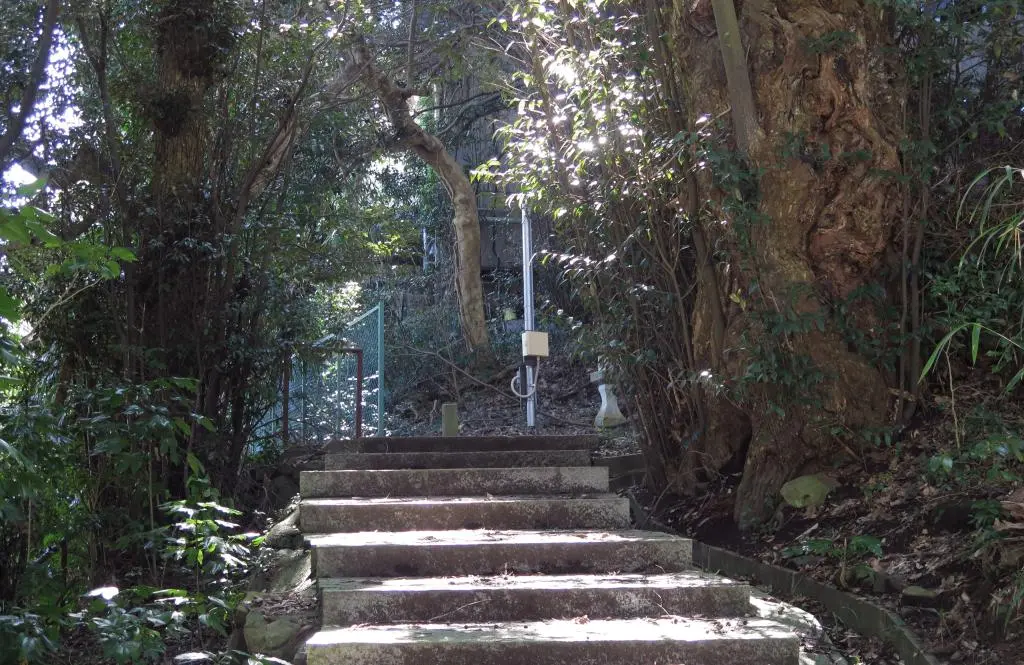
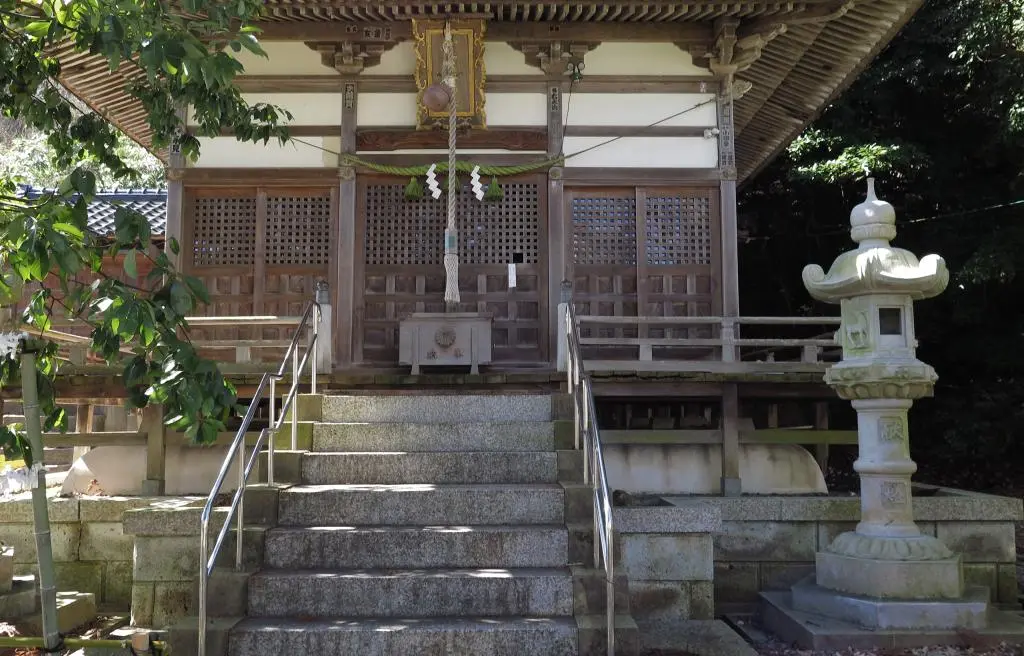
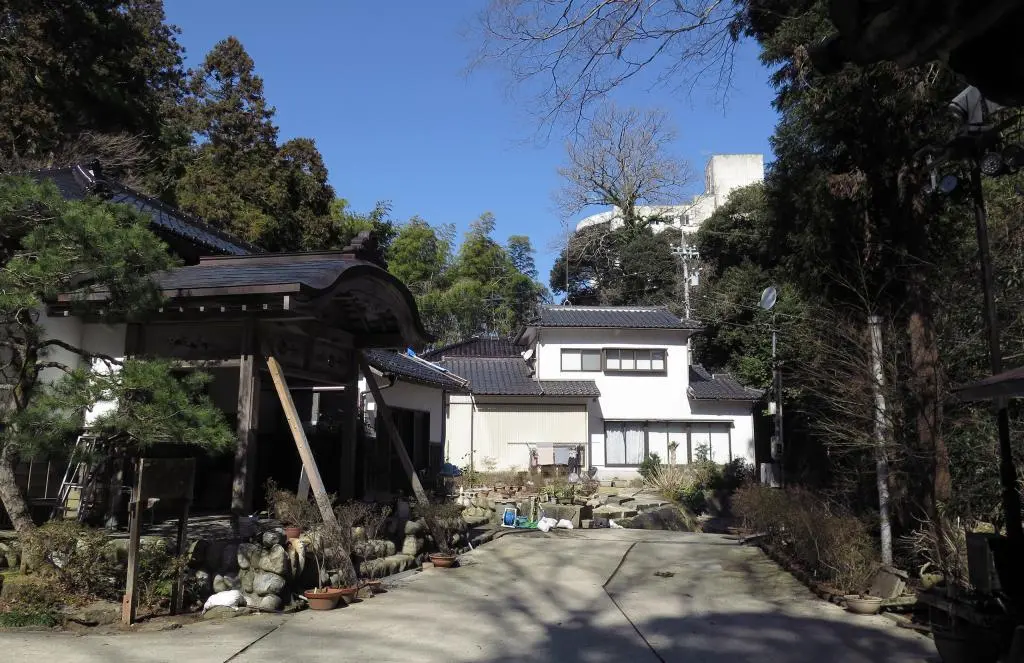
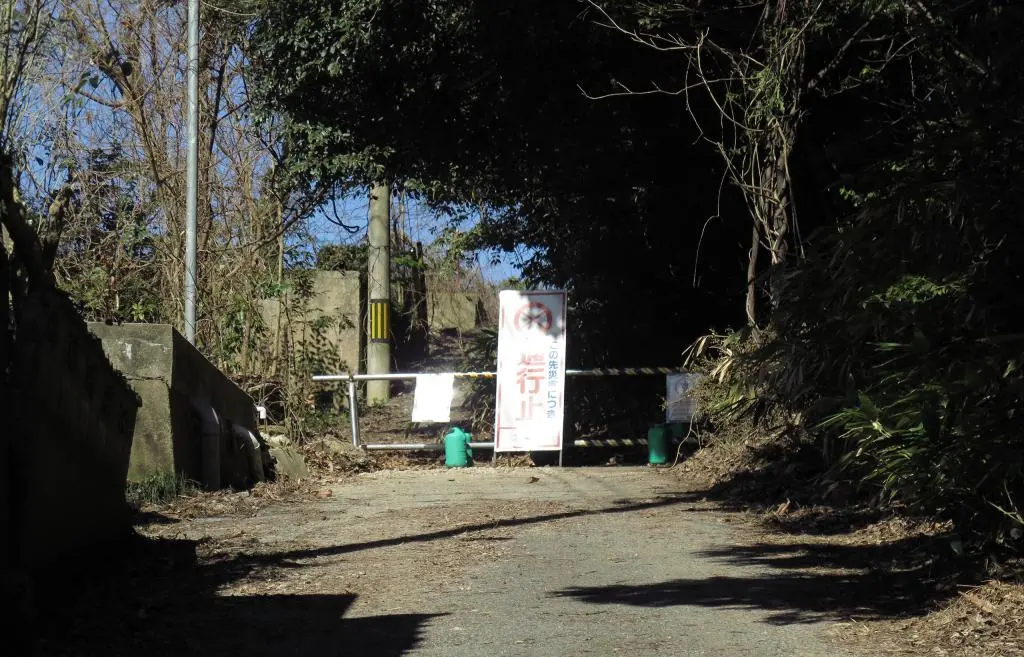
When approaching the door, there were signs posted that said the place was heavily monitored and any trespassing would be severely punished. Hotel Naoki is a pretty popular place for urban exploration in this area. I continued along the side of the building where the main shrine of the Sukunahikona Shrine was located.
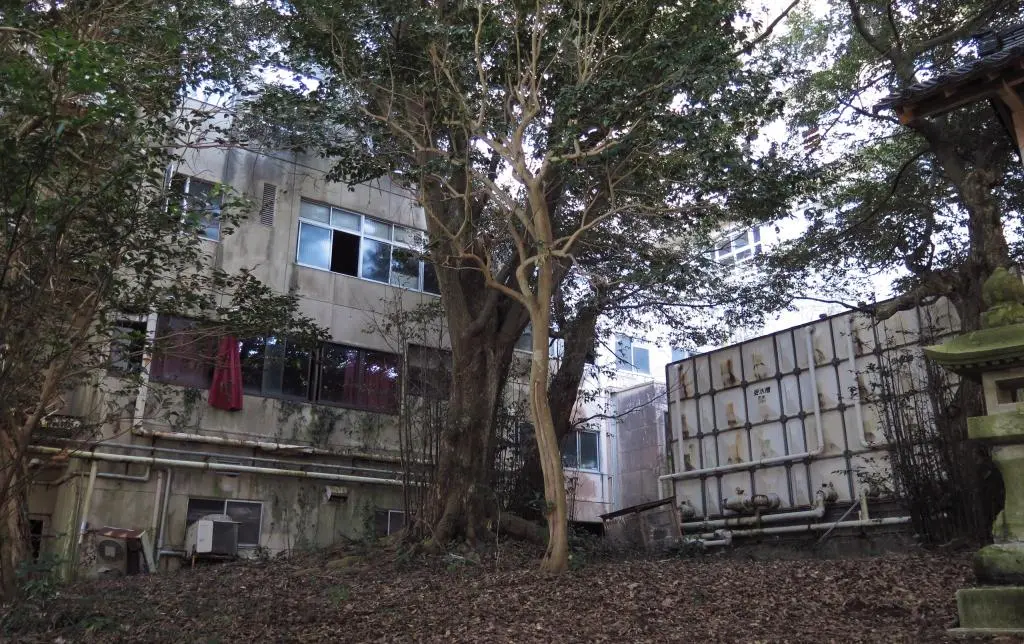
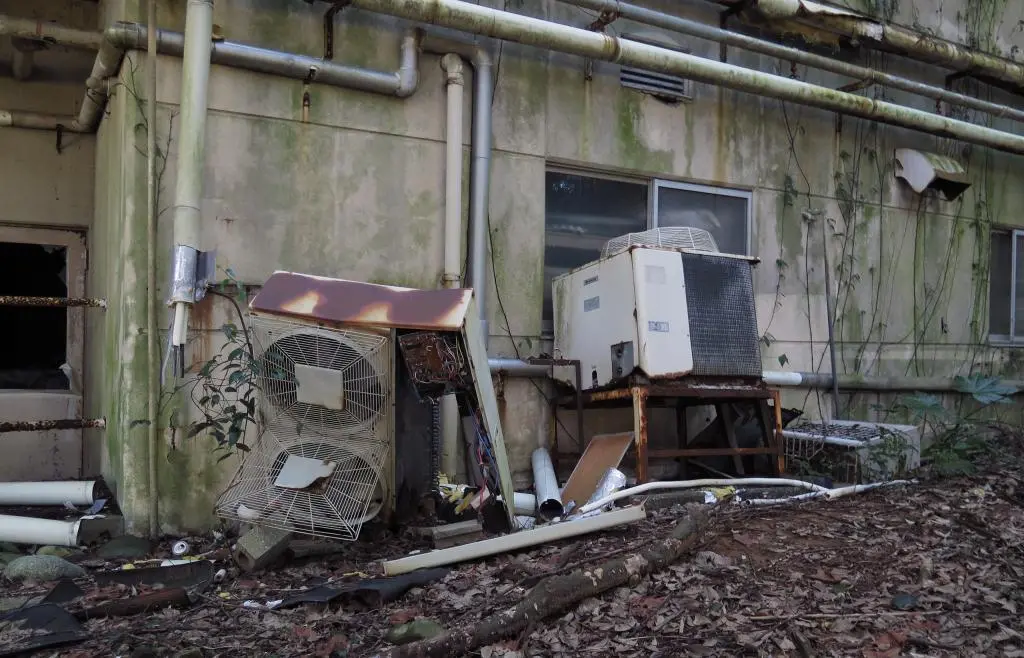
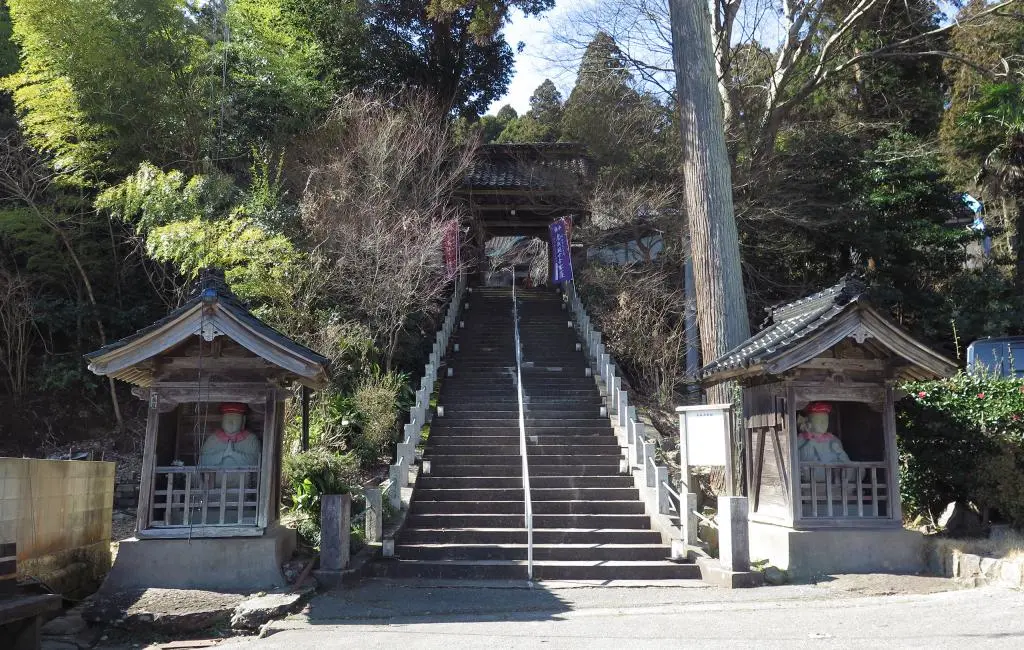
Several air conditioning units had collapsed and lie broken on the ground. Signs were posted on the emergency exits preventing people from climbing them and entering the building. The shrine was also heavily damaged in the earthquake. The main shrine had new lion scultures in front. Down on the street, the shrine's stone gate had collapsed, and a new one had been bulit.
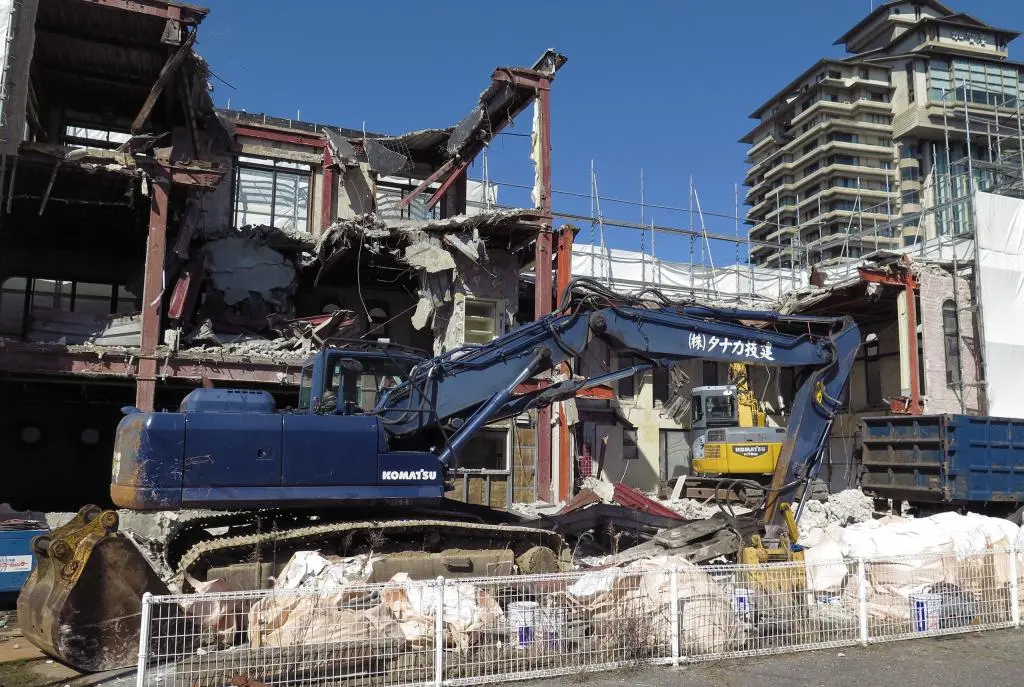
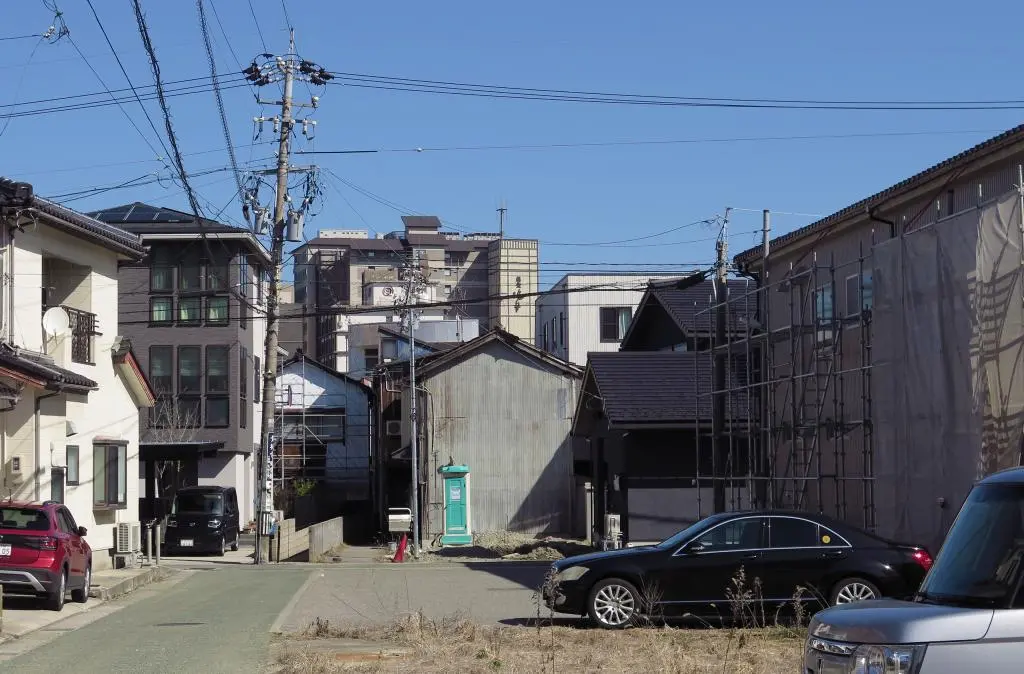
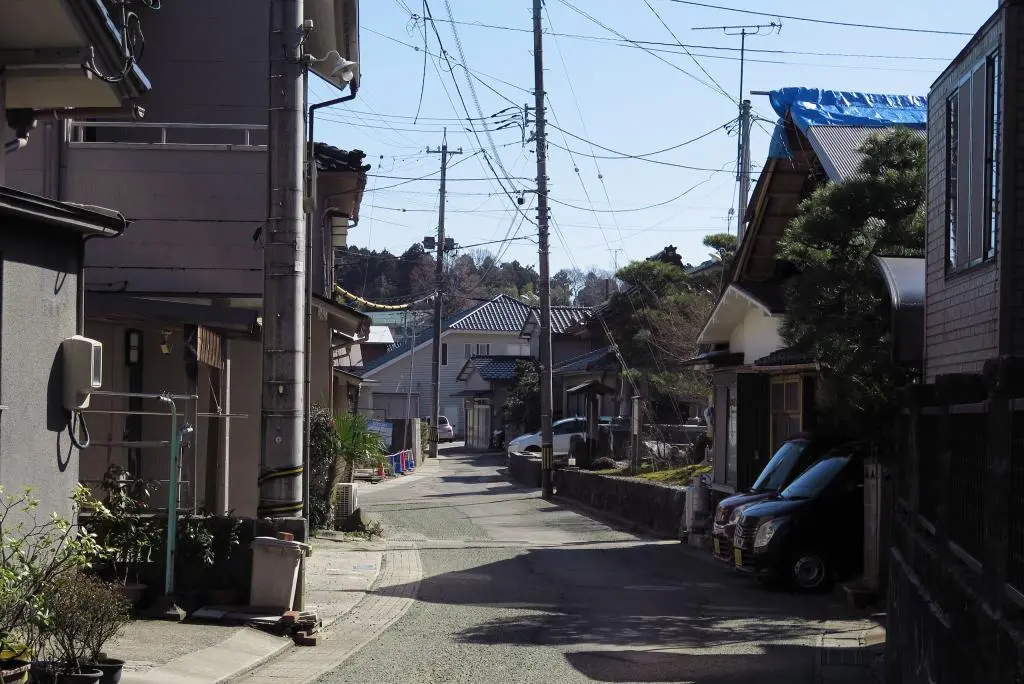
Walking around the town also showed more damage from the earthquake. Homes with walls missing only covered by a tarp. Other buildings in the process of being demolished. Roads with cracks in them. Collapsed stone walls in the front of homes. Beautiful tiled stone work in the road made uneven and unearthed. Even after 2 years, there were so many signs of earthquake damage, and this was still 70km away from the center.
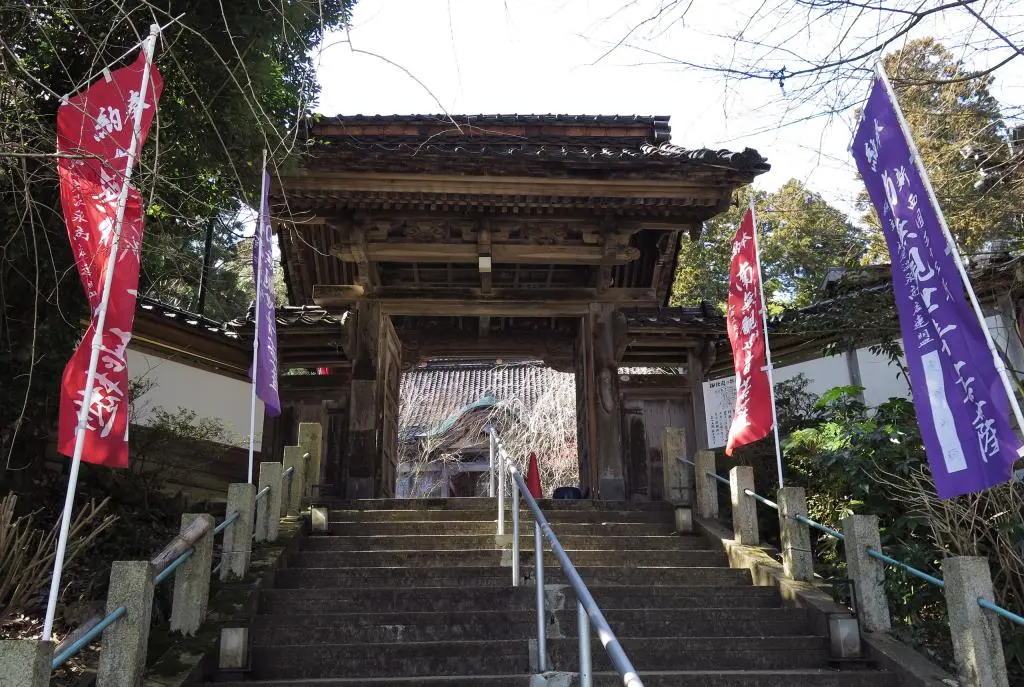
On the east side of Hotel Naoki is the Imperial Palace of Crown Prince Wakura, who would become Emperor Taisho from 1912 to 1926. This rest house was built for his stay in Wakura in 1909.
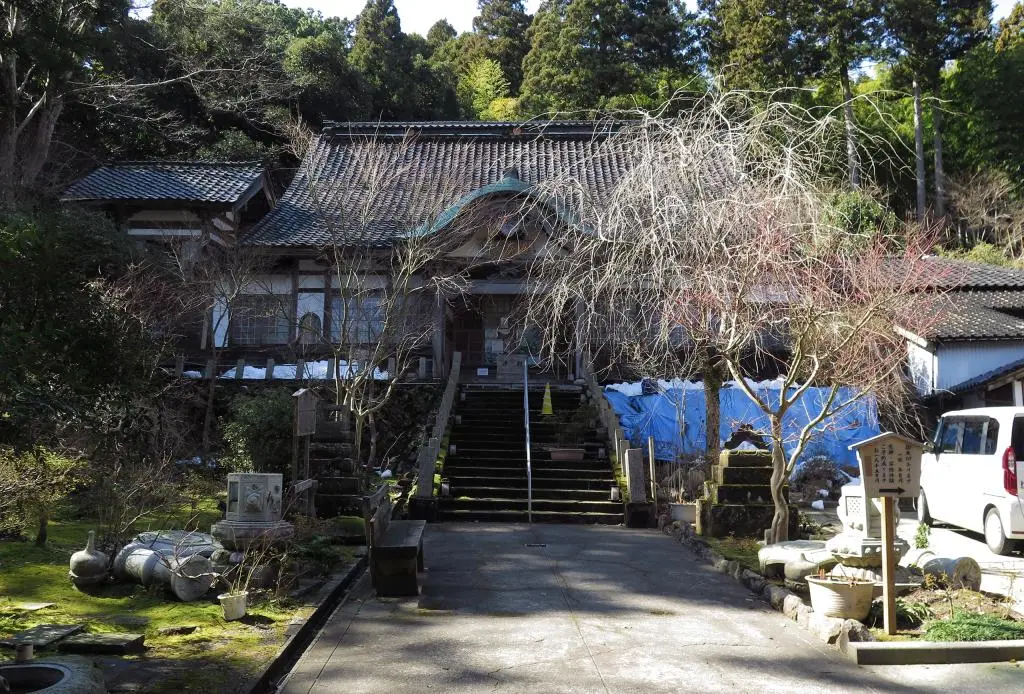
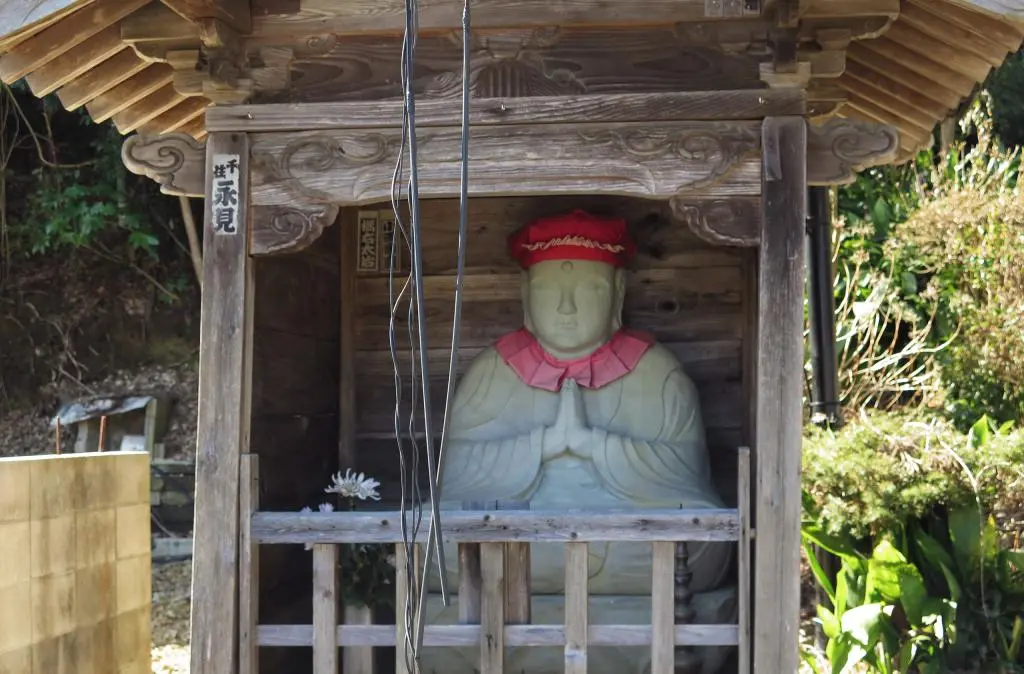
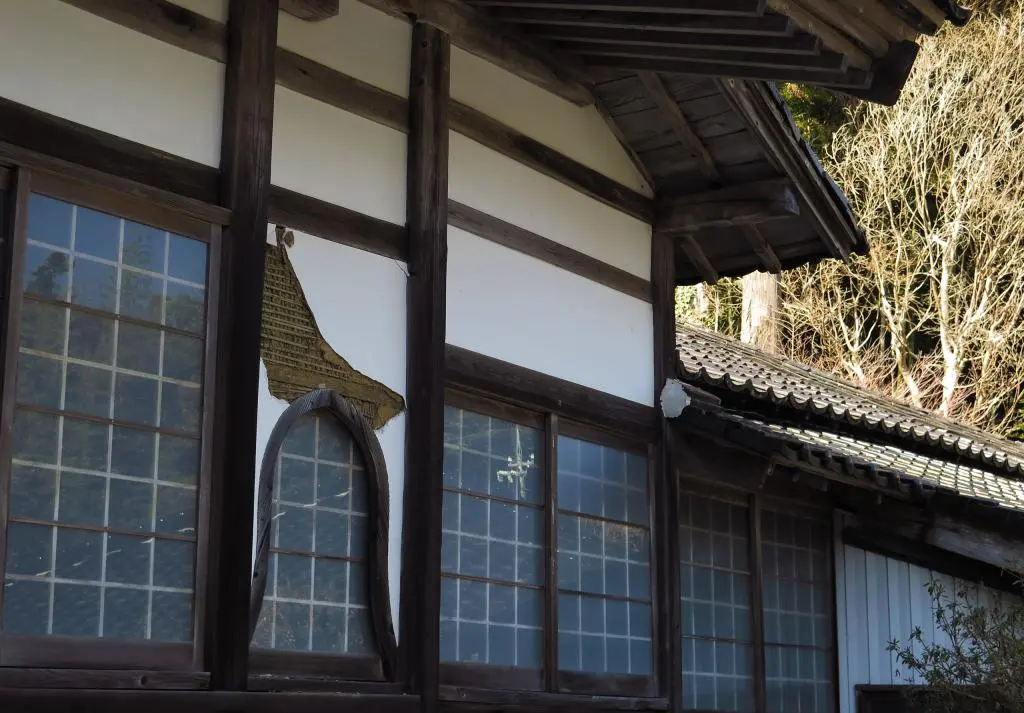
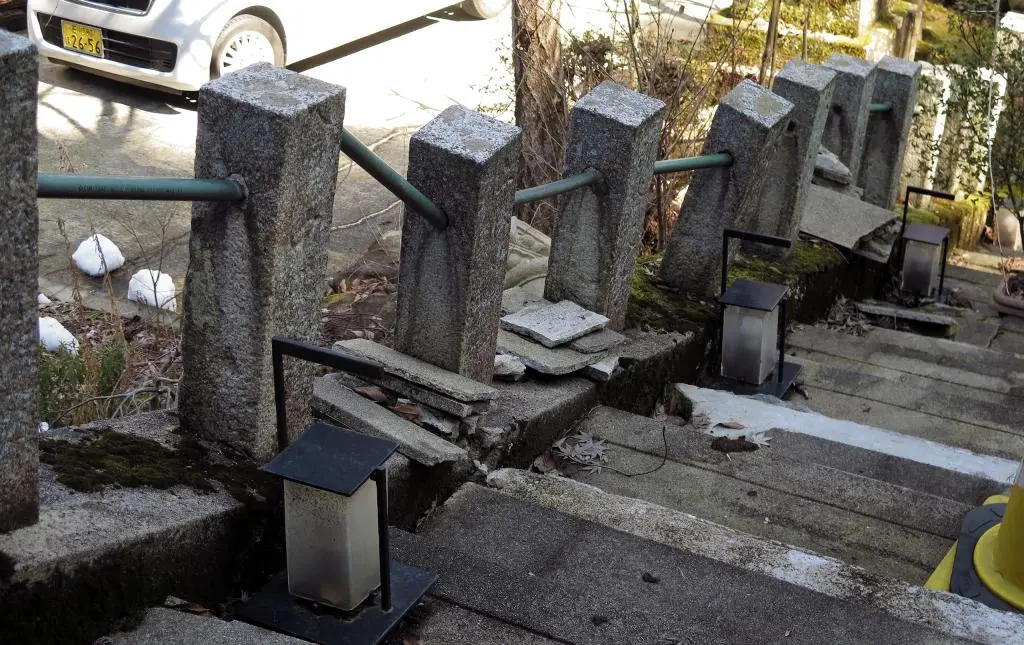
This building was still closed due to earthquake damage. Outside, part of the plaster building wall had been knocked loose. The stone steps were cracked and collapsed. Some of the stone statues out front had also collapsed.
It's hard not to look at all this persistant damage after two years and not feel sad for the town. The earthquake was completely devastating. There is still so much to be done after all this time and Wakura wasn't even the worst hit by the earthquake. If I have time, I may go further north over Golden Week to the center of the damage.
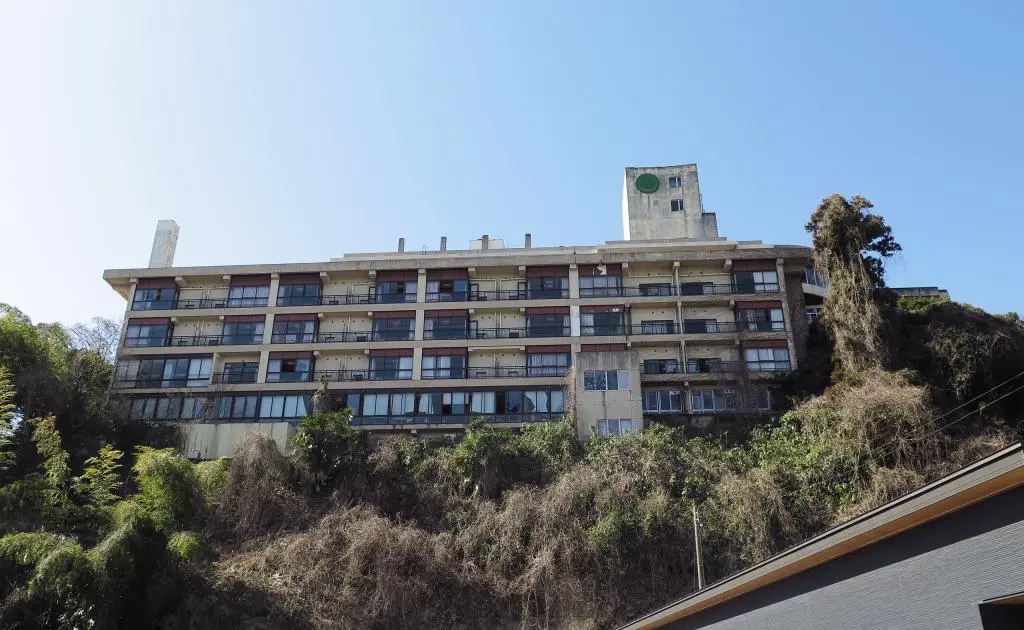
It would really be hard for me if I lived in Wakura. Hotel Naoki perches over the city as a dead relic. Once a symbol of the city's vitality as a resort town. Now it's a punishing symbol of how broken the town feels. I'm sure the townsfolk had wanted to get rid of that building for years, but now all the construction efforts have been diverted.
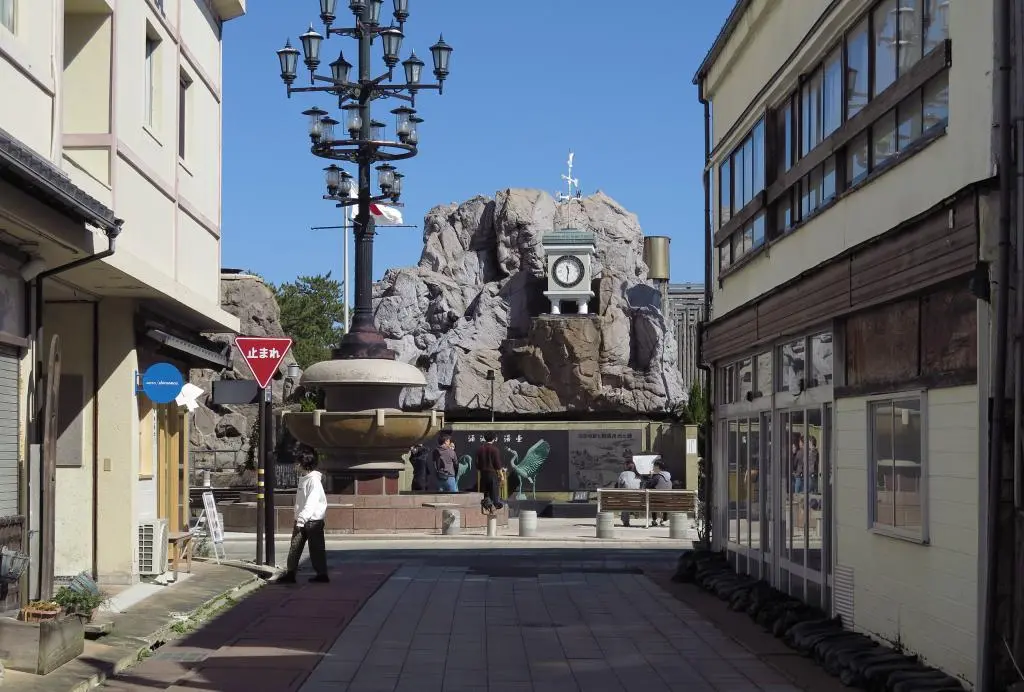
Since the earthquake, some hotels have started opening again. When I visited, it wasn't really crowded, but there were lots of people walking around and visiting the few businesses that were open. There was still plenty of life in the shadow of this old gross hotel.
Overall, I took some photos of the outside. You can search around online for more shots from the inside.