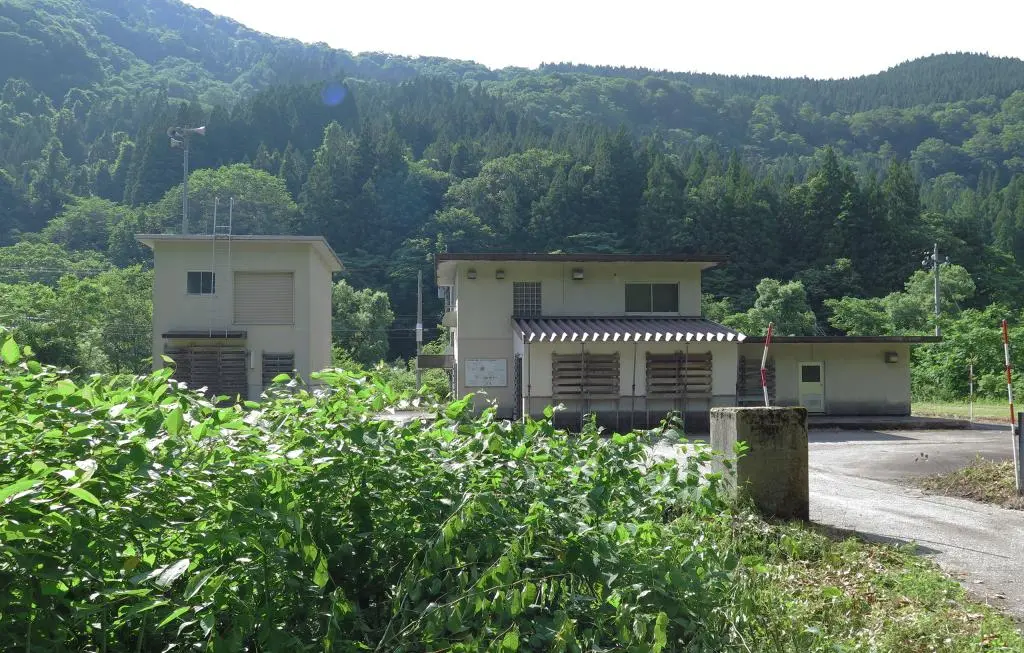
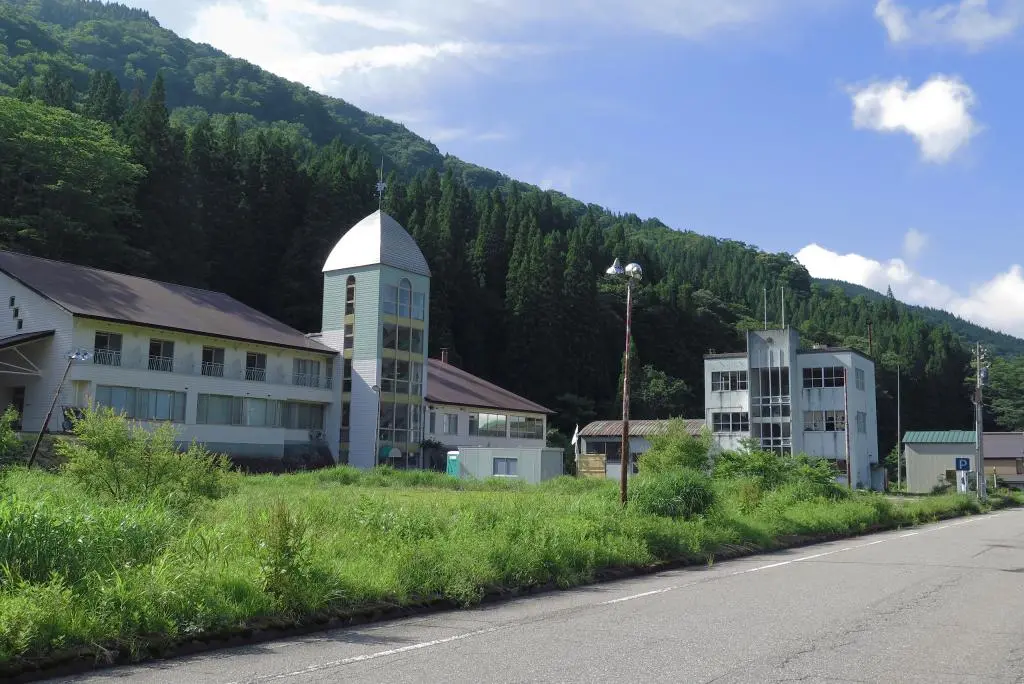
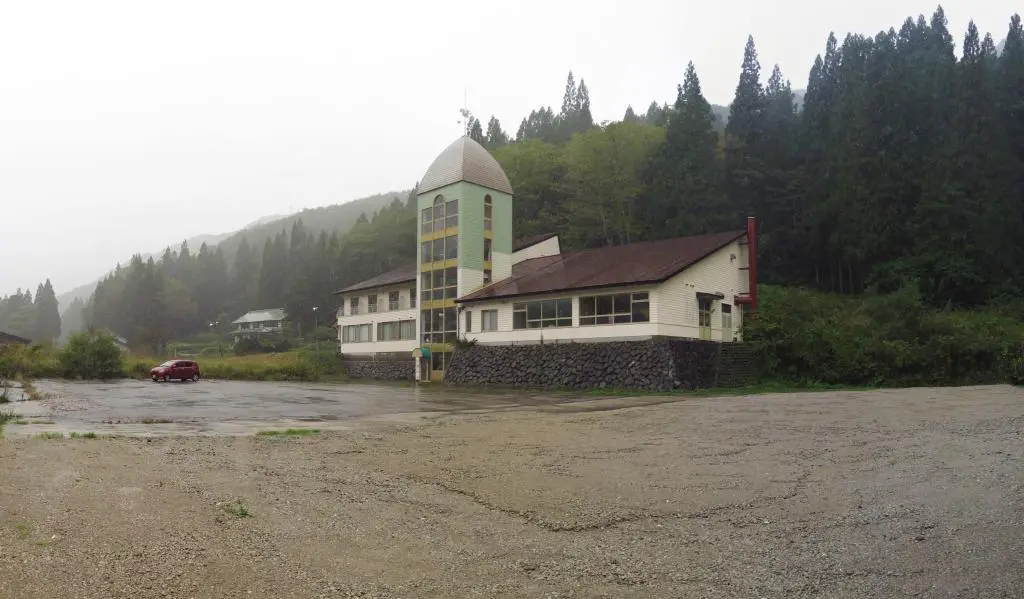
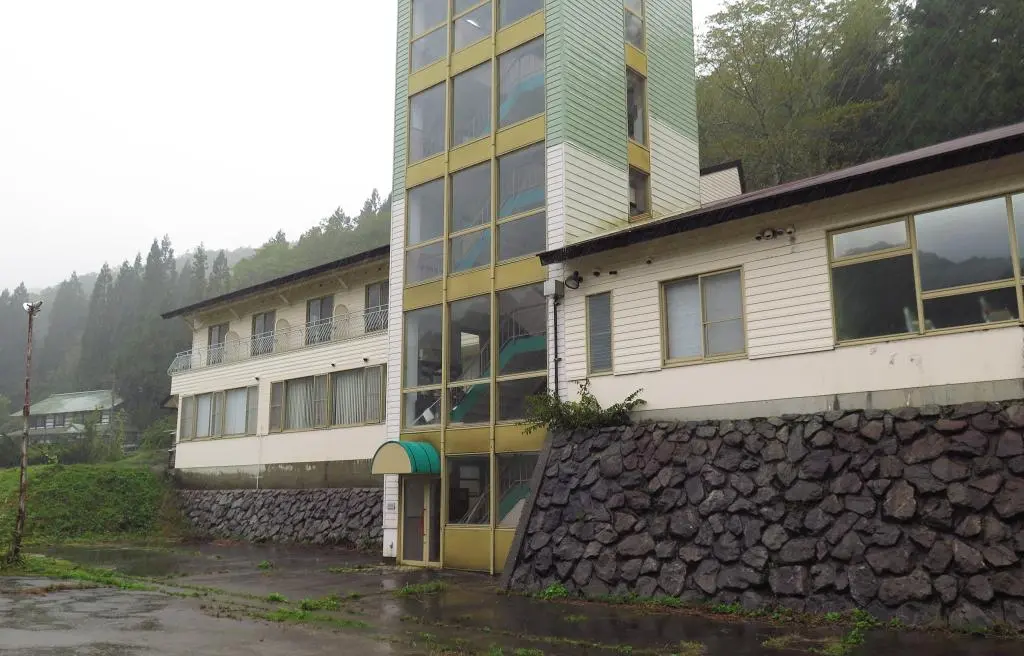
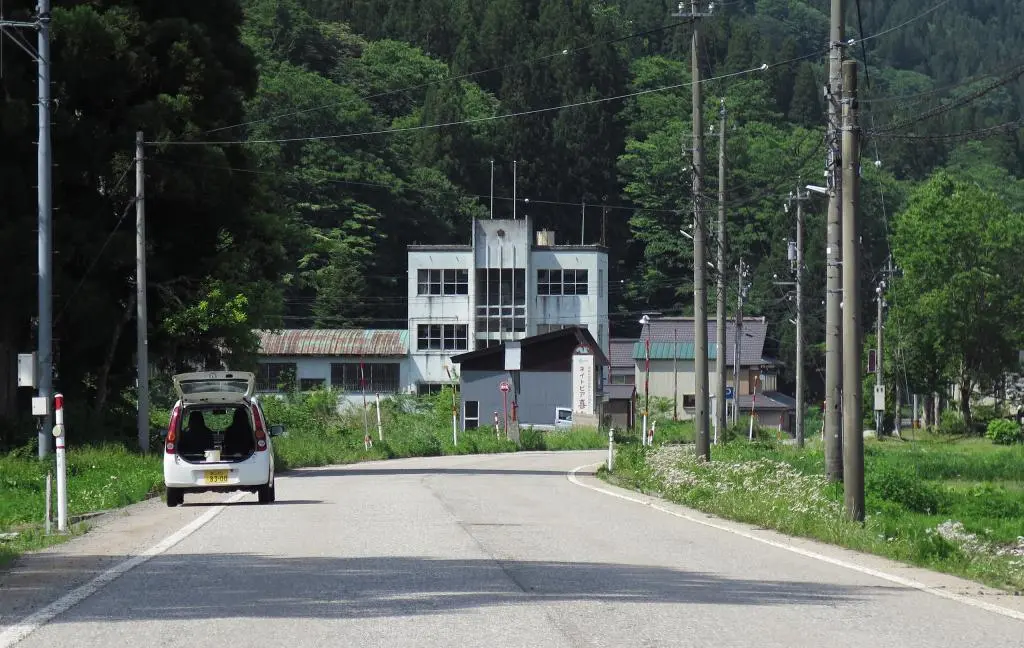
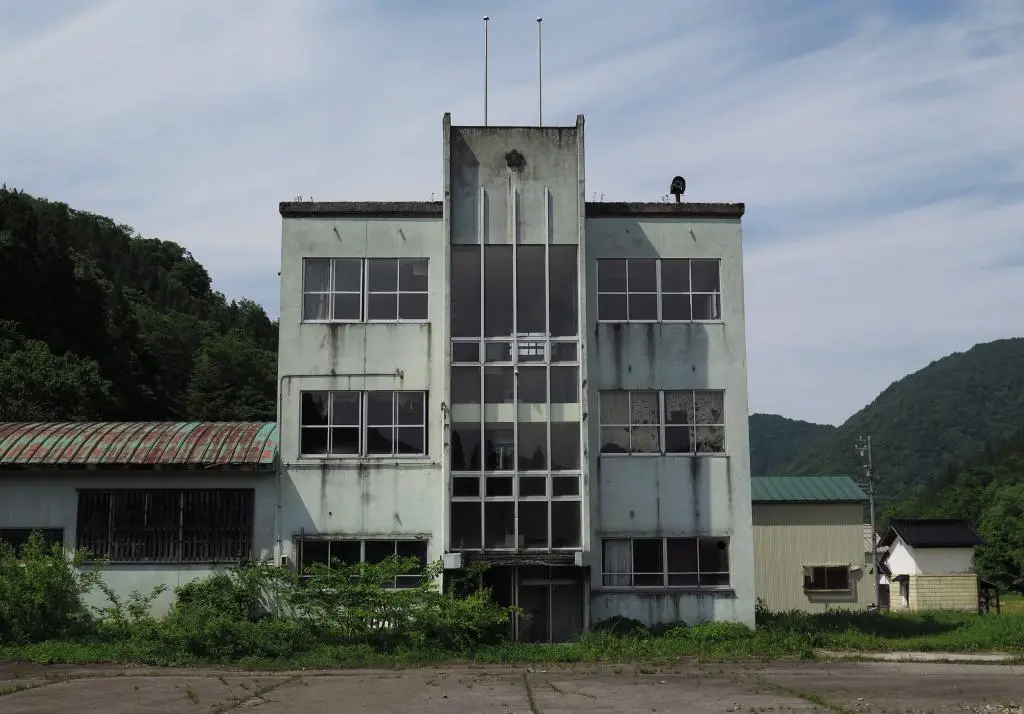
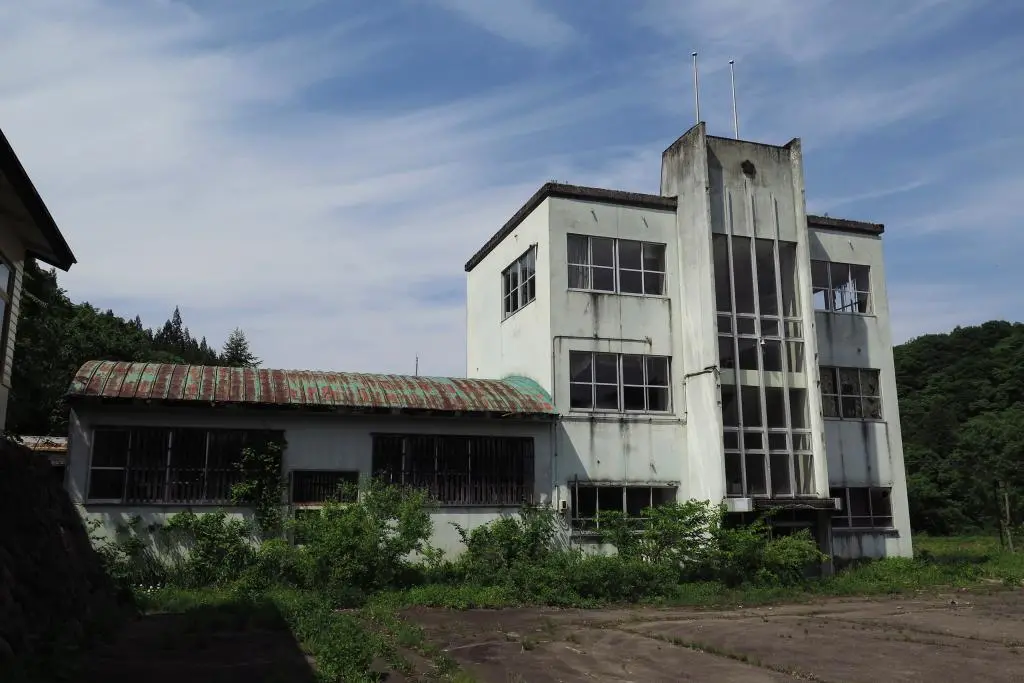
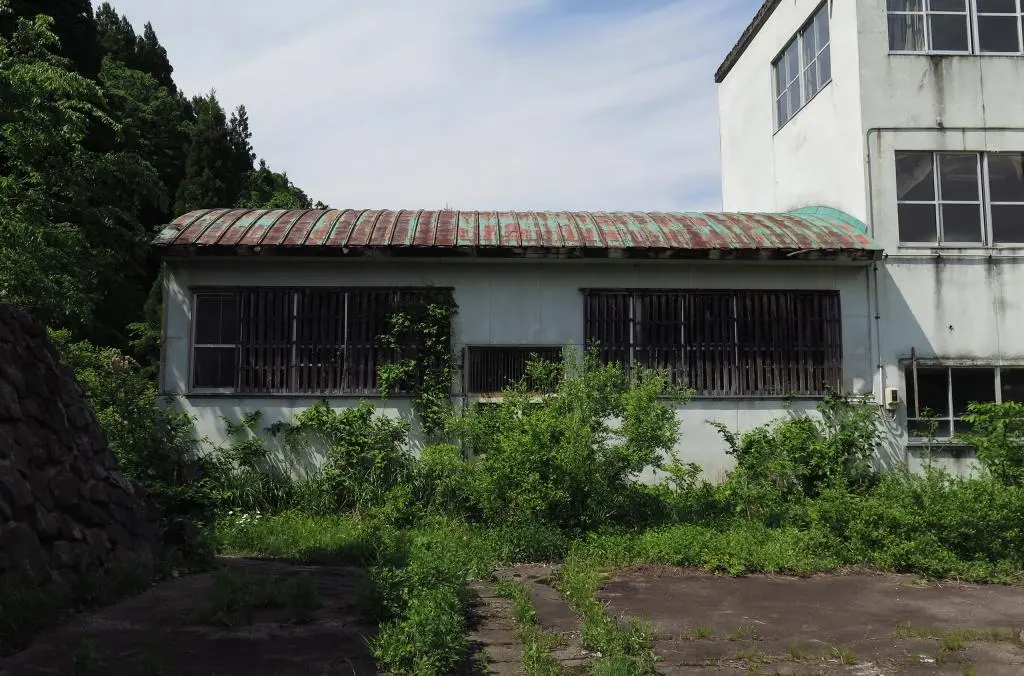
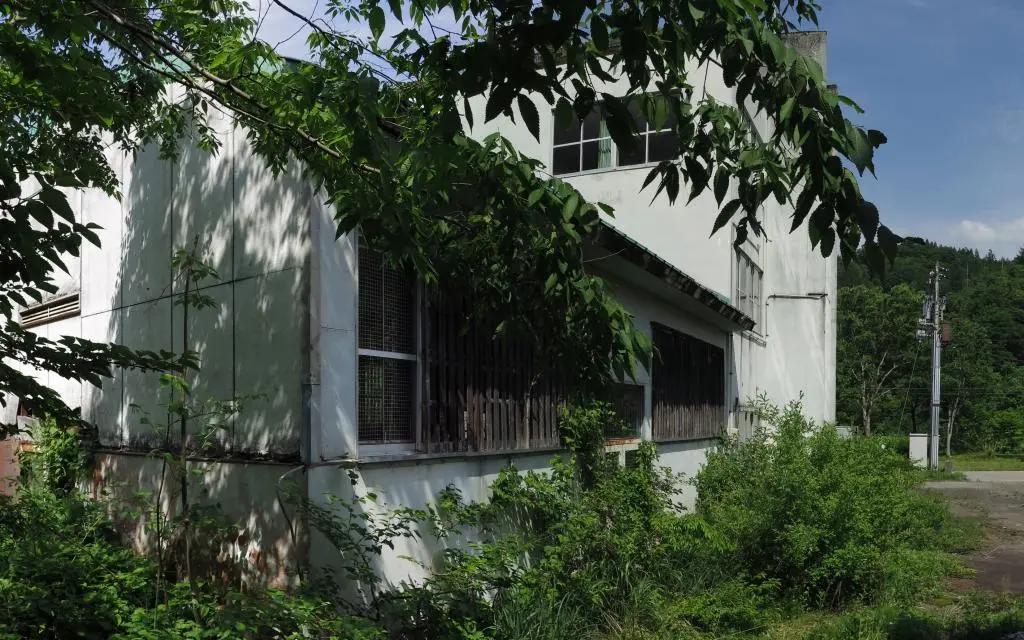
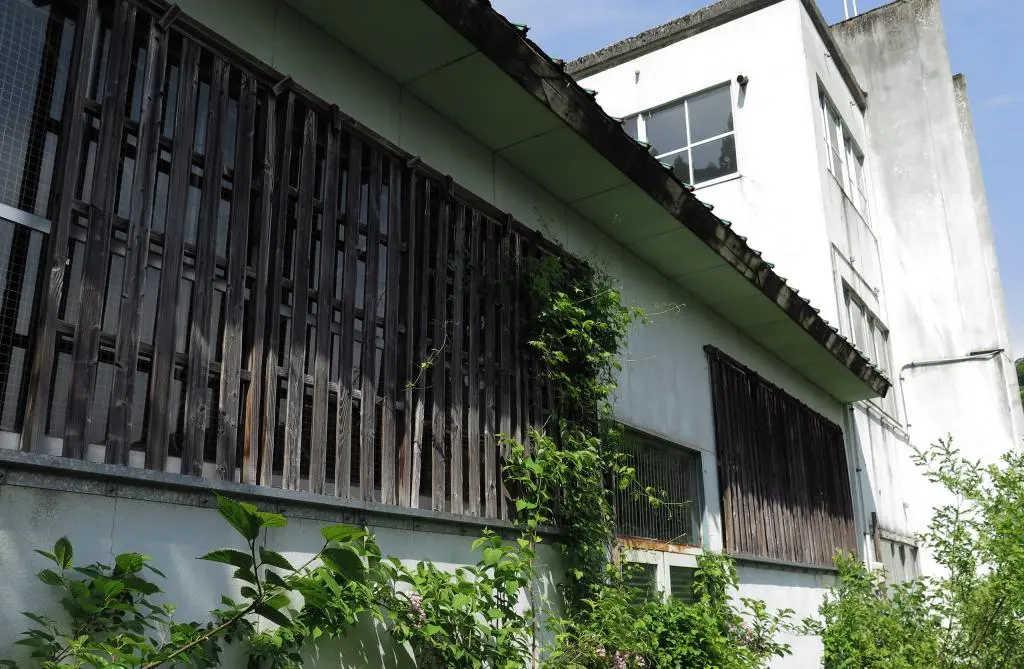
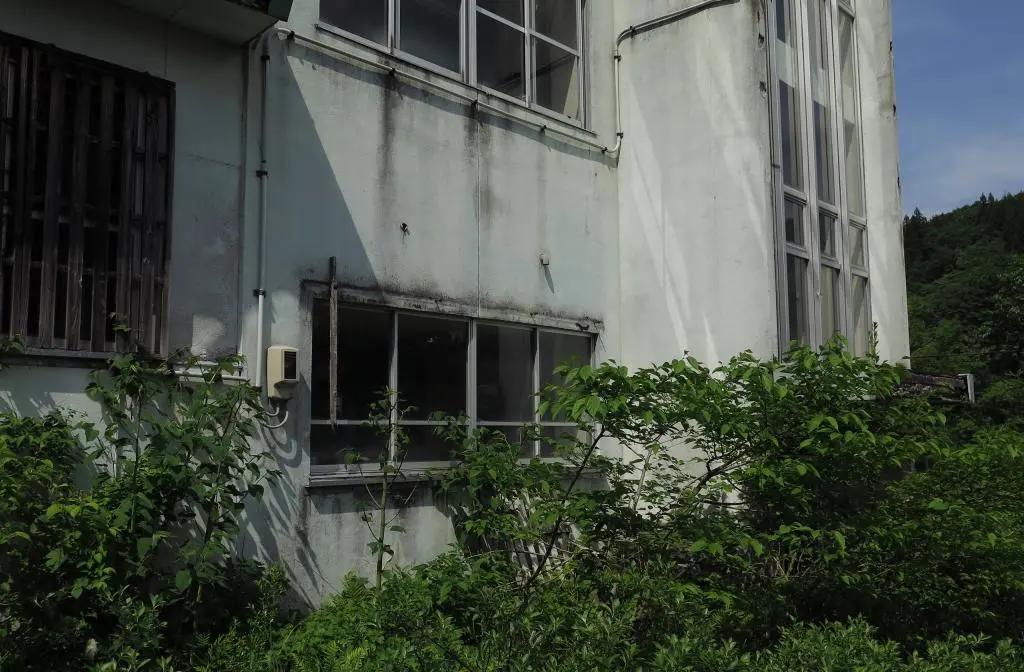
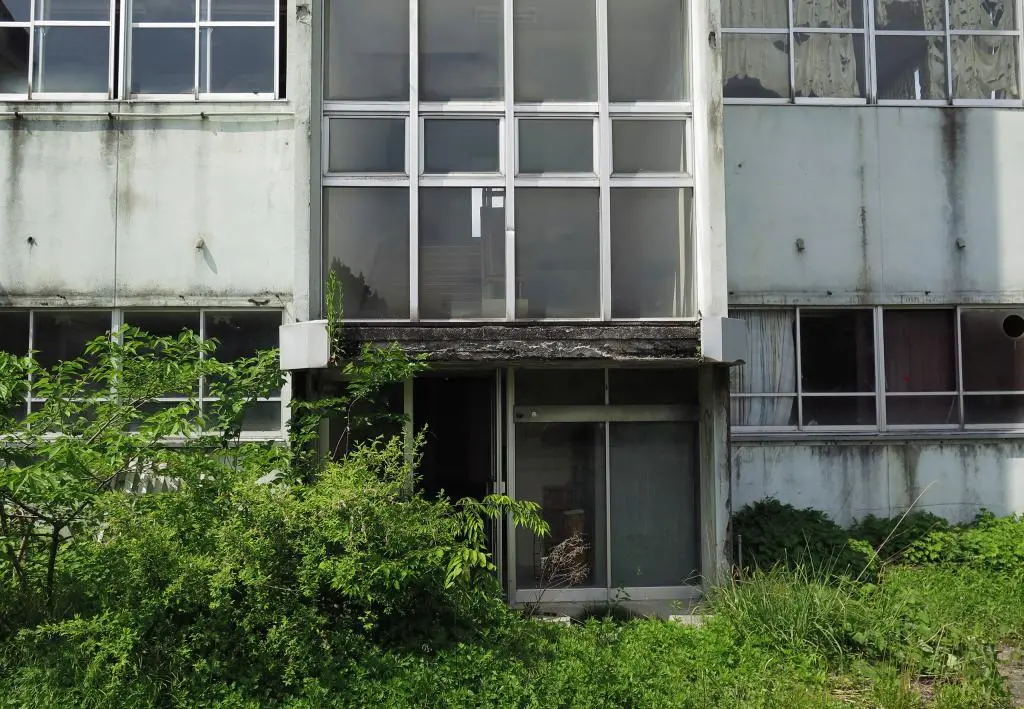
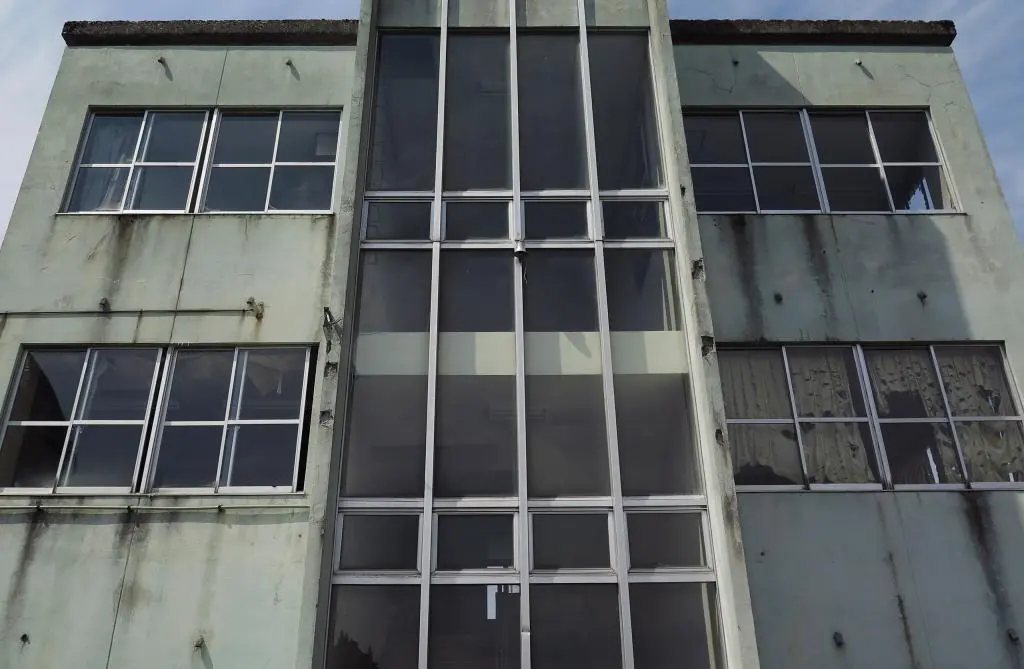
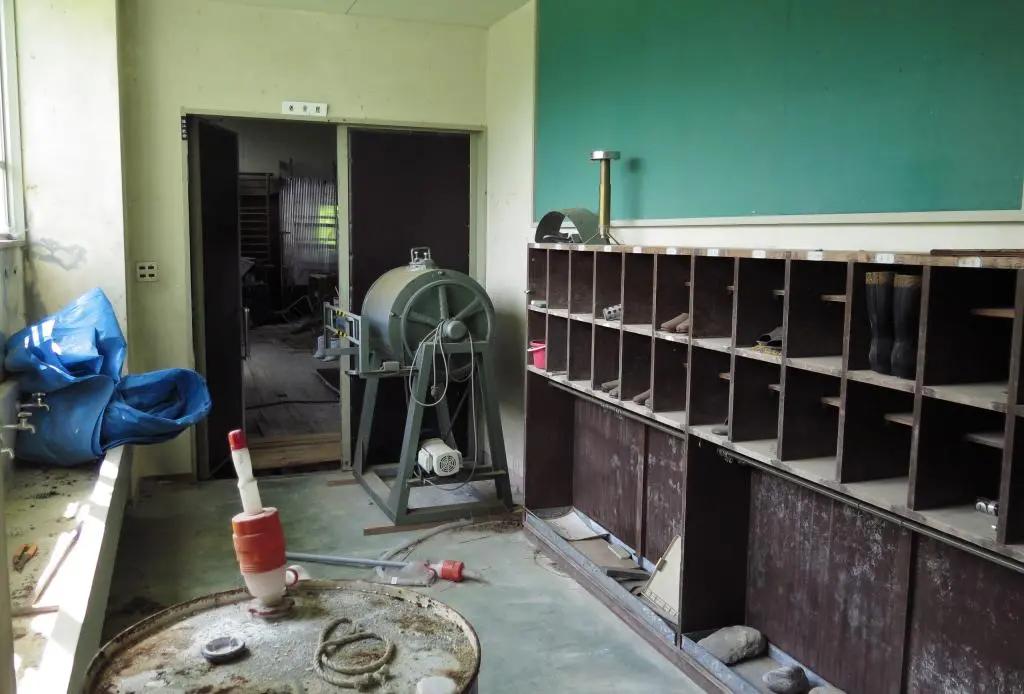
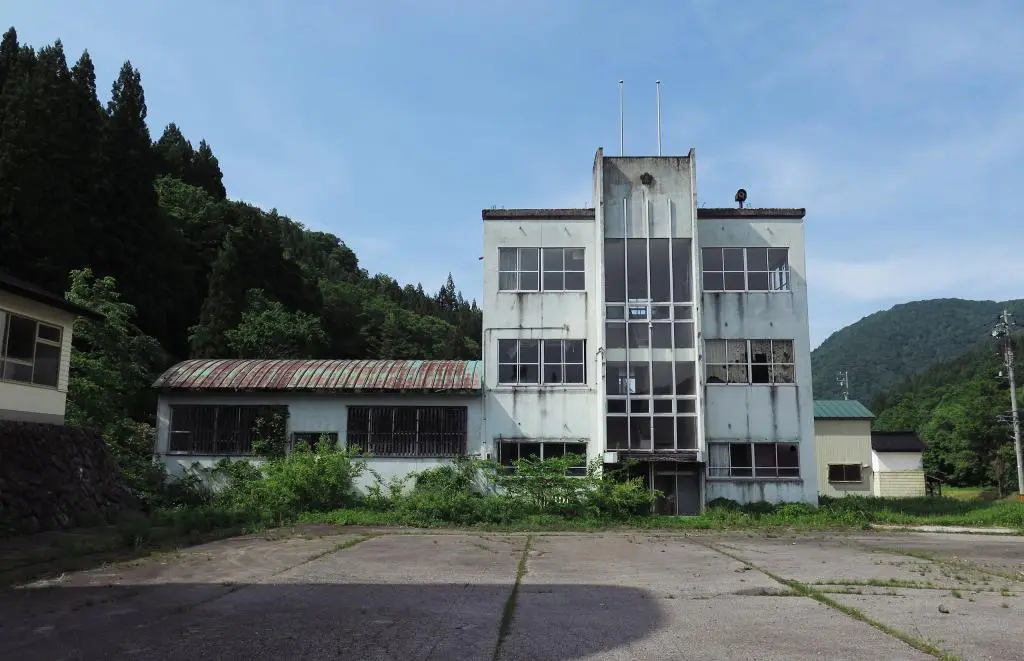
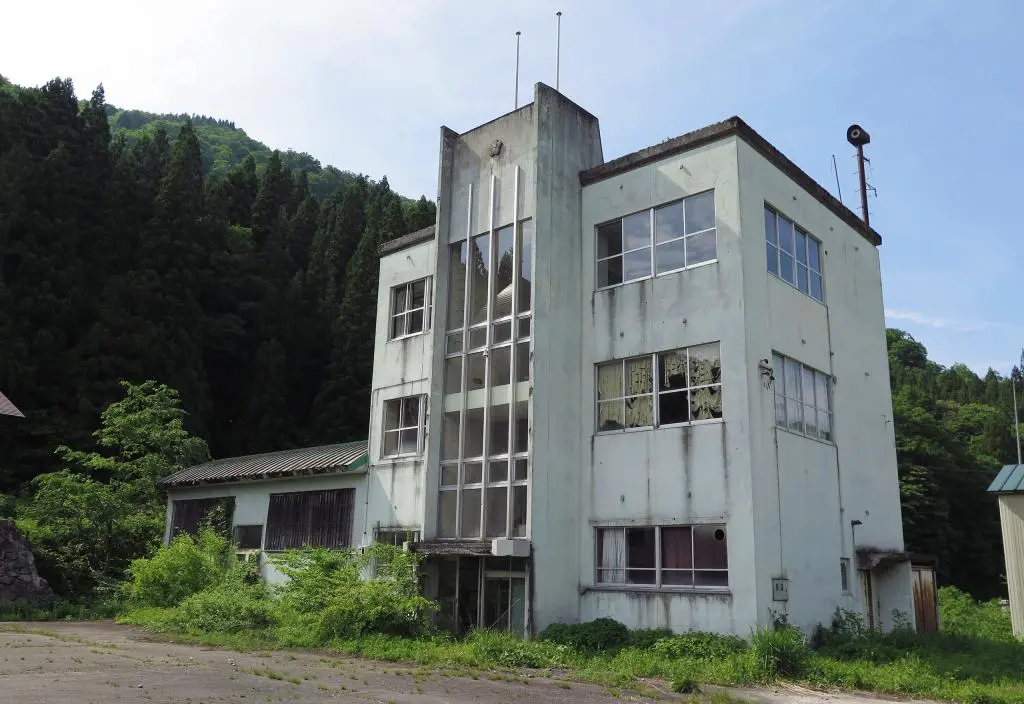
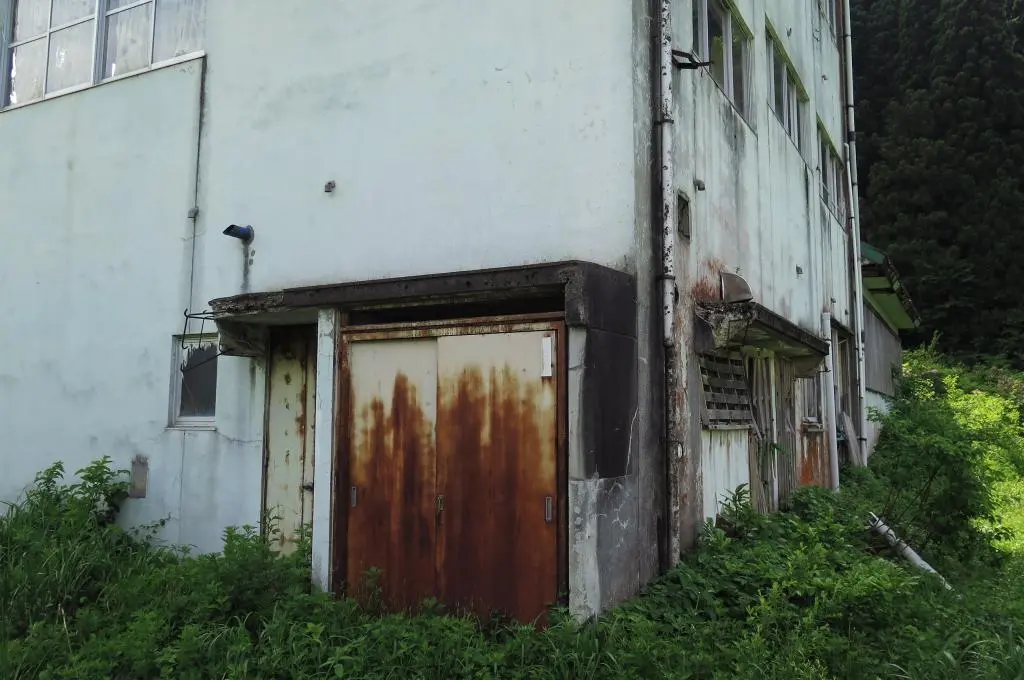
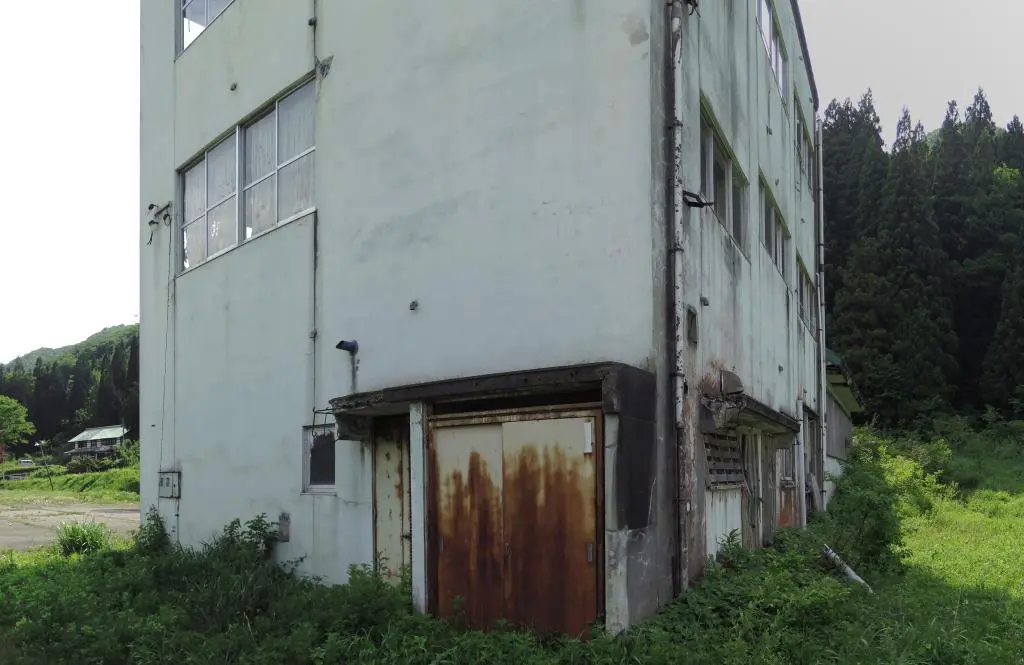
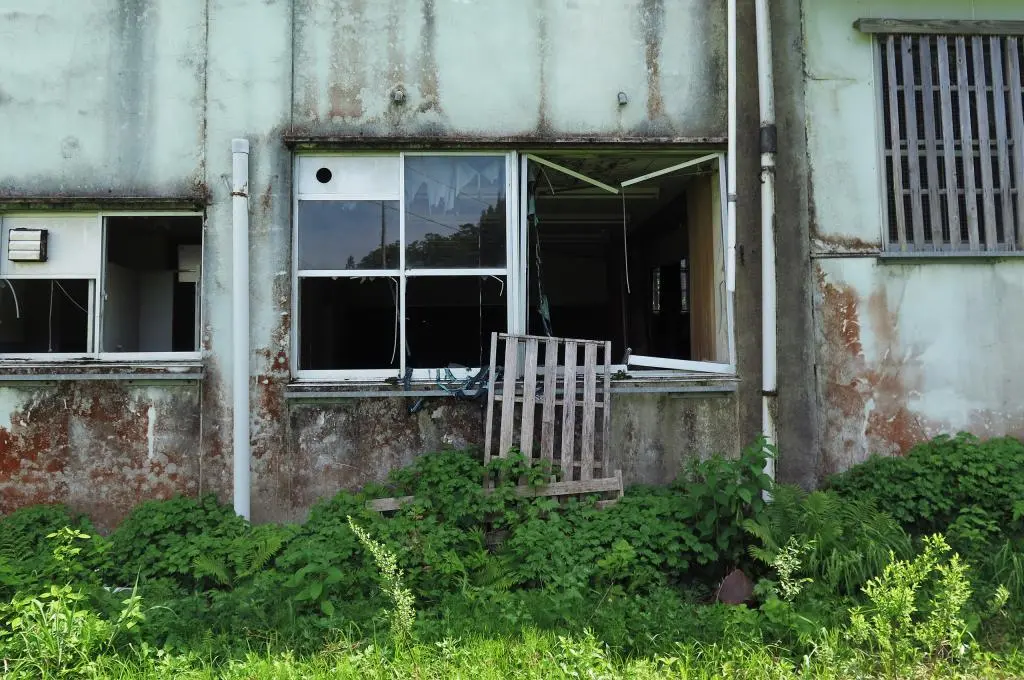
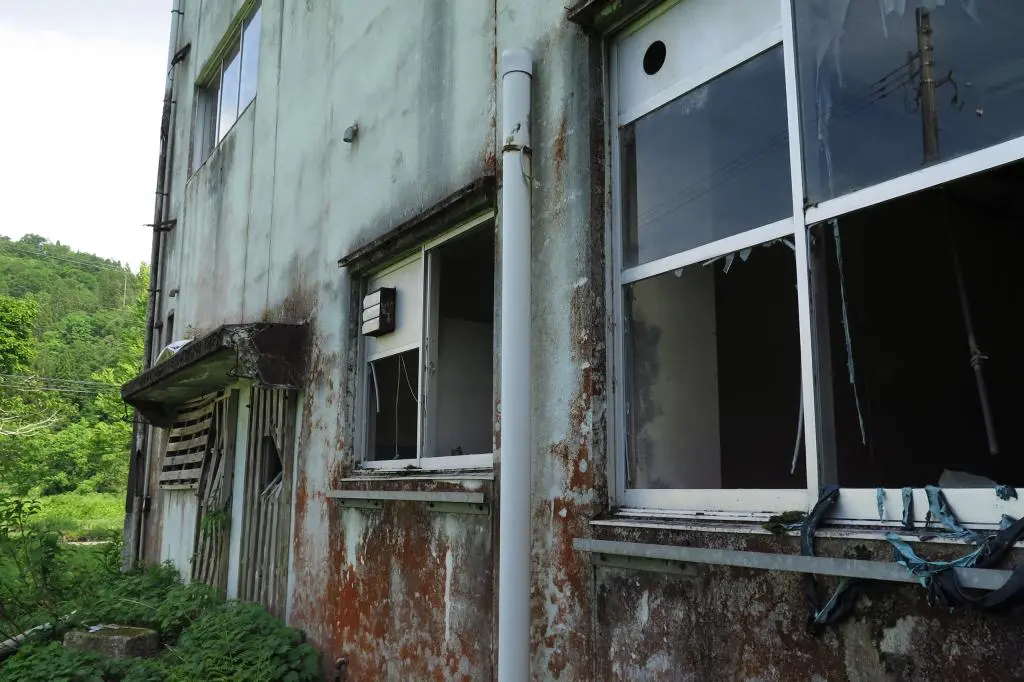
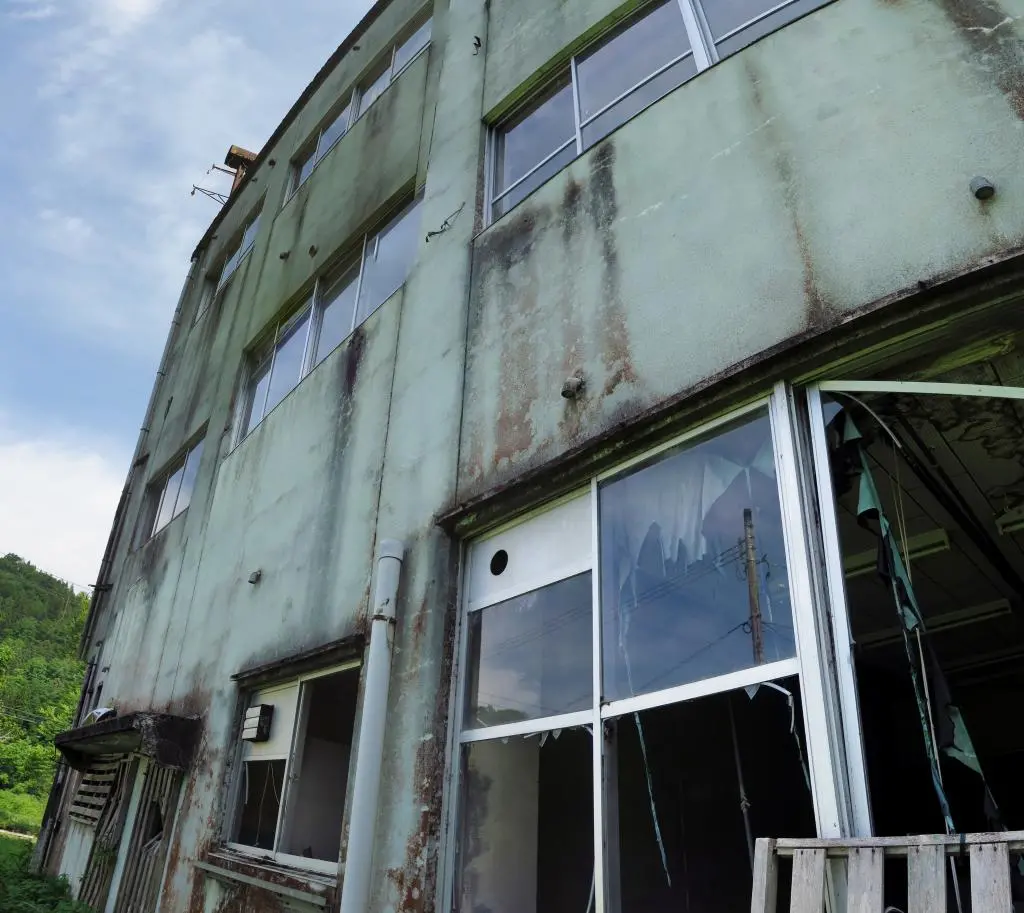
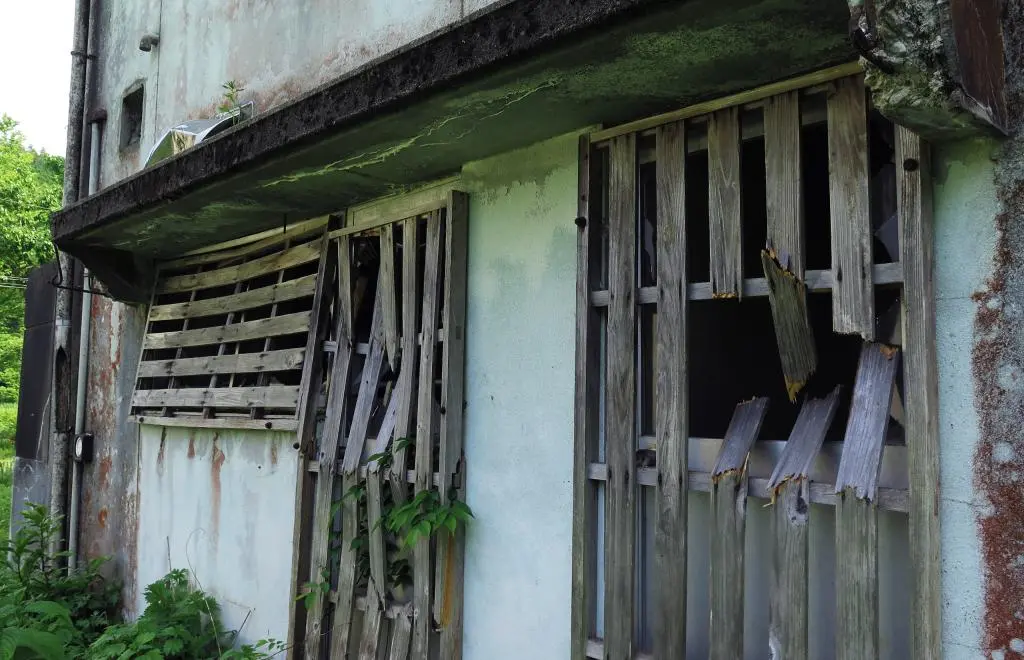
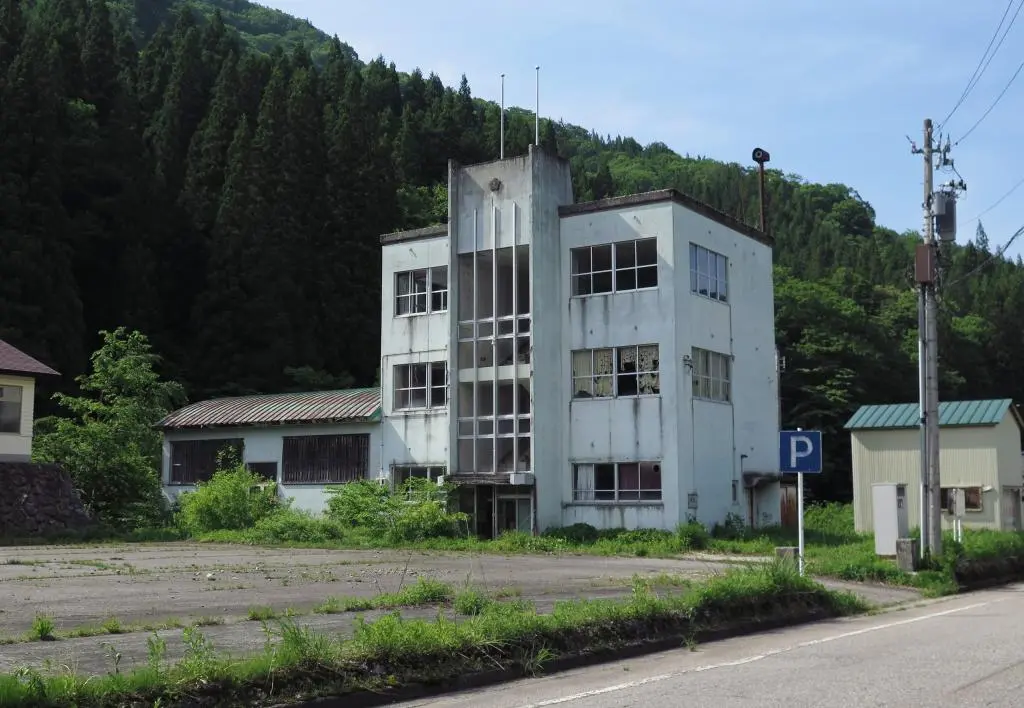
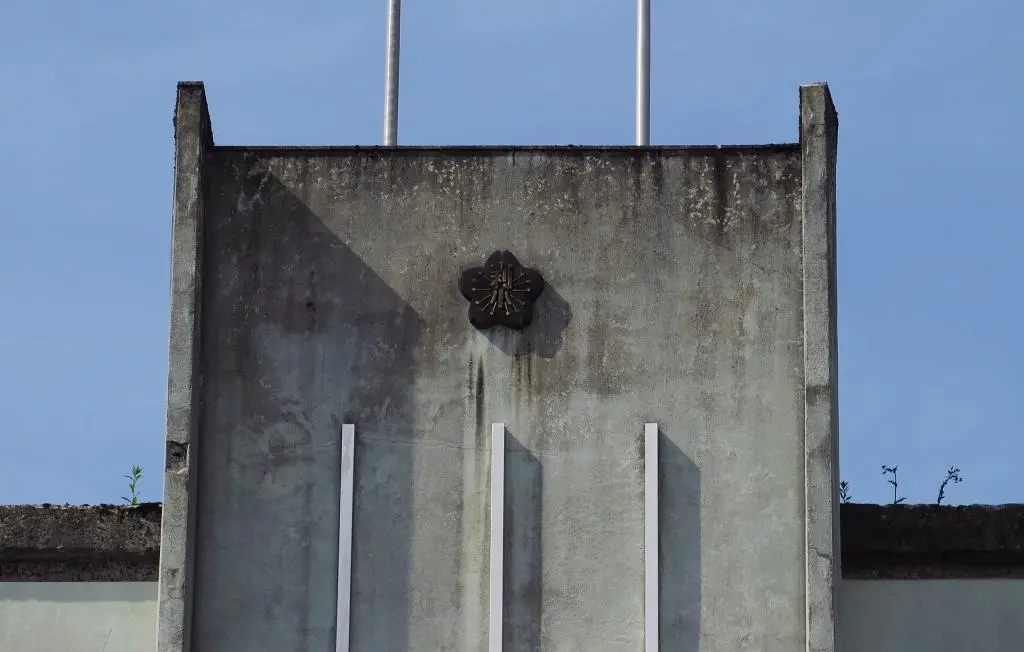
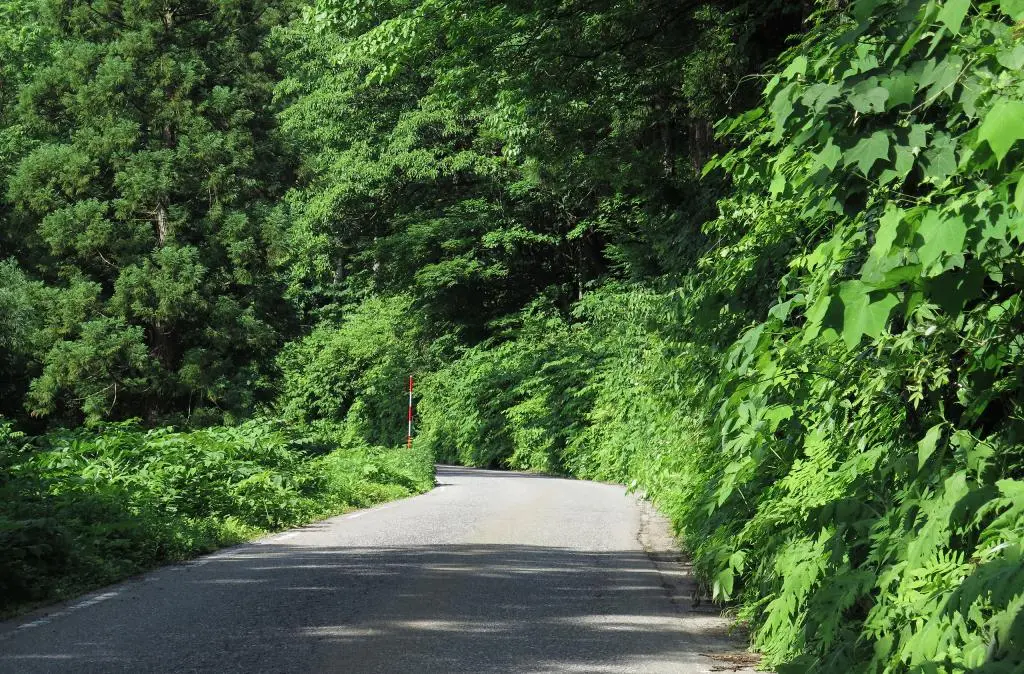
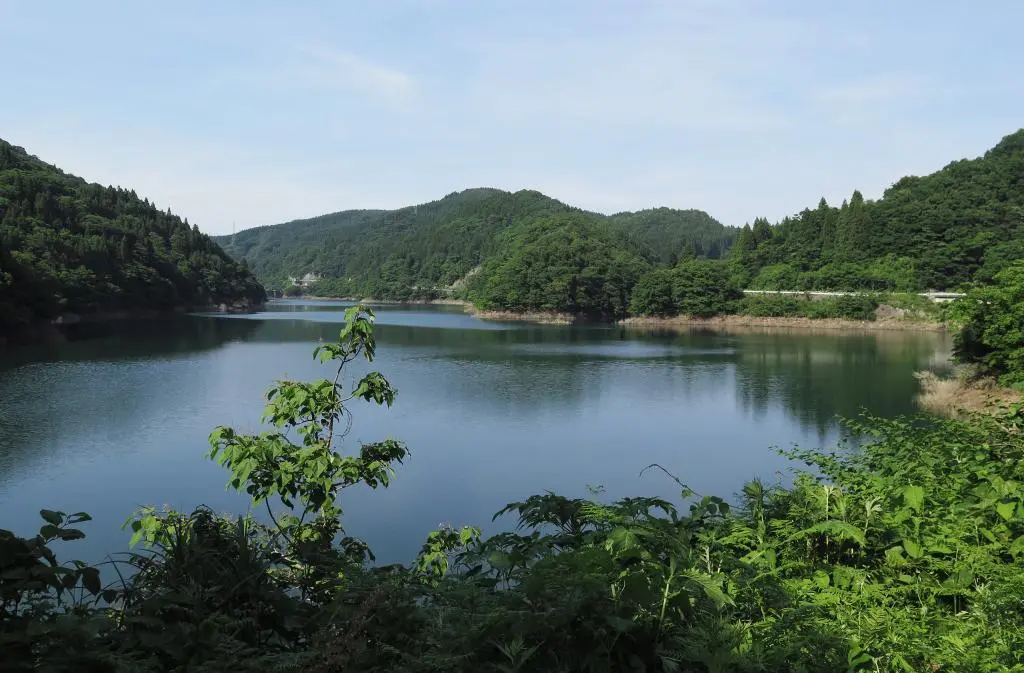
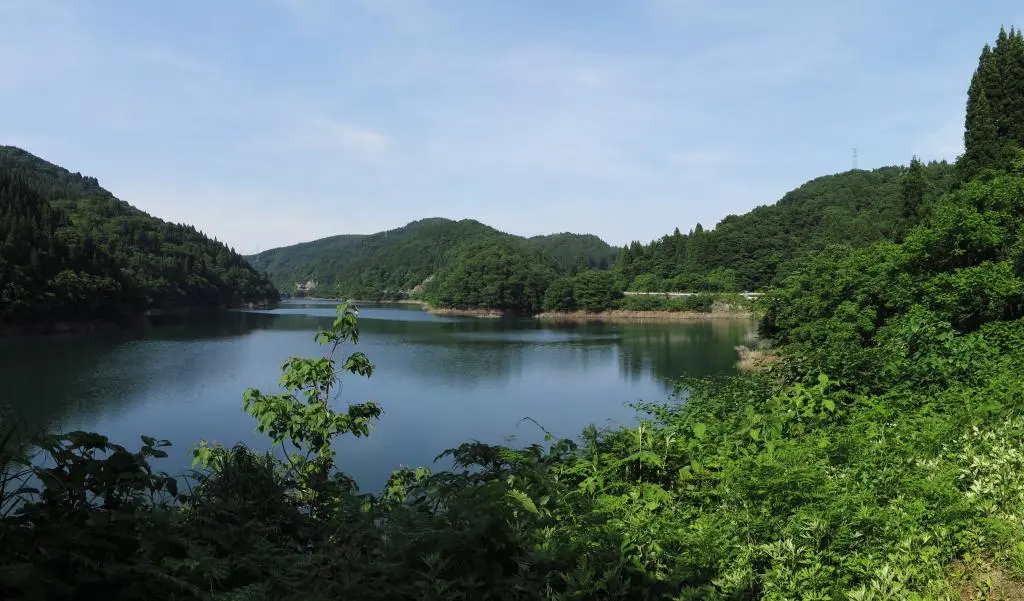
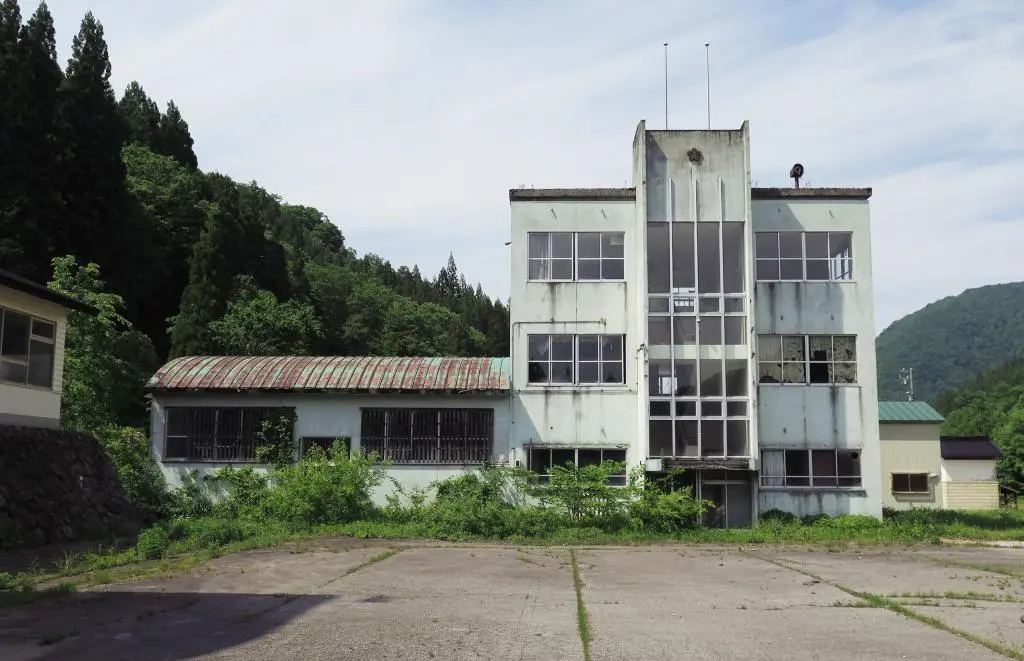
When I first learned about some of the old schools in Toga Valley, Momosegawa Branch School was one of my primary destinations. It is one of the center most buildings in the neighborhood, and it is very prominent along the neighborhood's main road. It's turquoise color makes it very distinct among the other branch schools in Toga Valley, which are the standard slate gray of concrete.
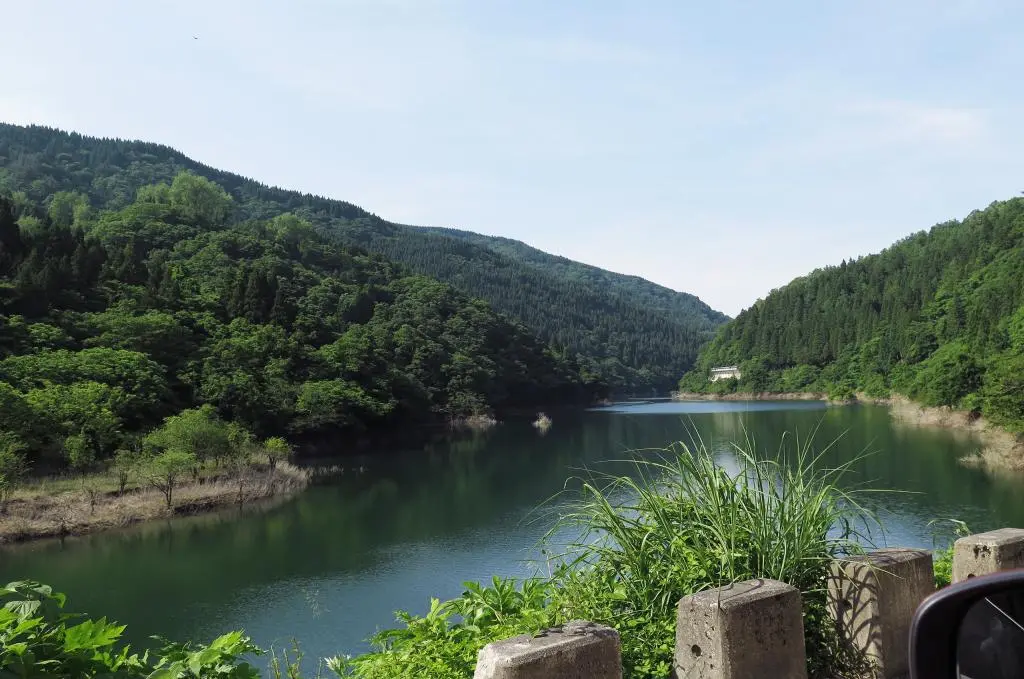
Toga Valley follows Toga River from where it joins Sho River at the base and continues over 40km up the mountains to its source. The overall area had historically been very poor for farming because of its deep forests and rocky cliffs.
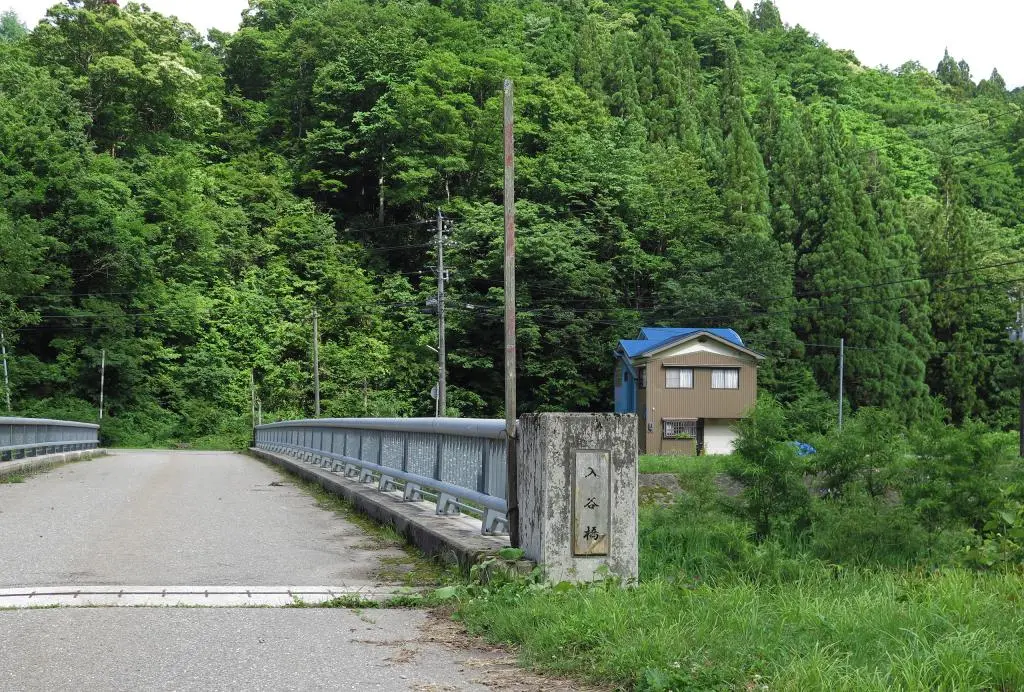
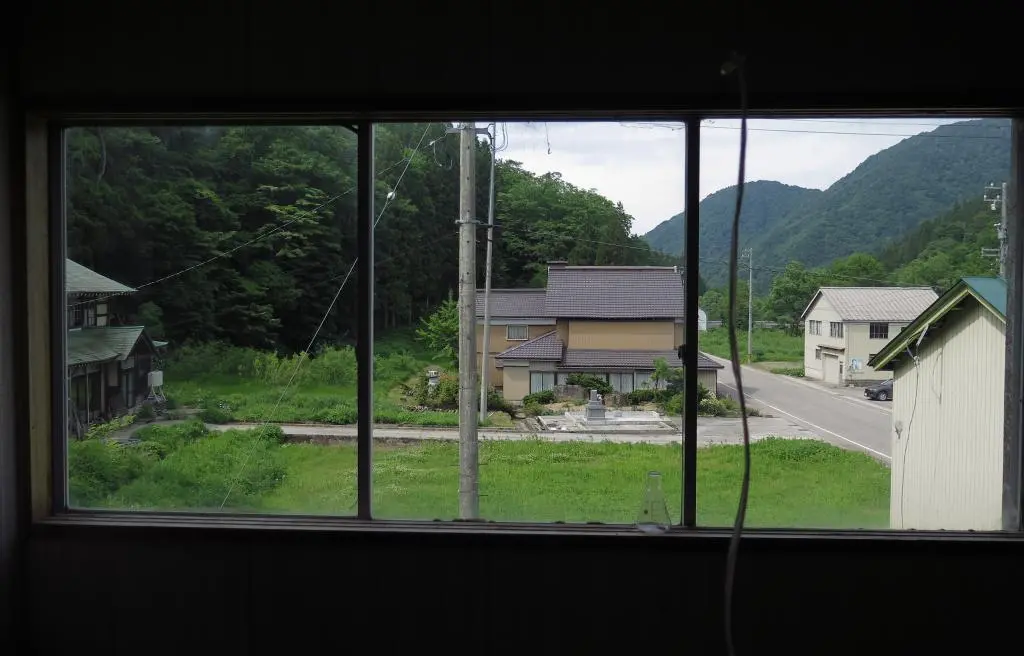
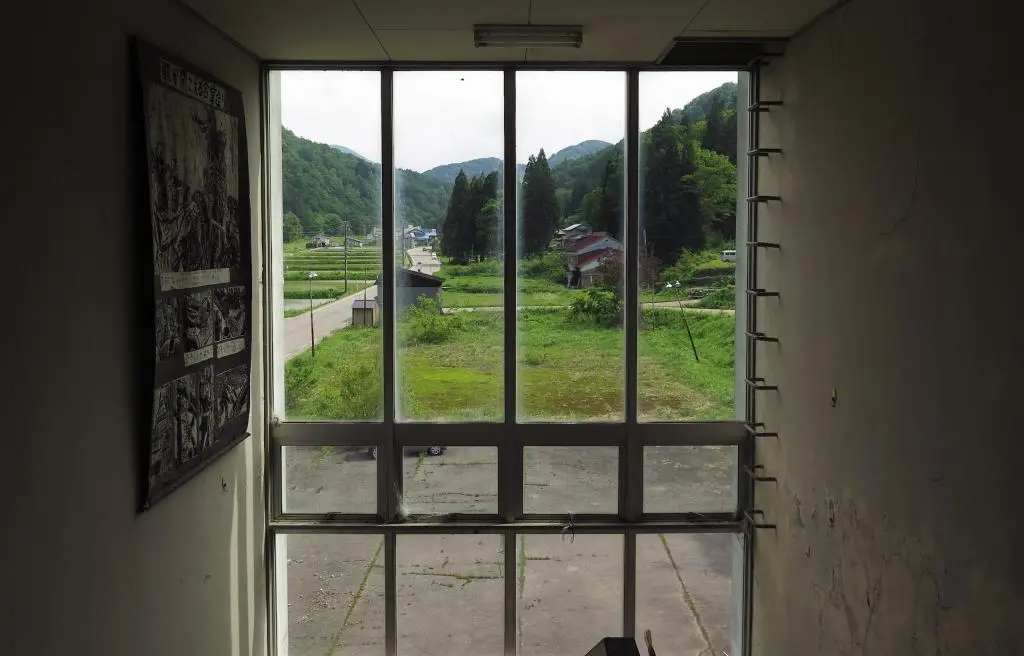
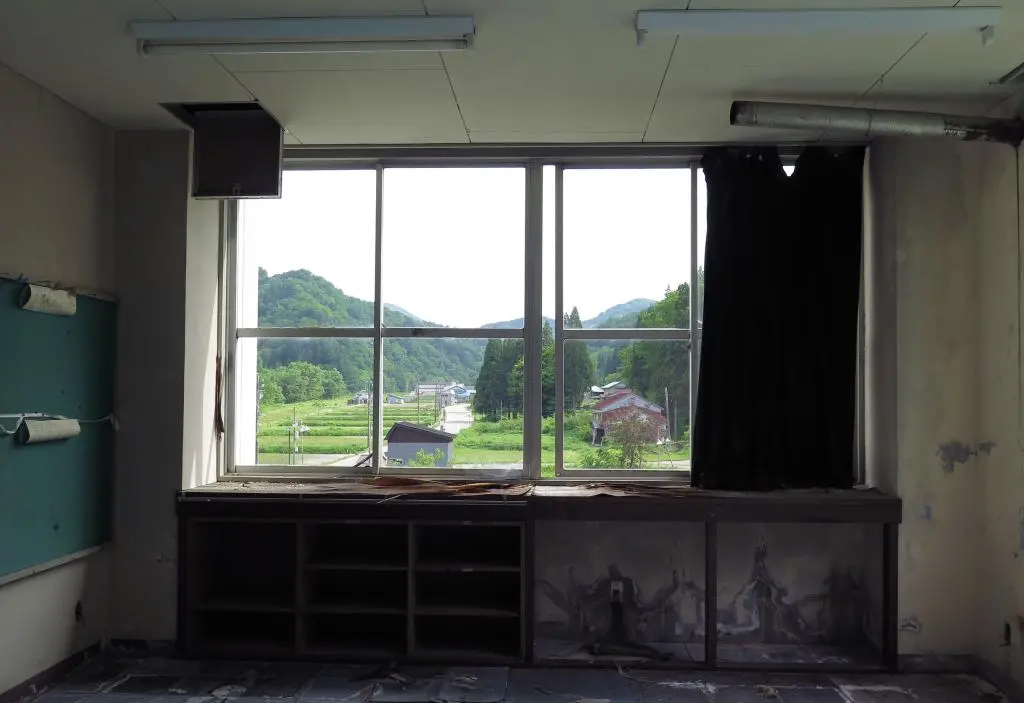
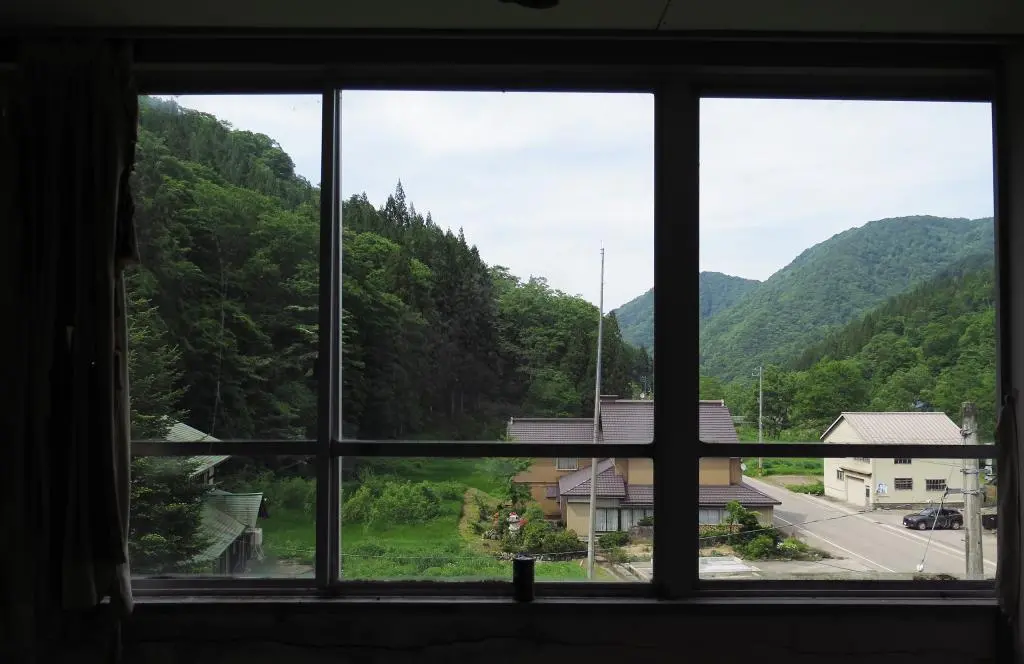
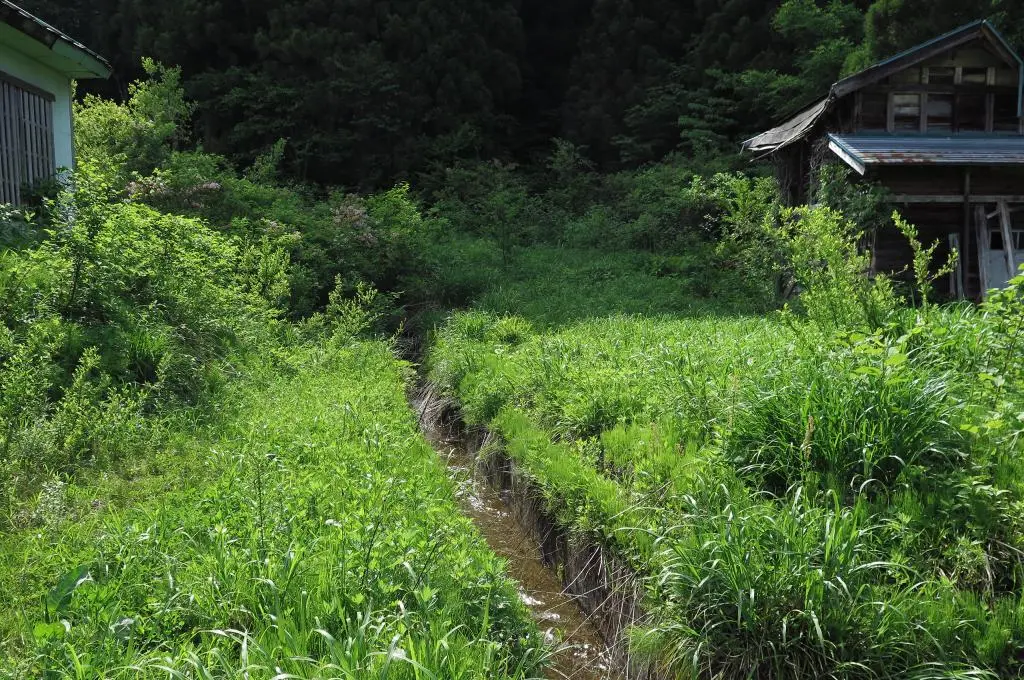
Momosegawa was different. It is about 1km away from Toga Village at the center of the valley, but it's not along Toga River. You must travel over the mountain to the east. When early settlers did this, they found a long stretch of plains with fertile land perfect for farming. Most of Toga Valley's rice production came from this area.
Naturally people lived here, and naturally their kids needed a school. They couldn't be expected to force their little kids up and over the mountain every day, so a branch school was constructed sometime in the 20s and 30s. I don't have the exact date.
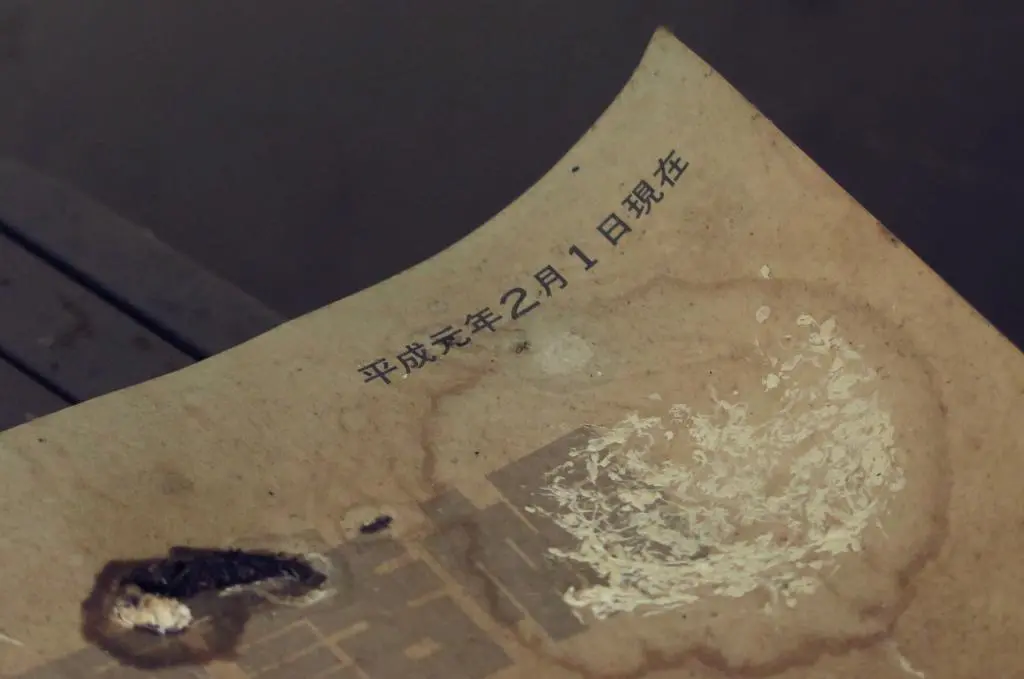
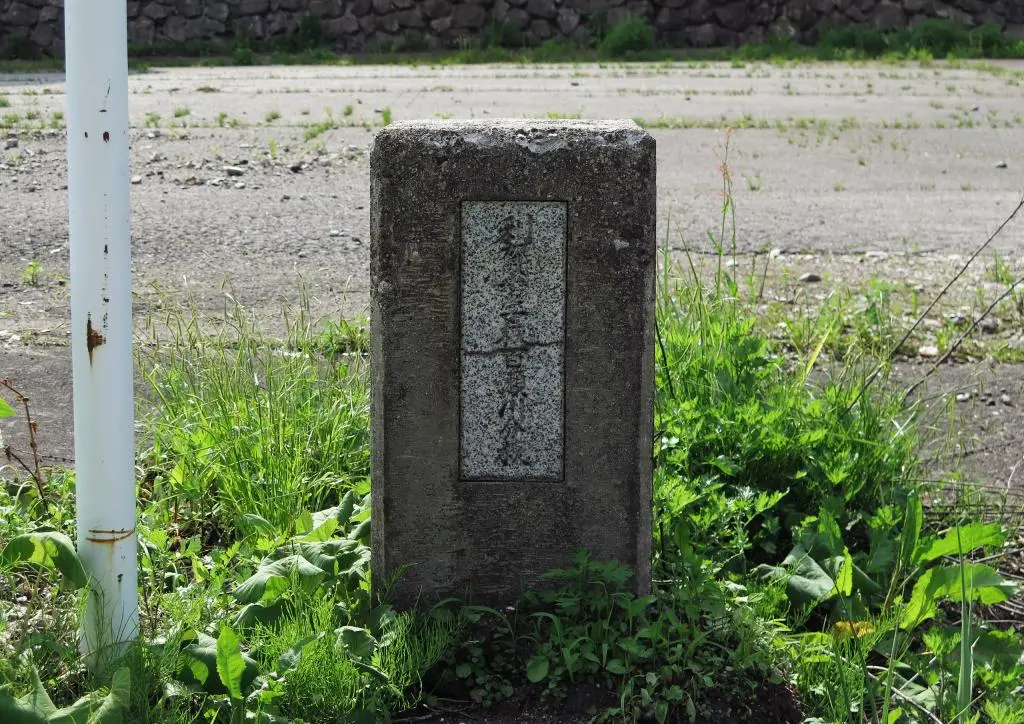
In the beginning, it was a wooden building built on the northern end of the neighborhood. Then in 1971, construction for the current turquoise building was complete, and the school was opened. It continued in operation until 1989, the first year of Heisei. Then it was officially fully closed in 1996 with all the other extra schools in Toga.
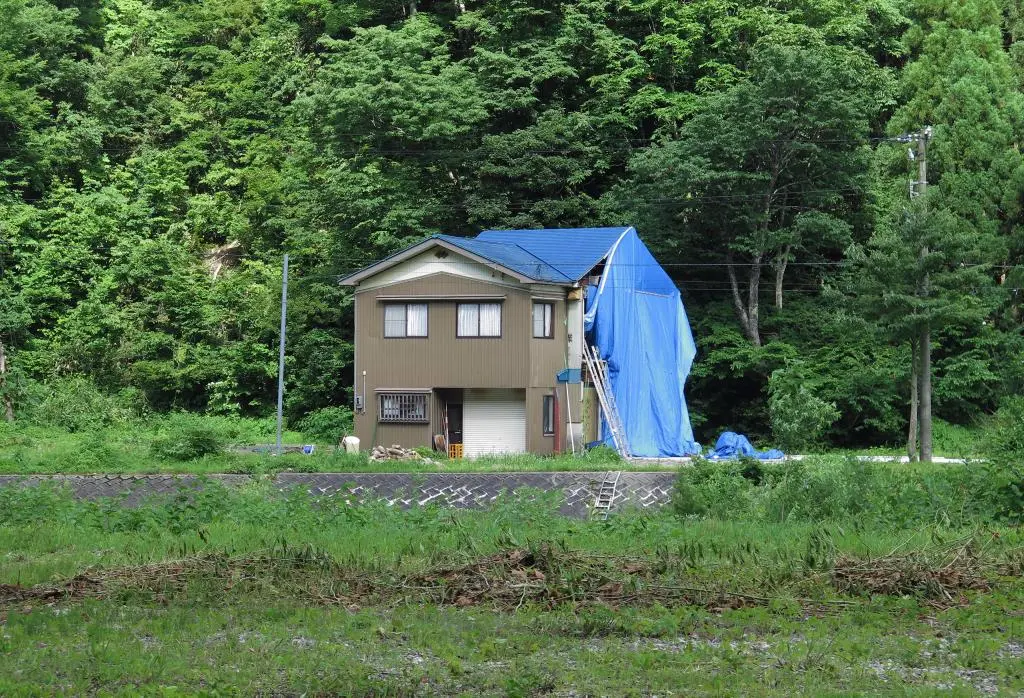
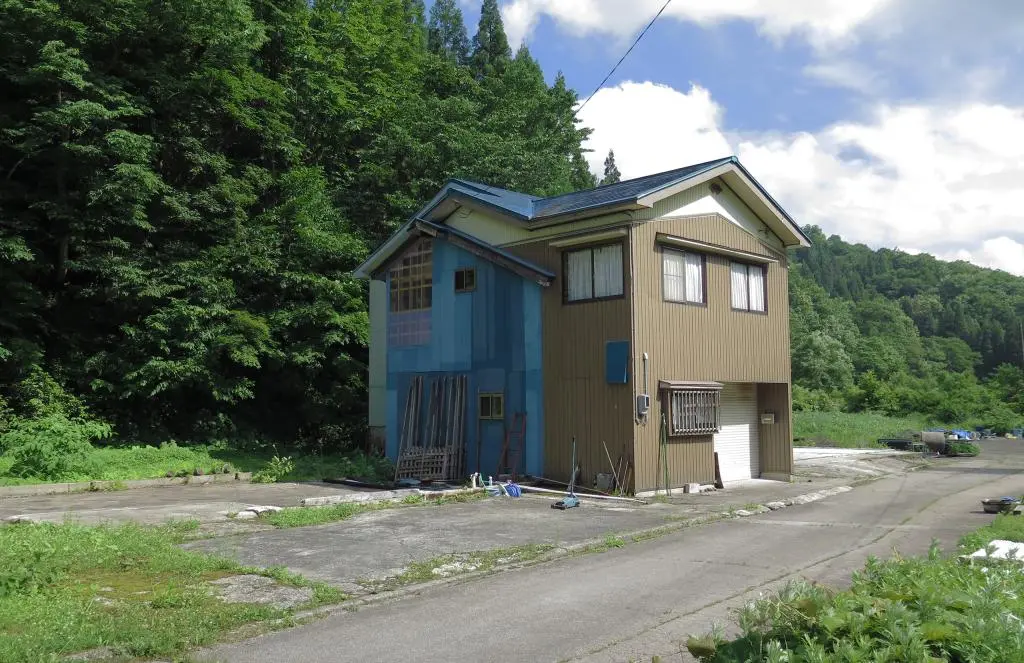
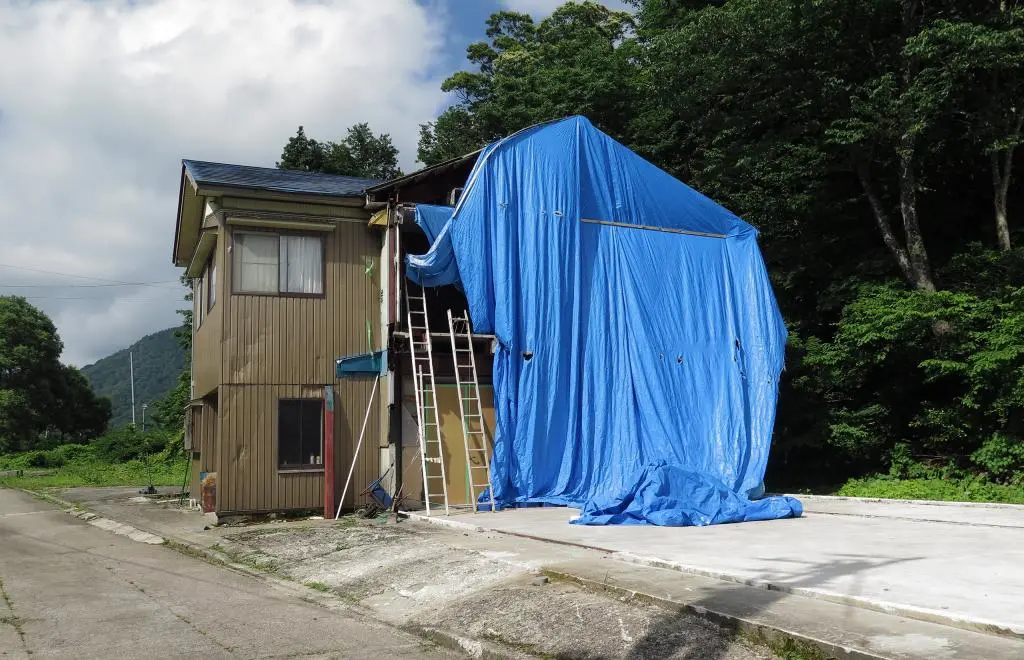
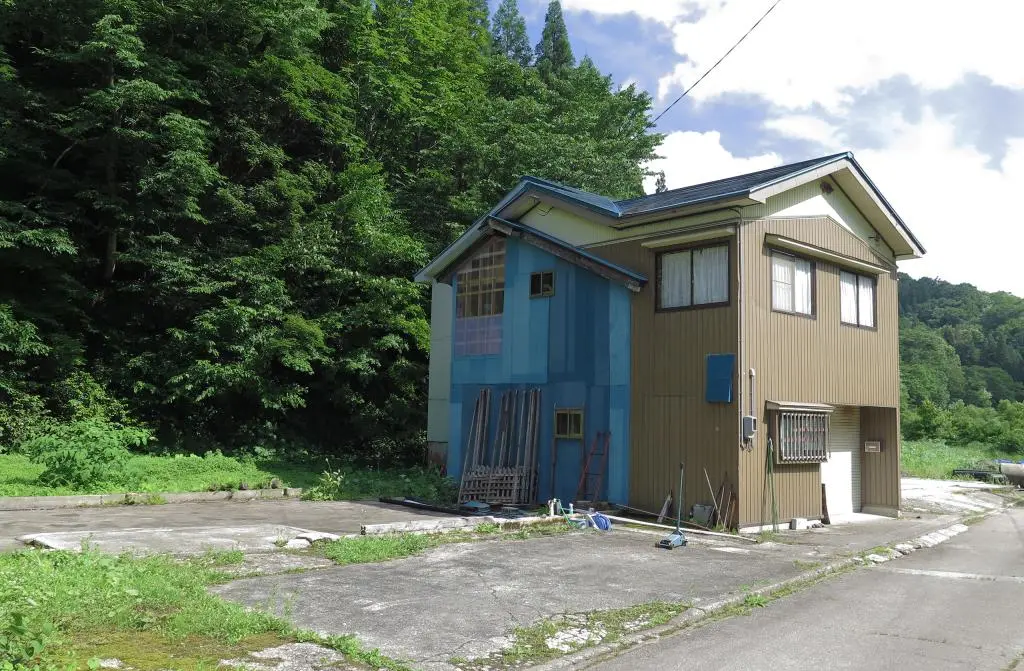
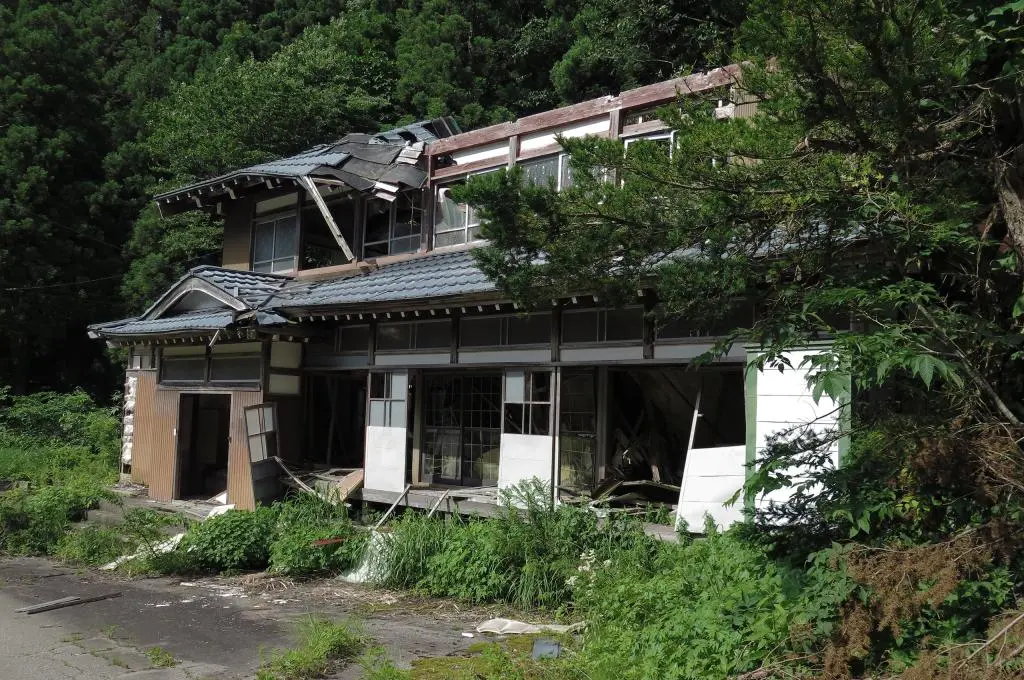
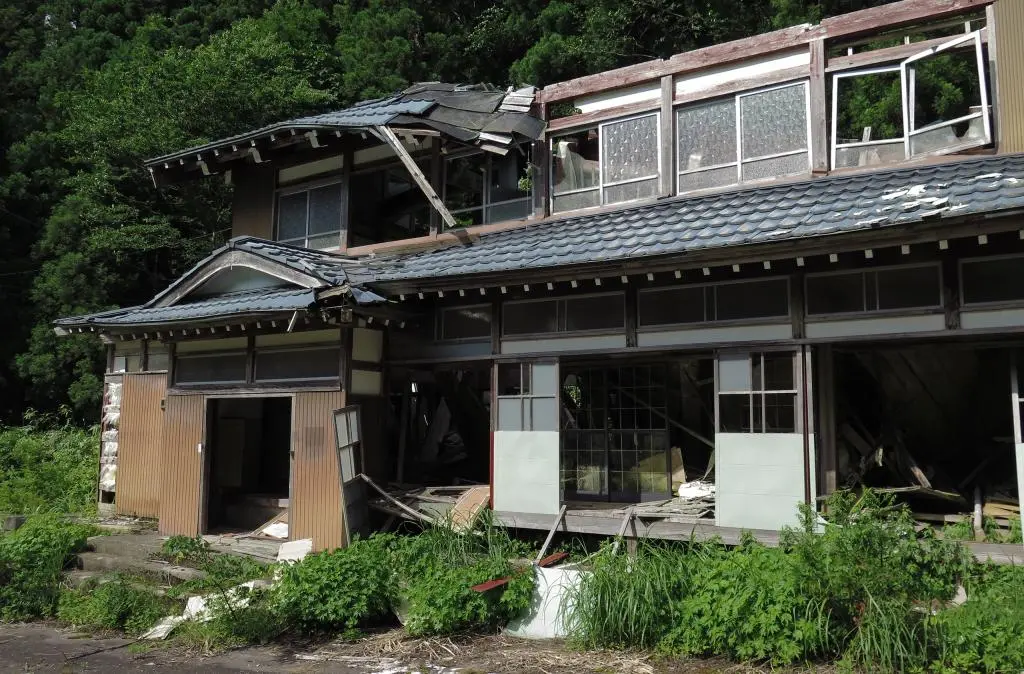
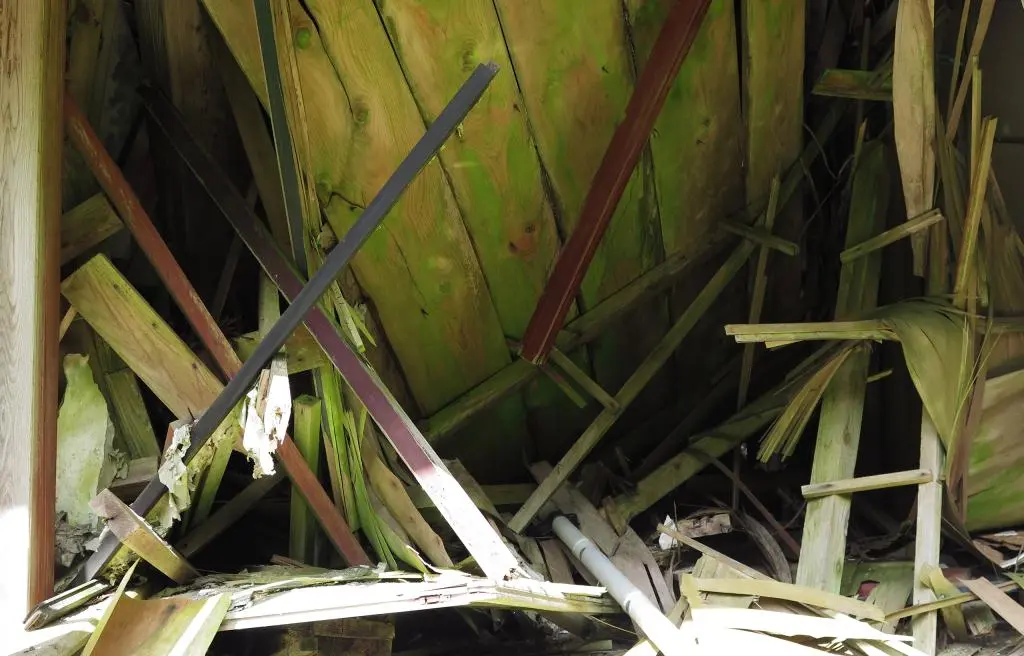
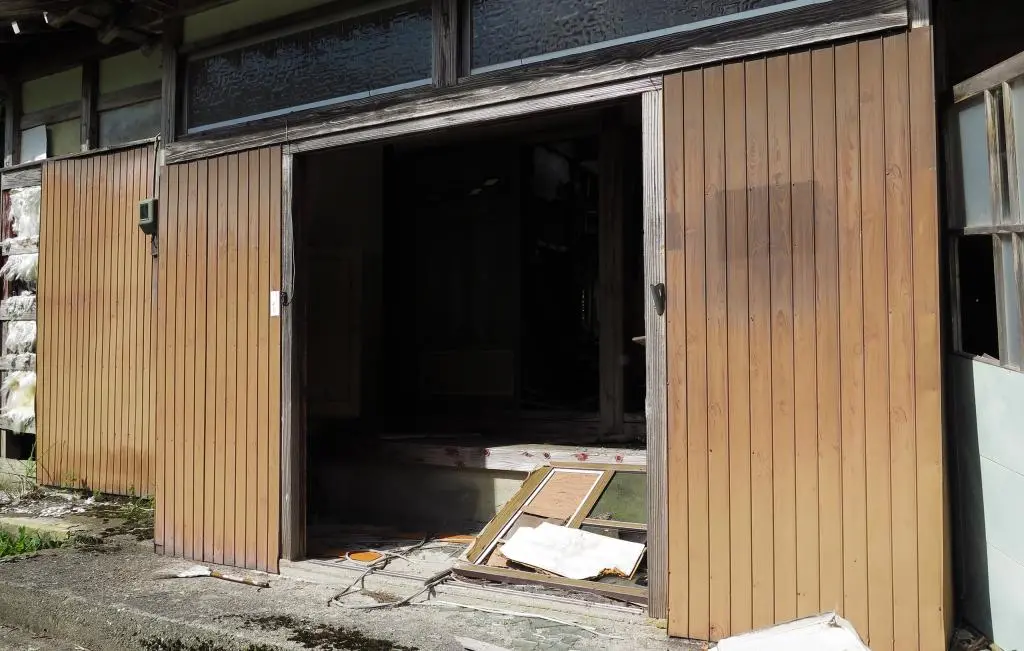
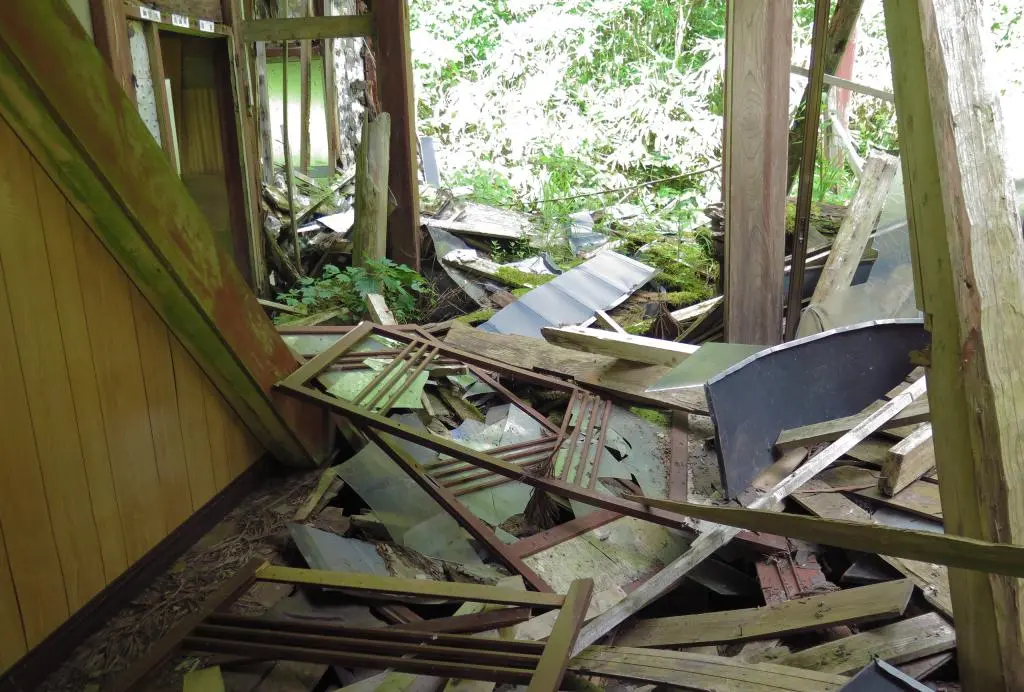
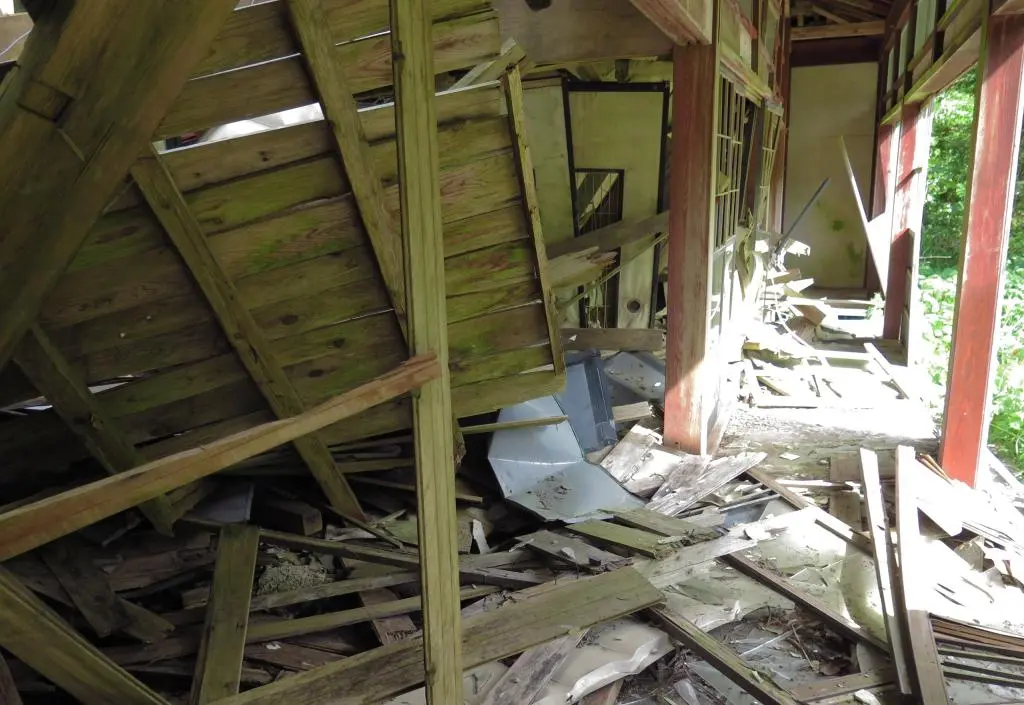
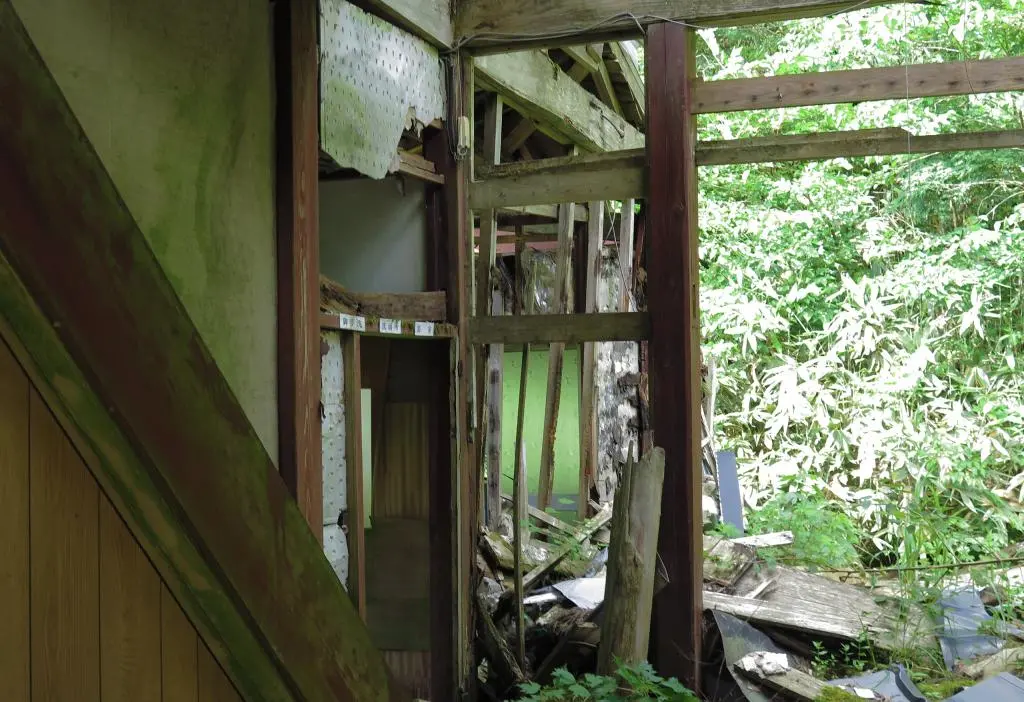
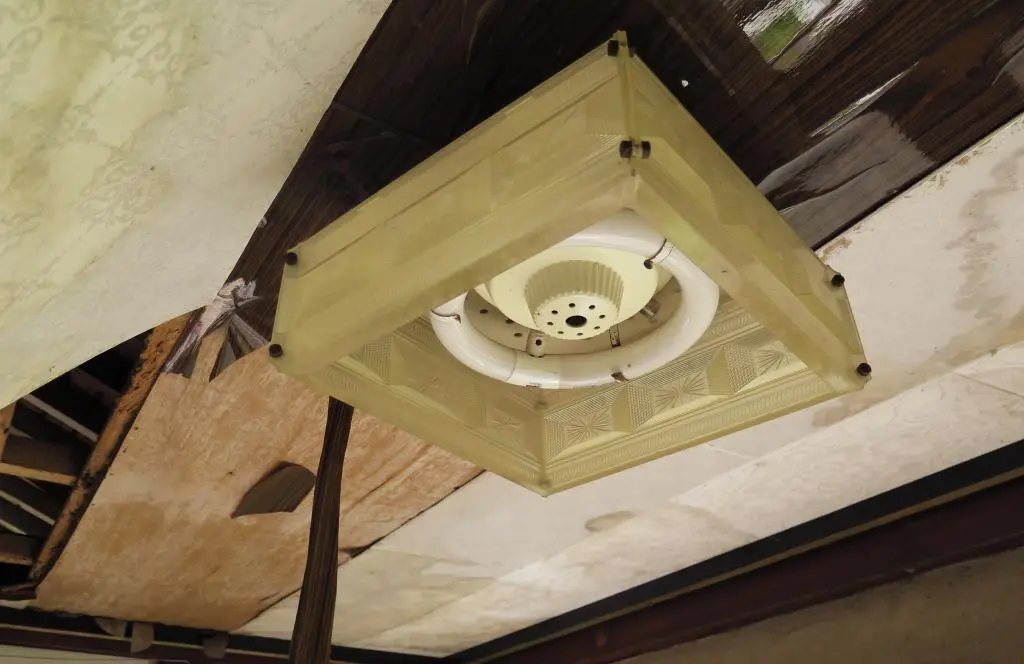
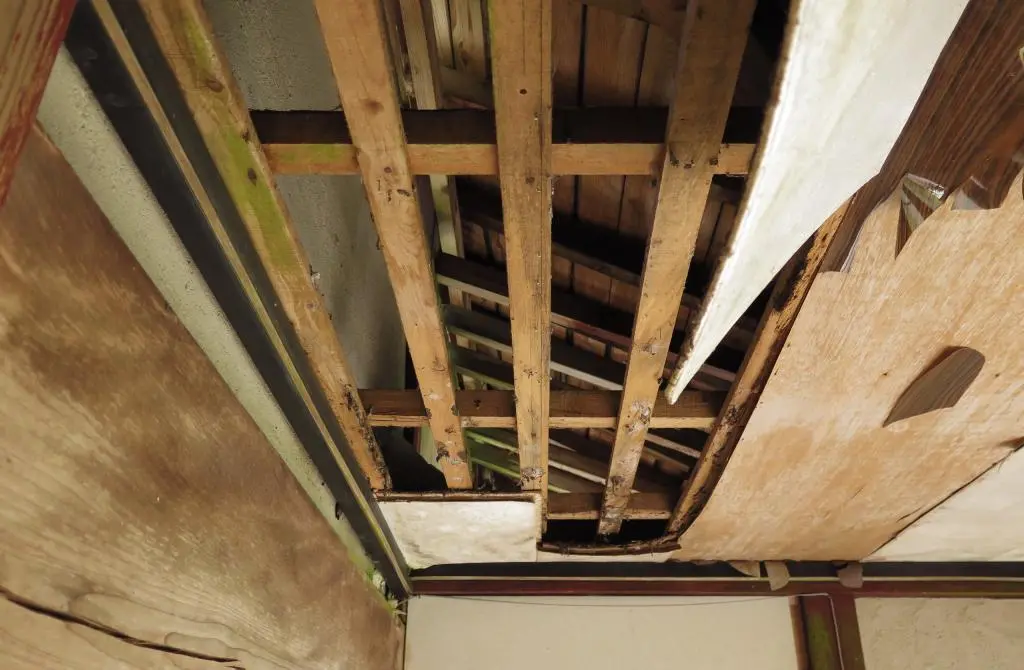
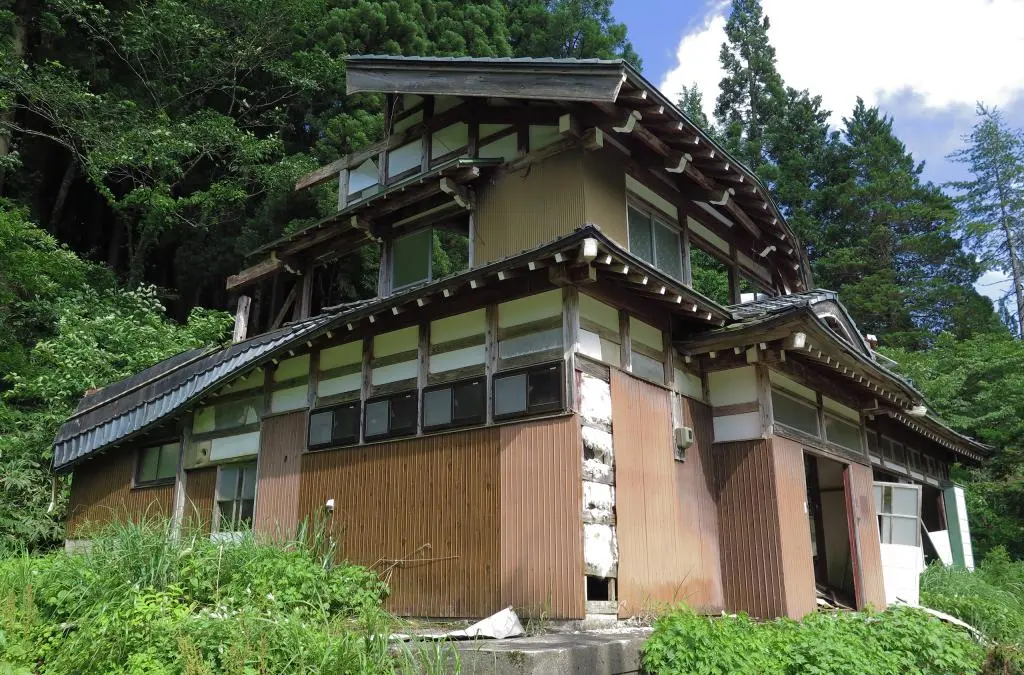
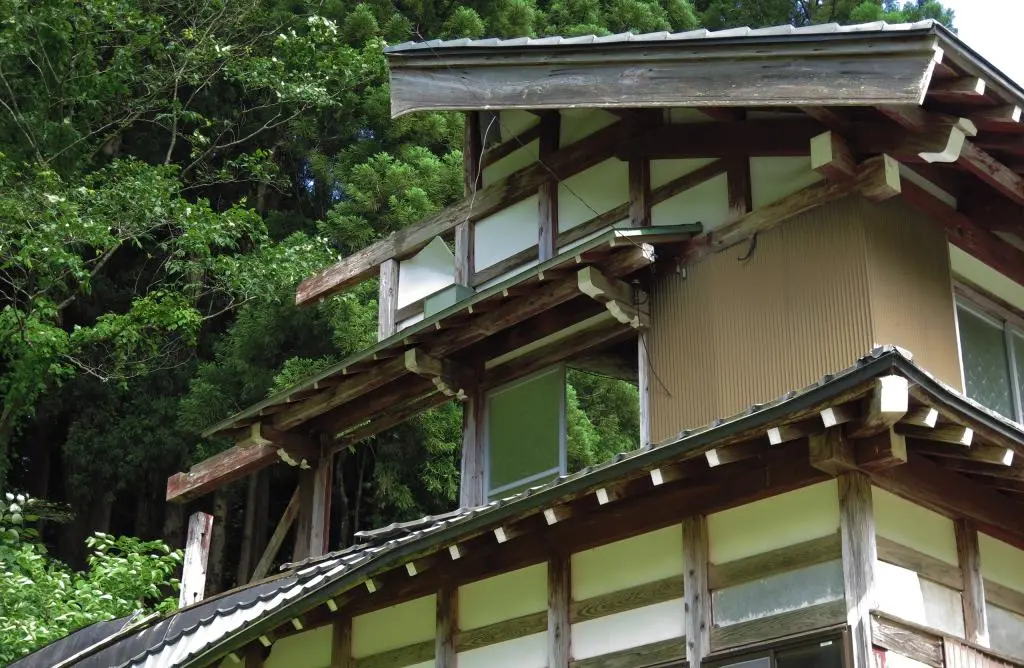
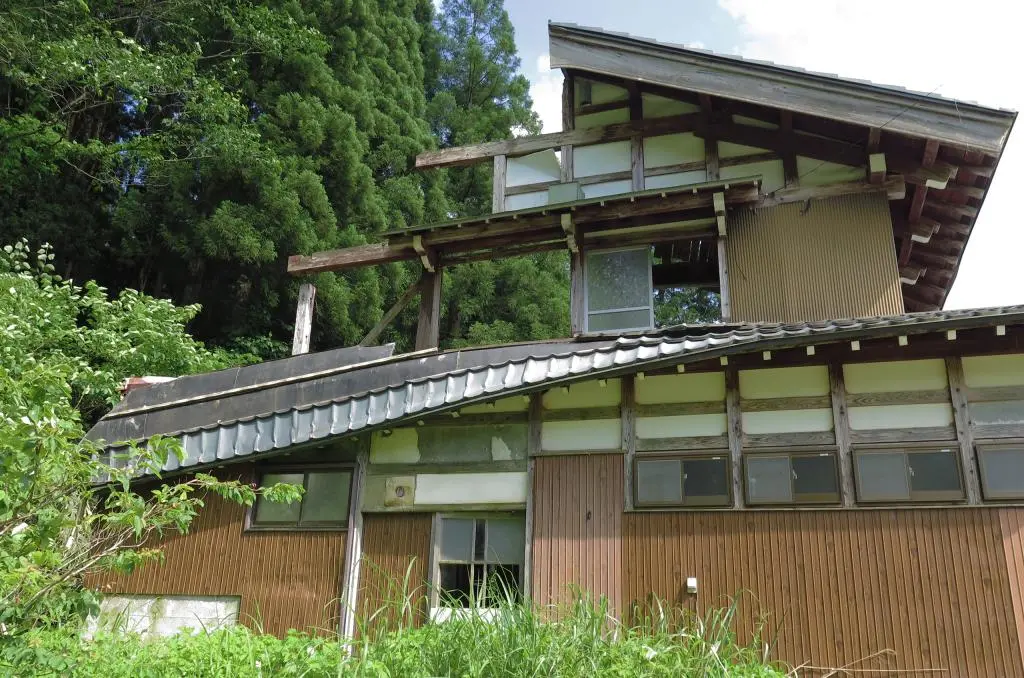
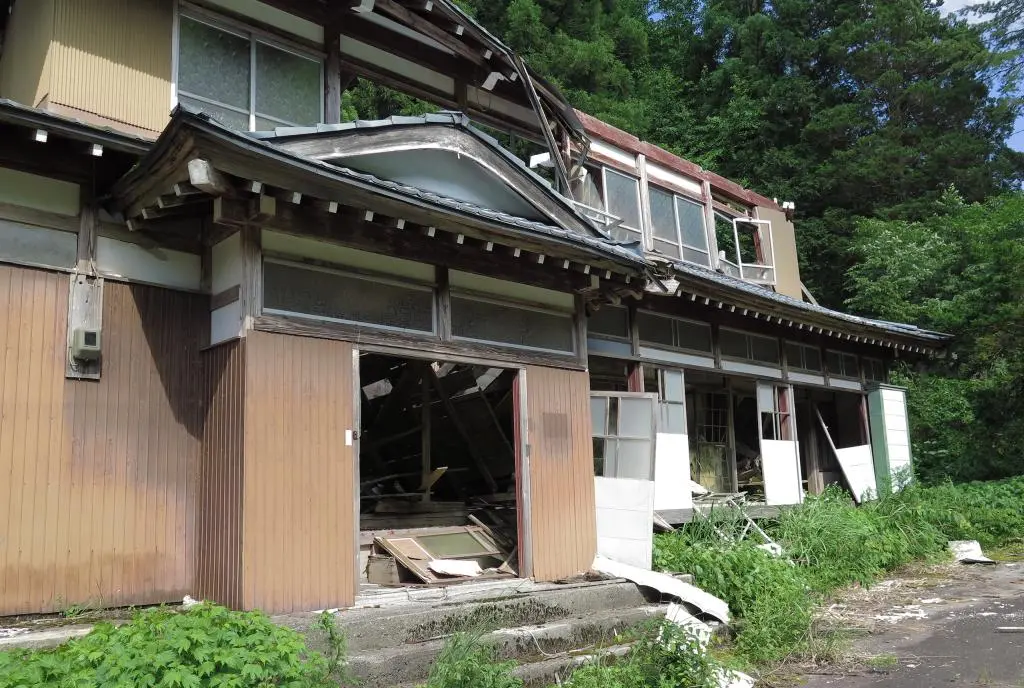
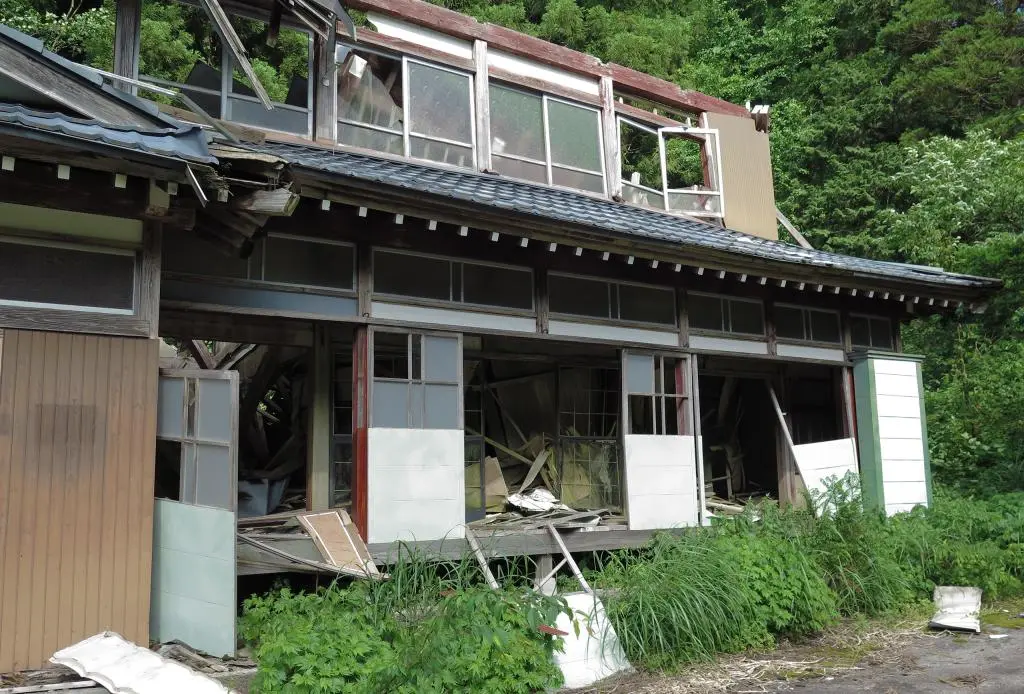
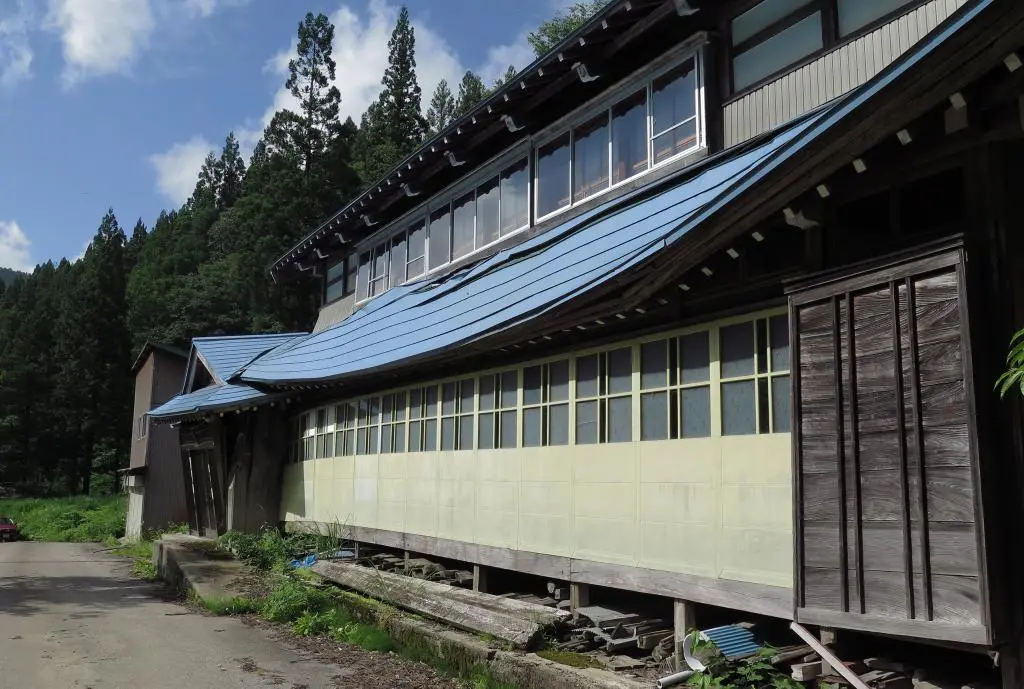
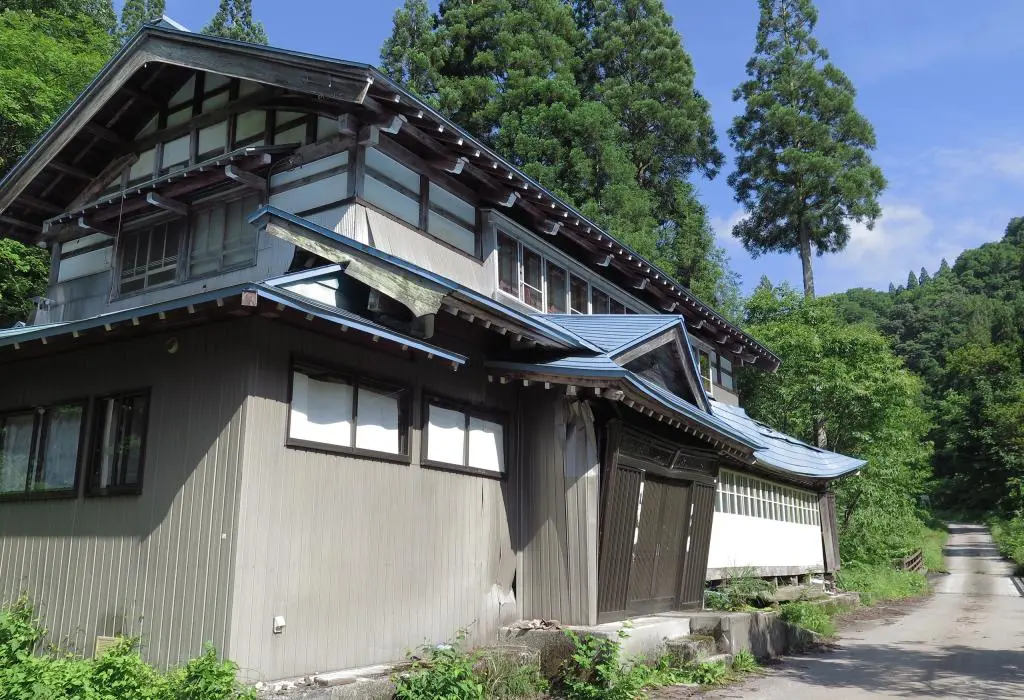
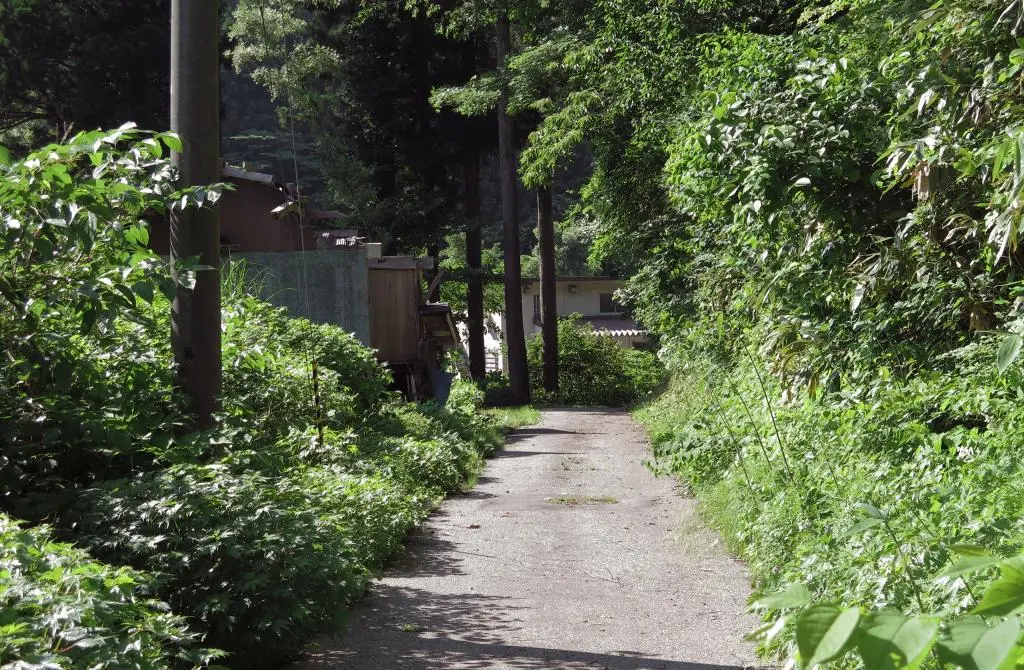
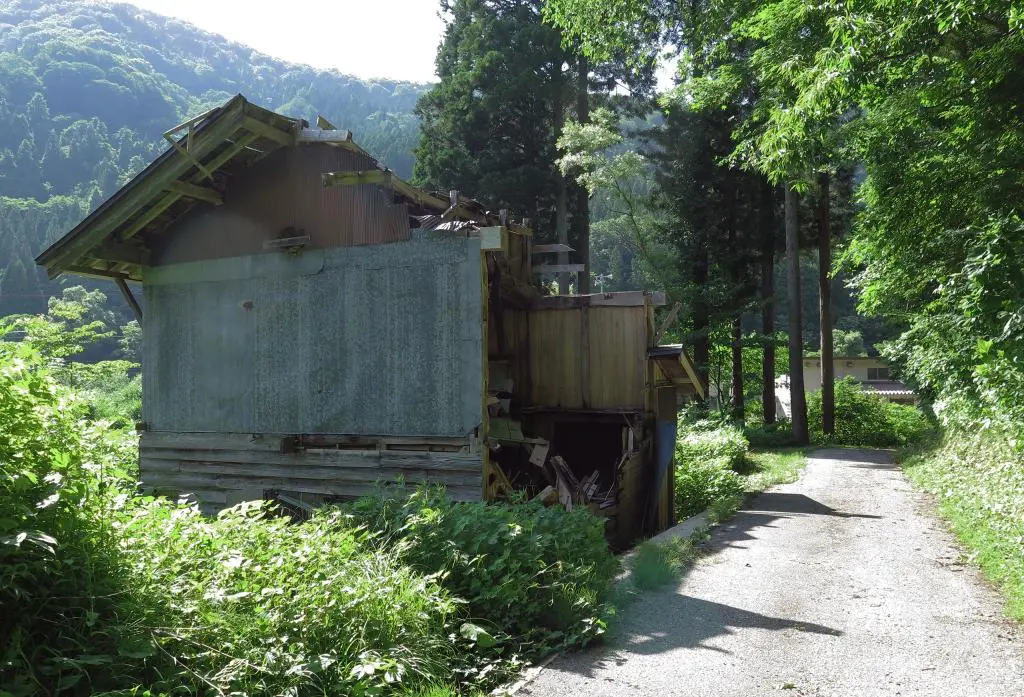
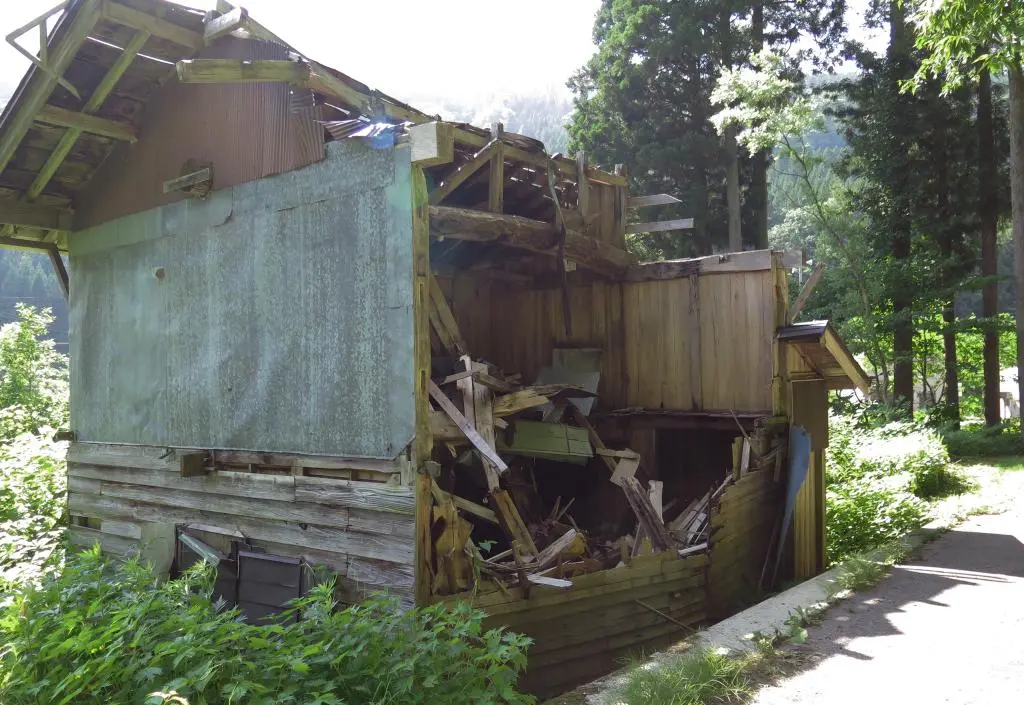
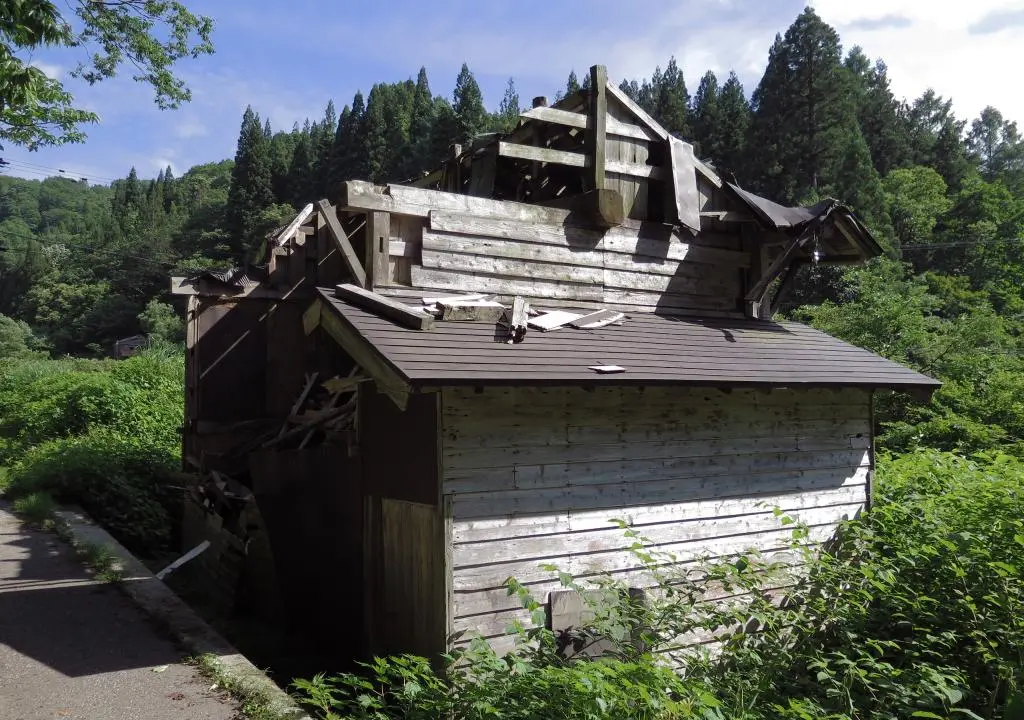
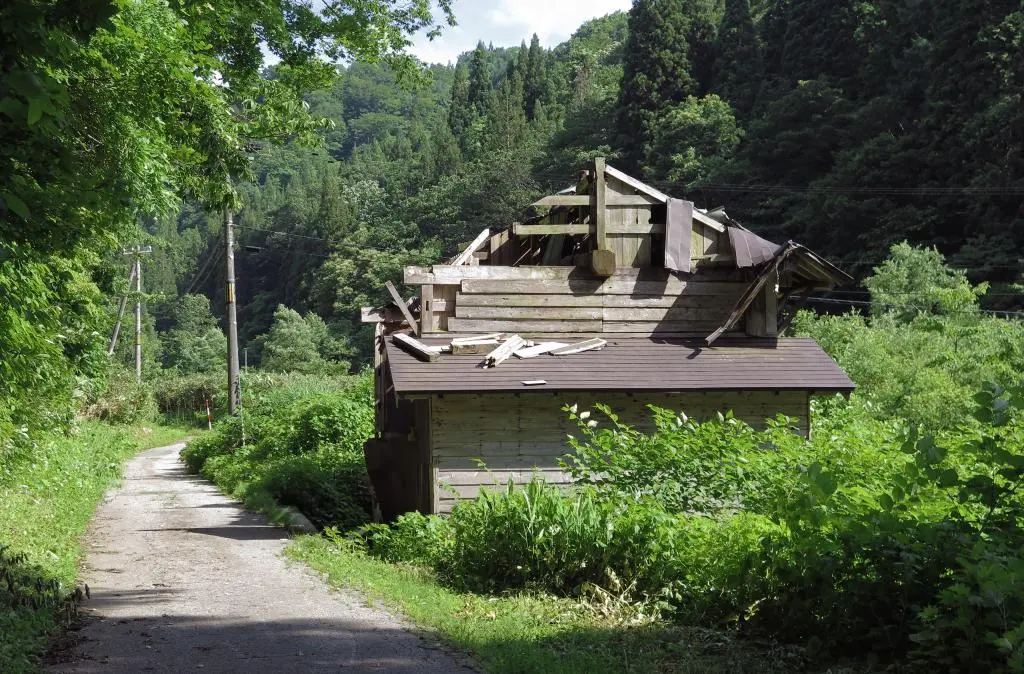
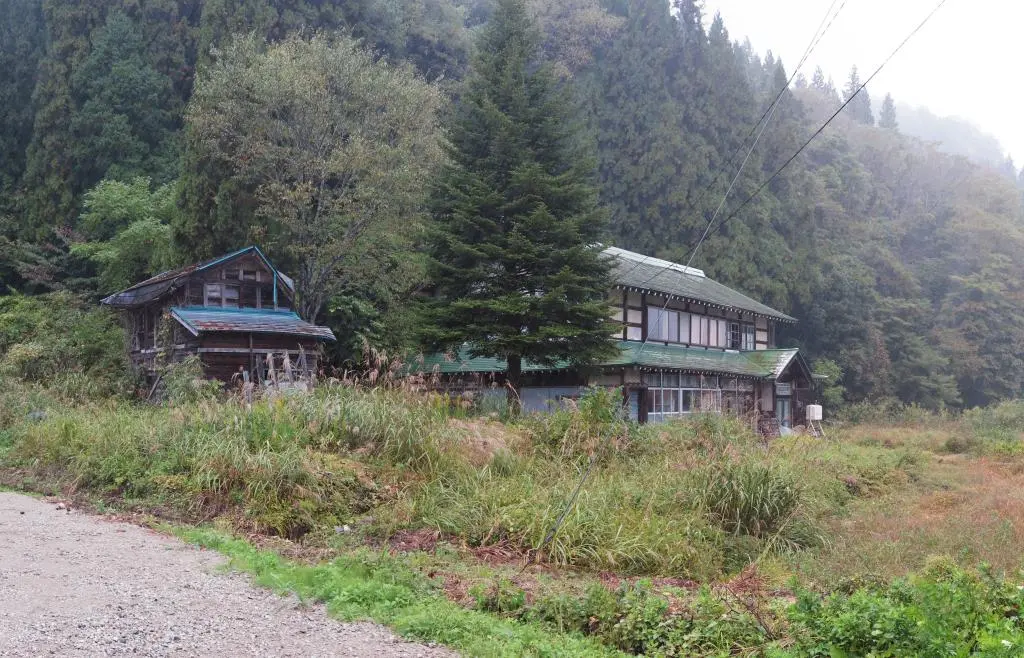
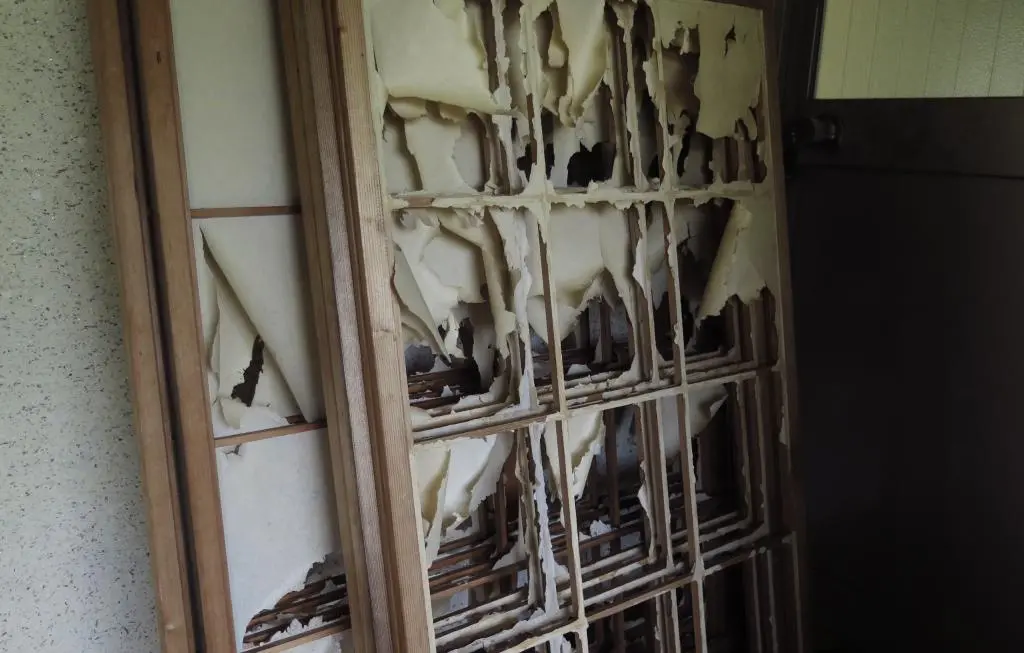
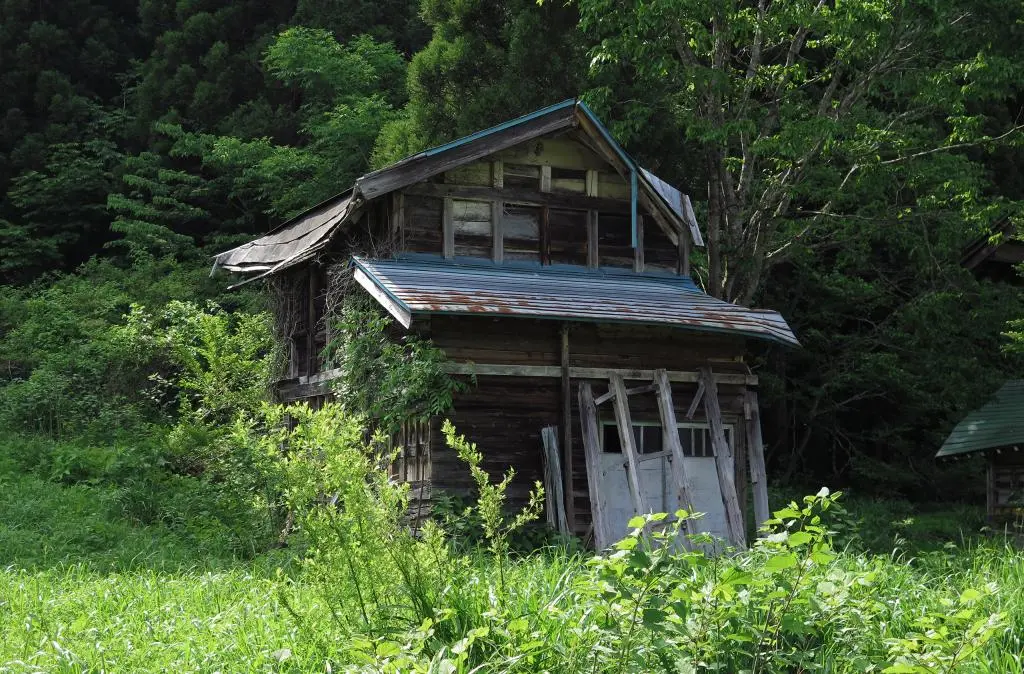
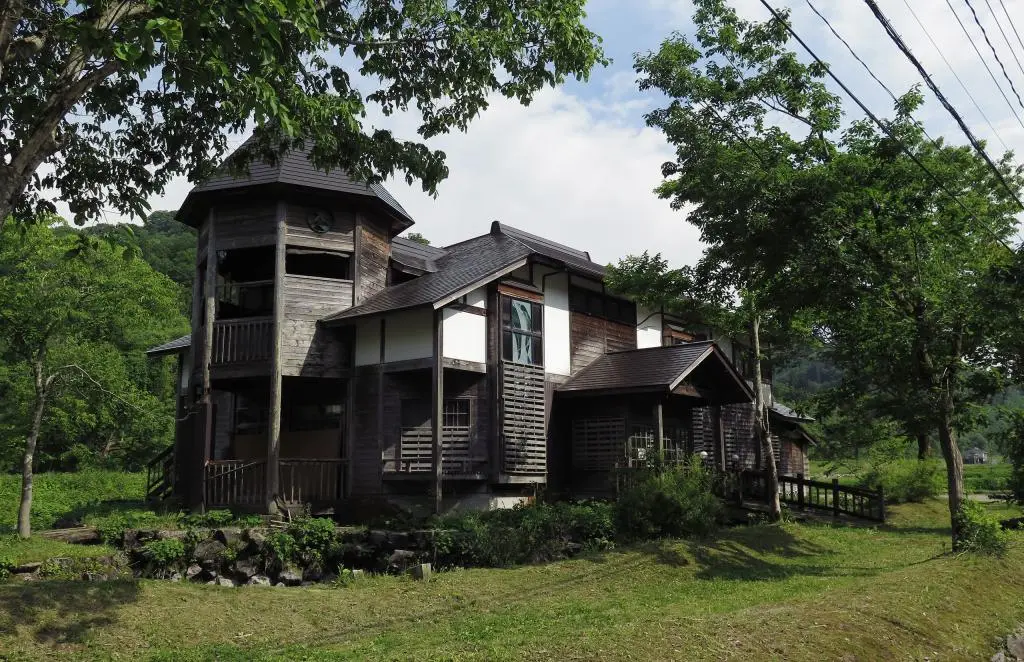
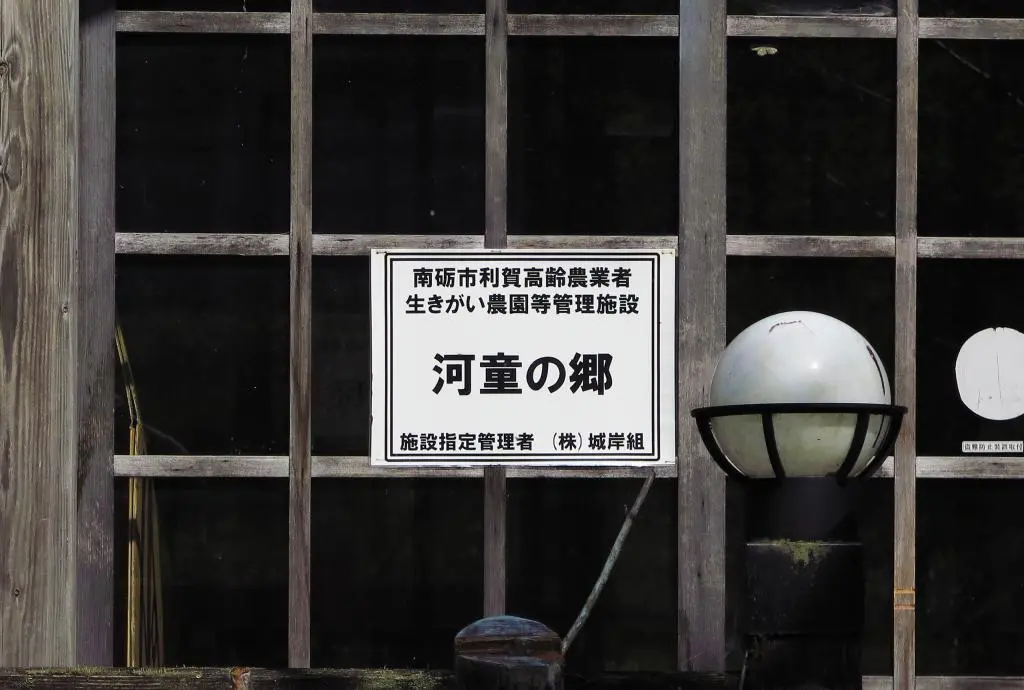
Slight Update: I ended up visiting this area 4 times total over summer. On the second time, I took photos of the above home which is all that remains of the original wooden building of Momosegawa Branch School. Looking through Google Maps Street View history, it seemed like every couple of years more and more of the original building had been torn away.
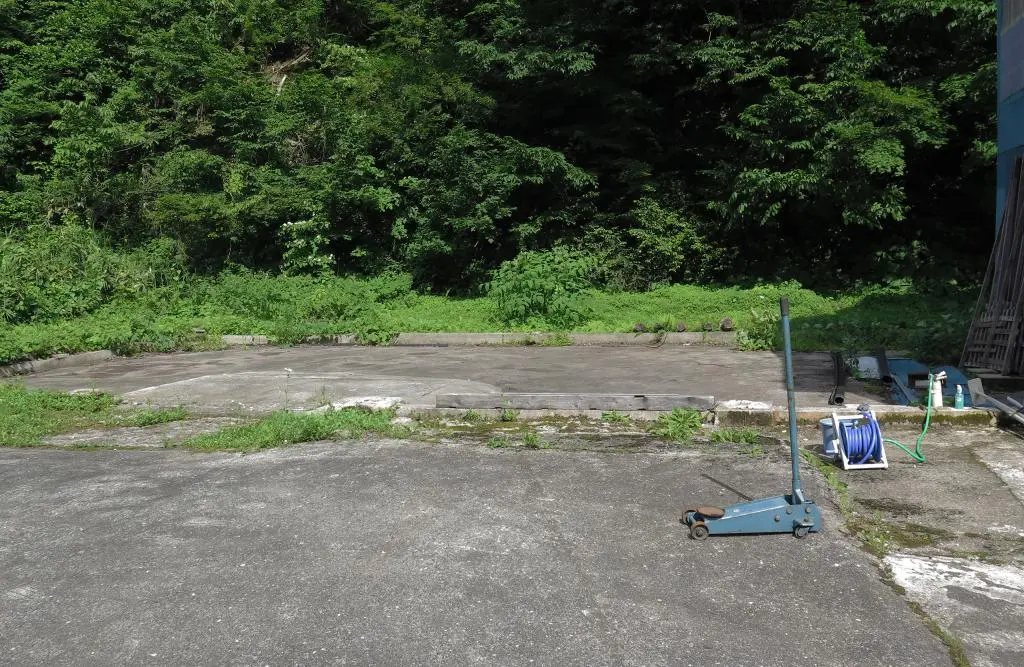
This year or last year, it looks like the right side of the home was removed. Two years before that, the left side of the home was torn down. After the building was decommissioned in 71, it was sold to a local sake brewery which used the building for brewing sake and storing its larger barrels. I'm curious how much longer the rest of the home will last.
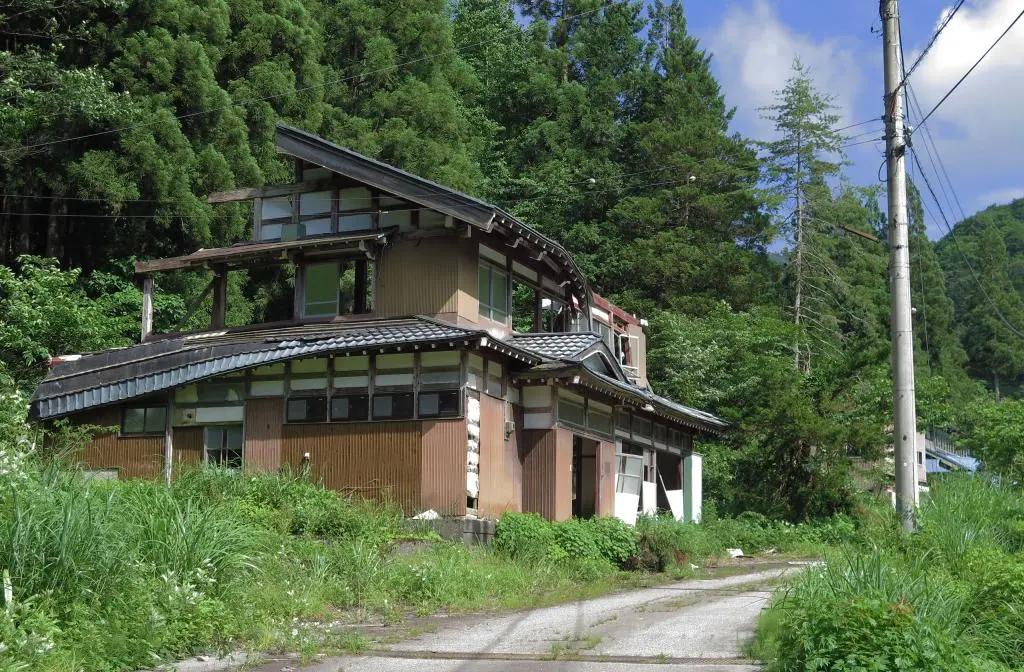
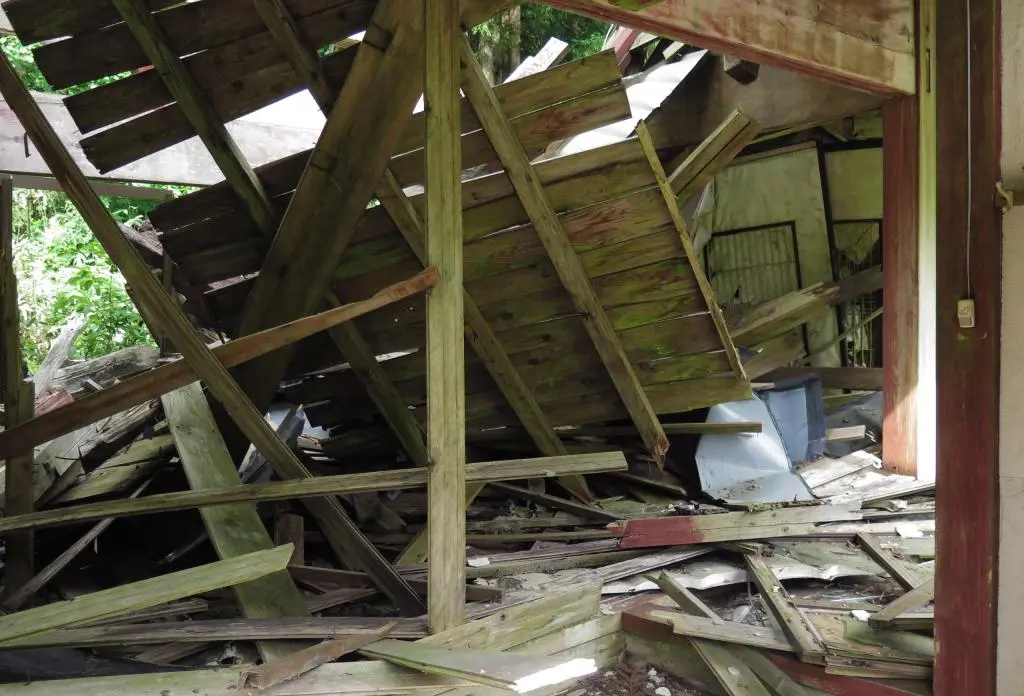
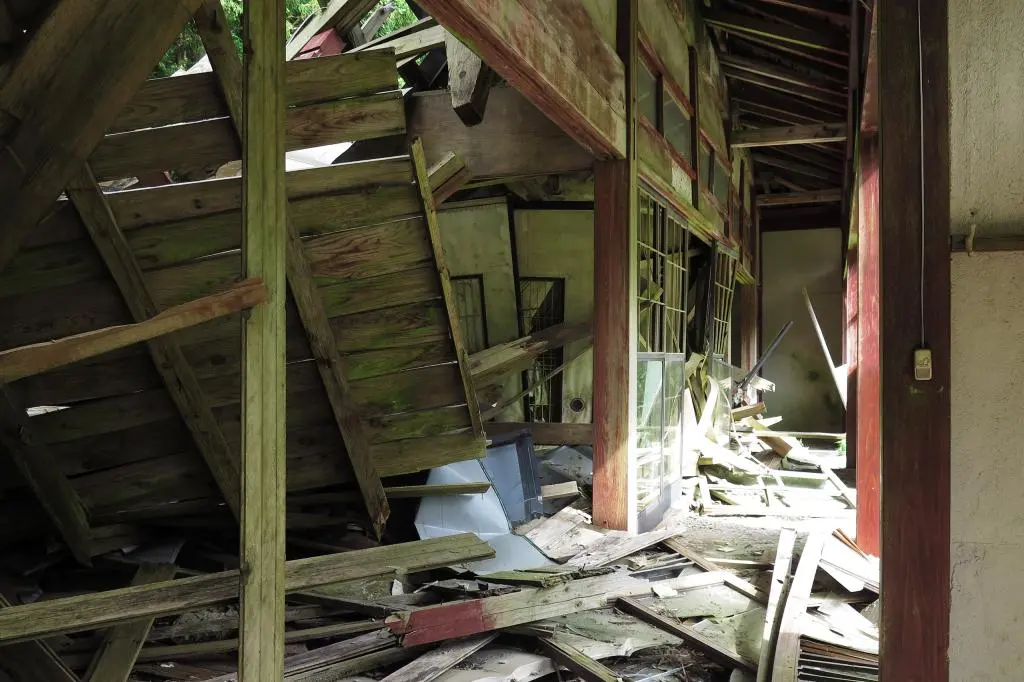
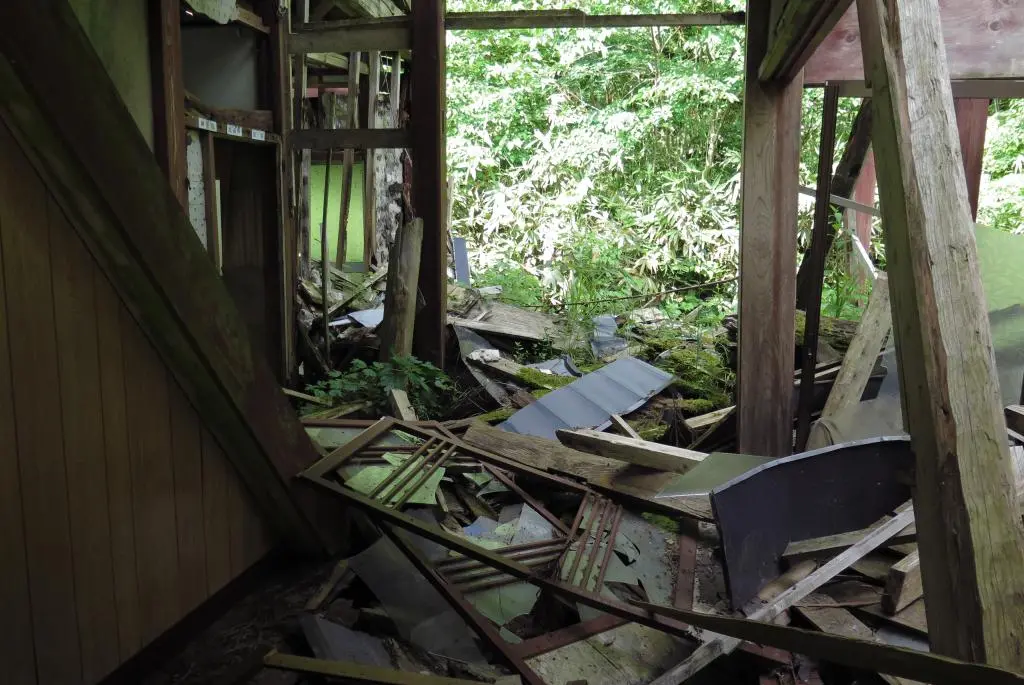
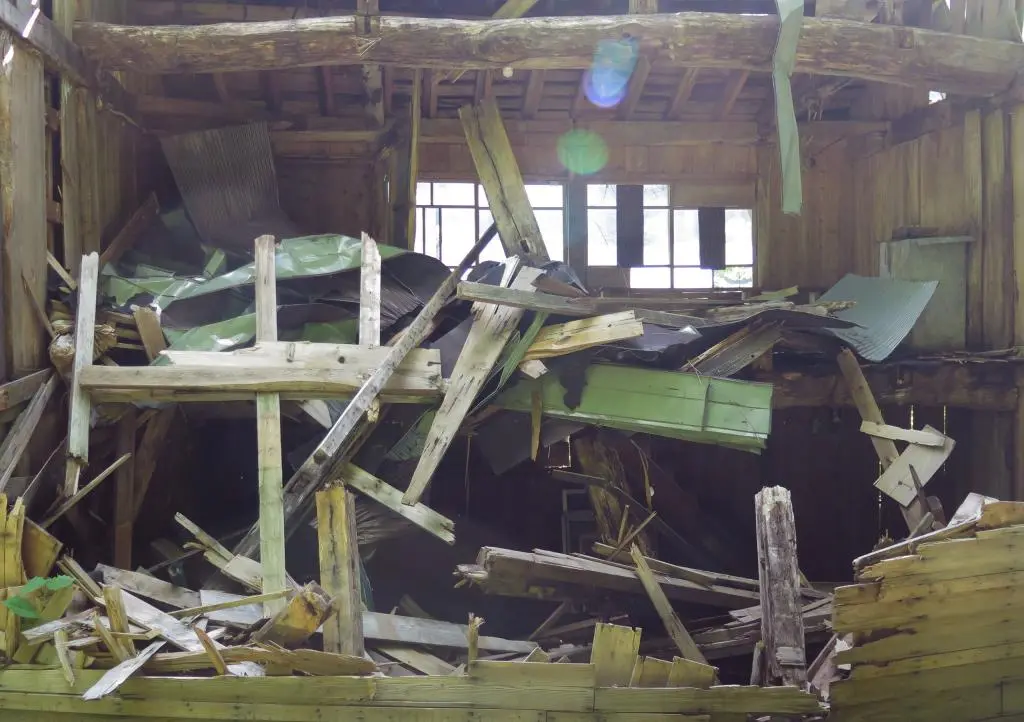
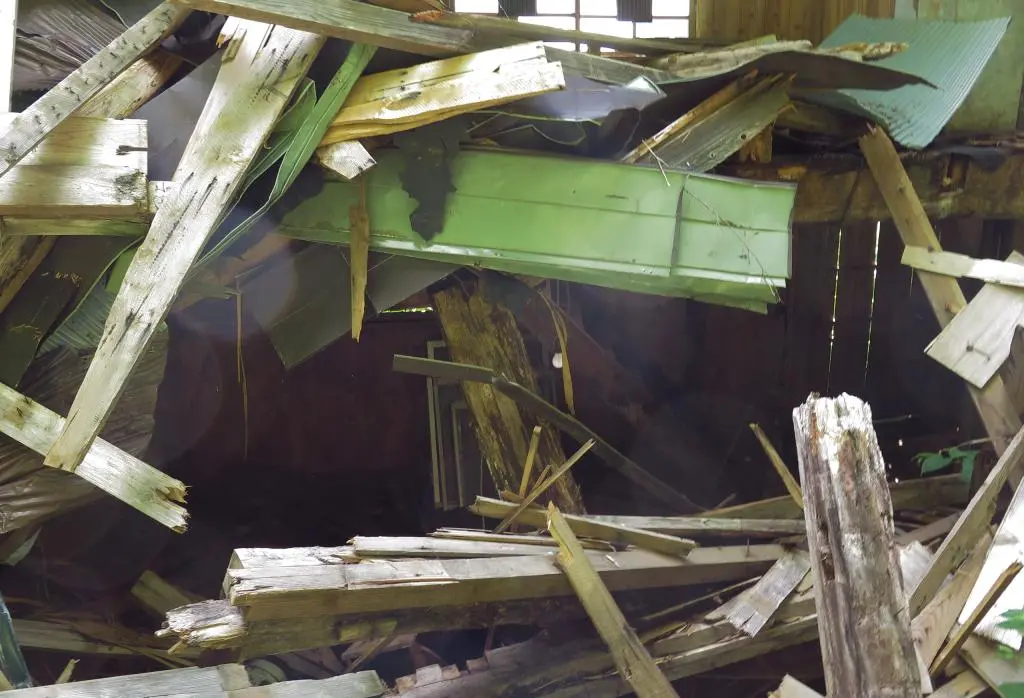
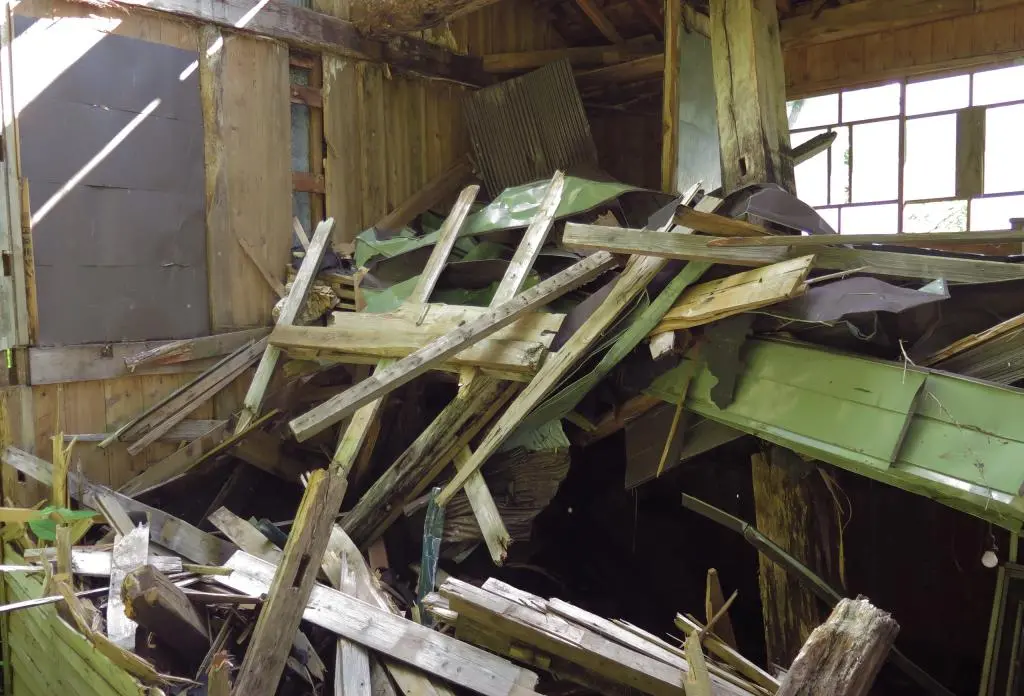
Going past the old wooden school up the road brought me to a crazy looking home that had been gutted by structural collapse. The front and side frames of the building were intact, but the roof and back of the home had collapsed leaving only the front outer walls.
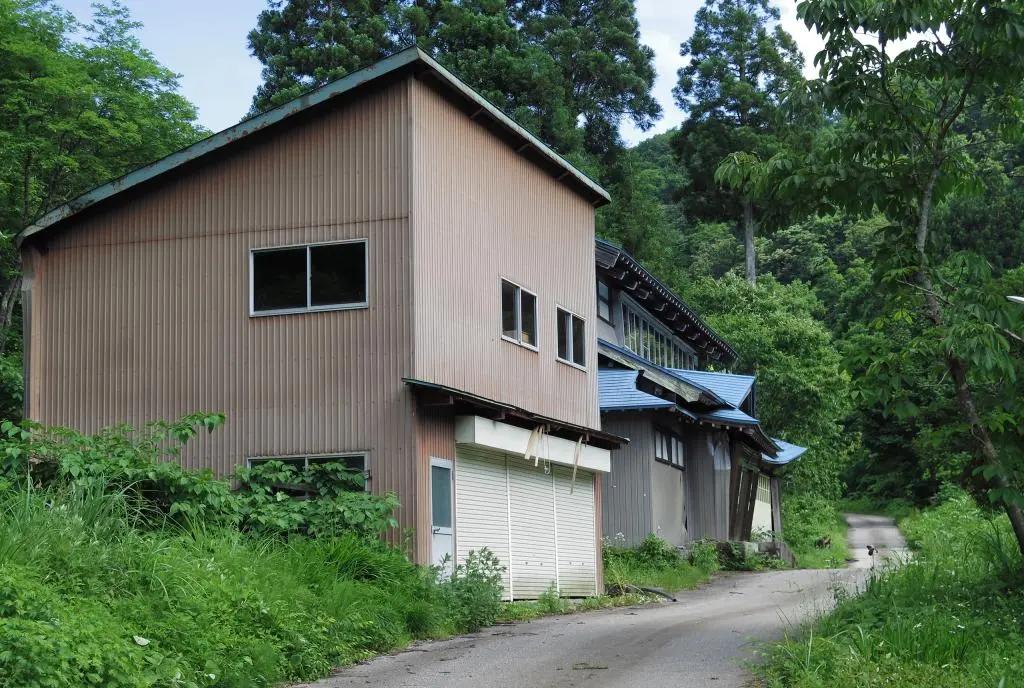
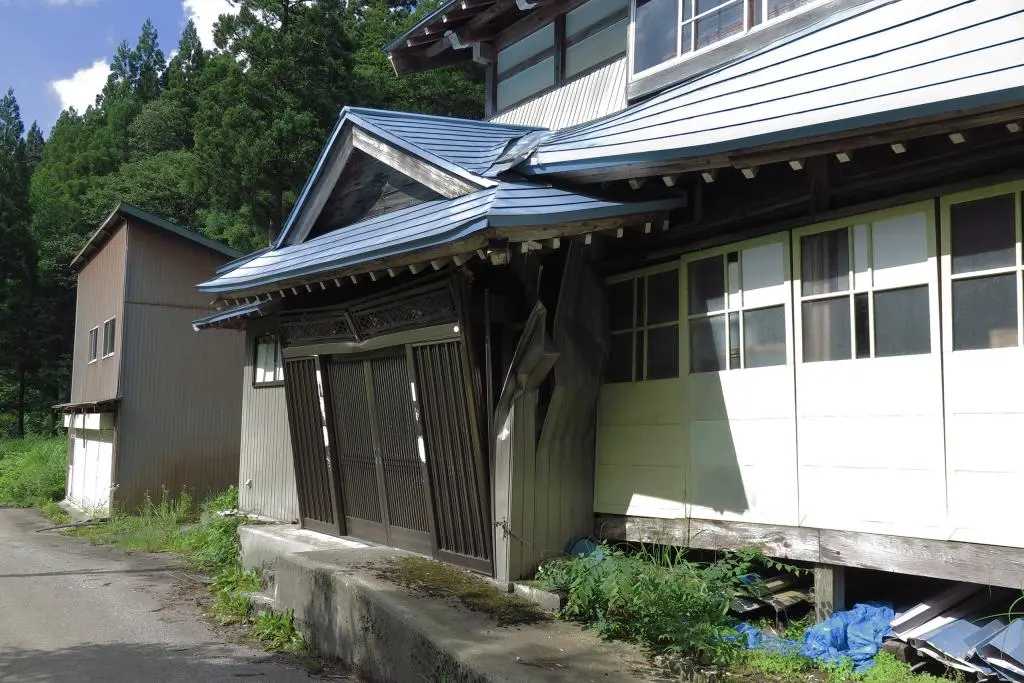
Further up the road was another home whose front door was in the middle of collapse. The rest of the house looked okay from the outside. Only the front was crushed. The seams had burst so you could look inside.
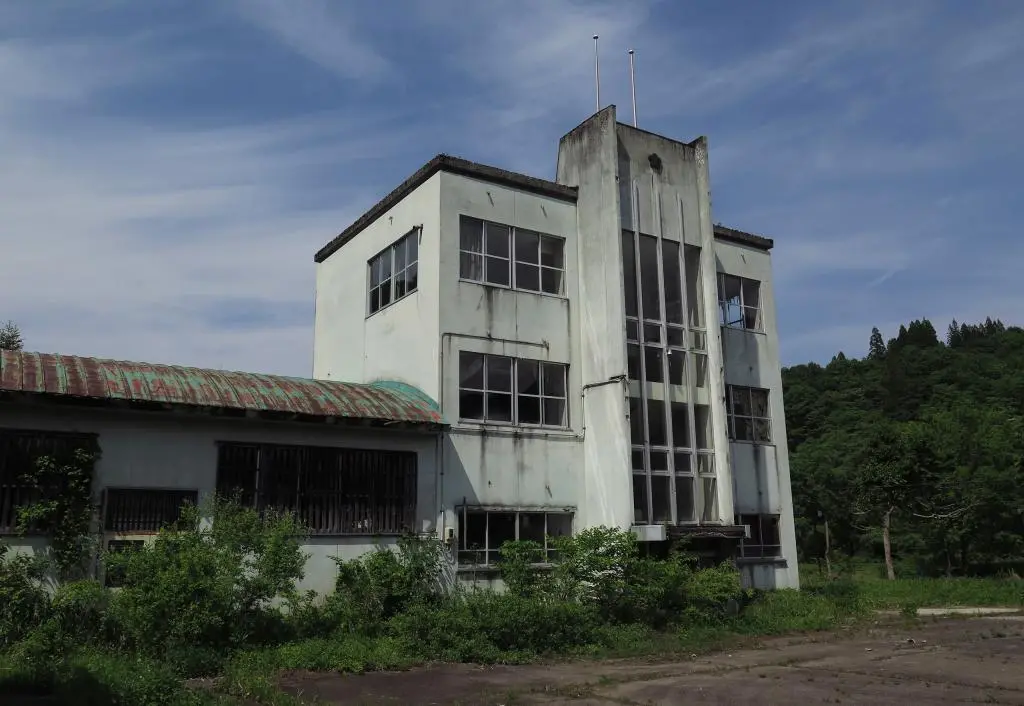
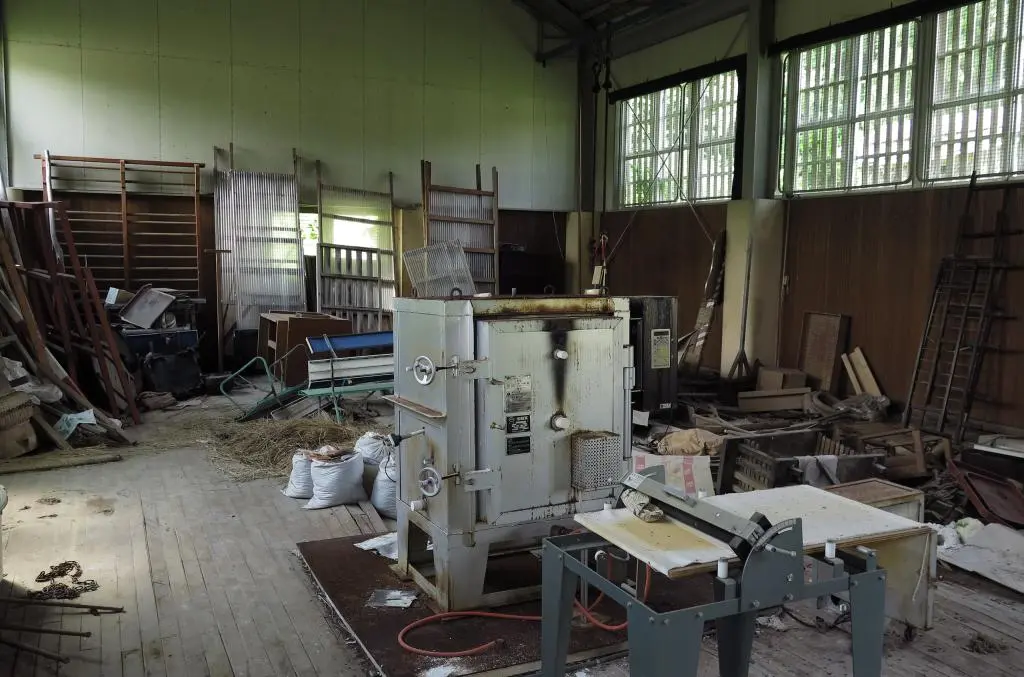
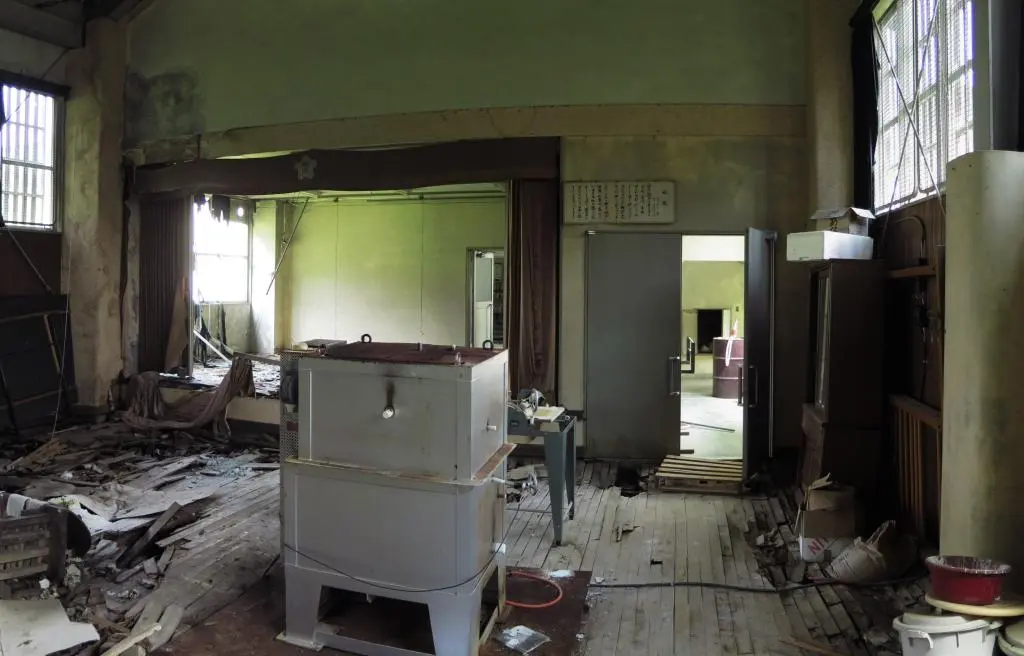
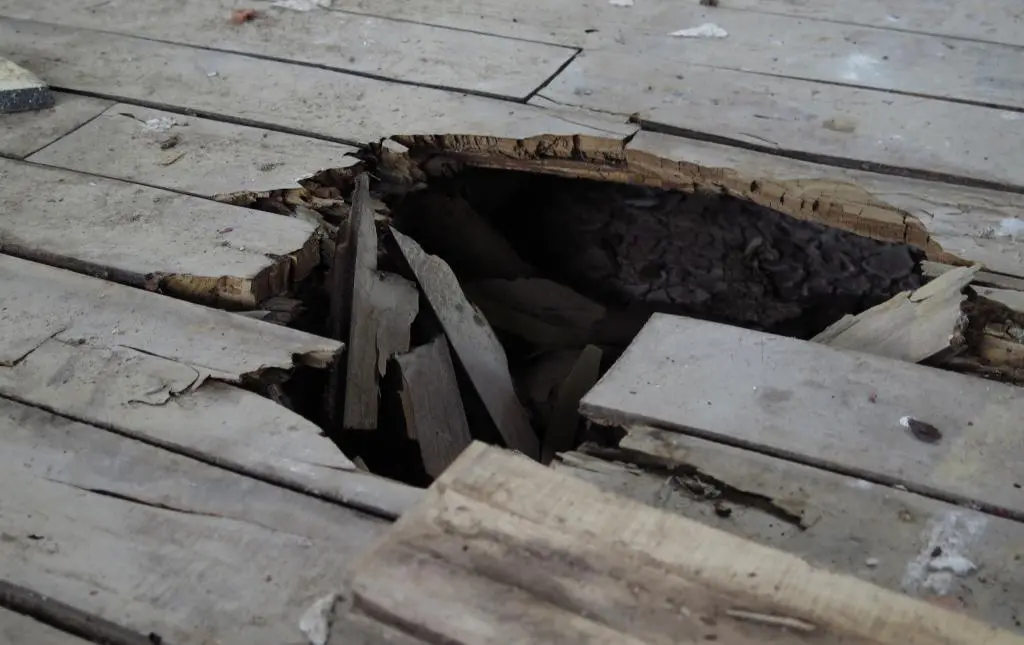
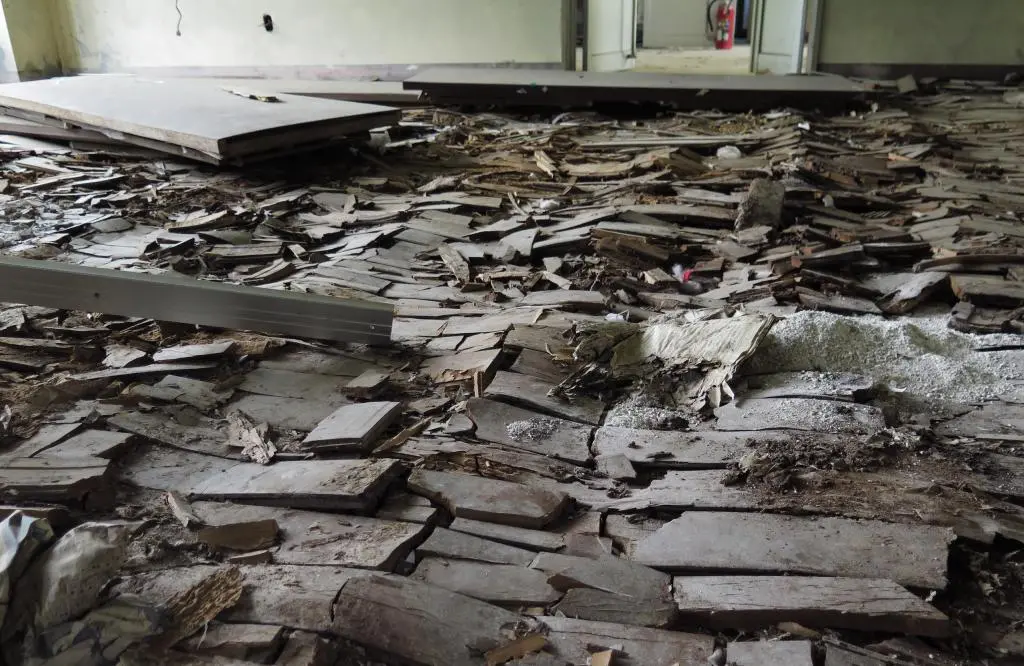
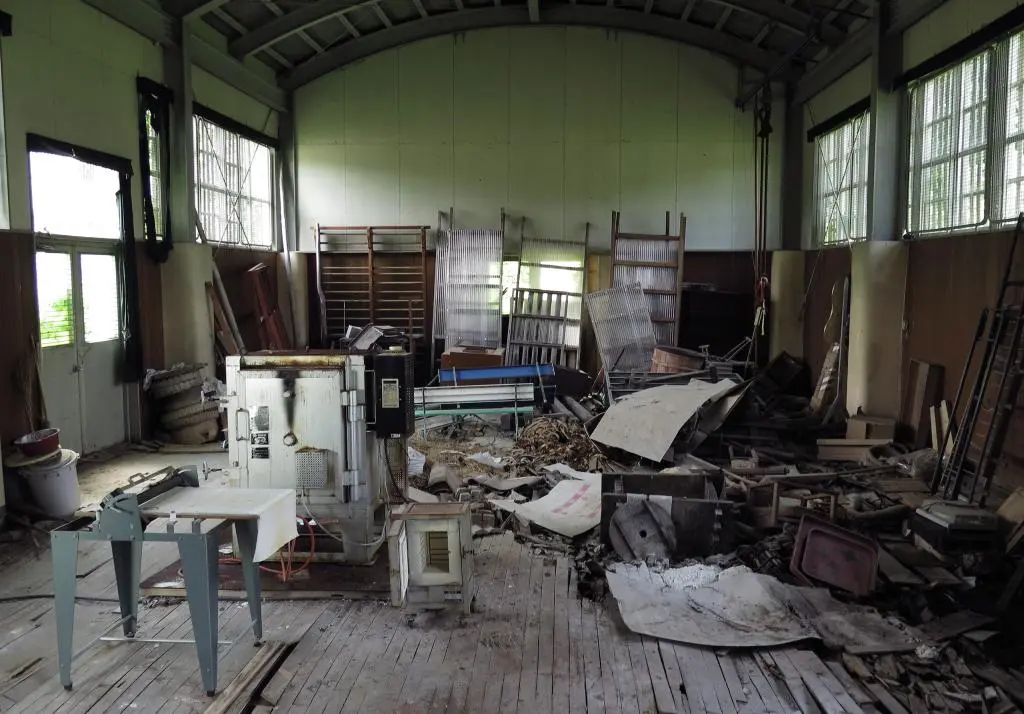
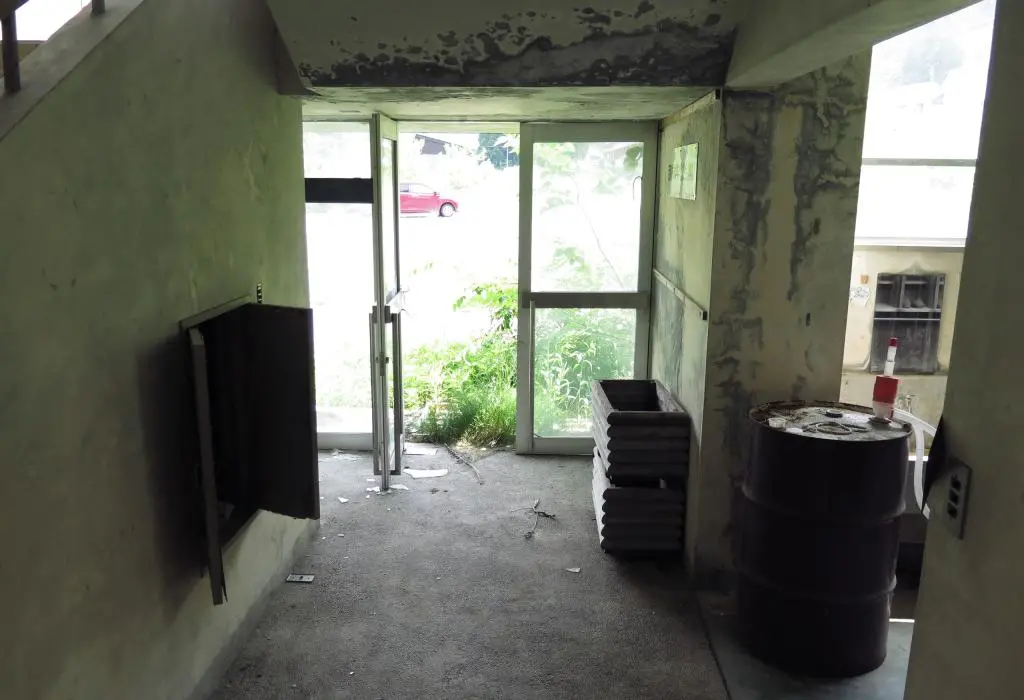
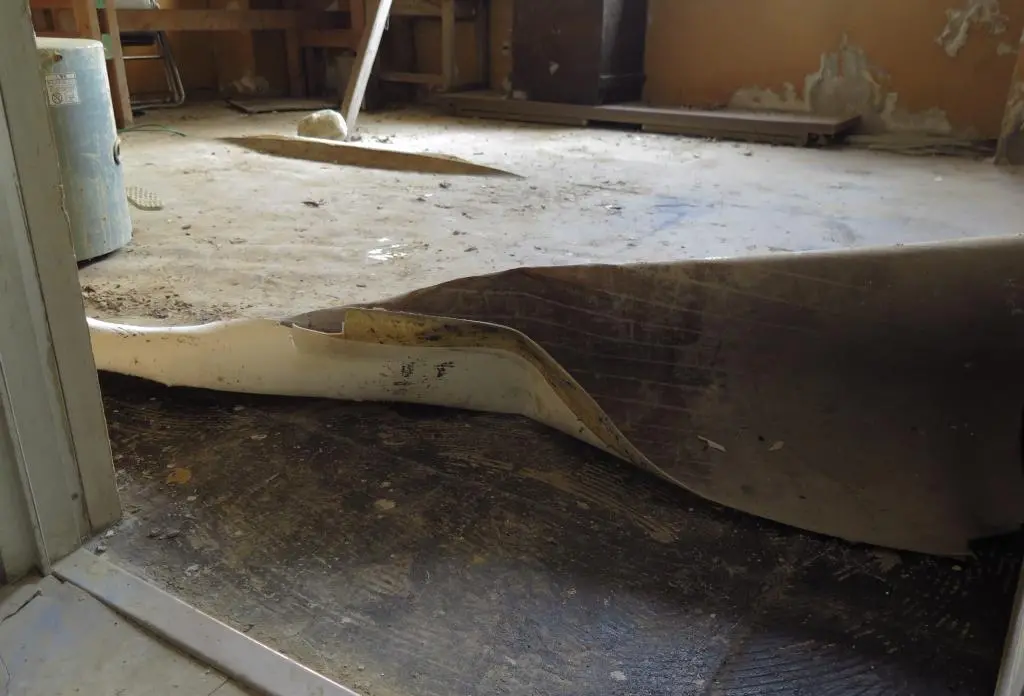
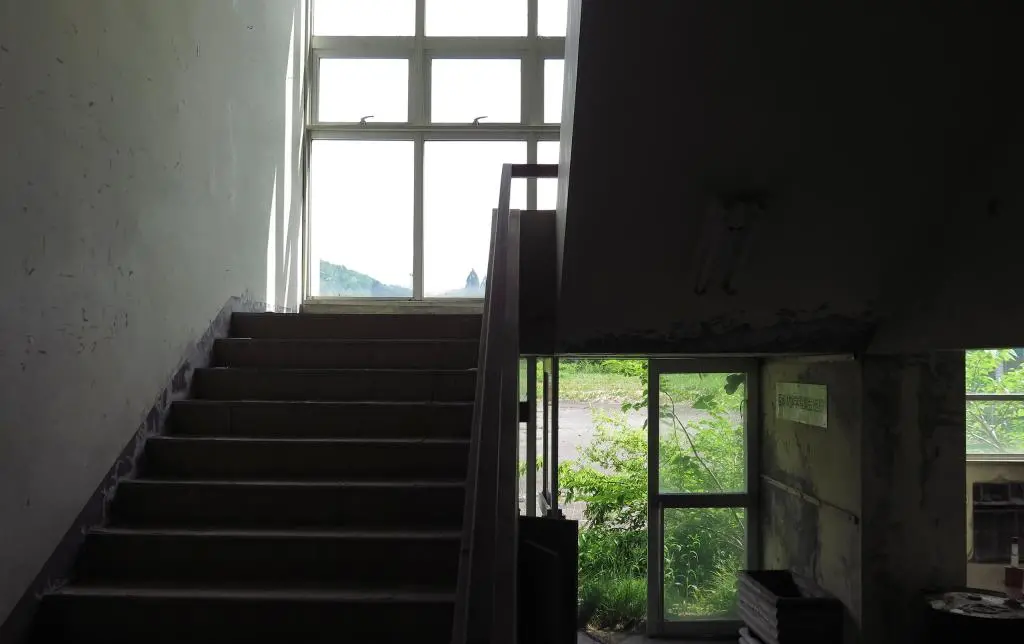
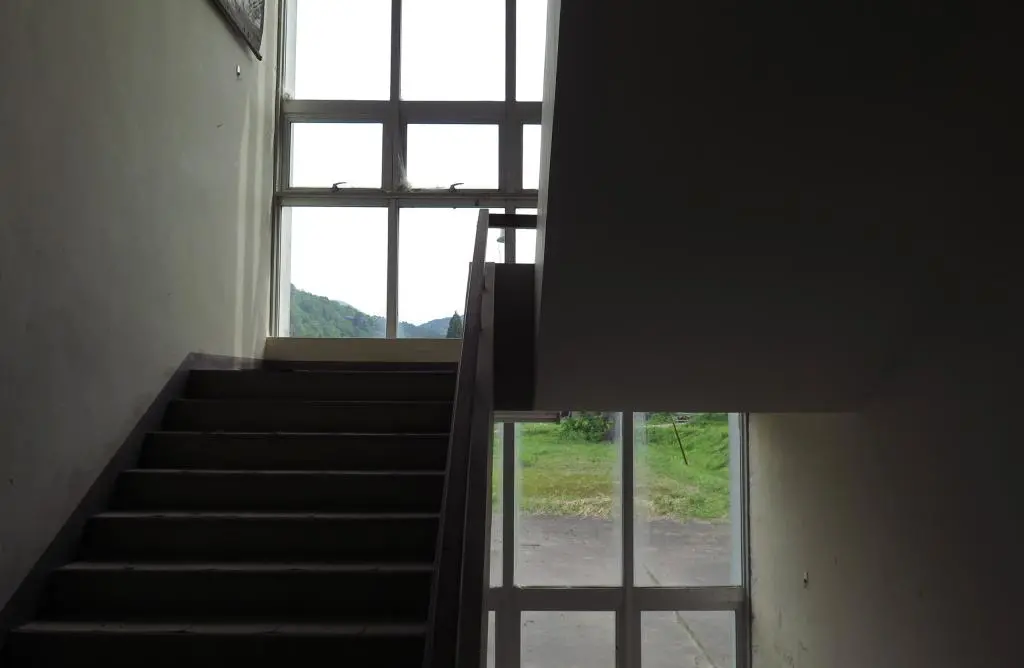
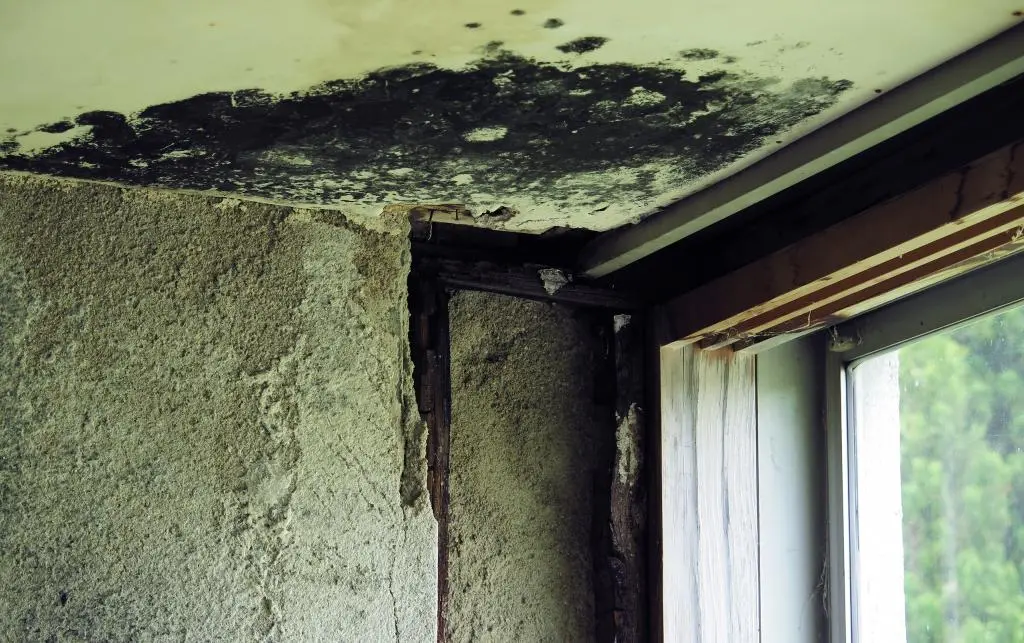
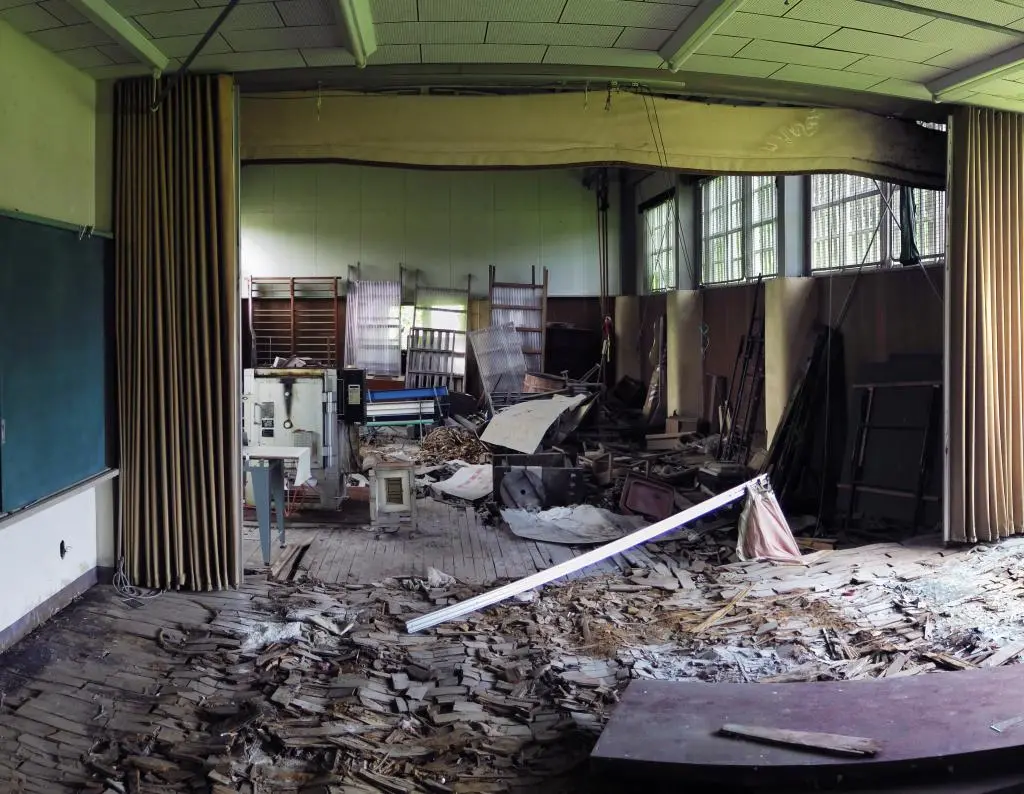
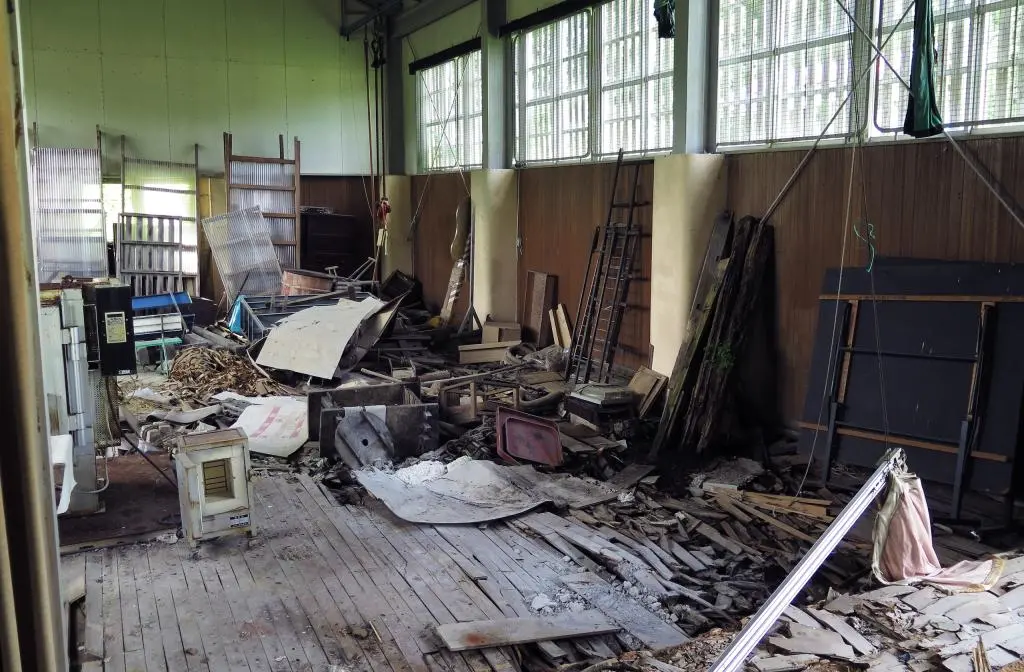
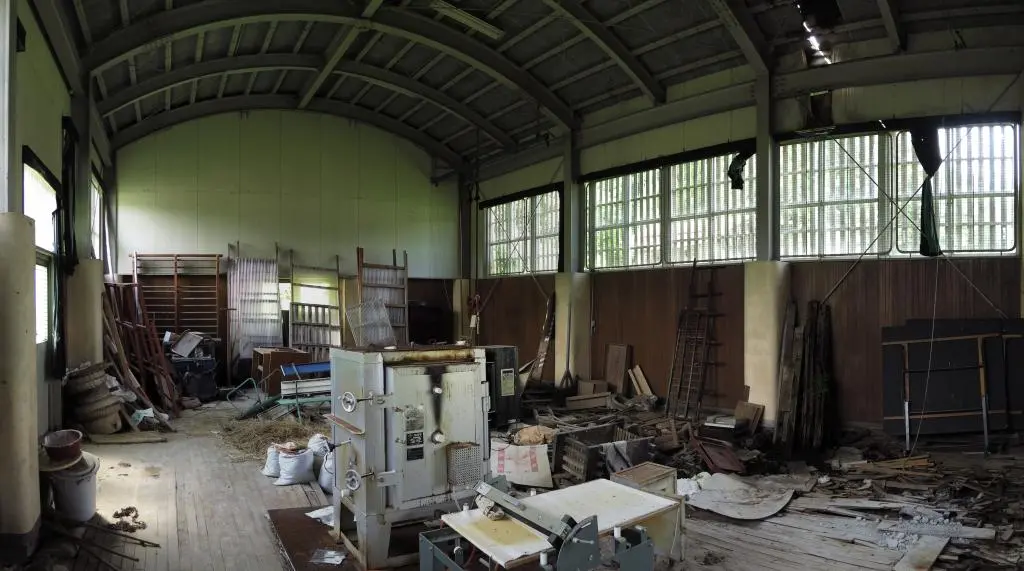
The door of the concrete branch school was open, so I let myself inside. This was after visiting Kitamamedani Branch School, which had a very similar layout so I knew where I wanted to go. I went to the gym, which was much smaller than Kitamamedani's gym. Momo's gym had not been renovated or altered since the 70s. It still had its original floor, which had crumbled in most areas.
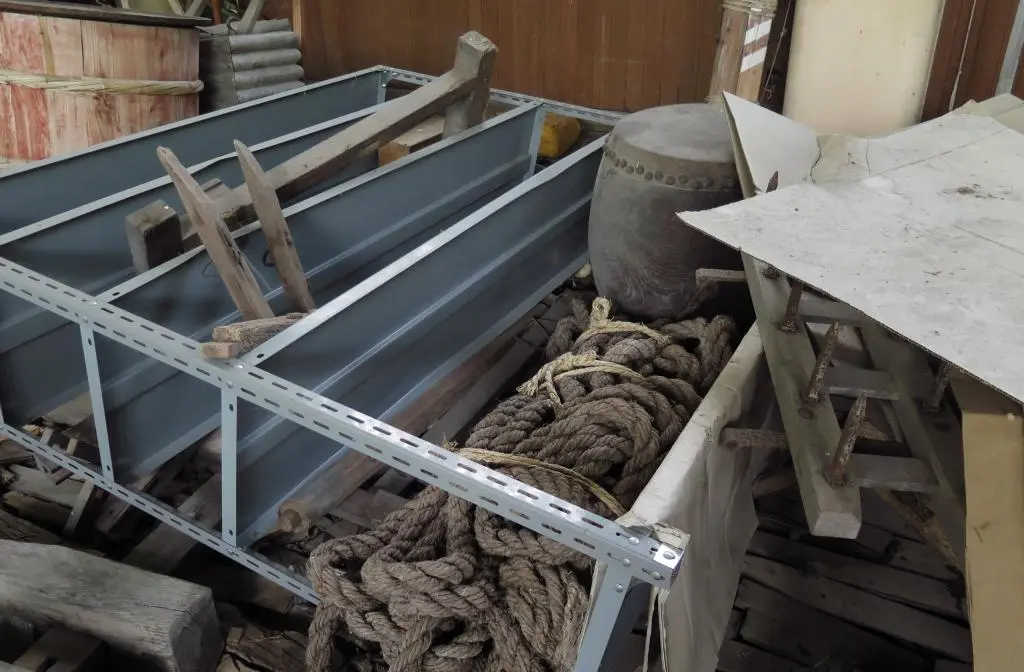
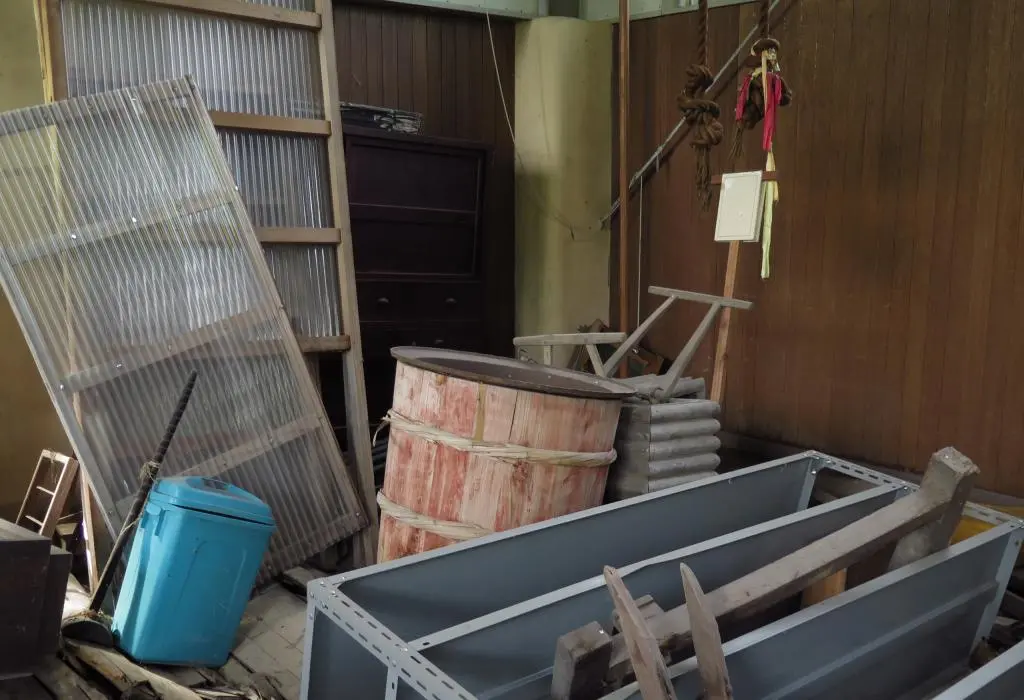
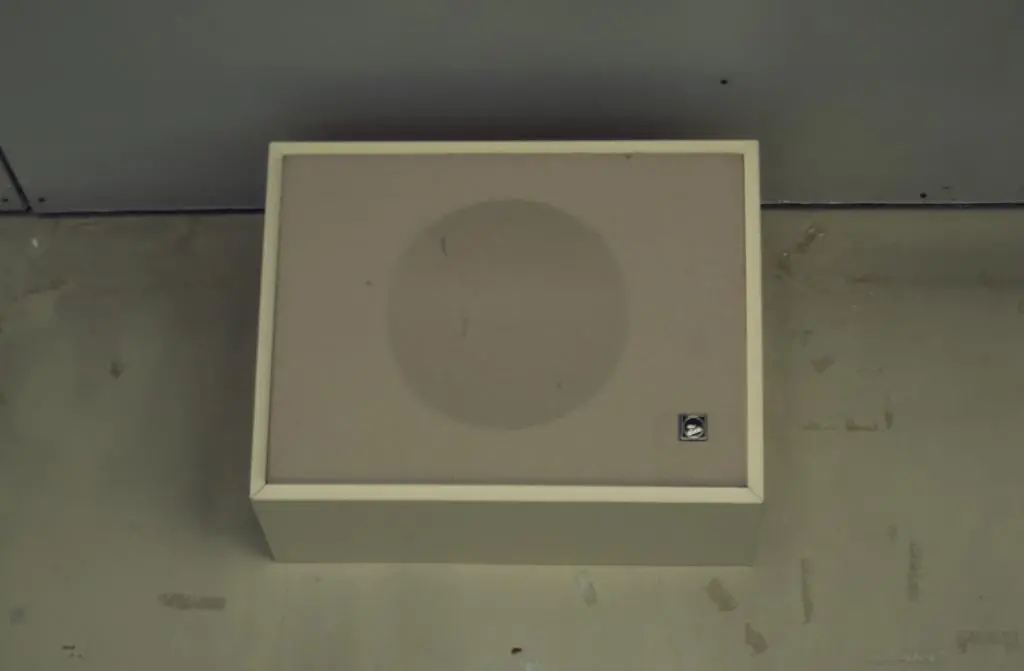
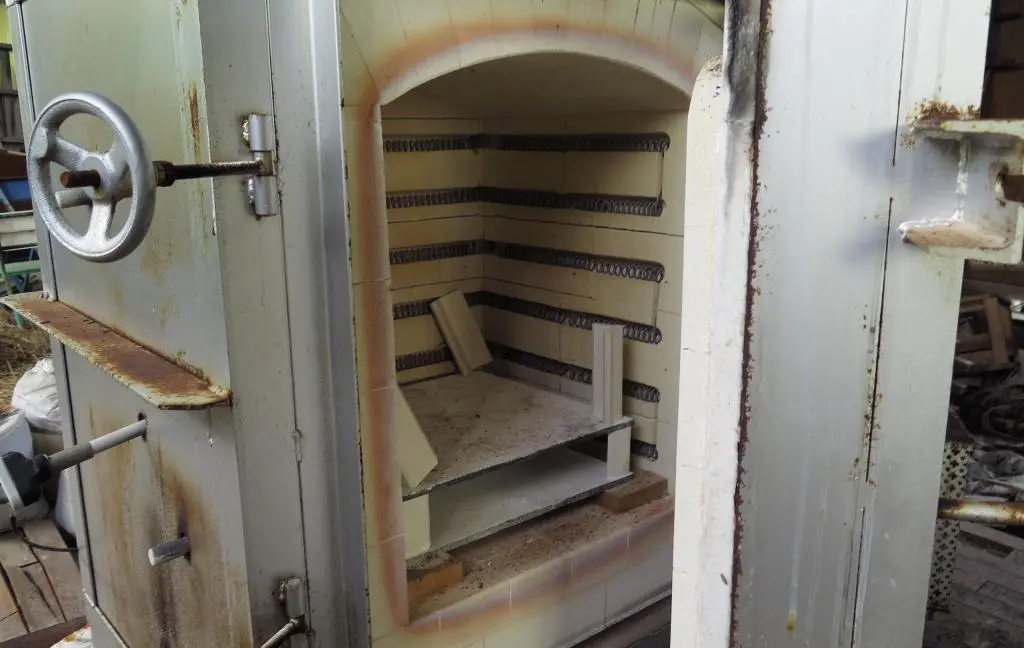
In the corner, old gym equipment had been piled up out of the way for the kiln that was set in the middle. There were old ping pong tables, a long rope for tug-of-war, and a taiko drum.
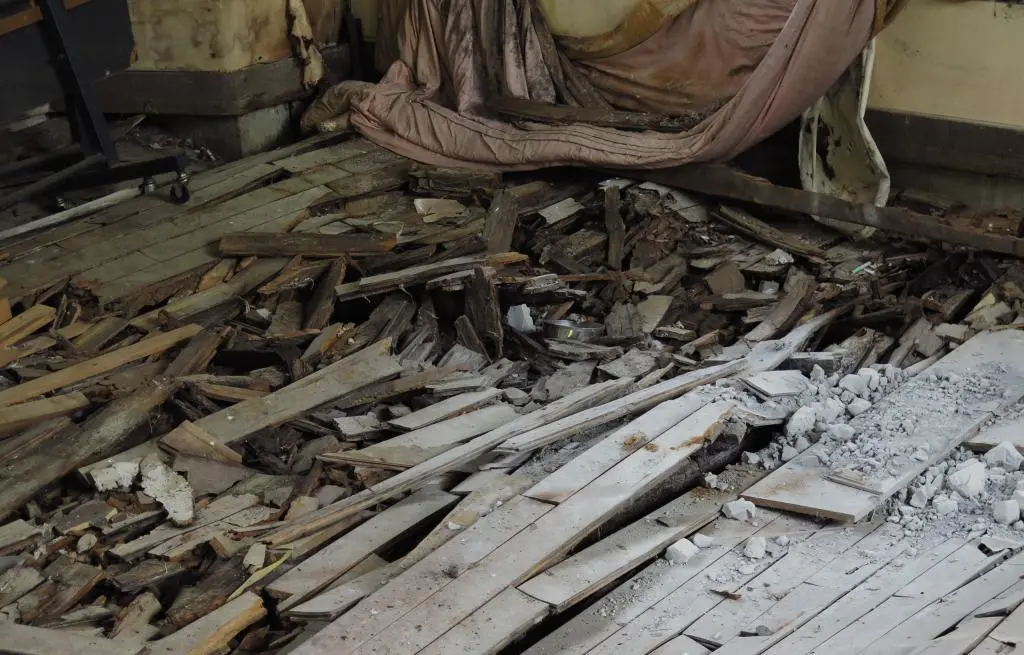
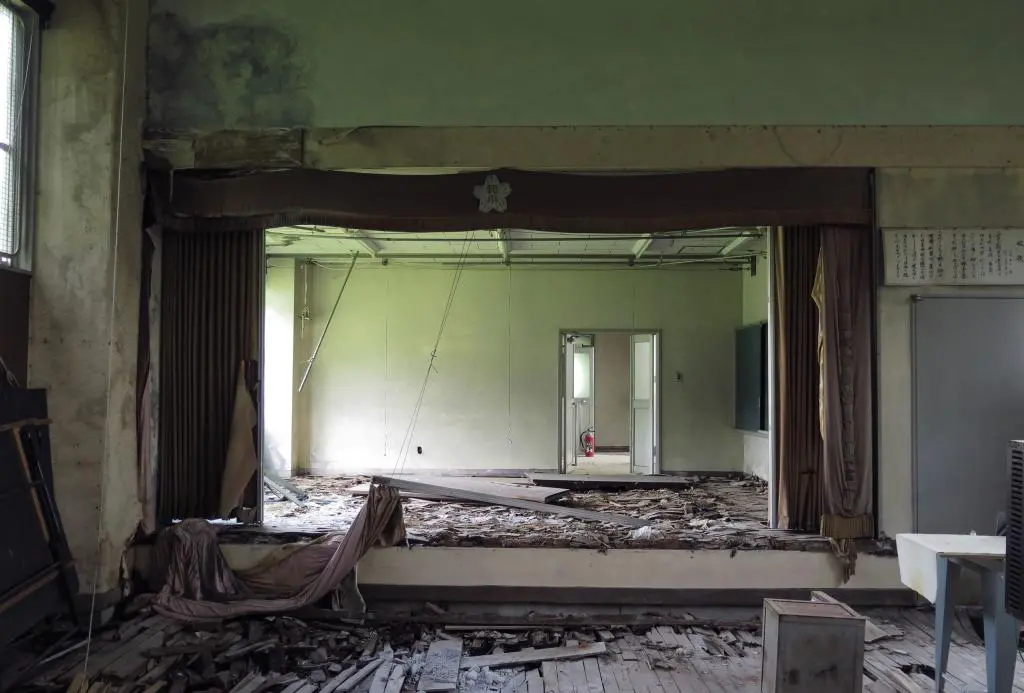
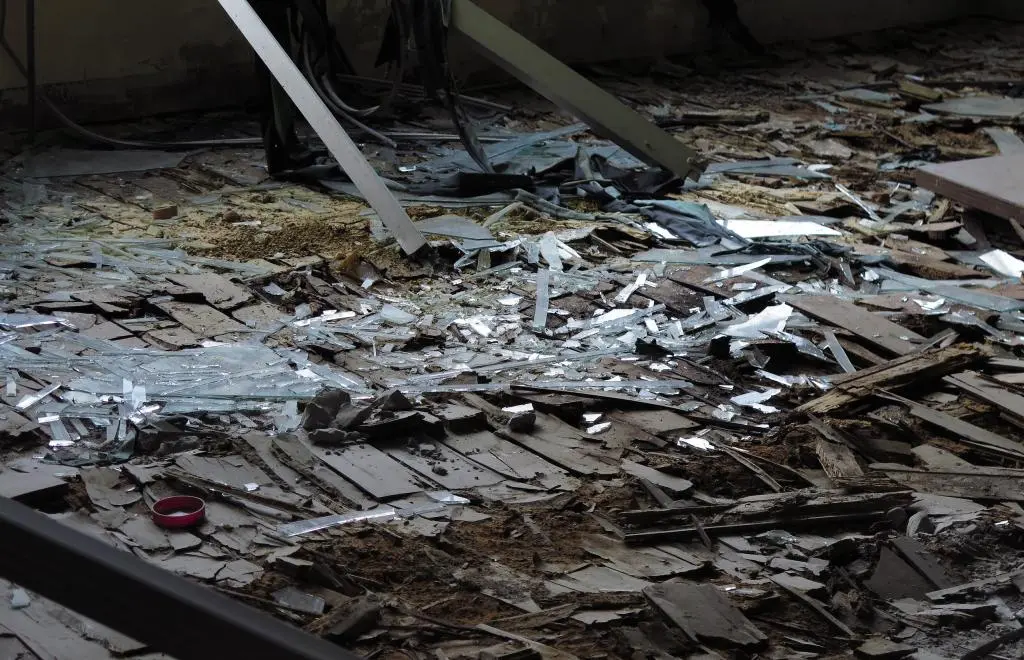
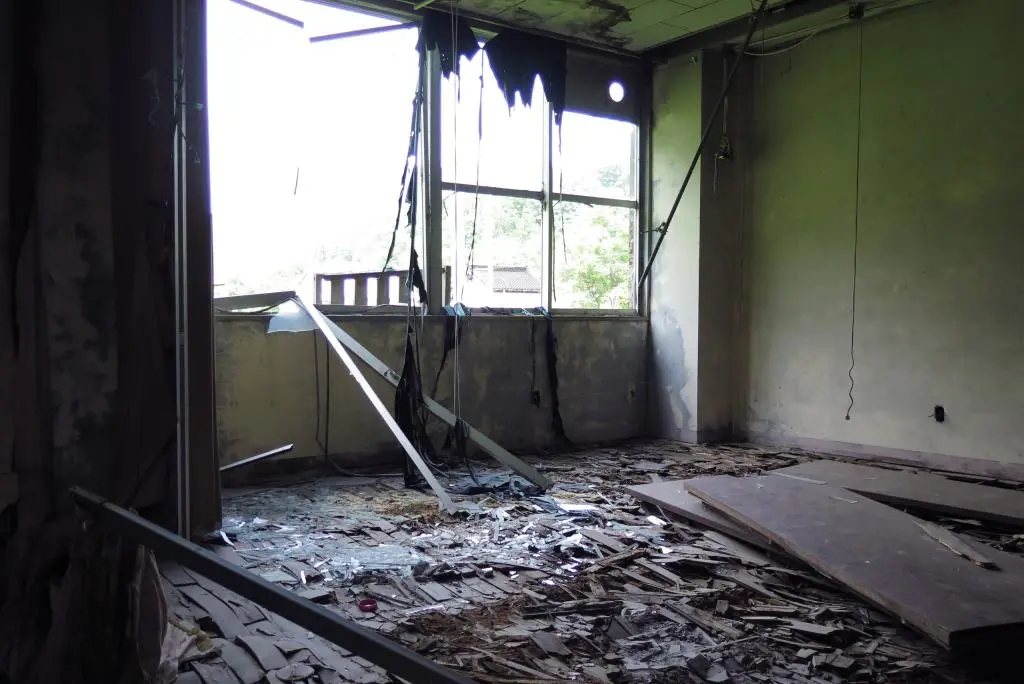
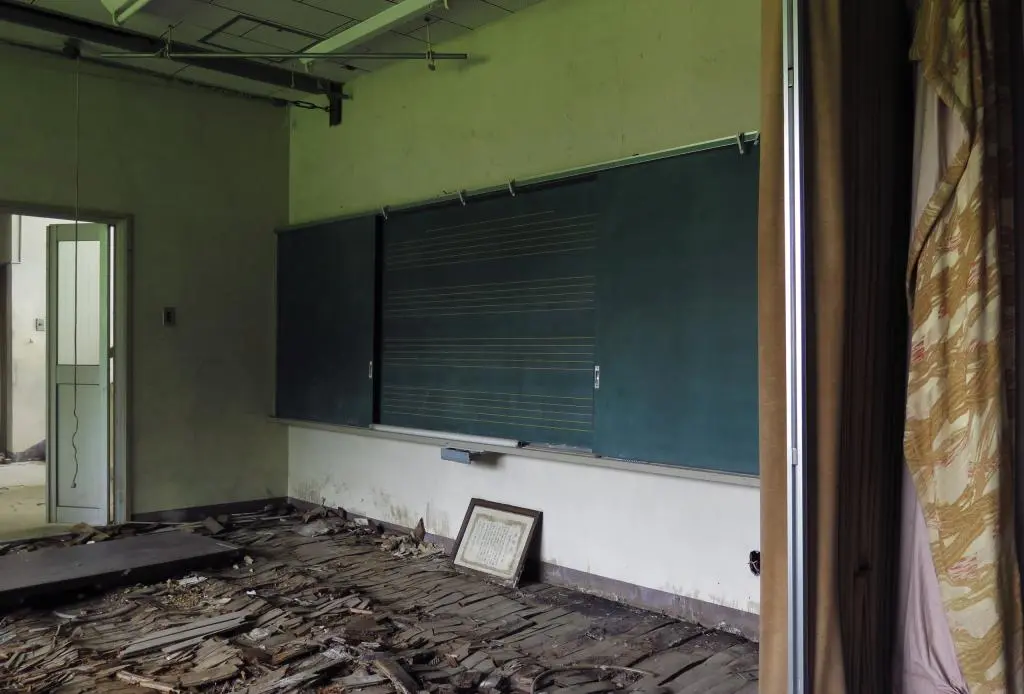
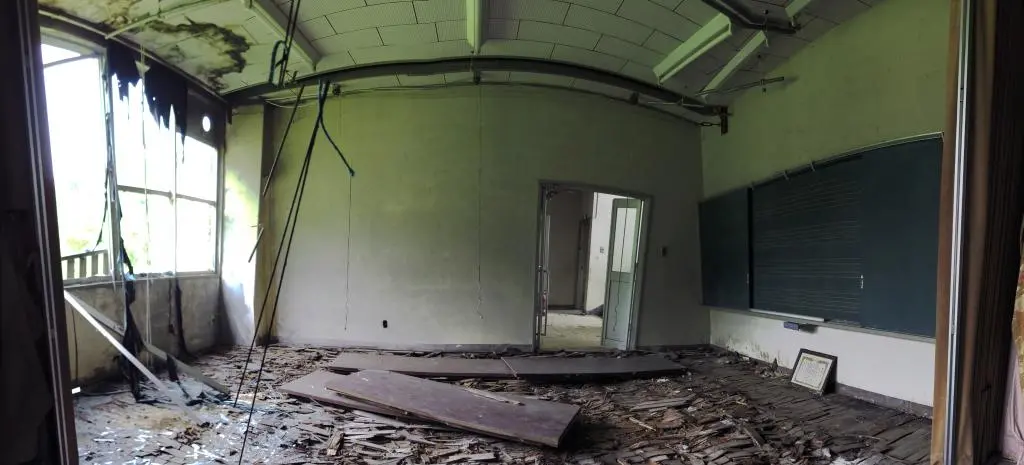
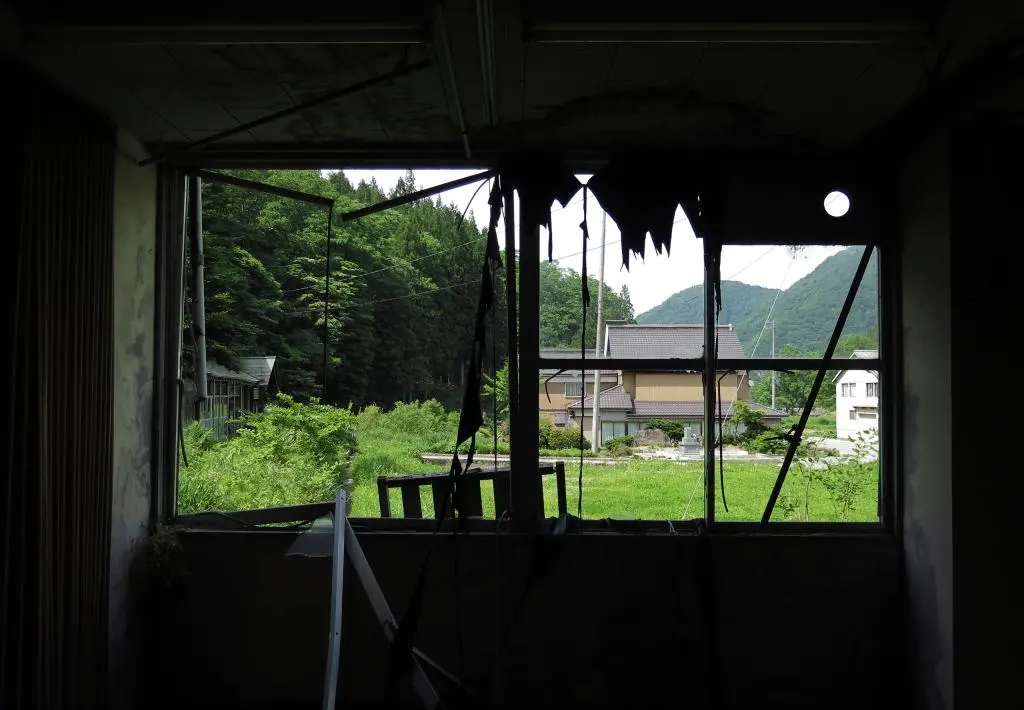
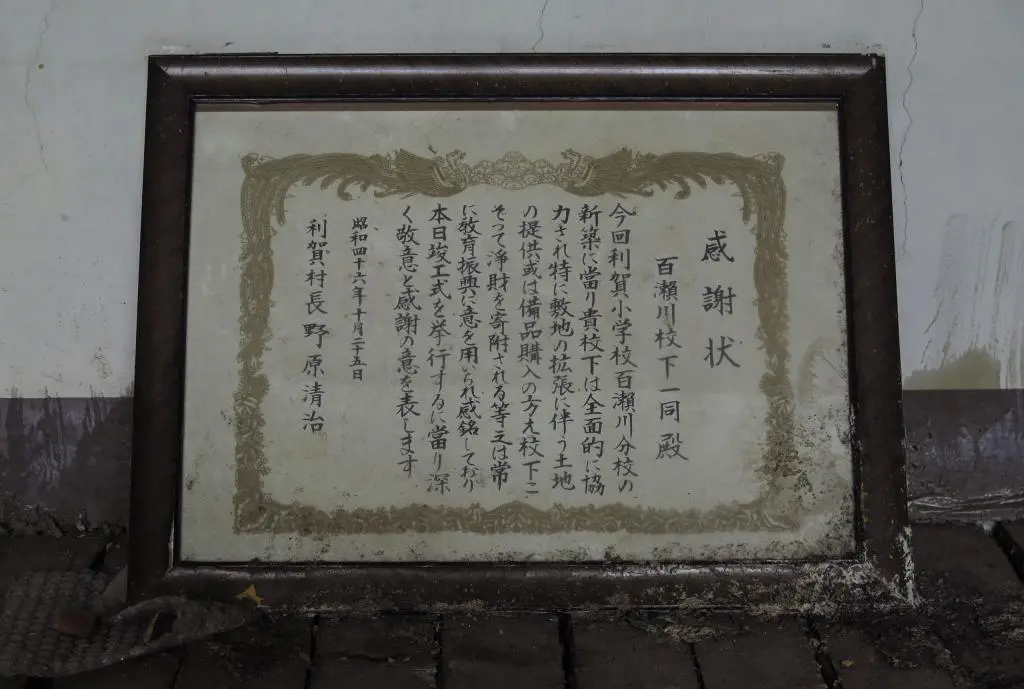
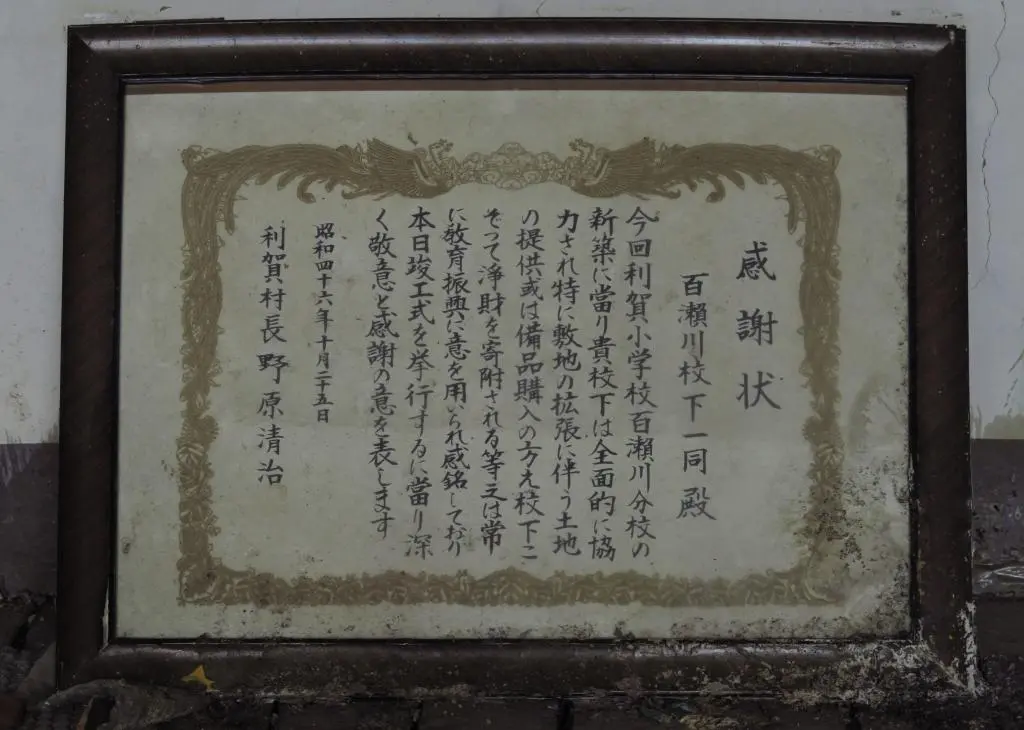
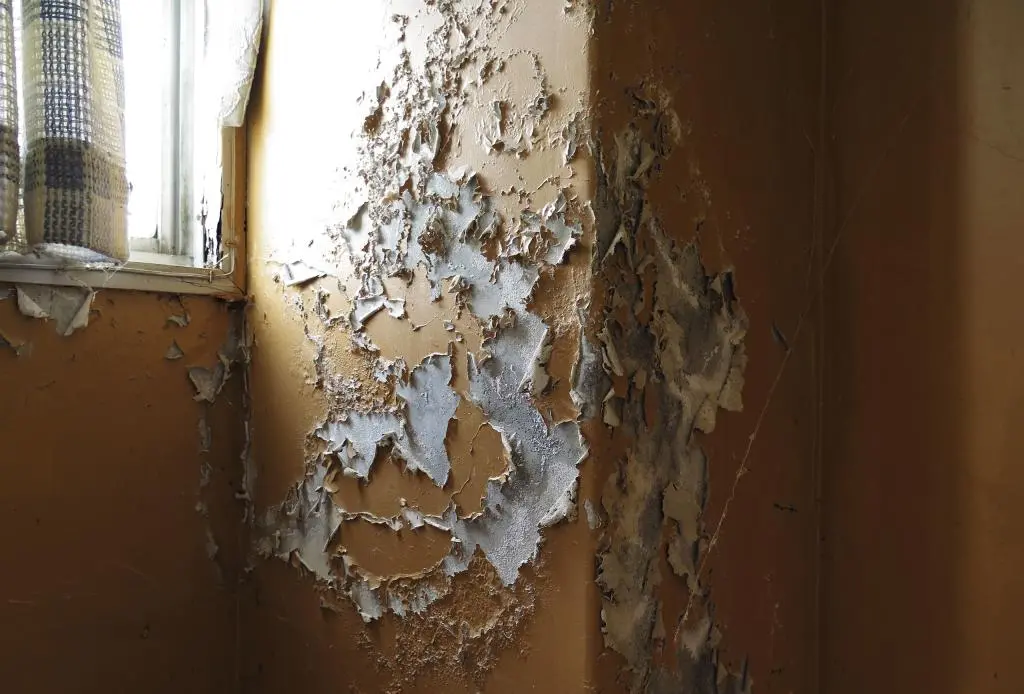
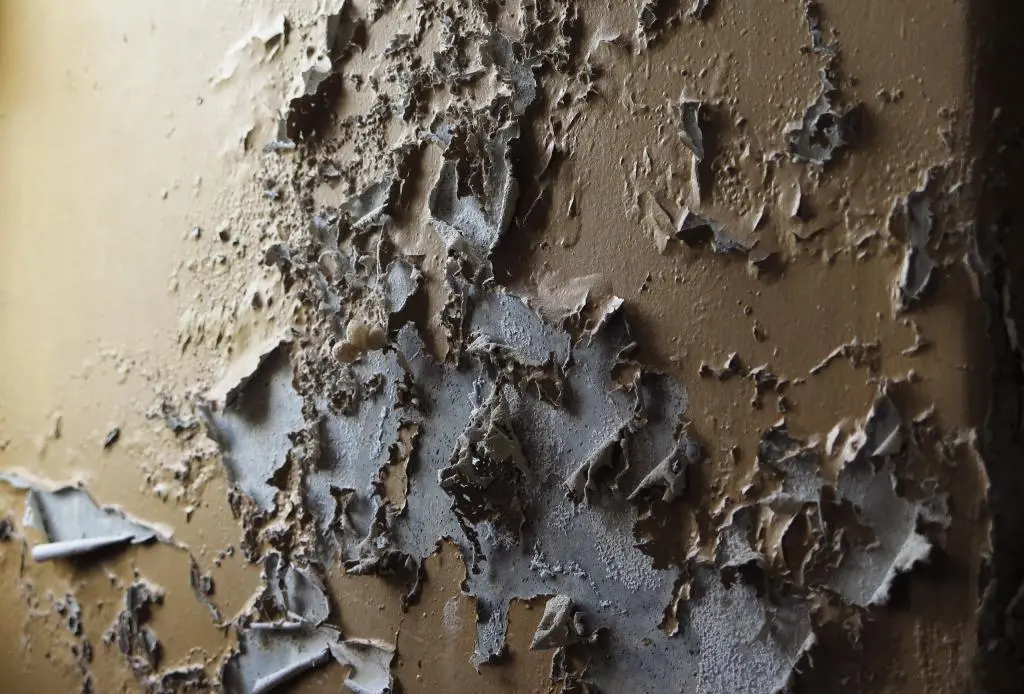
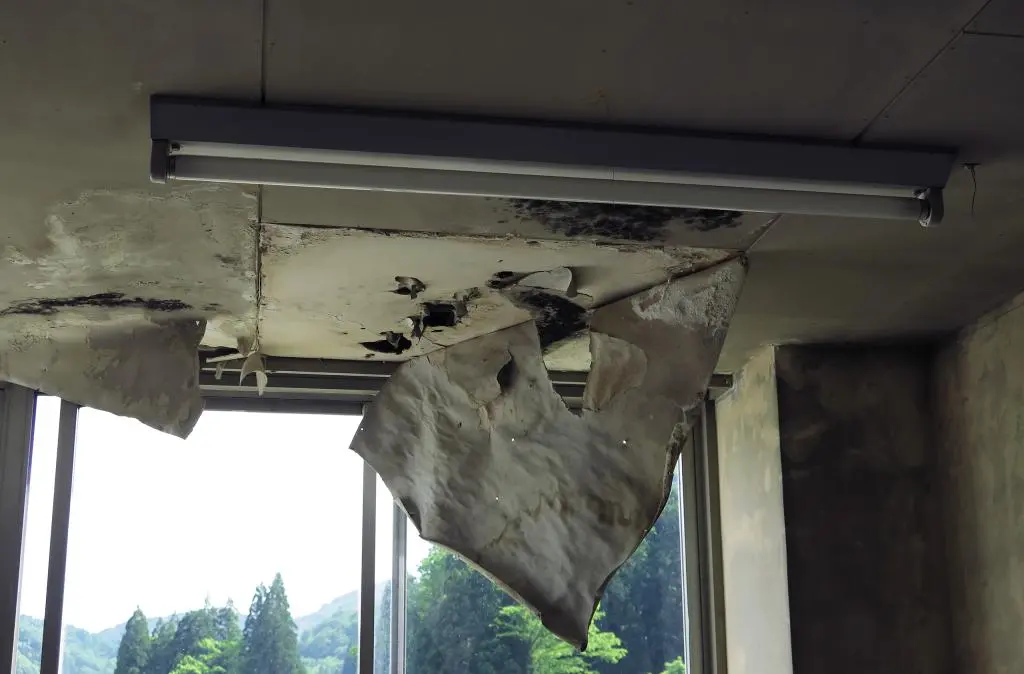
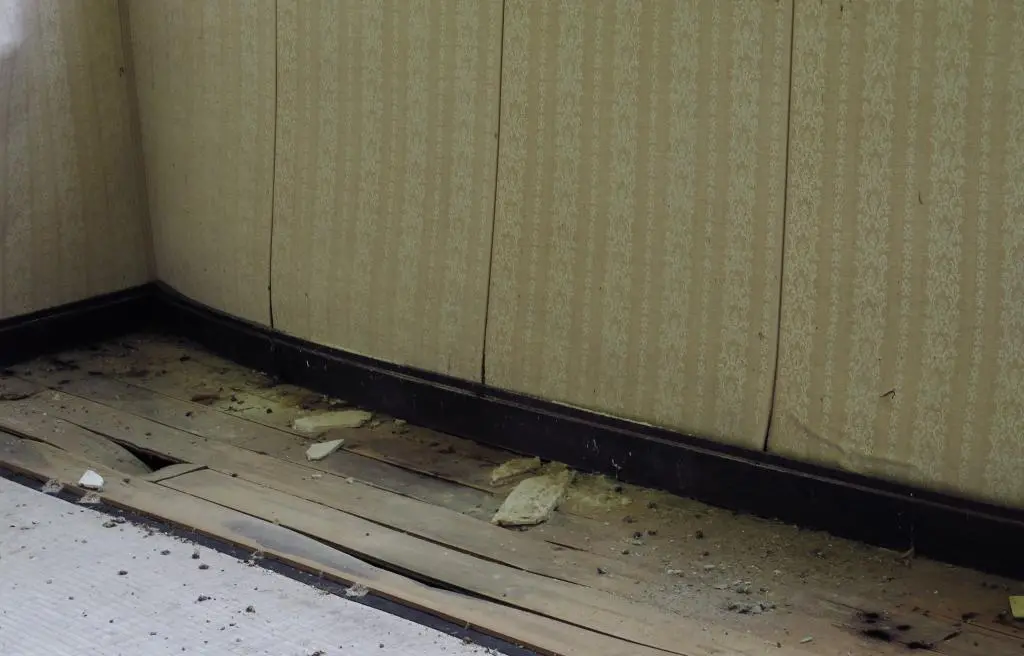
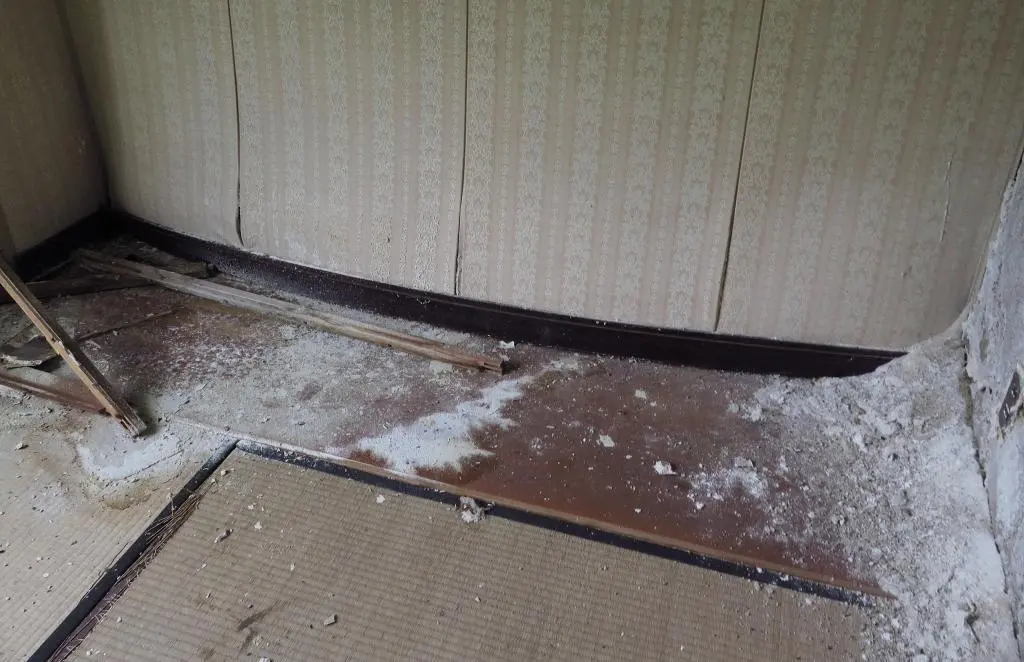
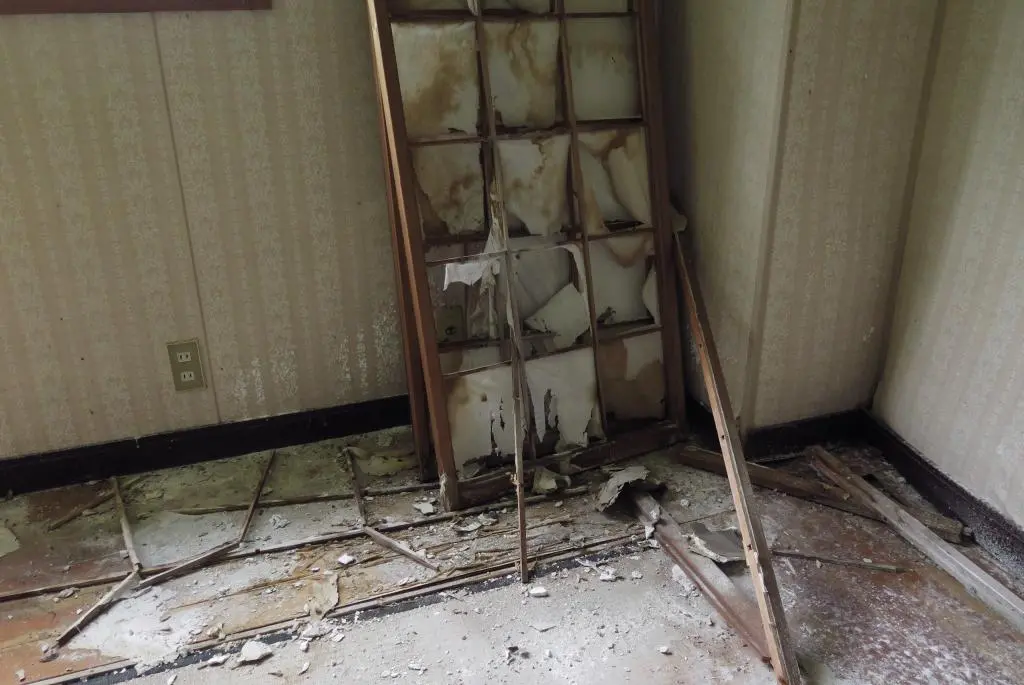
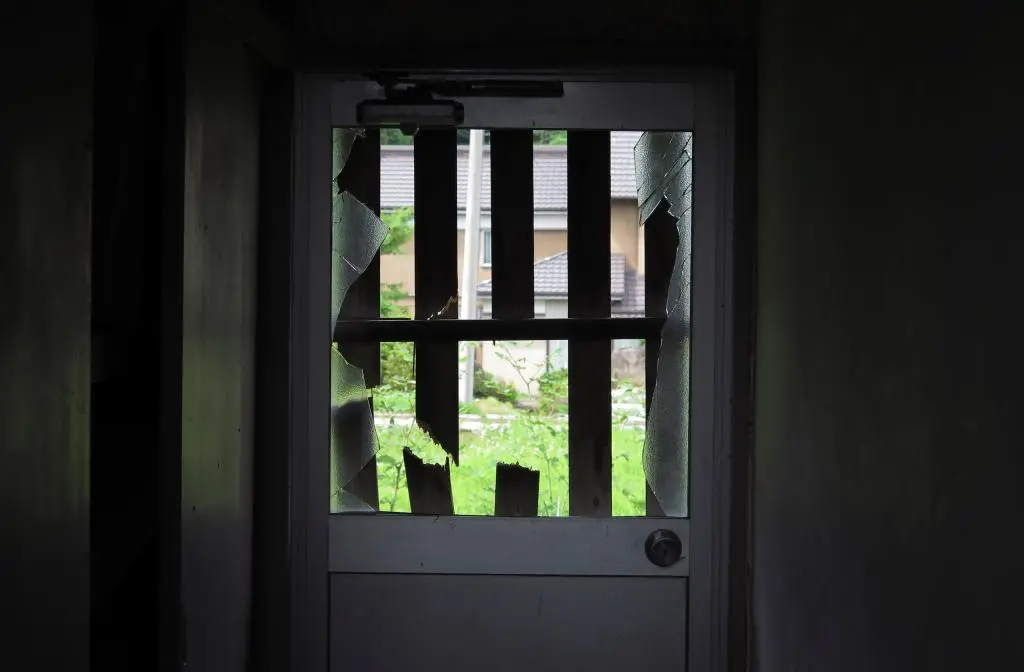
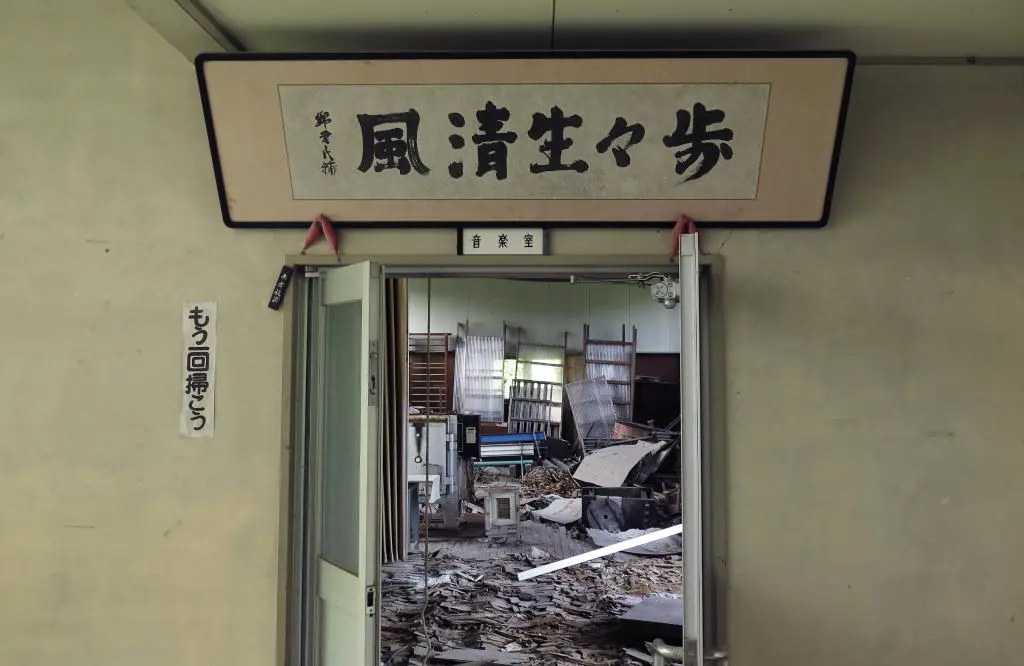
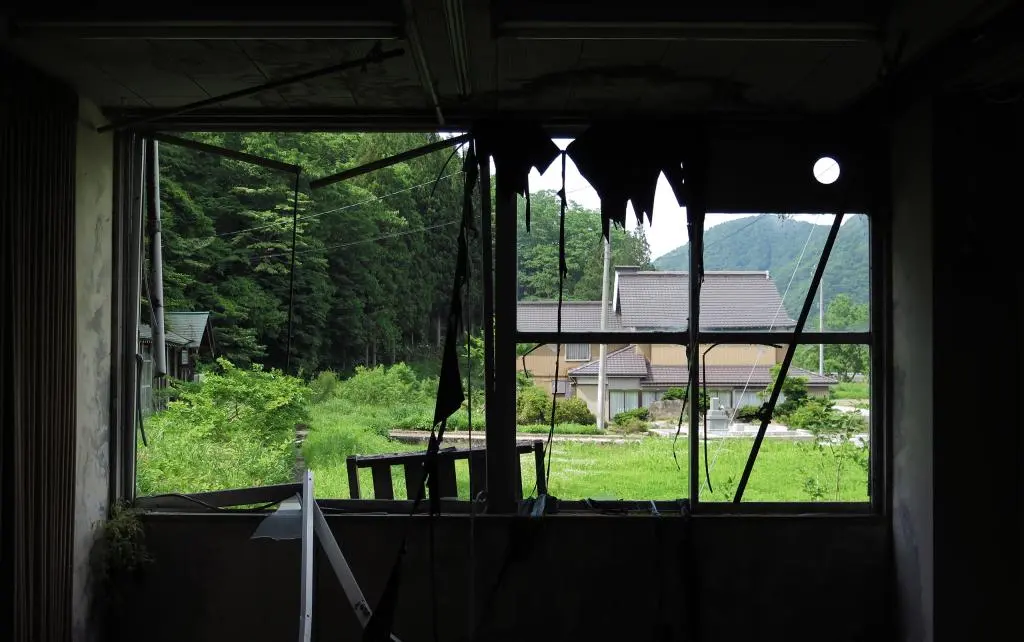
Next to the entrance was a stage that doubled as a music classroom. The floor was sturdy, but had completely disintegrated from lack of upkeep. Maybe there was a huge termite infestation that weaken the wood. The windows of the room had been shattered open. There was a certificate on the ground from October 1971 that congratulated the community on the completion of the building.
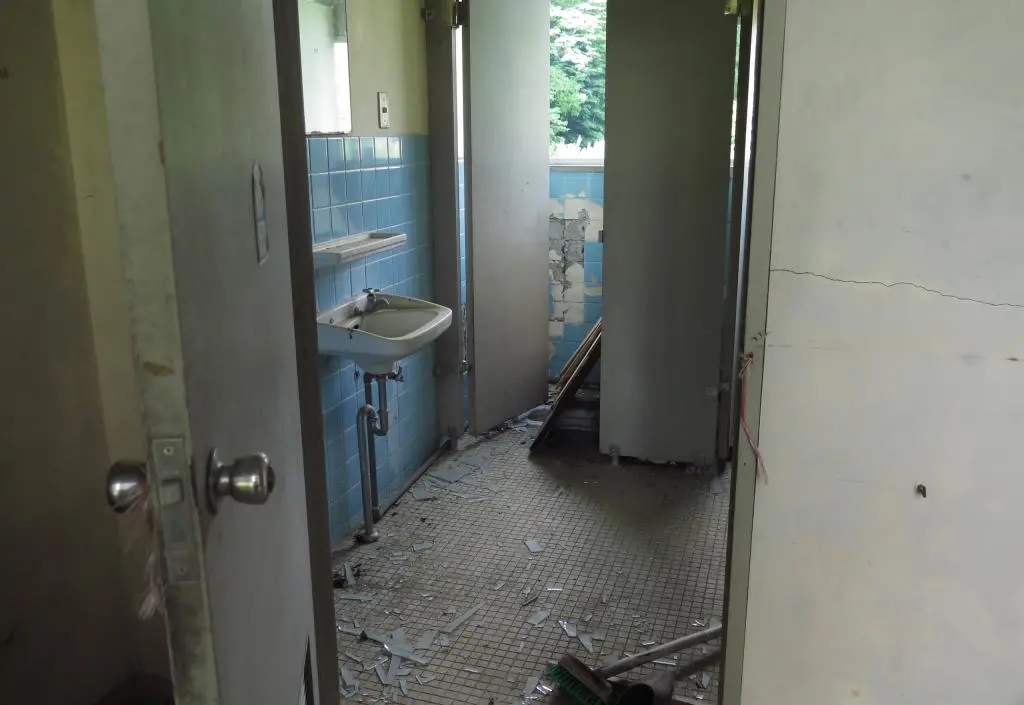
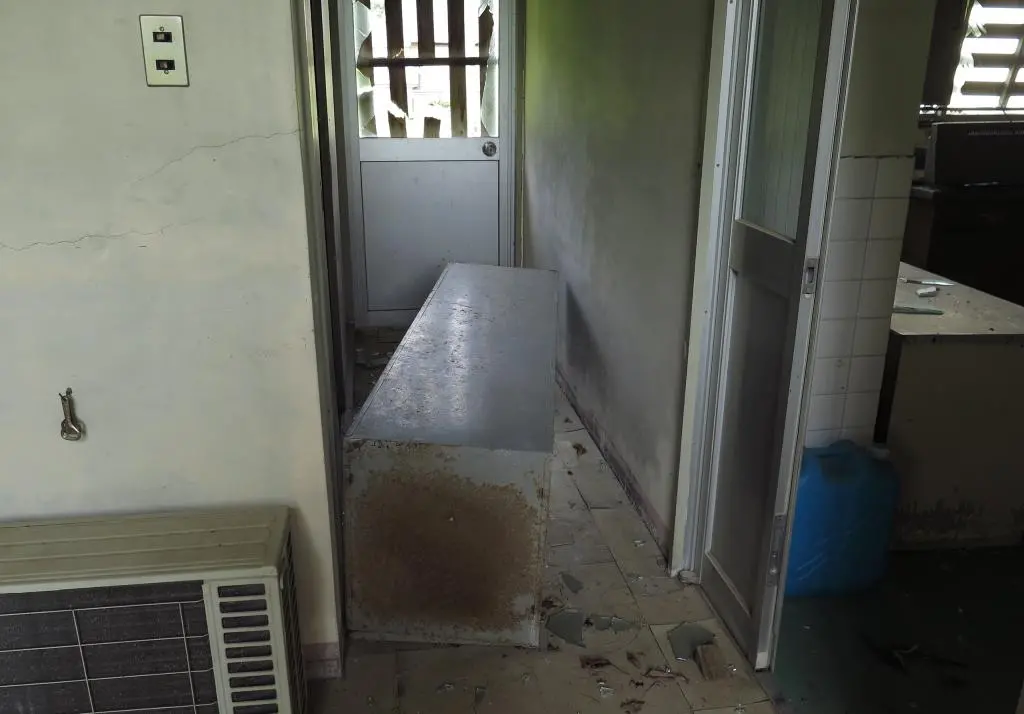
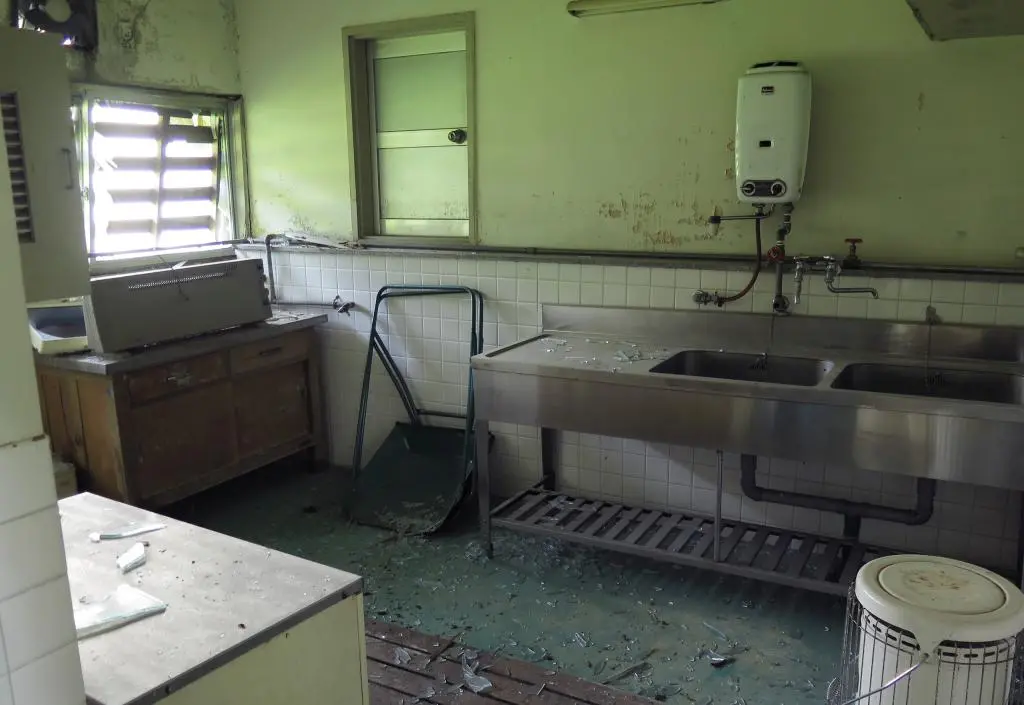
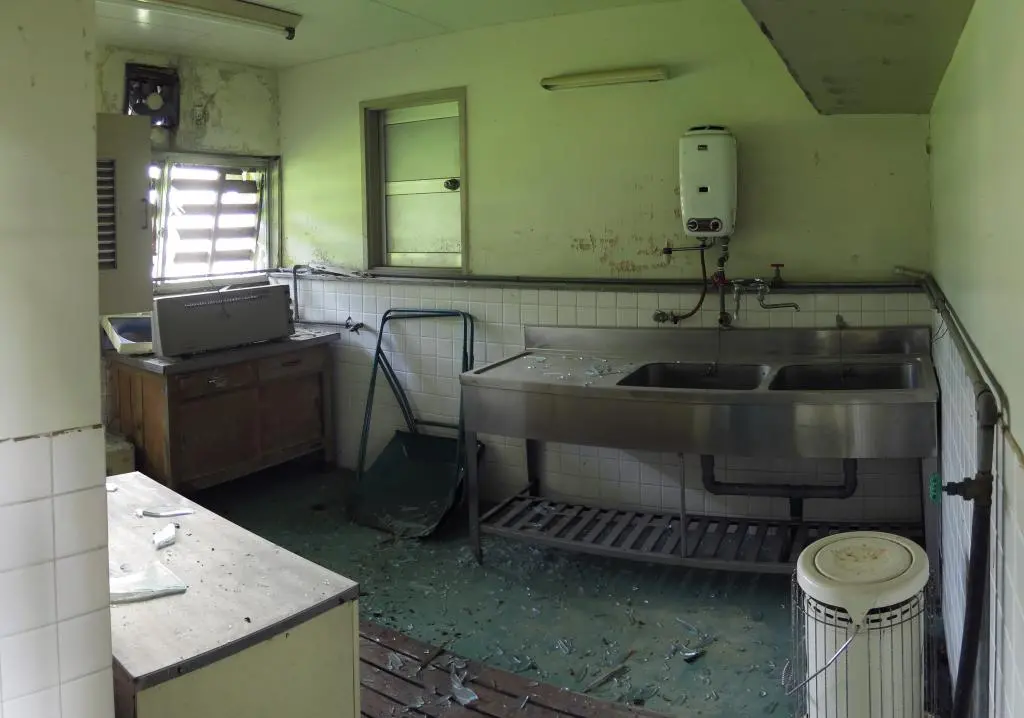
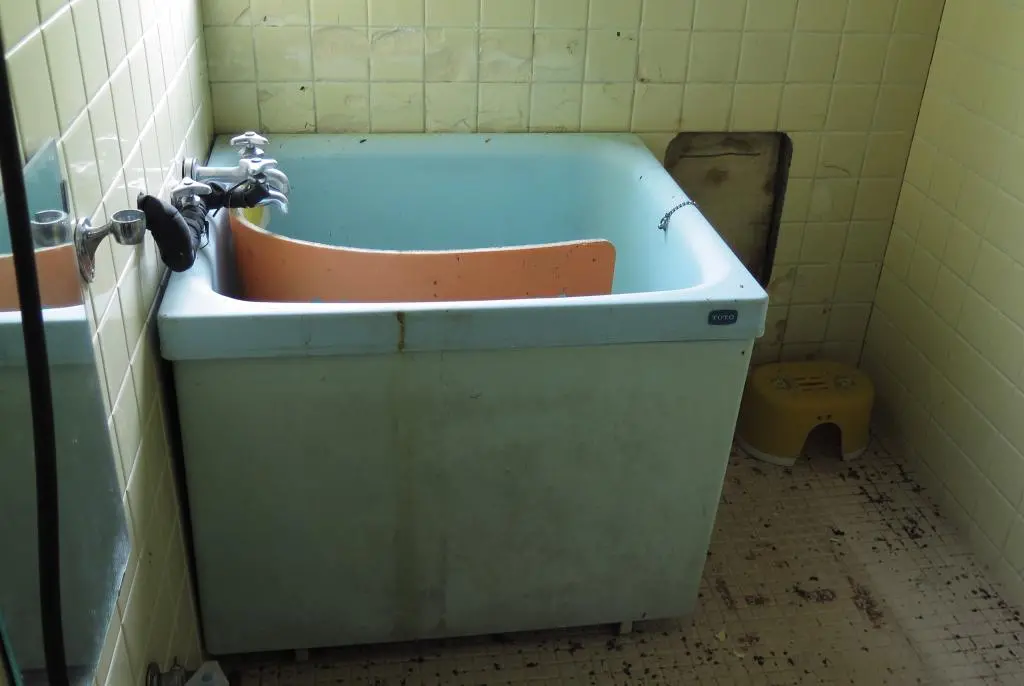
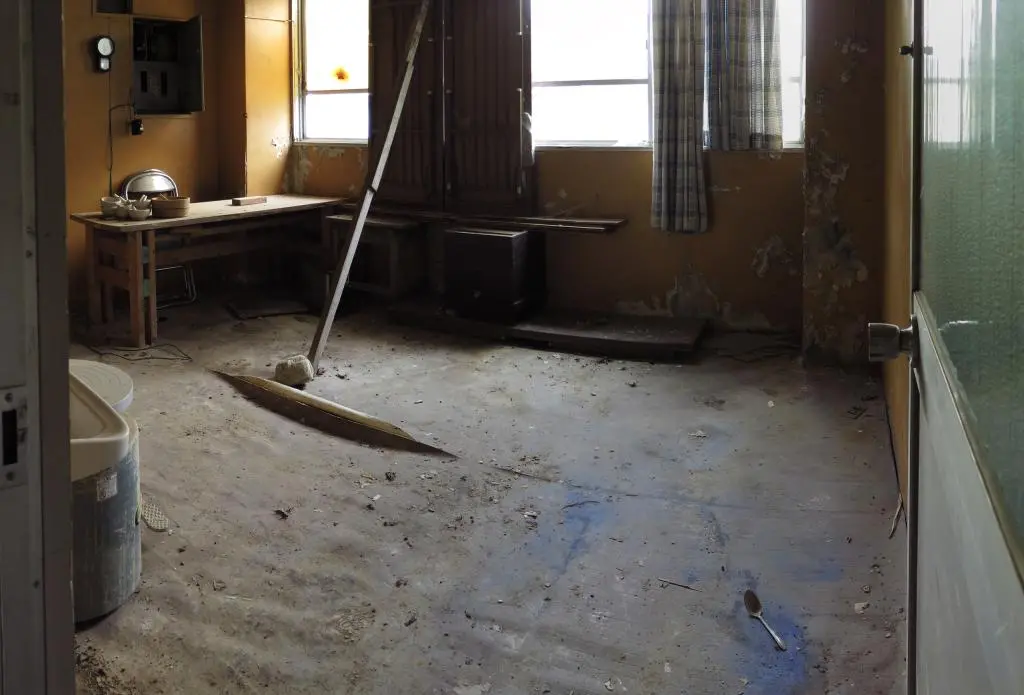
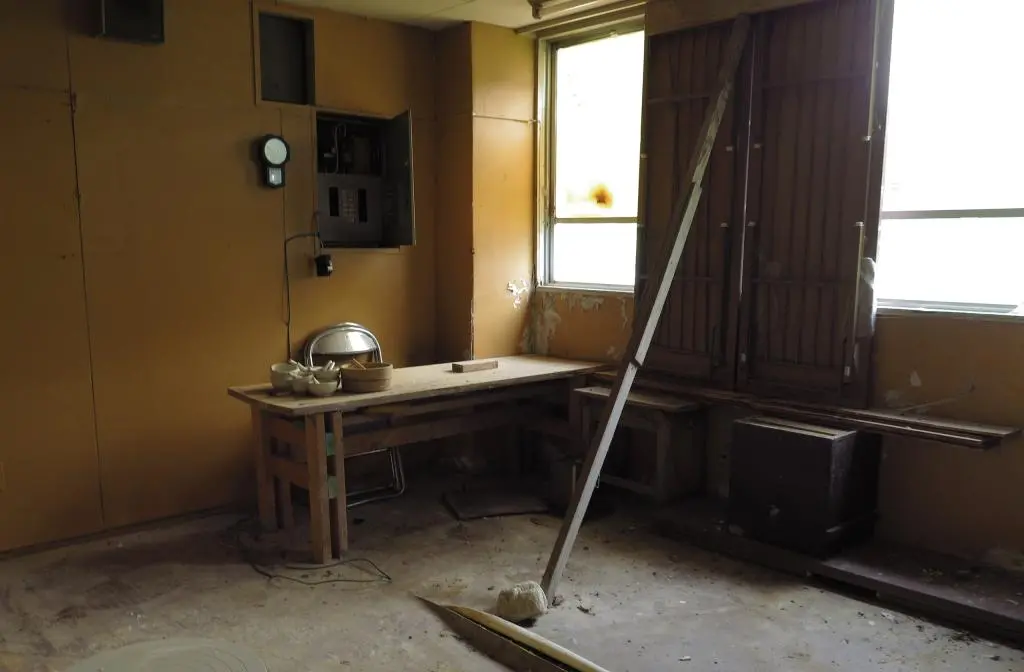
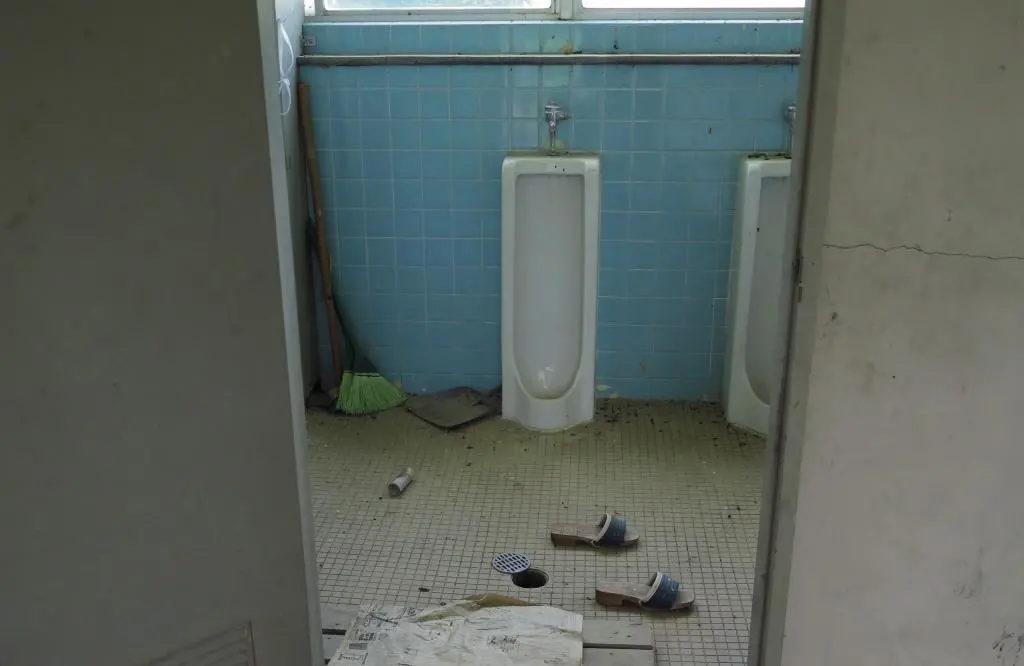
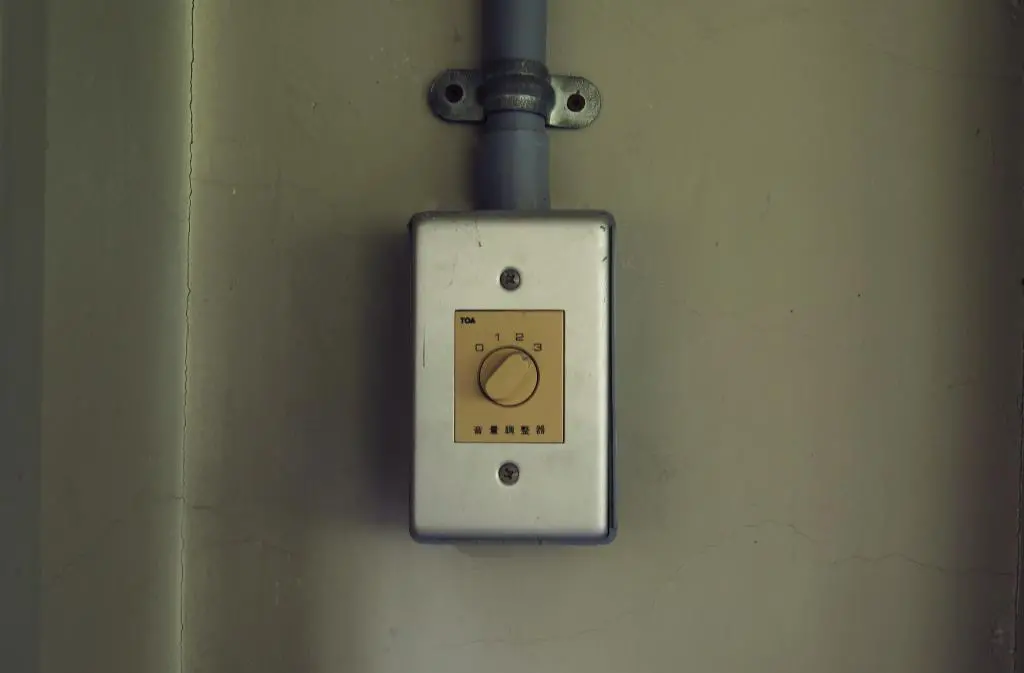
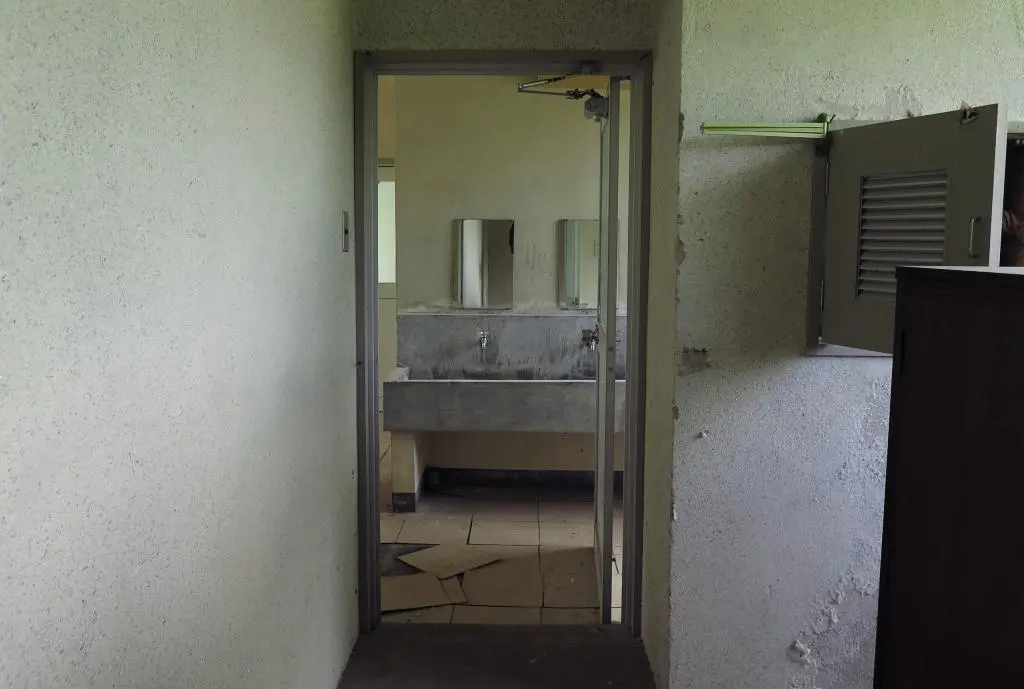
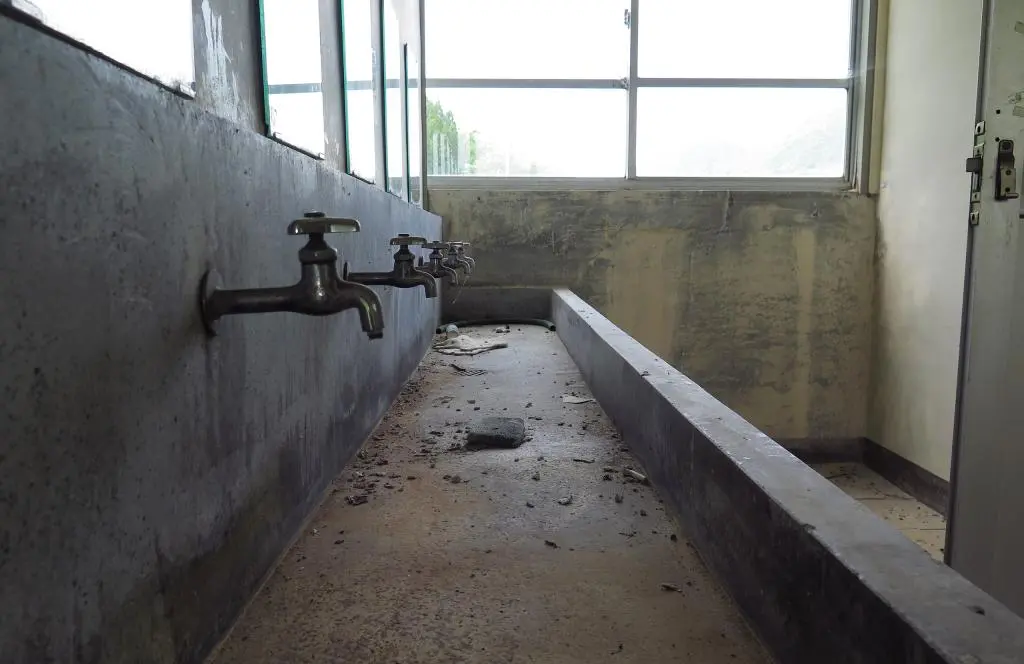
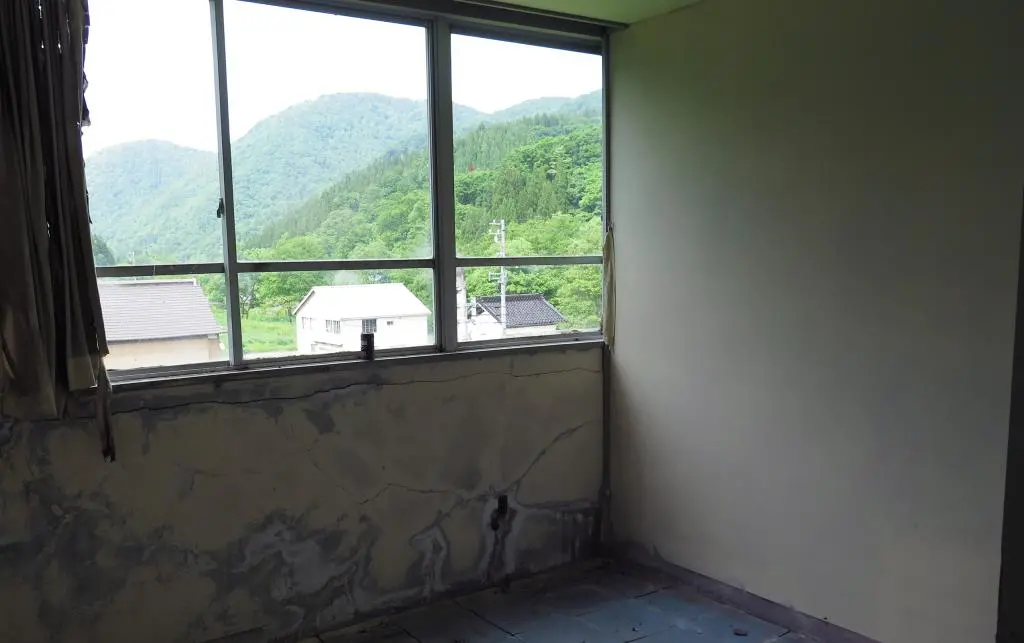
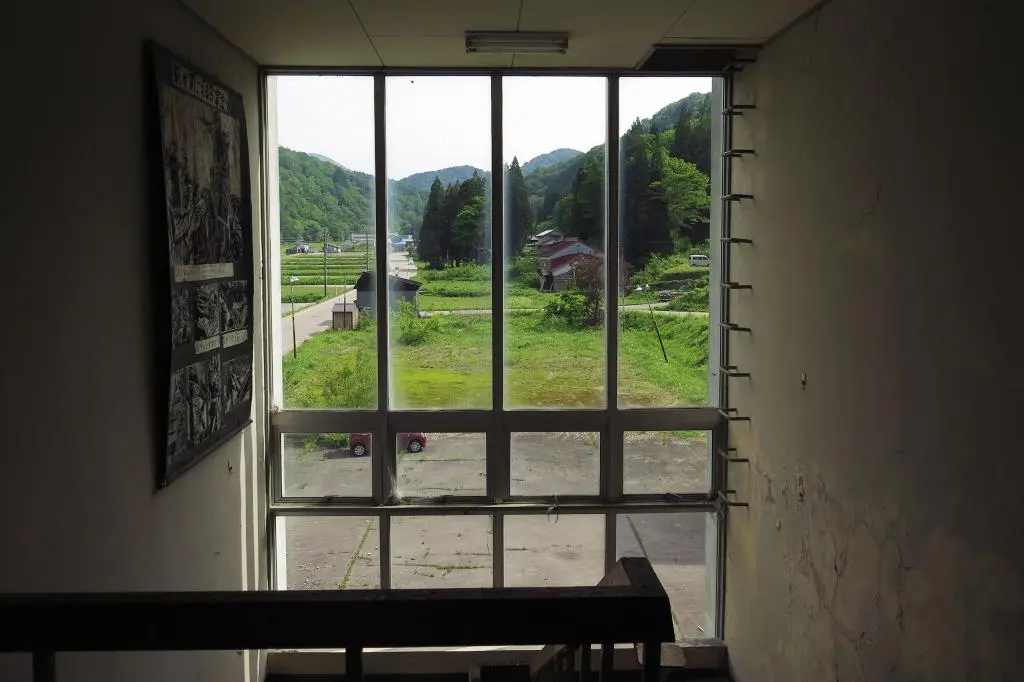
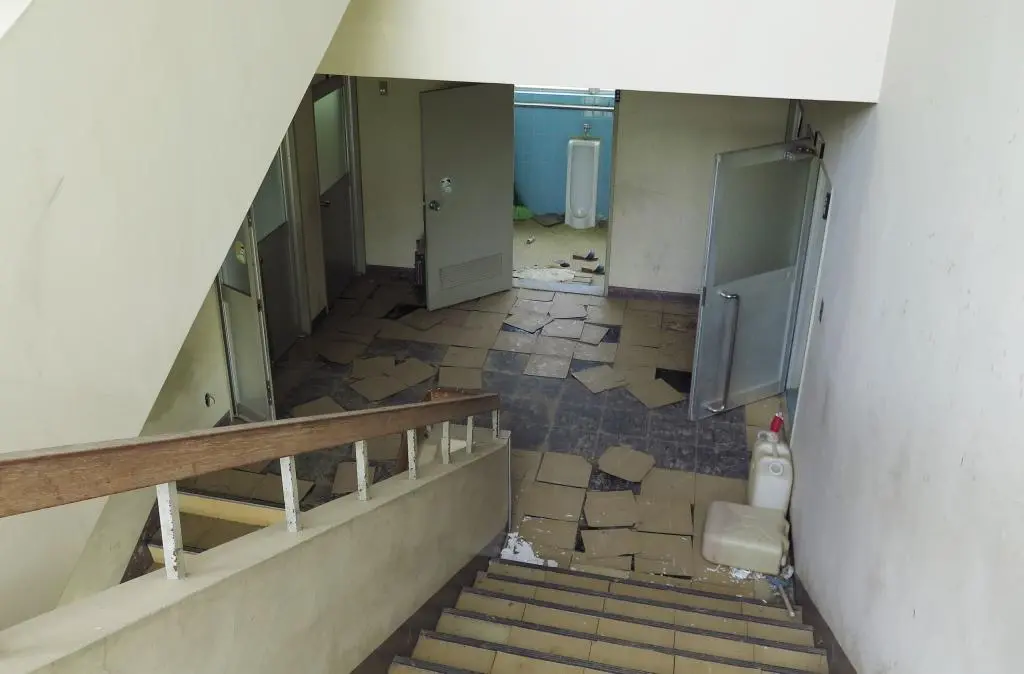
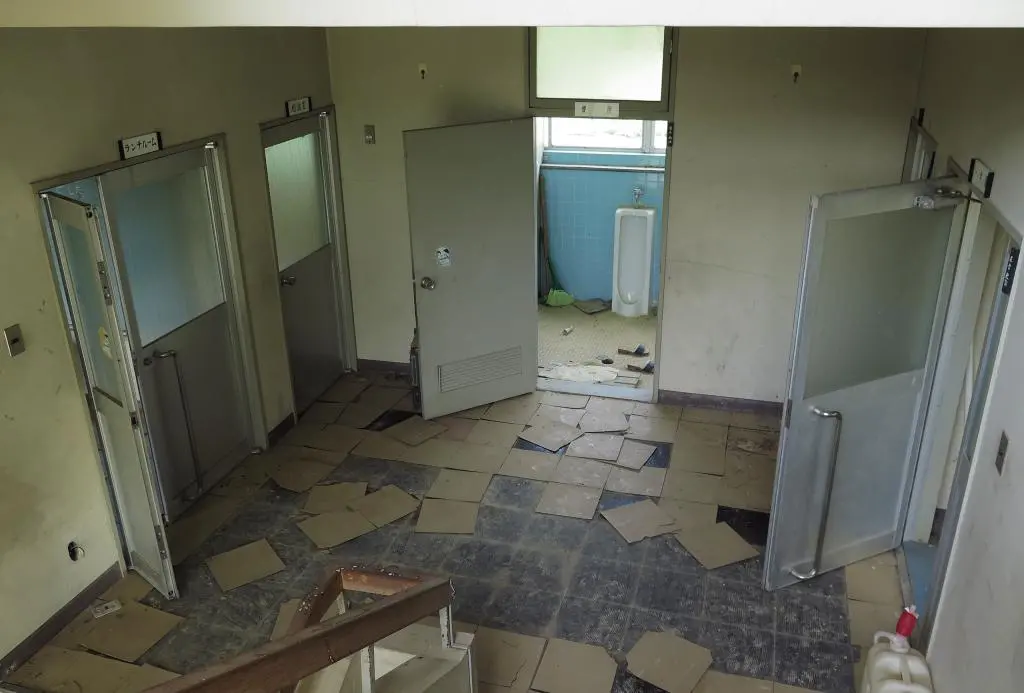
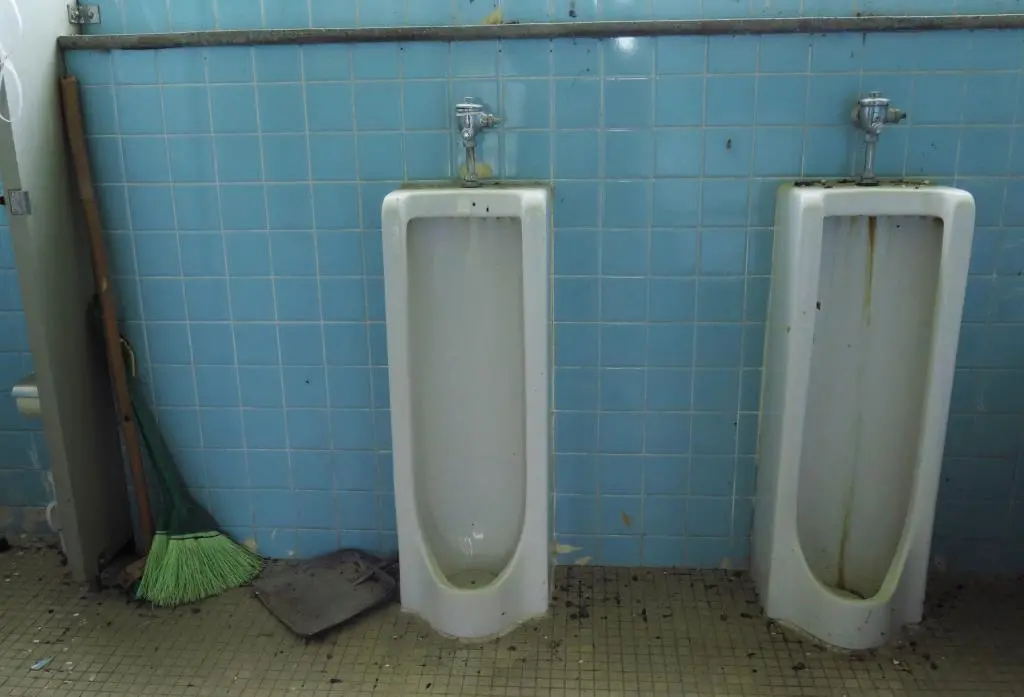
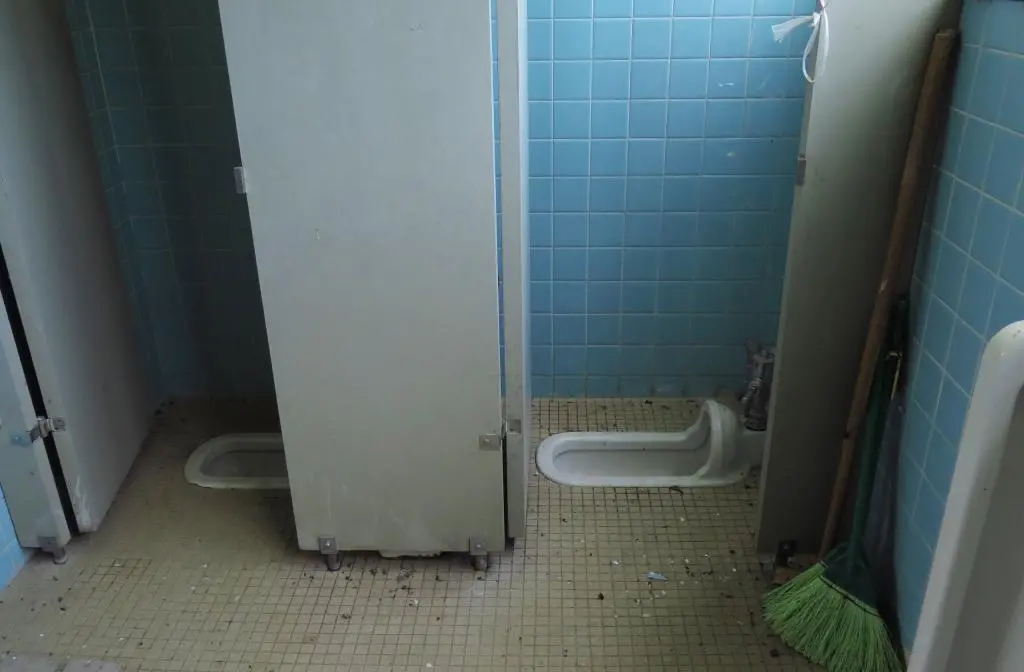
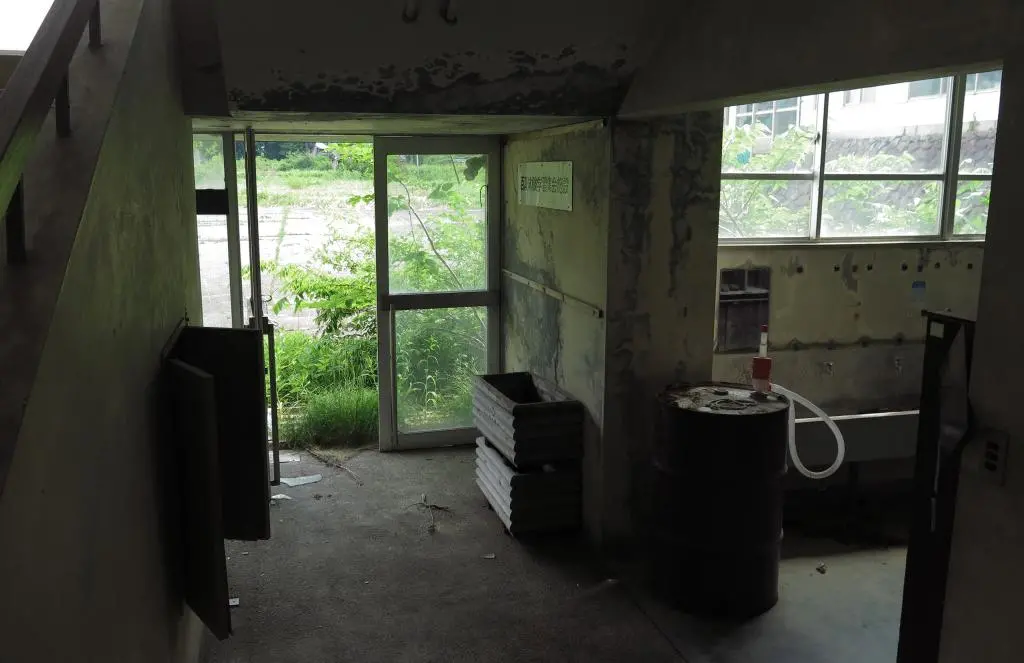
From the music room, I moved into the main building. The ground floor had a bathroom, bathing room, kitchen, and office. The office looked different from the rooms of the rest of the building, so maybe it was painted and remodeled after its decommission in 1996.
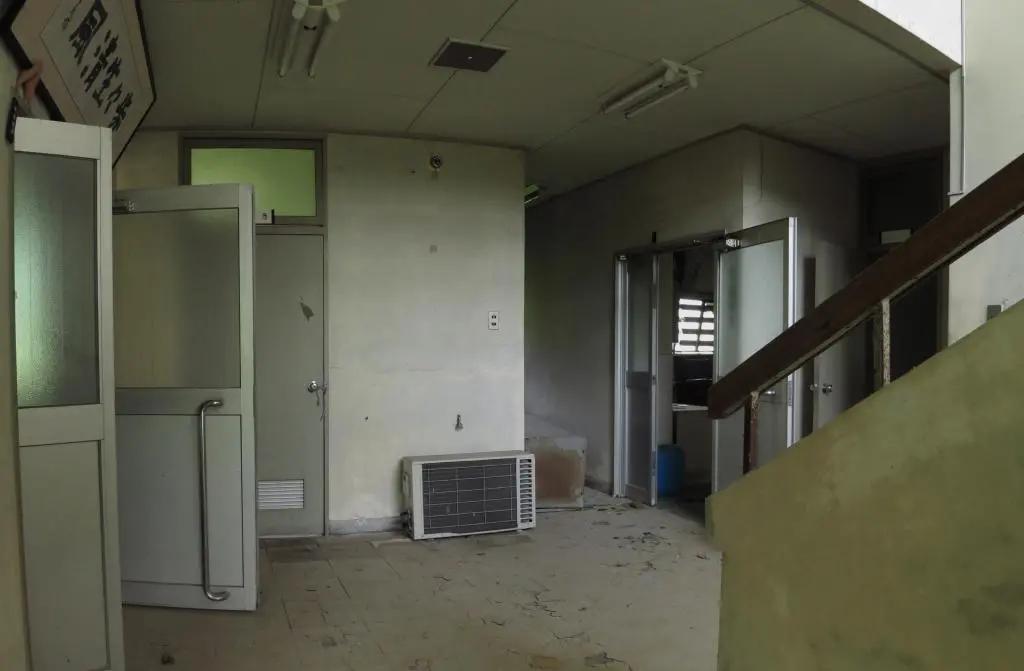
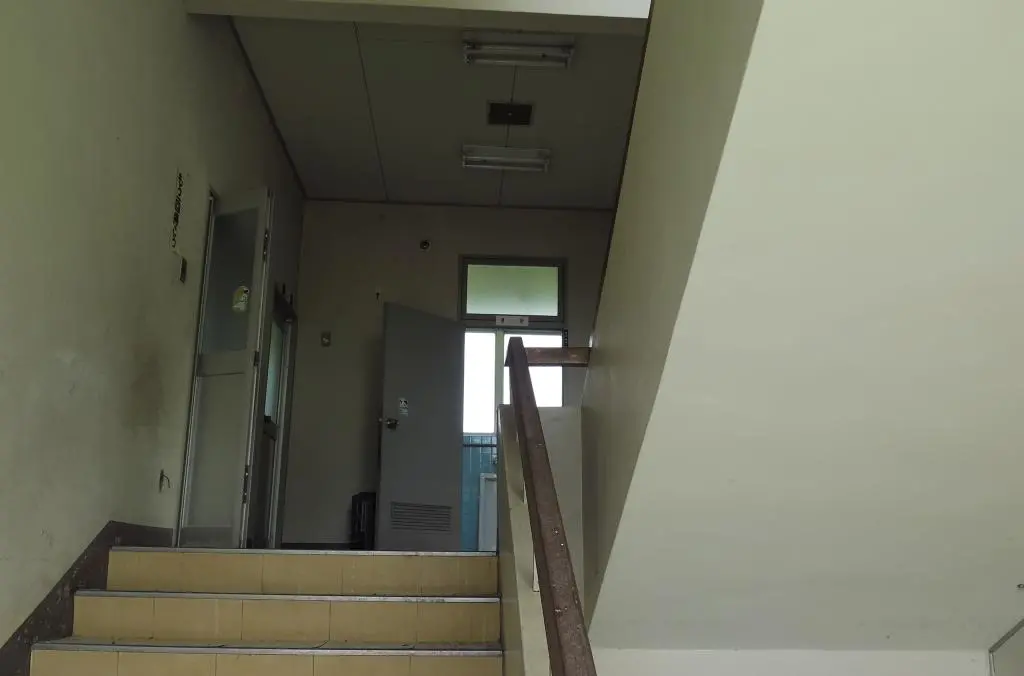
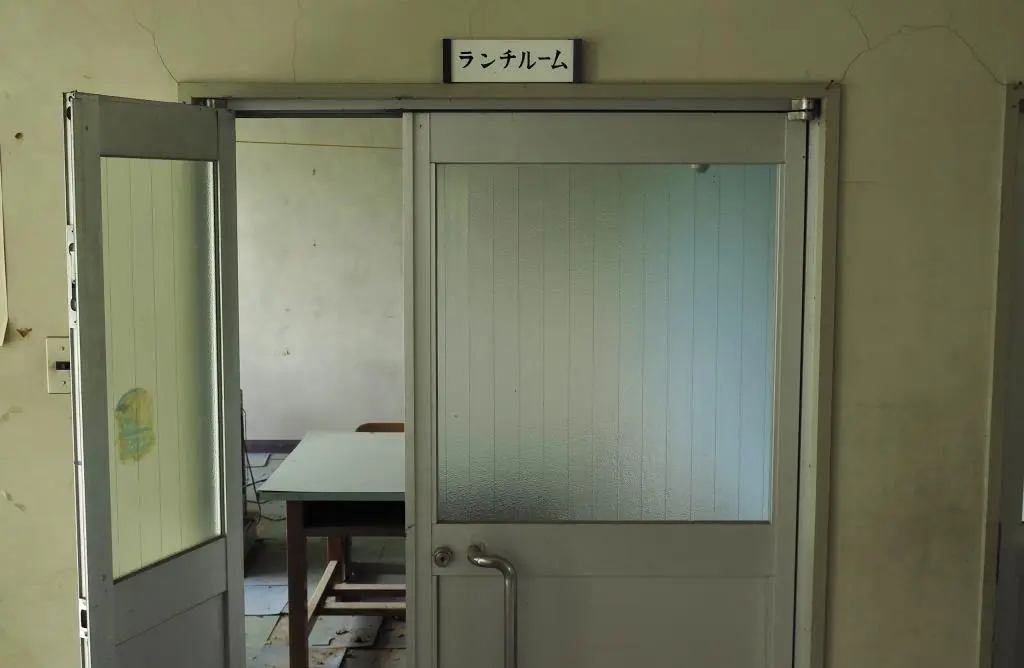
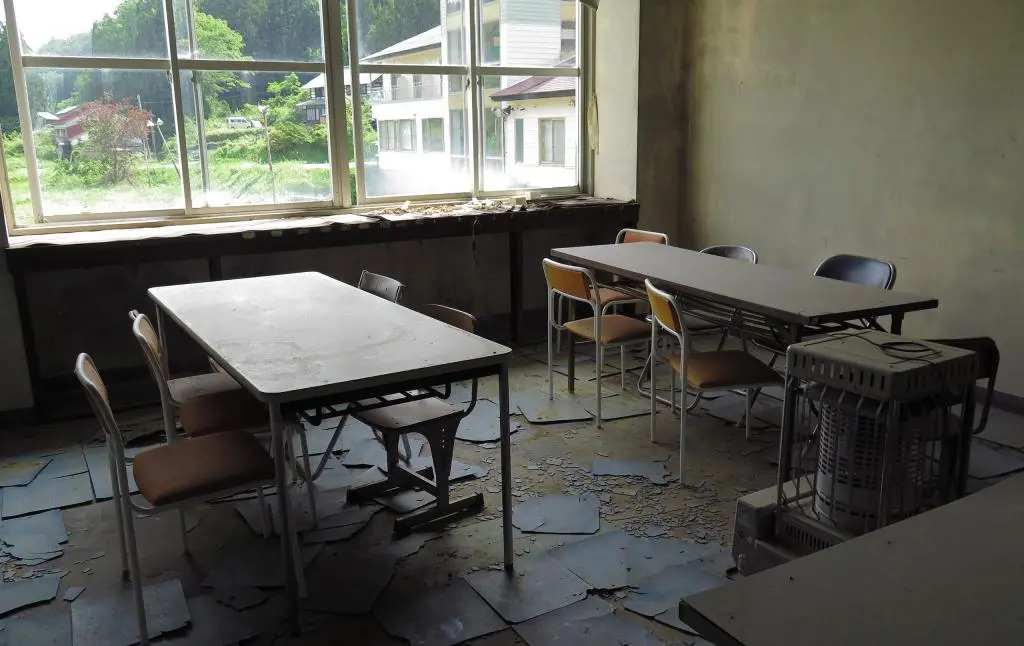
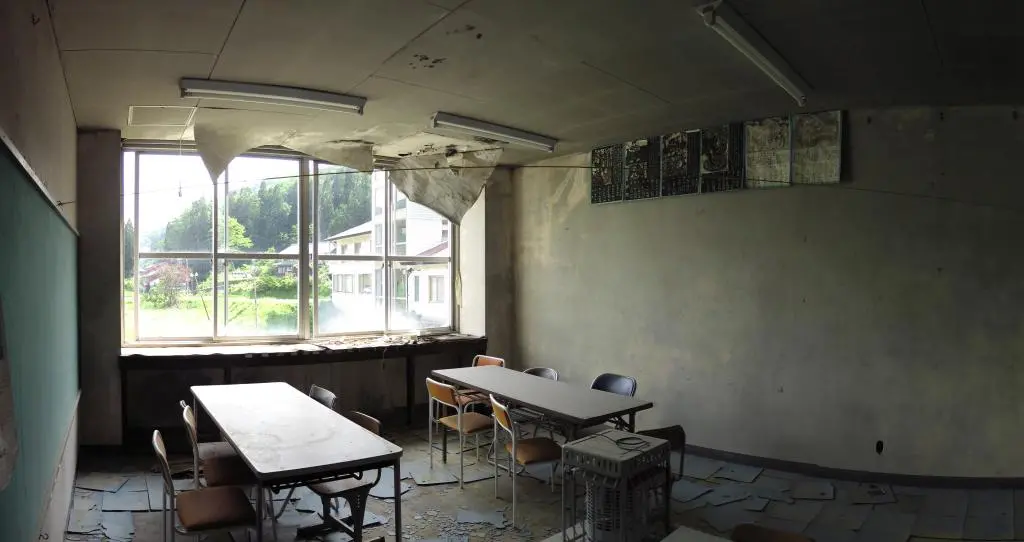
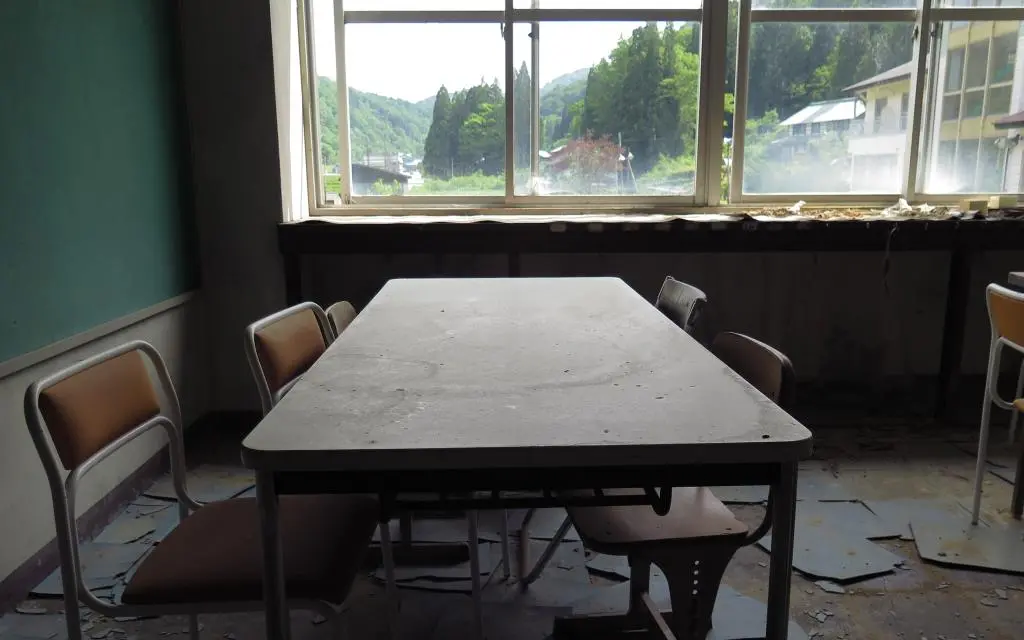
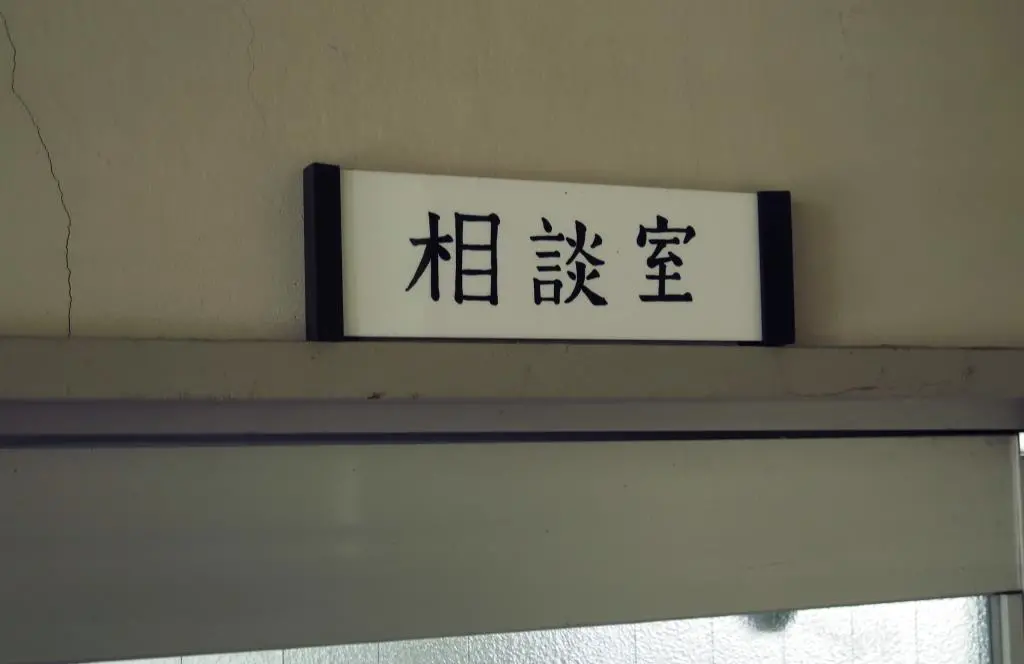
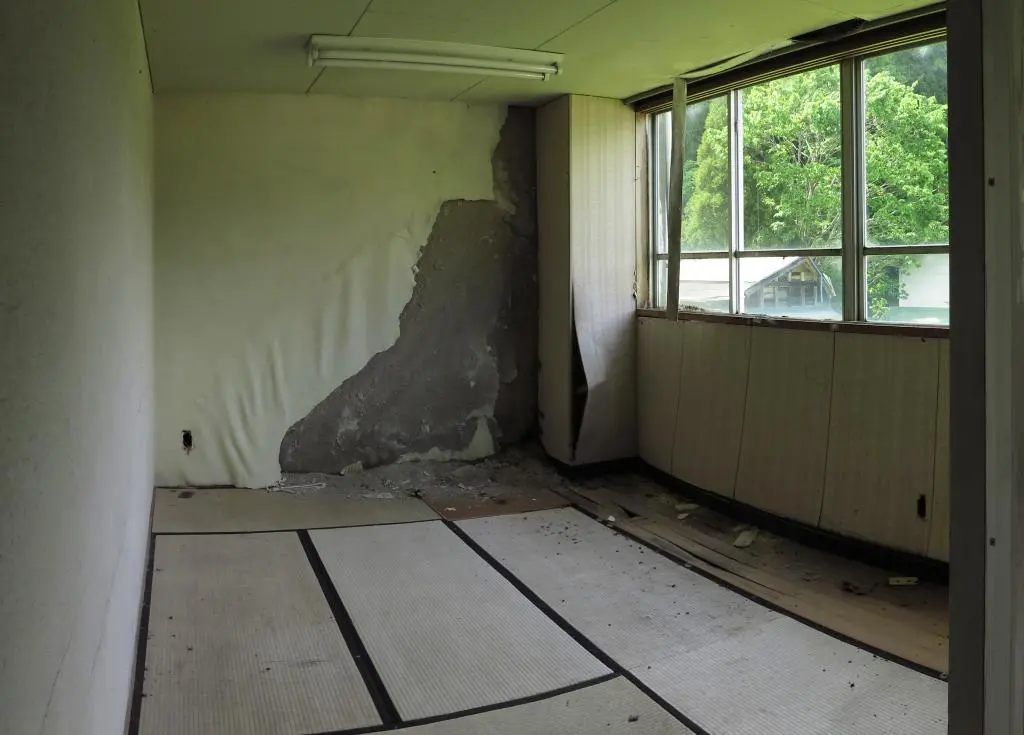
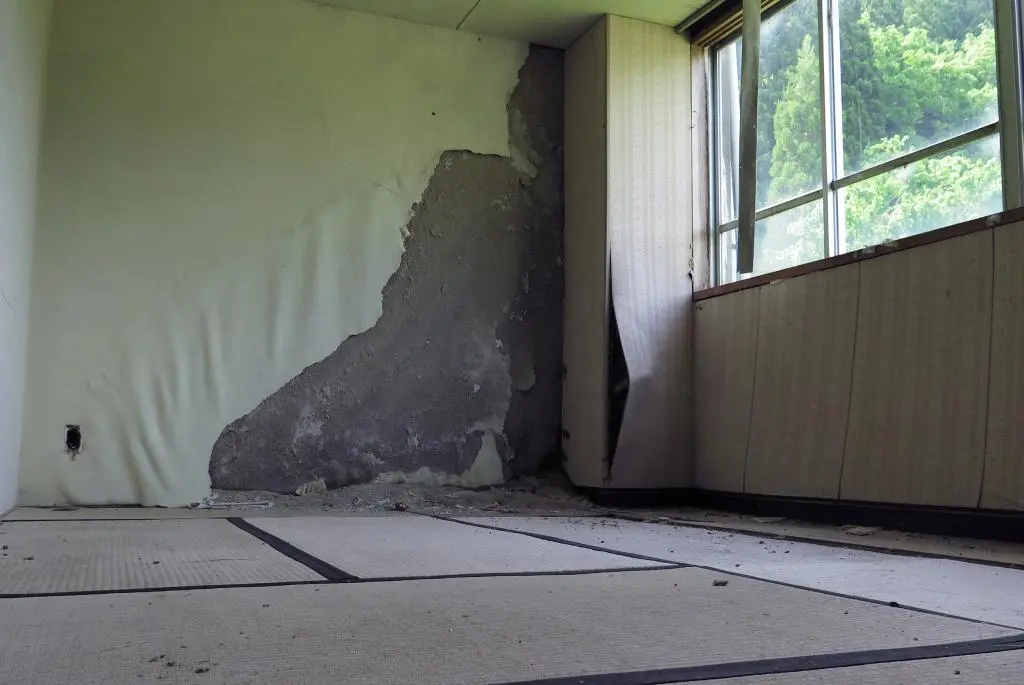
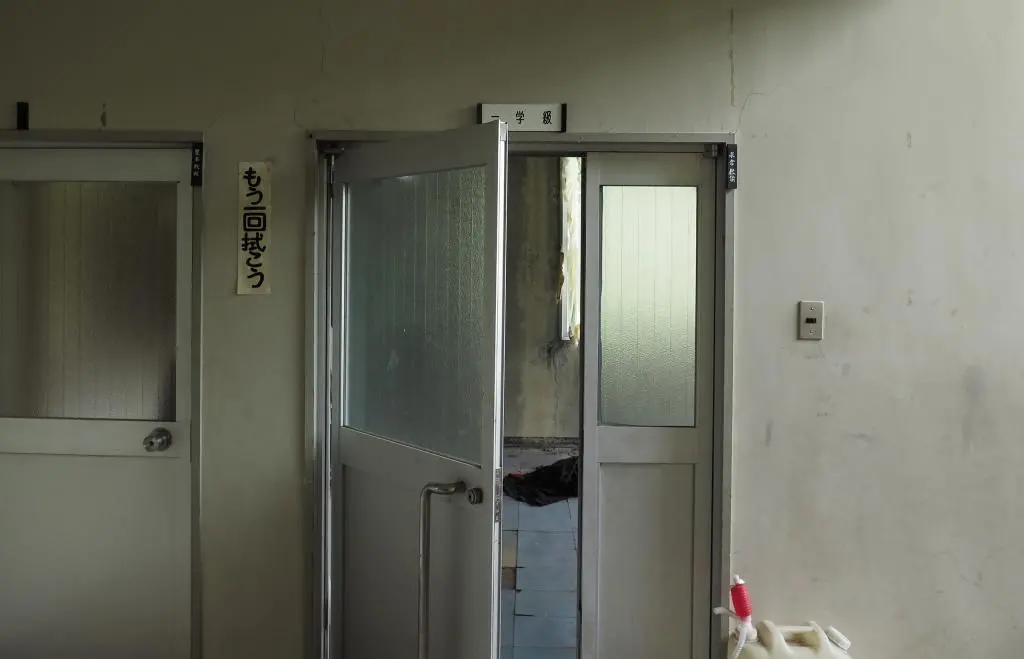
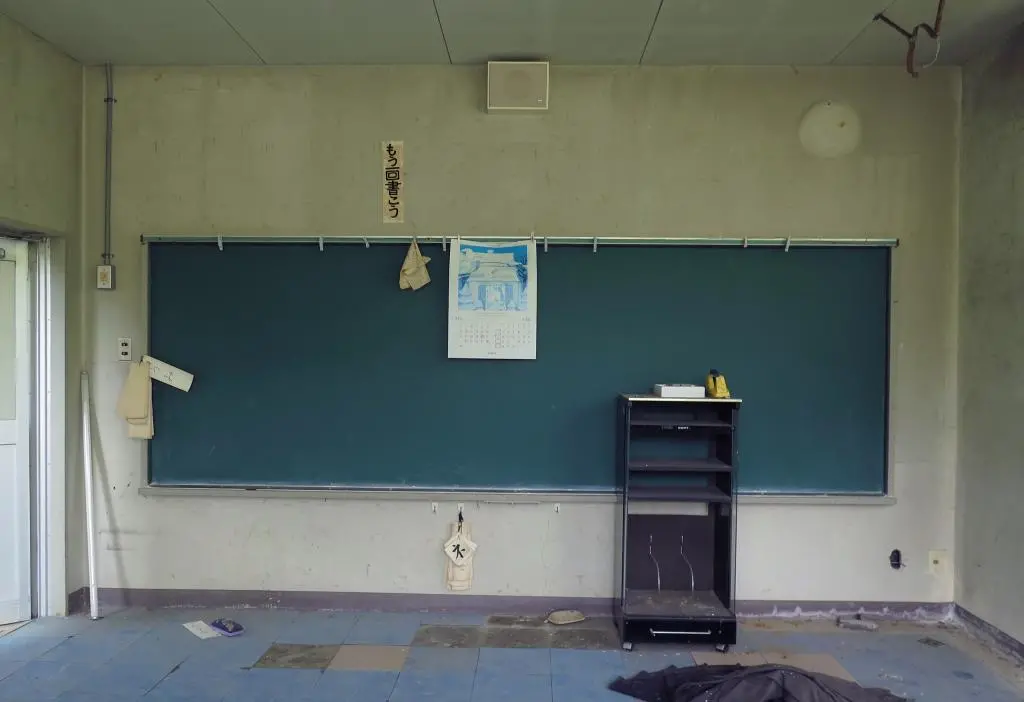
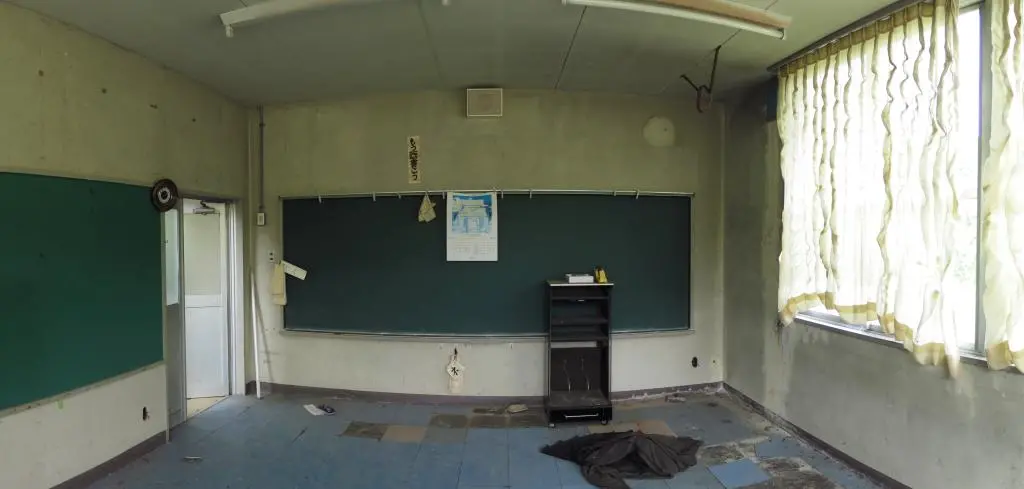
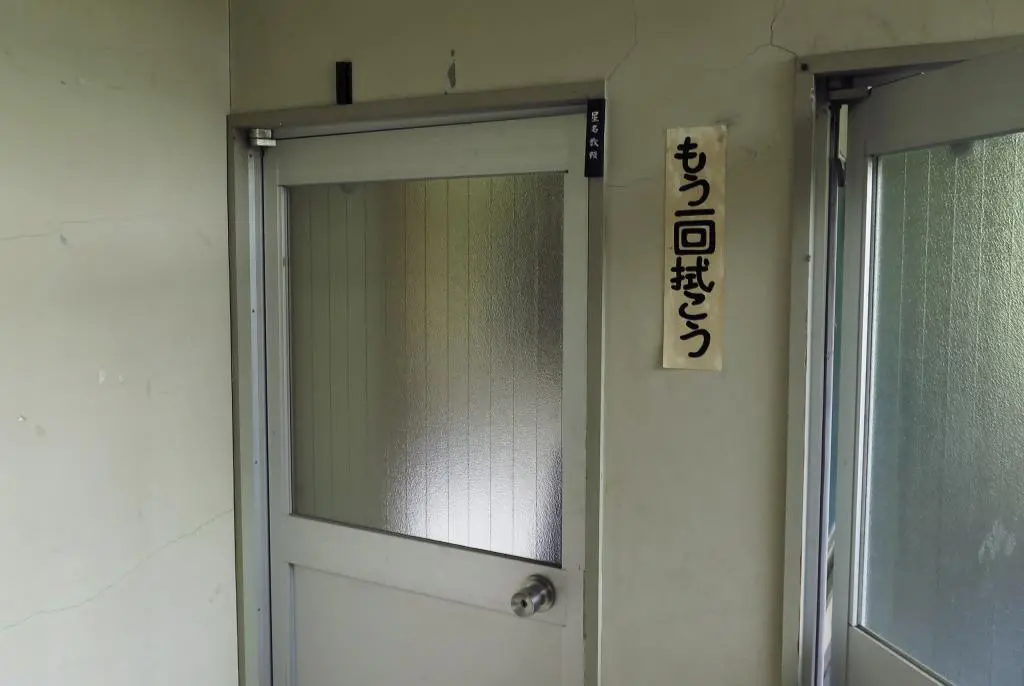
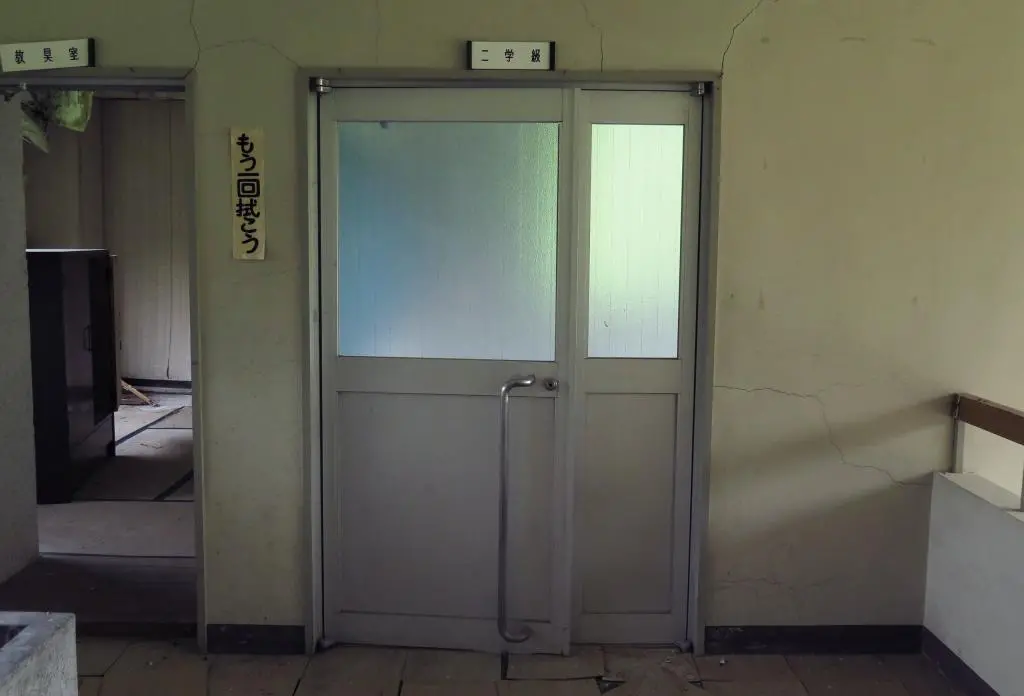
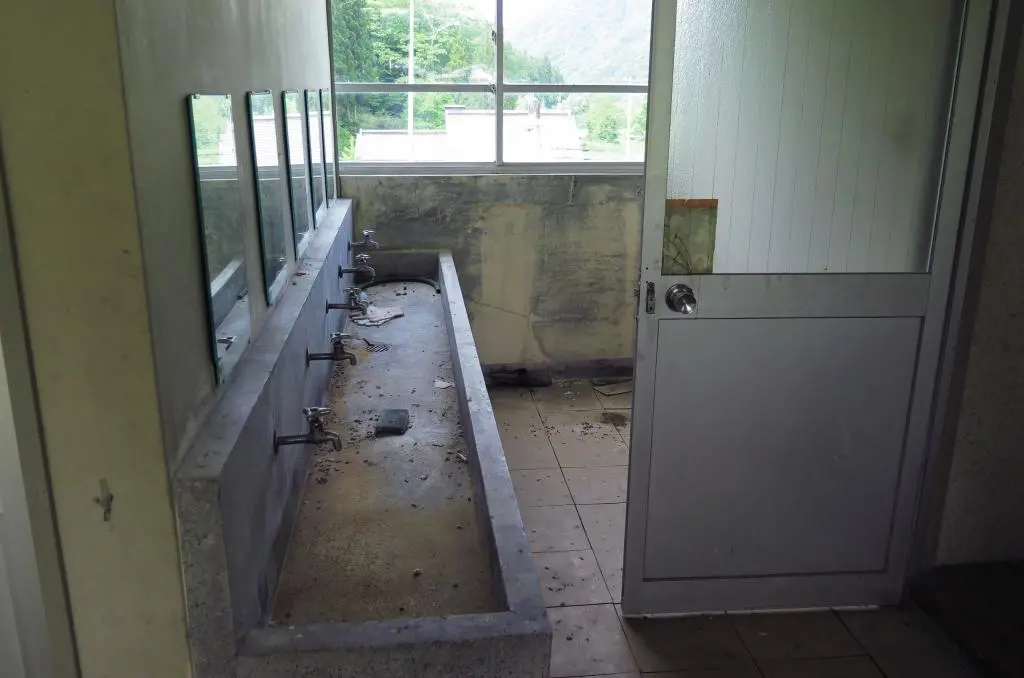
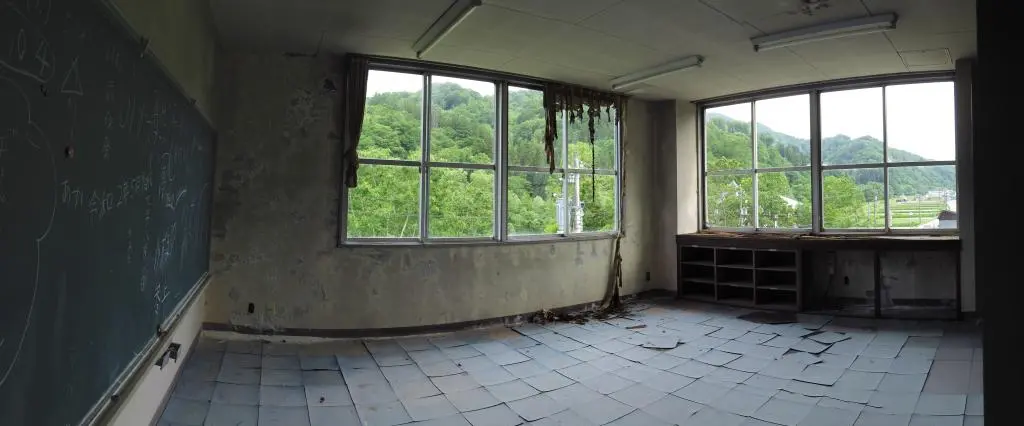
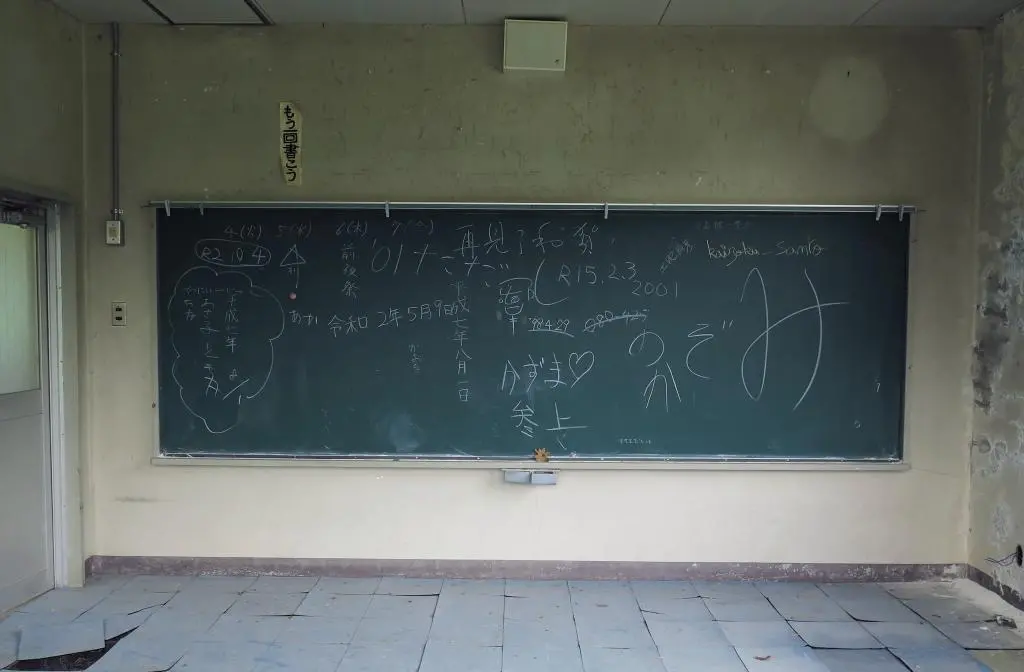
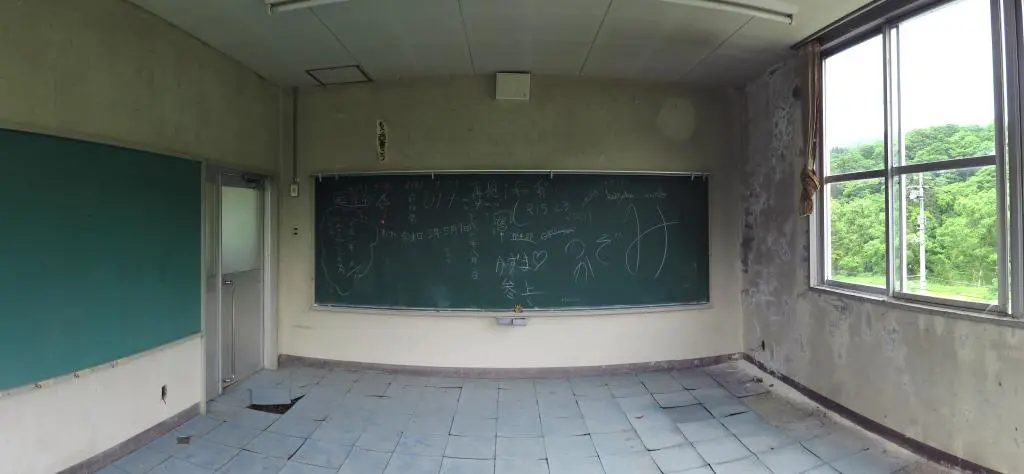
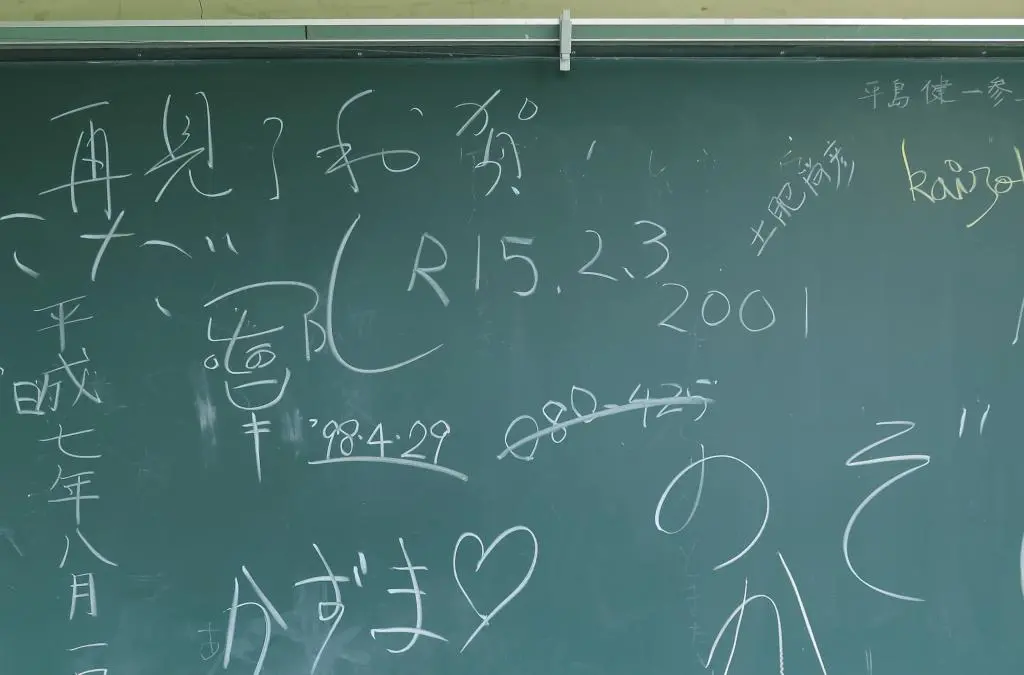
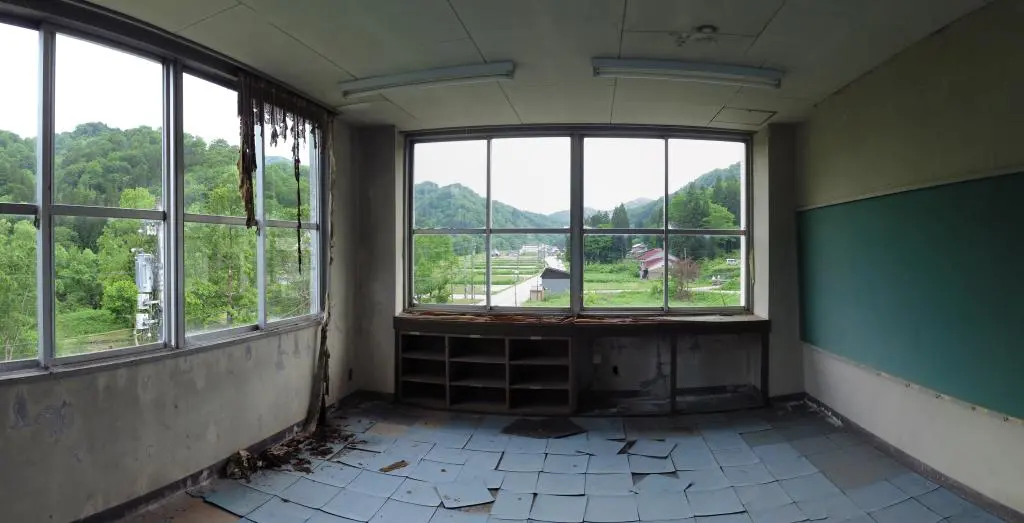
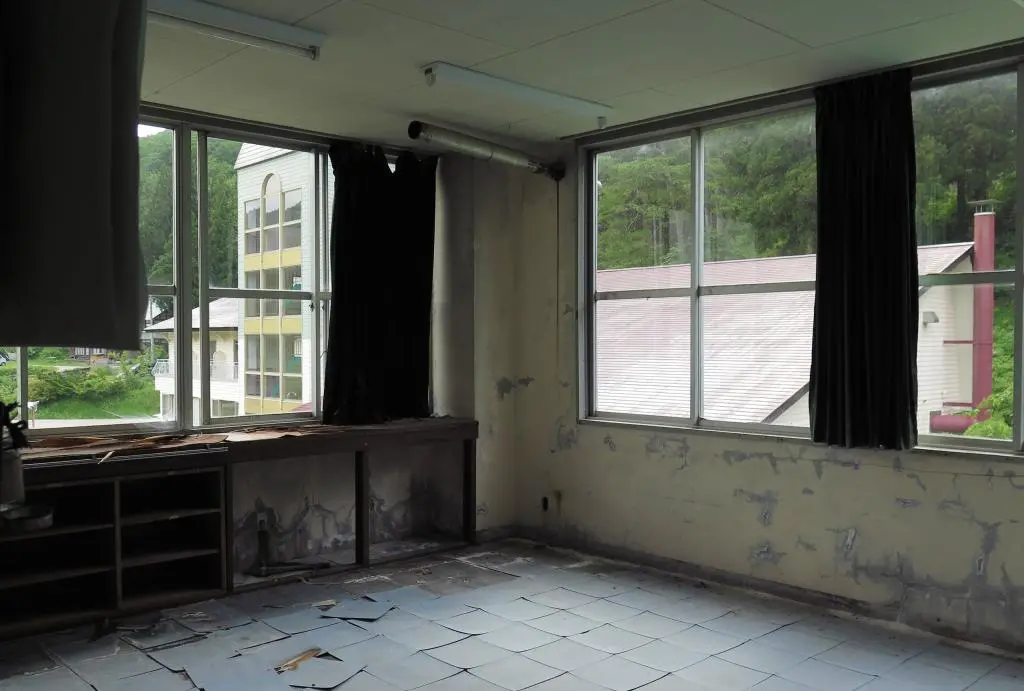
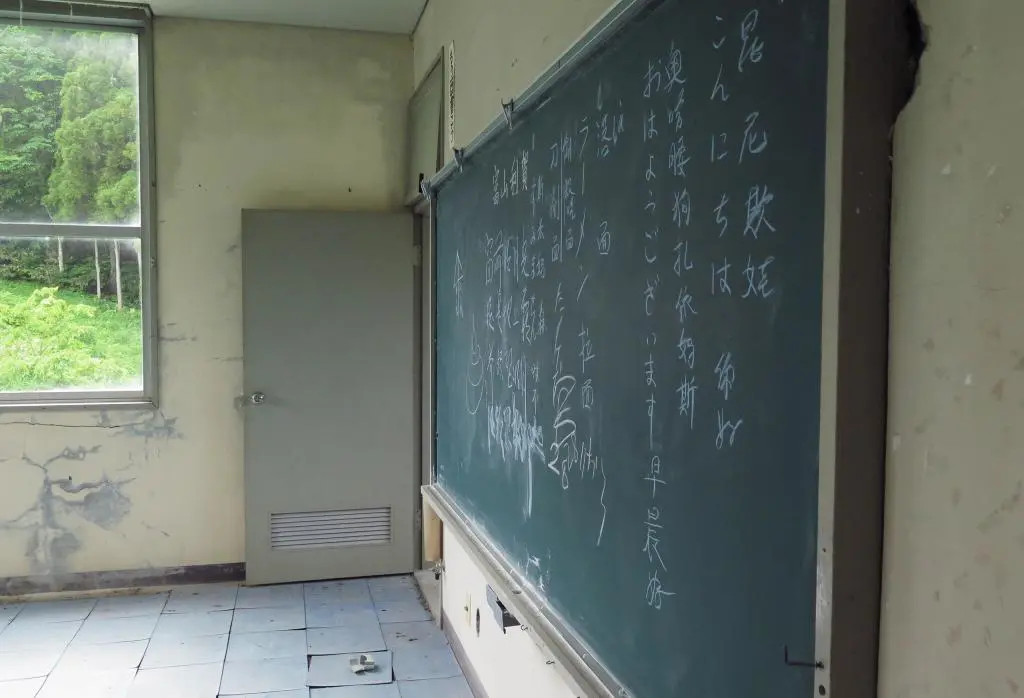
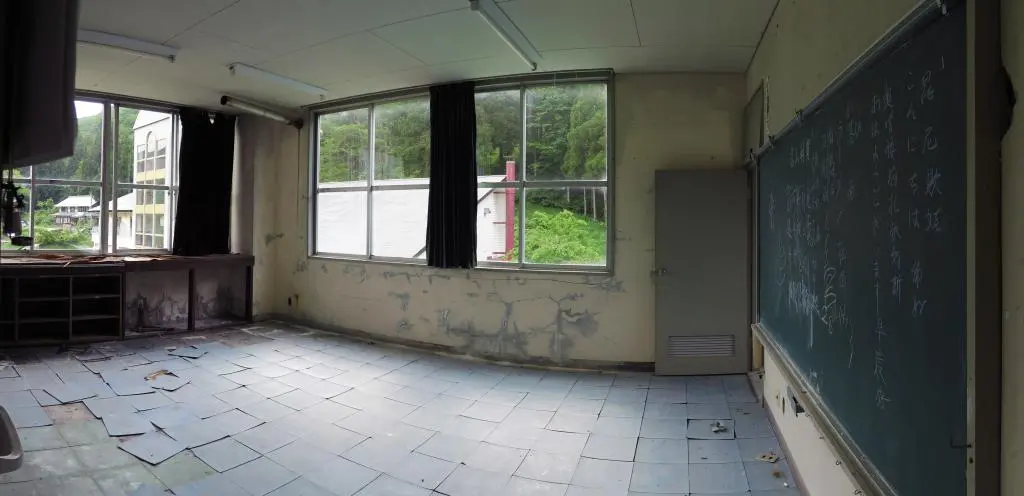
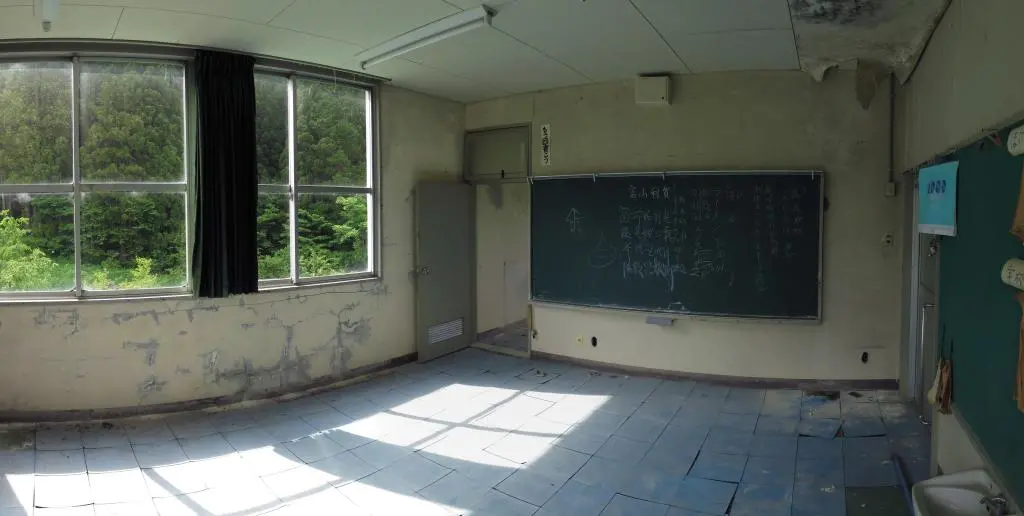
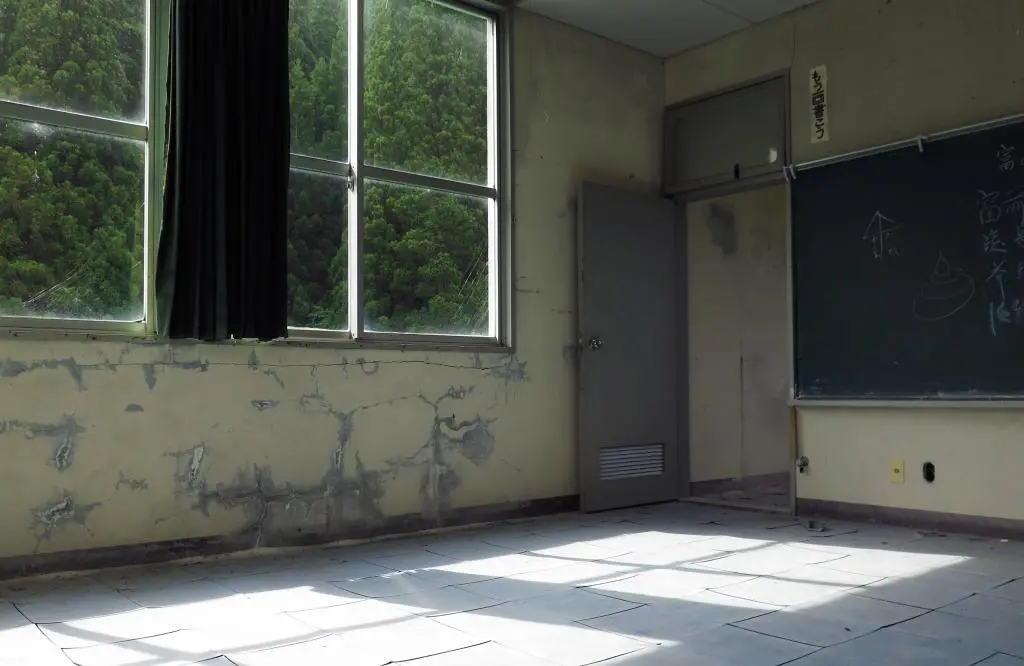
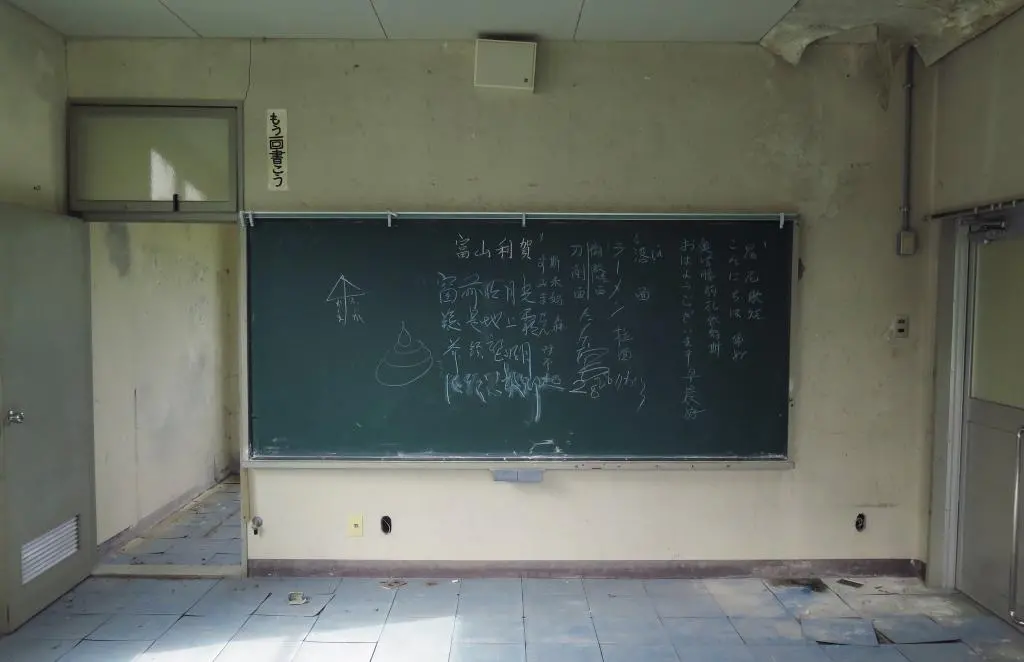
Moving to the second floor, there were more bathrooms, a lunch room, a discussion room 相談室, and 1st year homeroom 一学組. In total, Momosegawa only had 3 classes by the time it was closed in 1989. While it was the 1st year homeroom, this homeroom had both 1st grade and 2nd grade combined.
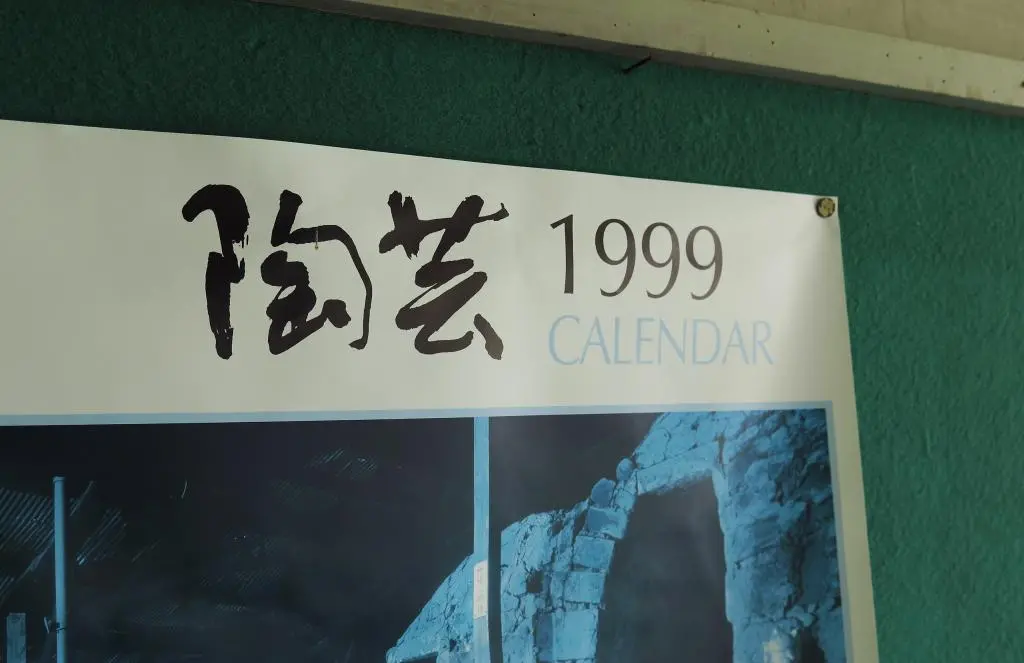
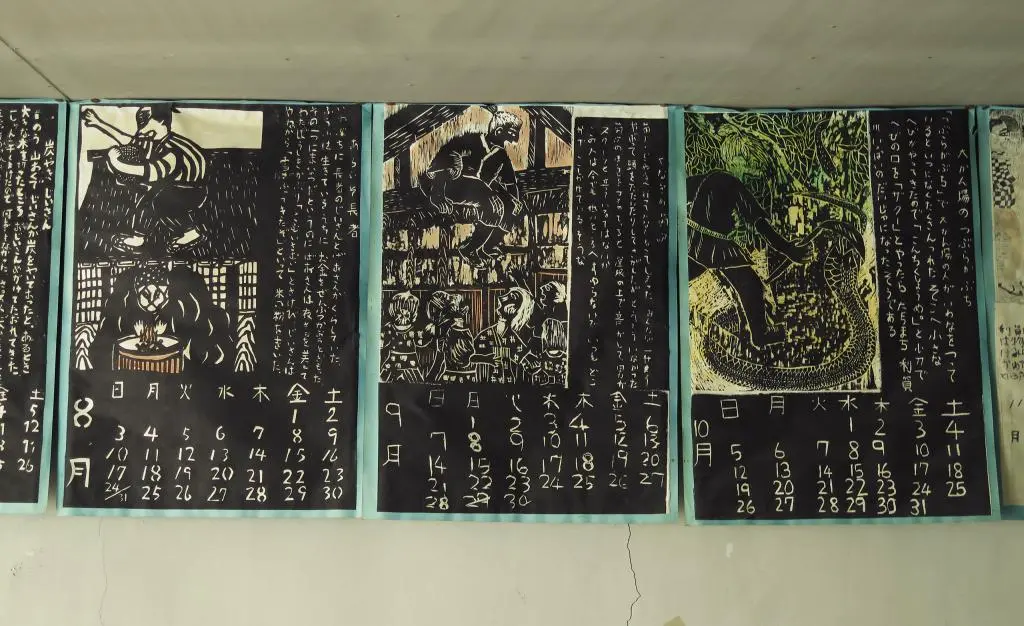
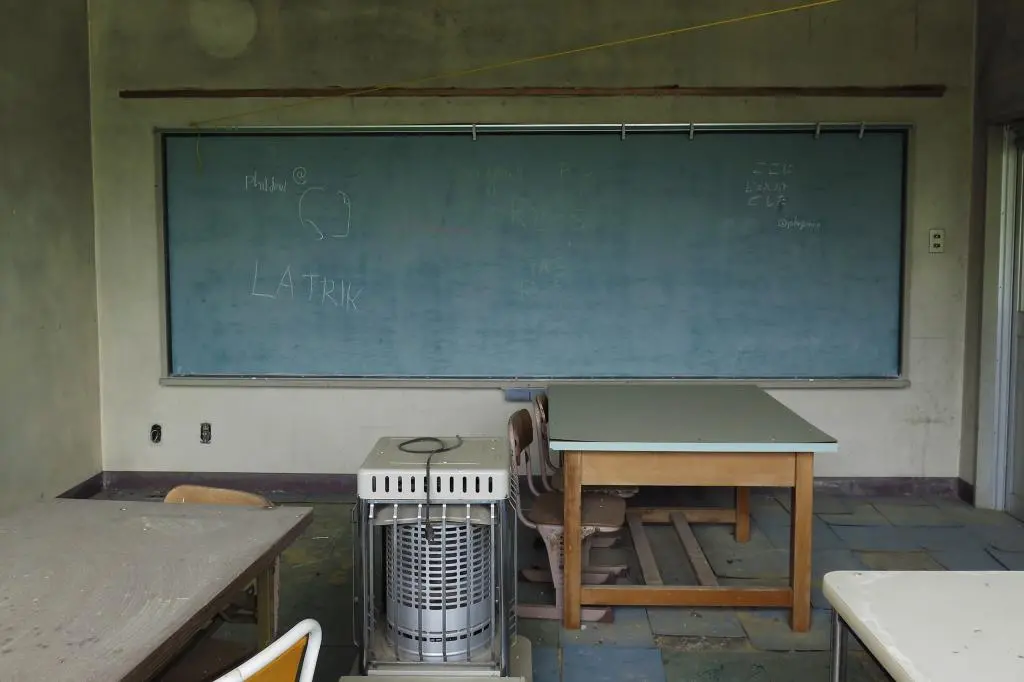
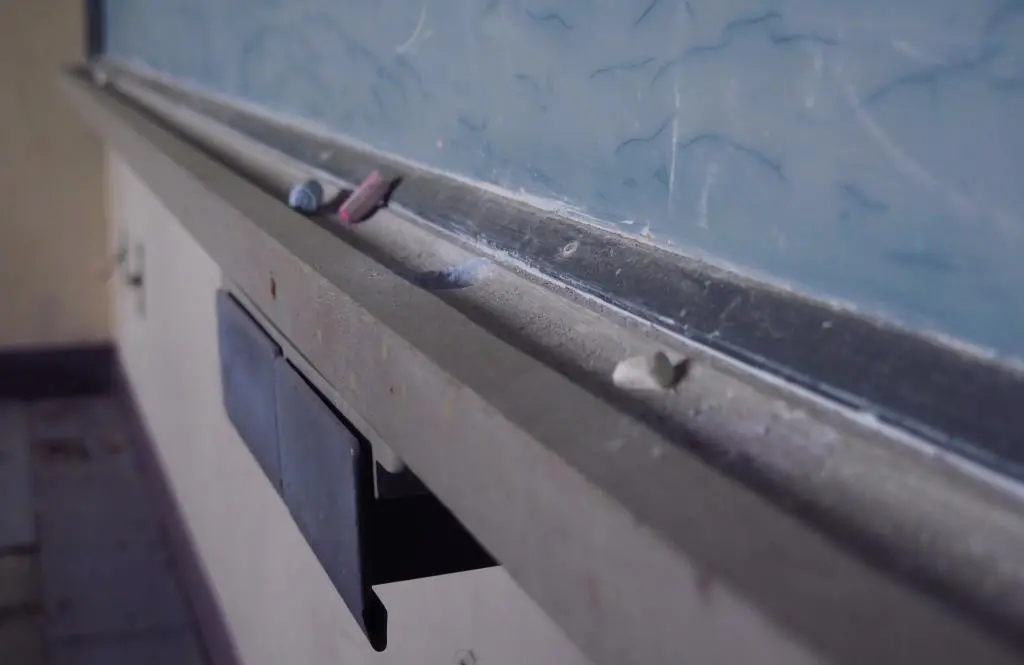
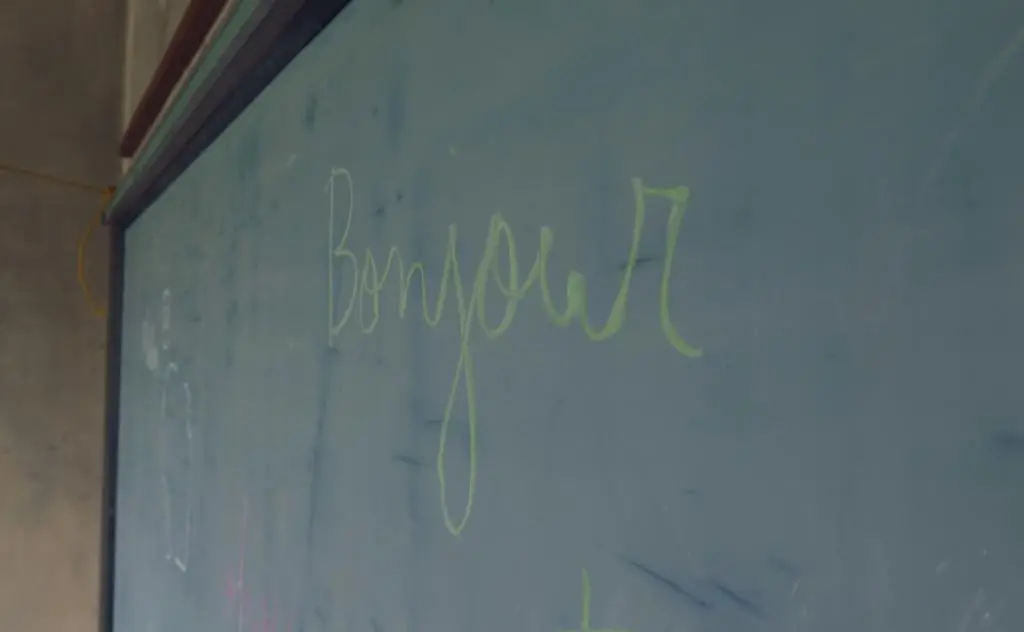
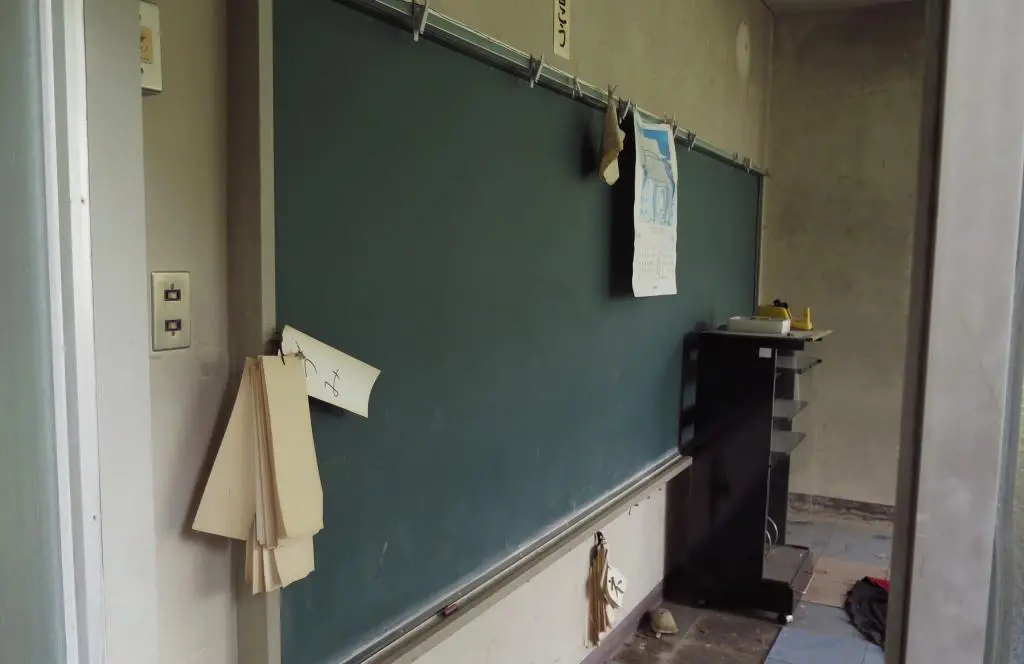
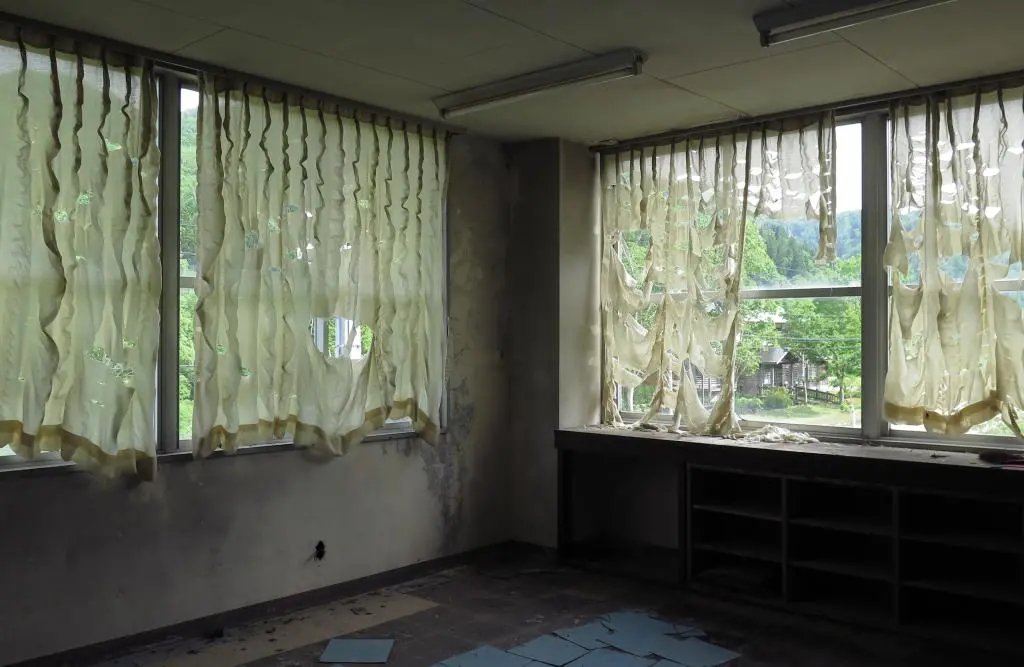
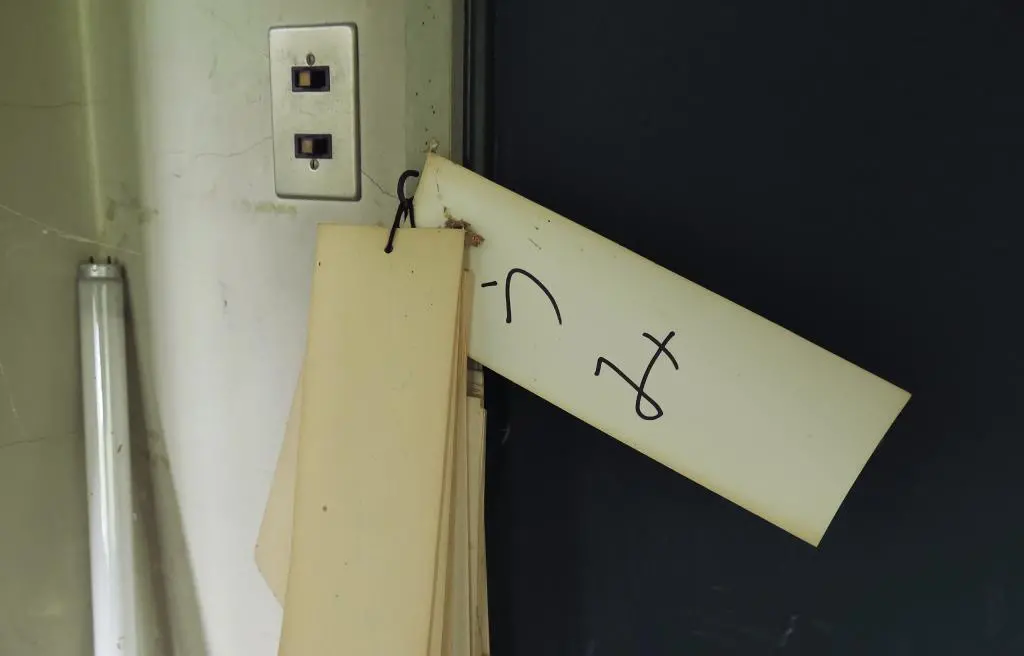
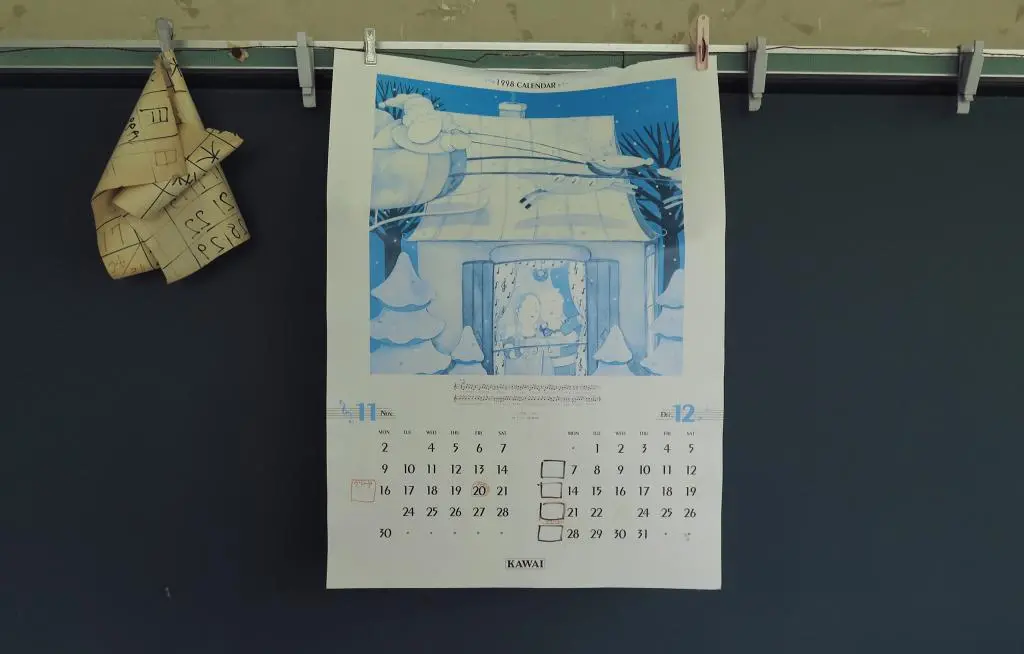
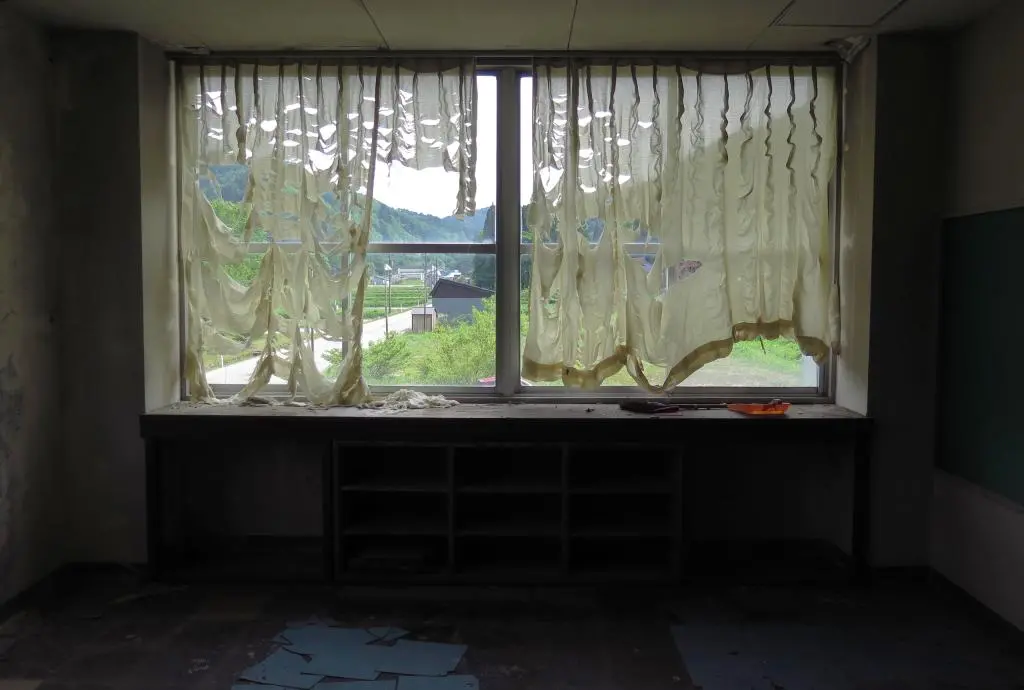
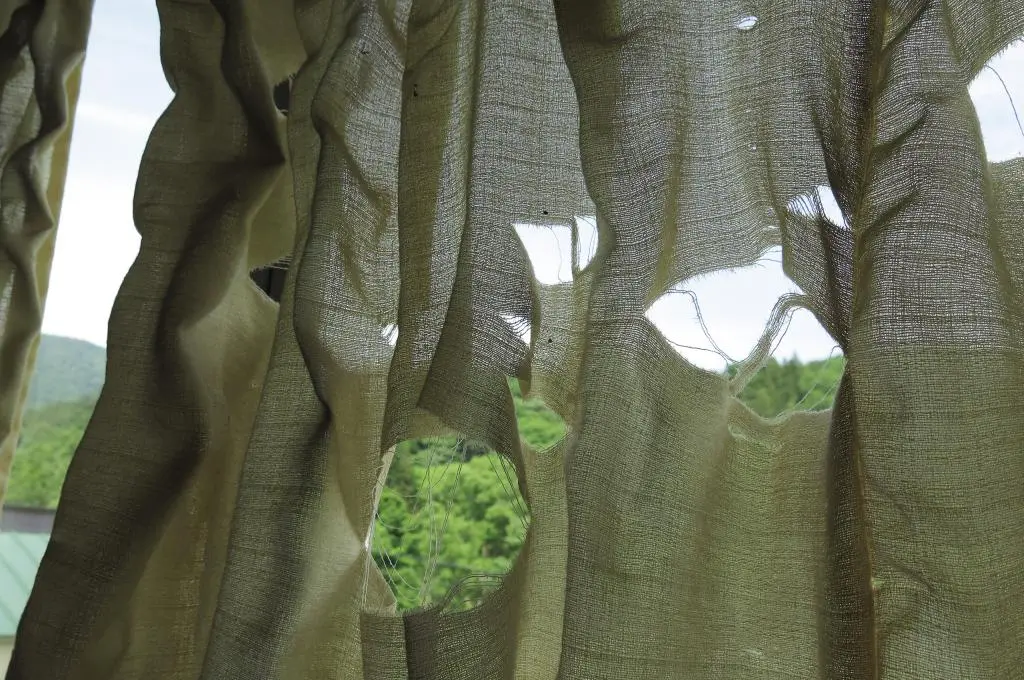
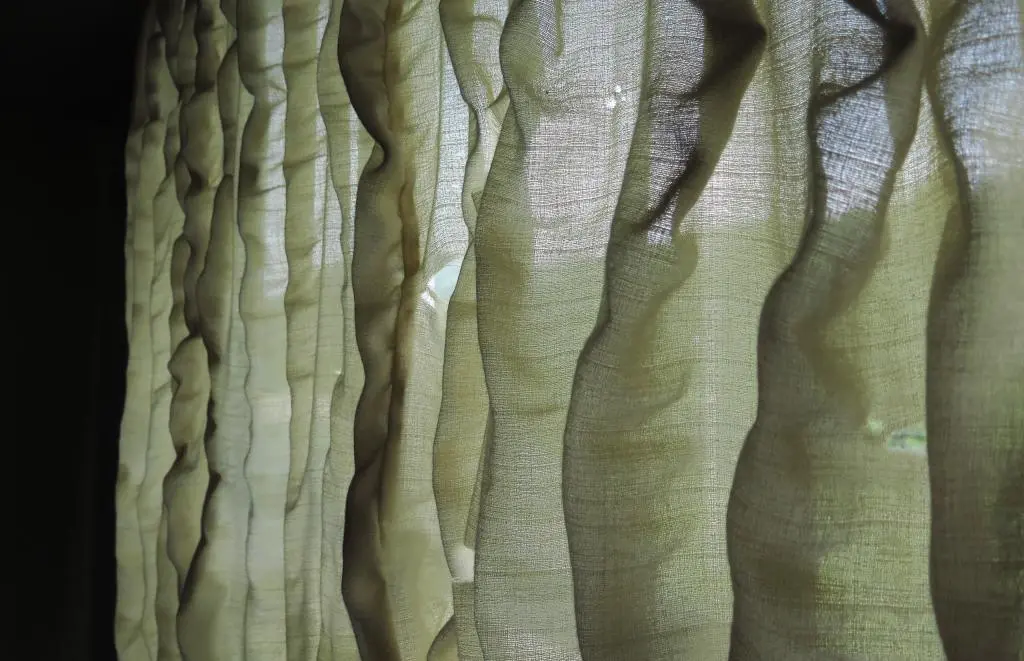
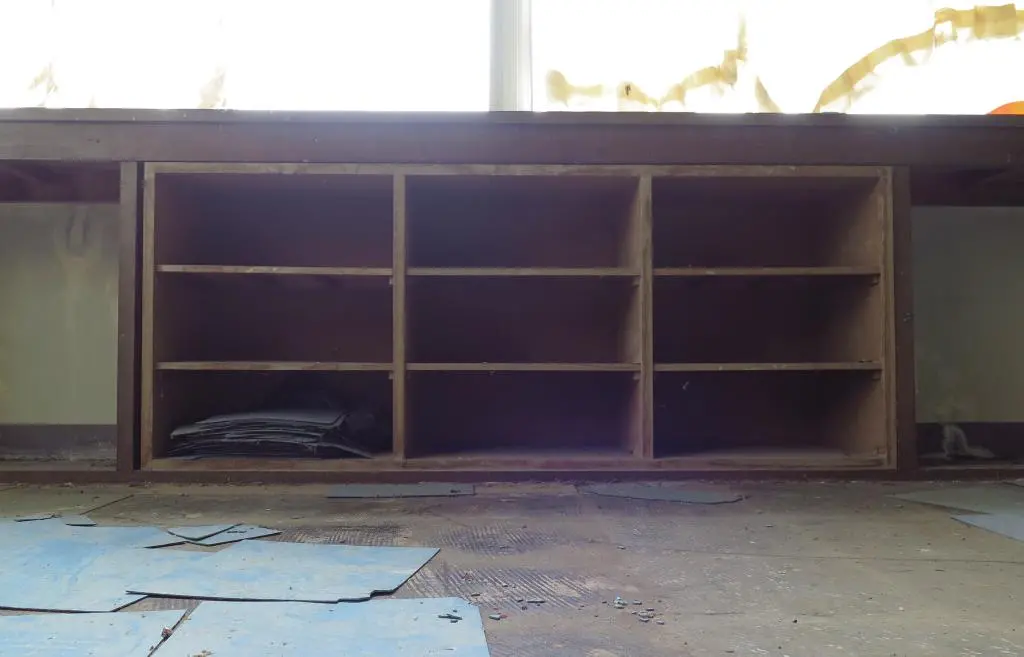
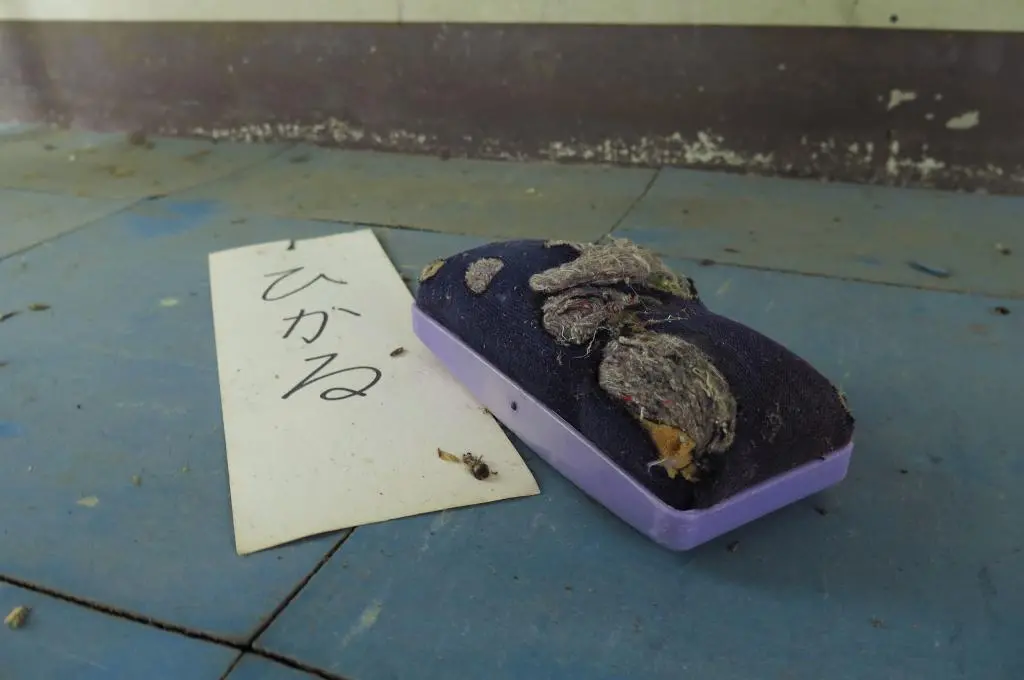
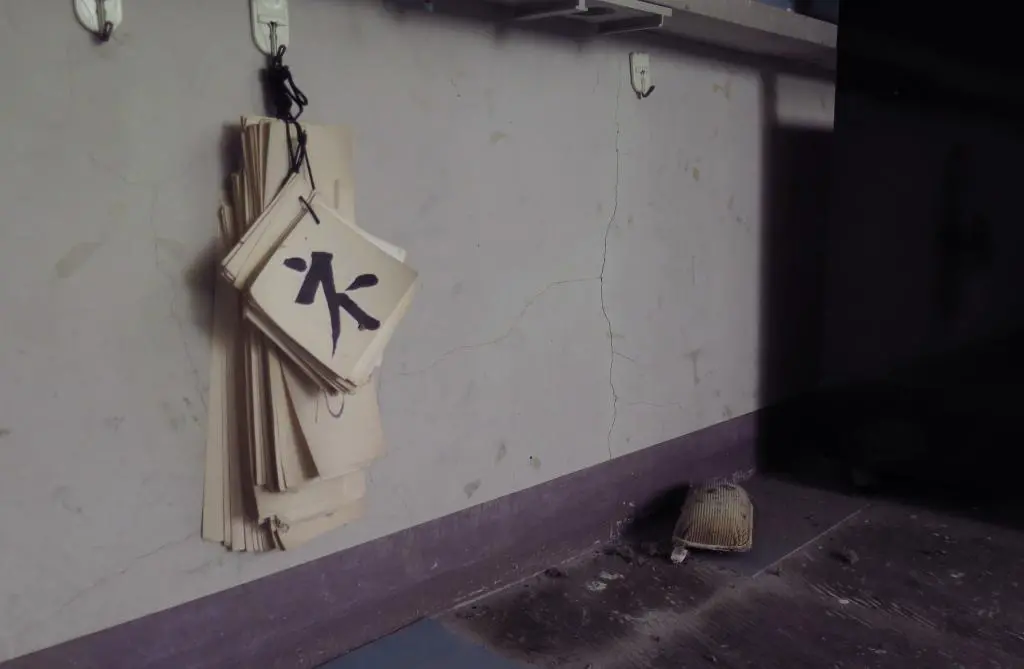
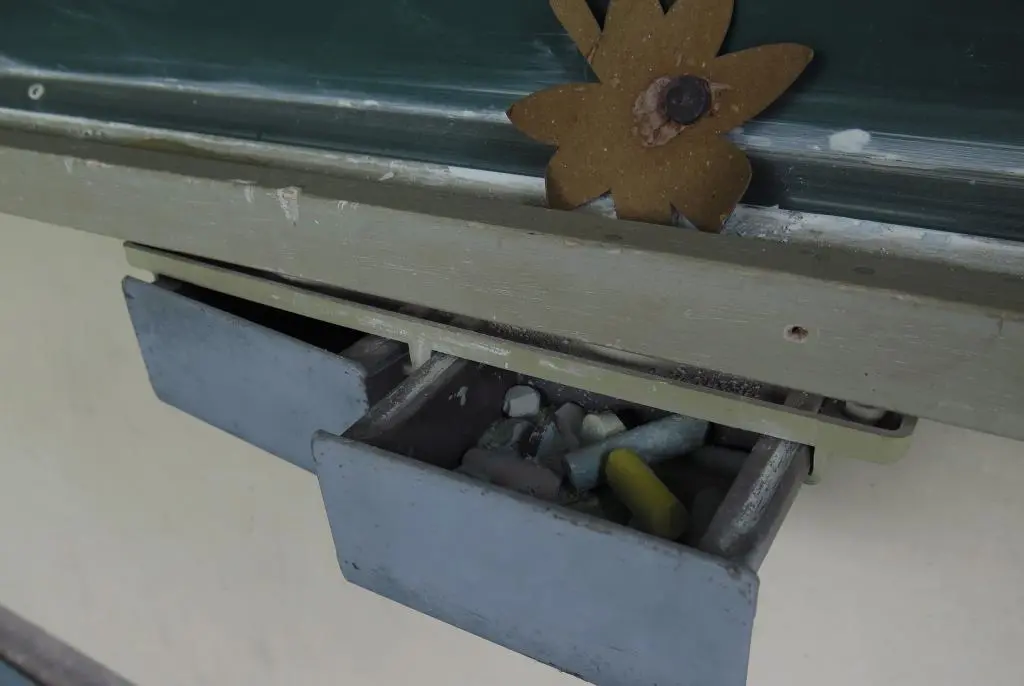
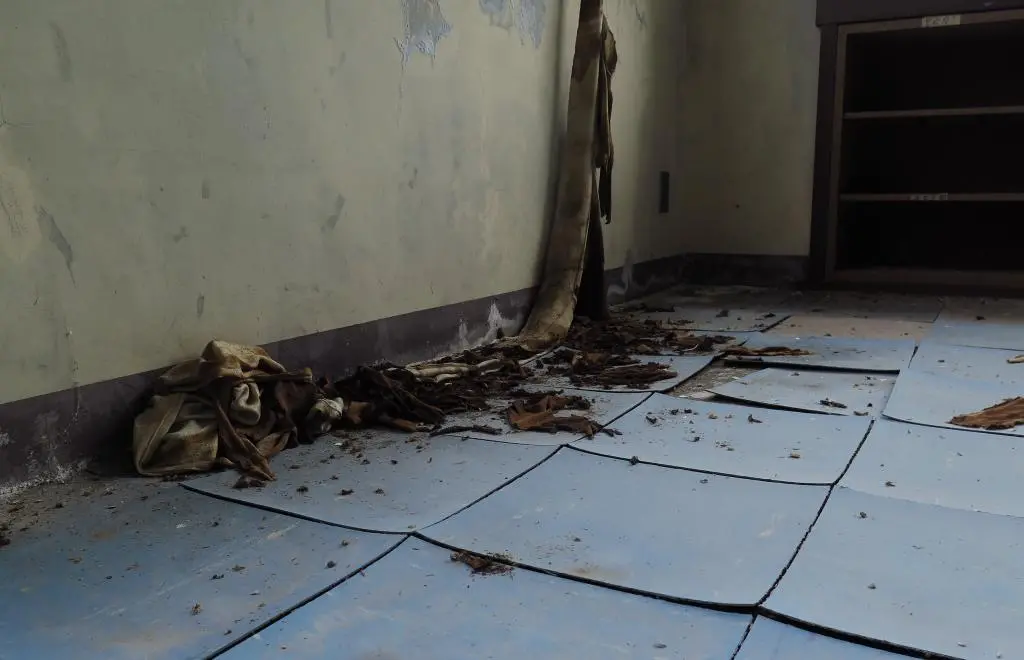
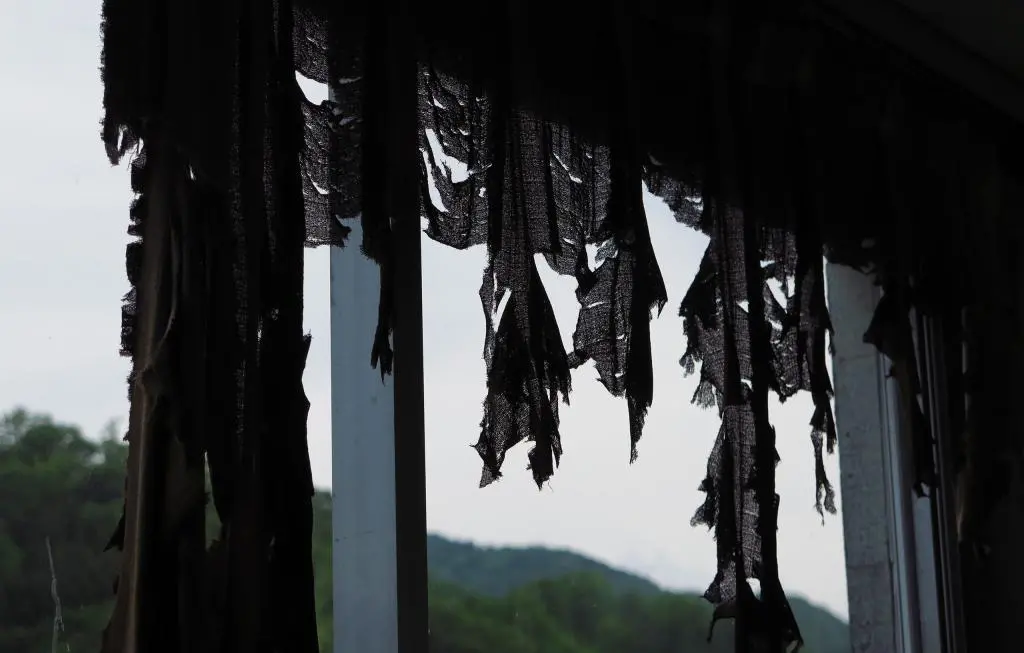
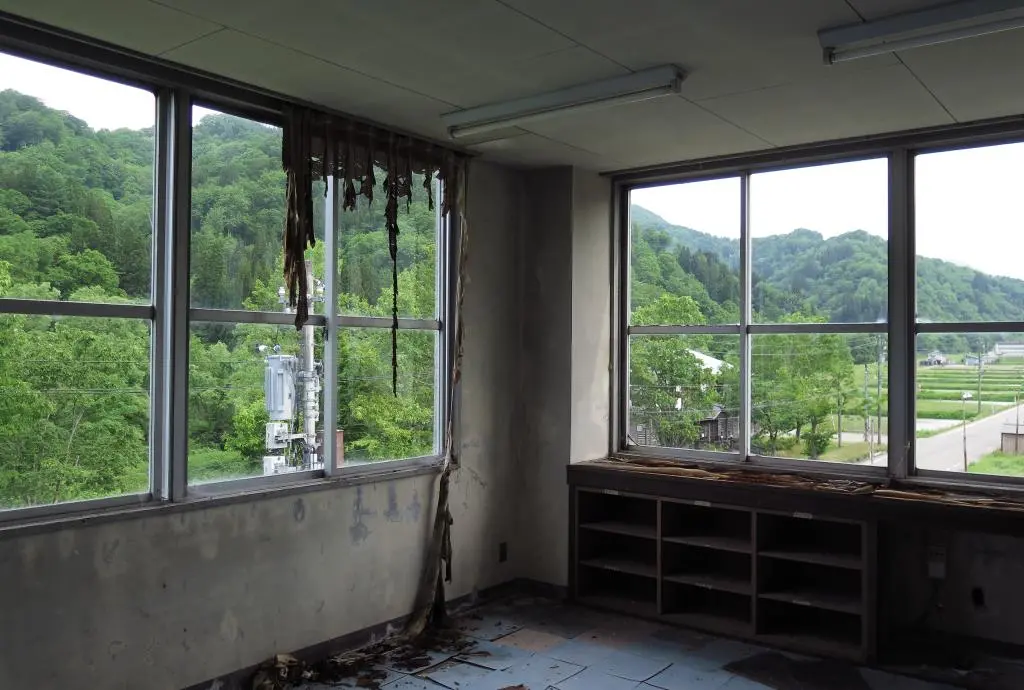
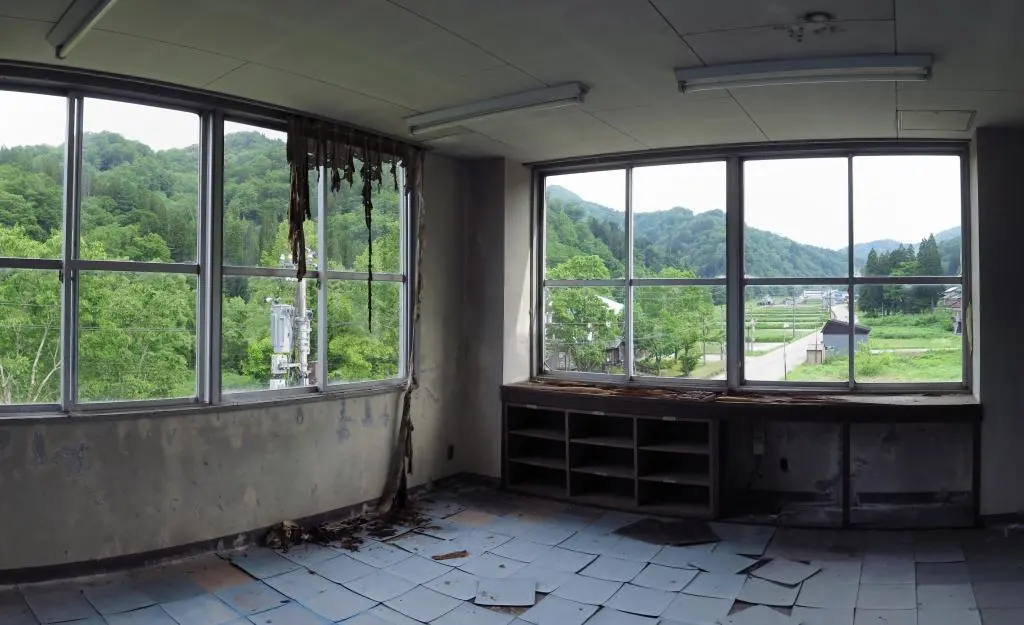
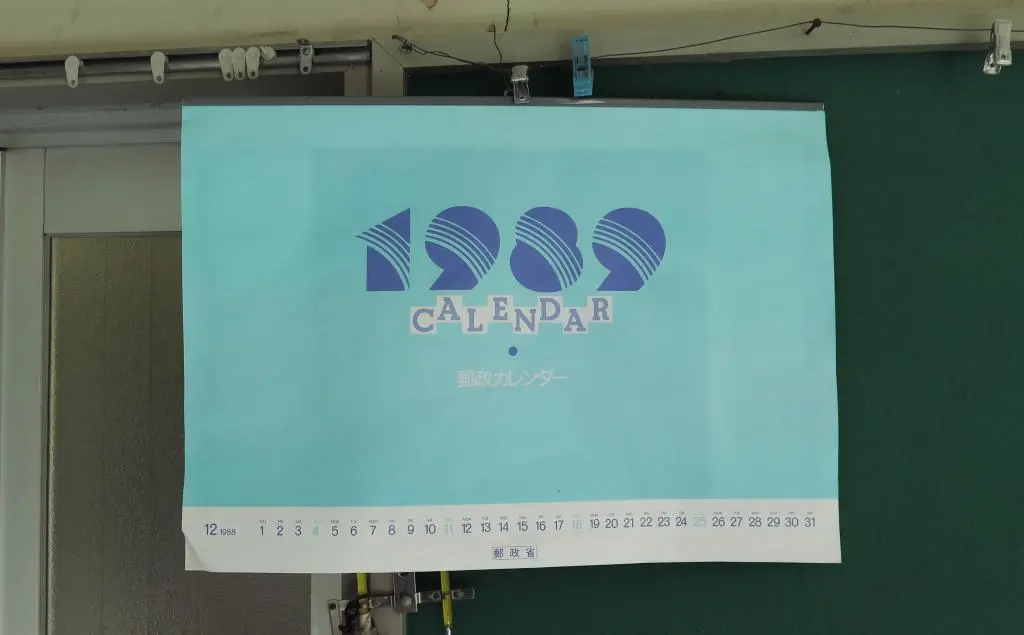
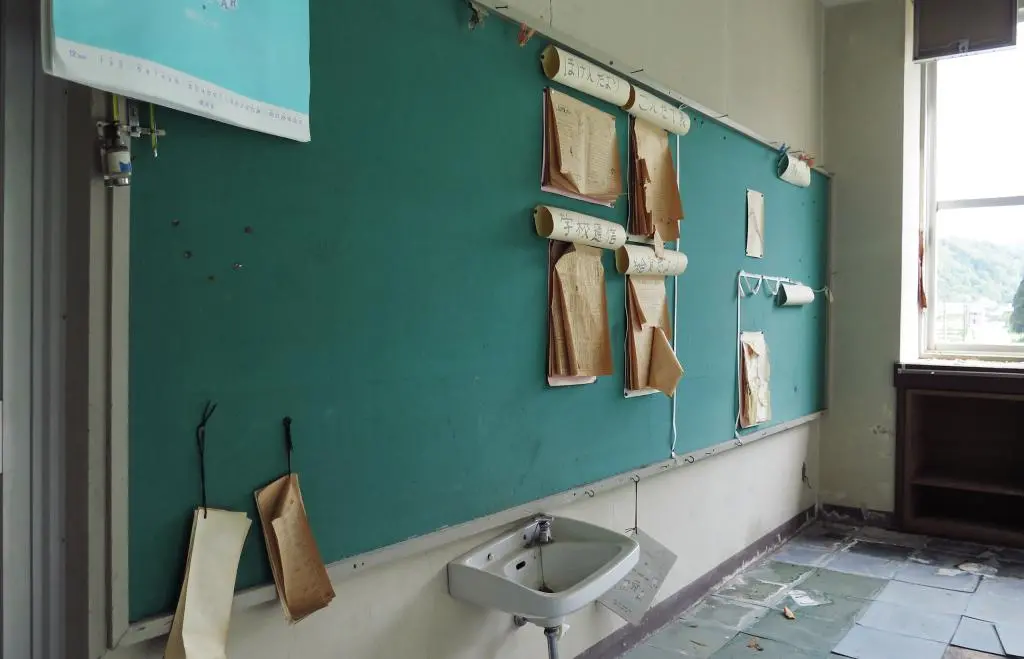
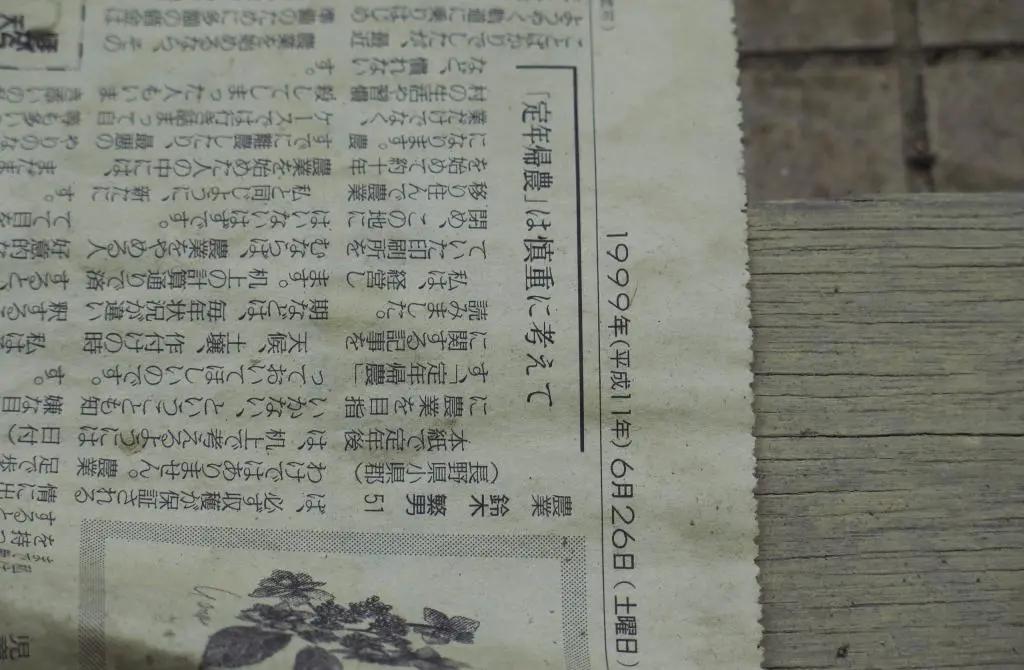
The classroom had hiragana flashcards on the wall next to the chalkboard. The curtains had been burned thin and weak from over 30 years of sun and neglect. On the wall, there was a calendar from 1998. I found another calendar from 1999 in another room, so it seems like it was only used for another 3 years after the school got rid of it.
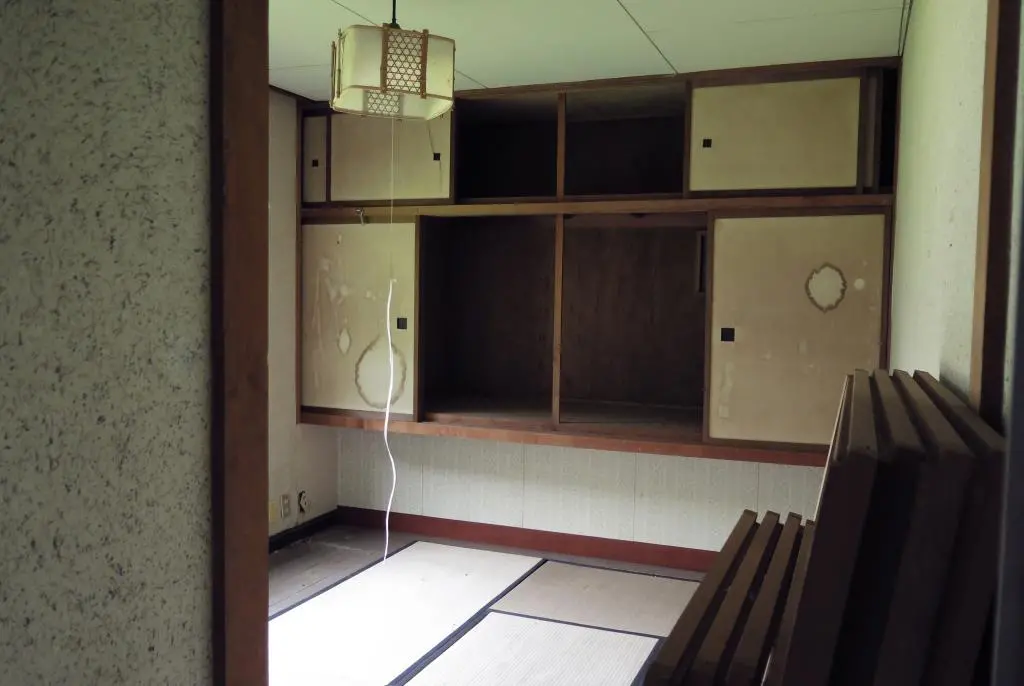
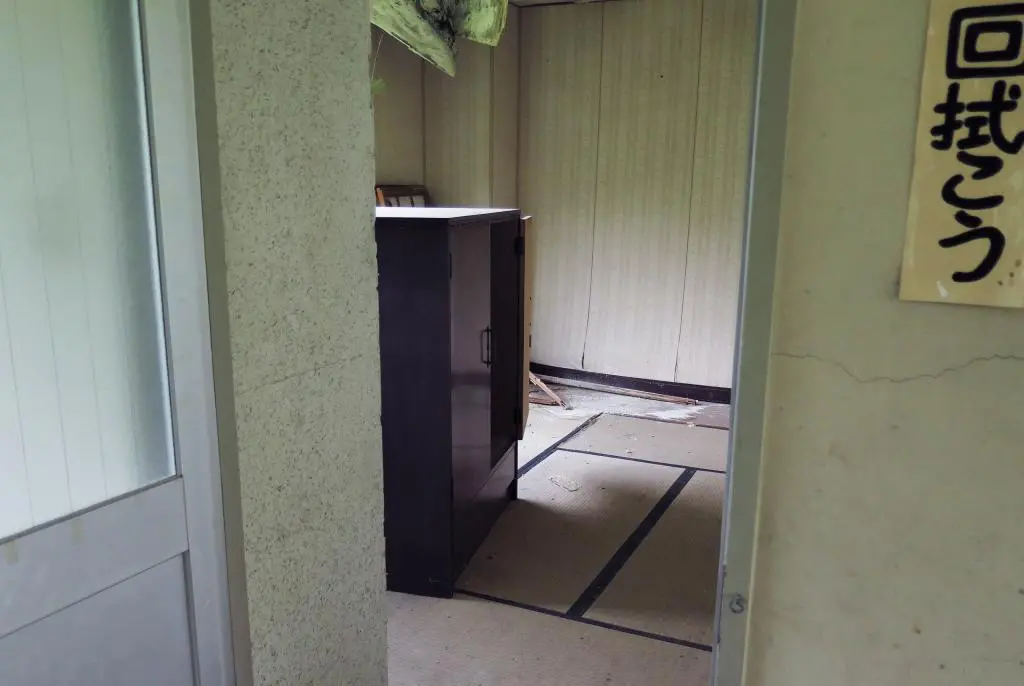
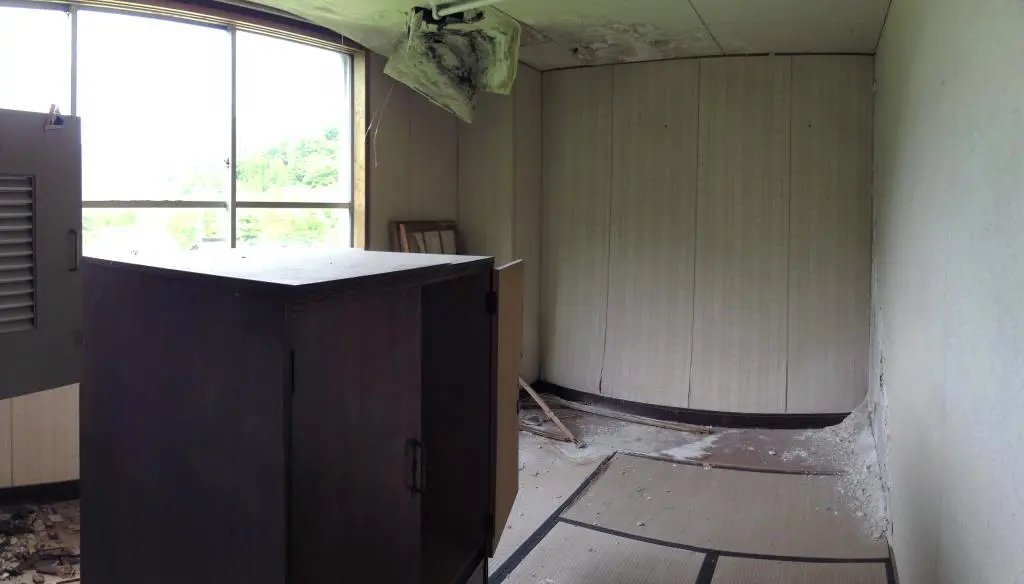
Next to the homeroom was the teacher's living quarters. The whole reason branch schools existed was to offer remote villages ease of education when distances were too great or too difficult to go to the main school. Teachers couldn't be expected to make the daily trips either, so they lived in the school, and had a slight bump in salary to compensate. Momo was a Grade 2 remote school out of a max of 5.
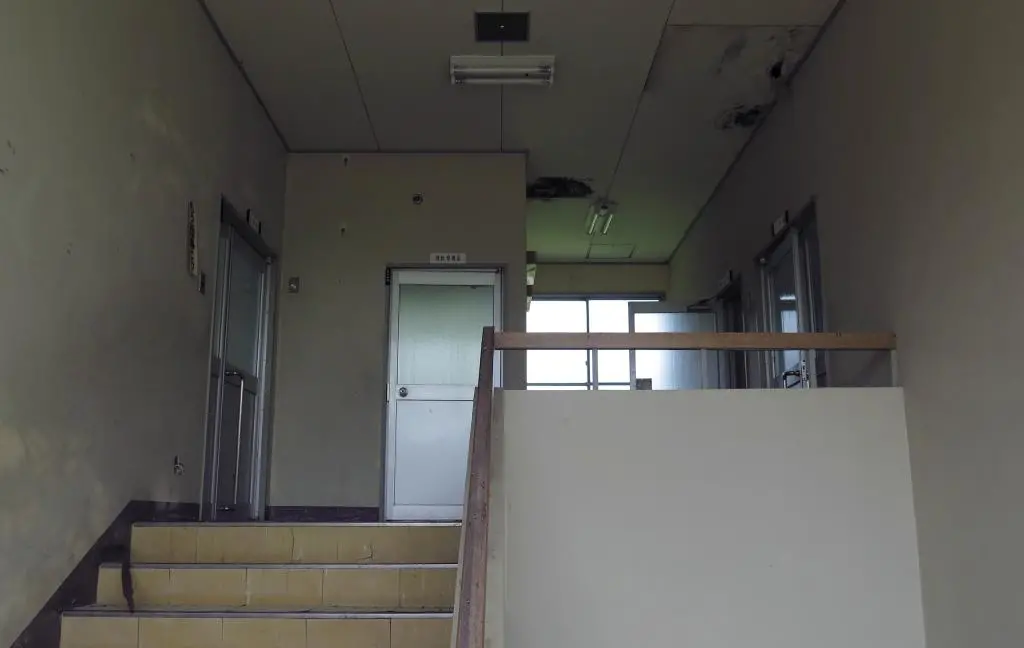
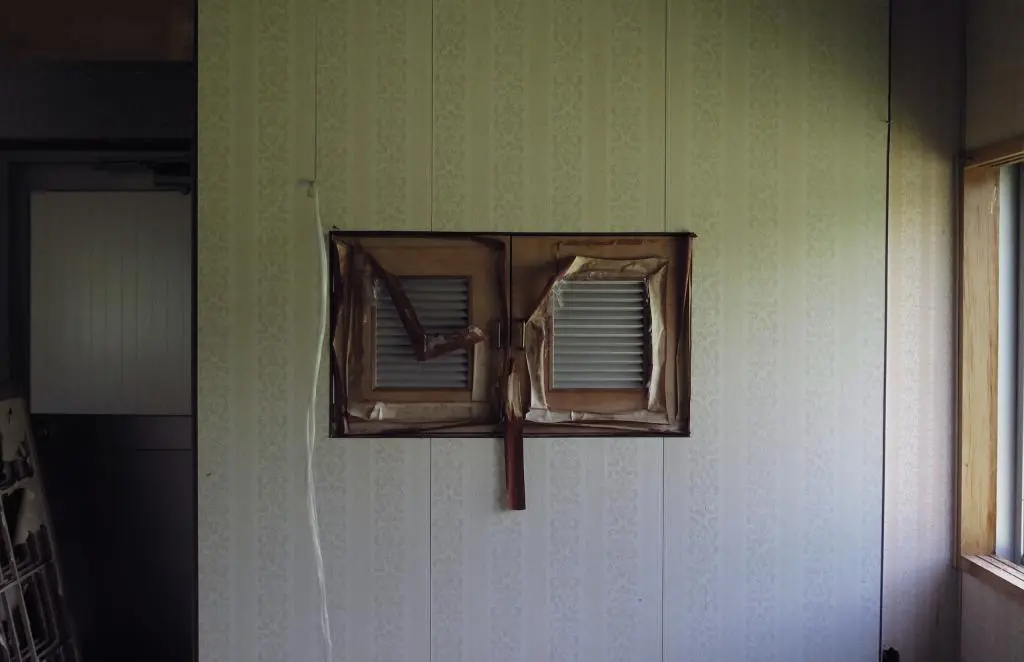
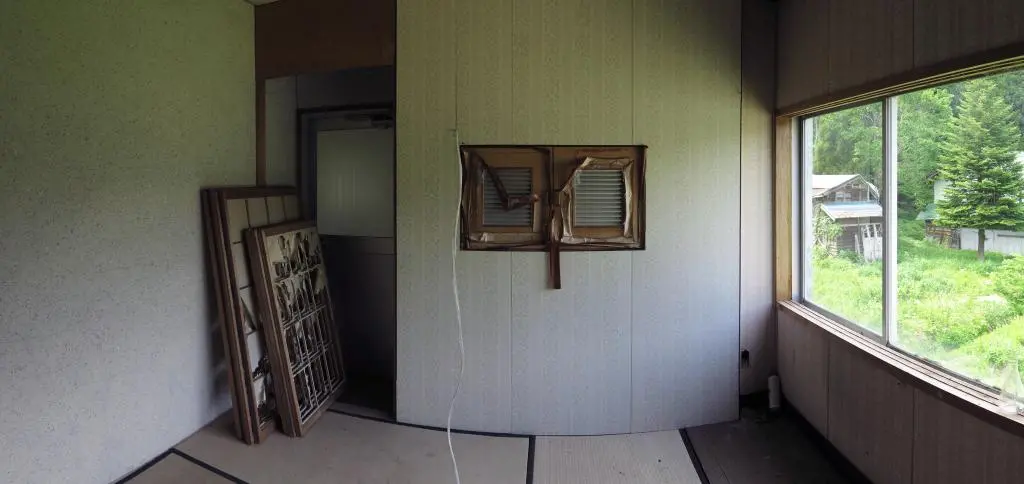
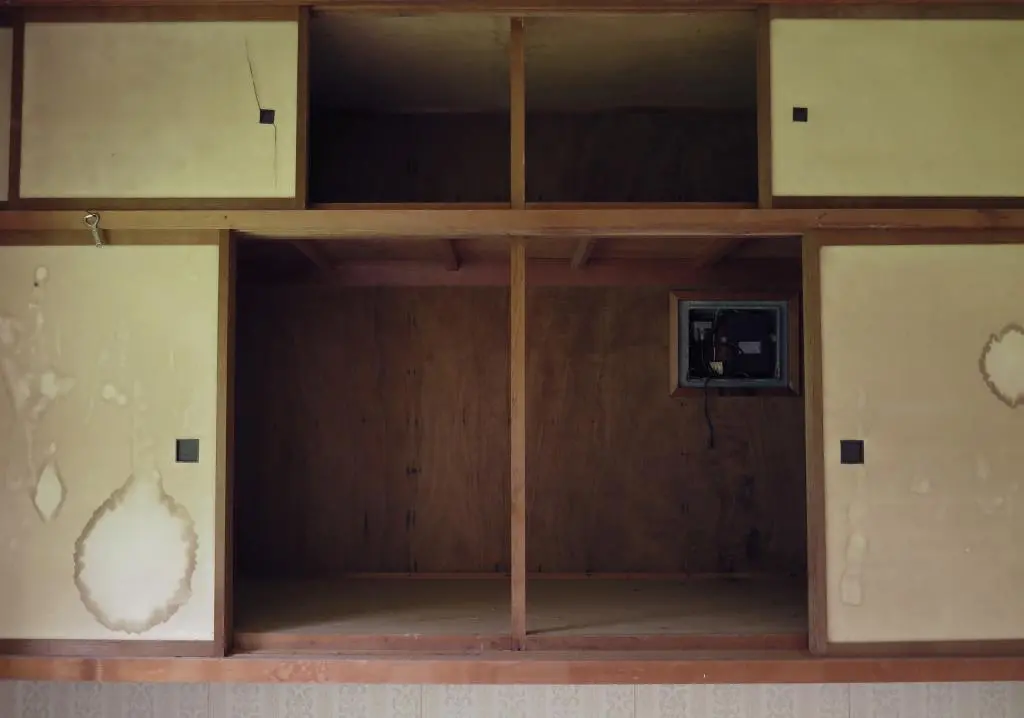
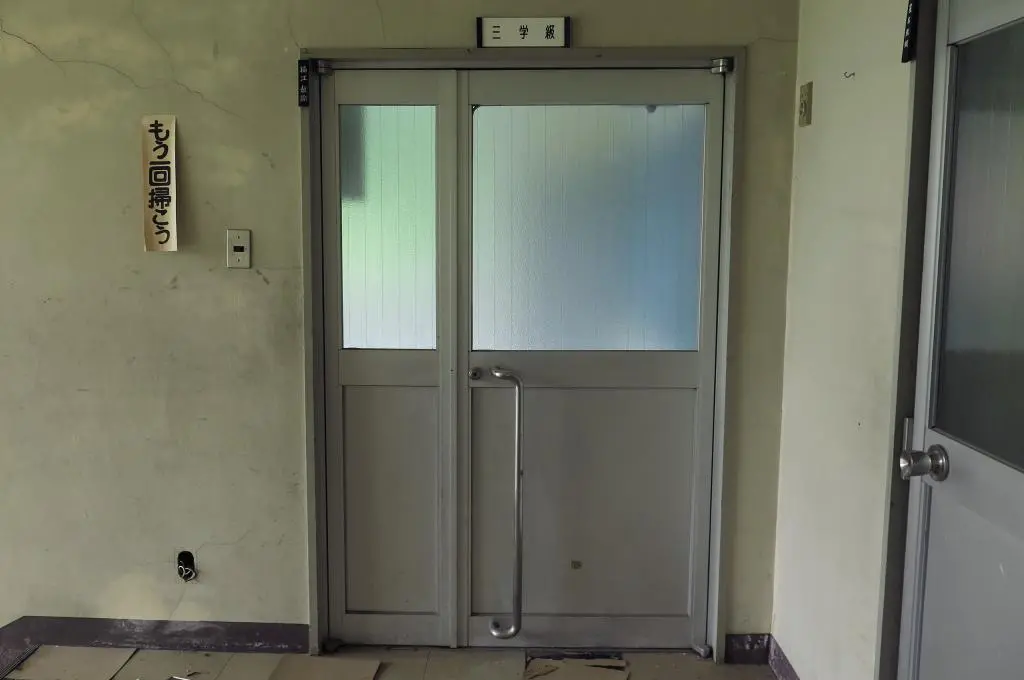
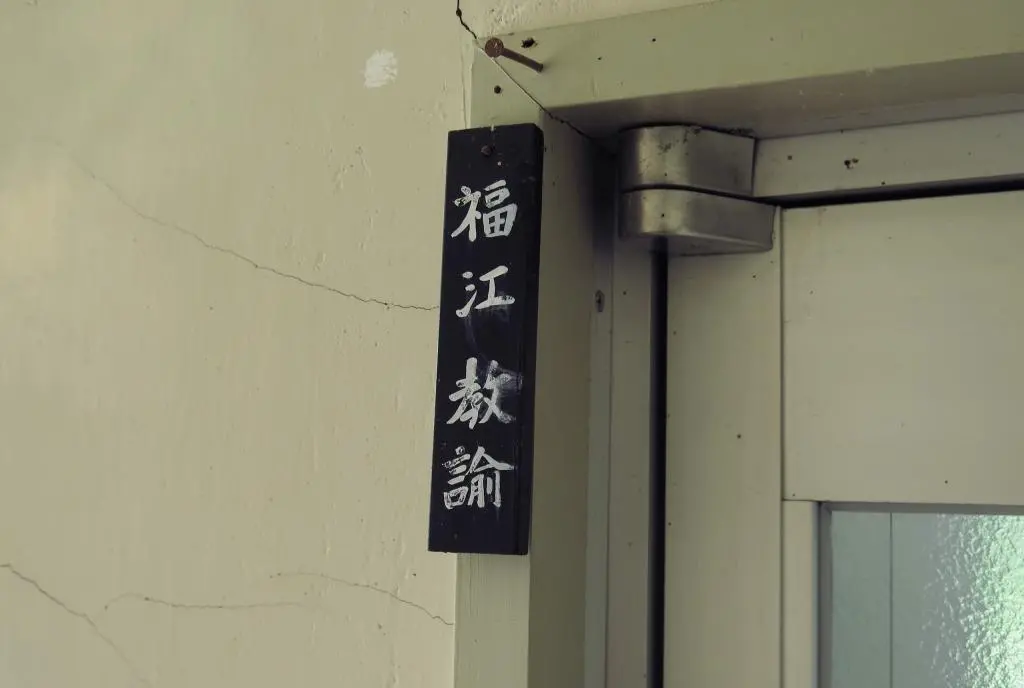
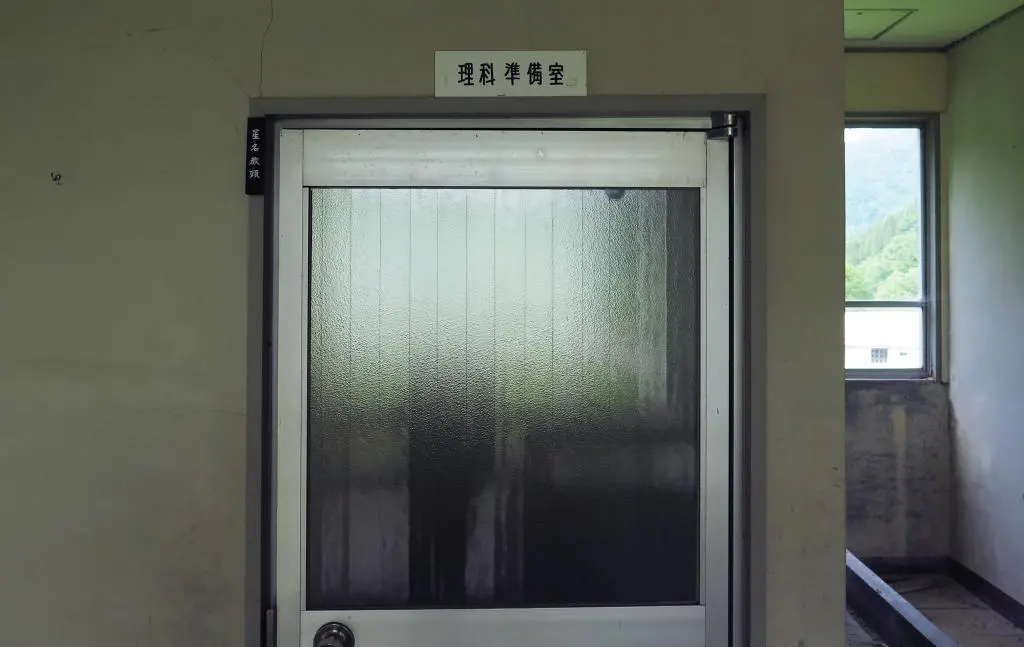
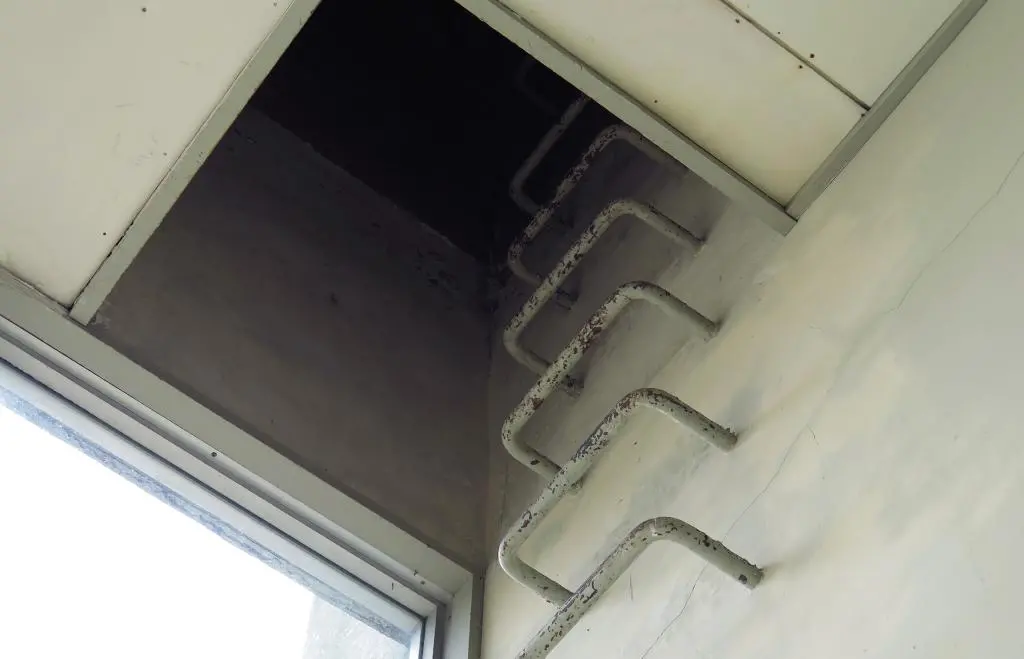
Moving to the top floor, we have the second 二学組 and third year 三学組 homerooms. There was another living room for a teacher, a science room, and a store room.
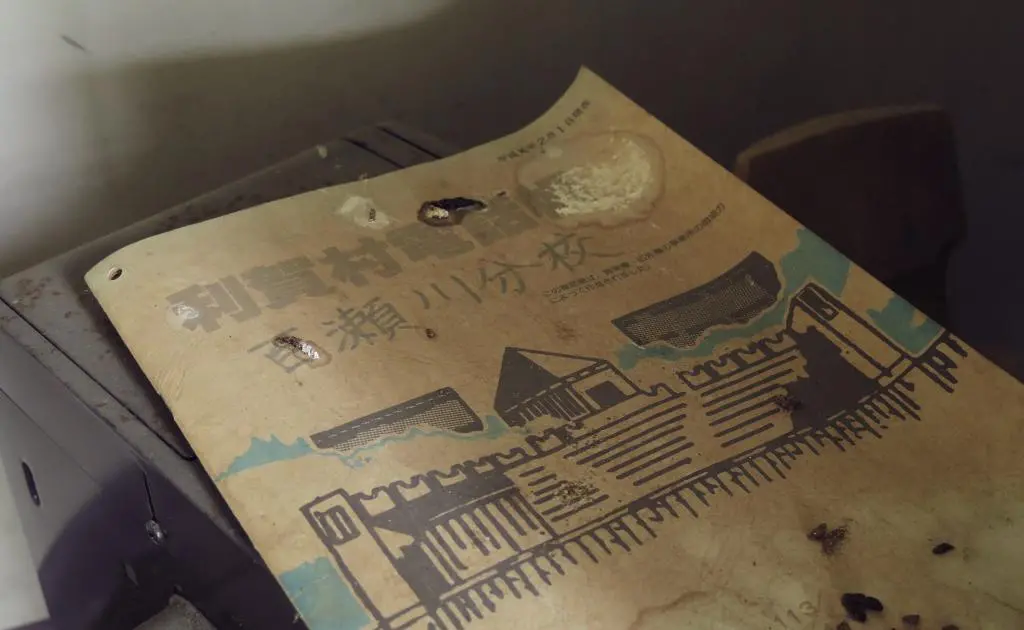
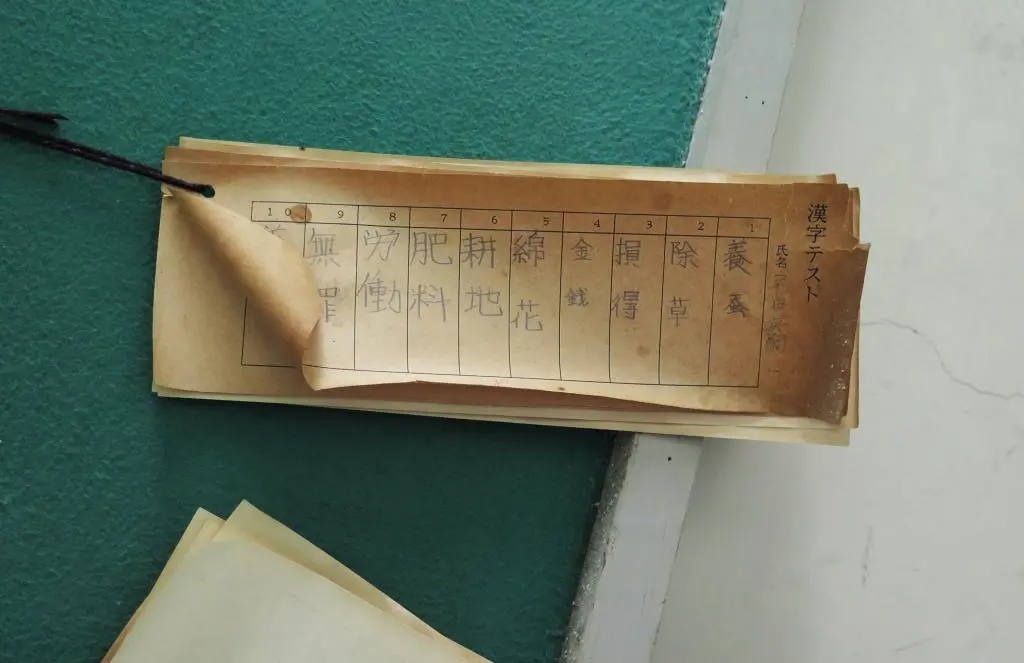
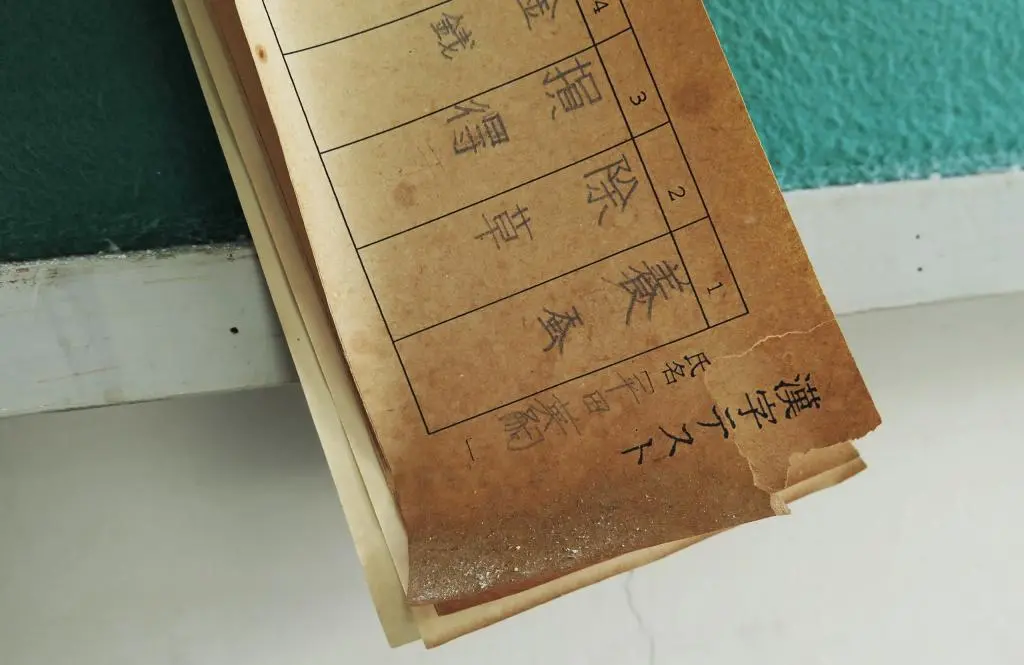
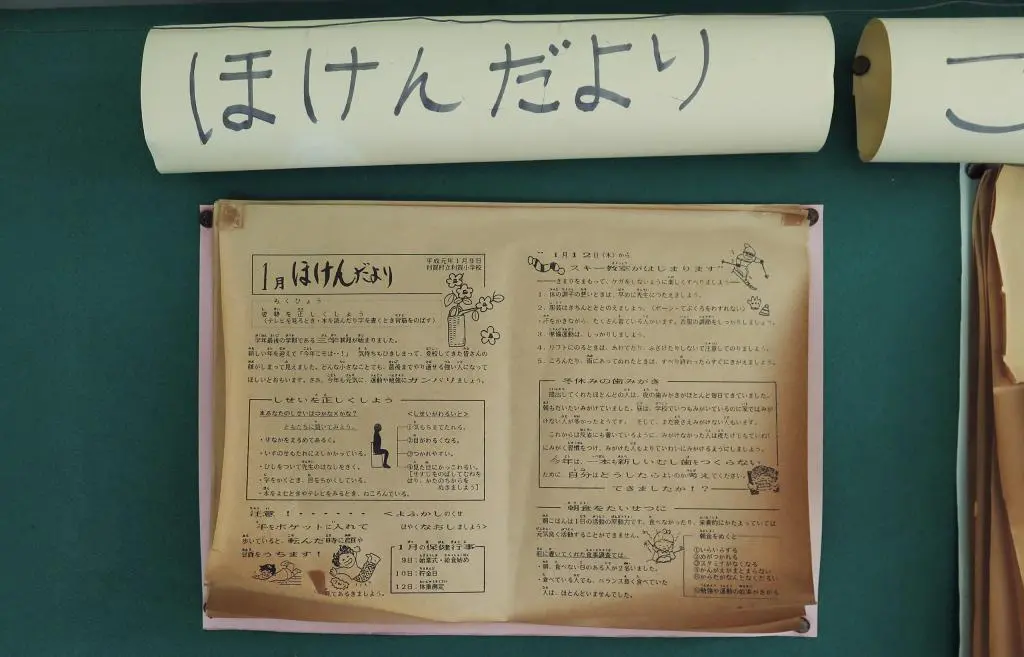
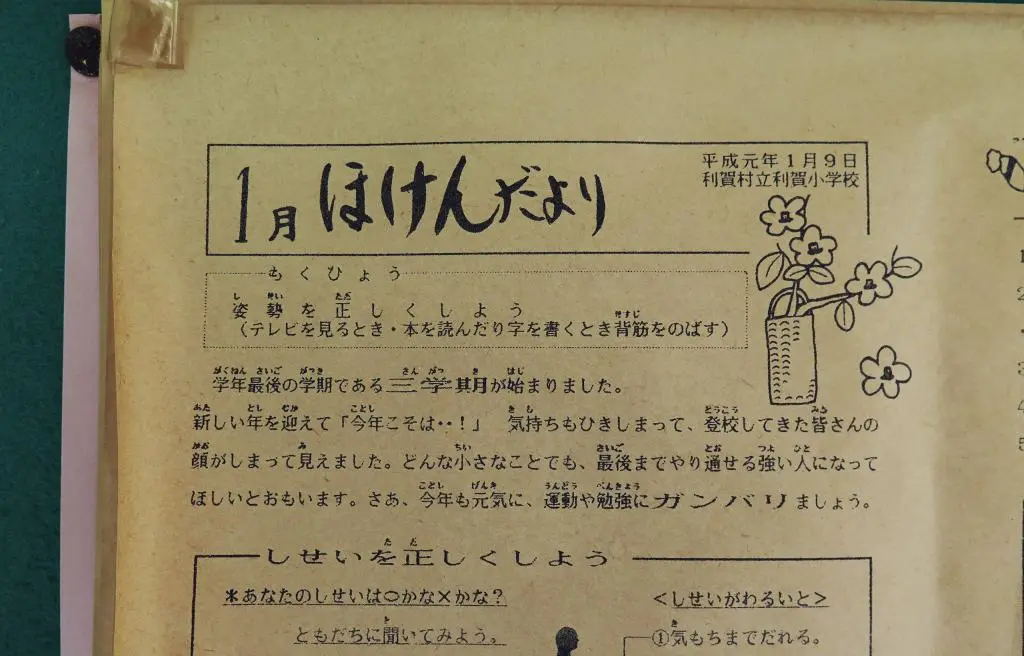
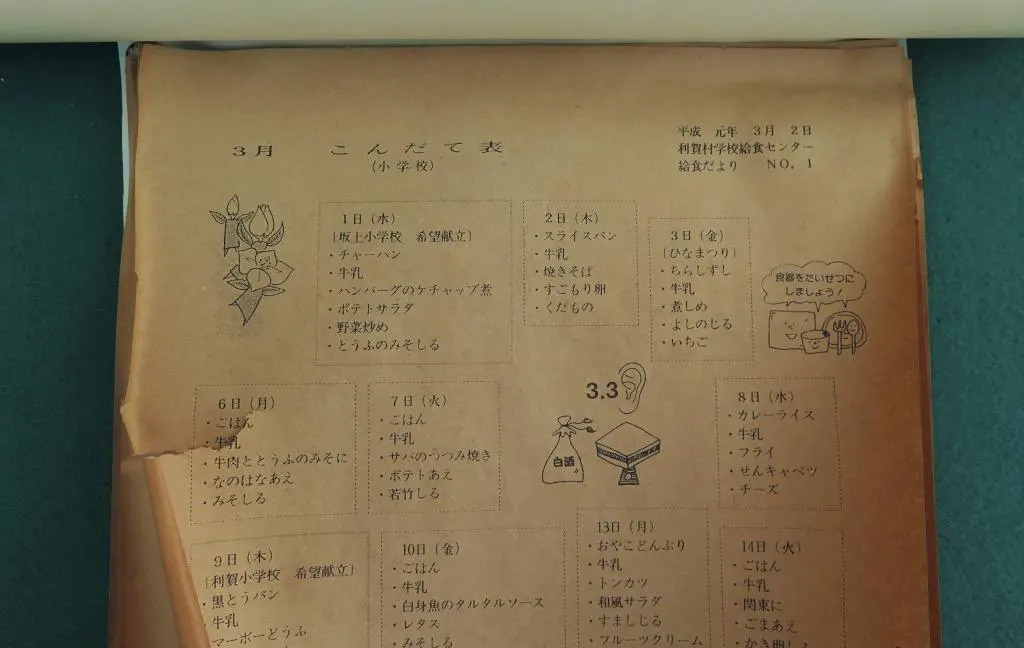
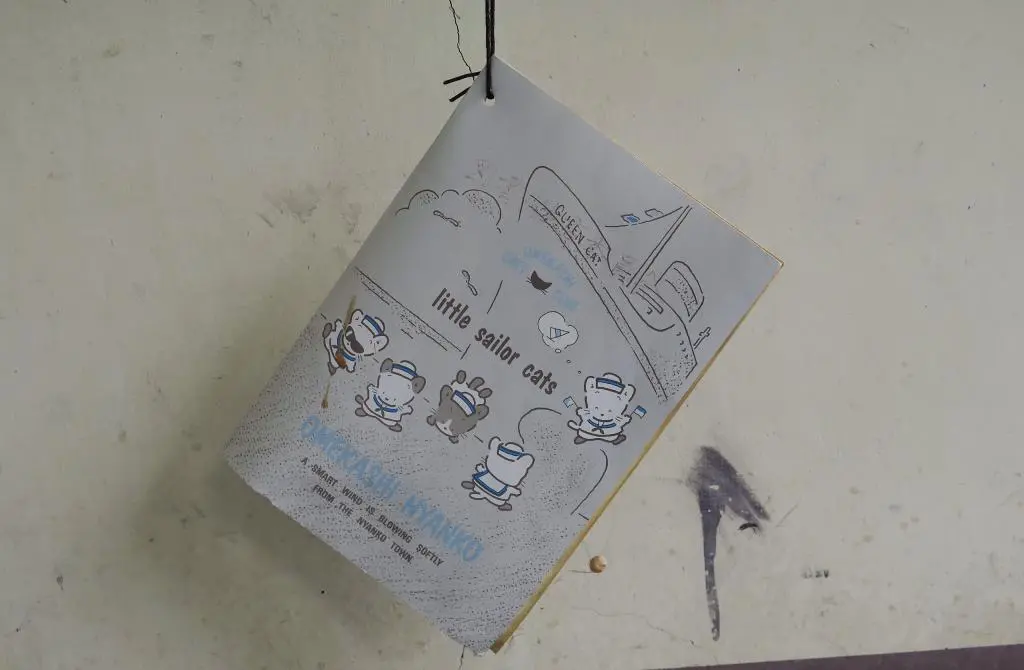
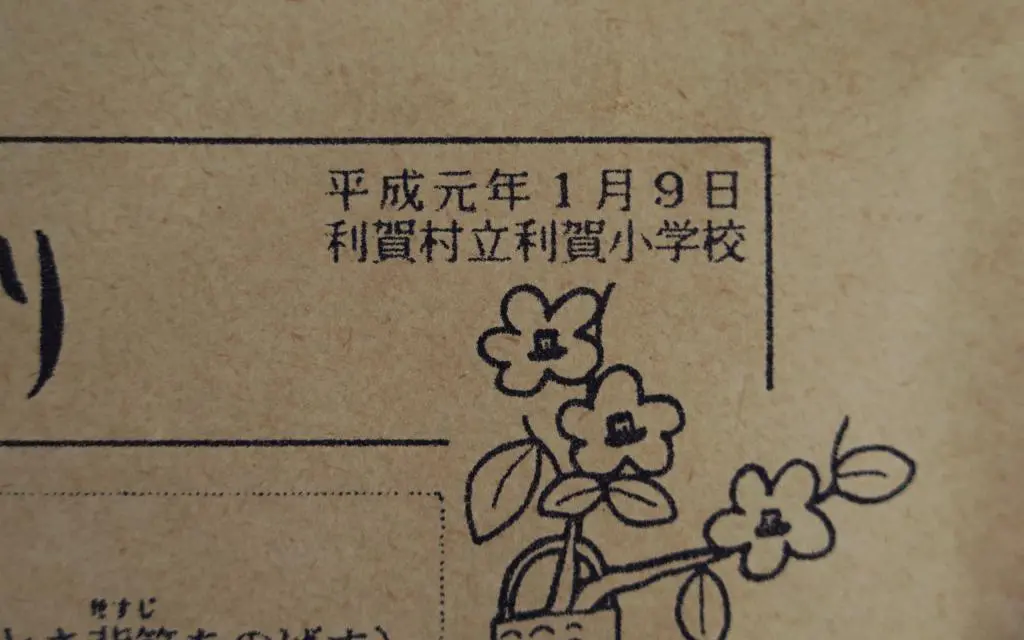
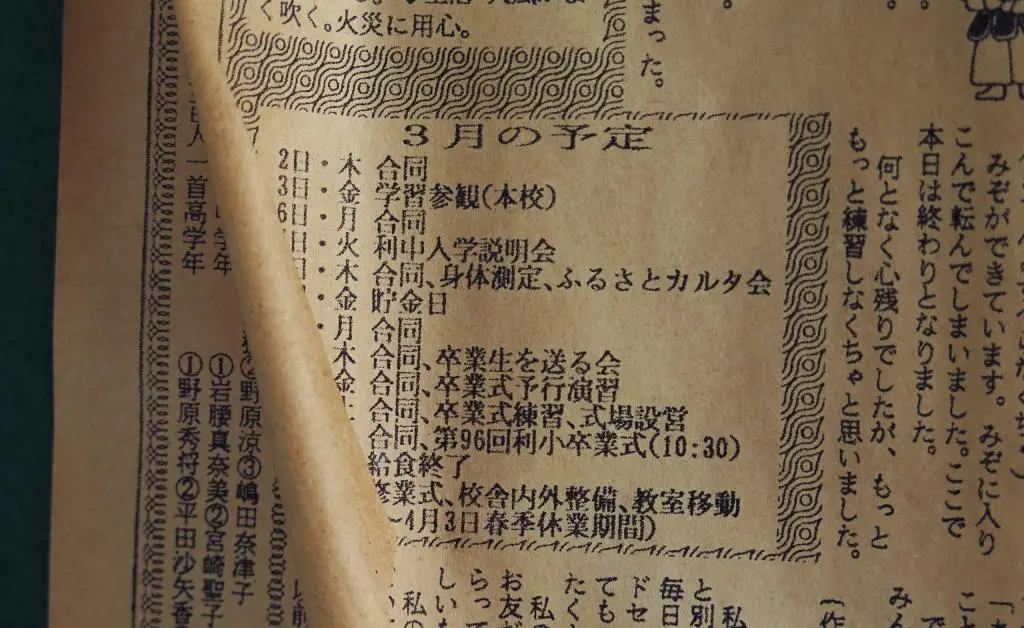
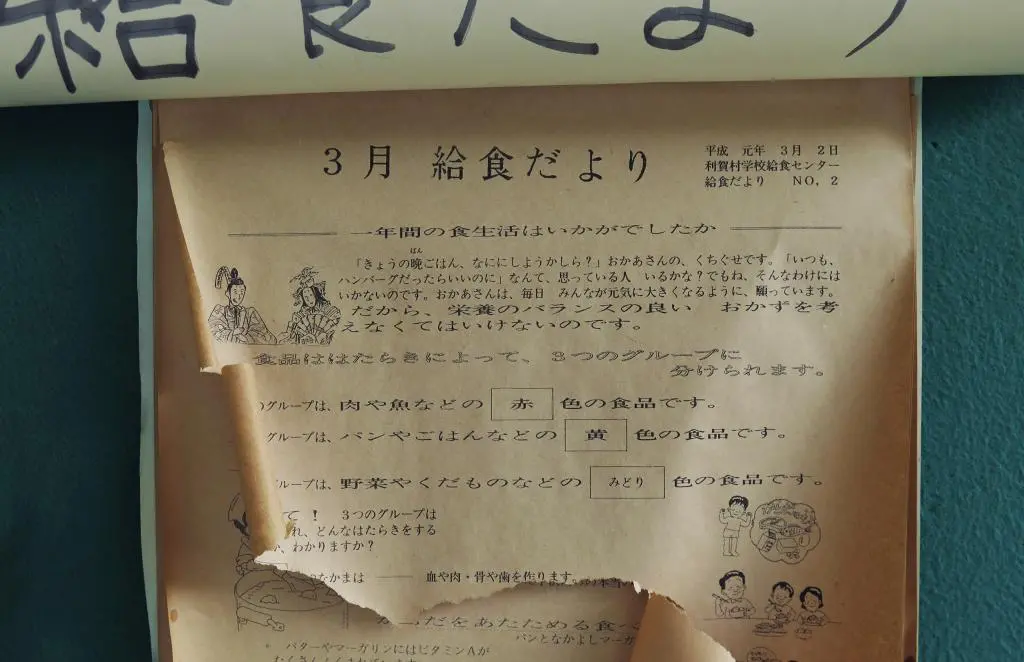
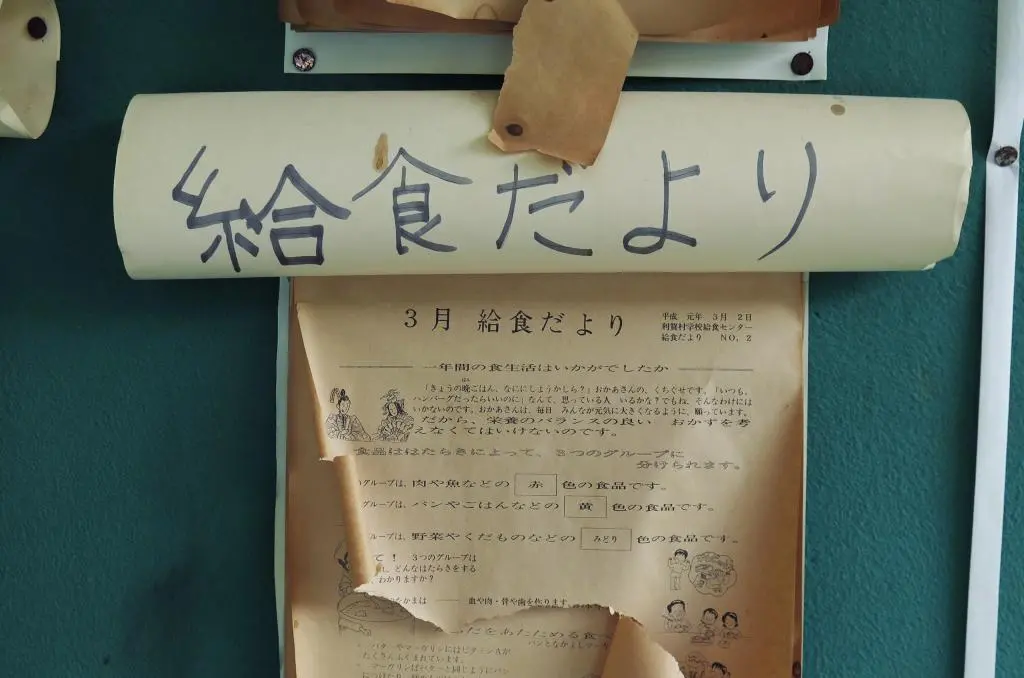
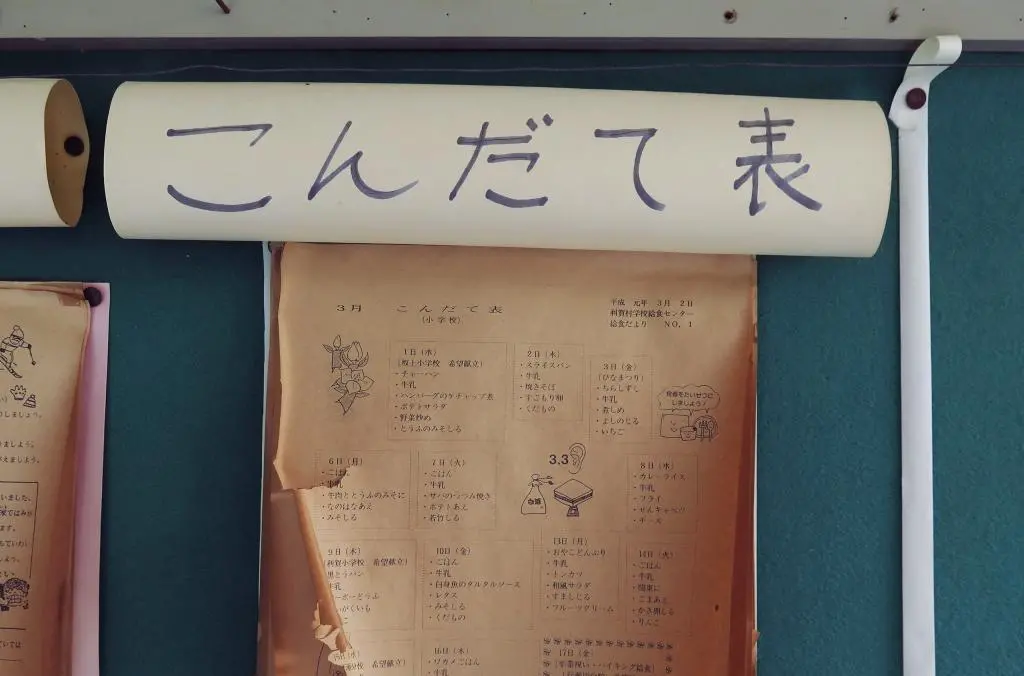
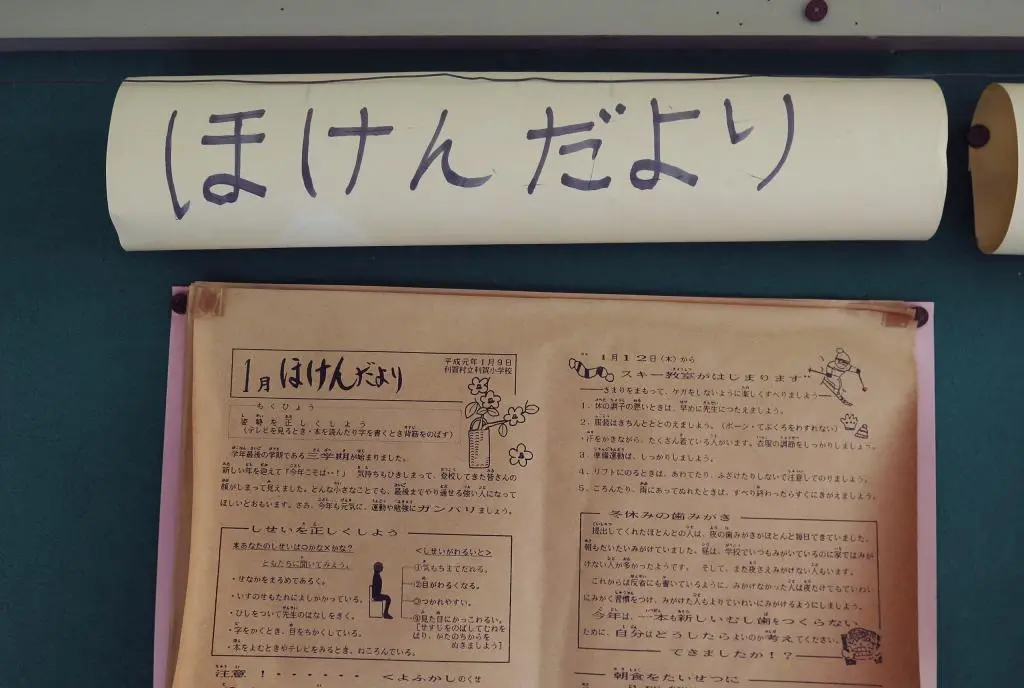
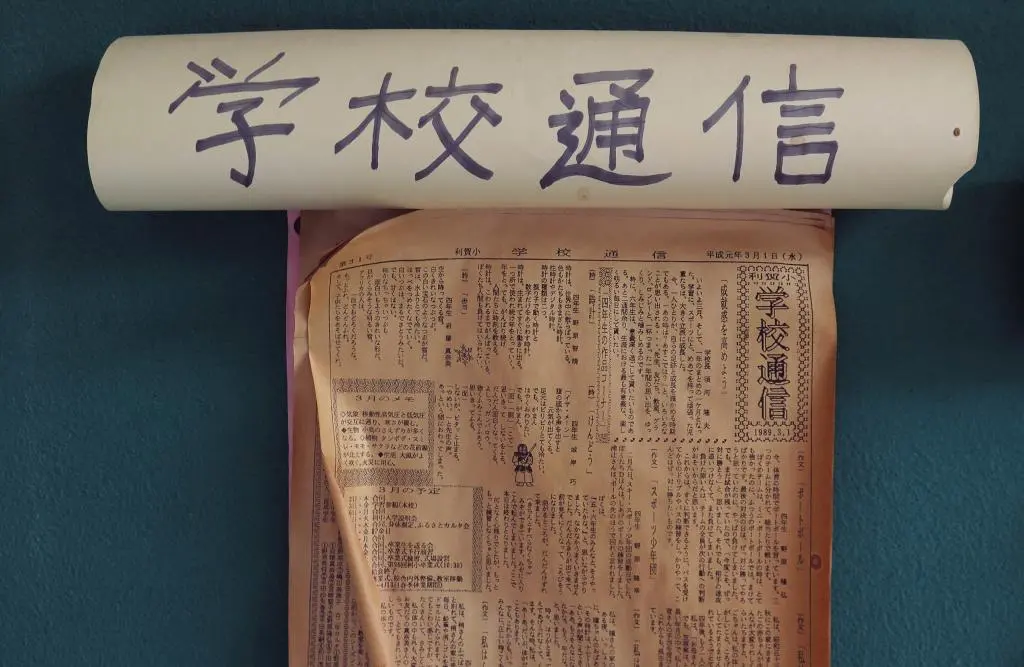
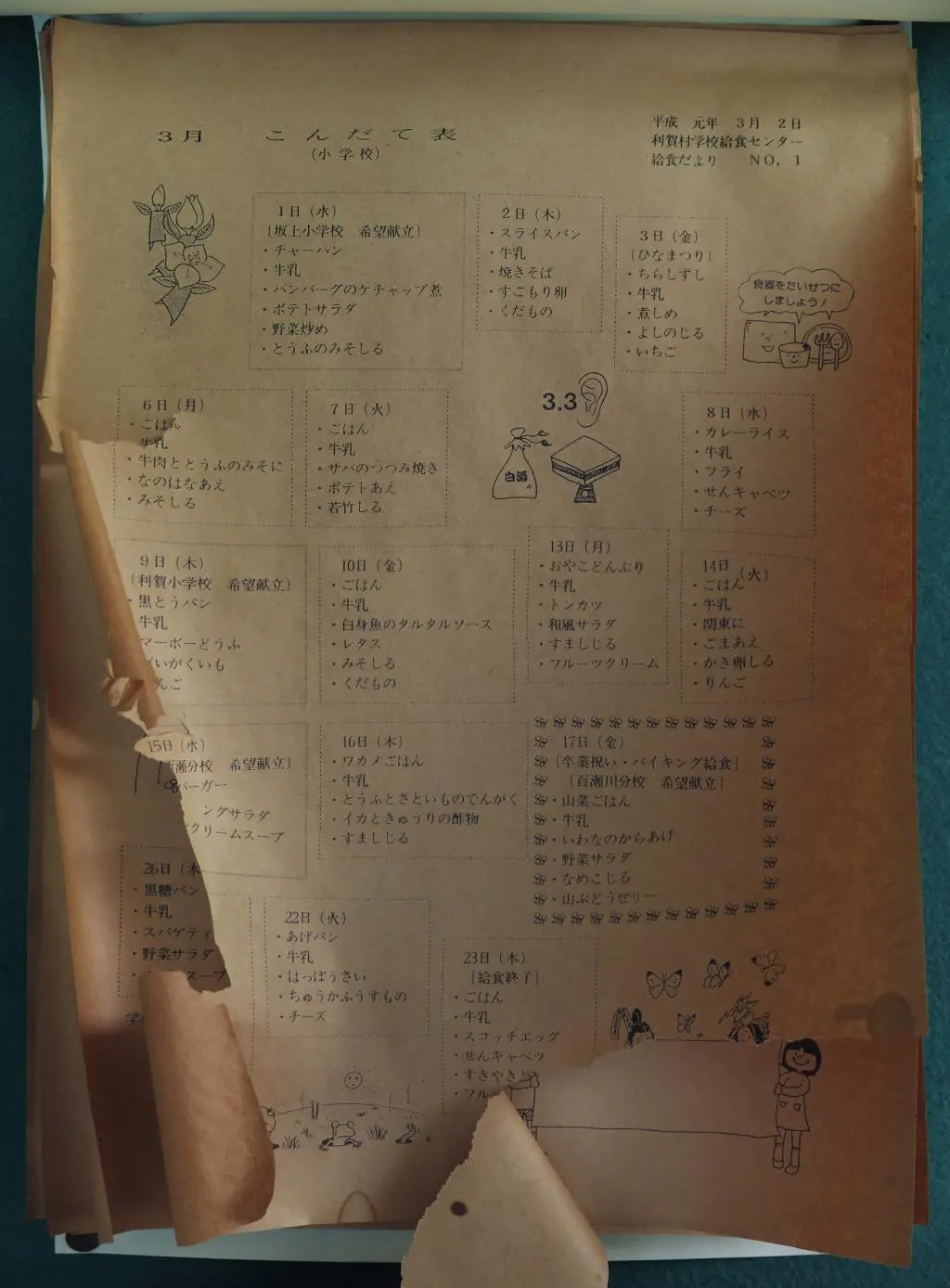
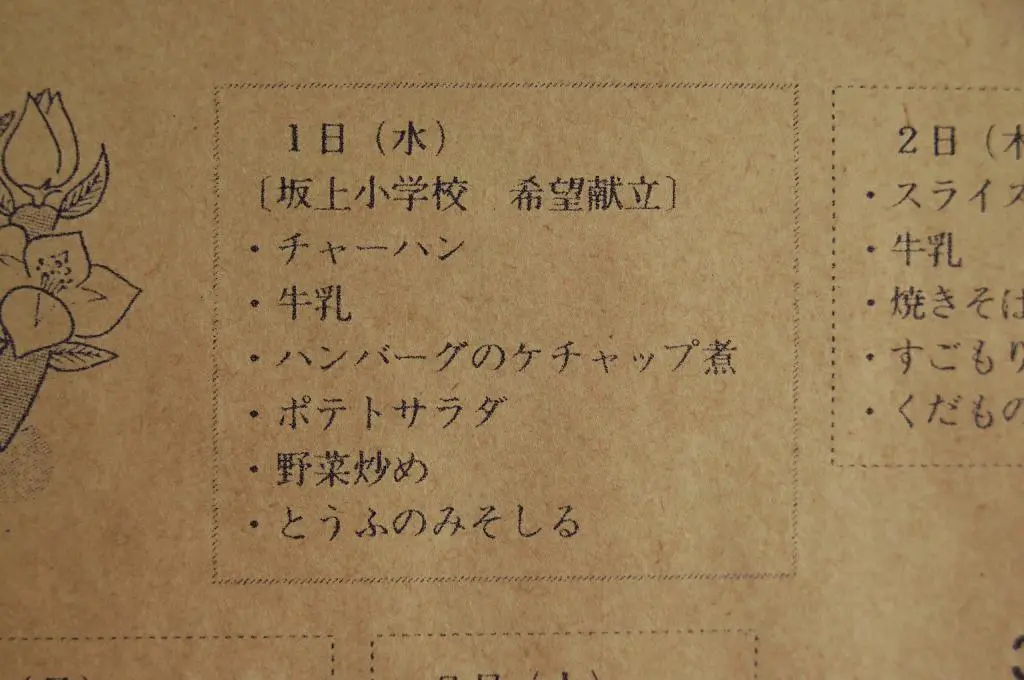
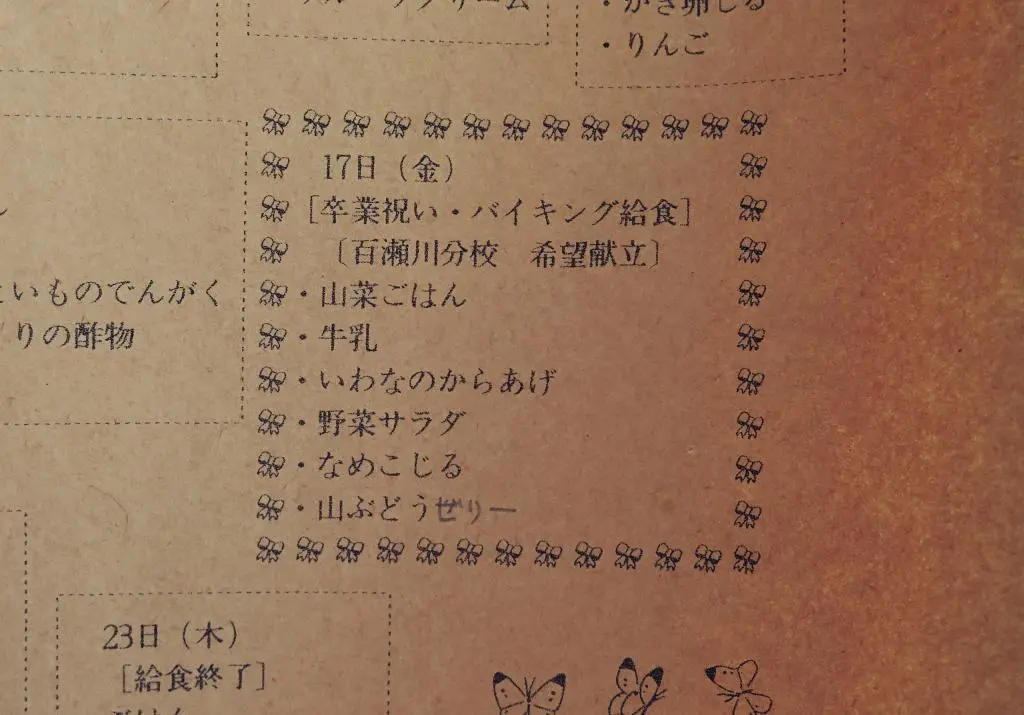
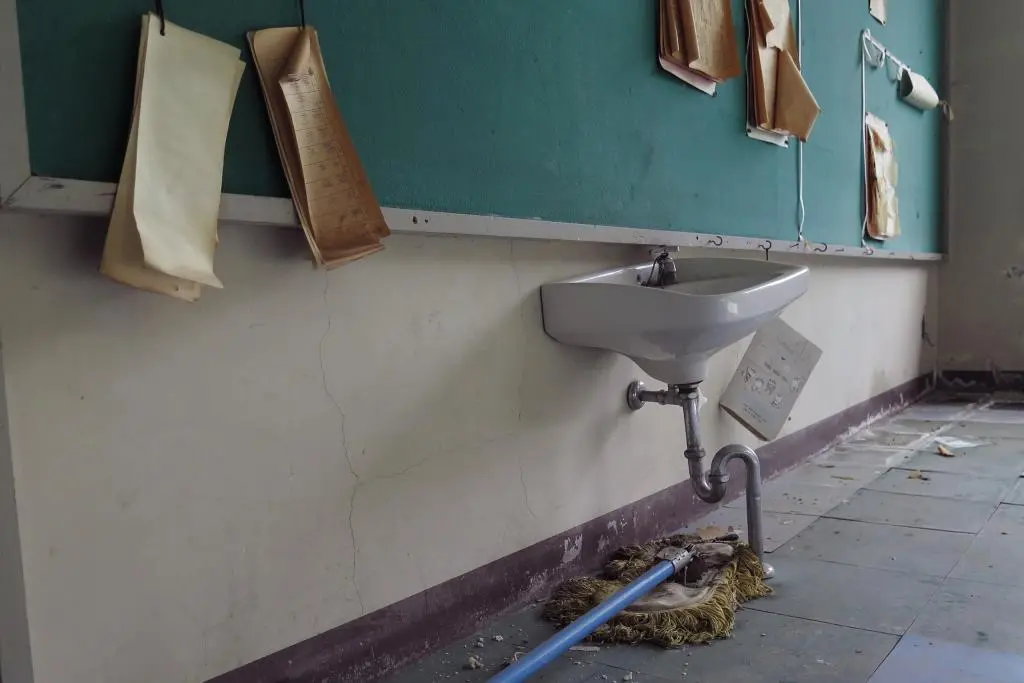
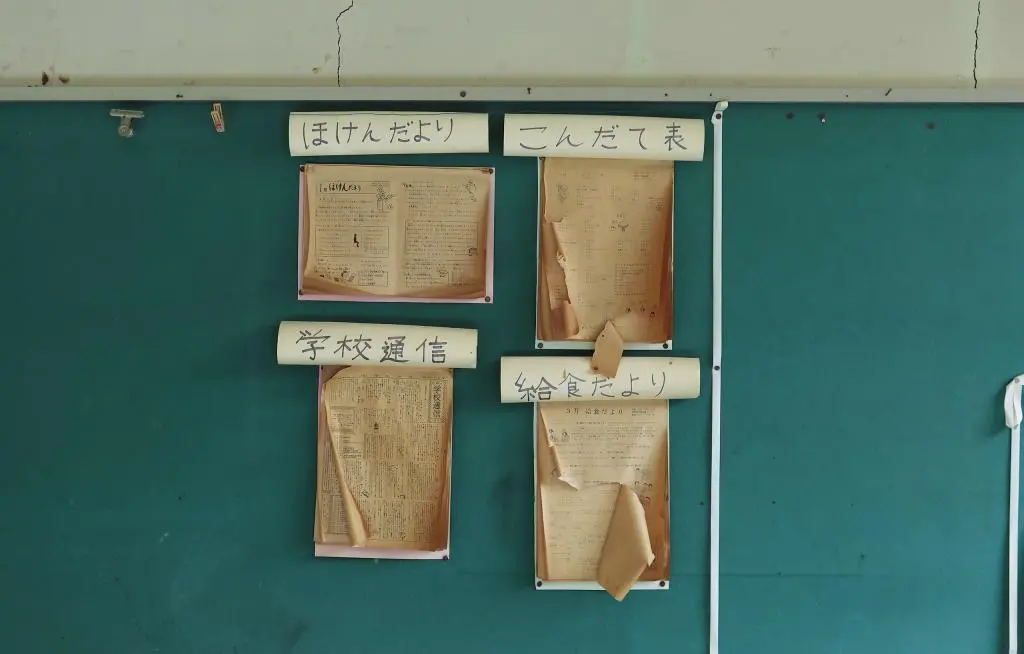
The third year homeroom still had newsletters tacked on the wall from Toga Elementary. The listed out the lunch menu for March, the list of events in March, other information about Toga Junior High sports, and other interesting new and information for students. It was pretty incredible seeing all this information still intact. On March 1st 1990, their lunch was fried rice, milk, hamburg with ketchup, potato salad, vegetables, and tofu mizo soup.
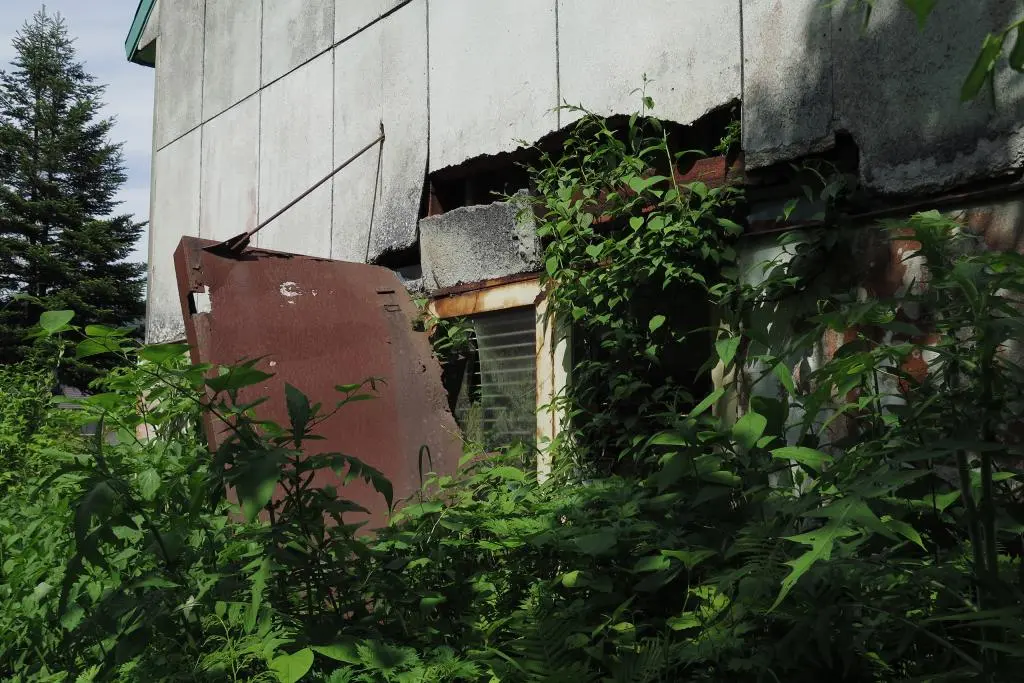
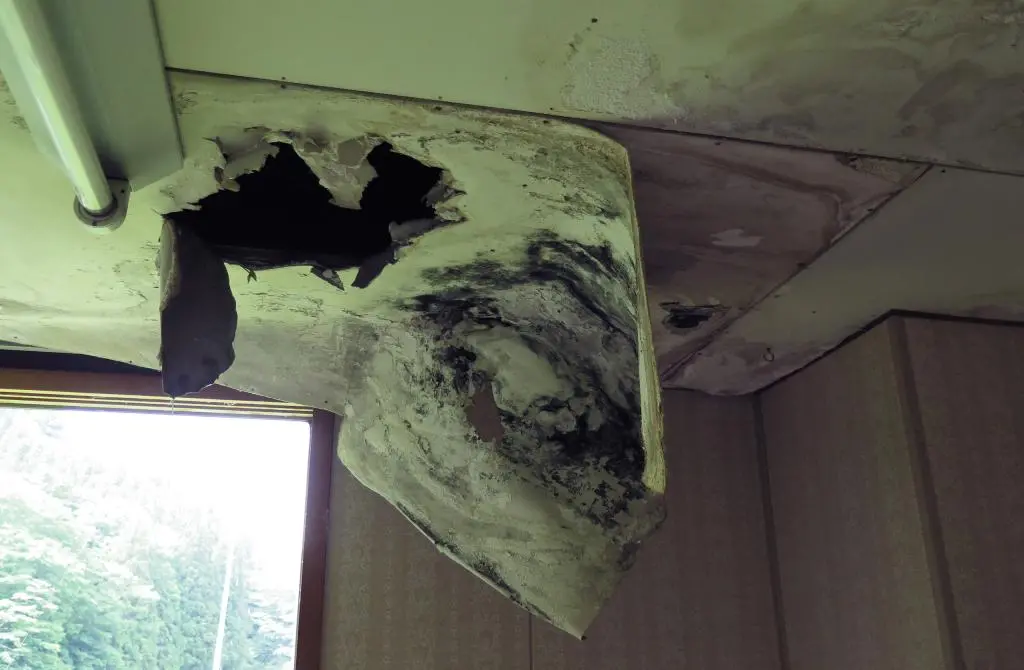
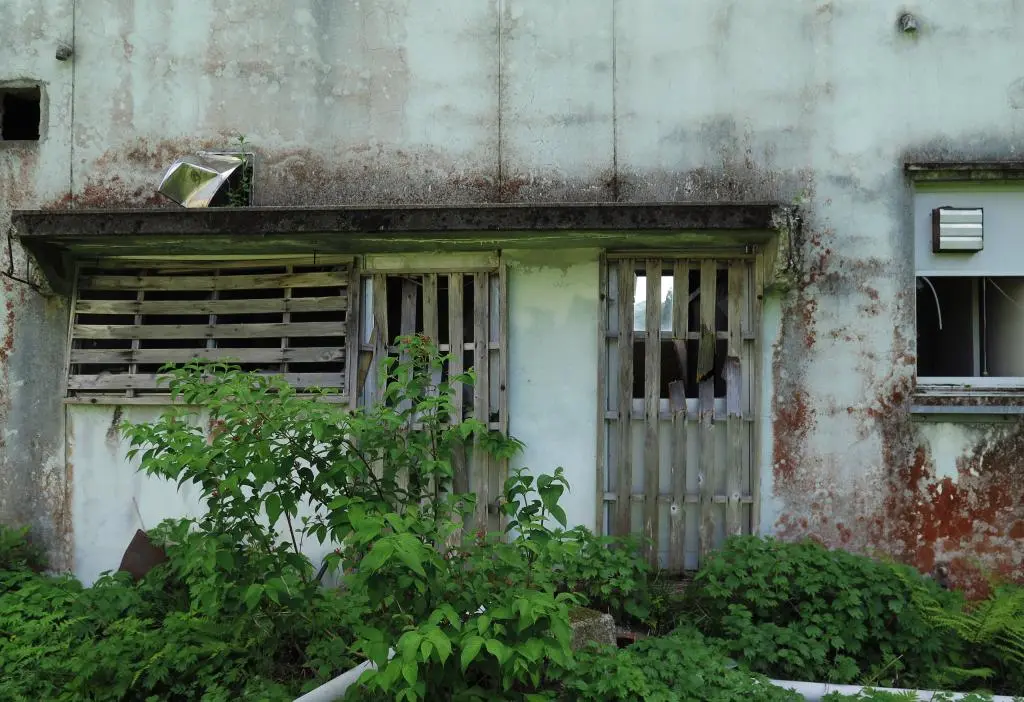
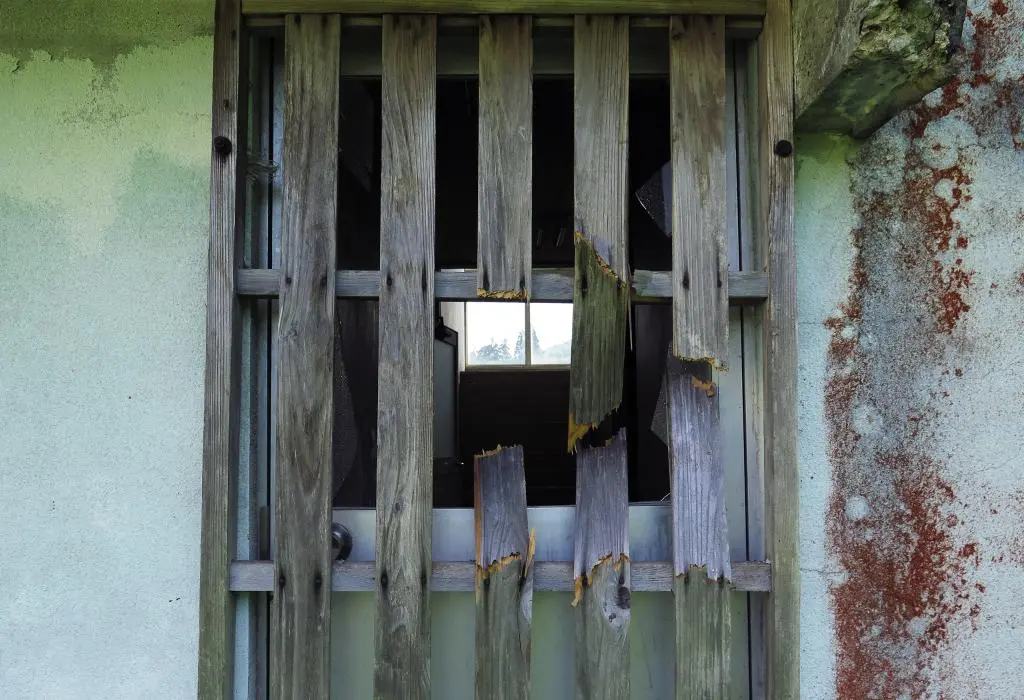
After this, I continued to snoop around in some rooms, take more photos, and I eventually left. I walked around the outside of the building, which was difficult with all the overgrowth. I could see many of the windows that had been broken in.
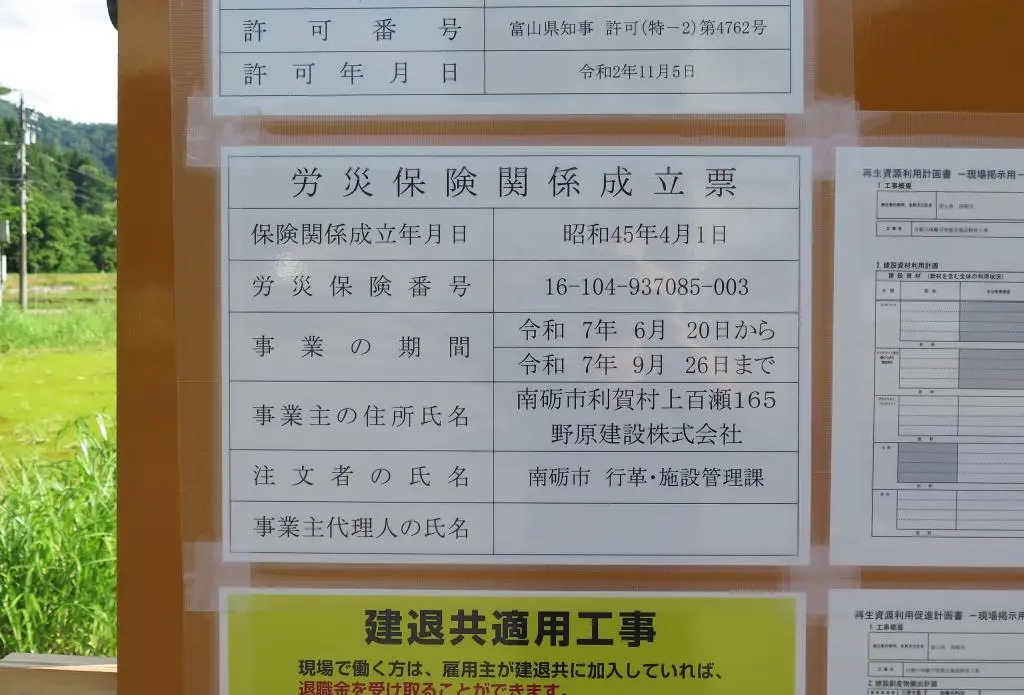
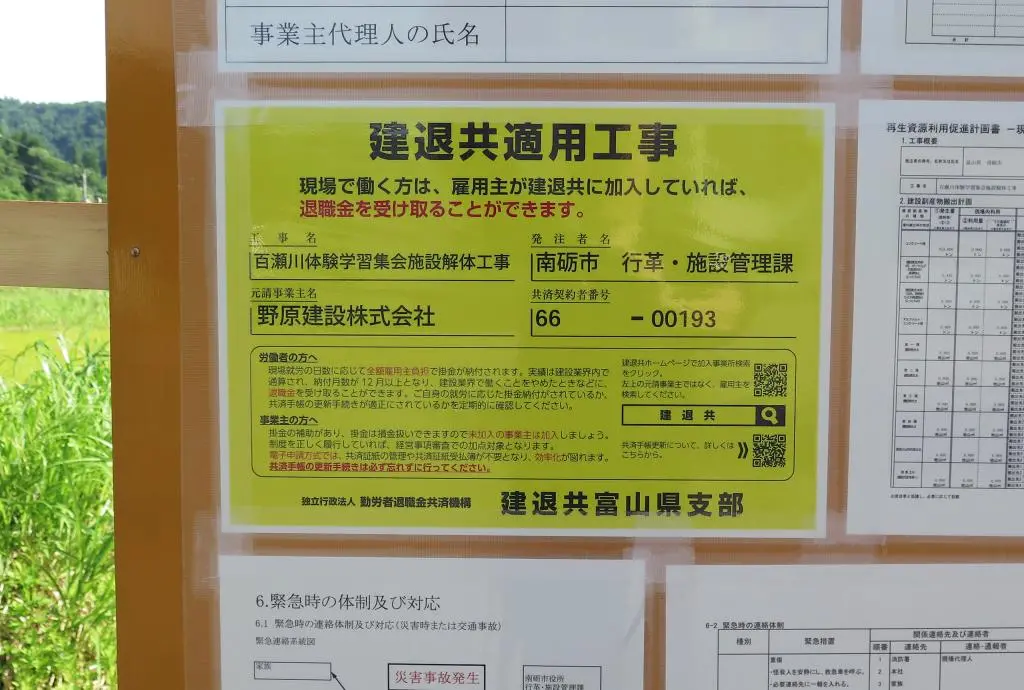
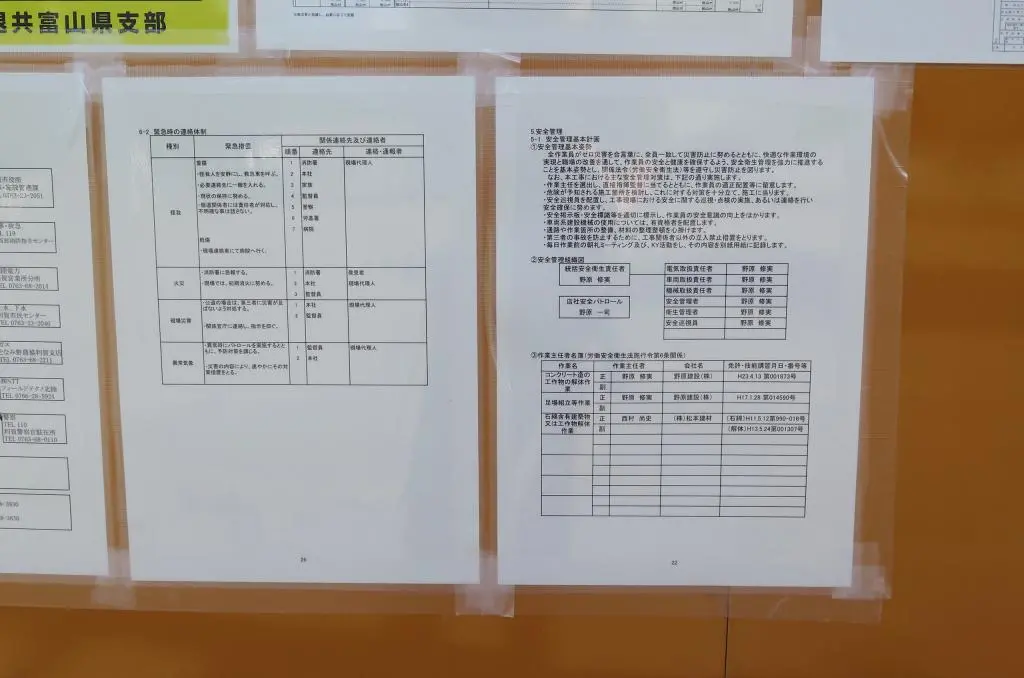
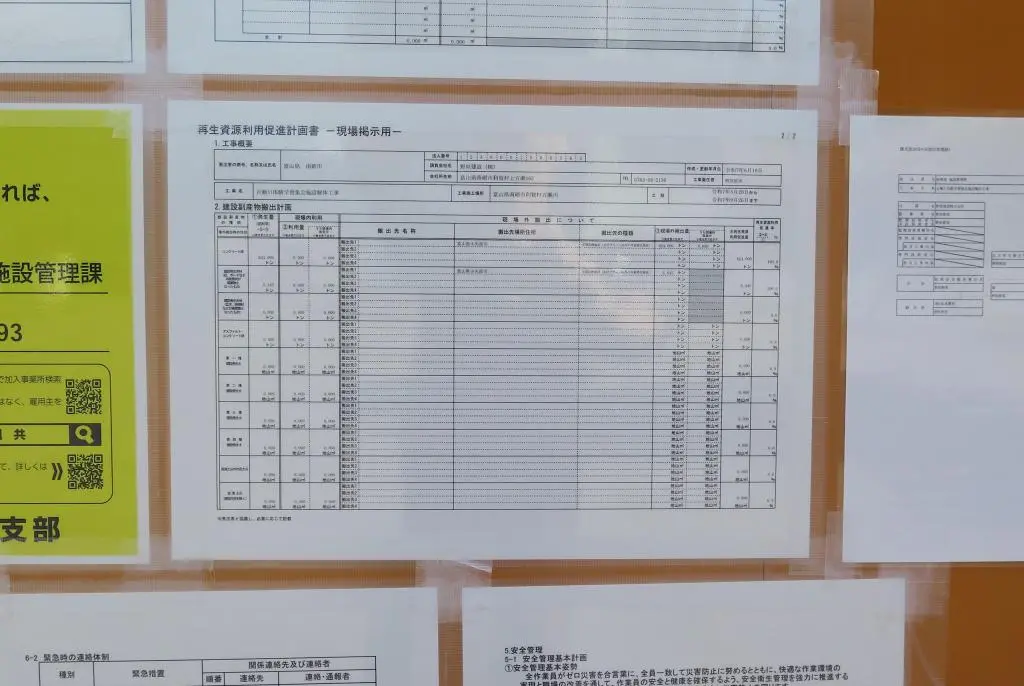
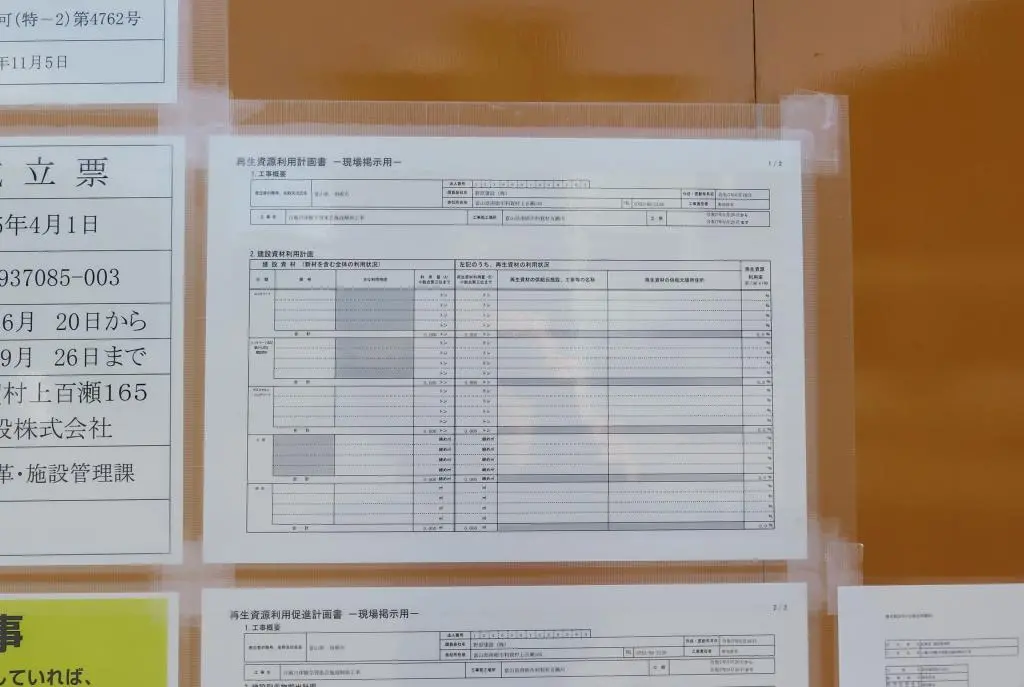
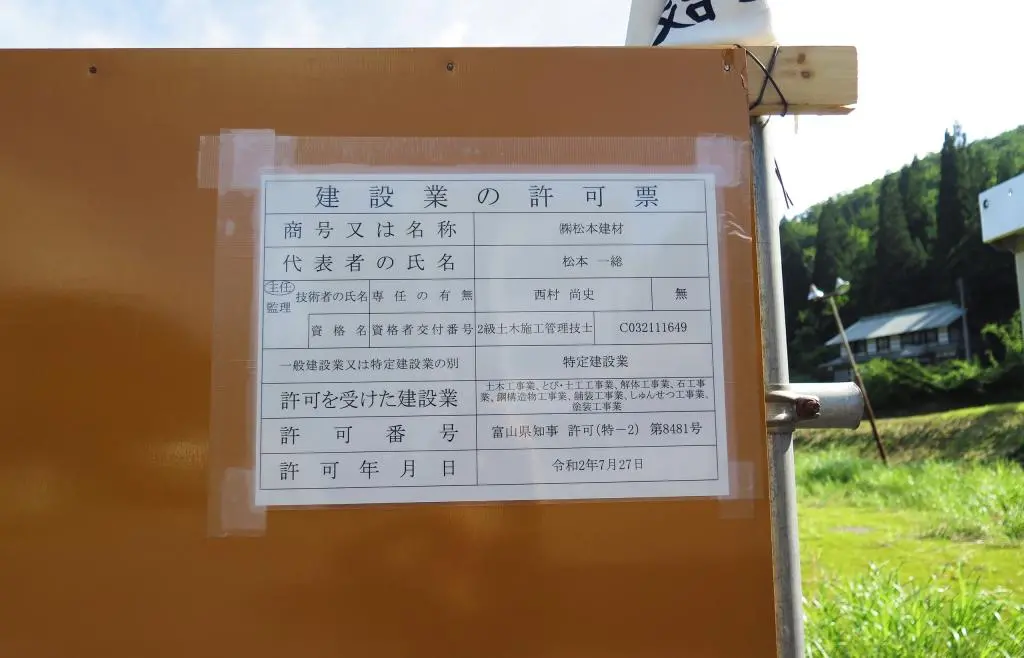
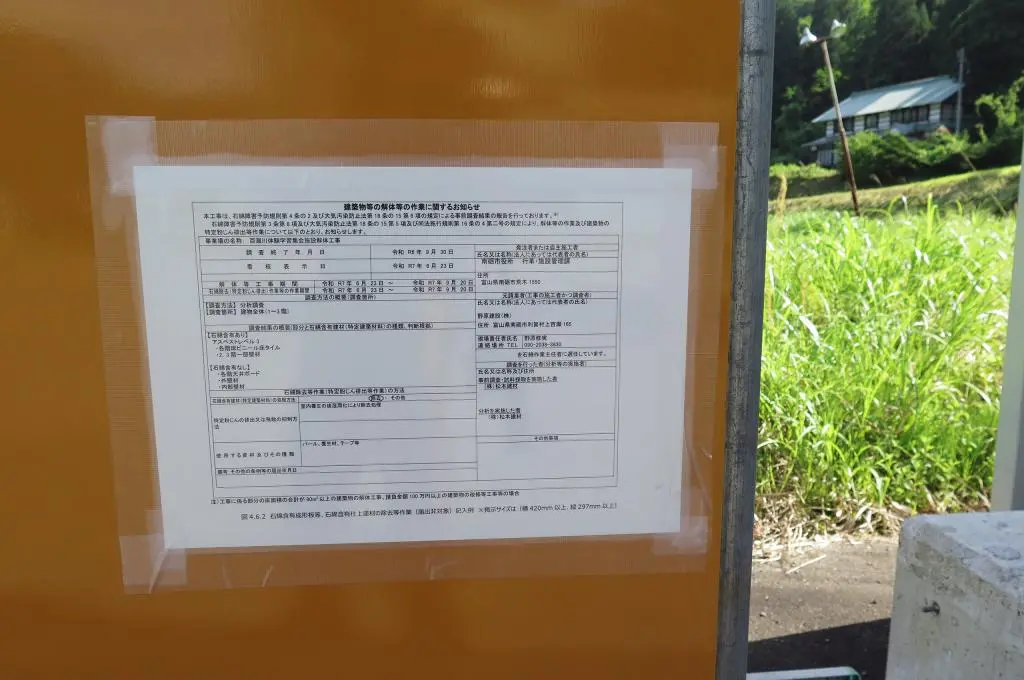
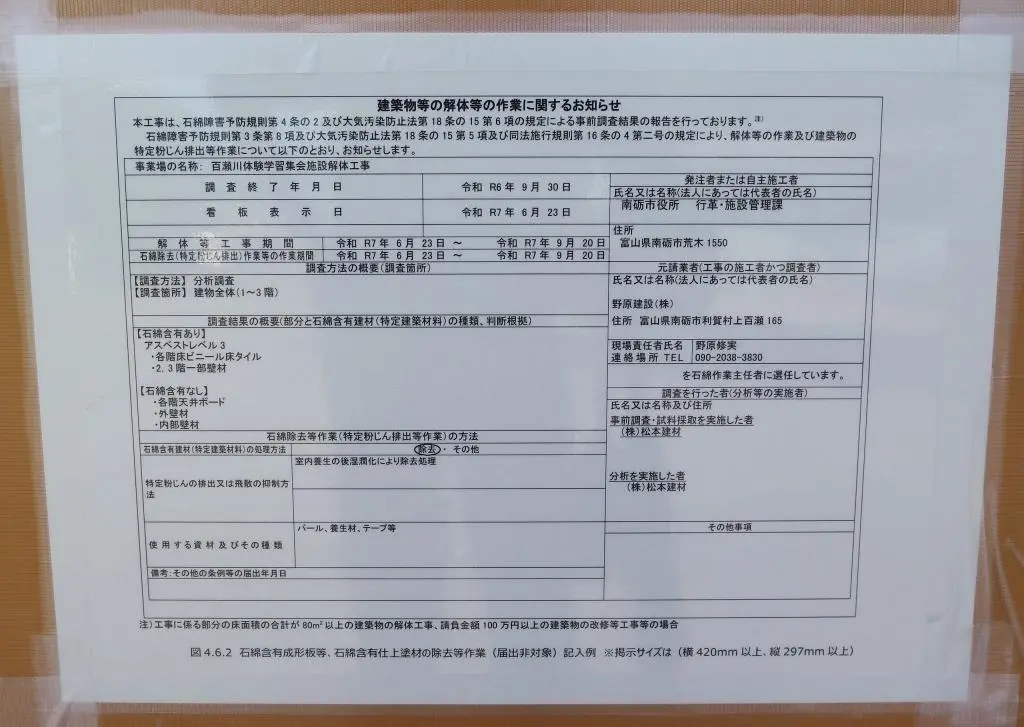
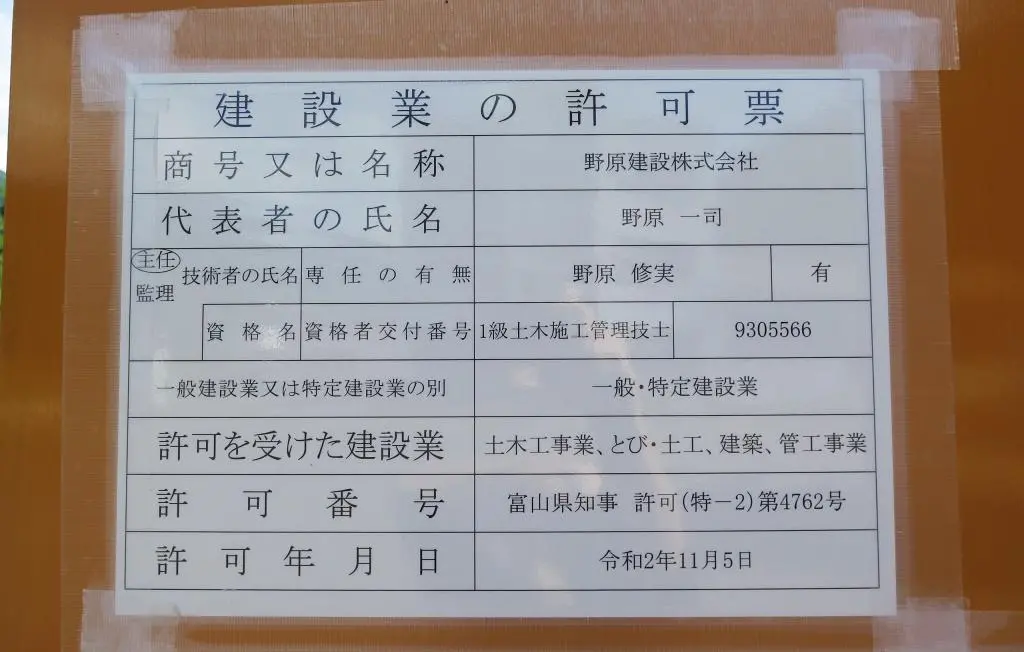
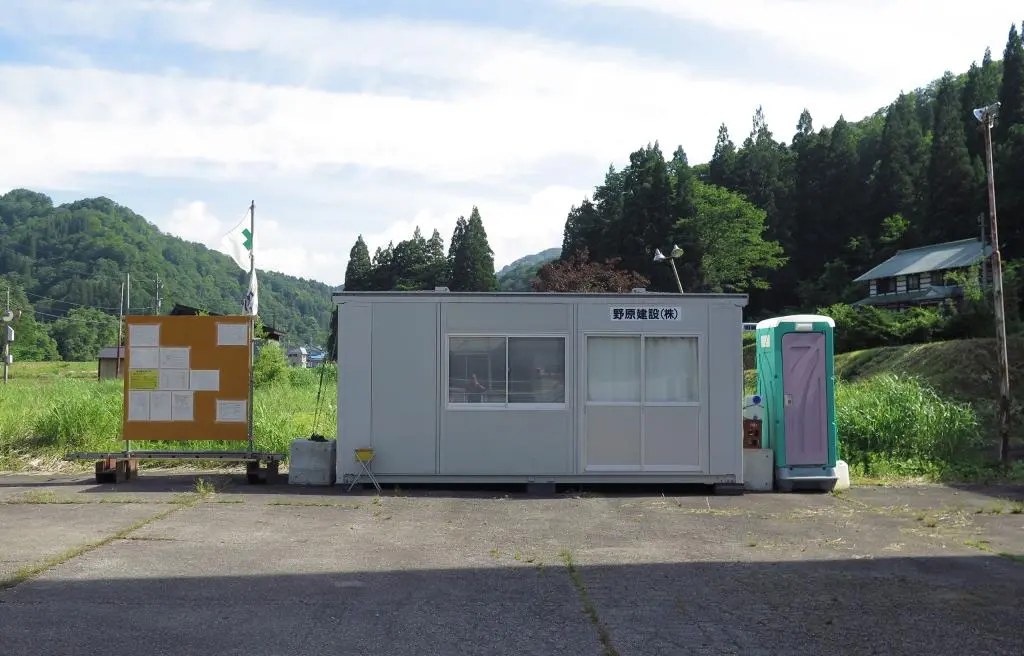
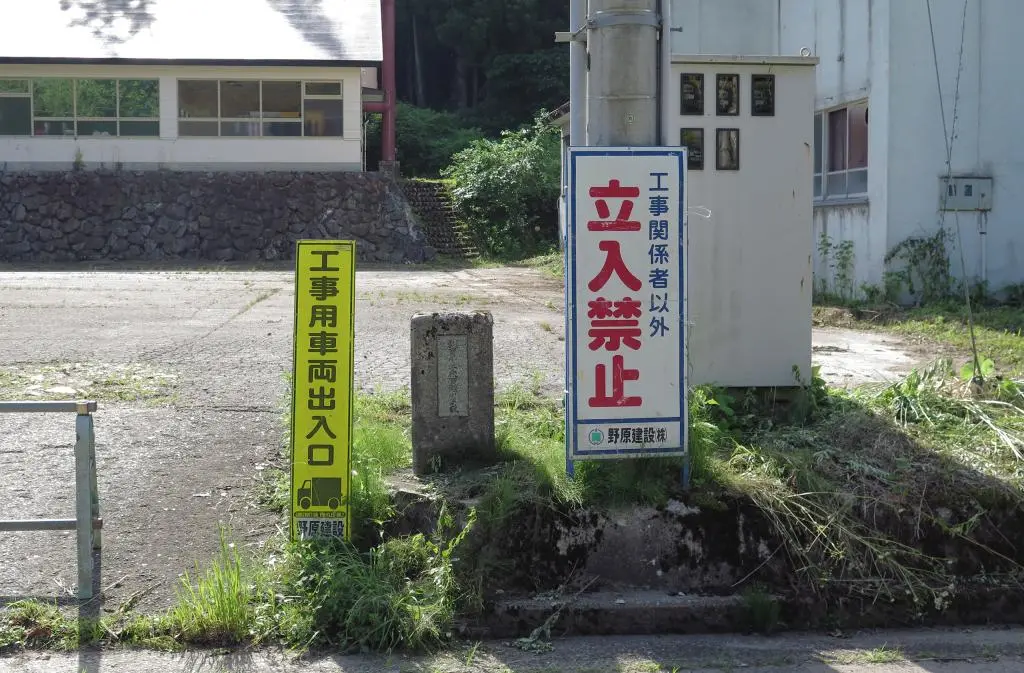
Update: I returned to Momosegawa three weeks later to discover a construction crew, and a notice for the school's demolition. (解体工事 = demolition construction) The demolition was expected to be completed by the end of September.
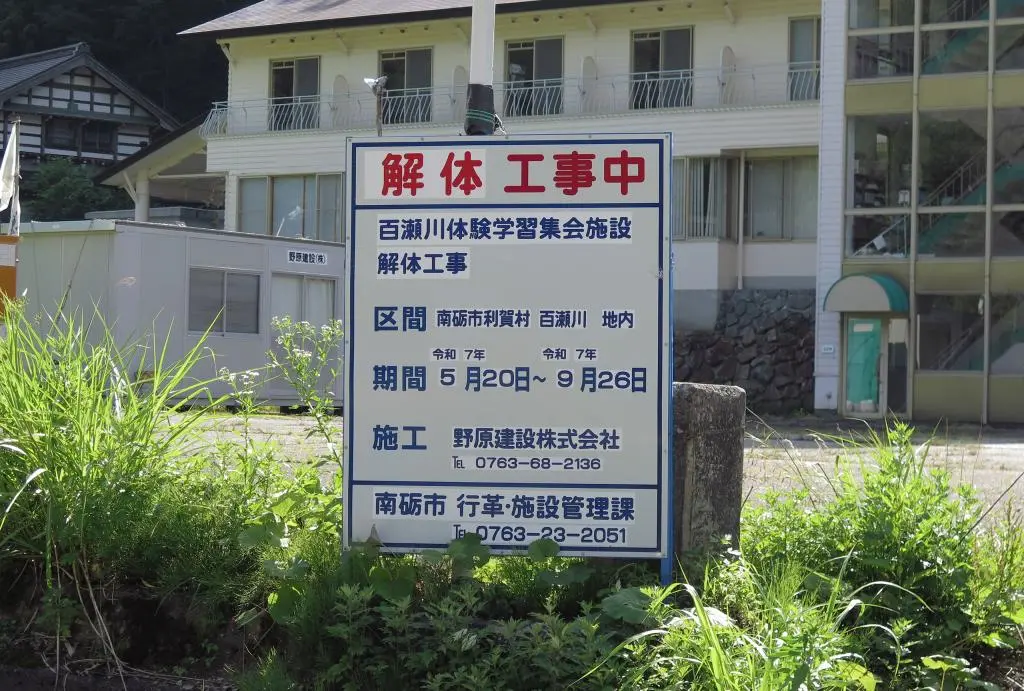
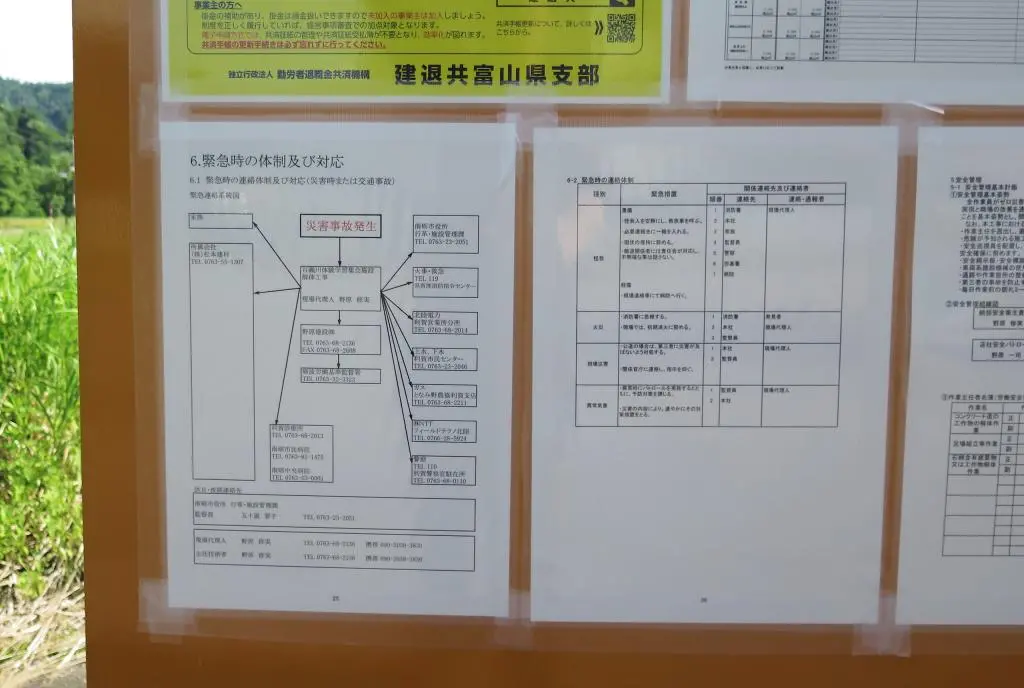
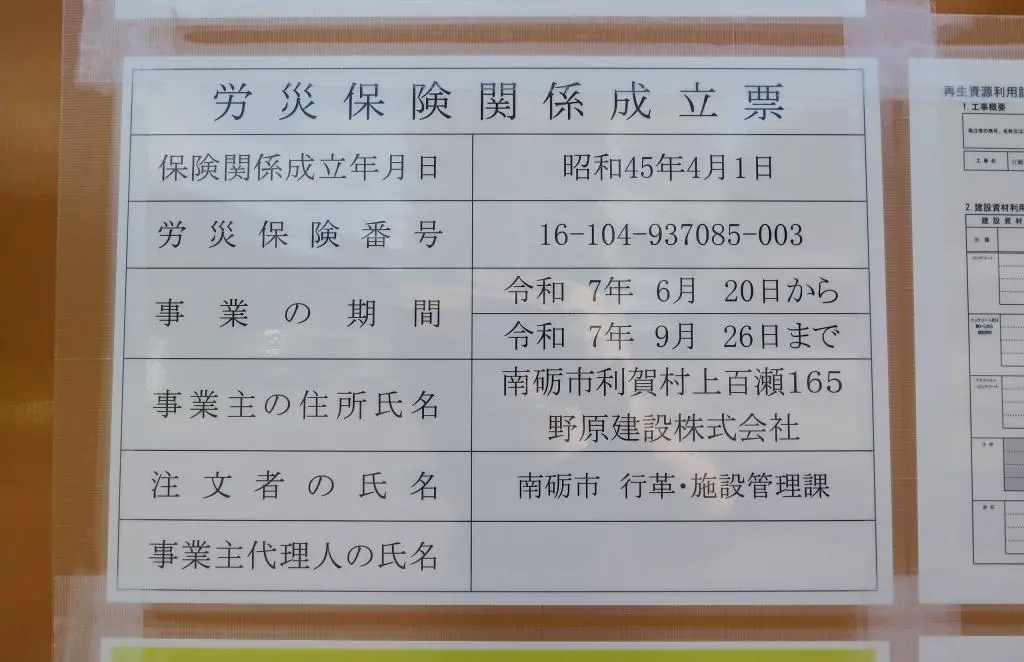
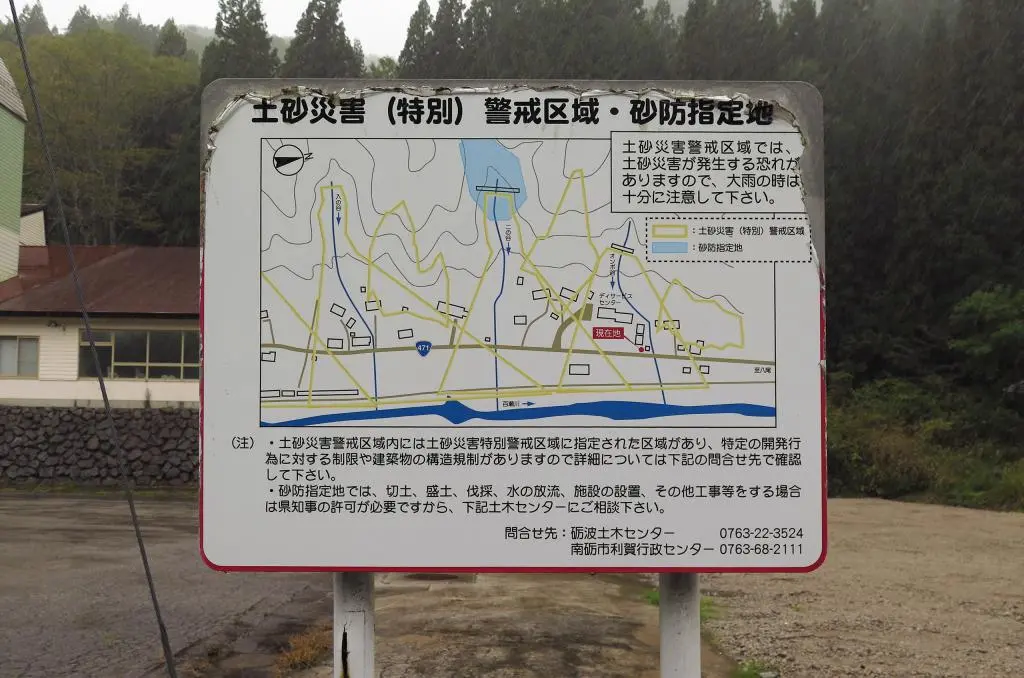
The front door was chained closed and there was a small temporary office in the building's parking lot. There were many permits and notices posted on the board next to the office. The most important one was this.
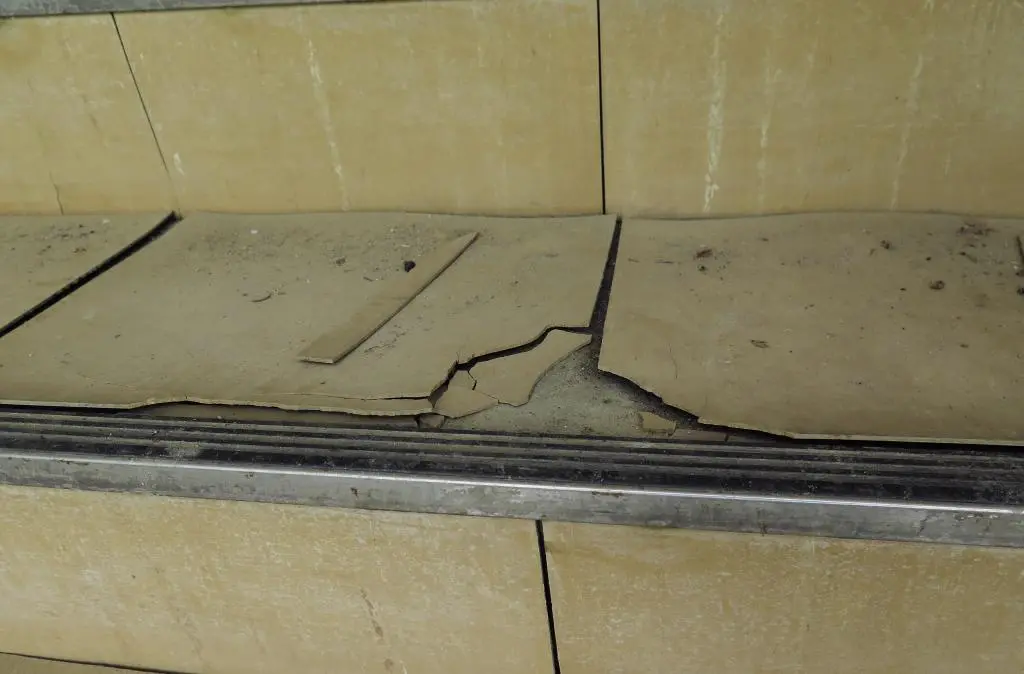
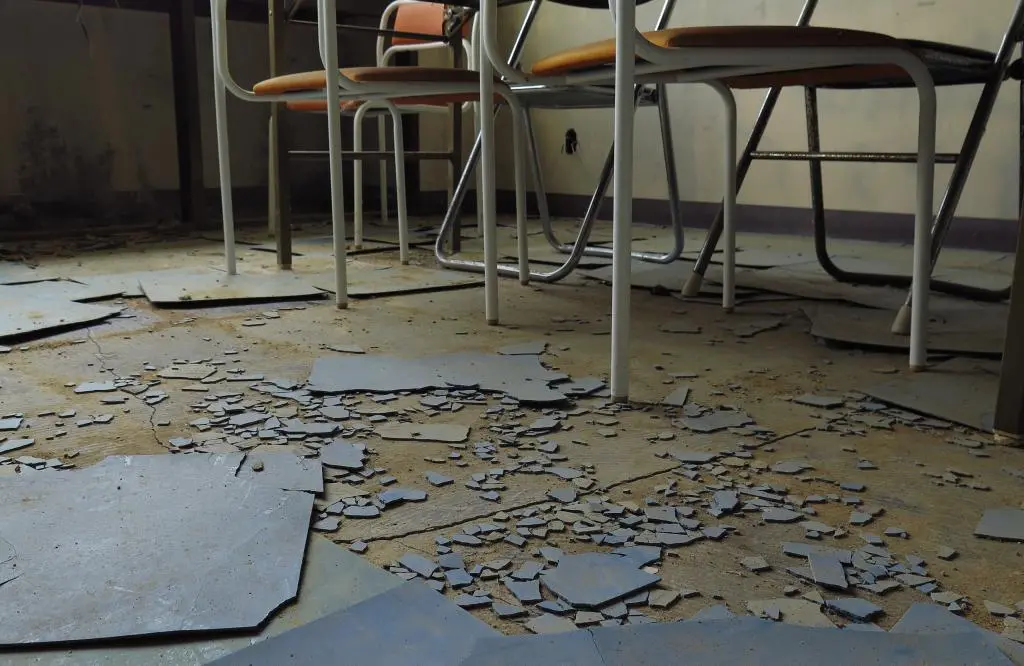
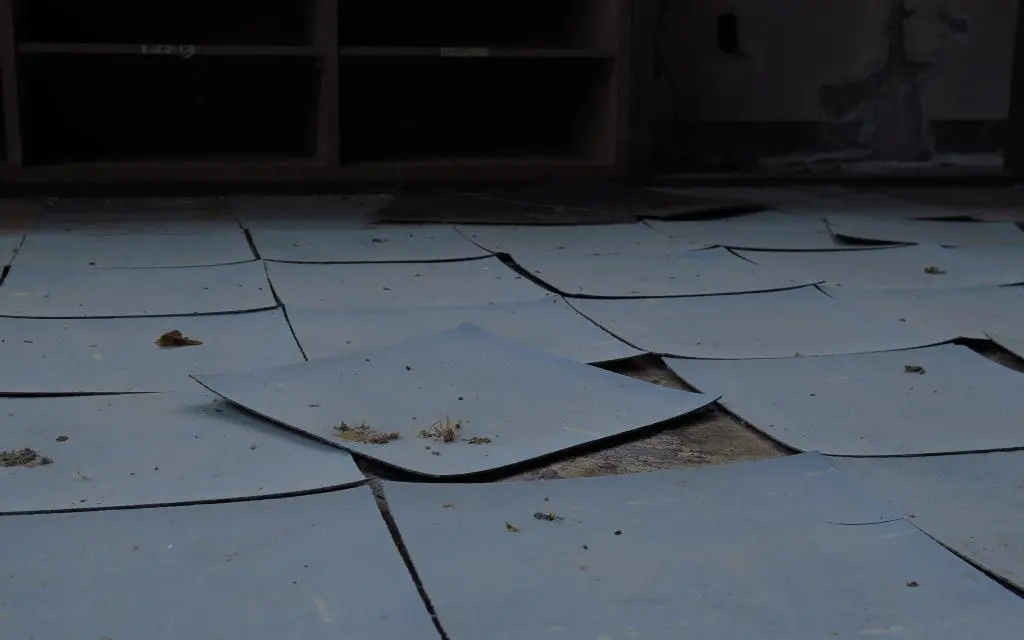
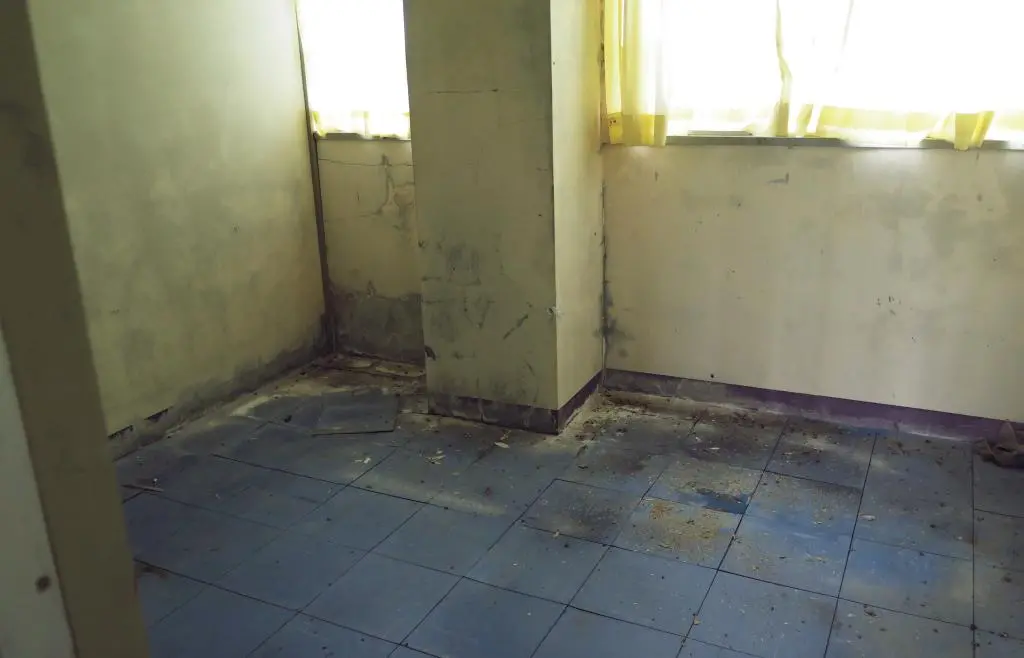
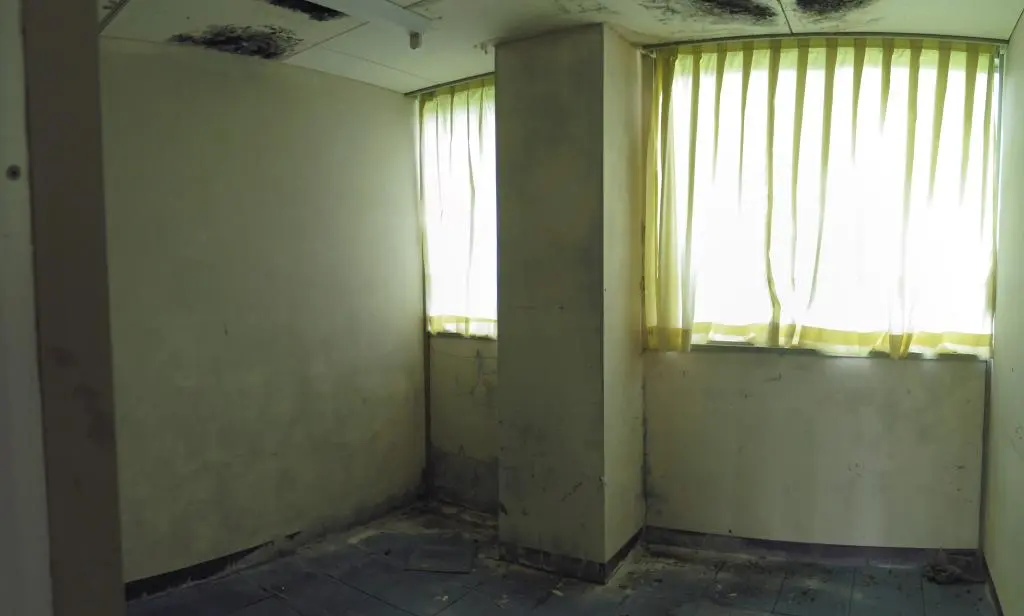
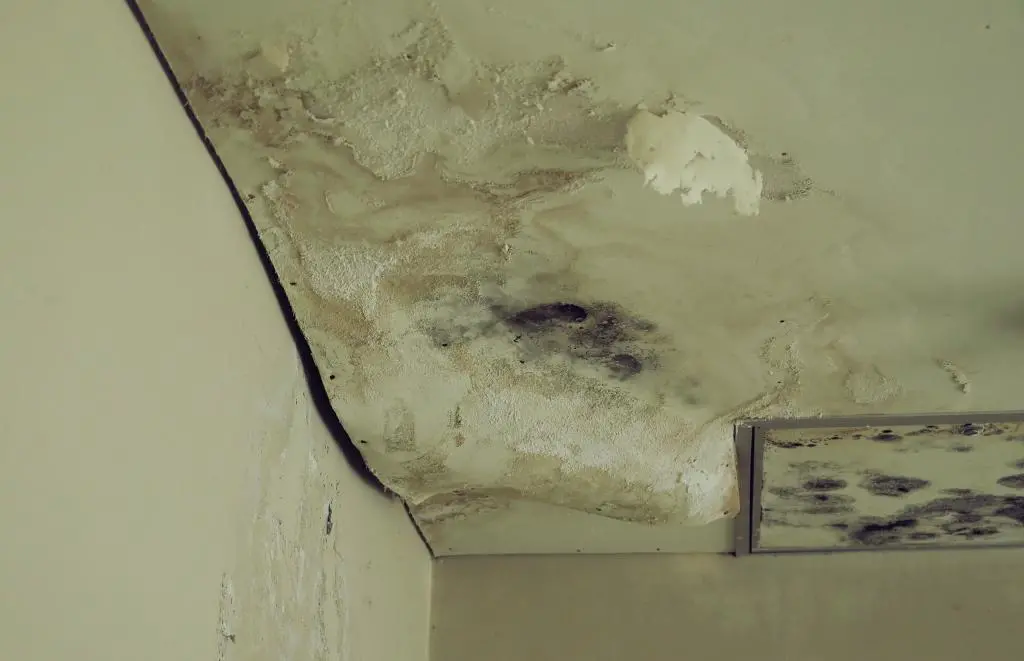
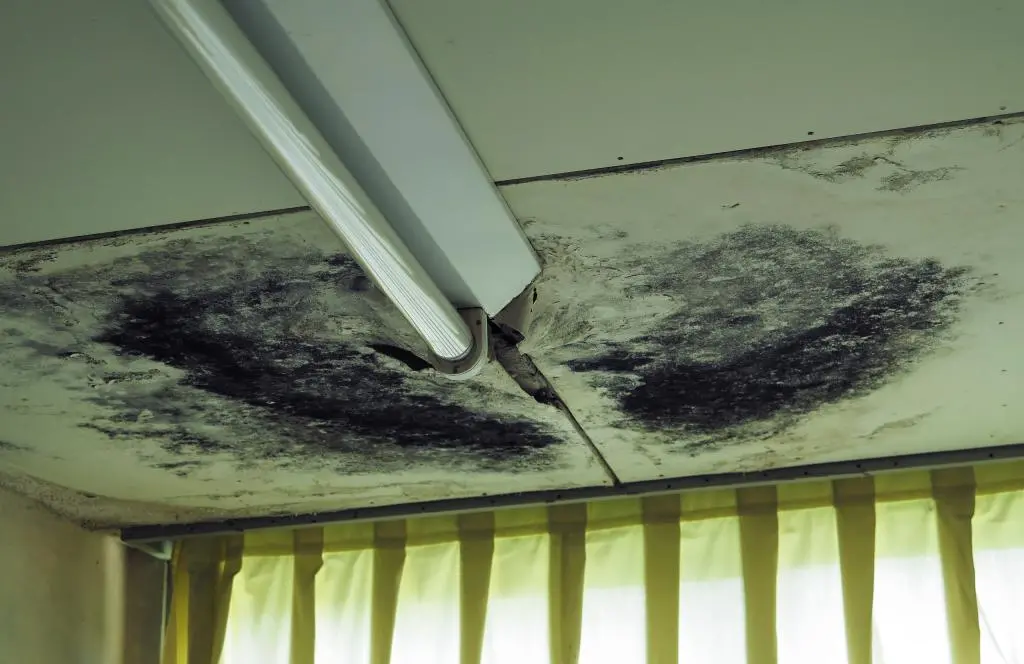
The construction crew in ordinance with the bureau of health and safety had gone through the building and determined there were high levels of asbestos. The danger areas were the floor tiles on each floor and parts of the walls from the 2nd and 3rd floor.
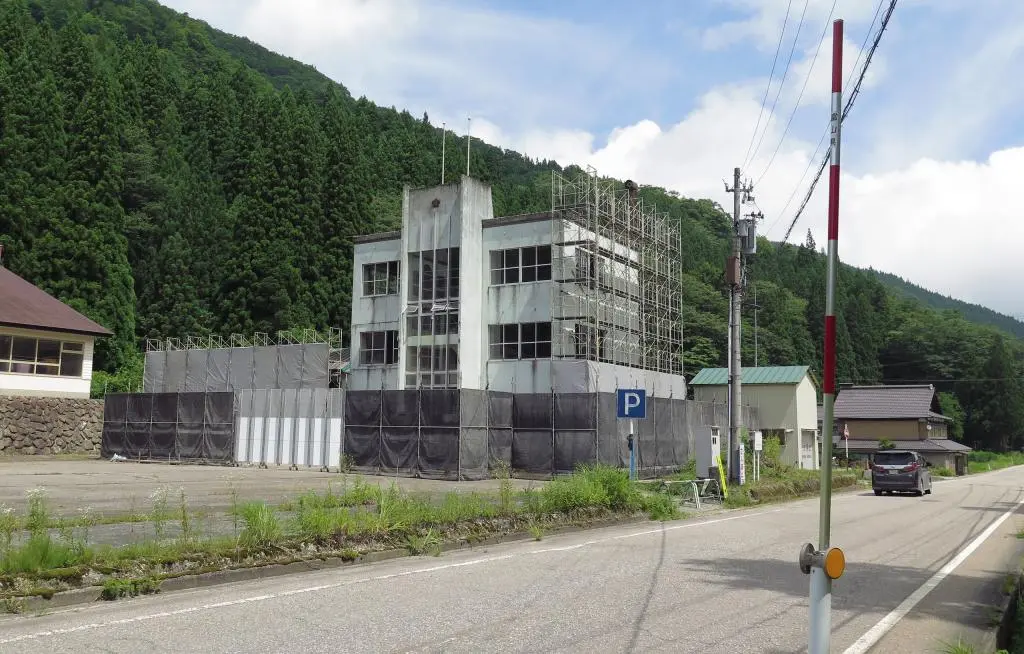
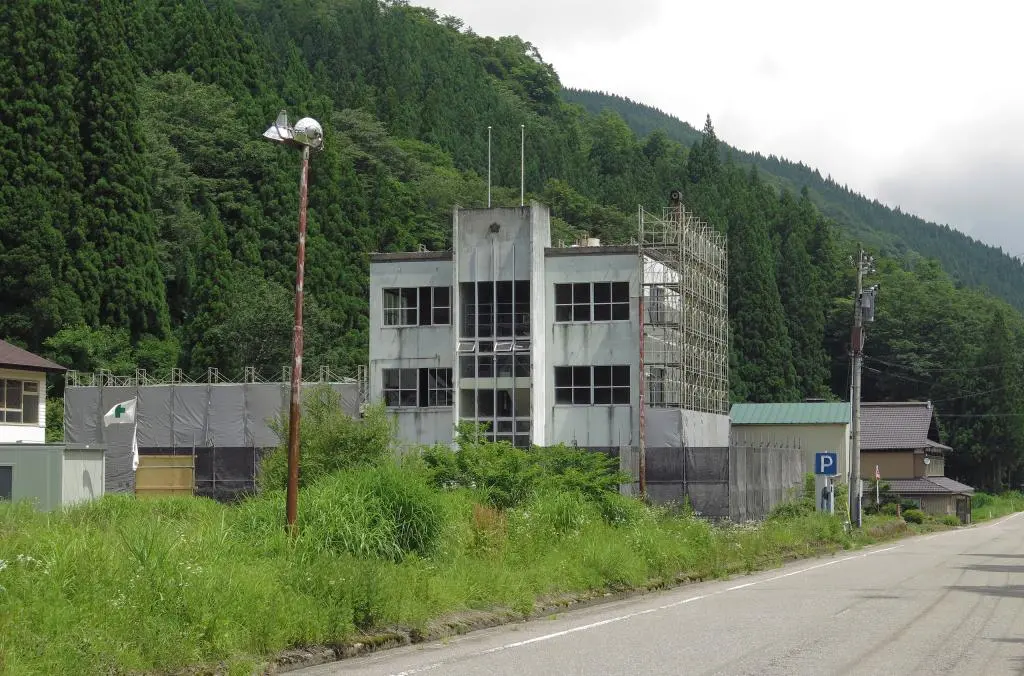
Update 2: I came back another two weeks later in mid-July and the crews had been putting in work.
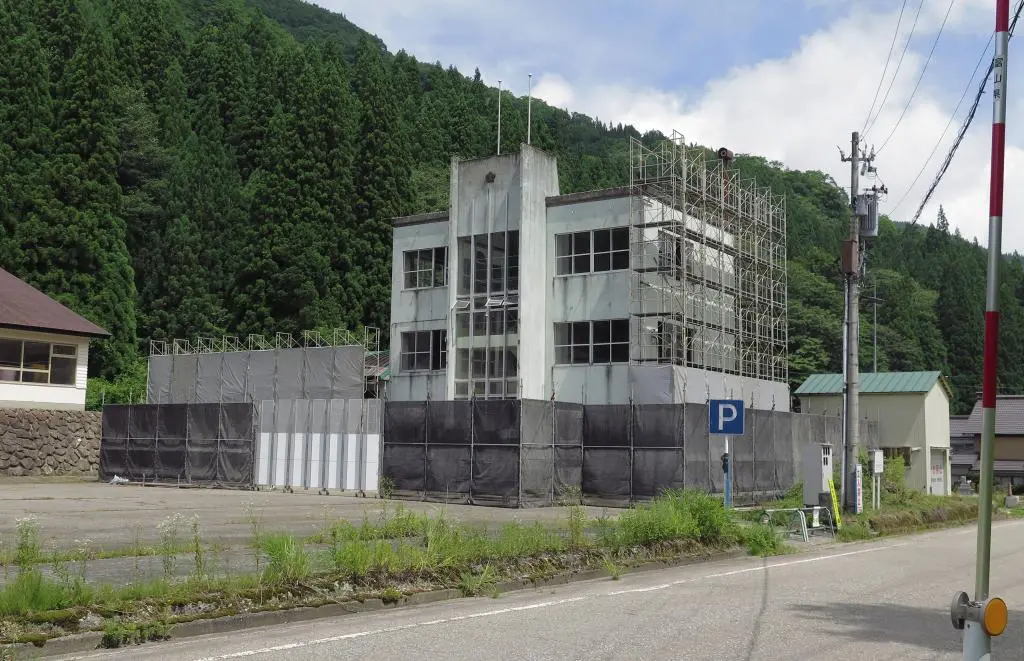
Scaffolding had been erected along the outside and curtains were being put up to contain the rubble and dust from the eventual demolition.
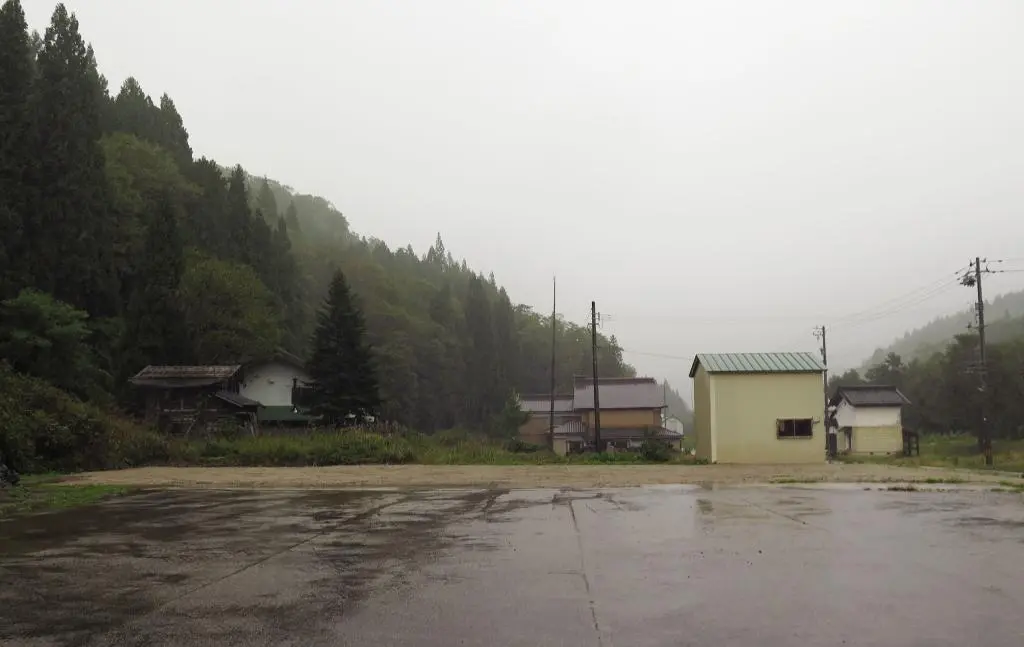
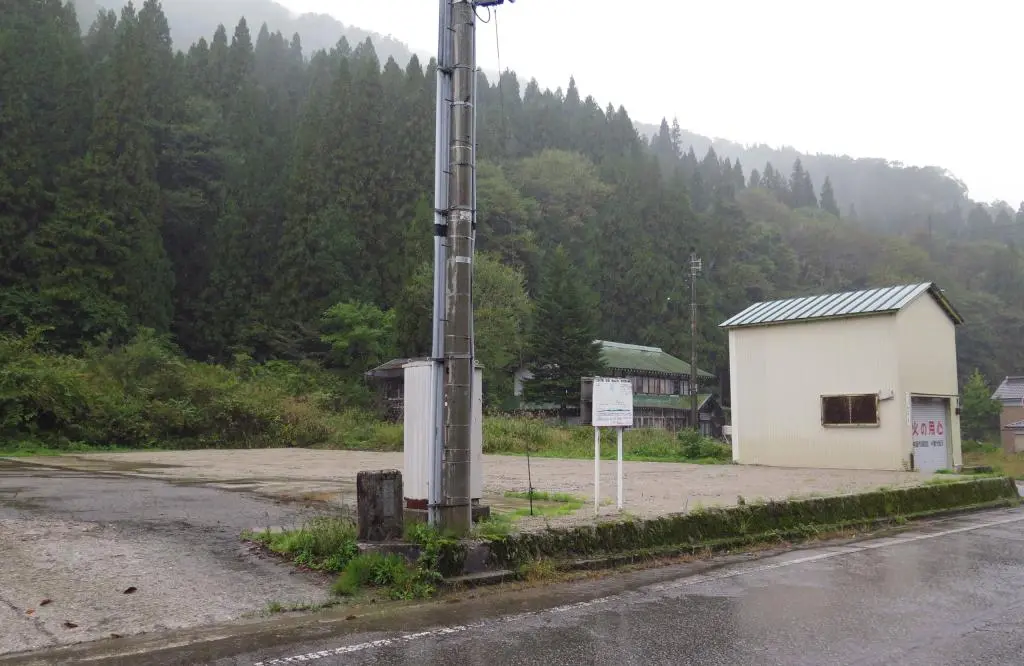
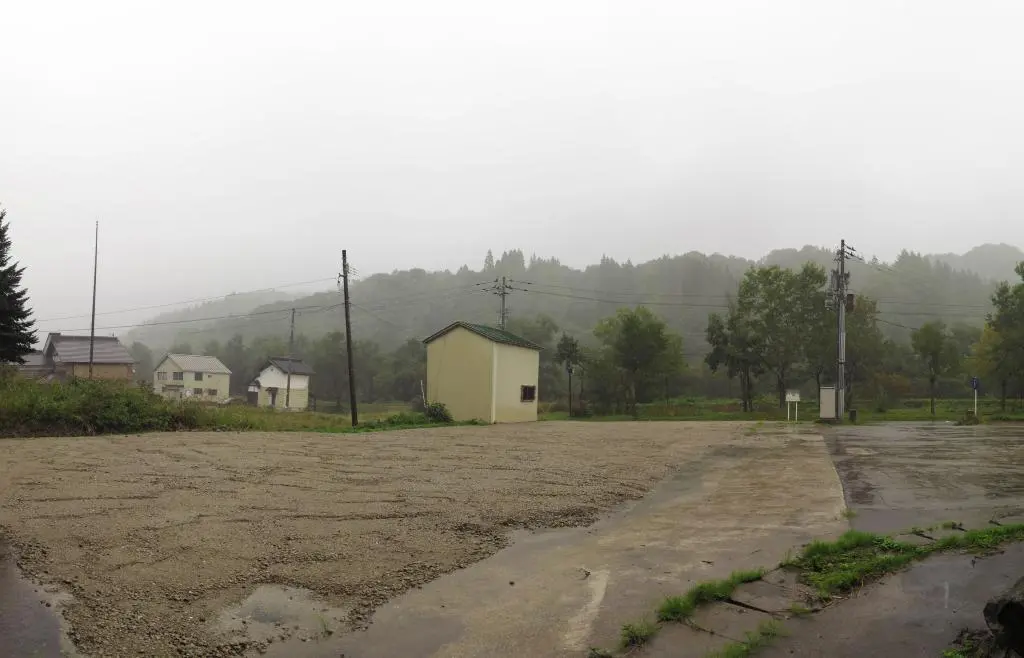
Update 3: After summer, I came back to Momosegawa on my way to Toyama and the building was gone. This was in late September.
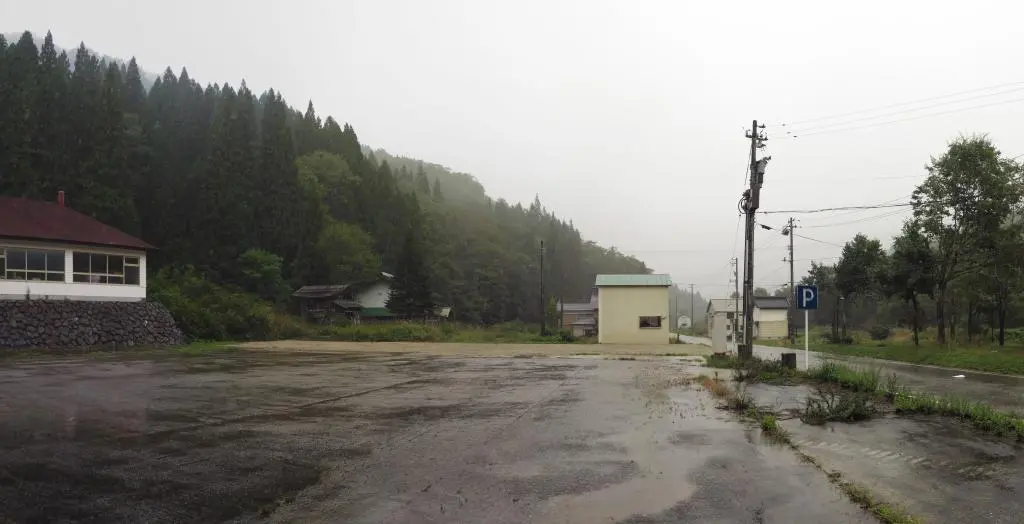
Over summer, the construction crew successfully wiped the building from existance. On one hand, it's a shame that what was once the pride of Momosegawa was now gone. But on the other hand, it was a huge health hazard for the people living next to the building, and especially the old folks home that shared the parking lot. If the building was left to rot and eventually collapse on its own, it would have been an even bigger problem.
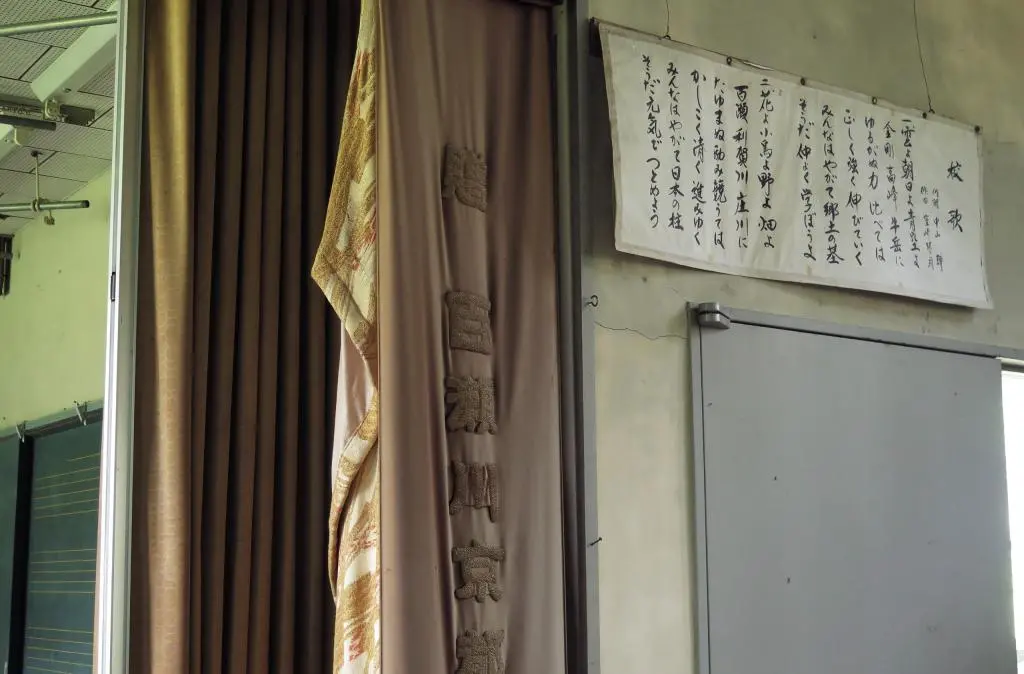
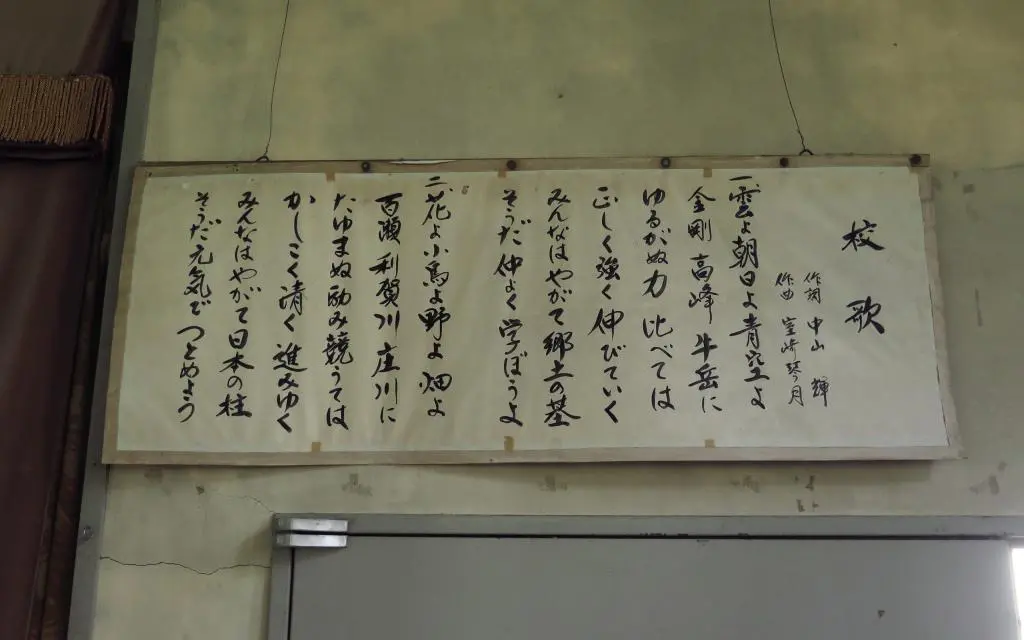
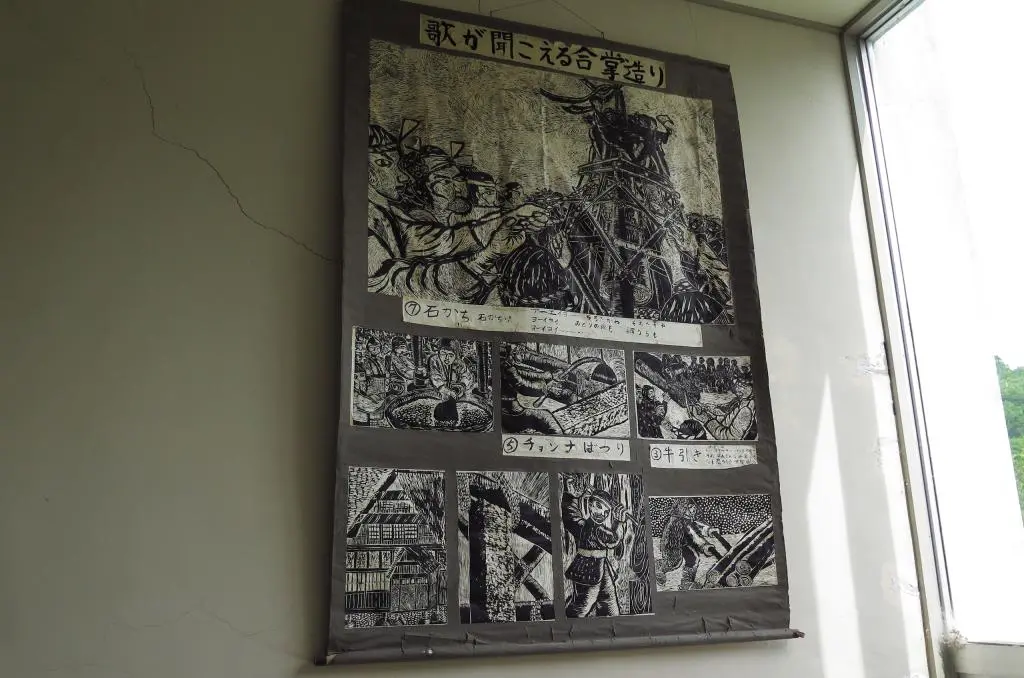
I hope Toga historians were able to make a final sweep of the place and gather any final items of importance. Though, there really wasn't much left. Just that certificate and maybe the plaque with the school song.
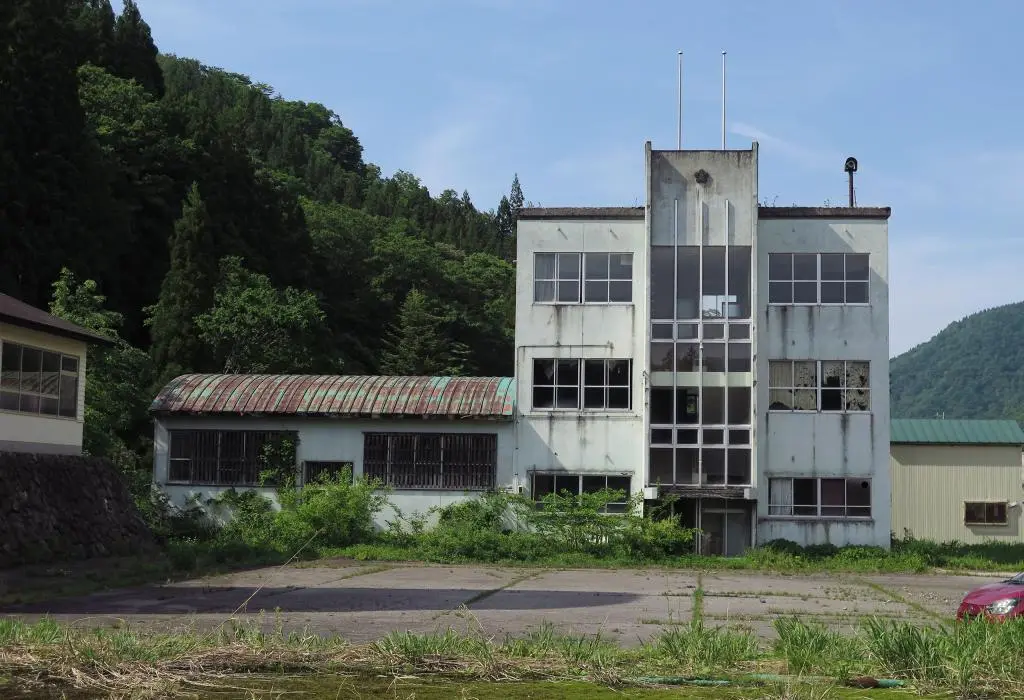
Overall, I'm glad I was able to visit the building before it was demolished. Although, I'm not so glad that I exposed myself to all that asbestos. When I go into buildings, I always wear a mask. When I get home, I always throw those clothes in the laundry and take a shower/bath, too. I'm not sure what asbestos poisoning feels like, but I was totally fine after, so I think I took adequate precautions.
While I was inside, I took many photos, so people are able to see what it was like before the very end.