In Toga Valley of Toyama prefecture, Takanuma is second-most closest neighborhood to the base of the valley. While it is much closer to the major cities of Nanto and Tonami than of the center of Toga village, it's still remote and daily travel was difficult beyond 50 years ago.
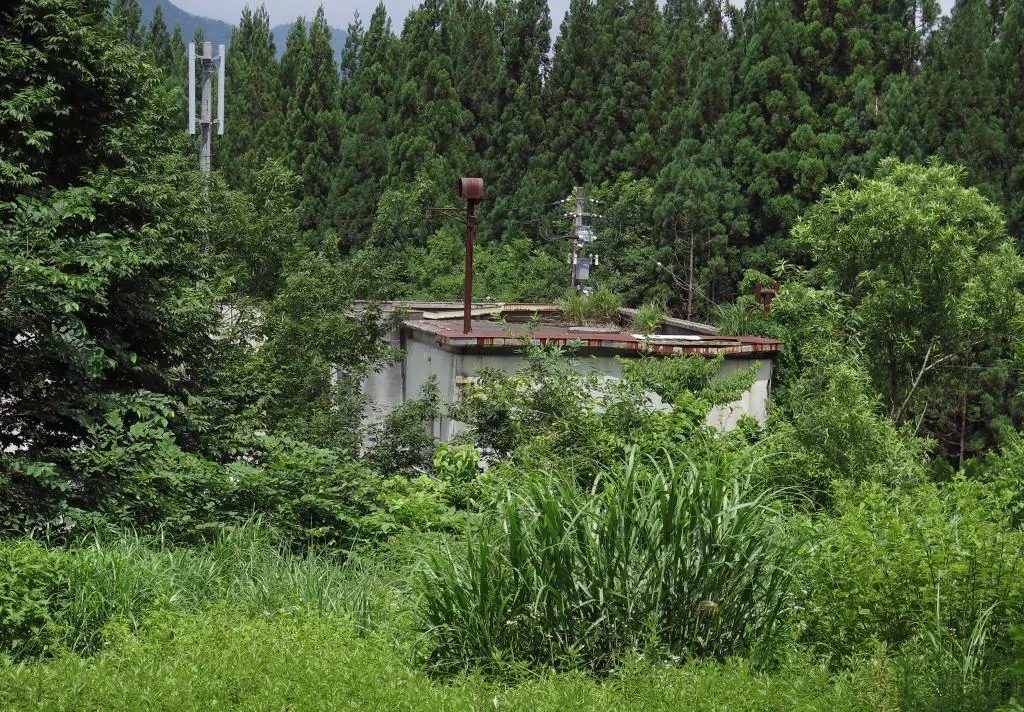
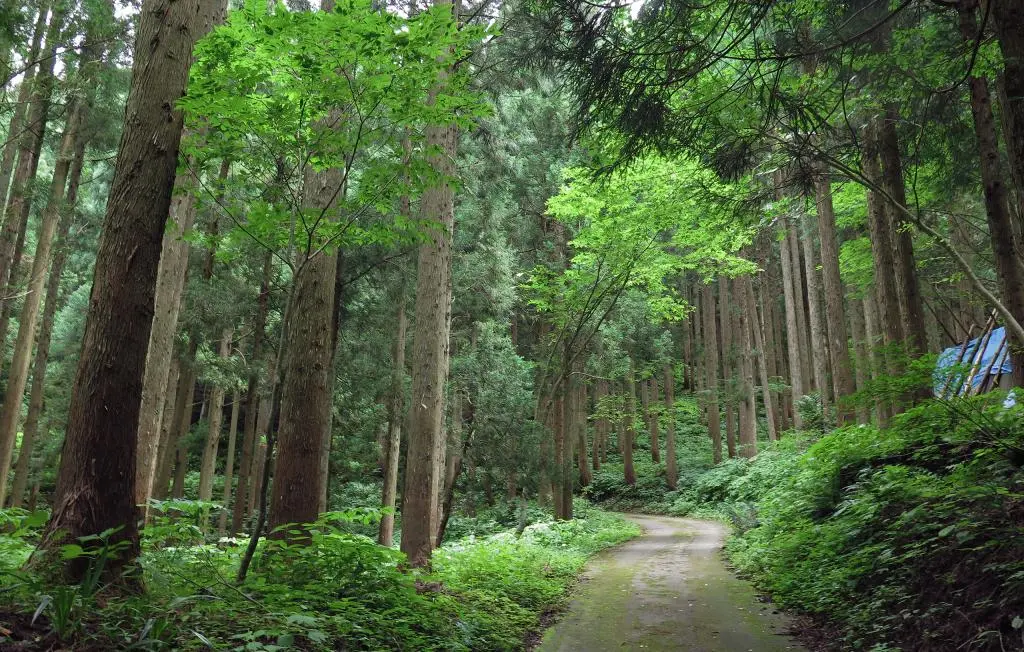
Takanuma itself is a small plateau, but the homes are hidden in the dense surrounding forest. The dense forest continues in all directions, and roads going in and out of the small area line sharp steep cliffs above the Toga river.
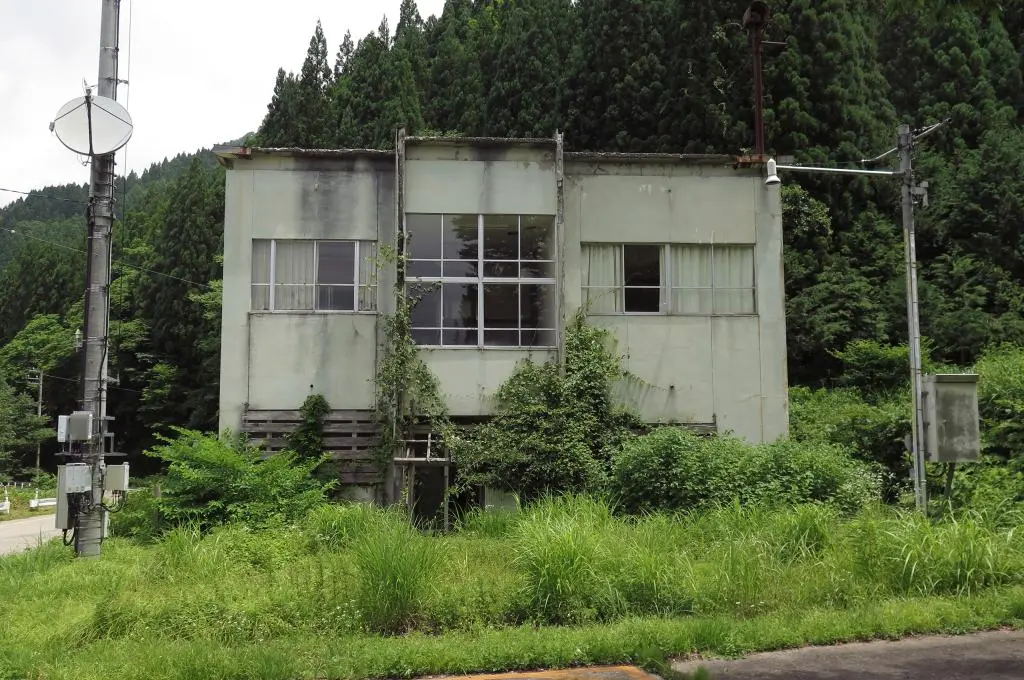
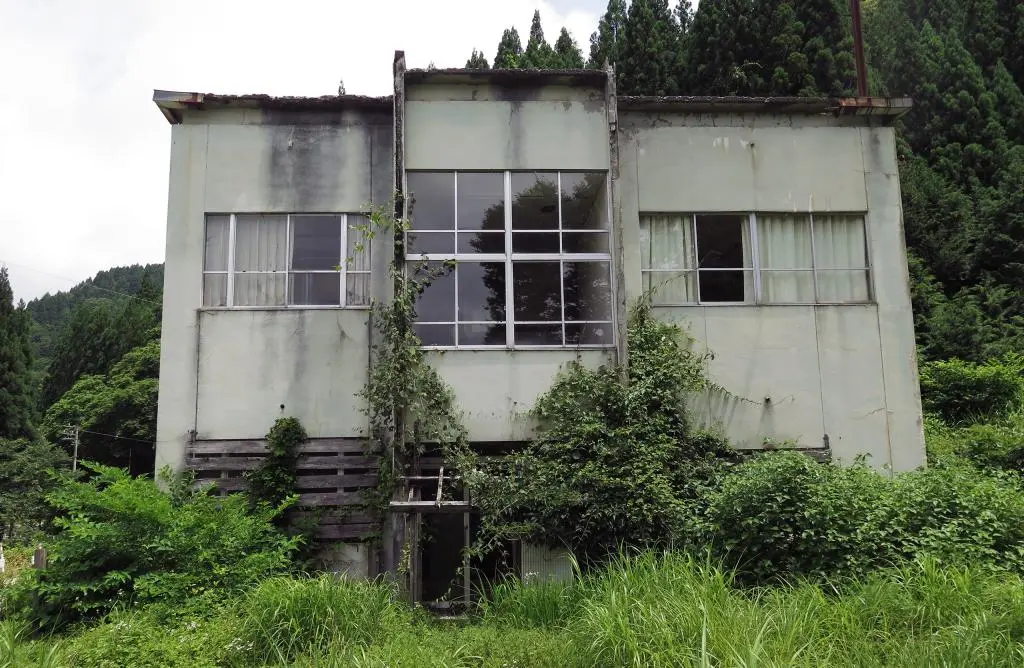
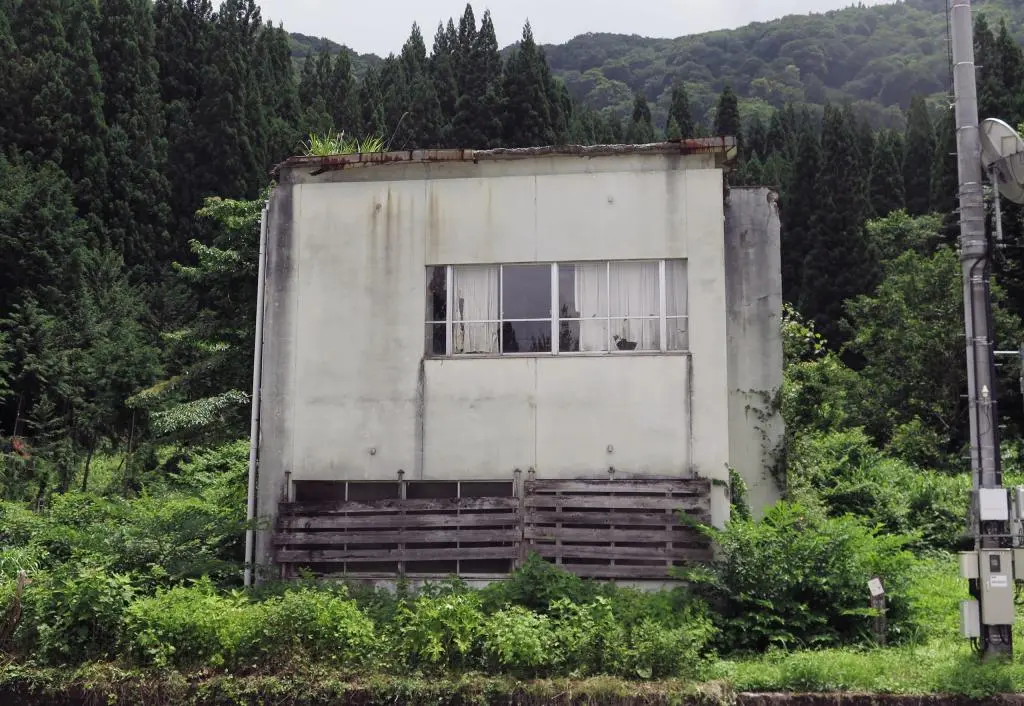
In 1902, a school was established in this small village. Today, the Takanuma Brach School still stands, although the current building was built in 1971. This was designated as a Class 2 Remote school.
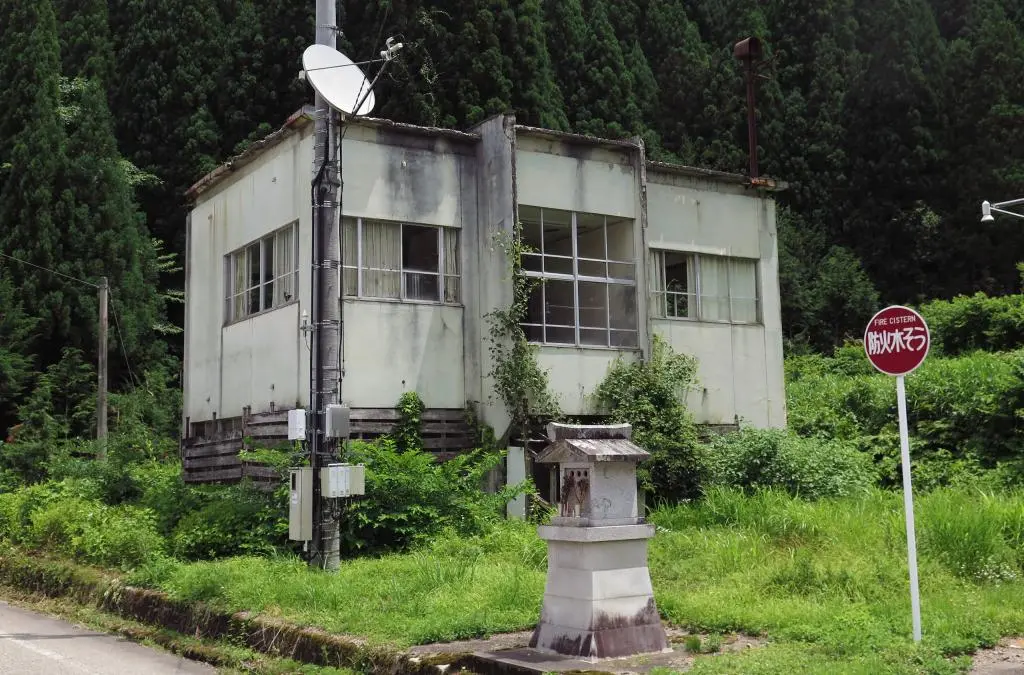
The school opened to 52 students in 1902. That number doubled by 1930 to 105 students. However, by 1950, only 13 students still remained in the area and there were only 3 established households.
The school was closed in 1978, but still had life as a remote experience school. It was officially and completely closed in 1996.
This information comes from Heyaneko's reports:
http://heyaneko.web.fc2.com/zs24.html
https://heyaneko.jugem.jp/?eid=1274
And also from Haikyo Rider's tour of Toga Valley:
https://ameblo.jp/hiho-haiko/entry-11934259064.html
The Haikyo site has an entry, too:
https://haikyo.info/s/13492.html
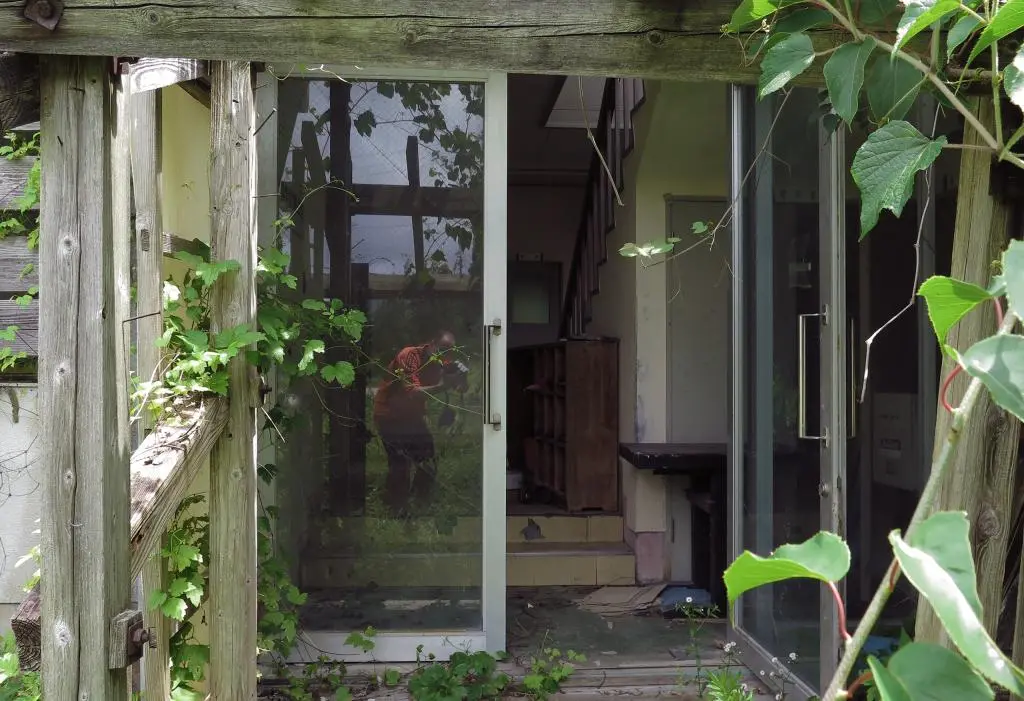
The door was open in this small two-story building, so I put on my mask and went inside.
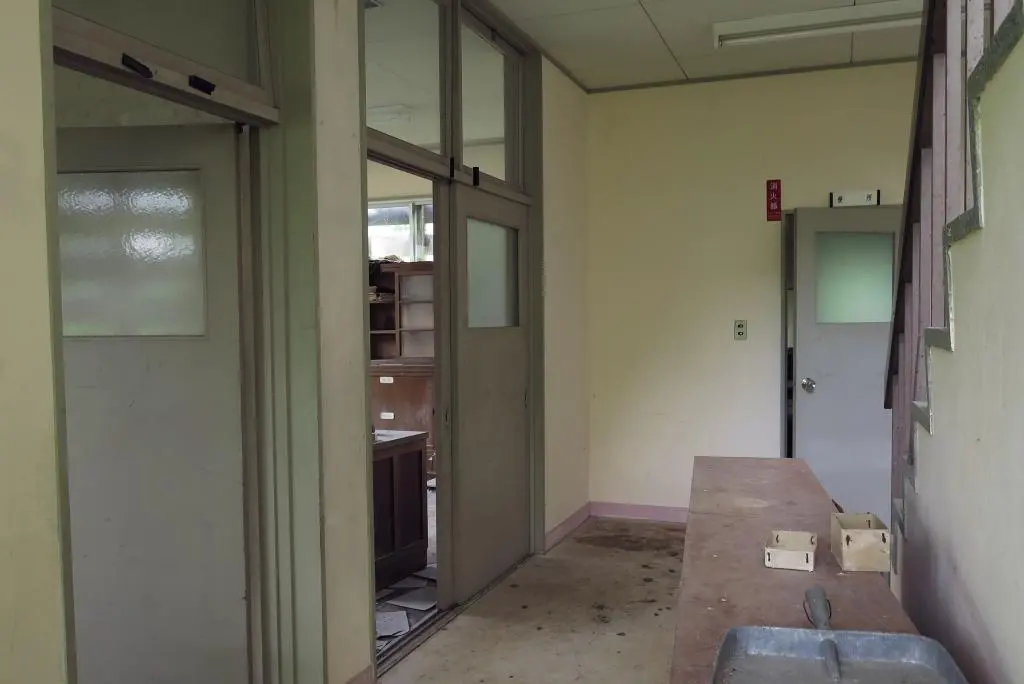
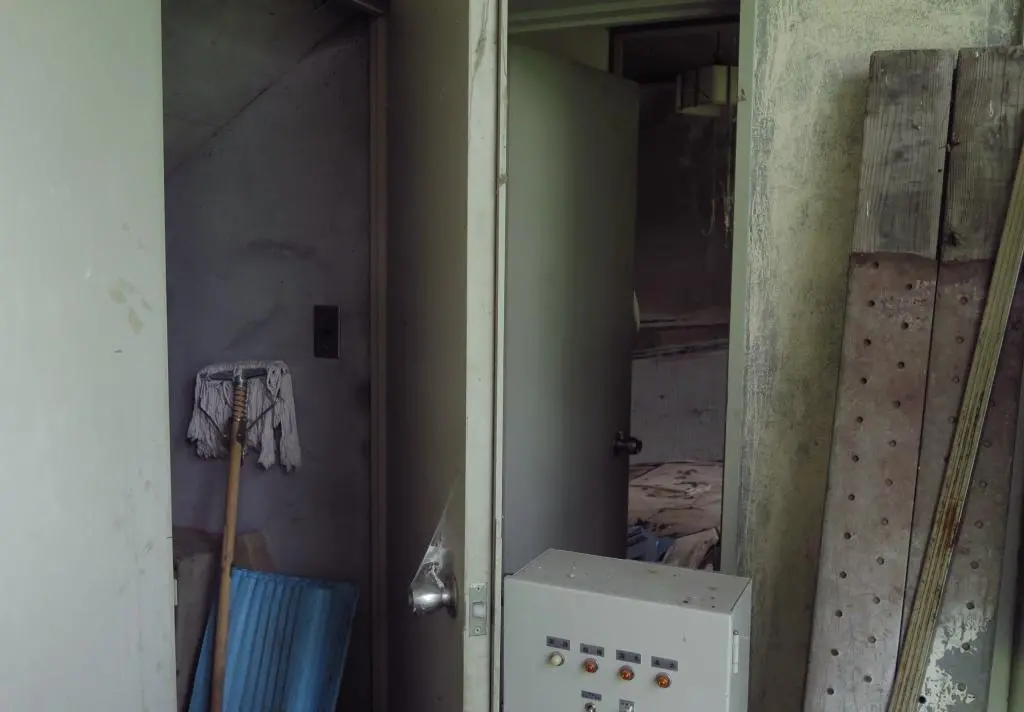
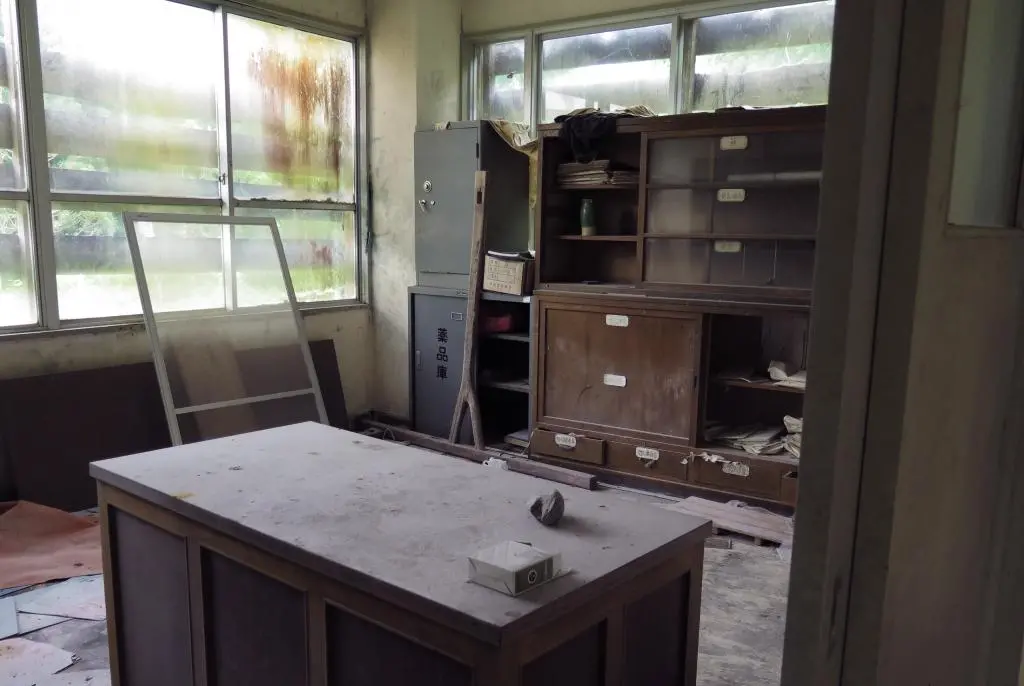
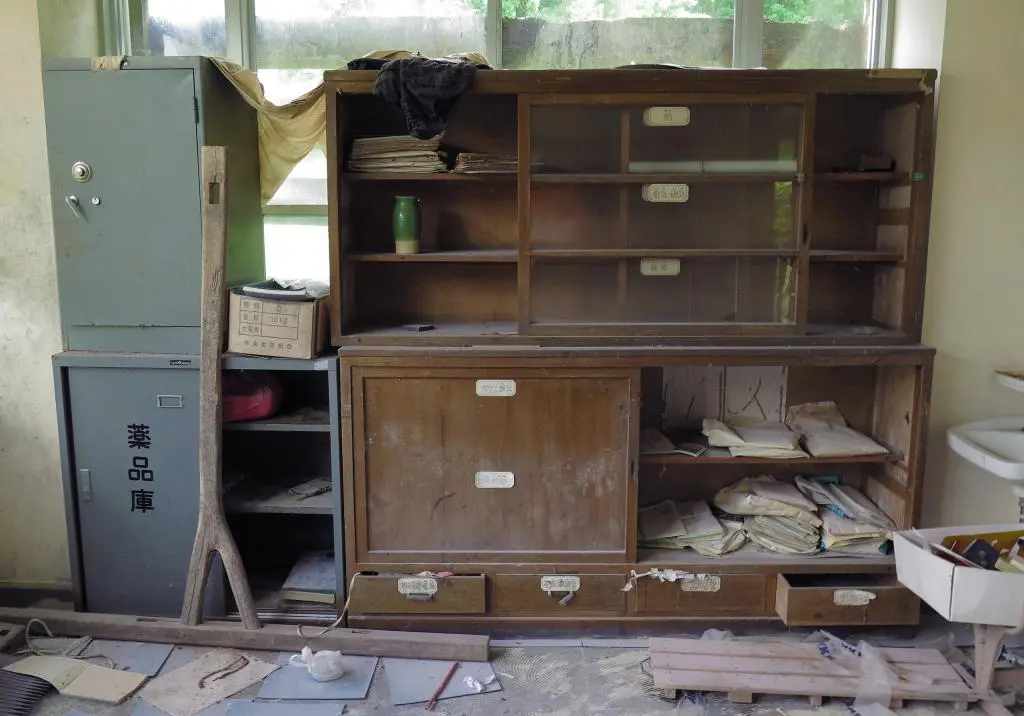
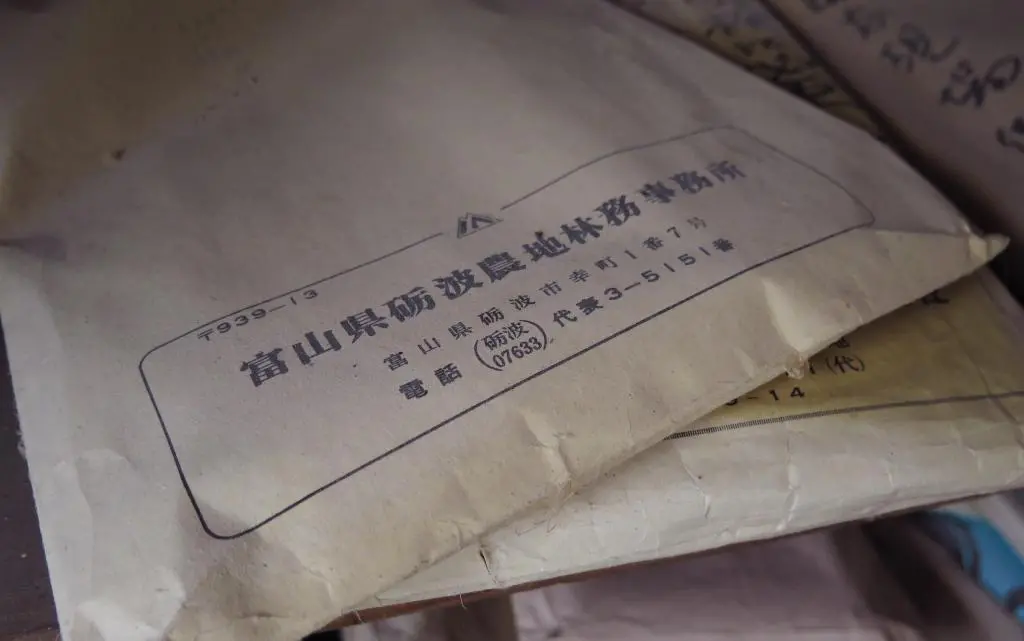
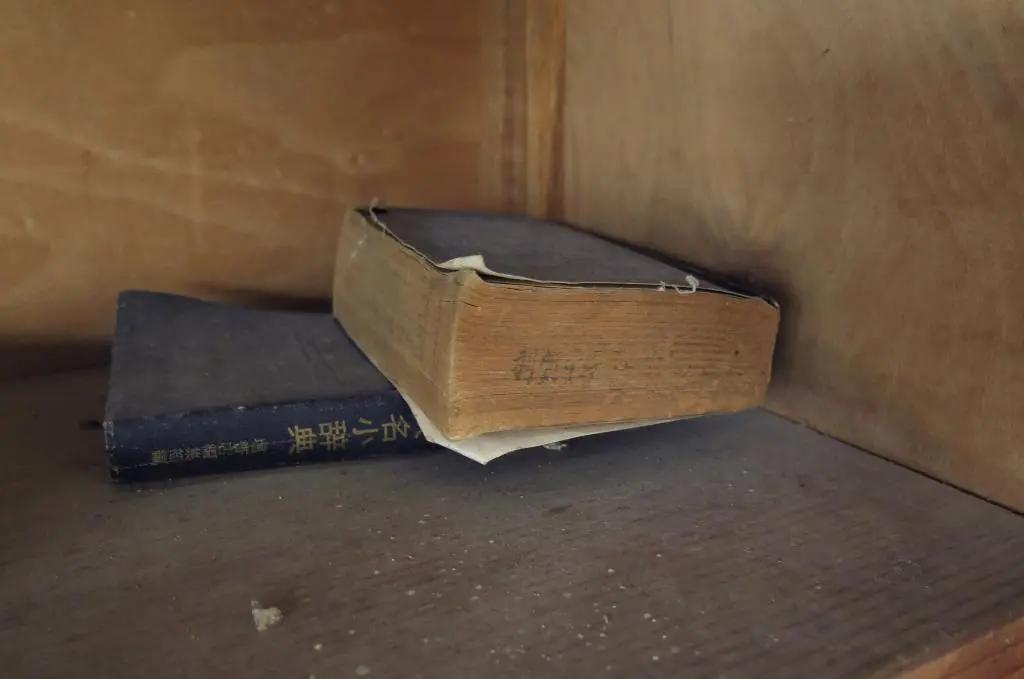
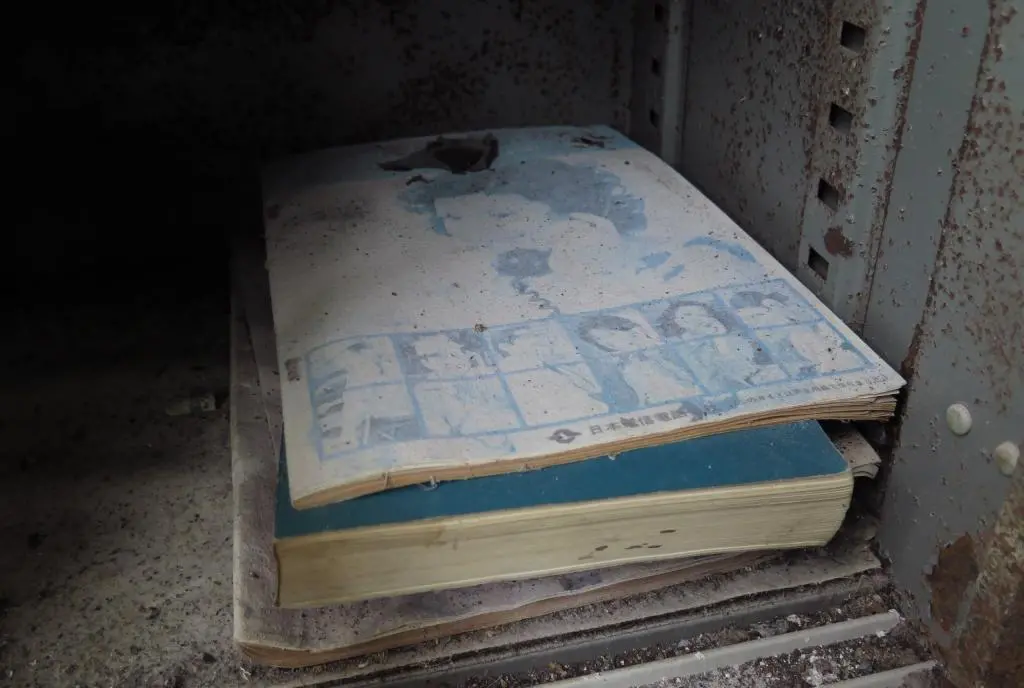
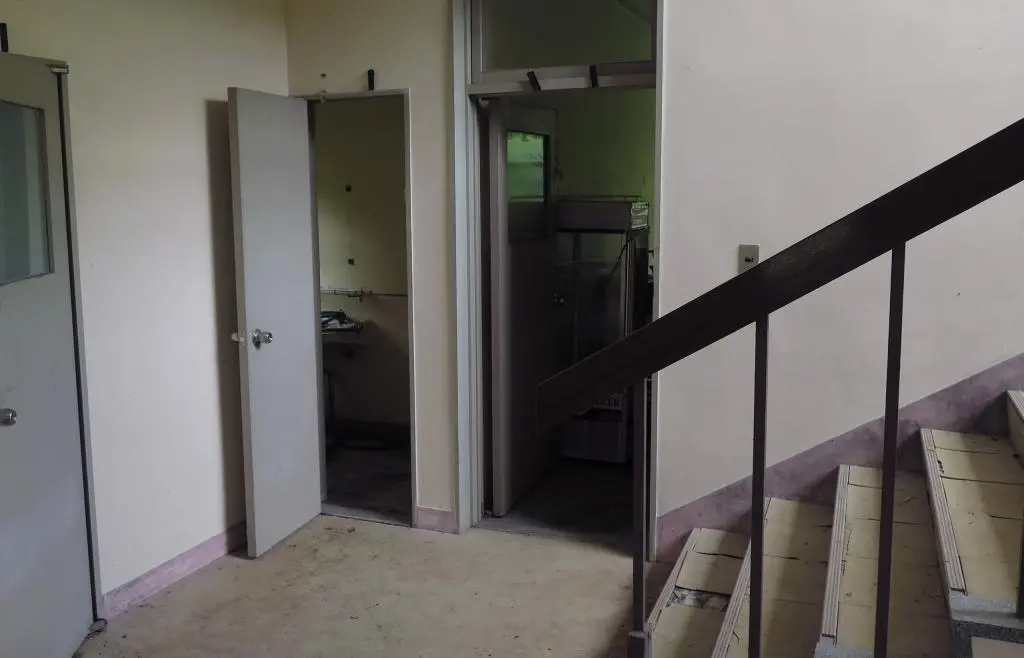
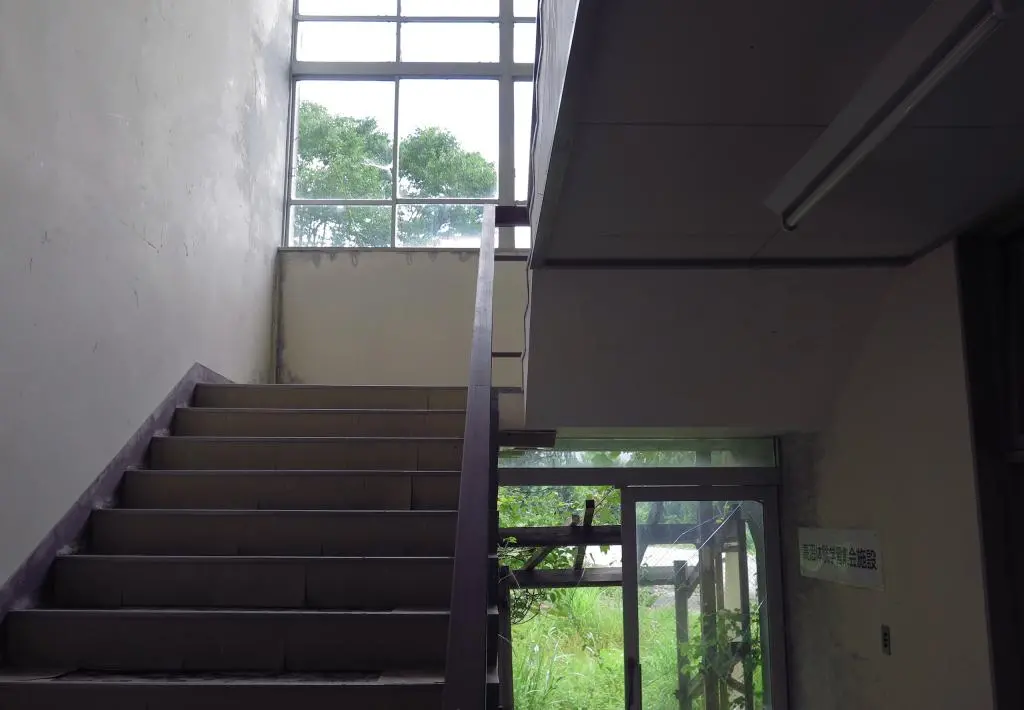
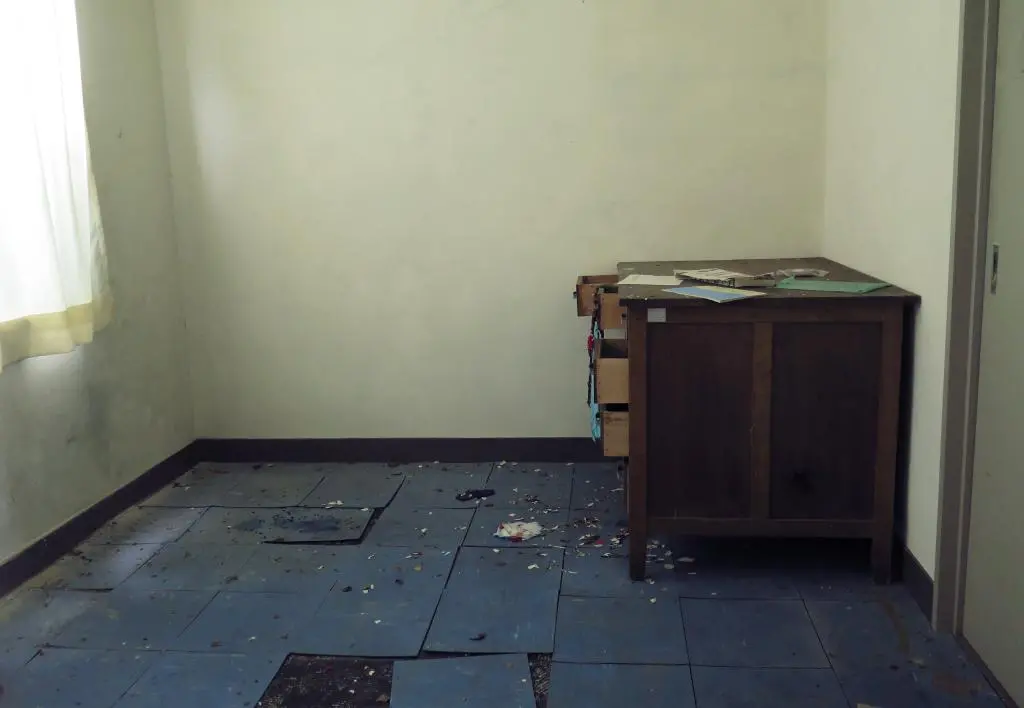
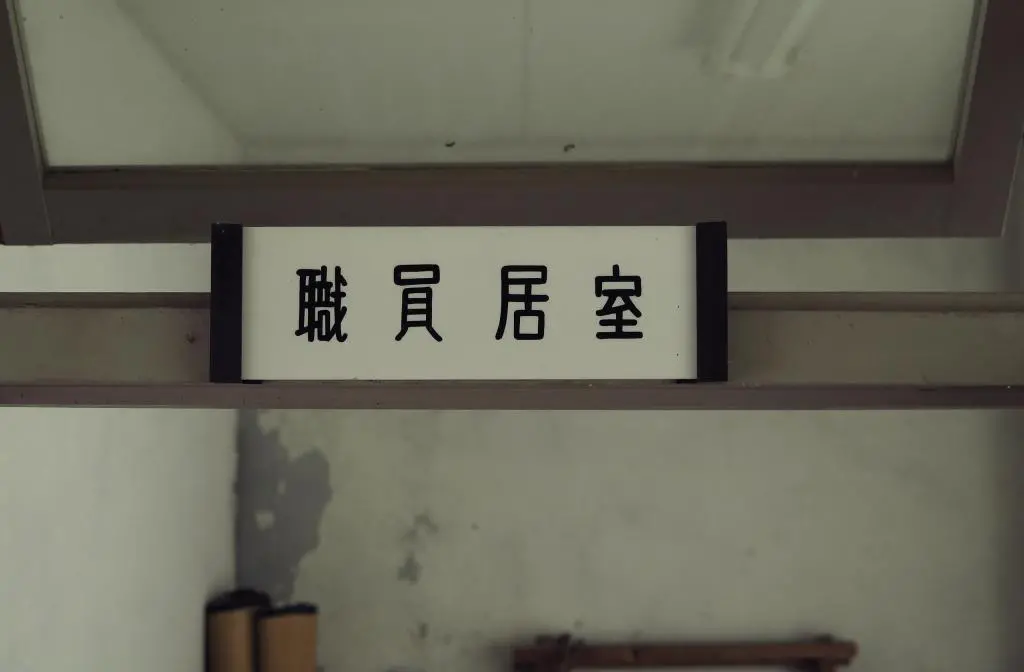
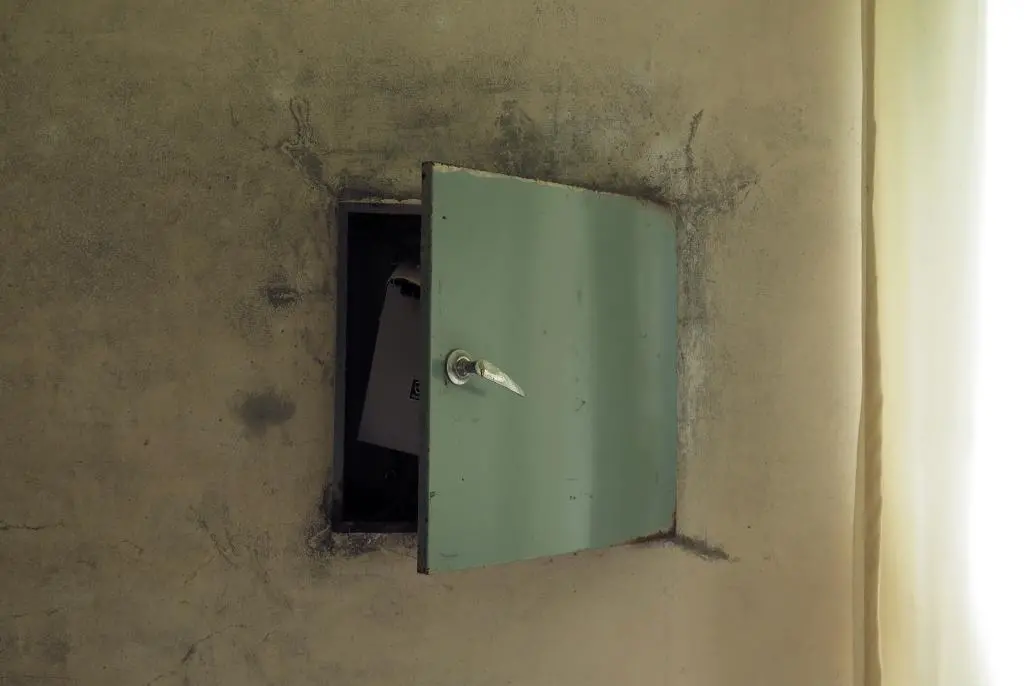
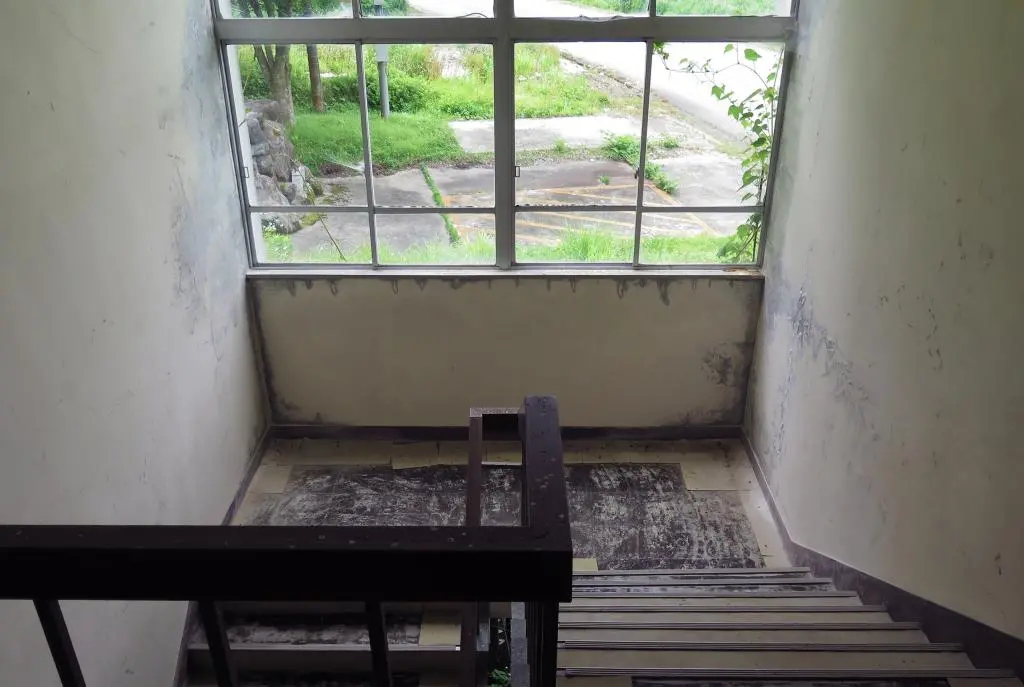
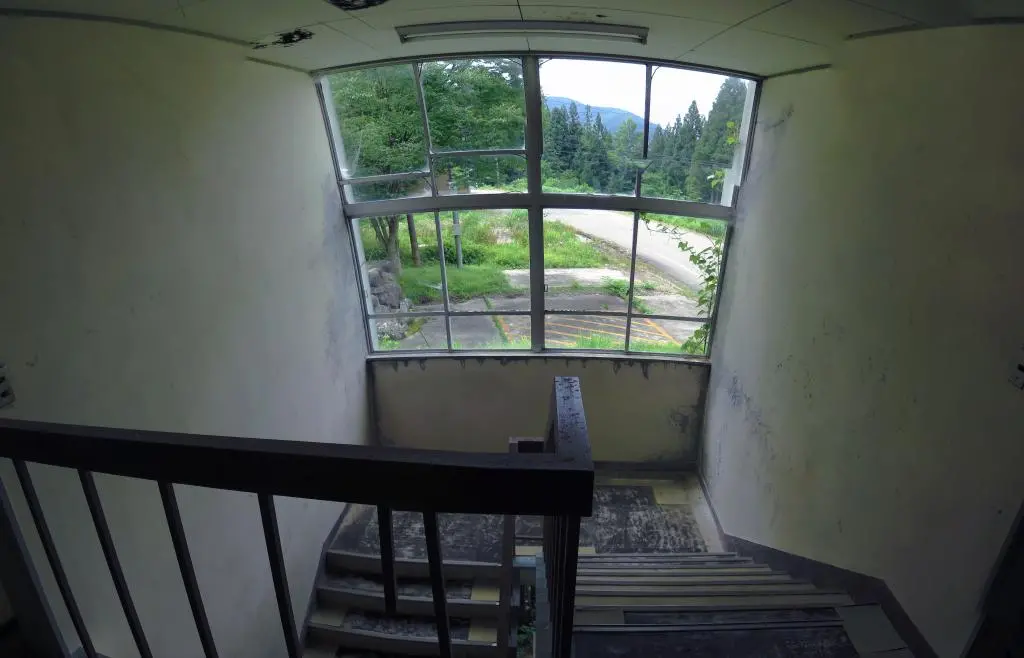
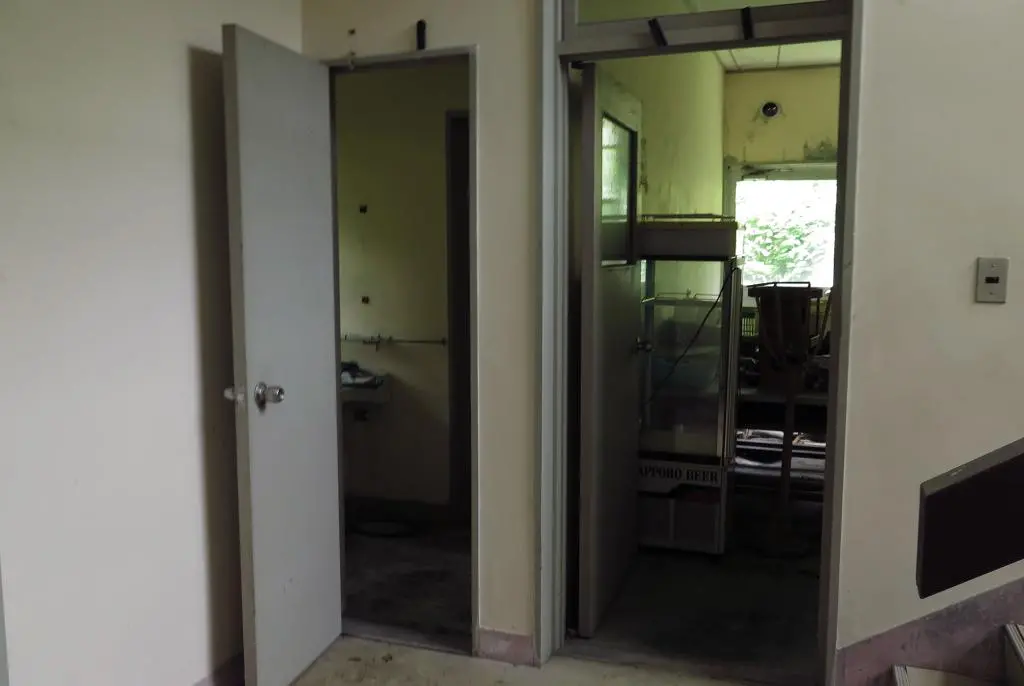
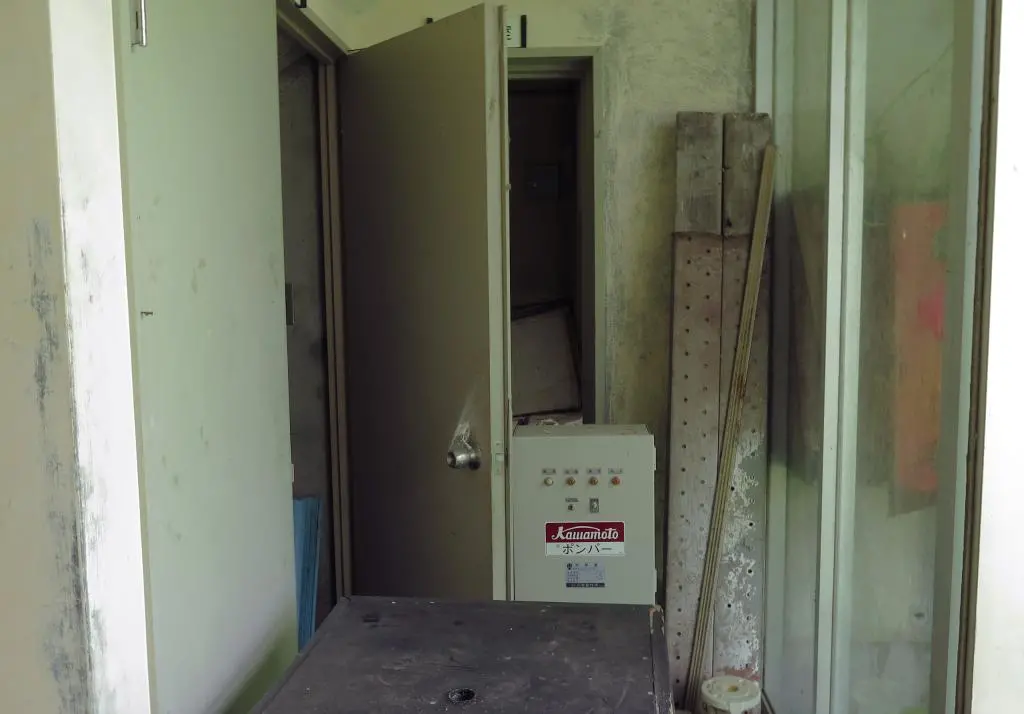
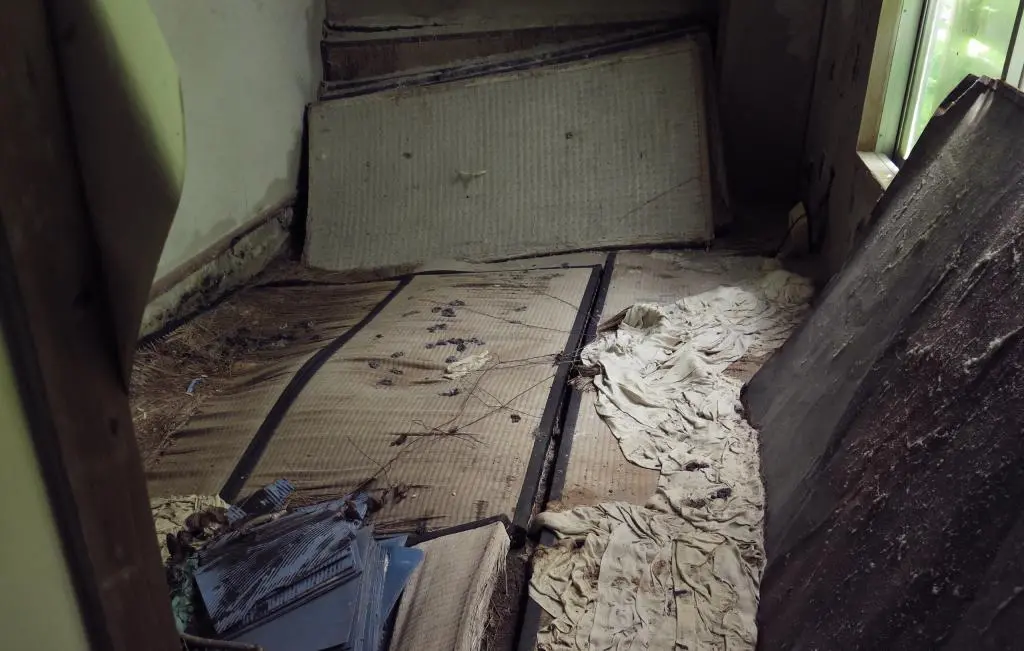
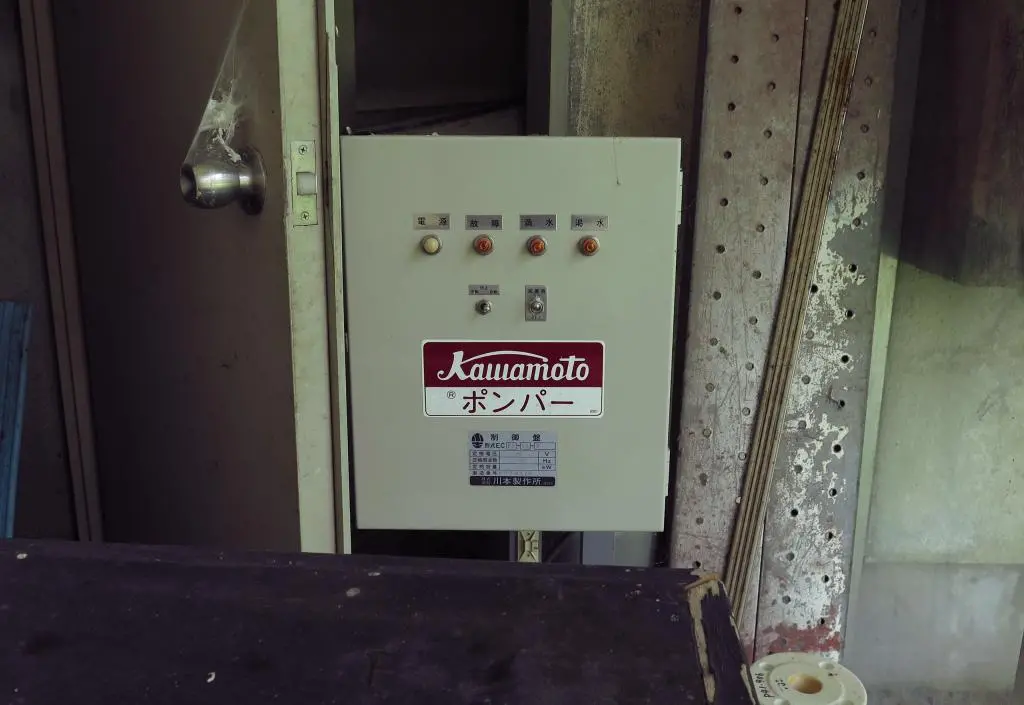
The main floor seemed to mostly serve as living quarters for the remote teacher. There were dilapidated living quarters under the stairs. On the opposite side was a small room that was probably used as an office. The next room seemed like a science room. Or maybe this room was used as the teacher's office? I'm not quite sure. The "science" room had a safe, phone books, and other reference materials you wouldn't really find in a classroom.
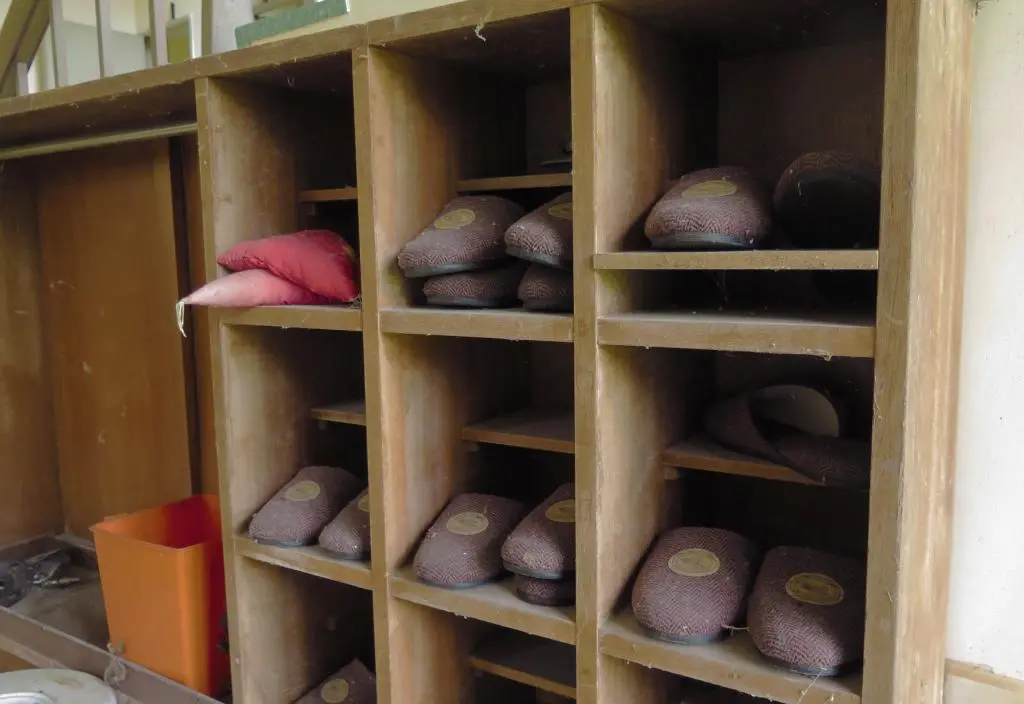
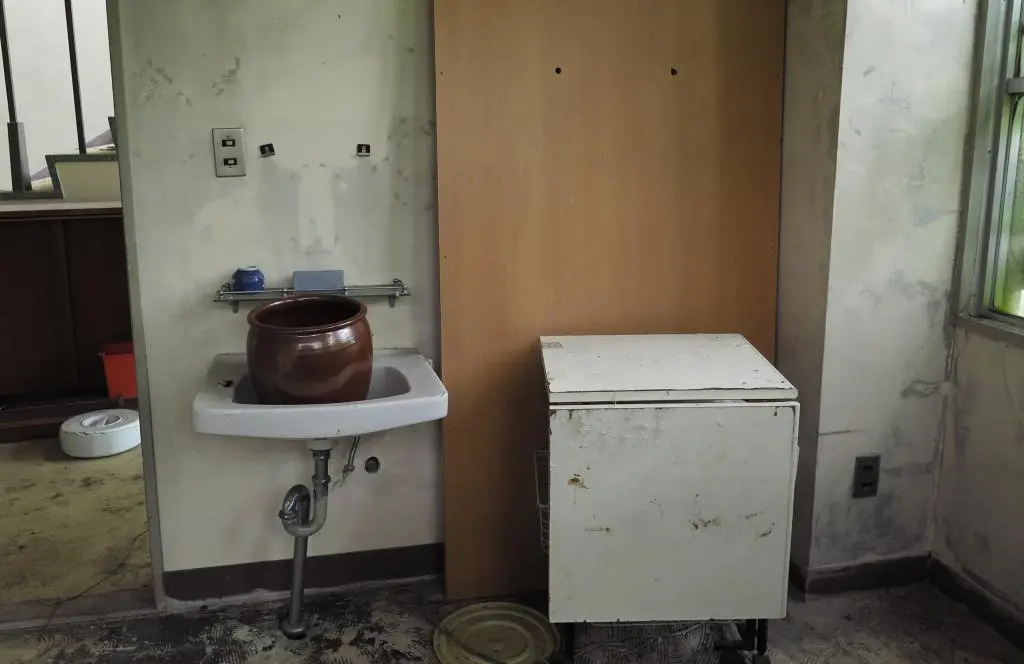
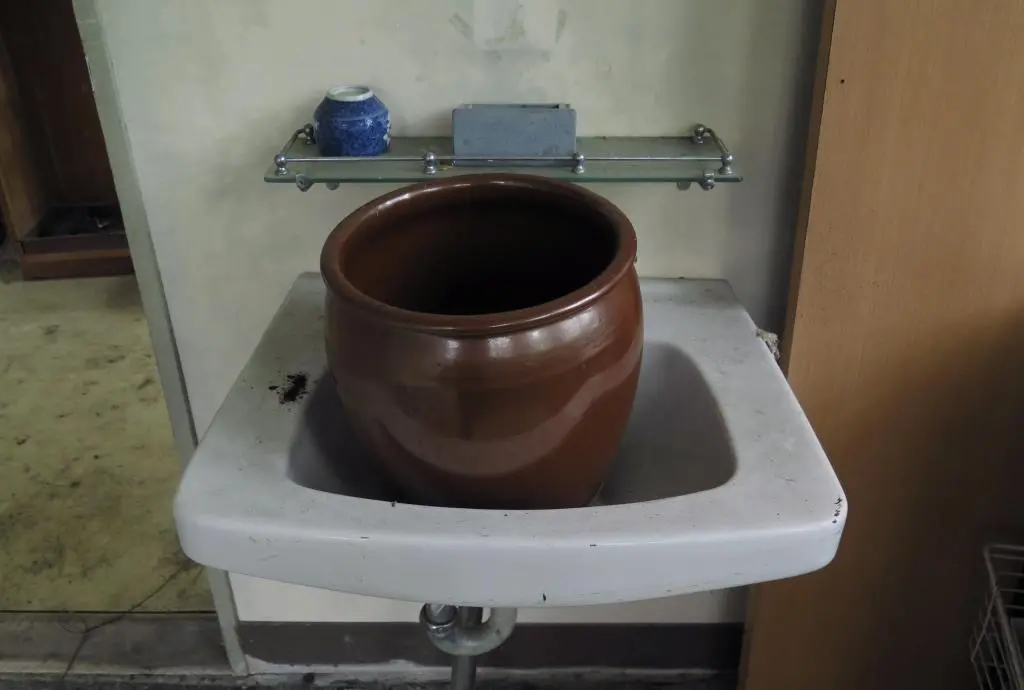
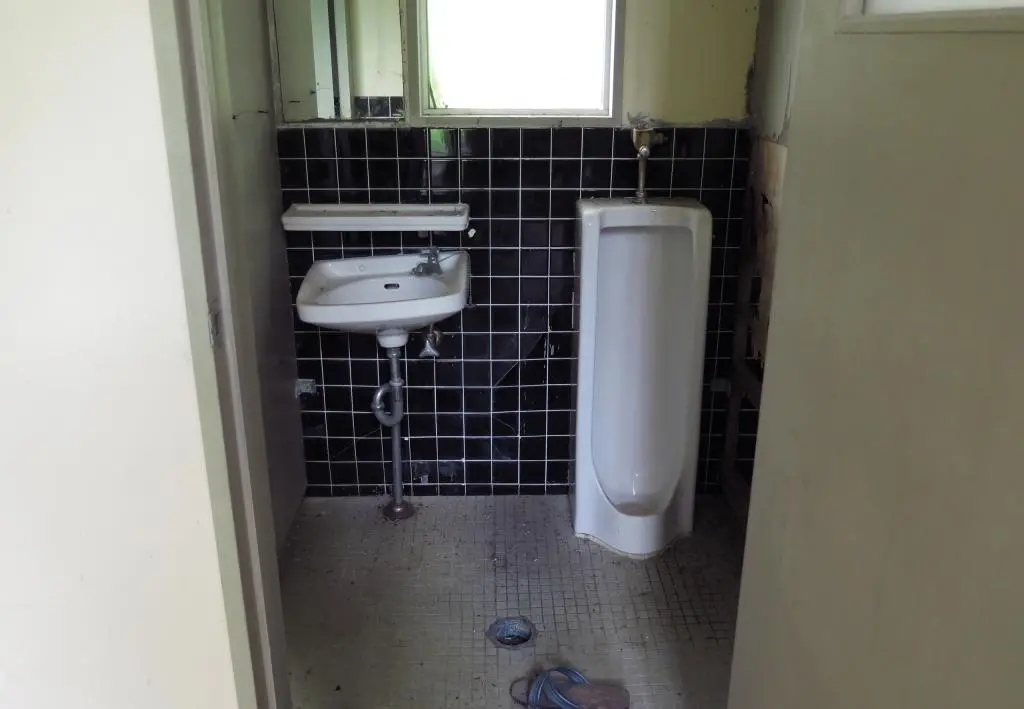
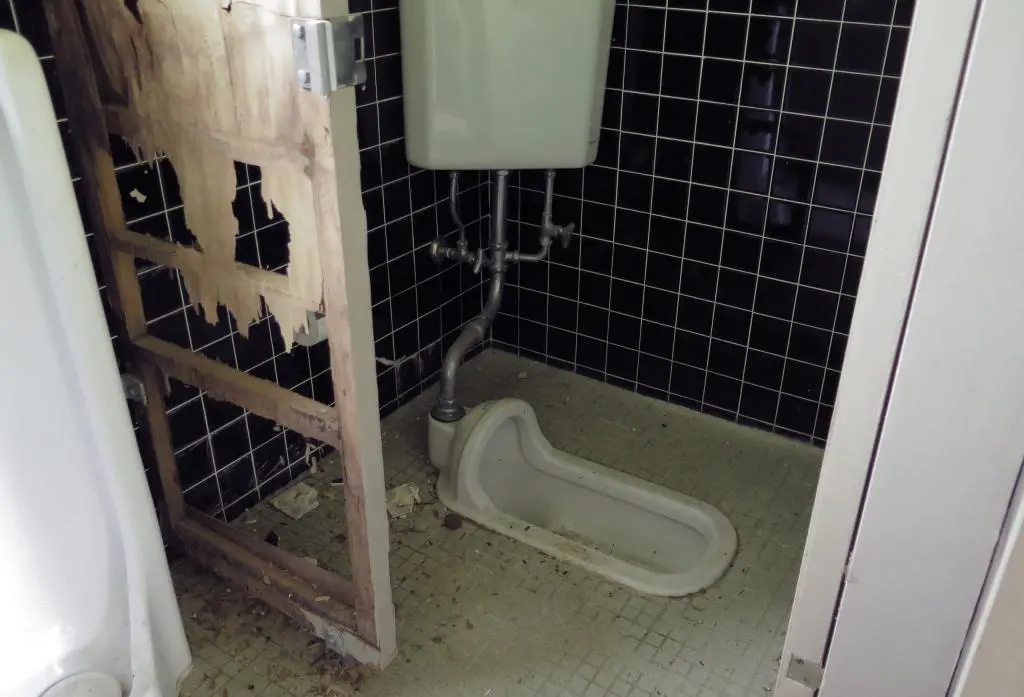
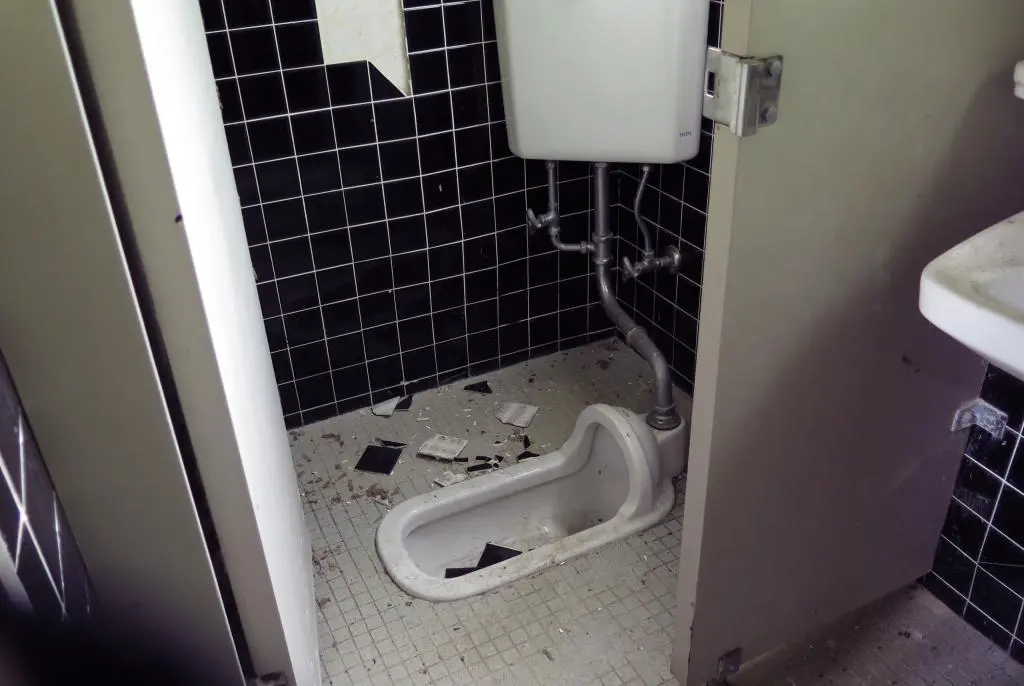
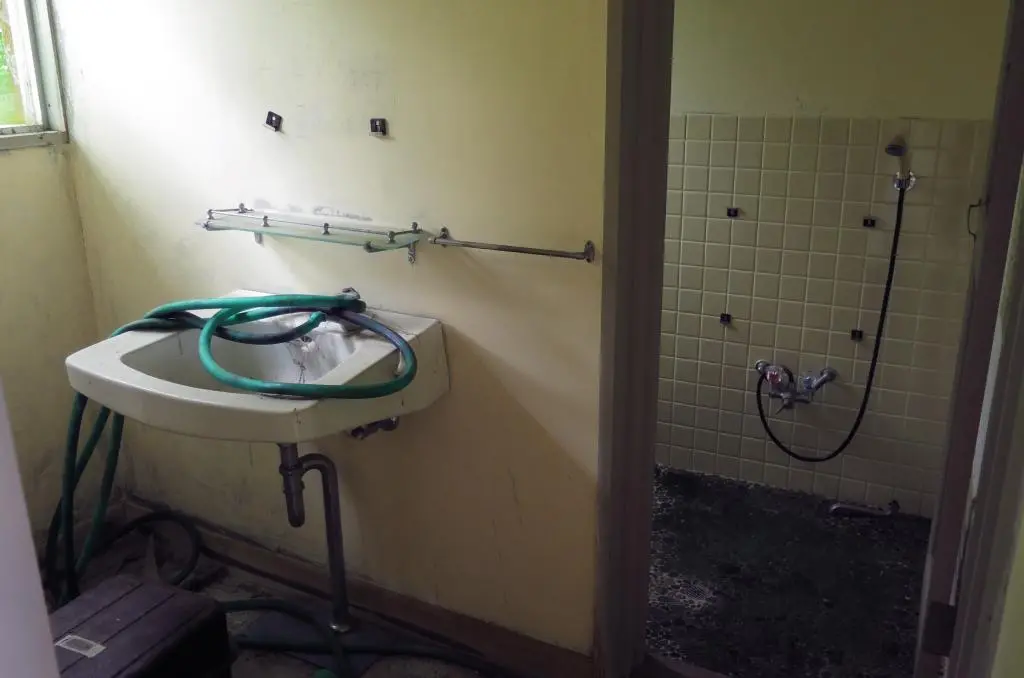
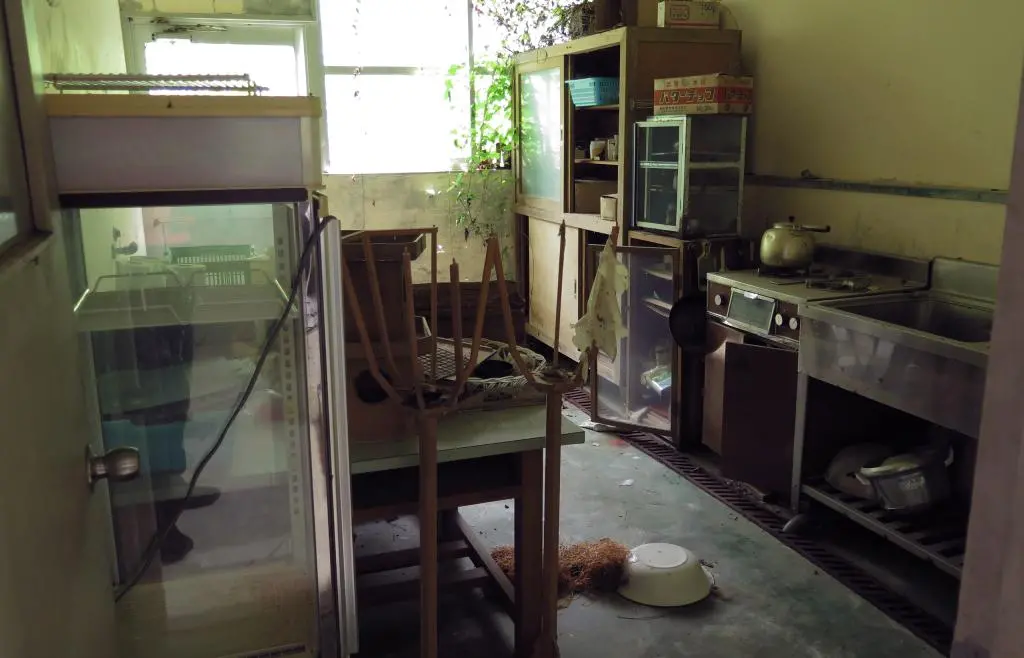
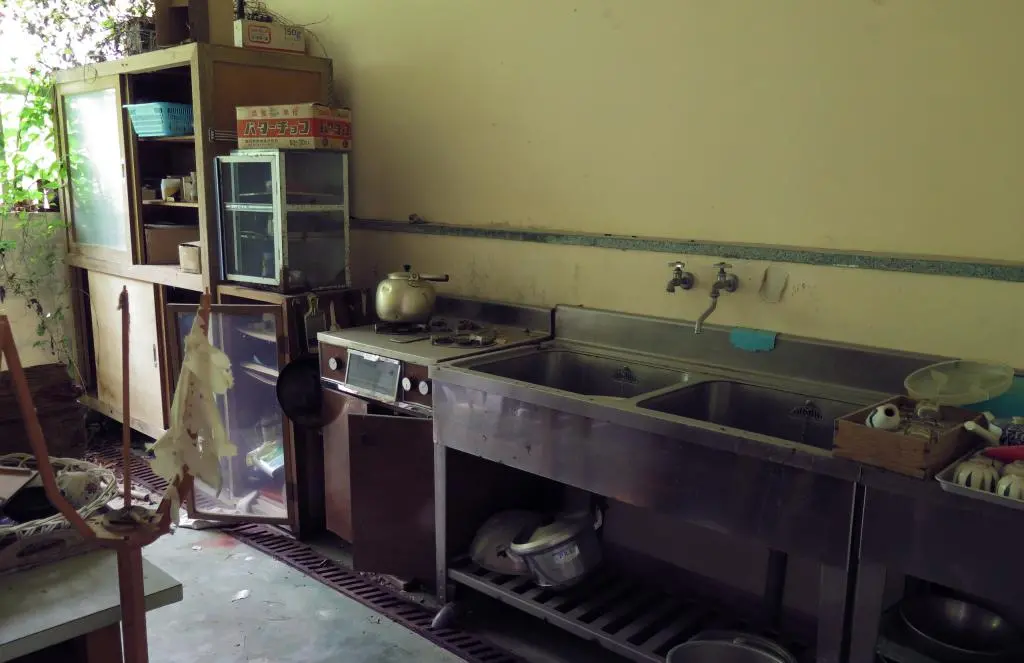
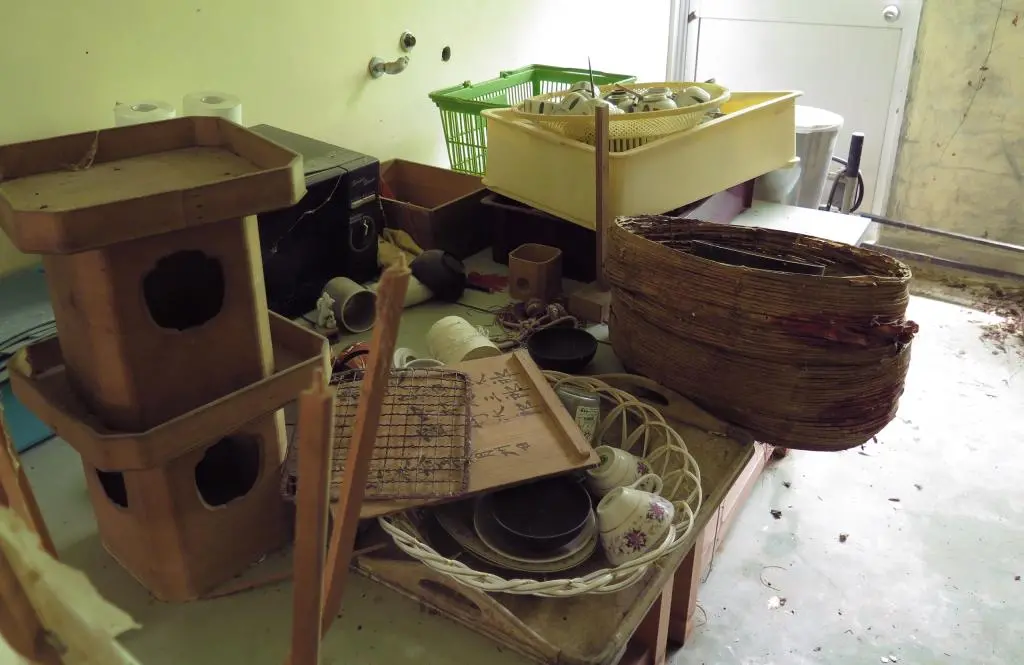
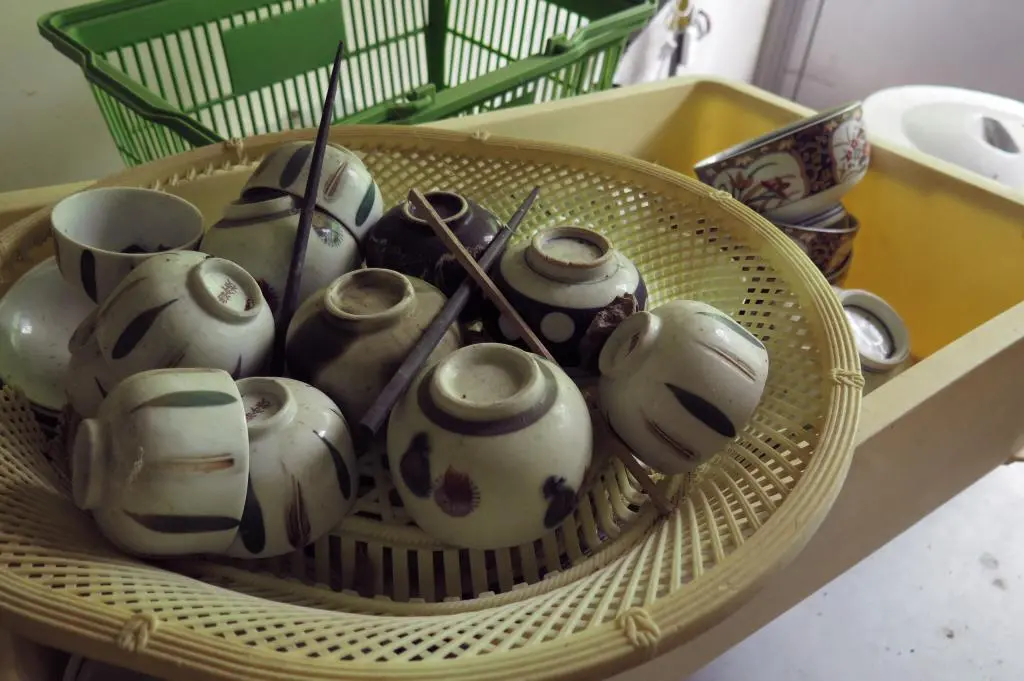
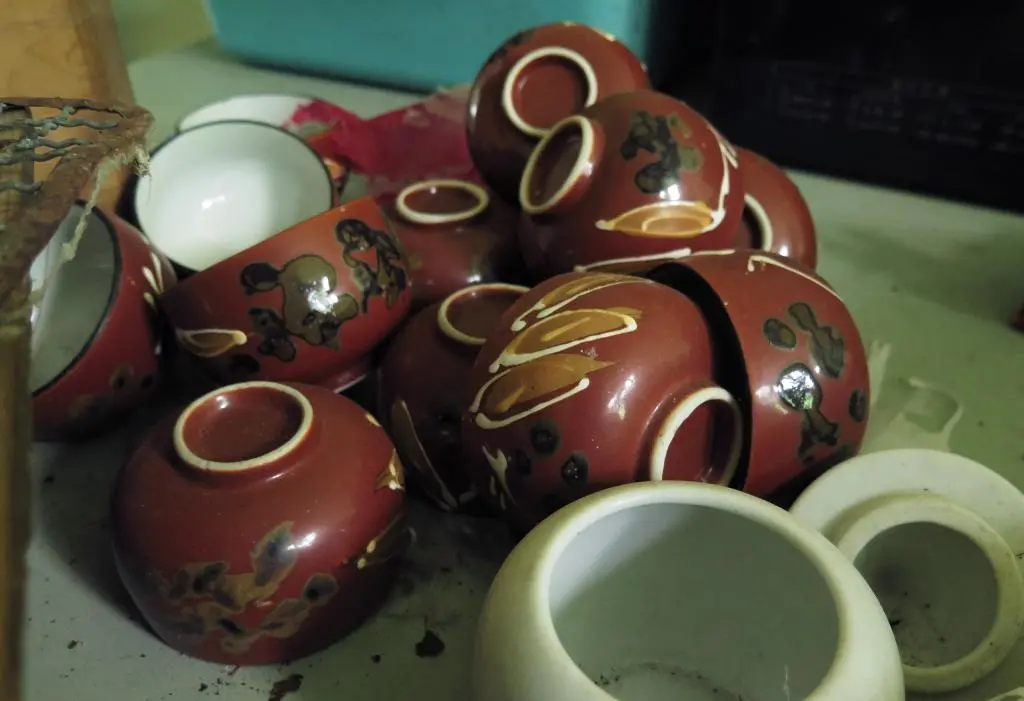
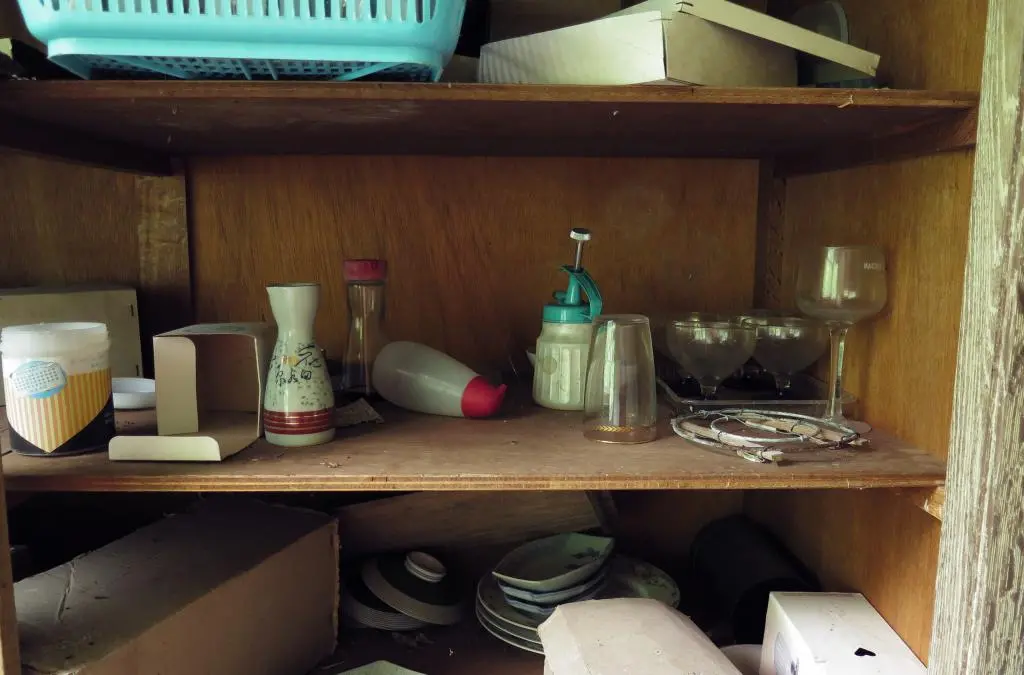
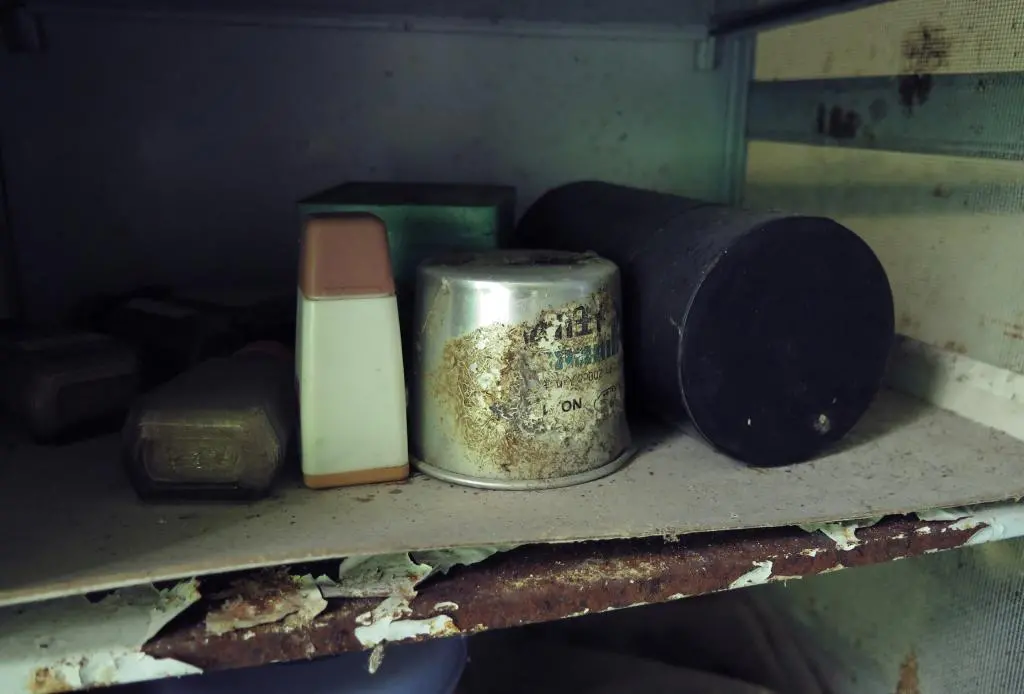
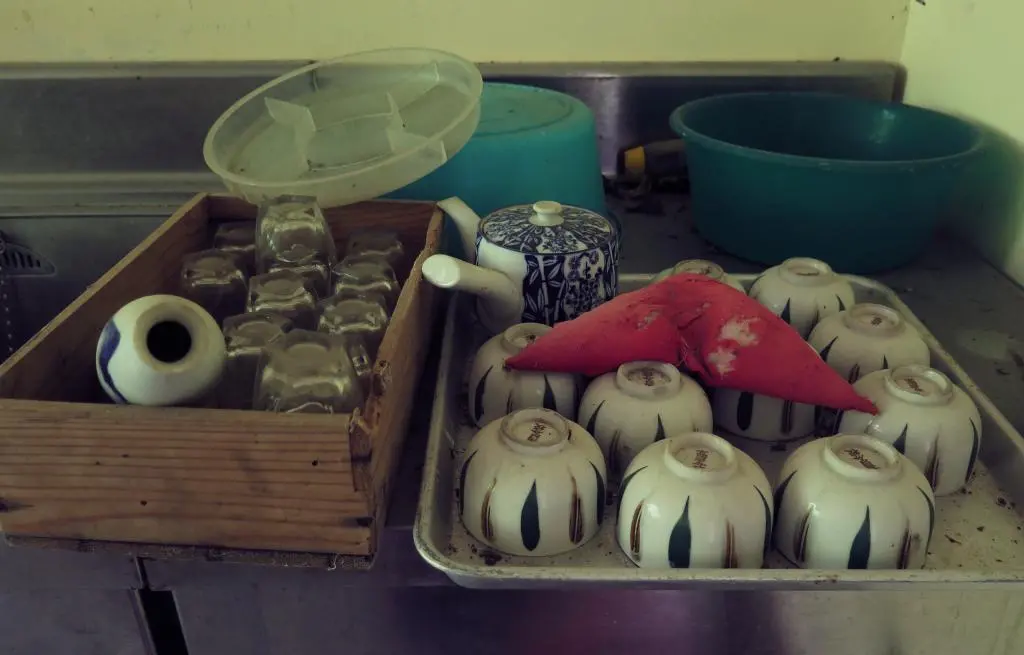
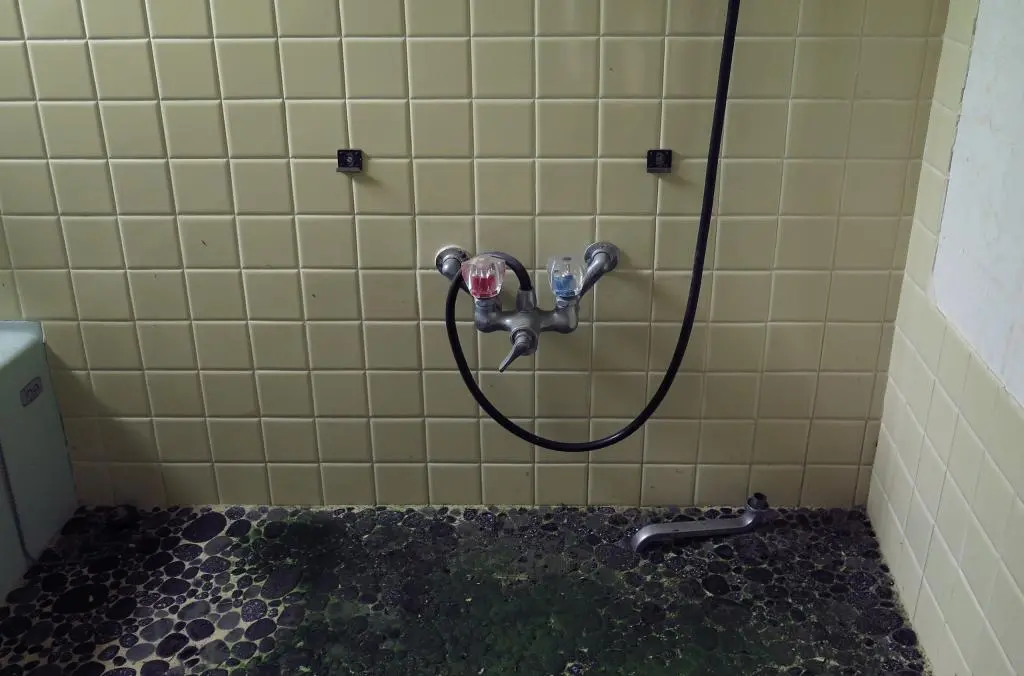
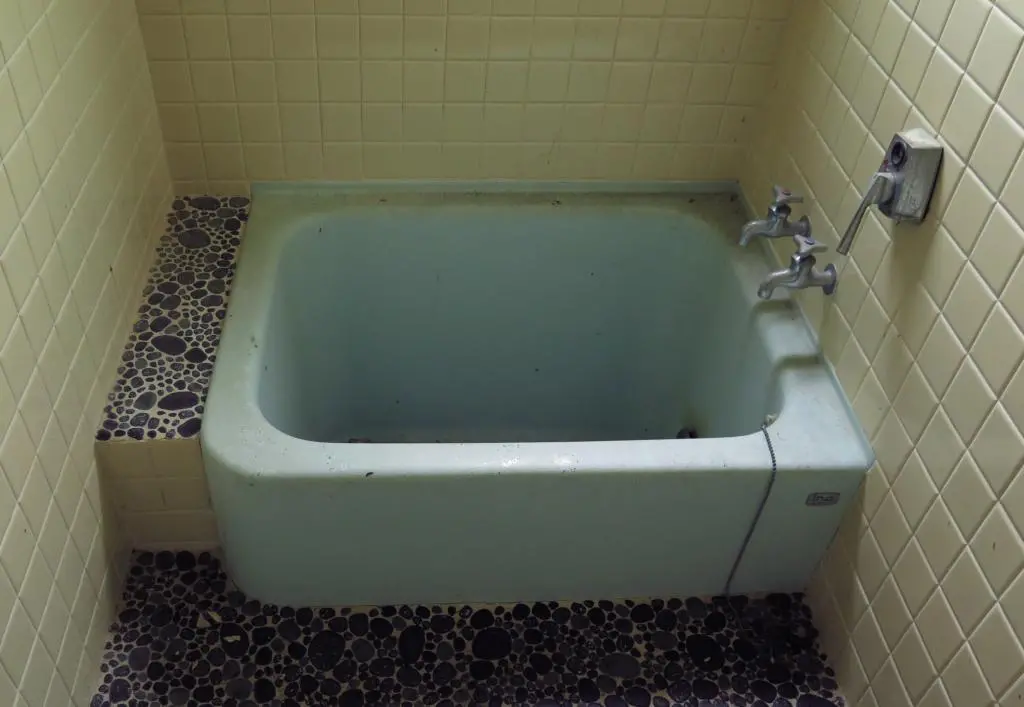
The other rooms on the main floor were bathrooms, a kitchen, and a bathing room. It's interesting how all of the glassware, plates, and other kitchen utensils were simply left when the building closed. I think it's weird how the government just abandoned its belongings. Could they not have been used elsewhere? Or, if someone bought the building to live in, maybe they bought the building with everything in it?
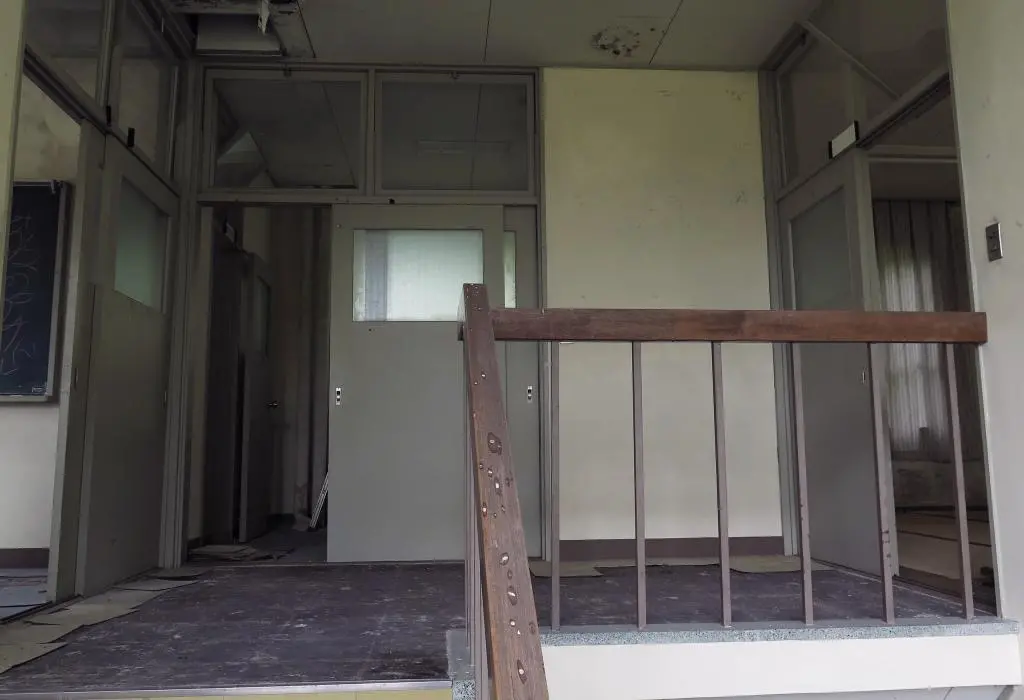
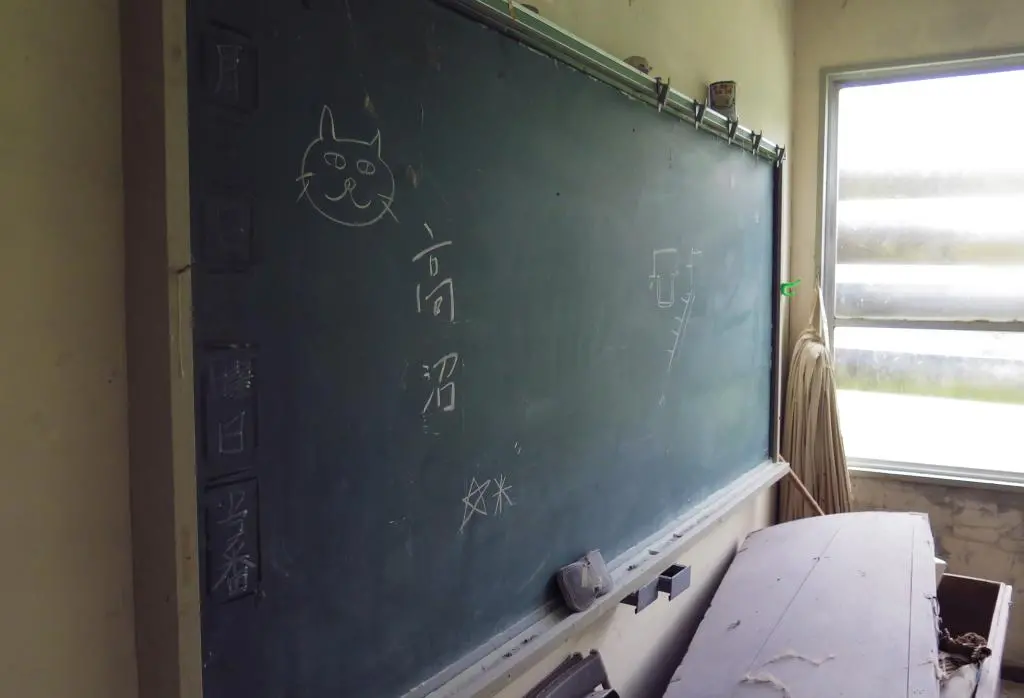
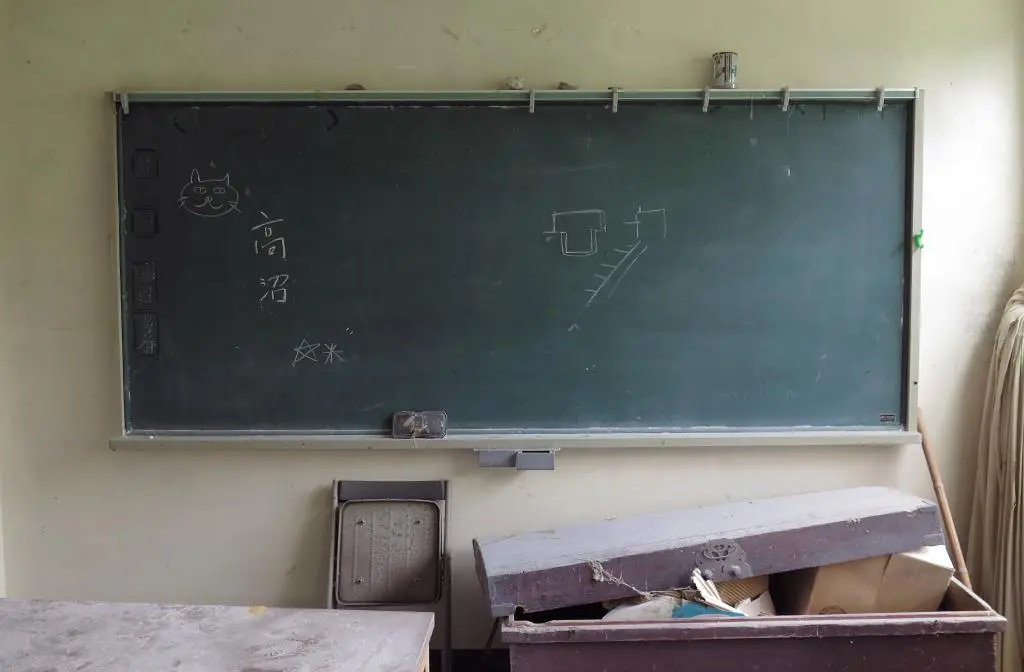
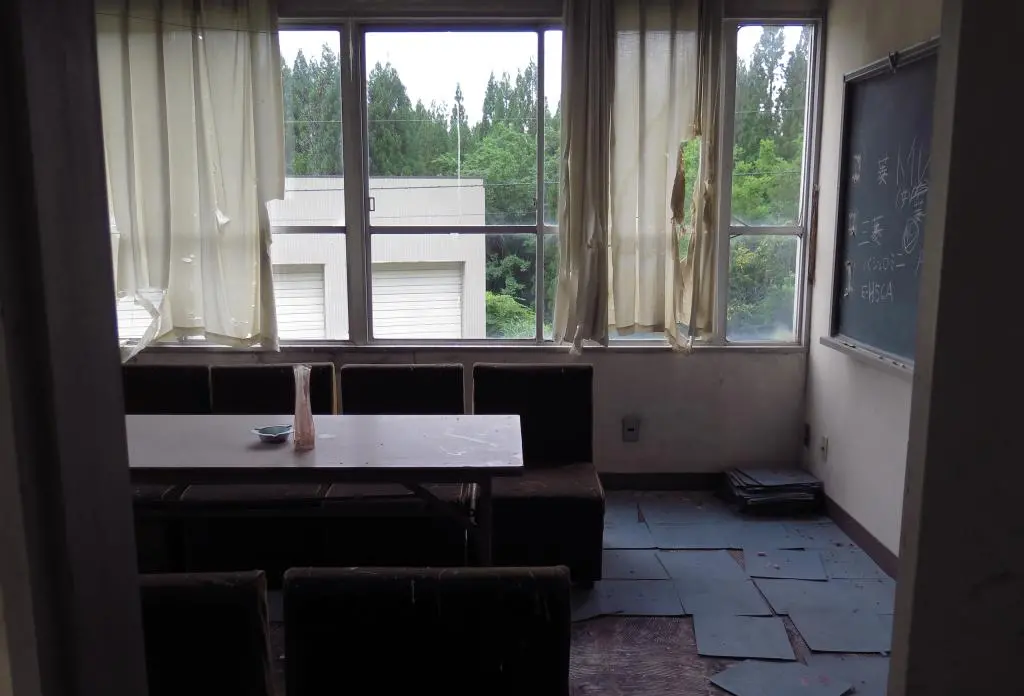
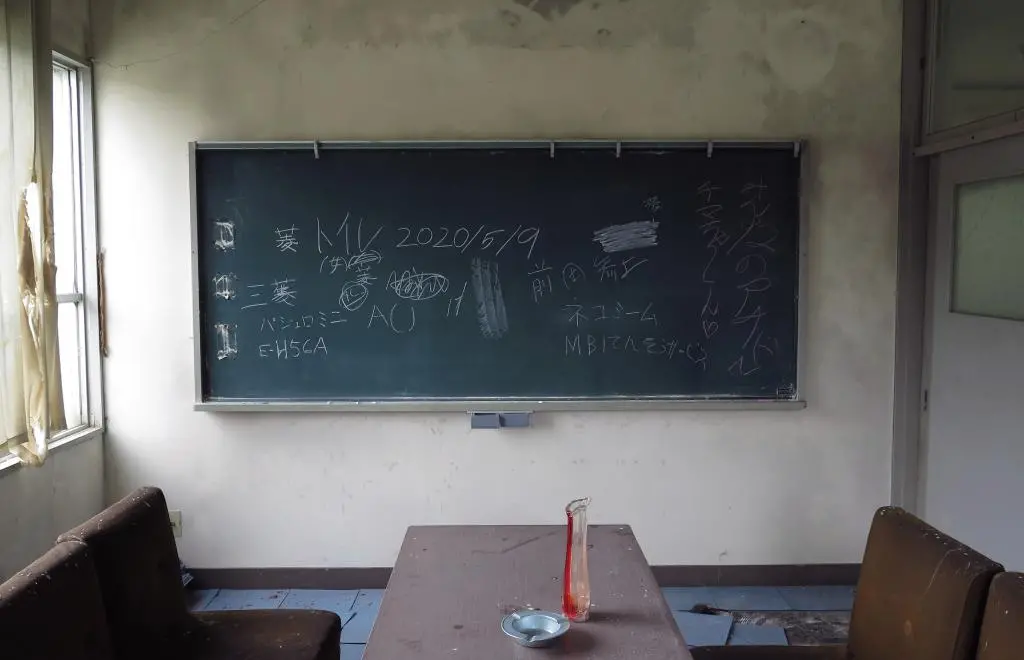
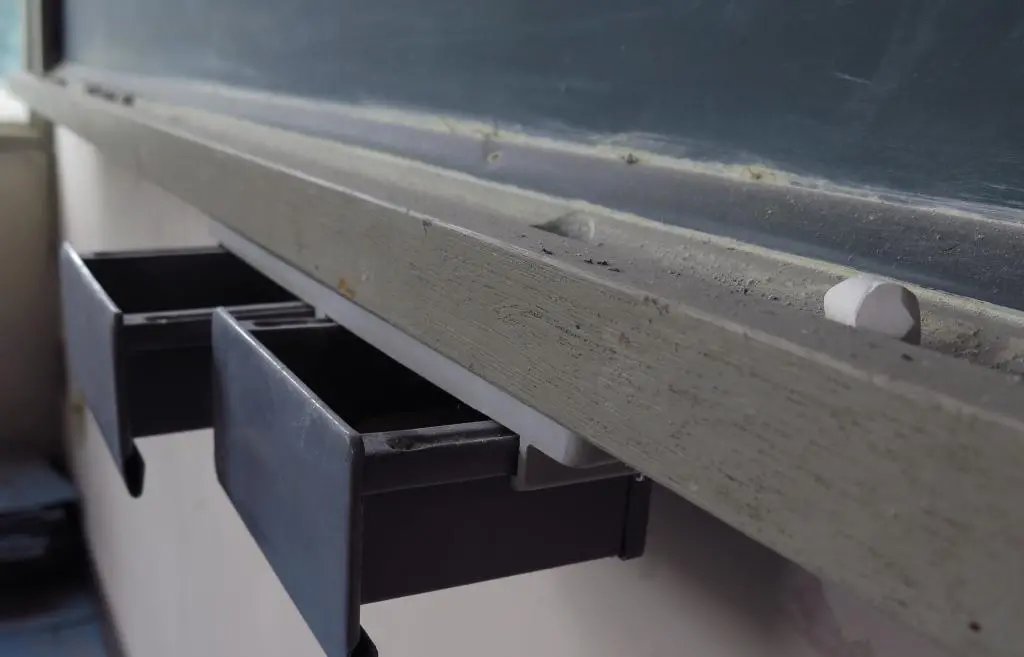
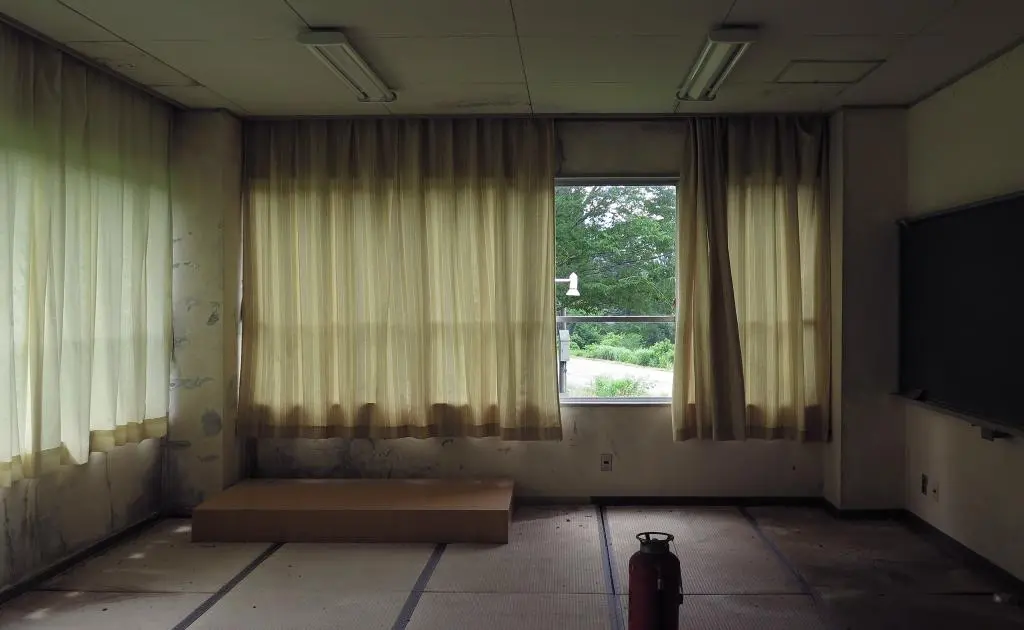
Upstairs, there were four rooms, but only two of them had chalkboards. In my experience, remote elementary schools tend to combine 1st and 2nd grade, 3rd and 4th, and 5th and 6th together as three homerooms total. I only count 3 chalkboards in the building. Maybe that downstairs science room was converted later. Or maybe, when they built this school building, they only needed to teach 5 or fewer children, so the school split them into two homerooms.
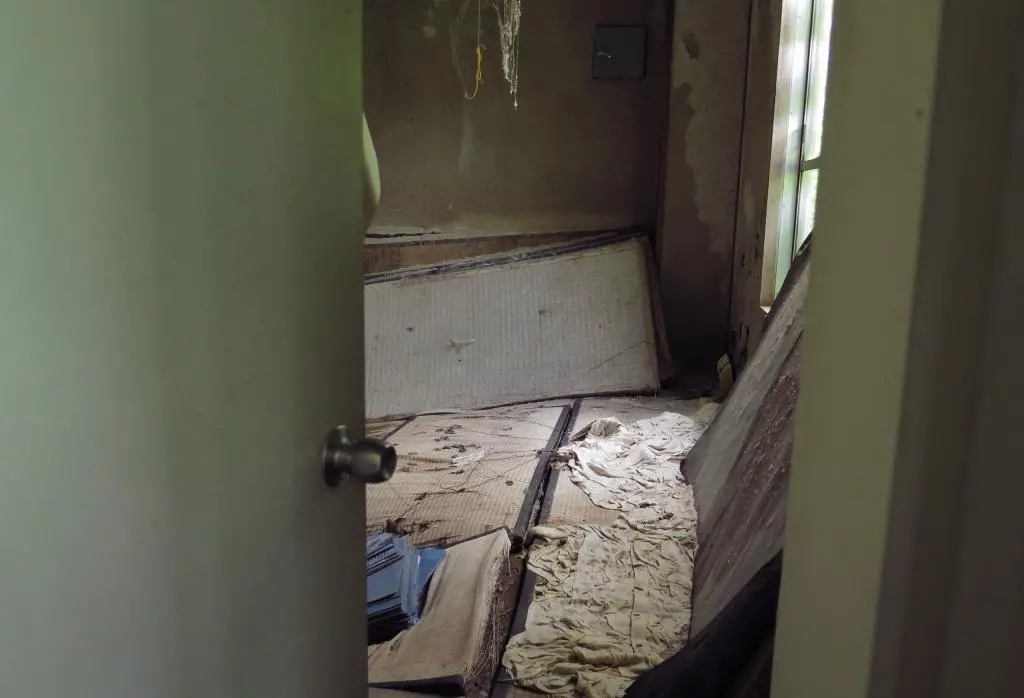
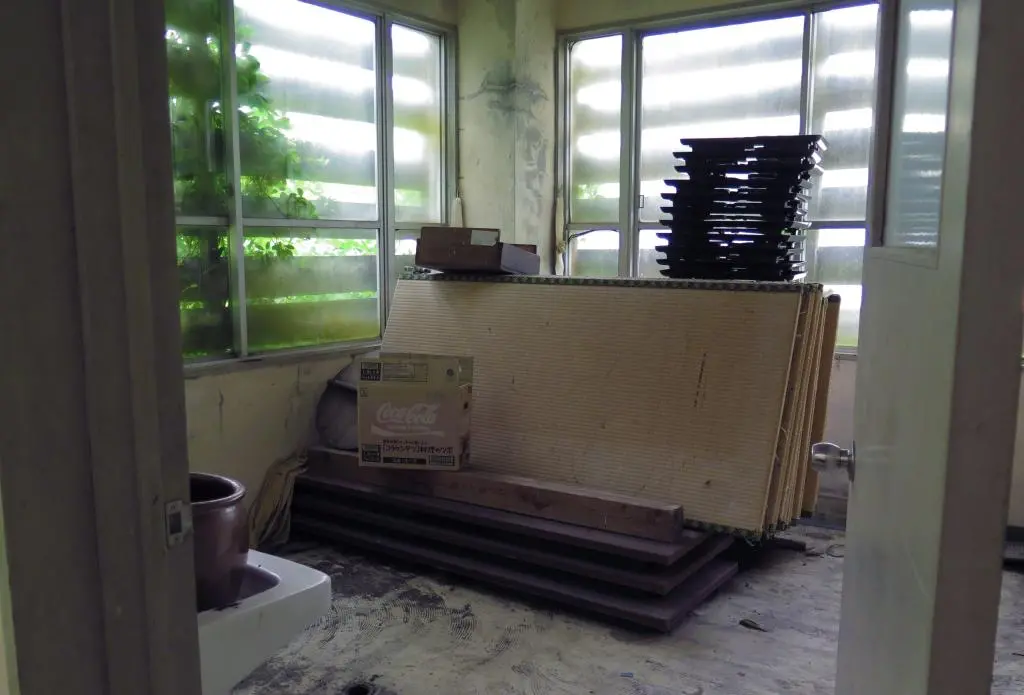
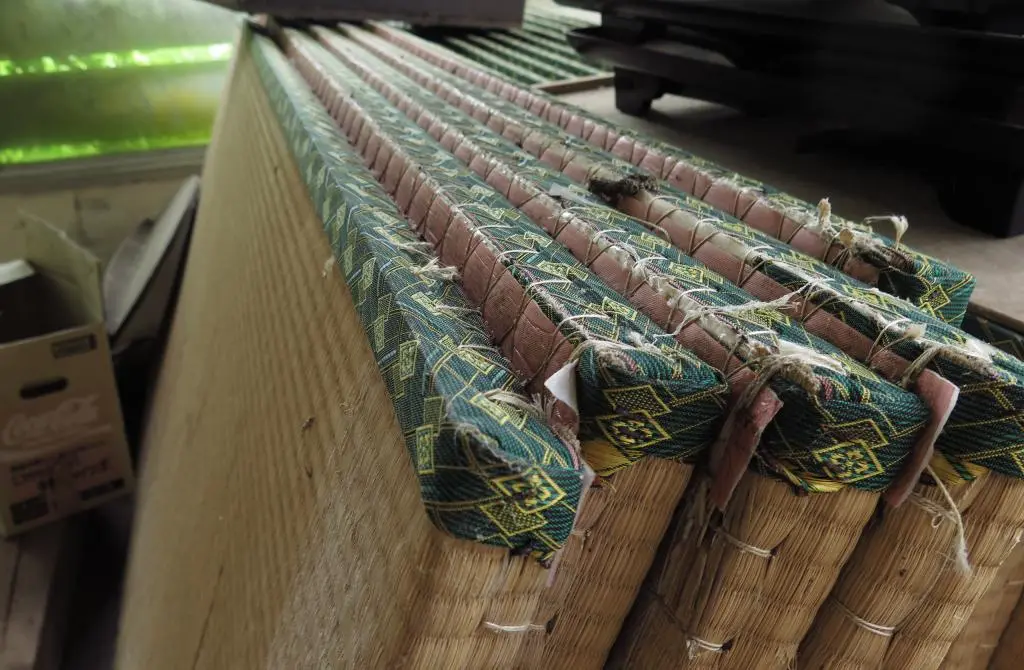
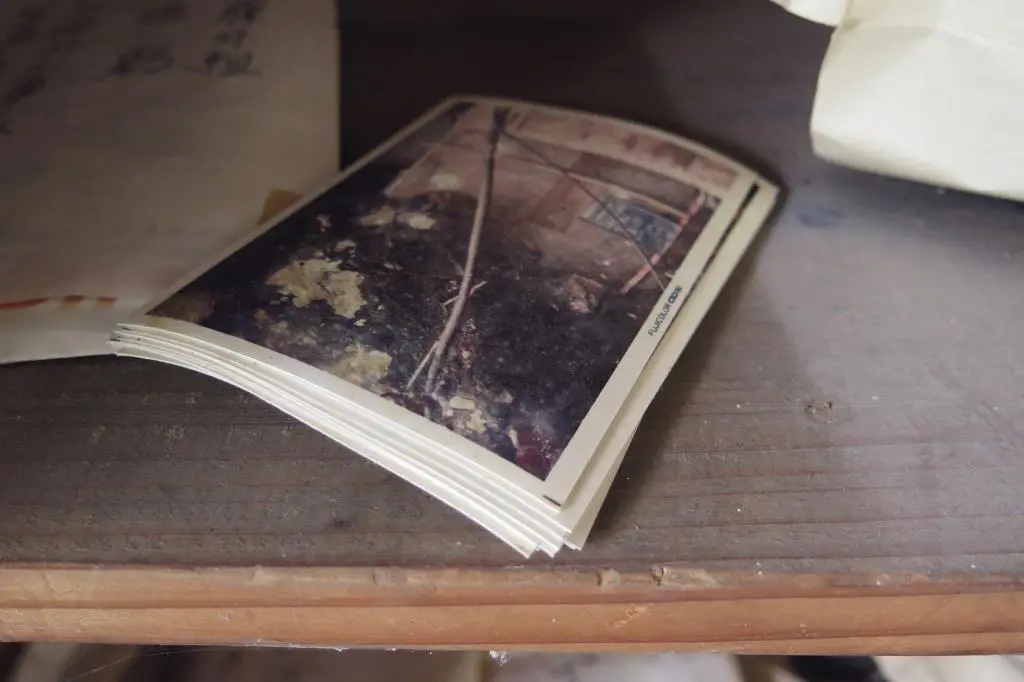
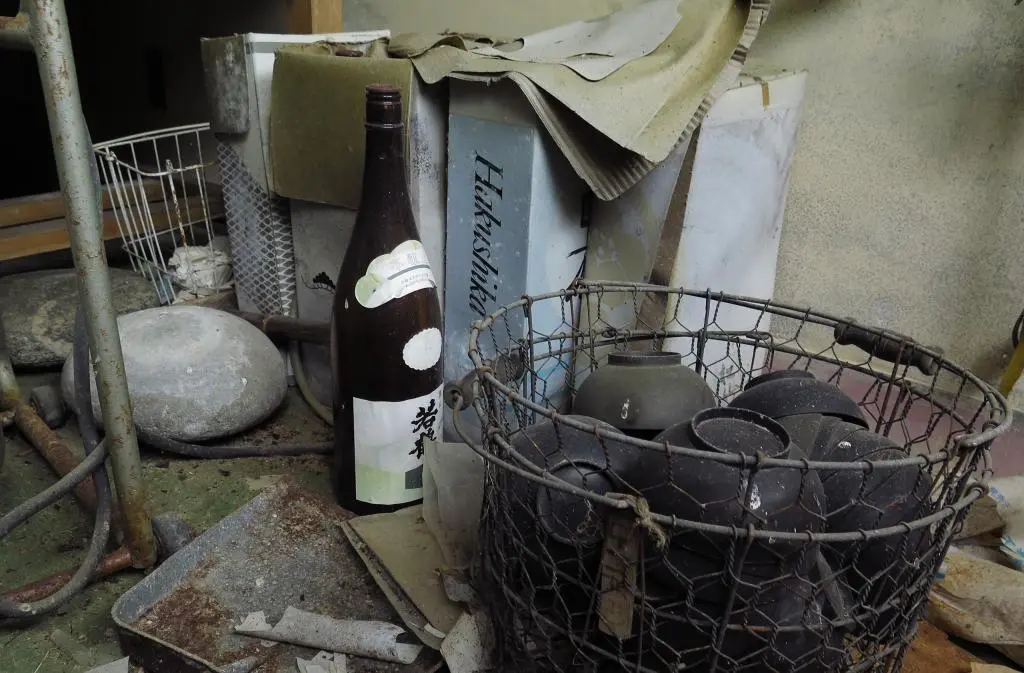
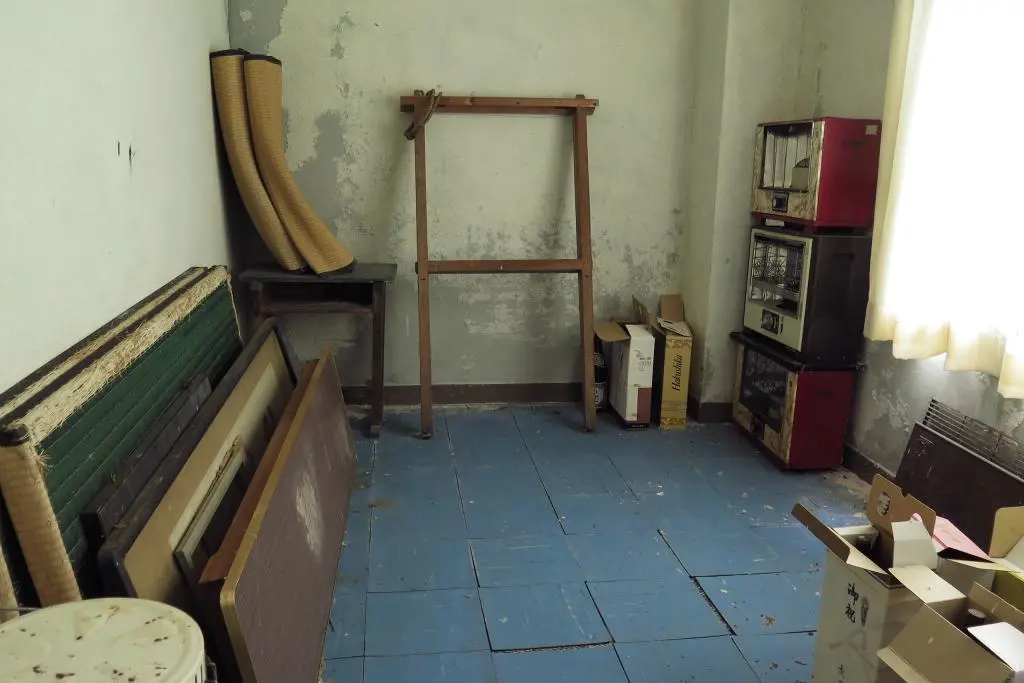
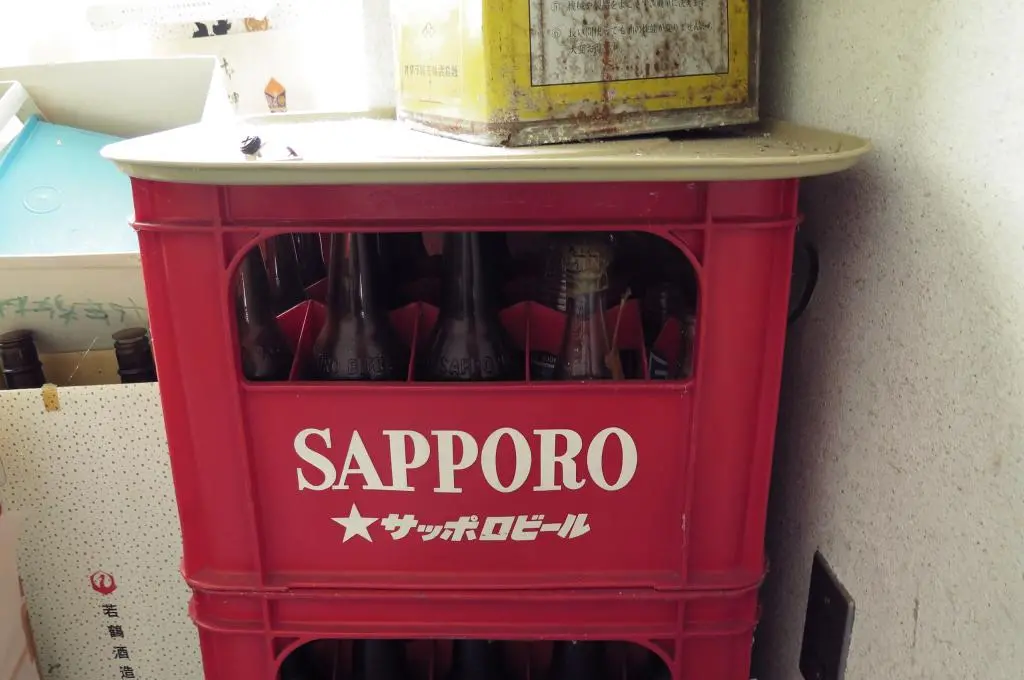
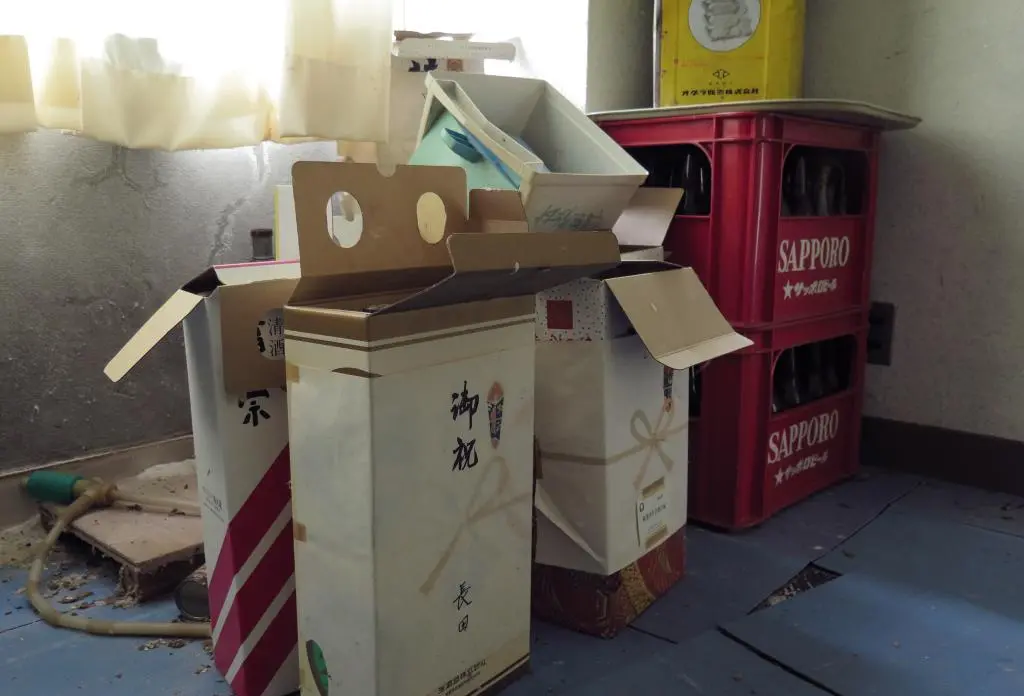
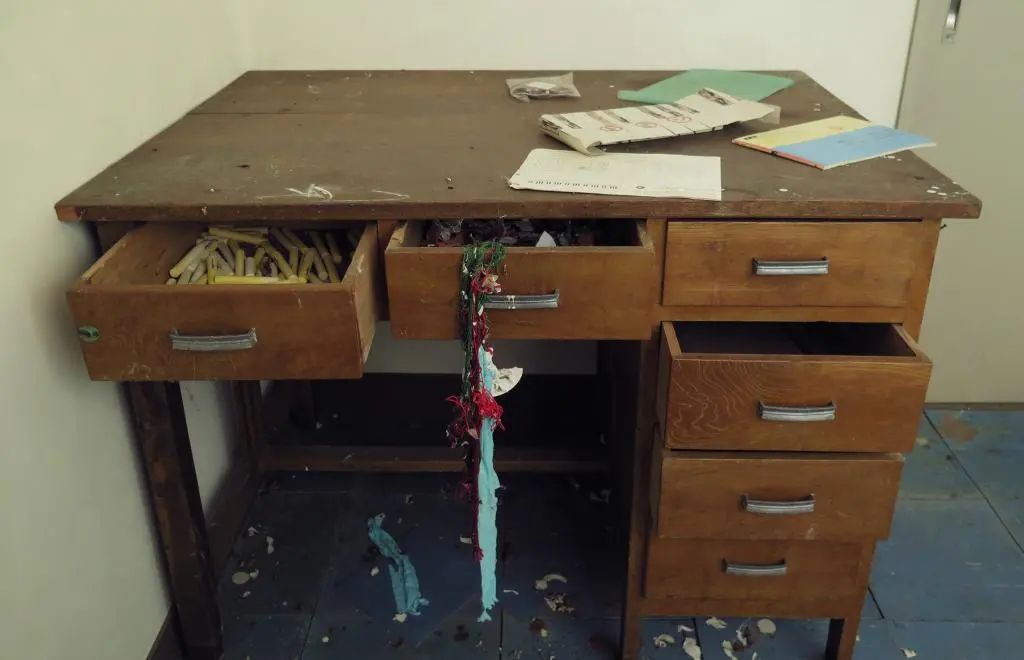
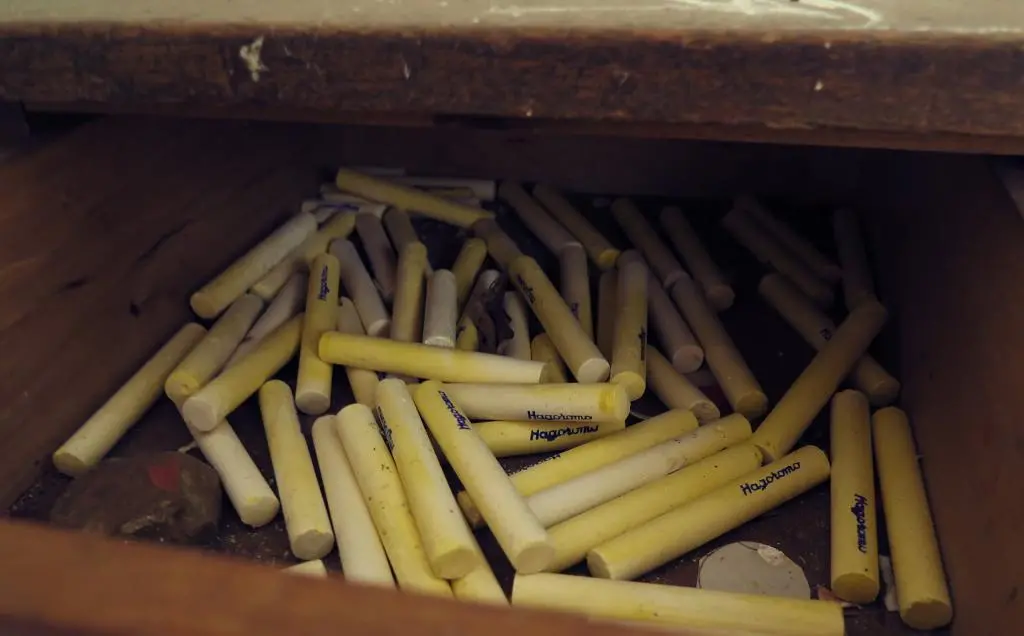
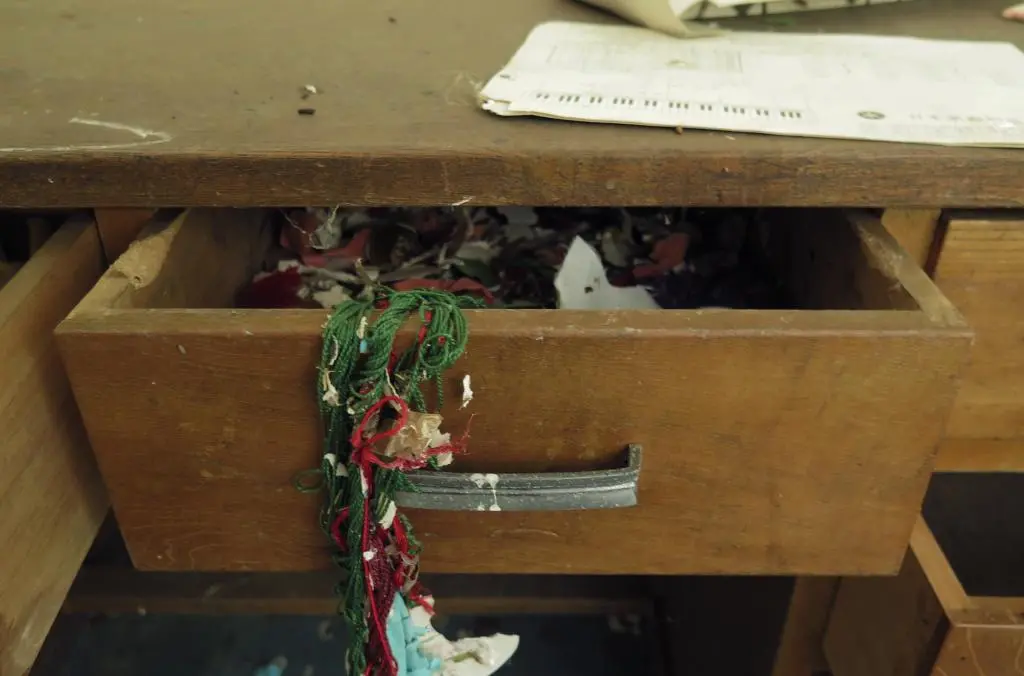
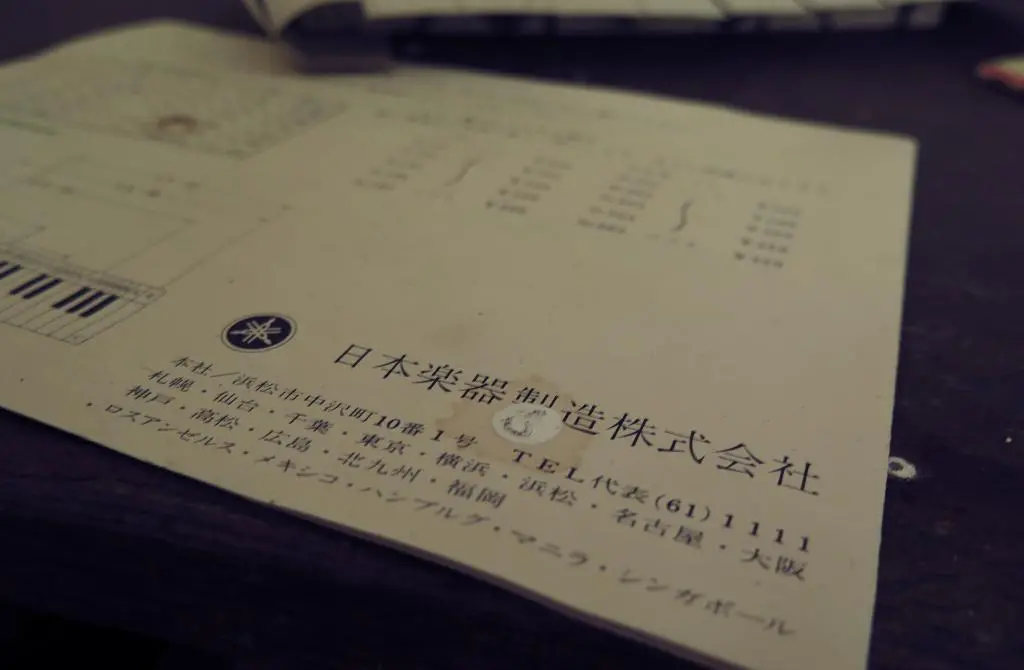
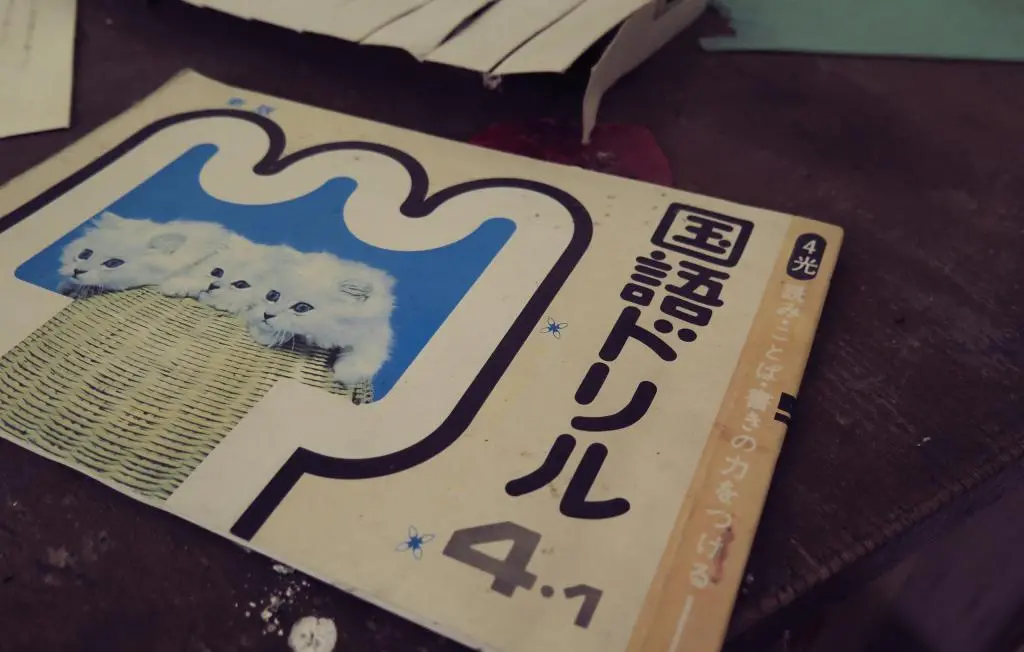
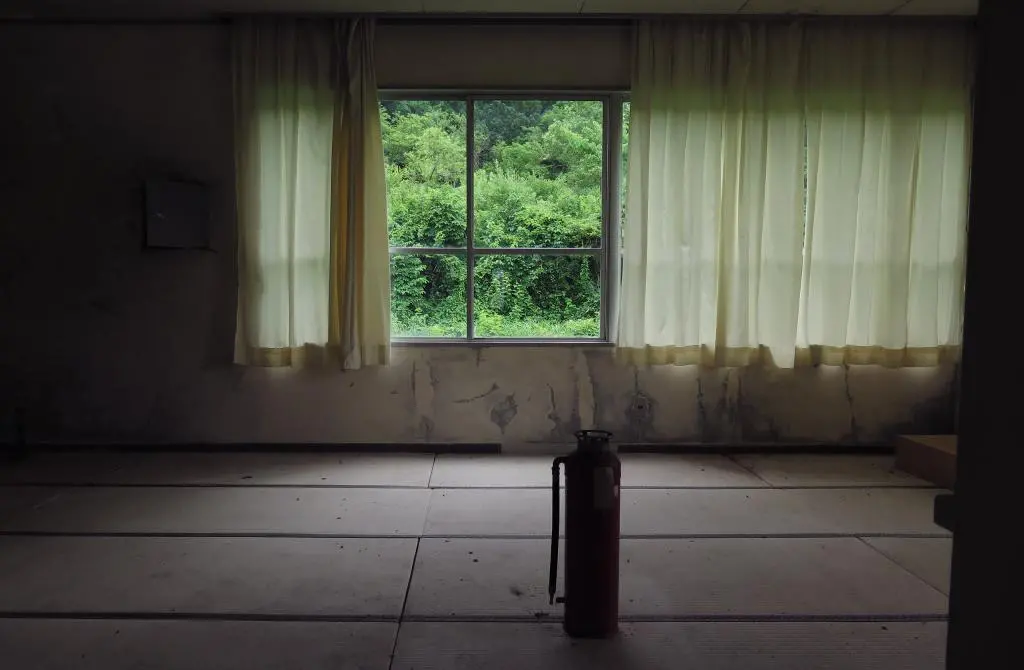
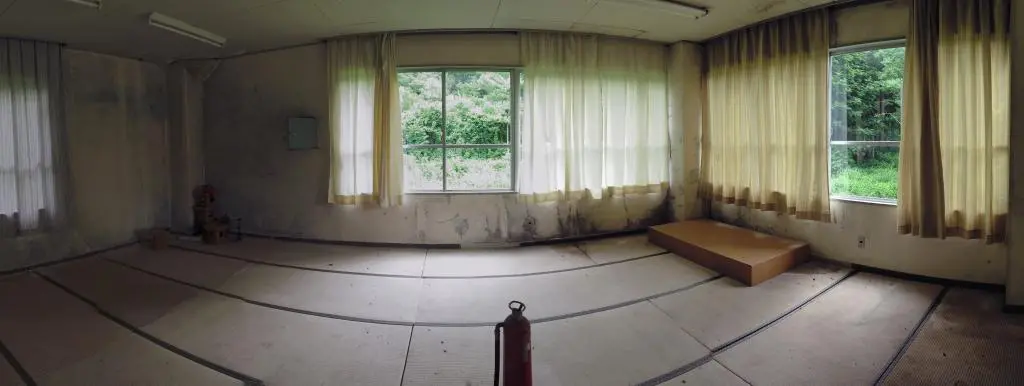
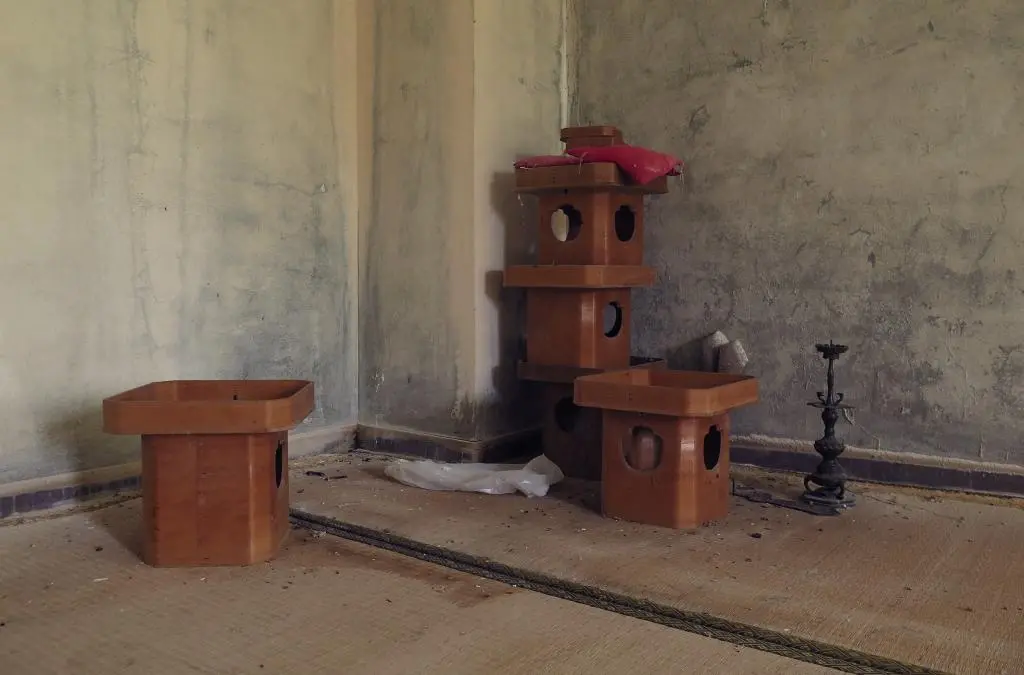
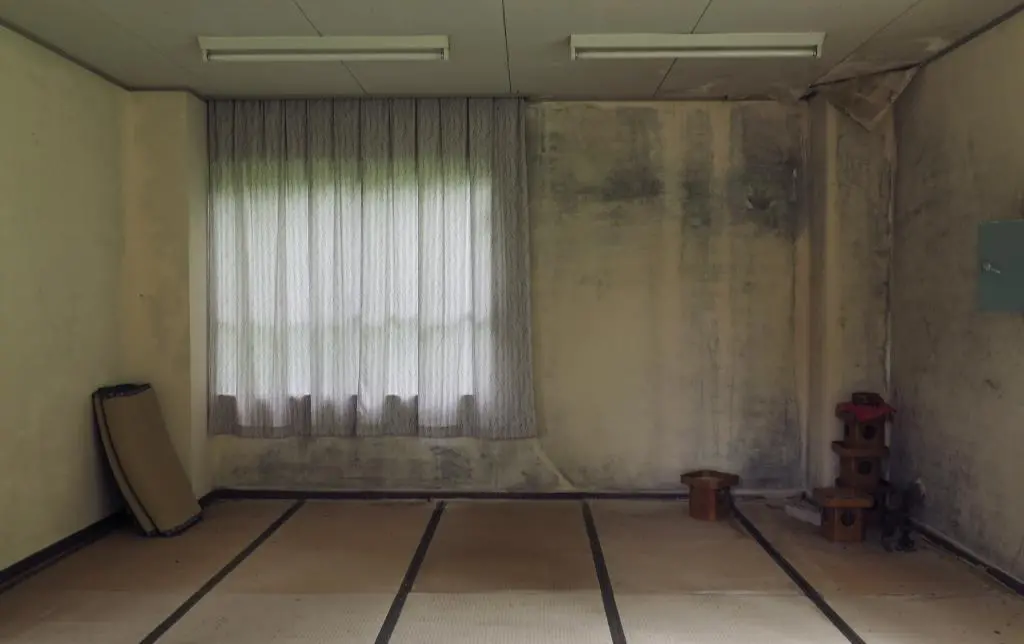
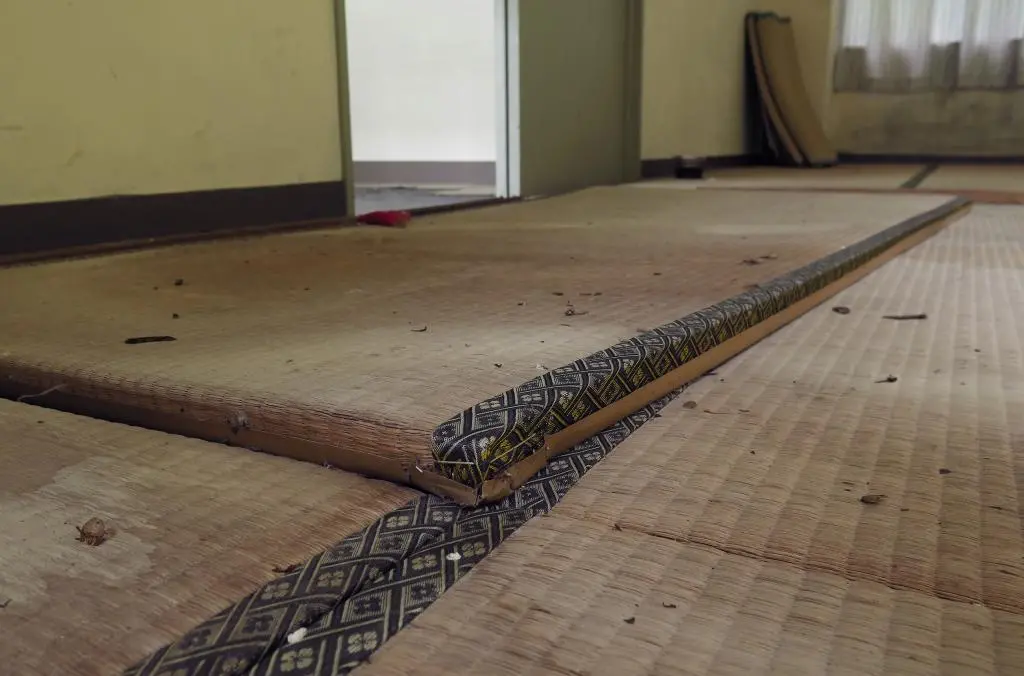
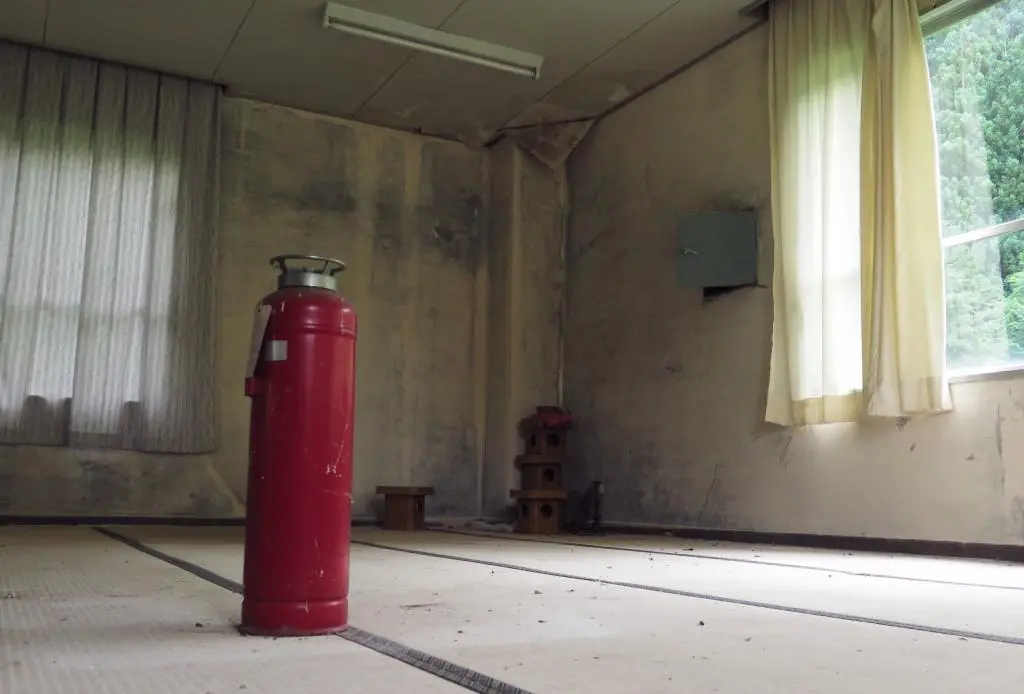
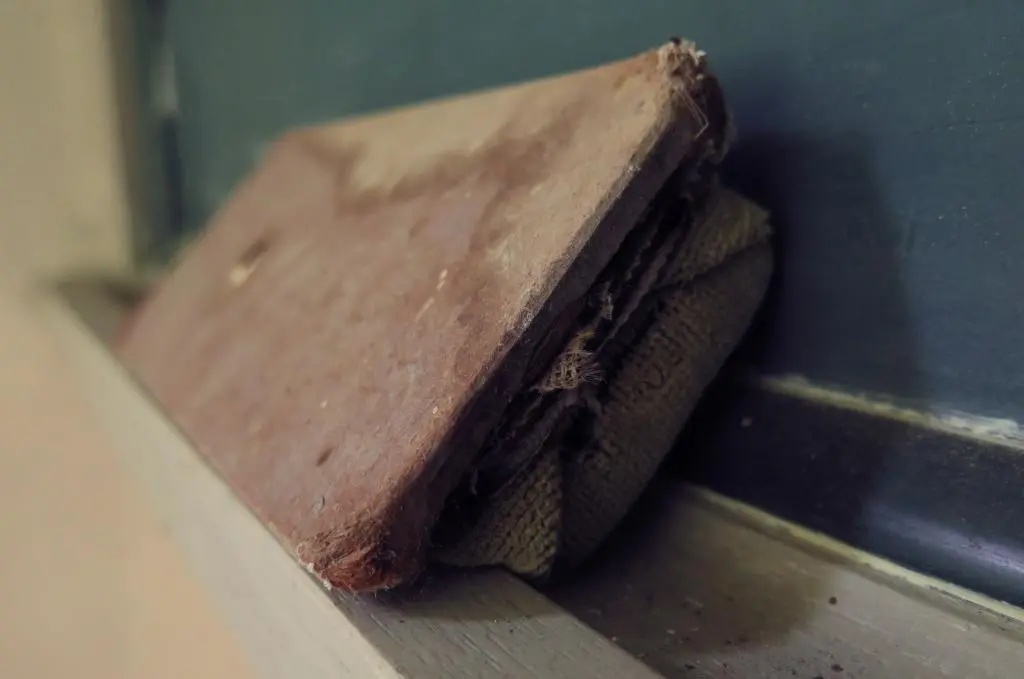
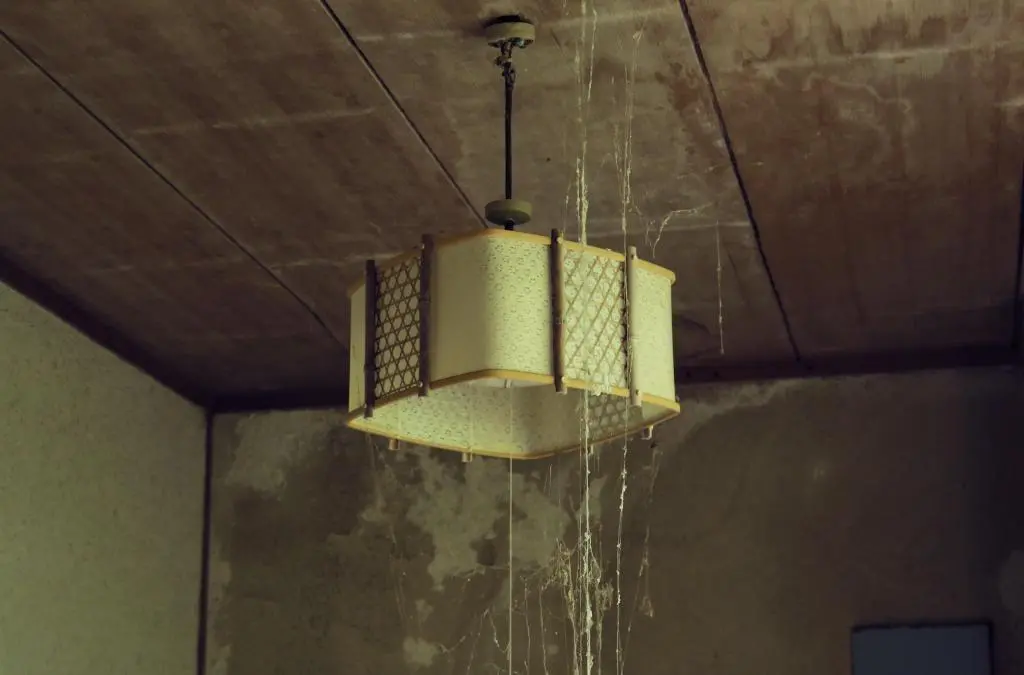
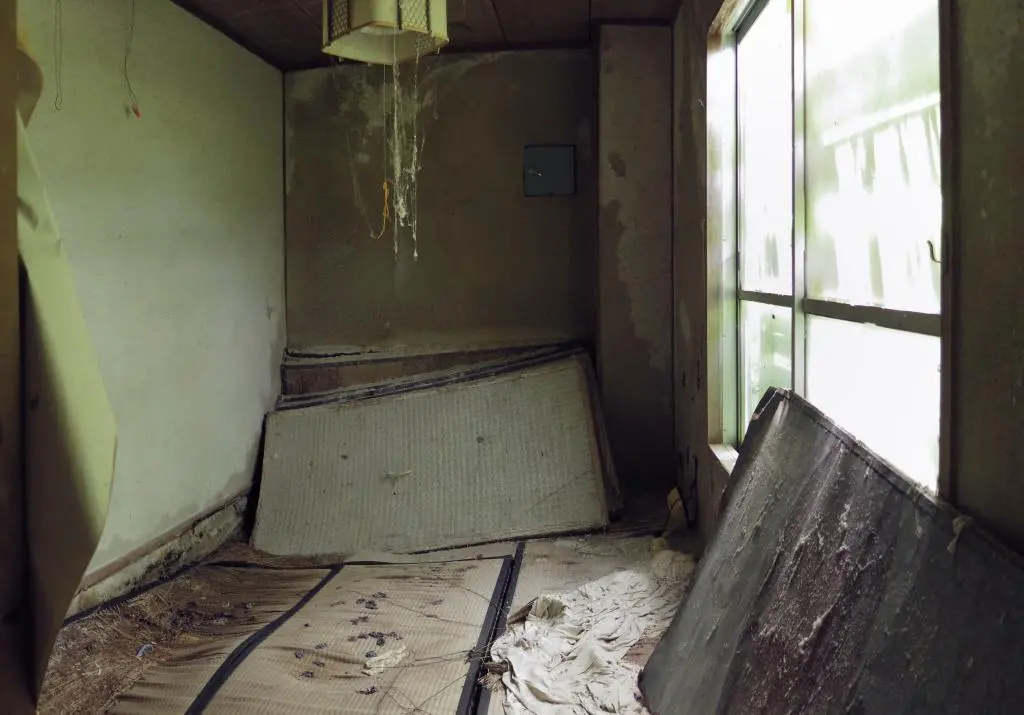
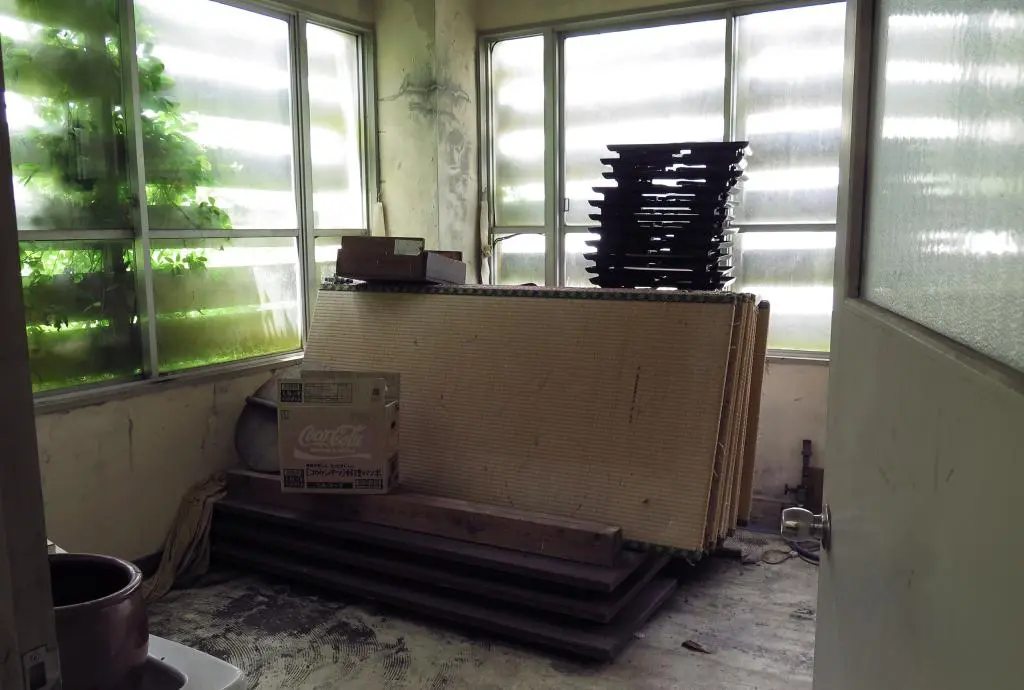
There weren't many remnants of a school on the top floor, though. The room to the right was completely open and lined with tatami mats. The middle room had an old wooden desk with some Japanese kanji drill books. And the store room in the middle room had cases of beer and sake. The open tatami room was mostly liked used as a banquet drinking room for the remaining adults in the village.
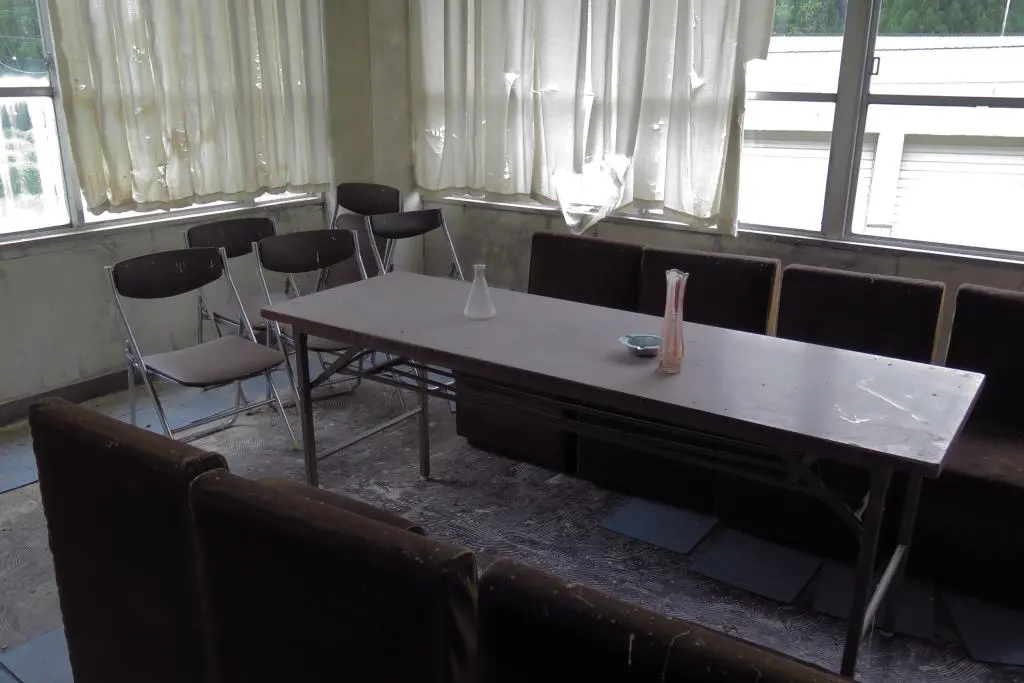
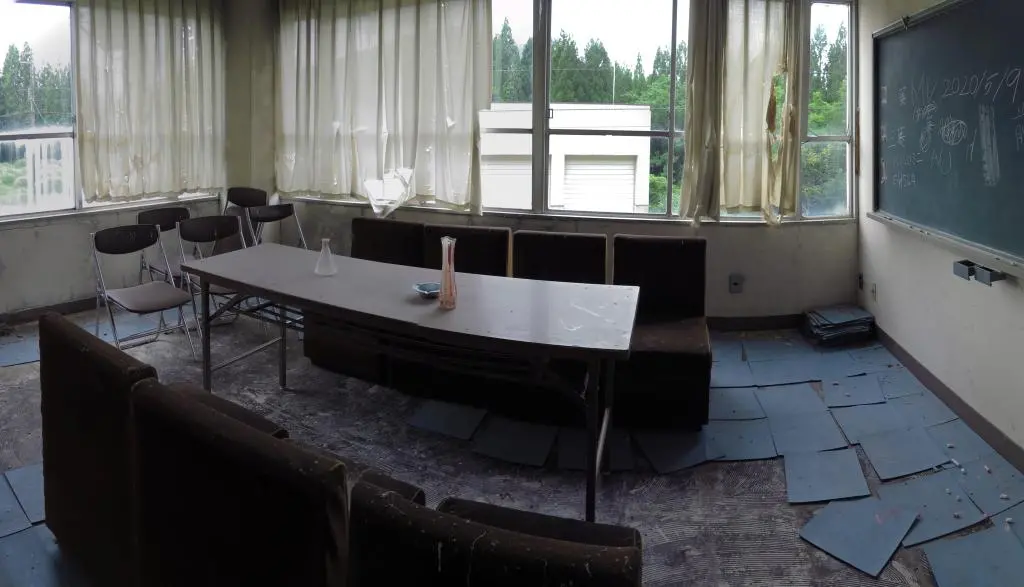
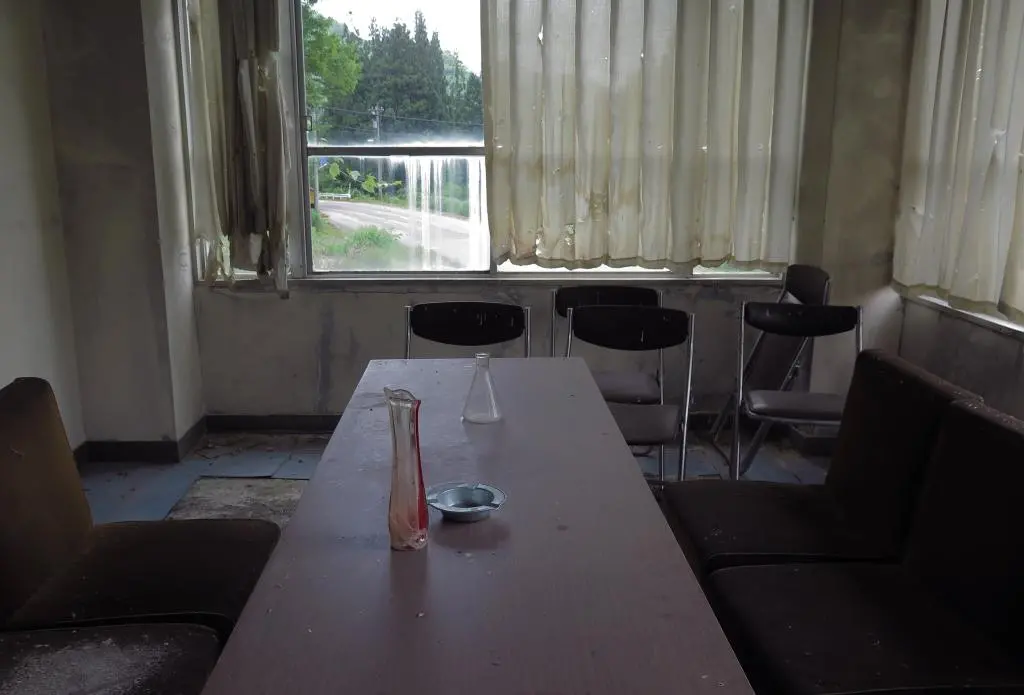
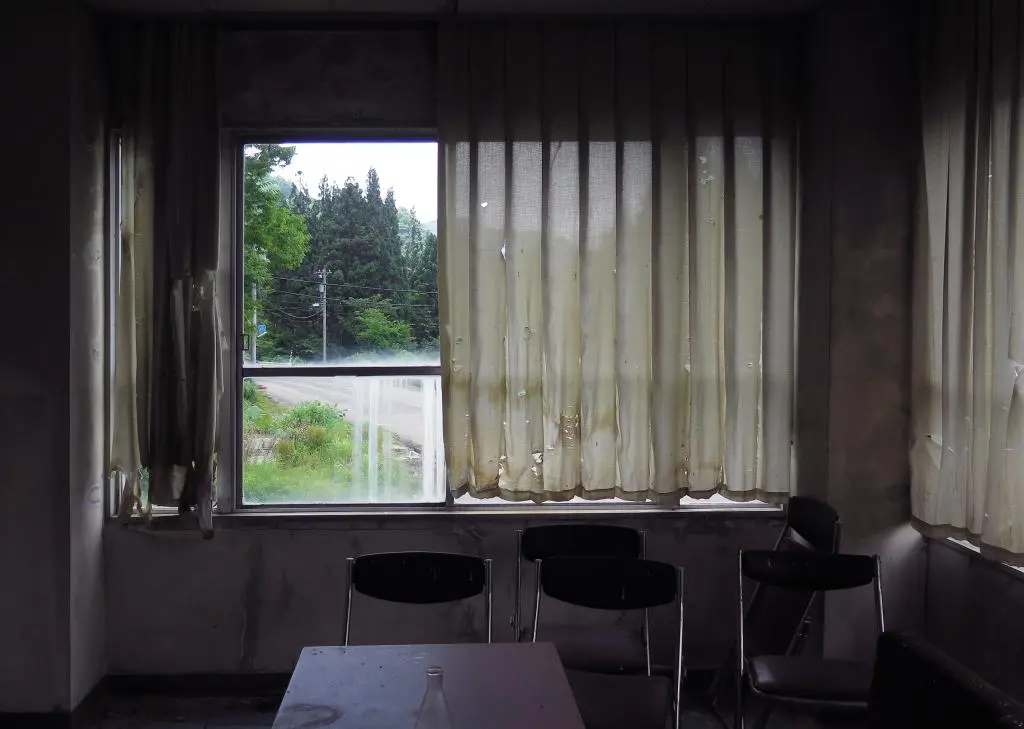
The other room on the left had a table and some comfortable seeting. It was probably last used as a meeting room.
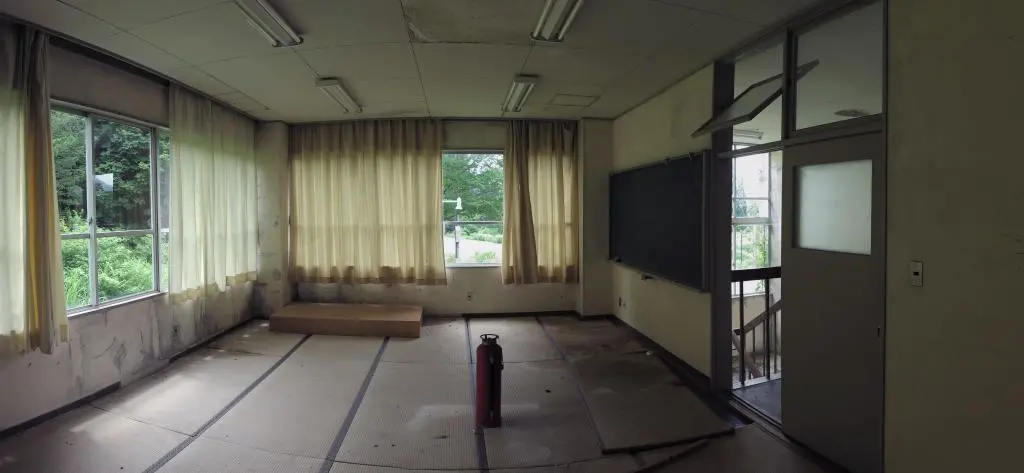
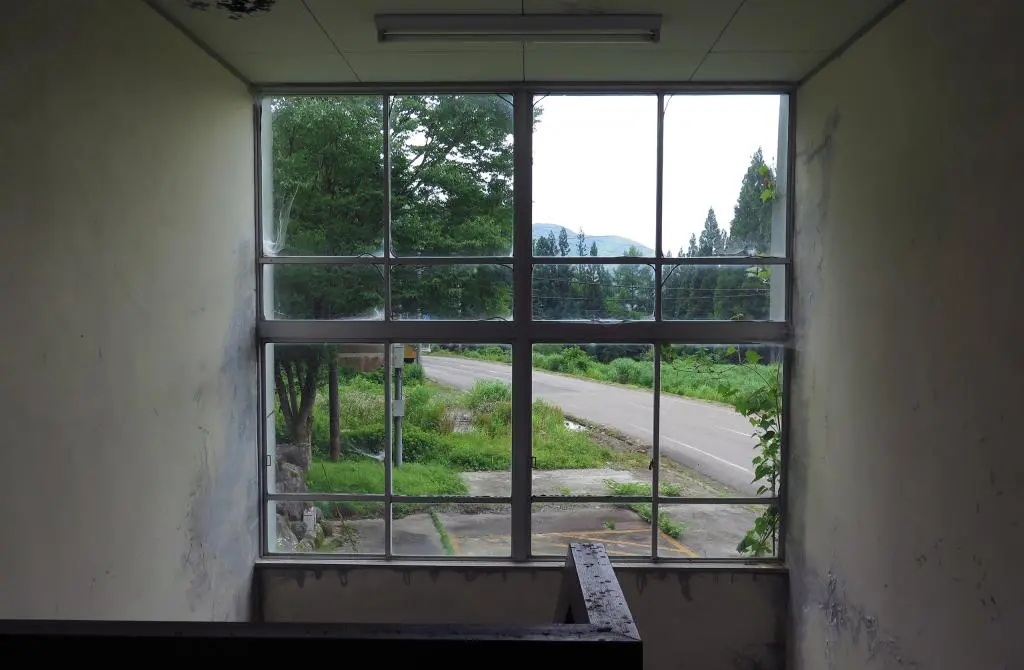
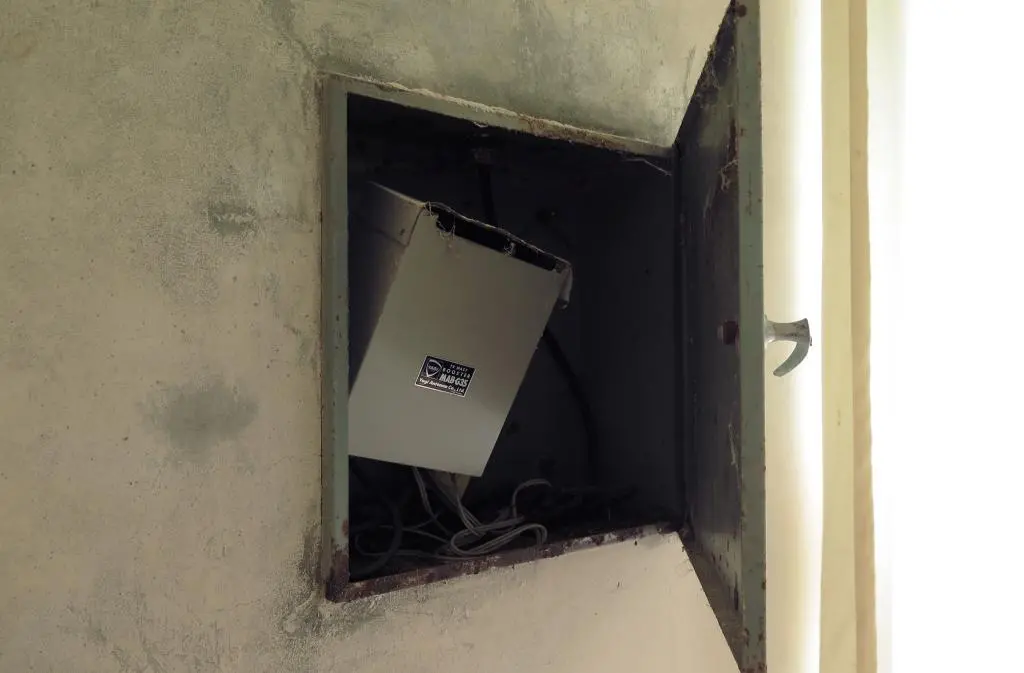
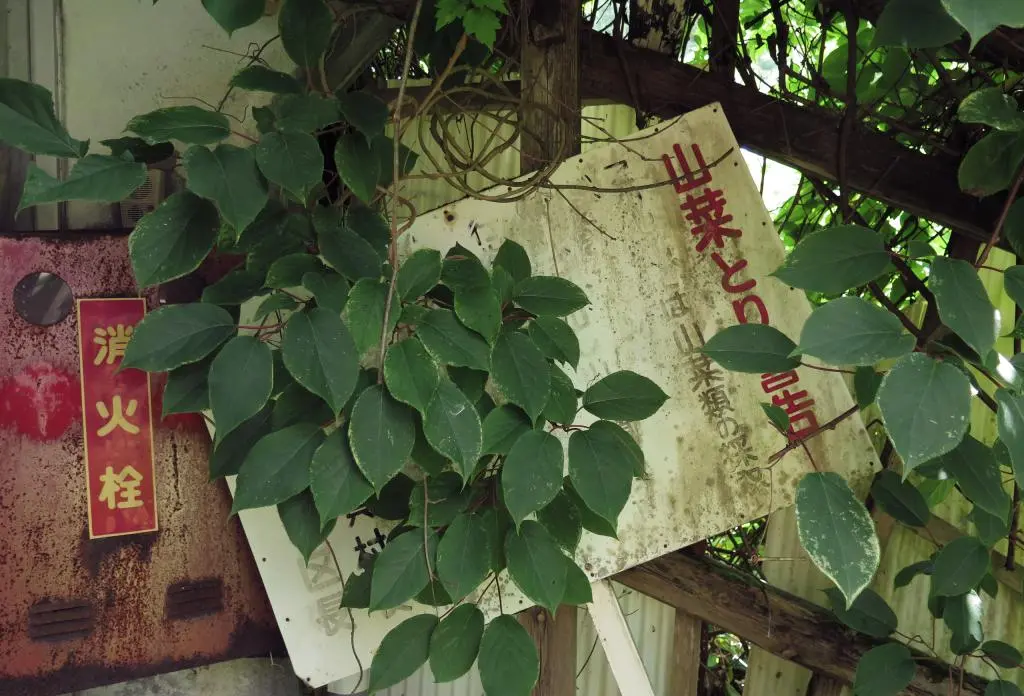
Much of the paint looked like it was rotting away and peeling on the wall. The curtains were tattered and thin, weakened from being baked in the years of hot sunlight. Floor tiles no longer adhered to the ground. Ceiling tiles also showed spots of water damage, and some hung a bit low.
Everywhere was covered in dust, dirt, and animal droppings in some spaces. But, there weren't any smells. And it wasn't overly dusty in the air. However, even though I was wearing a mask, about a week later I had a terrible cough and lost my voice for a day. Another nearby branch school was demolished due to asbestos detected throughout the building, so maybe I got poisoned? It took me nearly a month to recover. I thought I was already careful with my mask, gloves, and washing up after getting home, but maybe it wasn't enough.
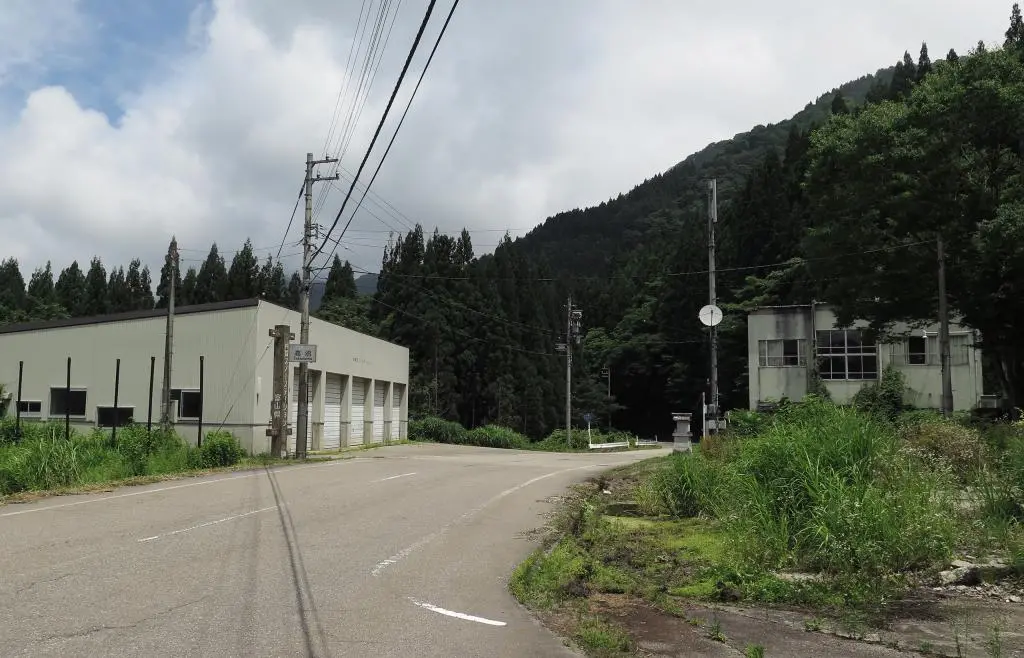
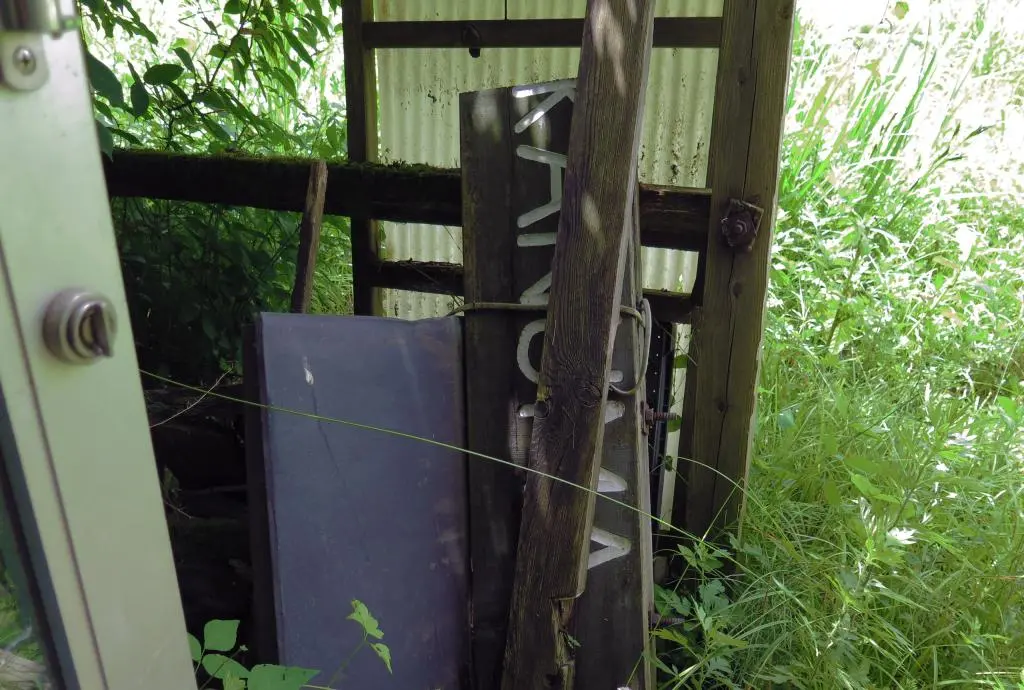
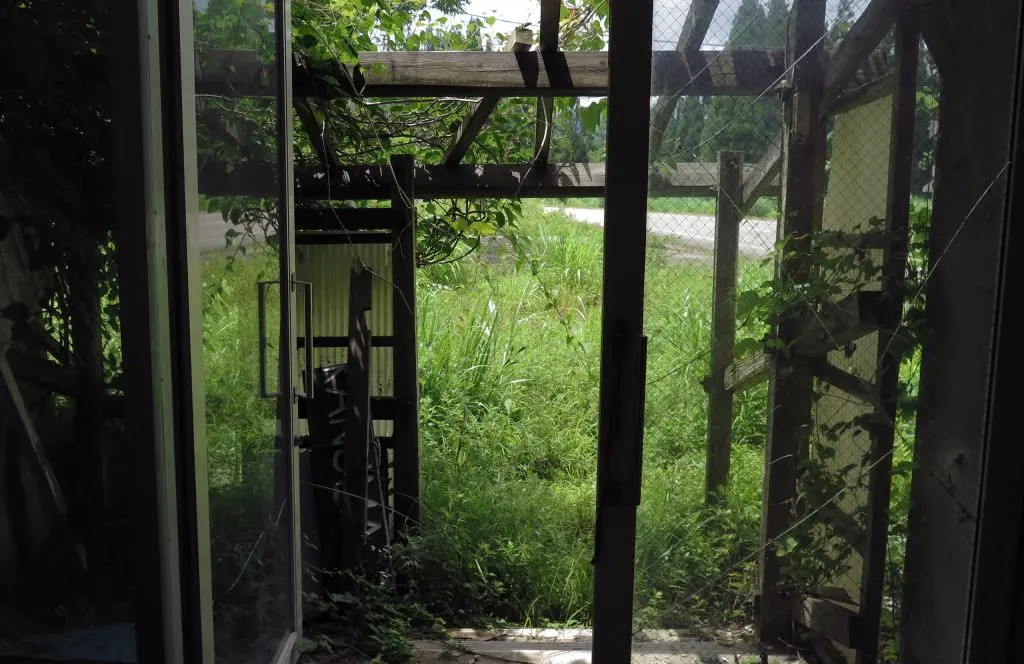
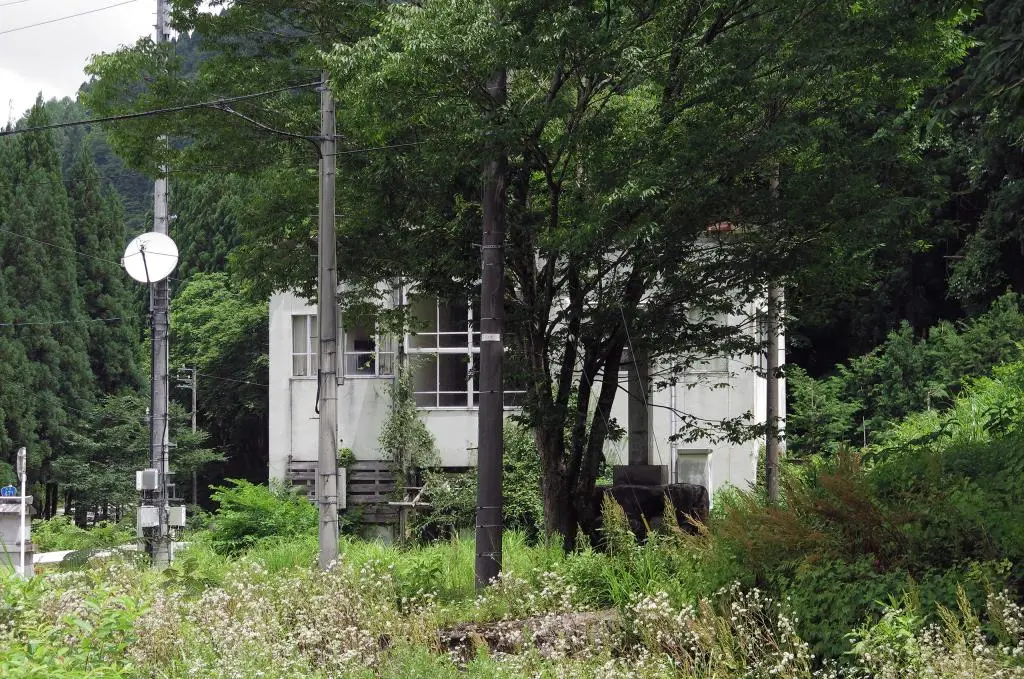
Takanuma Branch School lies on Hwy 471 connecting all the neighborhoods of Toga Valley from the main village down to Tonami and Nanto. The school is clearly visible. The rest of the neighborhood is not.
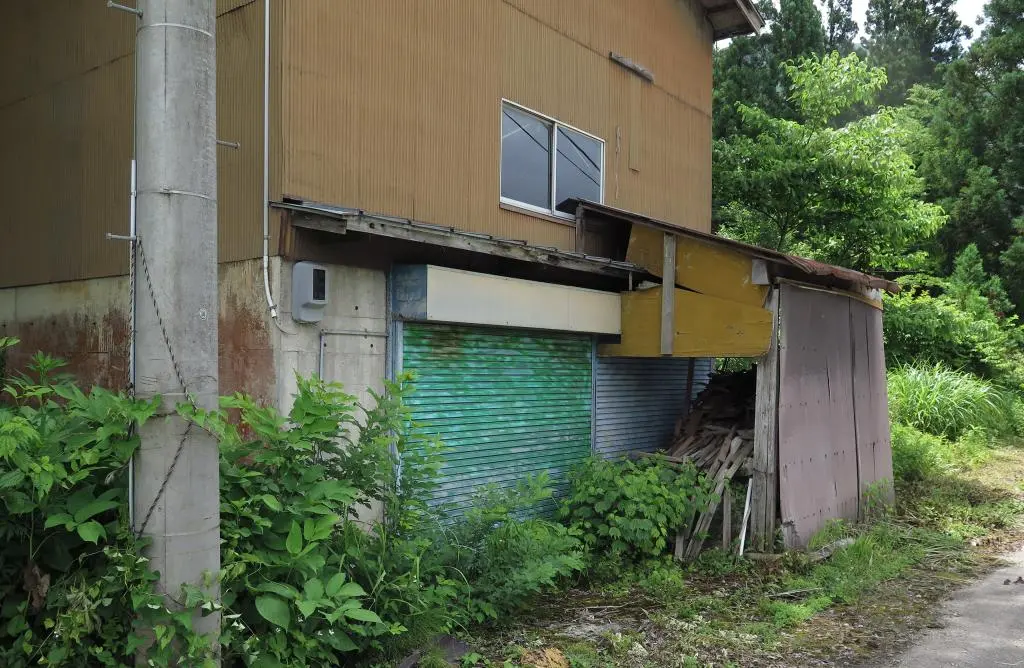
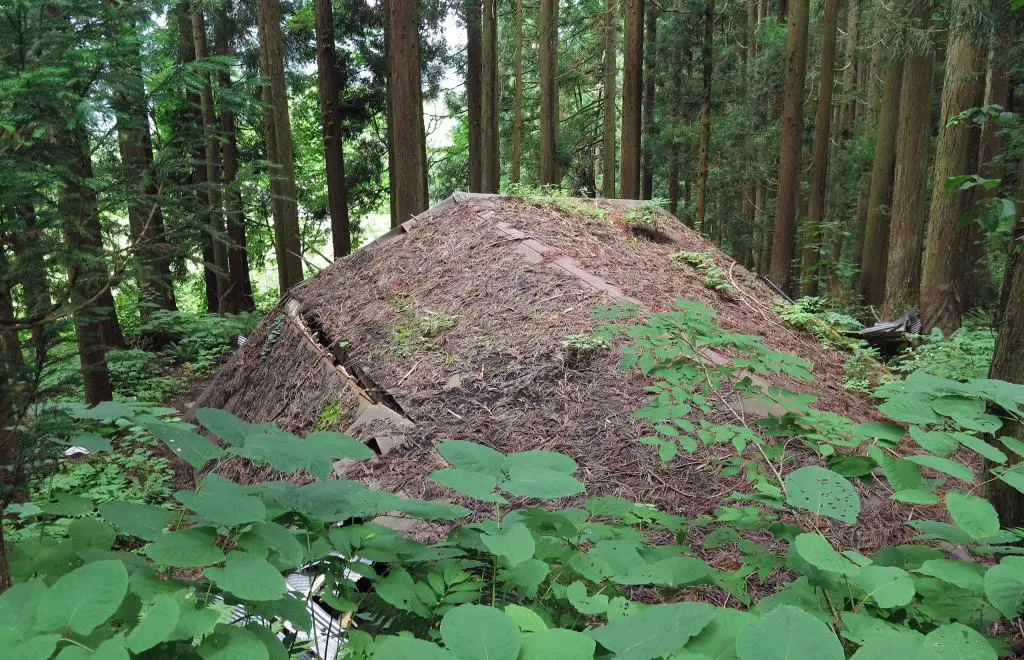
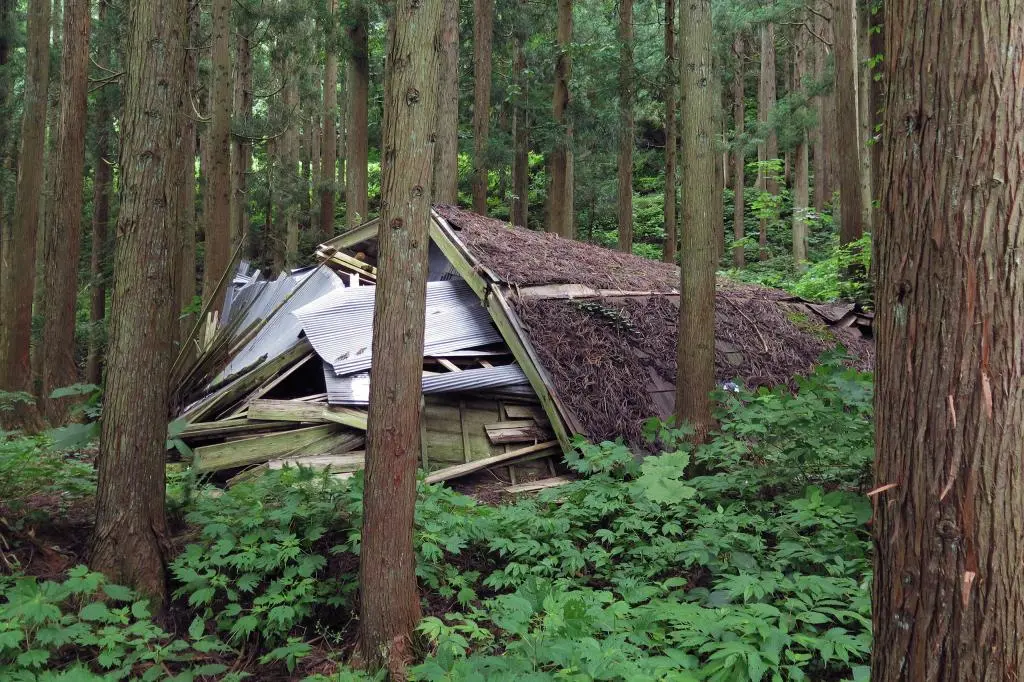
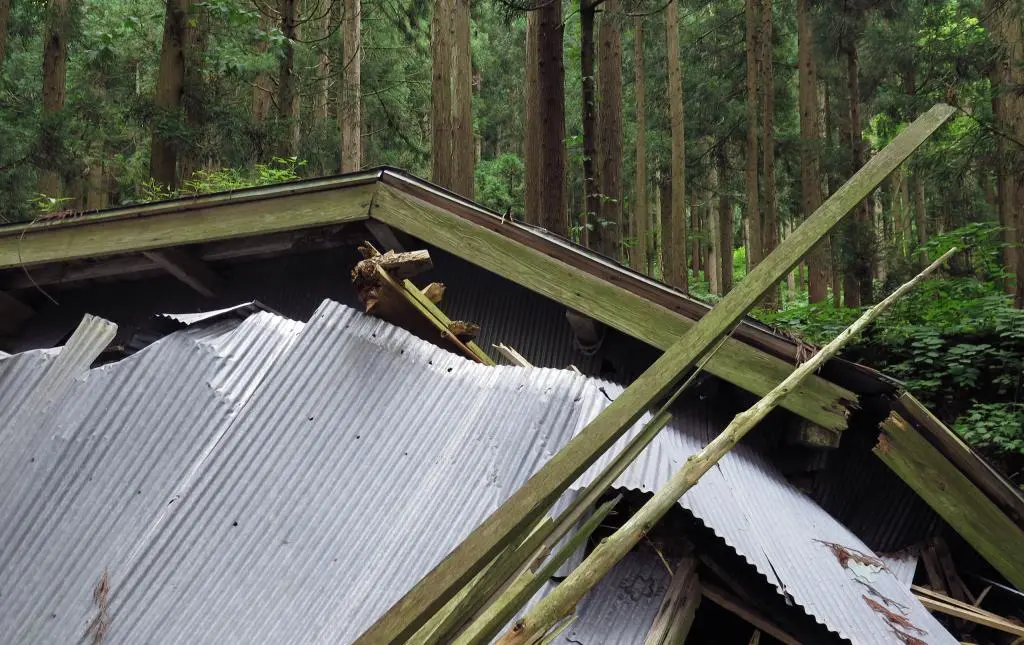
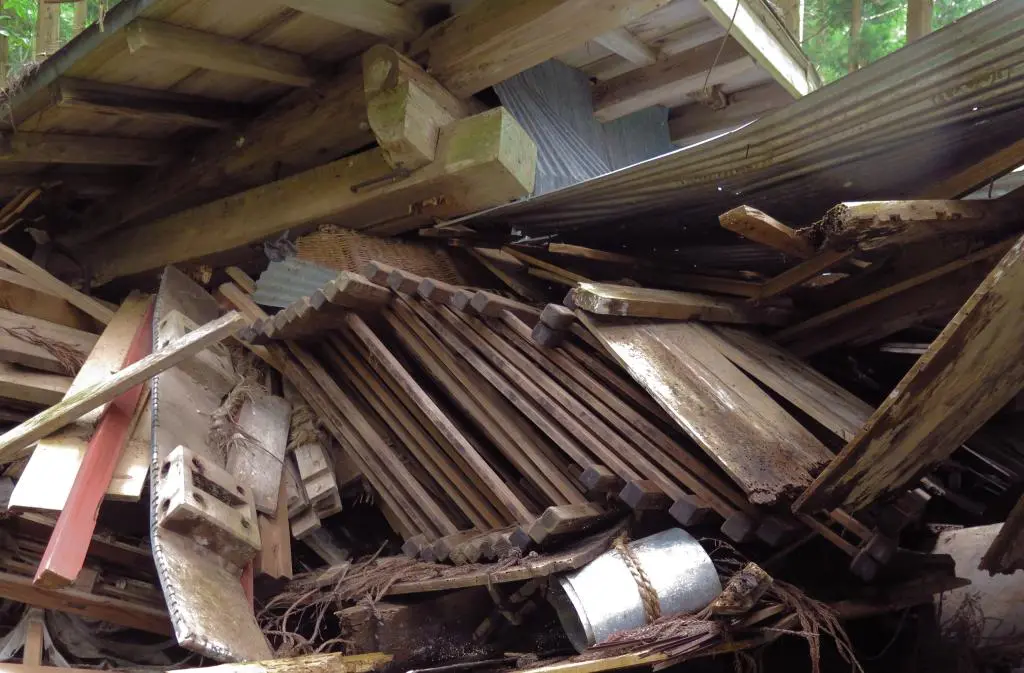
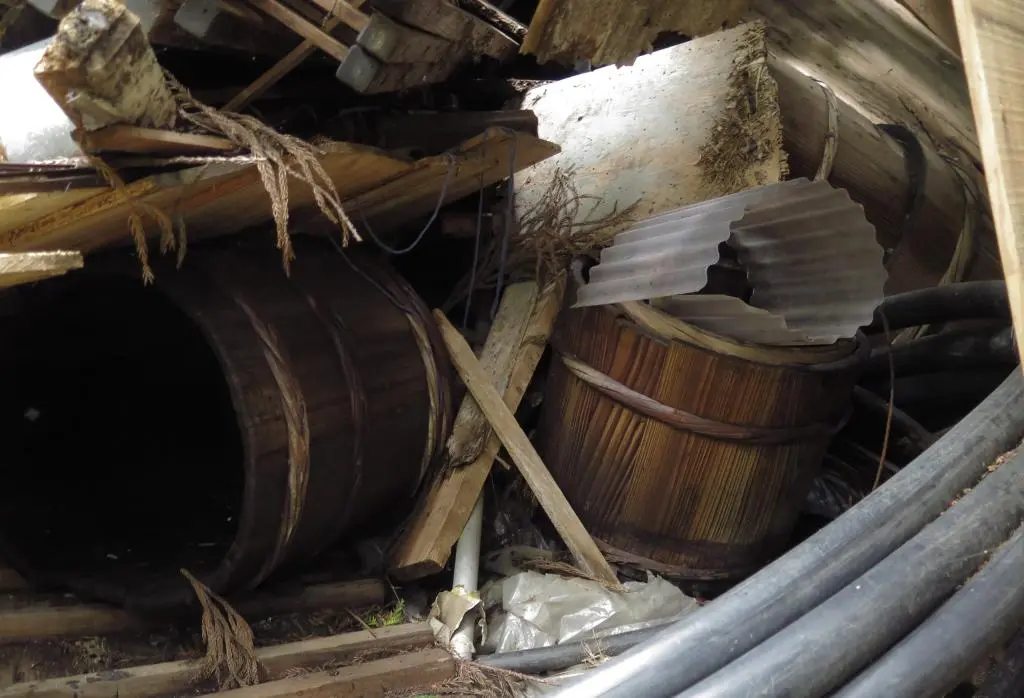
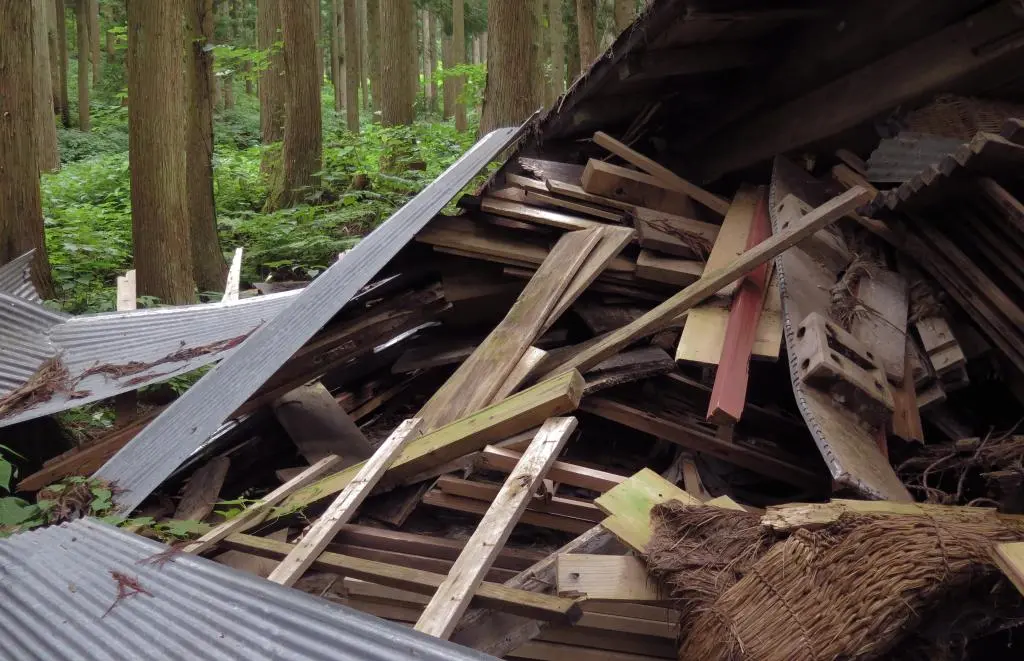
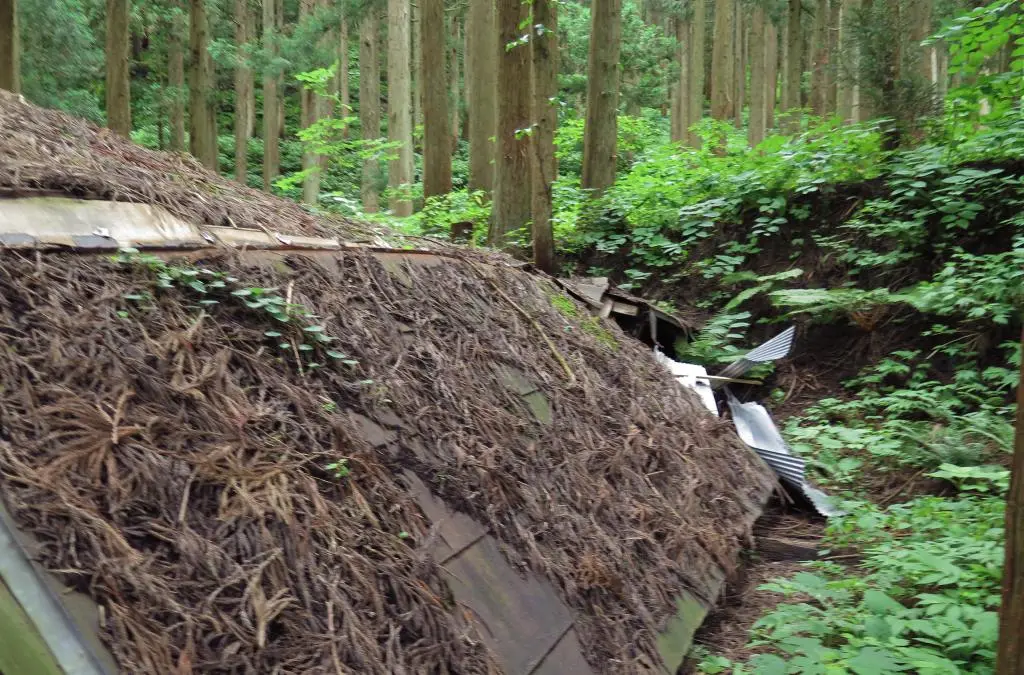
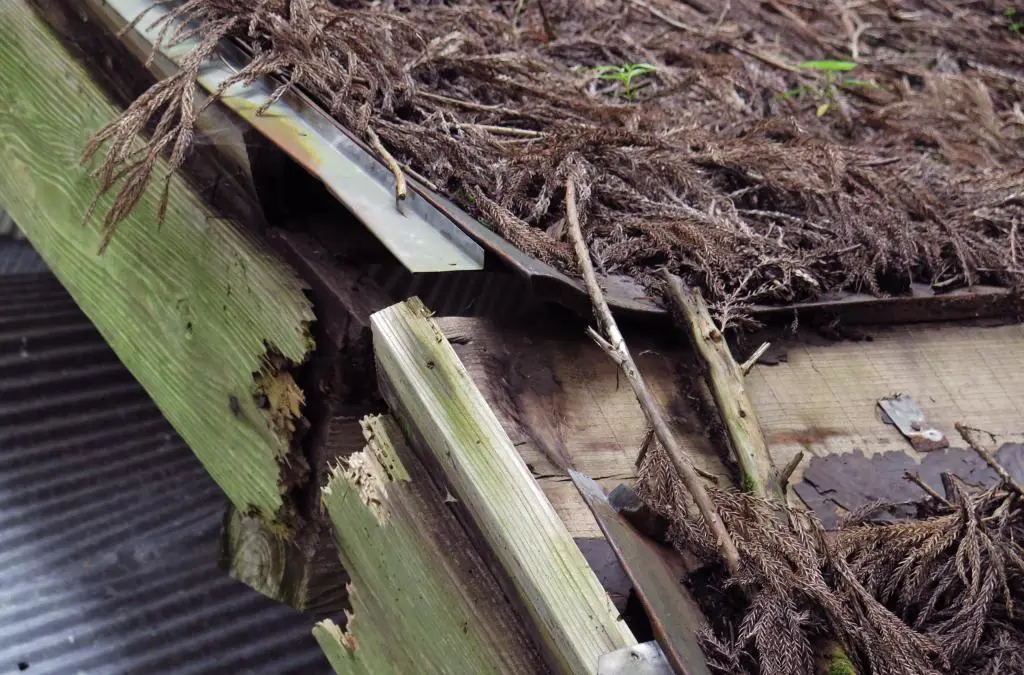
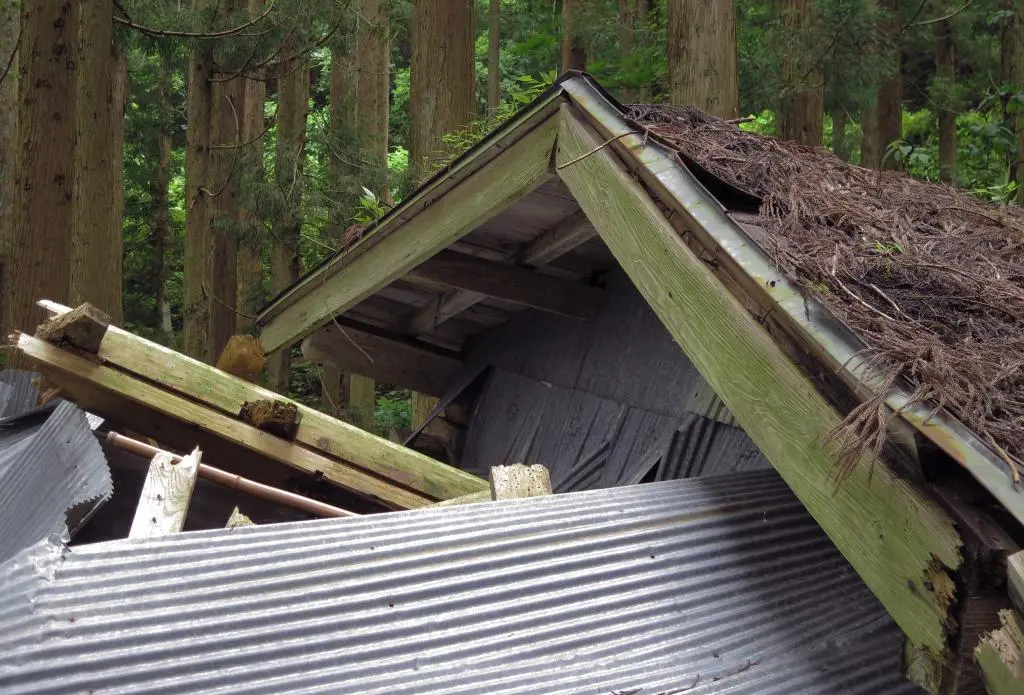
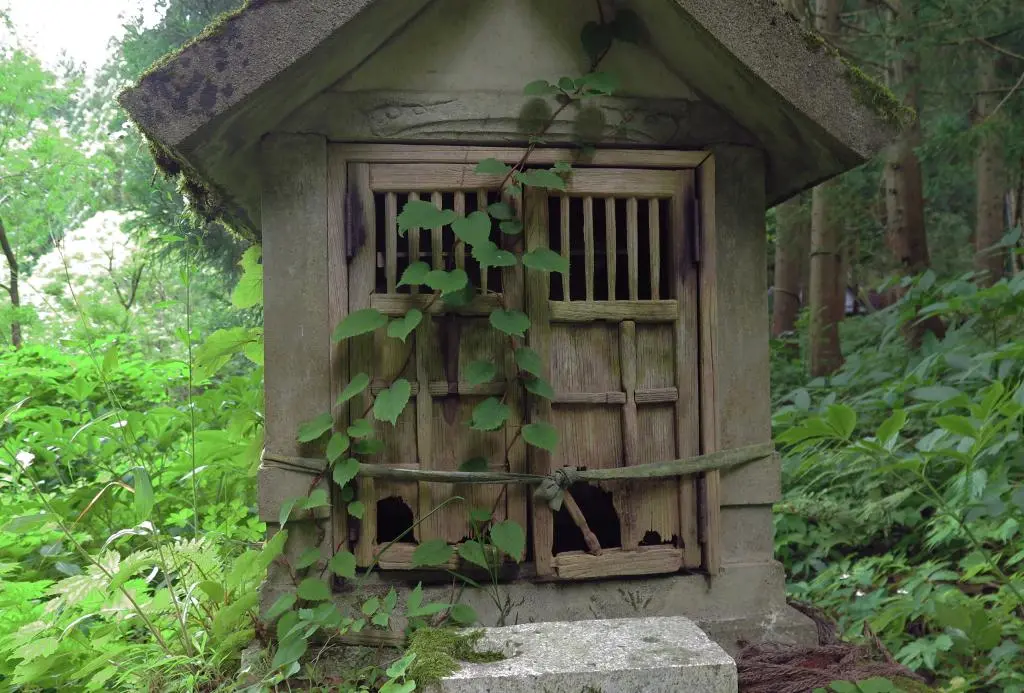
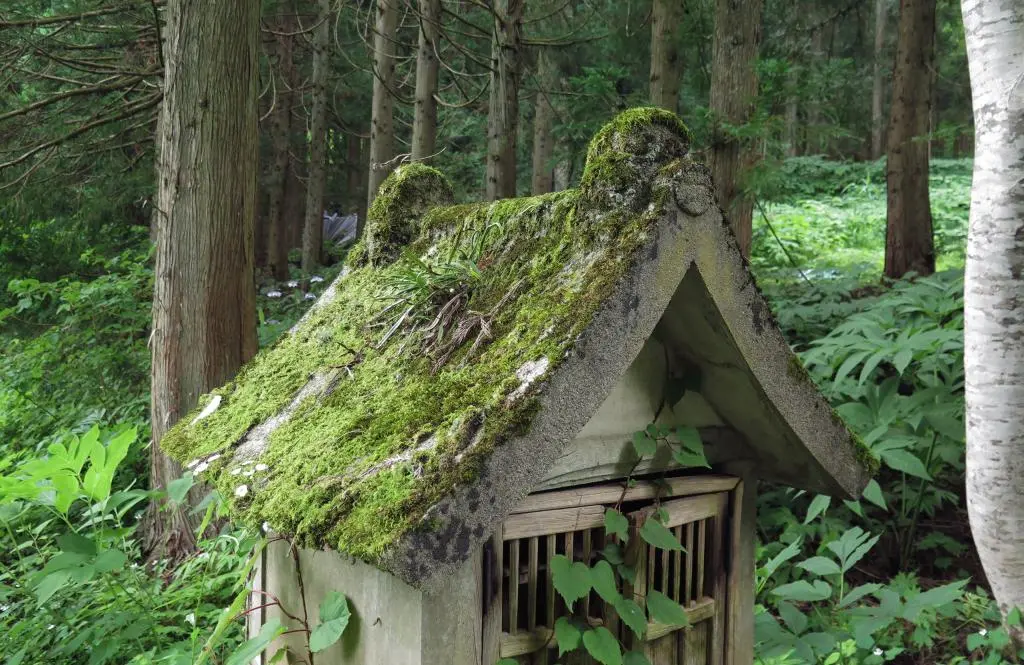
There's a road in front of the school leading into the forest where the old residents lived. I found an open area that was completely empty. It could have had a home that was removed. I did find another home that had collapsed and was crushed under years of heavy snow. There didn't seem to be anything inside.
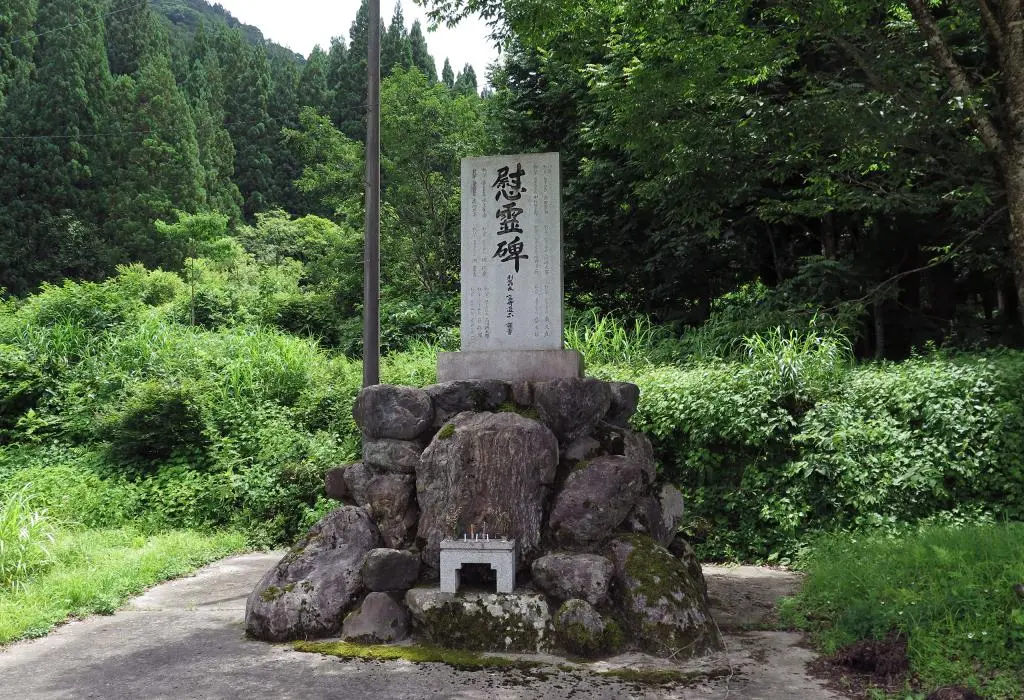
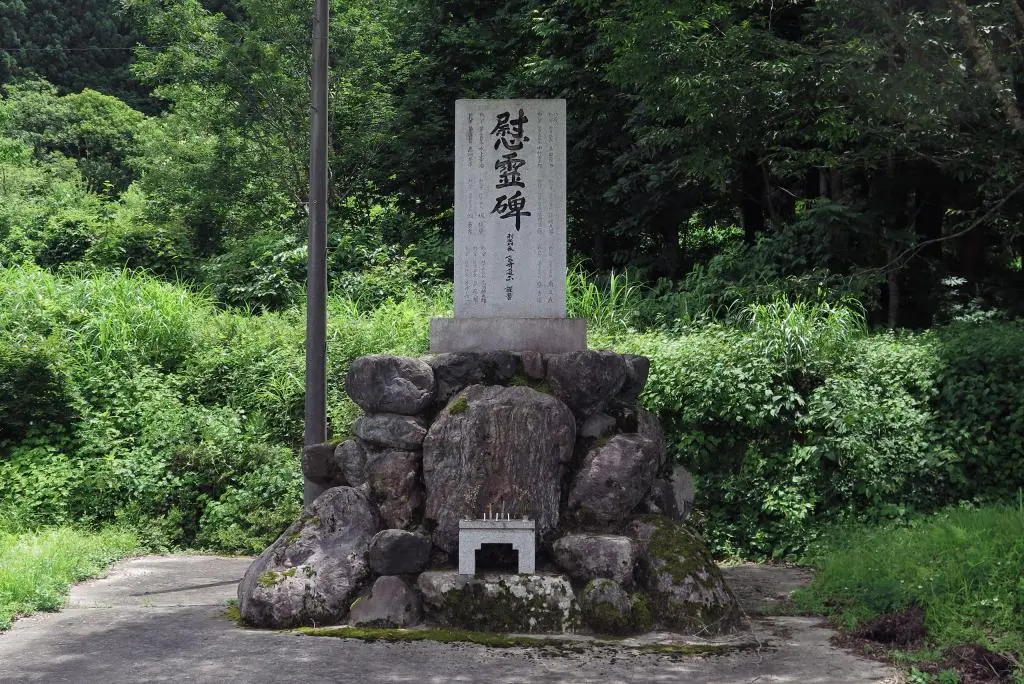
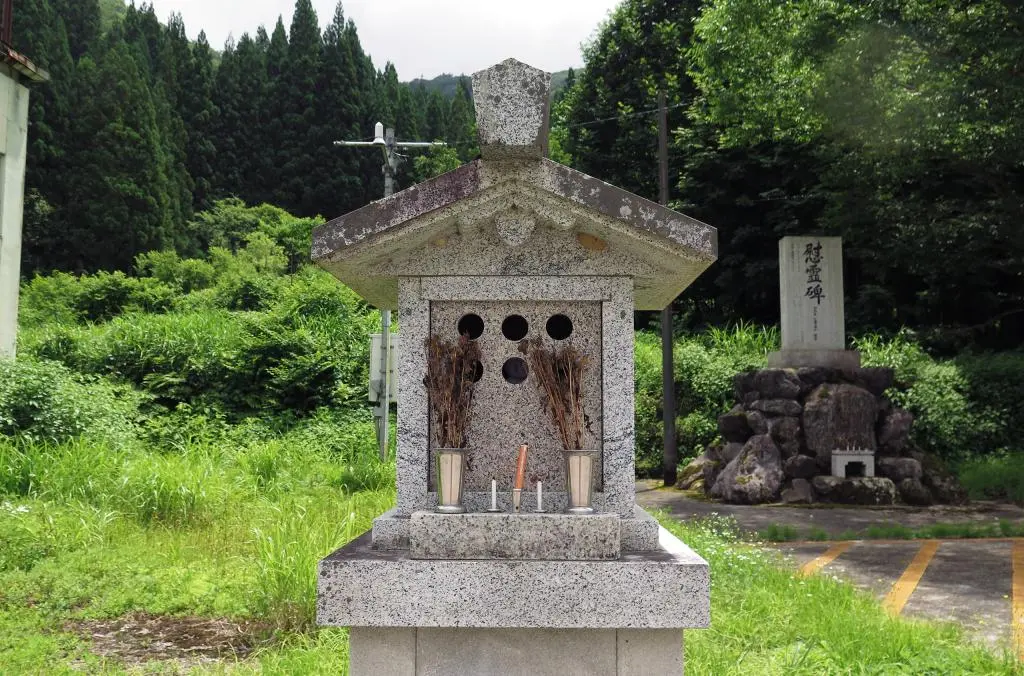
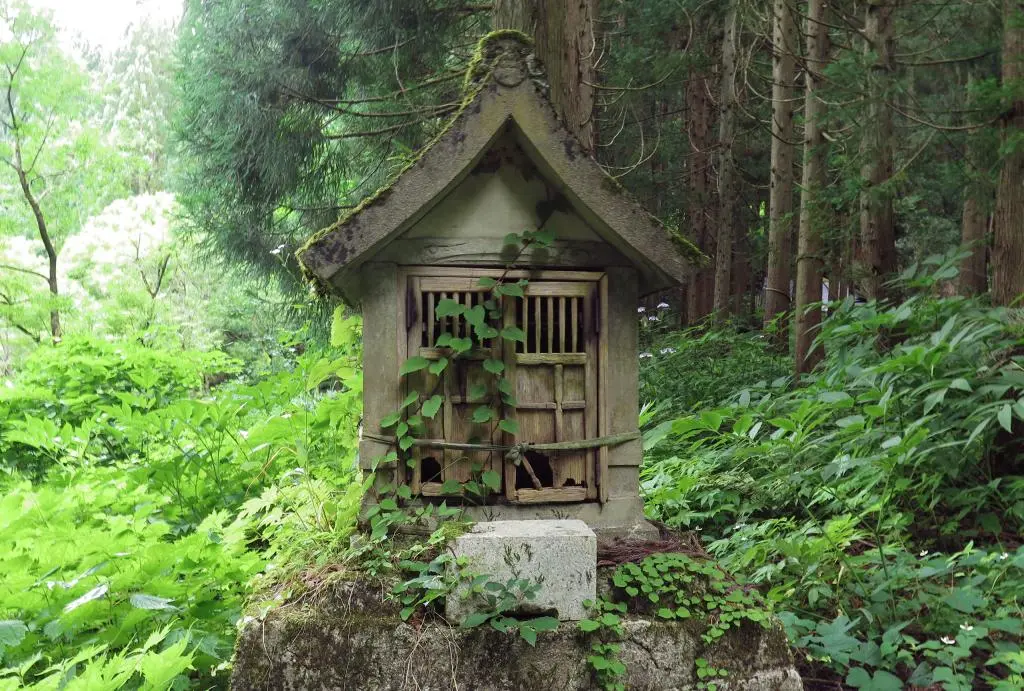
This was what remains of Takanuma today.
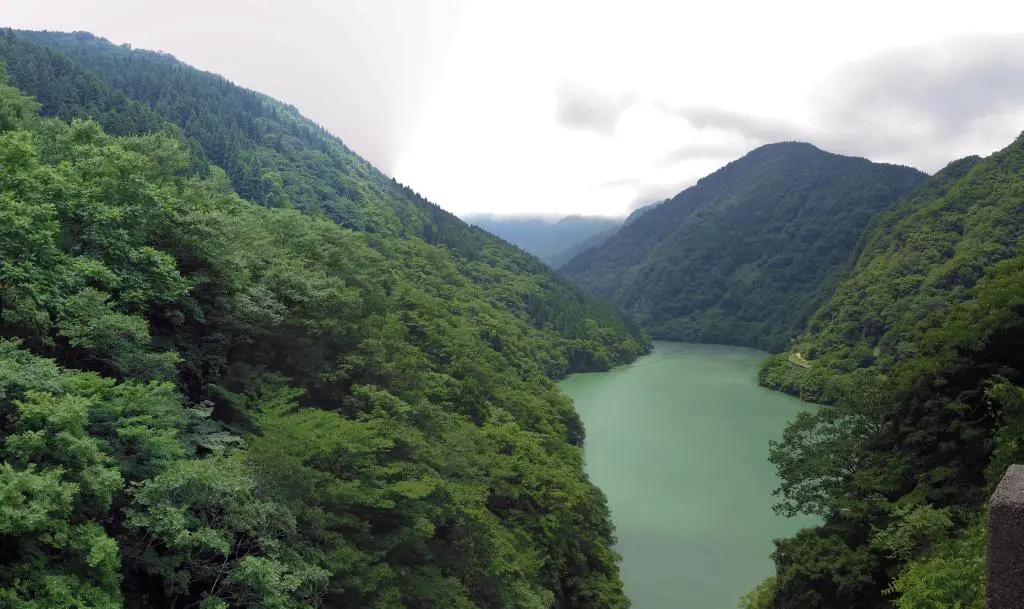
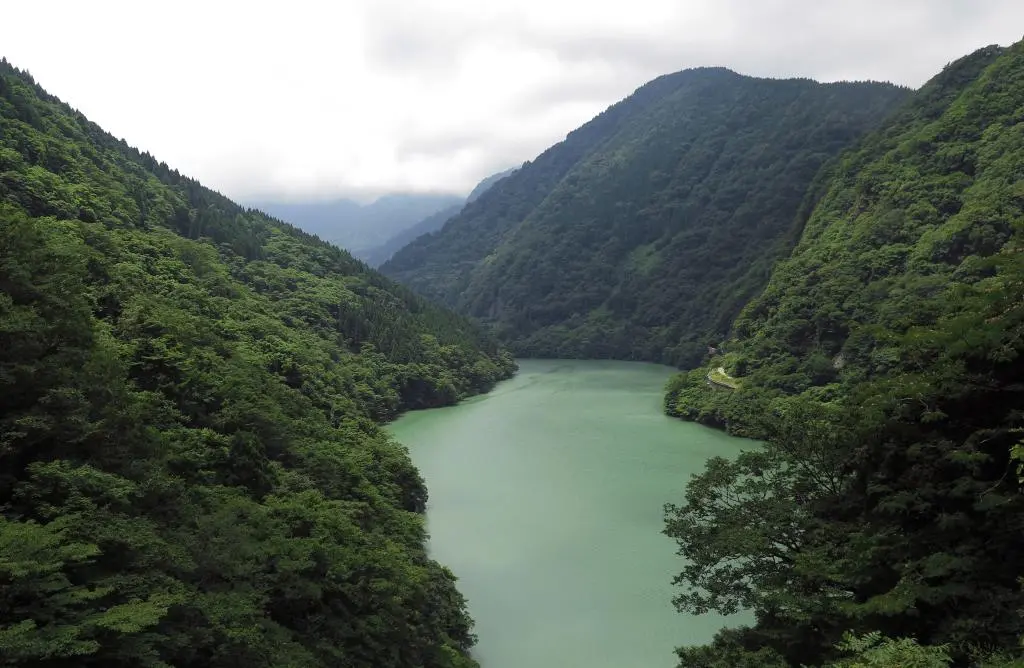
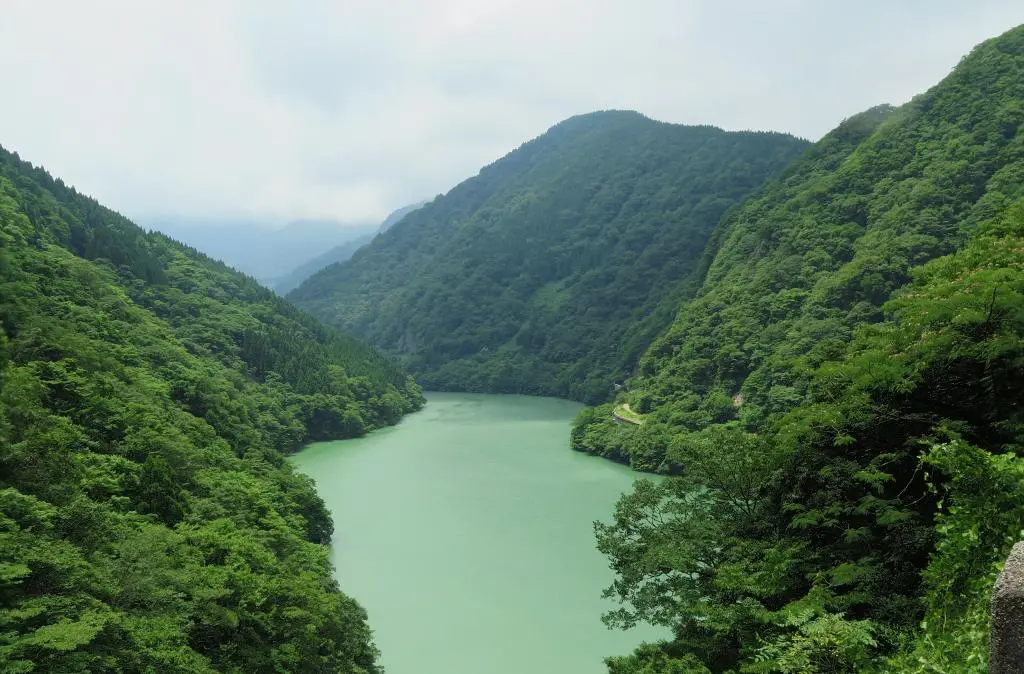
Further down the road, this is what it looks like from the outside. You can see a road on the right, but the mountain and forest completely absorbs the road on the right. The whole right area doesn't even look like it's ever been touched by humans. Yet, up and down the rivers of these valleys are small pockets of where humans lived hundreds of years ago.