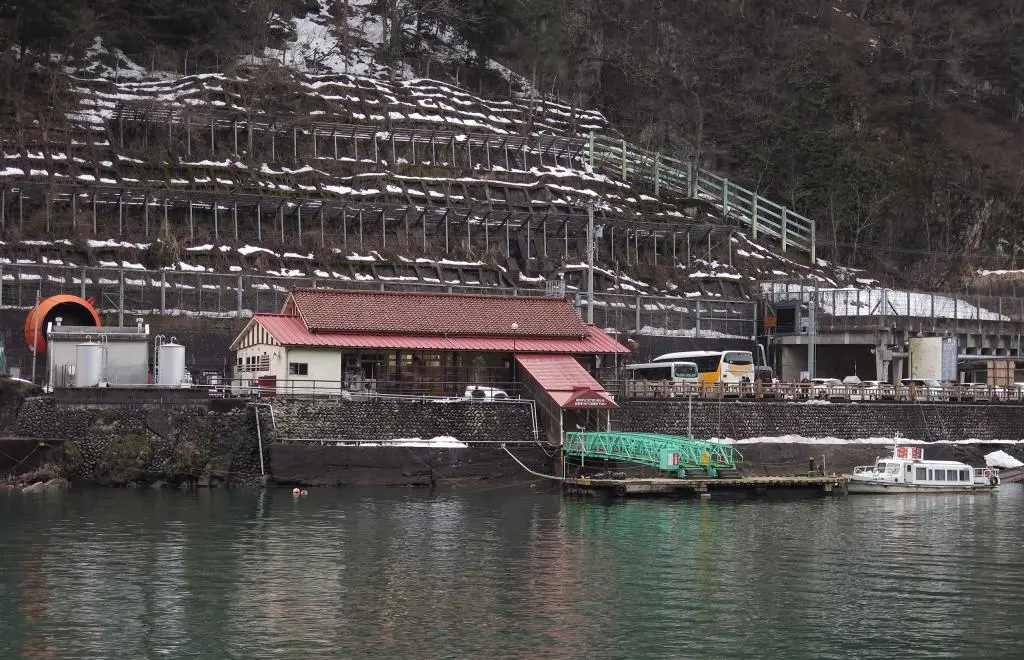
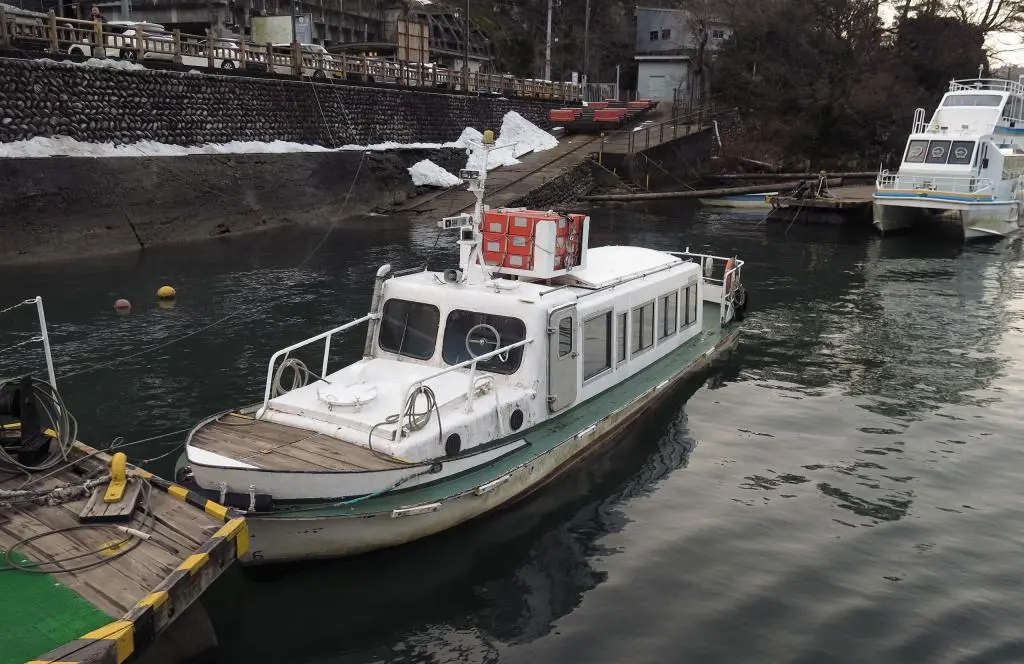
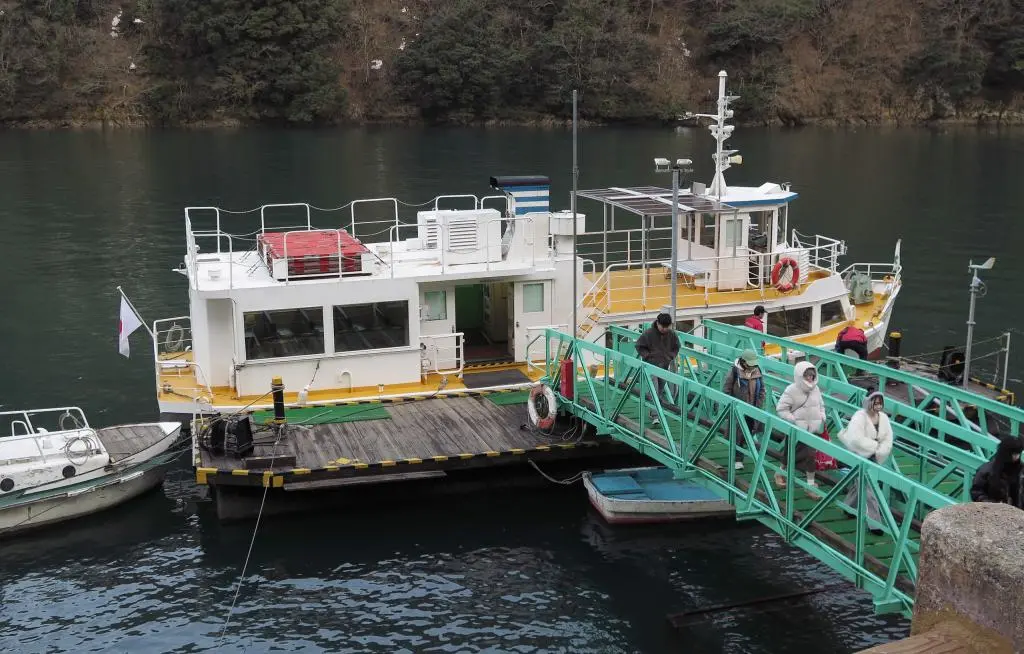
There are two major rivers in Toyama that begin in the mountains and feed into the sea of Japan, both of which have their origins in Takayama, Gifu. Jinzu River in the east is formed from Miyagawa (Takayama's main river) and Takahara Rivers. Sho River is in the west. Its meager beginnings start in the far west village of Shokawa. By the time the river reaches the lower valleys of Gokayama in Toyama, it has become a deep mass cutting through the rocky earth.
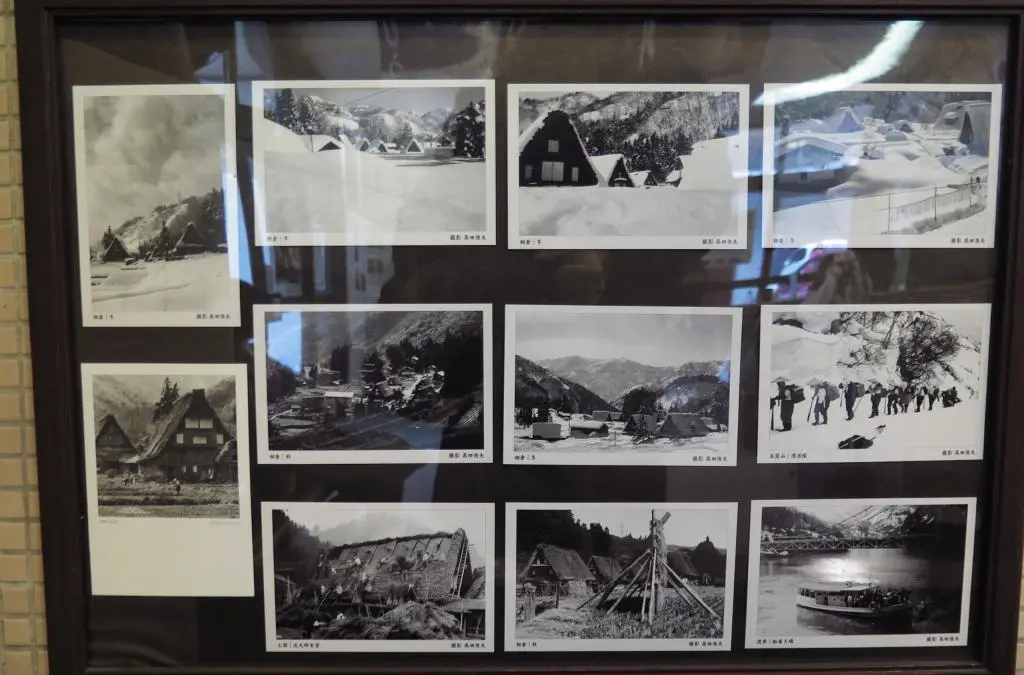
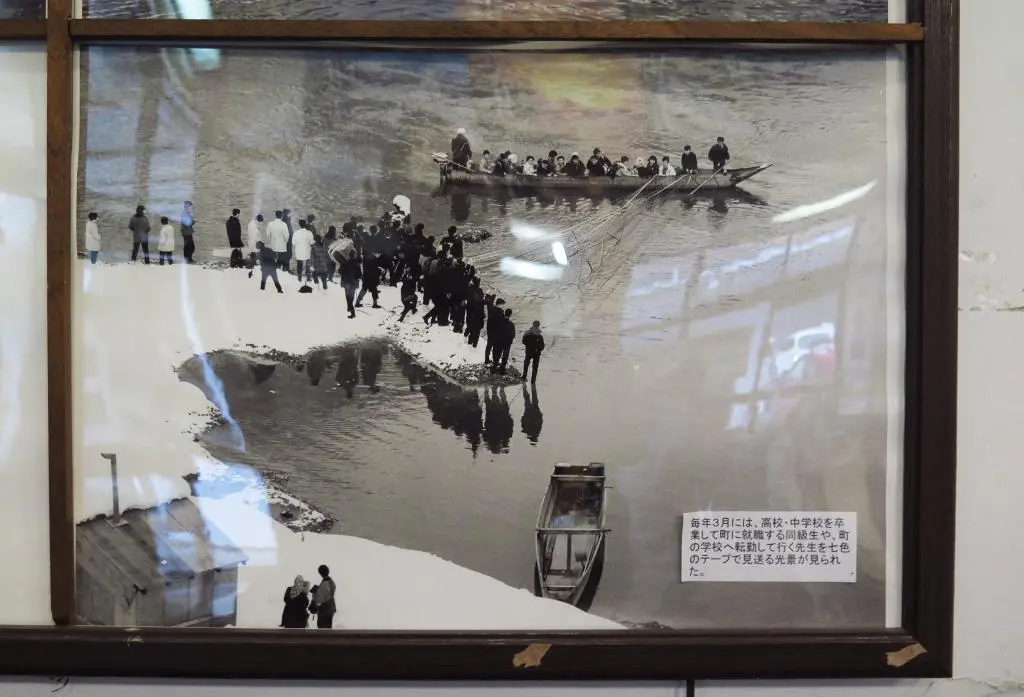
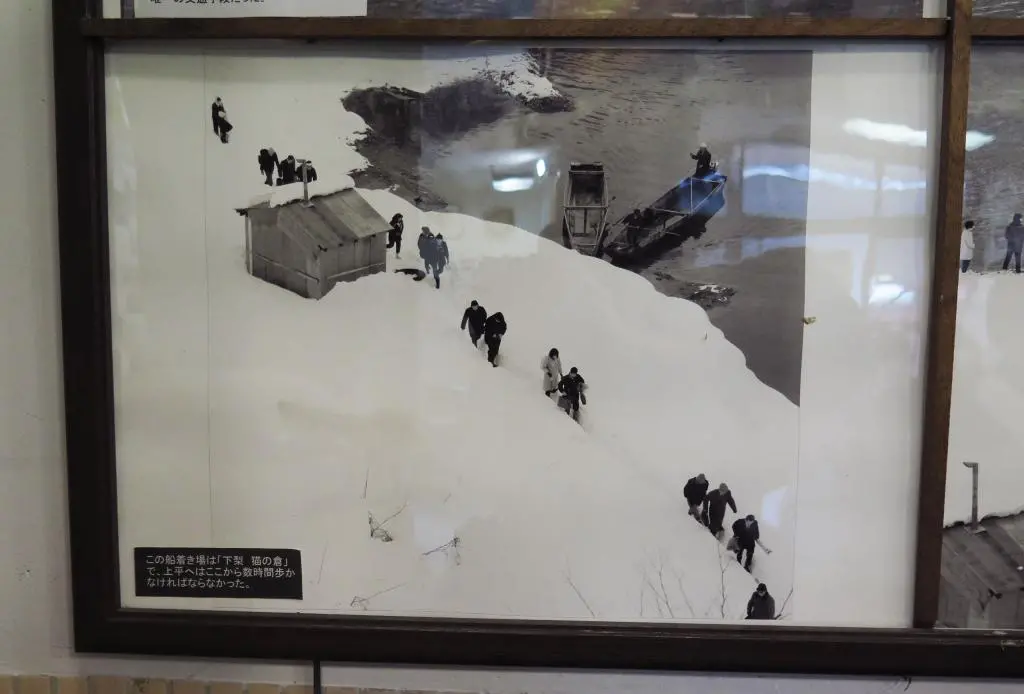
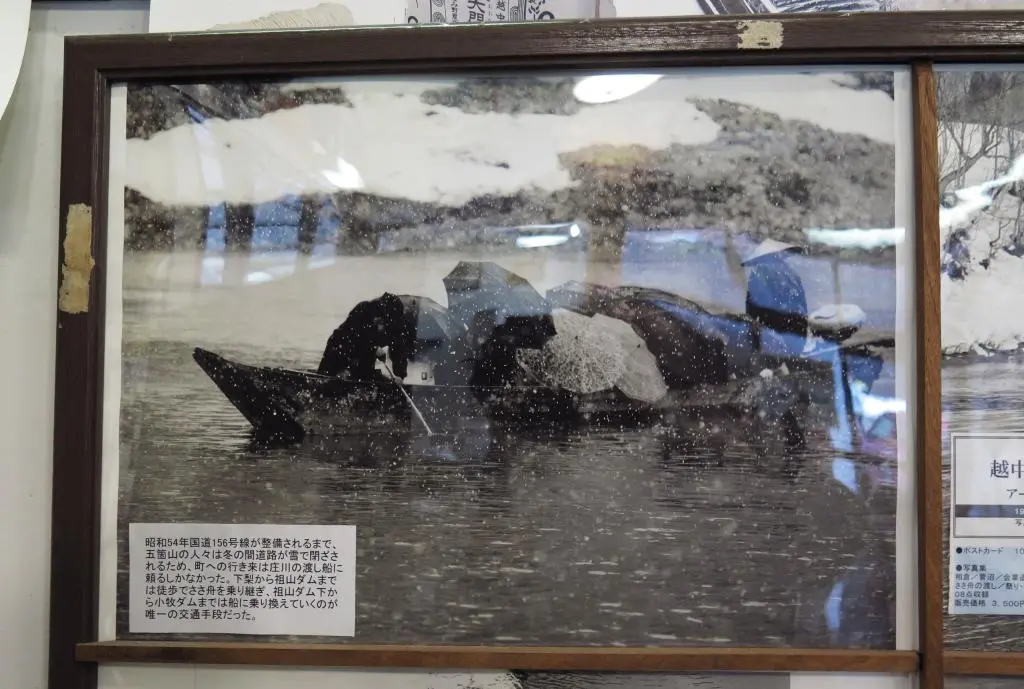
The Sho River is deep enough that it became a major transportation route for logging boats and for some speed boats when people needed to get in and out of the valley quickly. There were also boats that people used as ferries to cross the river and reach small settlements on the other side.
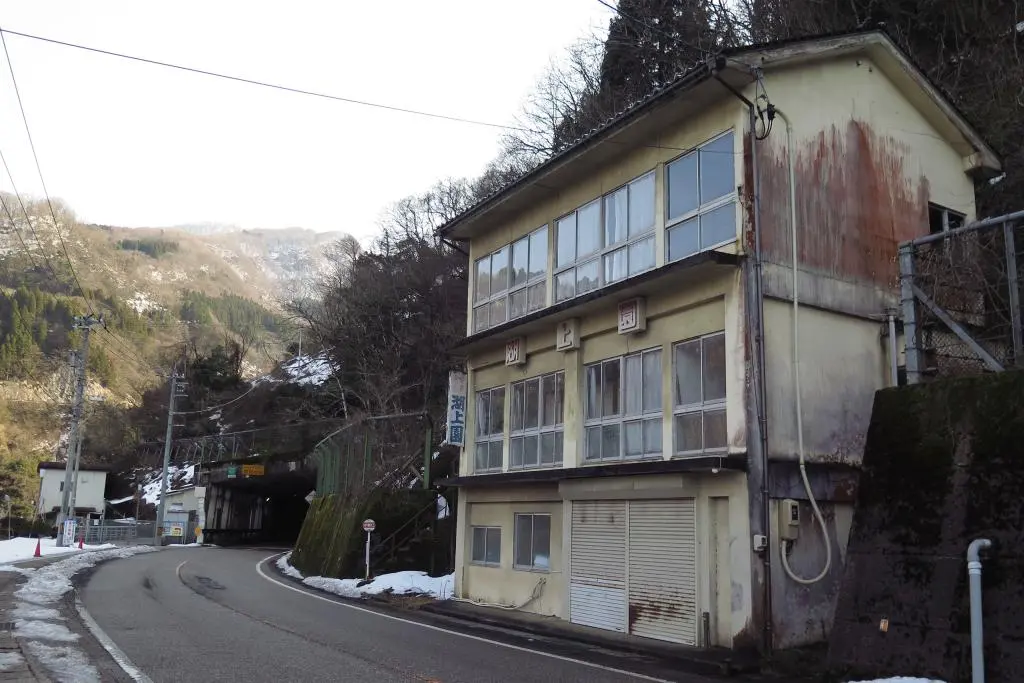
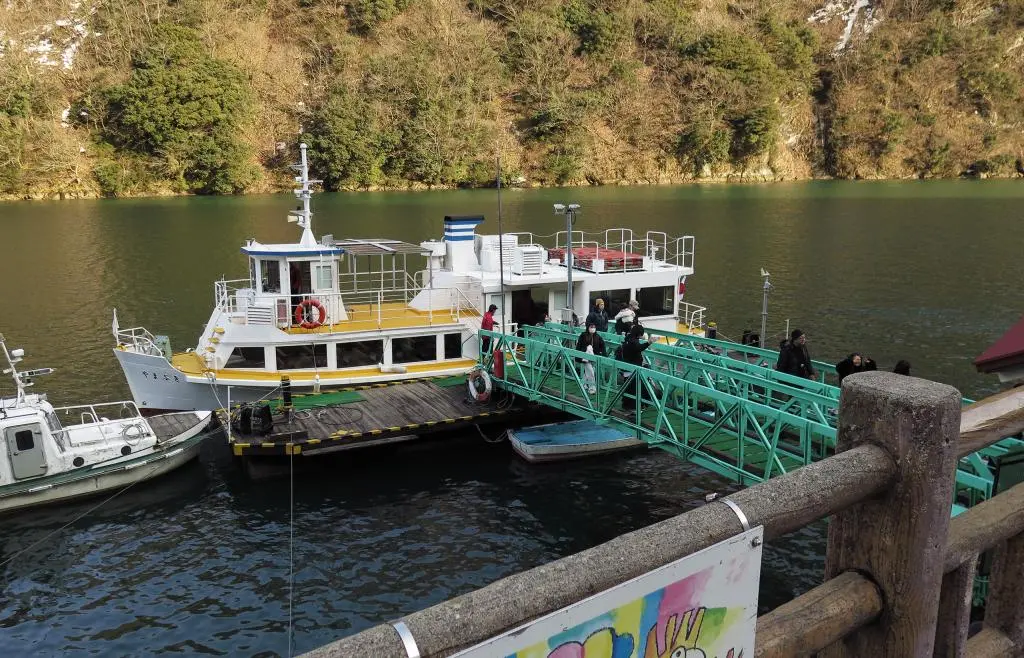
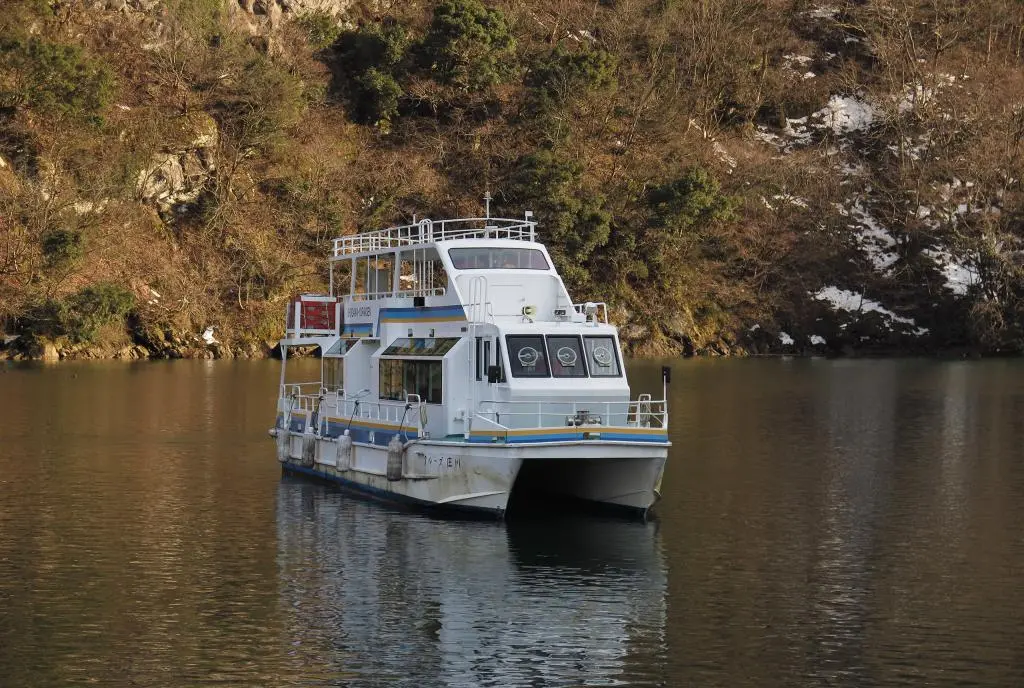
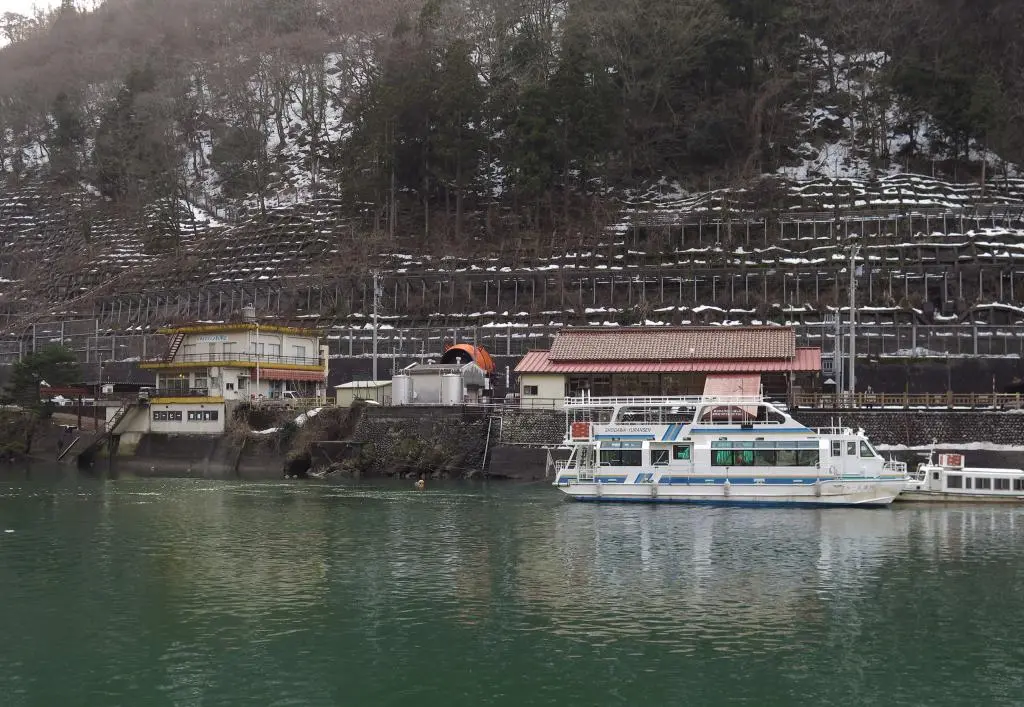
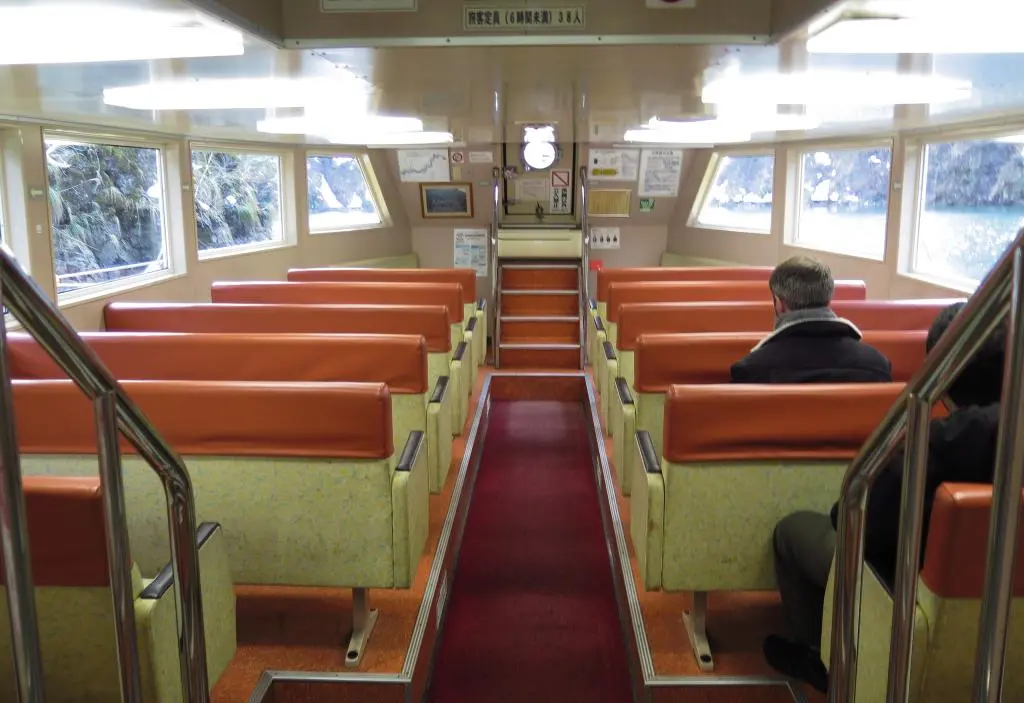
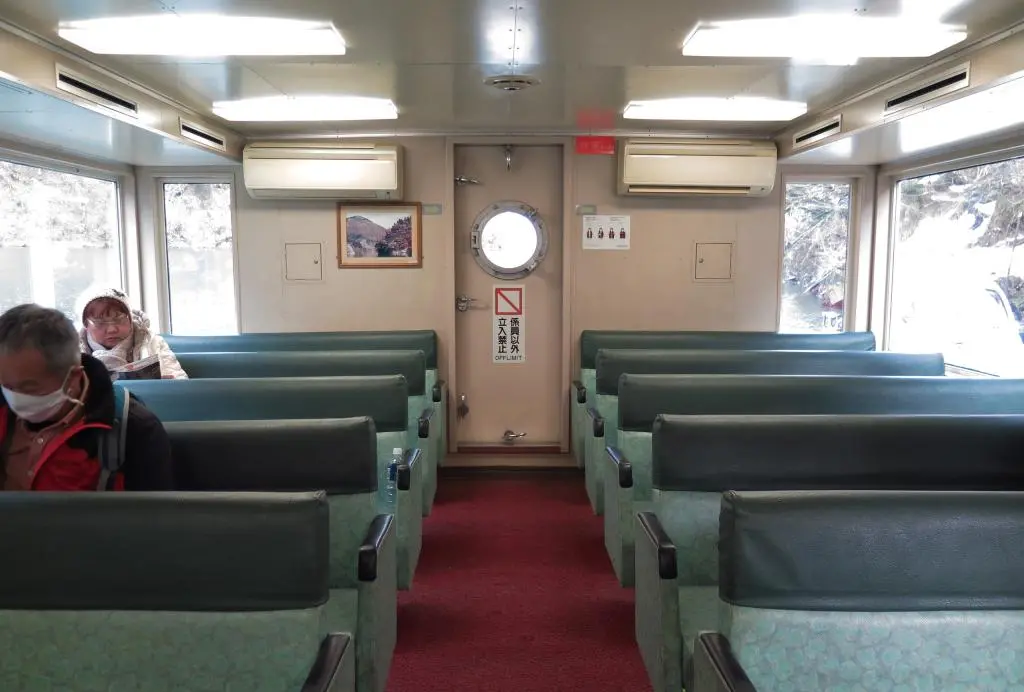
Today, you can charter a ride on a Shogawa Yuran ship to tour areas along the Sho River leading into Gokayama. I finally took a tour on the boat after traveling around Gokayama and learning about the history of its schools and old settlements for the past year.
There are two possible tour courses. The cheaper one (1200 yen) only goes up the river a little bit to Nagasaki Bridge. The more expensive tour (3400 yen) is a round trip that travels all the way to Omaki Onsen. Even if you're staying a night at Omaki Onsen, I think you still gotta pay.
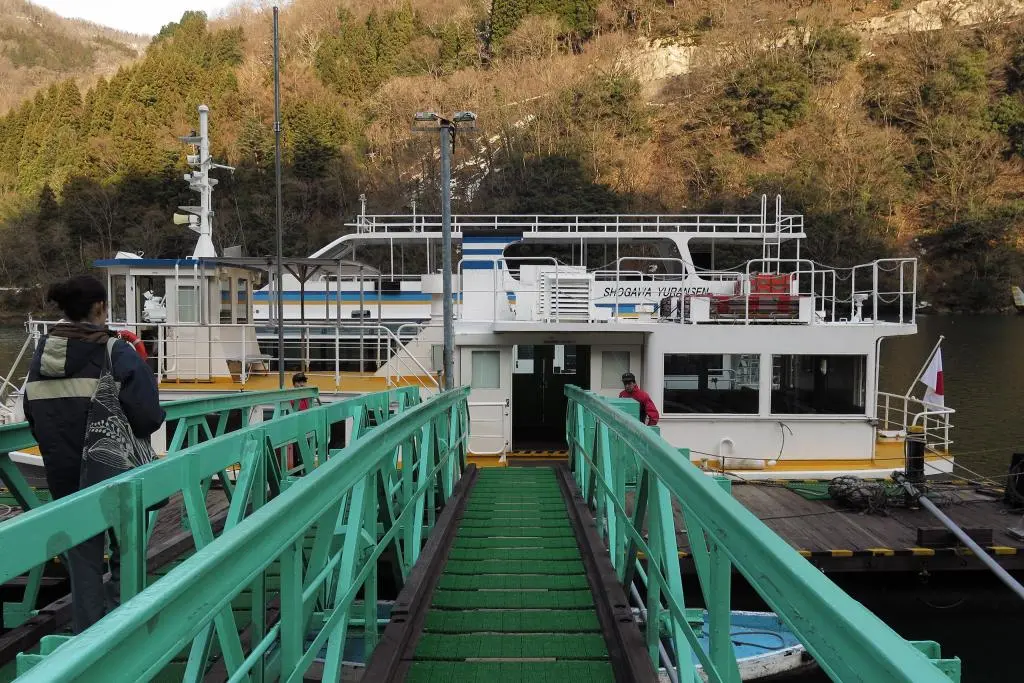
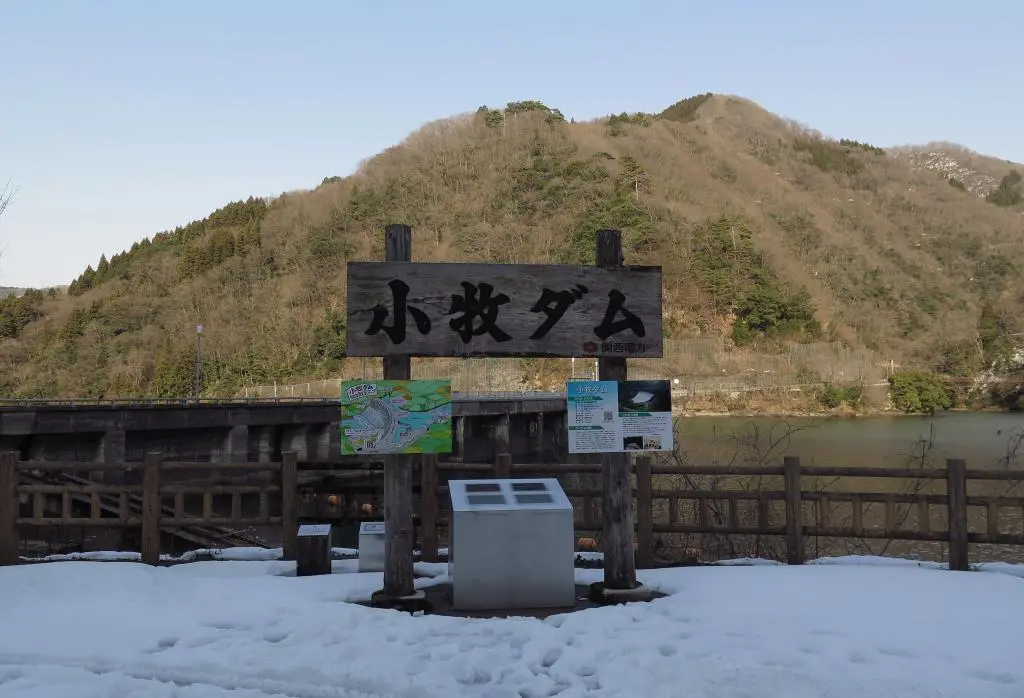
The cruise line was first established in the early 1930s after the completion of the Komaki Dam and it was the primary means of transportation for Omaki Onsen. Prior to the dam's construction, the people of Gokayama valley knew of the therapuetic hot springs along that point of the Sho River. It became a very popular, and people often traveled from far away to visit.
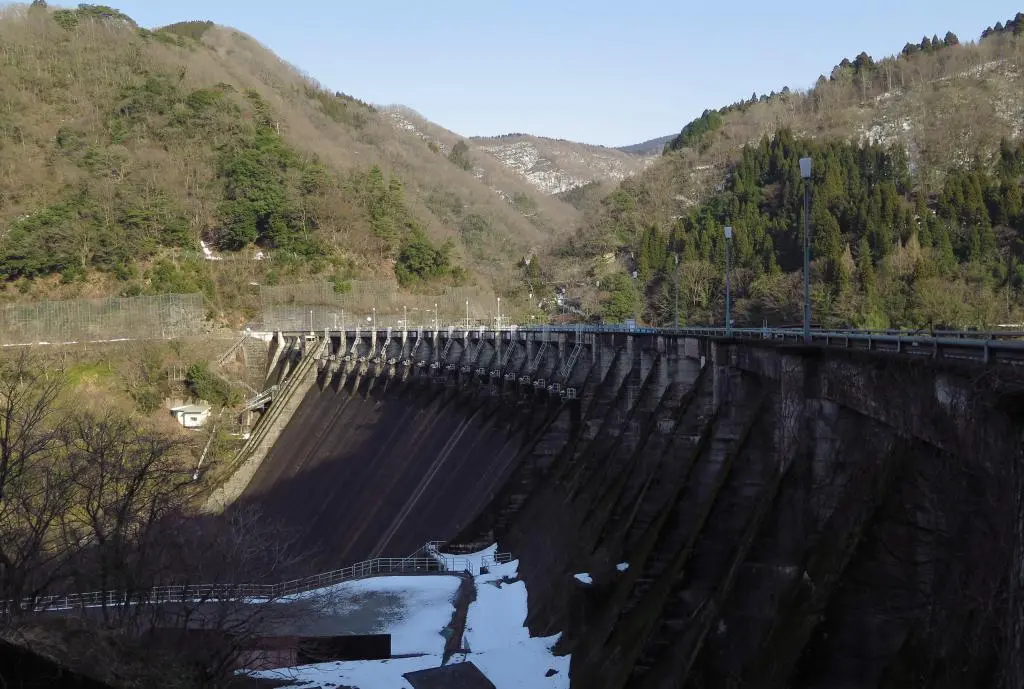
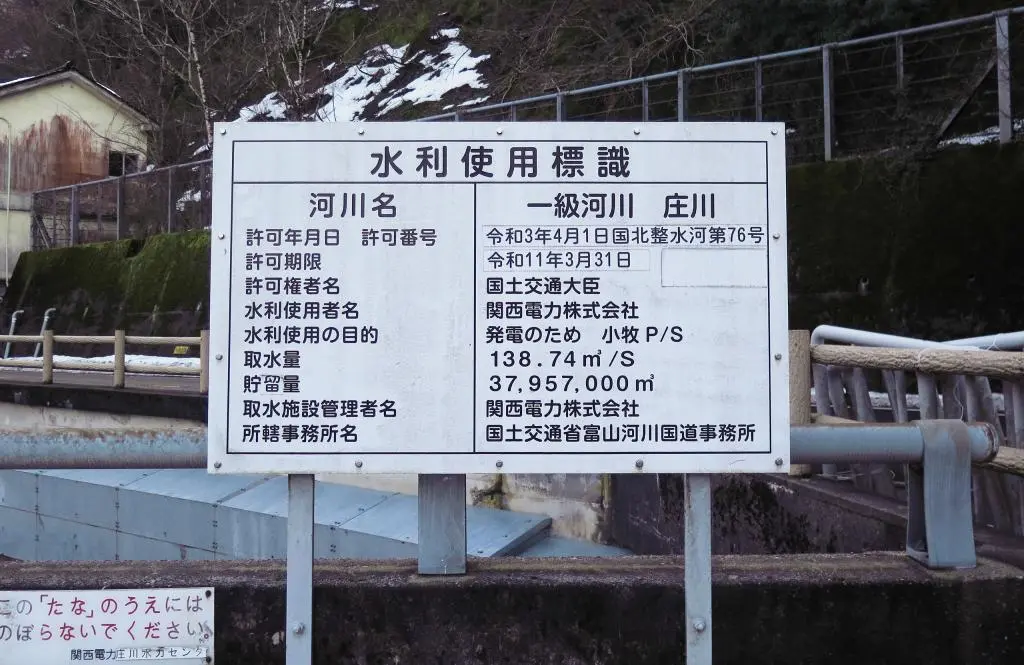
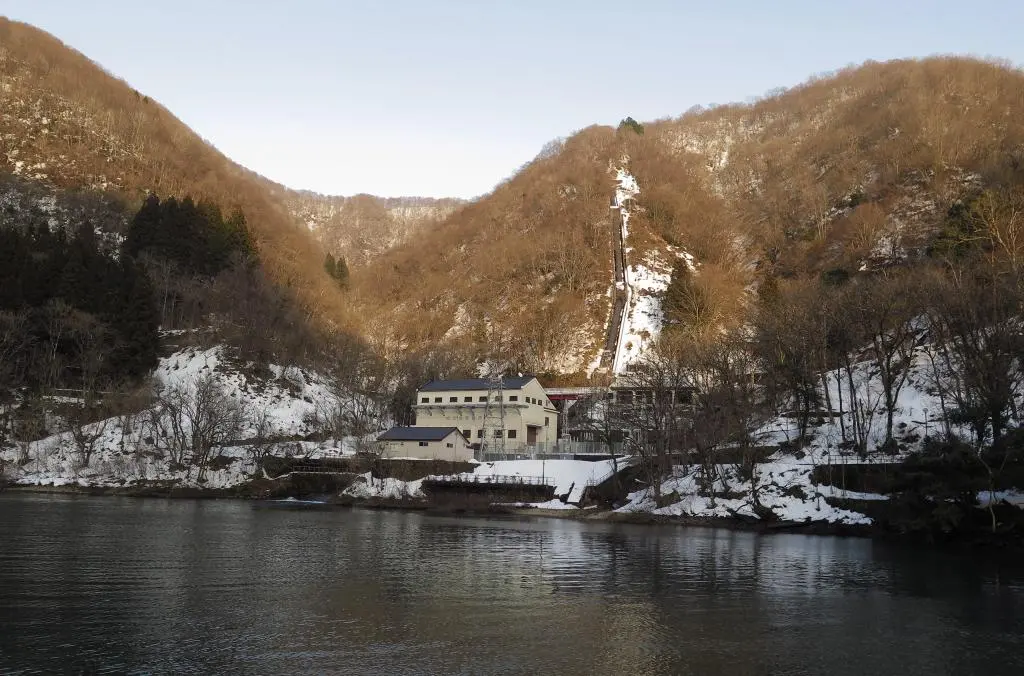
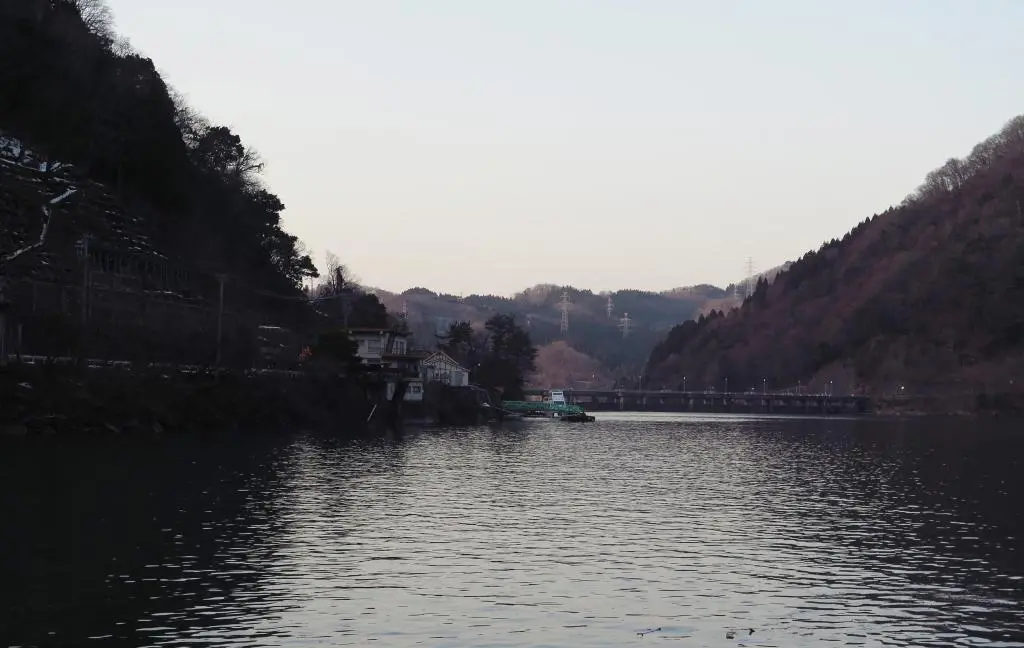
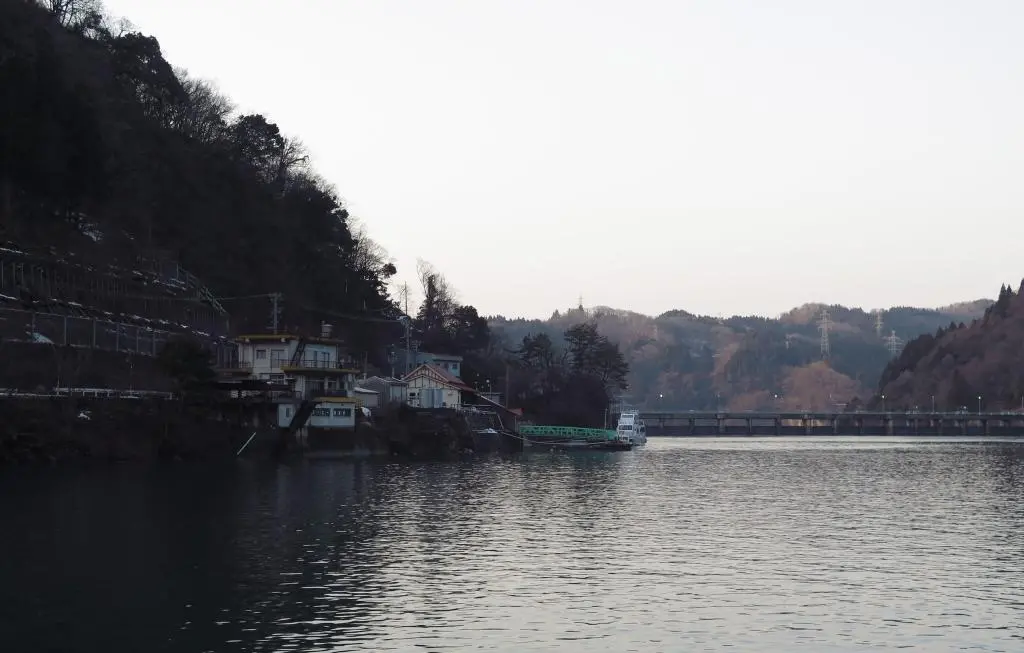
After World War I, Japan focused on its industry and owners of construction and power companies looked for ways to increase their reach. In the 1920s, an electric company sought to build a dam at the base of Sho River to harness its energy. When the dam was complete in 1930, the original Omaki Onsen became completely submerged. Because the onsen was so popular, a new hotel using the onsen water was built, and the Shogawa Yuran line was established.
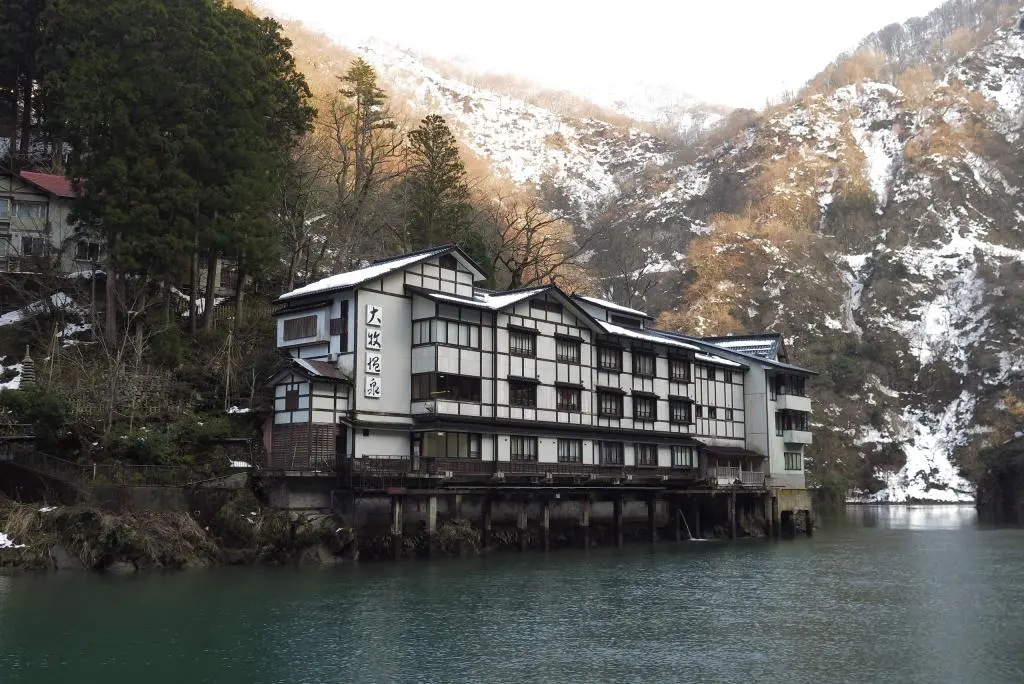
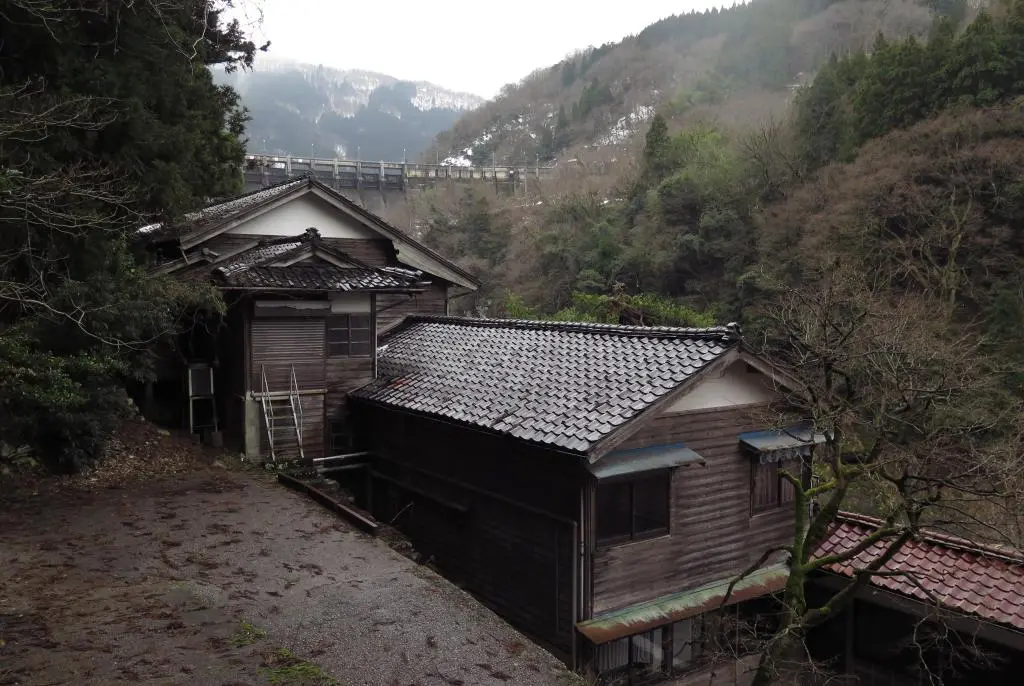
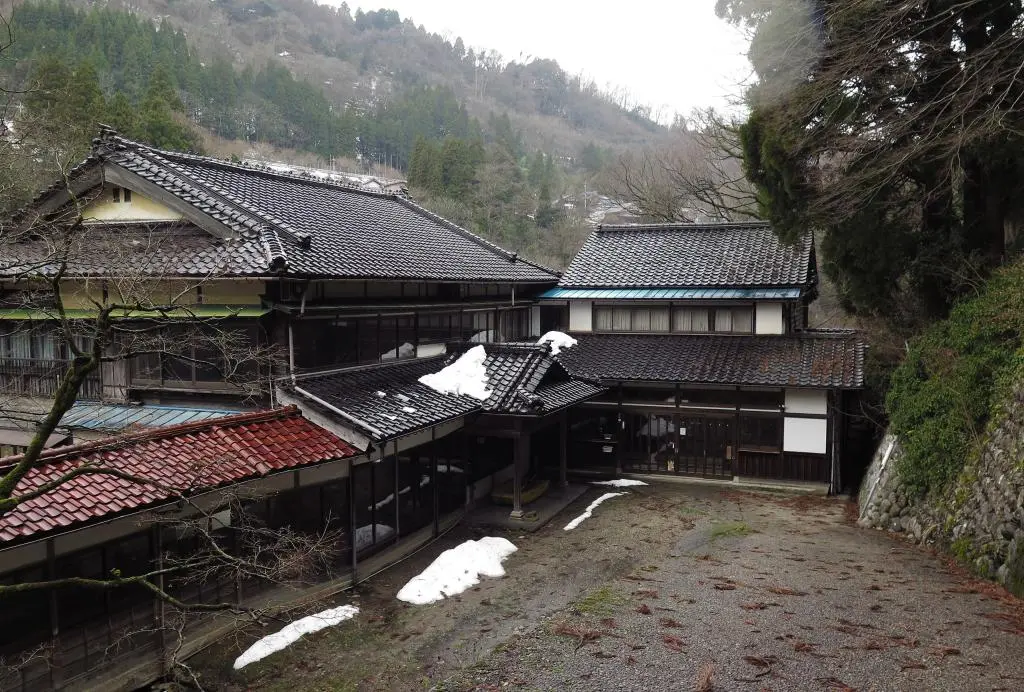
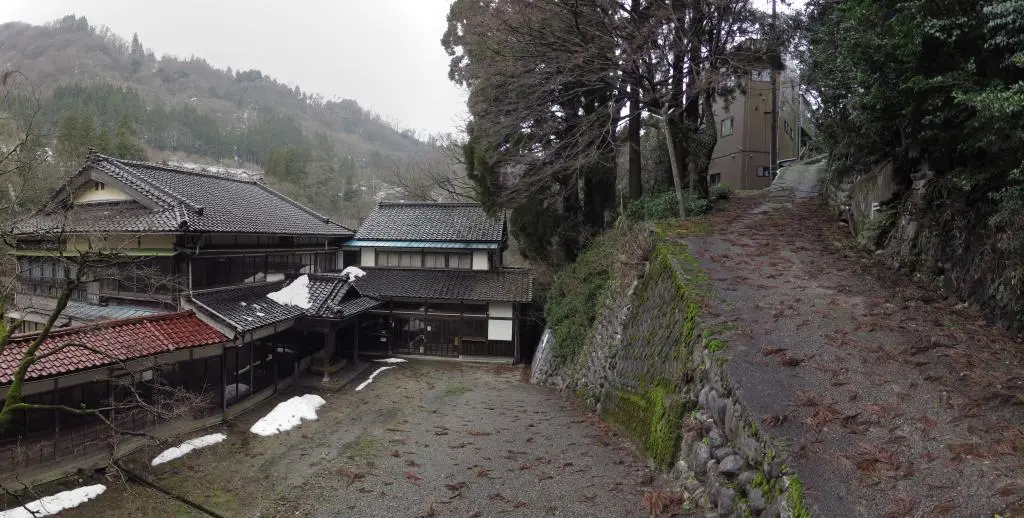
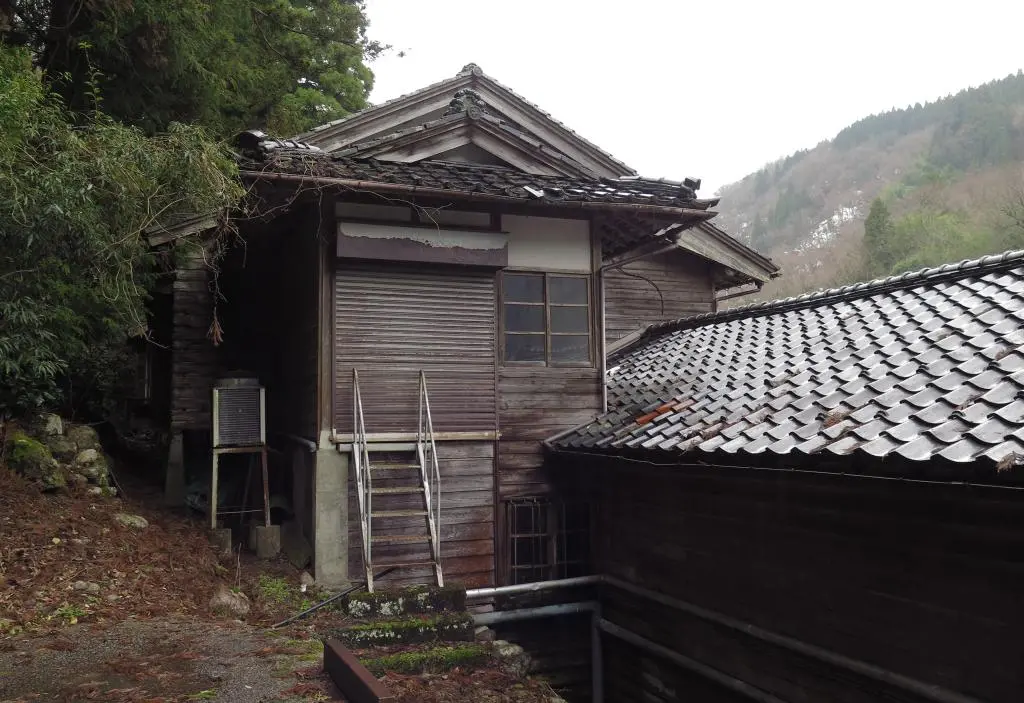
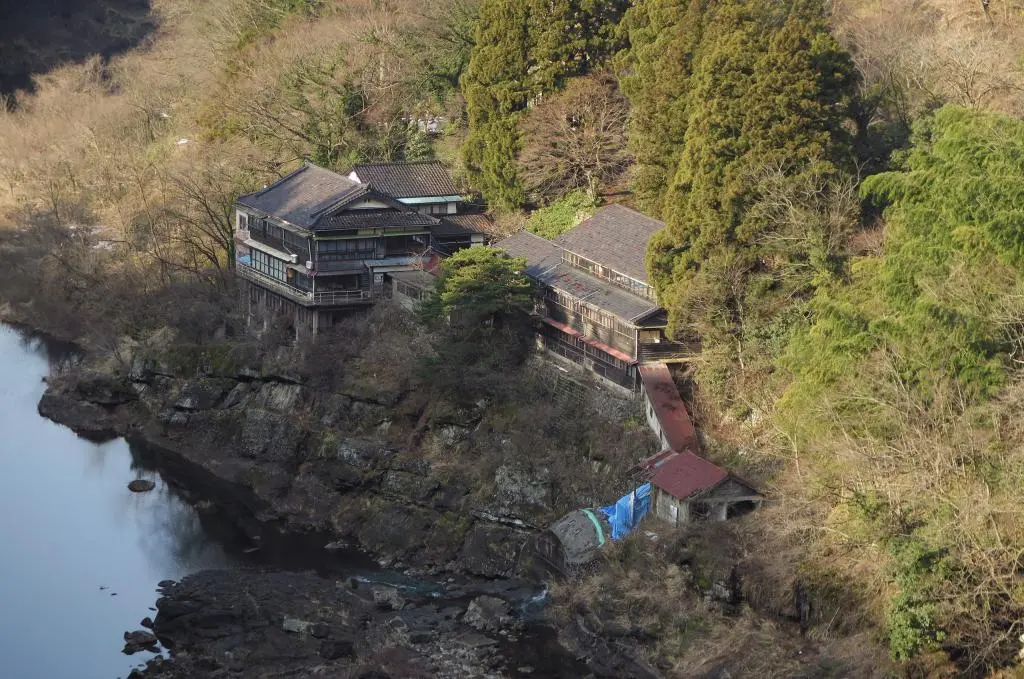
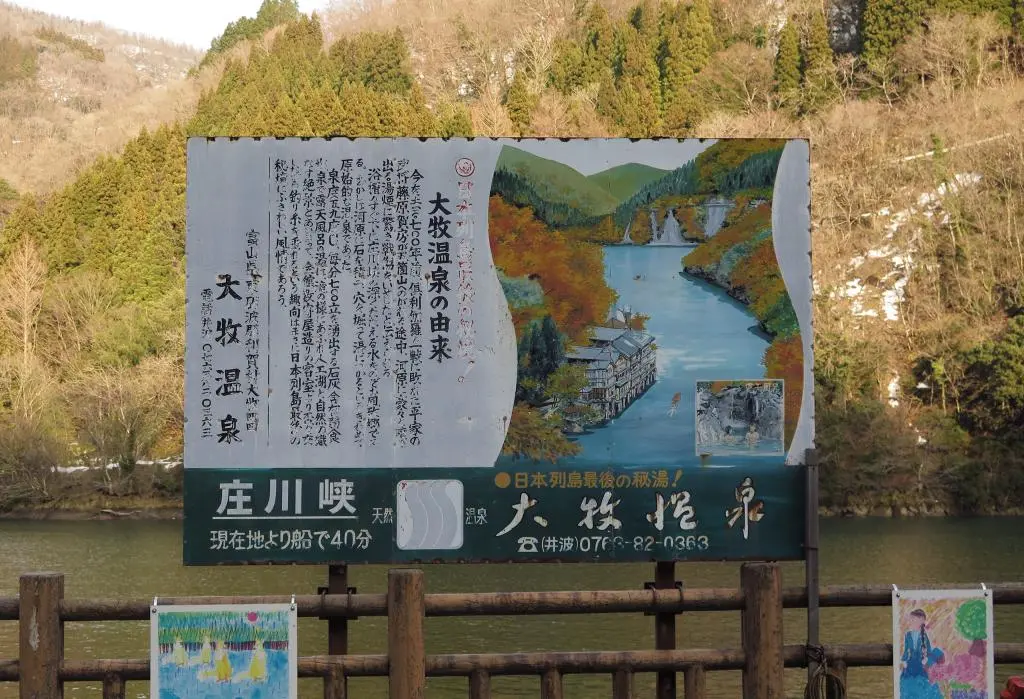
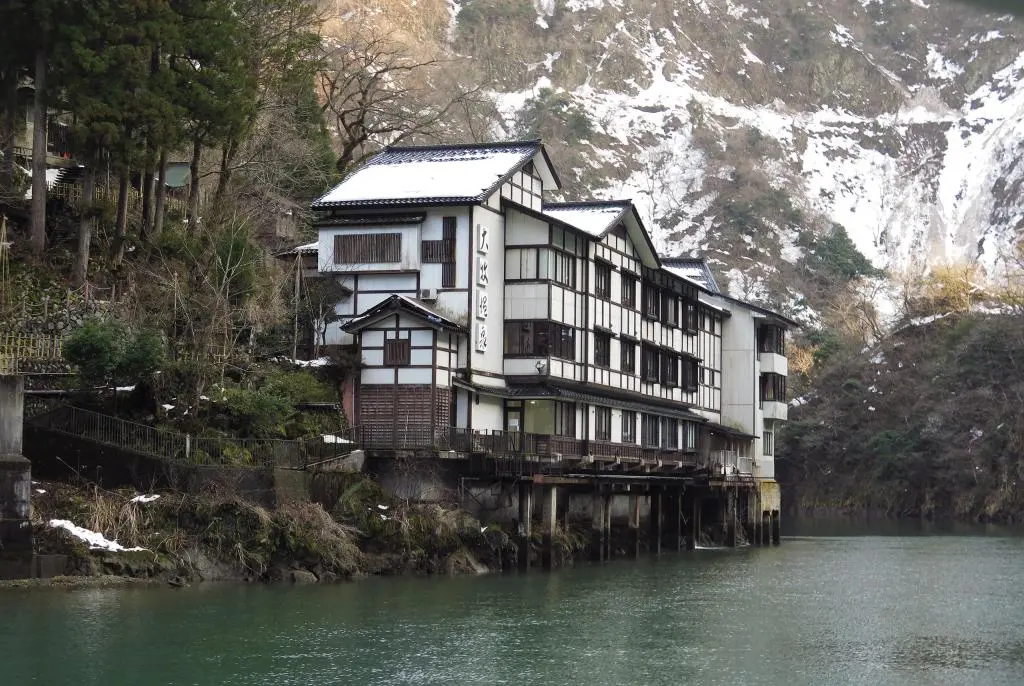
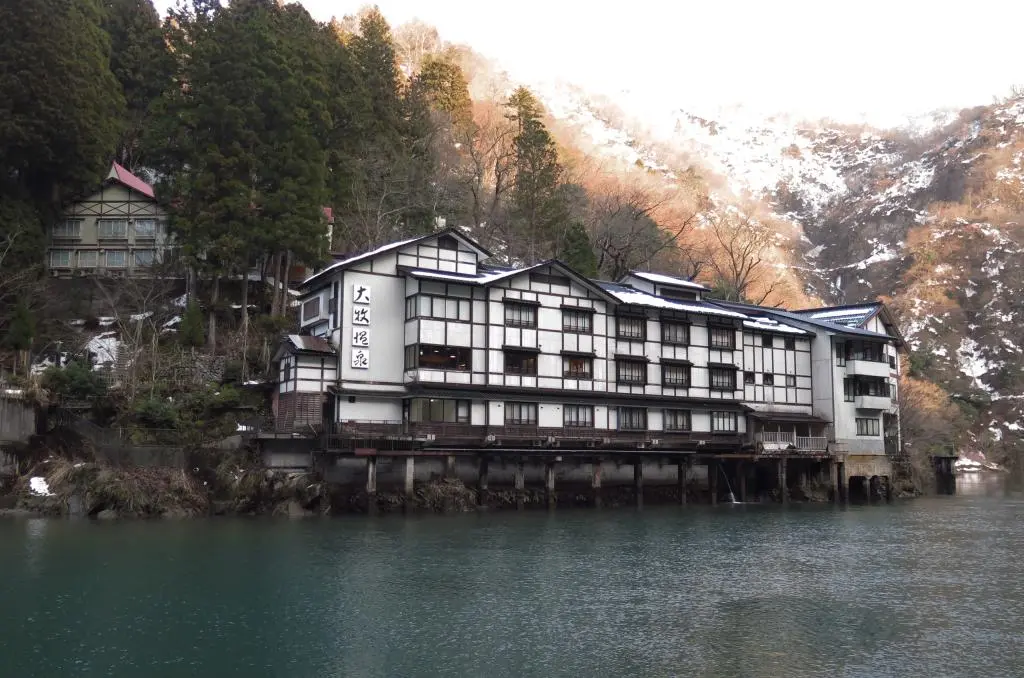
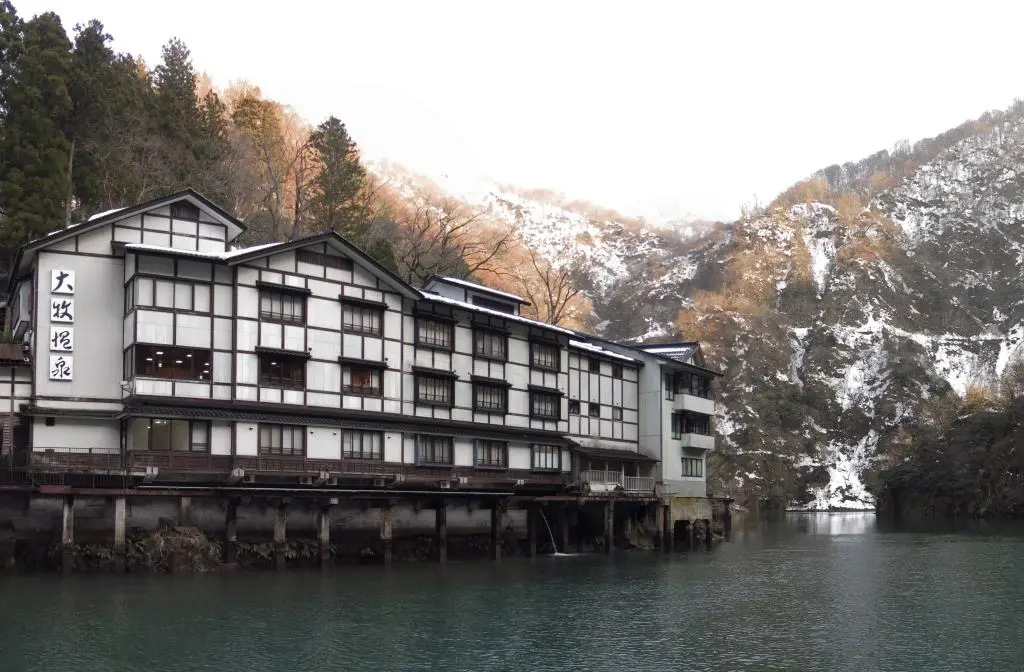
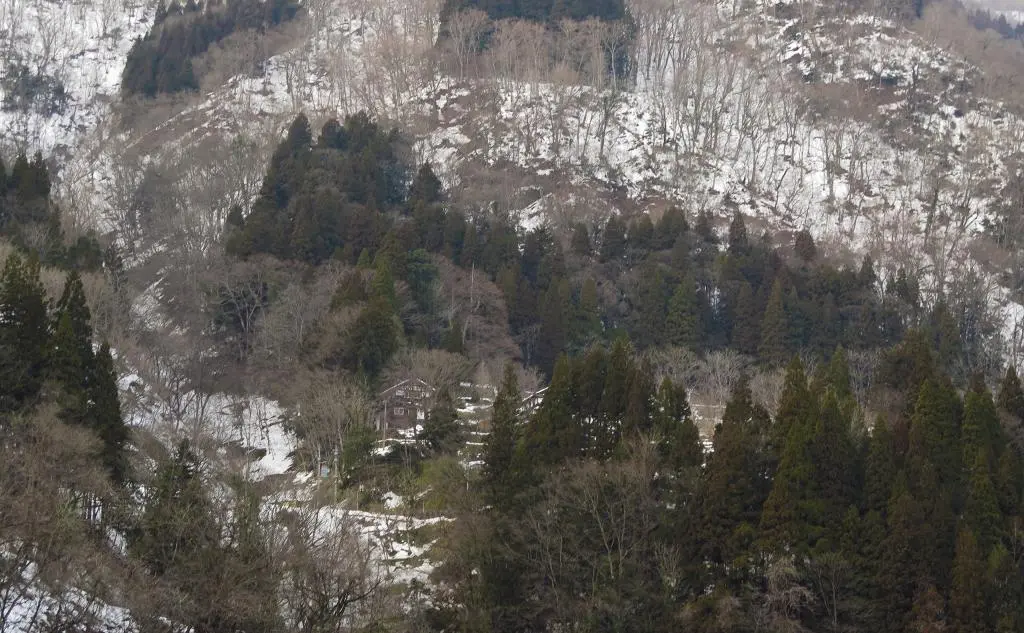
Omaki Onsen was built on the east bank of the river away from any roads, so it became infamous as a "hidden" hotel that you could only access by boat. That's still true today (although I think there are some secret roads you can take to drive there). When you take the Shogawa Yuran cruise, it will do a final driveby of the inn before stopping at the dock.
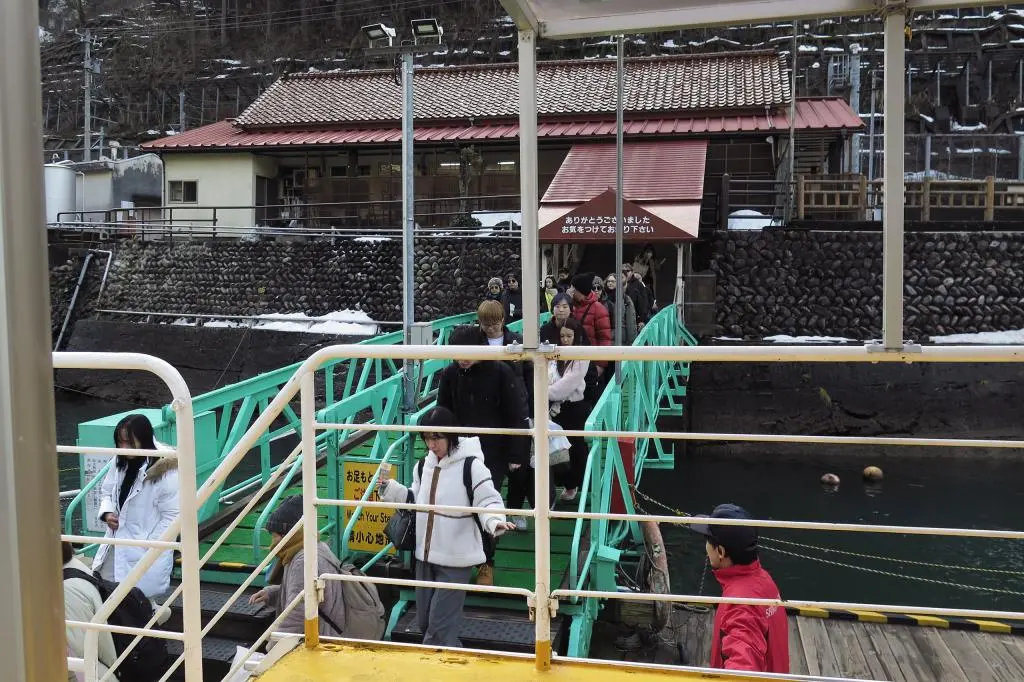
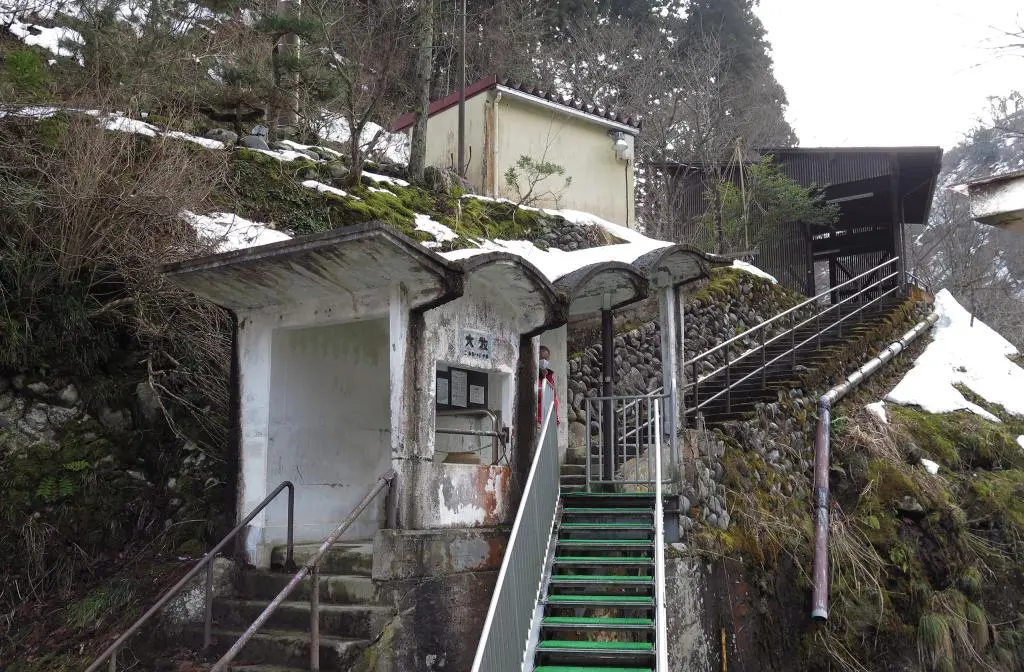
This was as close as I could get. If you aren't spending the night, you should stay on the boat. I took the last tour of the day, so if I got off, I would have no ride back until the next day. If you took an earlier tour, maybe you could get off and attempt to sneak on a later cruise back to the dam.
I would love to take a closer look at Omaki Onsen, but a nights stay is close to 50,000 yen! (around $330). No way am I spending a month's rent on one night's stay. It seems like you must have a reservation in order to enter the premises. One-day trips seem not possible unless I'm missing something.

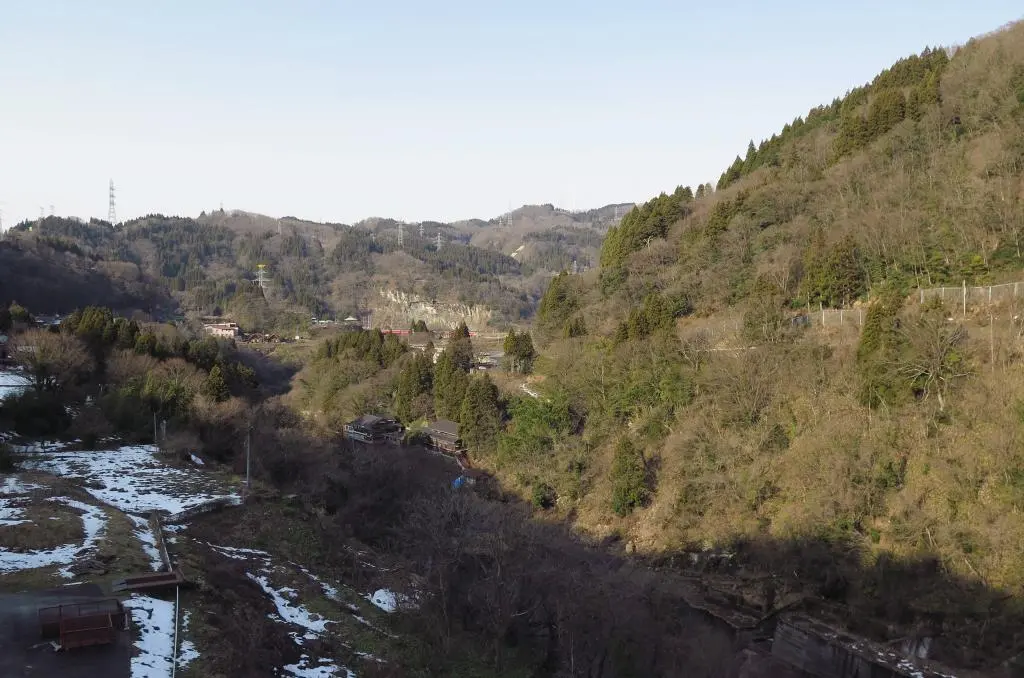
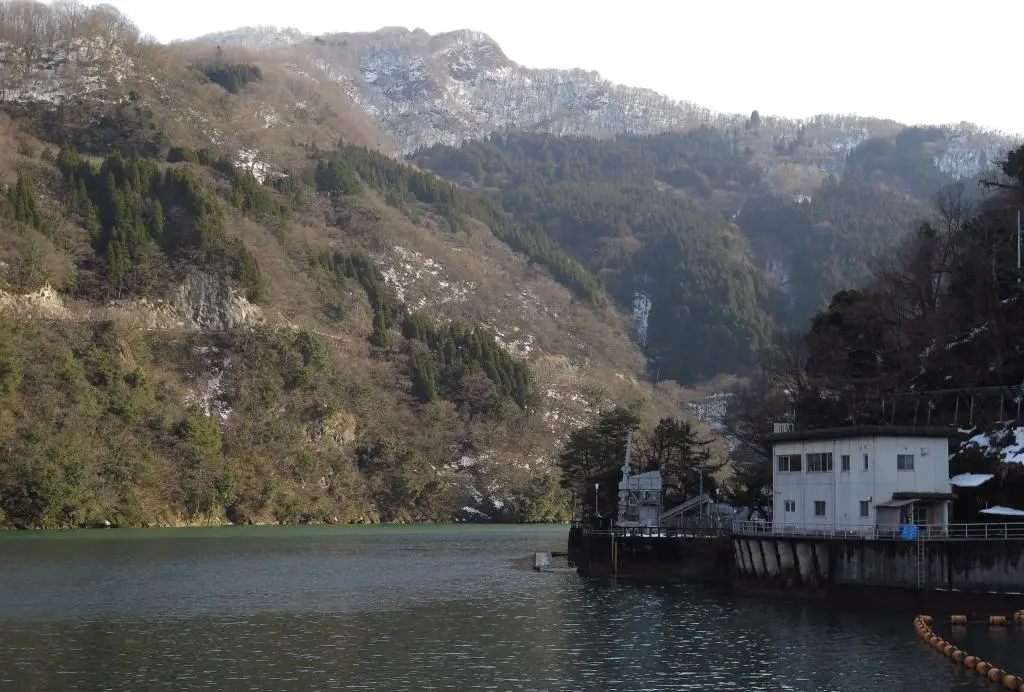
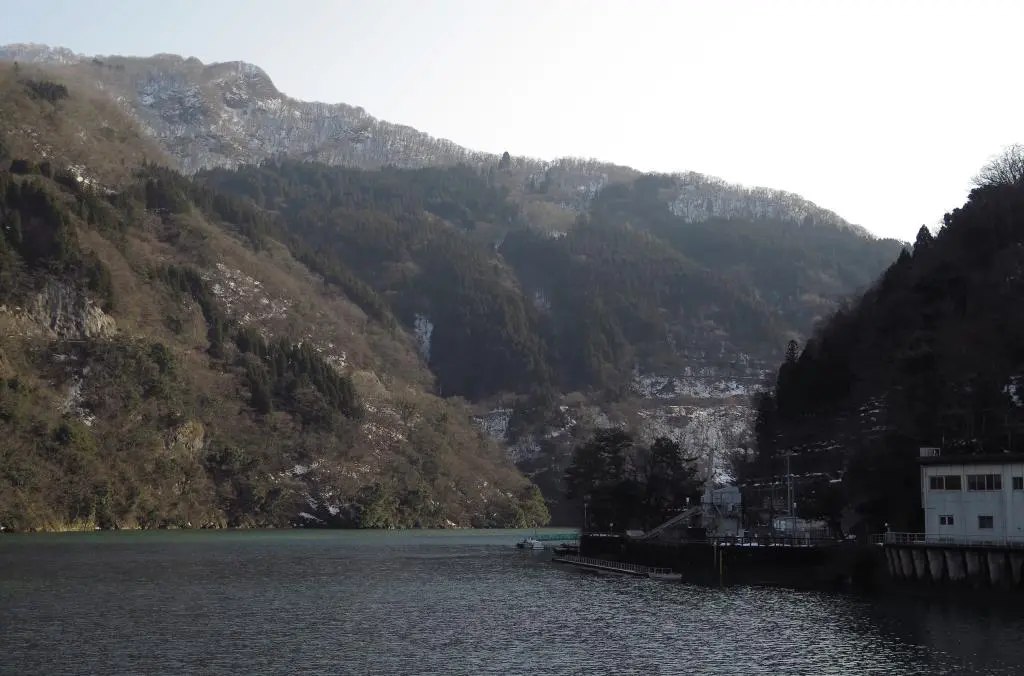
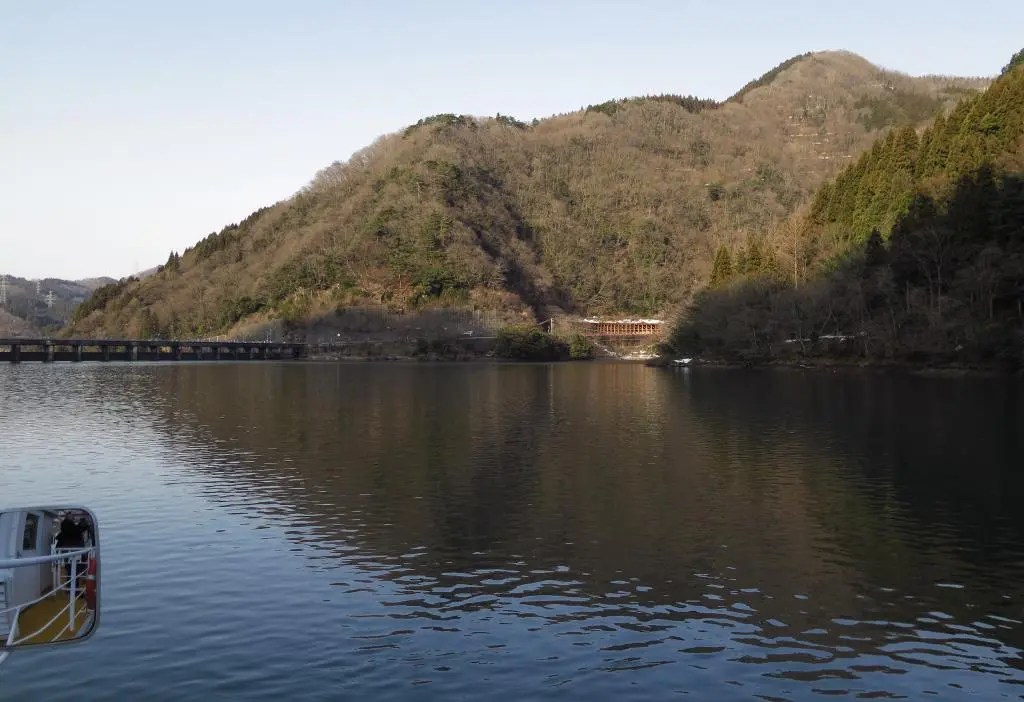
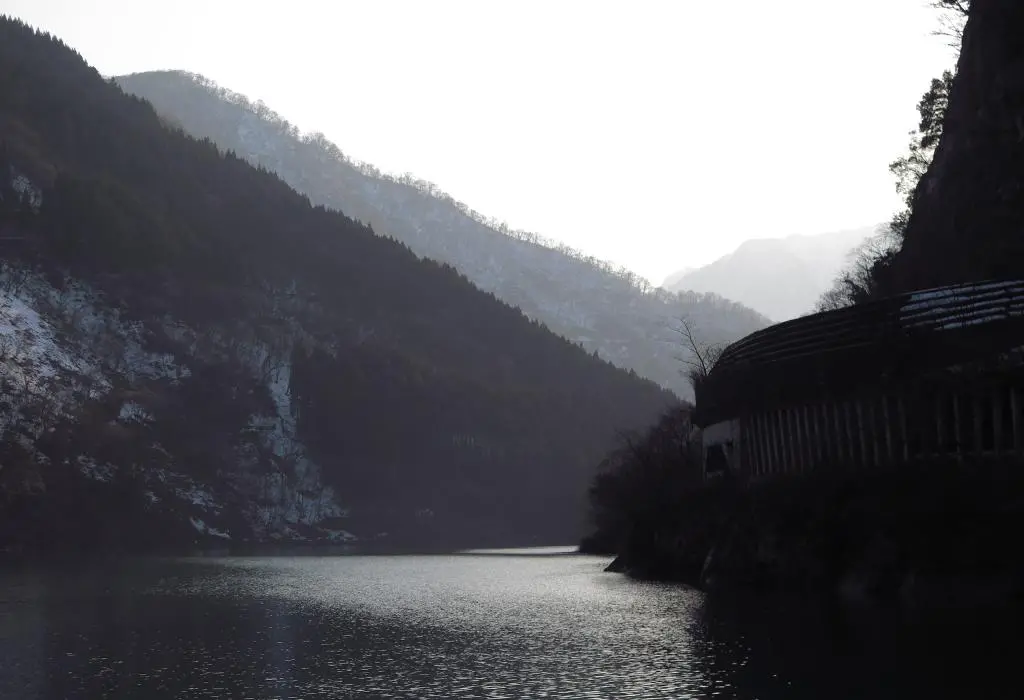
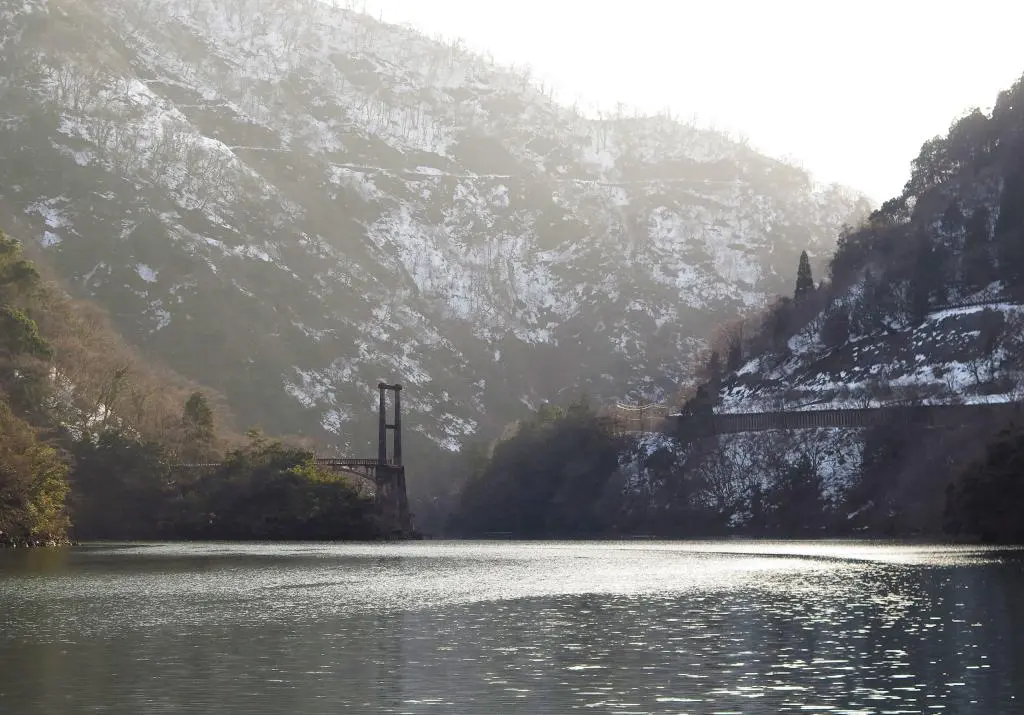
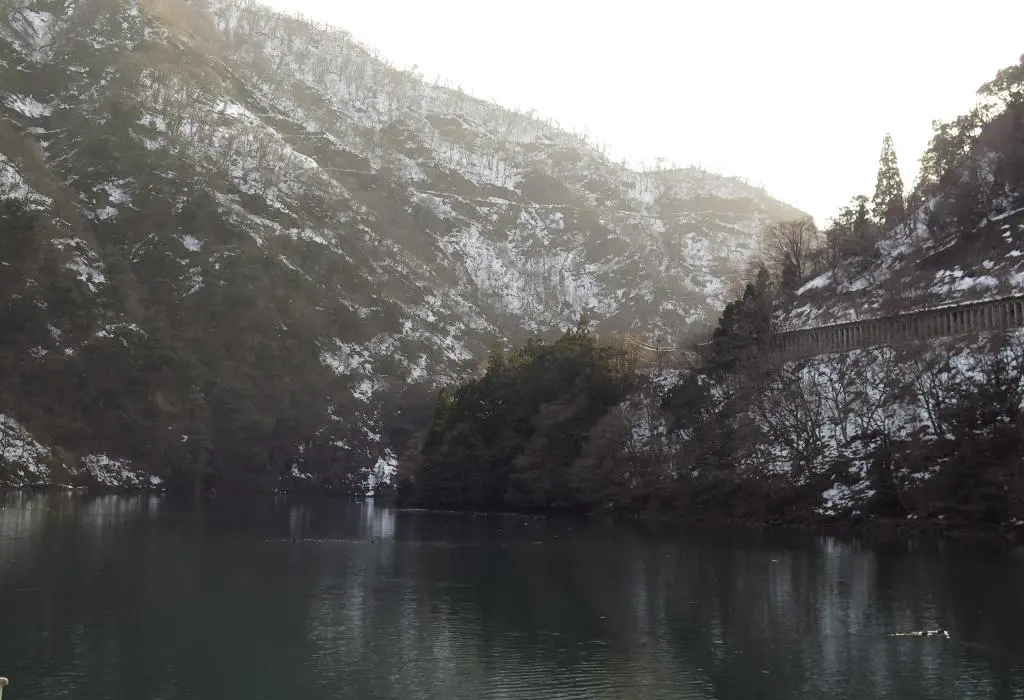
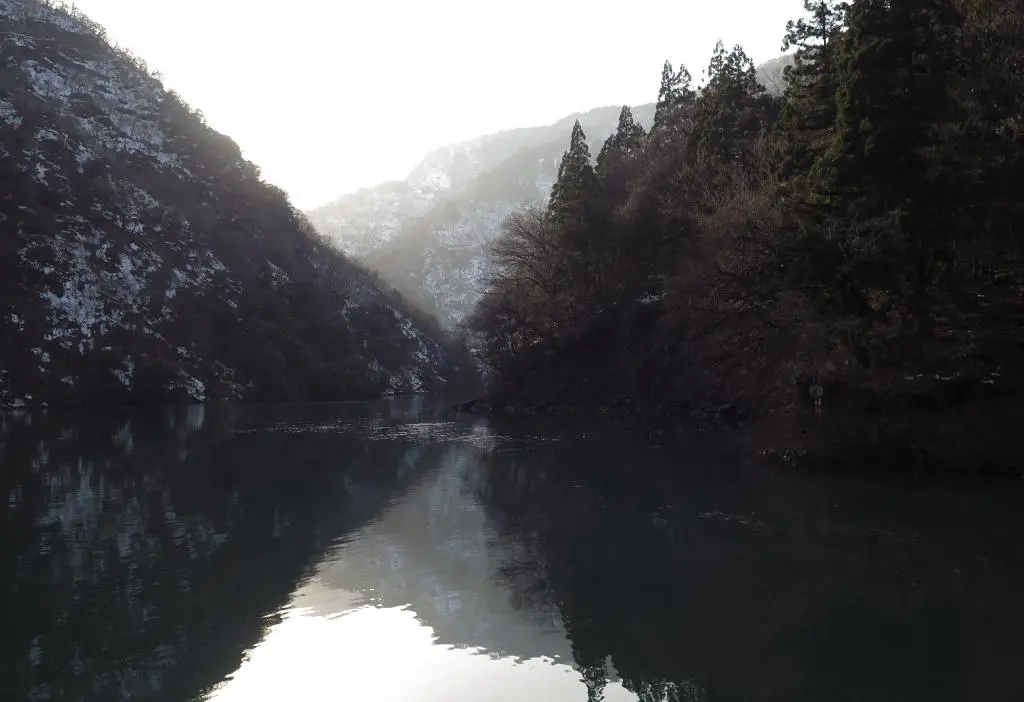
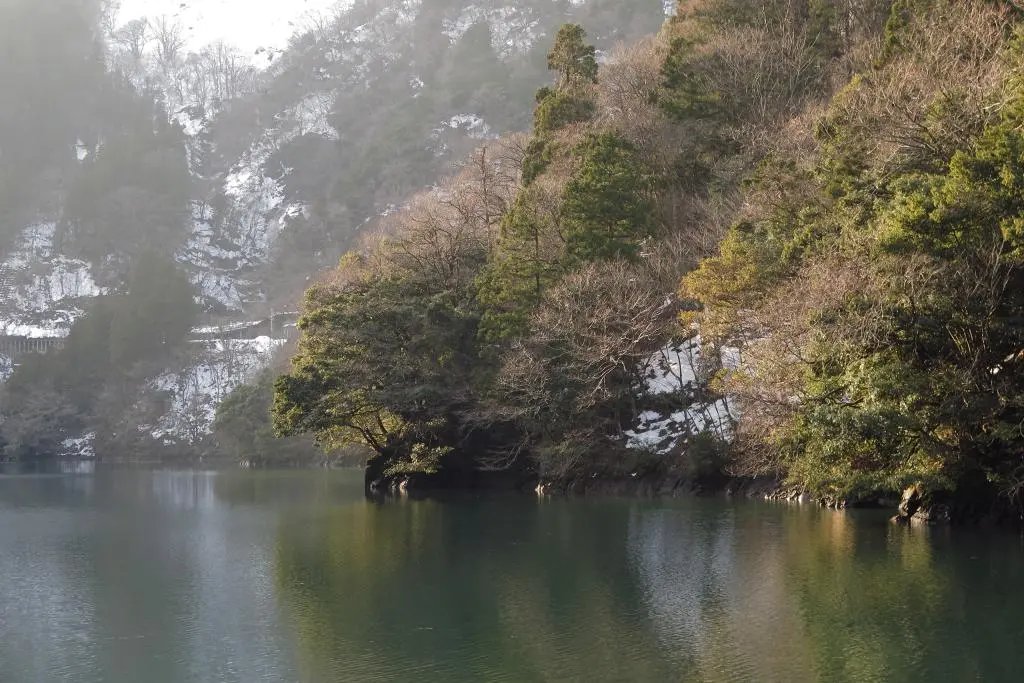
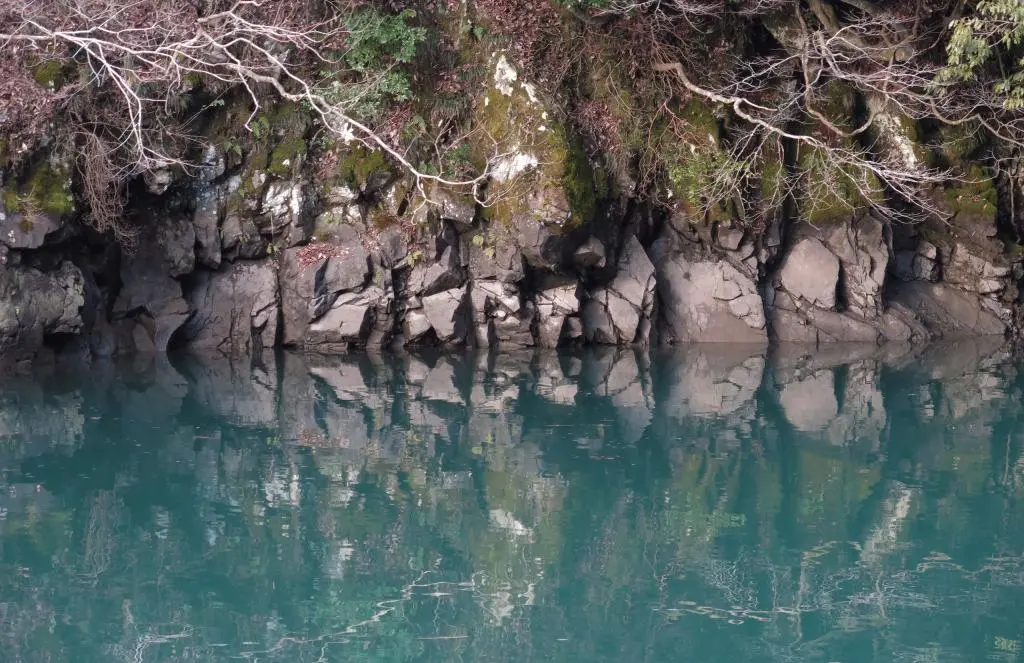
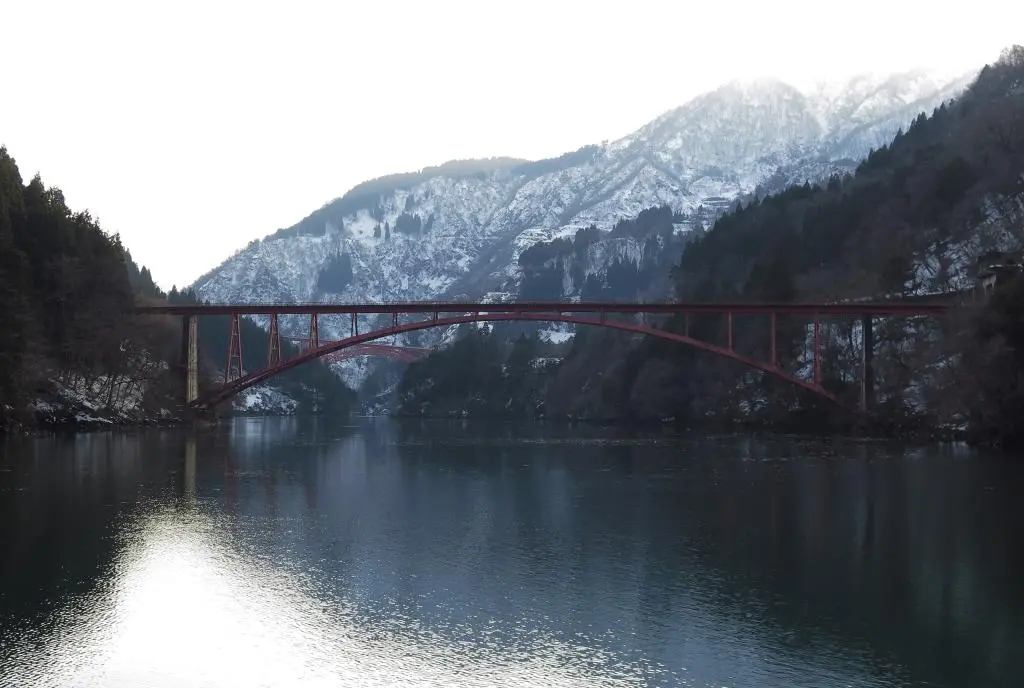
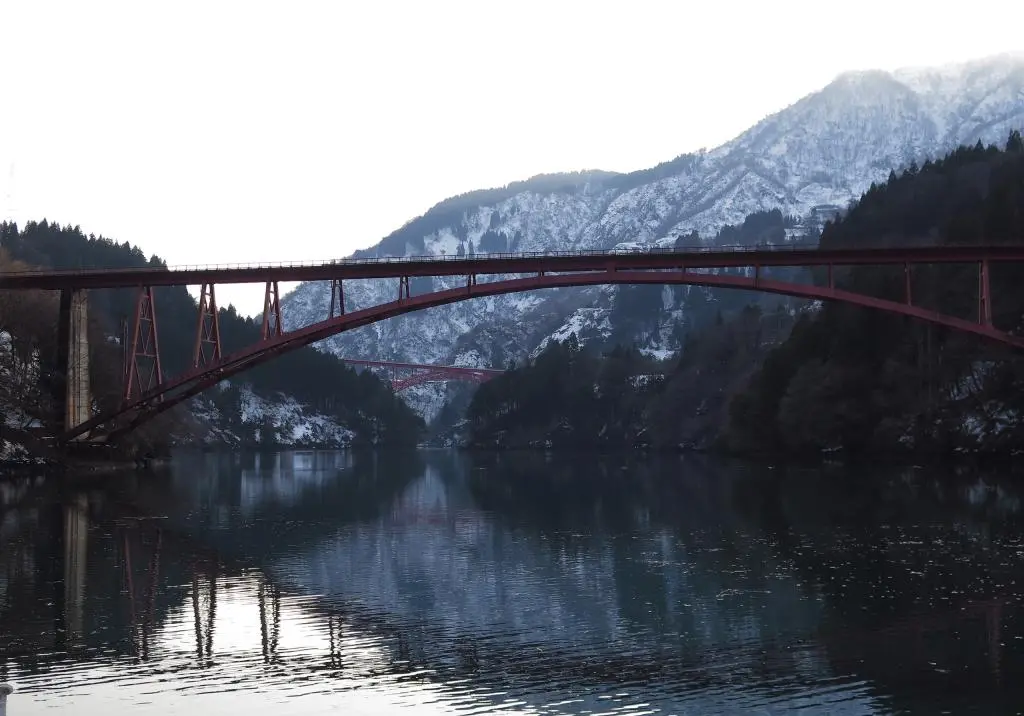
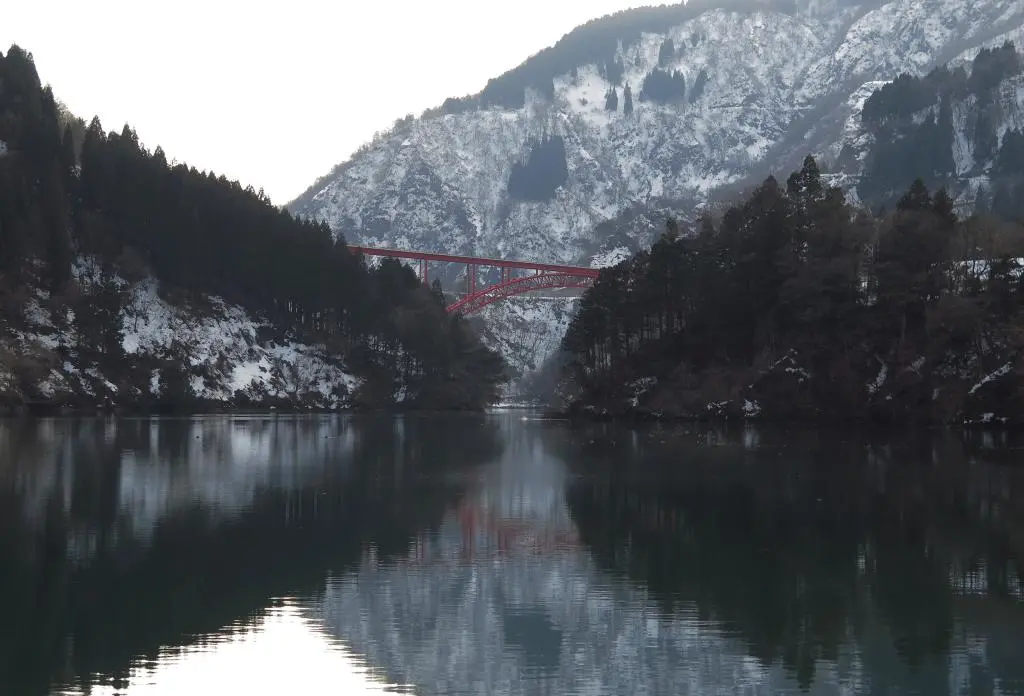
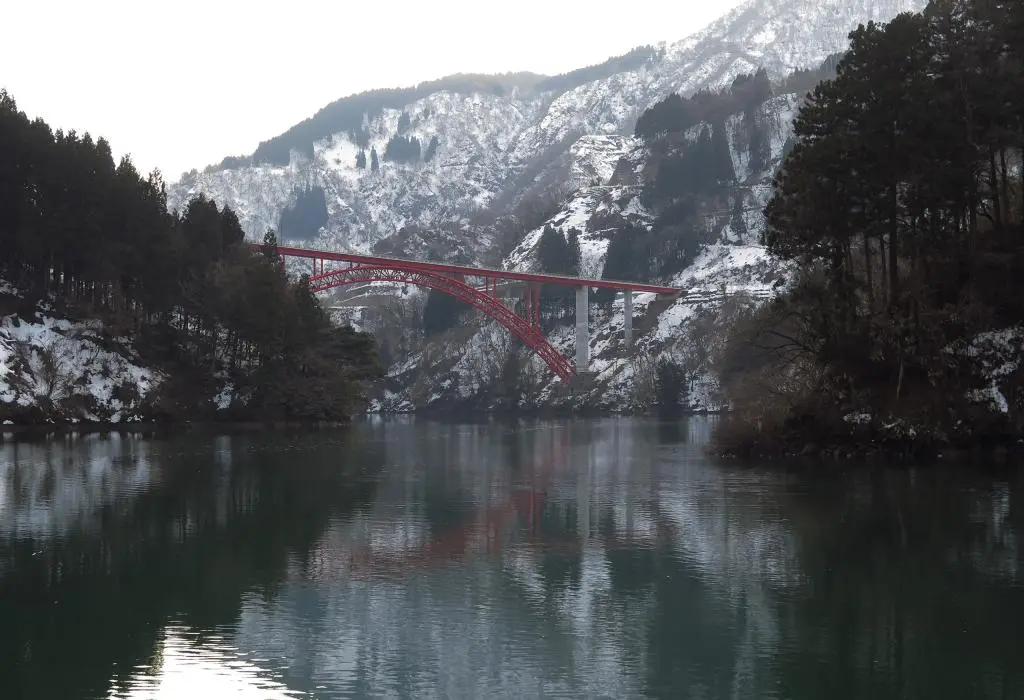
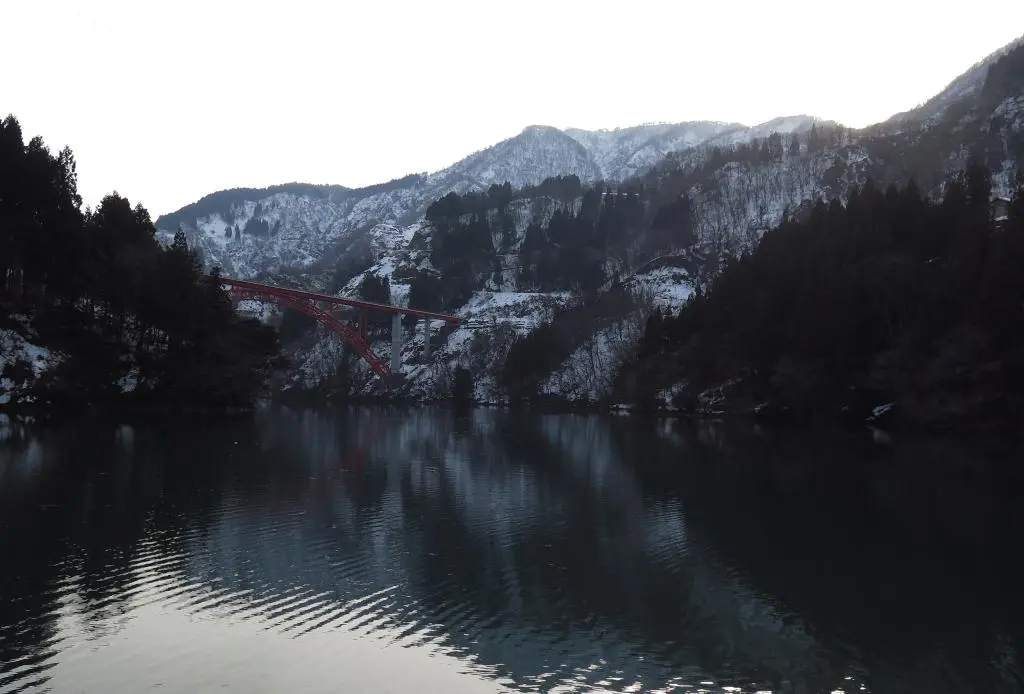
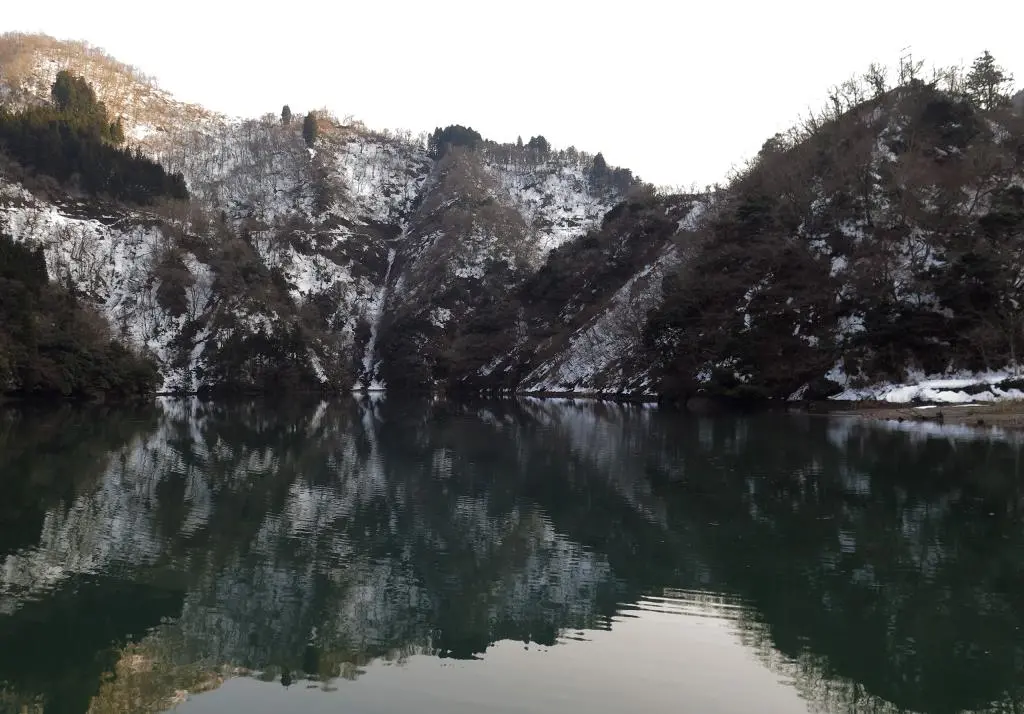
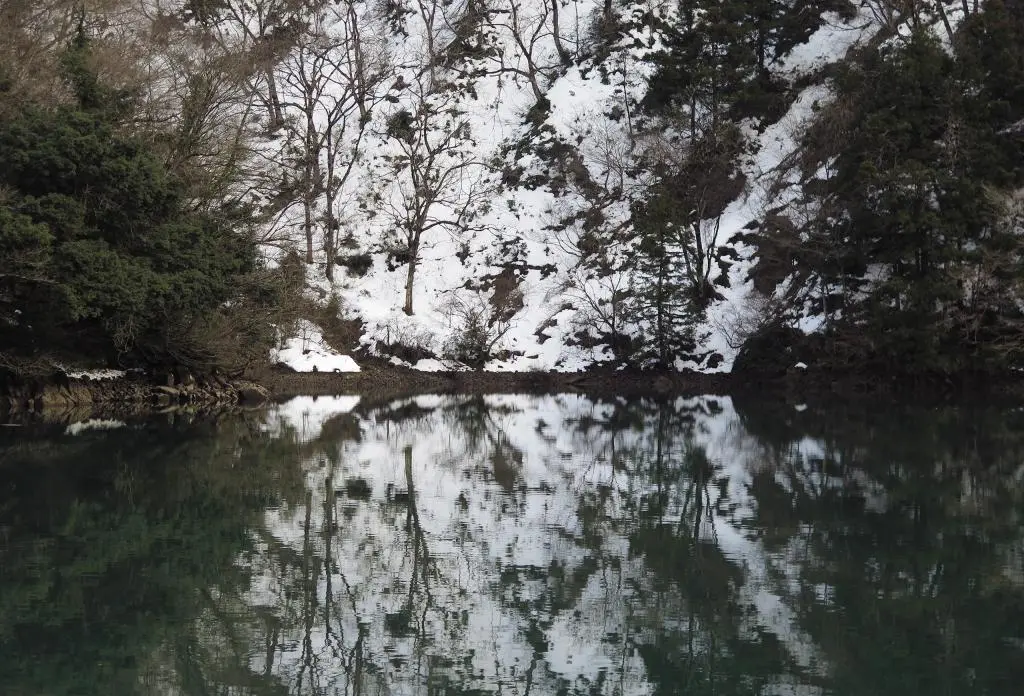
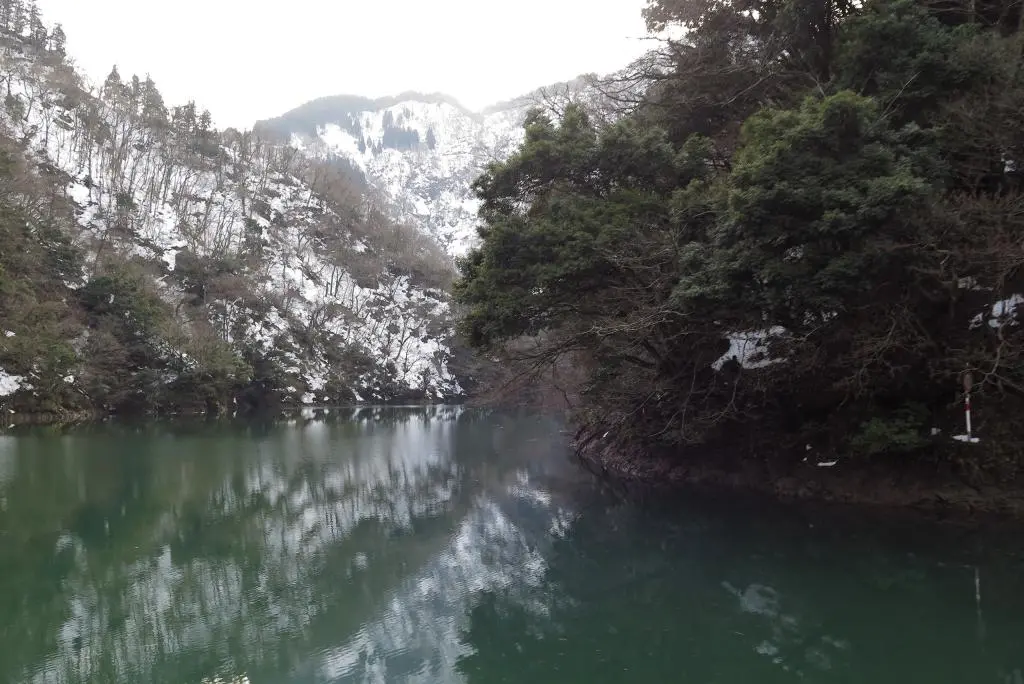
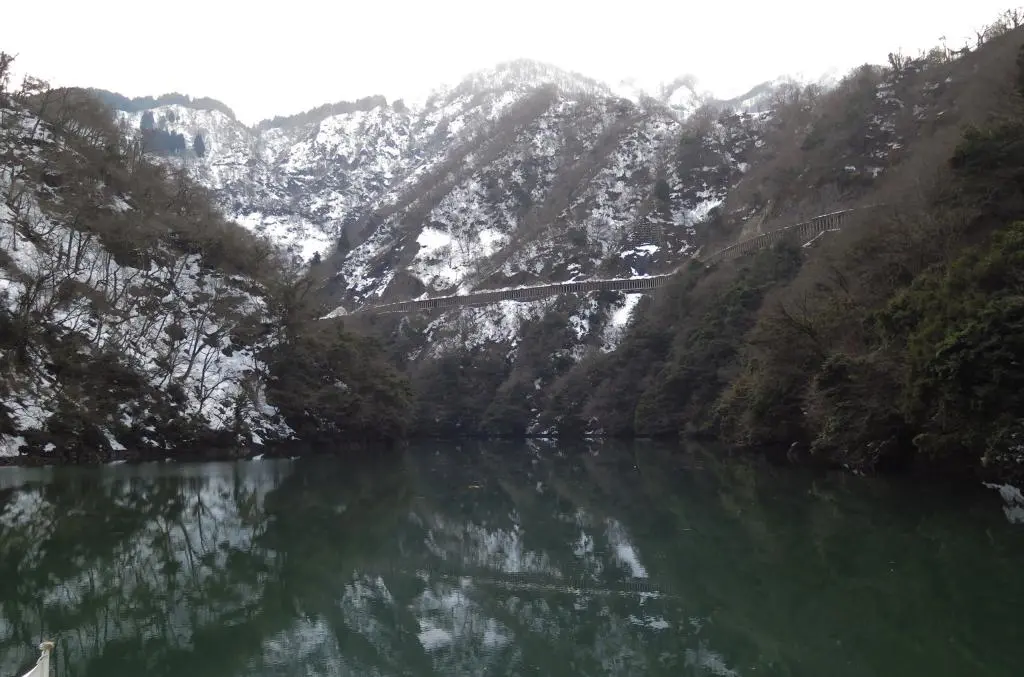
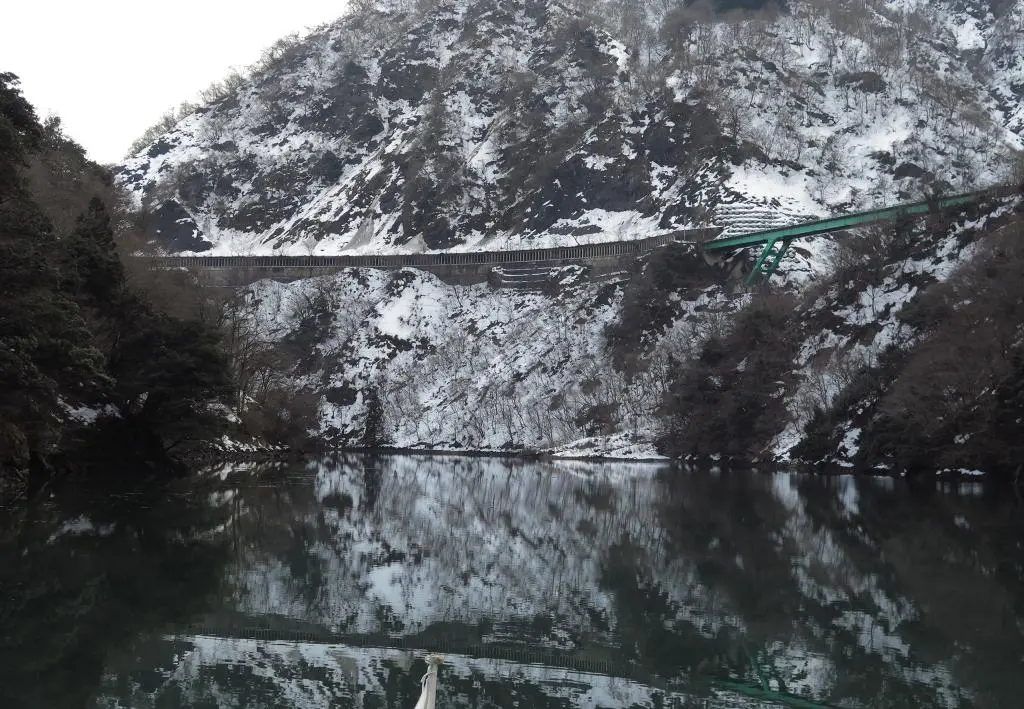
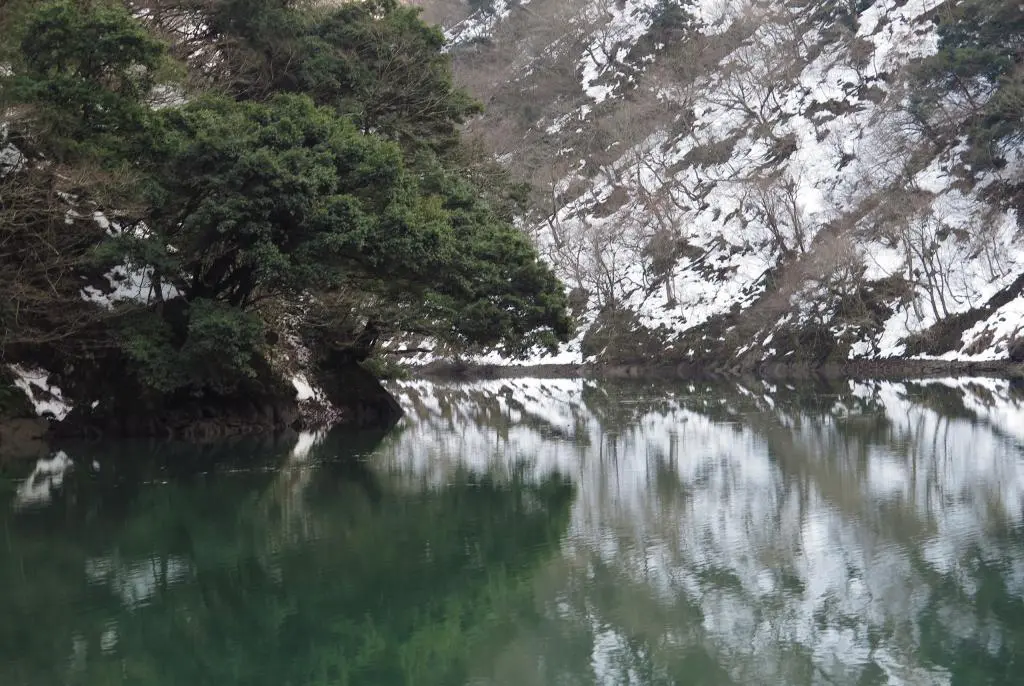
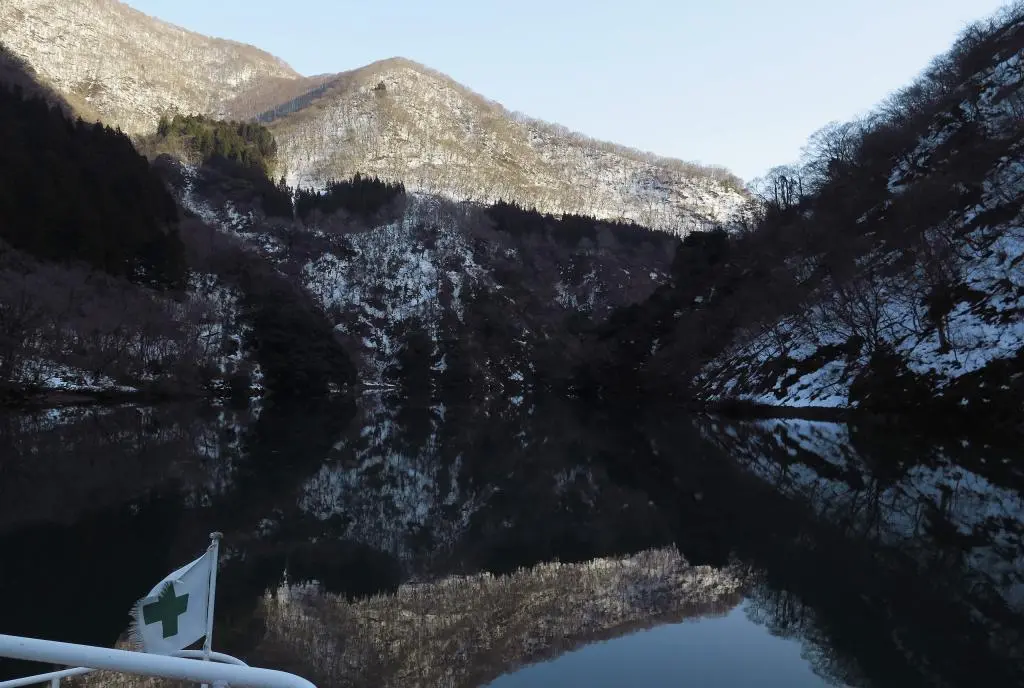
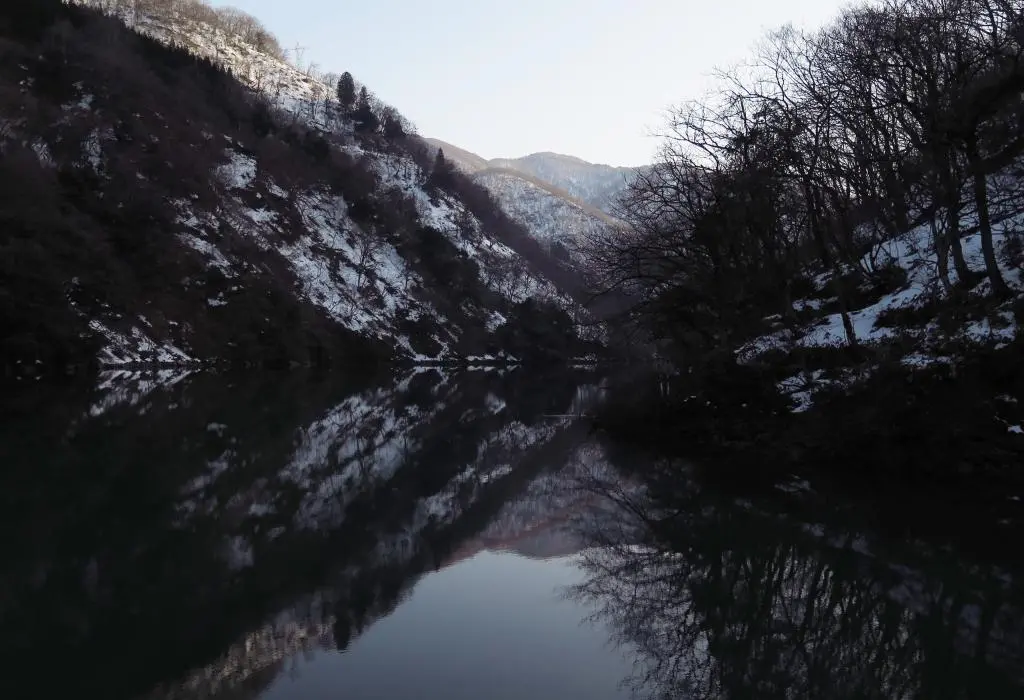
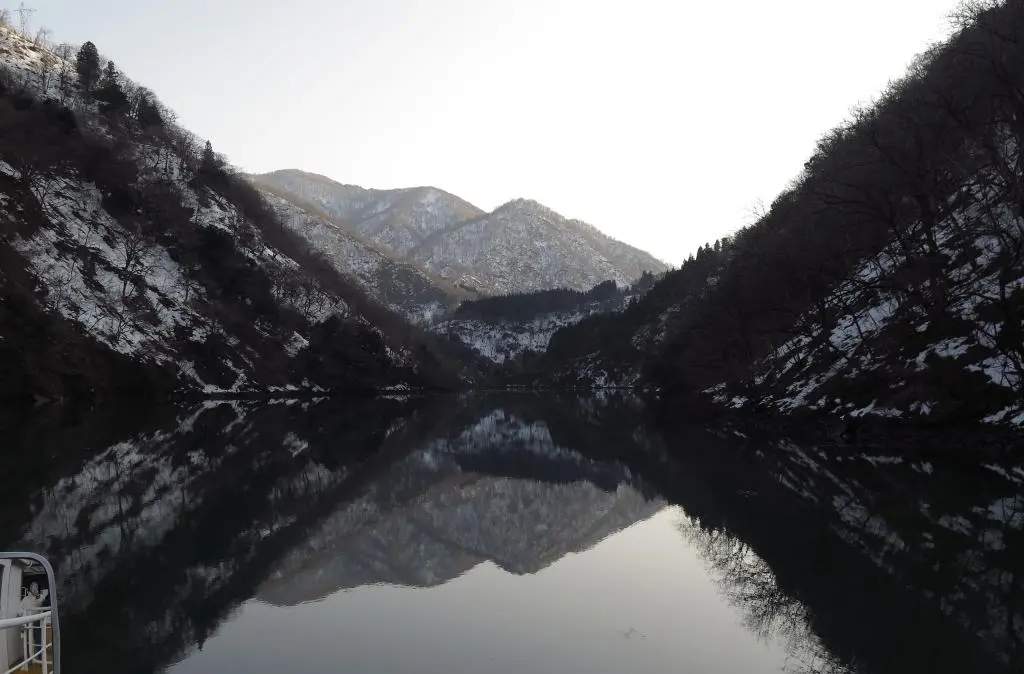
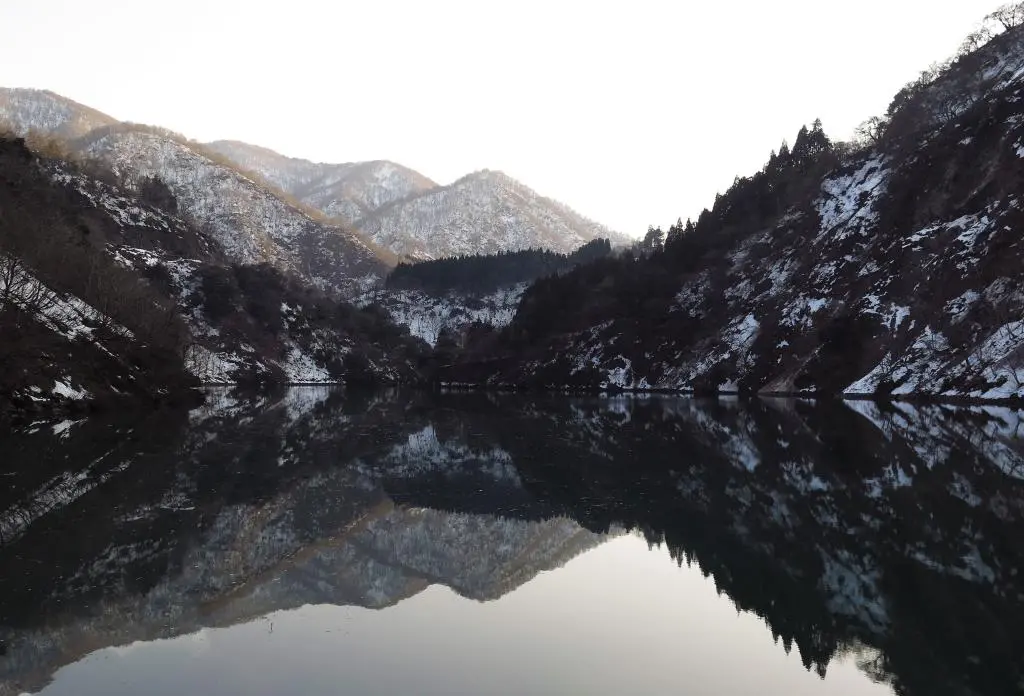
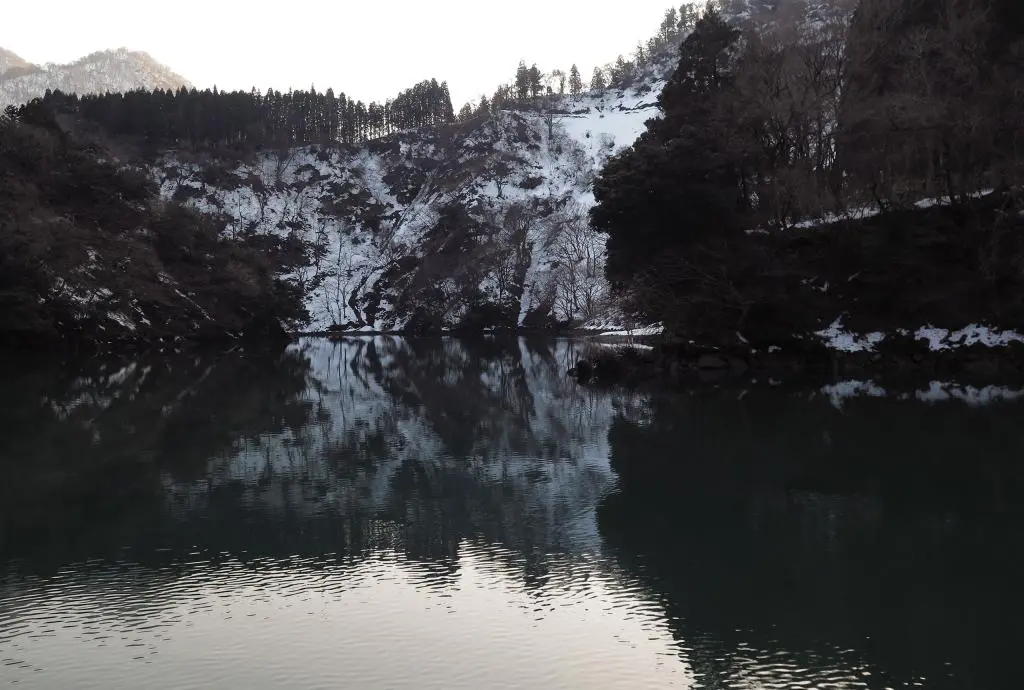
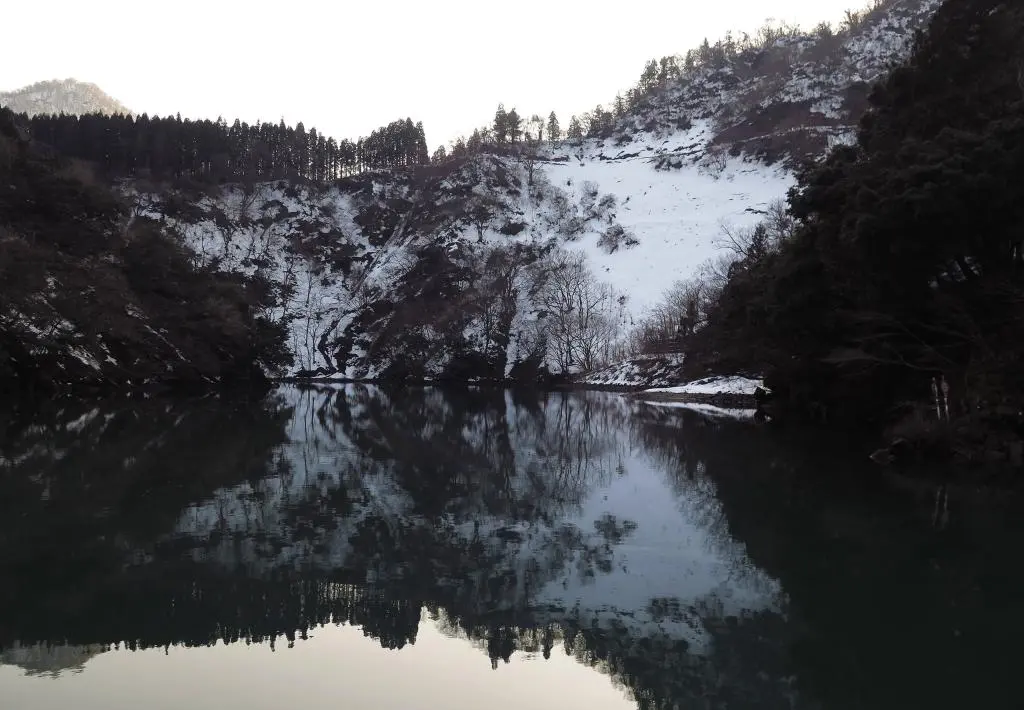
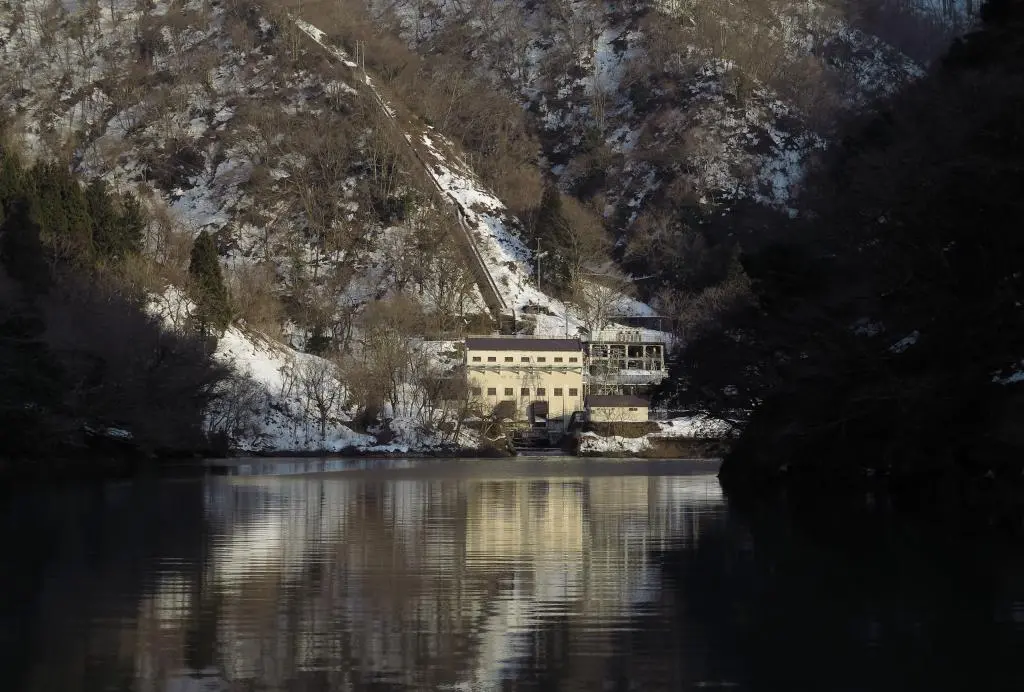
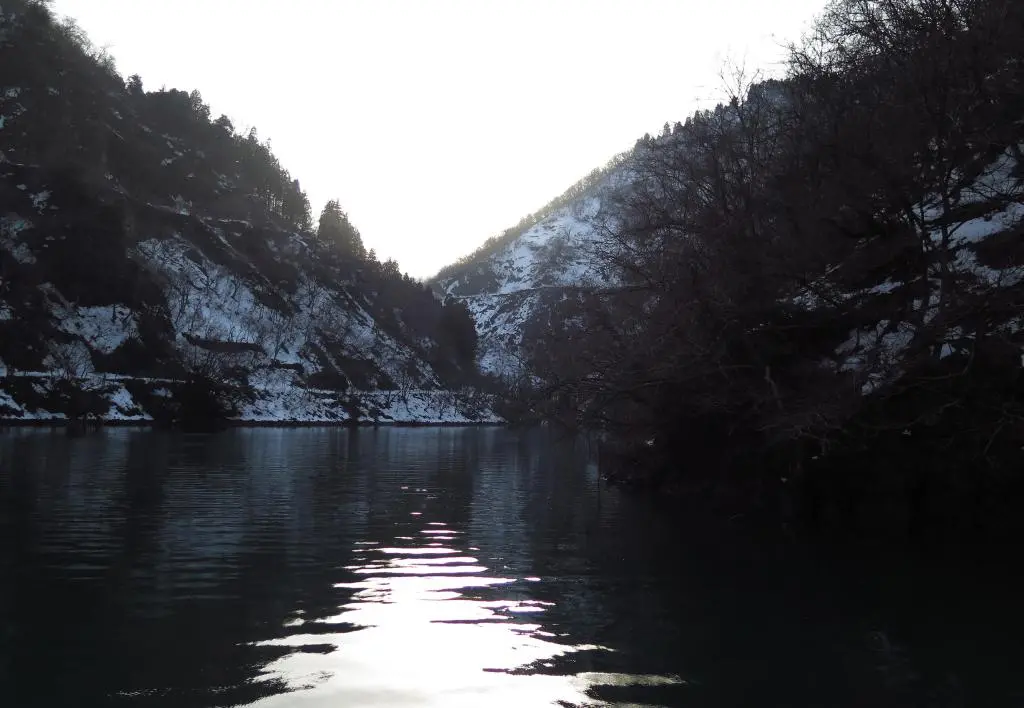
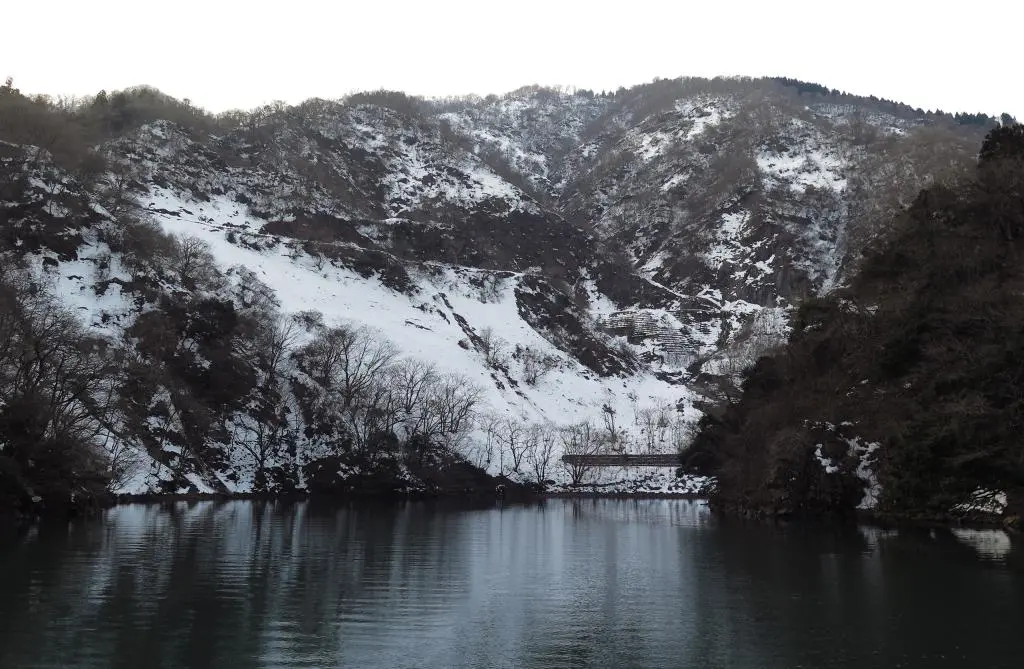
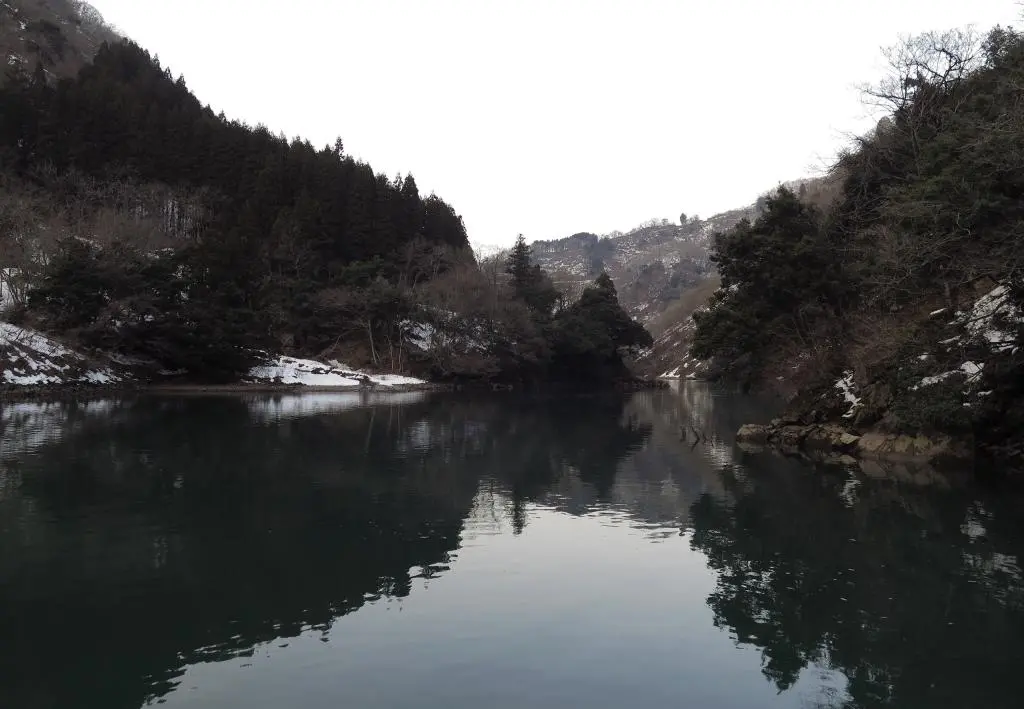
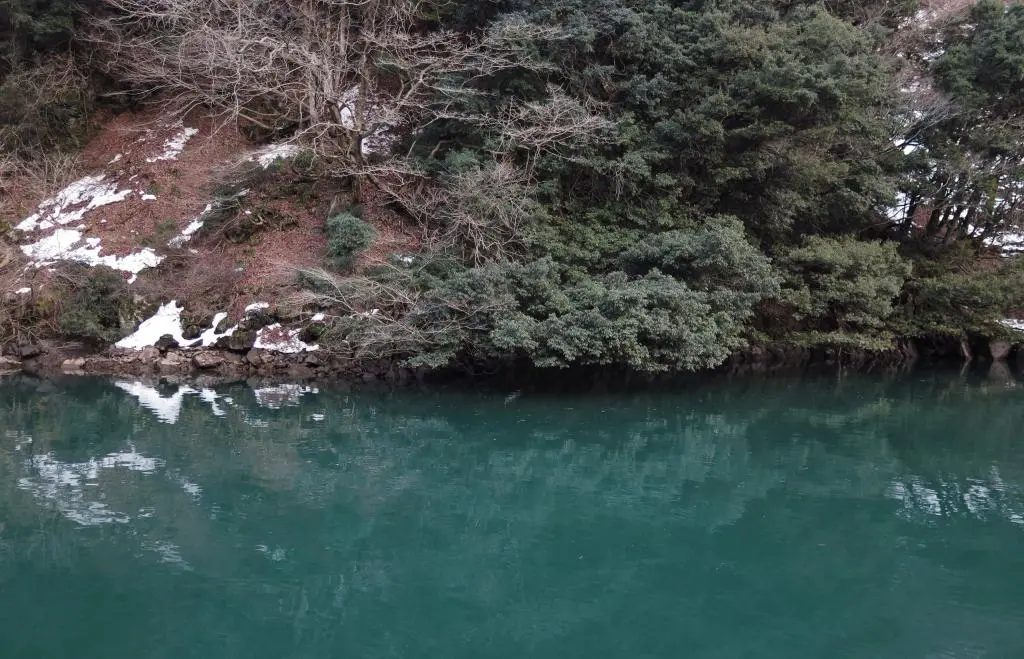
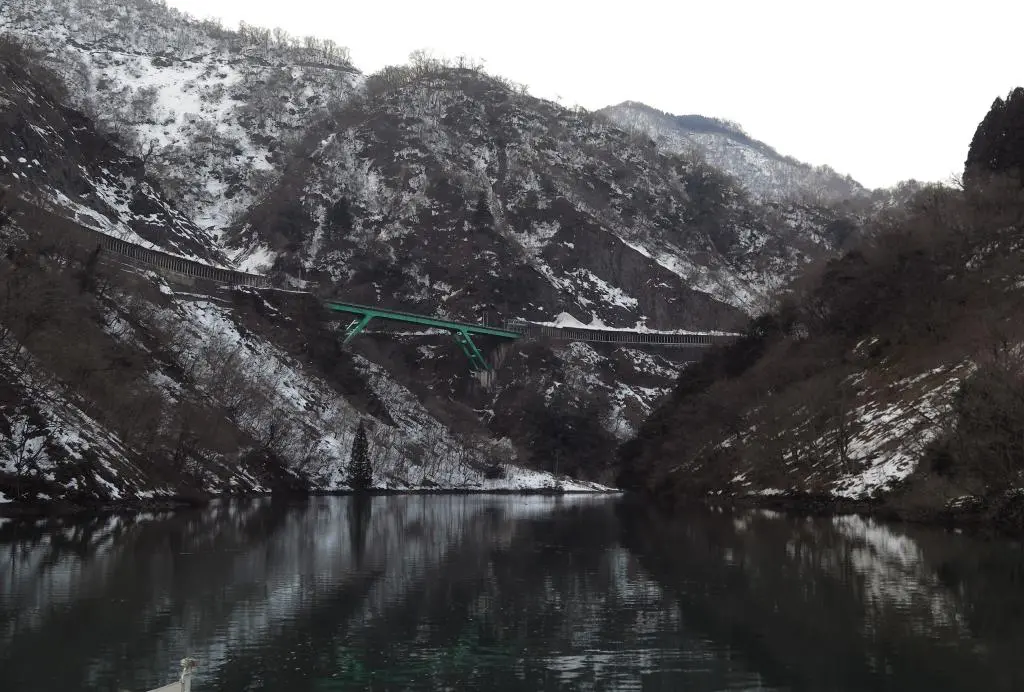
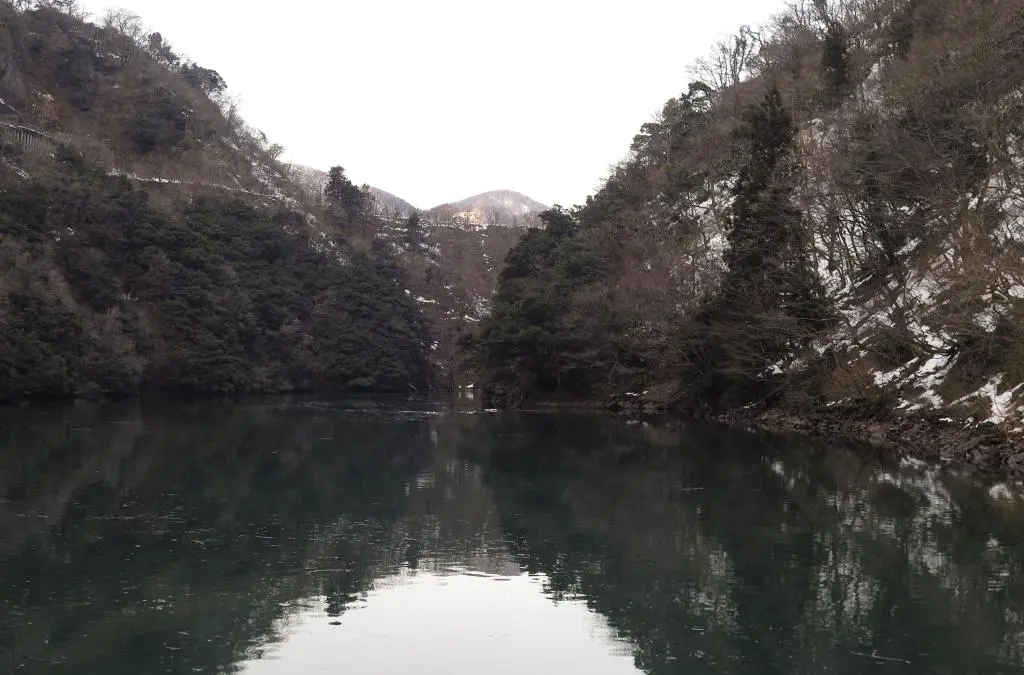
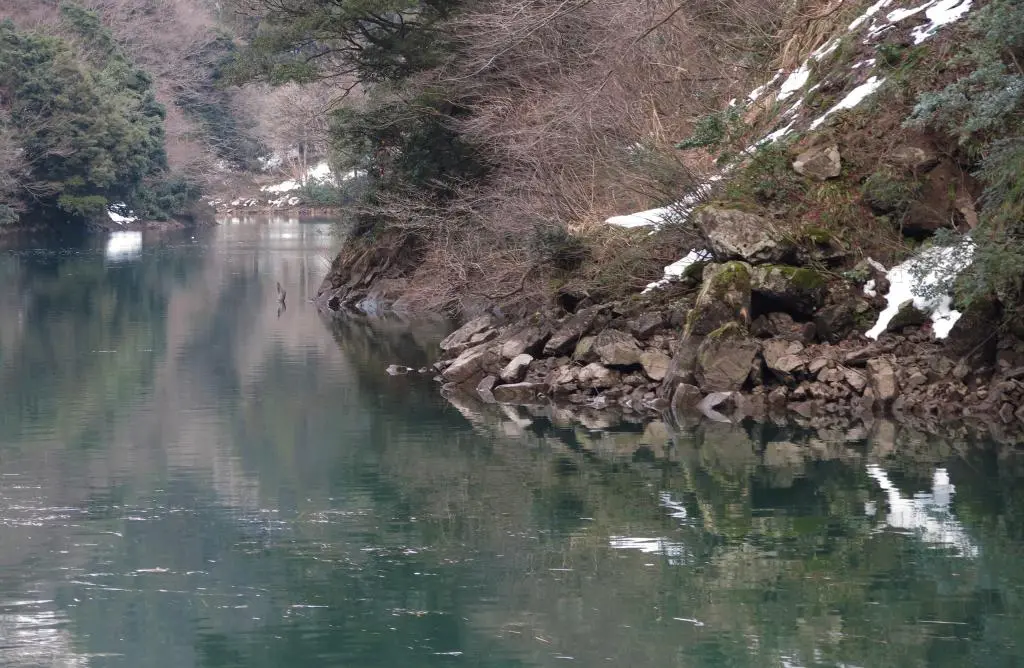
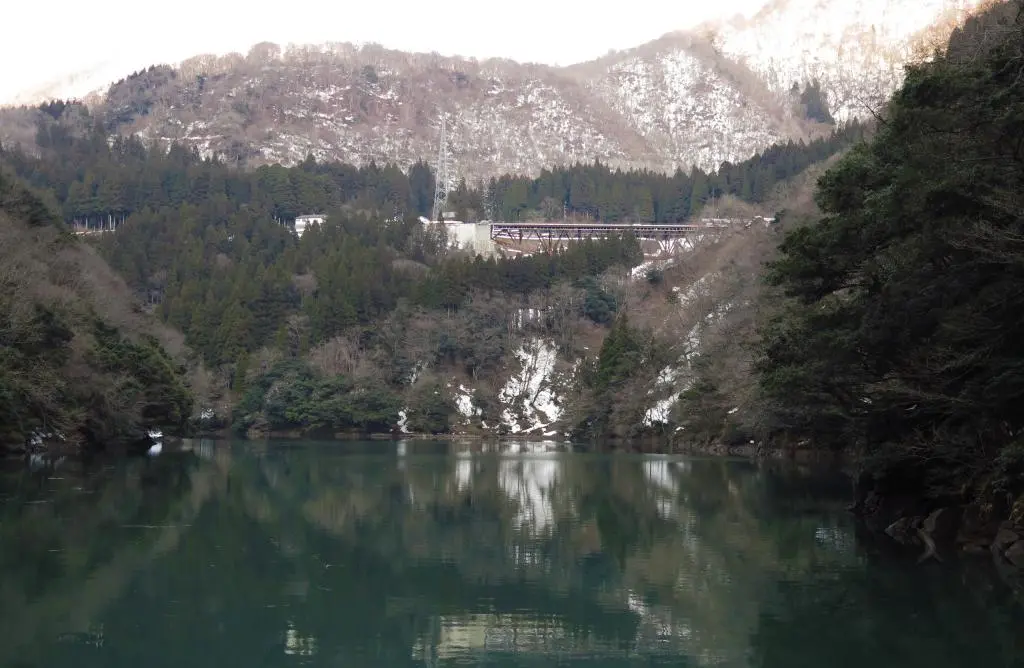
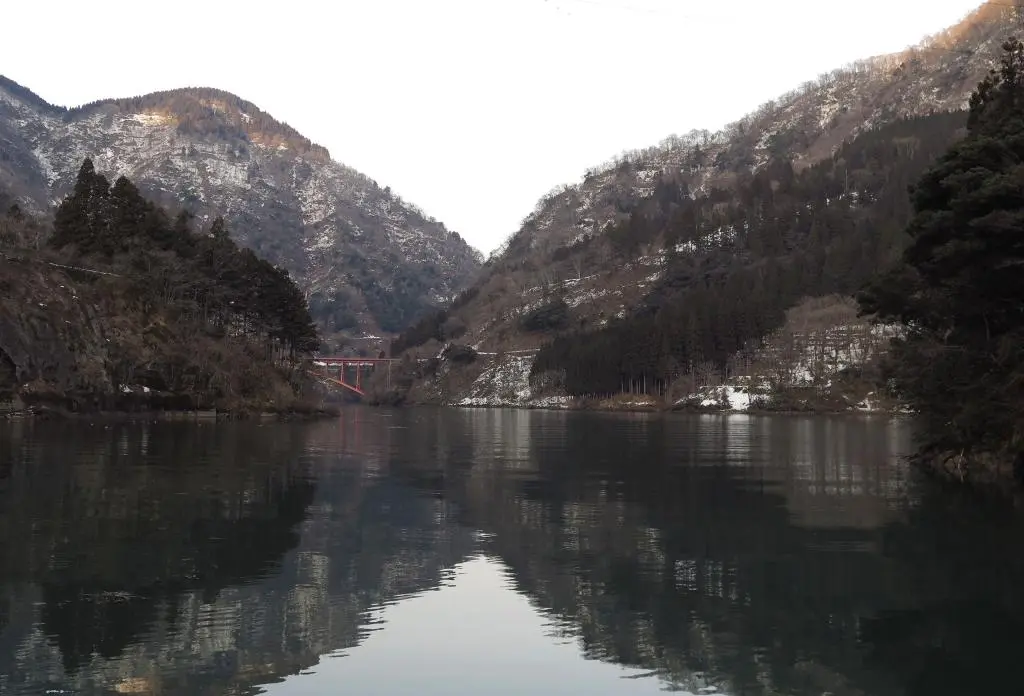
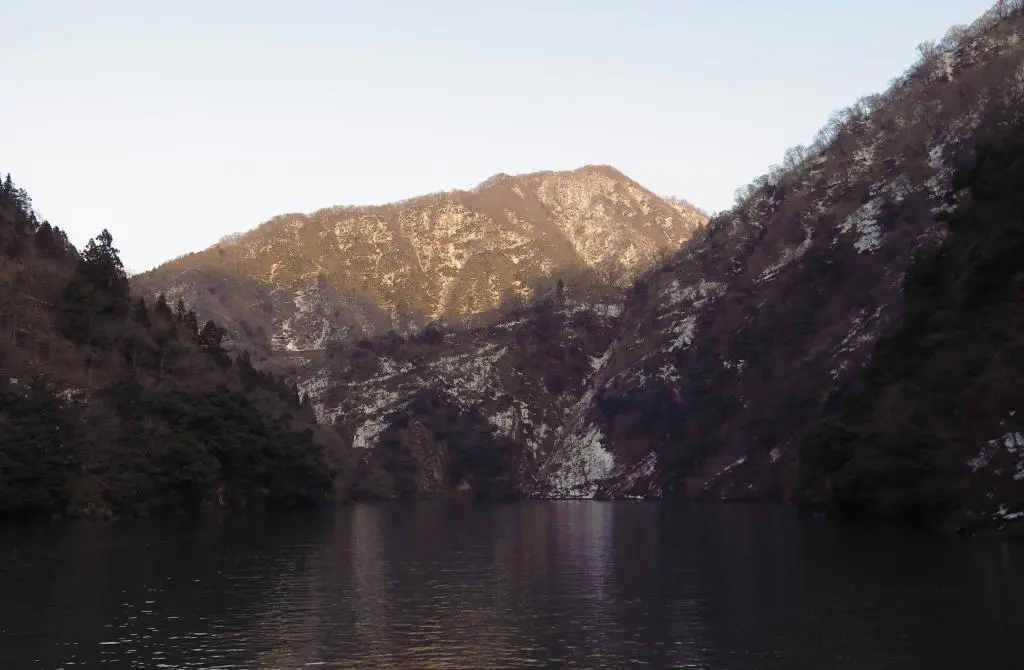
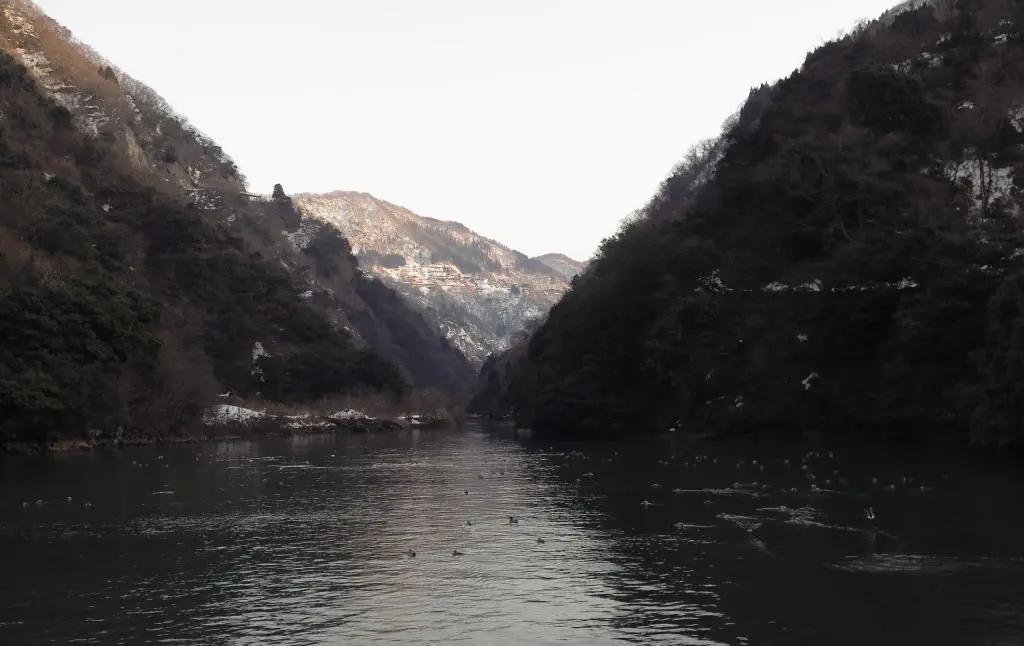
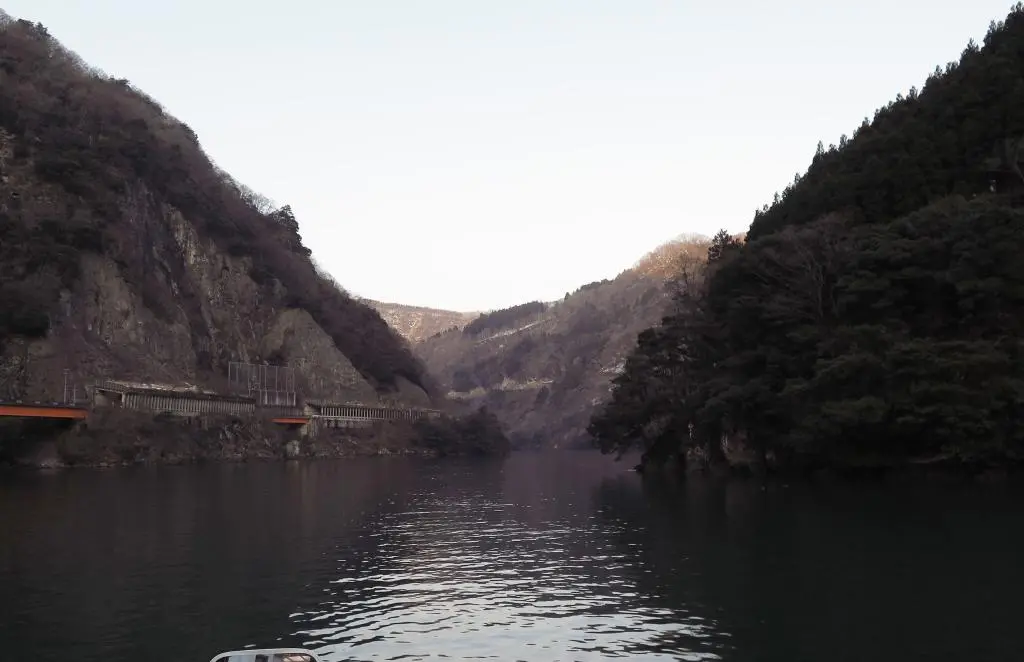
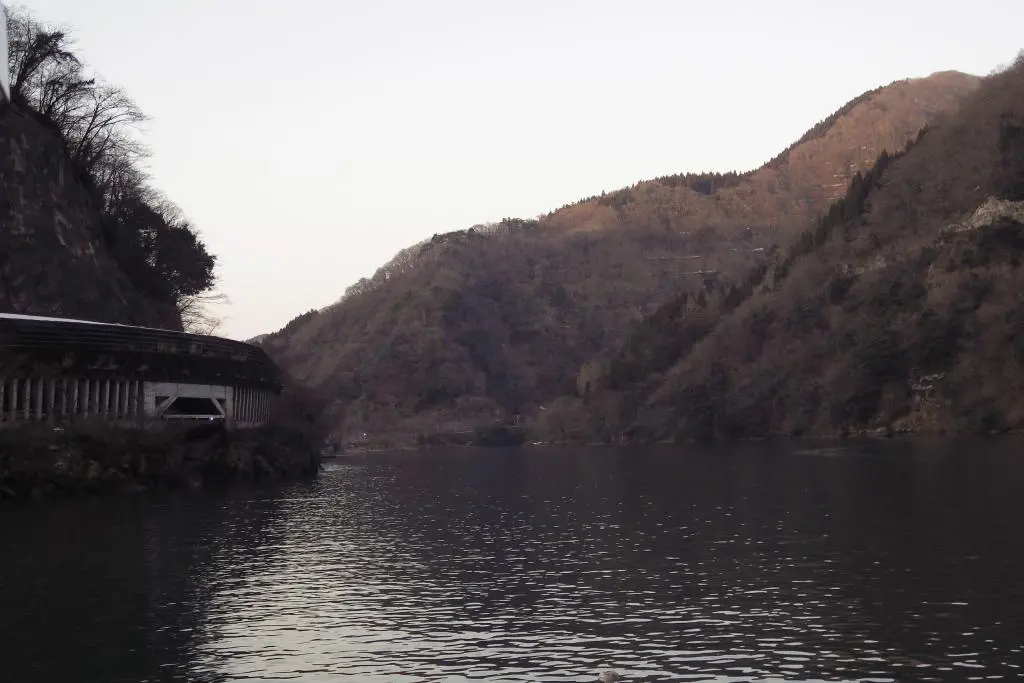
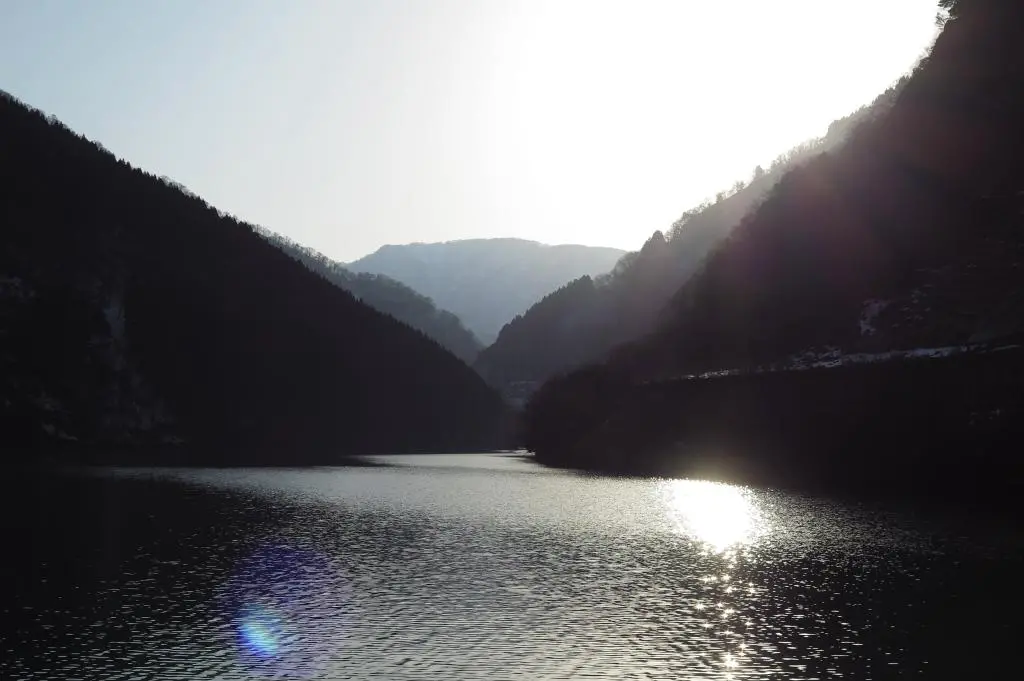
Even the 3400 yen price of admission is a bit steep, but if you're able to find a day with great weather, you certainly have some spectacular scenes. The valleys kill off any strong winds, so the river water is completely still. It creates a near perfect mirror of the mountains rising into the sky.
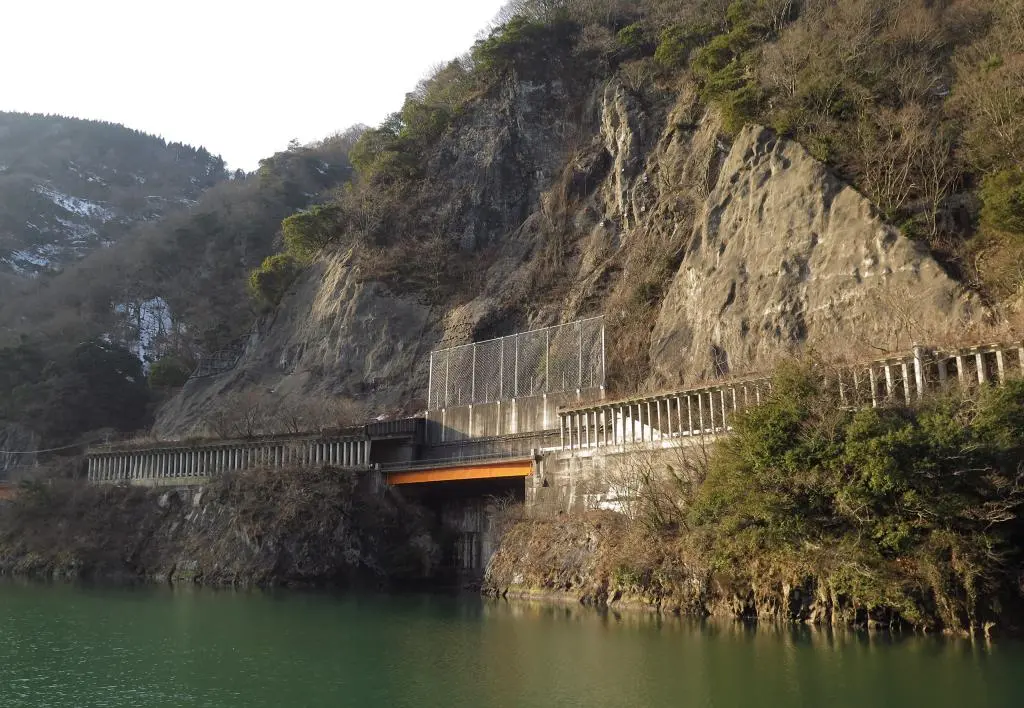
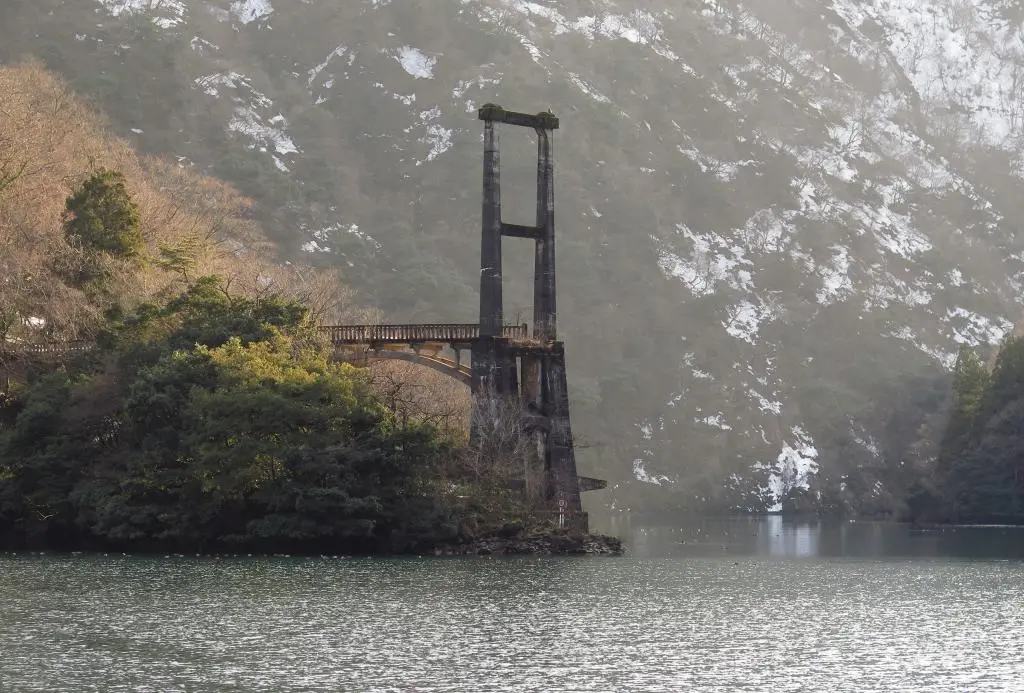
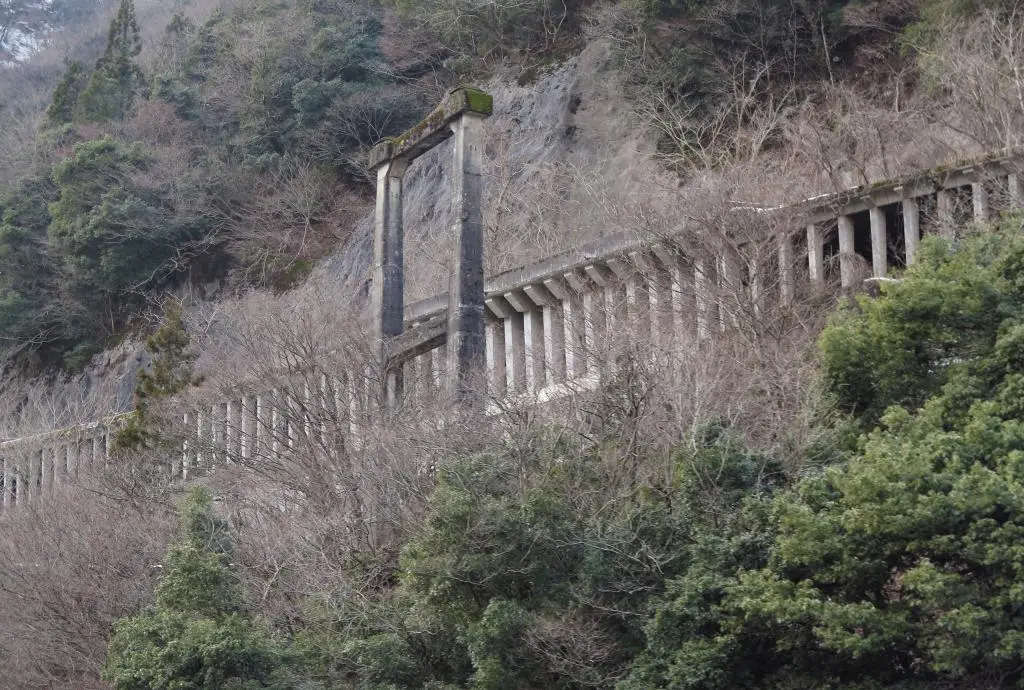
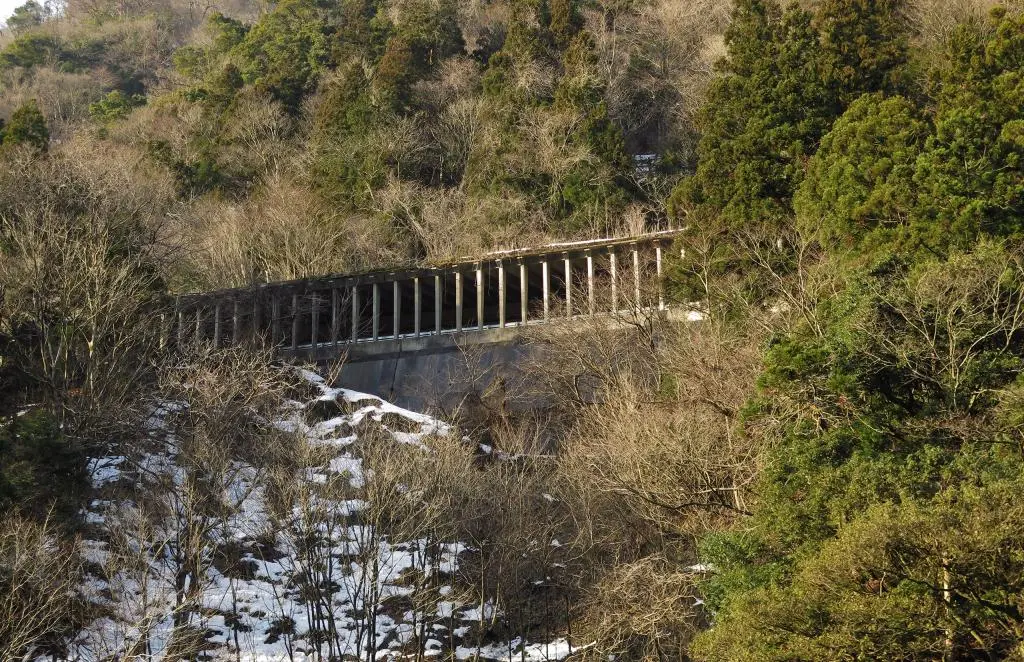
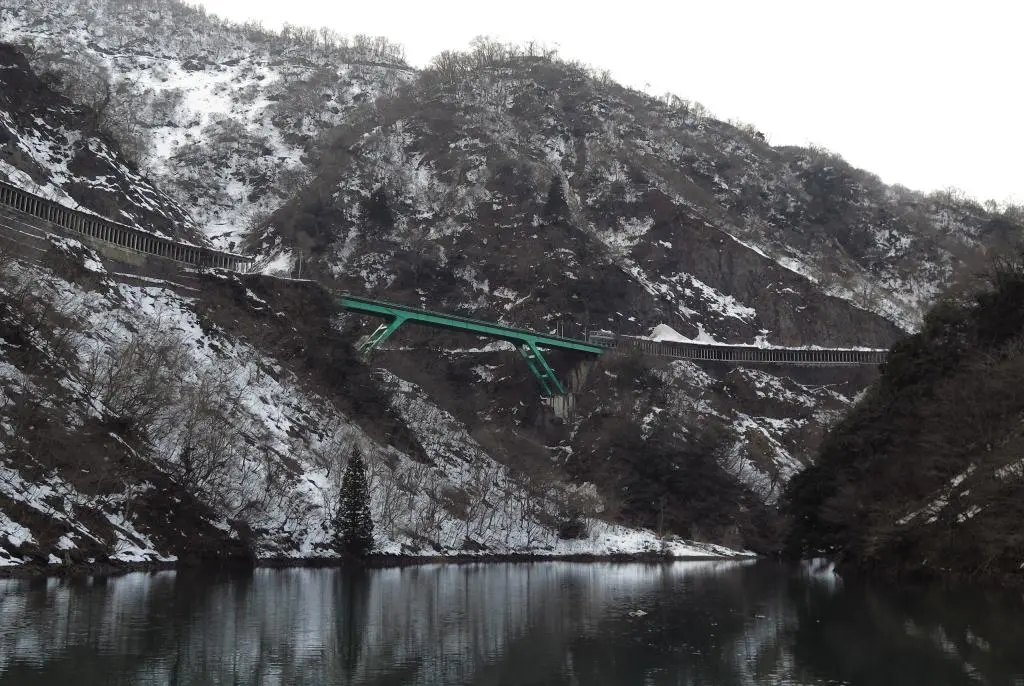
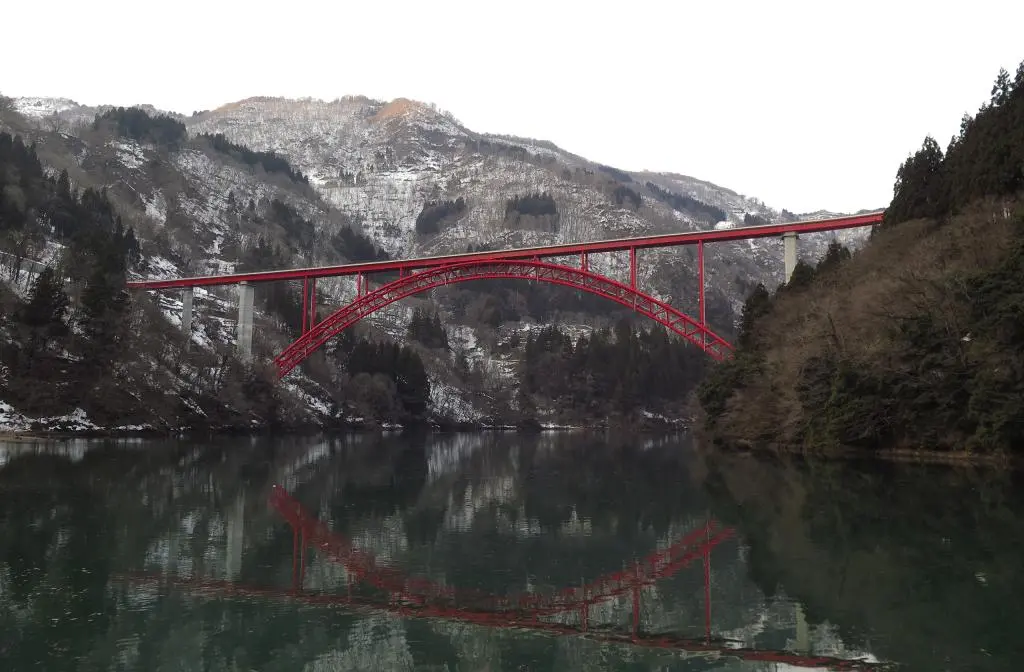
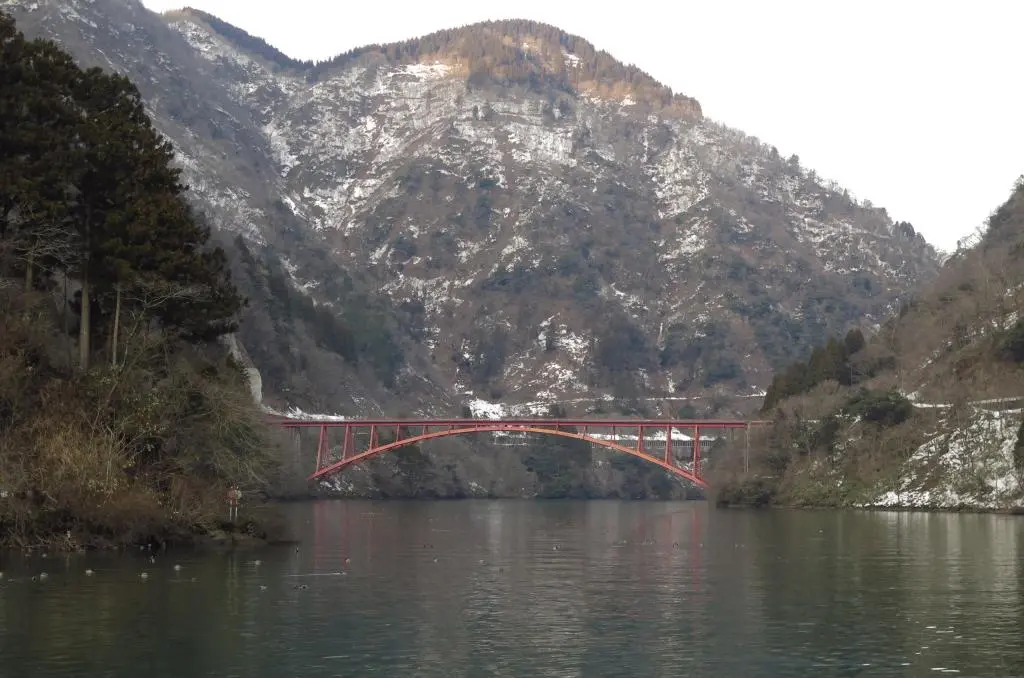
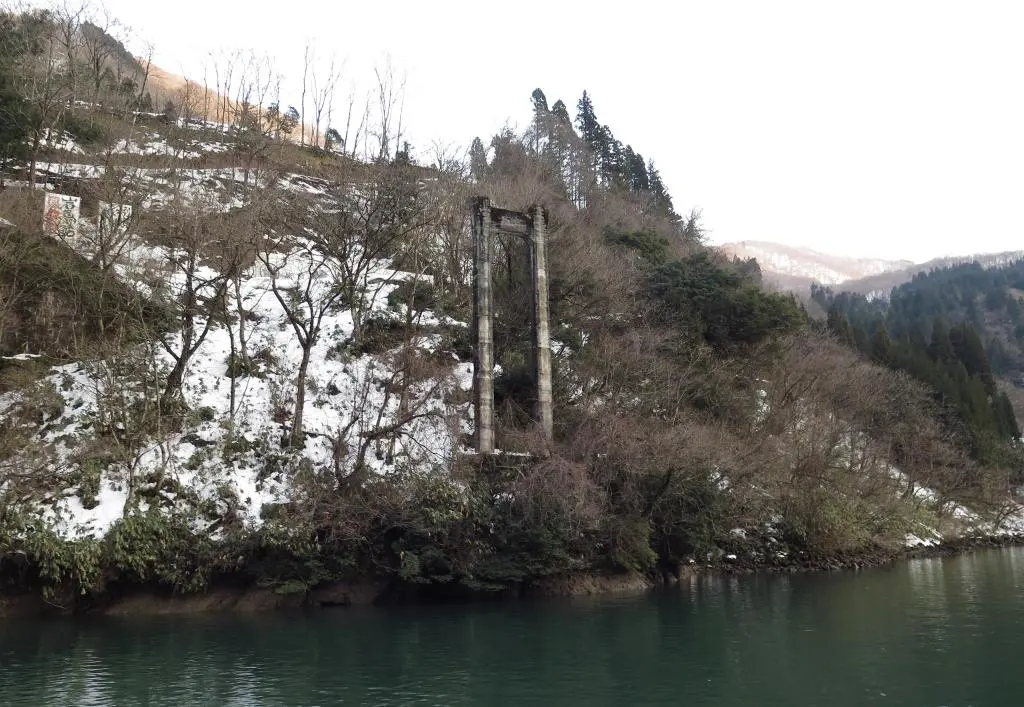
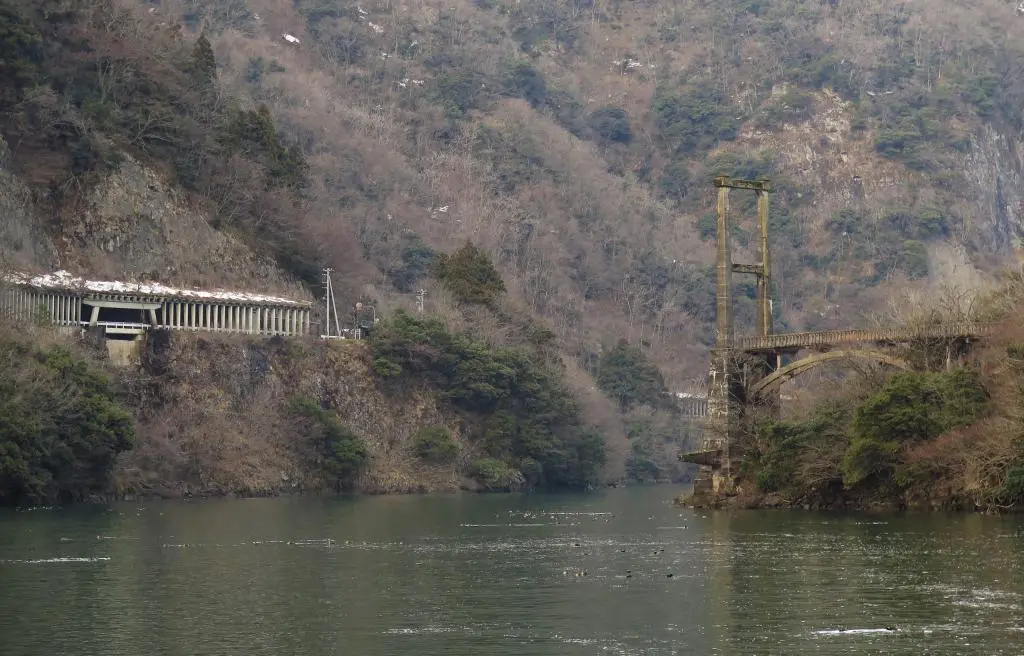
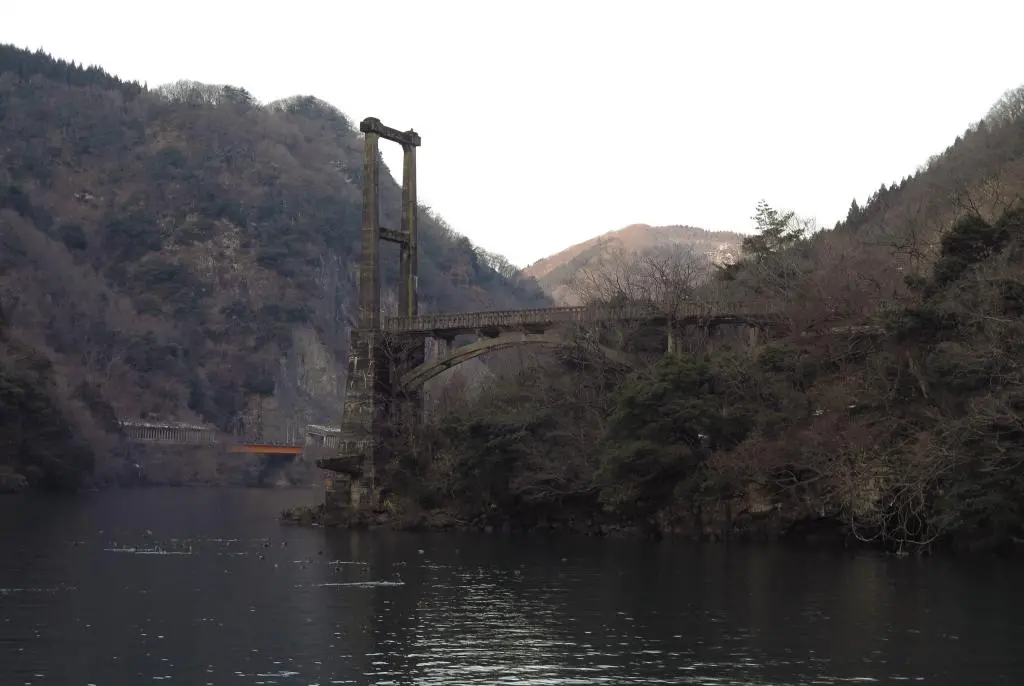
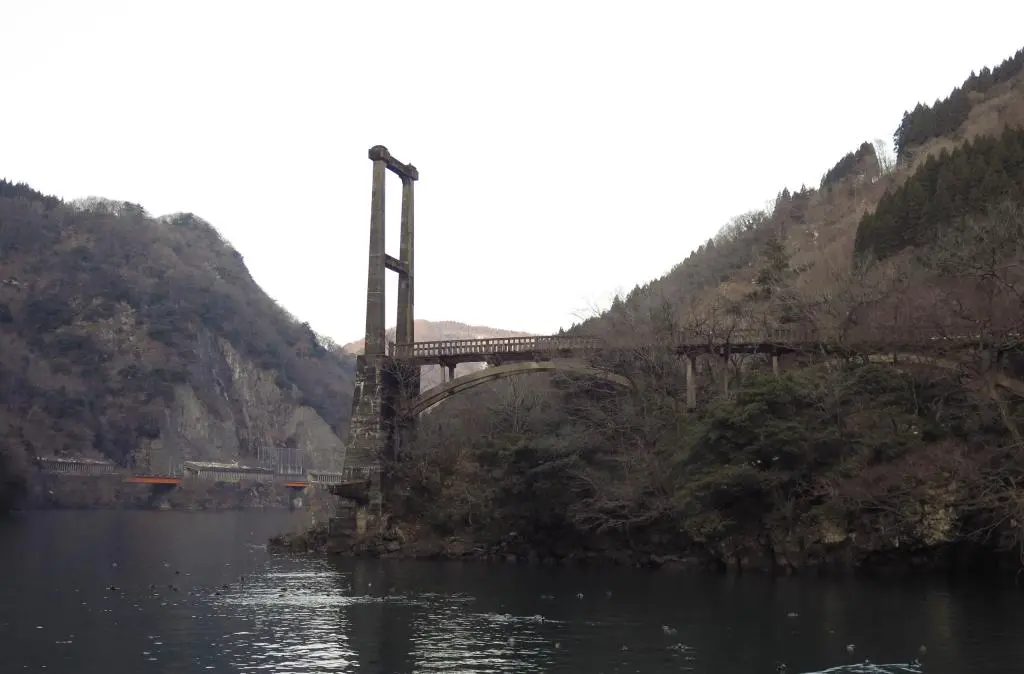
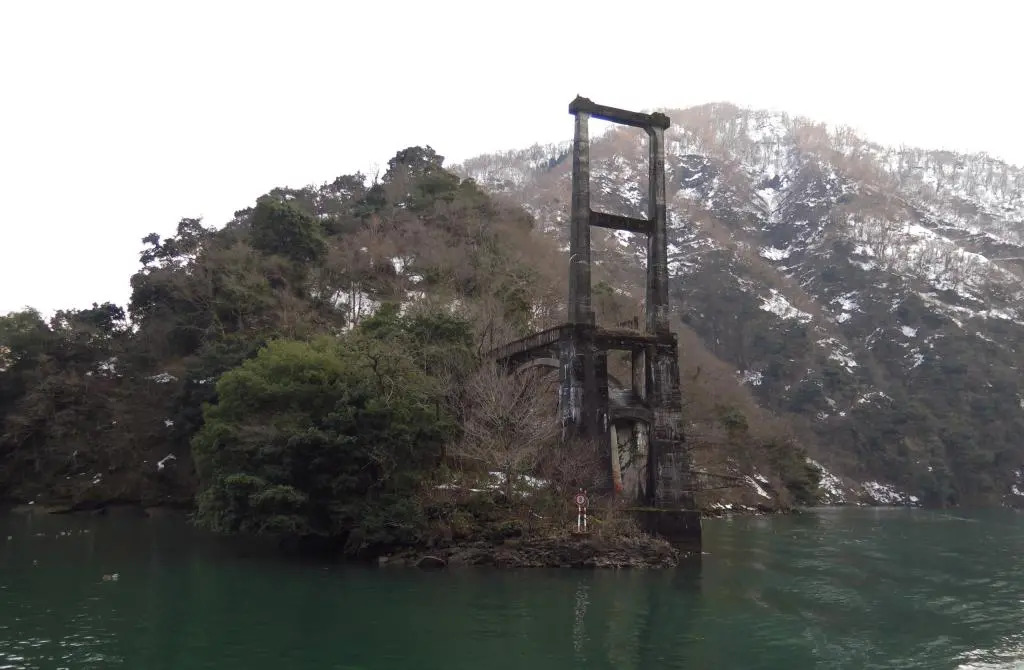
You're also able to view the bridges of Sho River's past and present. There's the original bridge, which is closest to the dam. I'm not sure when it was built, but it had already collapsed by the 1970s. It's located near where Toga River merges into Sho River.
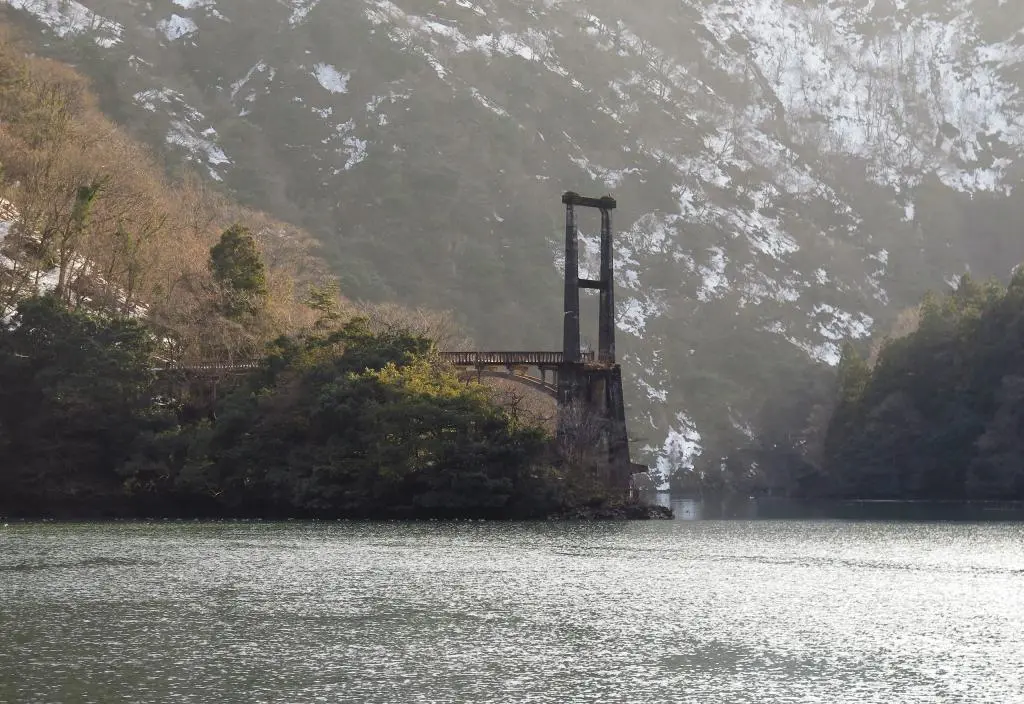
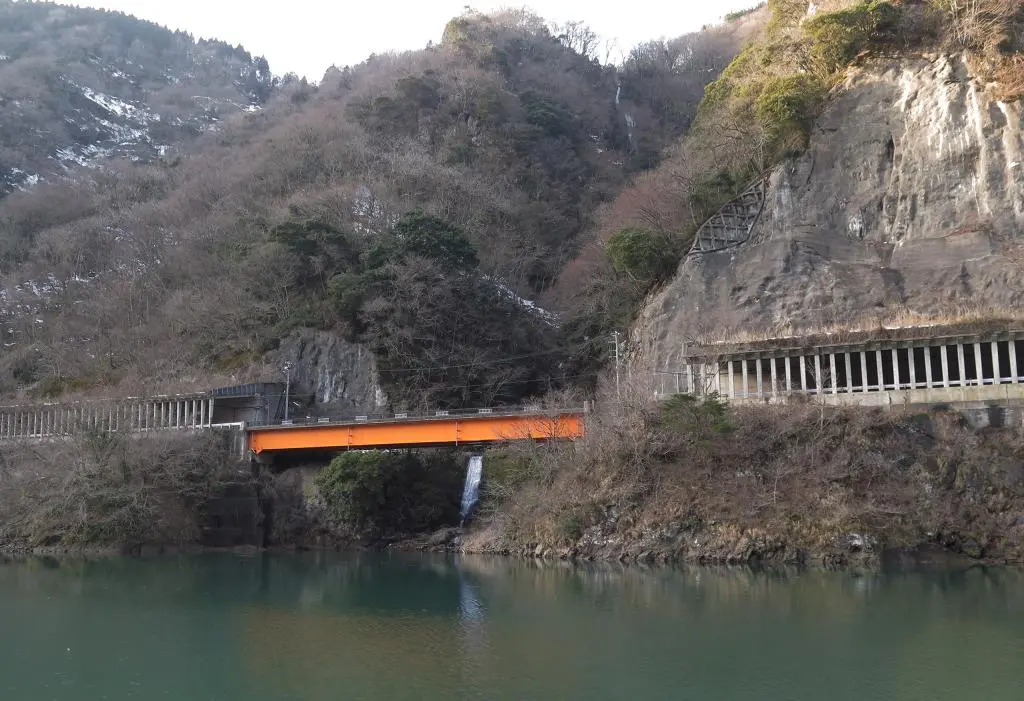
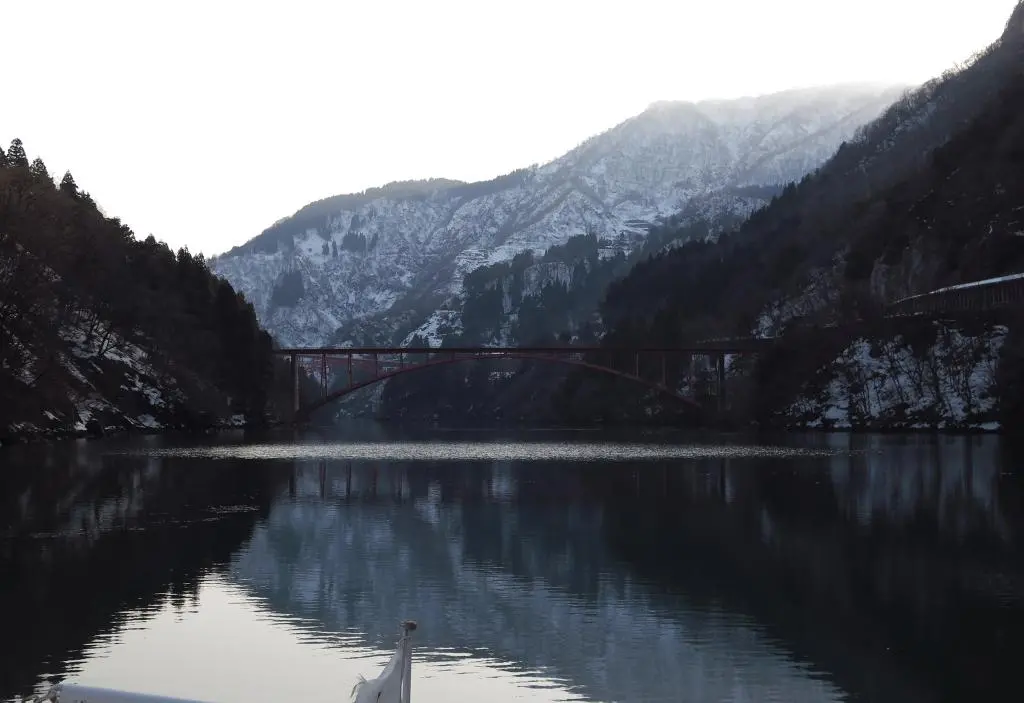
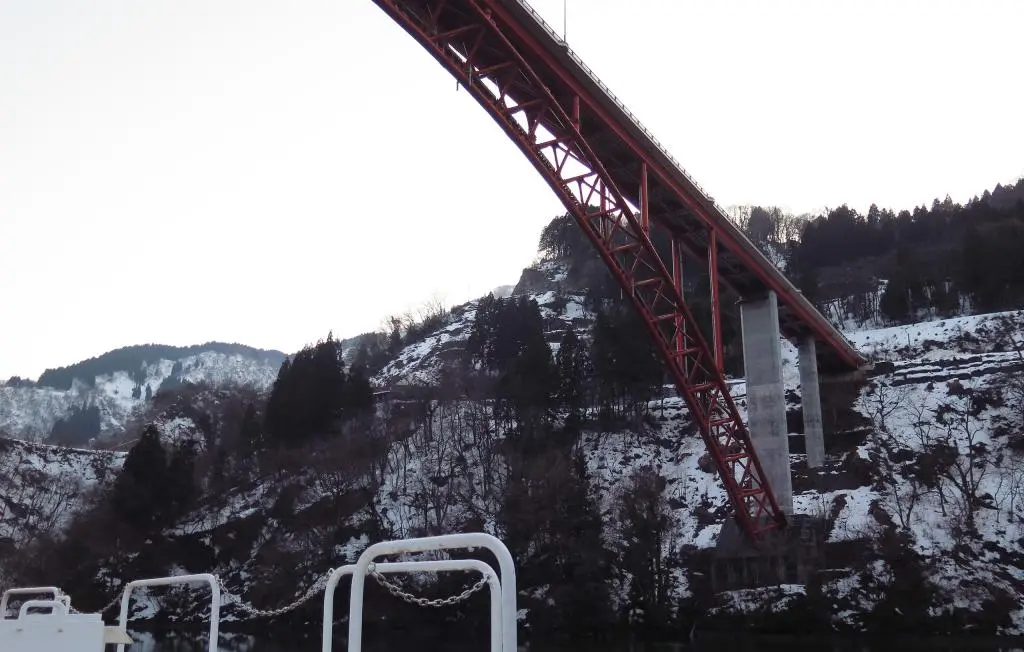
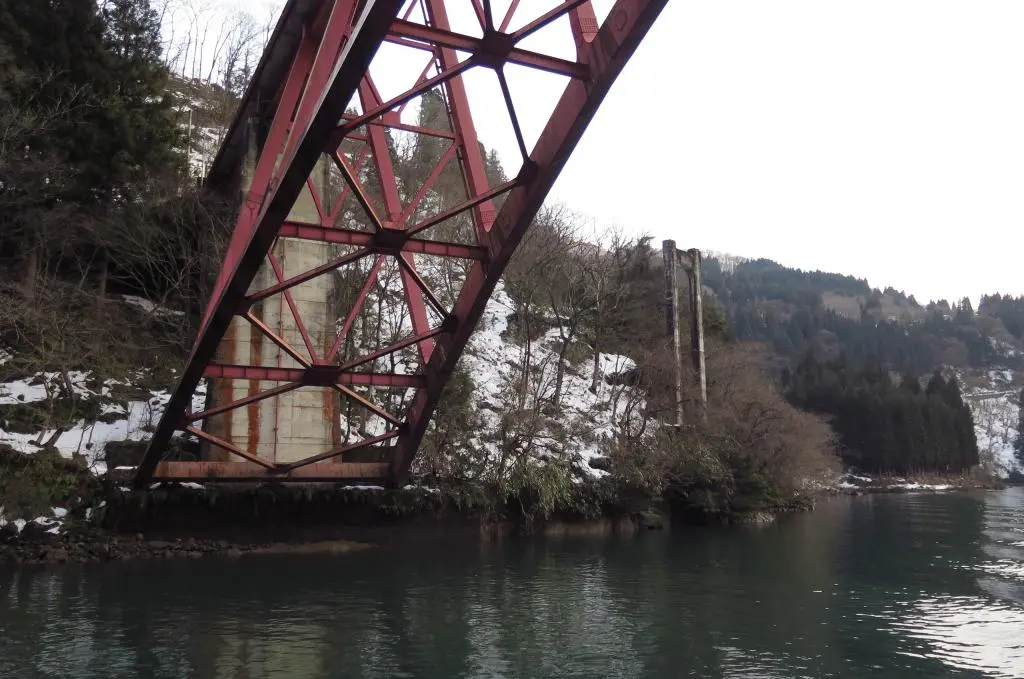
The next bridge is the Nagasaki bridge, a more modern bridge that brought people from the main road to the homes and onsen hotels of the Nagasaki and Kitahara neighborhoods. I don't know when it was built (probably in the 1960s?), but it is still safe to drive across.
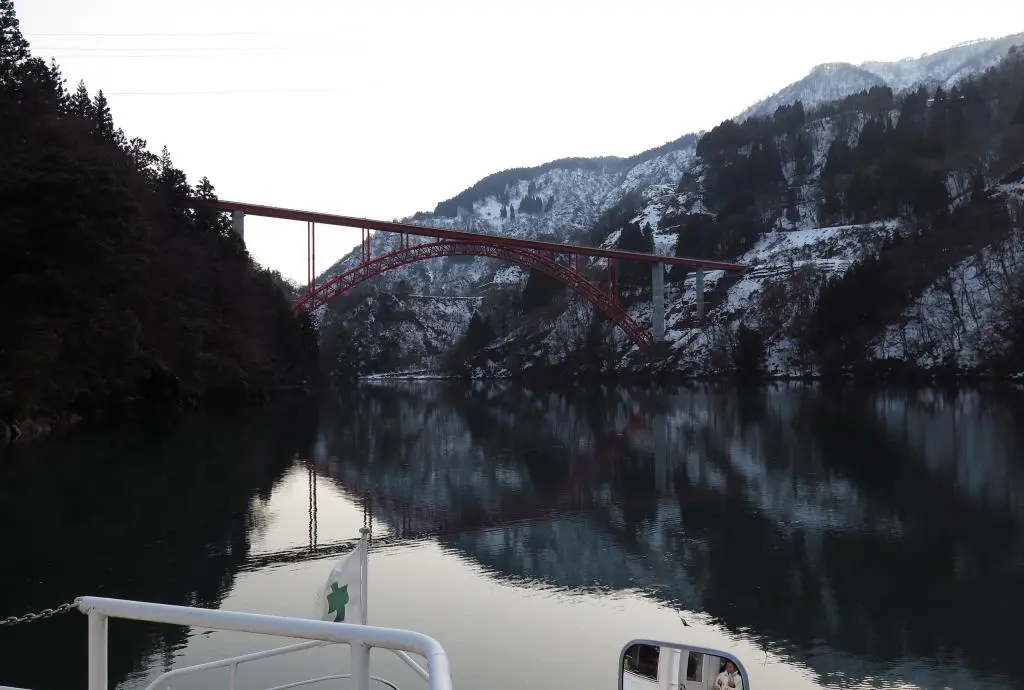
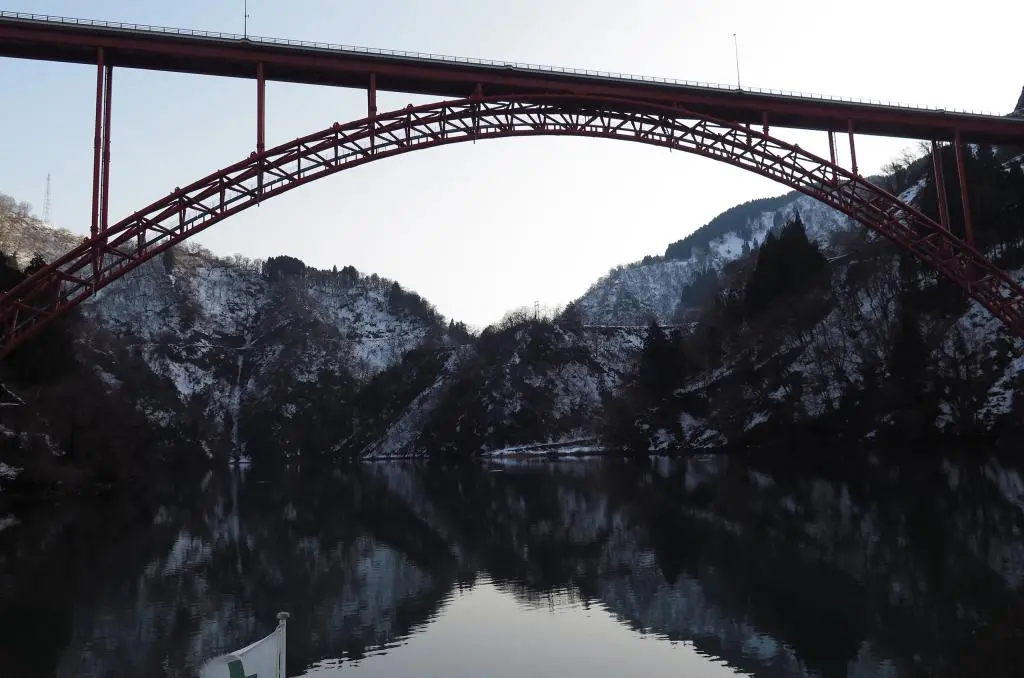
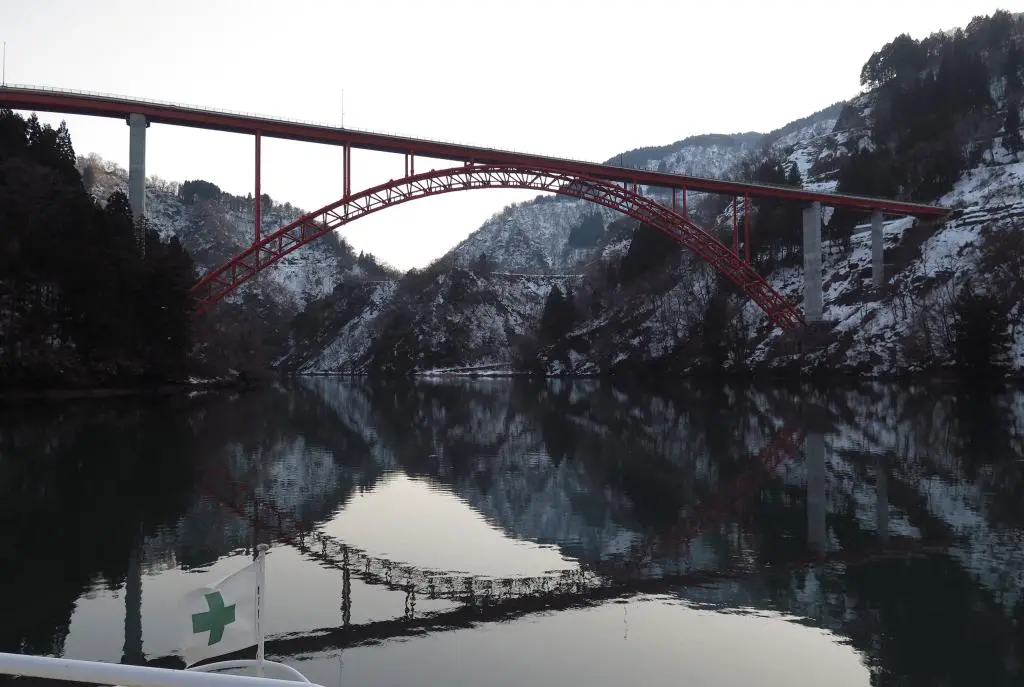
The newest bridge, the Toga Bridge, finished construction just a few years ago. It makes the other bridge obsolete and it's part of the government's plan of connecting the main route along Sho River to Toga village. It is a huge structure that drawfs all the other bridges along the river. I have a few more photos in the Kitahara post. It seems like a lot of money to spend on bringing people to a remote are that has been sharply depopulated, but it has created a lot of jobs and will really help everyone who lives out there.
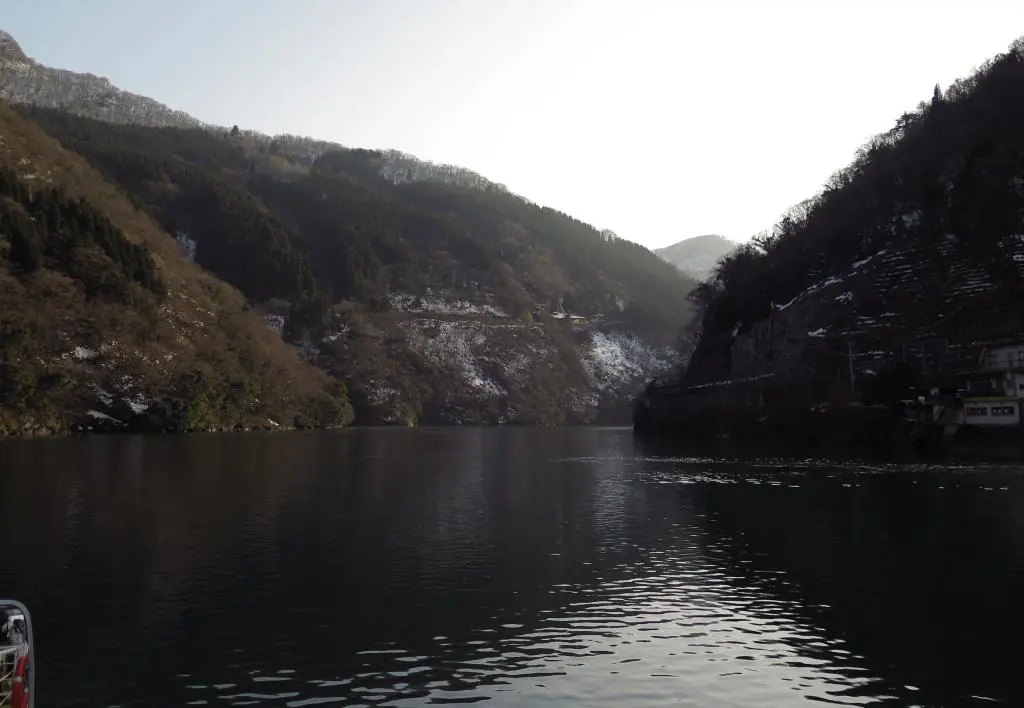
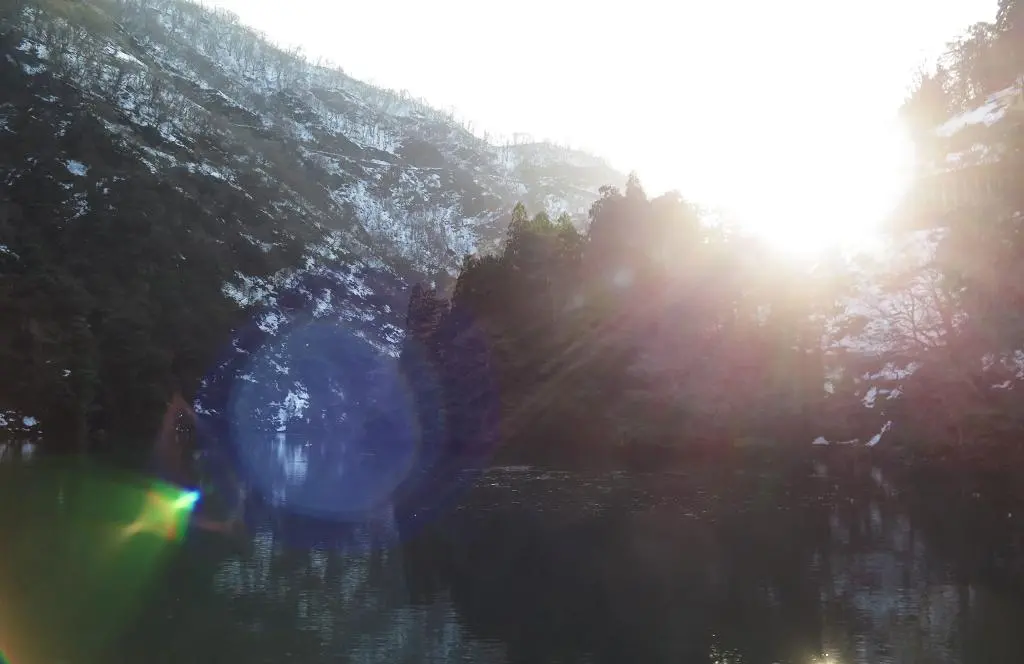
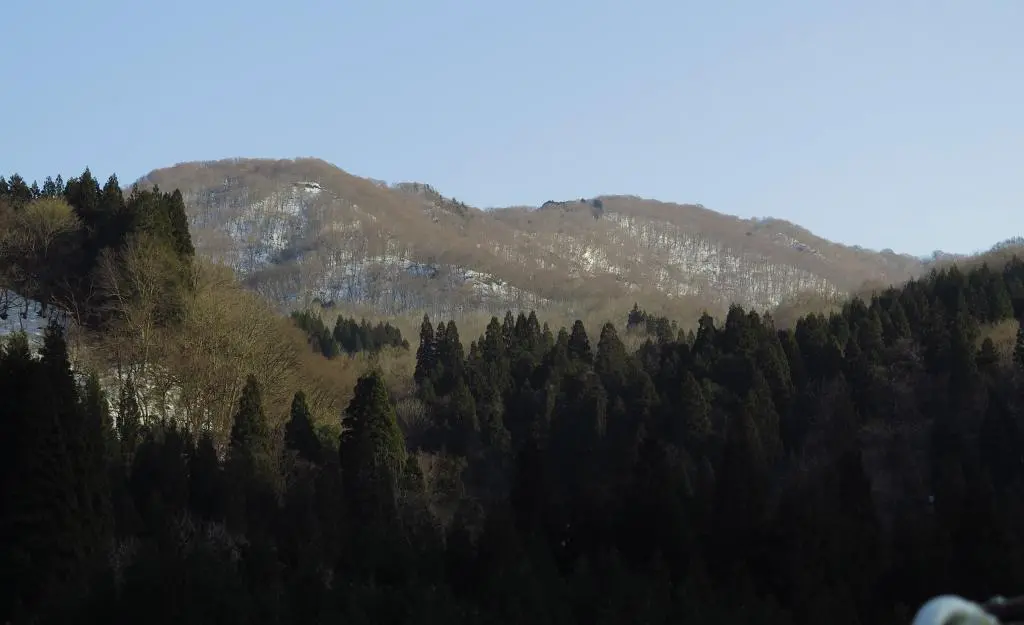
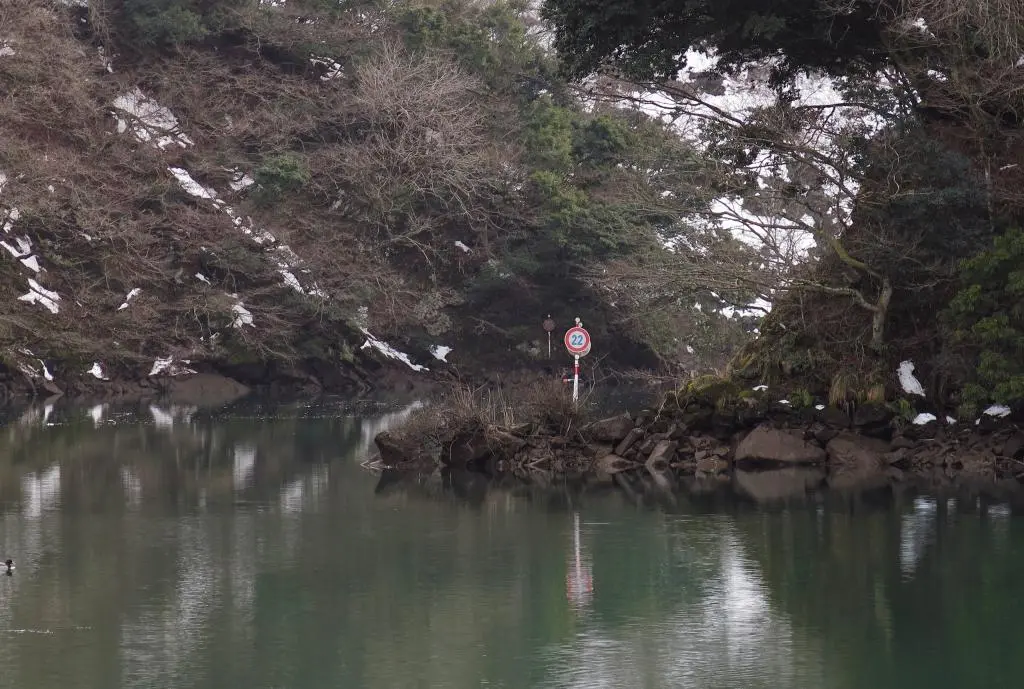
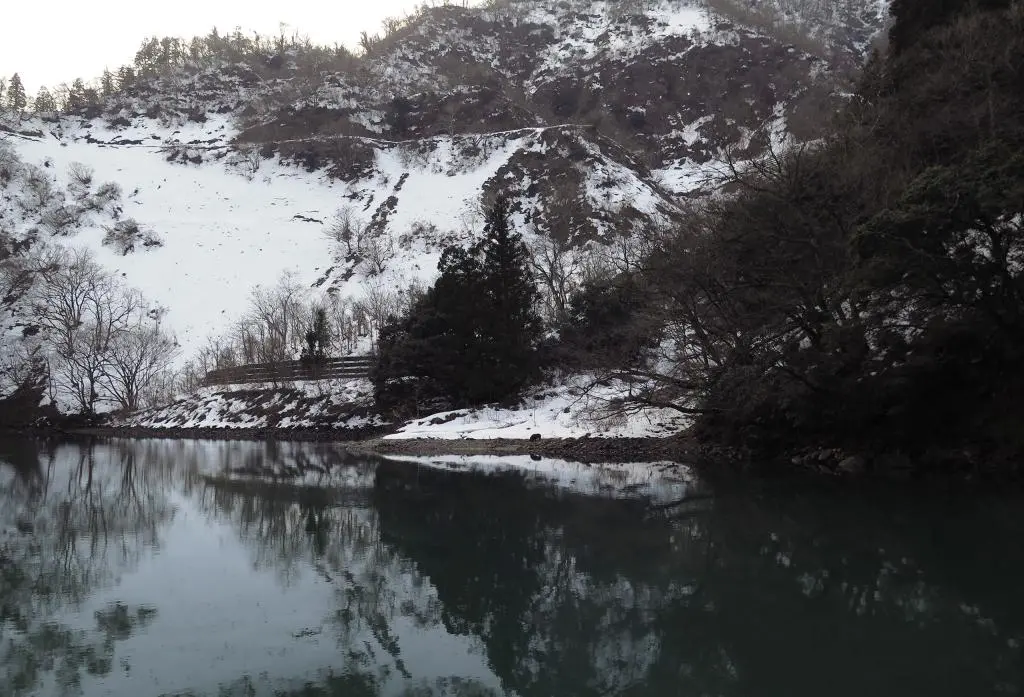
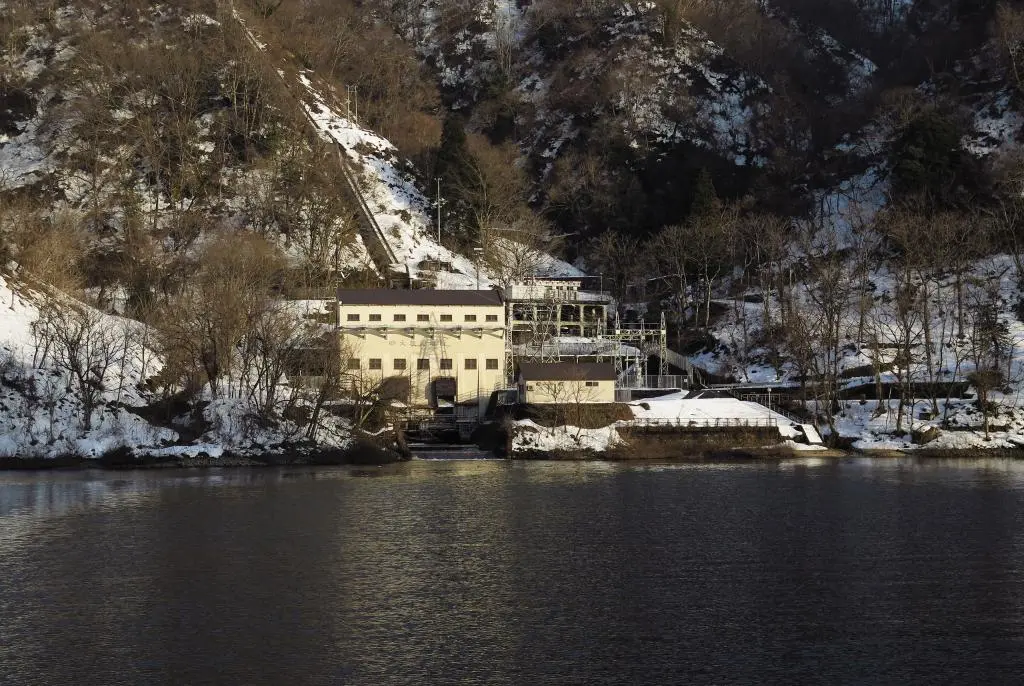
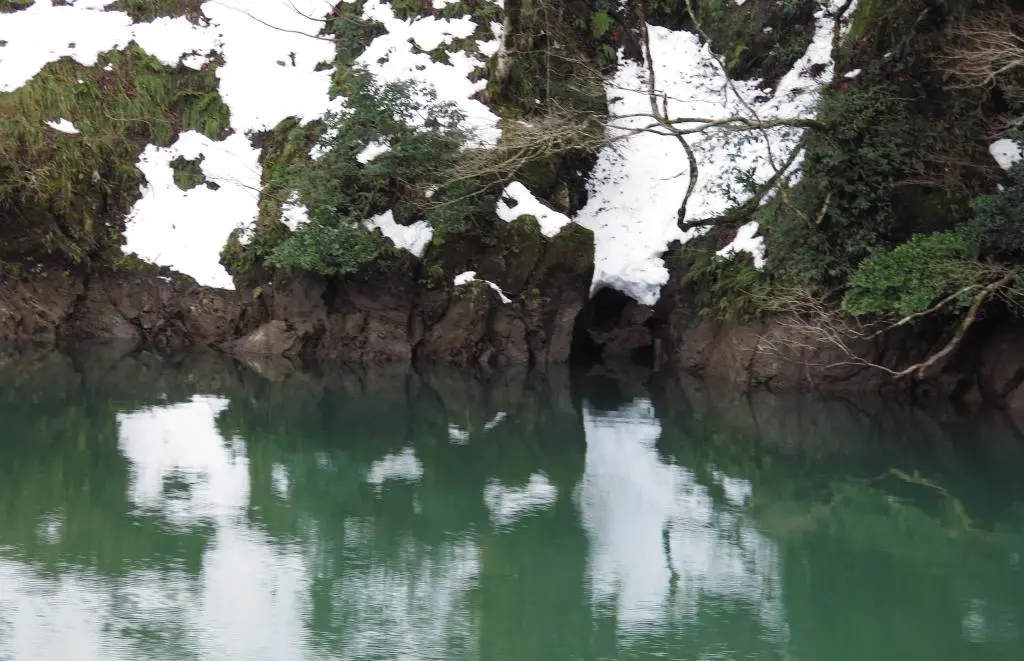
The overall cruise isn't too long. It takes about 30 minutes to travel from the dam to Omaki Onsen, so a round trip is about an hour. It had snowed a lot earlier in the week, so I wanted to take a cruise while all the mountains and forests were coated in white. Unfortunately even though it was January, it was very warm. The top layer of snow had melted, so it didn't look like a winter wonderland.
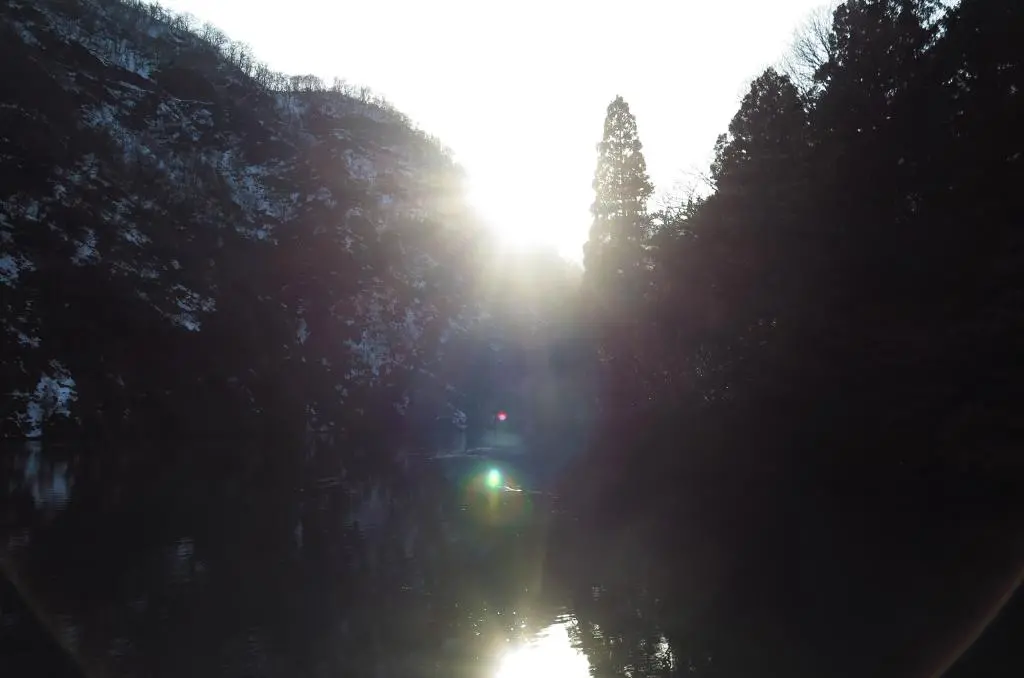
The cruise doesn't go too fast, but you still get a lot of wind in your face. On the trip to Omaki, it only felt like a cool breeze. On the trip back to the dam, the sun had already set behind the mountains, so the breeze felt like getting blown in the face by an air conditioner. I had to bundle up in order to stay outside and take photos.
While I still think it was more expensive than necessary, I was able to take some great photos and enjoy the scenery. :) For a one-time experience, I think it was worth it.