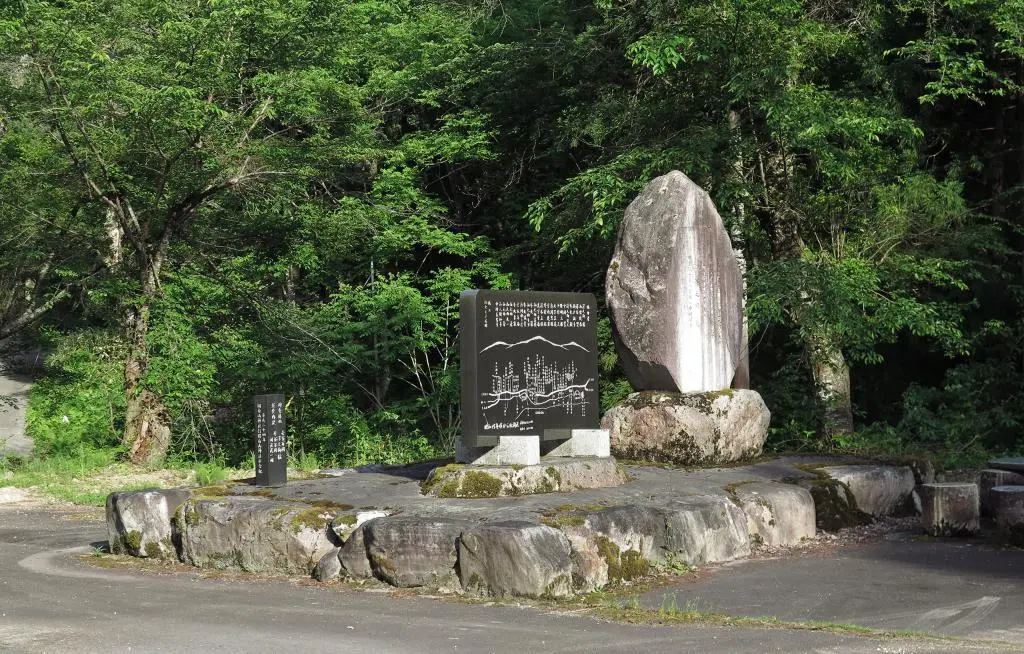
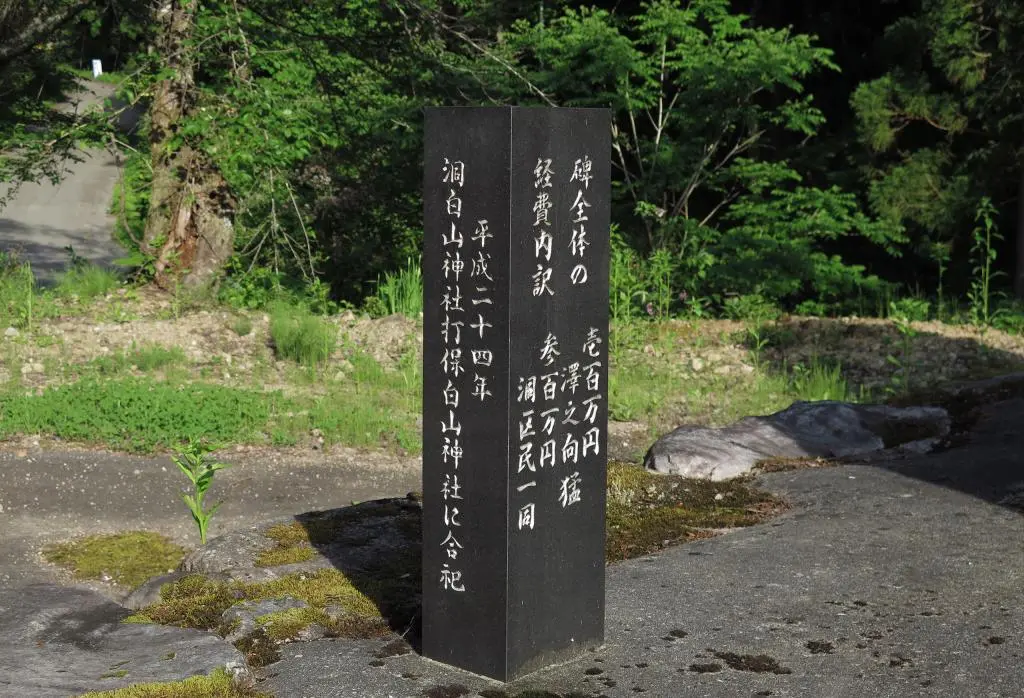
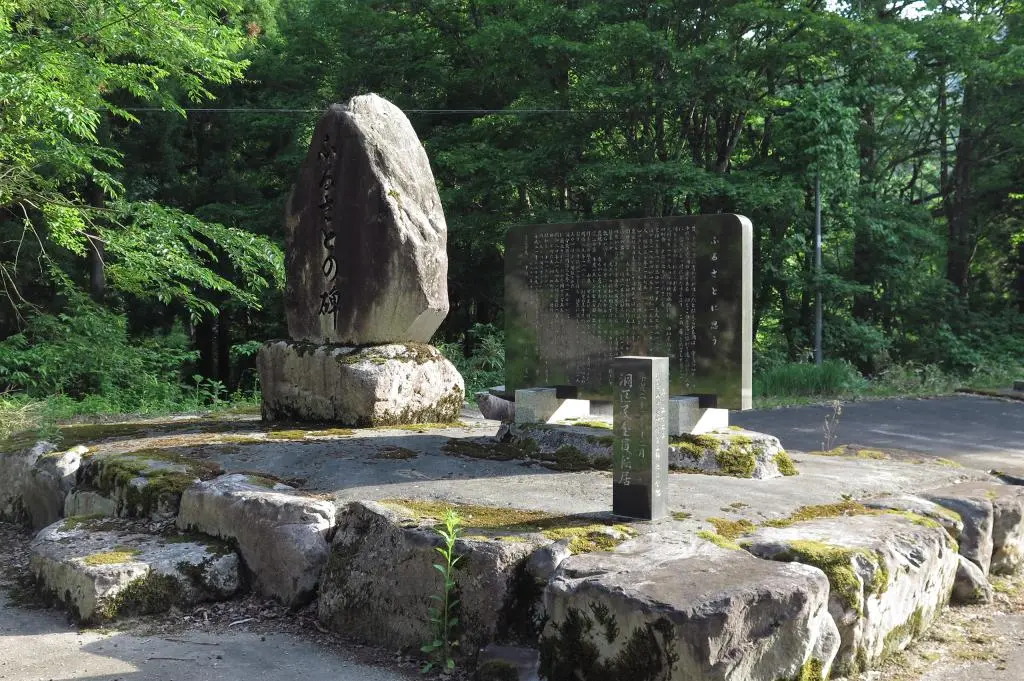
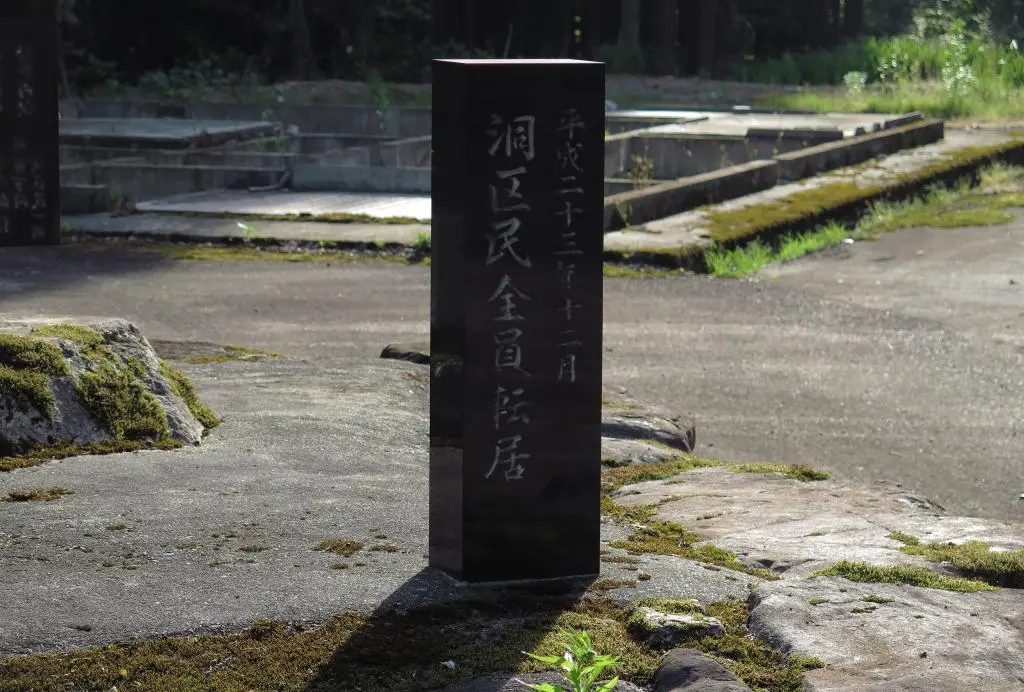
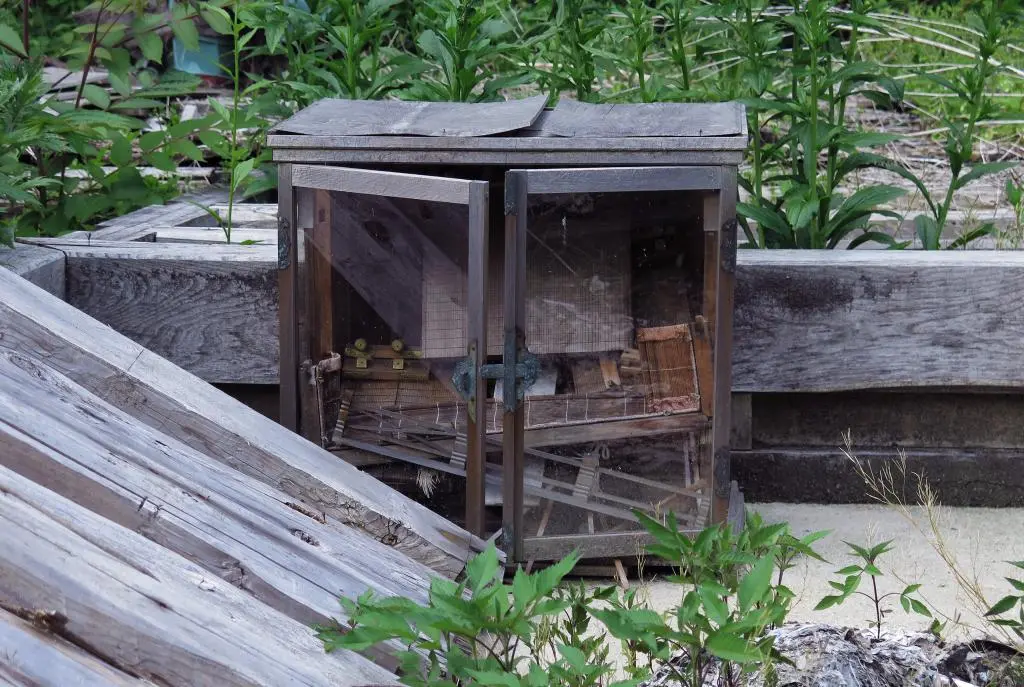
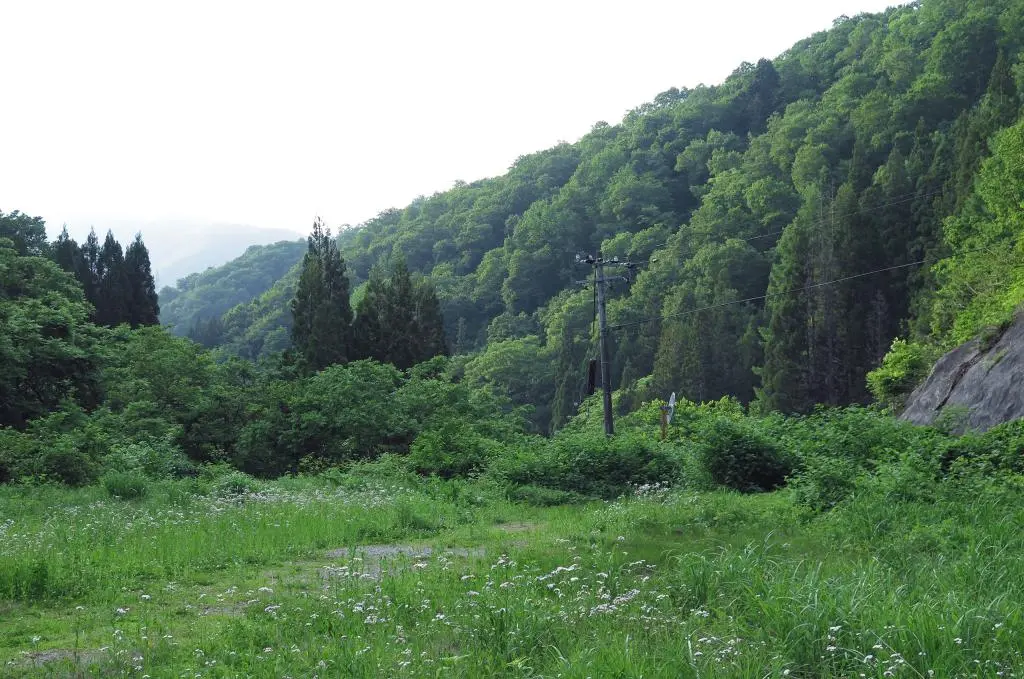
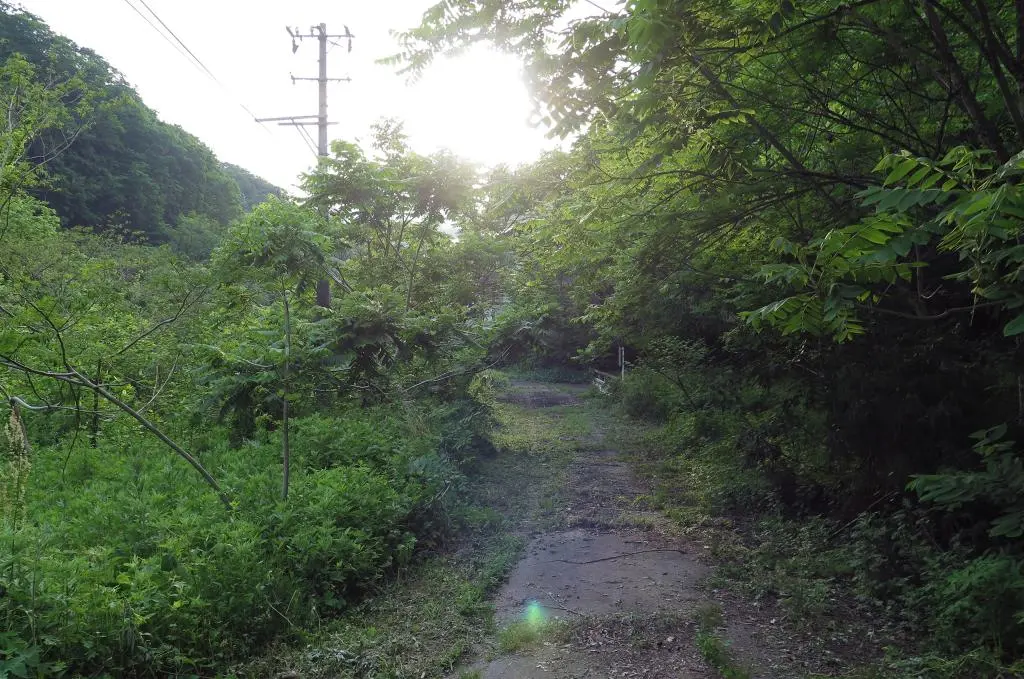
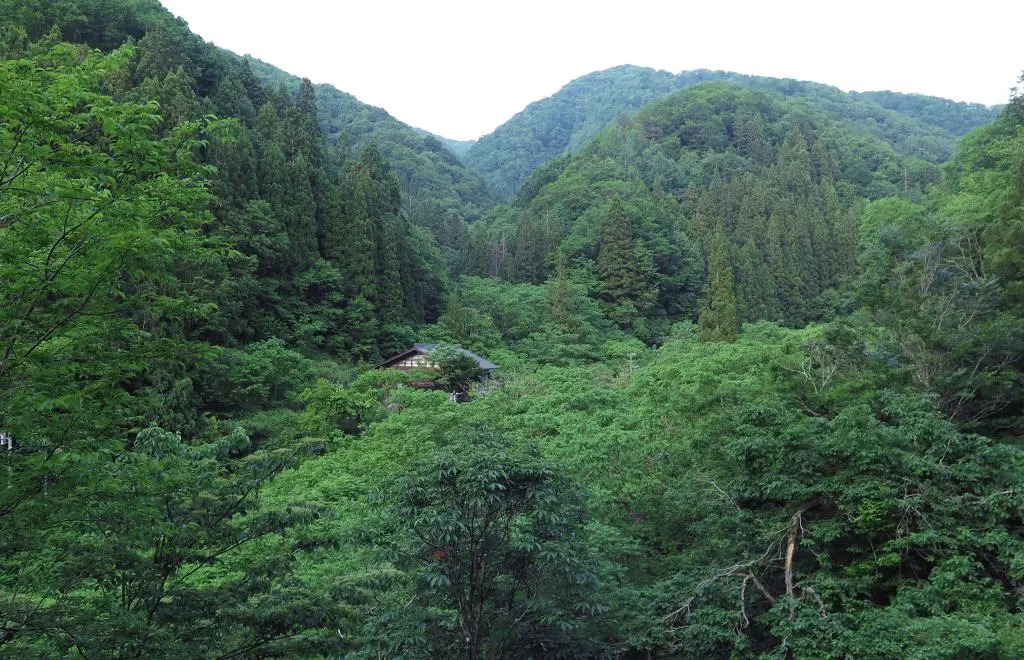
Hora Village 洞区 was a remote village in Miyagawa. Much like many mountain villages in central Japan, it suffered severe depopulation after the war and eventually ceased to exist. On December 12th, 2011, the final residents left their homes leaving the village completely abandoned.
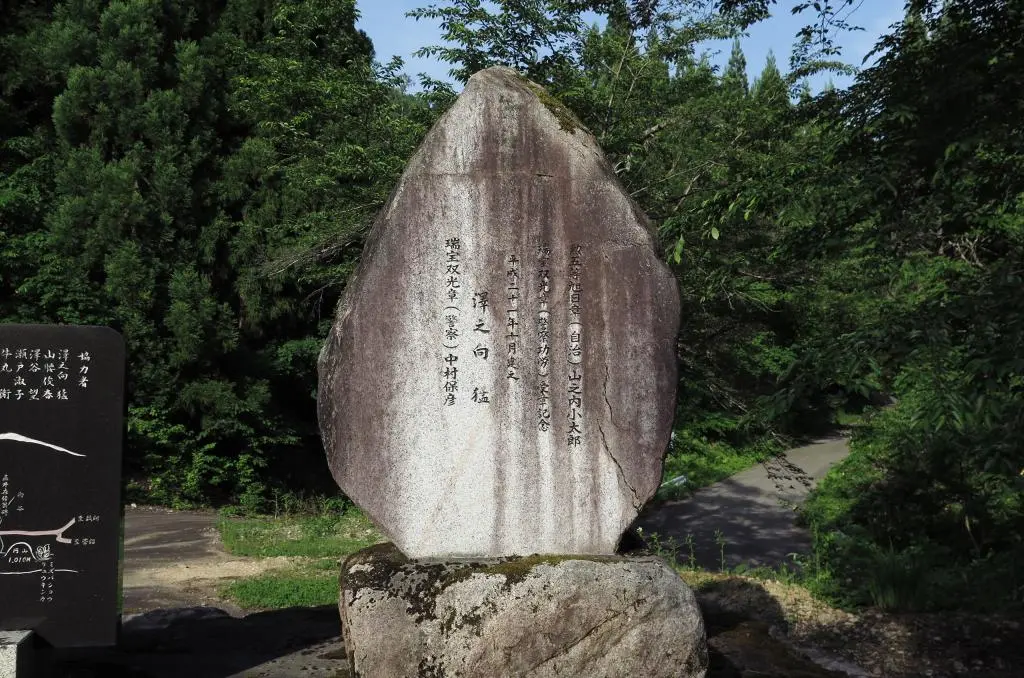
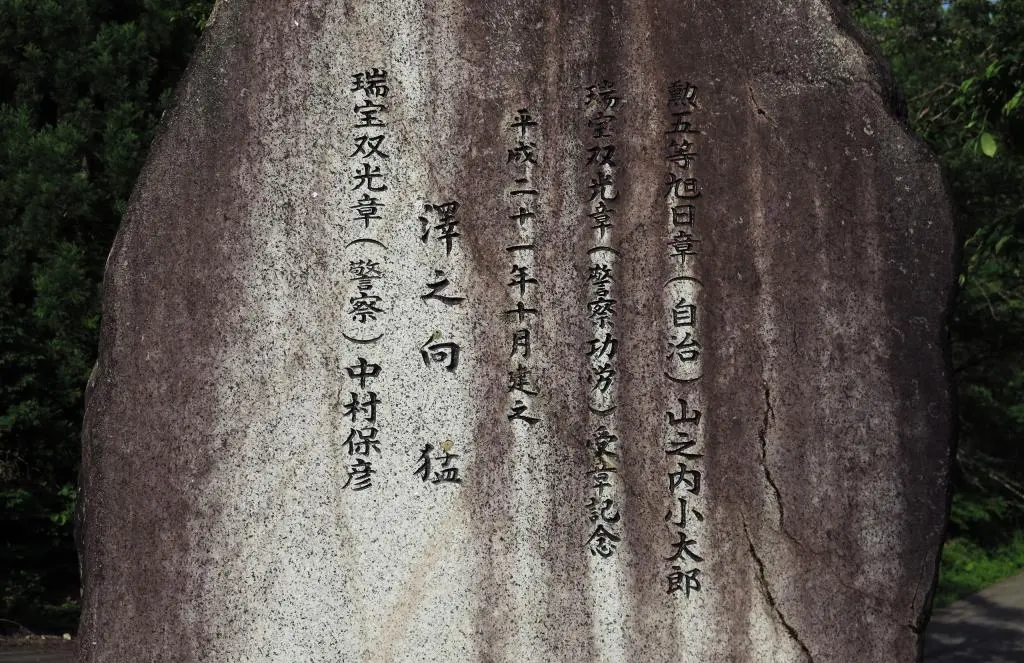
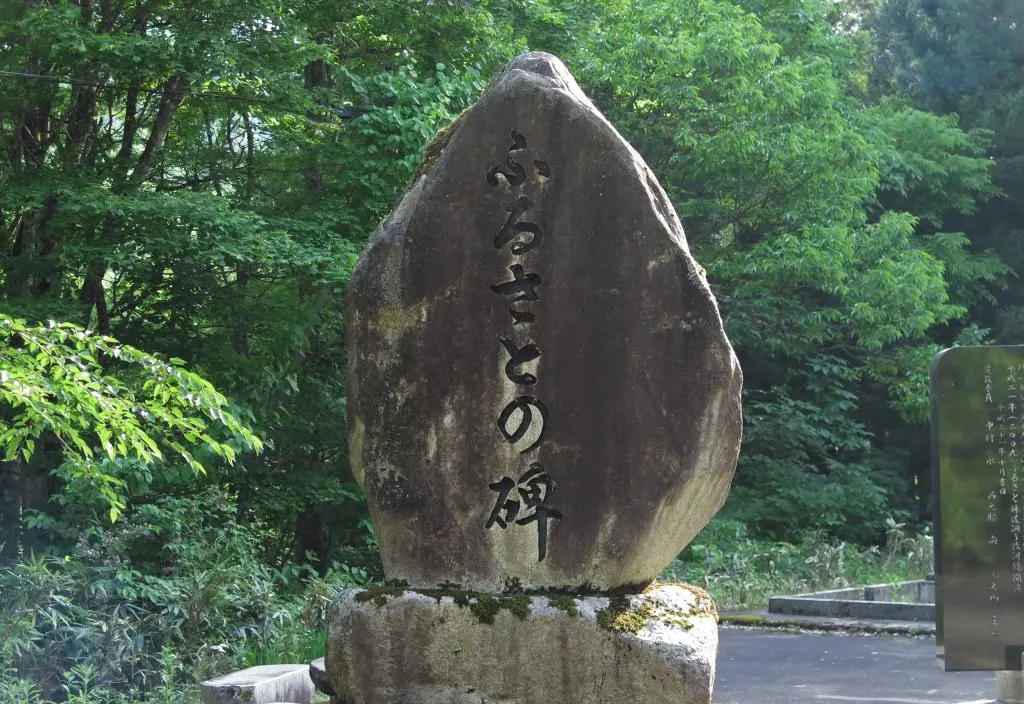
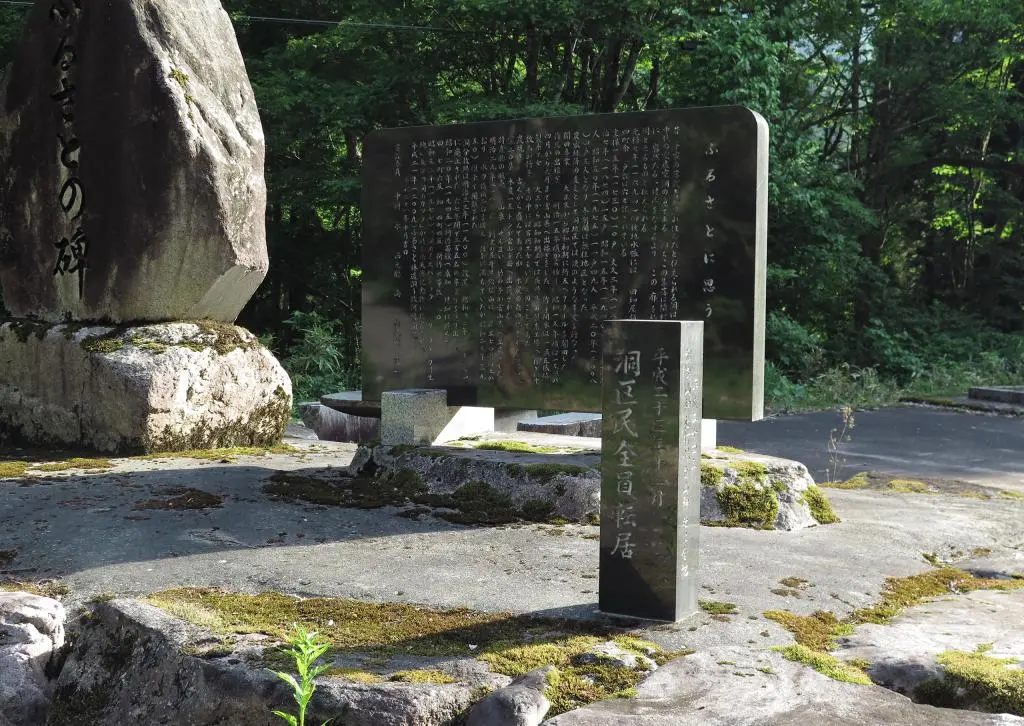
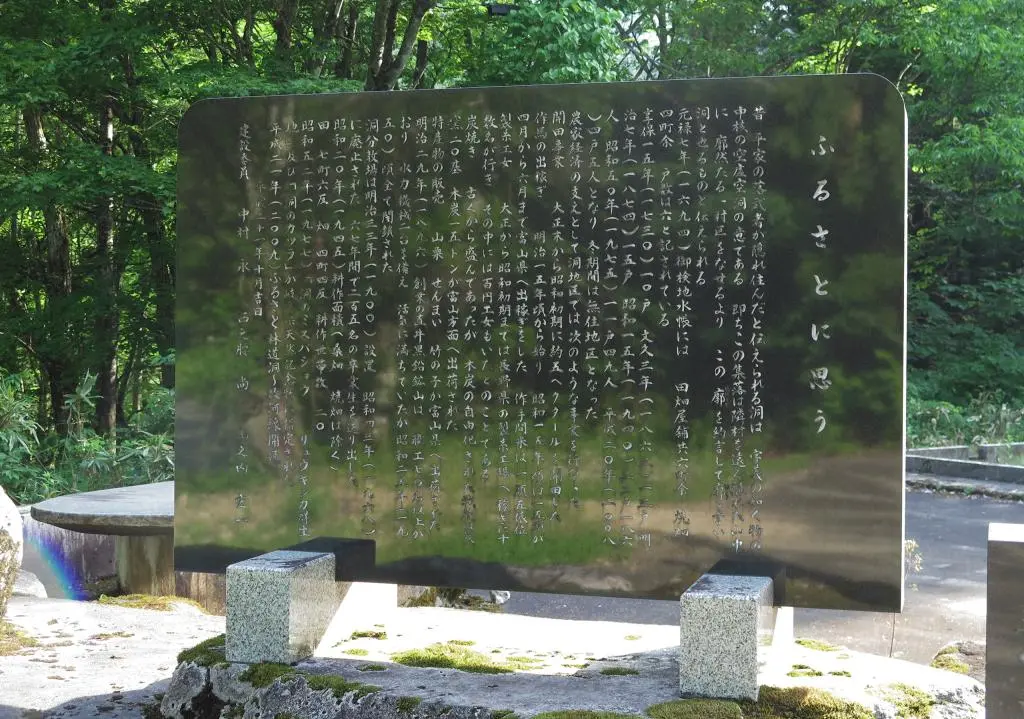
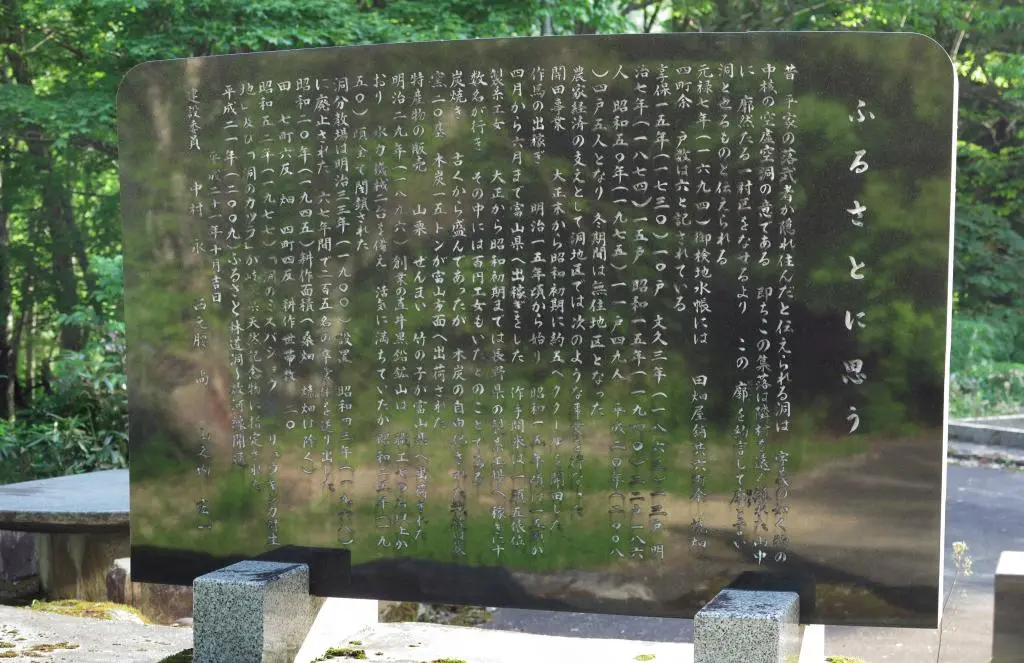
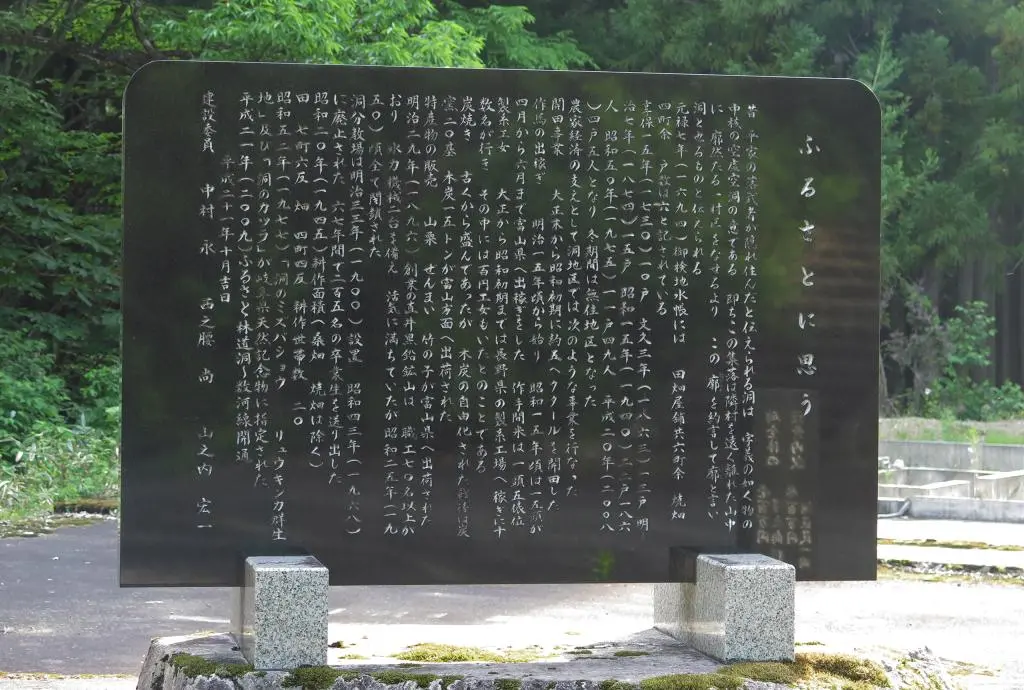
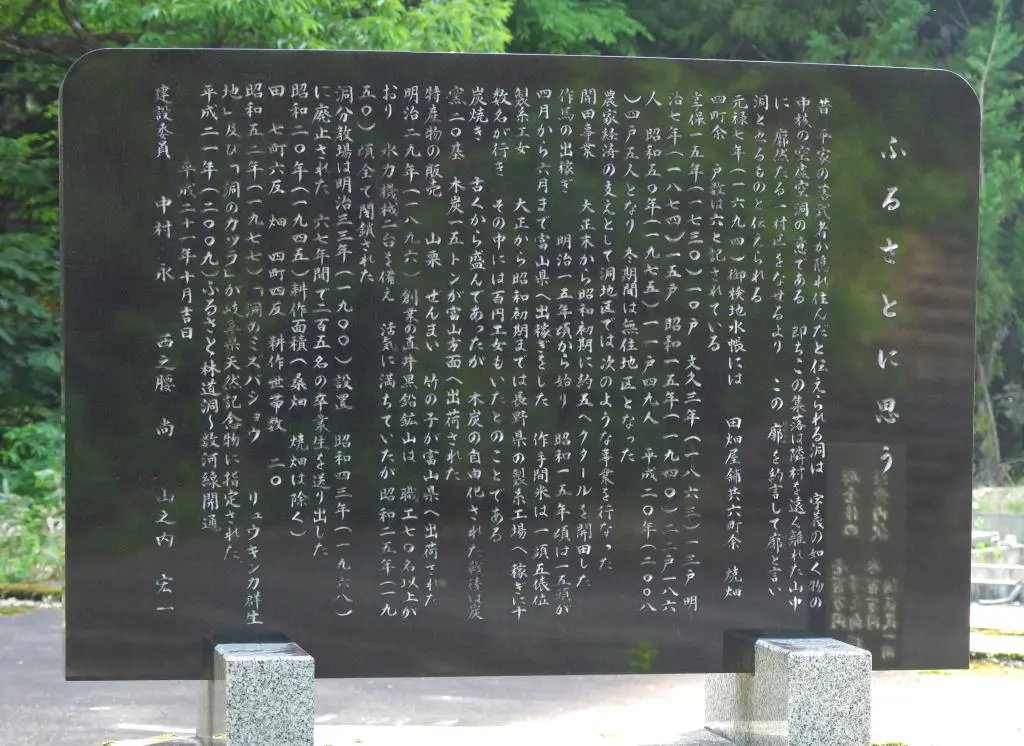
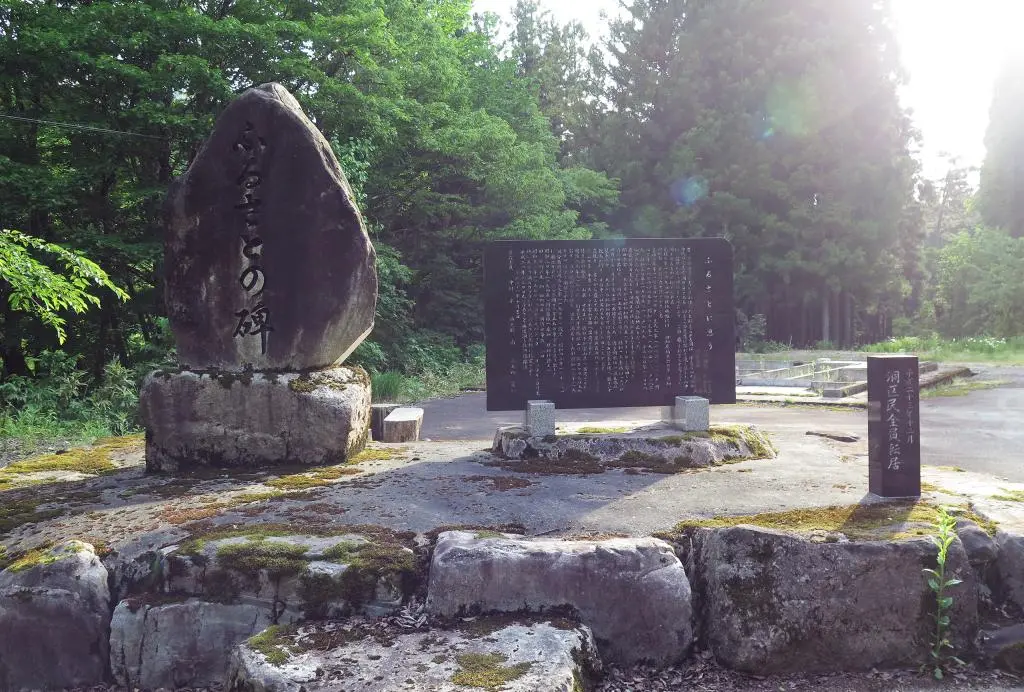
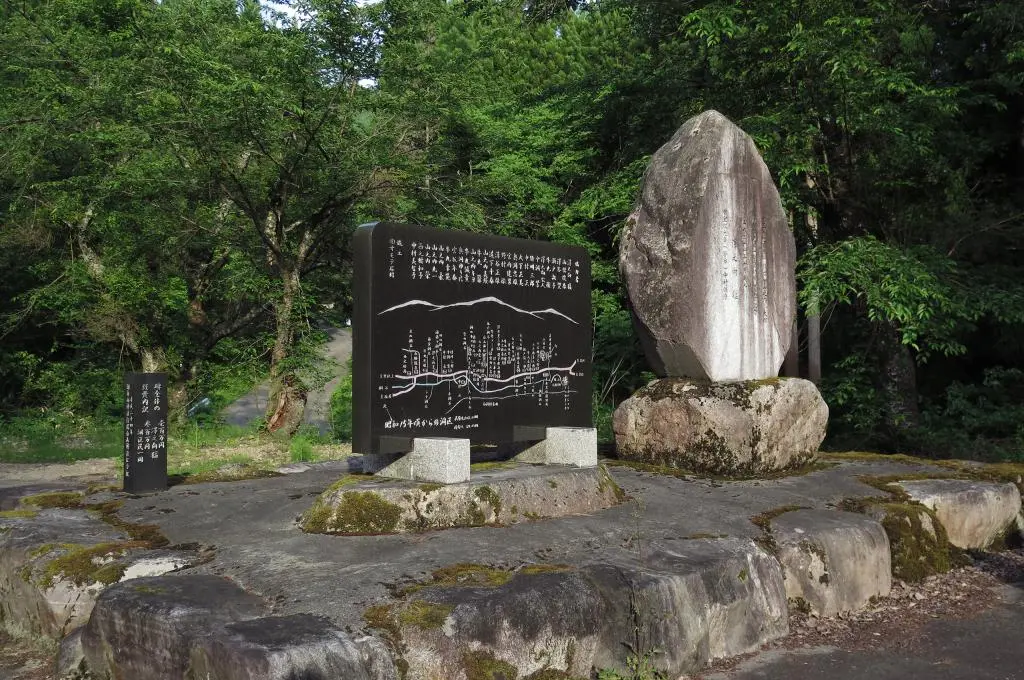
A few years prior in October 2009, a monument was erected detailing a brief history of the village.
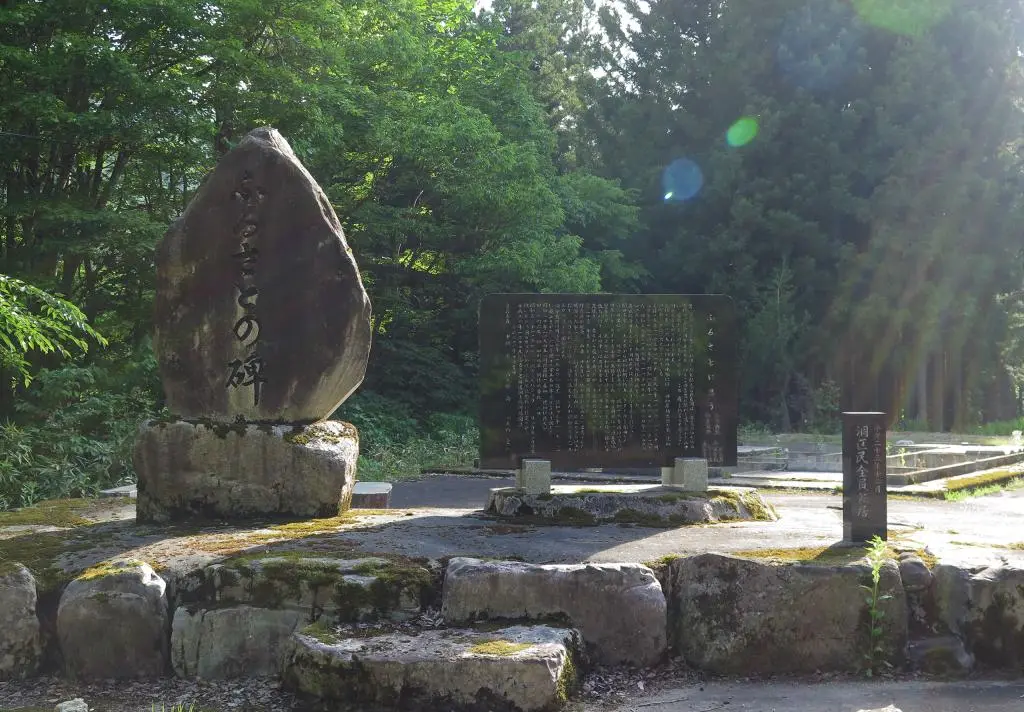
It also lists the rise and decline of its population by years.
1730 - 10 houses
1863 - 13 houses
1874 - 15 houses
1940 - 22 houses - 186 people
1975 - 11 houses - 45 people
2008 - 4 houses - 5 people
That winter, the shrine's priest left.
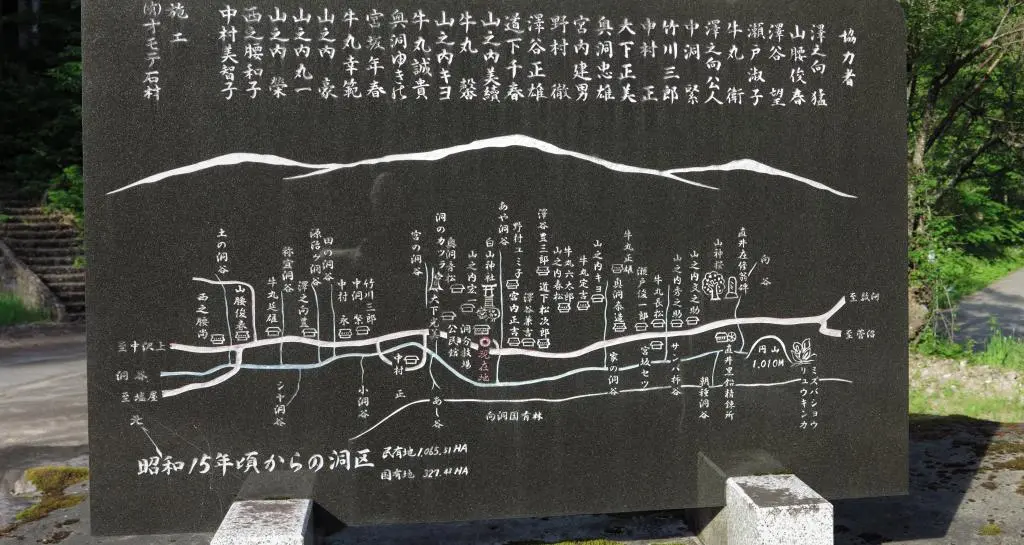
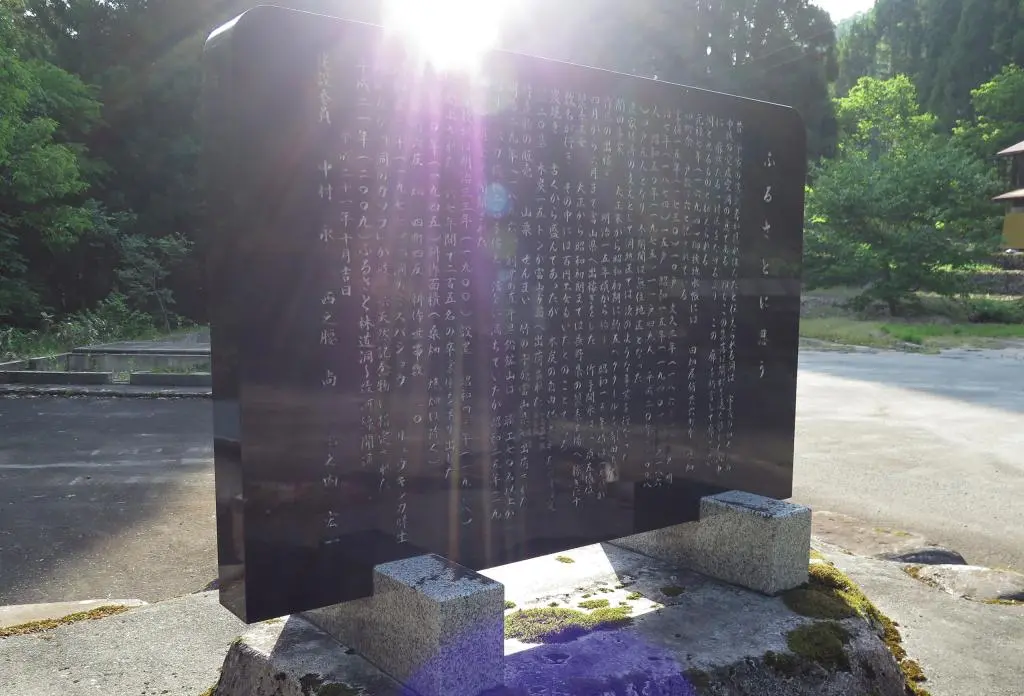
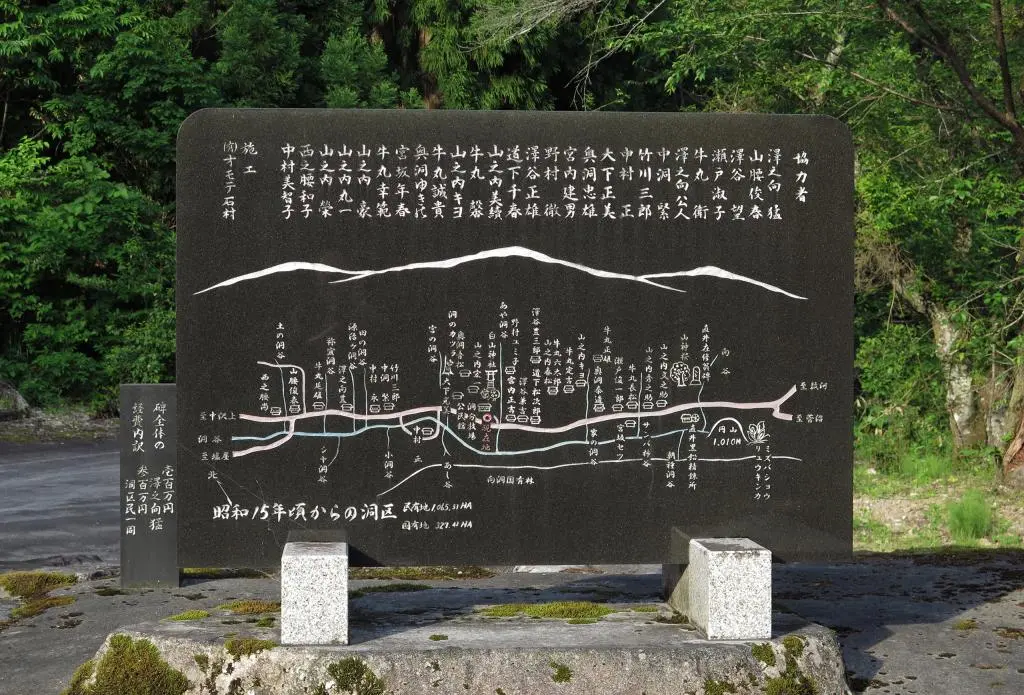
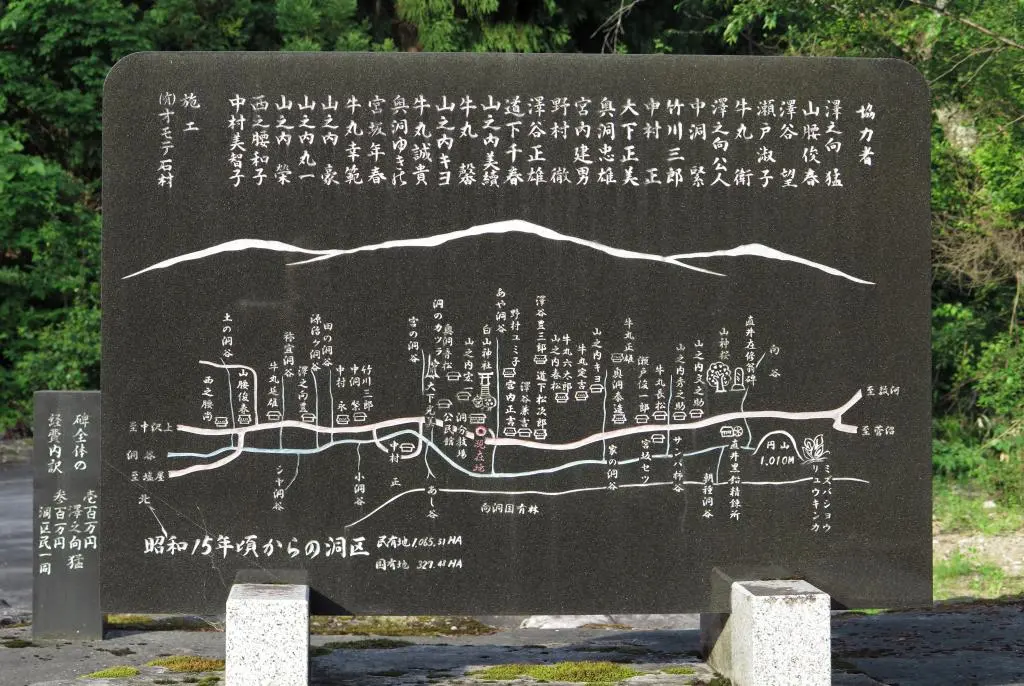
Seems like 1940 was peak times for the village, and there's a map on the back of the monument listing each of the 22 homes and the leader of the household.
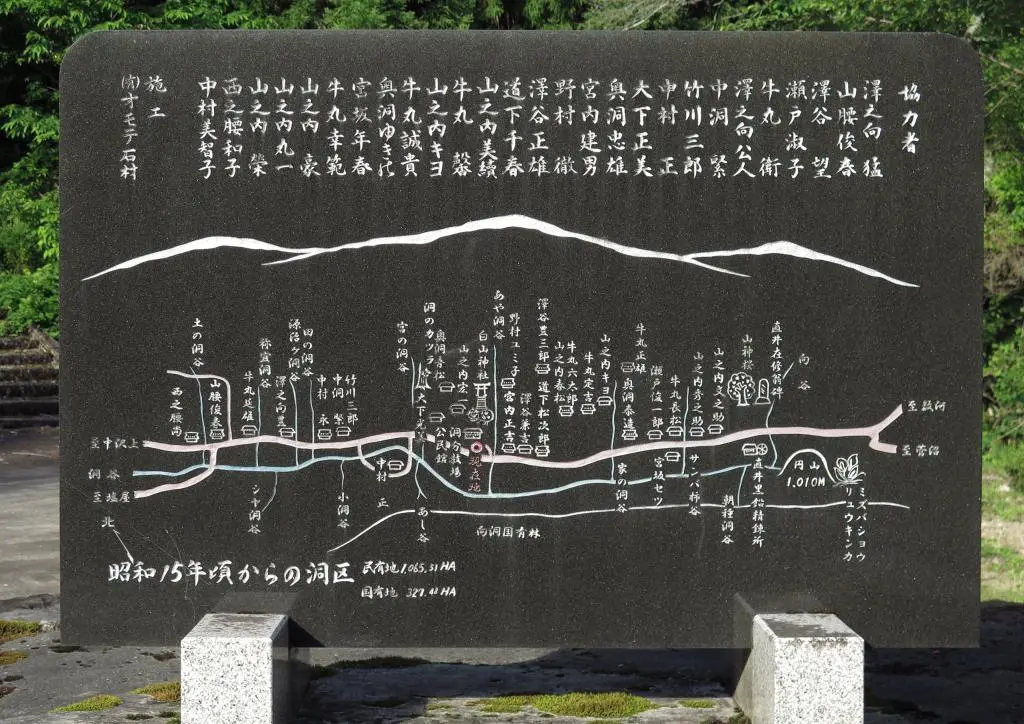
The monument was built in the center of the village near the site of the old branch school. The monument titles the school as Hora Branch School with the kanji 洞分教場. I think this was its original name when it opened in 1900. It was later closed in 1968 as 坂下小学校洞分校, Sakashita ES Hora Branch School. The monument mentions that throughout its 67 years, it produced only 205 graduates.
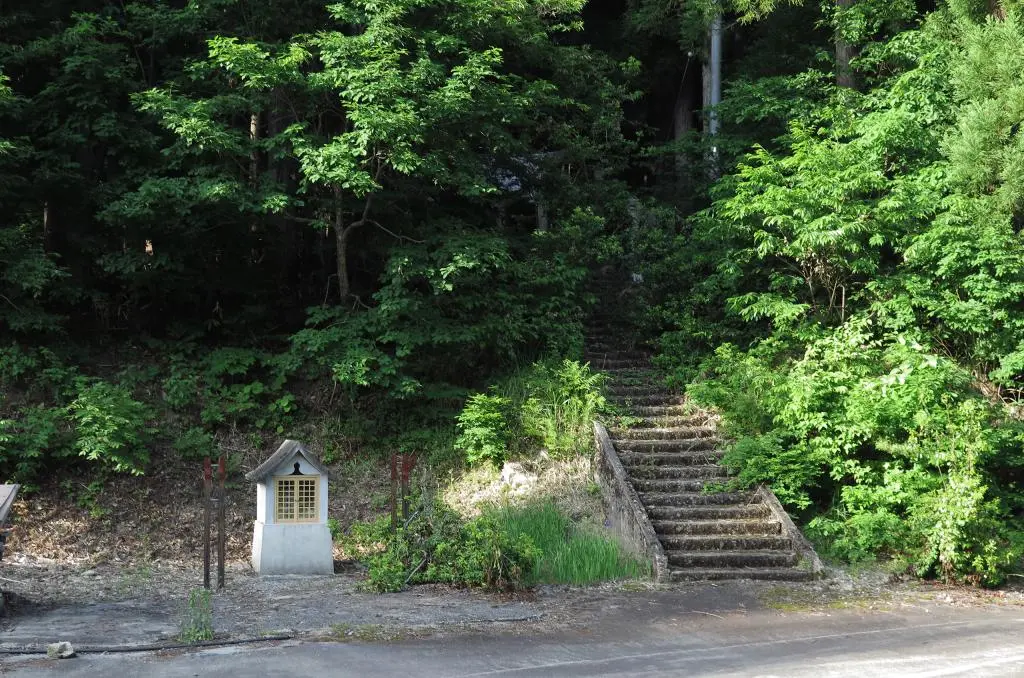
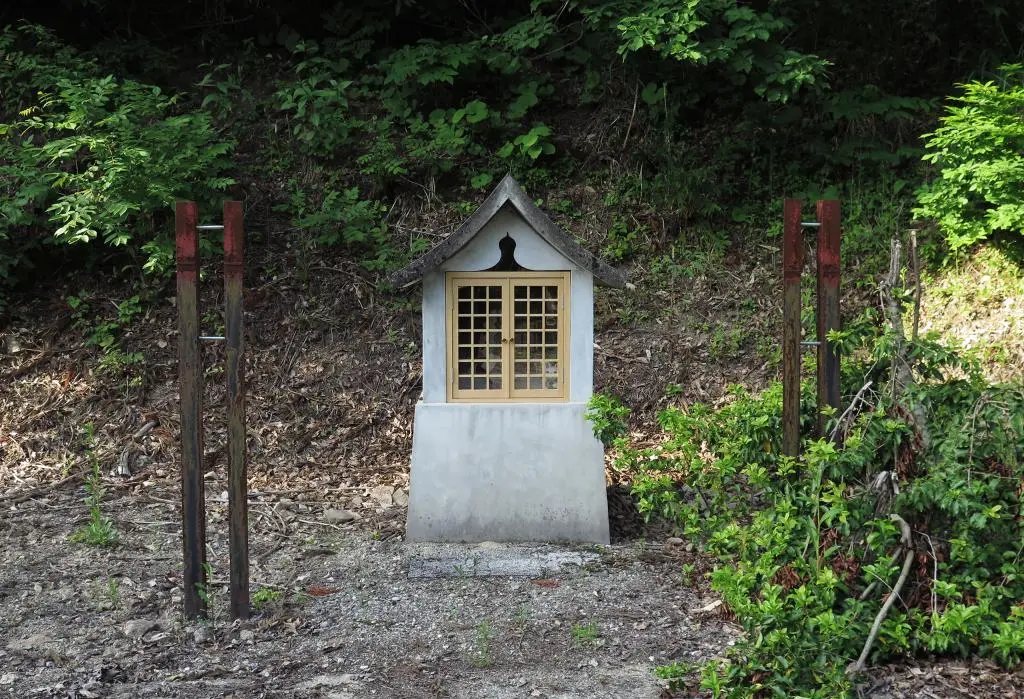
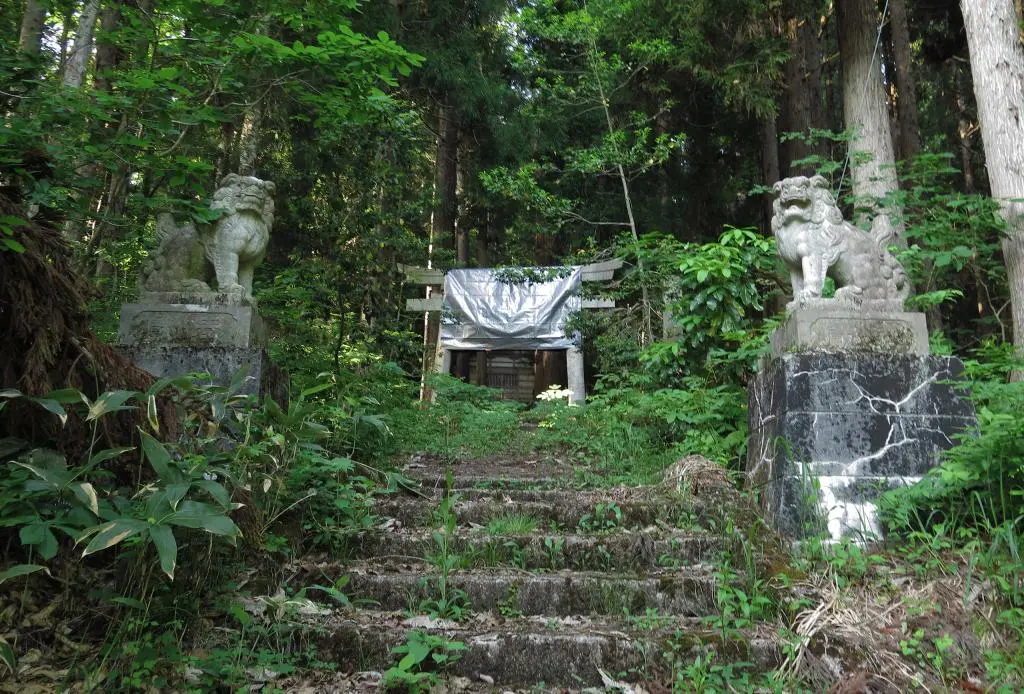
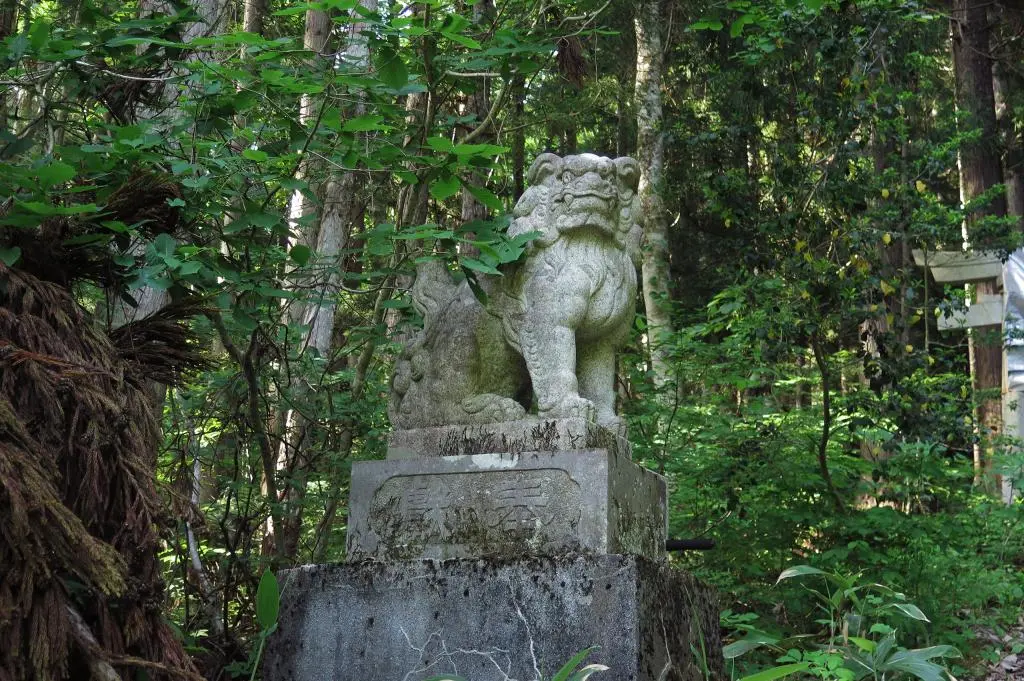
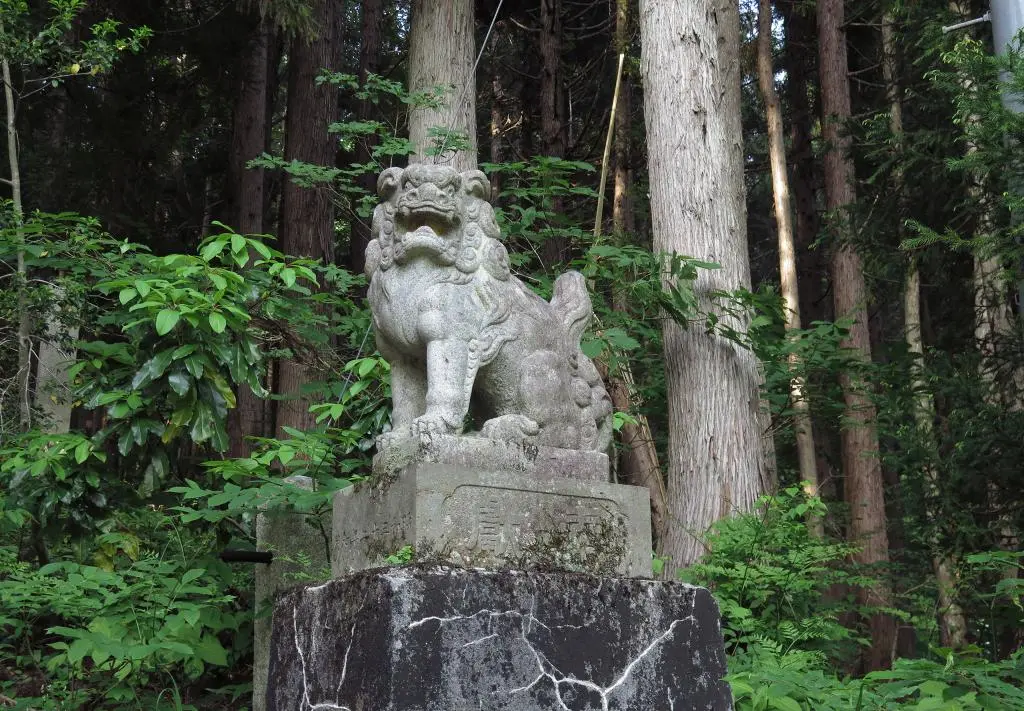
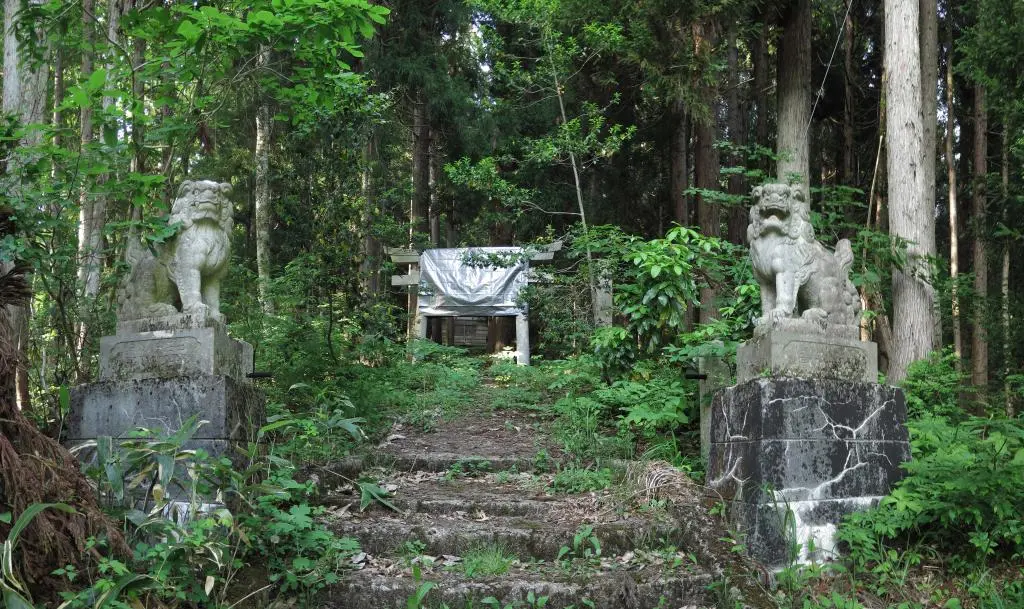
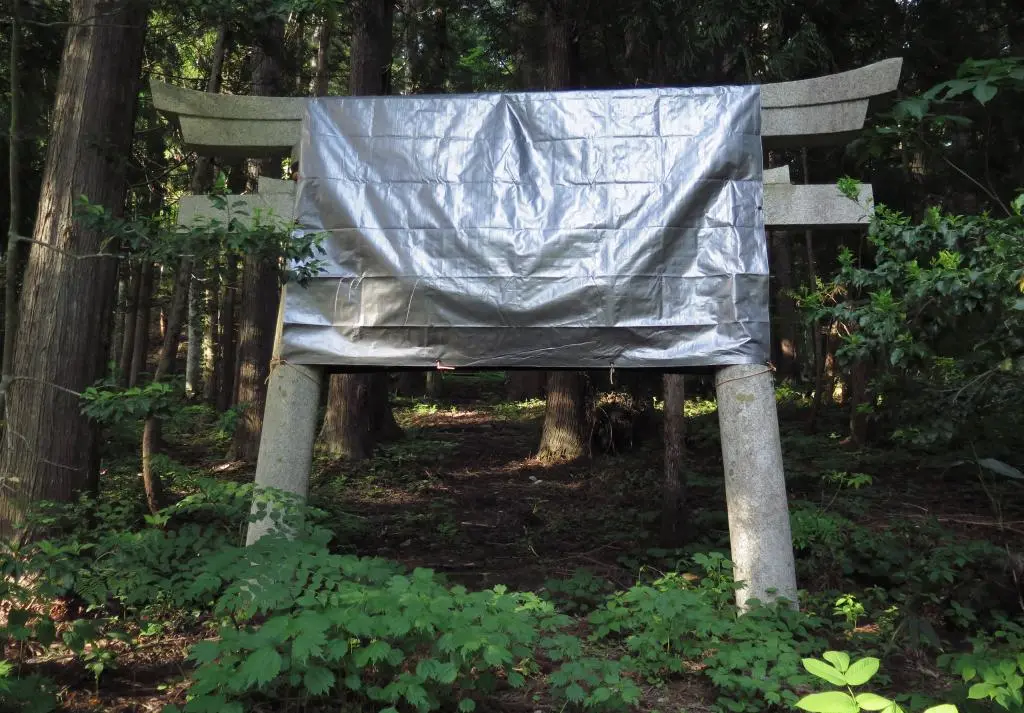
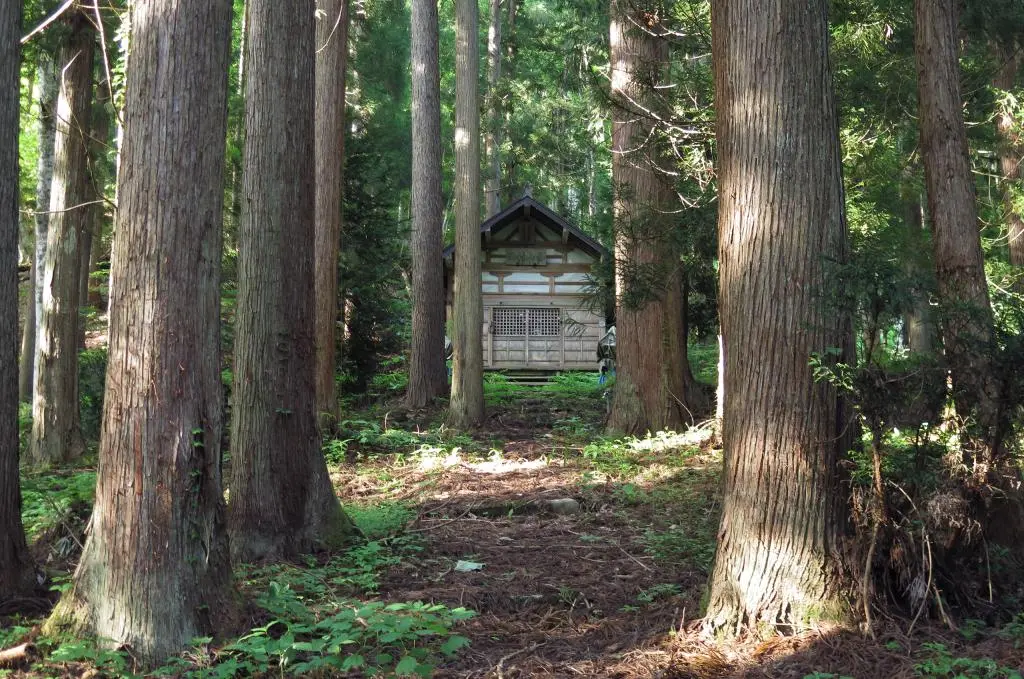
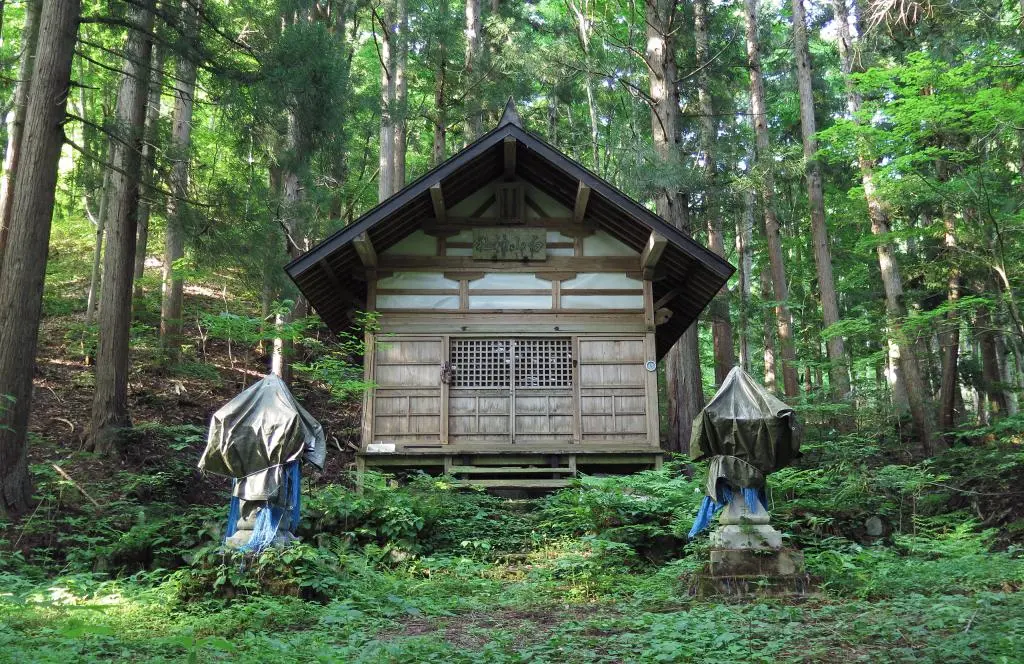
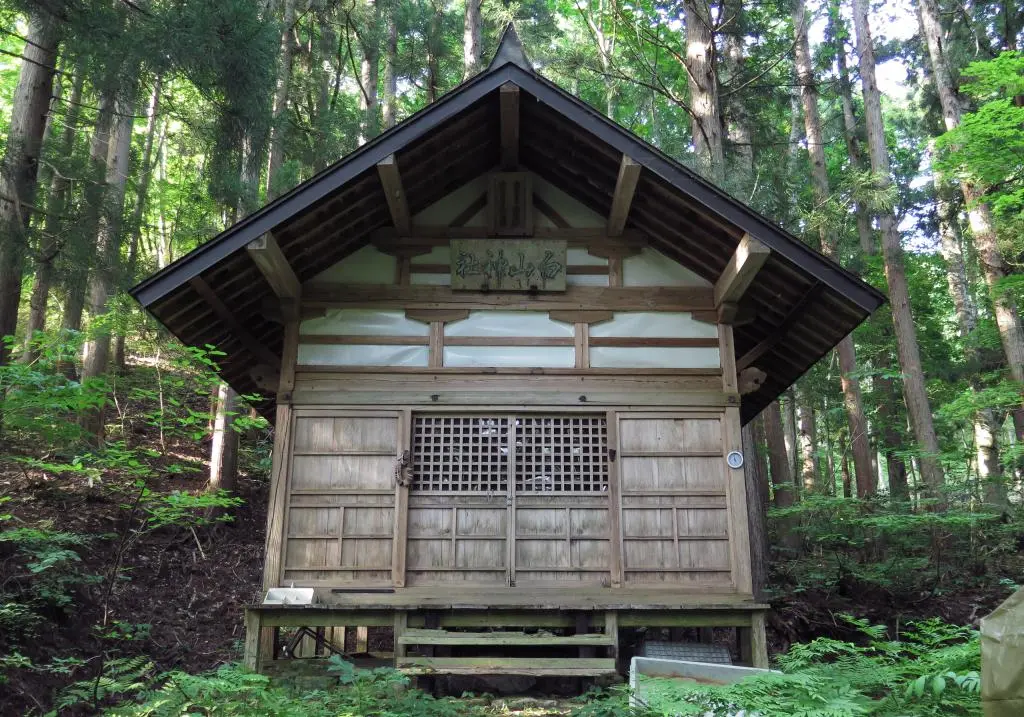
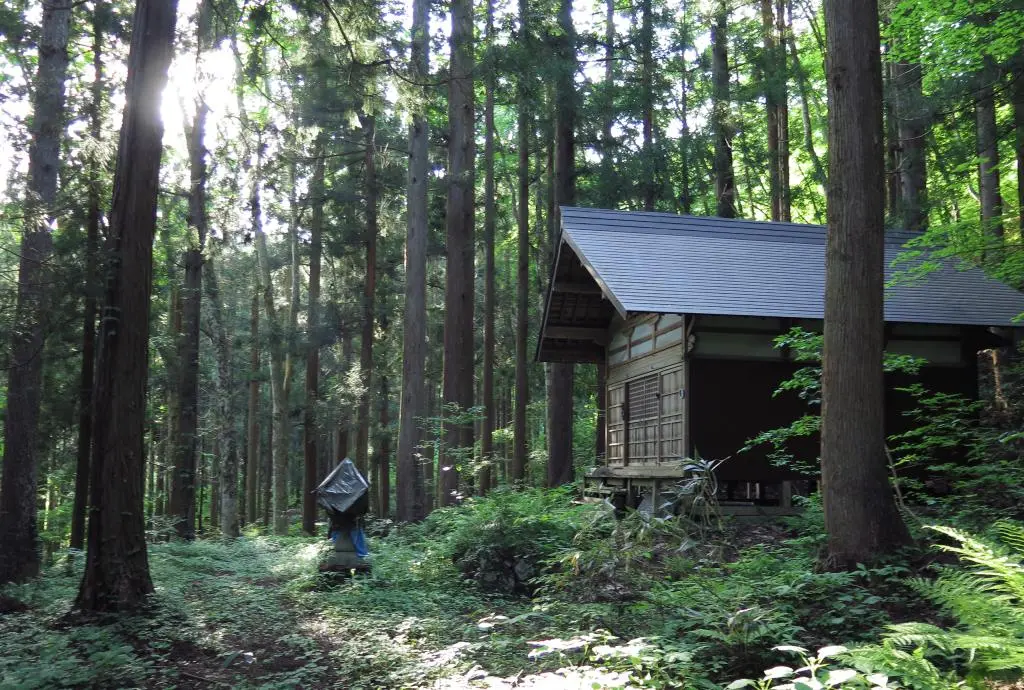
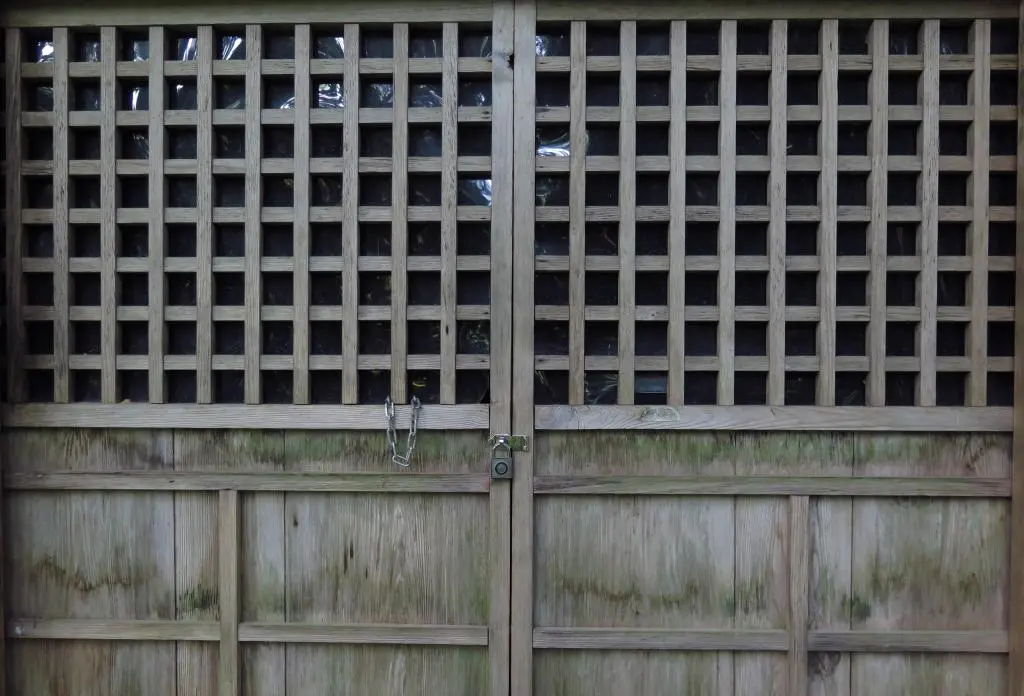
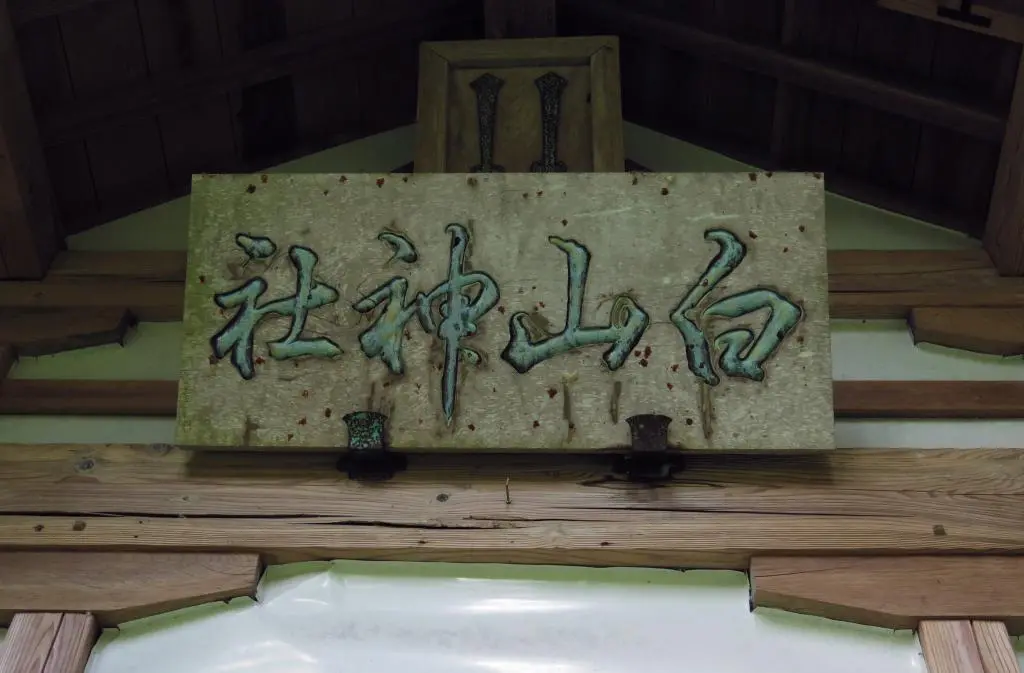
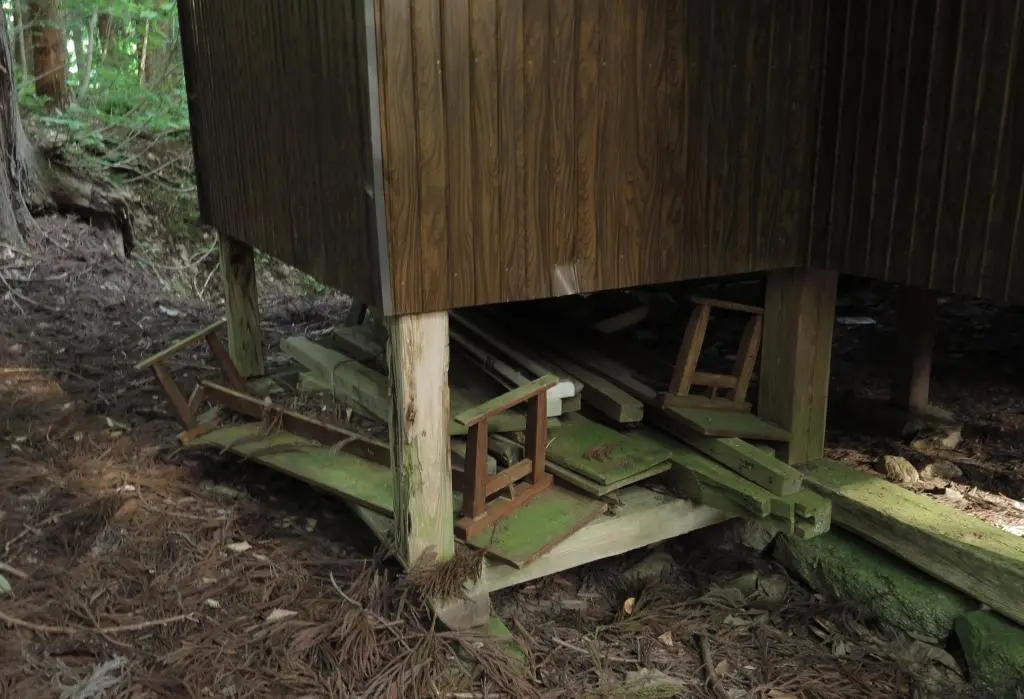
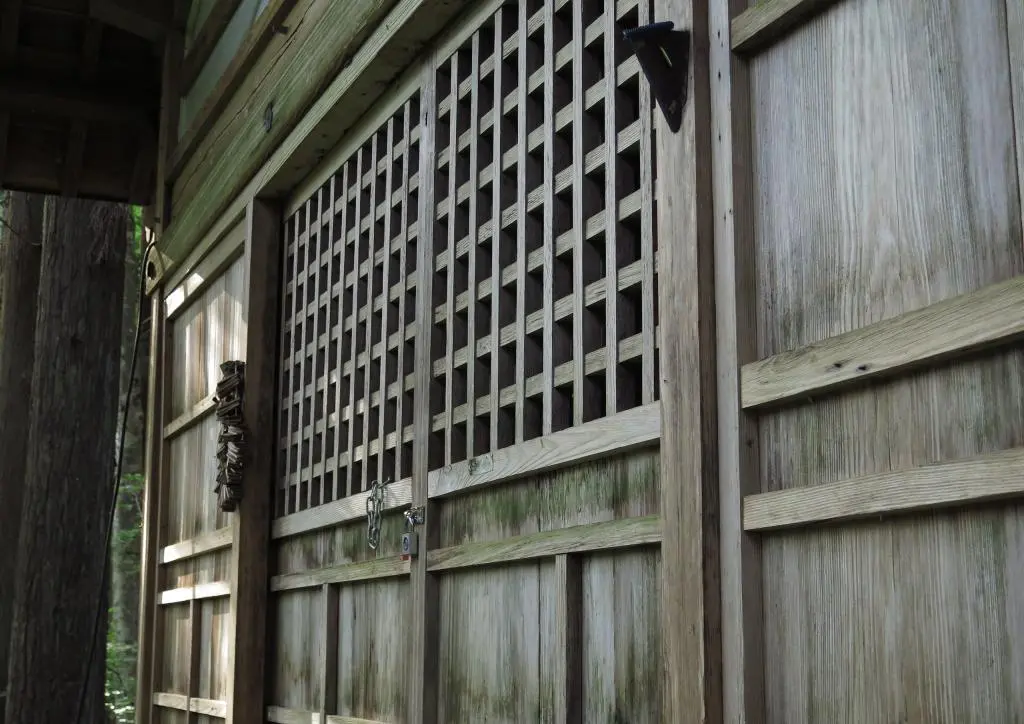
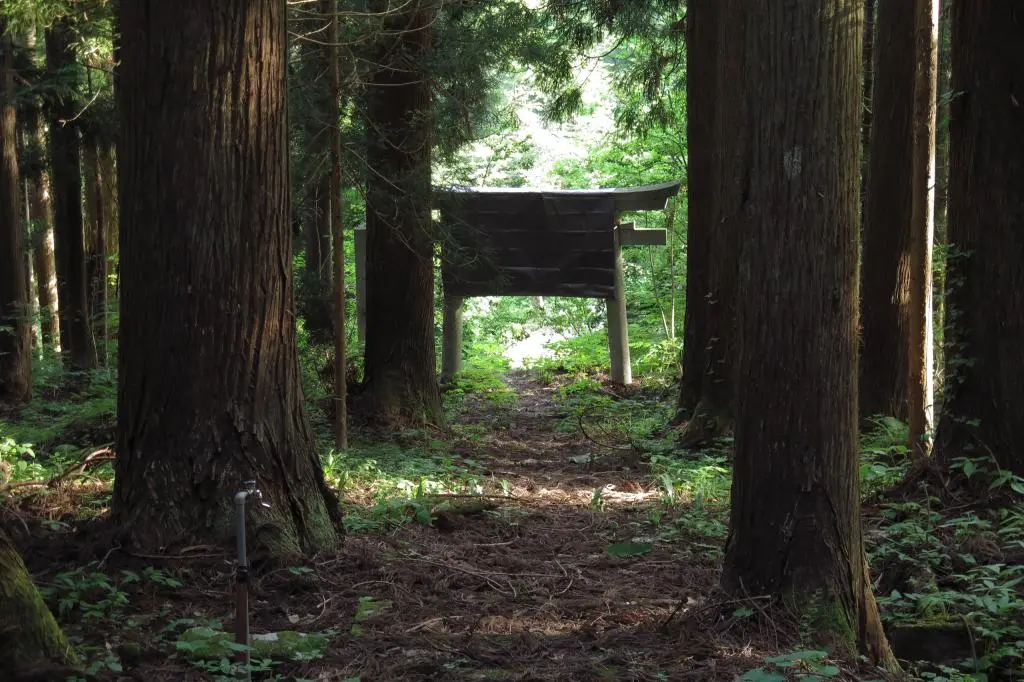
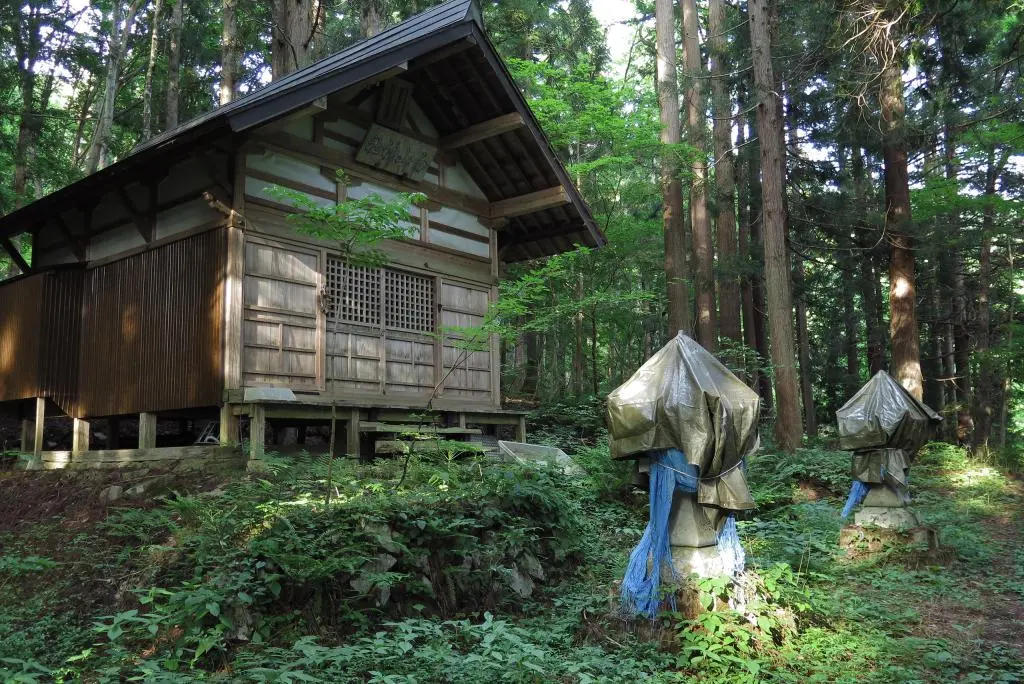
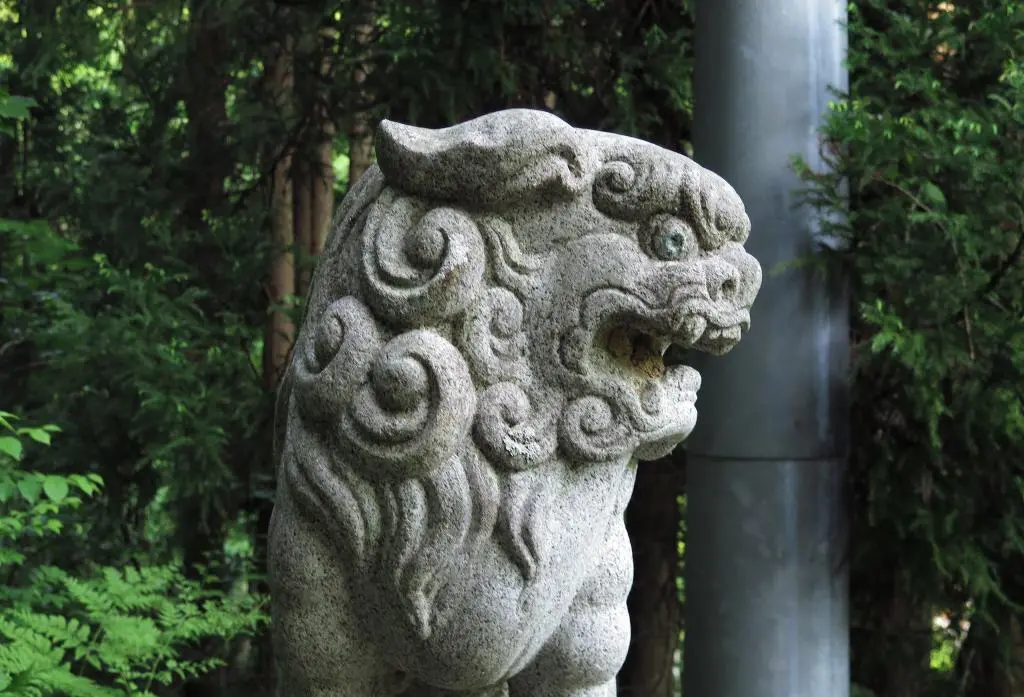
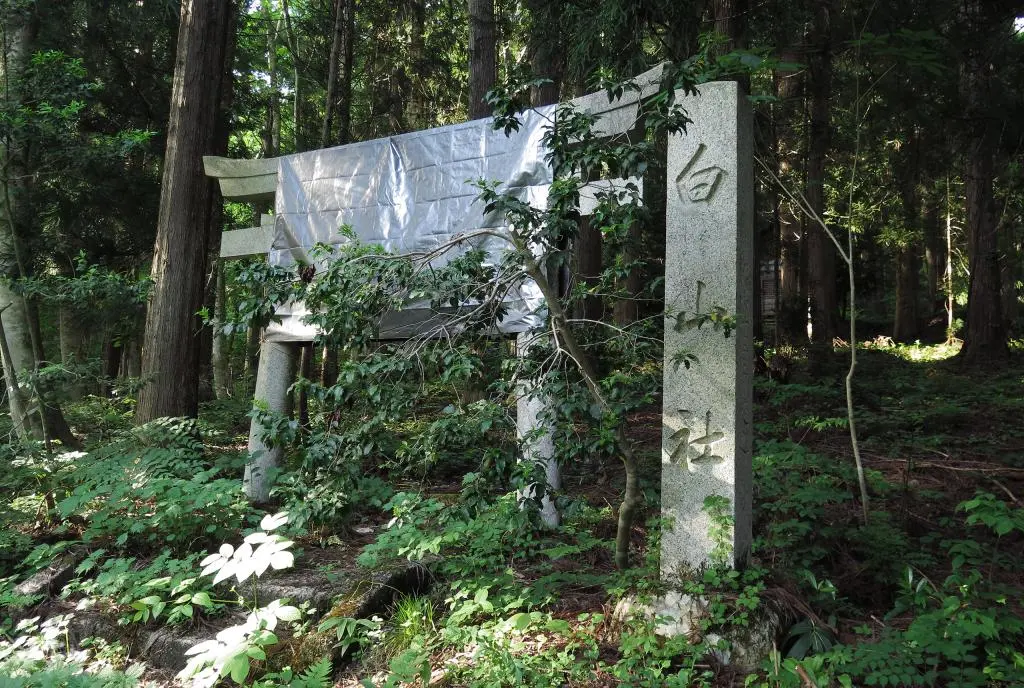
Up the hill beside the open area was a Hakusan Shrine. The gate and the statues further up were covered in tarps to preserve them.
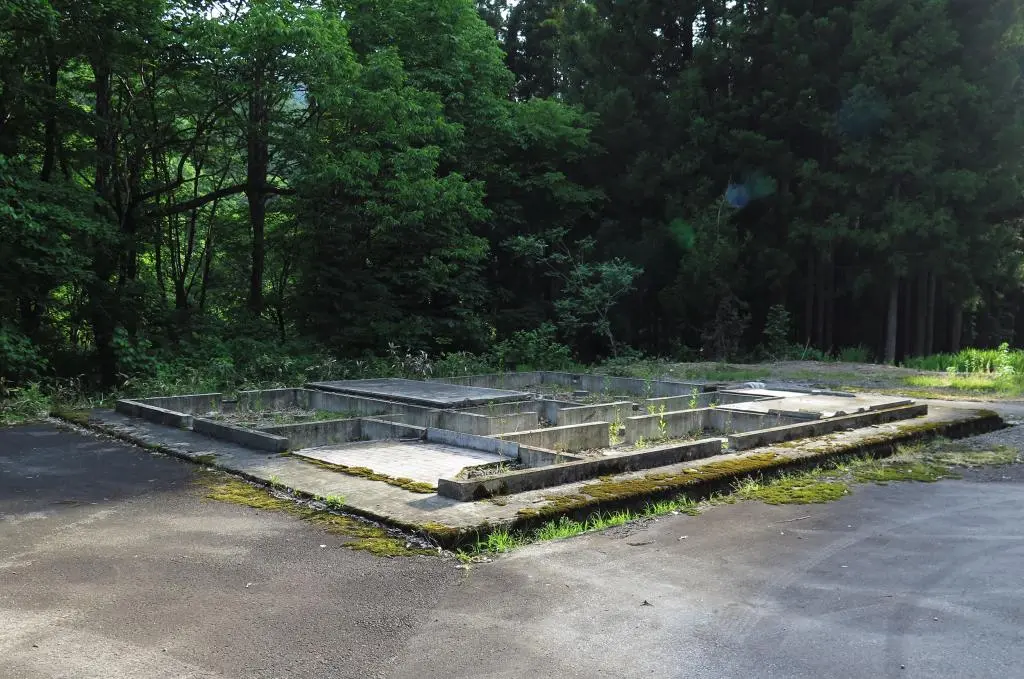
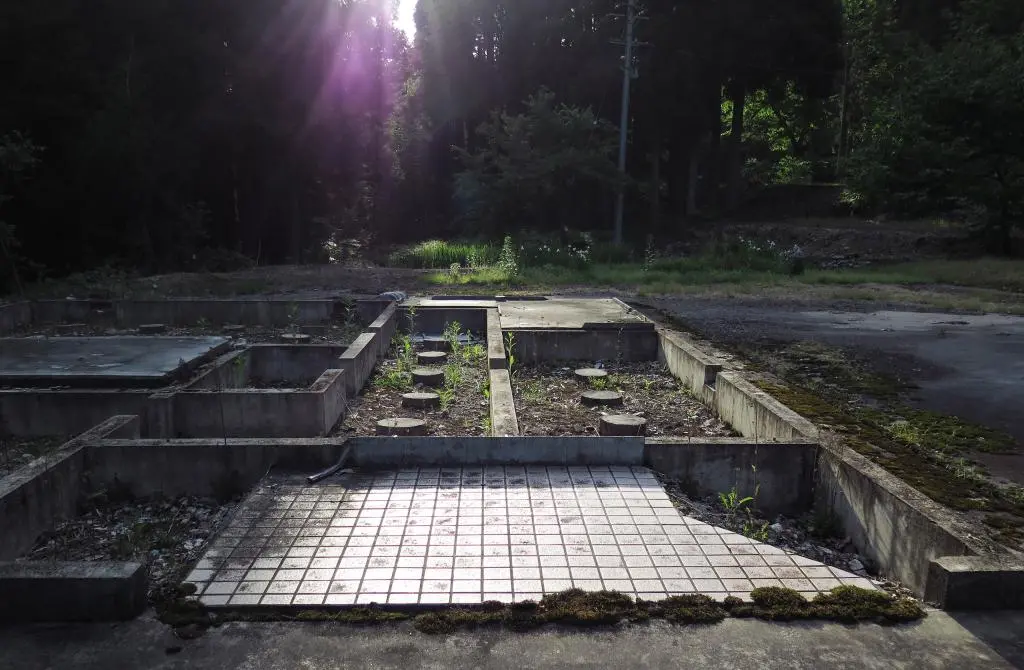
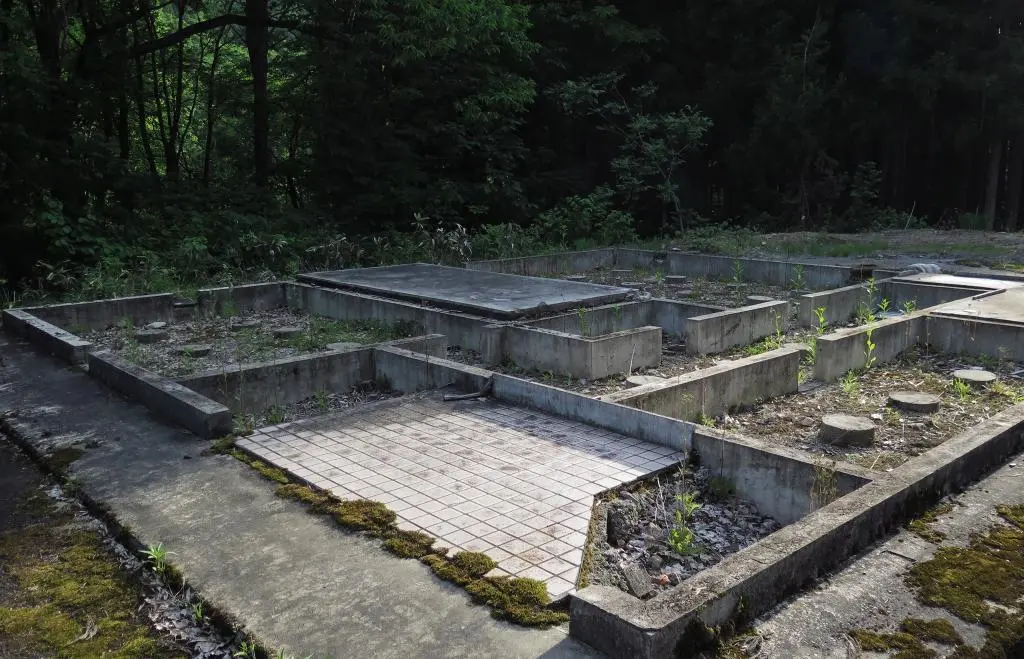
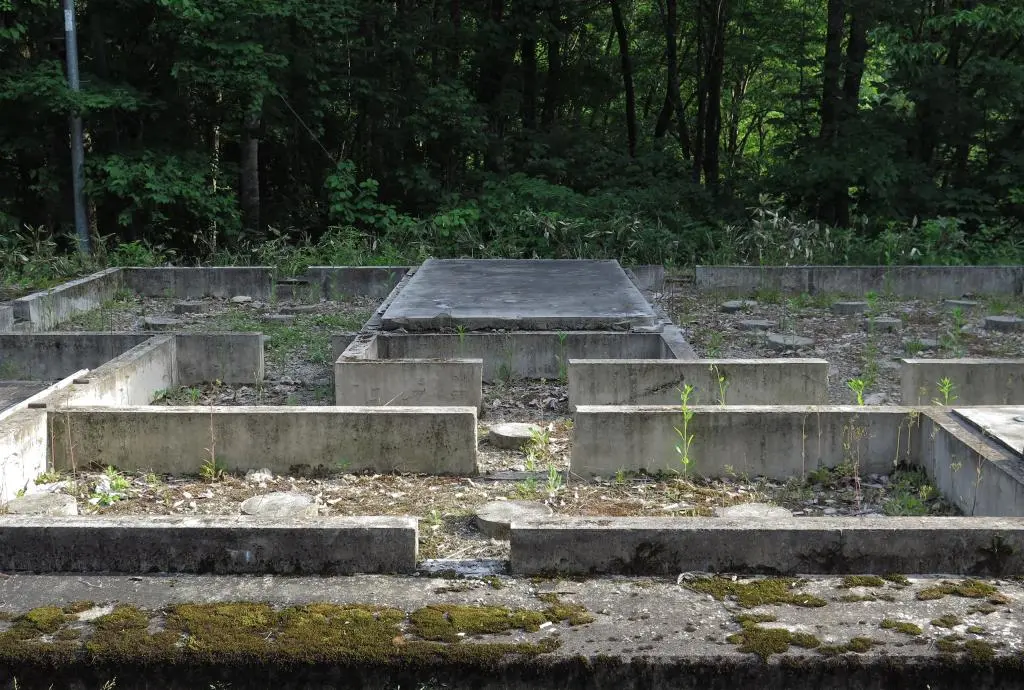
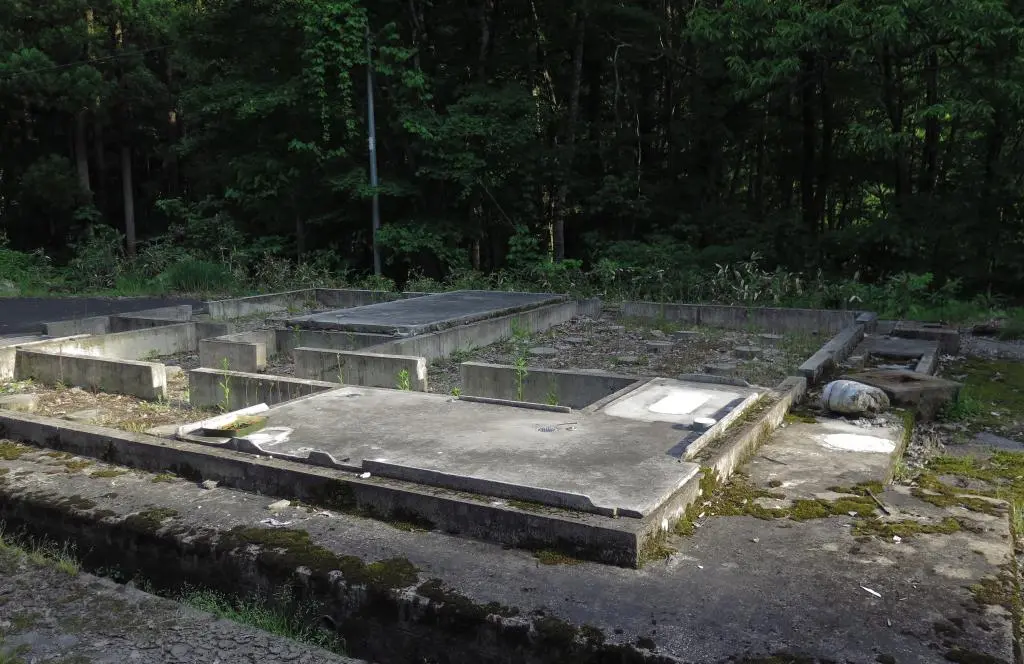
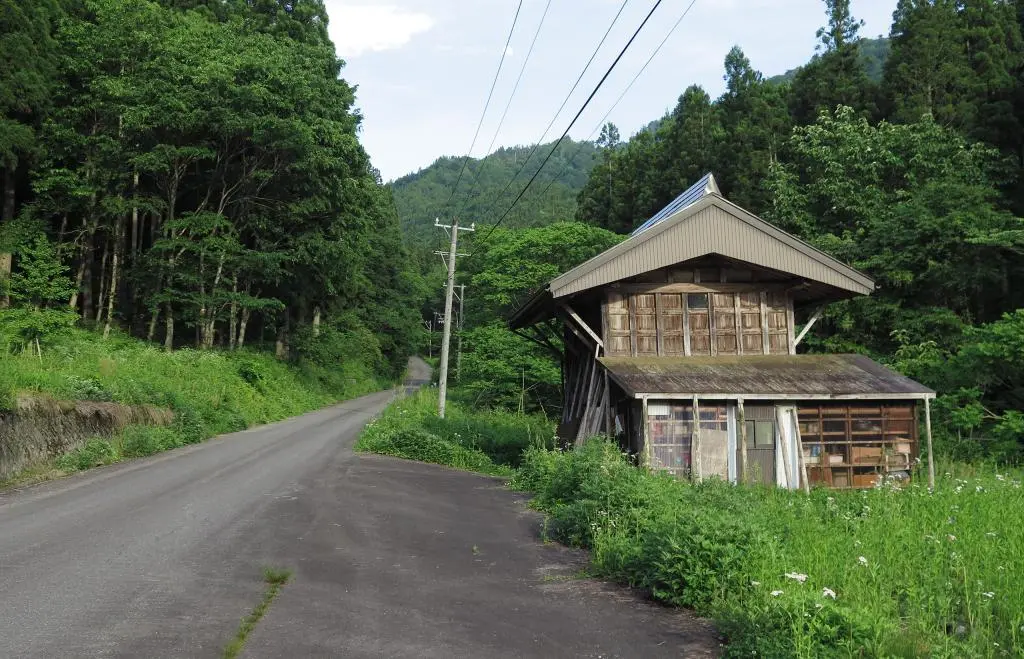
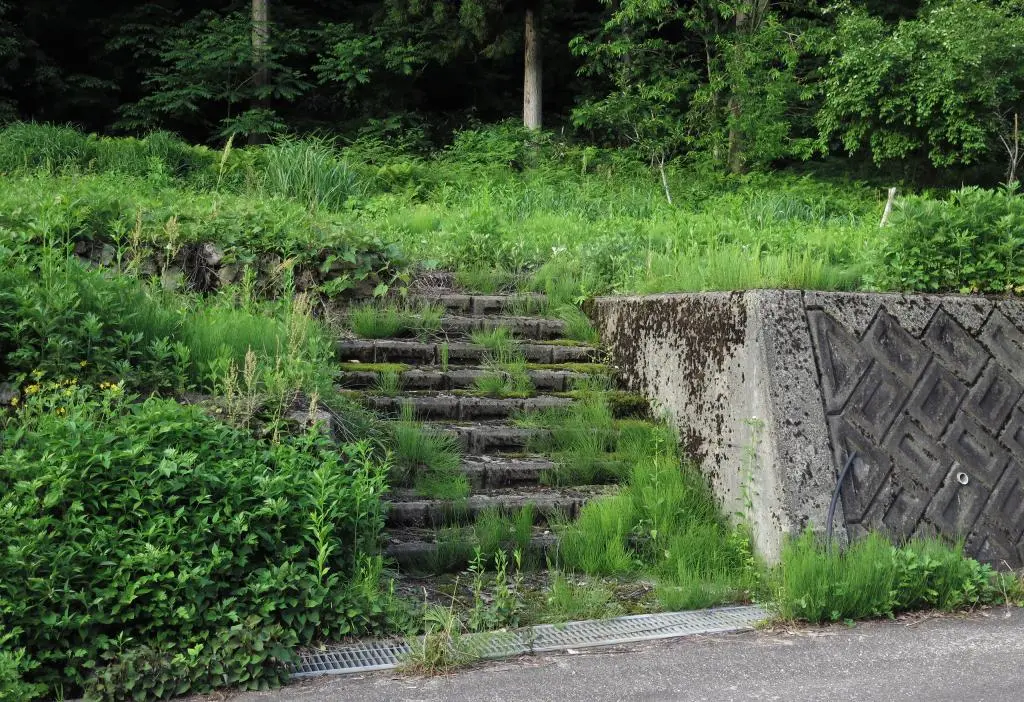
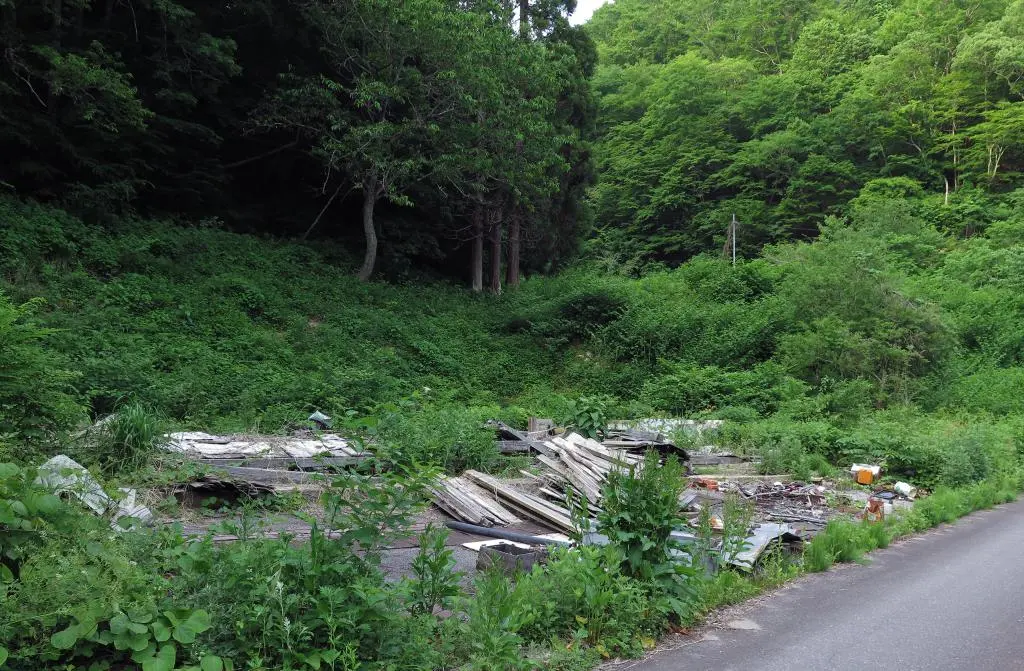
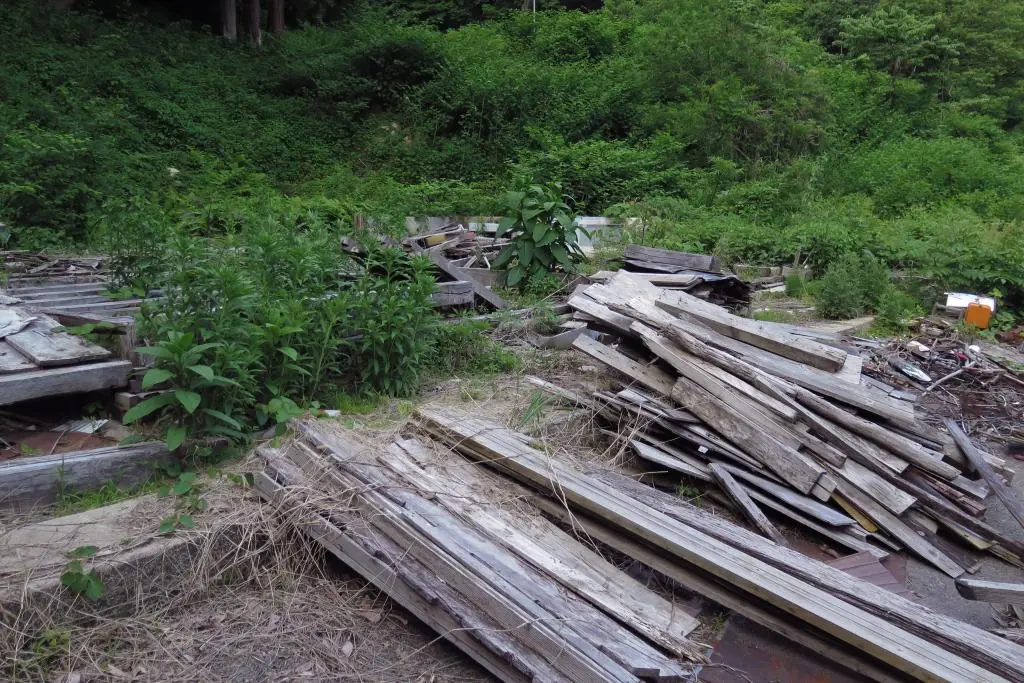
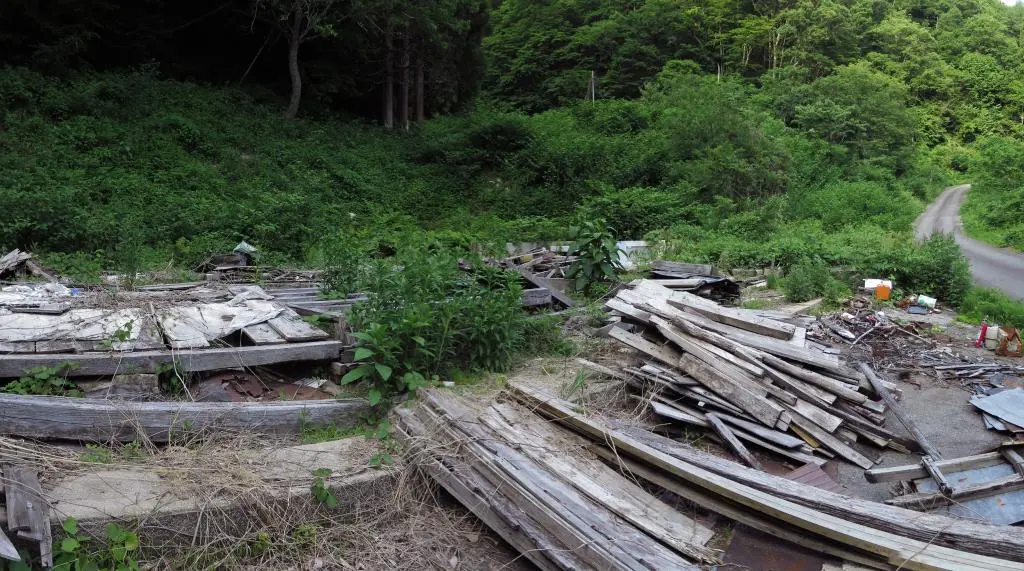
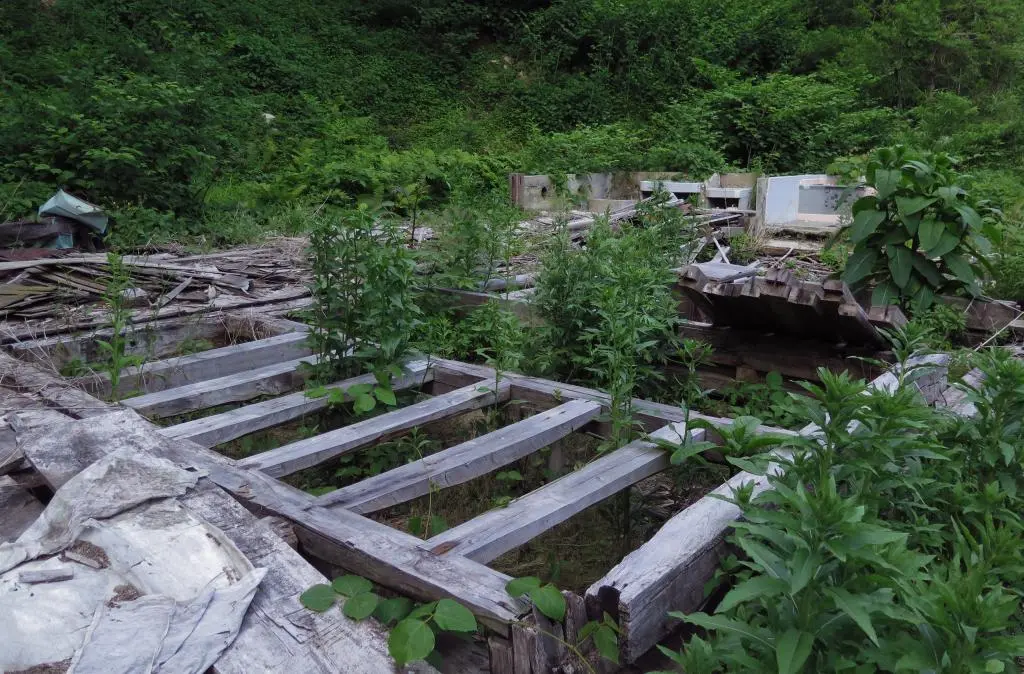
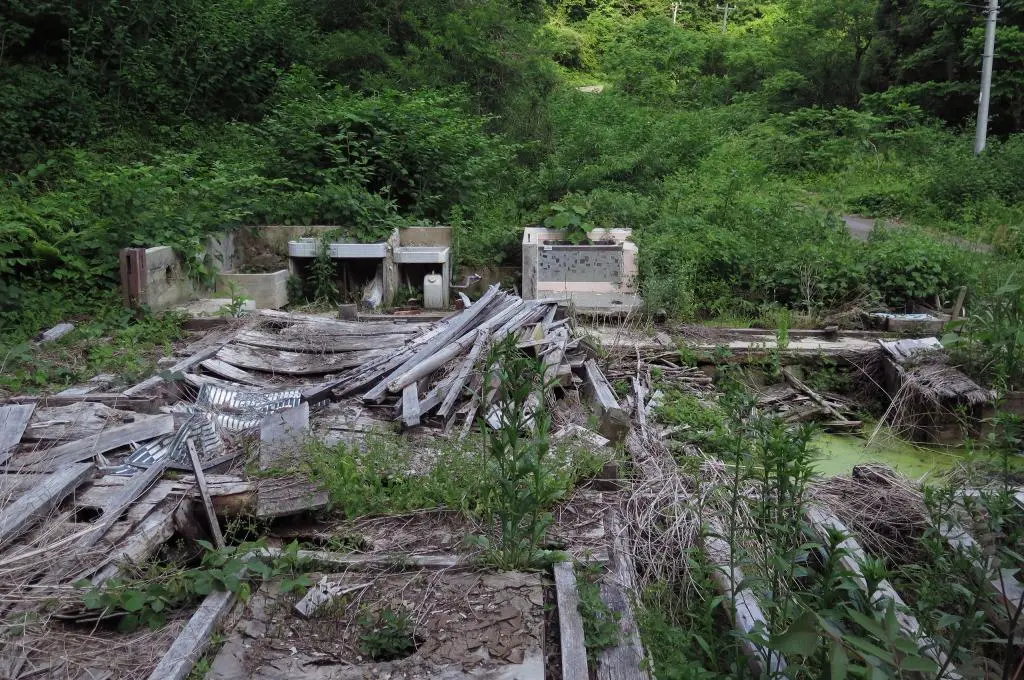
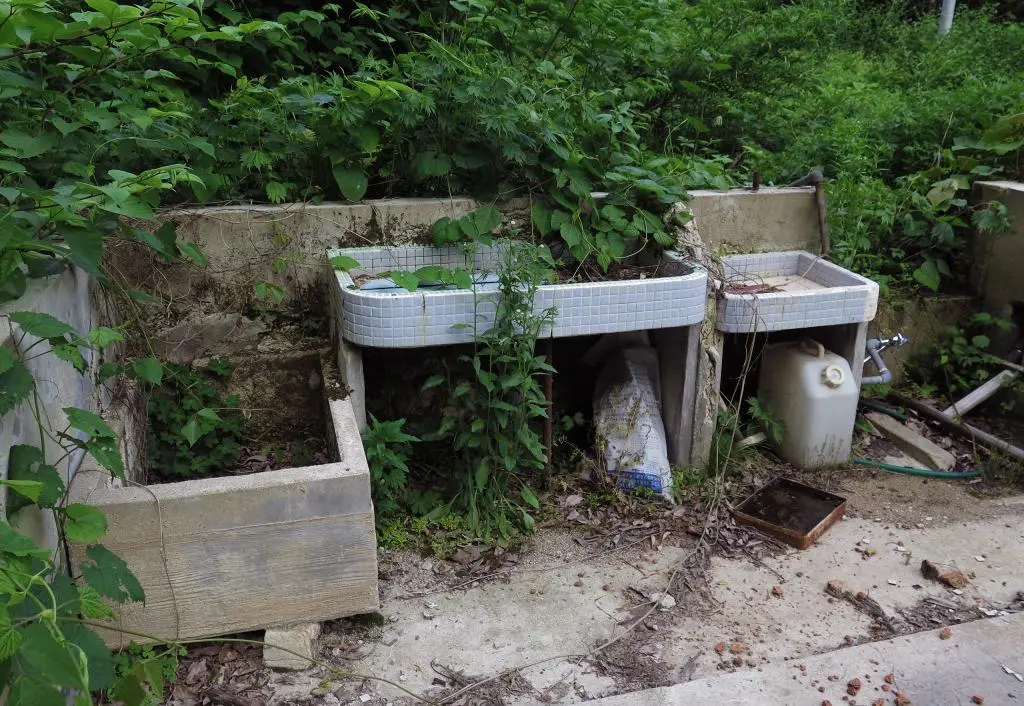
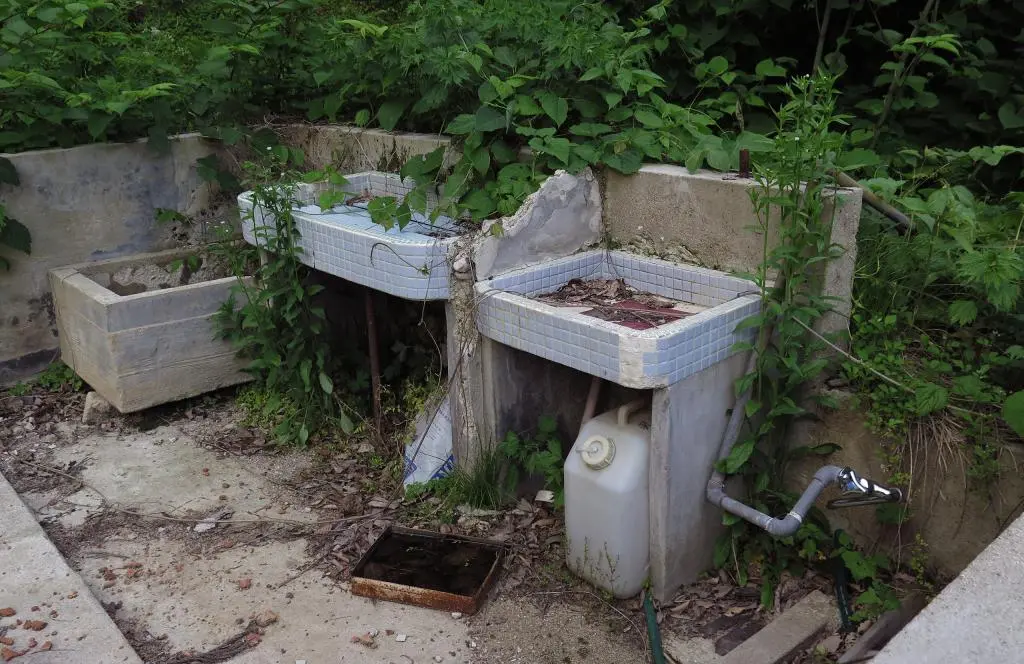
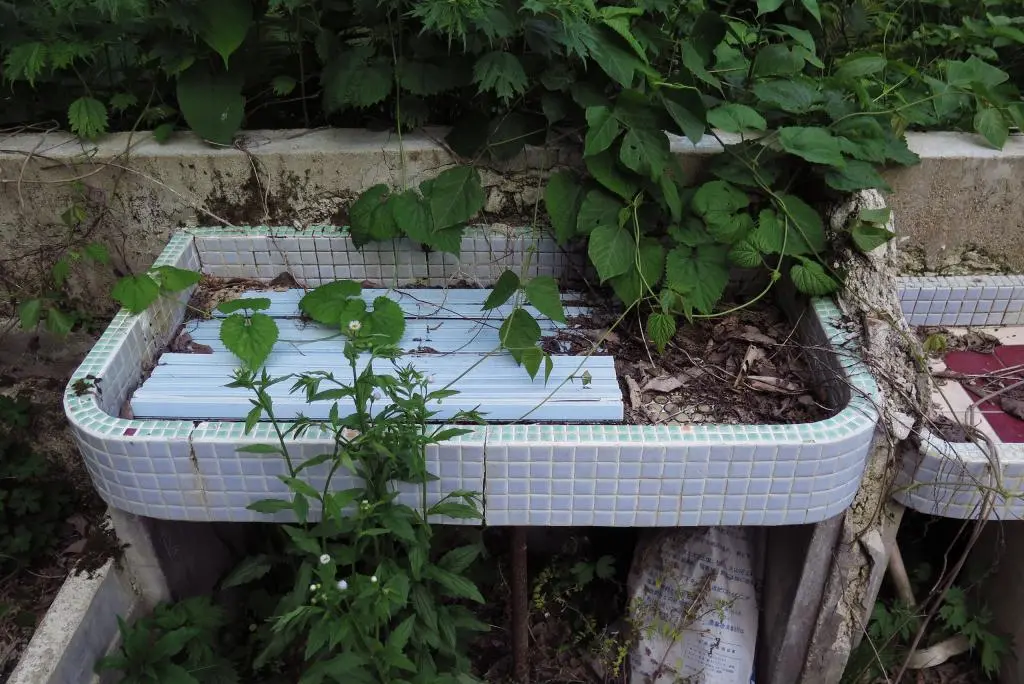
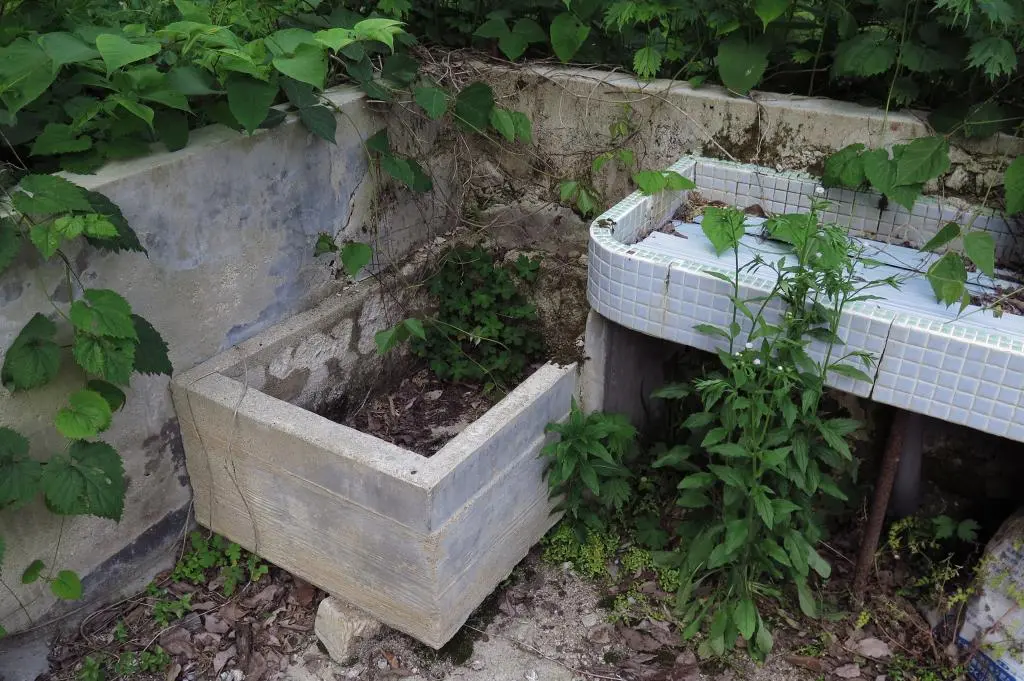
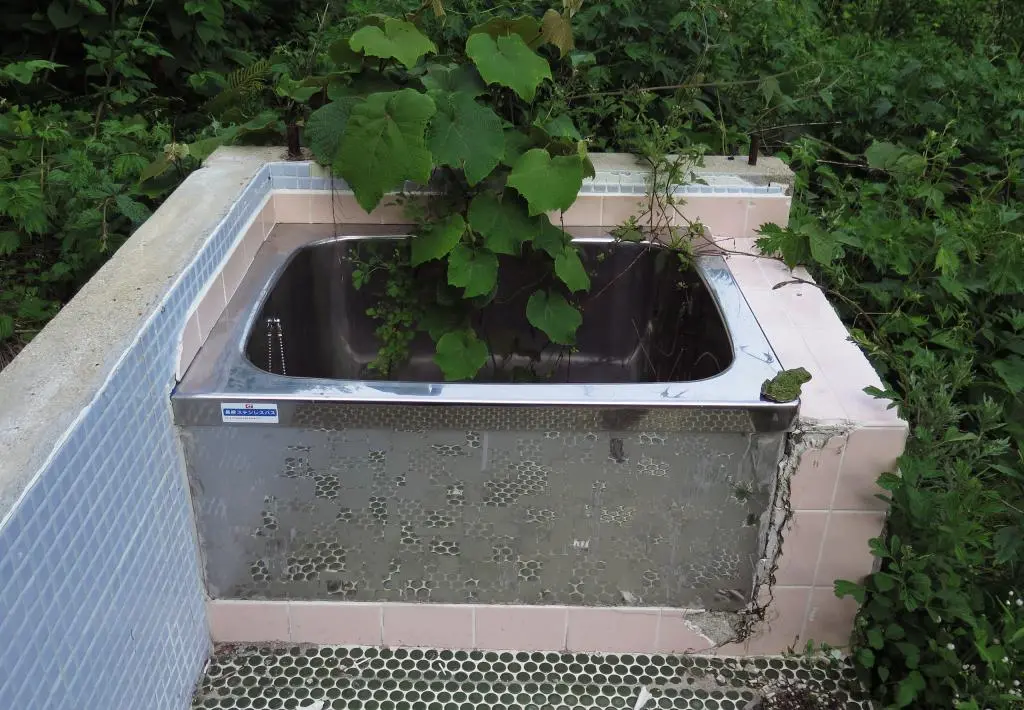
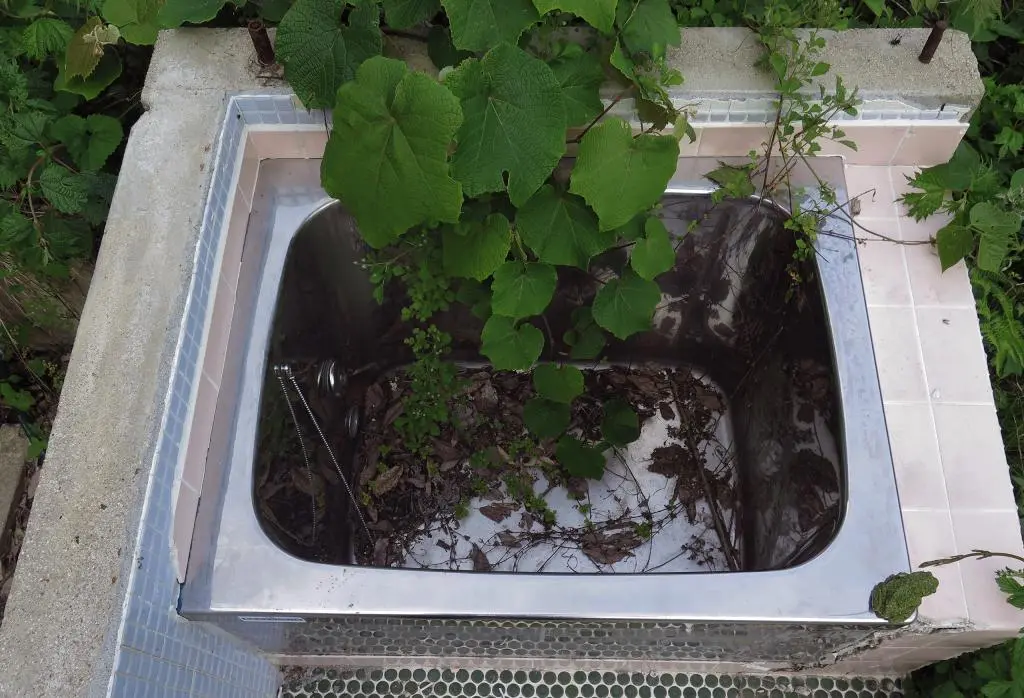
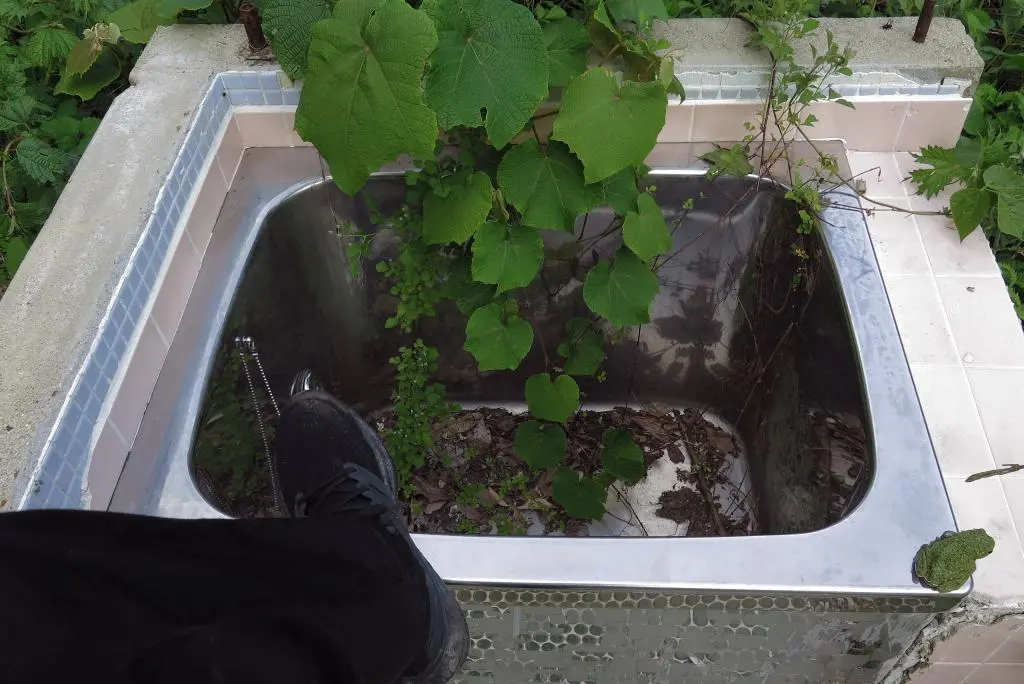
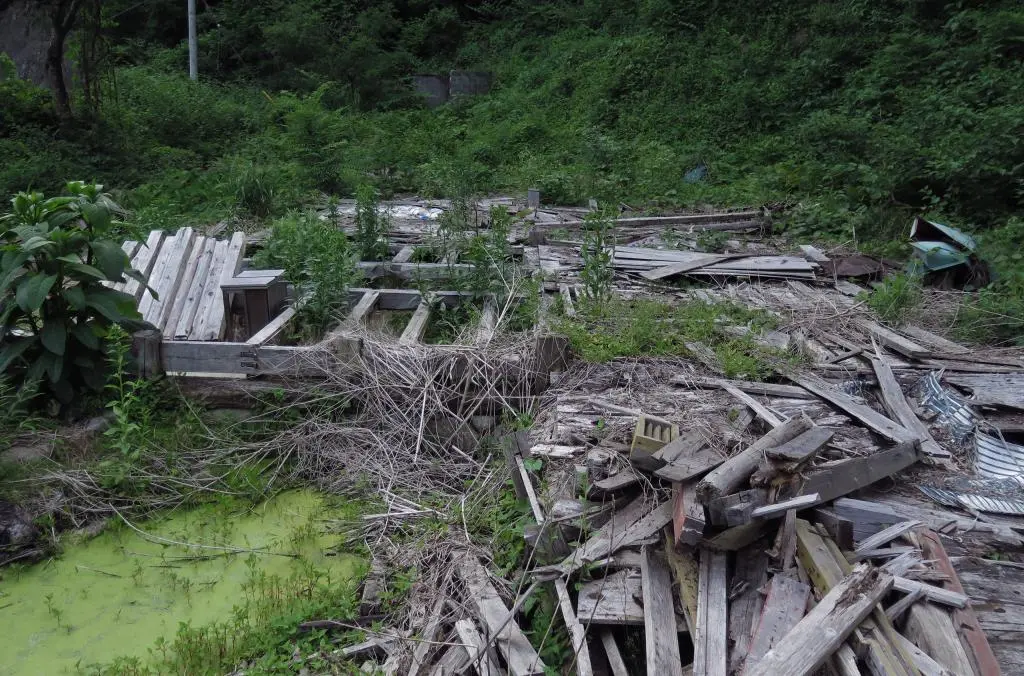
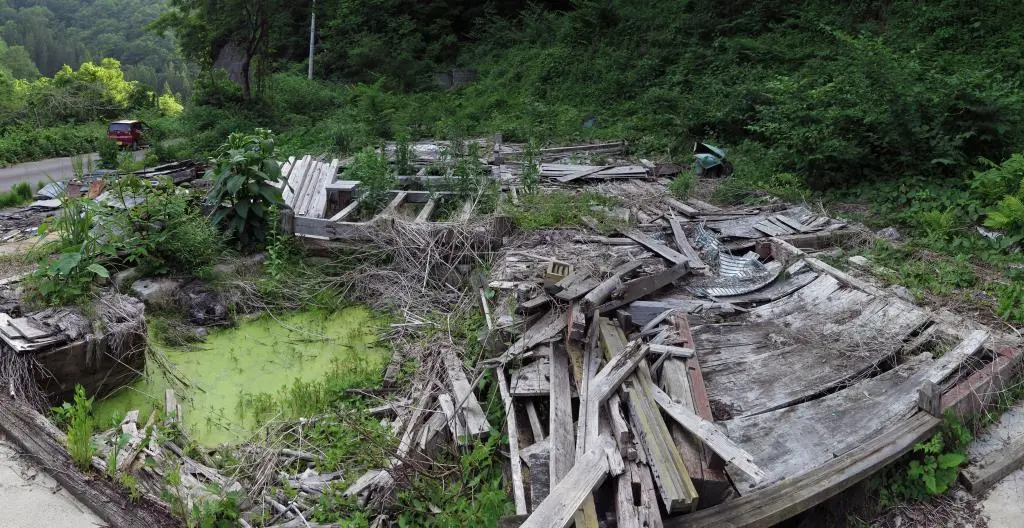
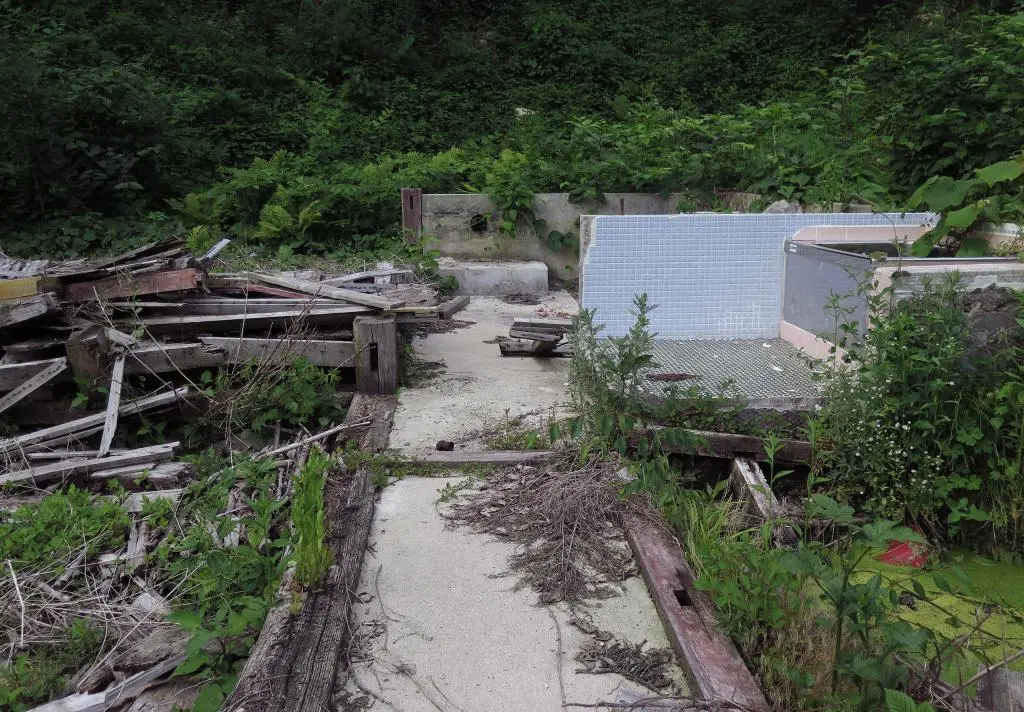
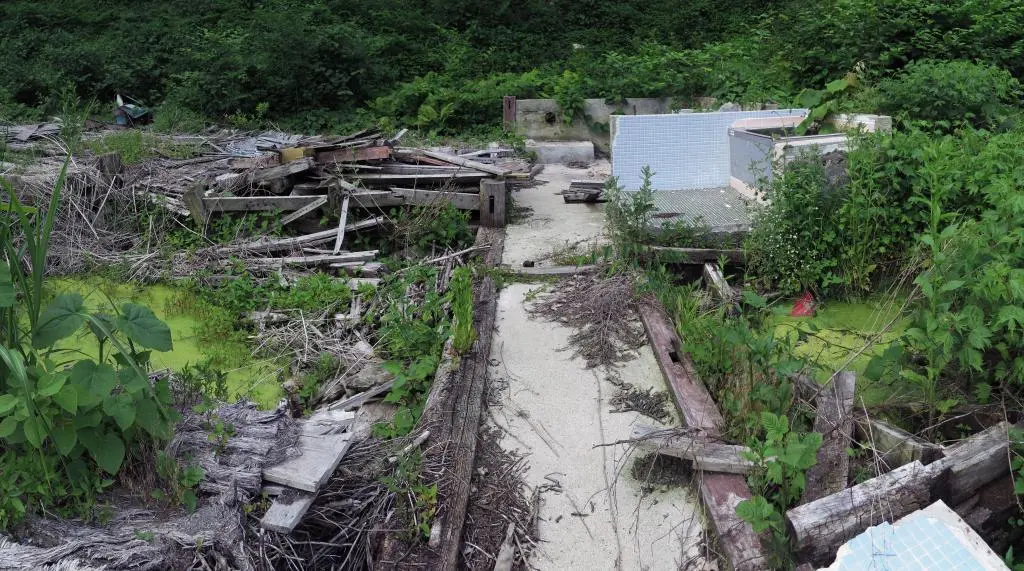
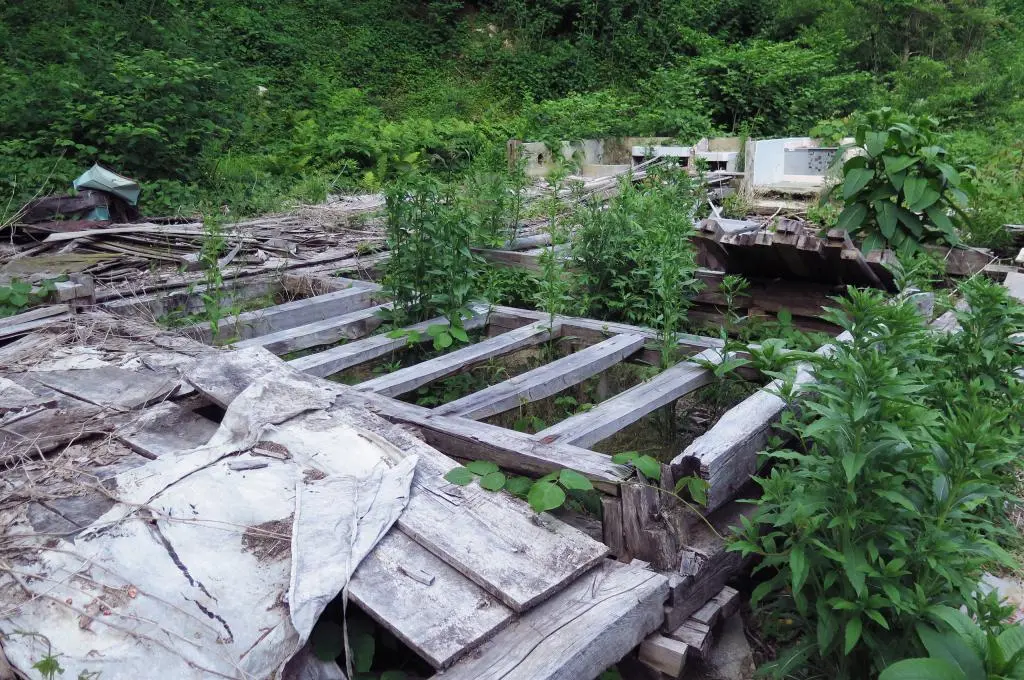
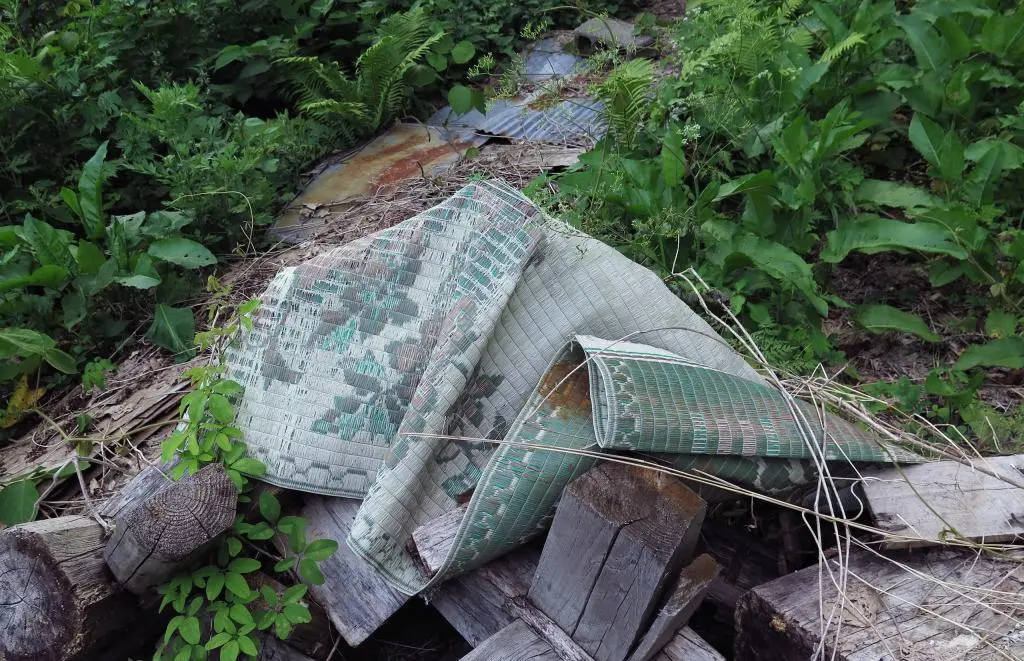
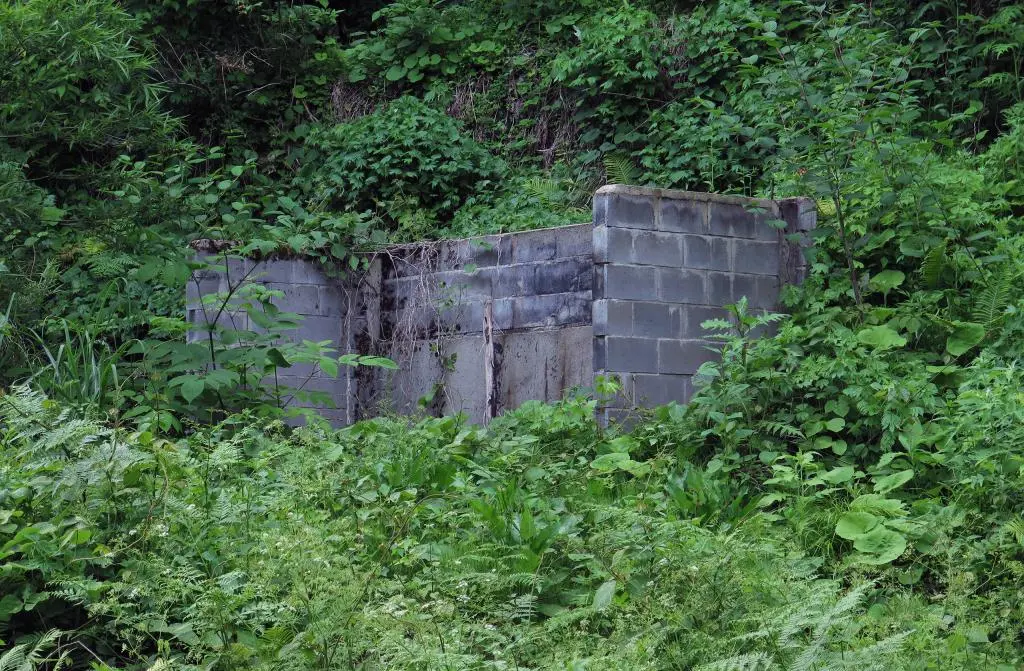
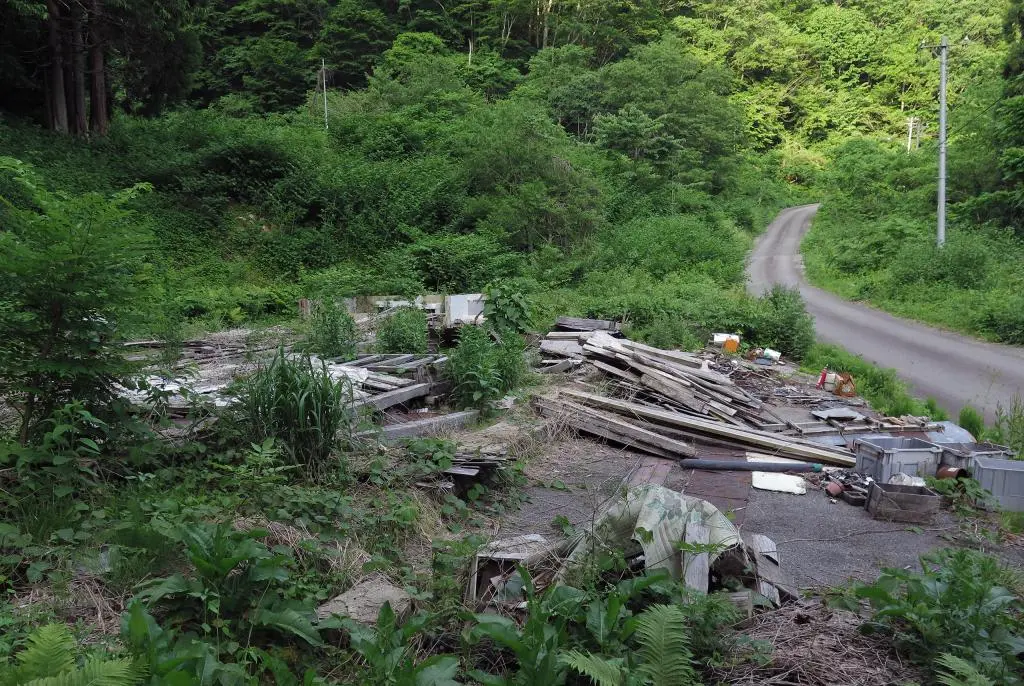
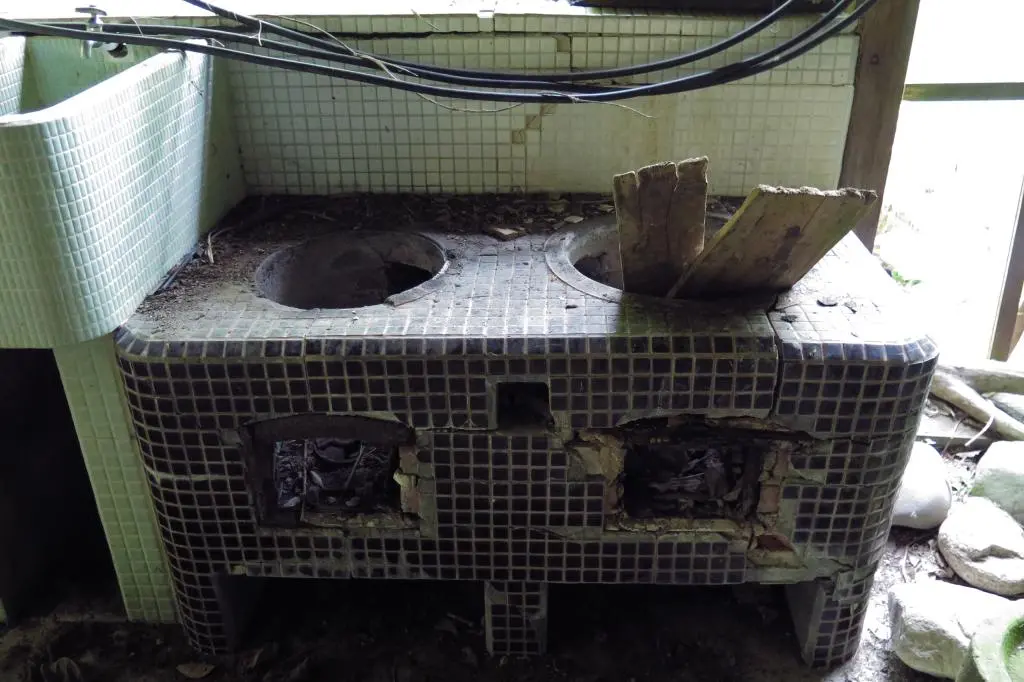
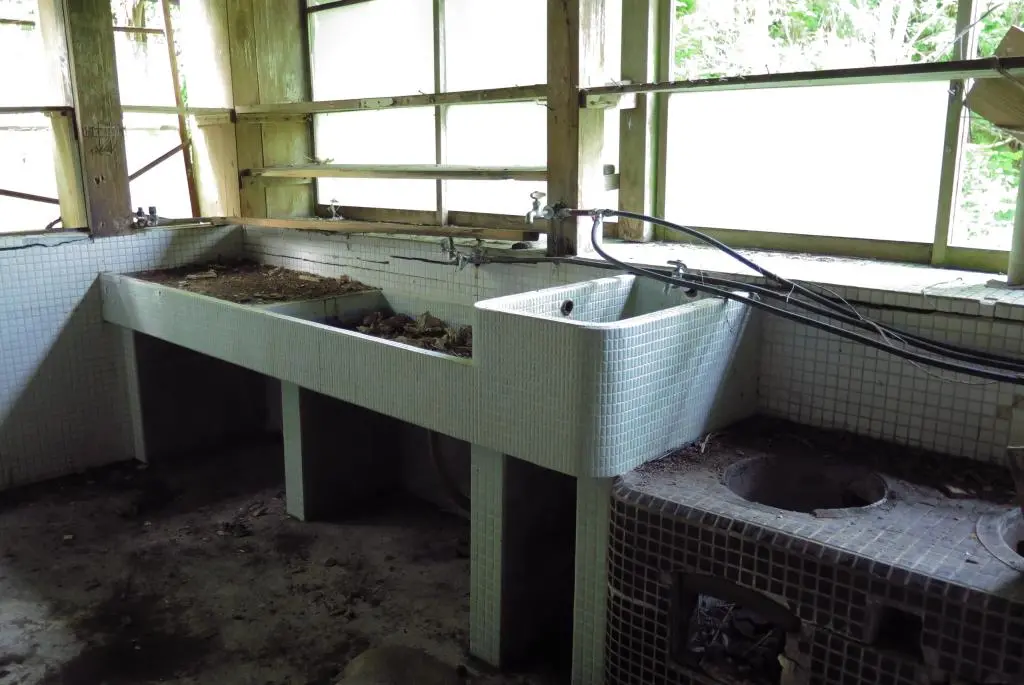
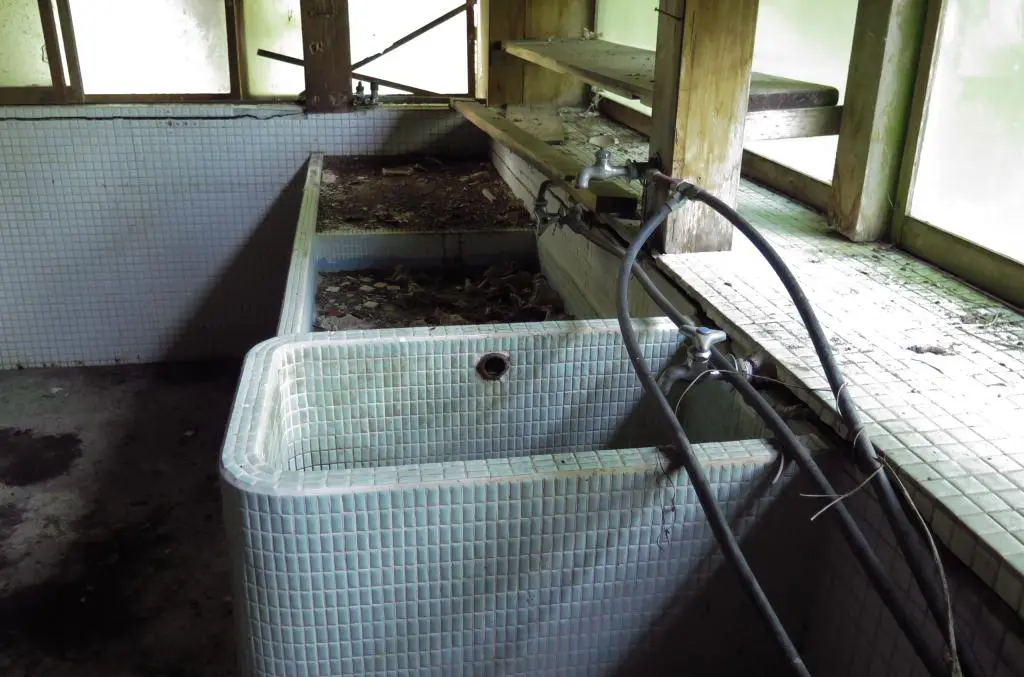
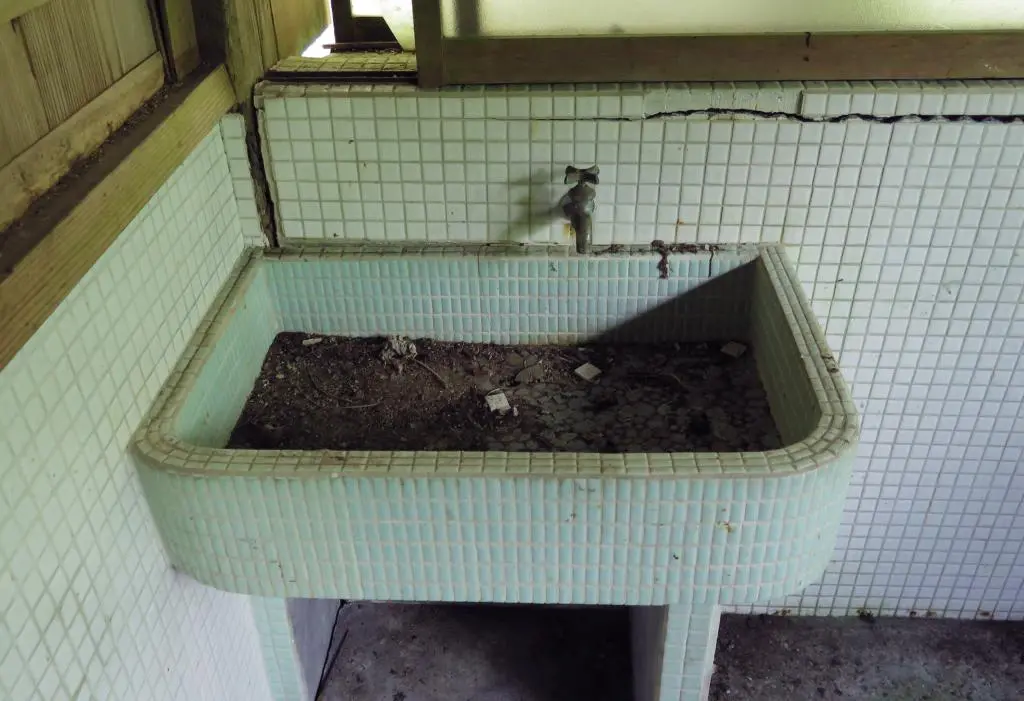
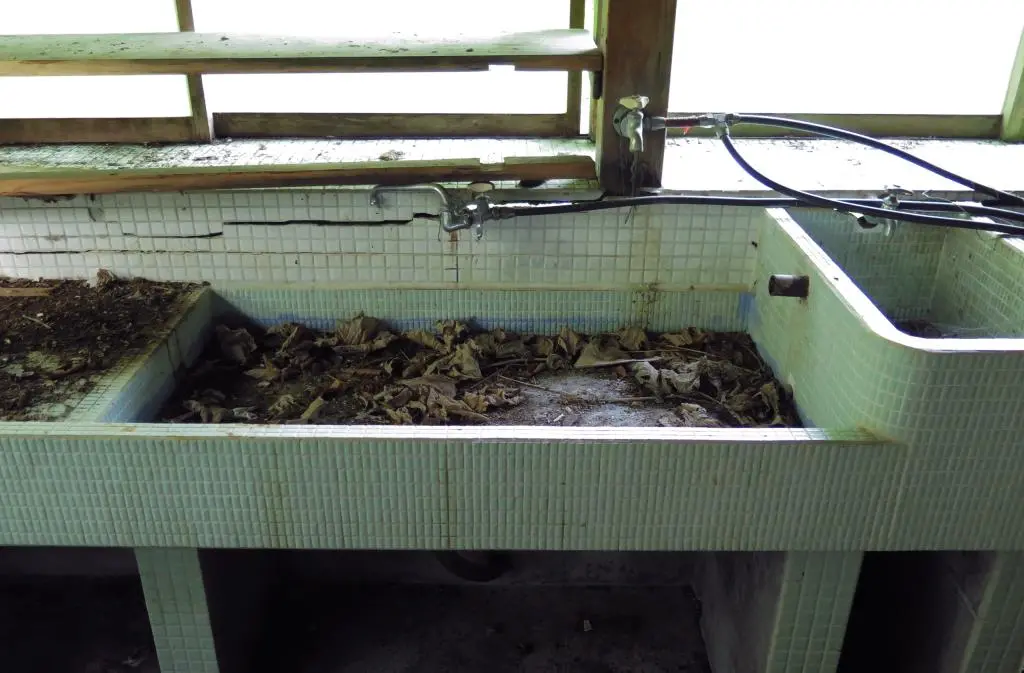
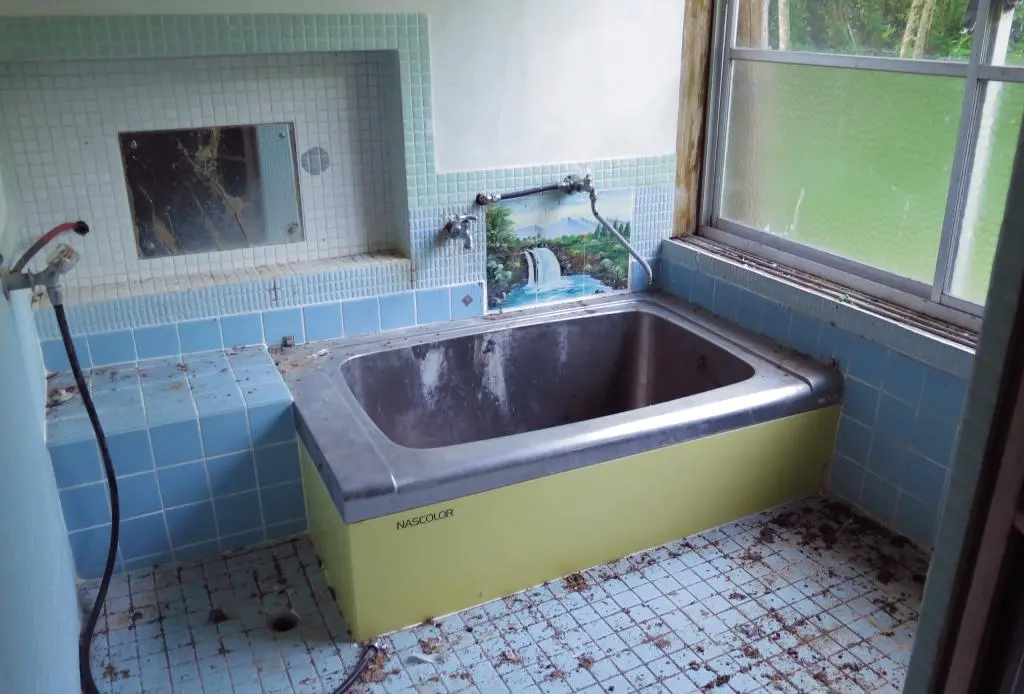
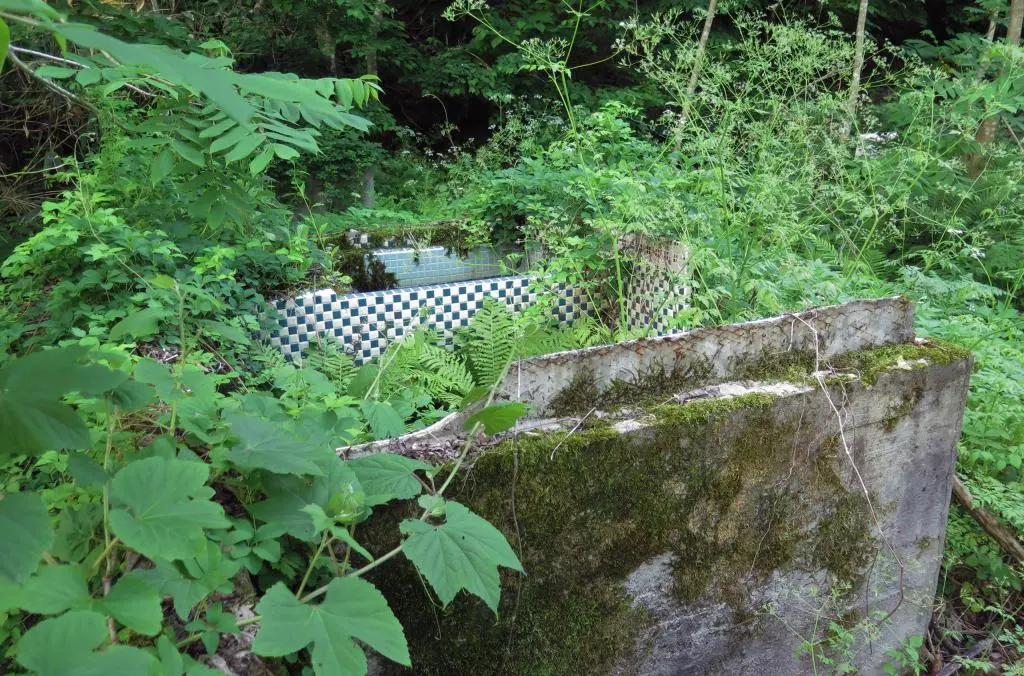
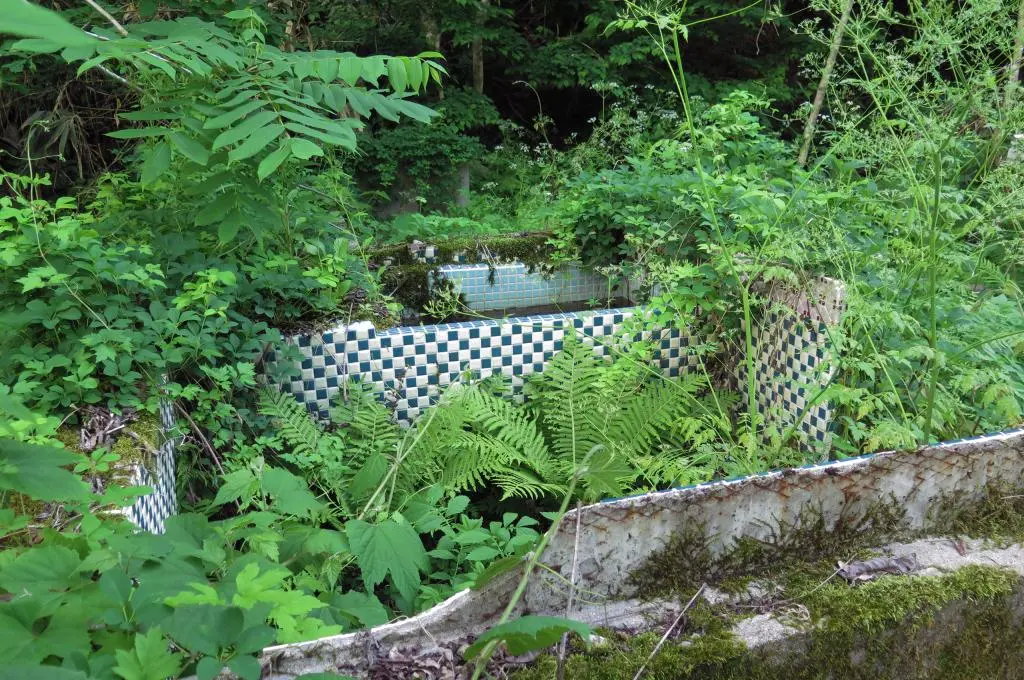
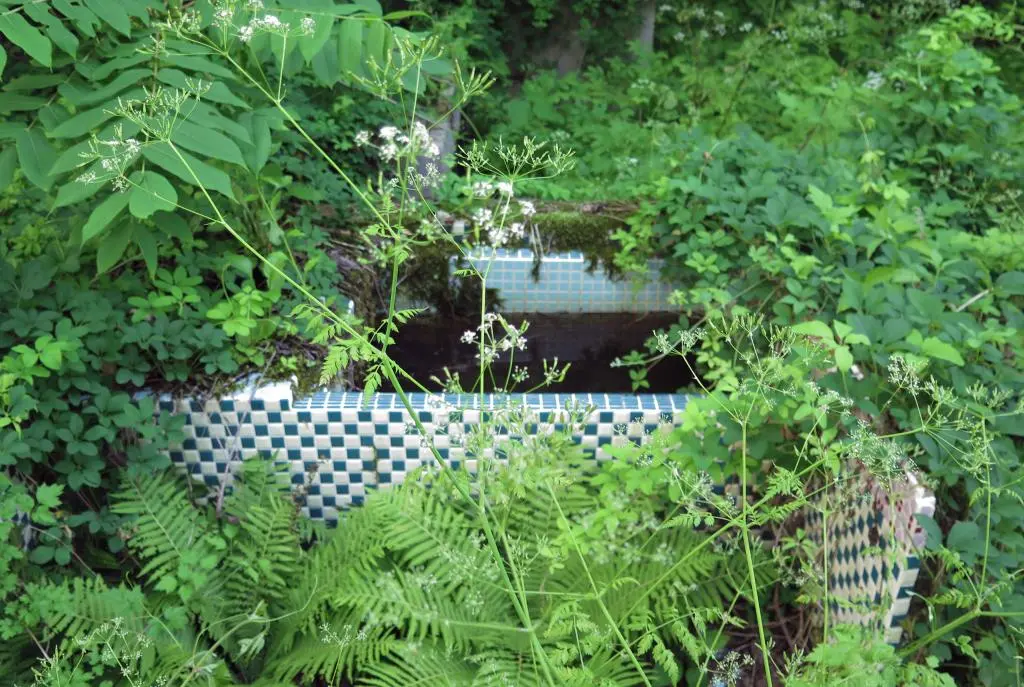
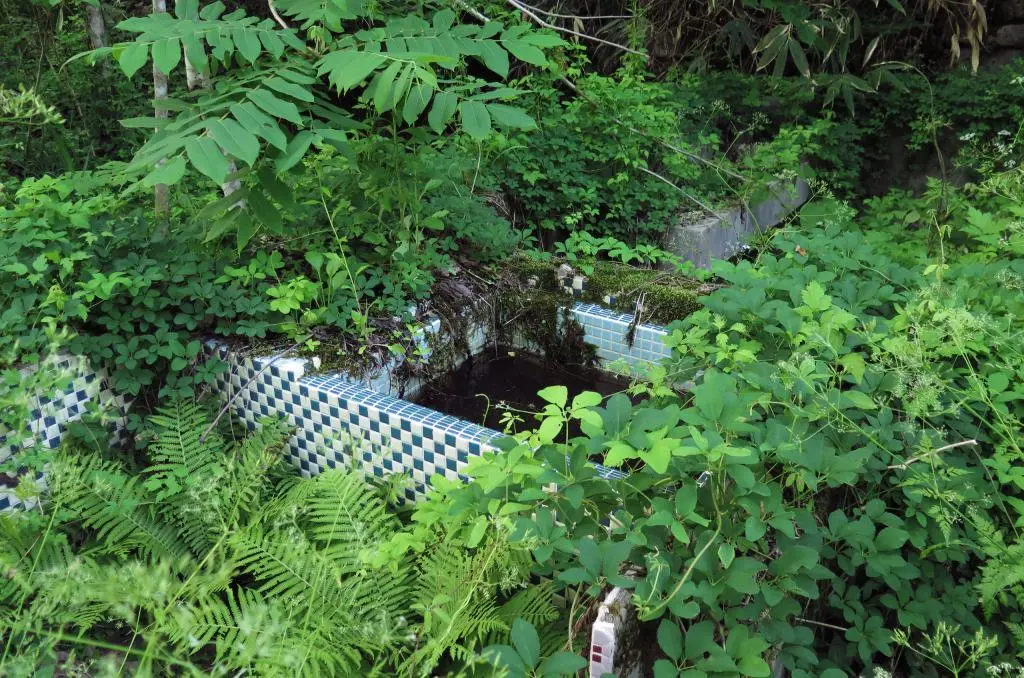
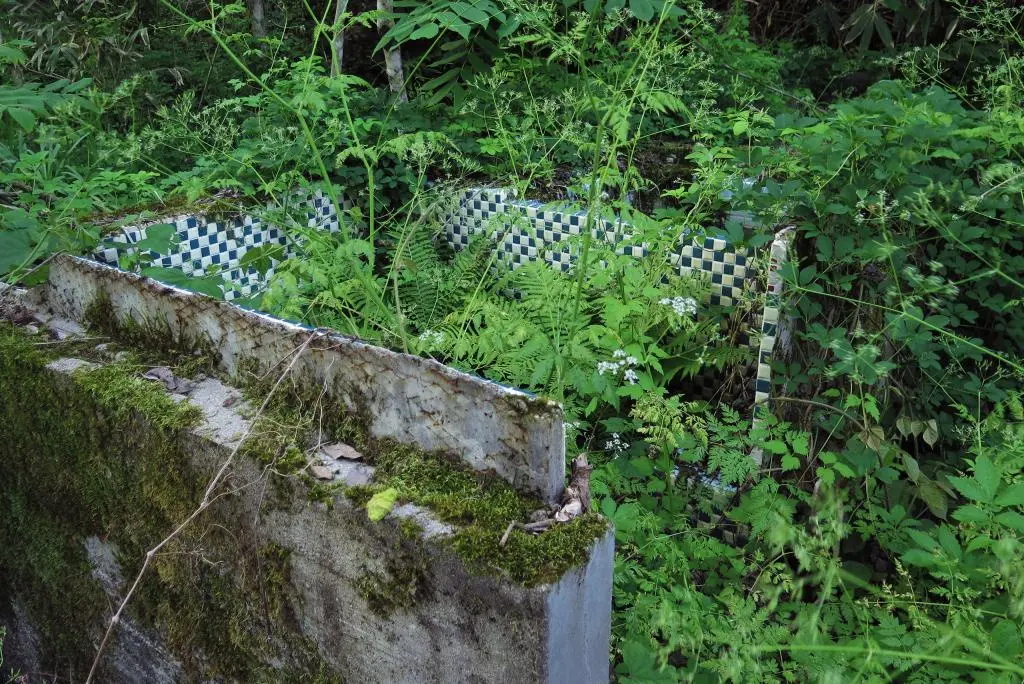
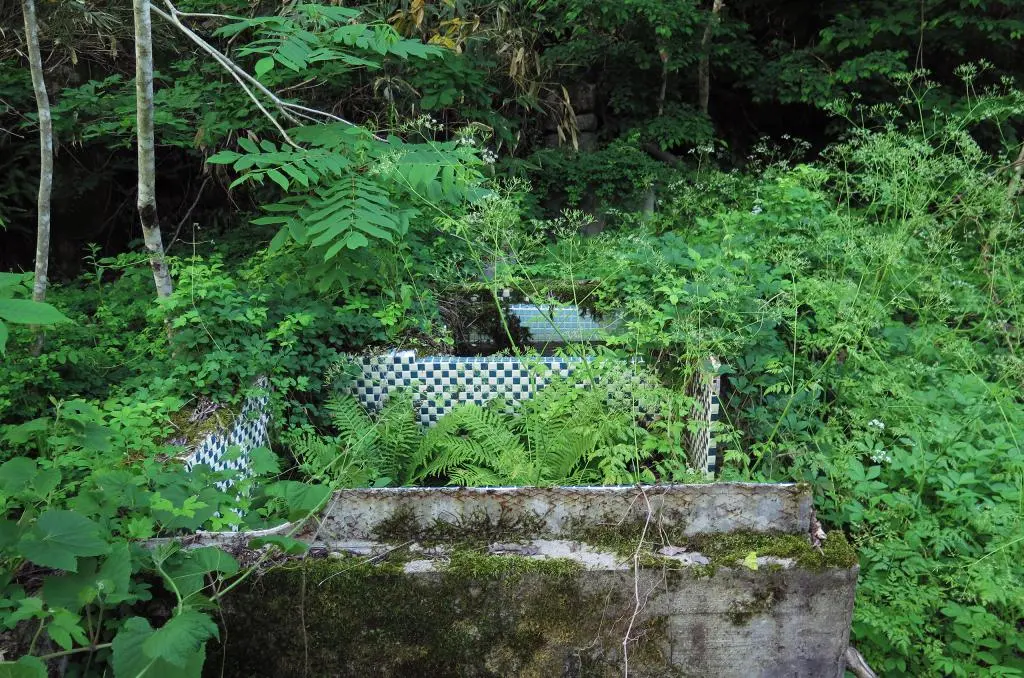
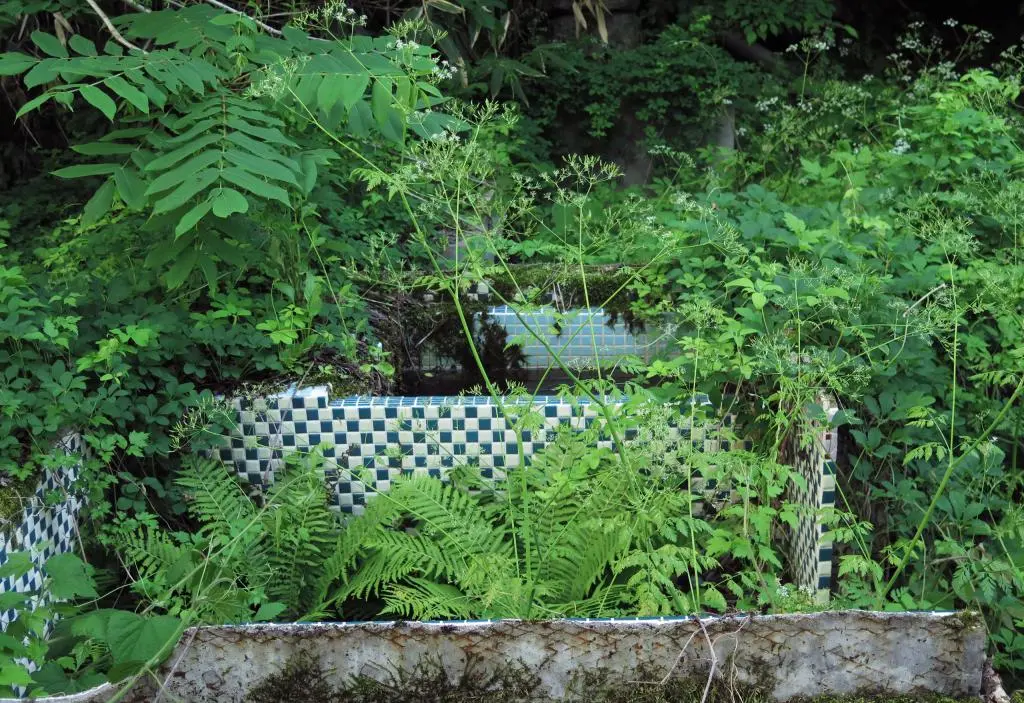
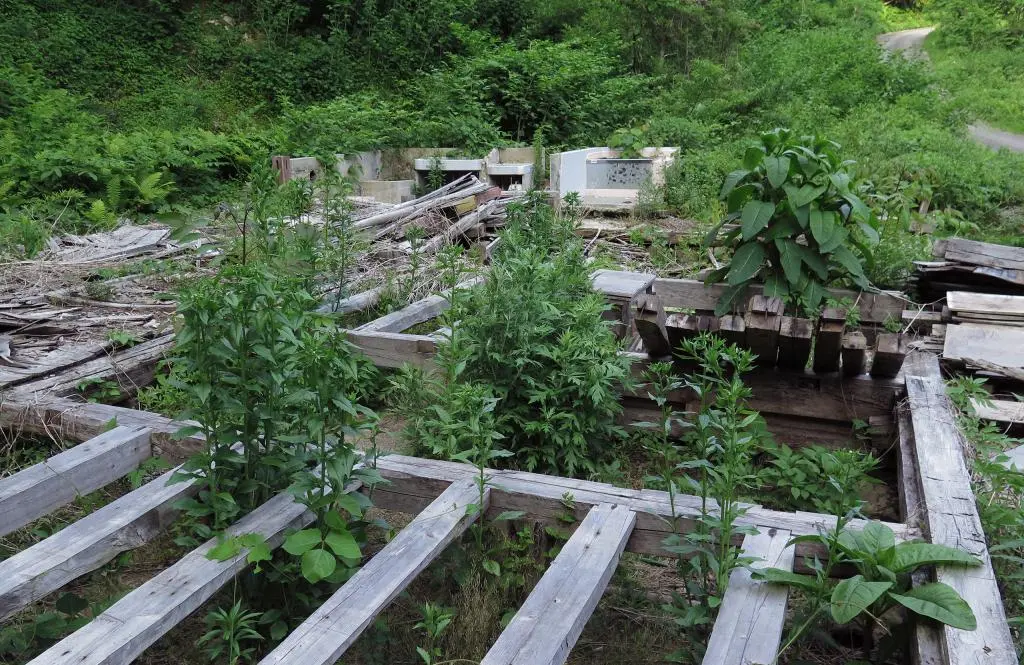
Many of the homes throughout the strip of village were demolished, or had collapsed and were cleaned up later. Down the road, I stopped at some rubble. The roof and walls had been cleared away from the site, but the wooden foundation still remained as did the cement and cerarmic kitchen and bath.
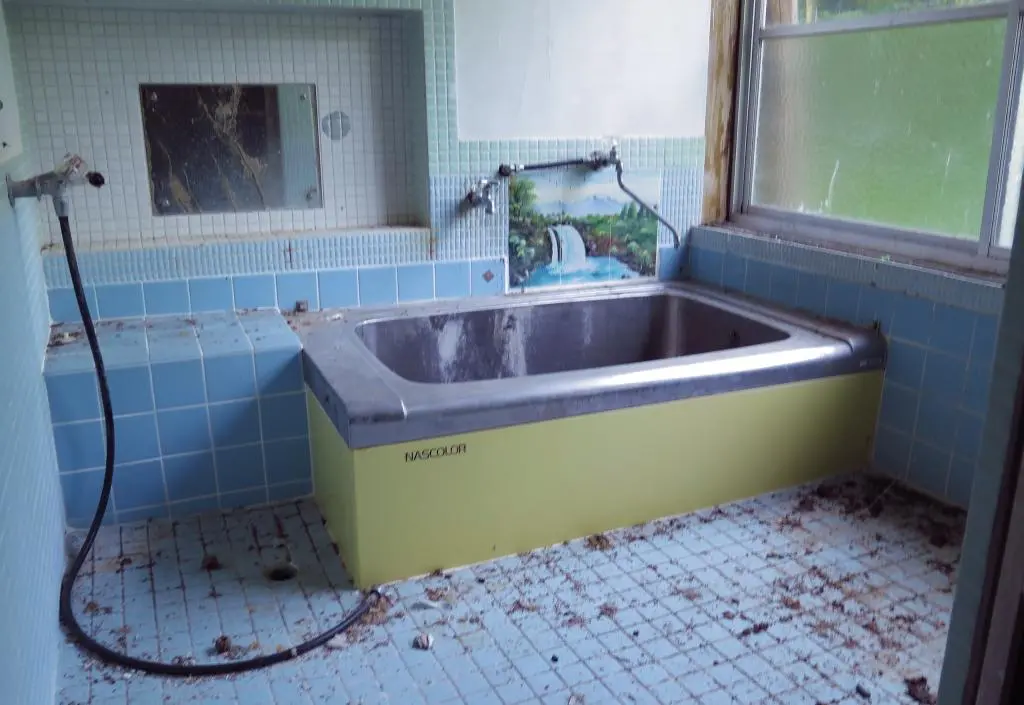
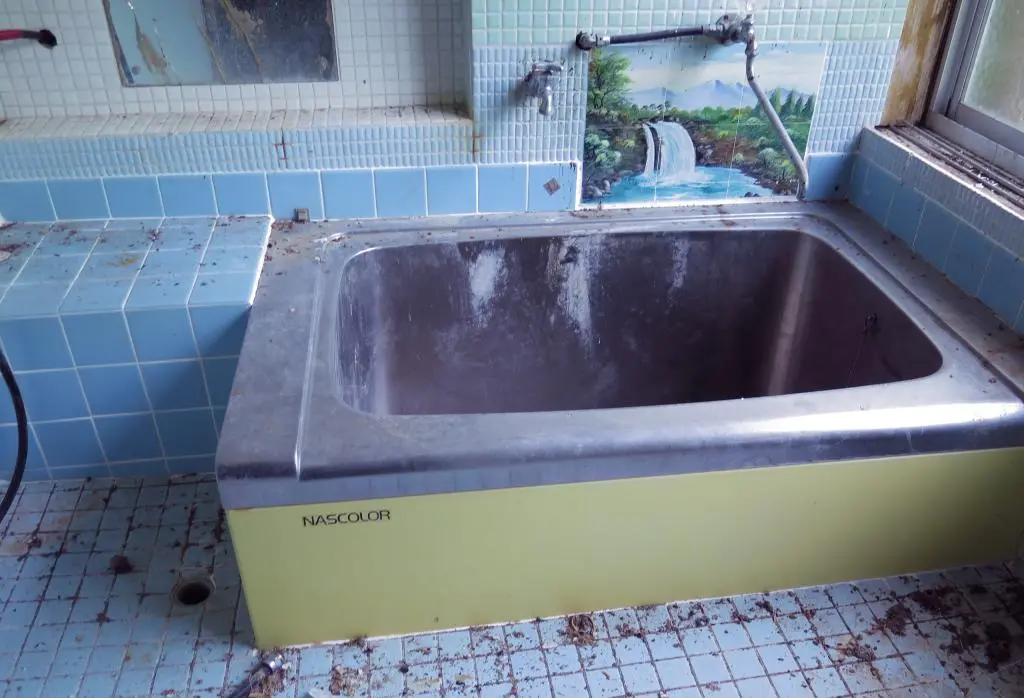
I was absolutely stunned at how small this bathtub was. Look at its size compared to my shoe! I think my bathtub now is pretty small, but I can easily fit into despite being 6-feet tall. This tub is less than half that size.
Also, an interesting thought. Why was the tub empty? If this rubble was exposed to nature for so long, wouldn't rain water fill the tub? The piping must've still been clear.
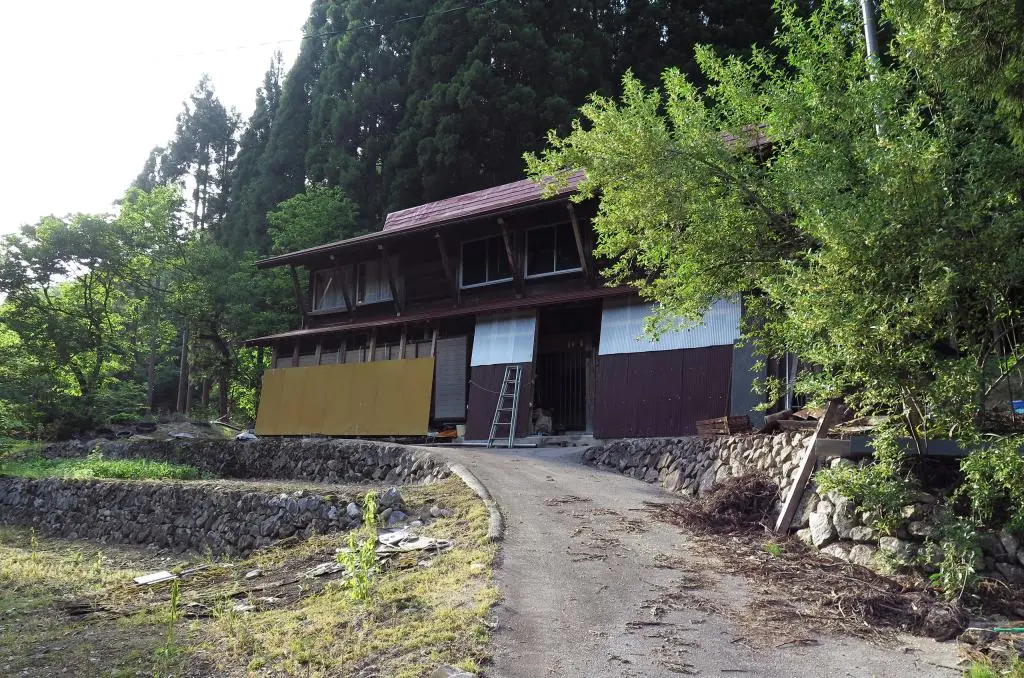
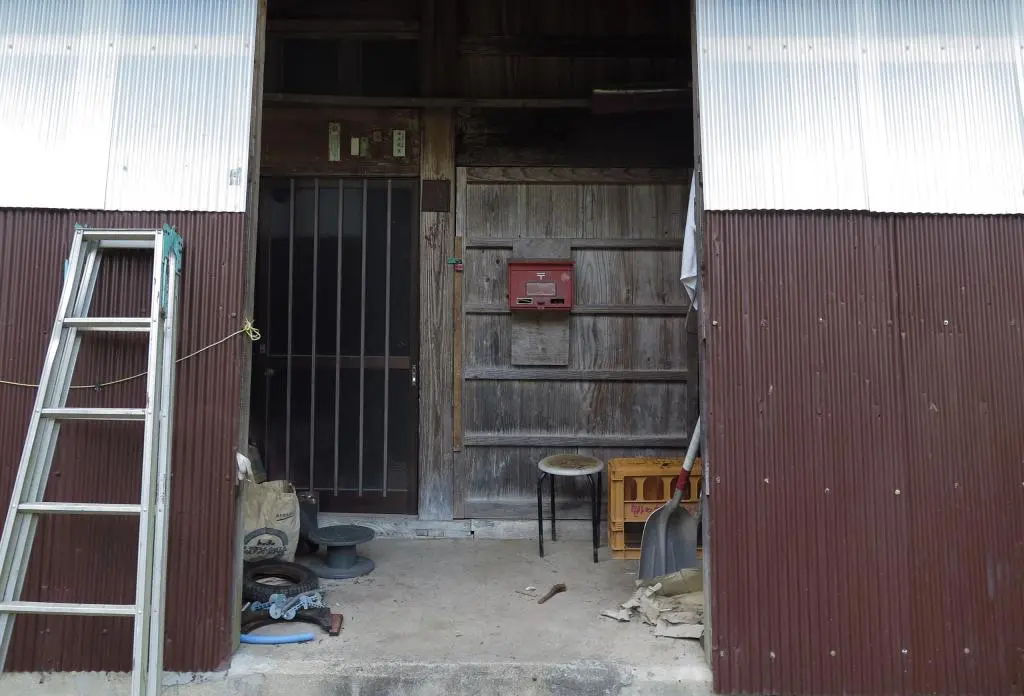
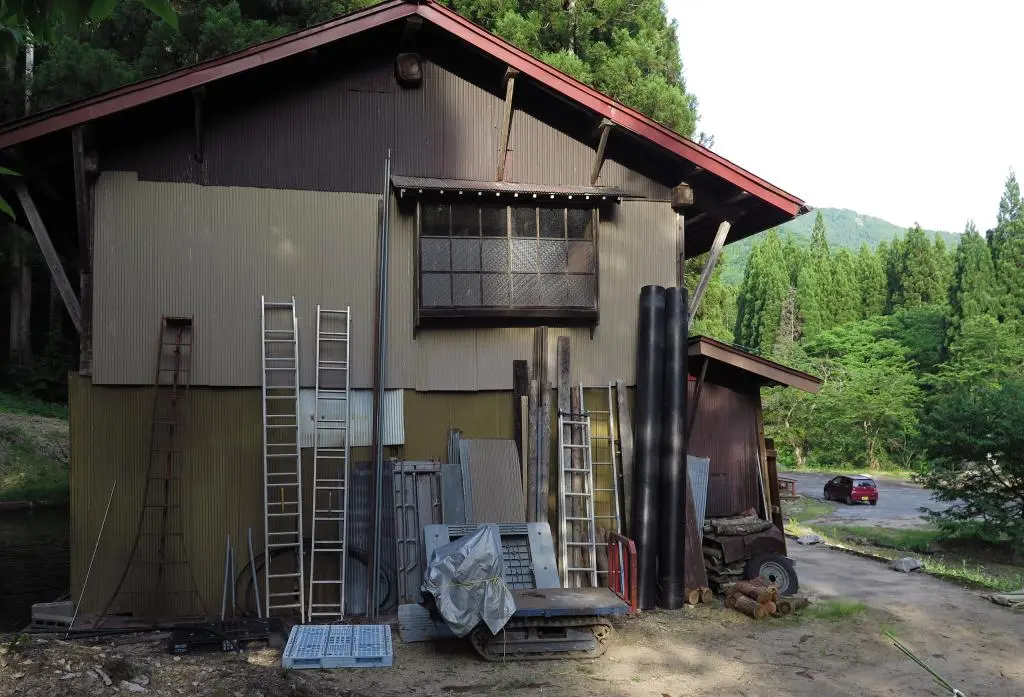
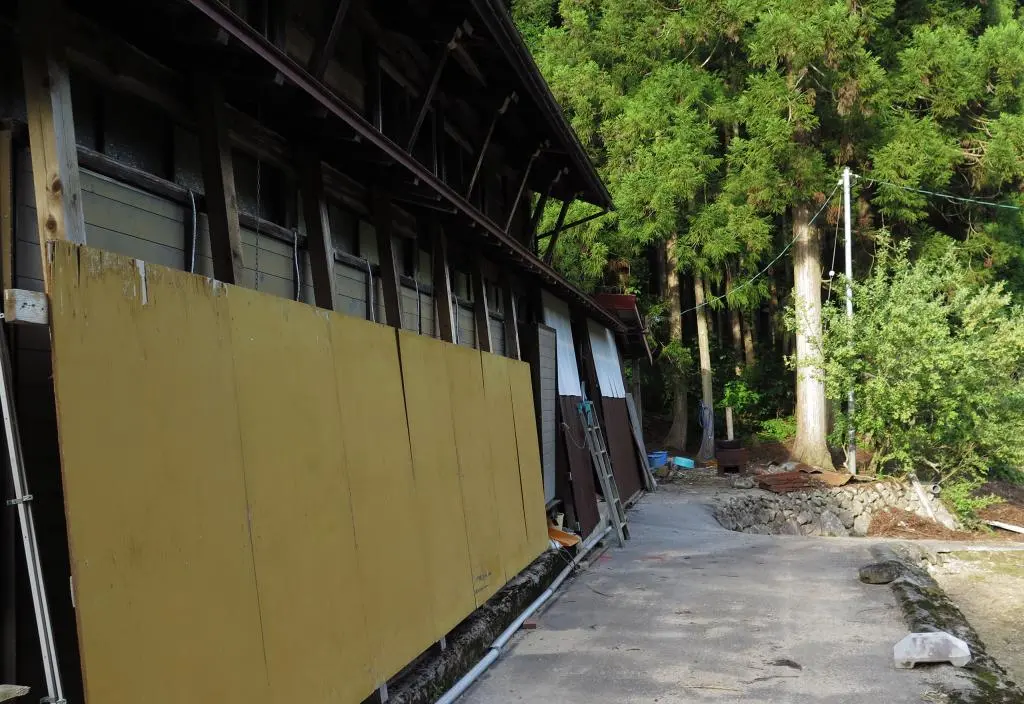
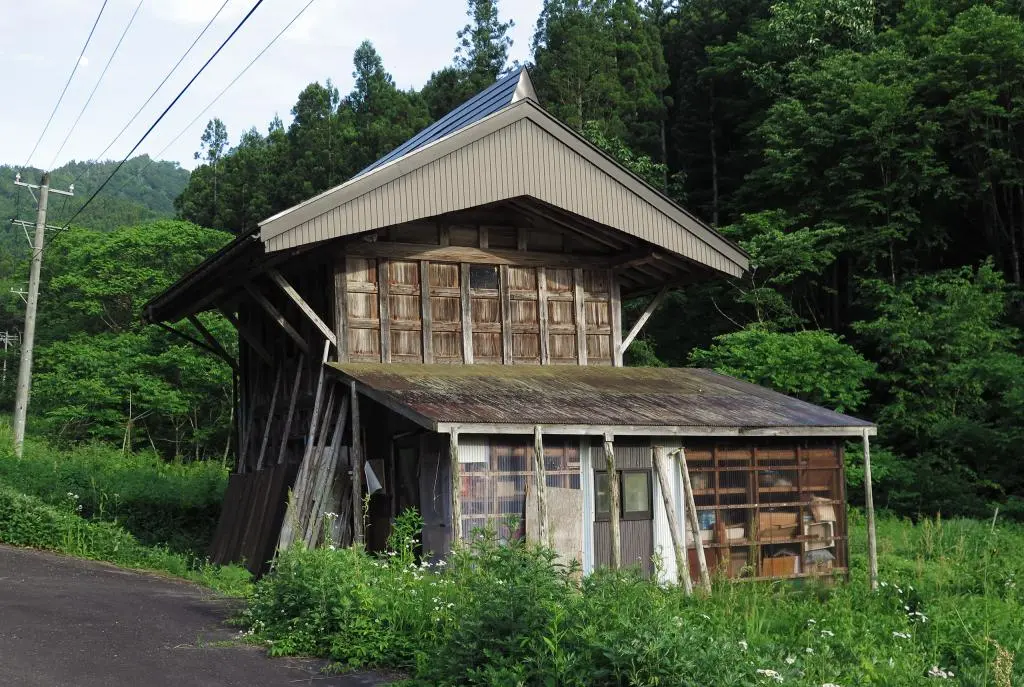
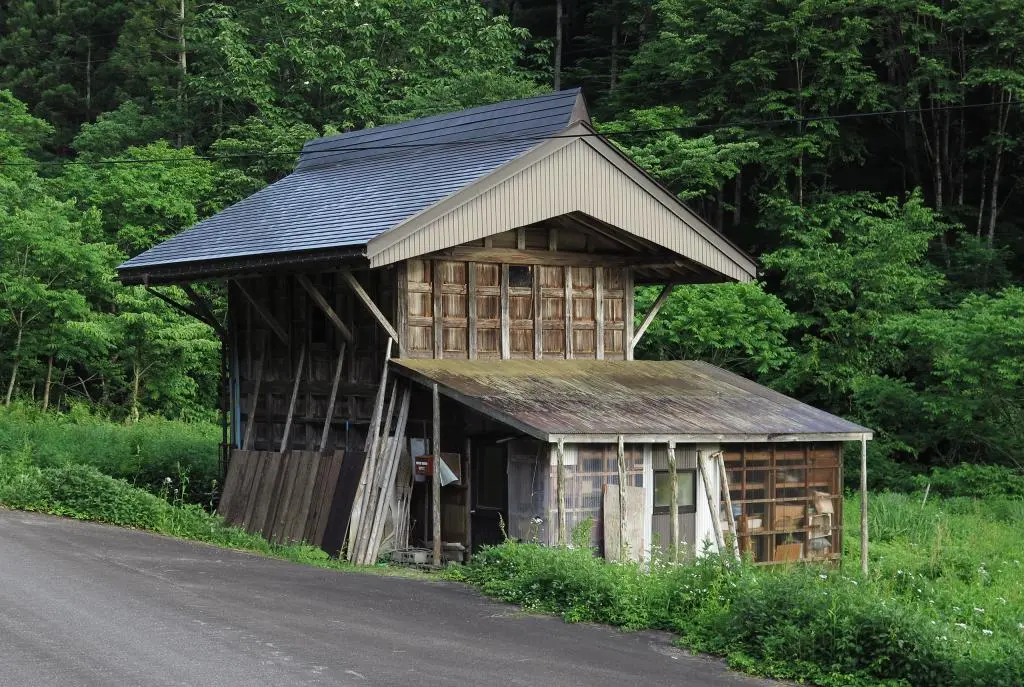
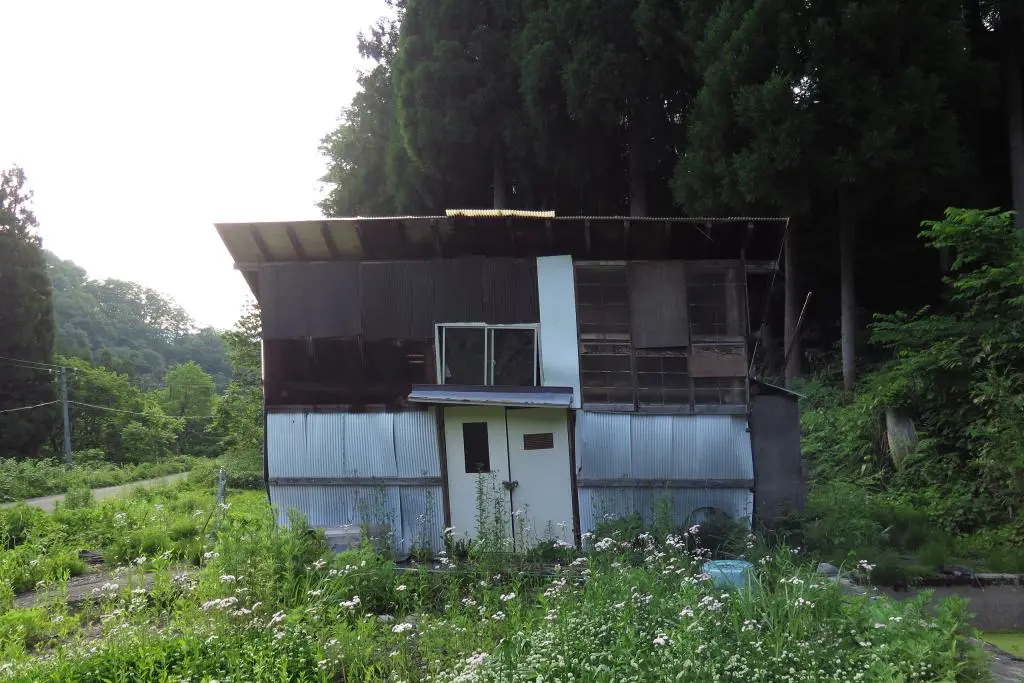
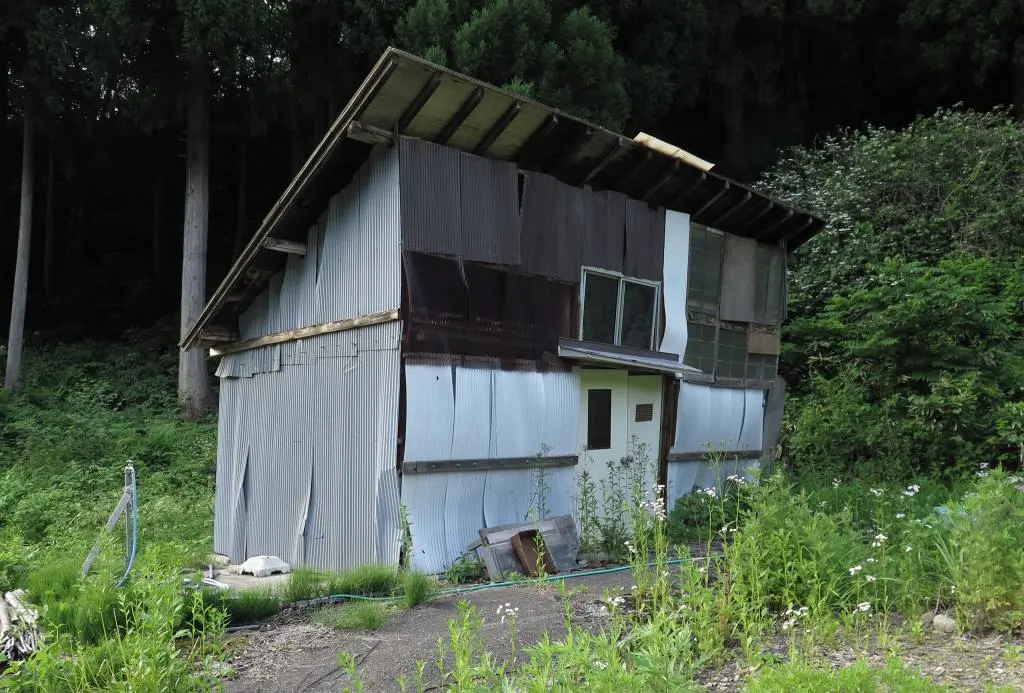
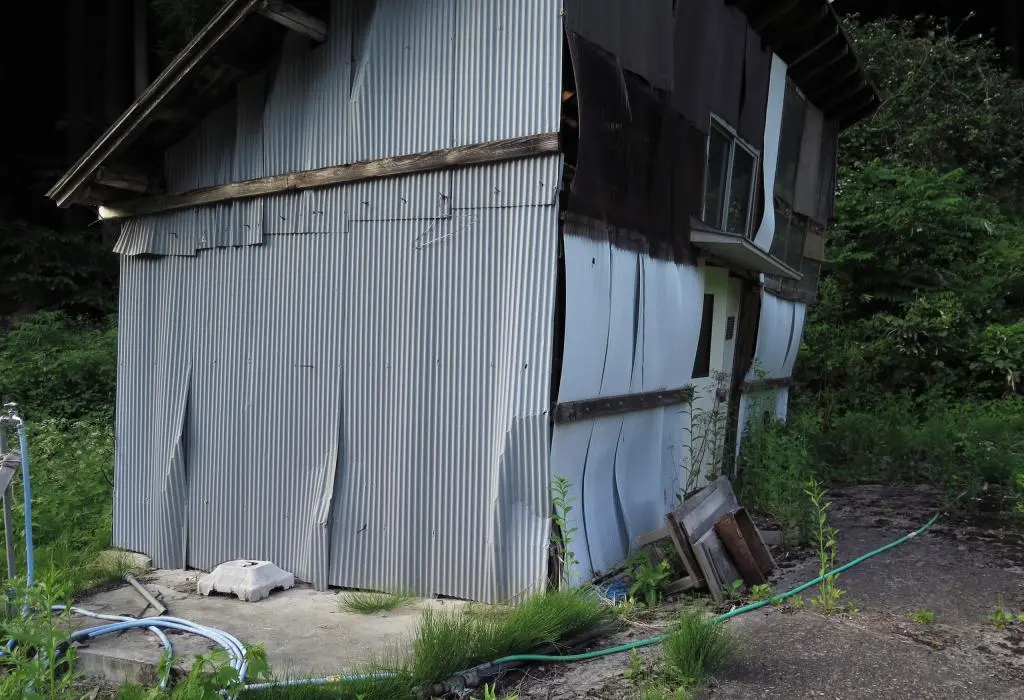
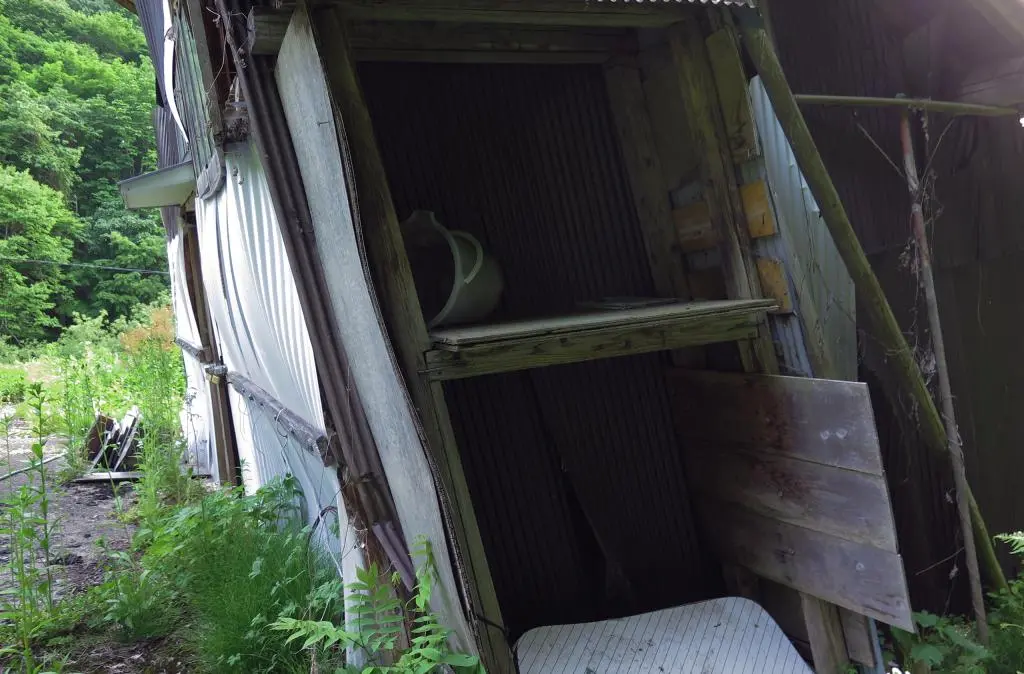
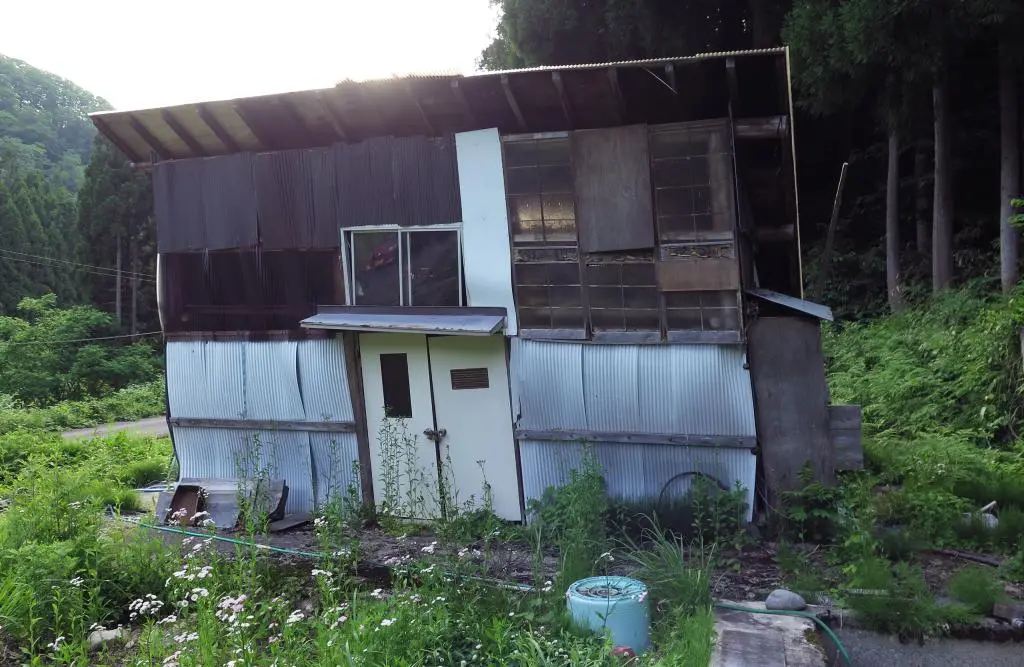
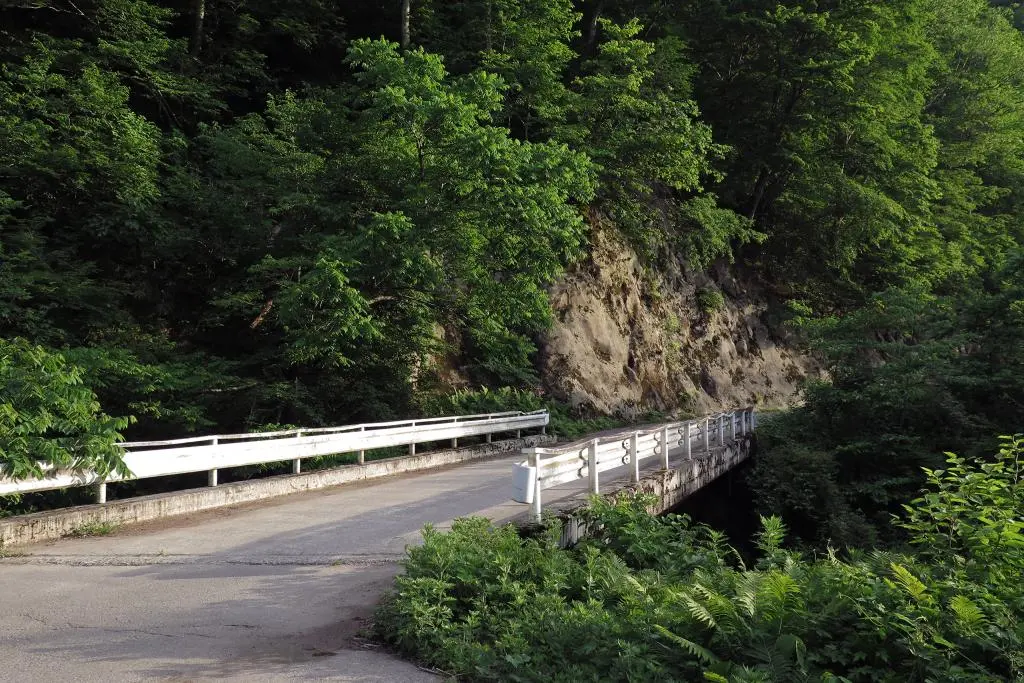
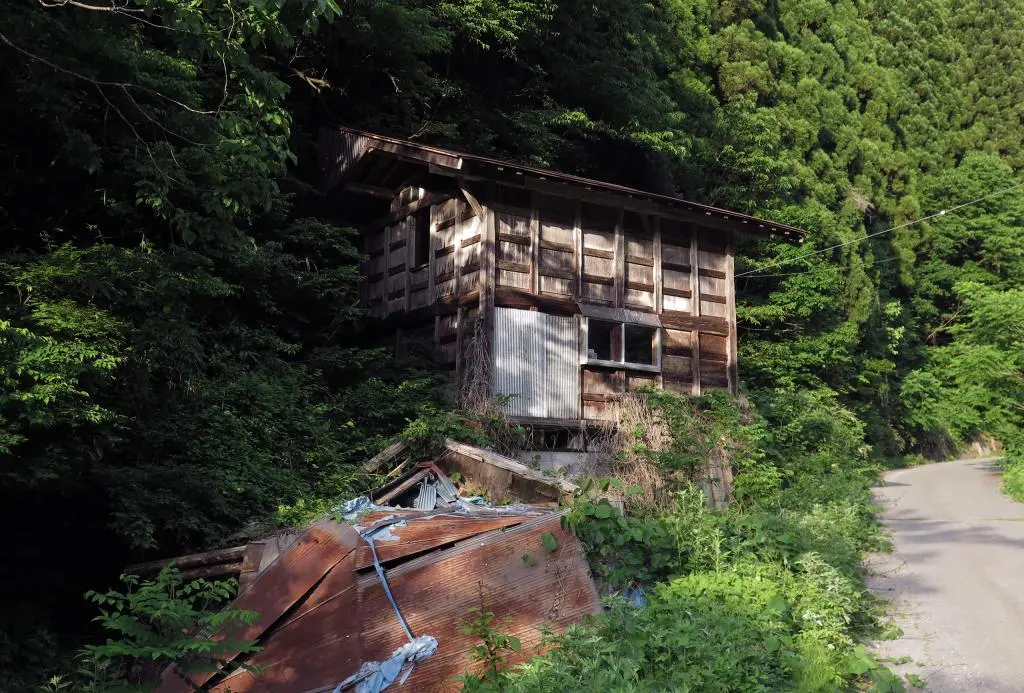
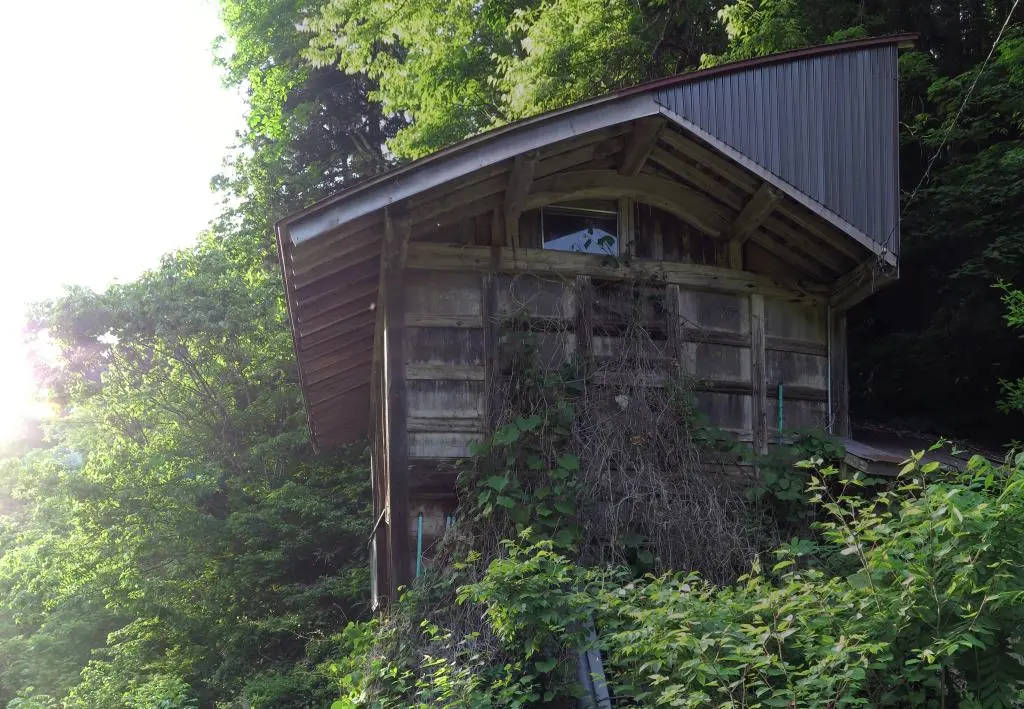
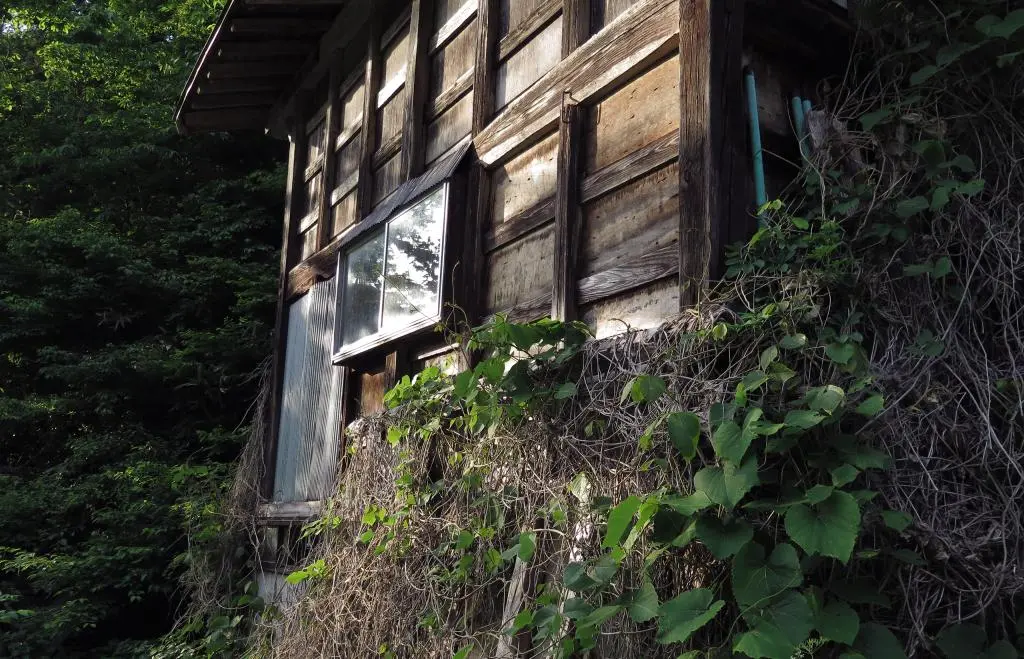
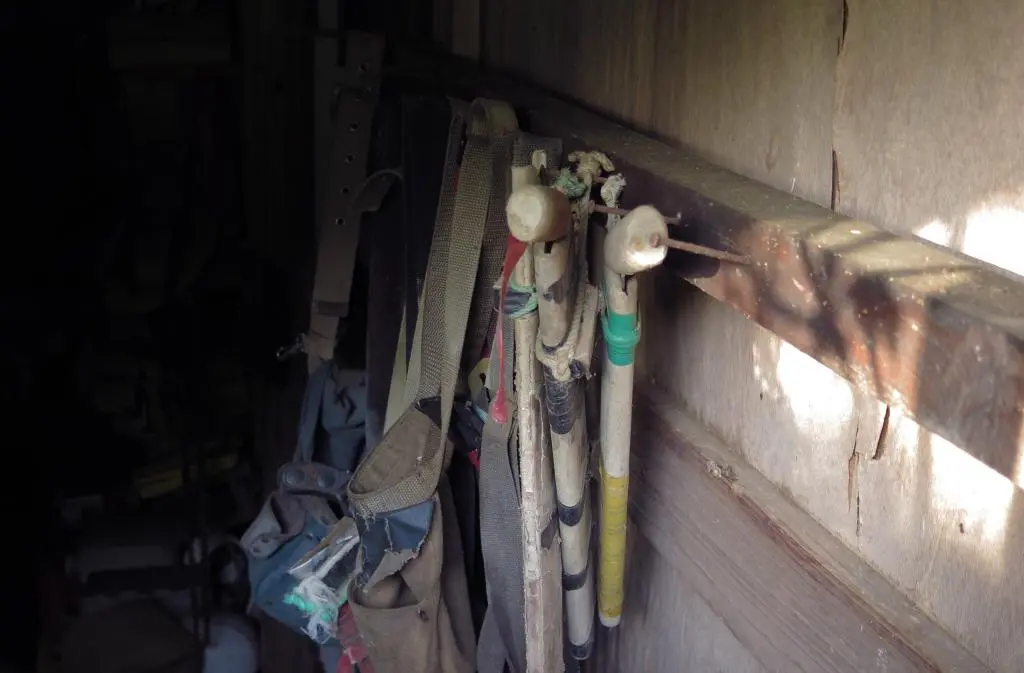
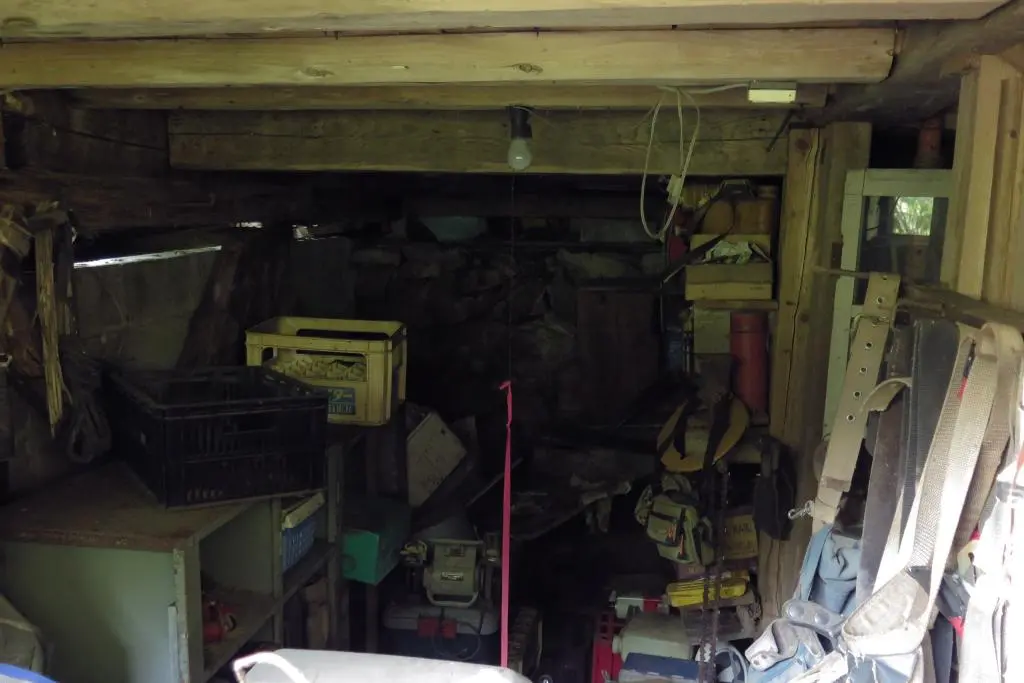
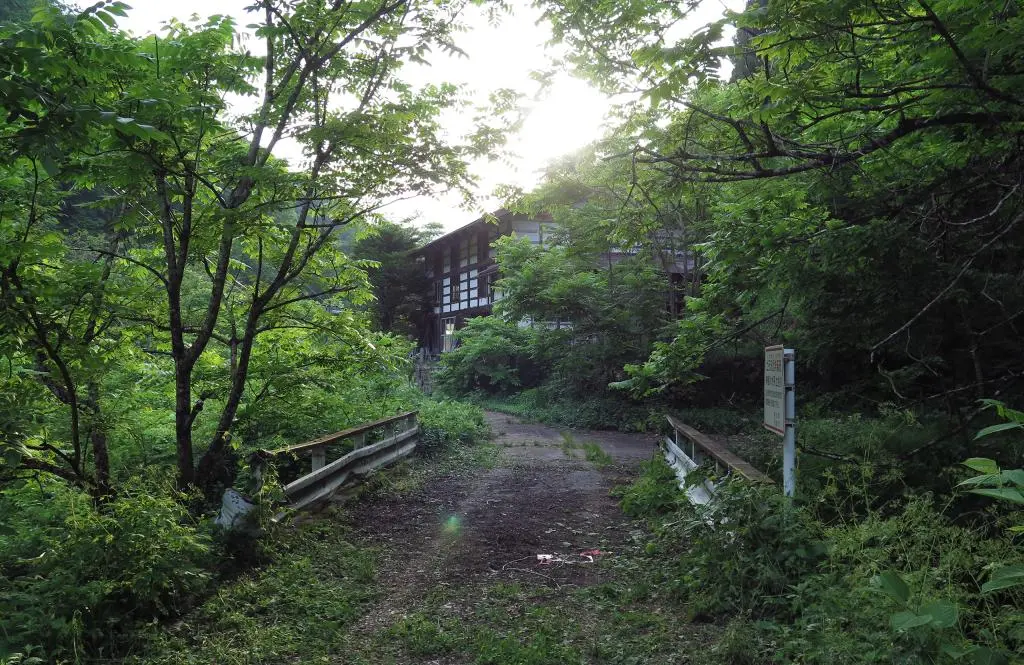
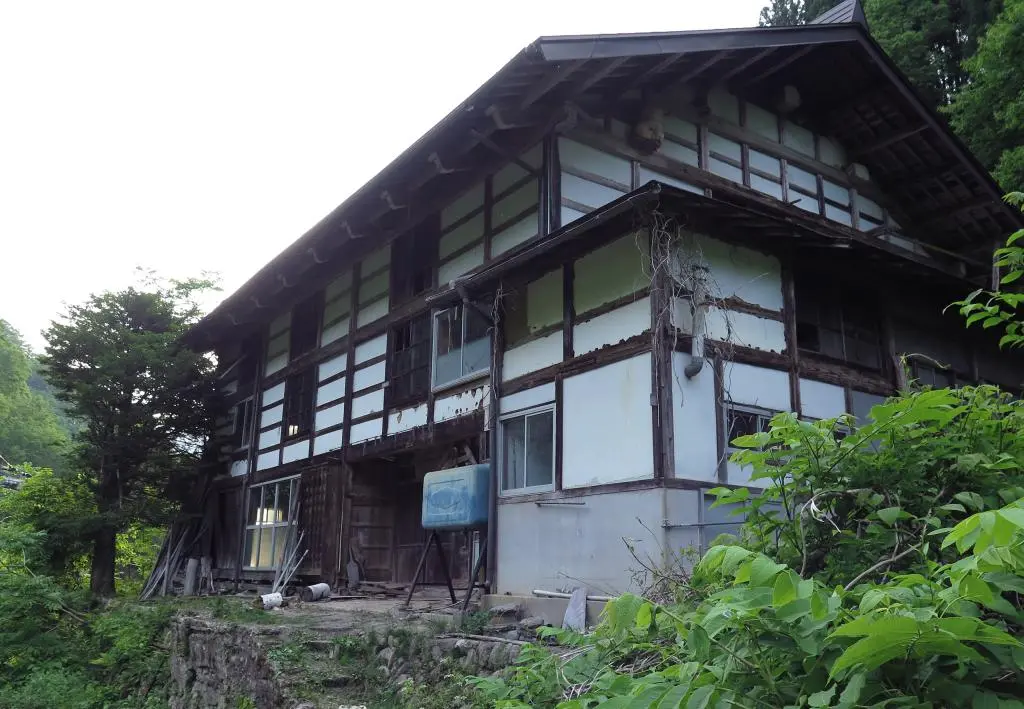
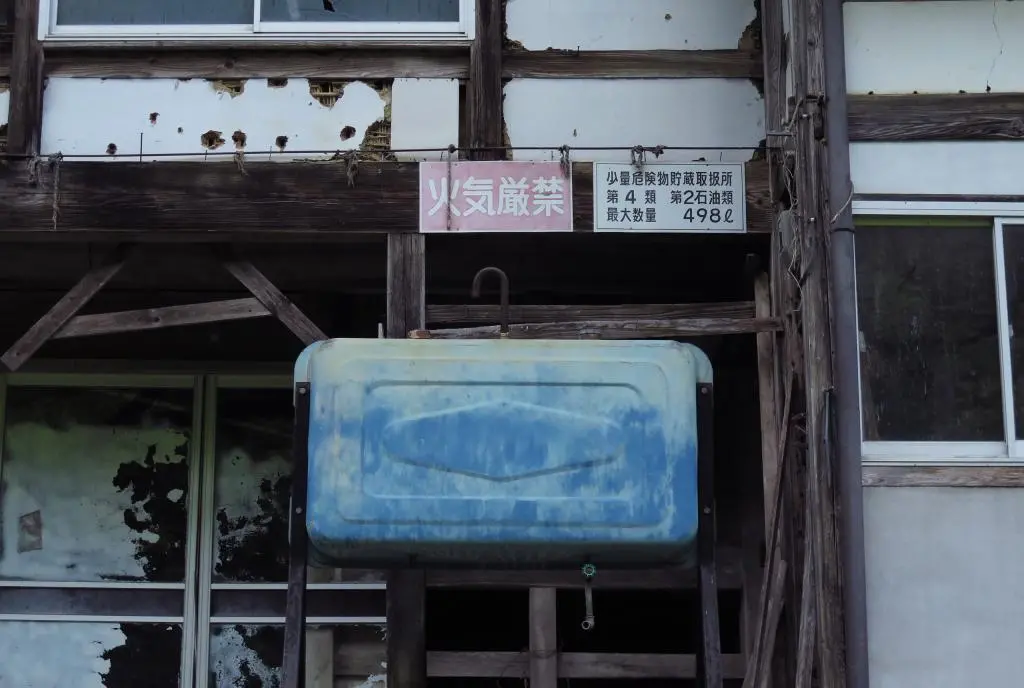
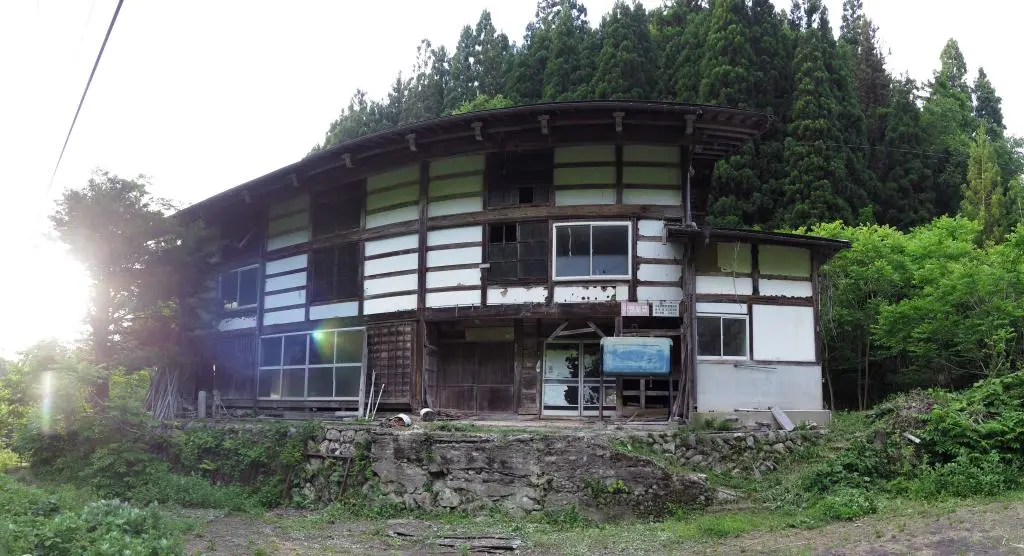
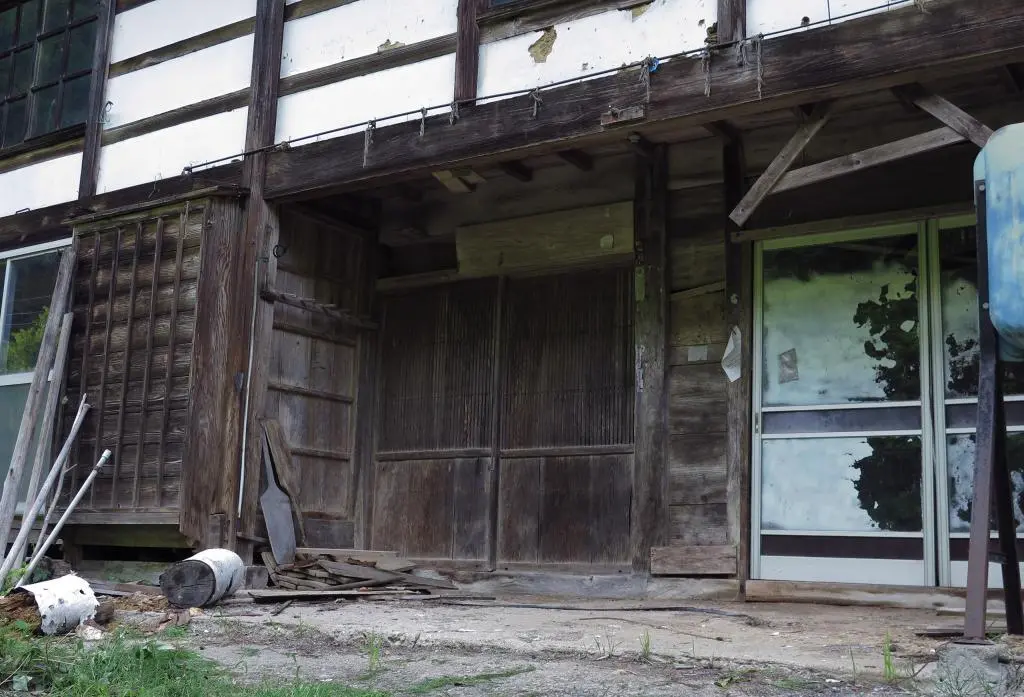
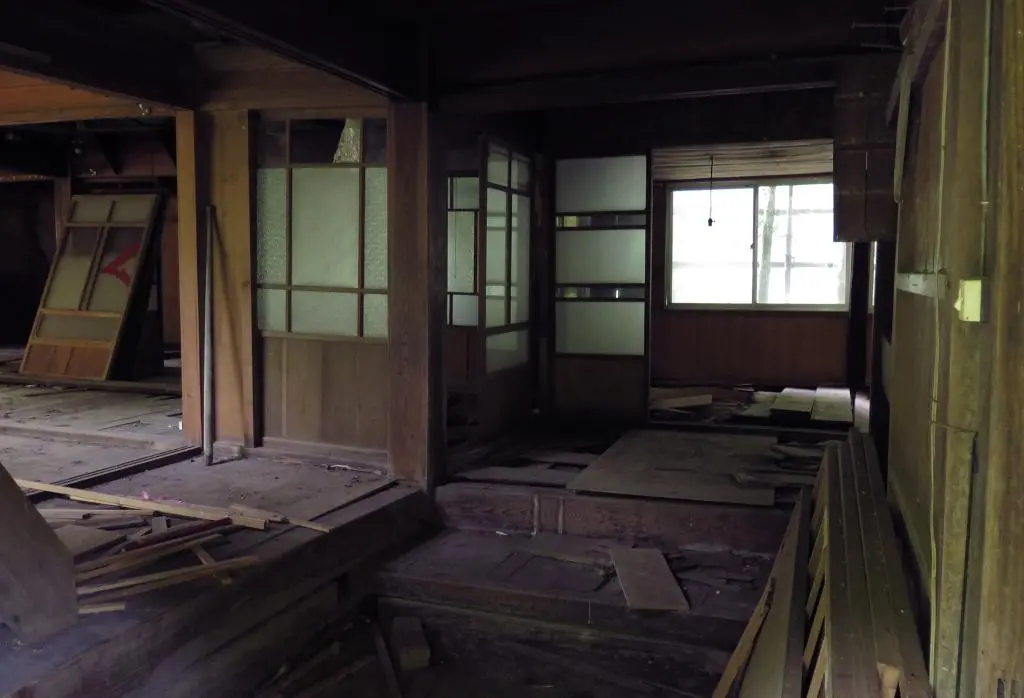
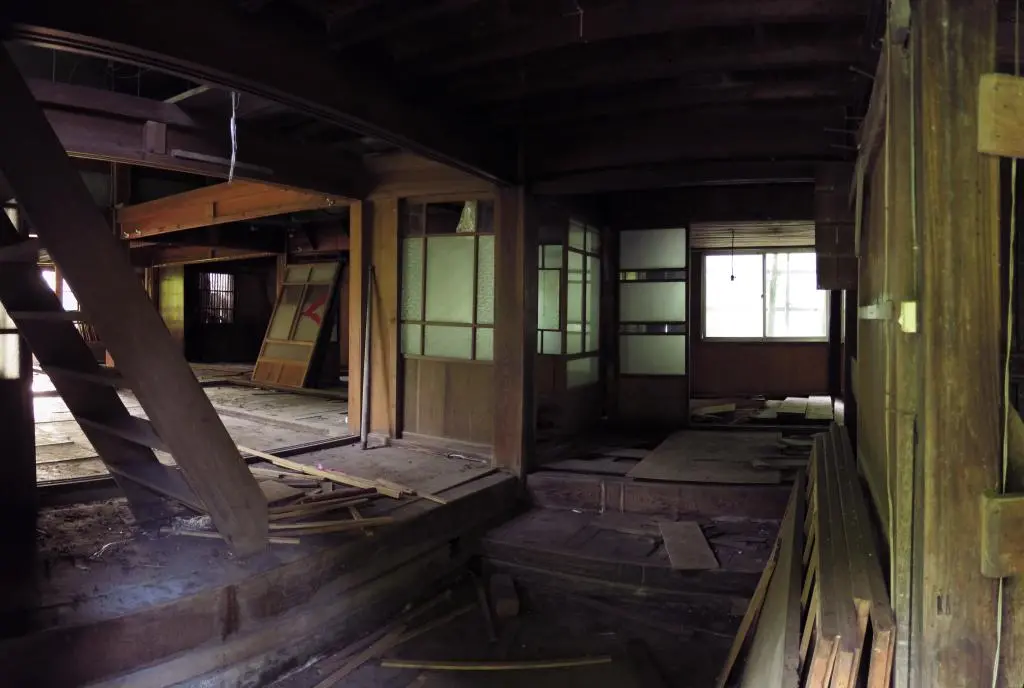
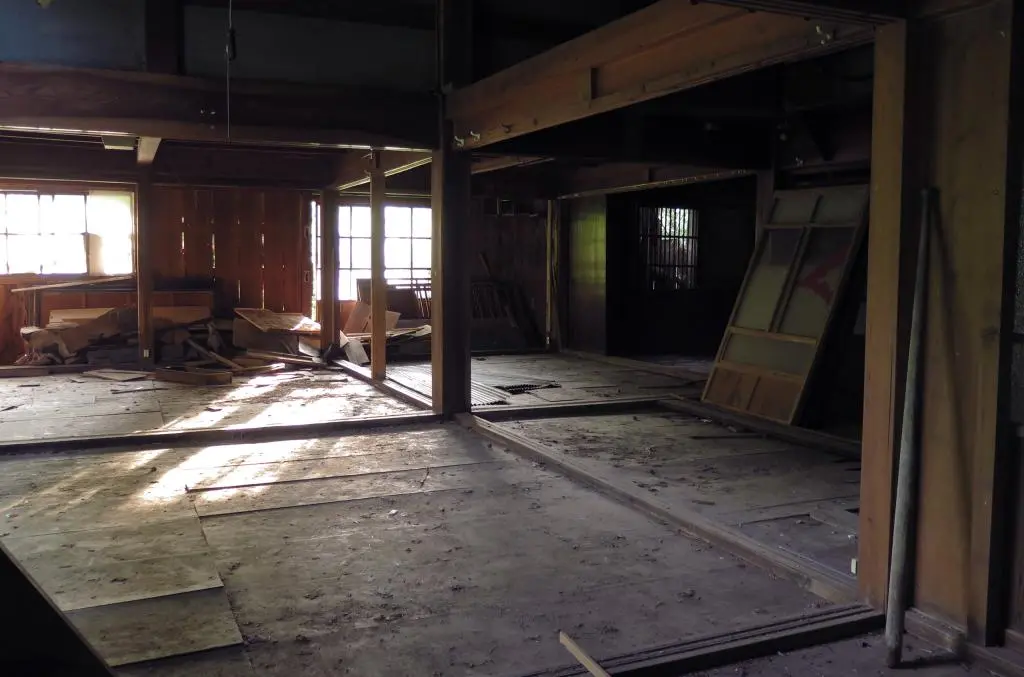
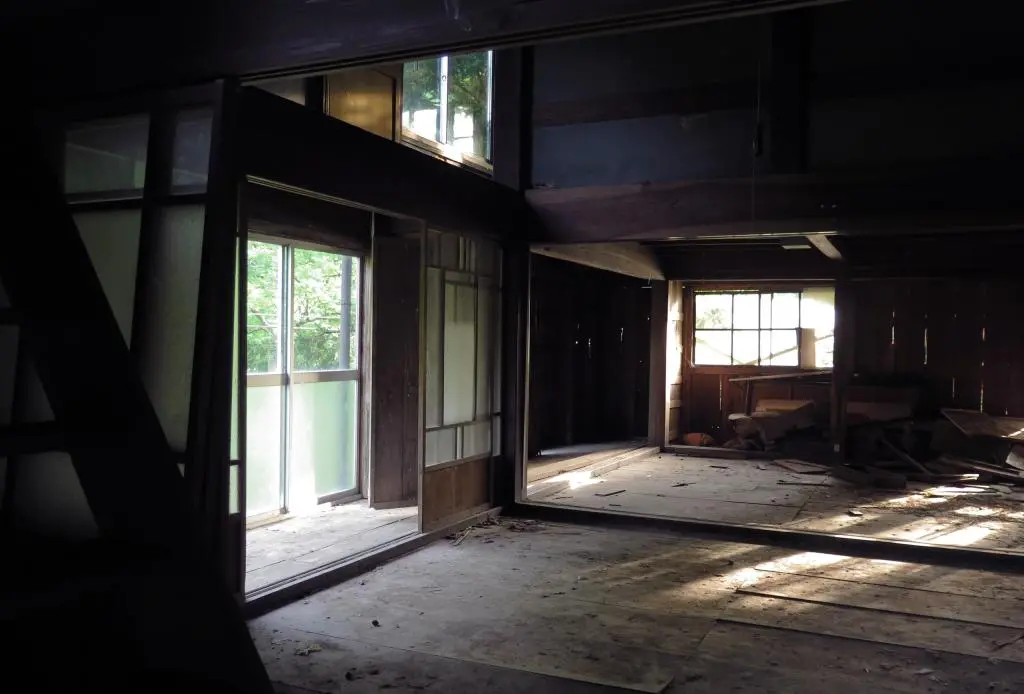
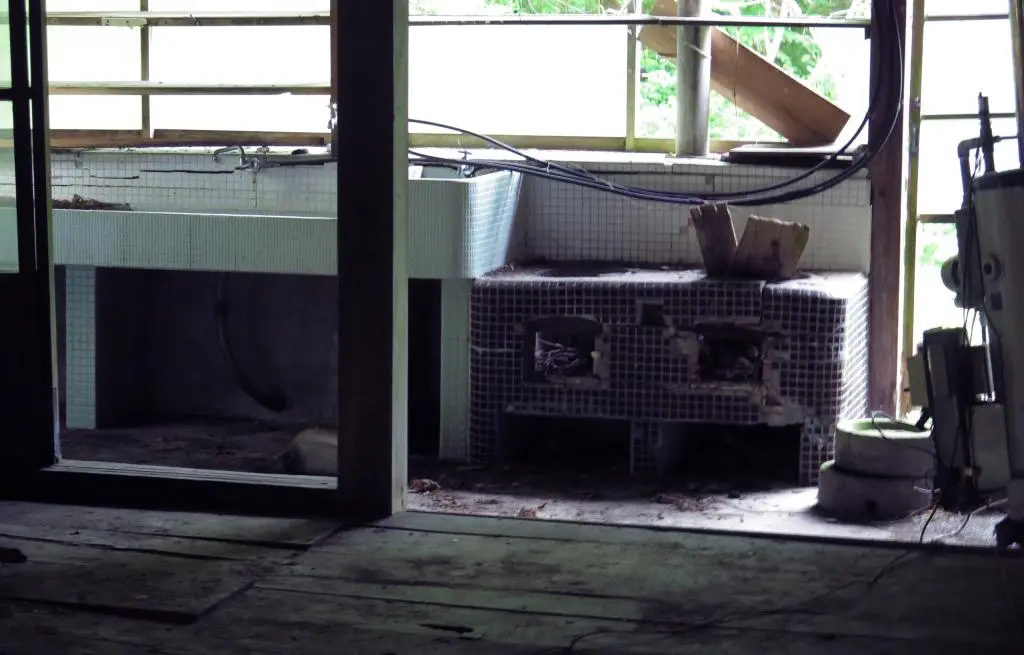
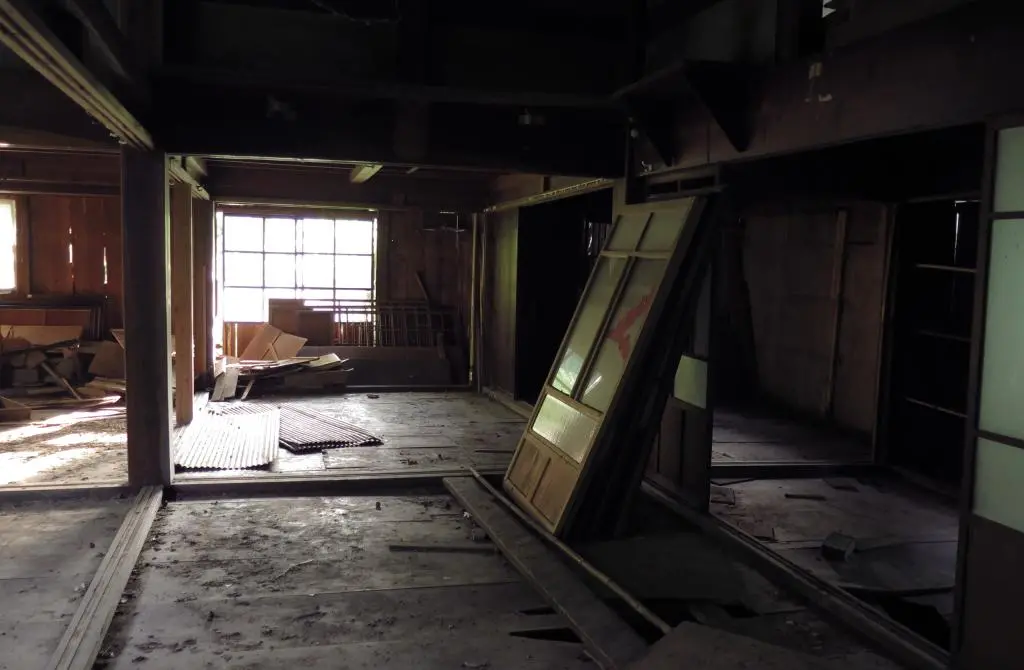
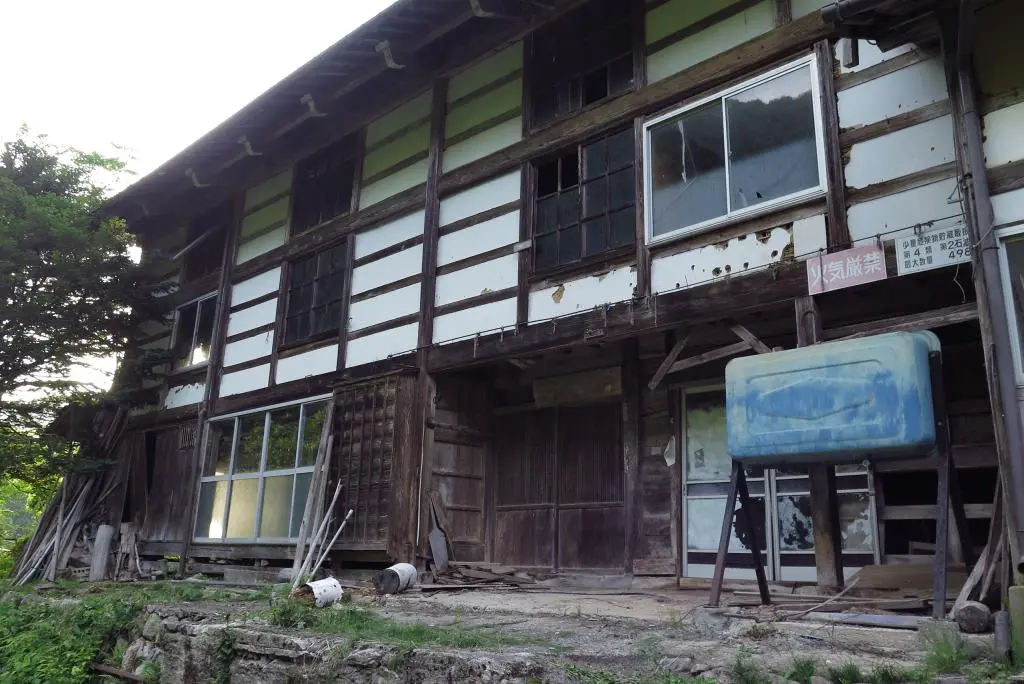
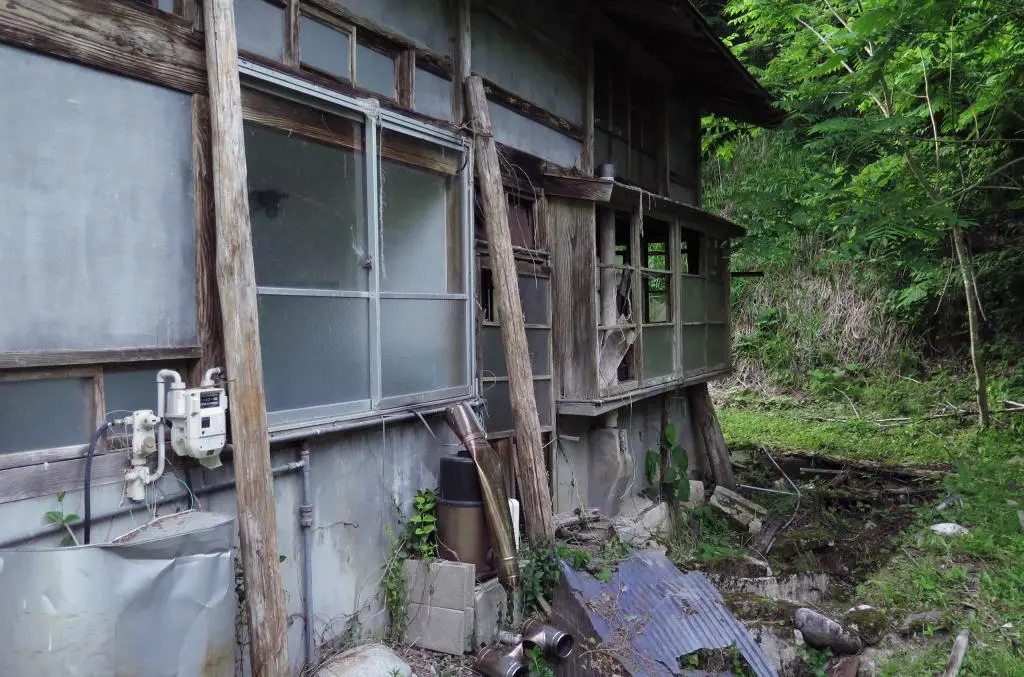
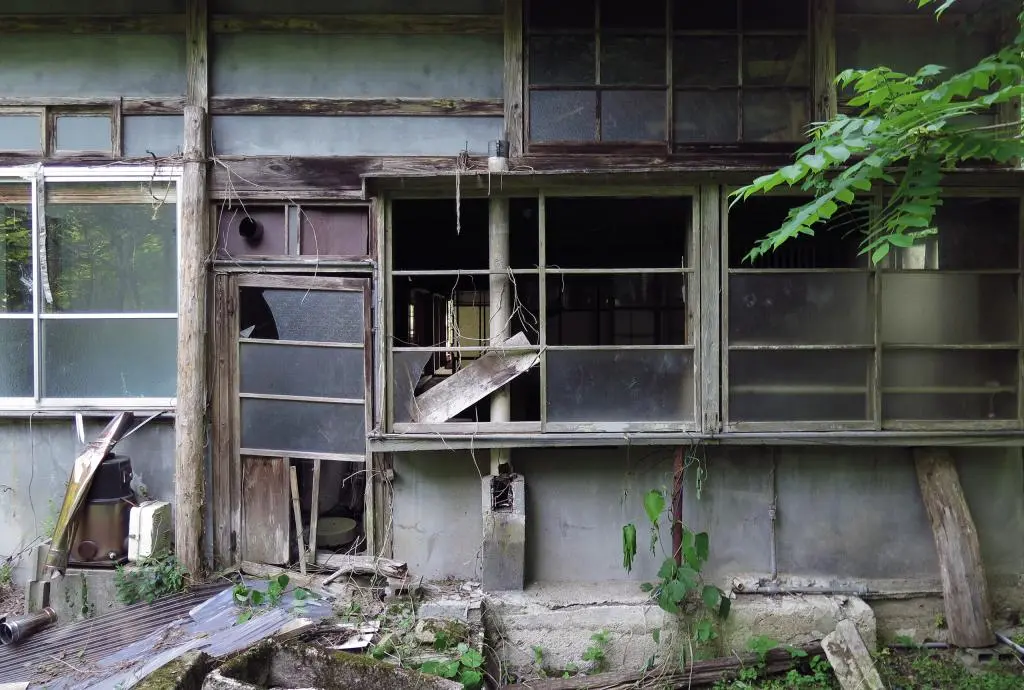
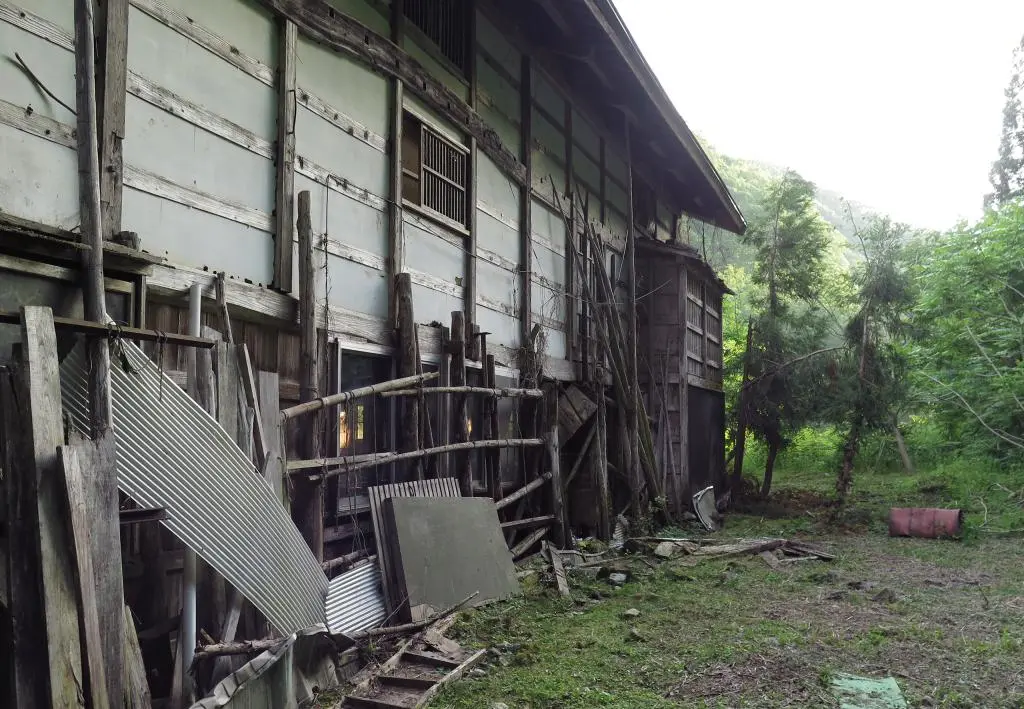
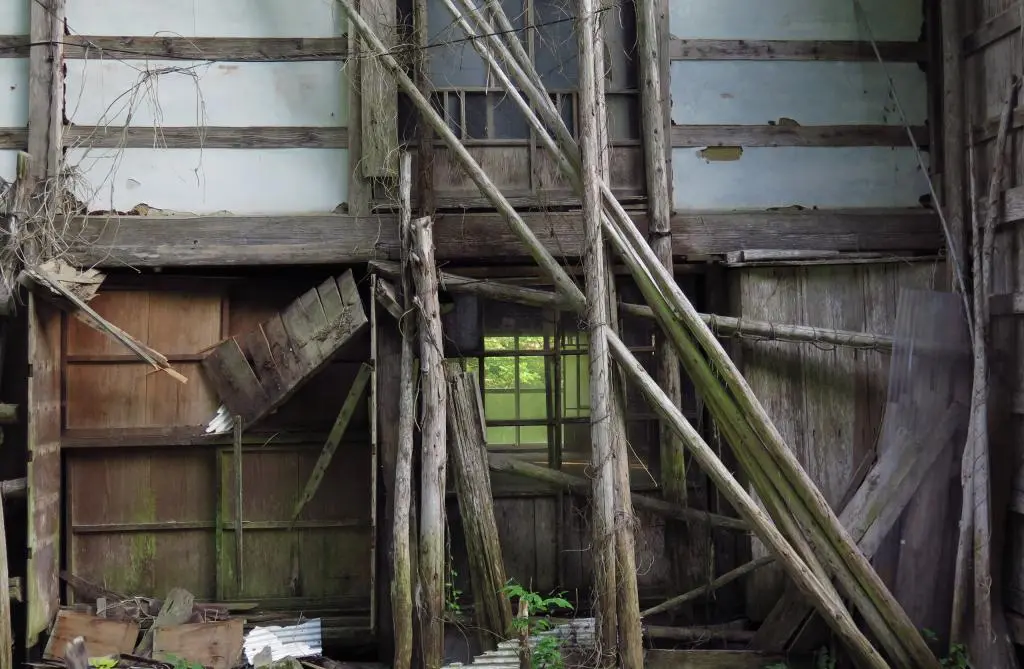
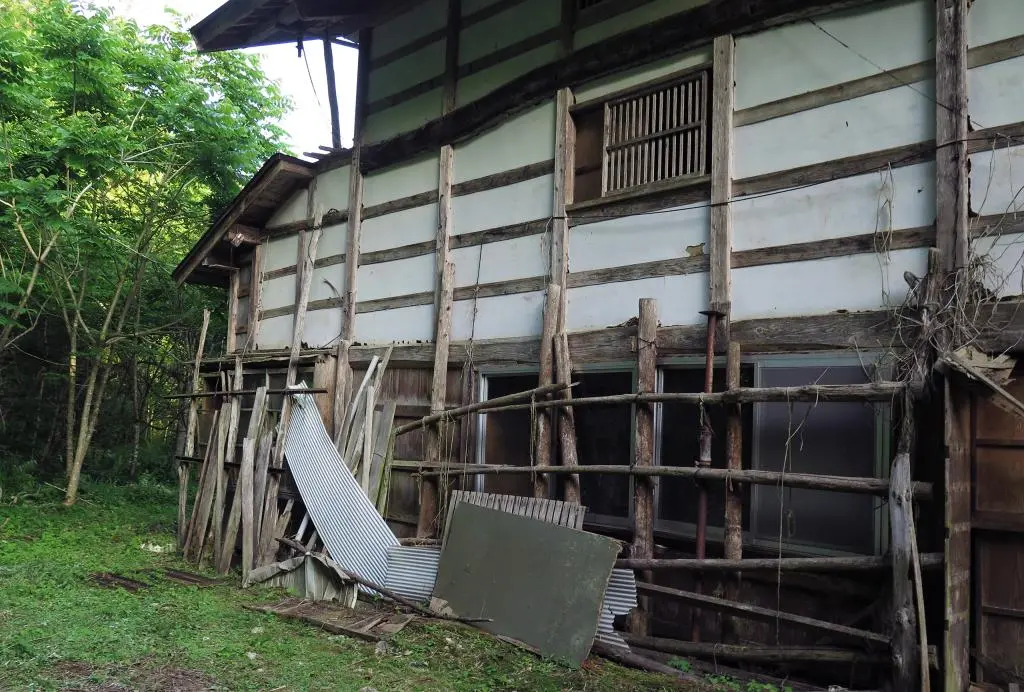
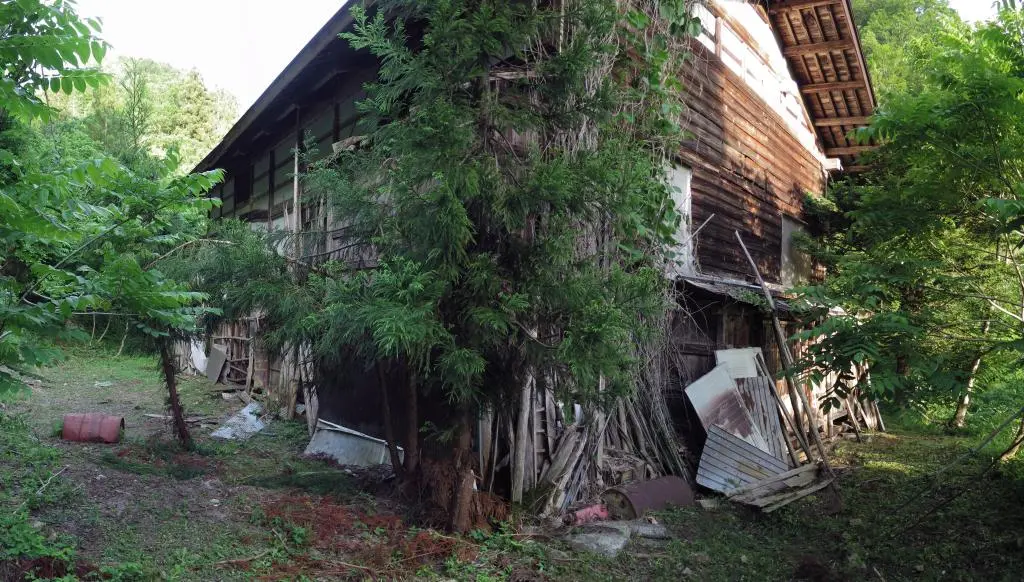
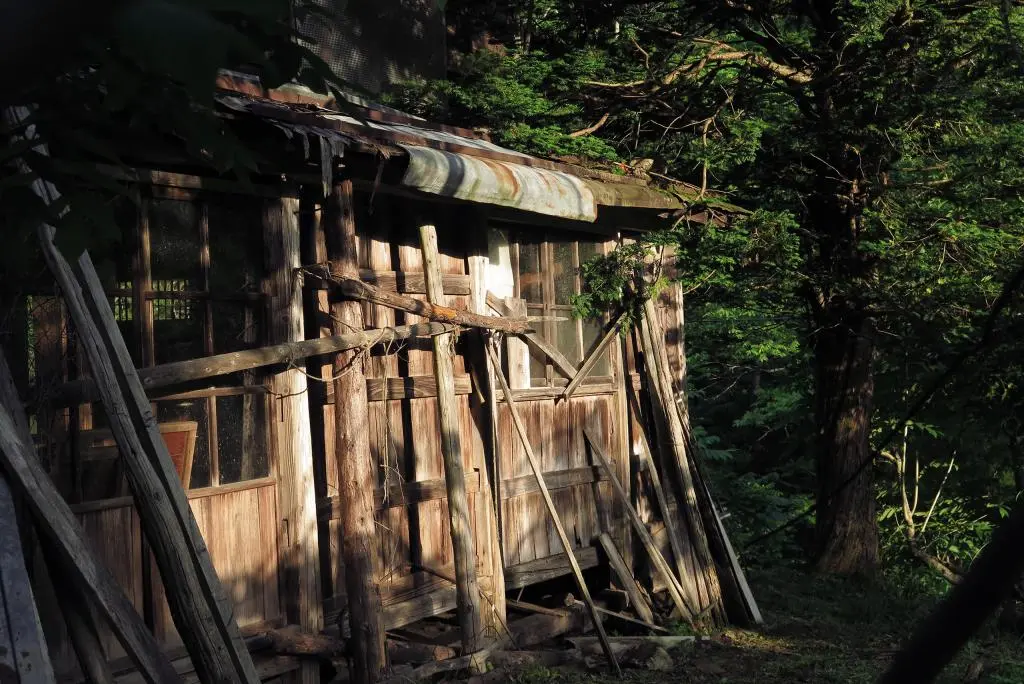
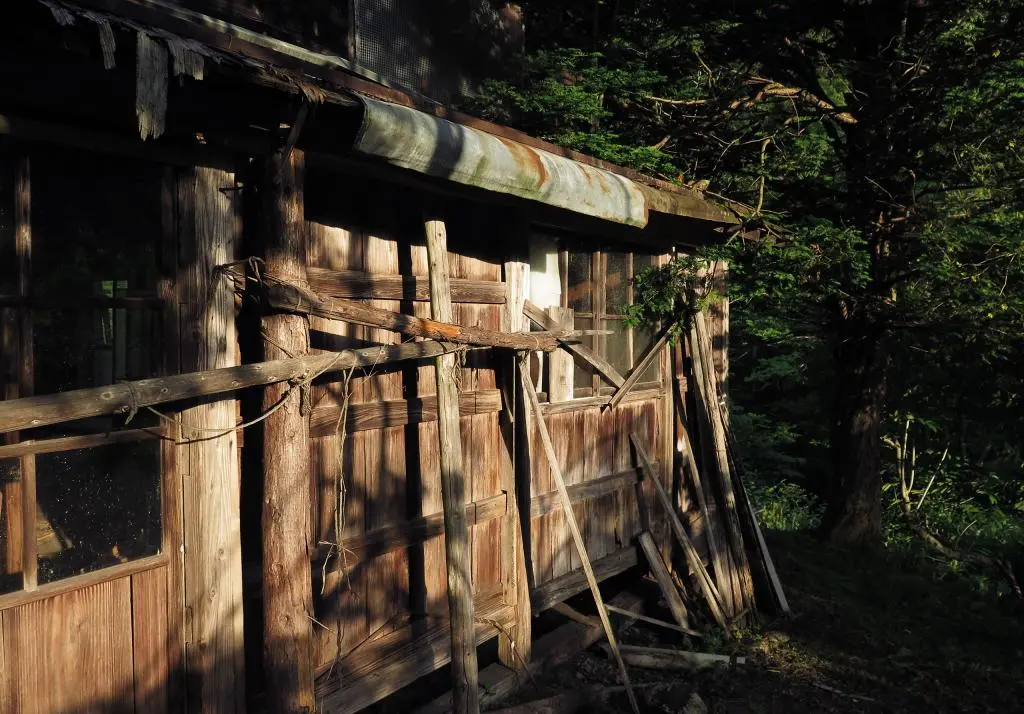
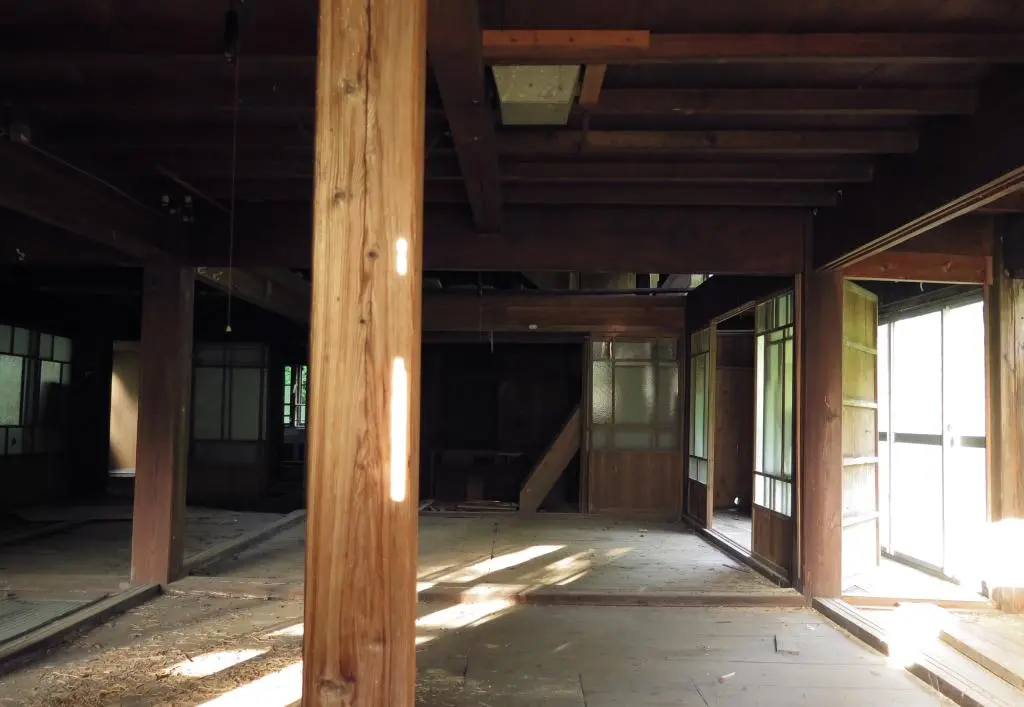
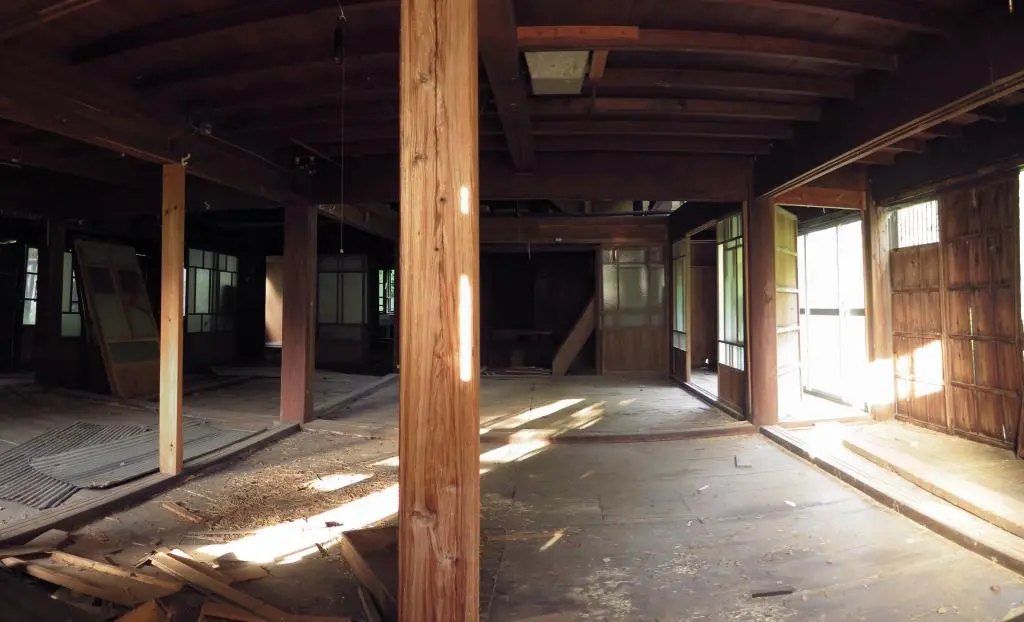
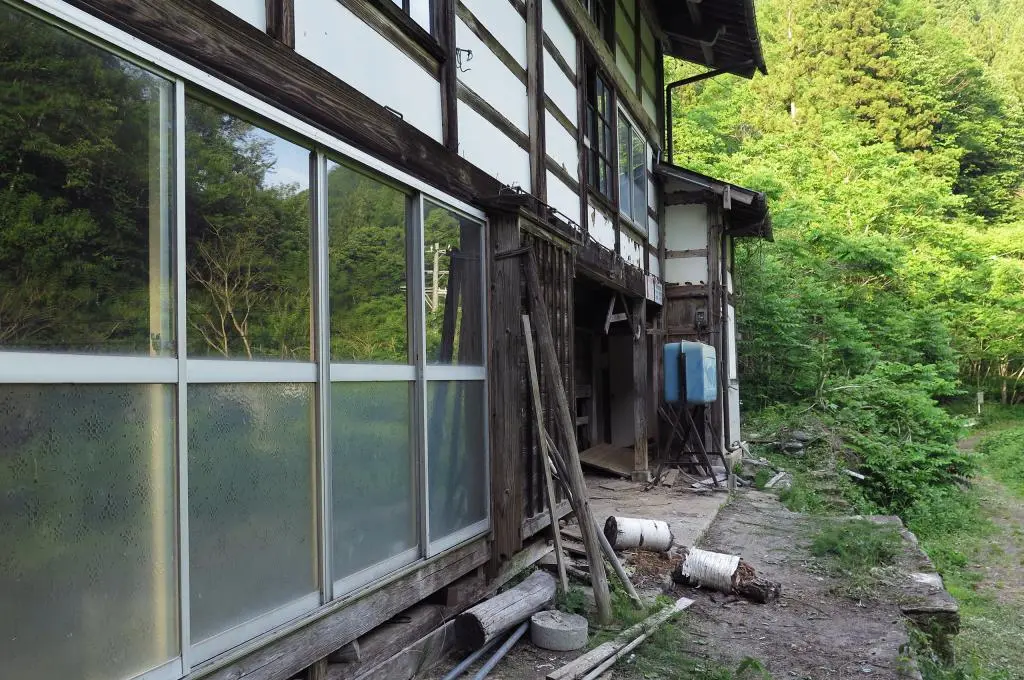
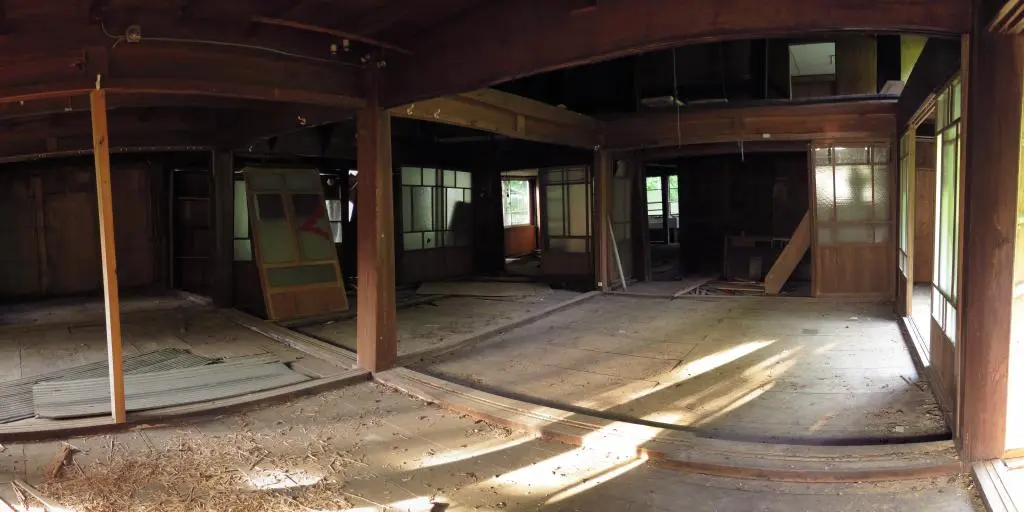
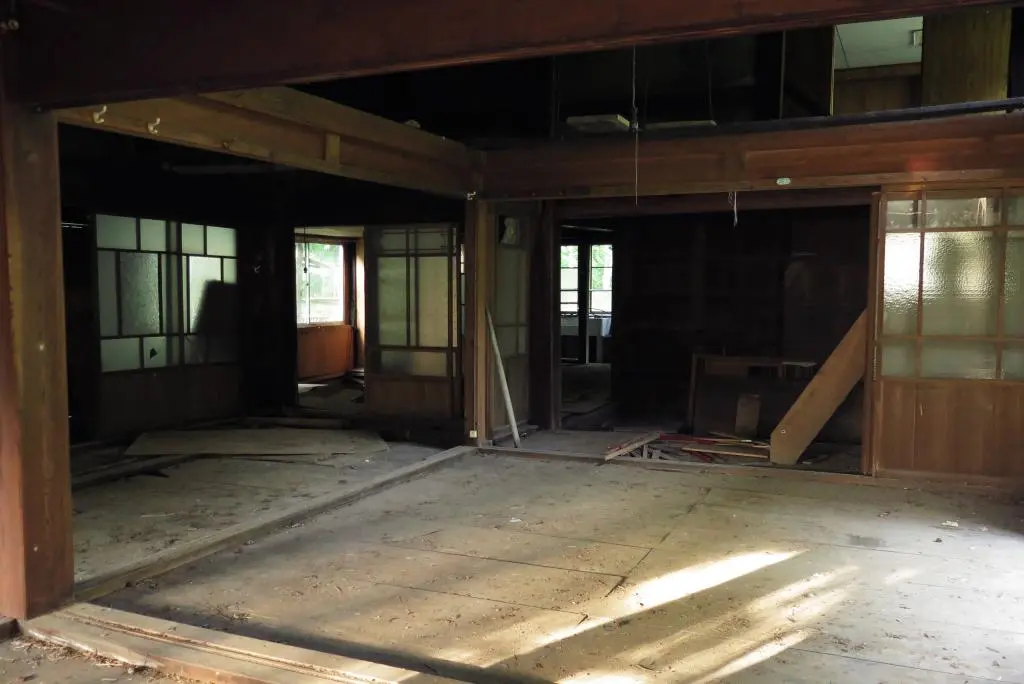
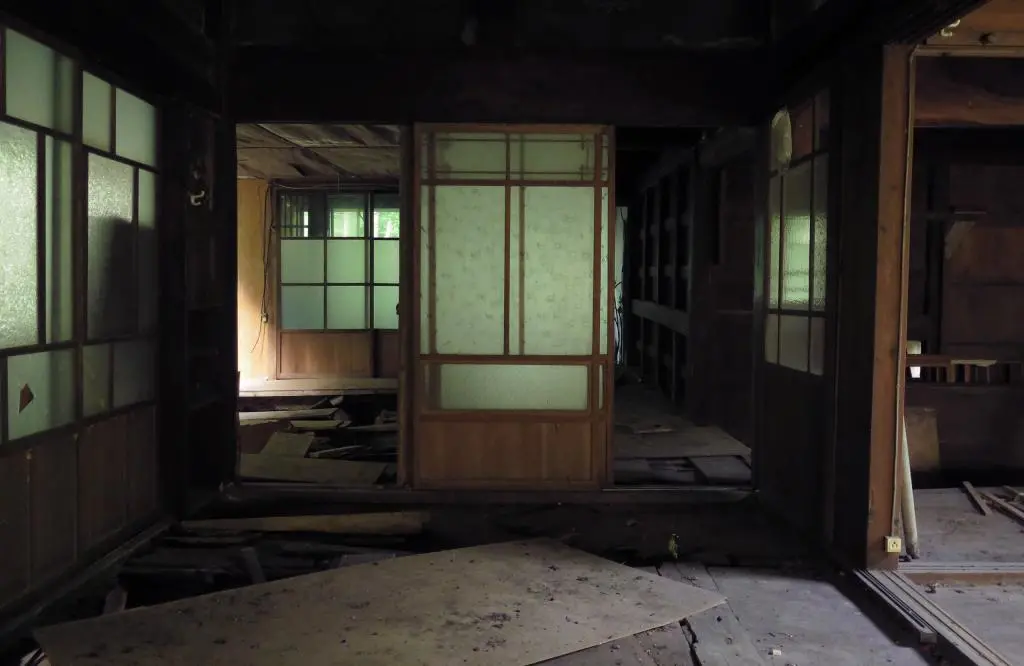
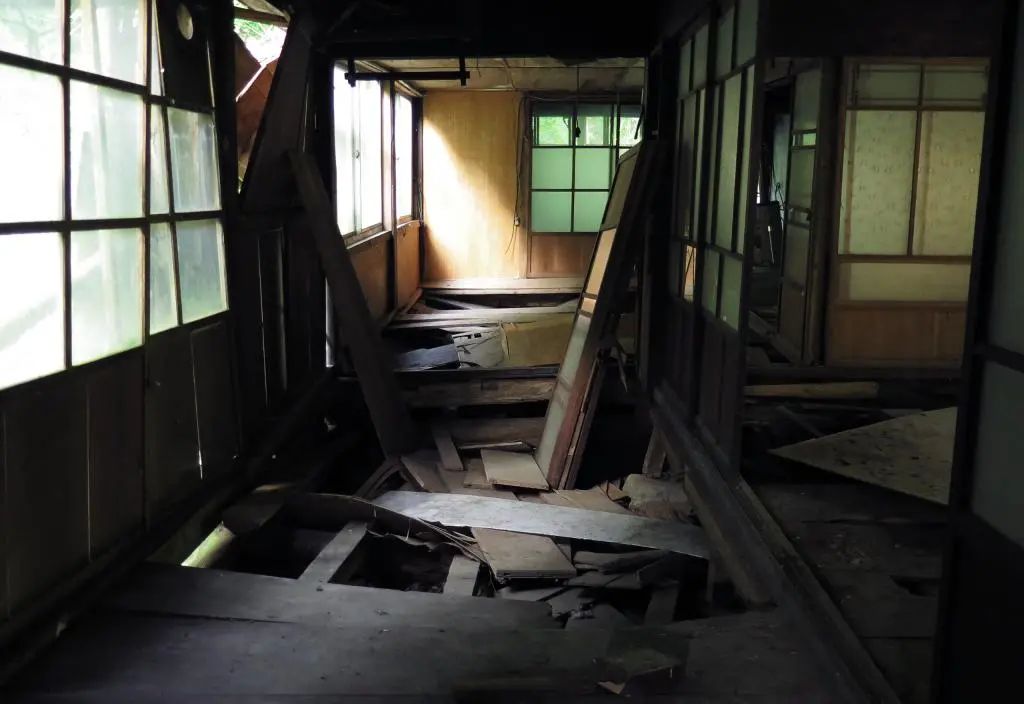
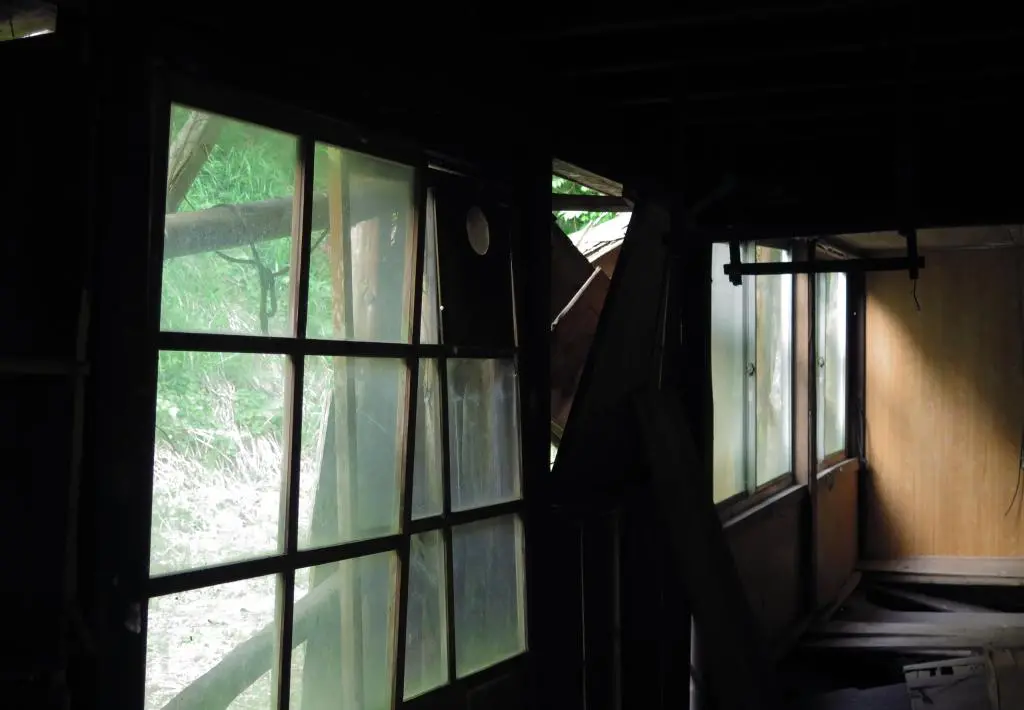
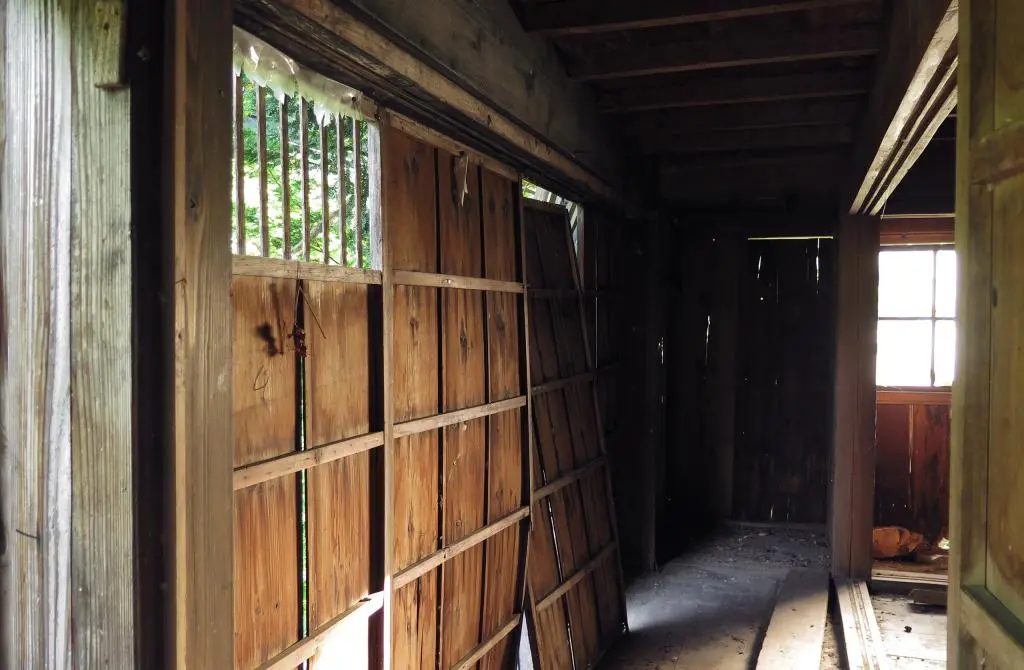
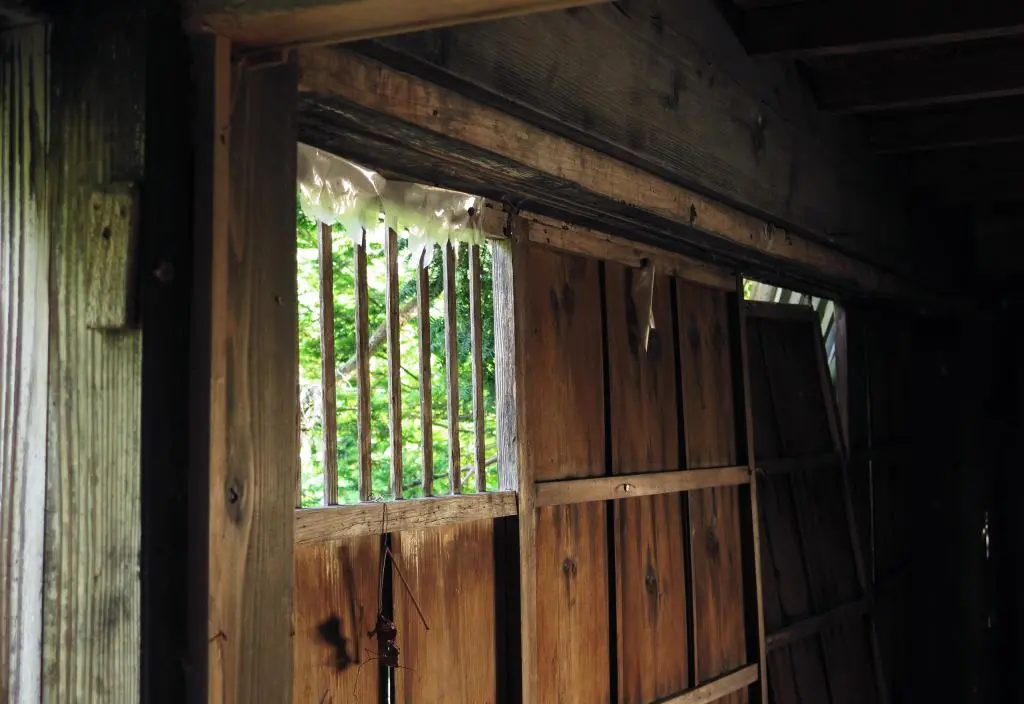
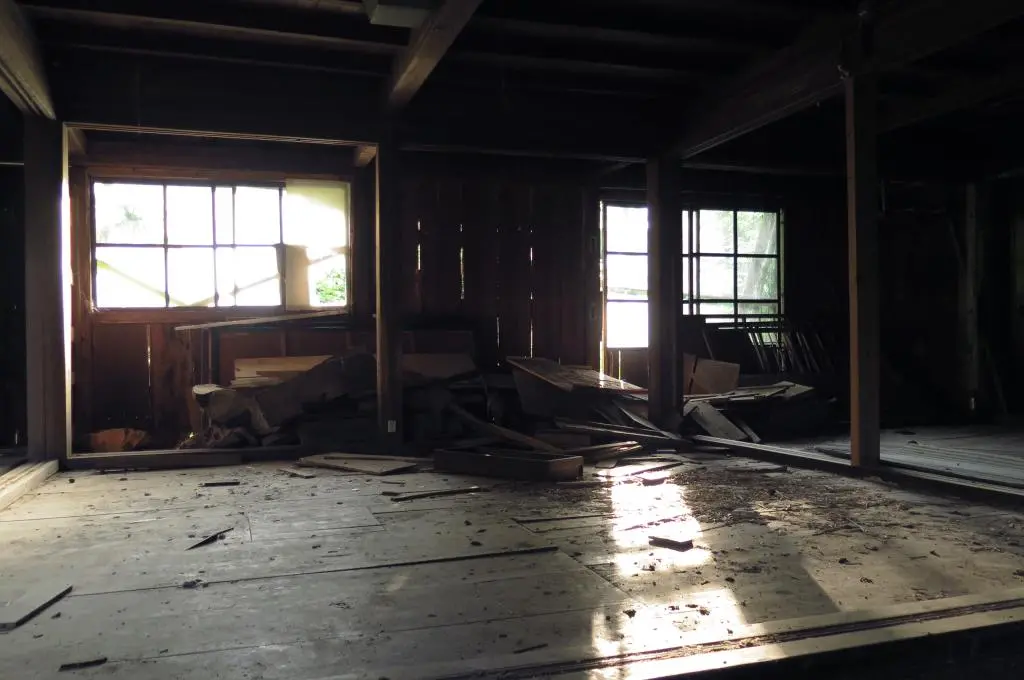
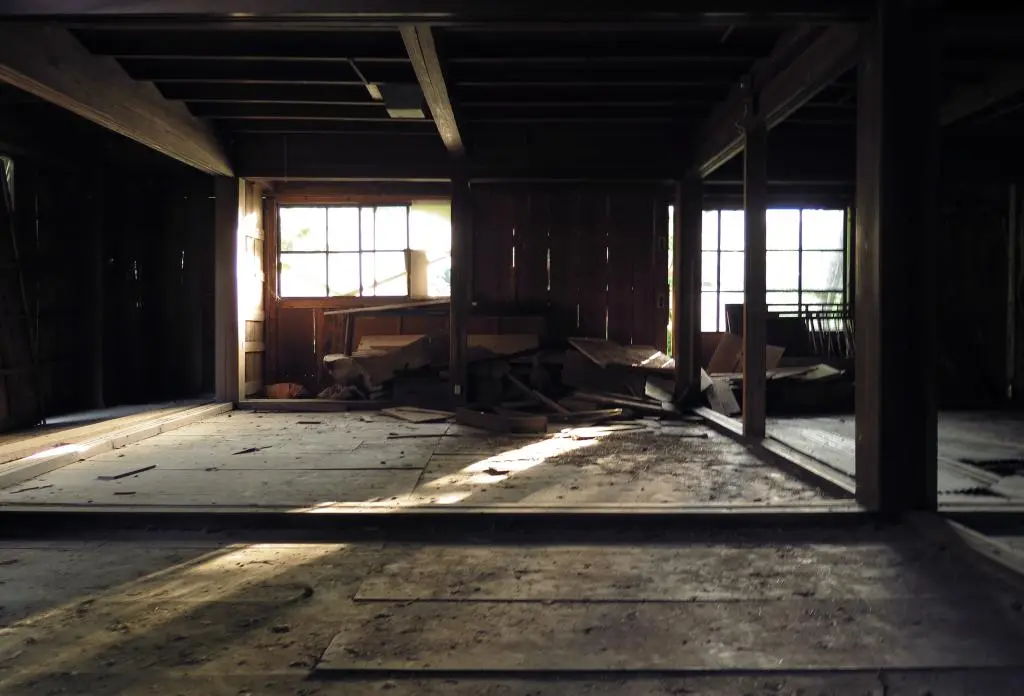
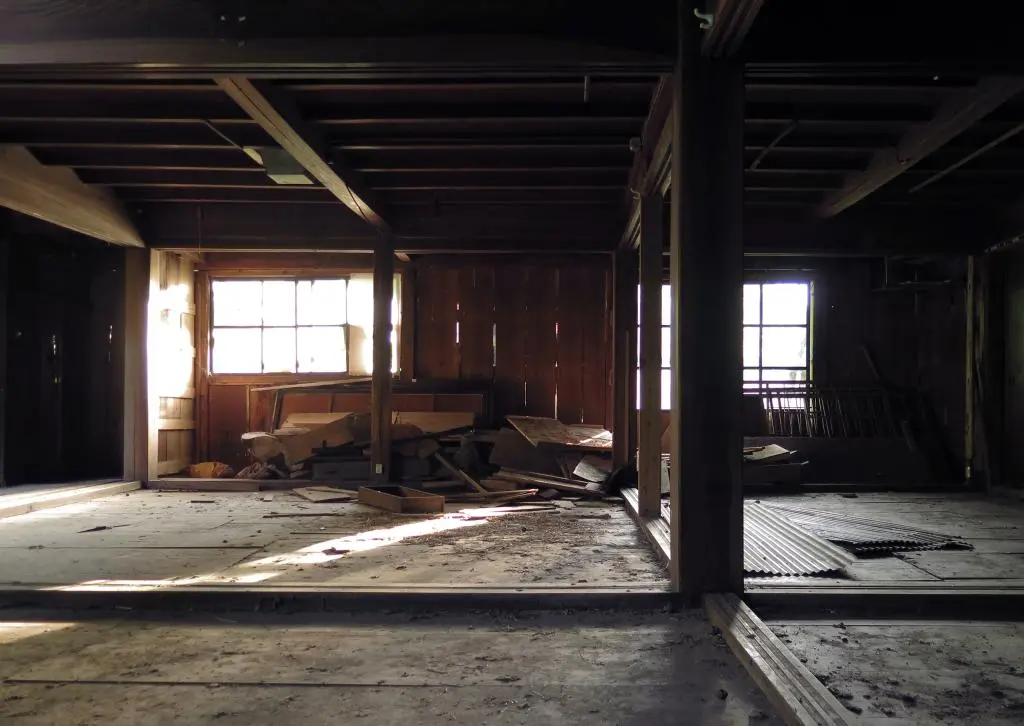
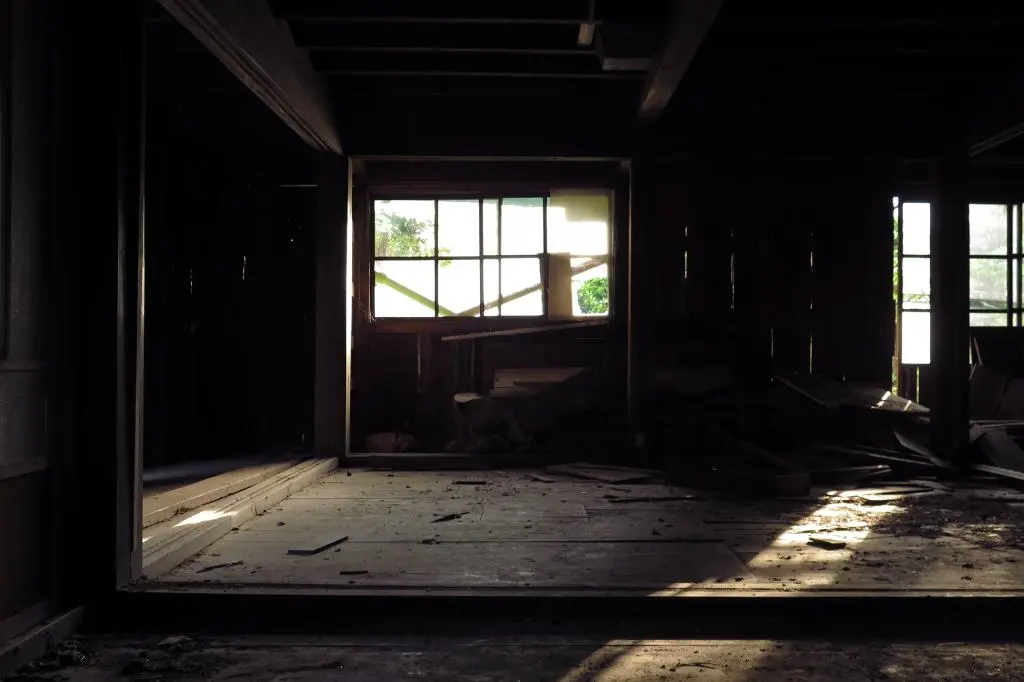
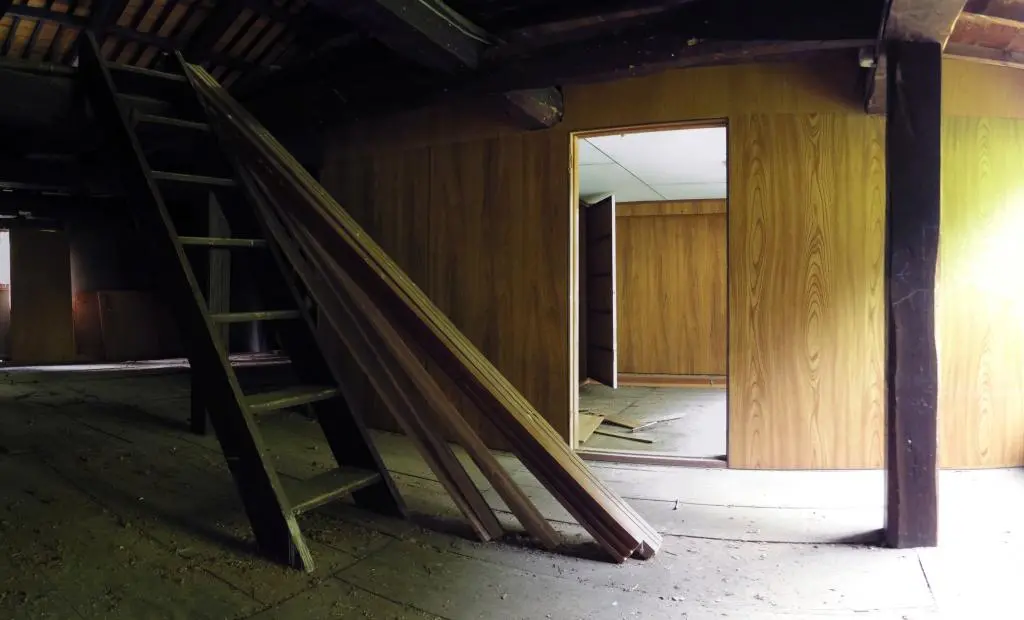
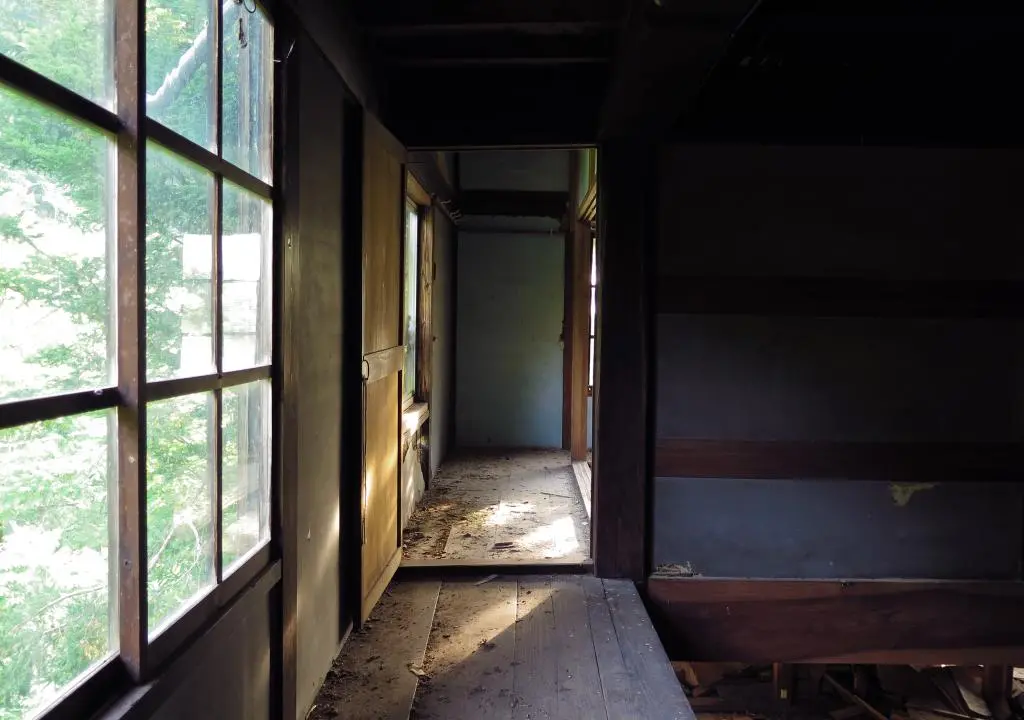
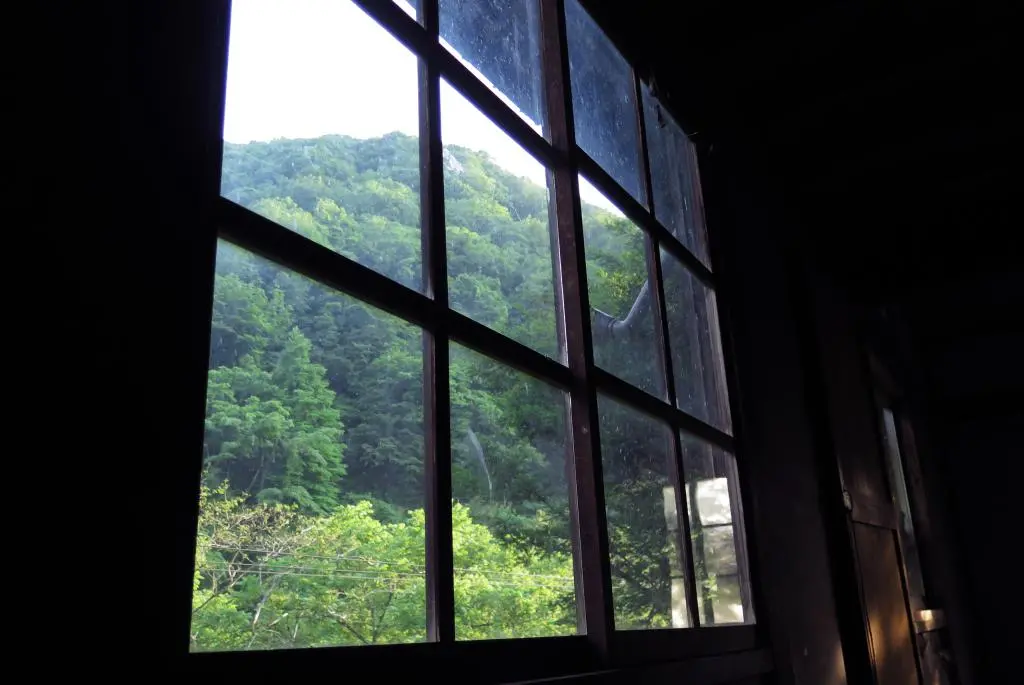
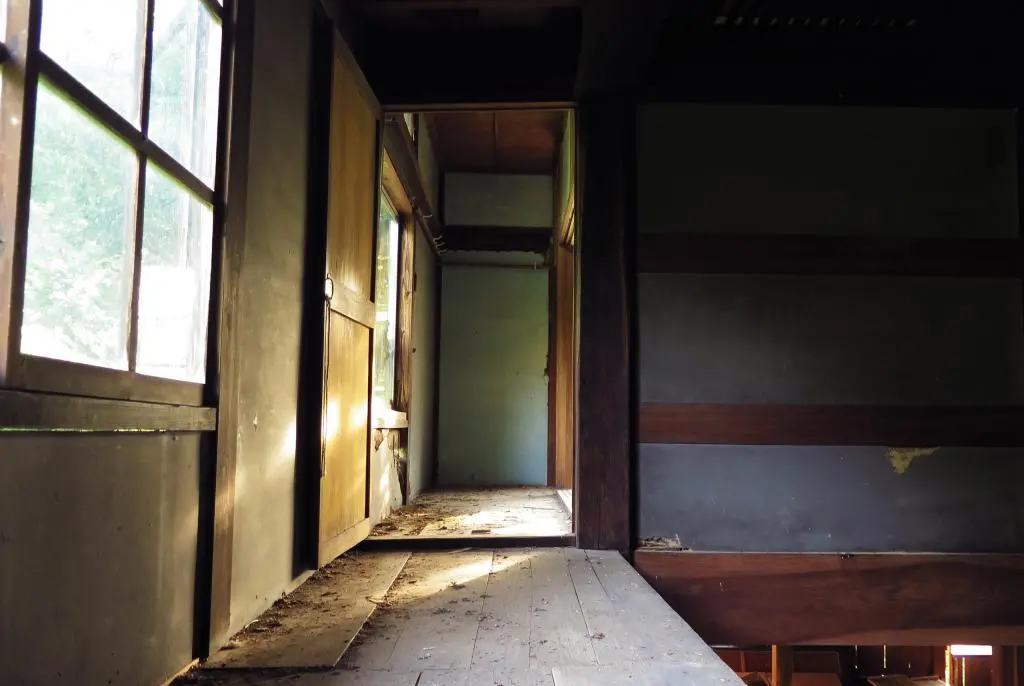
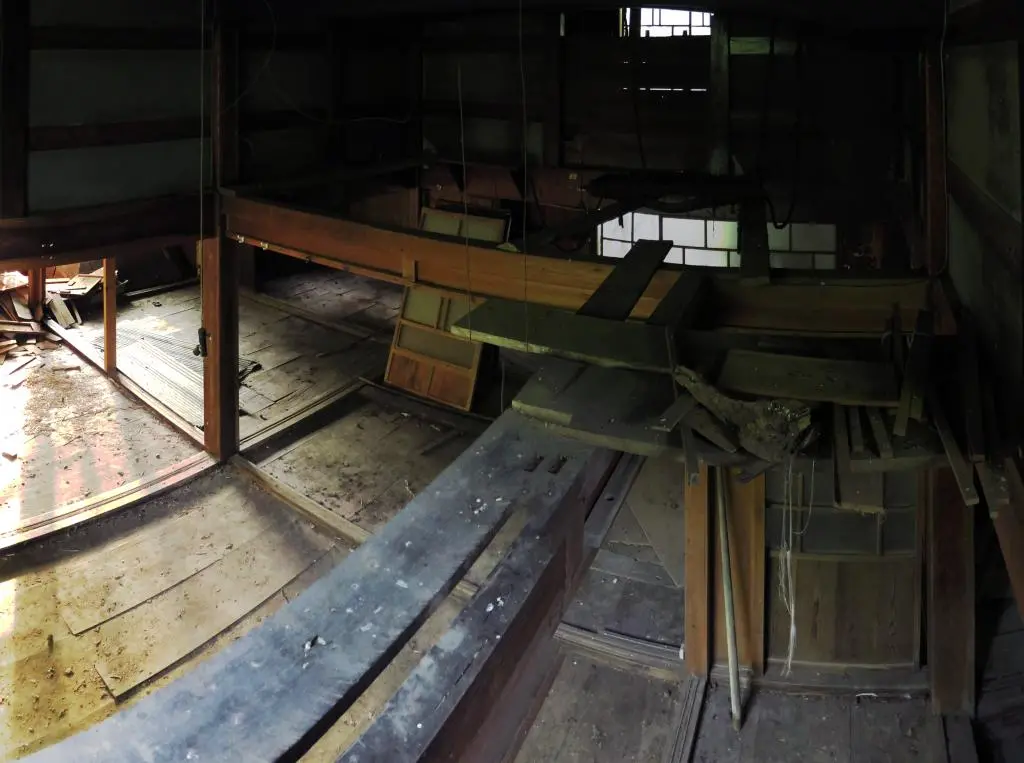
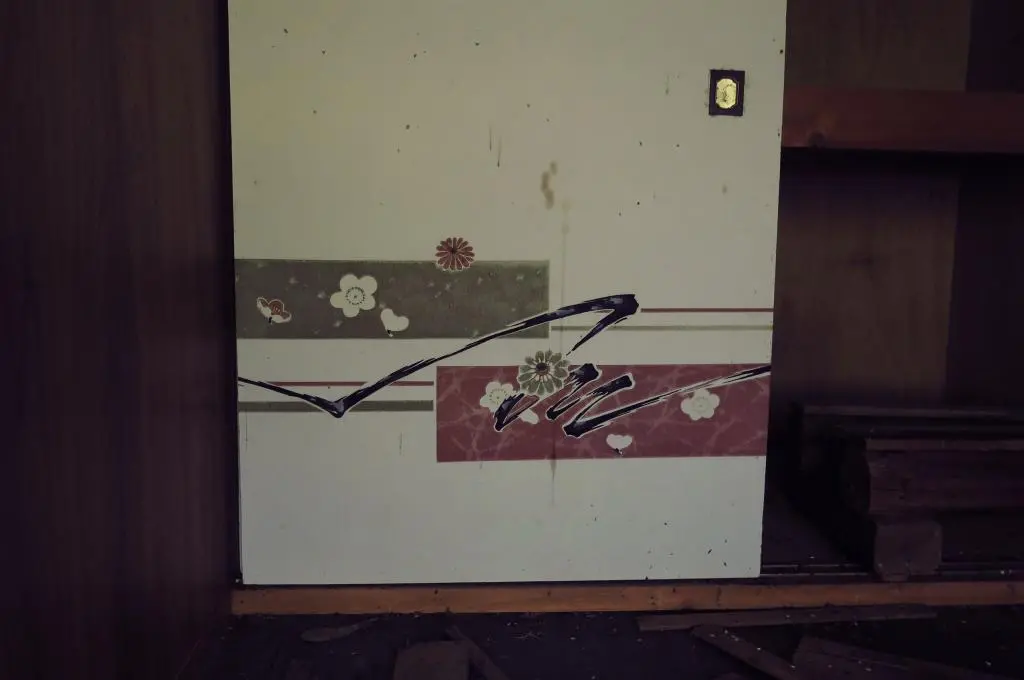
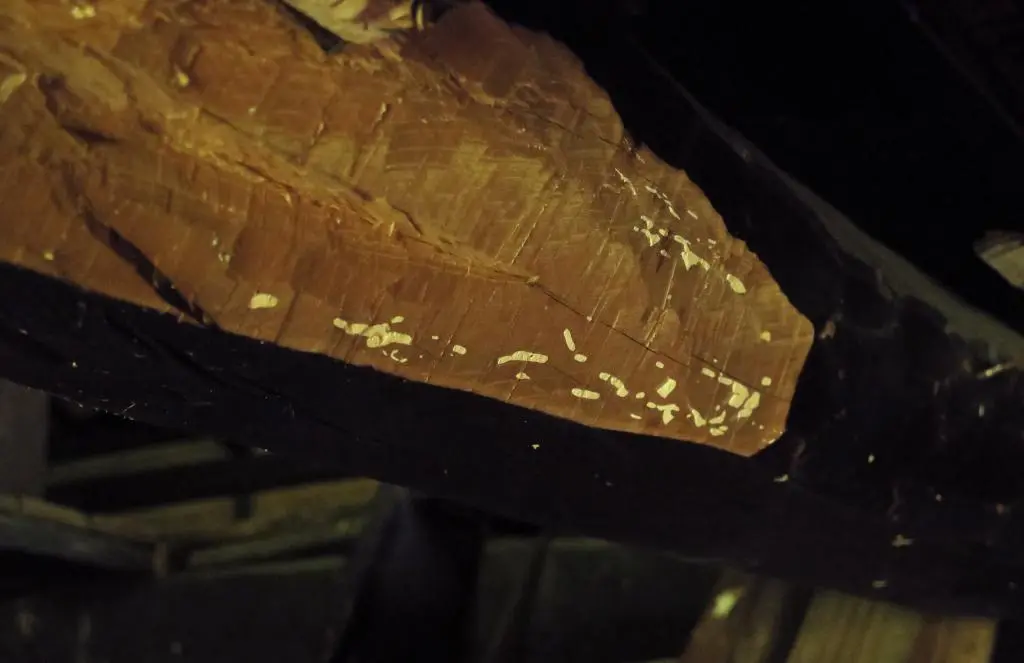
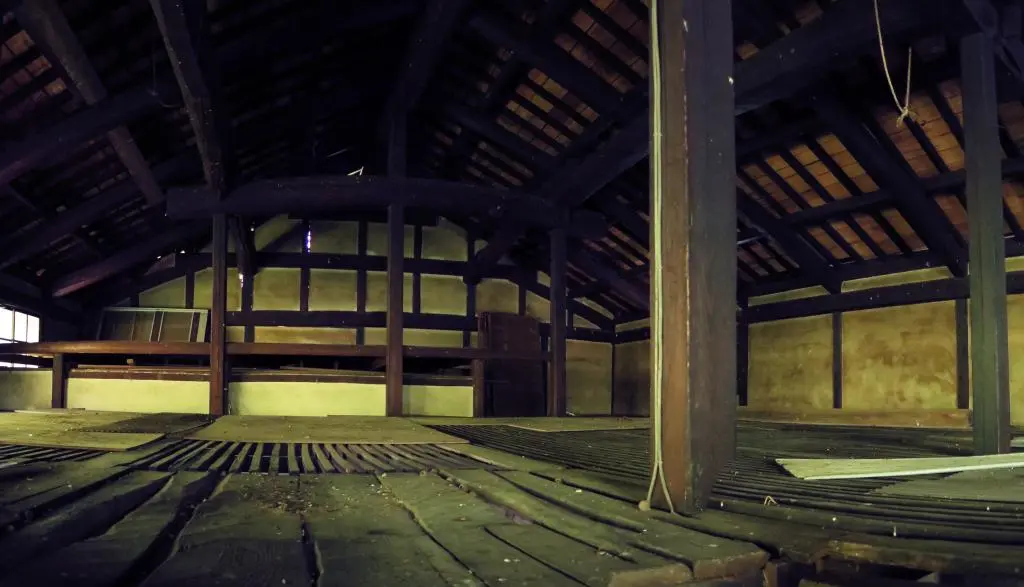
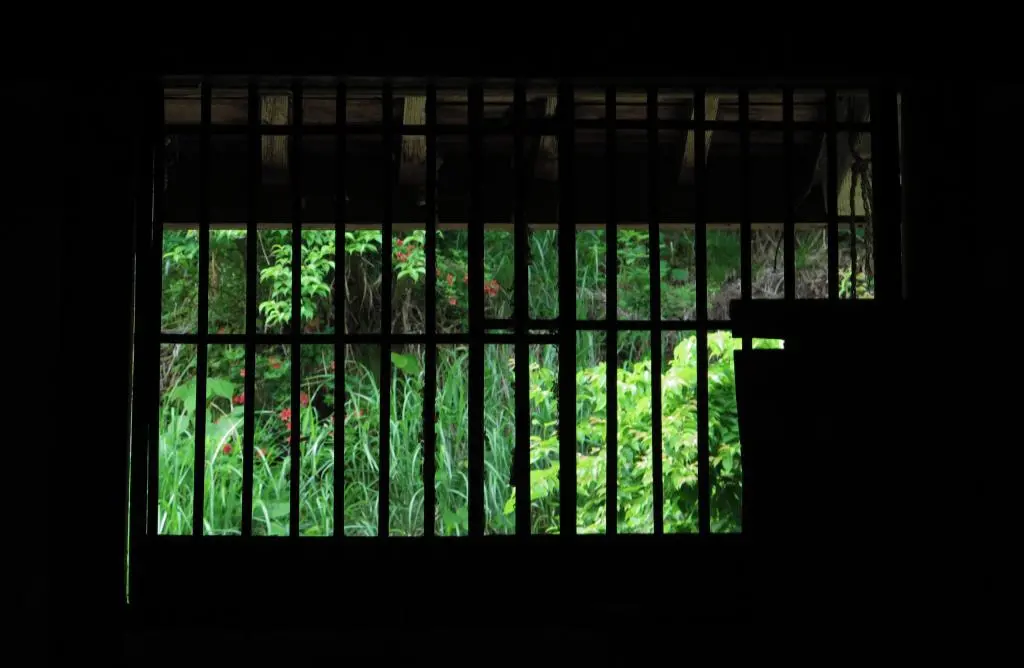
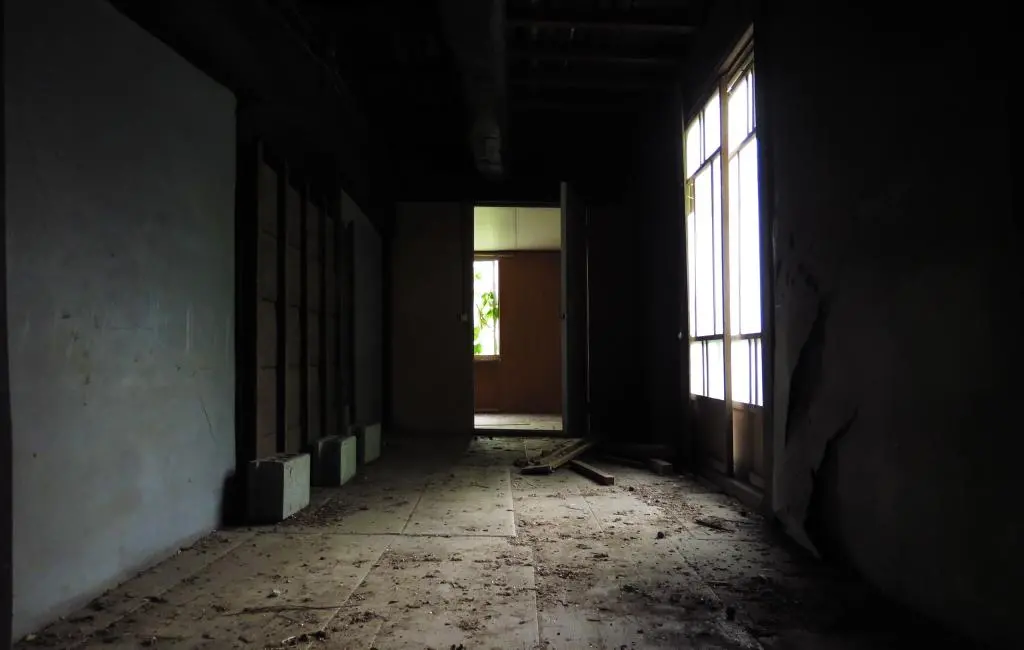
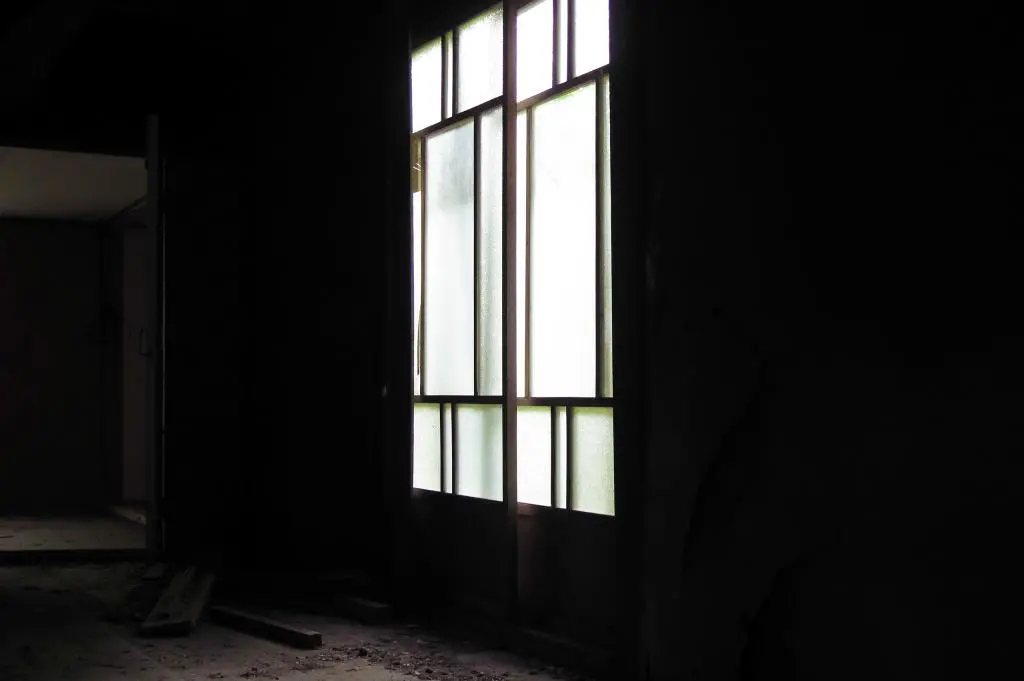
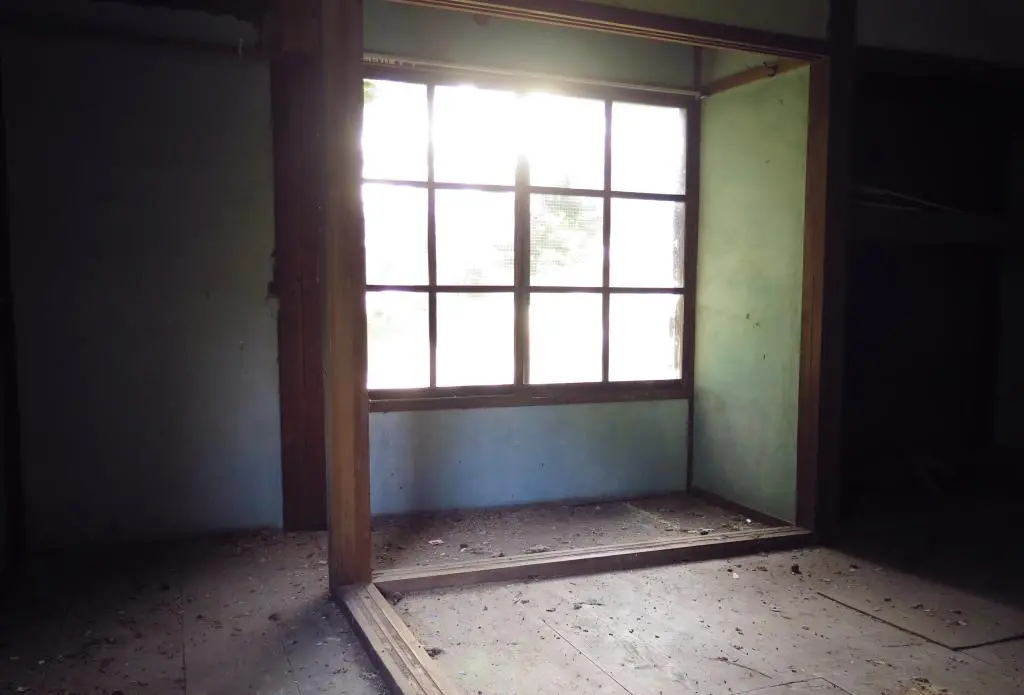
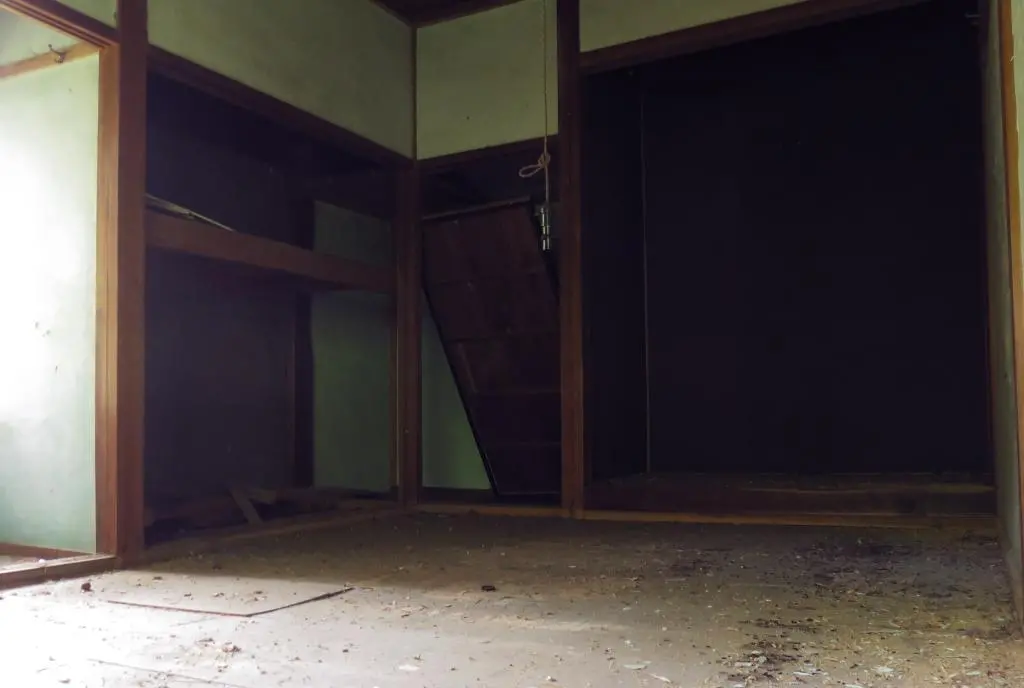
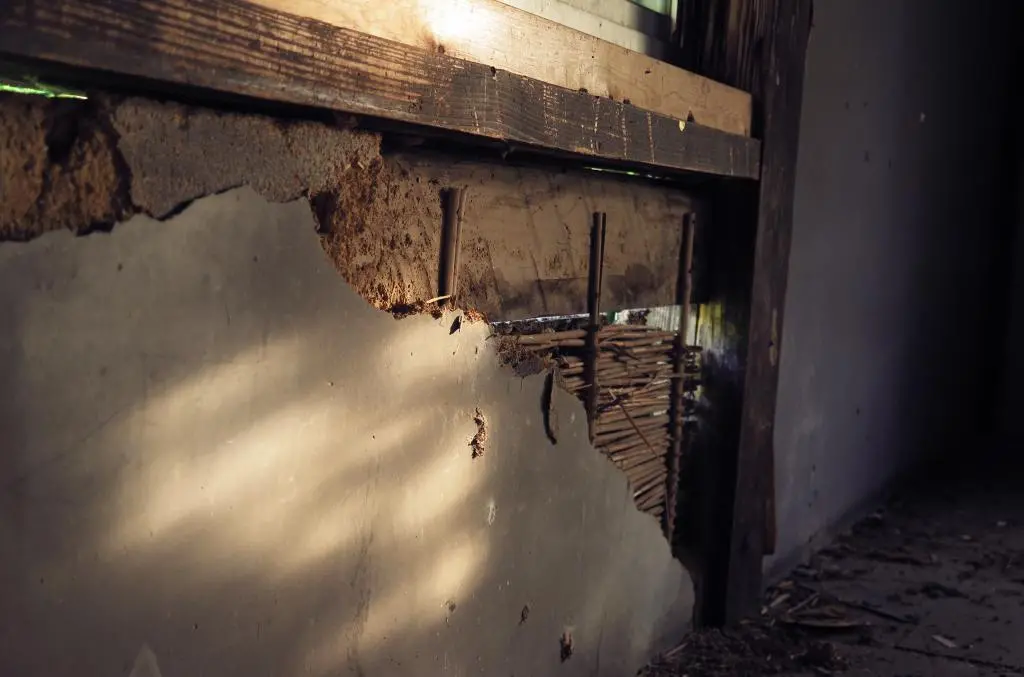
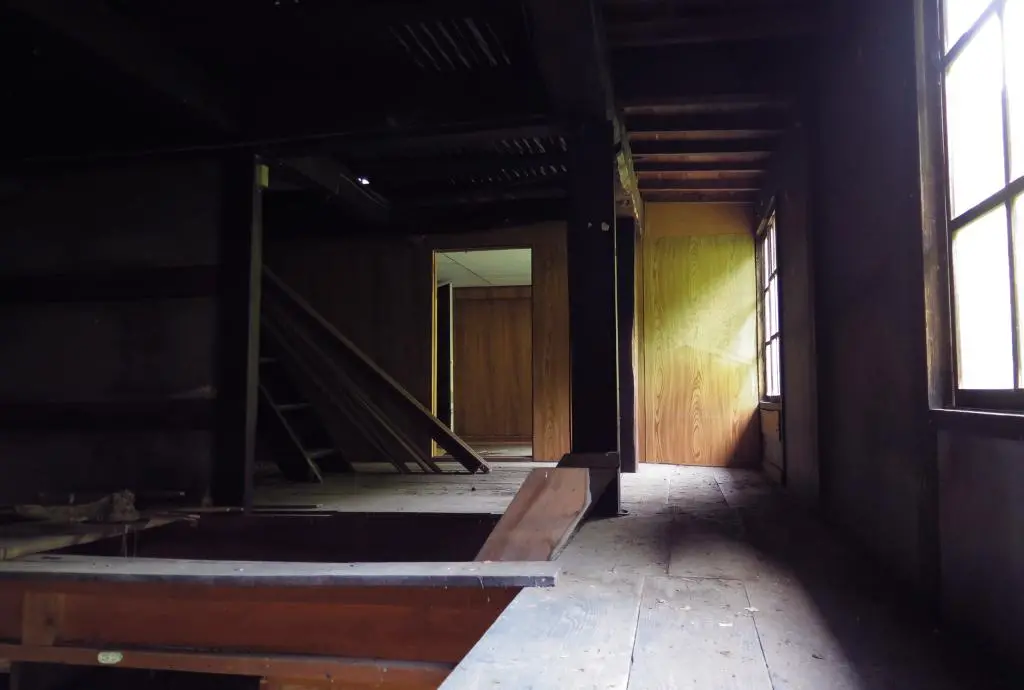
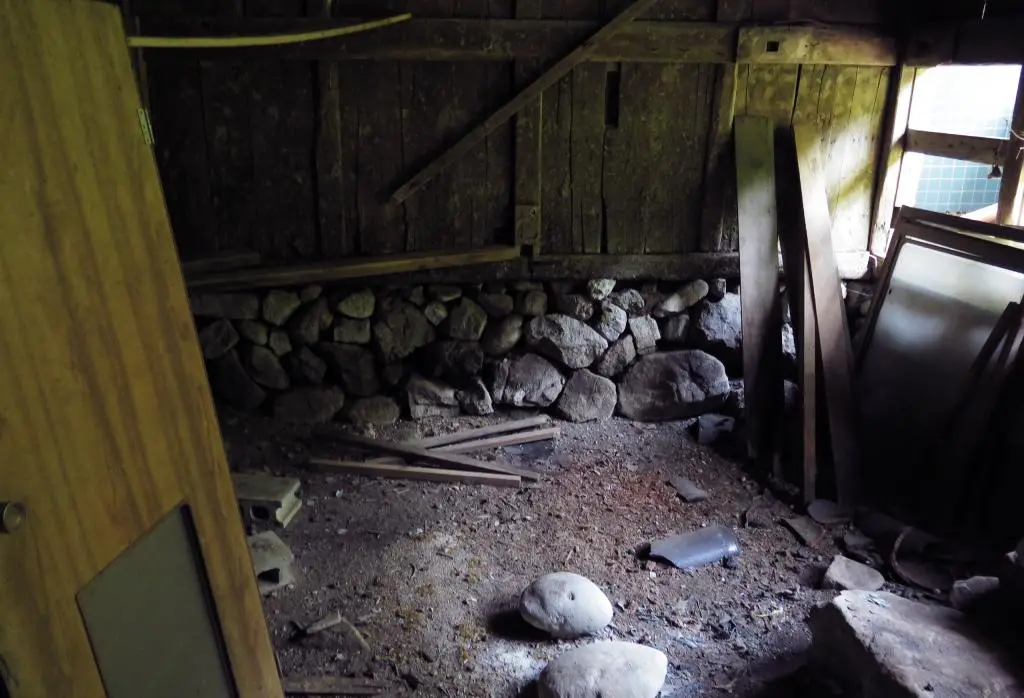
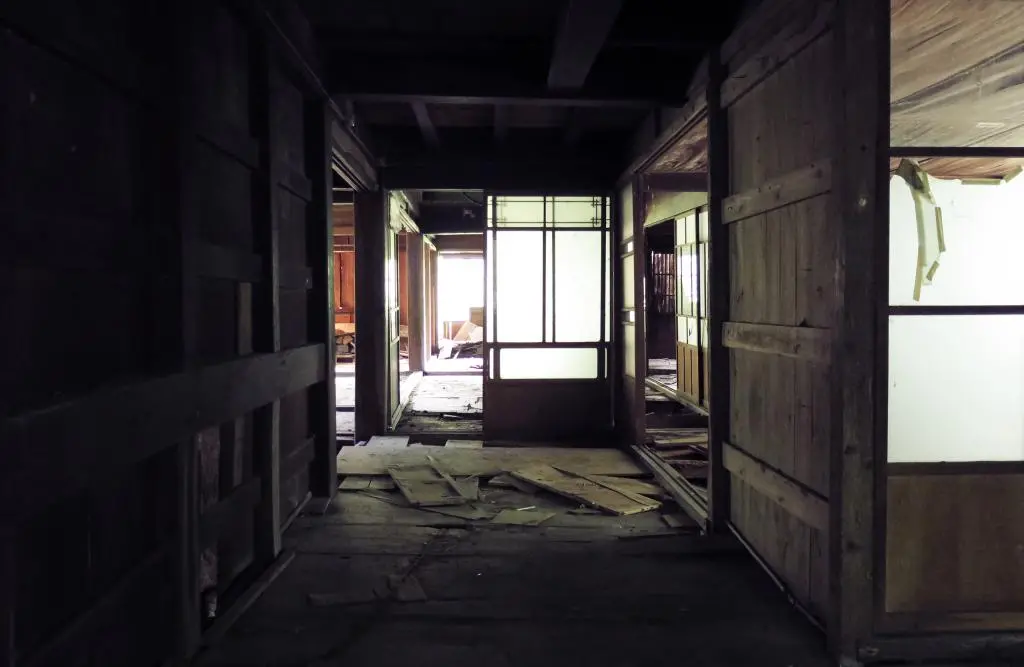
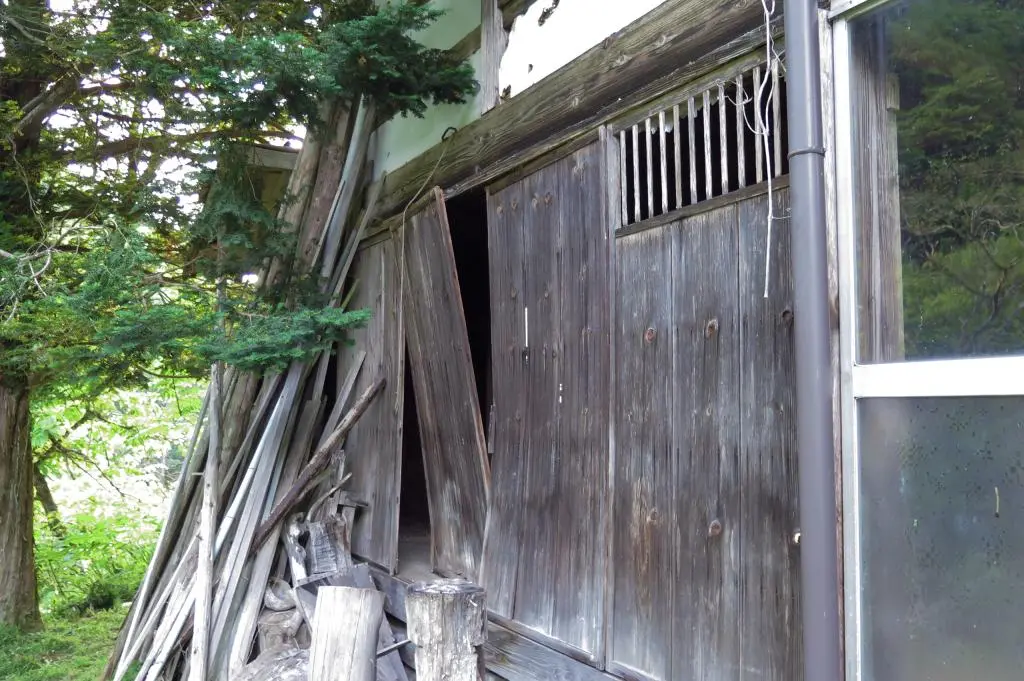
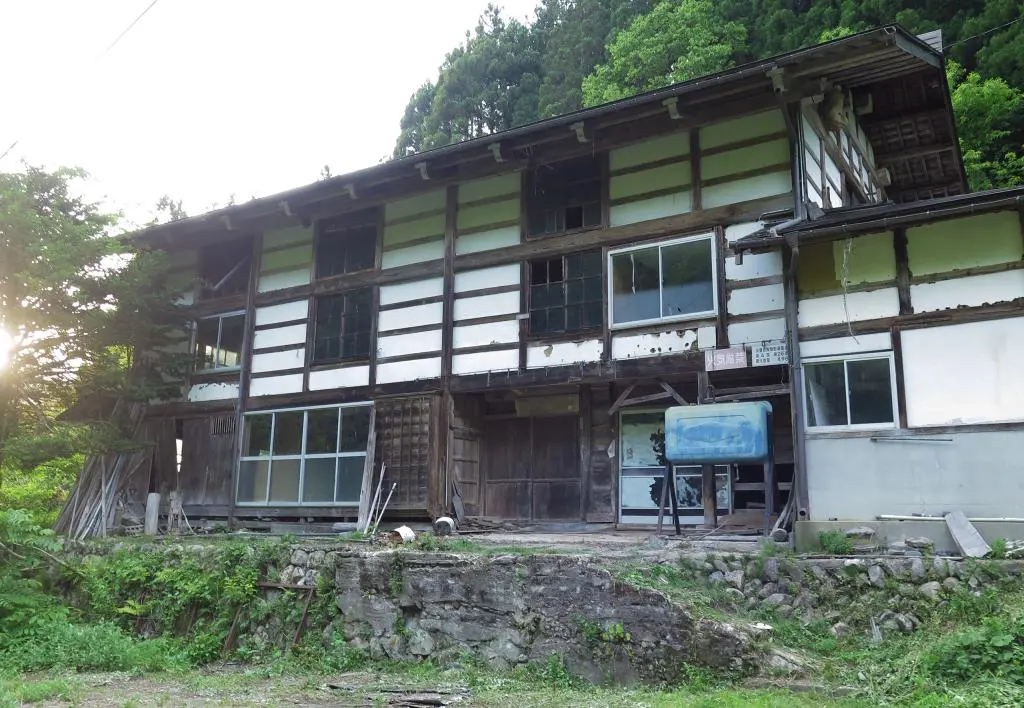
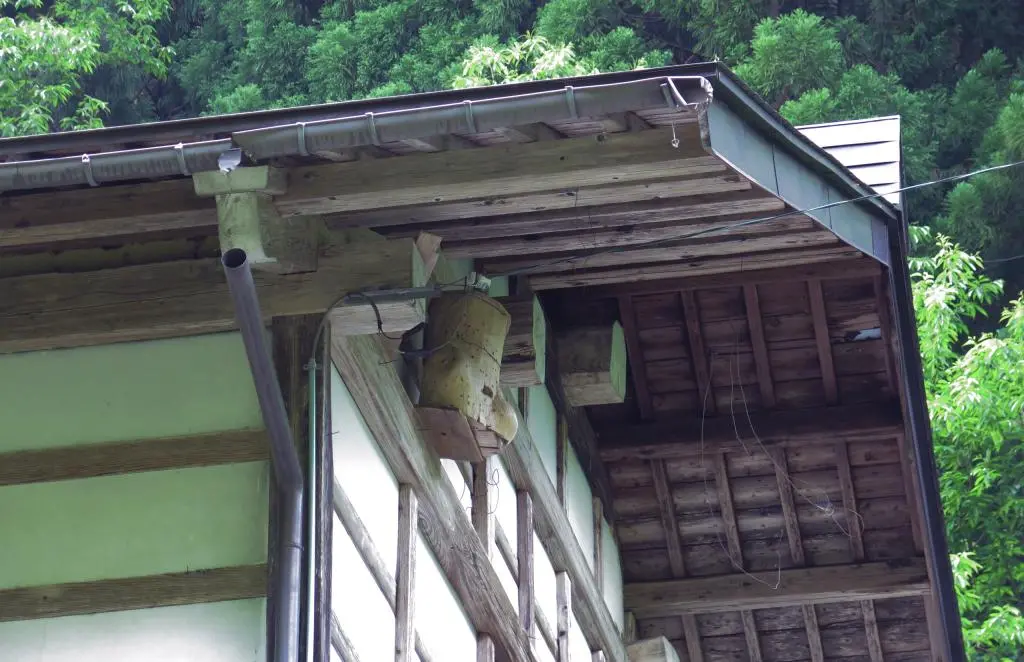
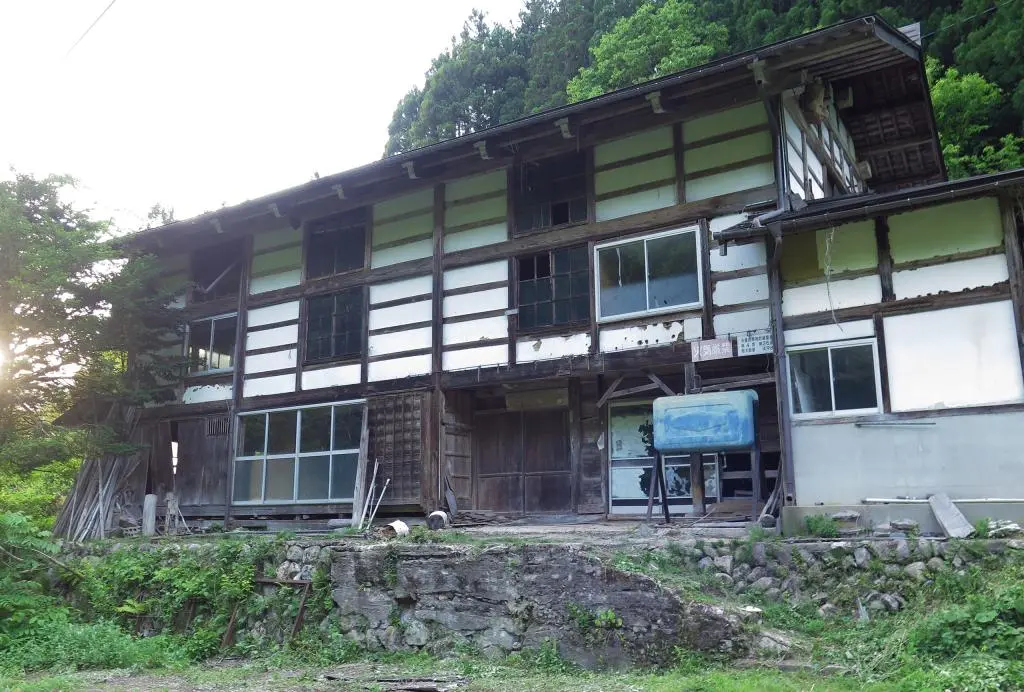
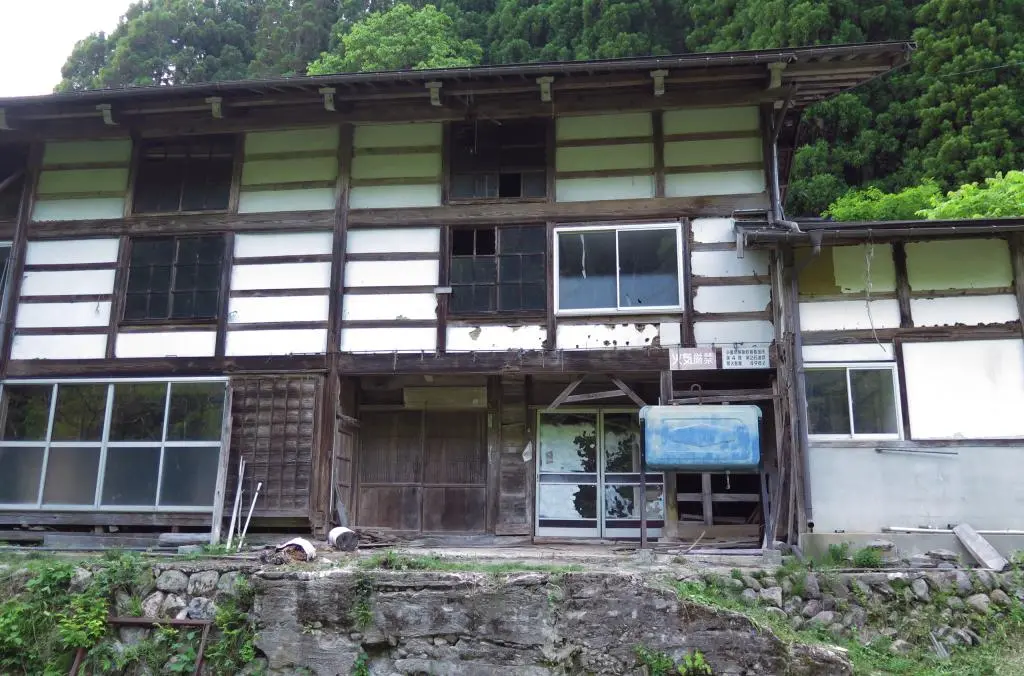
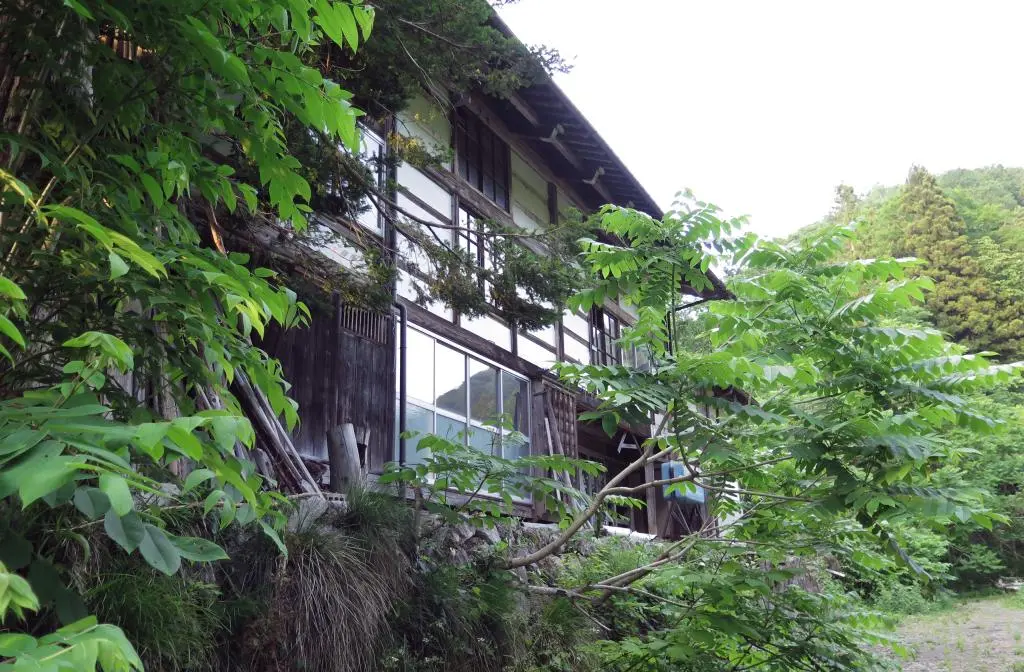
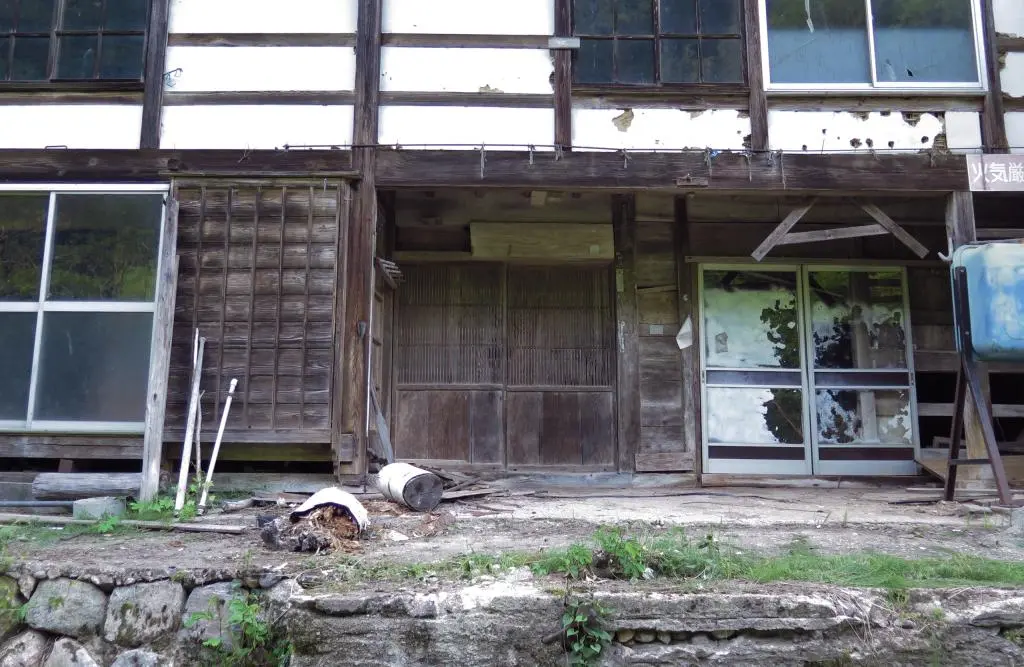
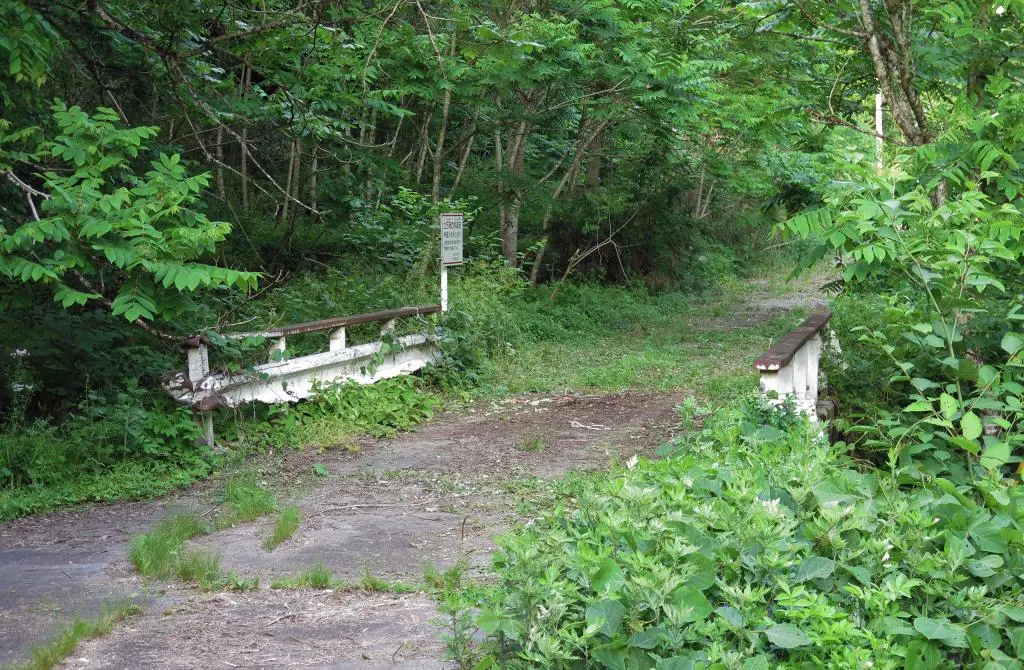
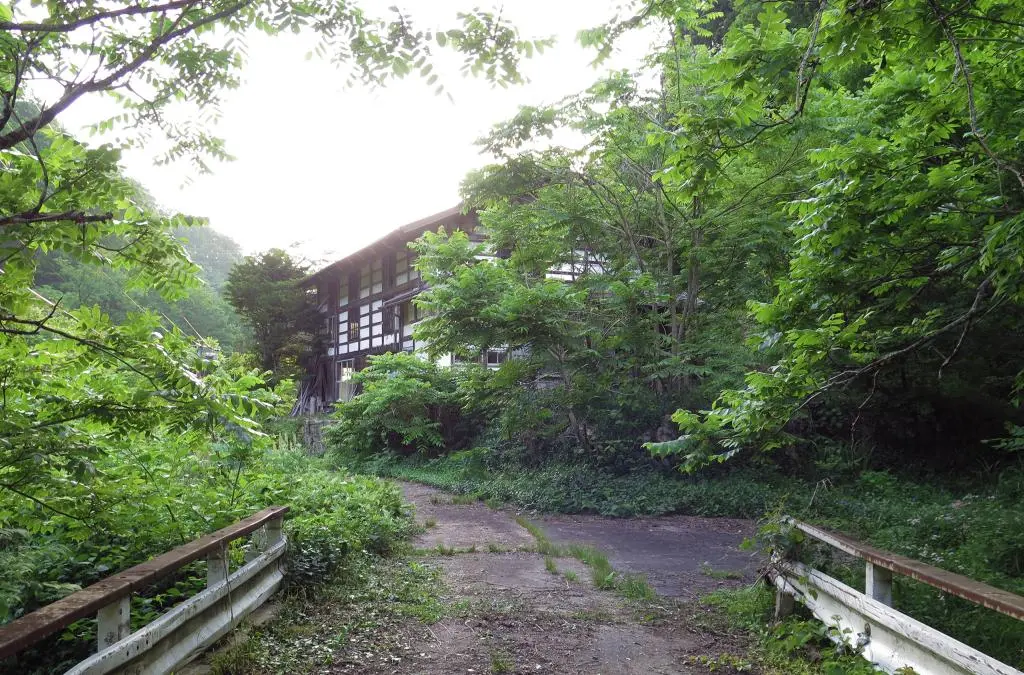
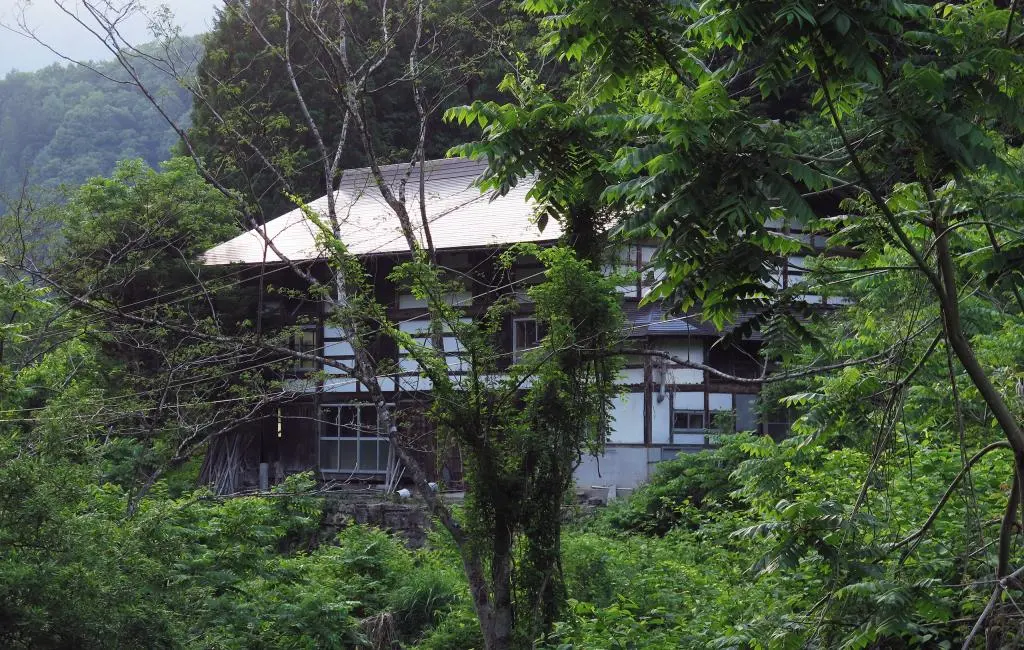
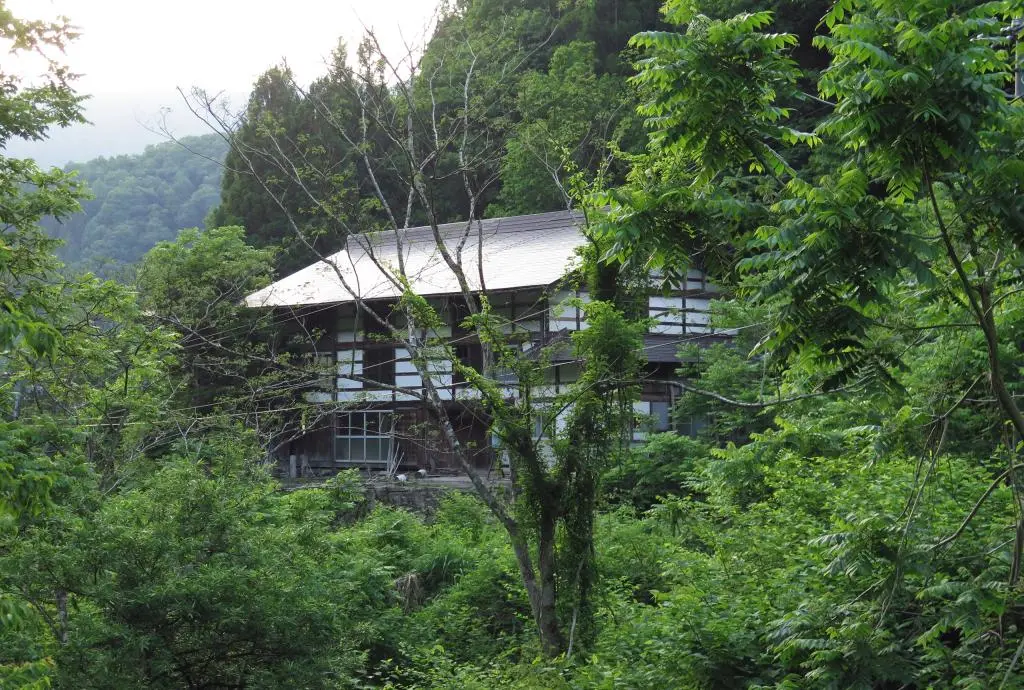
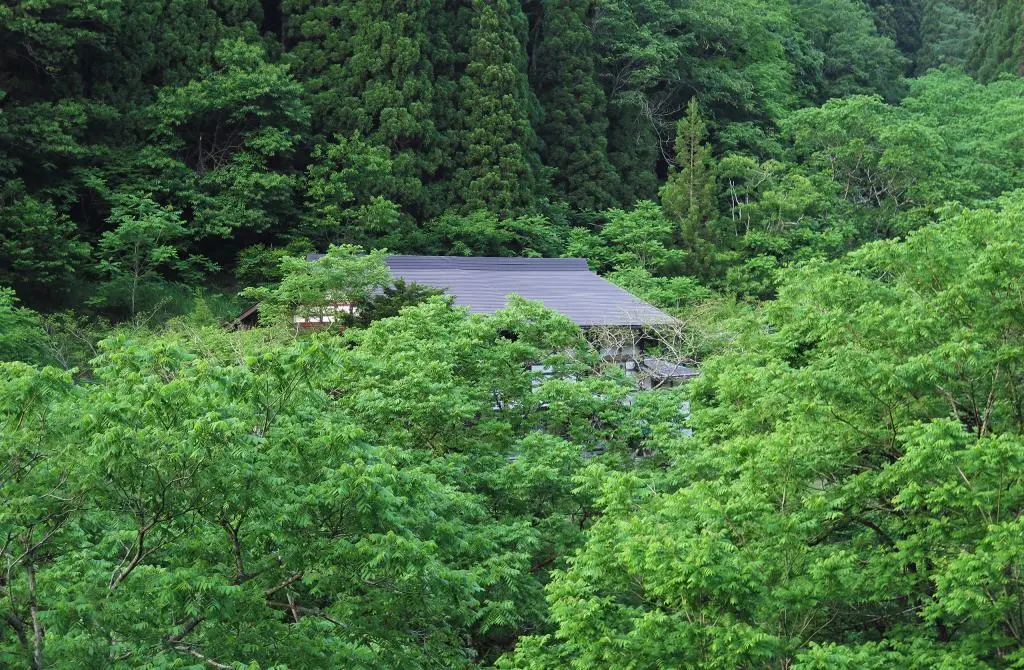
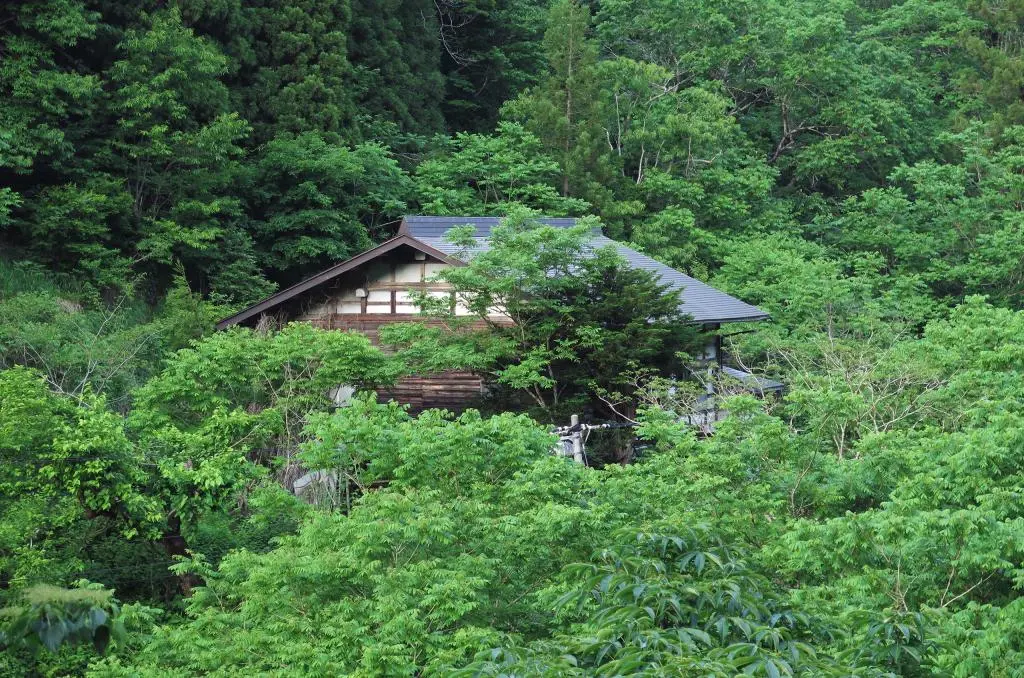
Further down the road, at the end of the village, the road went over the river and back down the mountain to the main highway. But it splittered first and led to a huge building. I thought it was a restaurant or a communal inn for people passing through. The door was open, so I went inside and looked around.
Looking at the map from before, I think this was a home and it belonged to 西之腰尚 Nishinokoshi Takashi? in 1940.
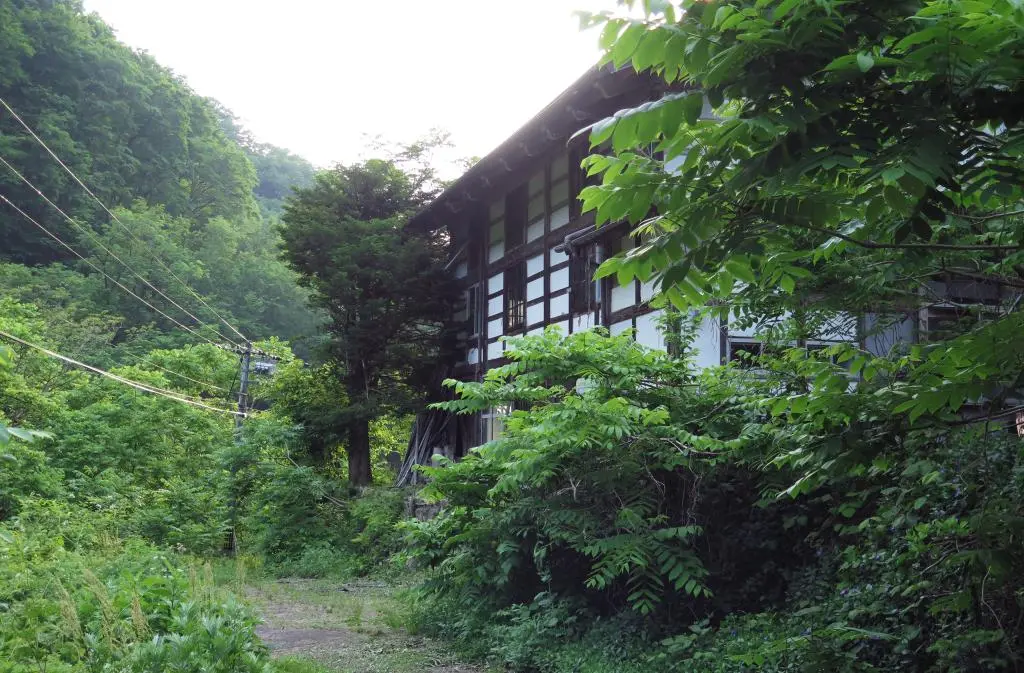
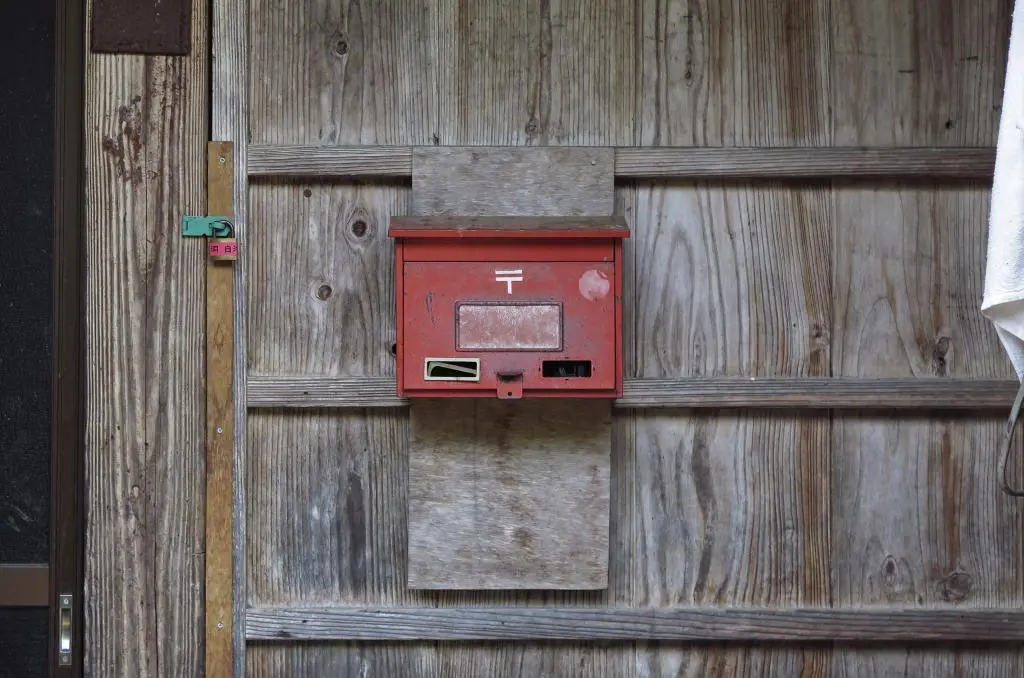
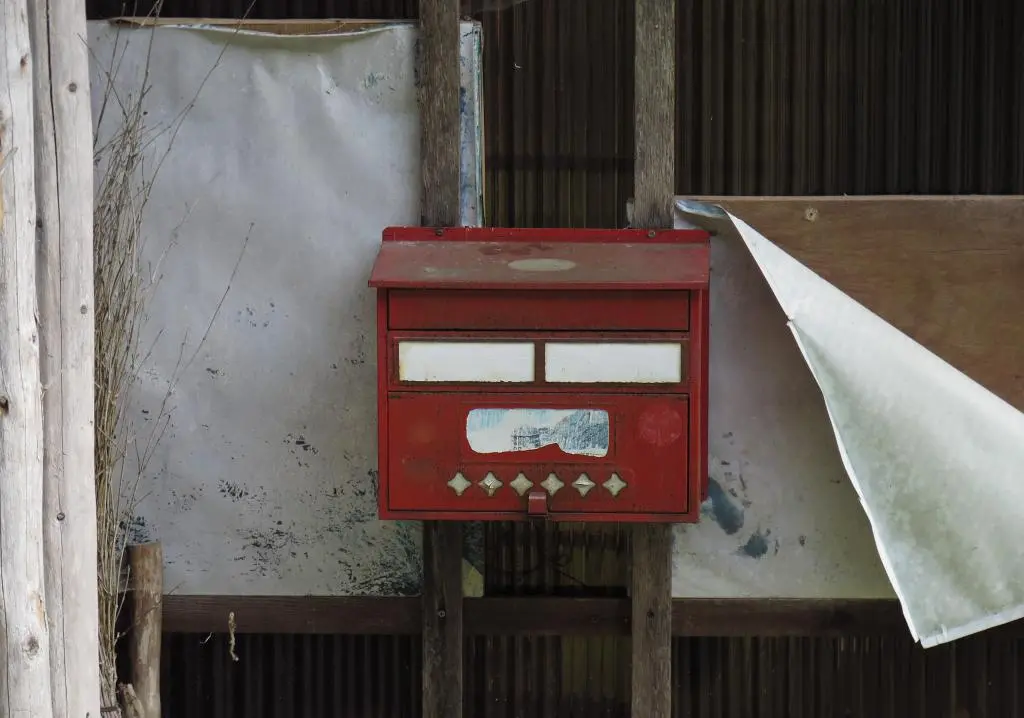
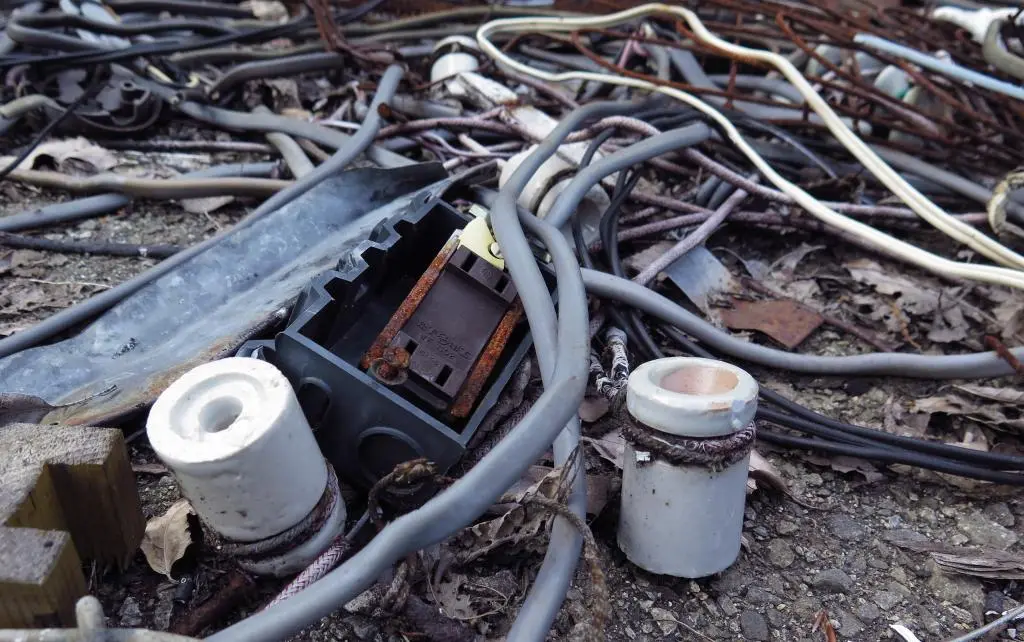
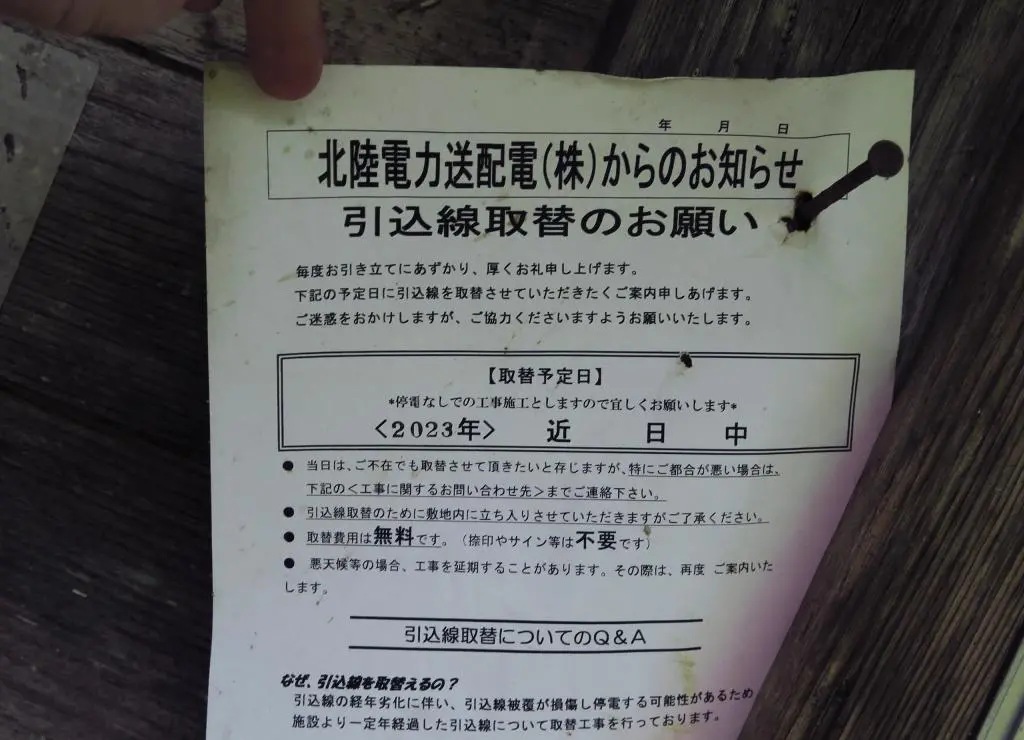
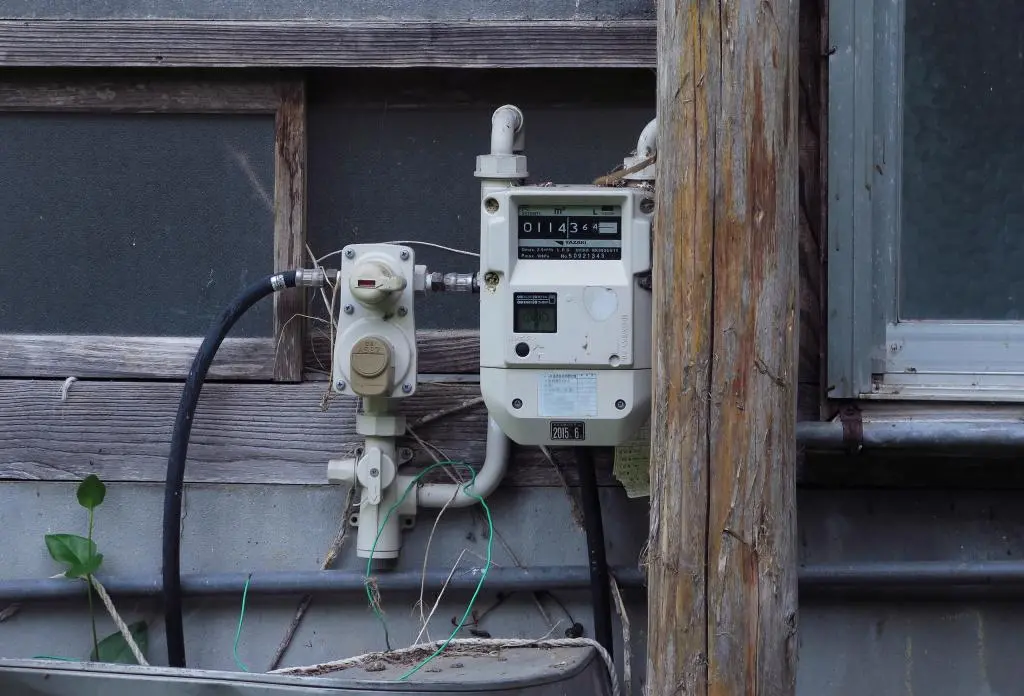
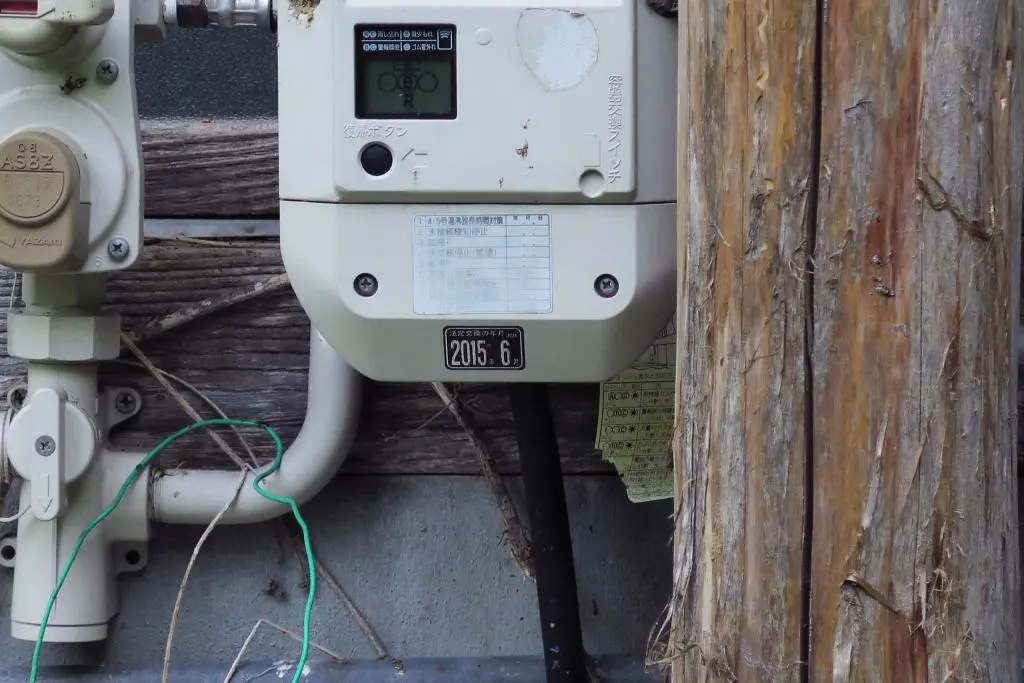
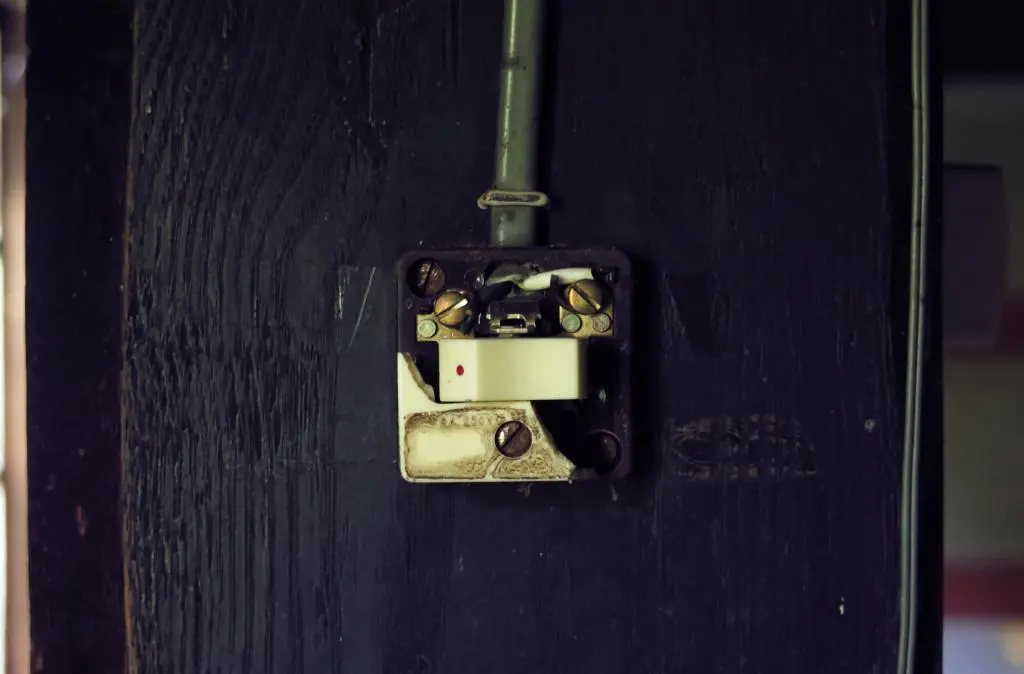
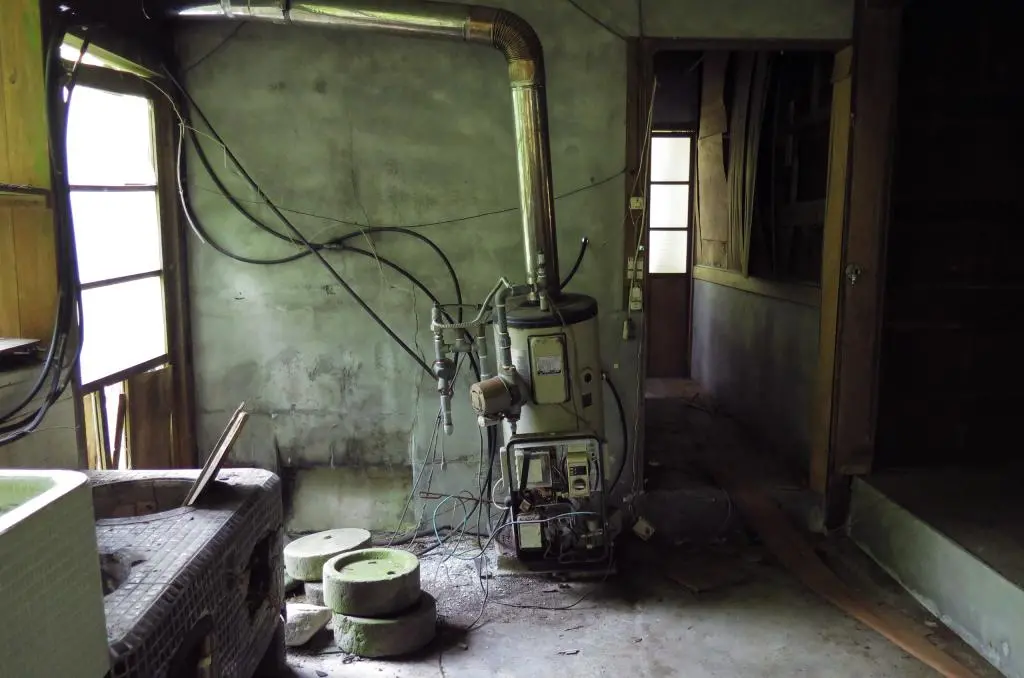
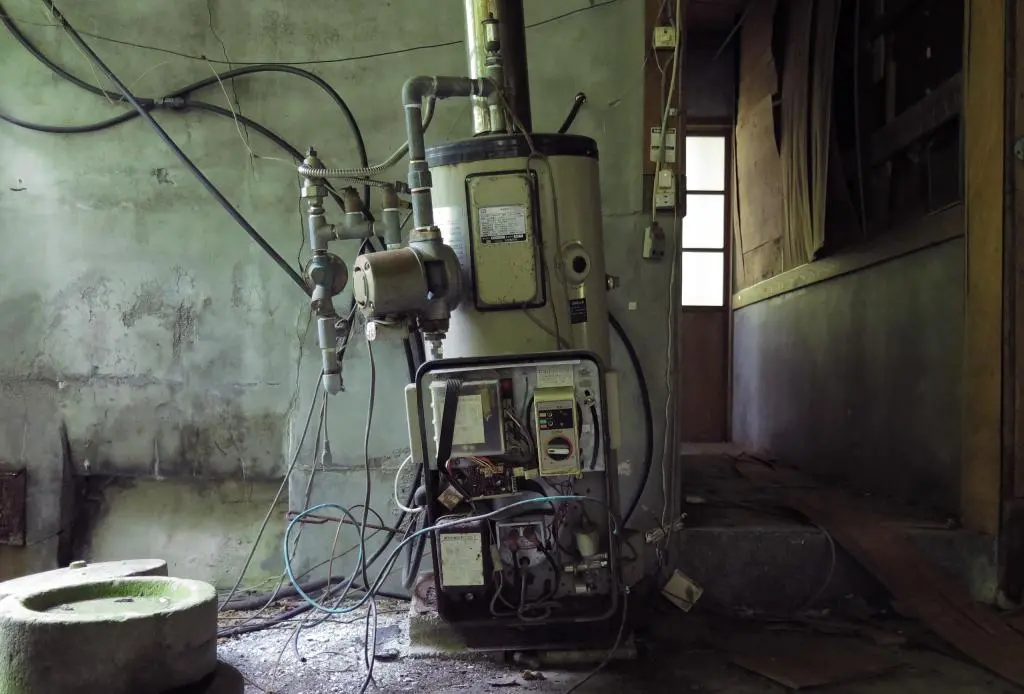
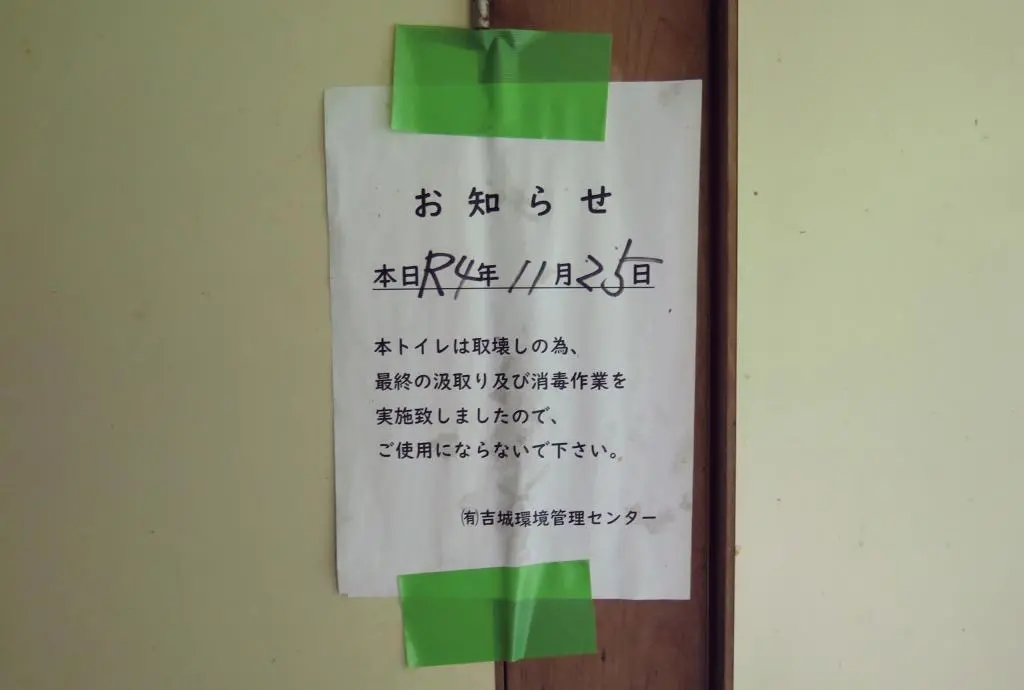
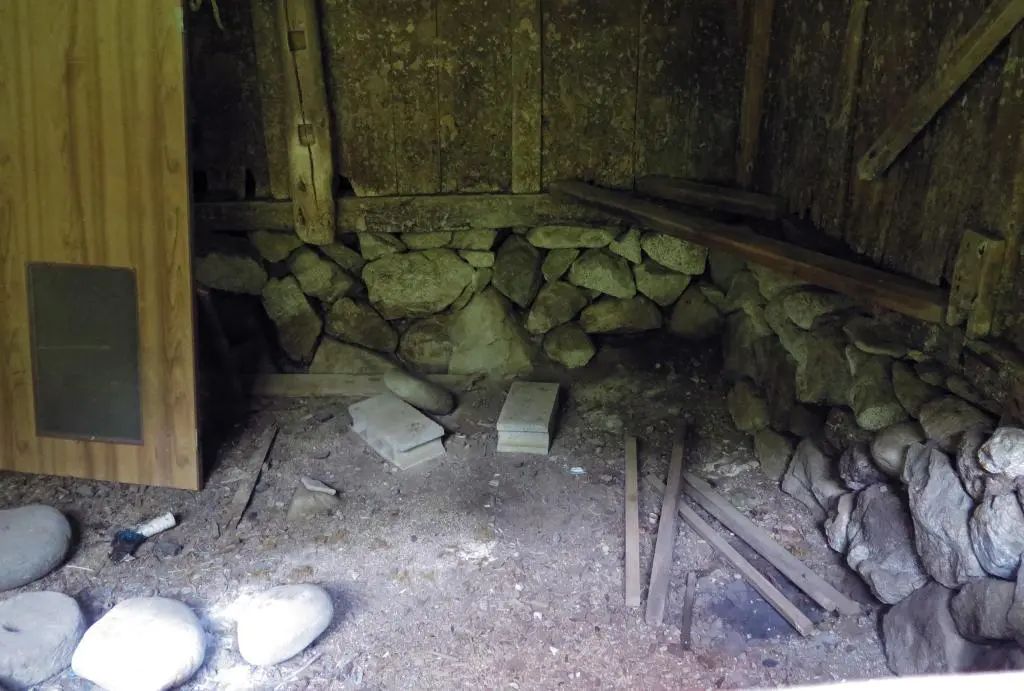
There were some recent signs of movement. There was a notice from the electric company from 2 years ago, saying they were coming to the home to replace some wiring. Really, though, the electricity should be completely disconnected. There was also a notice on the bathroom from 3 years ago, saying it had been removed and demolished, so do not enter. (I didn't go inside.)
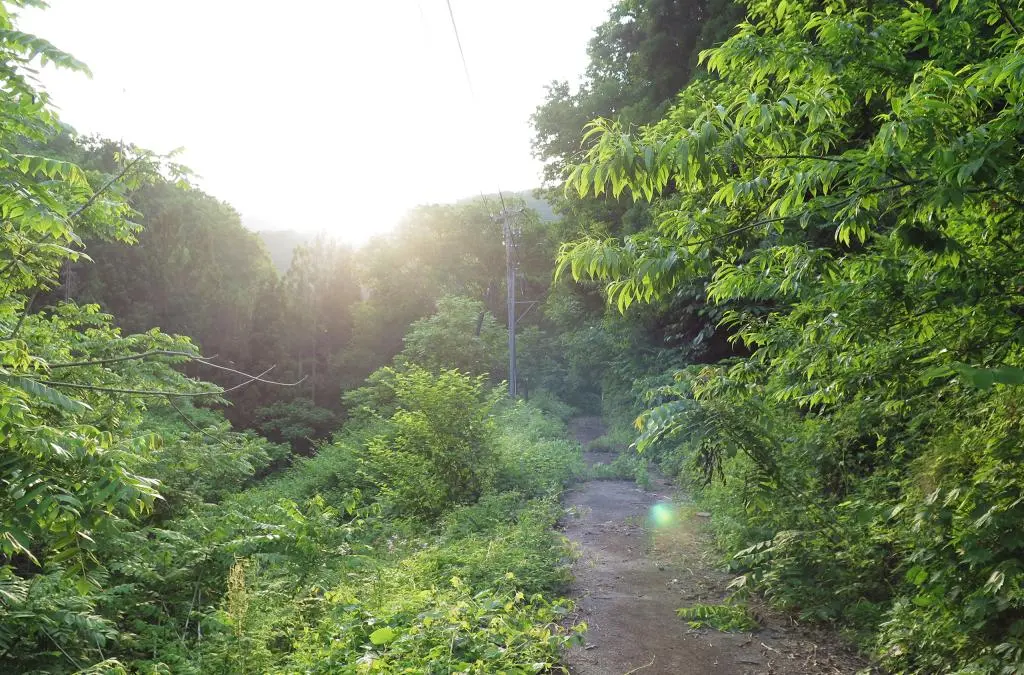
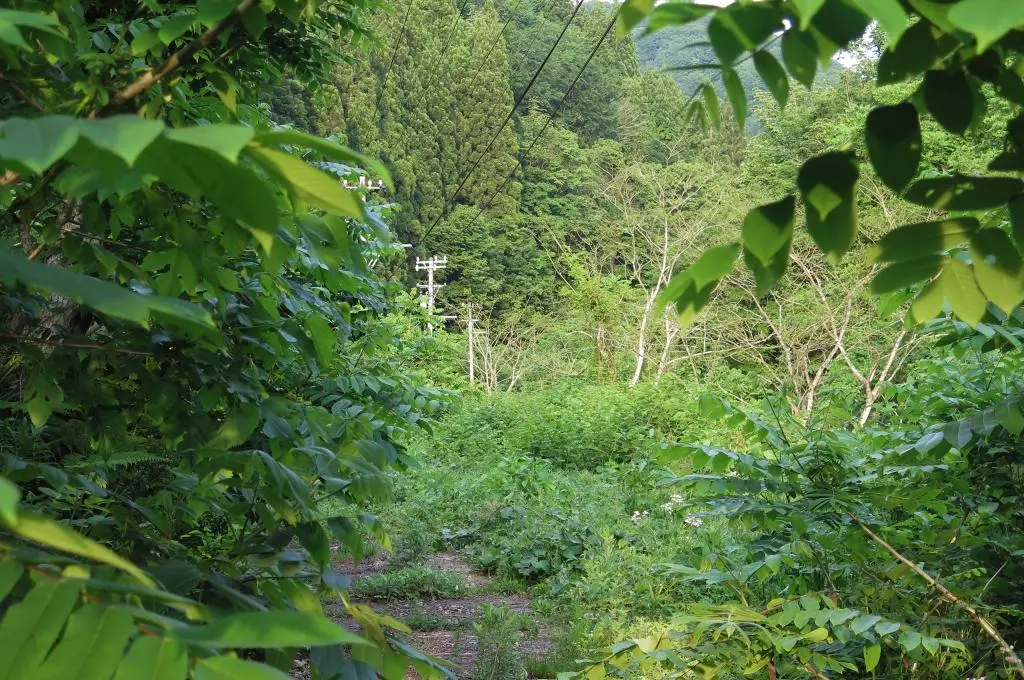
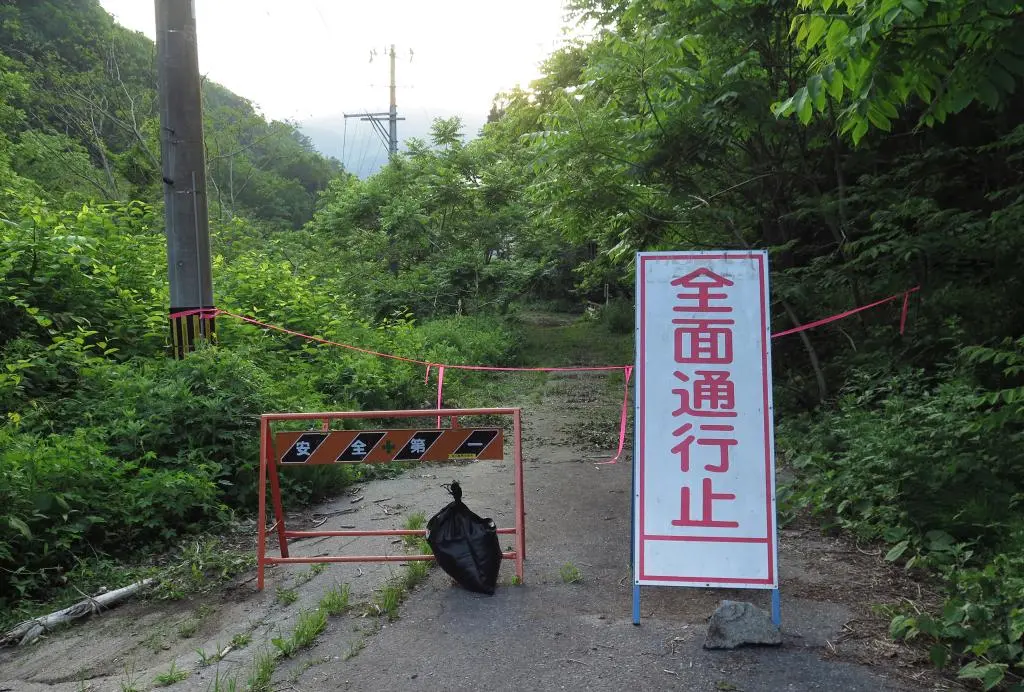
Anyways, I didn't stick around for too long. Despite the village being abandoned, the Ikegahara Marsh was just up the road, so the route was occasionally traveled.
Yet another pocket of Japanese history and civilization in the deep dense forest mountains. :)